What I Eat at Home as a (Mostly) Plant-Based Food Travel Blogger
As a food travel blogger and founder of Around the World in 80 Flavors—inspired by Anthony Bourdain—I often get asked whether my travel eats influence what I eat at home.
The answer? Absolutely. But there’s more to the story.
Mind-gut connection is real
You see, the blog is actually my side hobby. My primary work is as the founder of Heart Core Hotels, an eco-friendly, plant-forward hotel brand.
I’m also a trauma-informed holistic health and nutrition coach for people with body-focused repetitive behaviors, i.e. BFRBs (at healbfrbs.com), and a big-time mental health advocate. I believe food impacts our brain in a major way—and yes, the mind–gut connection is extremely real.
It’s been a long journey for me: literally around the world and metaphorically through my own healing. So it makes sense that food, health (both physical and mental), travel, and sustainable living are the things that matter most to me.
You might also like: Around the World in 80 Healing Techniques — One Girl’s Journey Back To Health
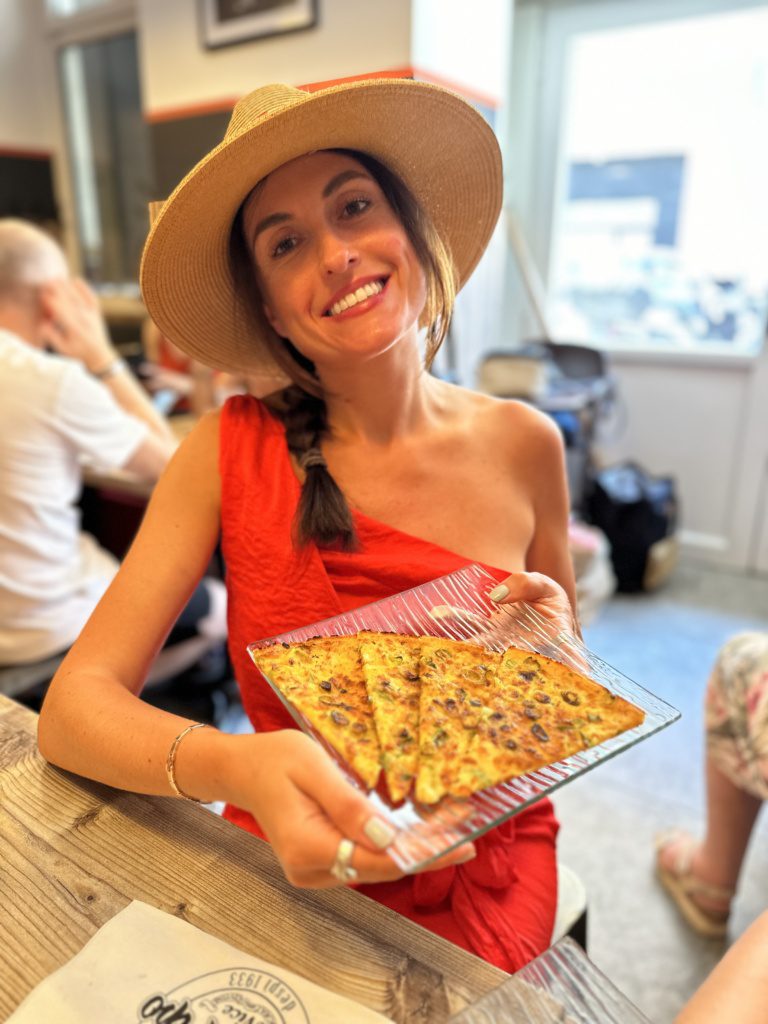
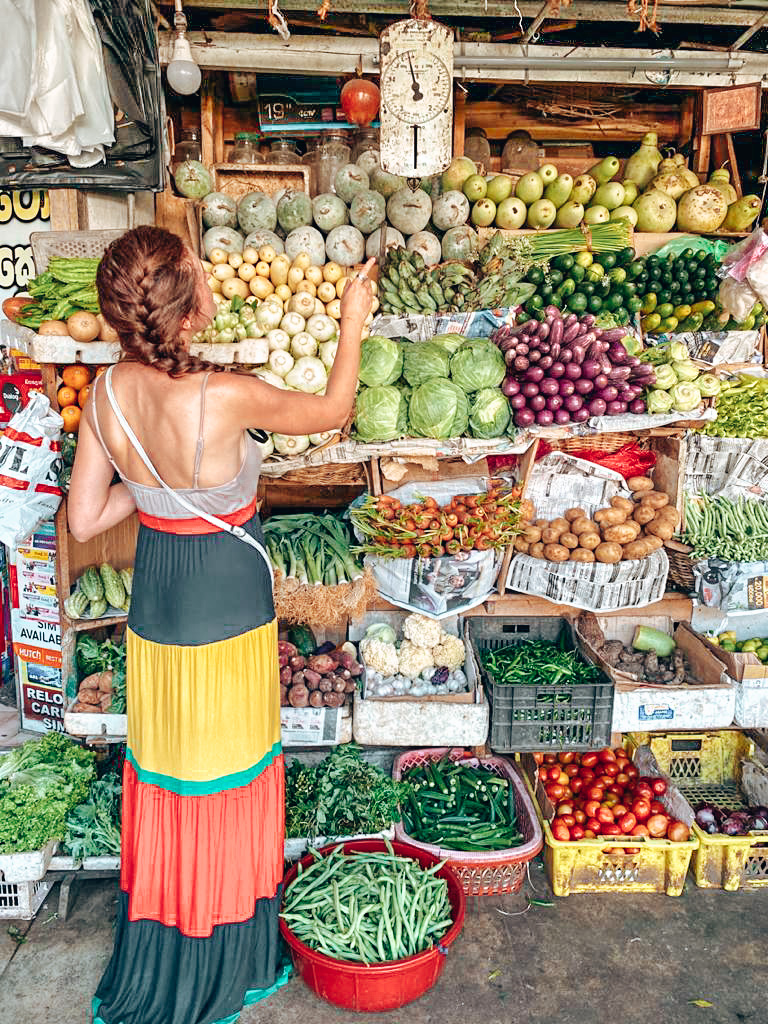
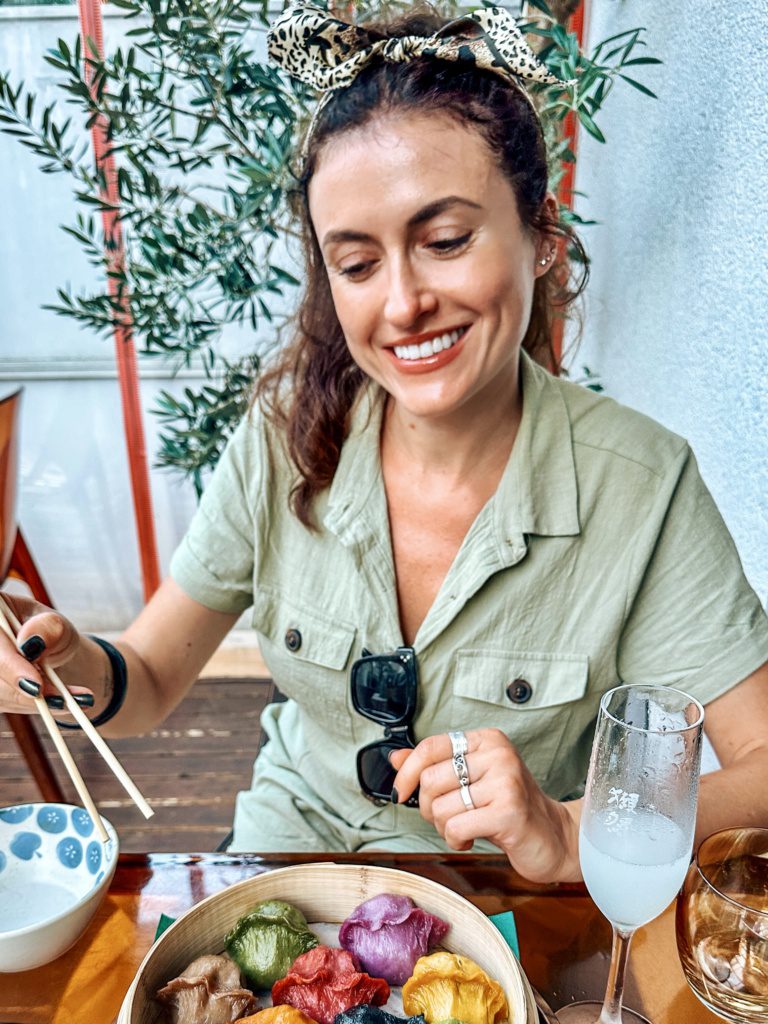
I also happen to love cooking, and I don’t like repeating recipes—simply because there are so many wonderful dishes out there waiting to be explored.
All that to say: YES, my travels influence and inspire what I eat at home—a lot.
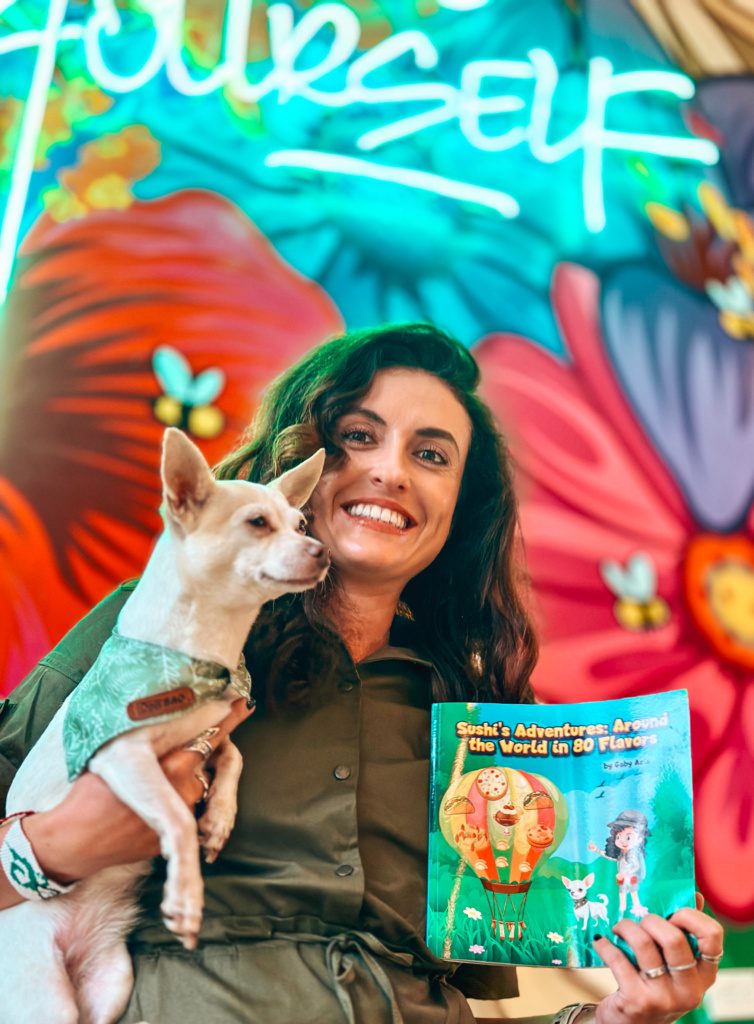
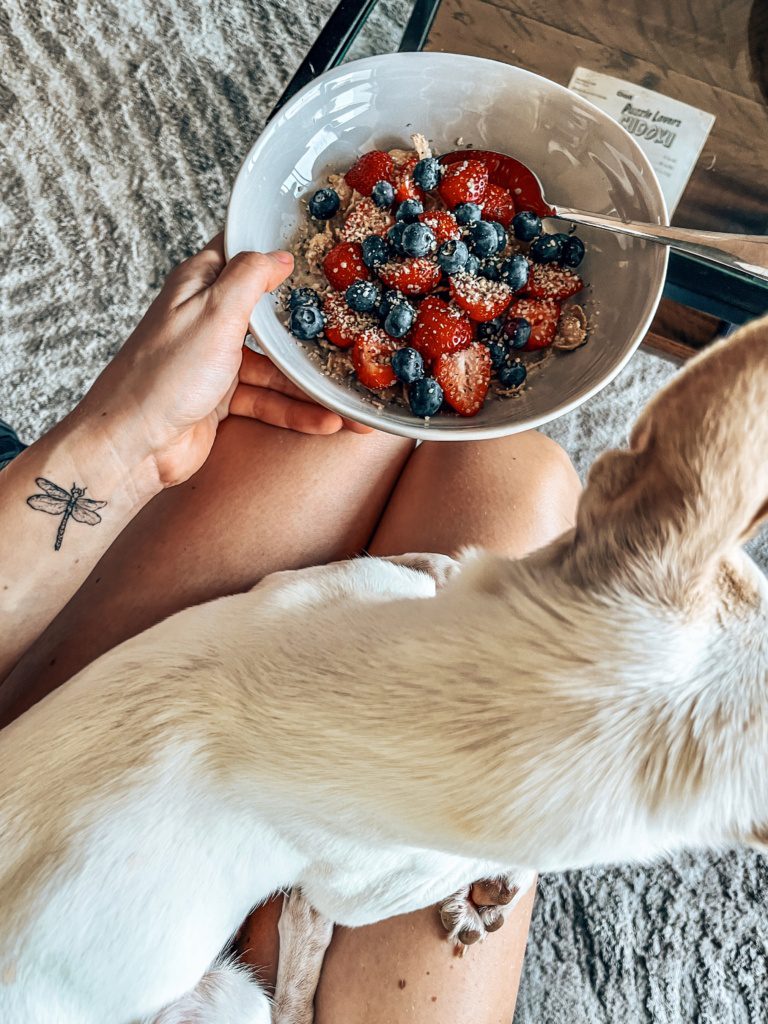
I even named my dog after one of my favorite cuisines. (Follow Sushi the Traveling Chihuahua on Instagram to see her foodie Halloween costumes & check out our culinary travel children’s book Sushi’s Adventures: Around the World in 80 Flavors.)

Where you live dictates what and how you eat
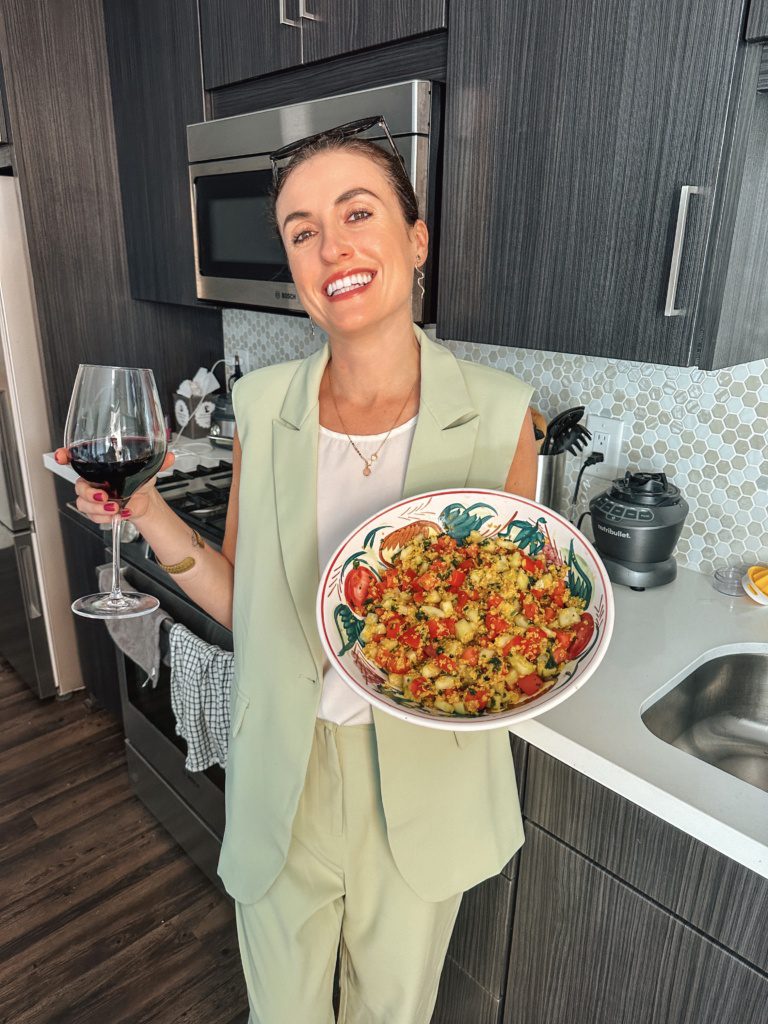
In addition to my travels, I’ve also been fortunate enough to pick up incredibly helpful food habits, traditions and recipes from the places I’ve lived, which all have rich food cultures and excellent produce.
And thinking back—it wasn’t just “fortune.” I made those choices intentionally. I was drawn to them because of their food. Those places include:
- Spain (near Valencia, the holy land of rice and the birthplace of paella)
- Poland (with their love of all things fermented, it was the ultimate lesson in gut health)
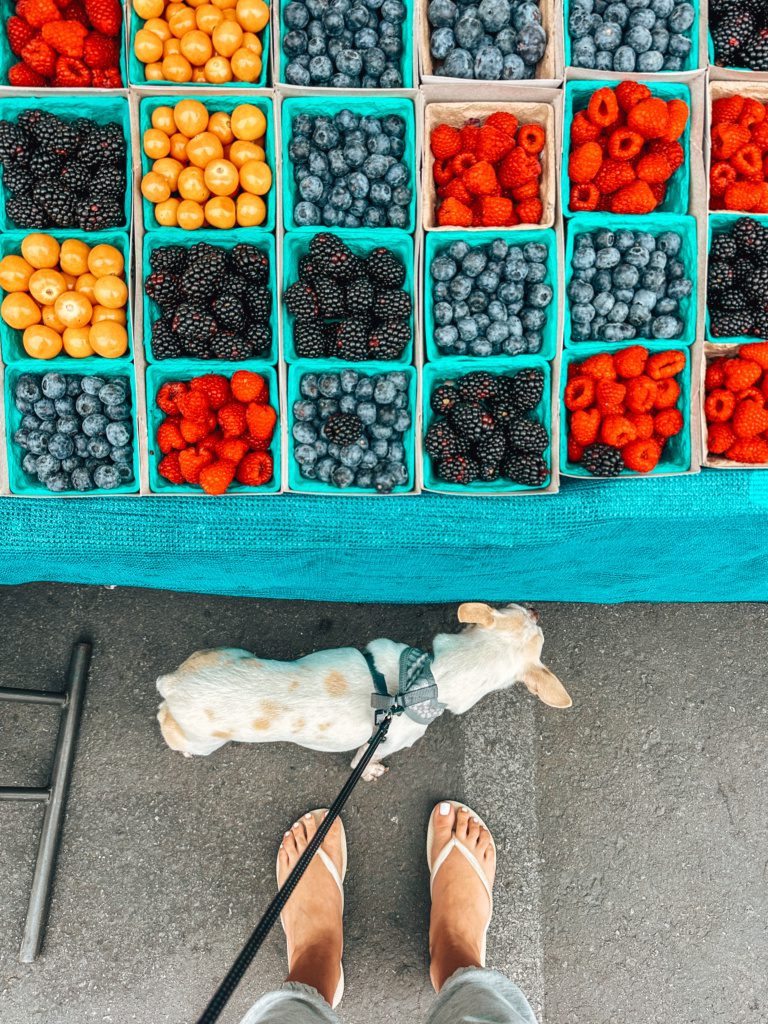
- California (aka the pantry of the US – check out my reasons not to leave LA)
- Italy (Sardinia—a Blue Zone, no less)
- Hawaii (aspiring to be a Blue Zone; island vibes, clean air, fresh fish, sun ripened fruit – you get the picture)
- London (it’s where I first experienced industrially farmed meat and went vegetarian)
You might also like: Tasting The Truth: Lessons In Racism From London Docklands Museum
The food rules I live by
Here are some of the rules I live—and cook—by today, shaped by those experiences and my own health struggles:
1. Let food be thy medicine.
I strongly believe in the Hippocrates adage: “Let food be thy medicine.” Eat the right foods and no pill is needed; eat the wrong foods and no pill will help.
I’ve always had a healthy relationship with food, thanks to my upbringing in a food loving family (don’t worry, I didn’t get spared from body image disorders, they just weren’t directly food related).
But it was during my healing journey that I took it to a whole new level—and it worked. I can’t imagine living any other way.
2. Food is energy—we are what we eat.
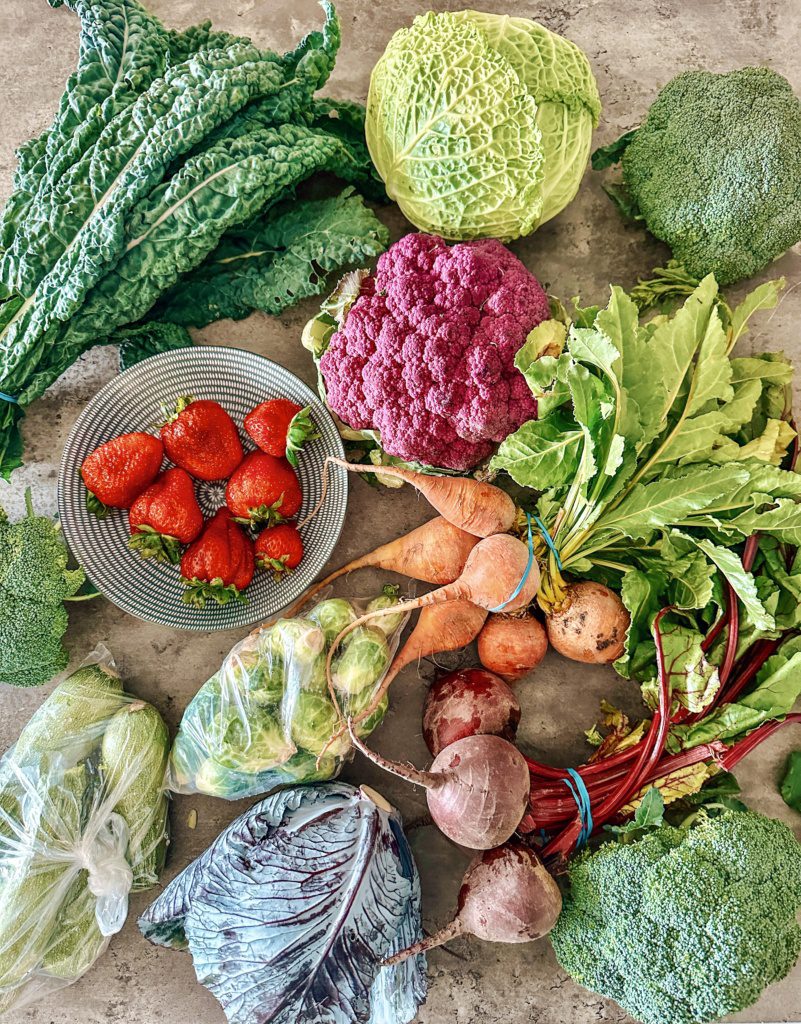
It’s crucial to eat high-frequency, high-quality foods from trustworthy sources. Read labels. Ask questions. Know your suppliers. Support your local organic farmer, and you may never need to support Big Pharma.
I highly recommend the Doctor’s Farmacy podcast by Dr. Mark Hyman.
3. I’m mostly—but not strictly—plant-based.
Most (not all) animal-based foods today come from industrial farming—extremely low-vibrational and tied to suffering for animals, humans, and the planet. If only those places had glass walls…
So I choose not to support that industry whenever possible. I’m not perfect, but I try—especially when eating at home. Traveling sometimes makes it harder.
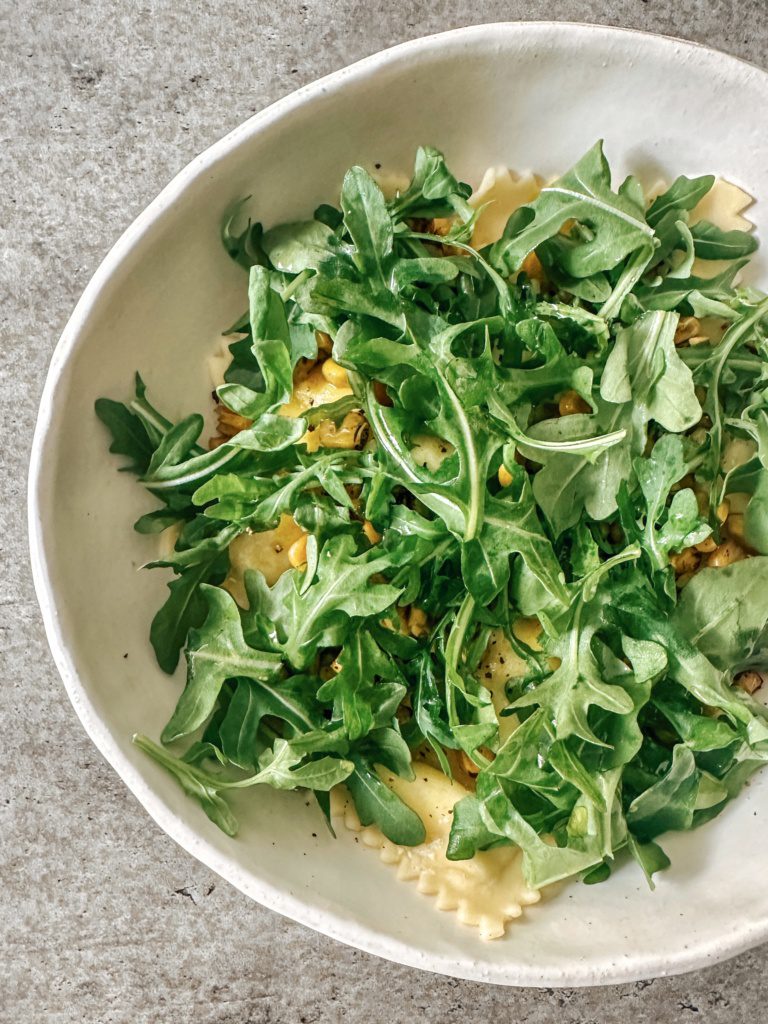
You might also like: I managed a vegan hotel. Here is what I learned.
4. Why I avoid the word “vegan.”
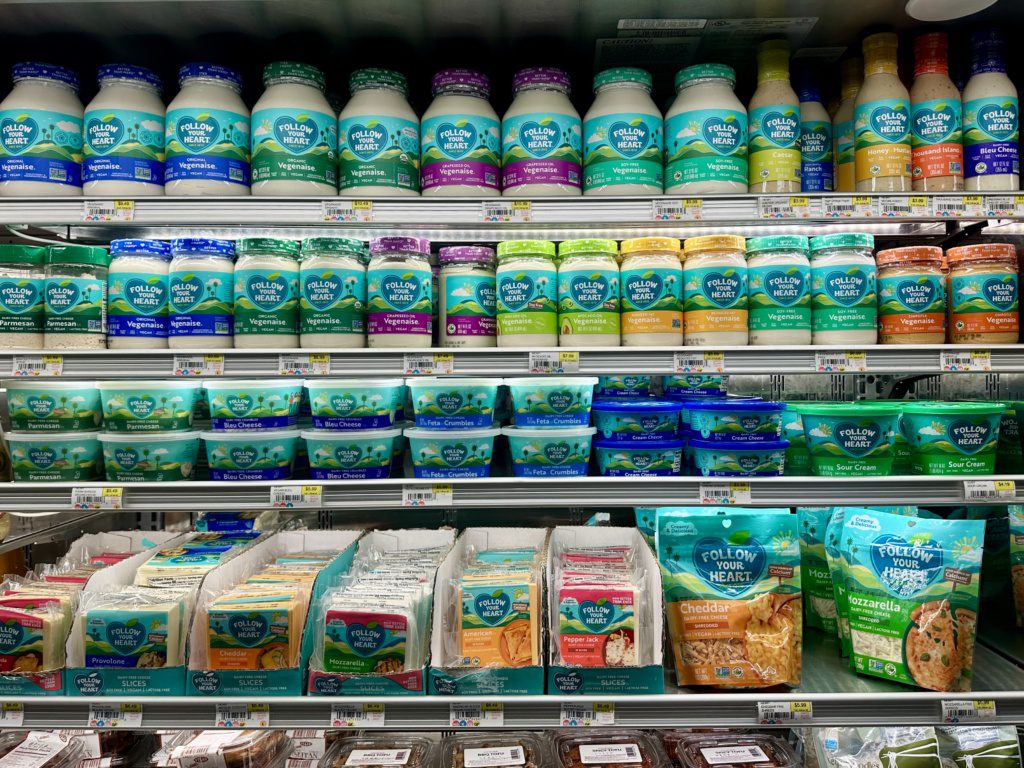
While a plant-based lifestyle benefits our personal and planetary health, I try to steer clear of the word vegan. To me, it’s just another label in an already polarized world.
And as the founder of a vegan business, trust me, I’ve seen the dark side of the vegan movement, too.
Anthony Bourdain once said: “Vegetarians, and their Hezbollah-like splinter faction, the vegans… are the enemy of everything good and decent in the human spirit.” I don’t agree—but I’ve seen that side, for sure.
5. Eat only what you’d be able to kill yourself.
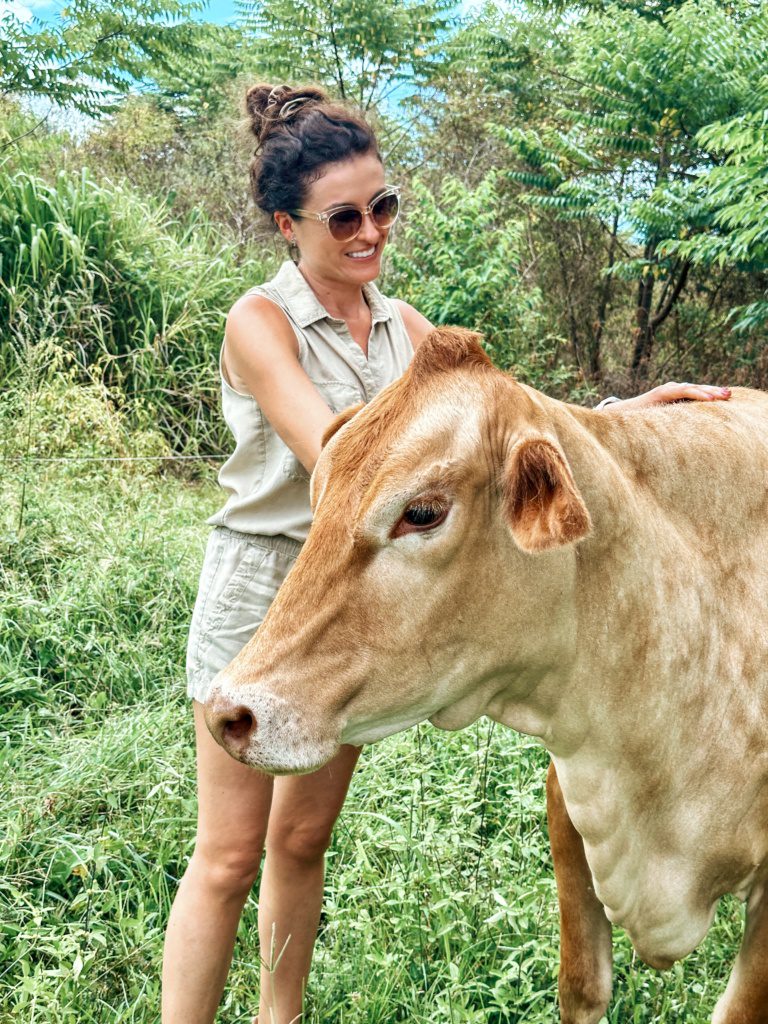
On a philosophical level, I believe we should only eat what we’d be capable of killing ourselves. Otherwise, it’s somewhat hypocritical.
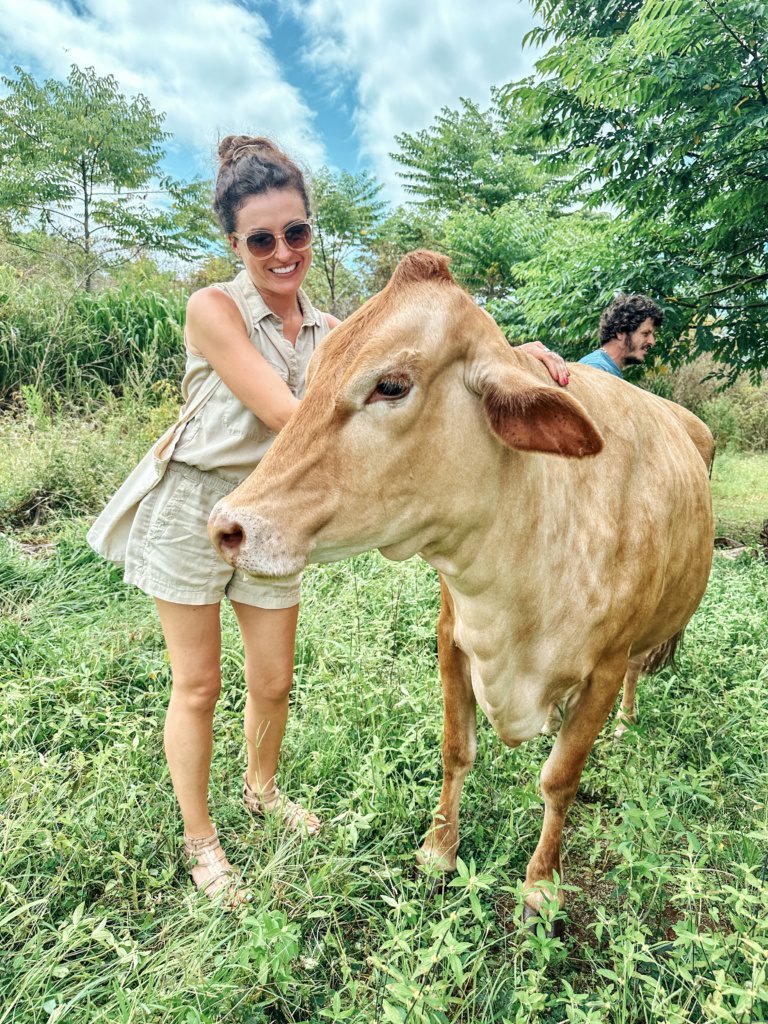
Personally, I know I wouldn’t be able to kill a cow—so I very rarely eat beef. When I do, it’s a very special treat from a trusted source.
In many ways, I have more respect for hunters than for people who grab sterile plastic-wrapped mince from Walmart without a second thought.
6. My “fish test”—coming soon.
I’ve been plant-based at home for over a decade, but I’ve always eaten fish and seafood when out or when traveling.
I’ve been wanting to test the theory above and see if I can catch and kill a fish myself. I finally get the chance this Christmas in Tasmania—so watch this space!
You might also like: What is Poke And Why You Won’t Find Poke Bowls in Hawaii
7. Quality over quantity—always.
This was easier in Europe than in the US, where everything is supersized—but it’s still possible, even in LA, with intention and effort.
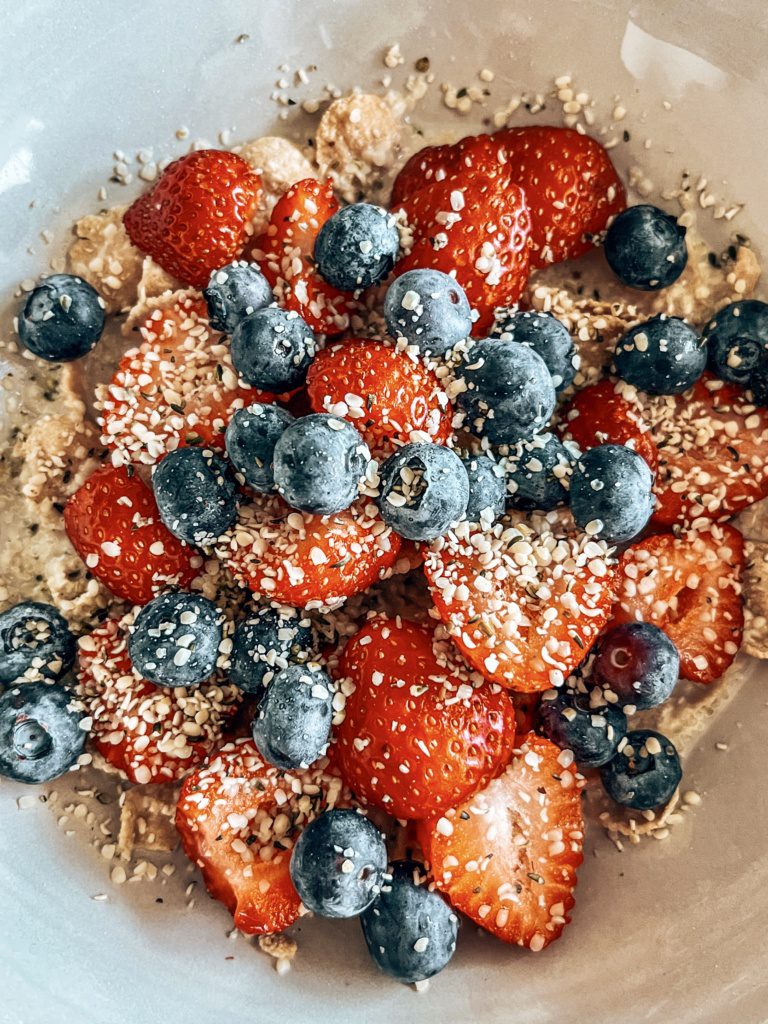
8. Food is best when shared.
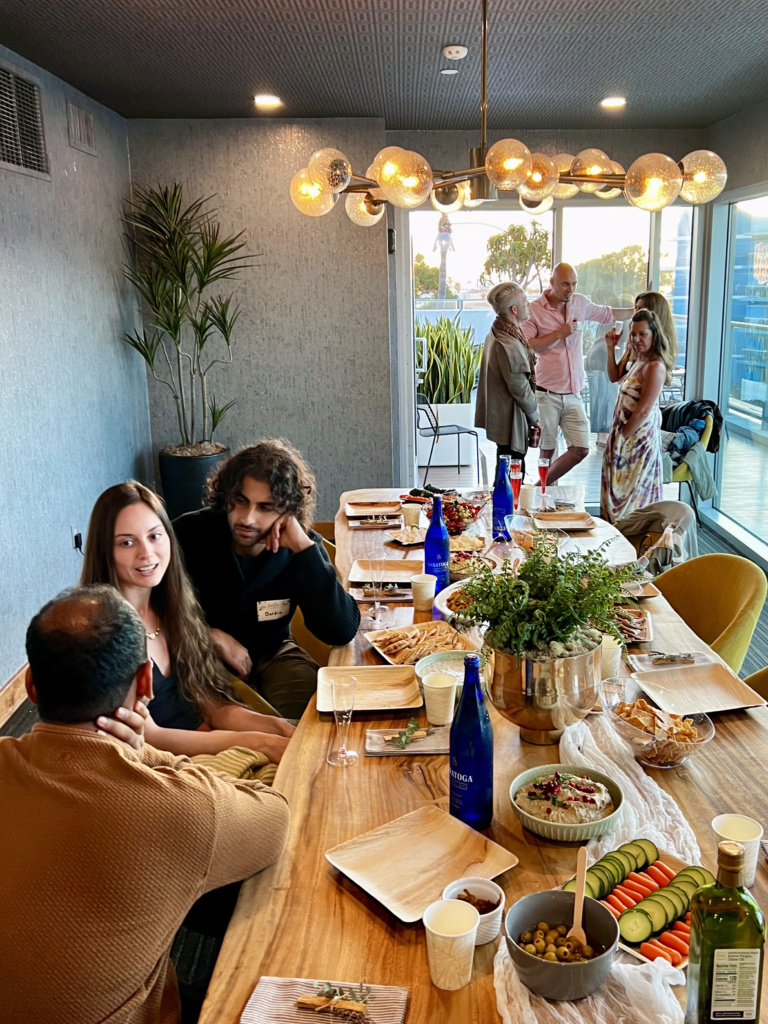
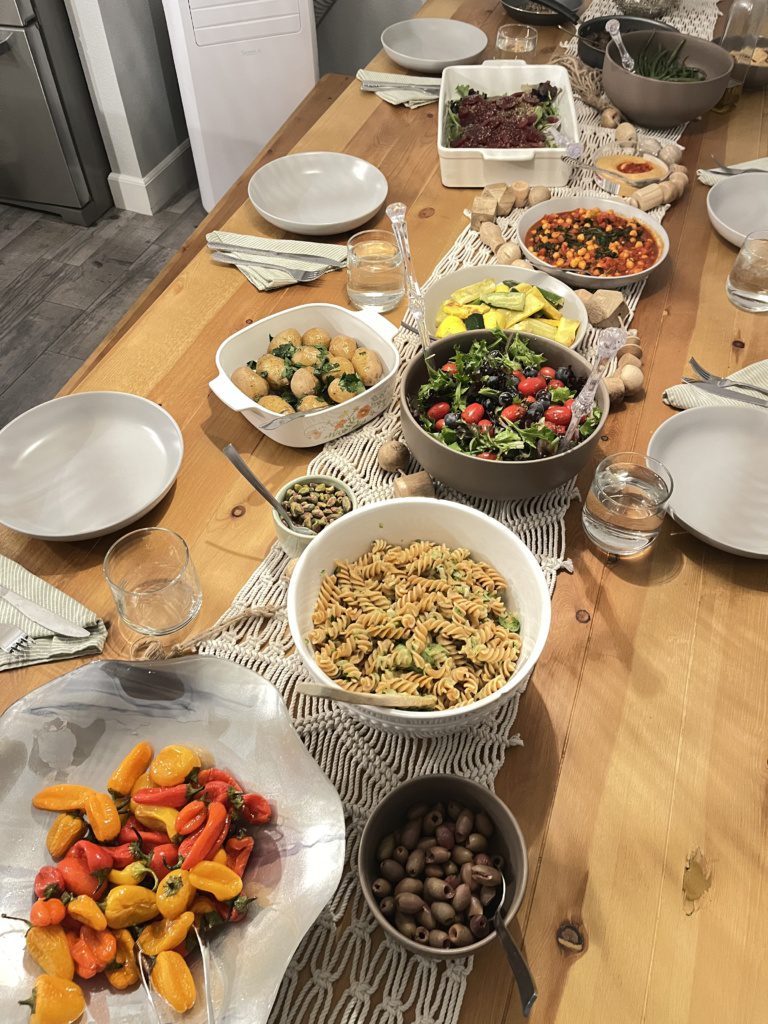
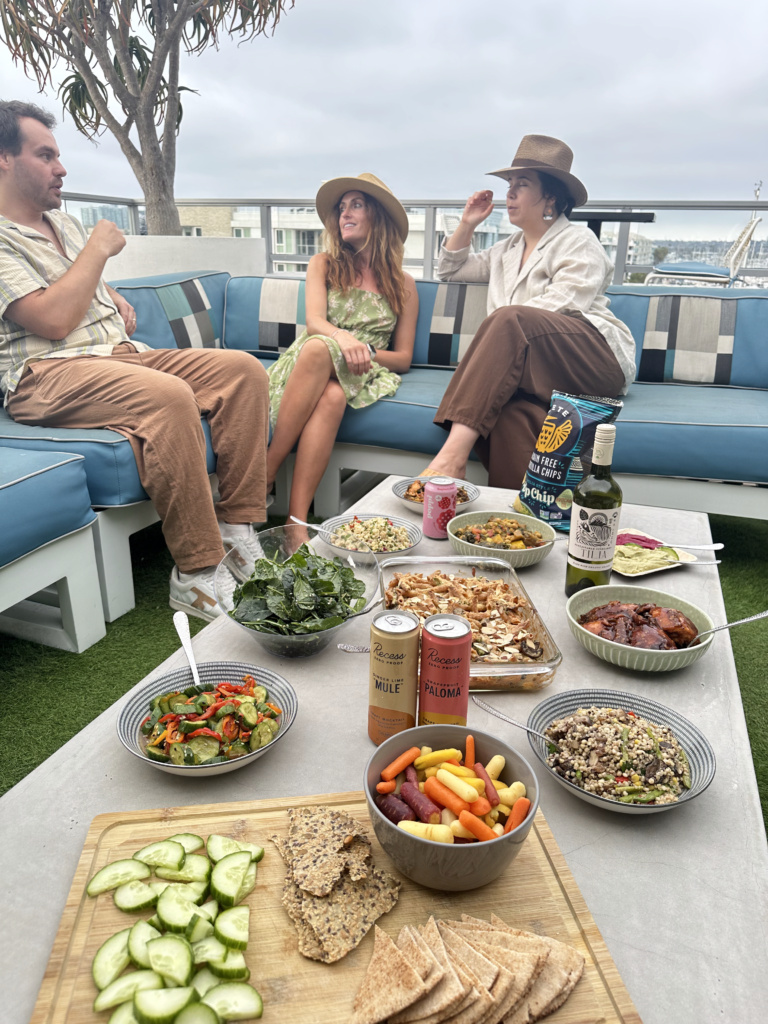
I love hosting (how do you think I started a hotel brand?). I’ve thrown dinner parties for over 20 people. I’ll often invite neighbors for spontaneous mid-week lunches or drop off extra food at their door.
Some have even bought me extra Tupperware 😉 Try it—cook more and share with your neighbors. It feels good. For both sides. Sharing is caring.
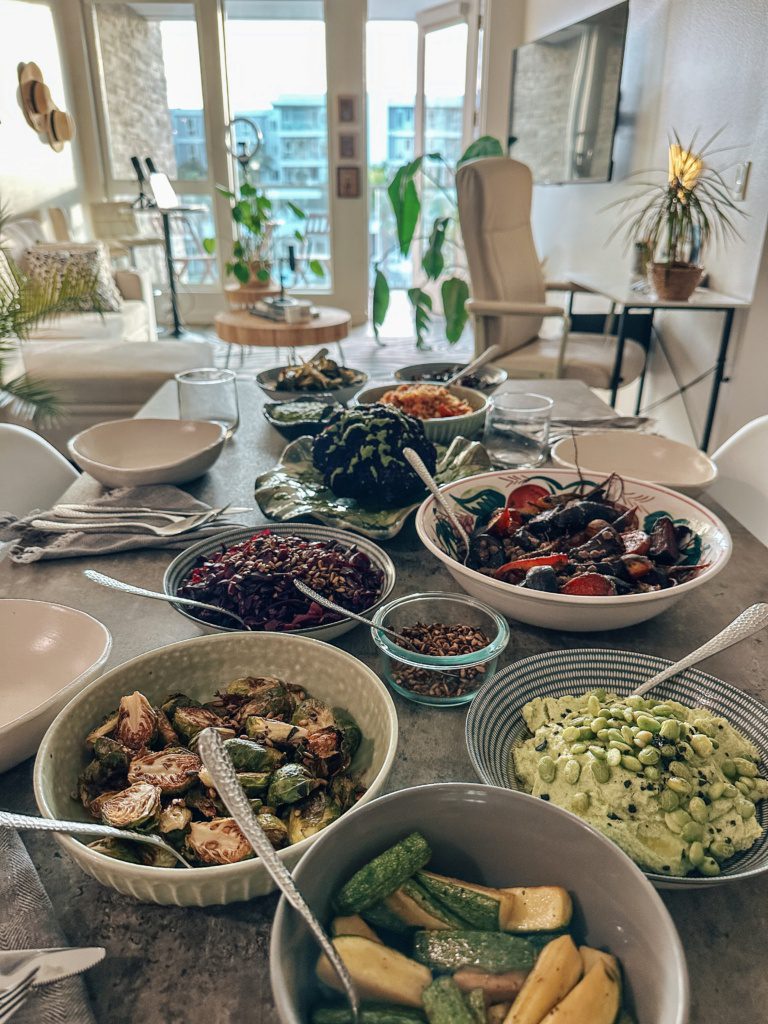
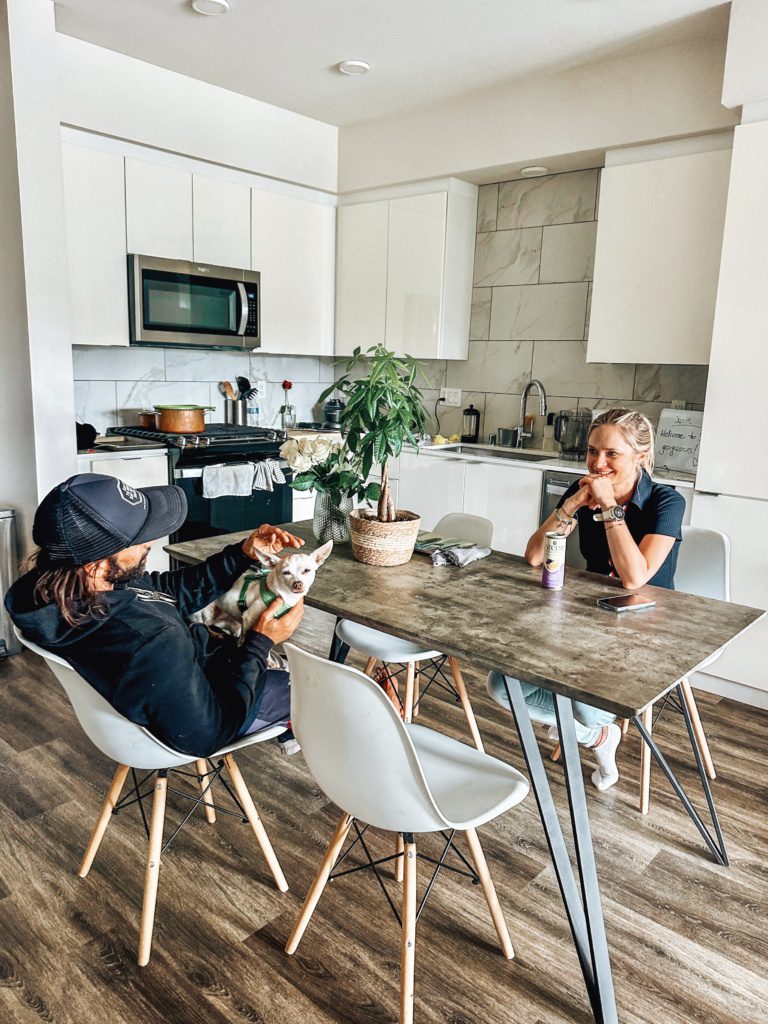
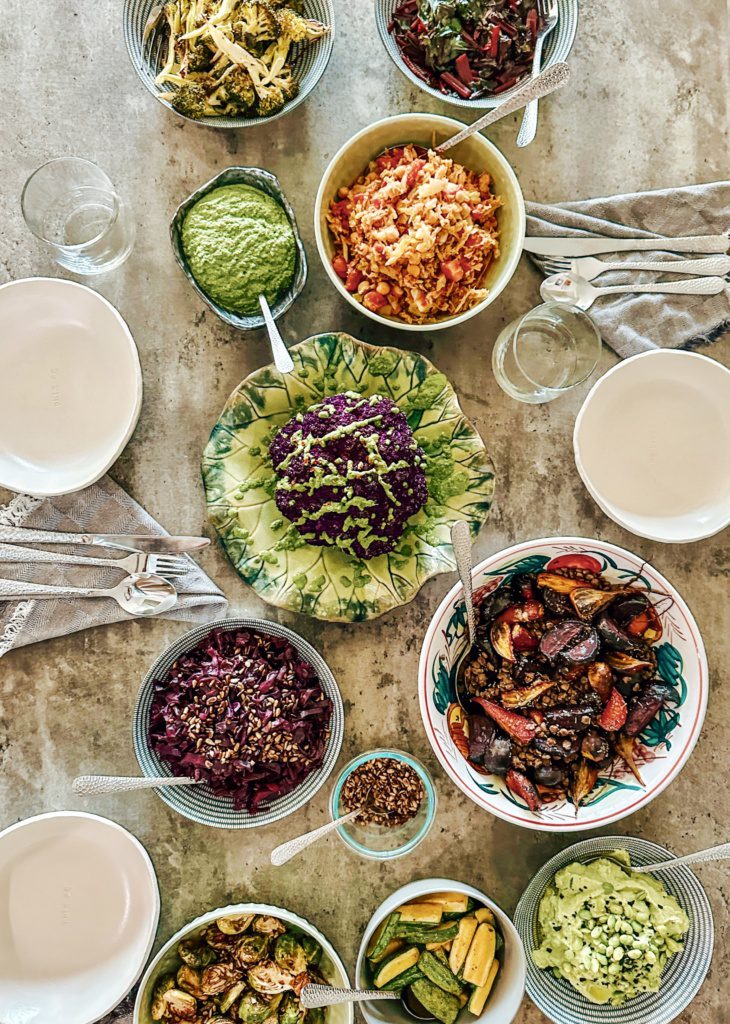
9. Nourish Supper Club.
I co-founded Nourish Supper Club with my friend Sam. It’s like a dinner party for strangers—mindful connection over dishes from around the world. Nourishment for body and soul.
Our recent Mediterranean-themed night featured Egyptian koshari, falafel, tabbouleh salad, and a homemade hummus selection, among others.
It was a sold out event. Stay tuned for the next one. Clearly, we’re craving healing foods and human connection.
You might also like: What a Party Weekend In Ibiza Taught Me About Food (And Friendship)
10. Biohacking: ancient wisdom at our fingertips.
Dave Asprey, the “father” of modern biohacking, may have coined the term—but the concept is ancient and often sourced from indigenous wisdom. Combine that with modern tech, and it becomes incredibly powerful. My daily tools include:
- Apple cider vinegar (with “mother”) shots before meals
- Intermittent fasting (typically 16:8, it’s not as hard as you think)
- Blue light blocking glasses
- Breathwhork
- Eating according to my monthly hormonal cycle…
…and many more. More on that in a future post.
11. Diversity = microbiome health.
Expose your microbiome to as many foods as possible. Load up on antioxidants. My personal rules:
- At least 30 different plants a week.
- At least 5 portions of different plants a day (UK’s “5-a-day” campaign knows this well).
- Never repeat recipes more than once a month (takes planning!).
- Each grocery trip: buy one ingredient I’ve never used before to expand my palate.
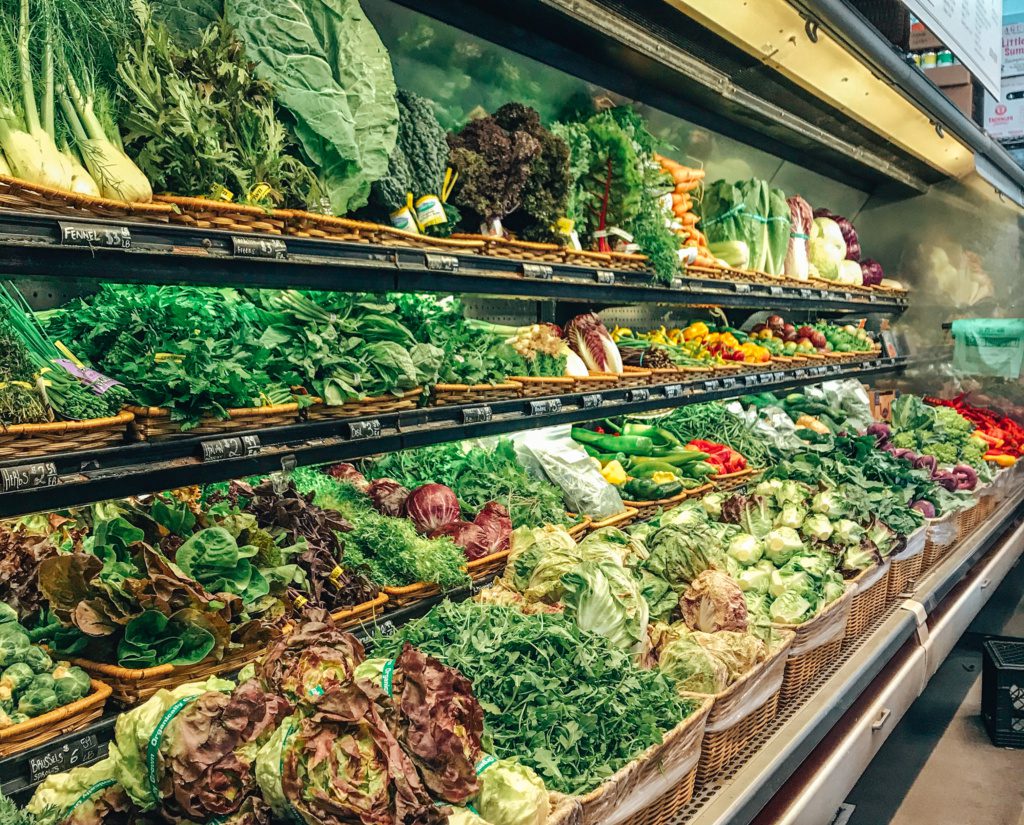
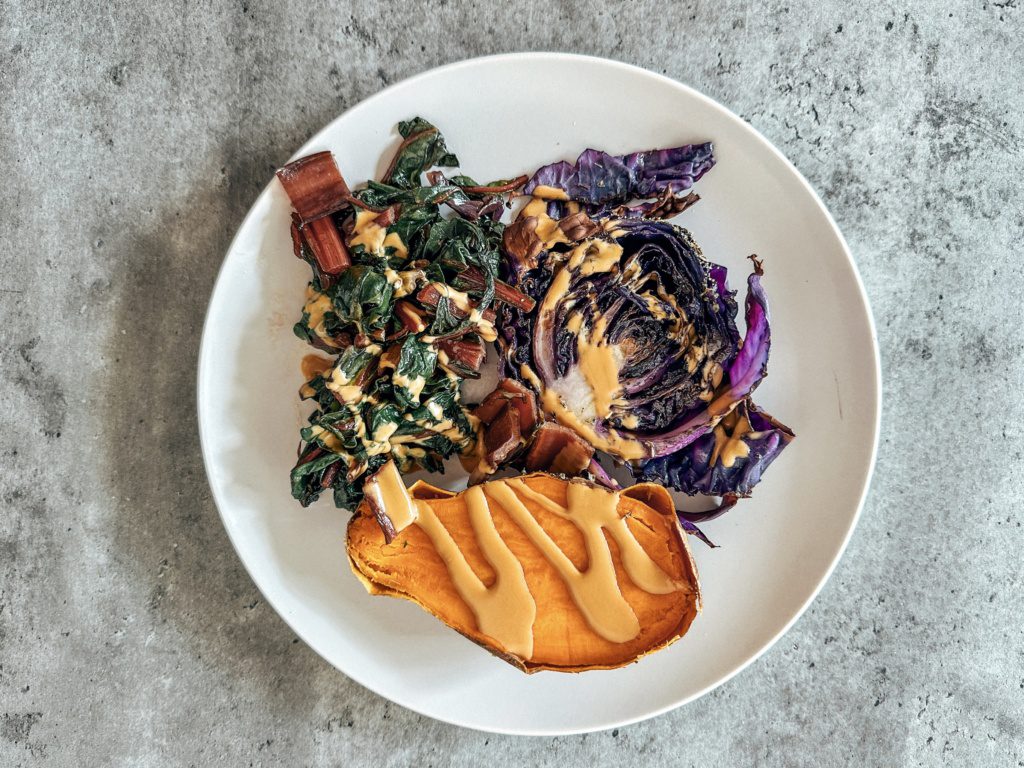
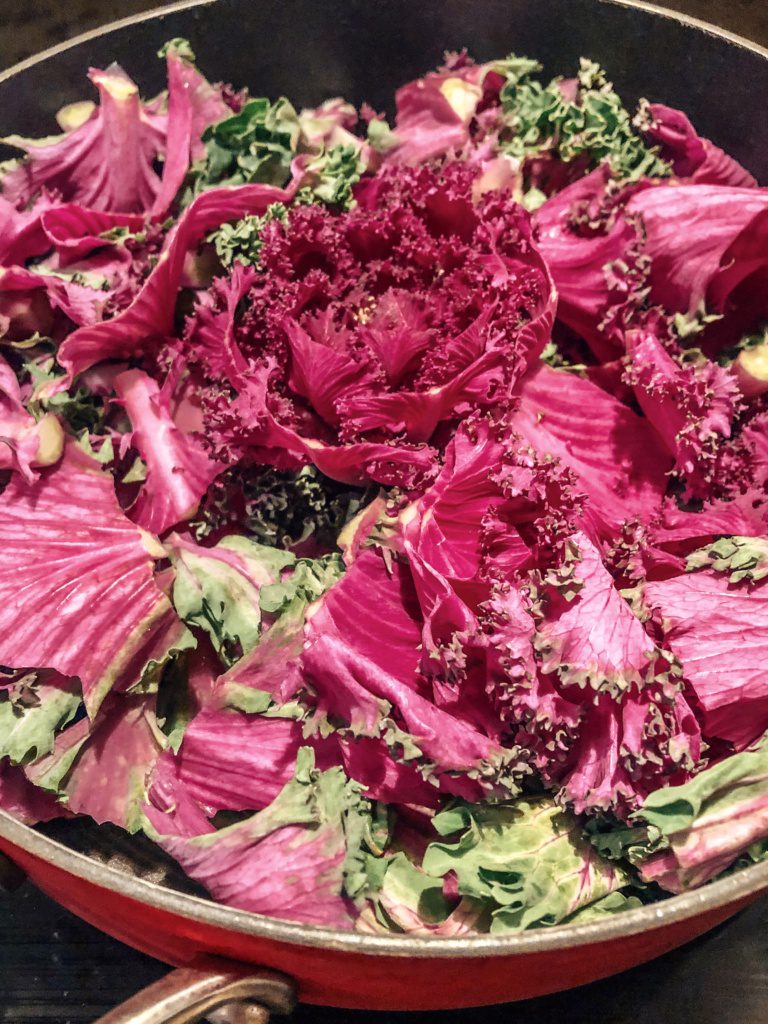
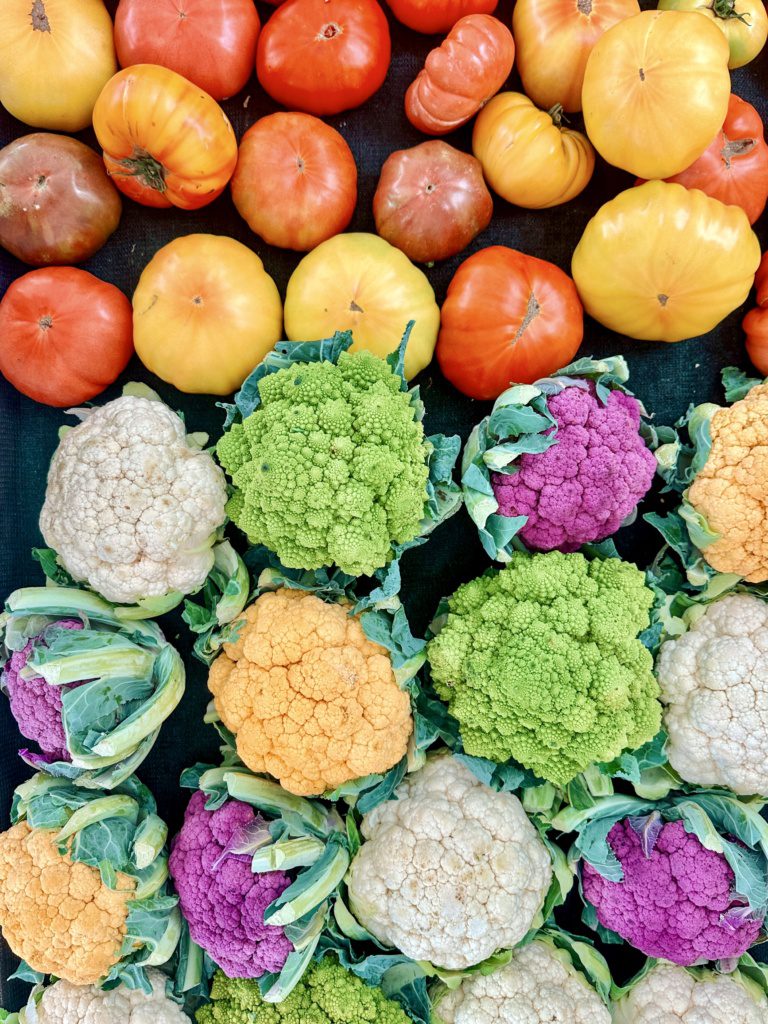
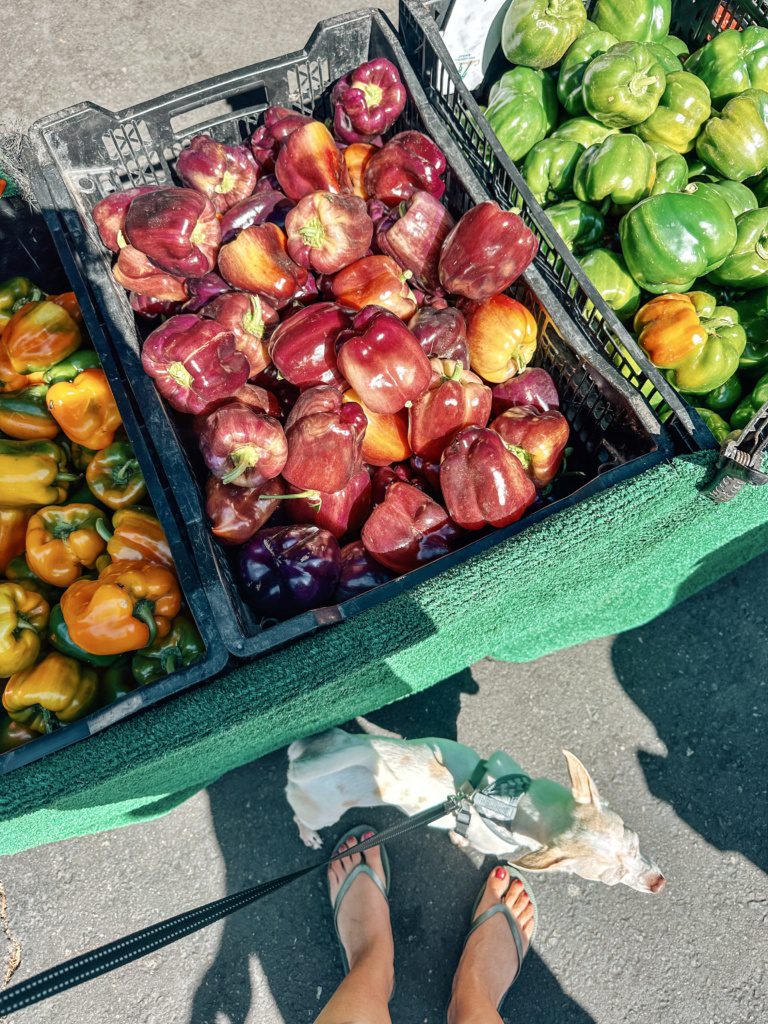
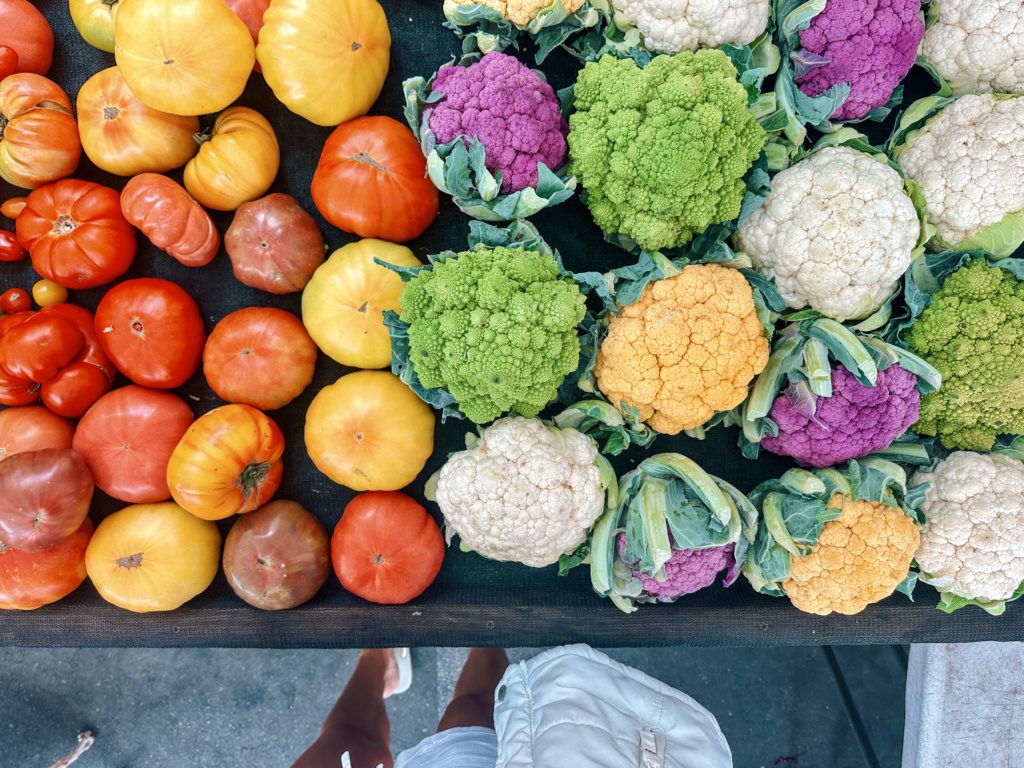
- Eat a rainbow. The darker the plant the more nutrients (e.g. purple onion over white, red bell pepper over yellow etc).
- Eat seasonal and local.
You might also like: 8 quick food travel tips on how to be a culinary explorer
12. Buy ingredients—not ready meals.
I aim to buy mostly single-ingredient foods, not packaged items with long ingredient lists—especially not with additives I don’t recognize or can’t pronounce.
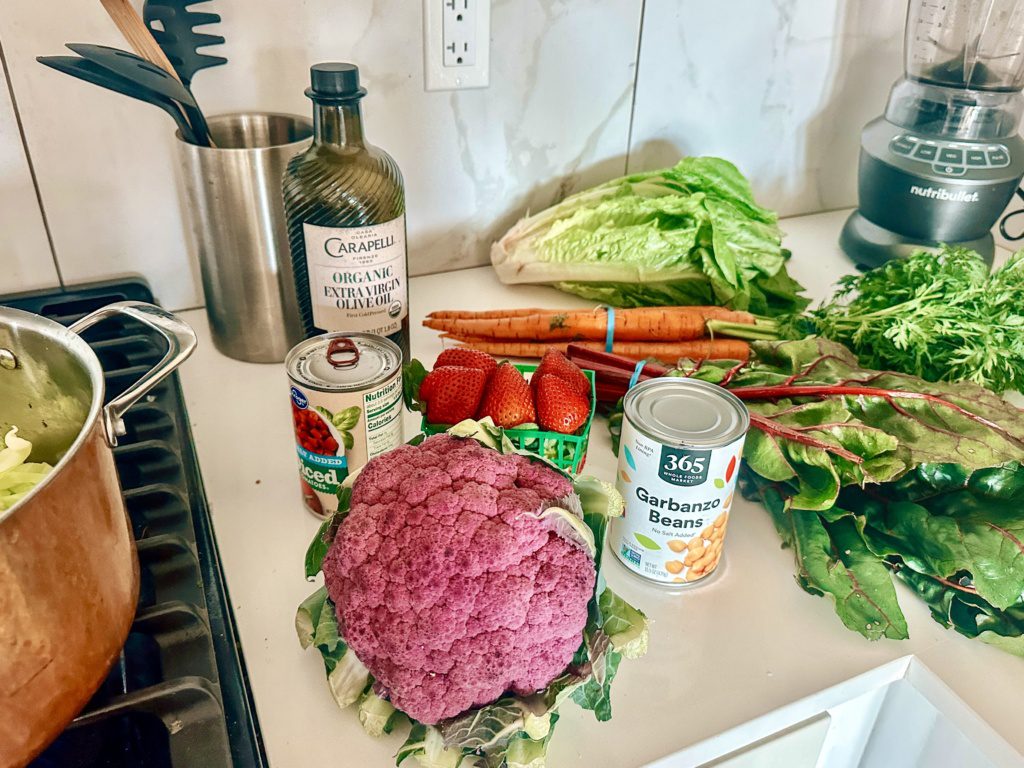
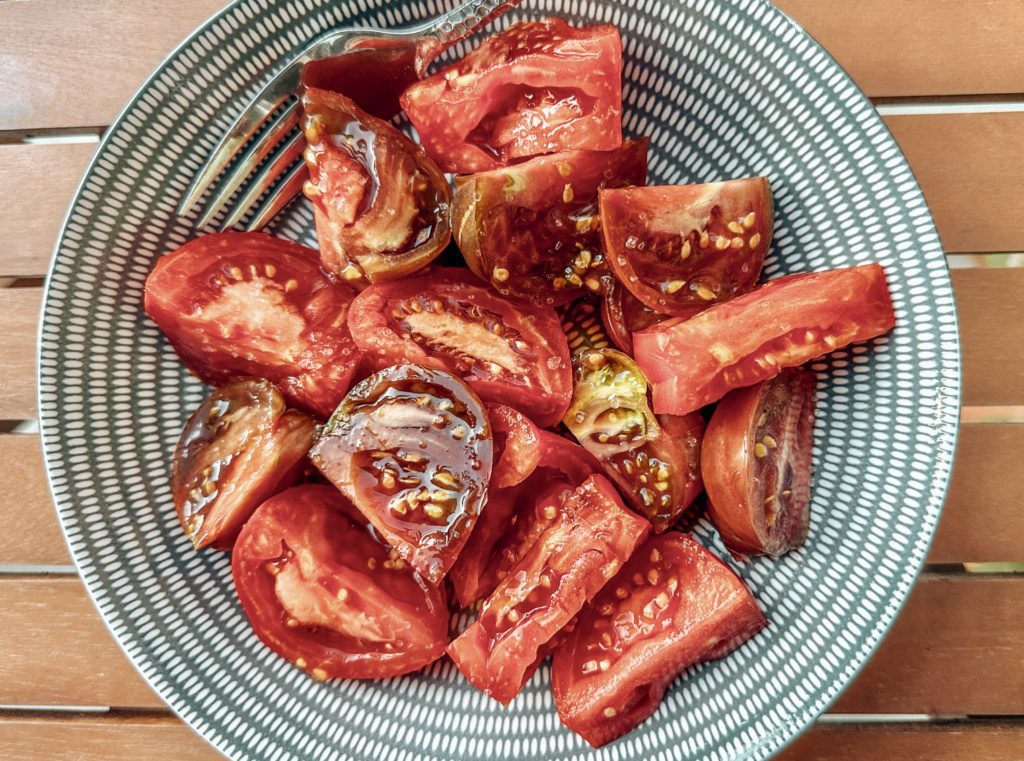
Example: buy a can of tomatoes (ideally no salt—the ingredients should read: tomatoes!) instead of sodium-packed processed ready-made pasta sauce. Then add salt, garlic, and herbs yourself.
And speaking of ready meals, I rarely order take out. DoorDash is for emergencies (and breakfast burritos) only.
Going out to eat is great as you can explore new flavors (I only order what I can’t make at home myself). But I try to keep it to no more than 10% of what I eat. I aim for 90% to be home made.
13. My favorite grocers.
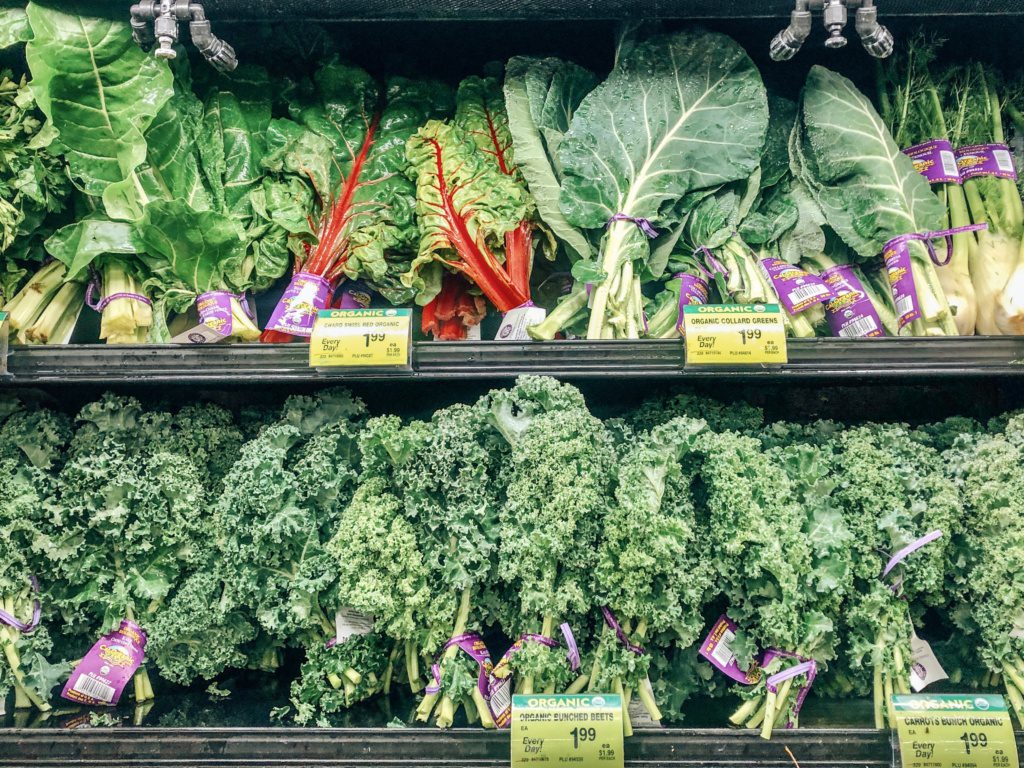
Trader Joe’s, Whole Foods (the “whole pay check” saying is a myth, their 365 brand is actually great value), and Costco are staples.
But my secret weapon? Aldi. Whether in Europe or the US, Aldi is wildly underrated: affordable organic products, often sourced from Europe (aka non-GMO).
What most people don’t know: it shares a parent company with Trader Joe’s. It’s cheaper because it’s more no-frills—and it often opens in lower-rent neighborhoods to serve a different demographic.
14. It’s what you buy—not where.
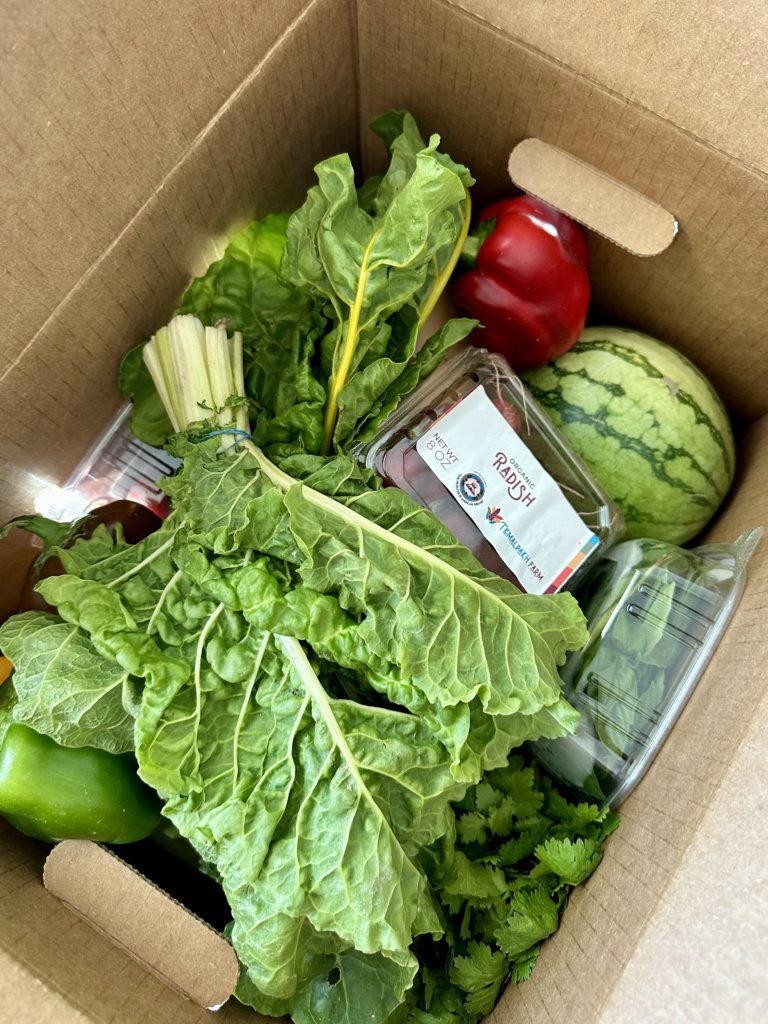
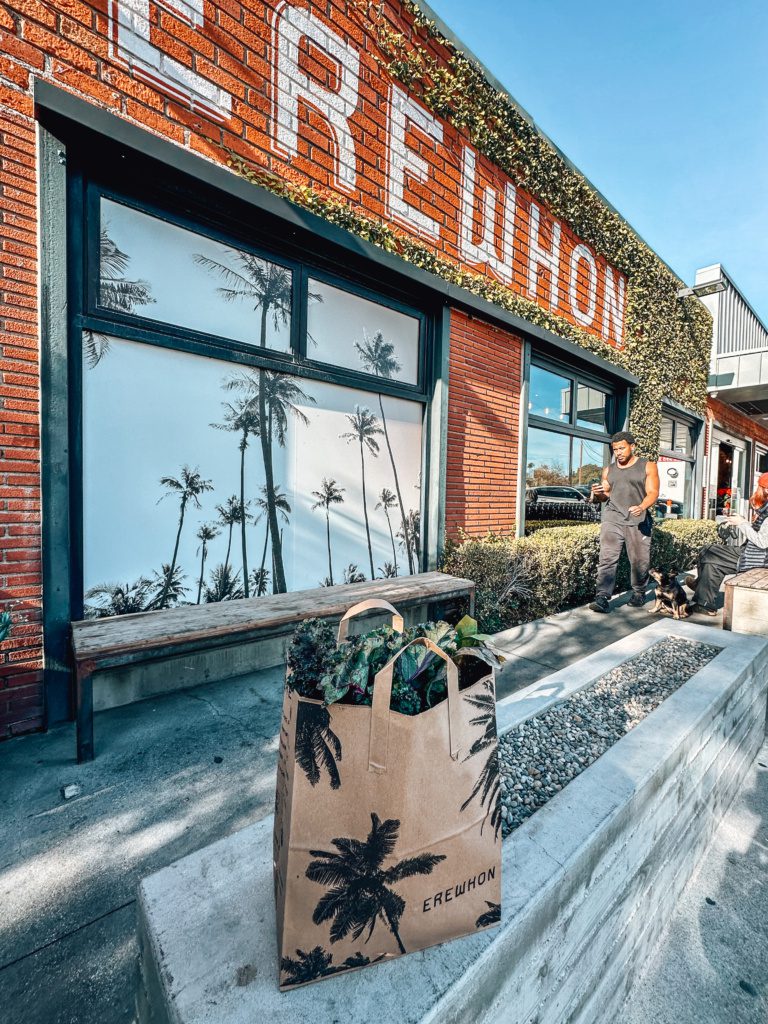
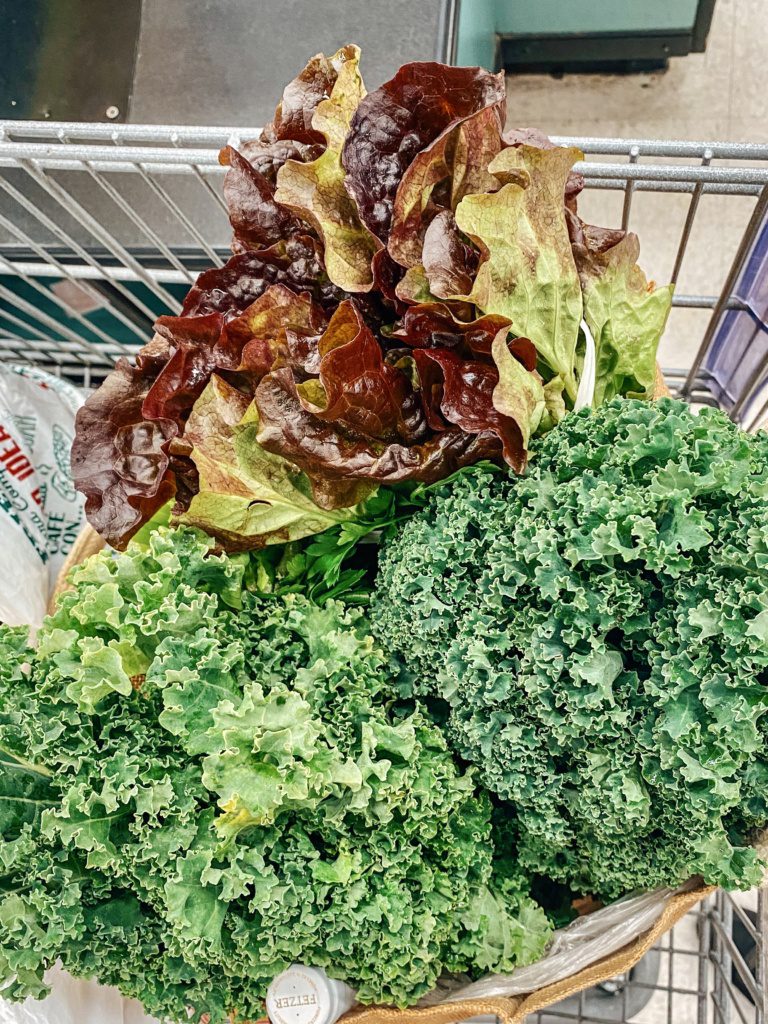
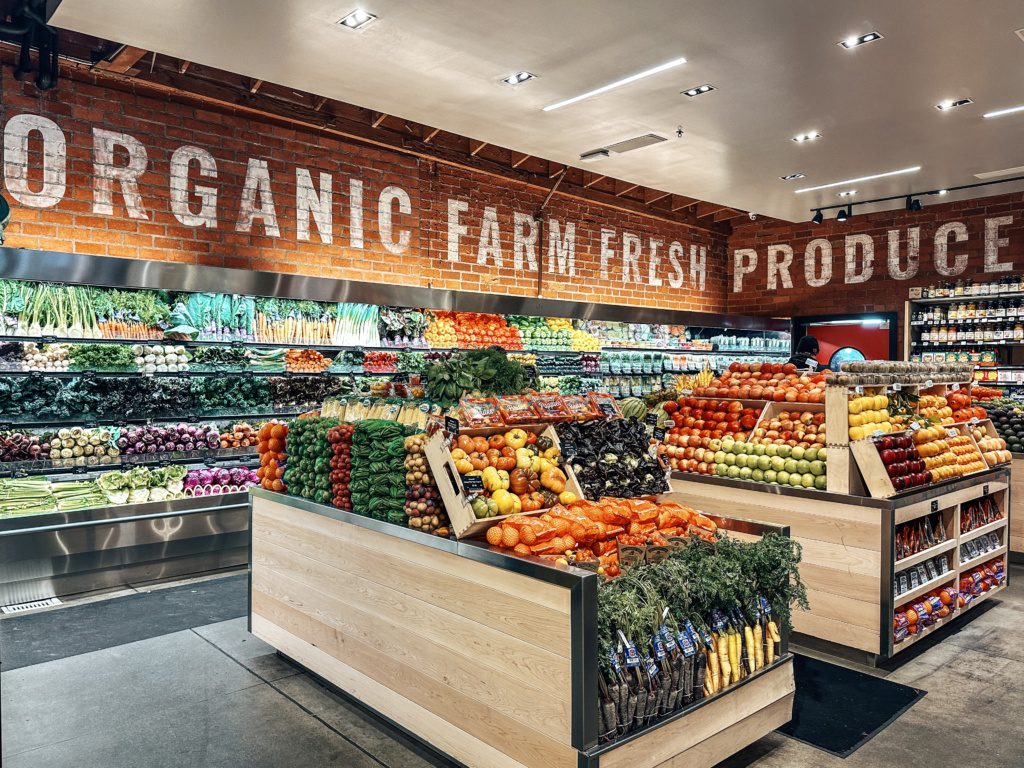
You don’t need Erewhon to eat according to biohacking principles. Yes, grocery shopping can feel overwhelming—I know. But you don’t need a PhD in nutrition. You can walk into Costco or Aldi and leave with bags of whole foods.
Conversely, you can walk into Whole Foods or Erewhon and come out with bags of processed junk. Yes, even Erewhon sells junk—don’t get me started on greenwashing in the food industry.
You might also like: All Travel Should Be Food Travel: An Ode To Culinary Curiosity (With Tips)
15. Stay connected to your food.
Instacart is helpful—especially for someone like me who doesn’t love driving—but I make it a point to walk into a grocery store weekly and feel the produce in my hands.
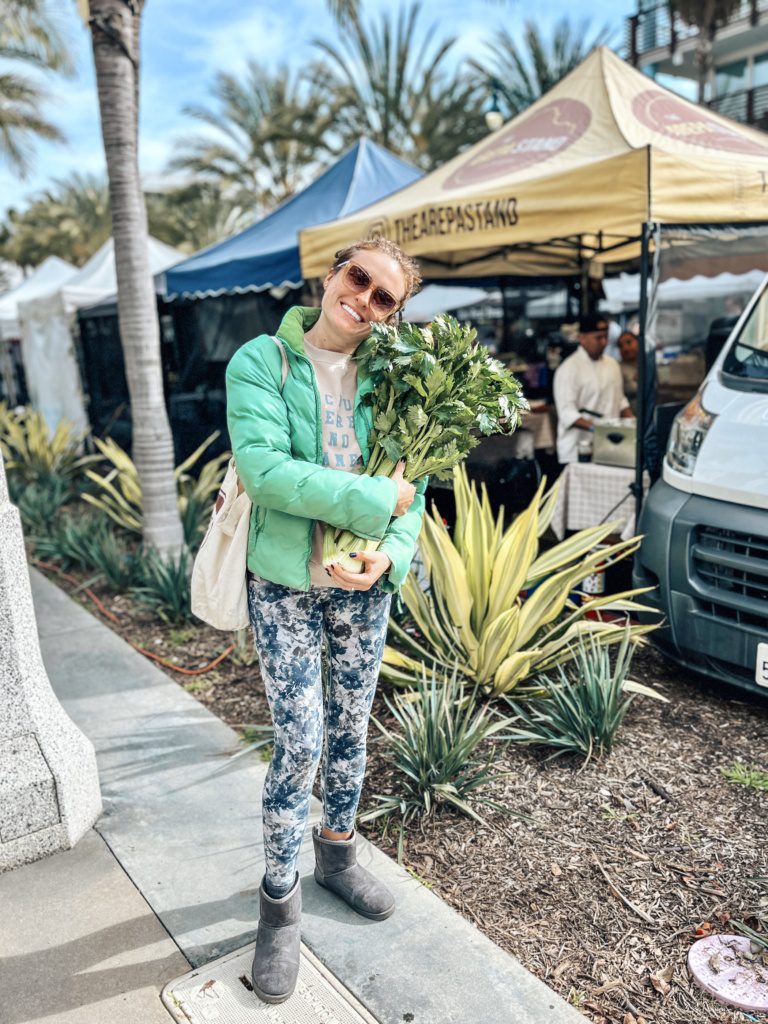
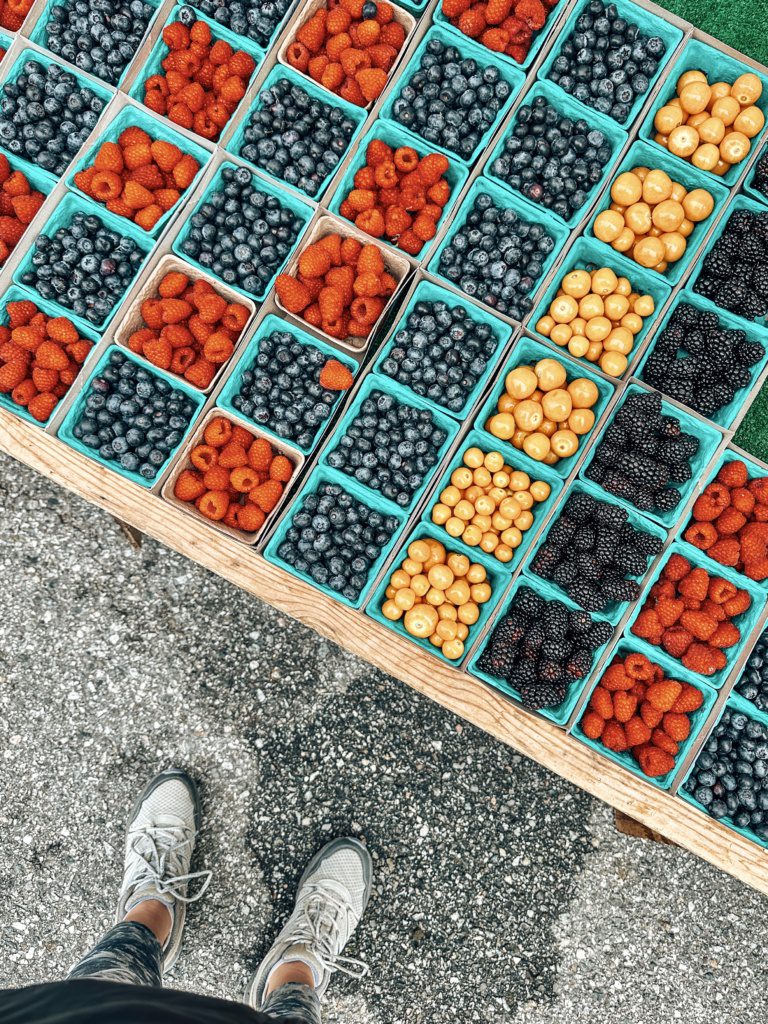
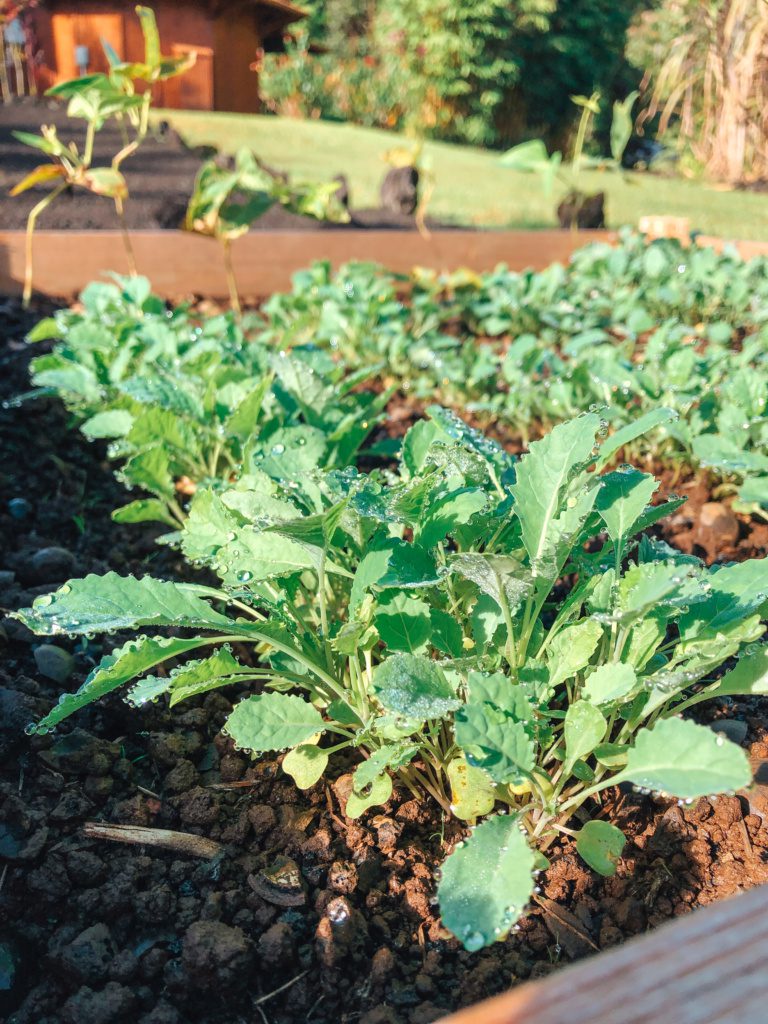
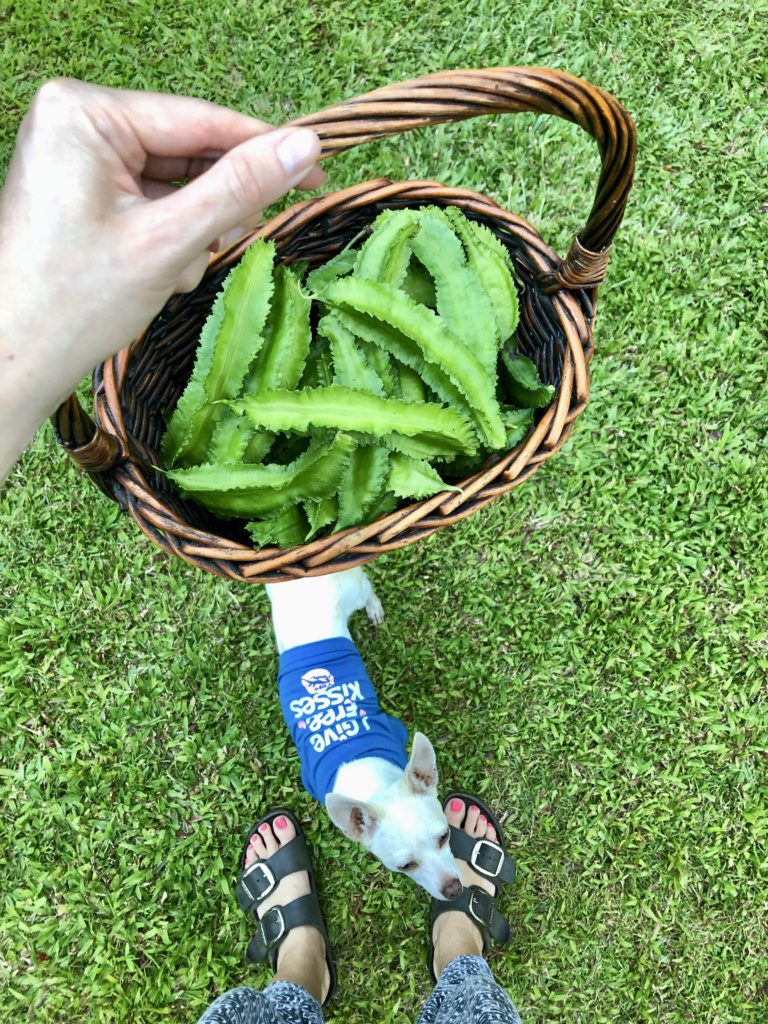
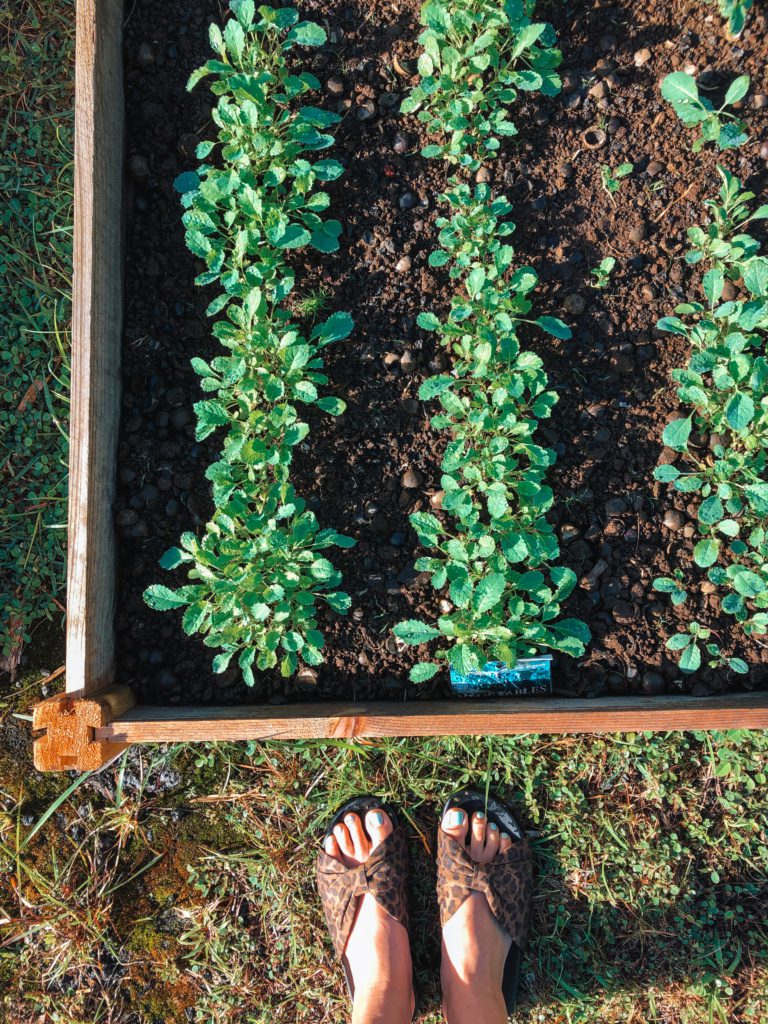
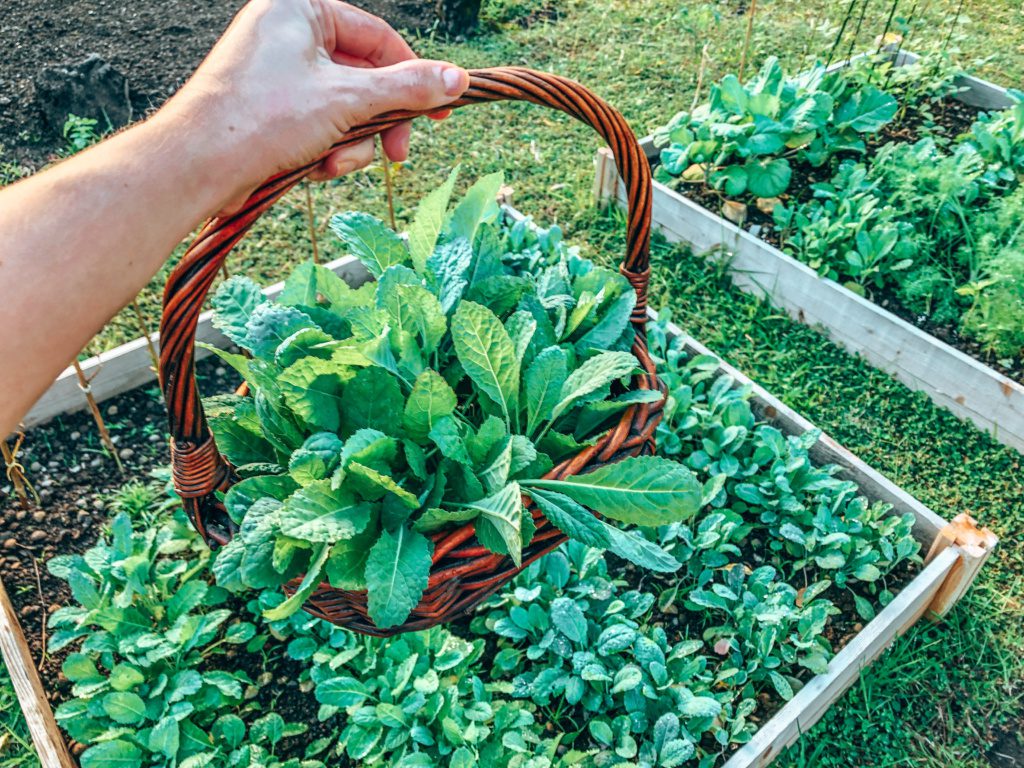
Don’t lose touch with your food. Visit farmers markets. Grow something. Even herbs or sprouts if that’s all you have space for. Our greenhouse in Hawaii, albeit short lived, was one of my life’s favorite projects.
Let’s be plant-based, not package-based. Eat as Mother Nature intended—not as modern tech dictates.
Walk barefoot. Hug trees. Let your kids play in dirt. “Kiss the Ground” is one of my favorite documentaries.
16. Travel tip: visit where locals shop.
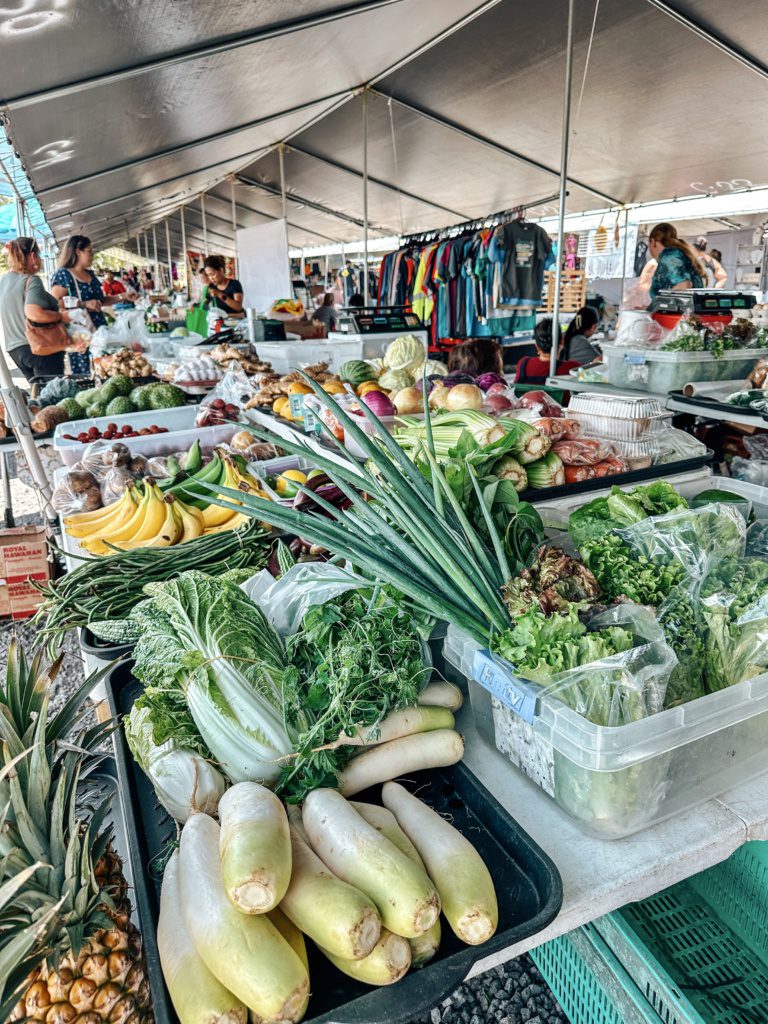
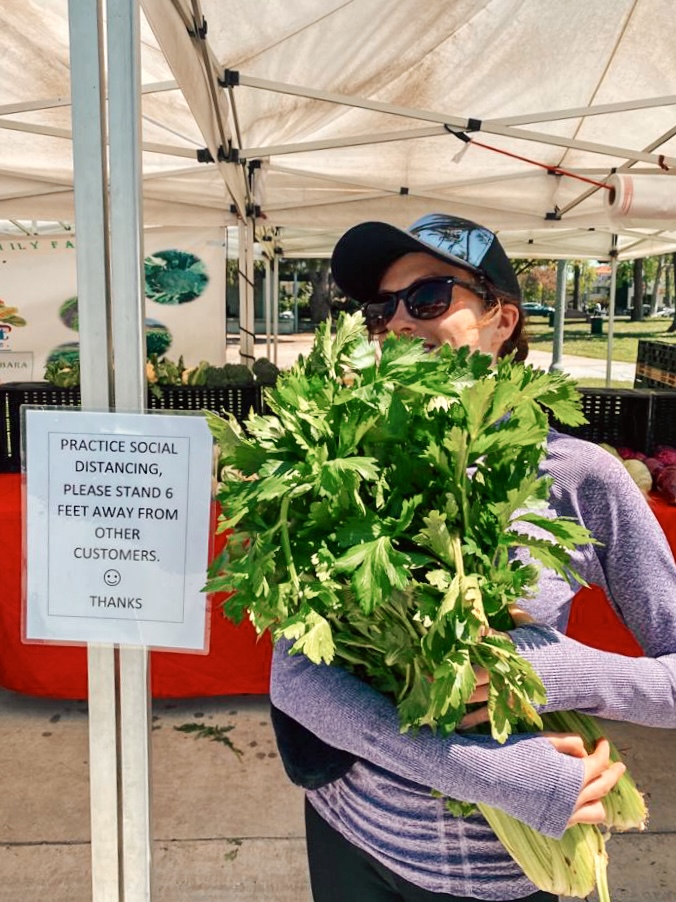
Whenever I travel, I start with a visit to a local supermarket, especially the produce section. Tourist markets are often just that—touristy. Go where locals buy their weekly groceries.
Example: in Barcelona, you’ll learn more about Spanish eating habits at a Mercadona than at La Boqueria.
17. No diets. No calorie counting.
I’ve never been on a diet or counted calories. There is no miracle approach—no one-size-fits-all method. We are all bio-individual, and what works for me might not work for you—or even for me at a different phase of life or my monthly cycle.
If someone says otherwise—run.
If there is one “diet” that comes close to something everyone should follow, it’s the Mediterranean or the so called Blue Zones lifestyle. And even there, it’s about community spirit as much as it’s about the food they eat.
You might also like: What to Eat in Sardinia: Traditional Dishes, Local Wines & Must-Visit Restaurants
18. Get your macro basics.
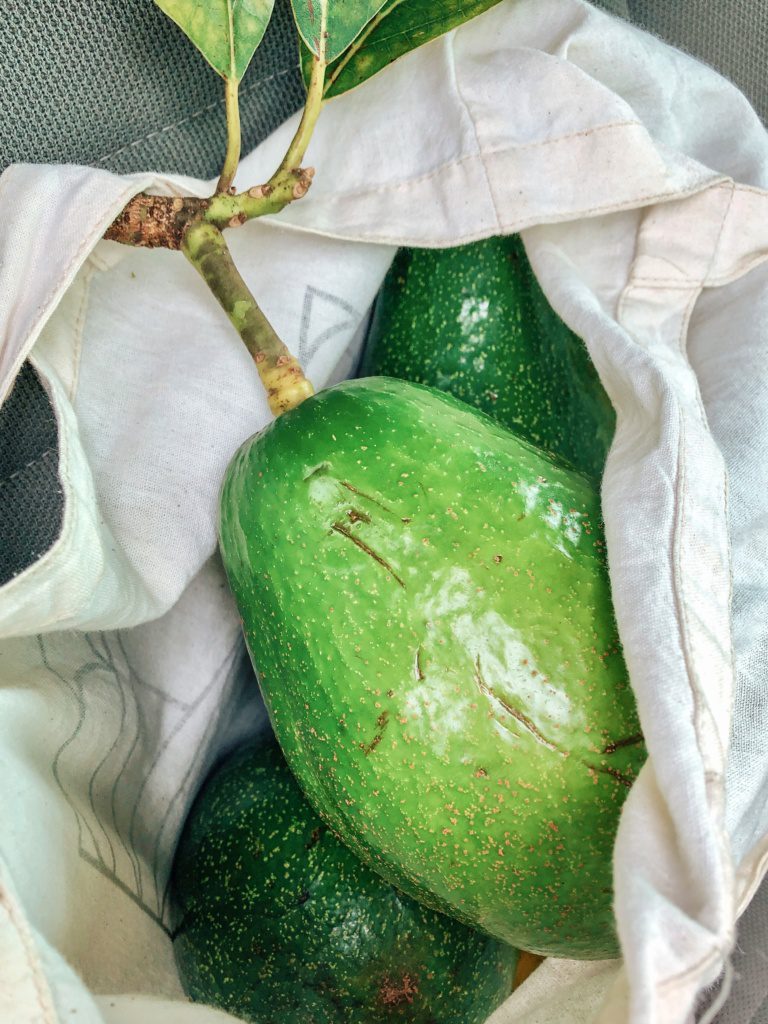
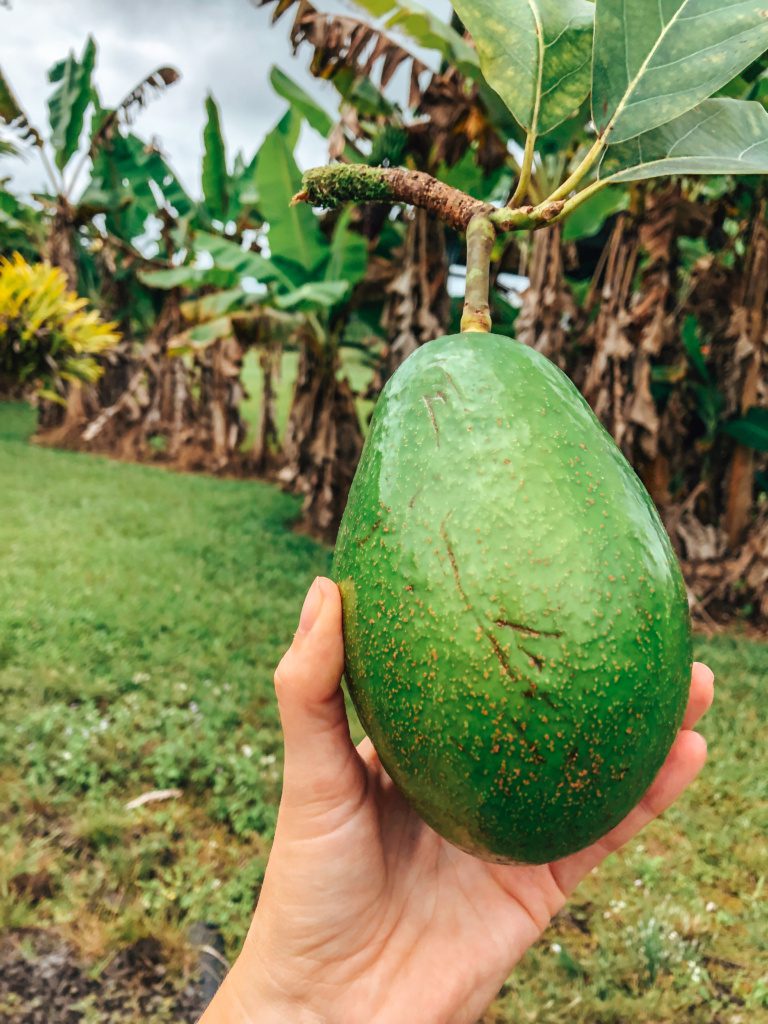
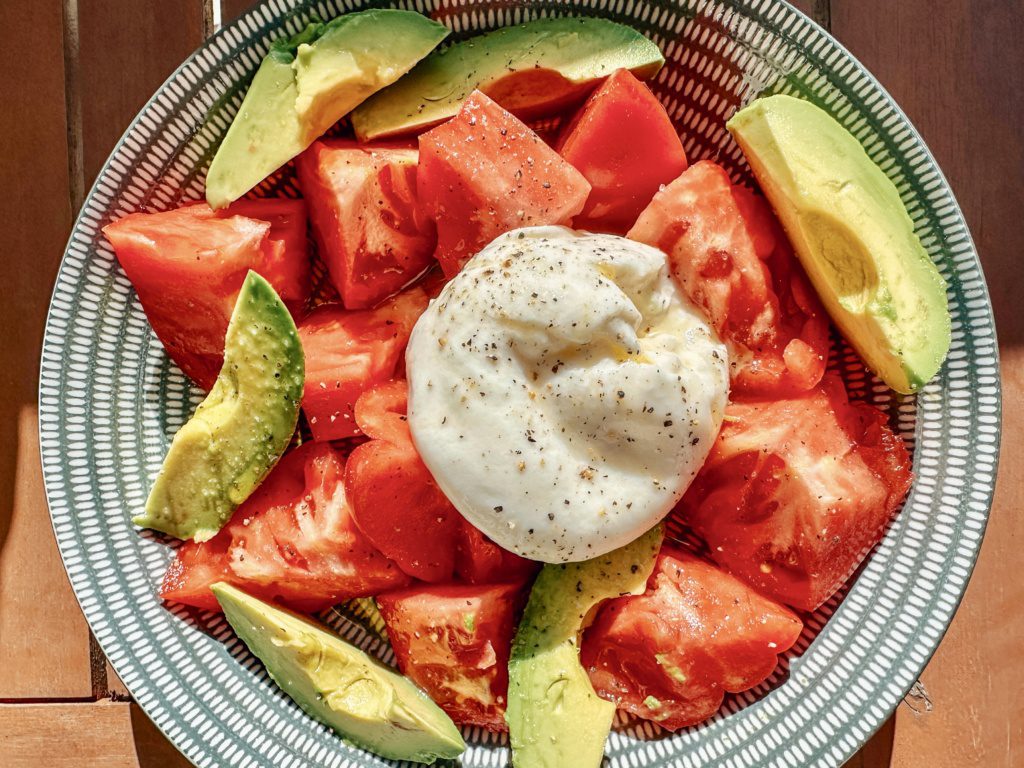
Healthy fats are essential. An avocado a day keeps the doctor away 😉 I’ll take whole-fat Greek yogurt over zero-fat any day.
Same goes for carbs—just make sure they’re complex. A sweet potato and a slice of cake are very different carbs.
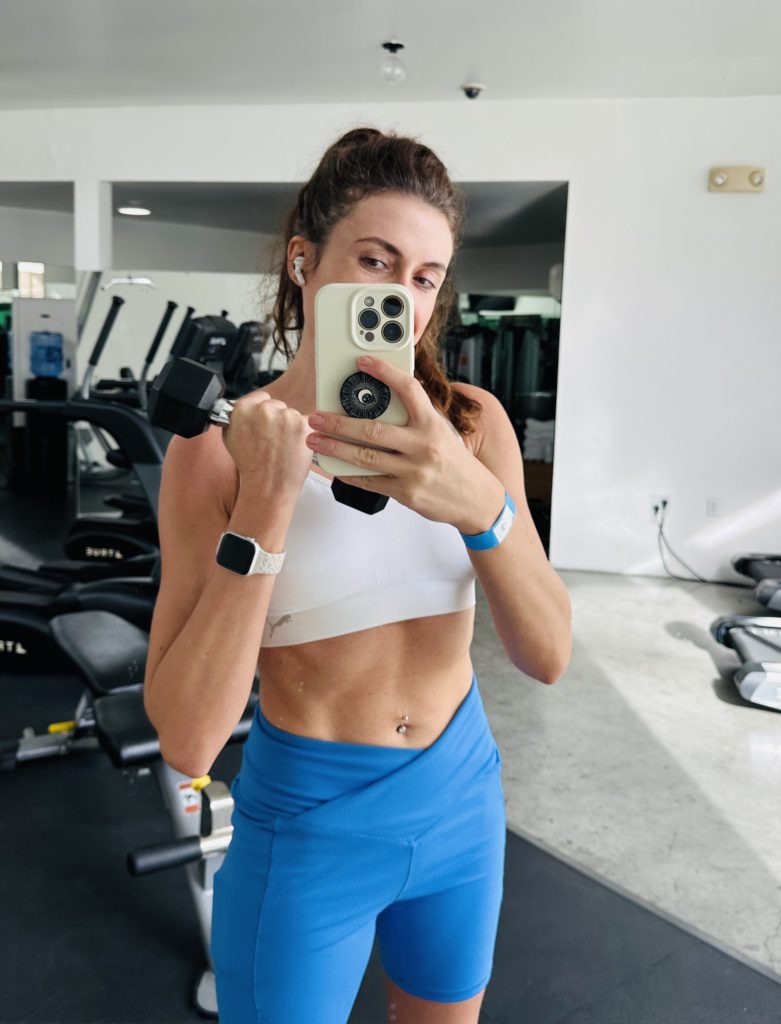
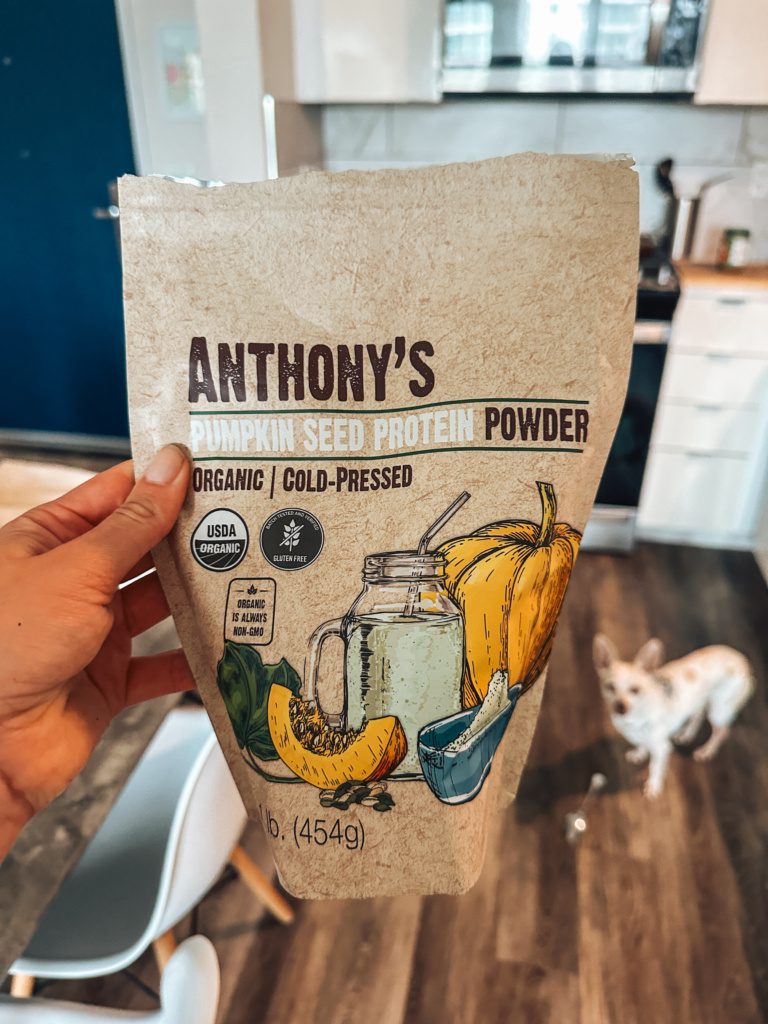
I started lifting weights this year and feel my best ever—but I realized I wasn’t getting enough protein. Now high-quality, unflavored protein powders (and eggs, and sardines) are my friends.
19. The sugar problem.
We live in a society where the majority (!) of people are diabetic, pre-diabetic, or getting there fast. Kids eating cereal for breakfast and sugary drinks at school lunches should be illegal.
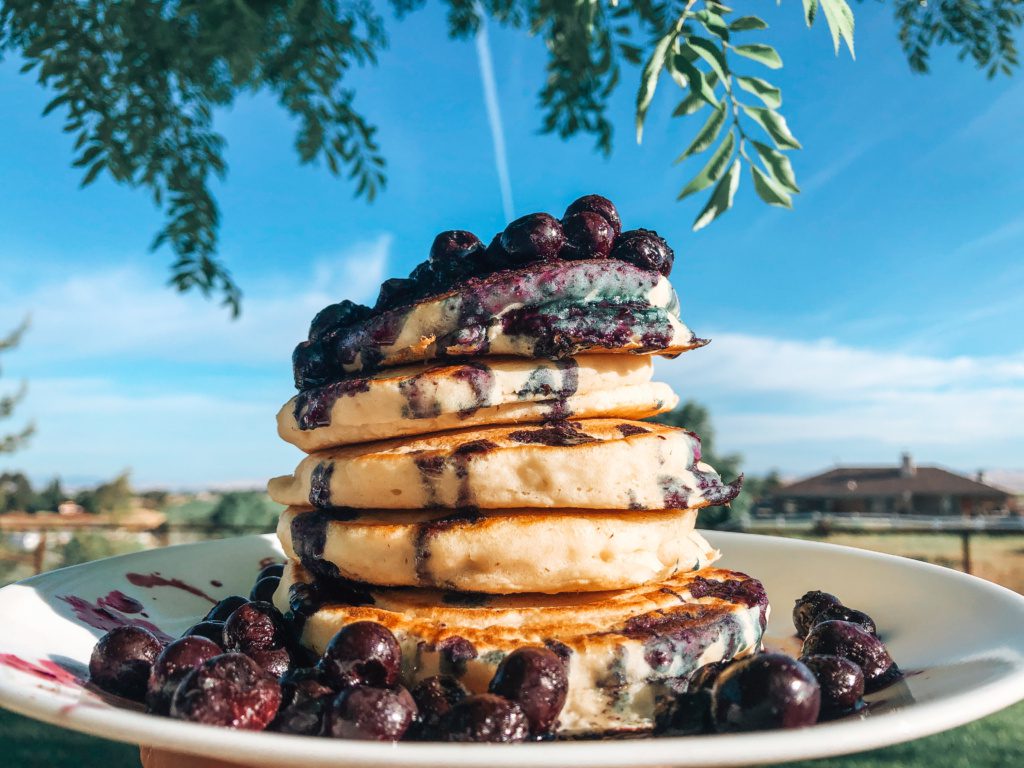
We start our day with pancakes (occasional home made protein pancakes and baked goods are totally fine) and sugar-bomb caramel “coffees” from Starbucks—and then wonder why we crash by noon.
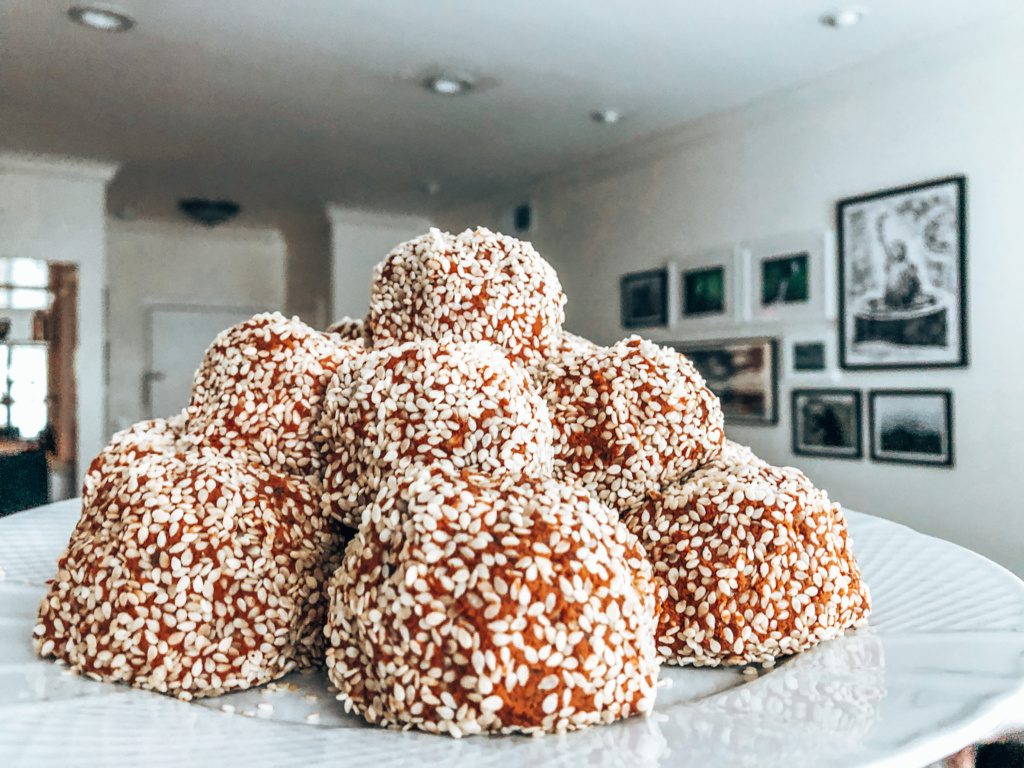
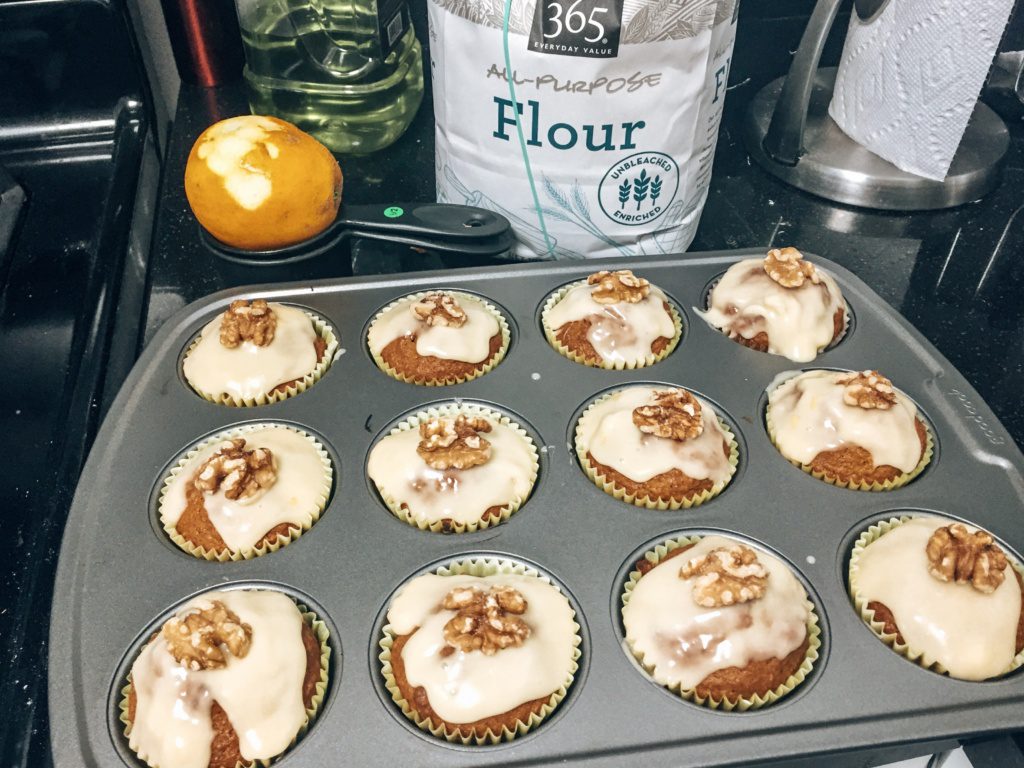
I don’t keep sugar in my kitchen. Occasionally I use local honey or date syrup—that’s it. Thankfully, I don’t have a sweet tooth. I grew up in a home where, if we wanted cookies or cake, we had to bake them. I didn’t try my first soda until late in my teens. Thank you, Mom.
You might also like: Is Honey Vegan? Ethics, Ecosystems And Honey Laundering
20. Don’t repeat recipes. Get inspired online.
If you’re not a food travel blogger, how do you avoid repeating recipes? Follow diverse food creators online. Some of my go-tos: Padma Lakshmi, Tabitha Brown, Deliciously Ella and @thekoreanvegan.
I keep recipe notes on my phone, an ideas list in a special app and save reels/TikToks into dedicated folders for quick reference.
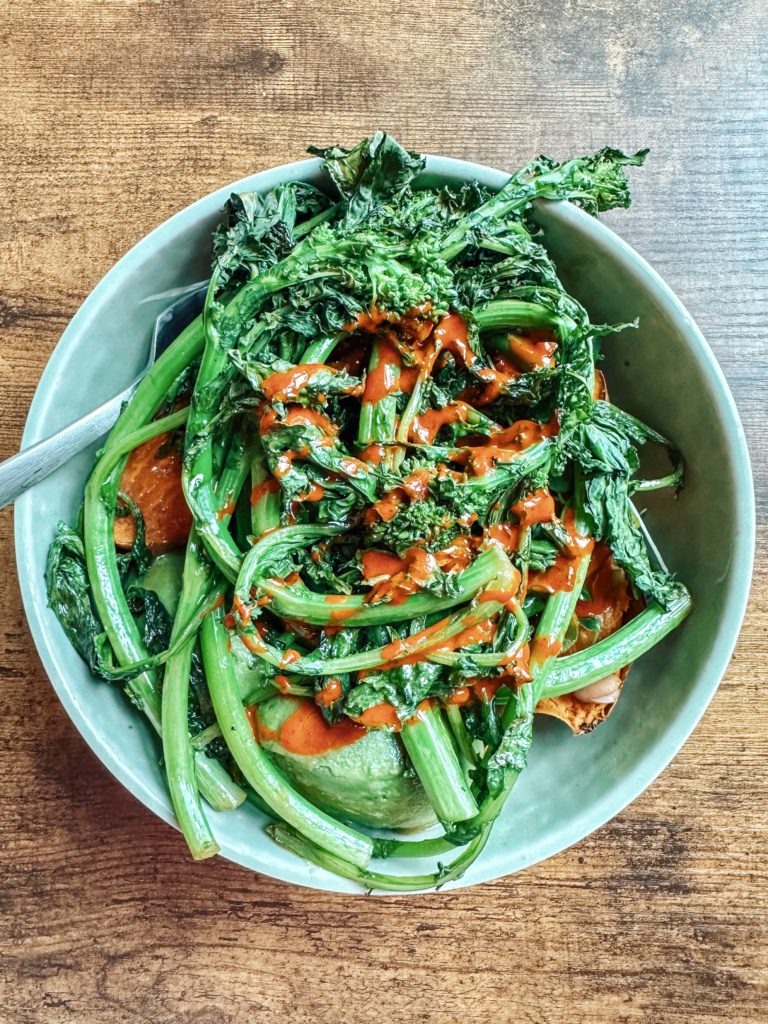
21. Cuisine deep dives.
Sometimes I focus on one cuisine—often because I’ve bought a specific ingredient I want to use up.
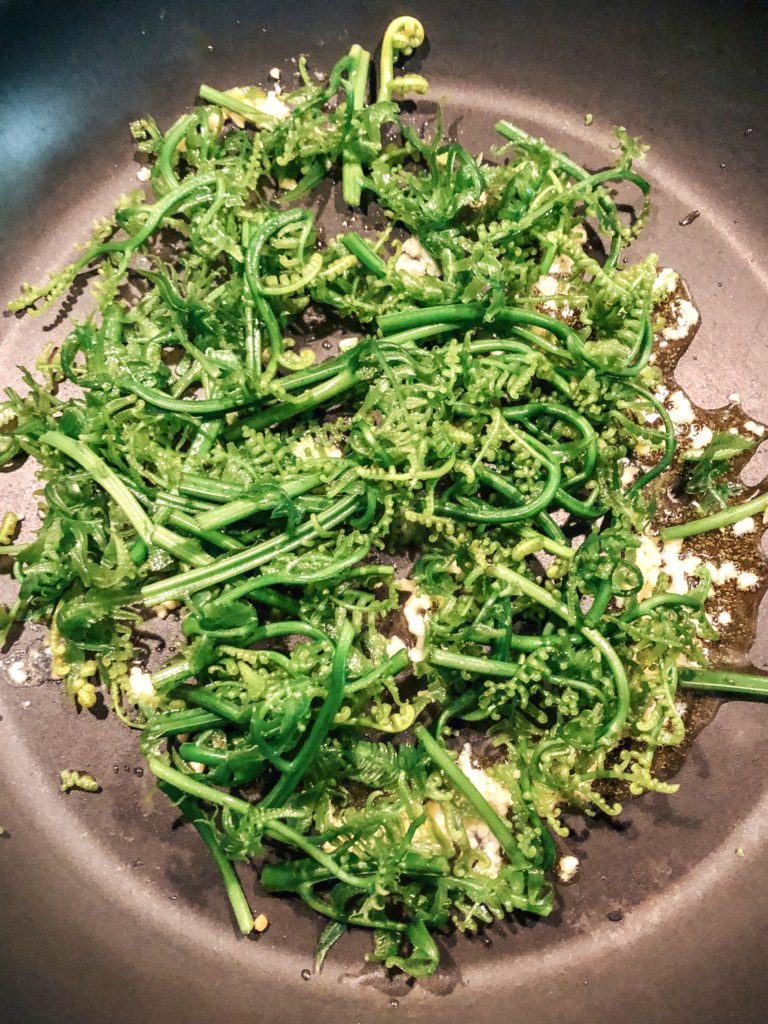
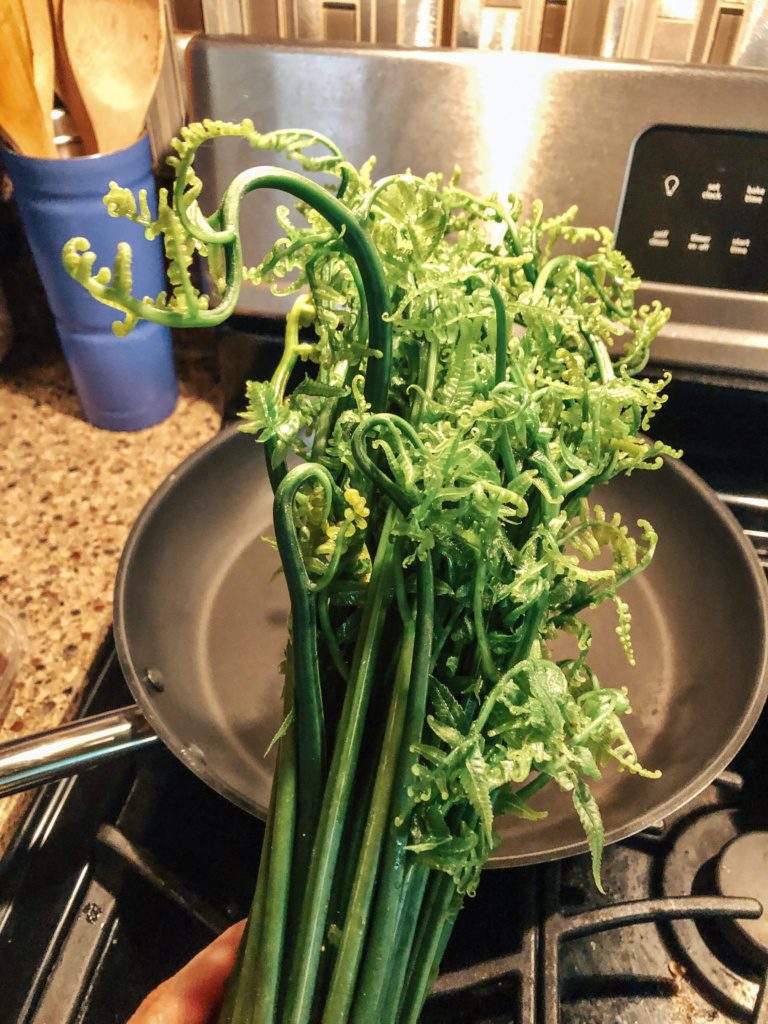
Recently, I had extra za’atar and pomegranate molasses from our supper club event—so I searched “quick Mediterranean dinner ideas” on YouTube and watched shorts. Inspiration guaranteed.
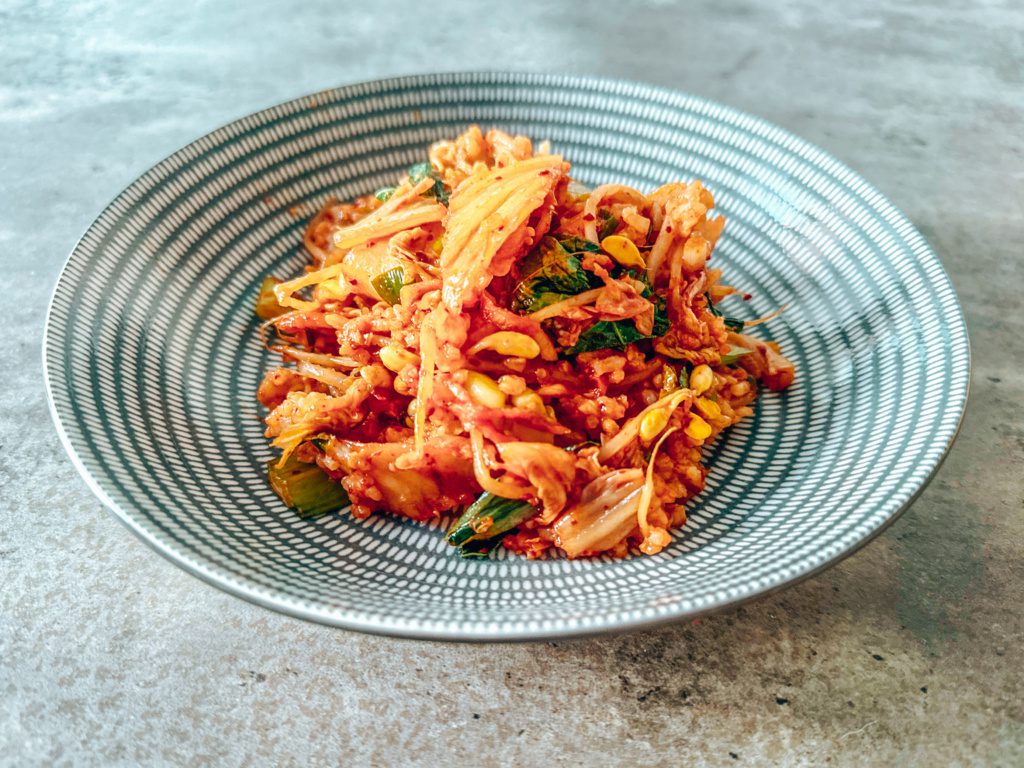
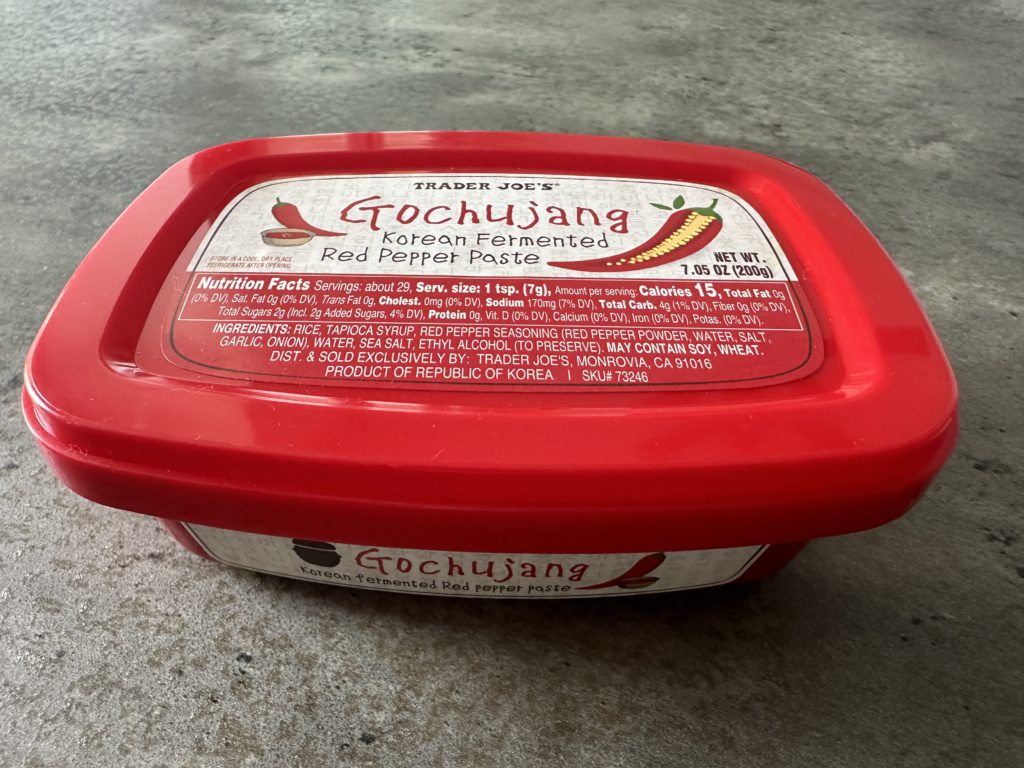
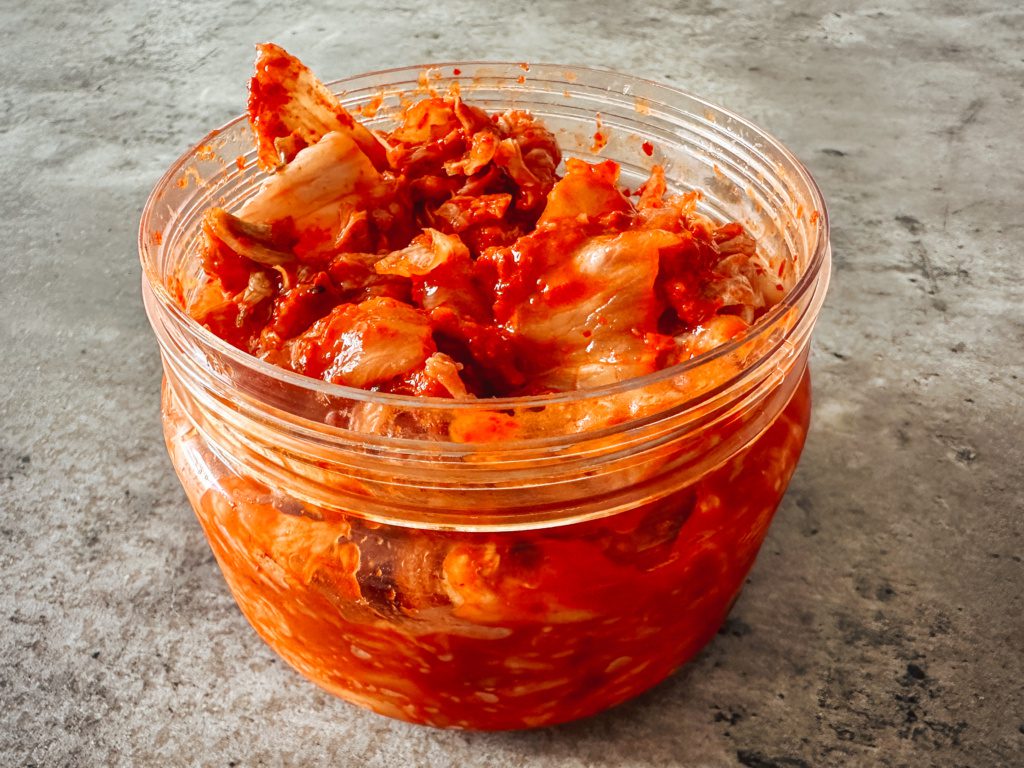
The other months it was Korean – I needed to use up a tub of gochujang paste and a jar of kimchi.
You might also like: 6 Ways To Recreate Food Travel At Home (For Quarantine And Beyond)
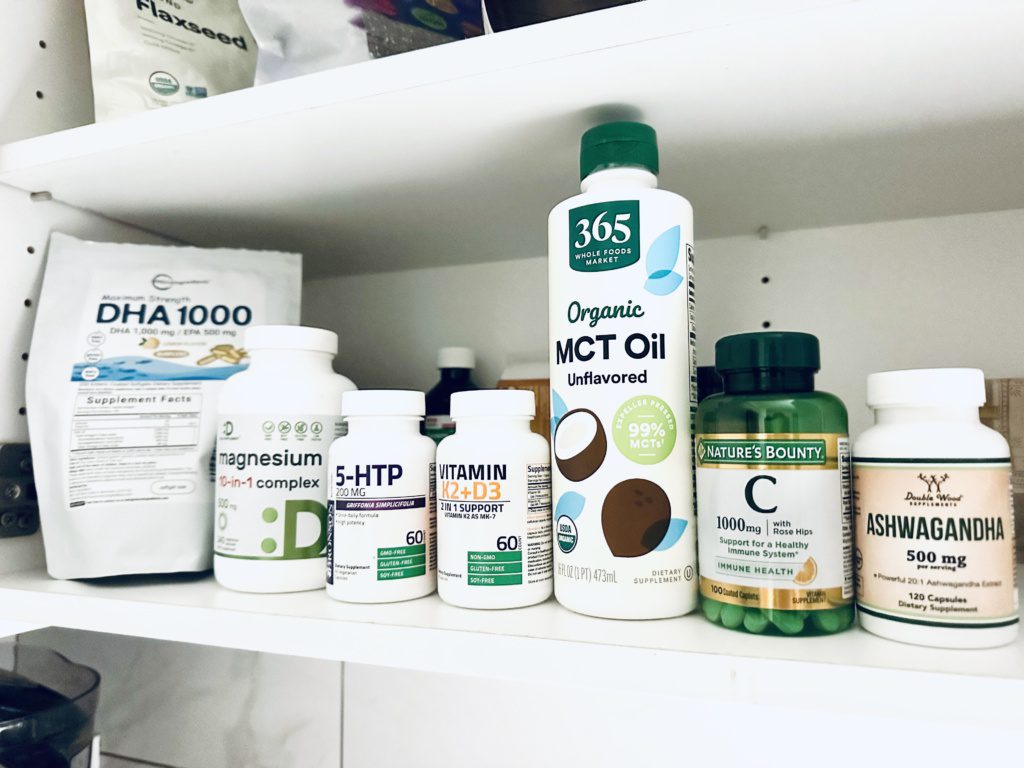
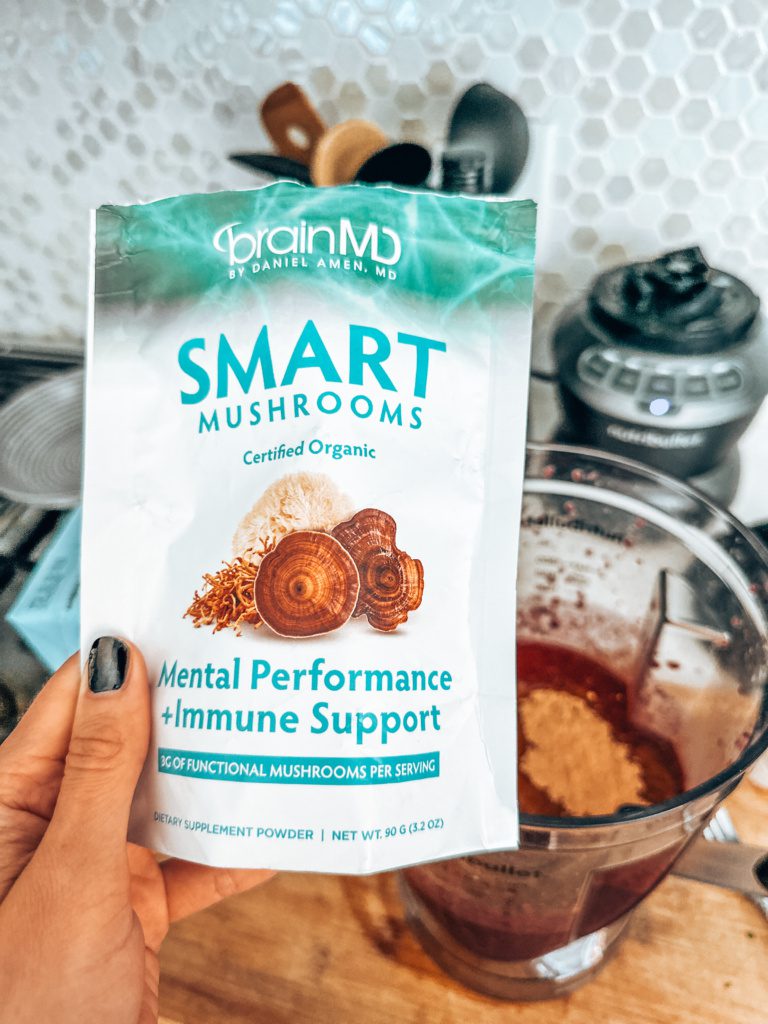
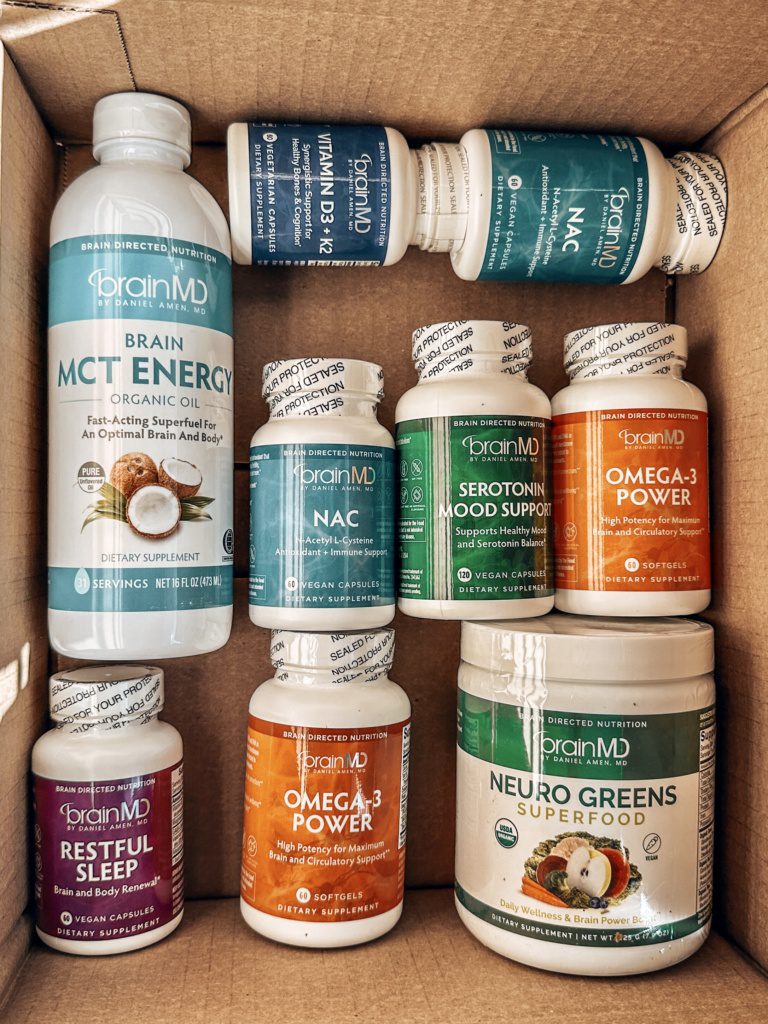
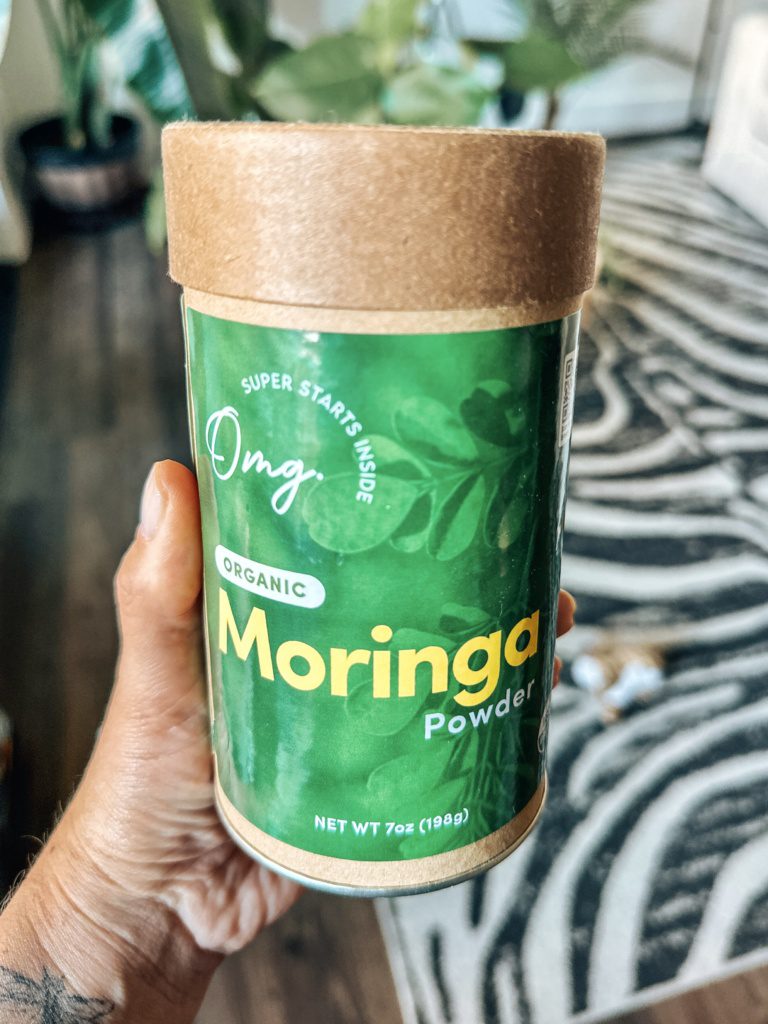
22. Supplements: helpful—but be selective.
Supplements can be powerful, but the industry is poorly regulated—especially in the U.S. Choose trusted sources and check dosing—my omega-3s have at least 1000mg DHA—and avoid synthetic fillers and sugar-loaded vitamin gummies.
Remember that they are suppose to supplement nutrients, not replace them. My go-tos include:
- Magnesium complex
- Time-release vitamin C
- Vitamin D3 with K2 (most of us are vit D deficient)
- 5HTP
- High-DHA omegas
- Ashwagandha
- MCT oil
- NAC
23. Alcohol.
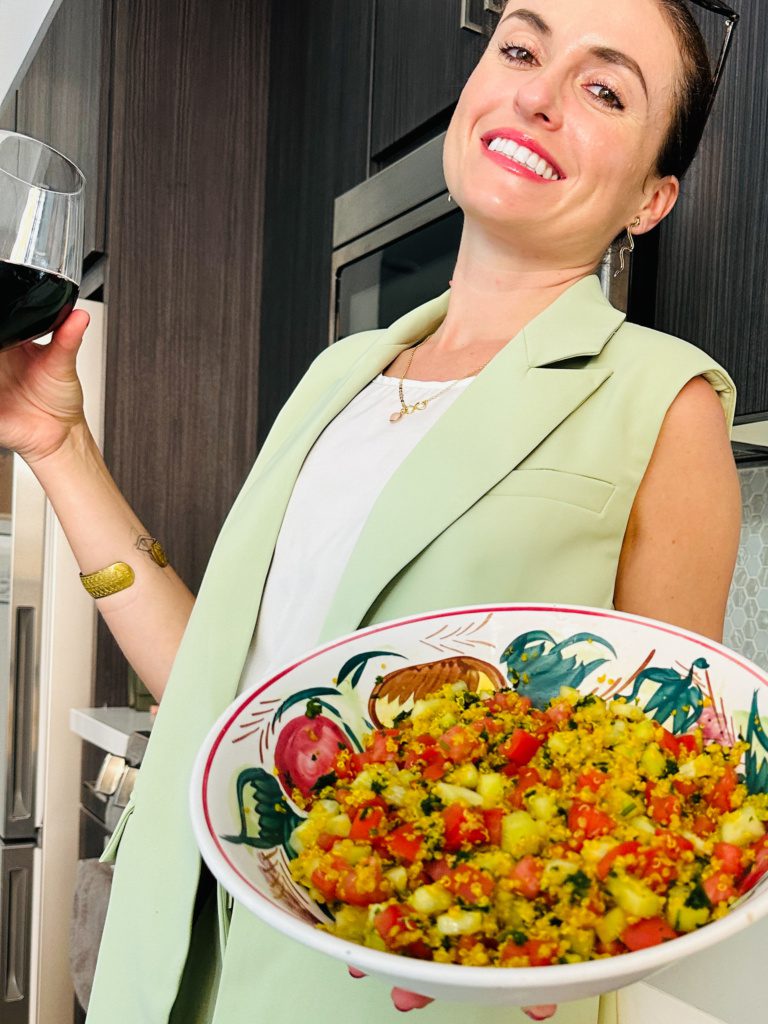
Not that long ago I published an article titled The poetry of the pour – in defense of drinking. I still stand by a lot of the arguments I made.
But as I’m in deep focus mode working on an online course for Heal BFRBs, I’ve taken on a challenge of a 100% sober life and I’ve never had more energy and clarity. I might just keep it that way.

24. Coffee & caffeine.
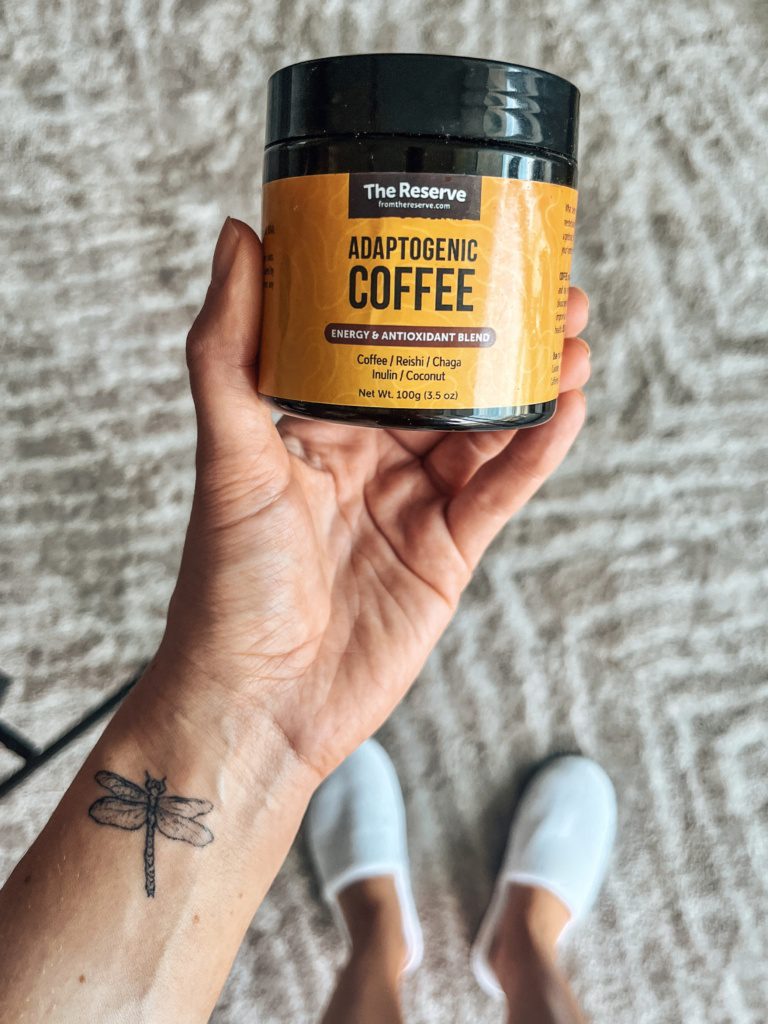
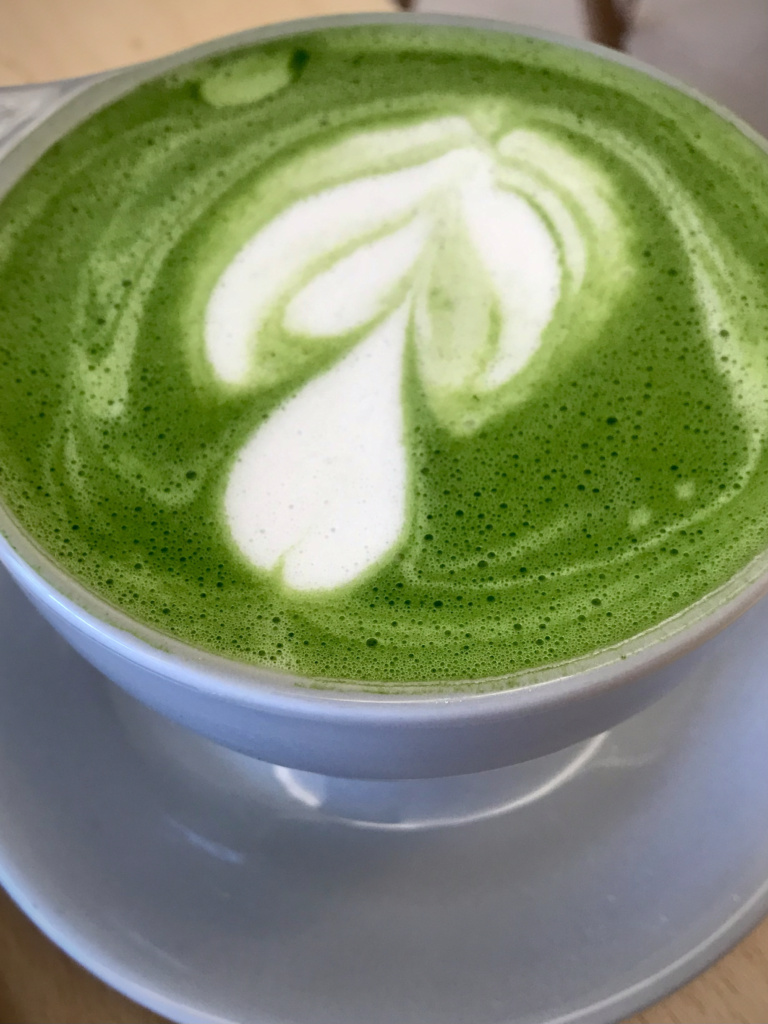
As for coffee, I love coffee culture, coffee shops, coffee aroma… and I love my morning routine involving a cup of hot americano or almond milk flat white. I’ll typically follow that with a matcha with collagen, MCT and/or adaptogenic mushrooms around noon.

I think caffeine gets a bad rap lately. As long as you don’t rely on it (!), it’s ok to implement a small amount in the first half of your day.
But please, for the love of gods, quit drinking oat milk. It’s the biggest food marketing gimmick of our generation. Read the ingredients. Or watch this reel. It’s like drinking pasta water with a bunch of chemicals.

25. The one rule that sums it up.
Really, it just comes down to eating whole, nutritious foods rather than processed fake foods. I always say don’t put cheap fuel in your Ferrari.
And here’s a quote from Michael Pollan—whose perspective I respect as much as Dr. Hyman’s or Anthony Bourdain’s (and his book The Omnivore’s Dilemma is essential reading on the topic): “Eat real food, not too much, mostly plants.” Amen.
You might also like: Quarantine and Chill: 10 Best Food Travel Shows On Netflix
What I eat at home as a food travel blogger: my go-to dishes & ingredients
Organic, sustainably sourced, and highest quality possible
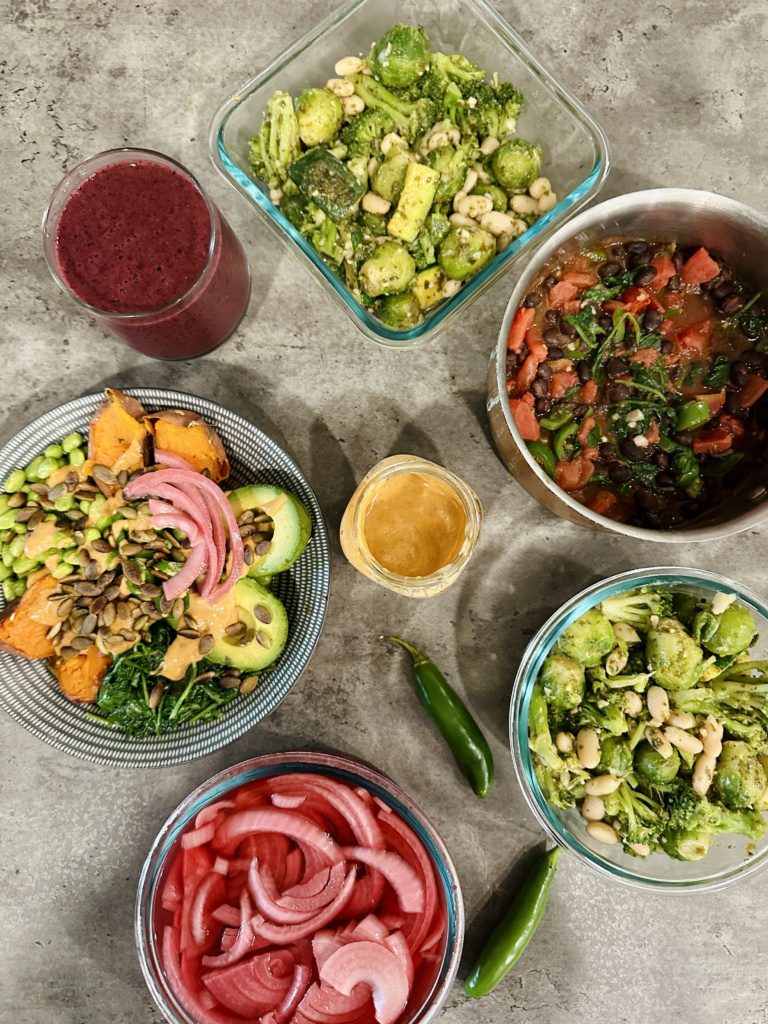
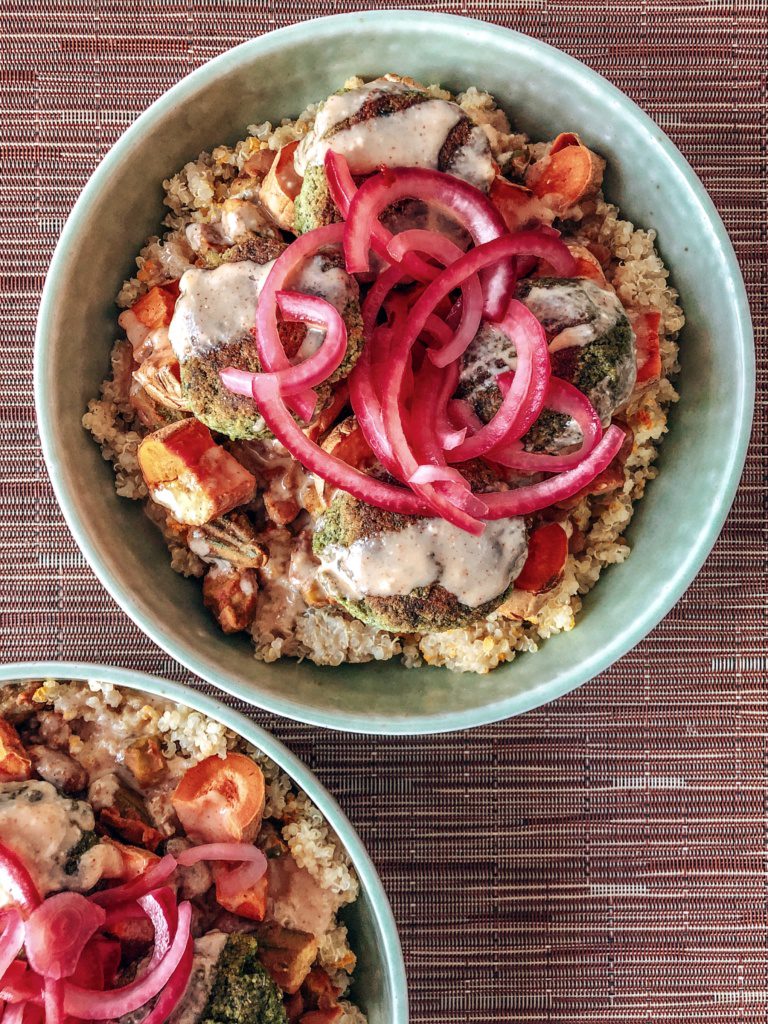
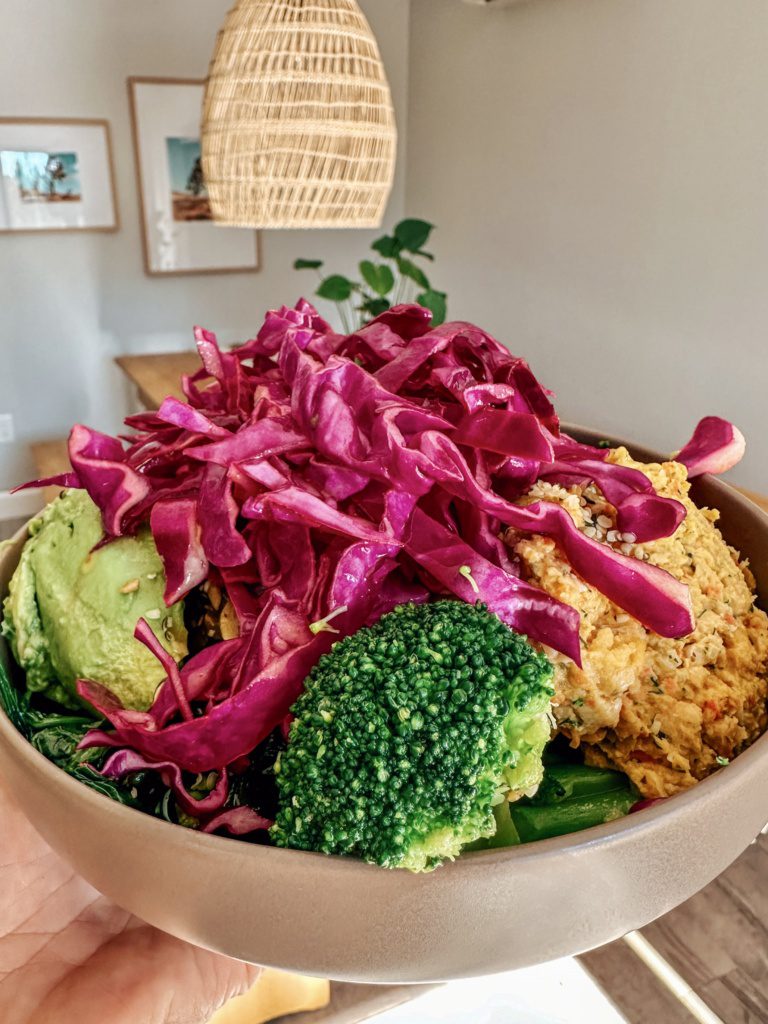
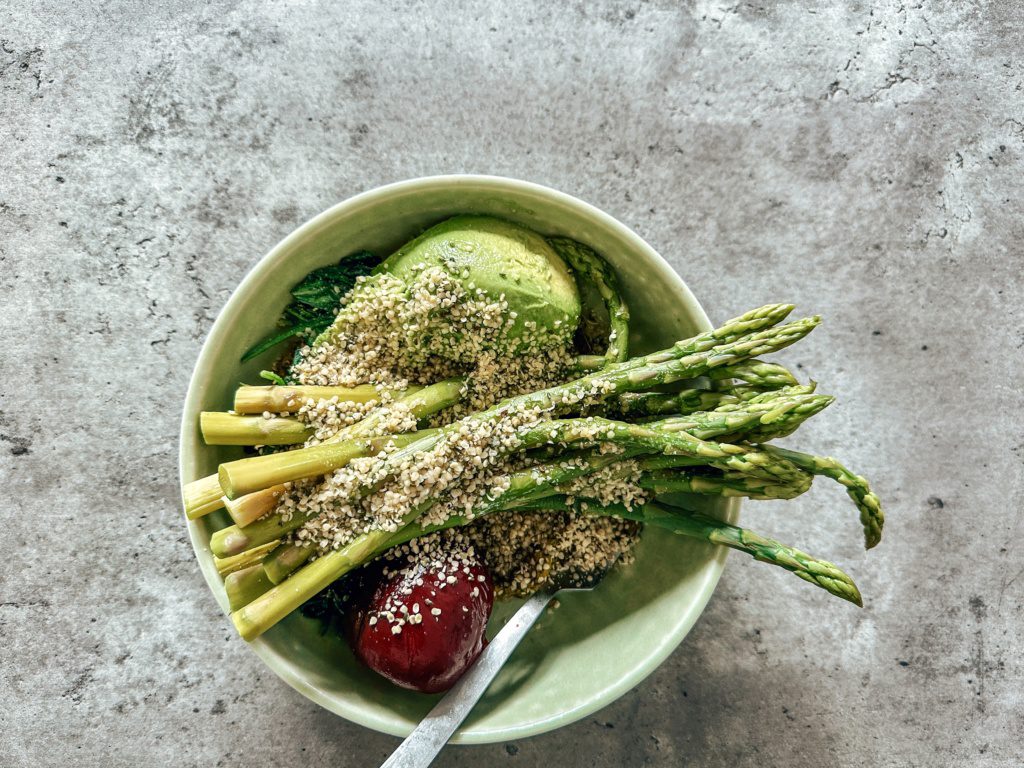
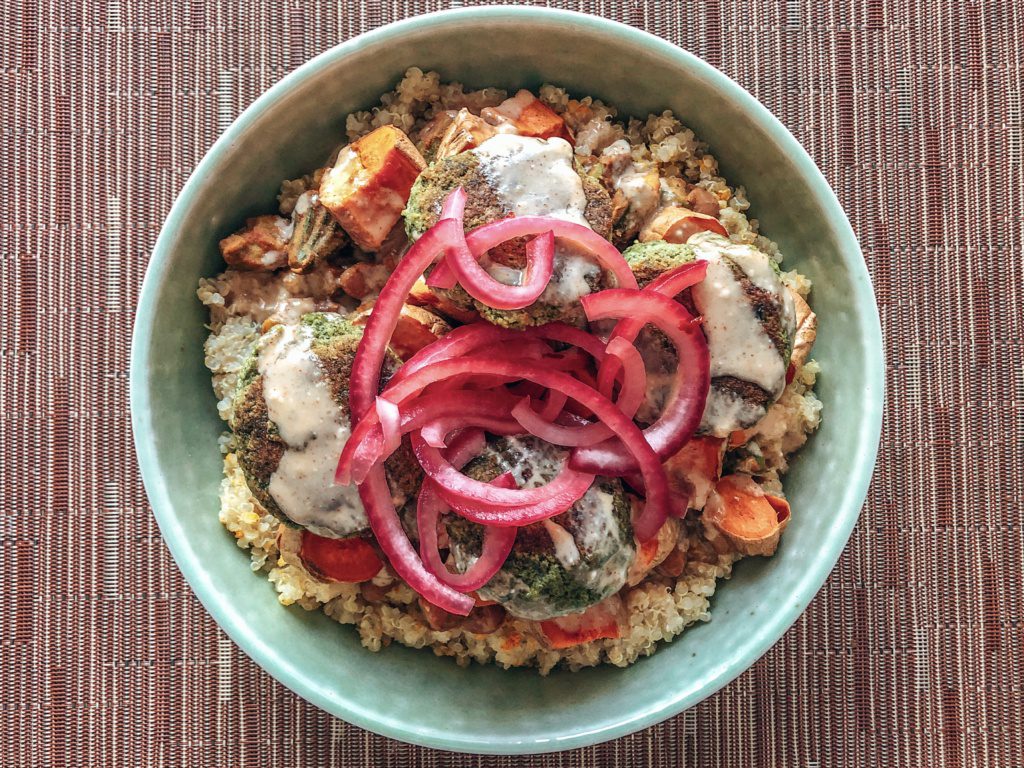
Buddha bowls
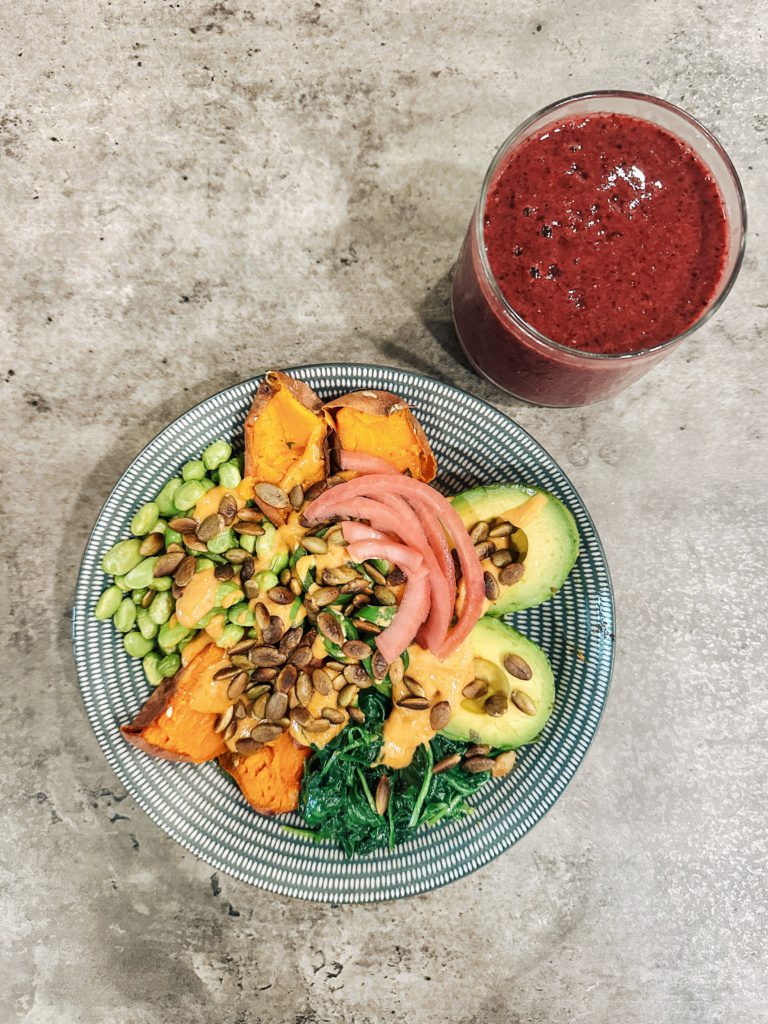
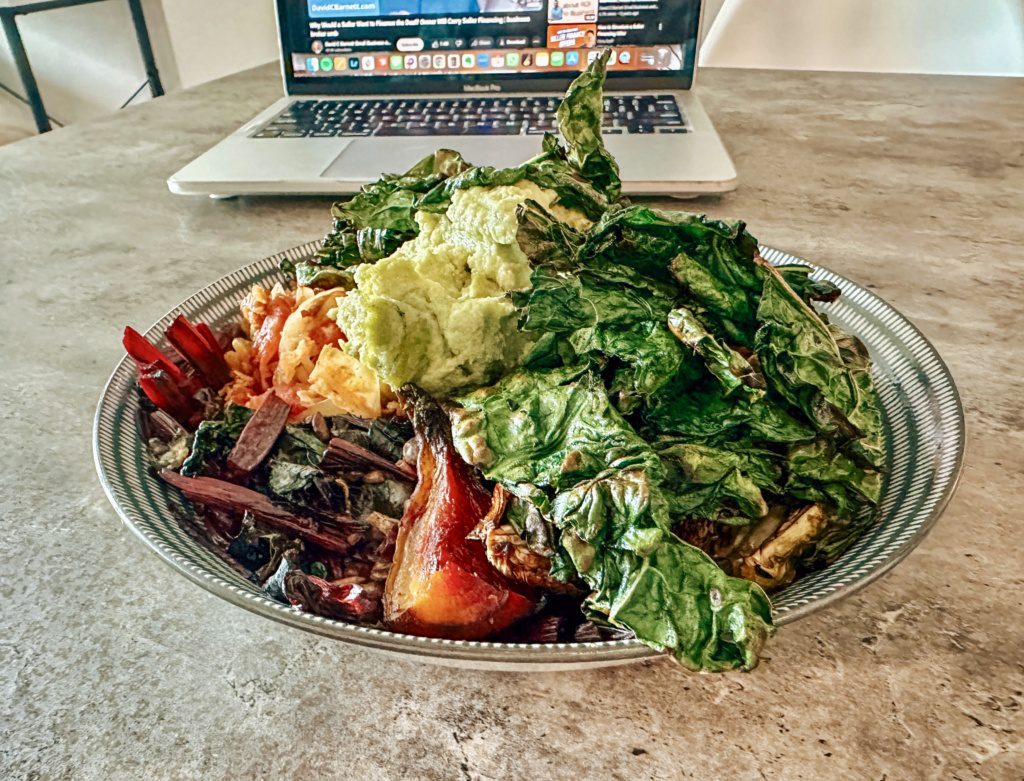
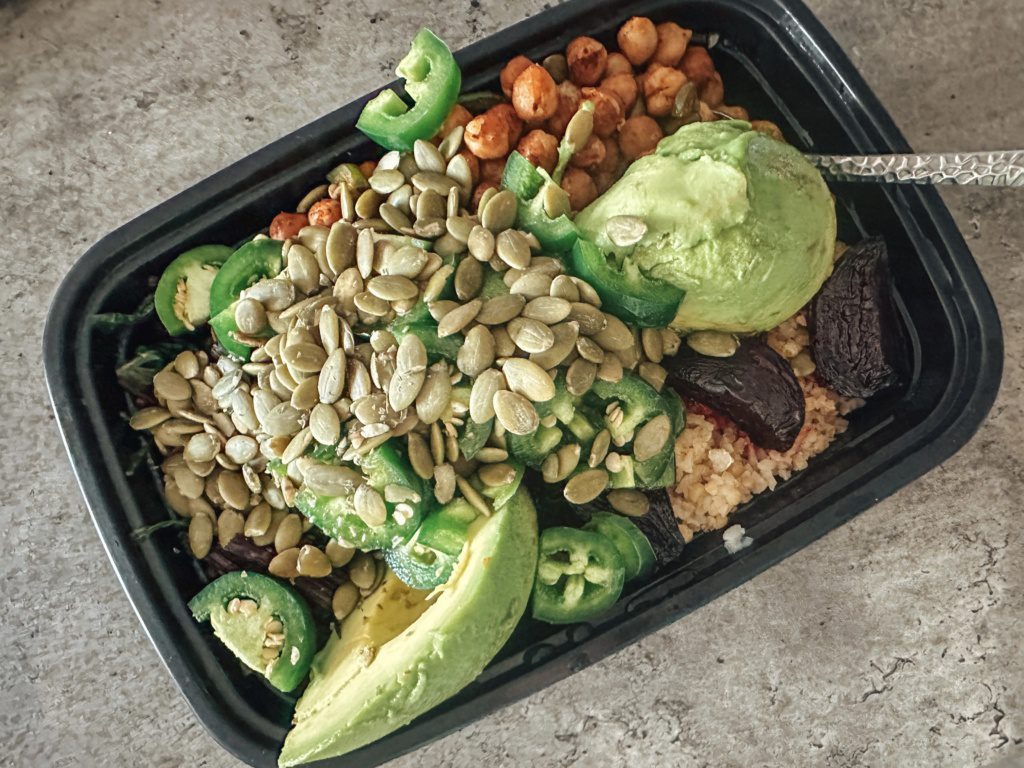
Instagram darlings, and for good reason. Highly customizable and photo-ready. I never order bowls when eating out. My rule is to only order out what I can’t make myself. Bowls are not even cooking, it’s assembling. Read: beginner friendly.
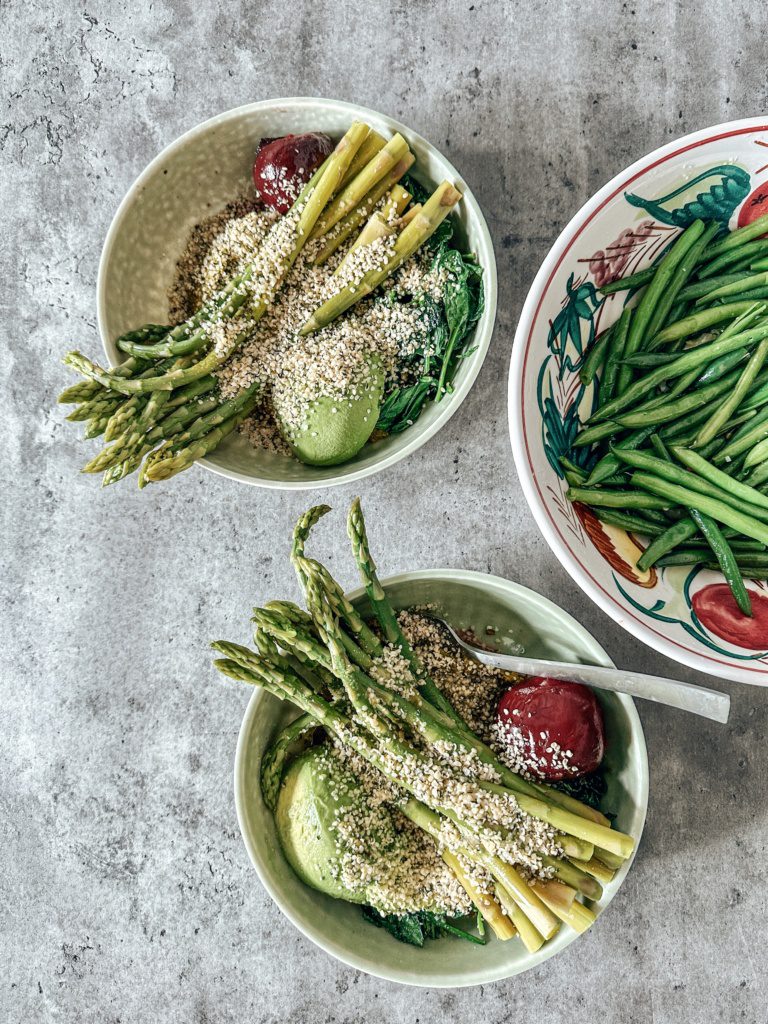
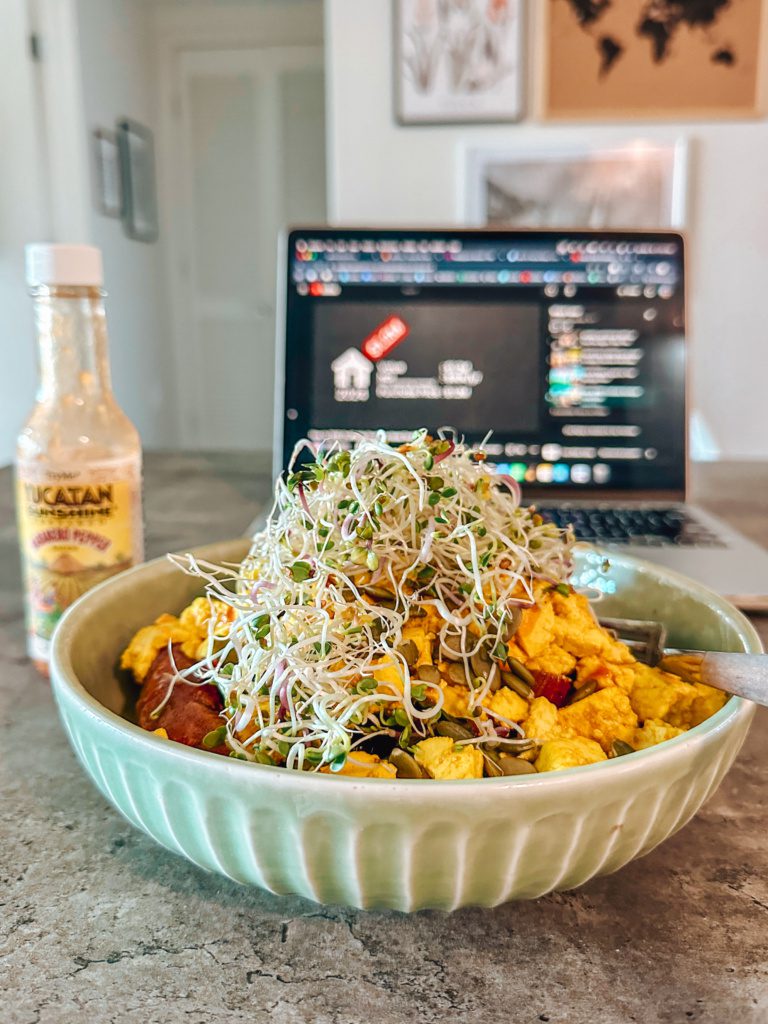
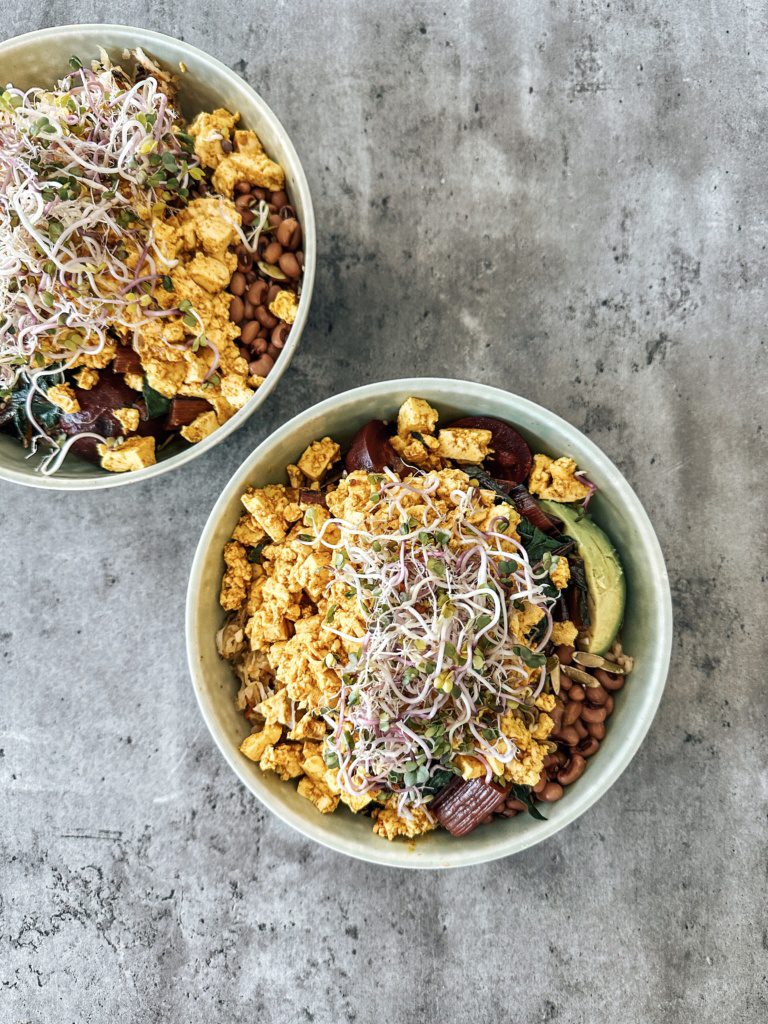
For me, it’s typically some complex carbs like roasted sweet potato, quinoa or bulgur, then some greens, an avocado, protein – maybe falafel or tofu scramble, topped with hot sauce or tahini, and a mountain of microgreens or sprouts.
Veggie stews & curries
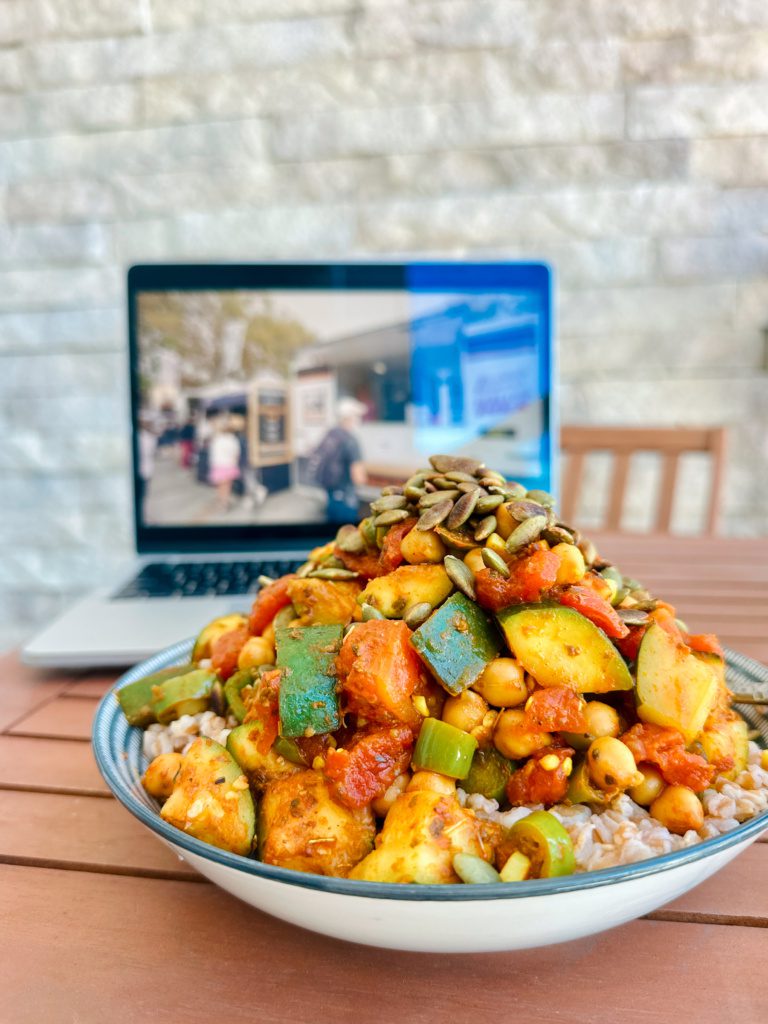
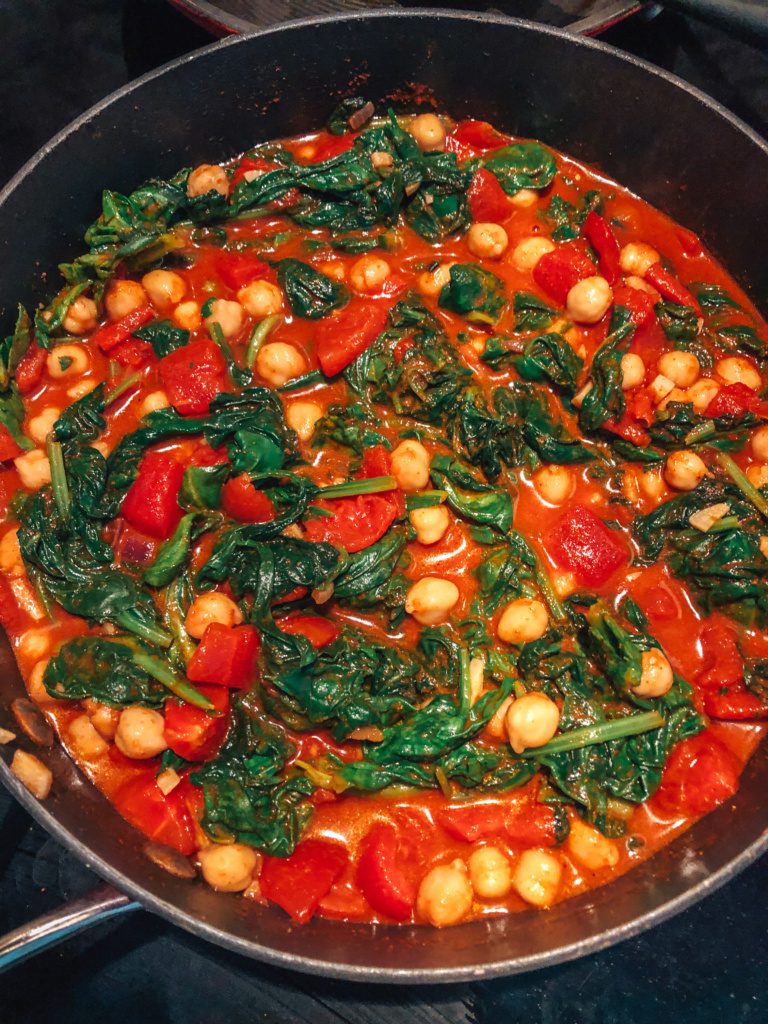
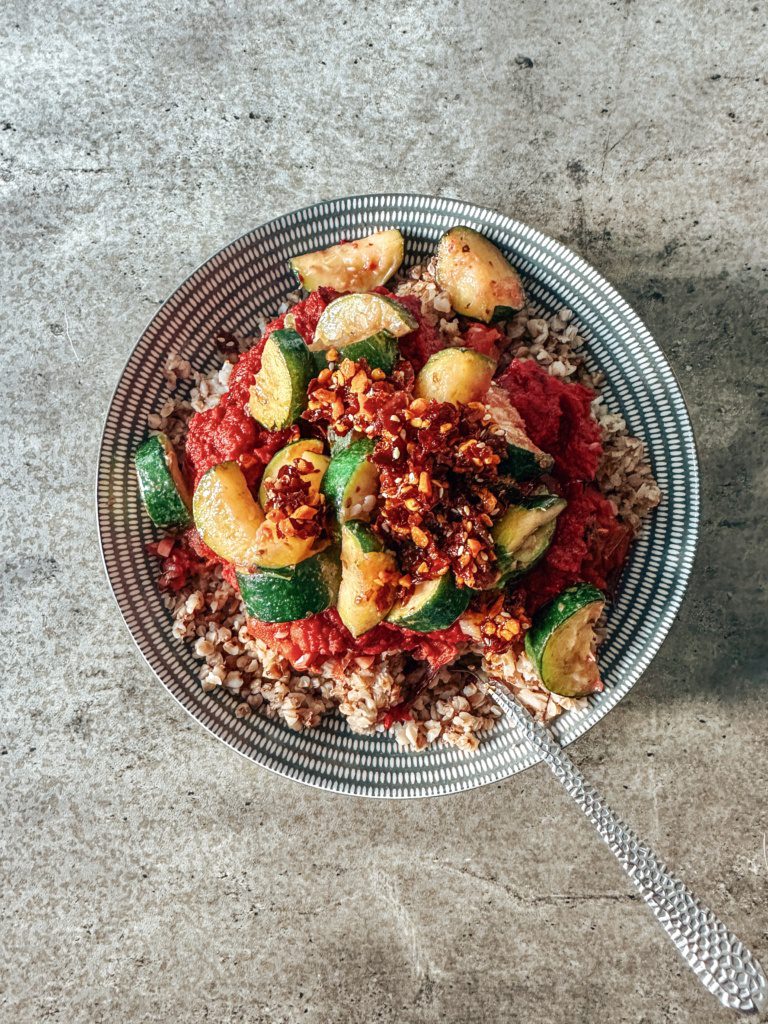
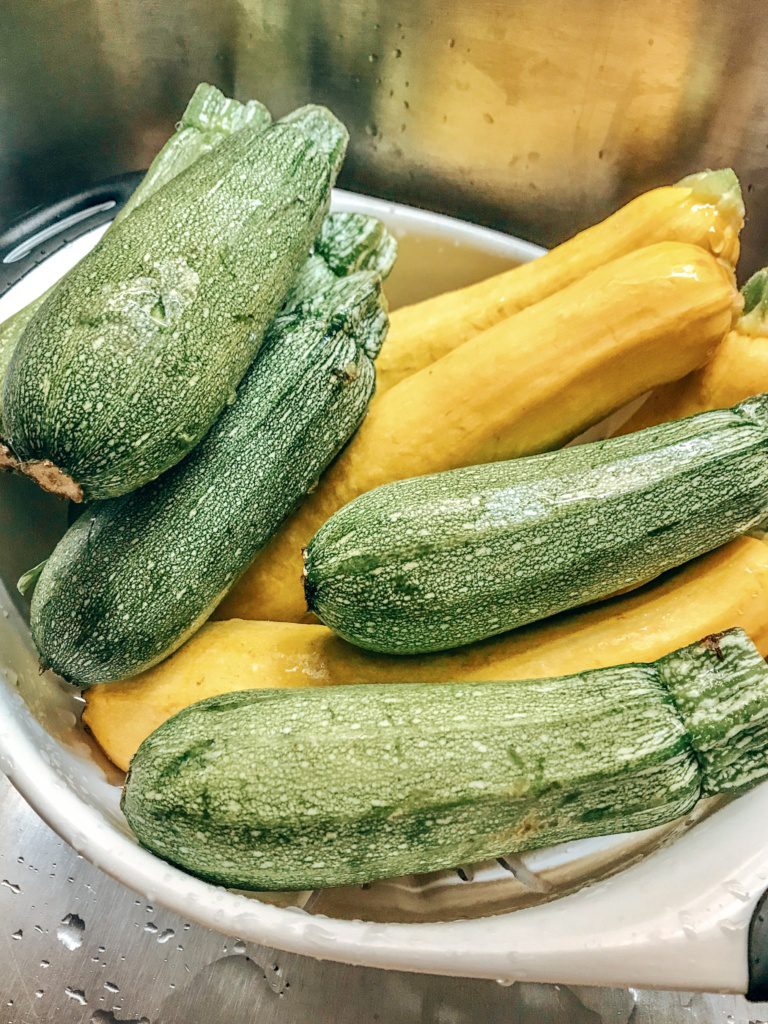
Seasonal produce + herbs + coconut milk, tomatoes, Thai paste, masala spices, chickpeas… endless options. A simple veggie ratatouille with lots of zucchini, belle peppers and eggplant is a summer staple.
Pro tip: stews and curries freeze well so make a big batch!
Soups
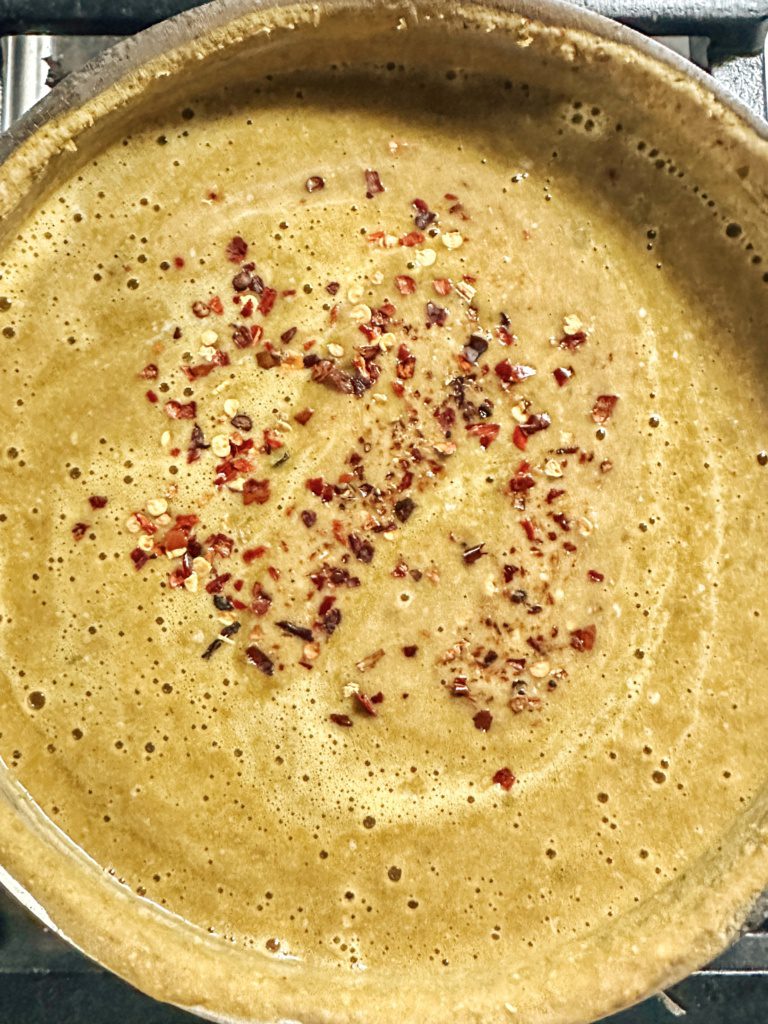
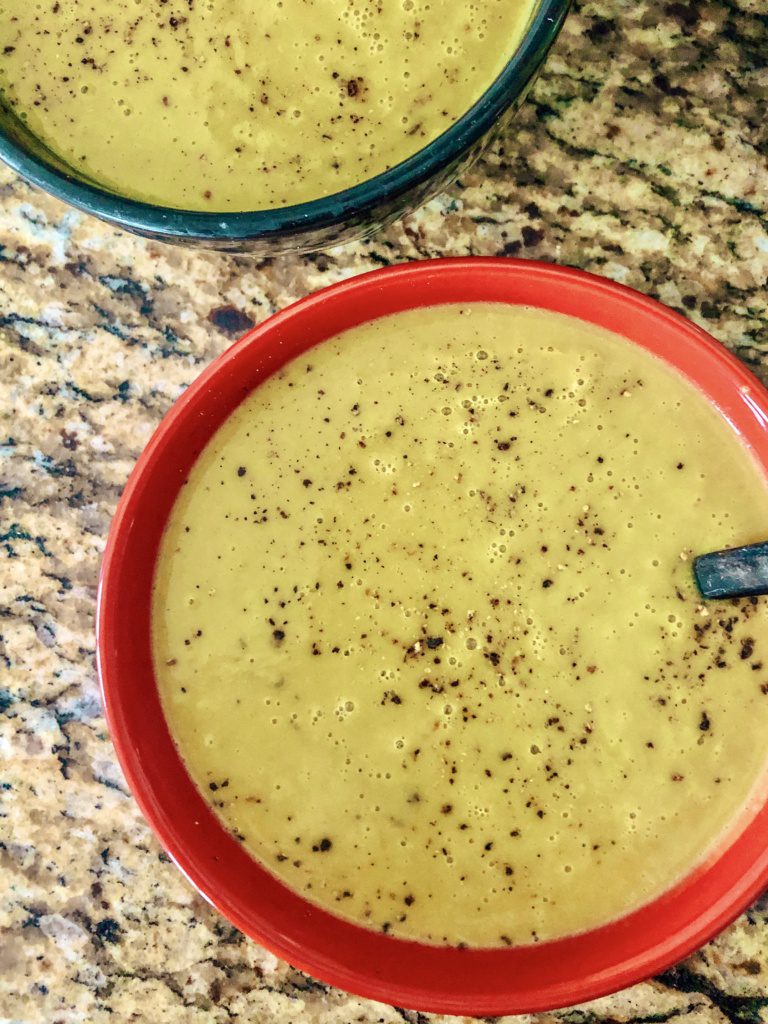
Pumpkin & ginger in fall, tomato & basil, Ayurvedic lentil soup with turmeric (though I add turmeric to almost any soup). Any seasonal veggies can be turned into a soup, be creative.
If you have a blender, make it creamy. If not, stick to minestrone style chunky veggie soups.
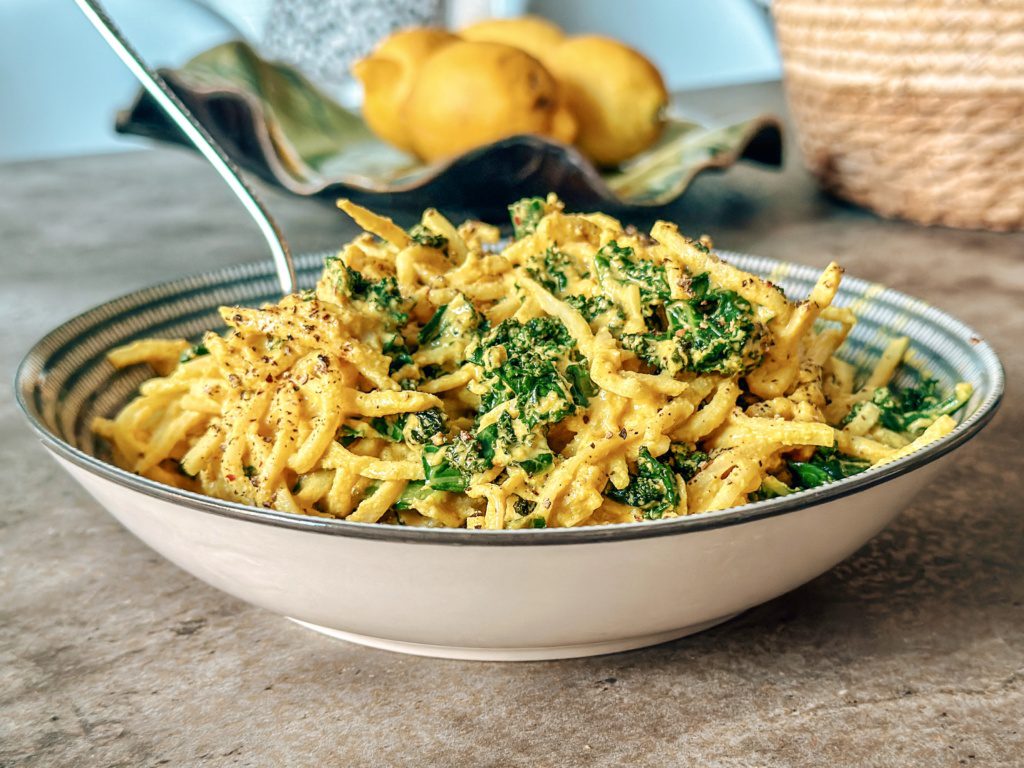
Gluten-free pasta dishes
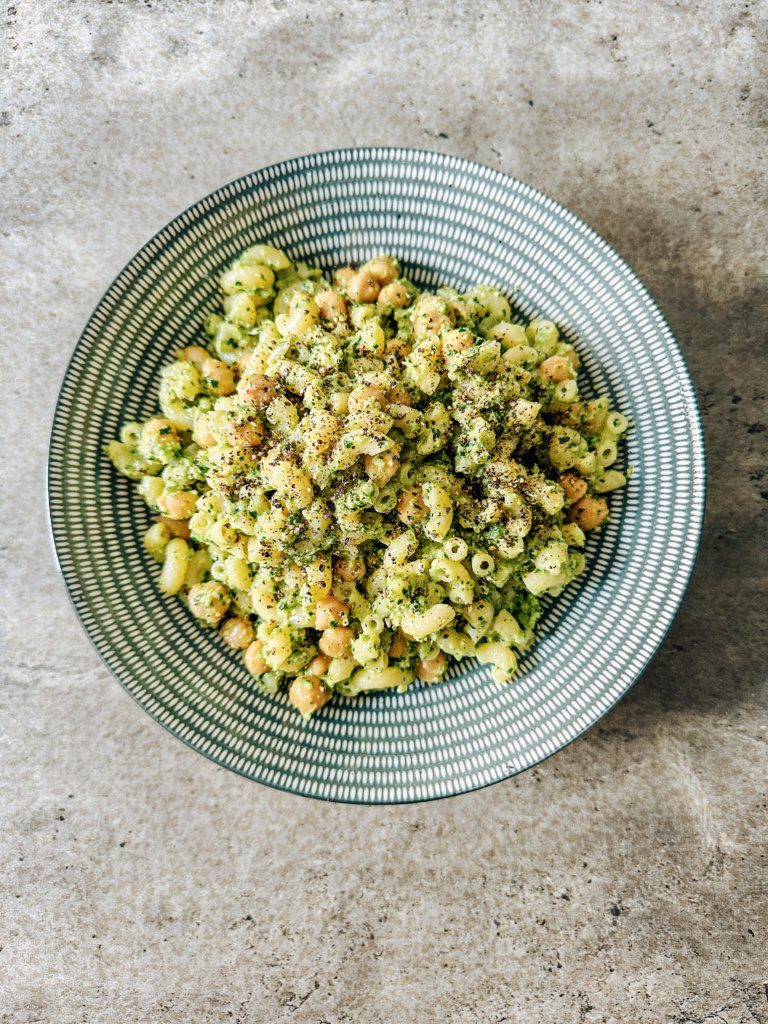
Typically made from lentils or chickpeas (Trader Joe’s & Whole Foods have great versions). I’m only gluten free when in the US. When I’m in Europe, give me all the pizza, pasta, bread, croissants…
There have been countless stories of people who are gluten intolerant in the US but not elsewhere. GMO wheat is a serious issue here.
Tacos & nachos
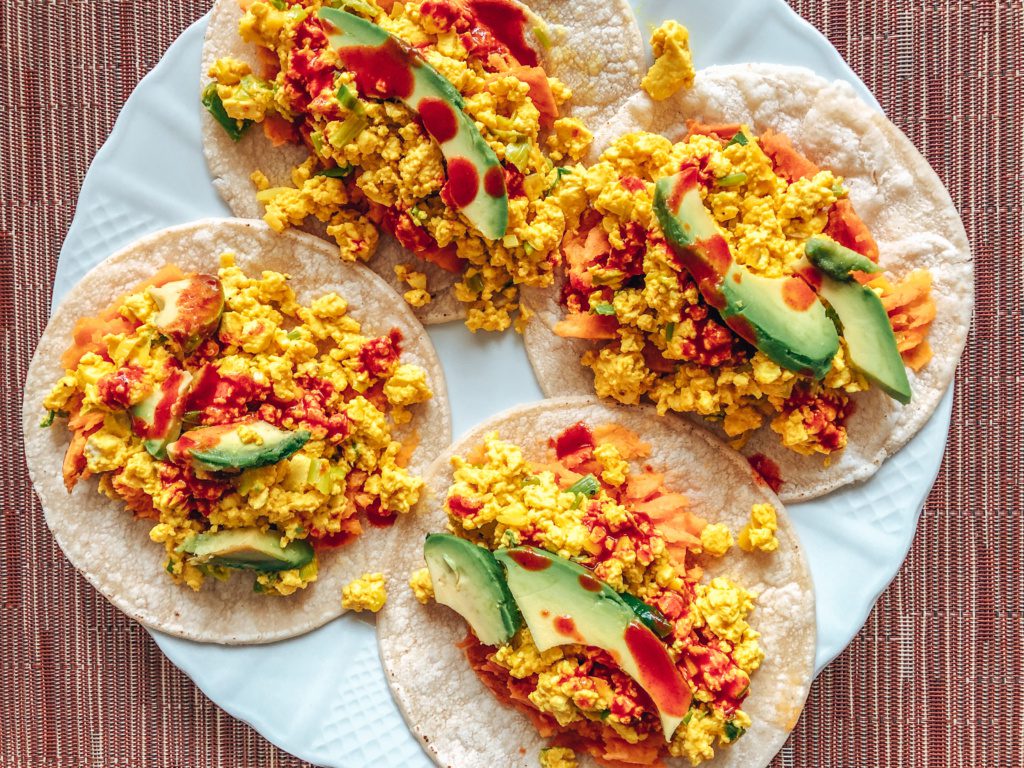
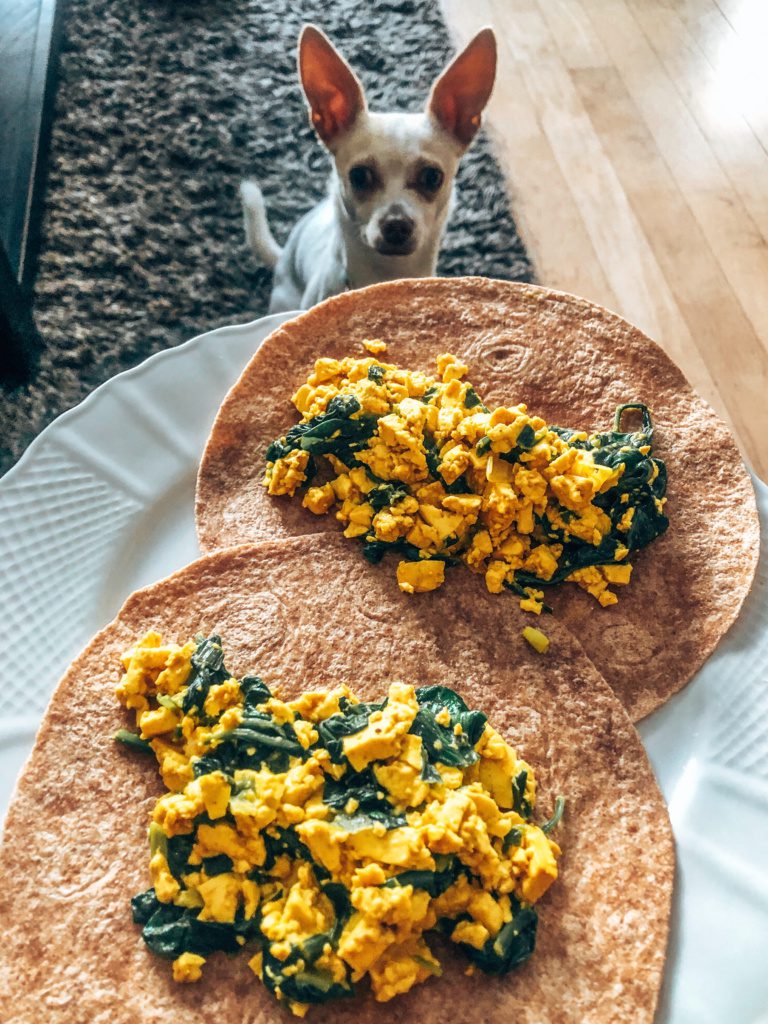
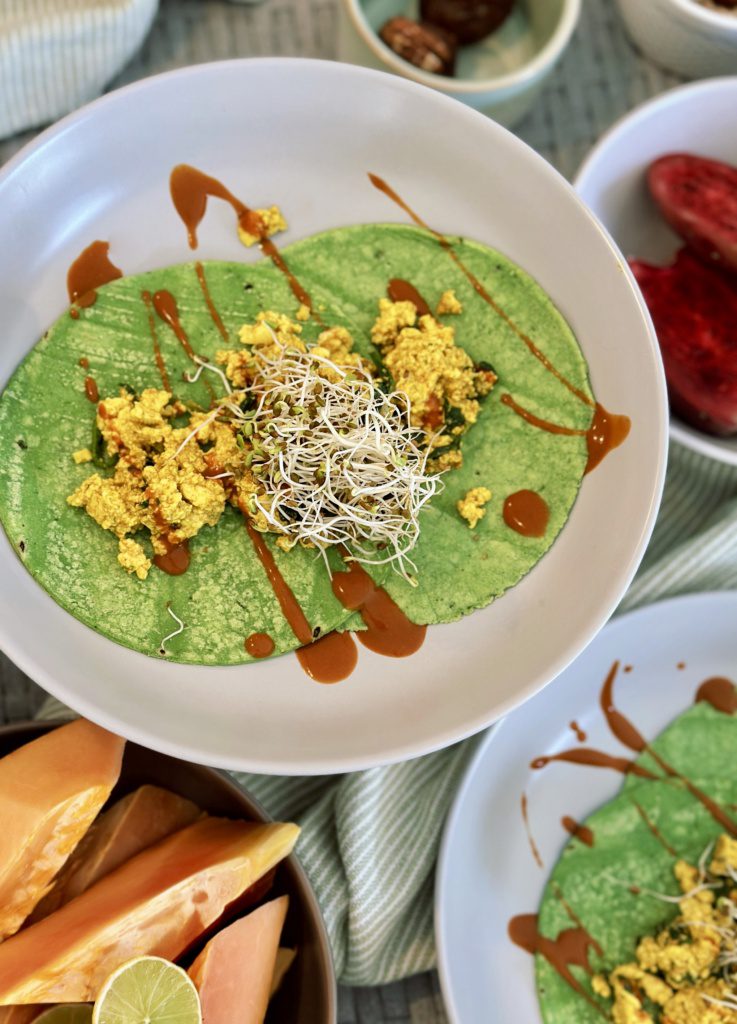
I live in LA. Hello Taco Tuesday. And Wednesday, and Thursday… Mushroom, cauliflower, potato, tofu scramble for easy protein breakfast tacos (kala namak salt is a pantry staple).
I have my hand made tortillas supplier, and will often swap them for Trader Joe’s jicama wraps.
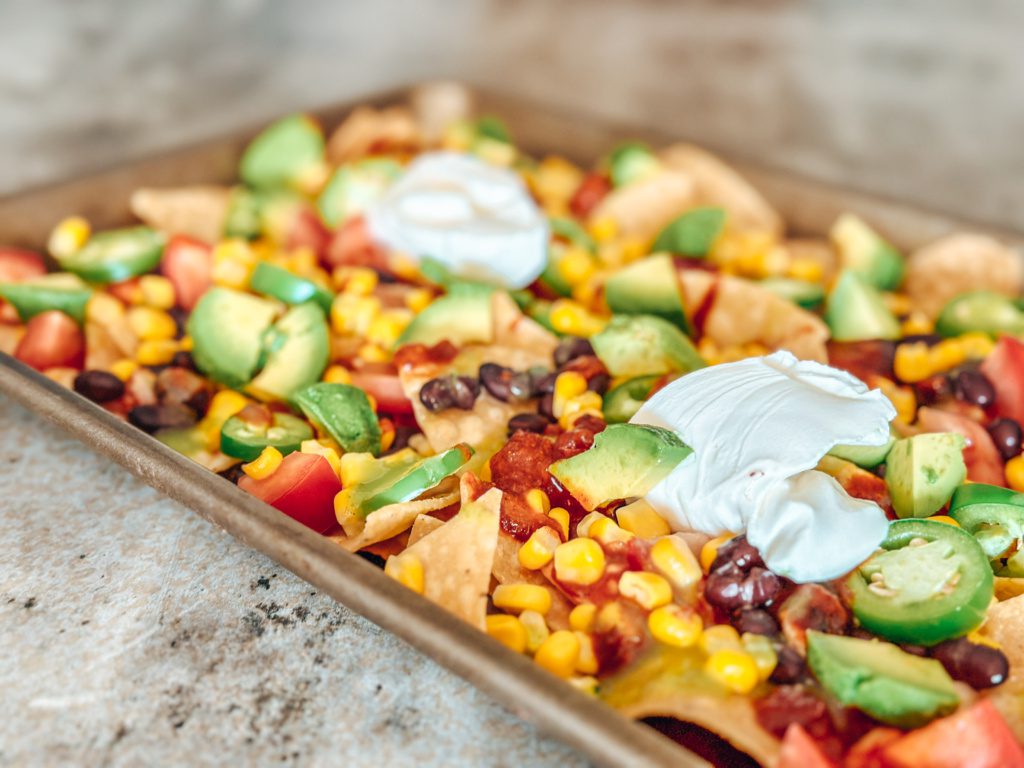
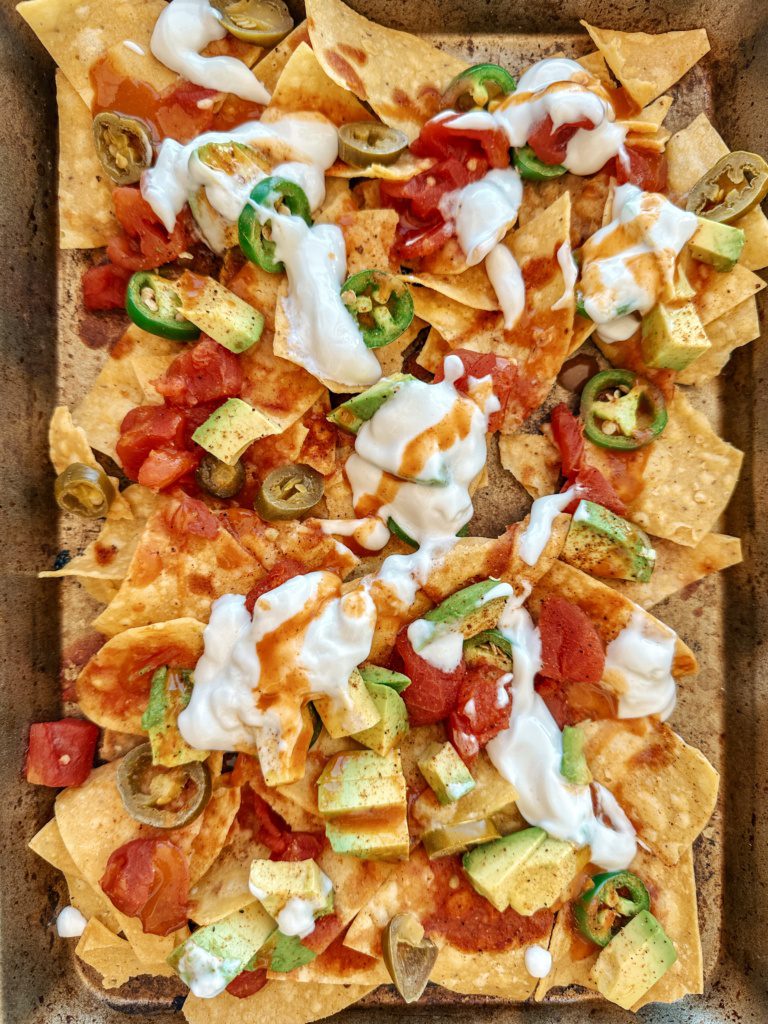
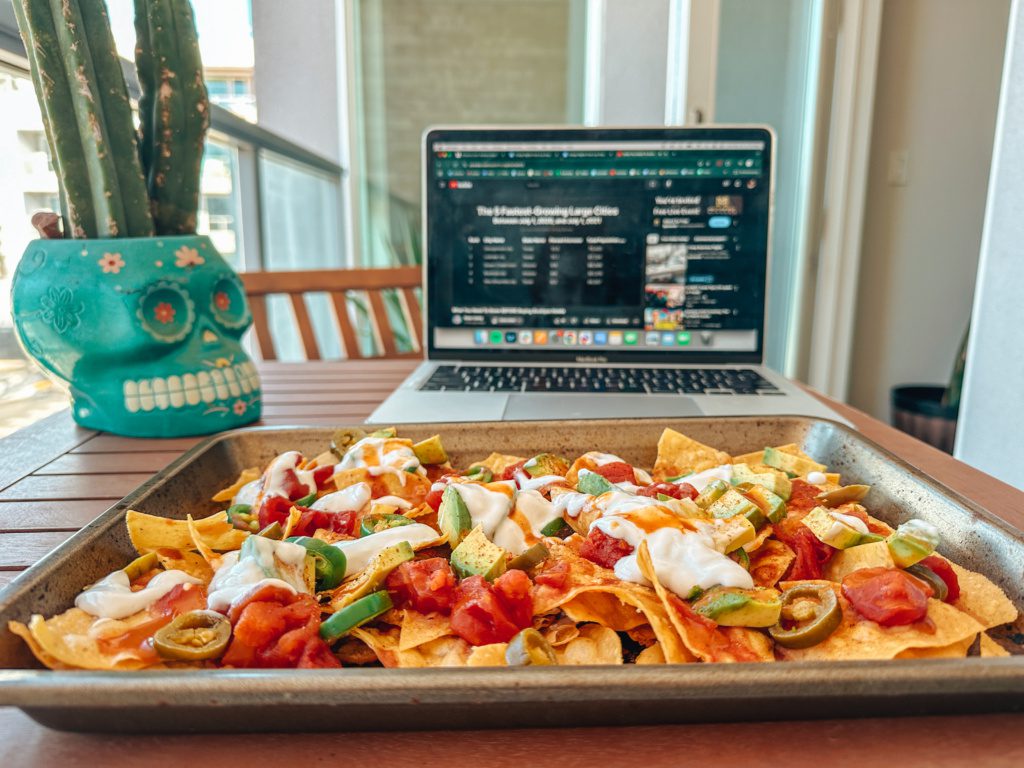
Home made nachos are for those chips-craving cheat nights that perhaps only Angelenos can understand.
You might also like: We Ate All The Vegan Tacos In LA – Here Is Our Top 10
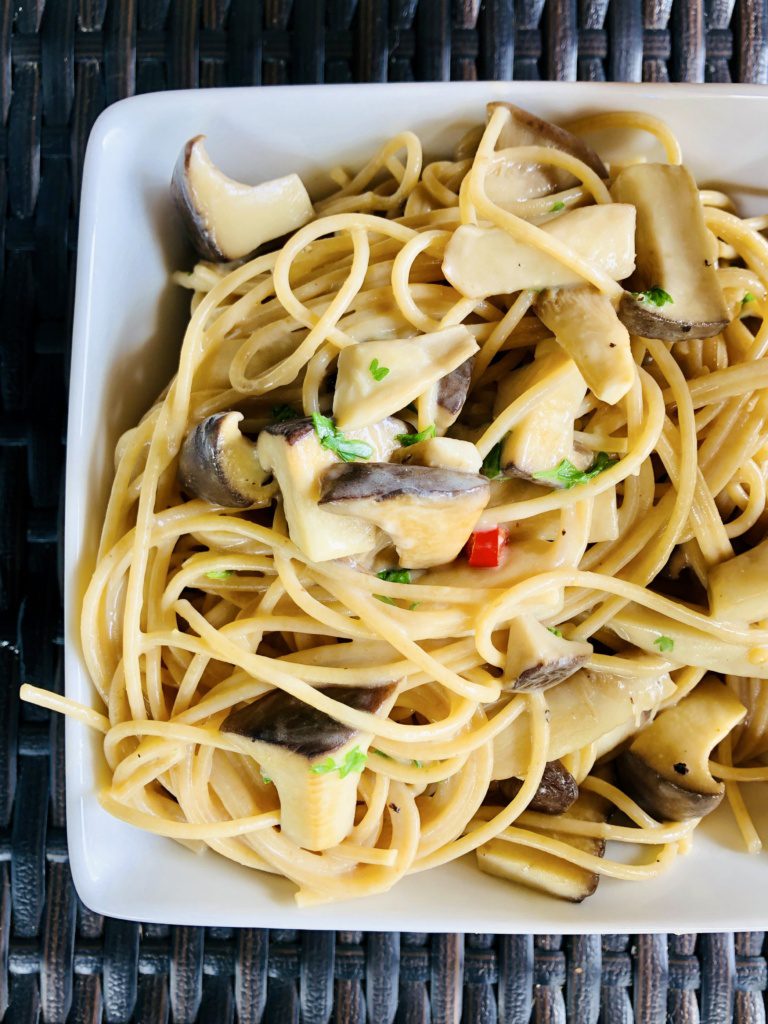
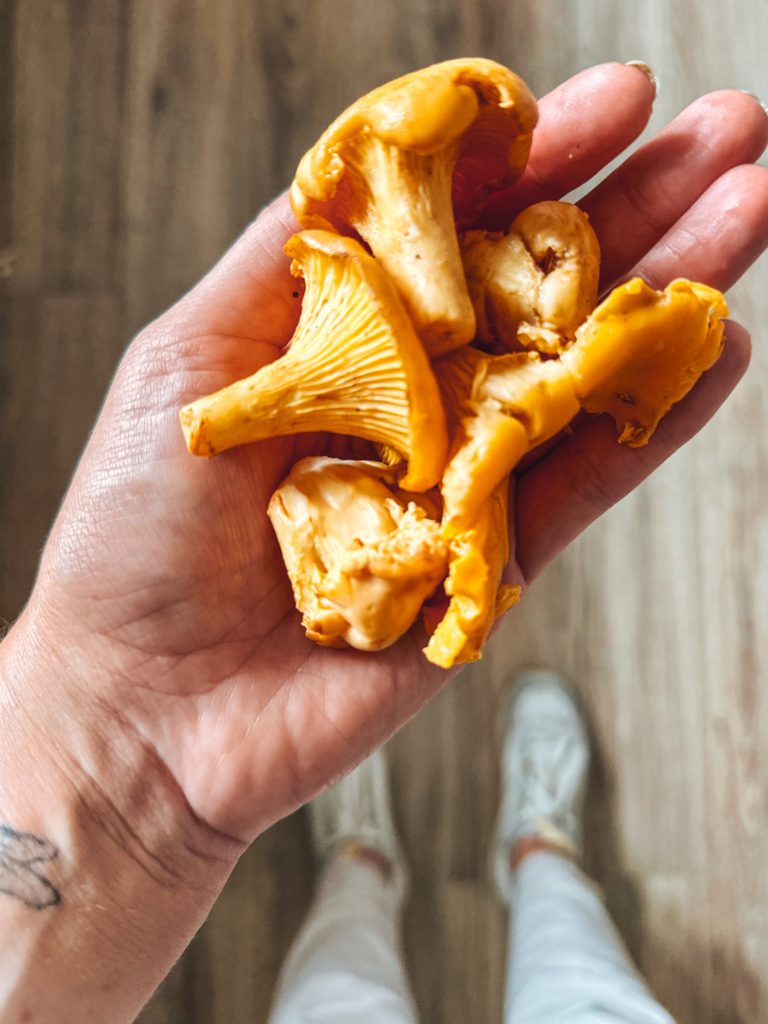
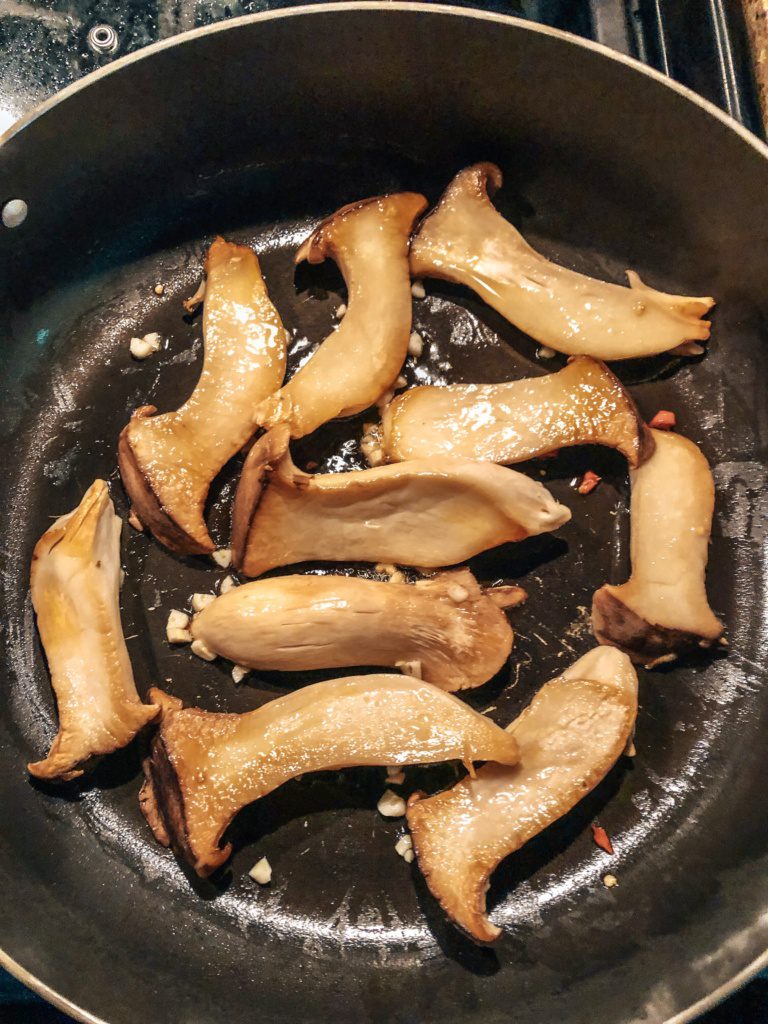
Mushrooms
I grew up foraging for mushrooms in the woods. Anything with mushrooms reminds me of my childhood. Admittedly, store bought mushrooms today have very little nutritional value. Or flavor, for that matter.
If you can, look for the wild varieties. There are local mushrooms in most parts of the world, keep an eye out for them when traveling.
Rice dishes
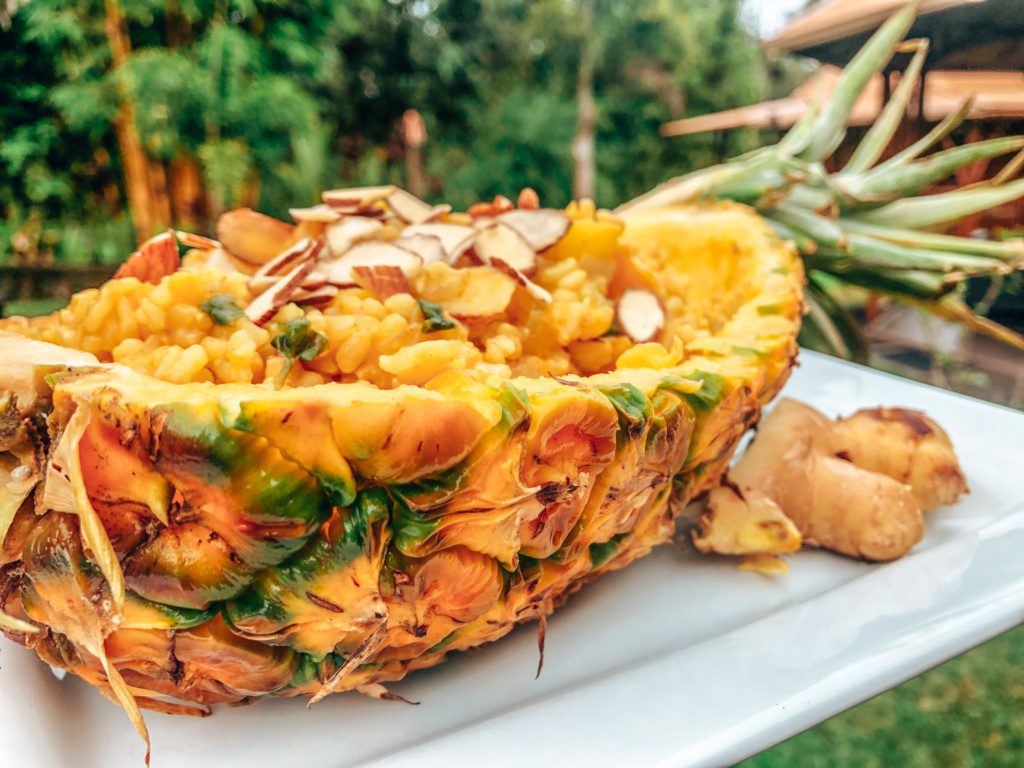
Paella, risotto, kimchi fried rice, pineapple fried rice… comfort food from around the world. I typically reserve those dishes for when I’m hosting people or having a dinner party.
Pro tip: be sure to use the right kind of rice depending on the cuisine. It really does impact the dish. Bomba for a paella; carnaroli or vialone for Italian risottos; jasmine for curries etc.
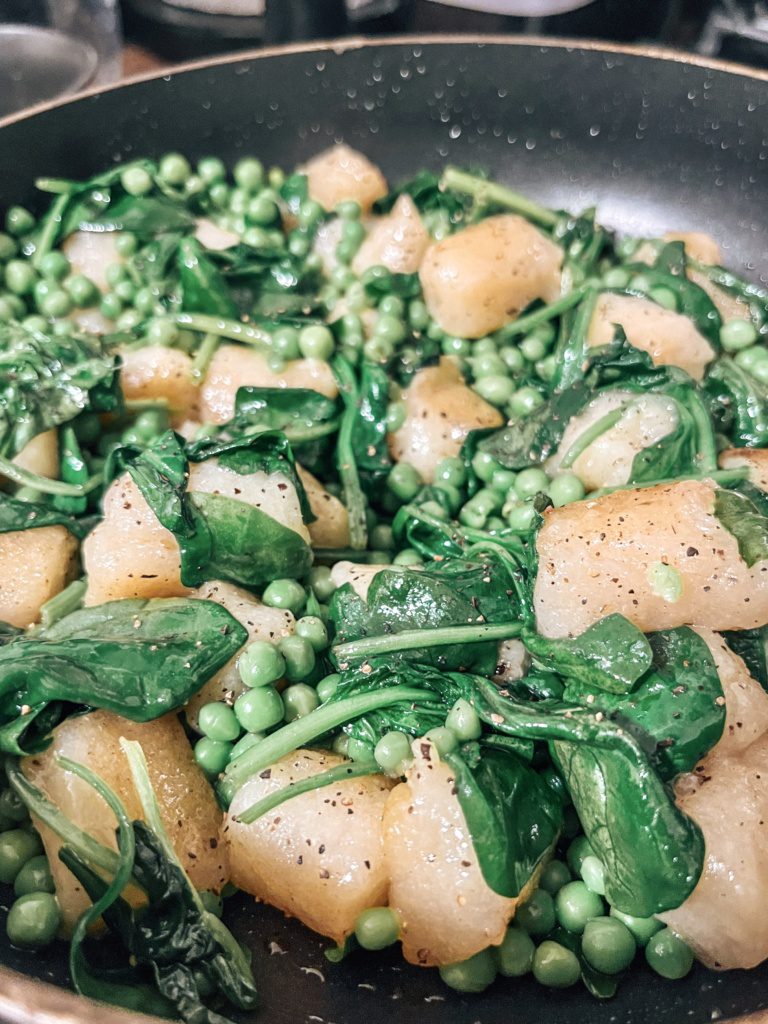
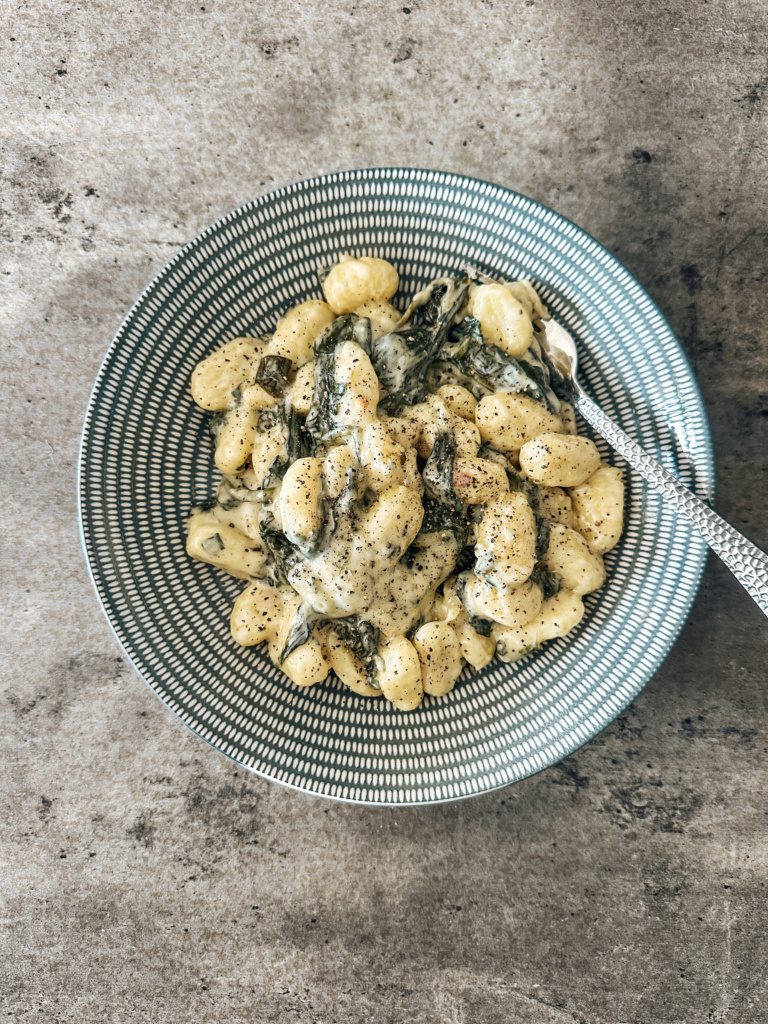
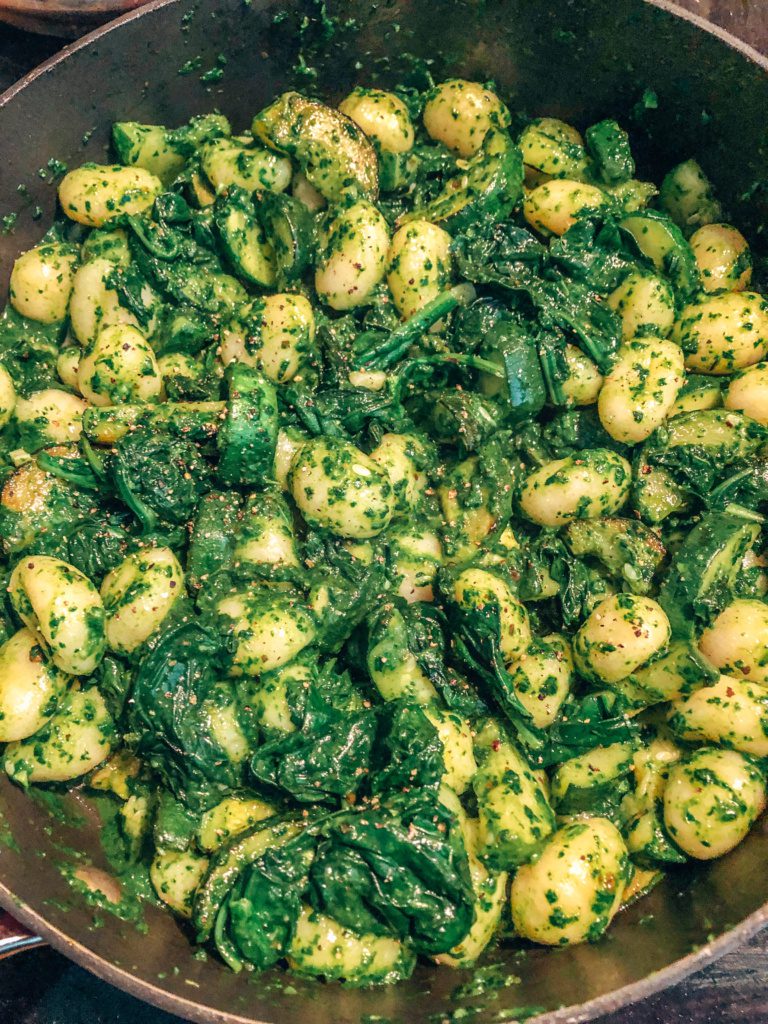
Gnocchi obsession
Trader Joe’s cauliflower gnocchi is my guilty pleasure. Homemade attempts? Mixed success. Learning to make sweet potato gnocchi… work in progress.
My friends know I’m low key obsessed with gnocchi and anyone who’s been to one of my dinner parties more than once has probably been served some form of a gnocchi dish. How can you not love those little morsels of joy!
Salads
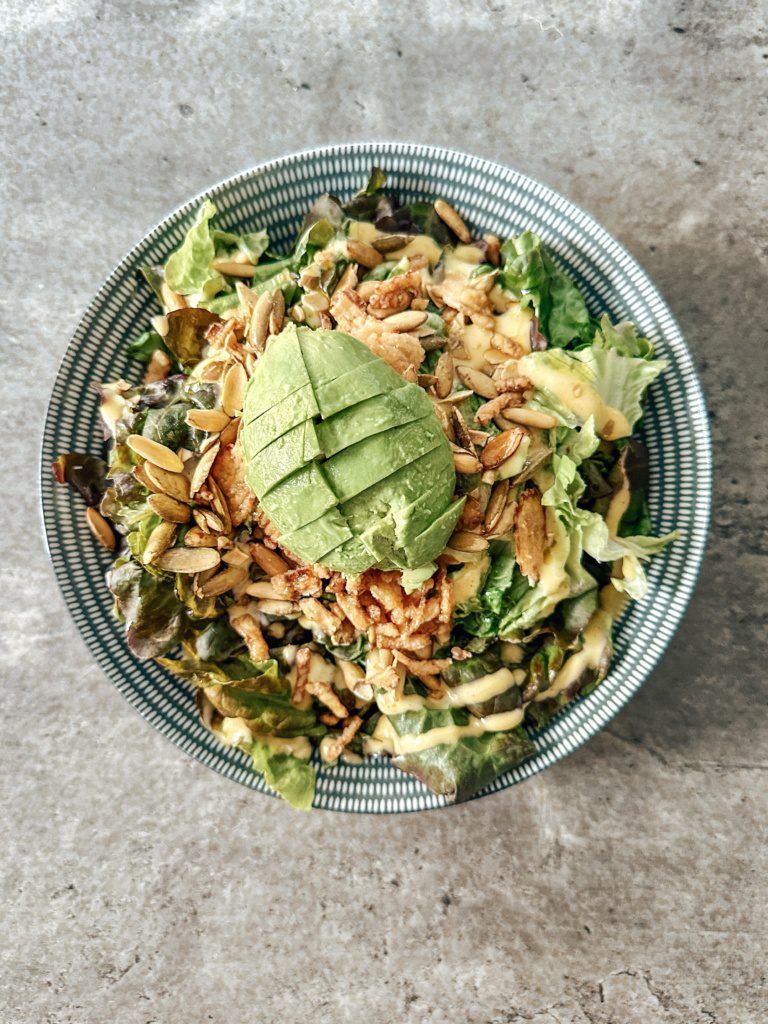
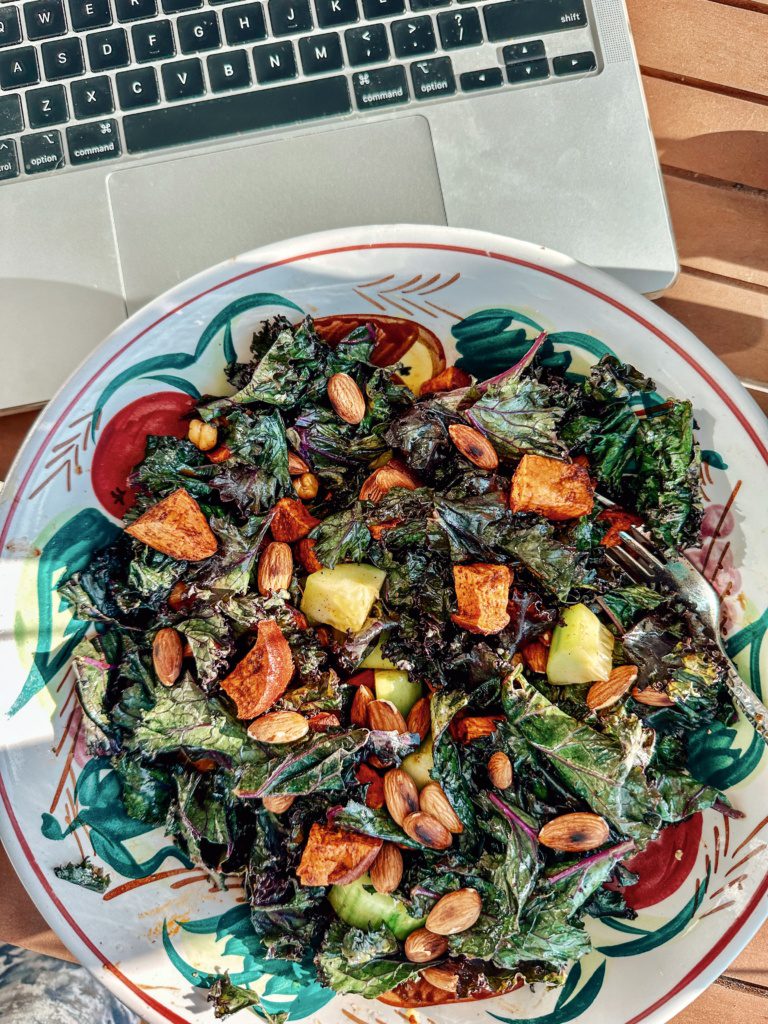
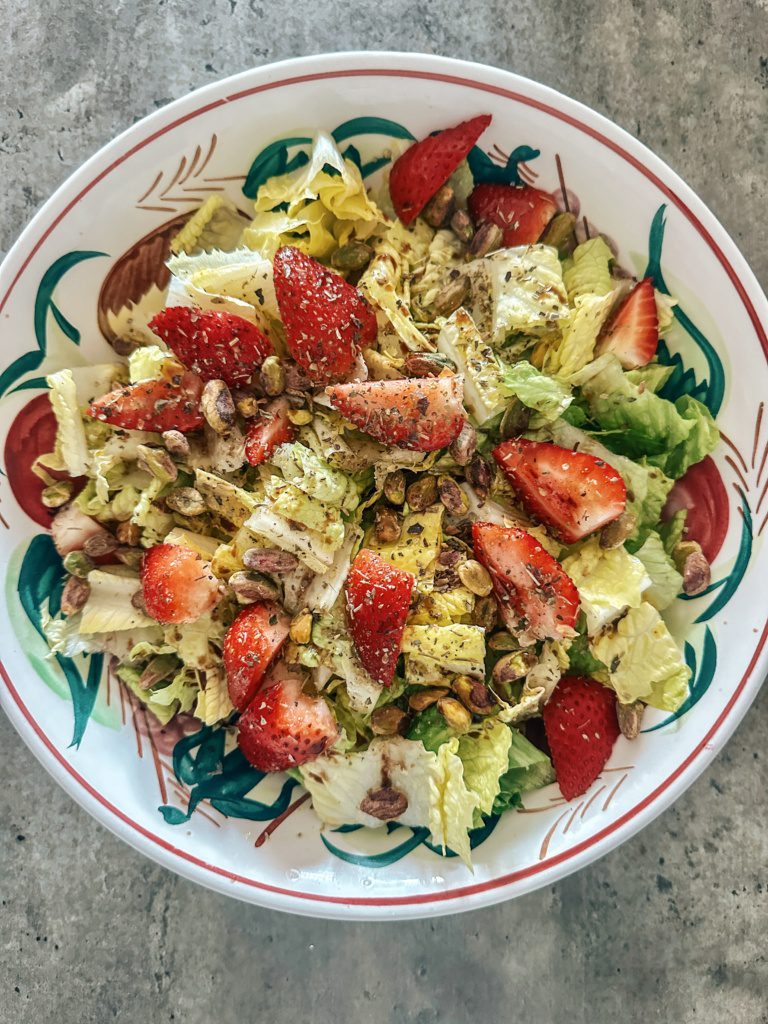
Any seasonal greens topped with sardines, artichoke hearts, olives, avocado… or hearty warm versions in fall. The key is to avoid store bought dressings.
The sooner you fall in love with tahini the better for your health. Experiment with herbs, they are so good for you, just be sure to buy pure single ingredient herbs without any additives or sodium (steer clear of mixes).
Homemade dips & spreads
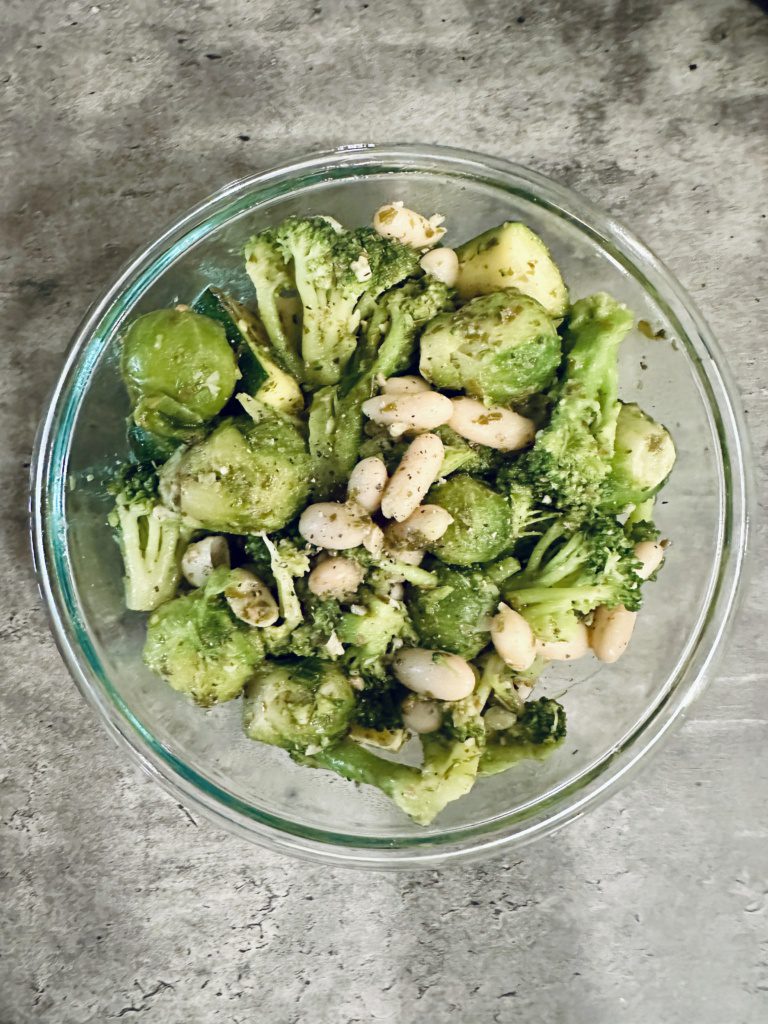
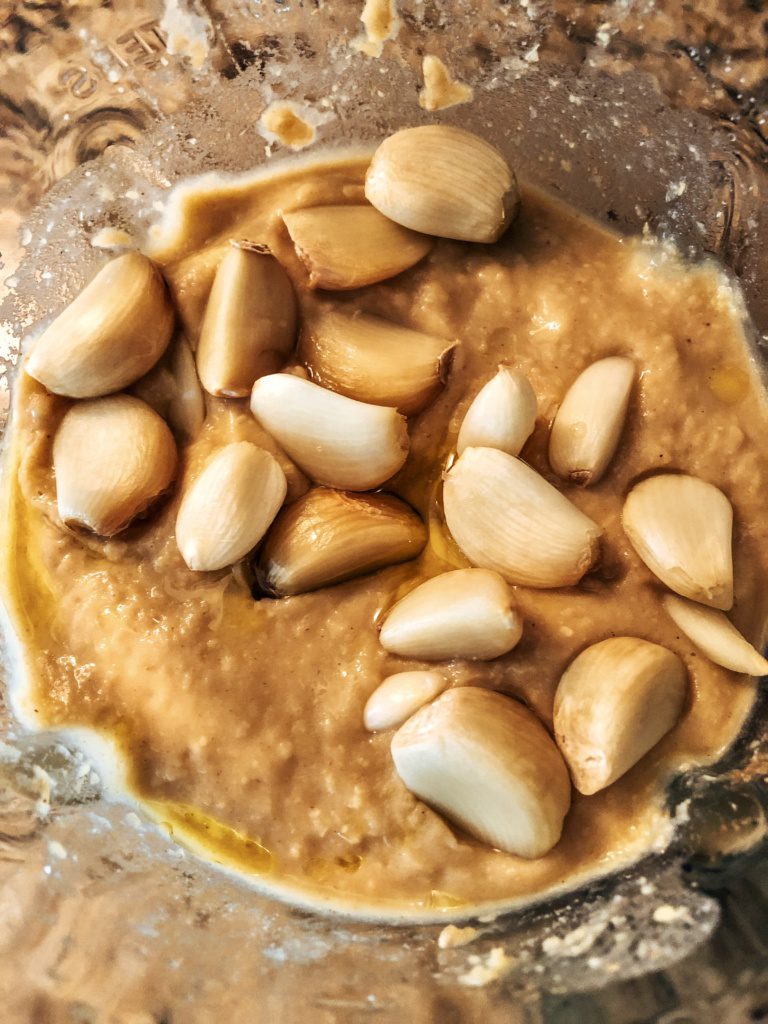
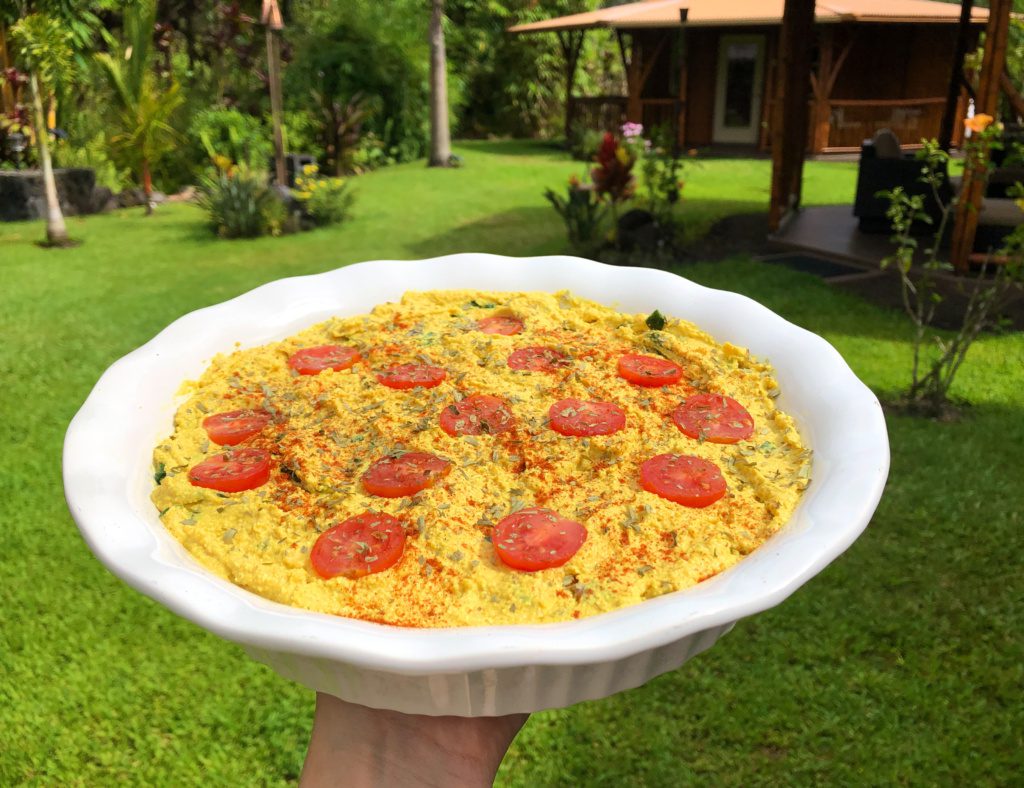
With a food processor and a can of beans, you have no excuse. Add olive oil + seasoning → magic. Hummus, pesto, tapenade in any flavor you can think of? Done.
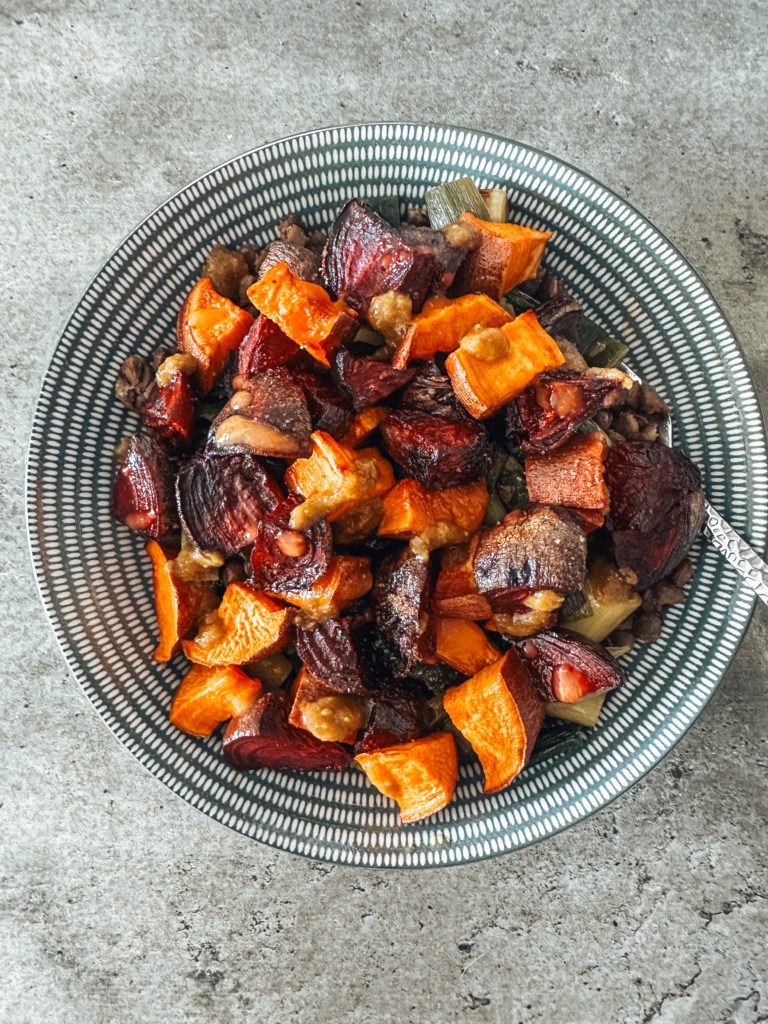
Pro tip: One-sheet oven roasted veggies – any mix of veg + EVOO + flaky sea salt + herbs. Serve with dips above.
Tofu, tempeh, seitan
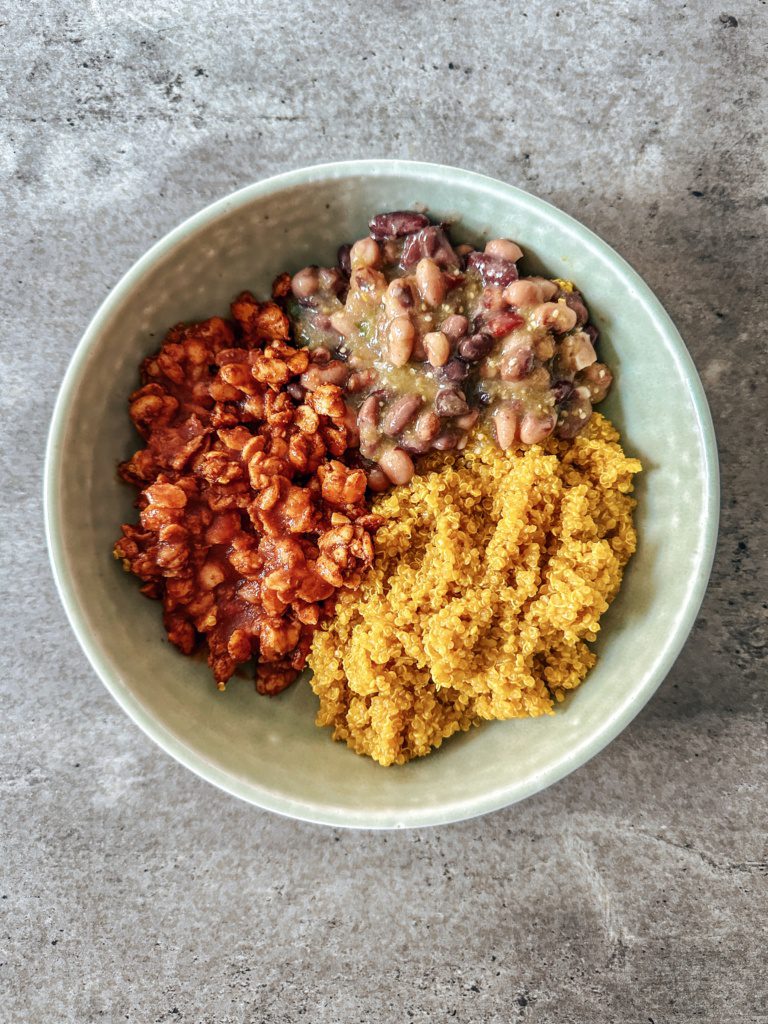
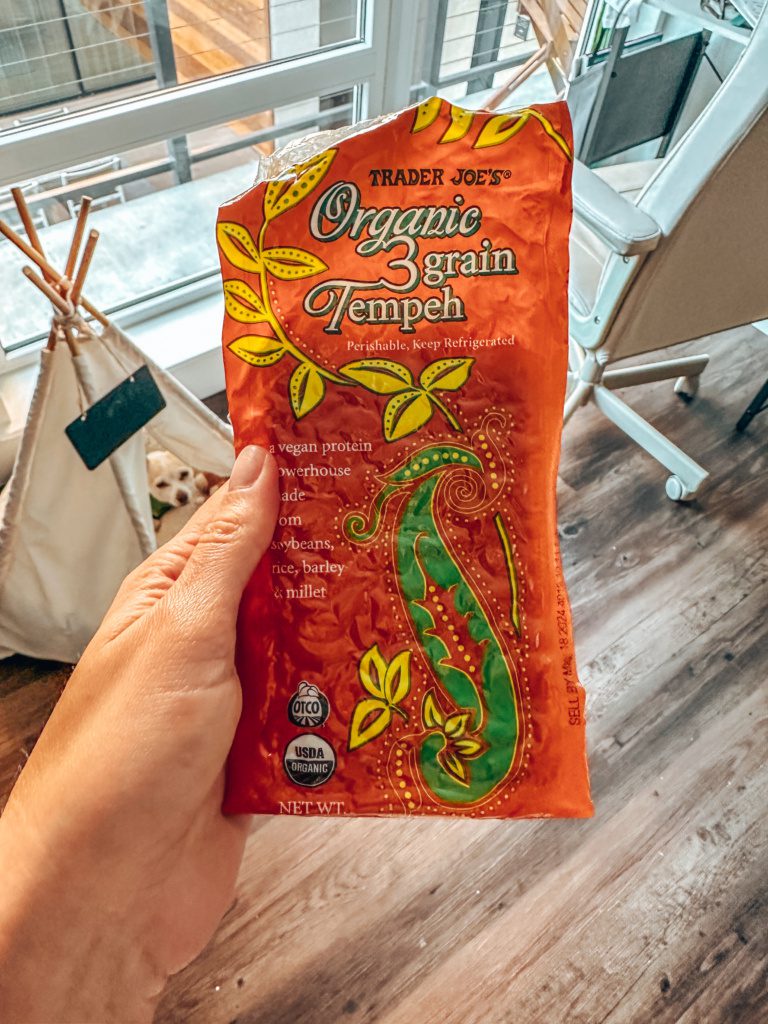
Vegans need no introduction. Tofu, seitan and tempeh have been supplying the plant based community with protein and meat-like texture for decades. Vegan or not, give them a try for variety. Our tofu scramble at Heart Core Hotels had die hard carnivores asking for the recipe.
If you’re in London, visit Temple of Seitan vegan fried chicken joint.
Just remember to avoid all the fake meats available today, such as Impossible and Beyond. Dr. Mark Hyman aptly calls them “ultra processed science projects”. I really did believe in them initially, but I’ve grown wiser since.
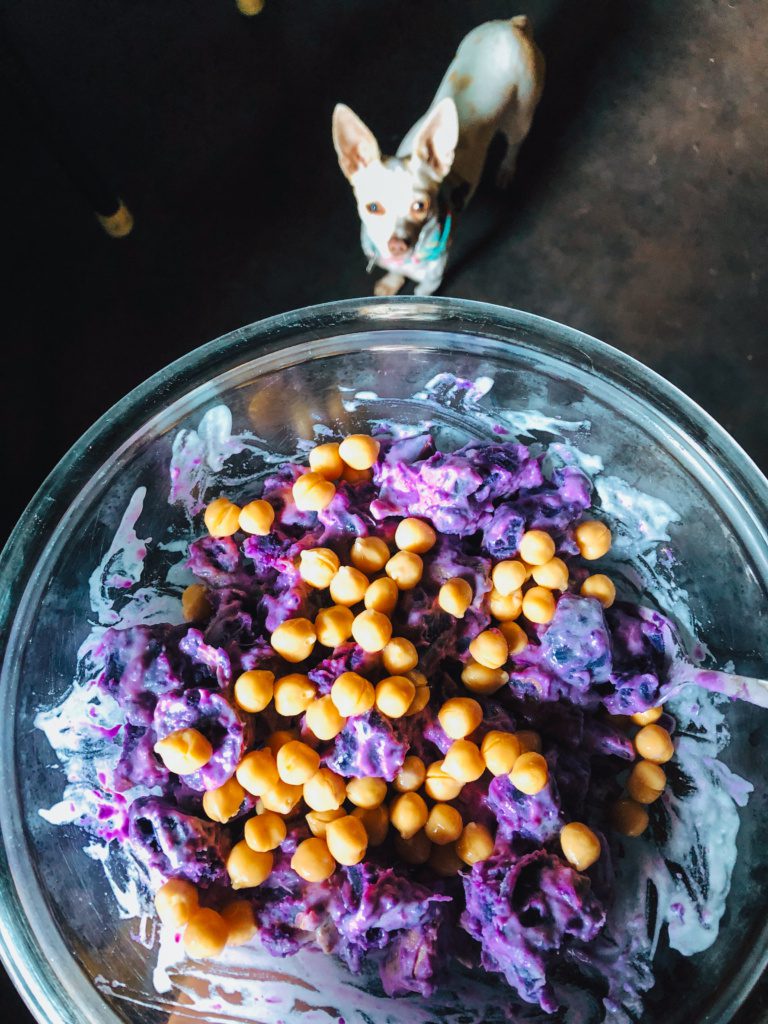
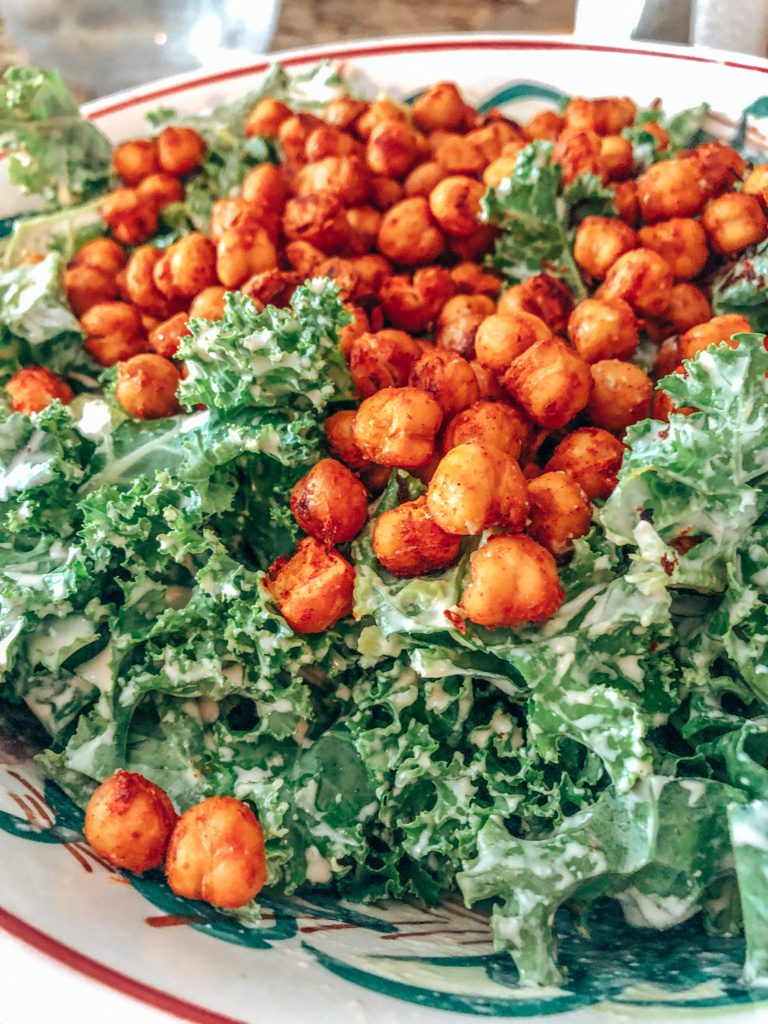
Crispy garbanzo
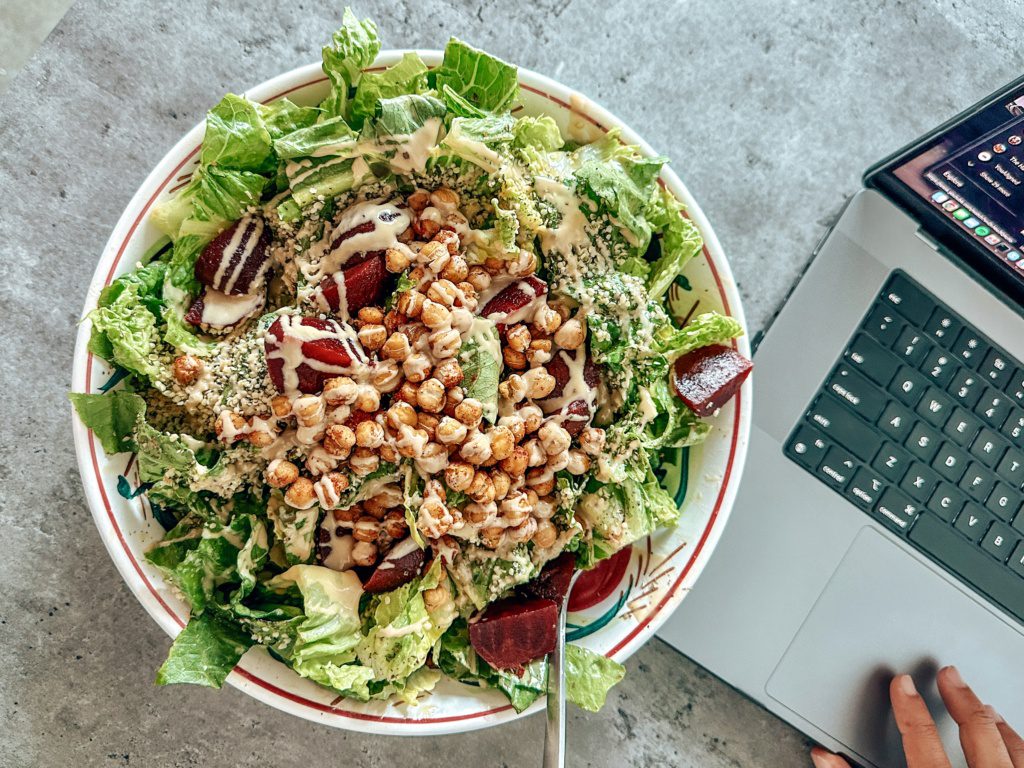
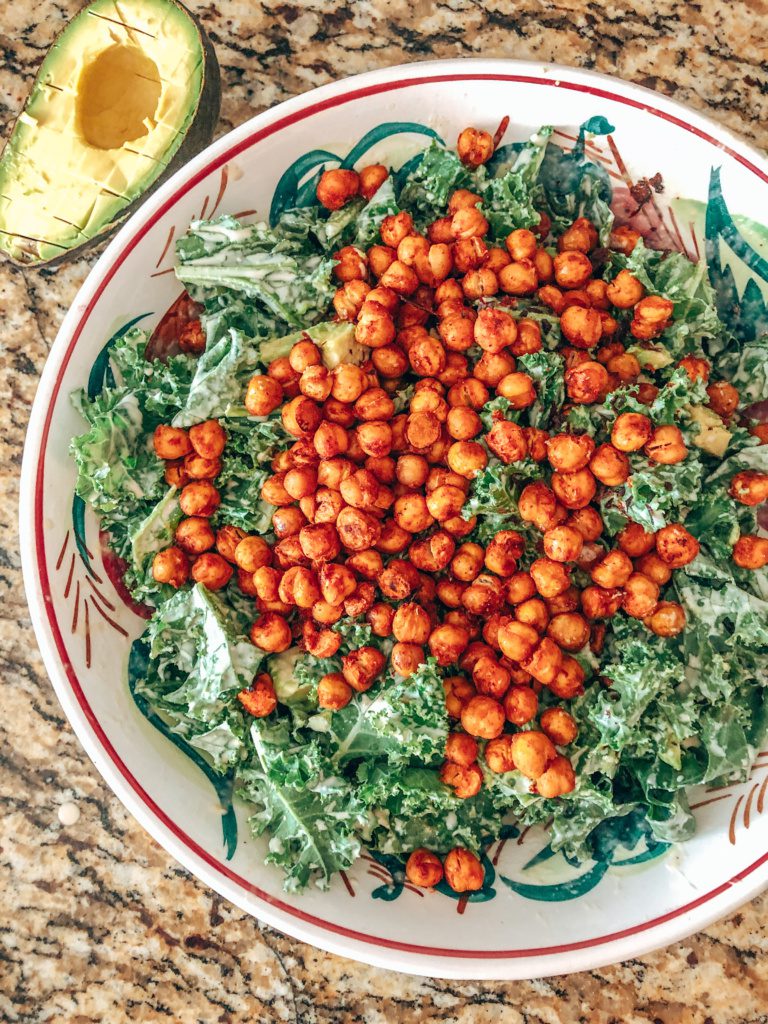
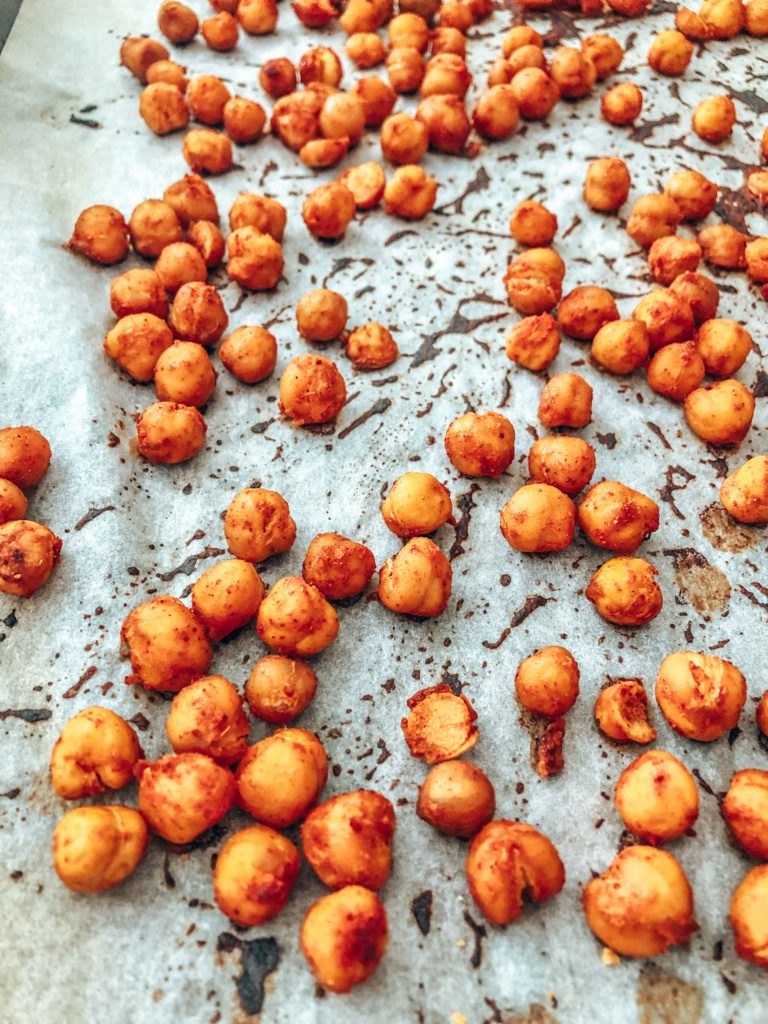
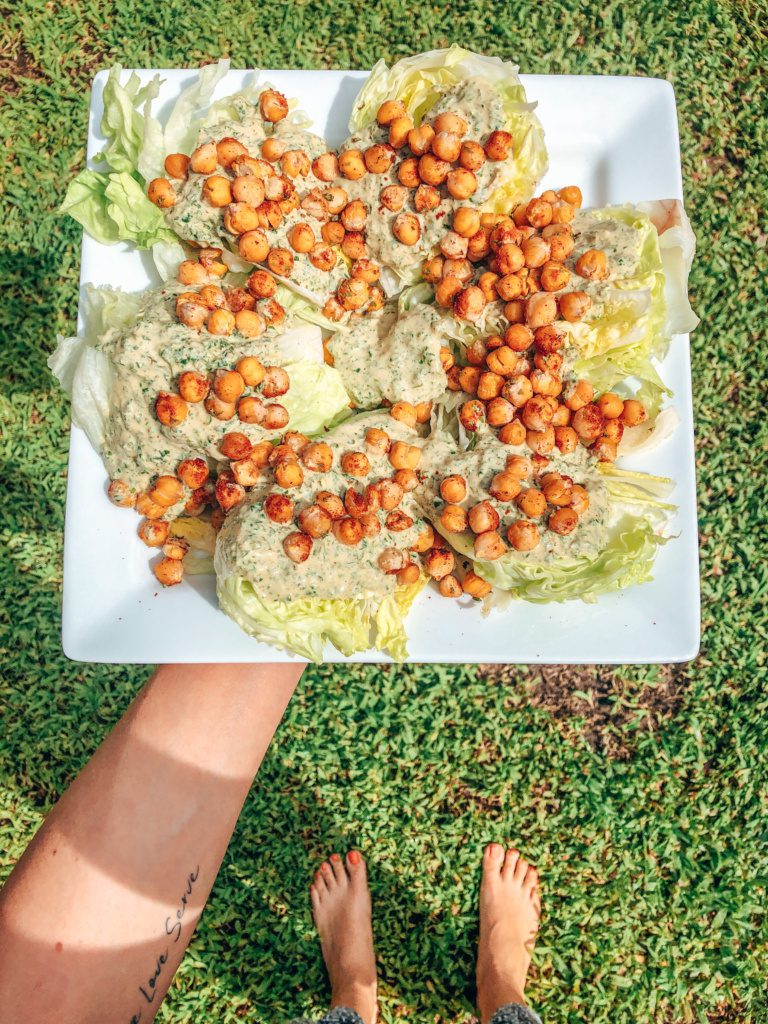
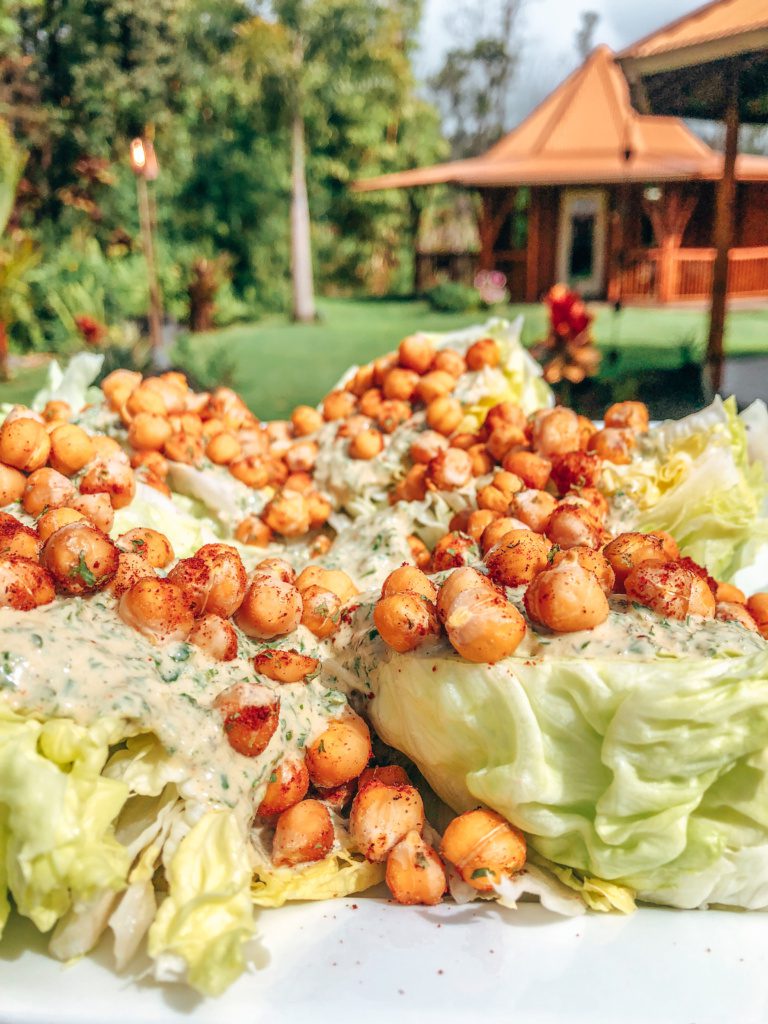
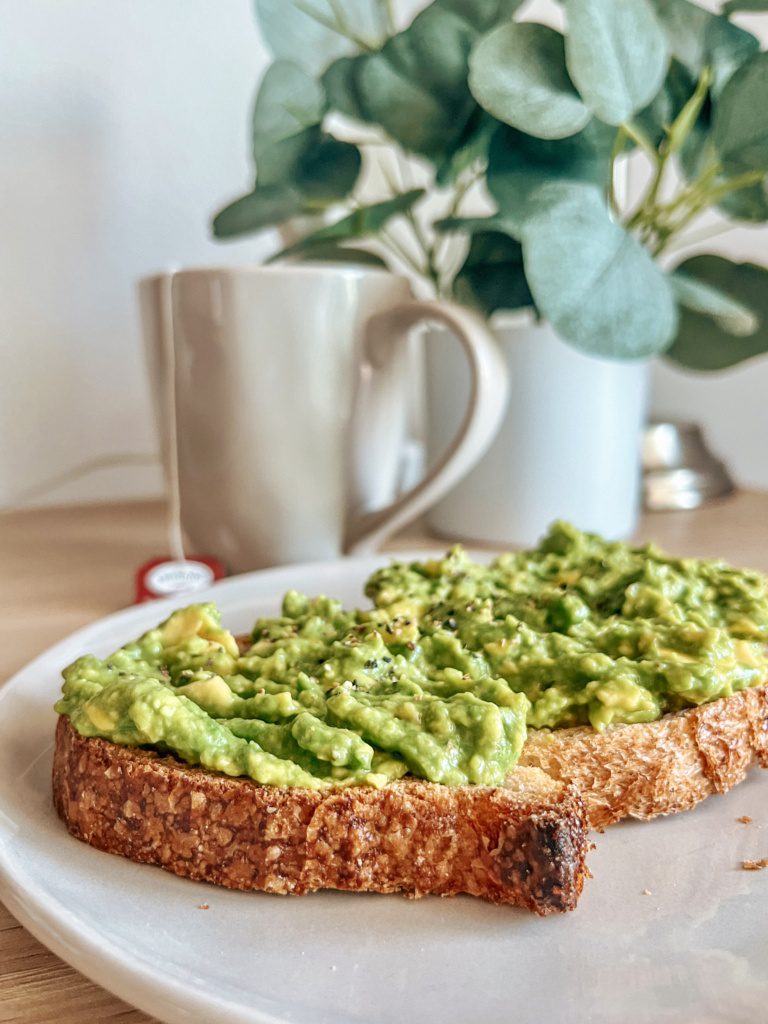
Give me crispy oven-baked garbanzo (or chickpeas for my UK friends) on anything. Such a great way to add protein to a salad, soup, or even avocado toast instead of a poached egg to make it vegan.
Crispy garbanzo tahini caesar salad is one of my classics. Simply bake for about 20 mins with a sprinkling of paprika.
You might also like: Caesar Salad Origin: Inside Tijuana’s Historic Birthplace of an Icon
Polenta
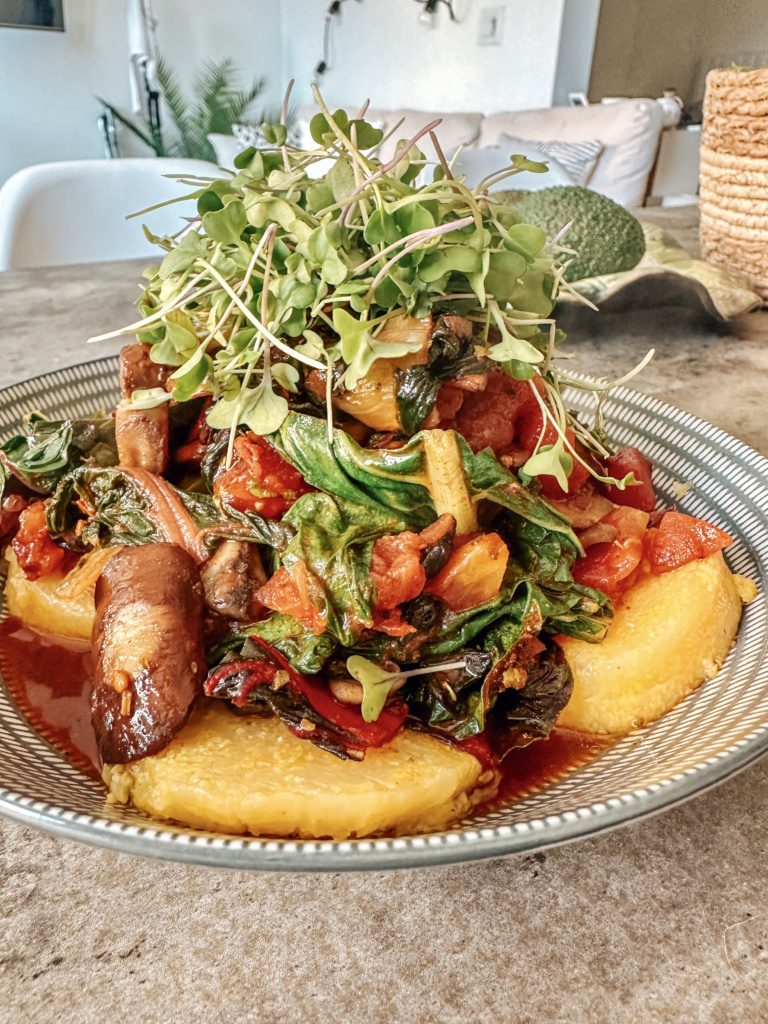
This Northern Italian classic is the ultimate comfort food, and so easy to prepare. It doesn’t get nearly enough recognition. Great with stewed veggies or mushrooms. Perfect fall or winter supper.
Nuts & Seeds
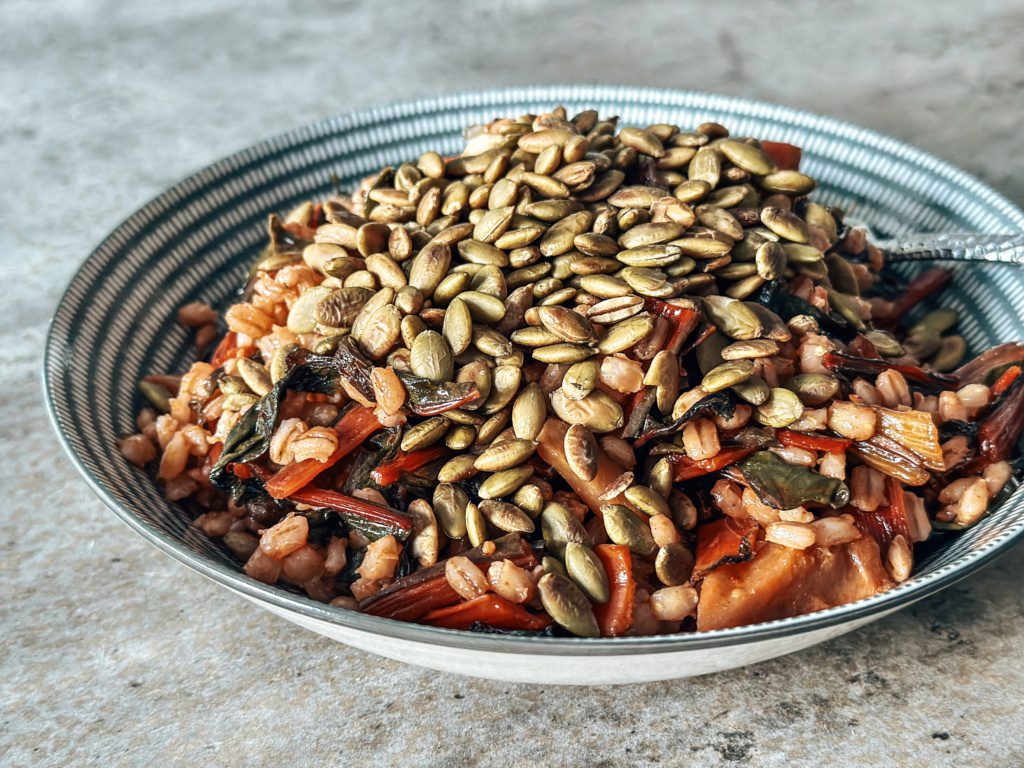
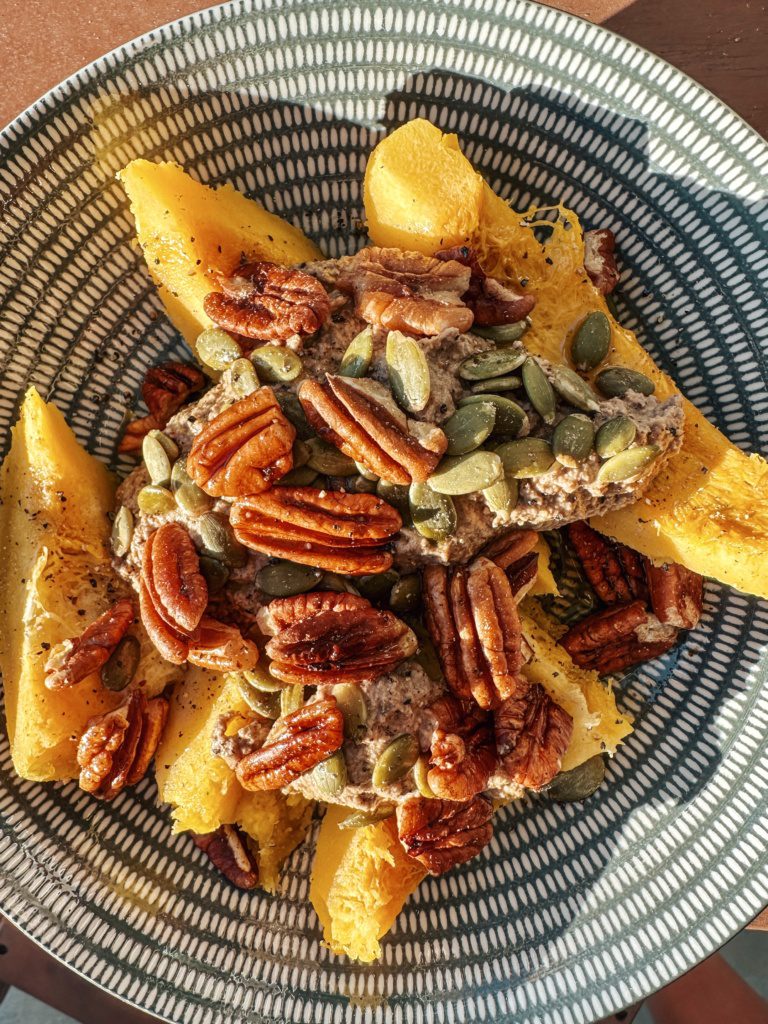
I sprinkle pumpkin seeds, flaked almonds or hemp hearts generously on pretty much anything. Sneak walnuts, brazil nut or pistachios into dips, pesto or salads.
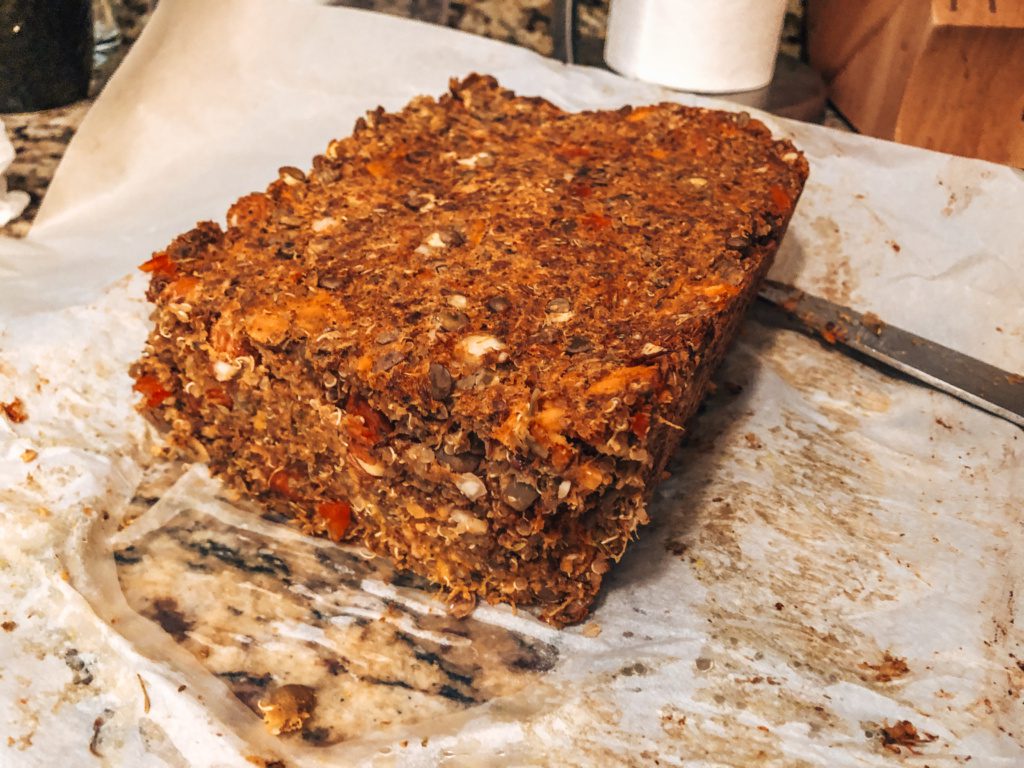
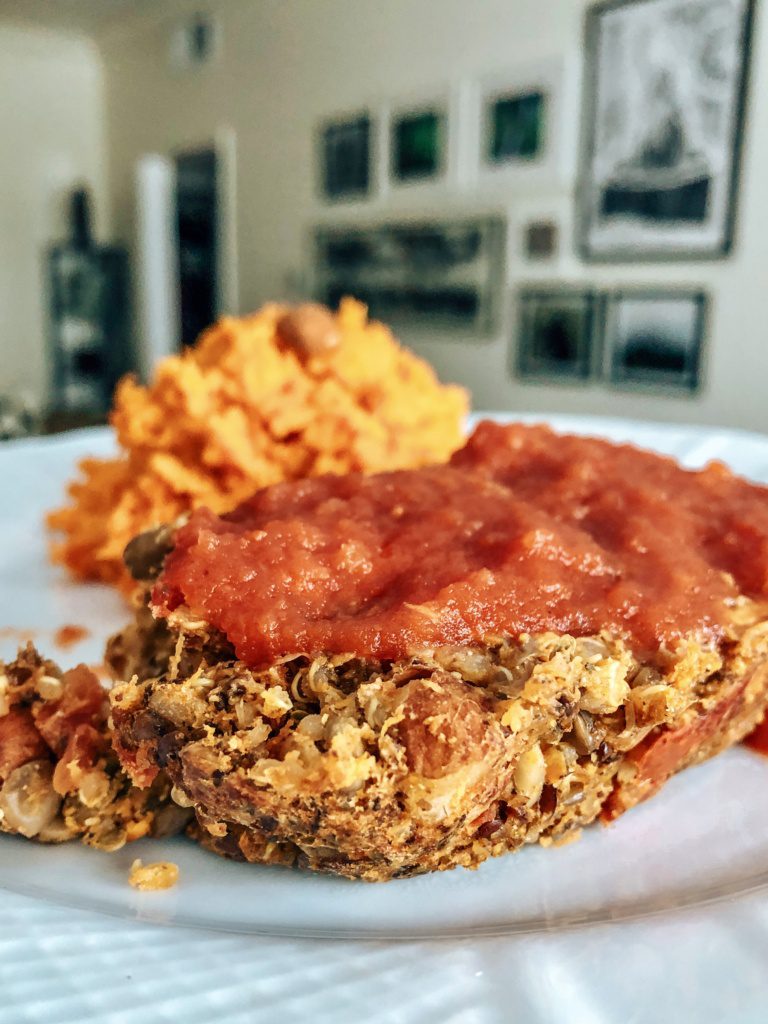
Pro tip: you can toast any nuts on a dry pan to bring out the flavor and add extra crunch. Mixed nut loaf roast with mashed sweet potatoes & gravy is my winter comfort food.
Dessert
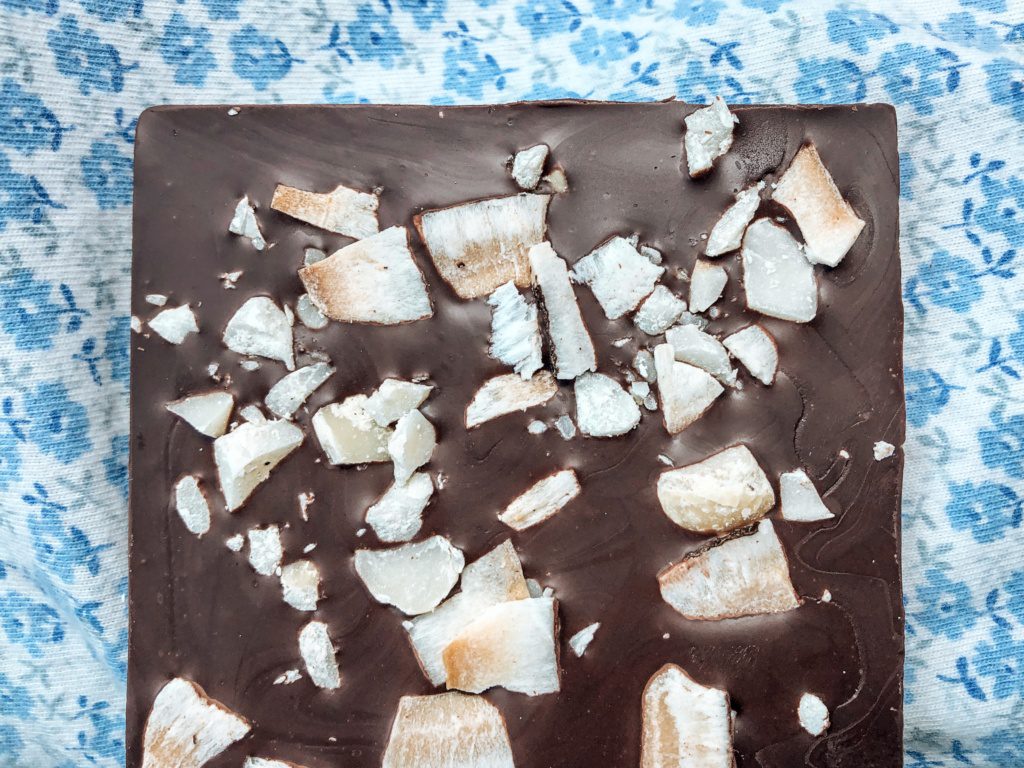
Dark chocolate – 80% and above, fair trade cacao. Trader Joe’s has some of the best.
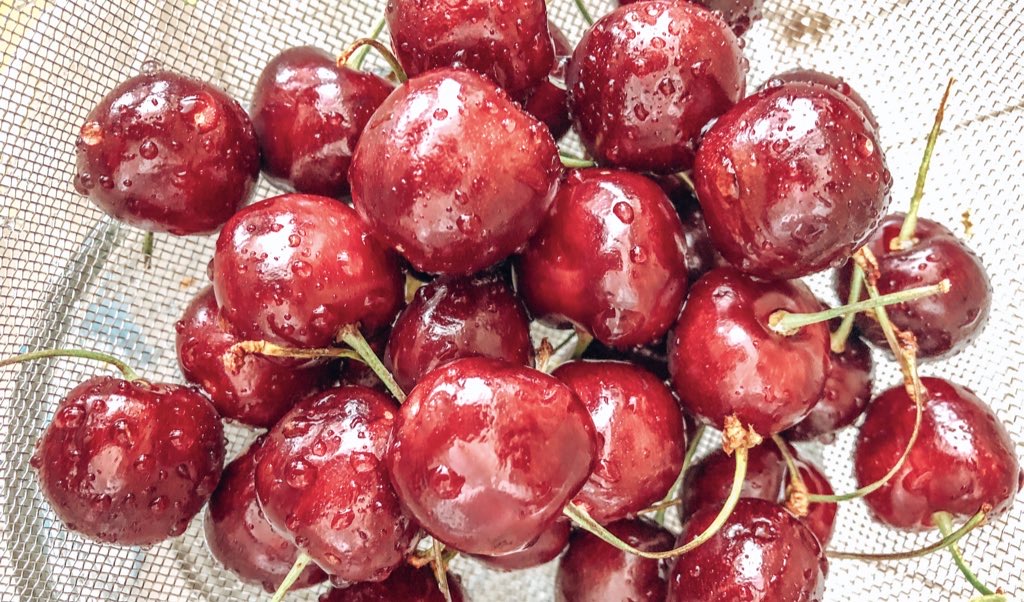
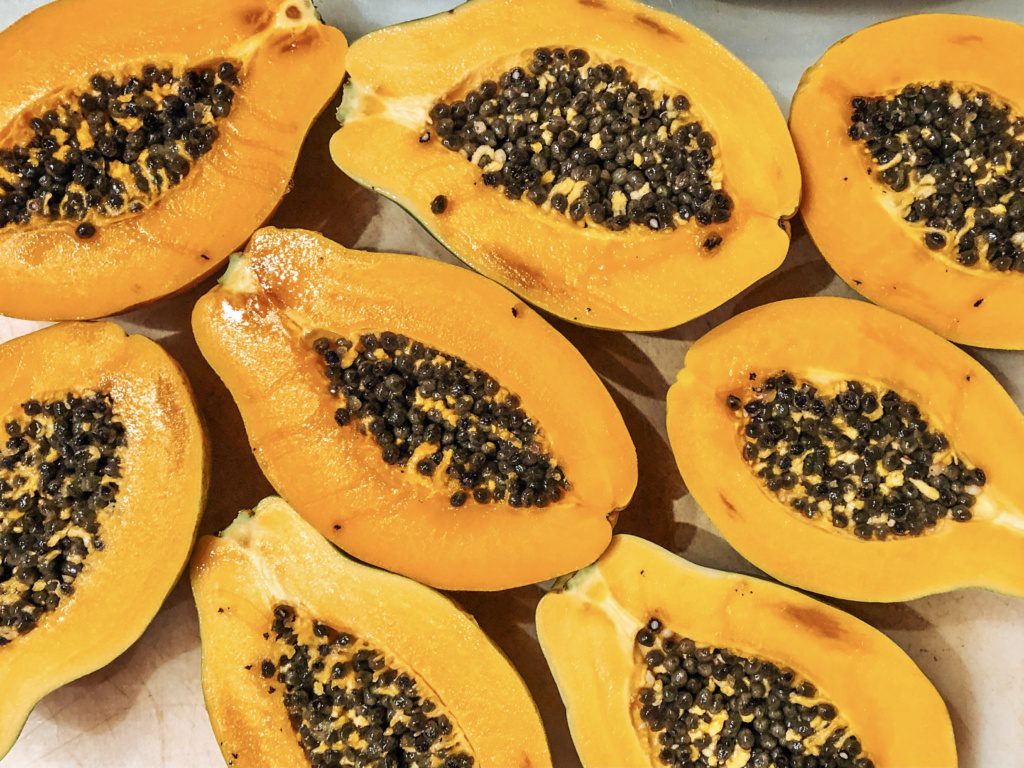
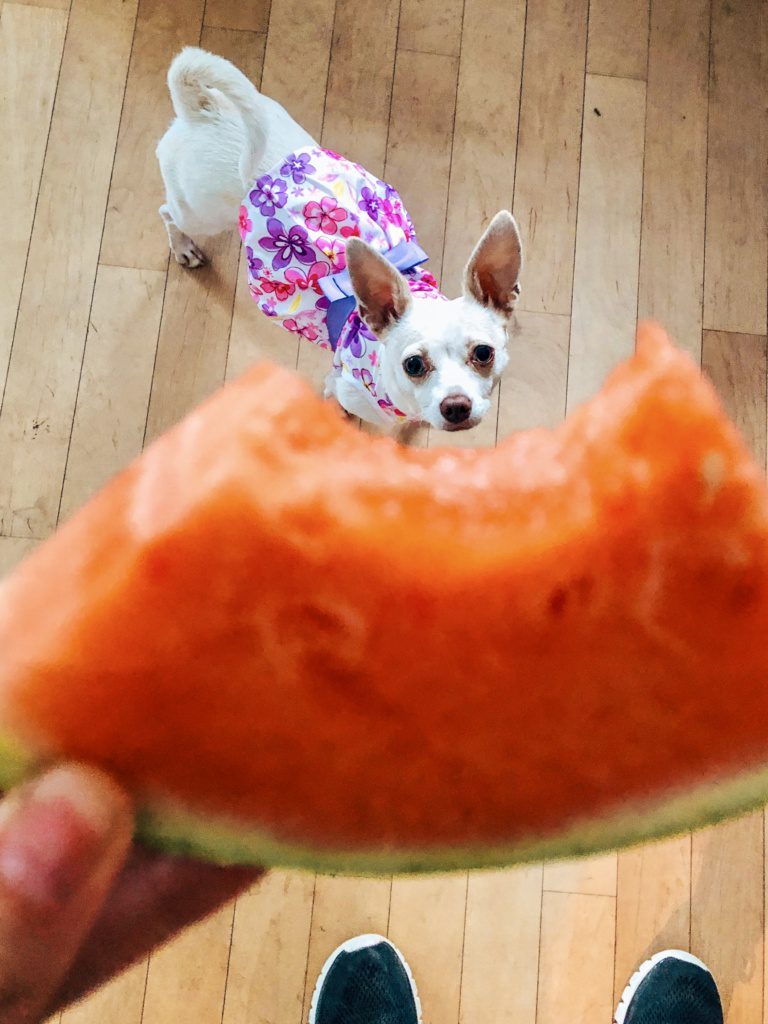
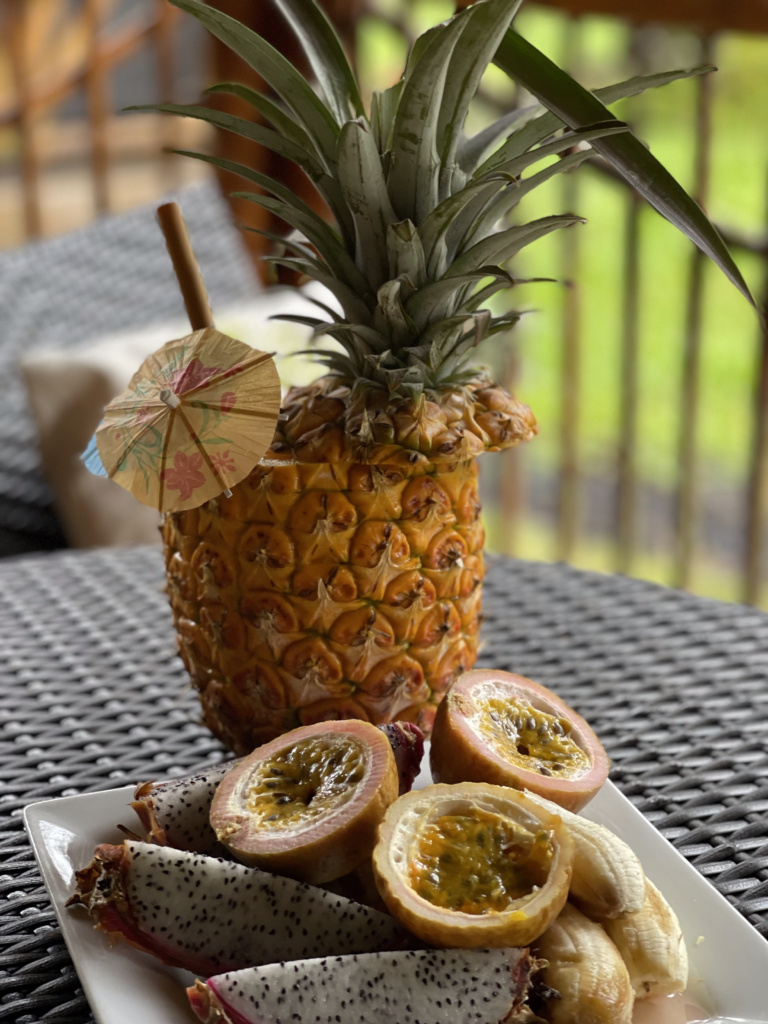
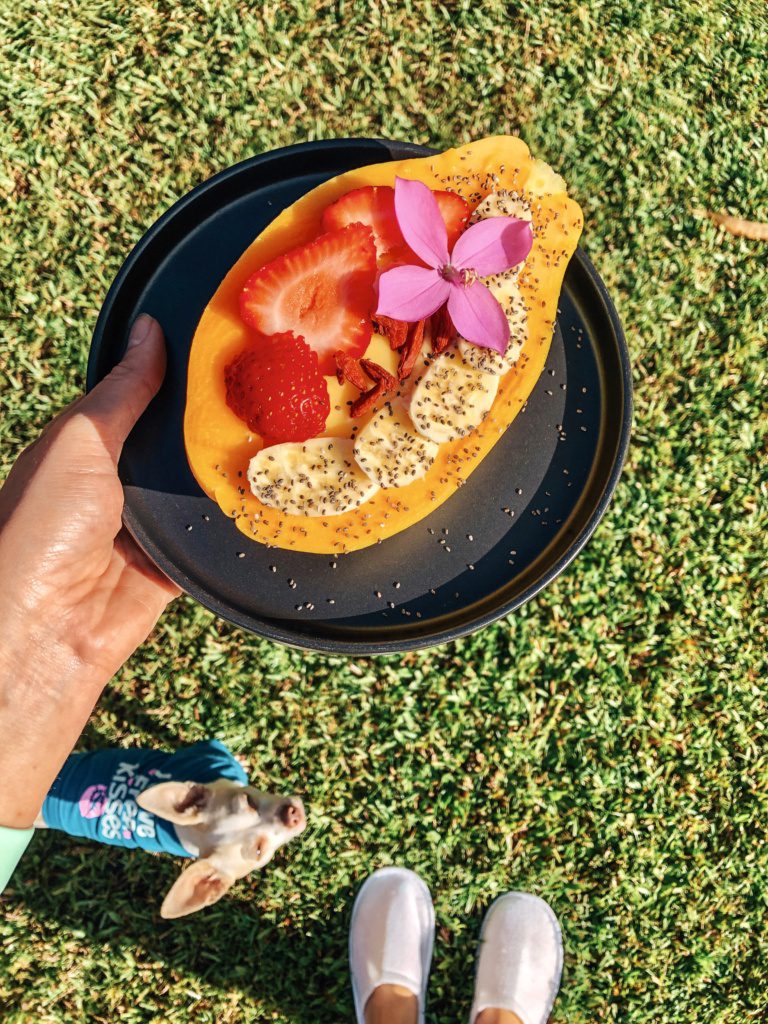
Otherwise seasonal fruit. My favorite fruits include cherries, all berries, watermelon, pineapple, papaya and passion fruit. I treat fruit as candy, never breakfast and not last thing before bed either.
Get into the habit of starting your day with something savory, ideally a protein. A game changer for your energy levels and blood sugar.
Smoothies
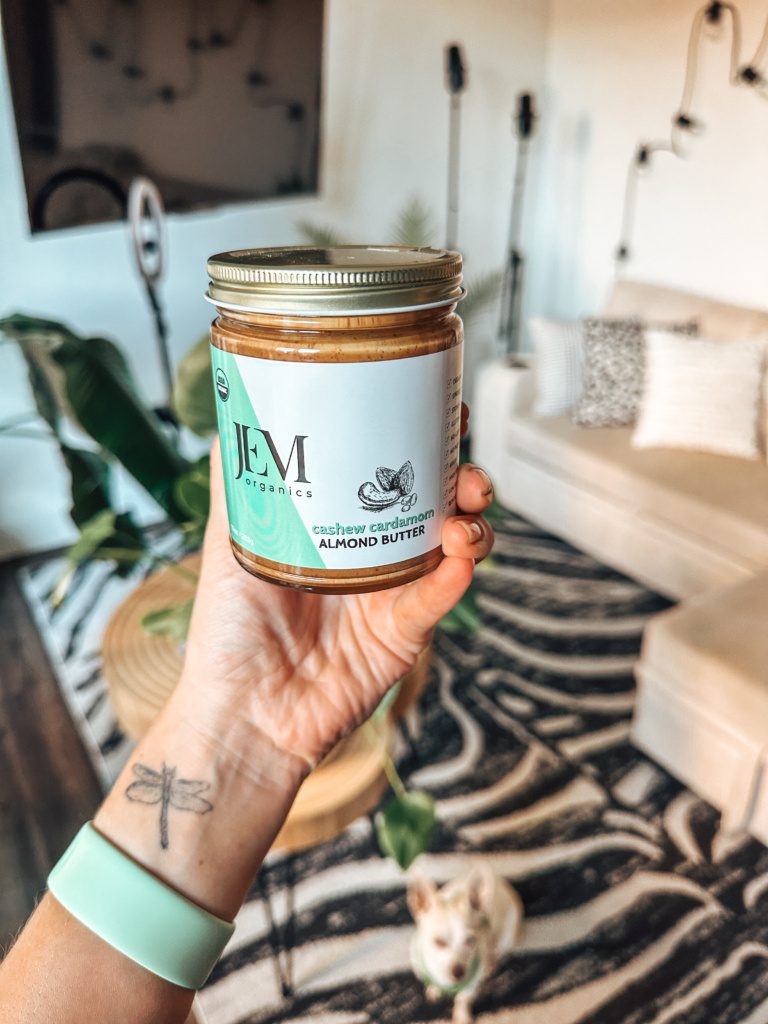
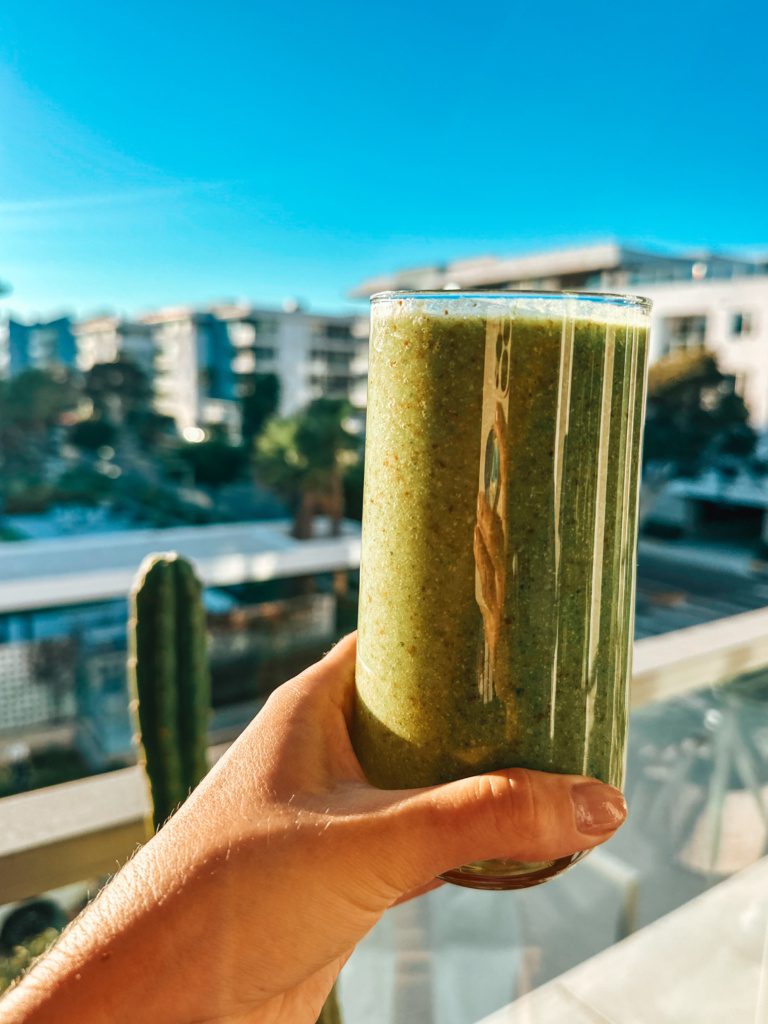
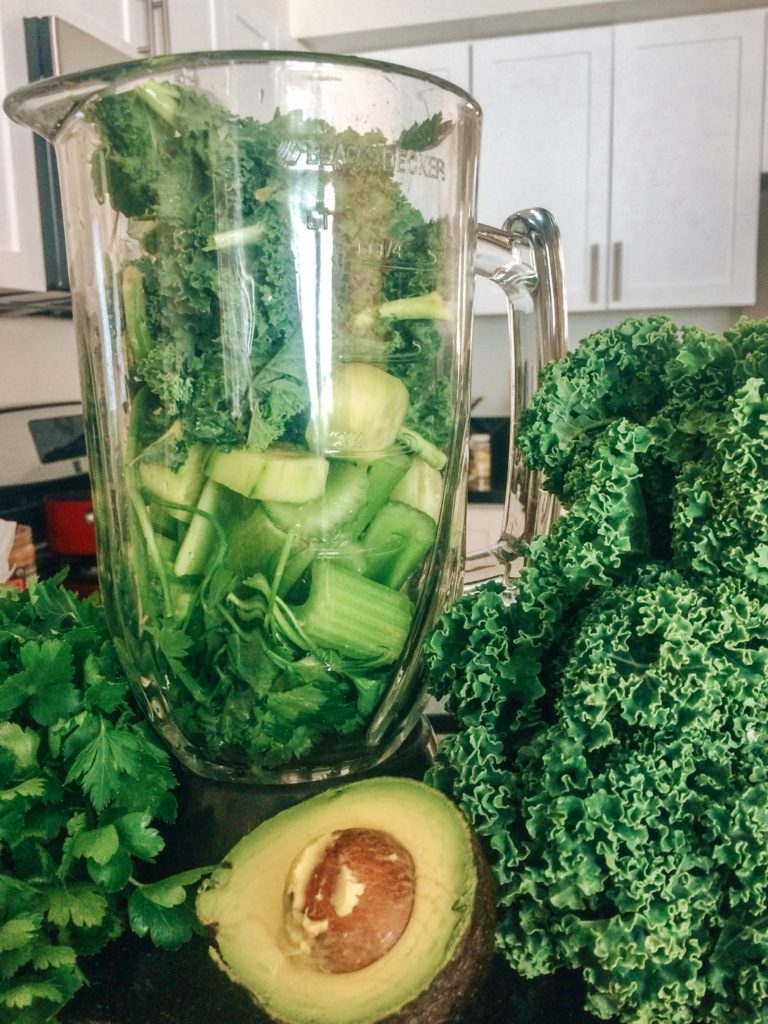
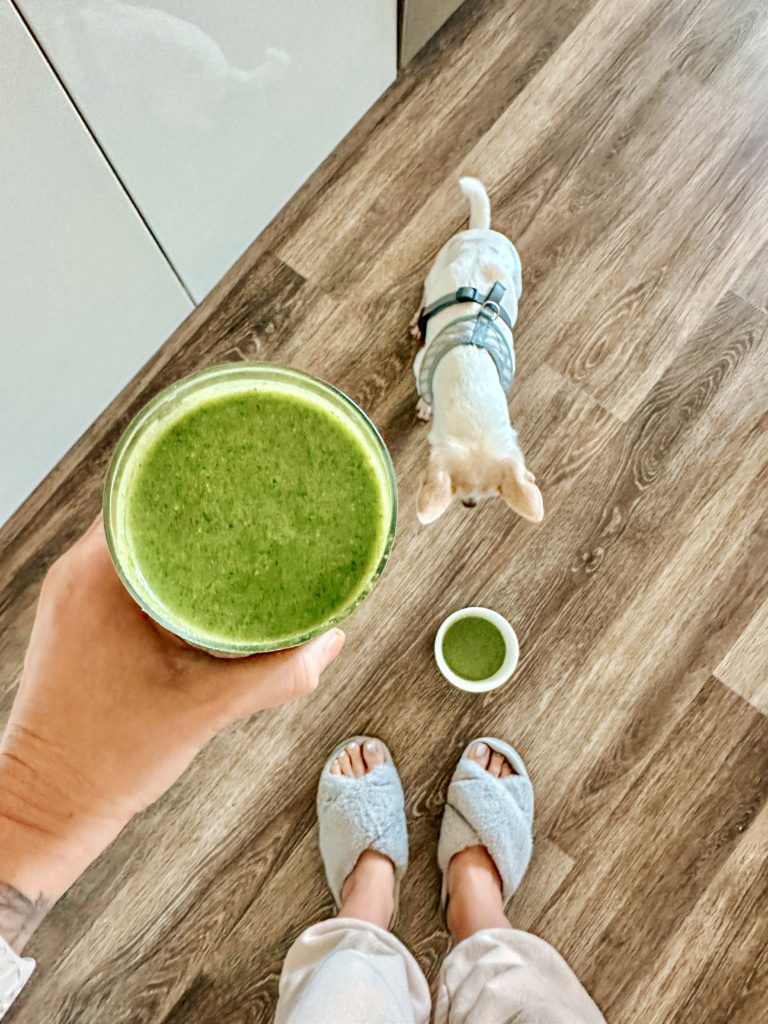
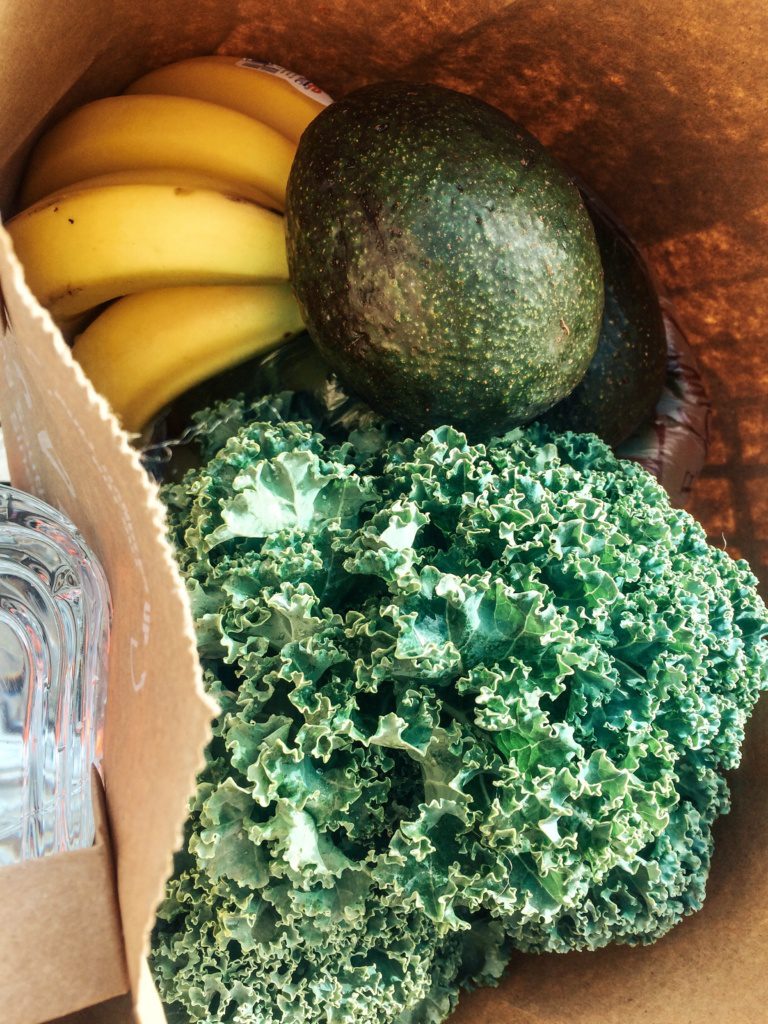
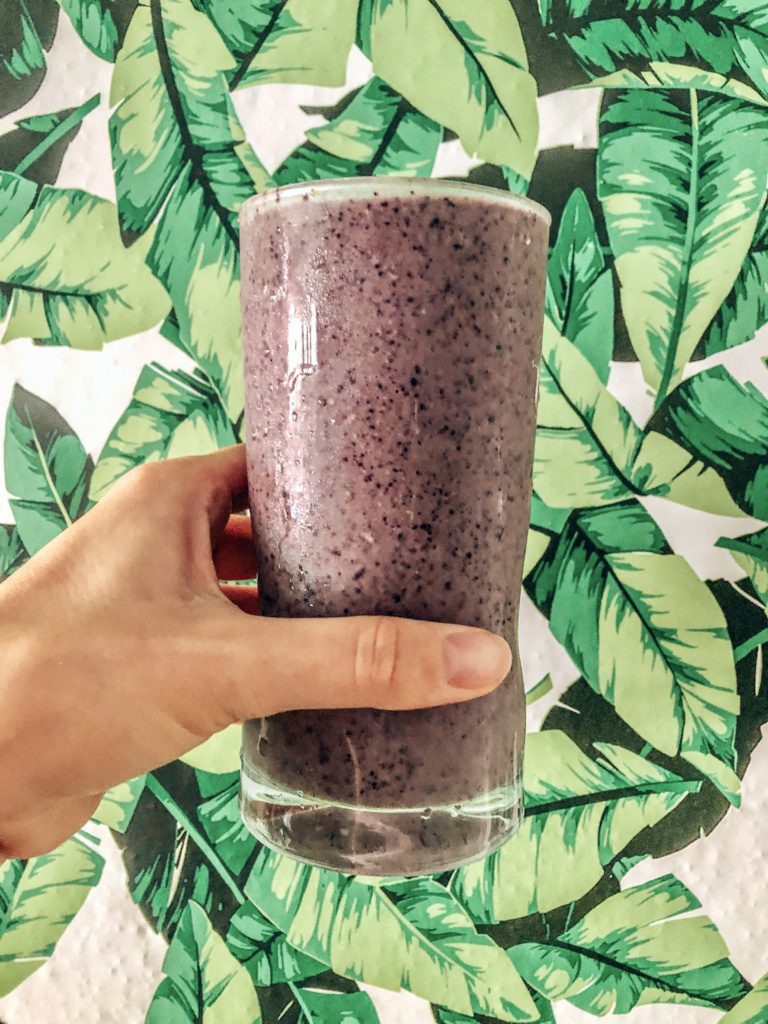
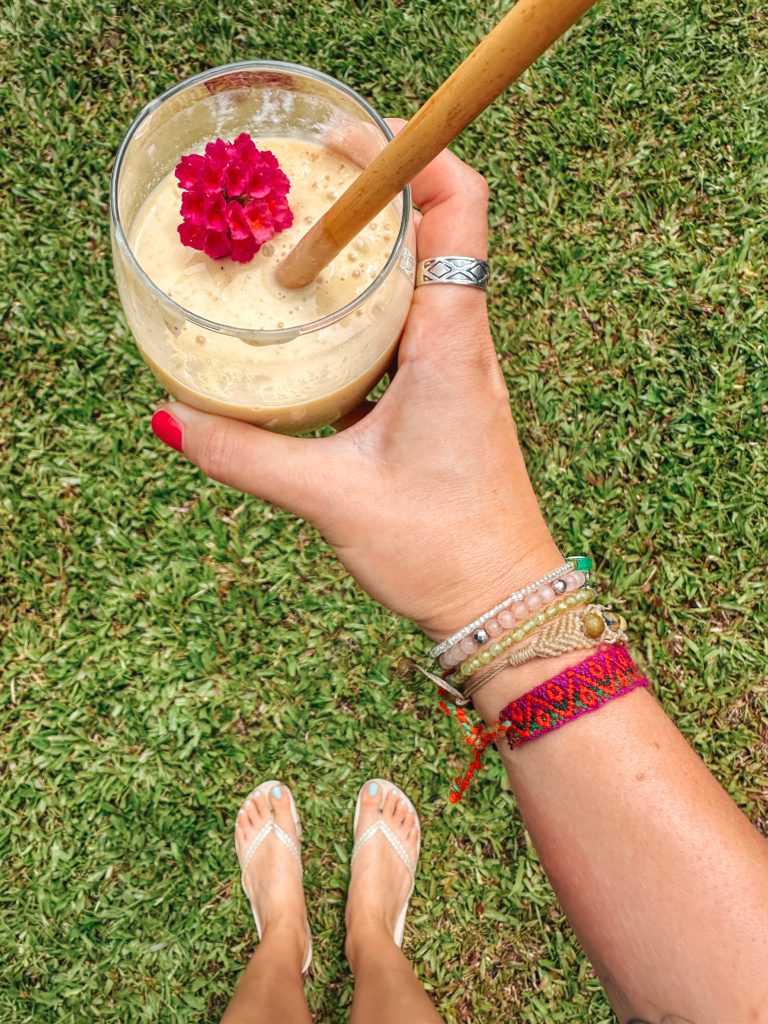
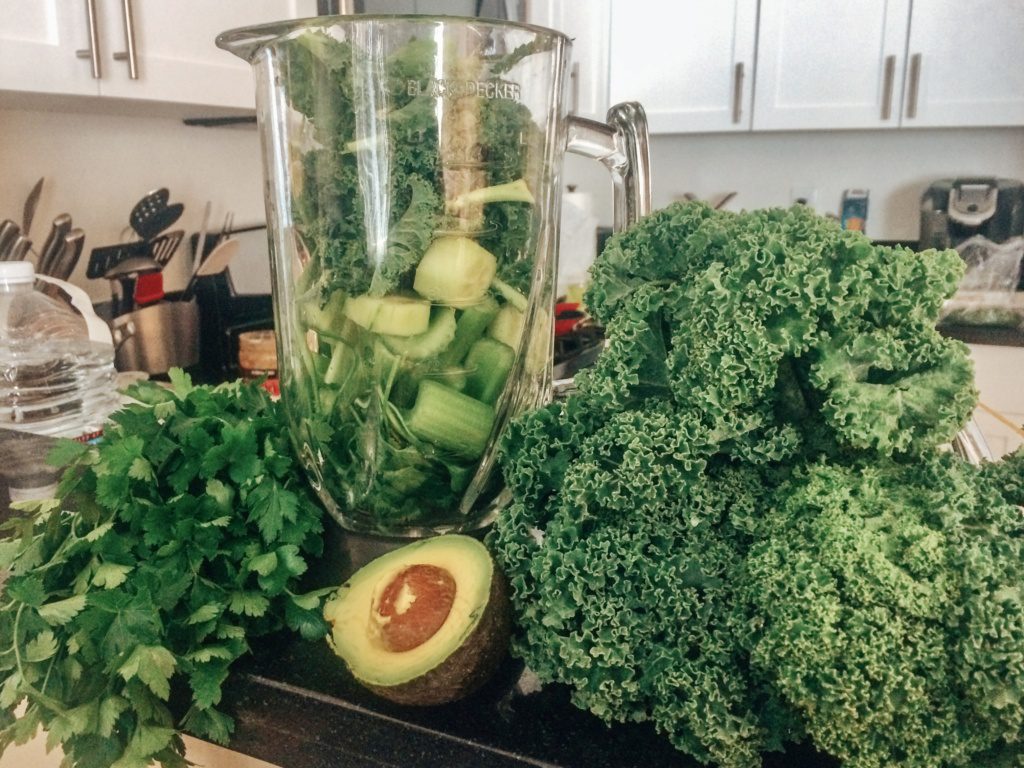
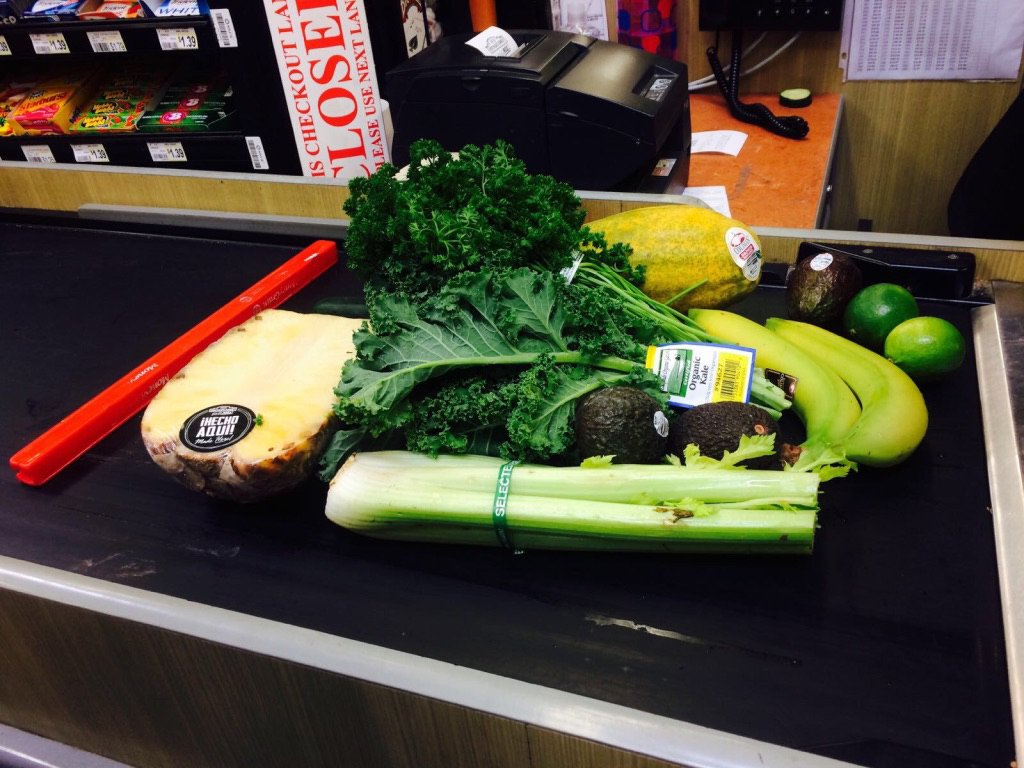
With organic berries, something green (parsley, celery, cucumber), a banana, maybe almond butter, plus MCT oil, flax seed, collagen or protein powder. Daily staple, just not for breakfast – see above.
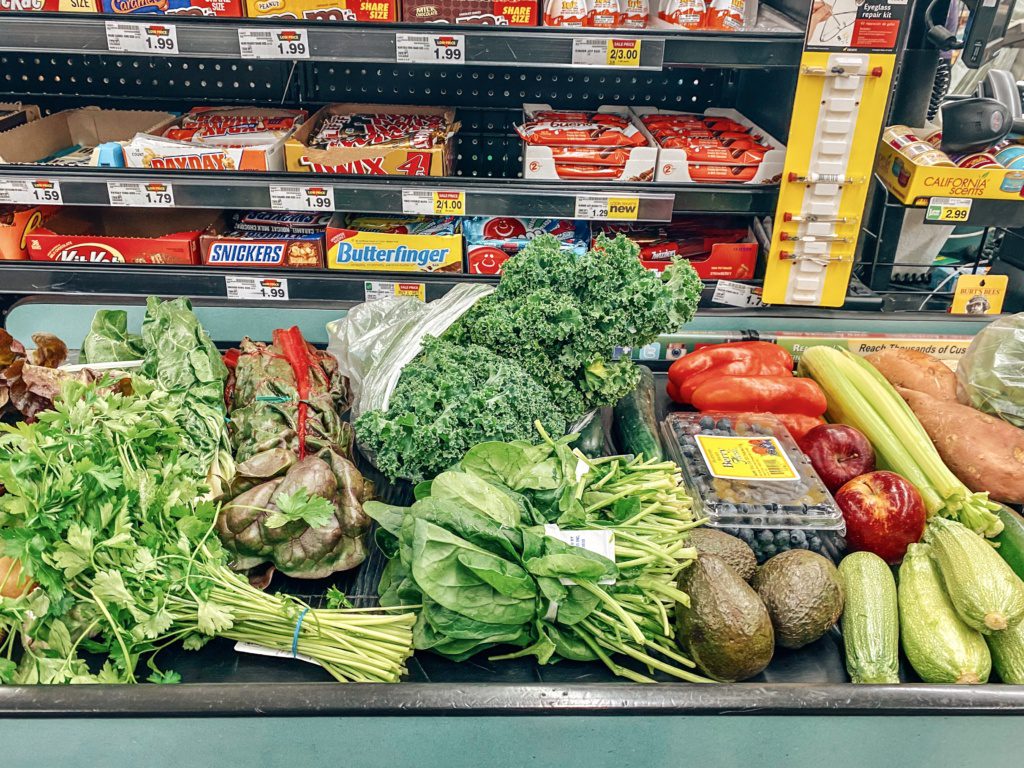
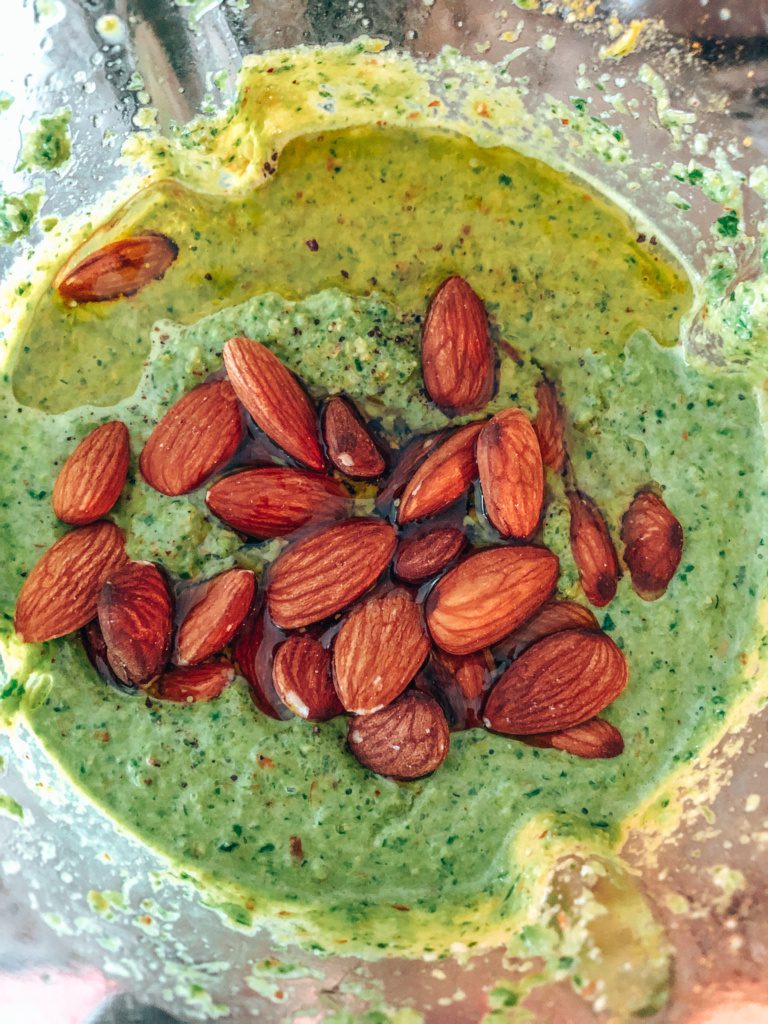
Despite what you see in the pictures, I don’t put kale or spinach in my smoothies anymore. Leafy greens are much easier to digest (making the nutrients and antioxidants much more bioavailable) when lightly cooked rather than raw.
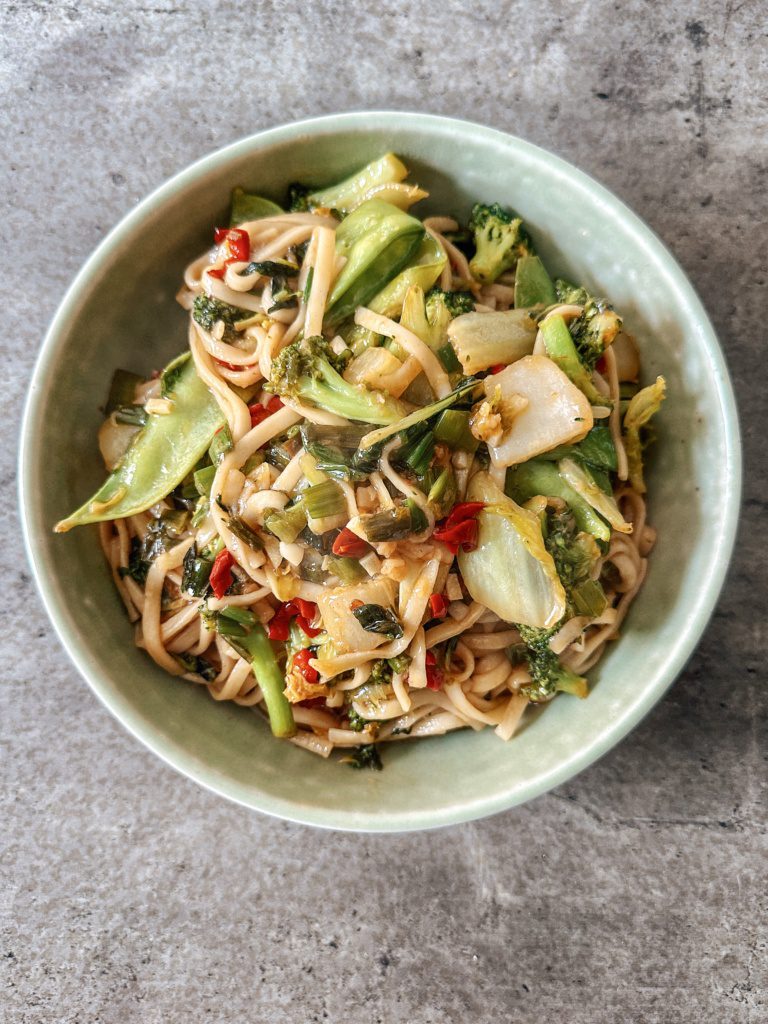
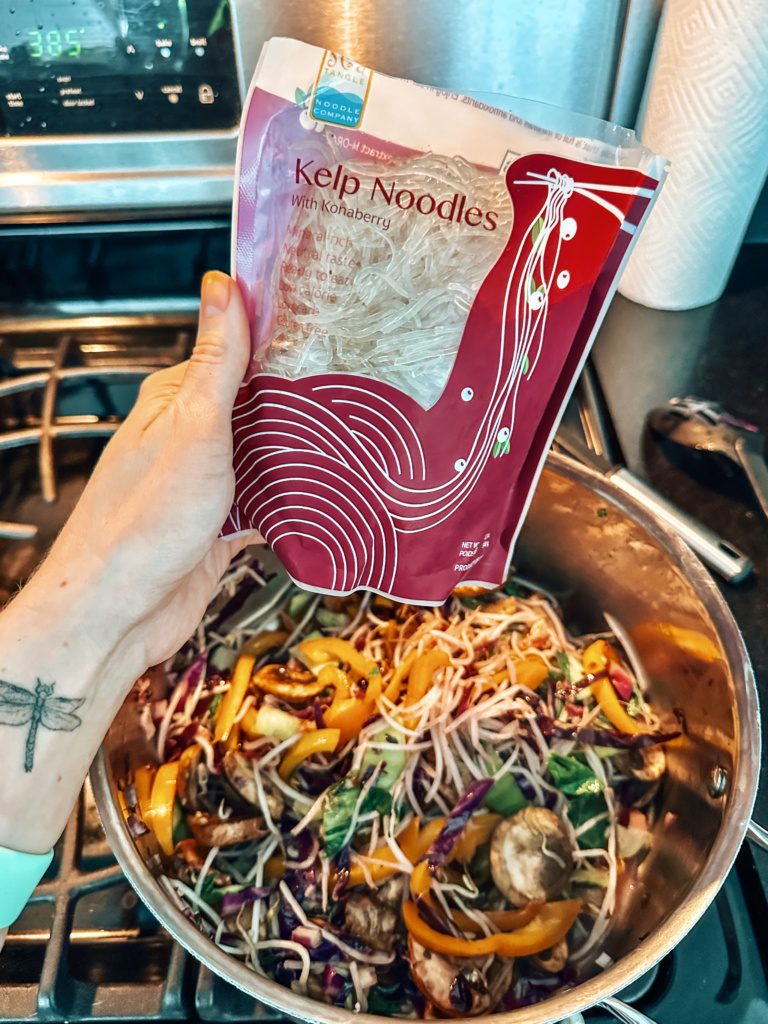
Asian-inspired stir fries and noodles
Like the viral TikTok peanut butter noodles (to a delight of Sushi who gets to lick the spoon). The trick is to add as many veggies as you can. Bok choi, broccolini, snow peas etc.
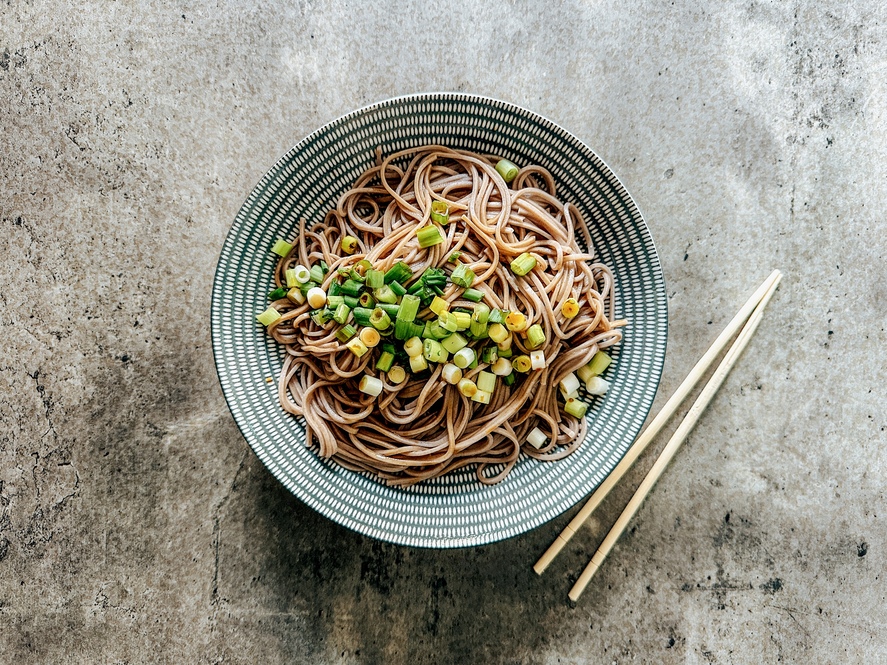
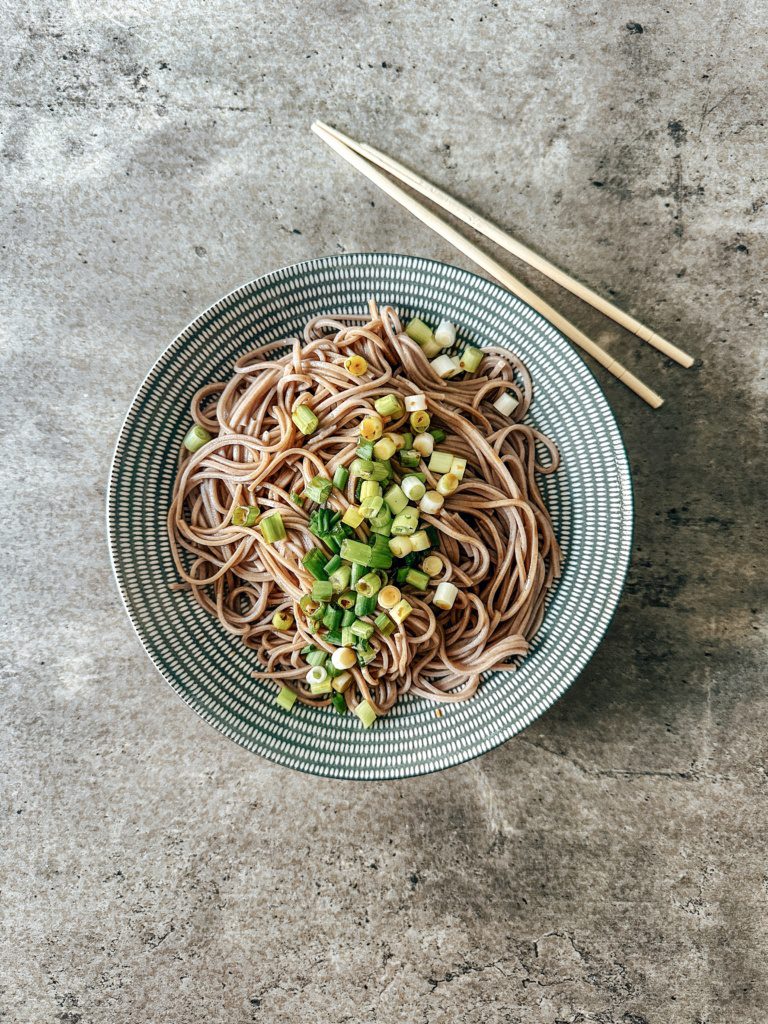
Simple soba with a little broth and green onions is my equivalent of the infamous cup-a-noodle when short on time and ideas. Try to find the buckwheat variety rather than wheat.
Casseroles & bakes
I thought for years that casseroles were reserved for total housewives at Thanksgiving. Until I saw the viral Trader Joe’s dumpling bake.
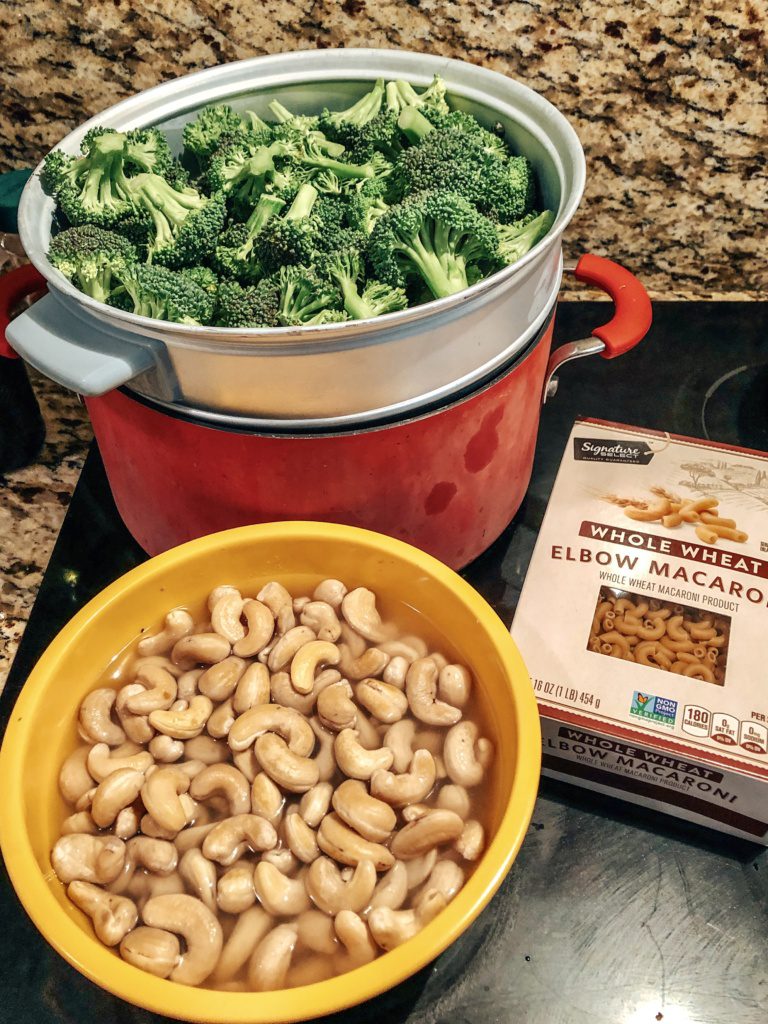
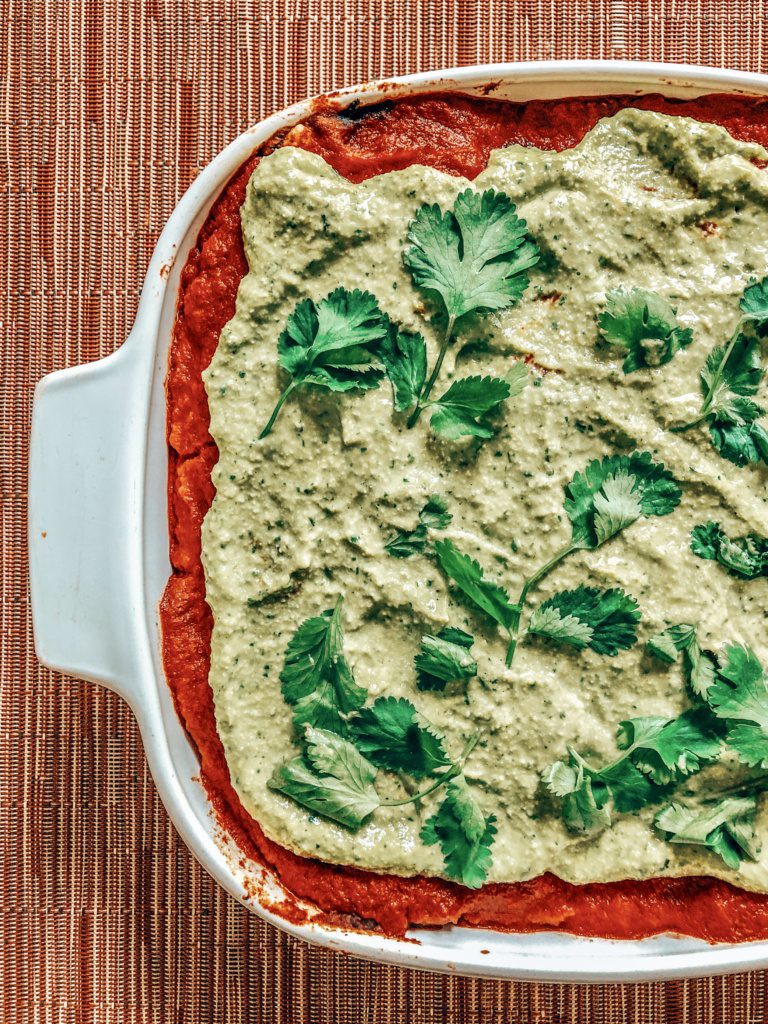
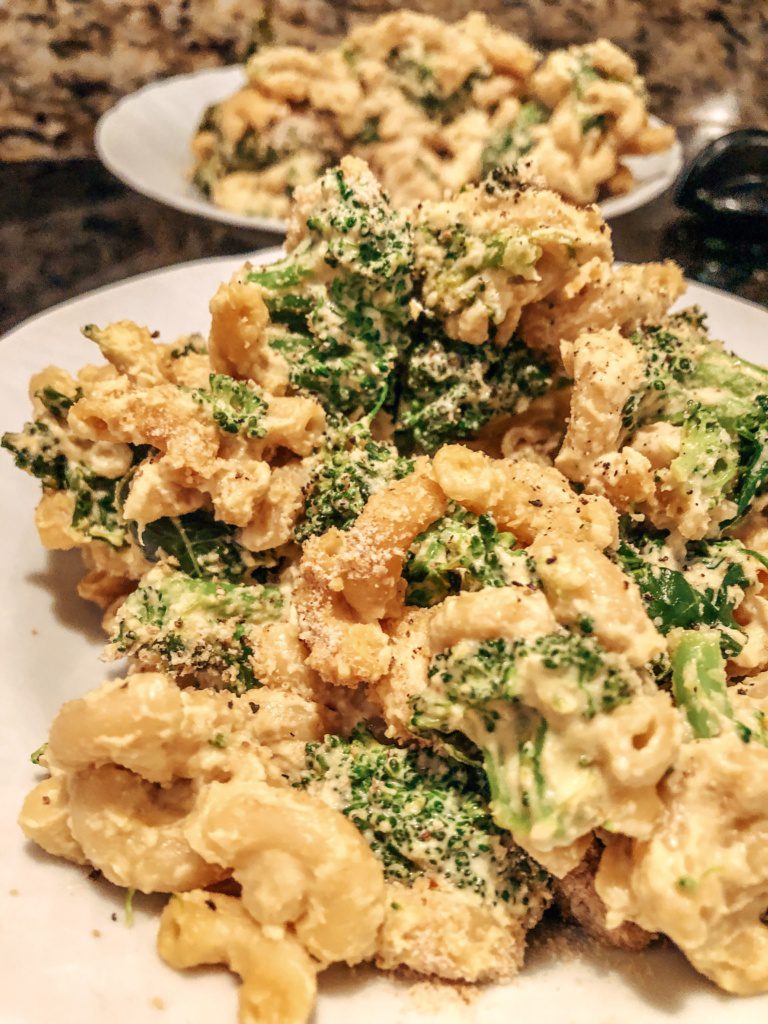
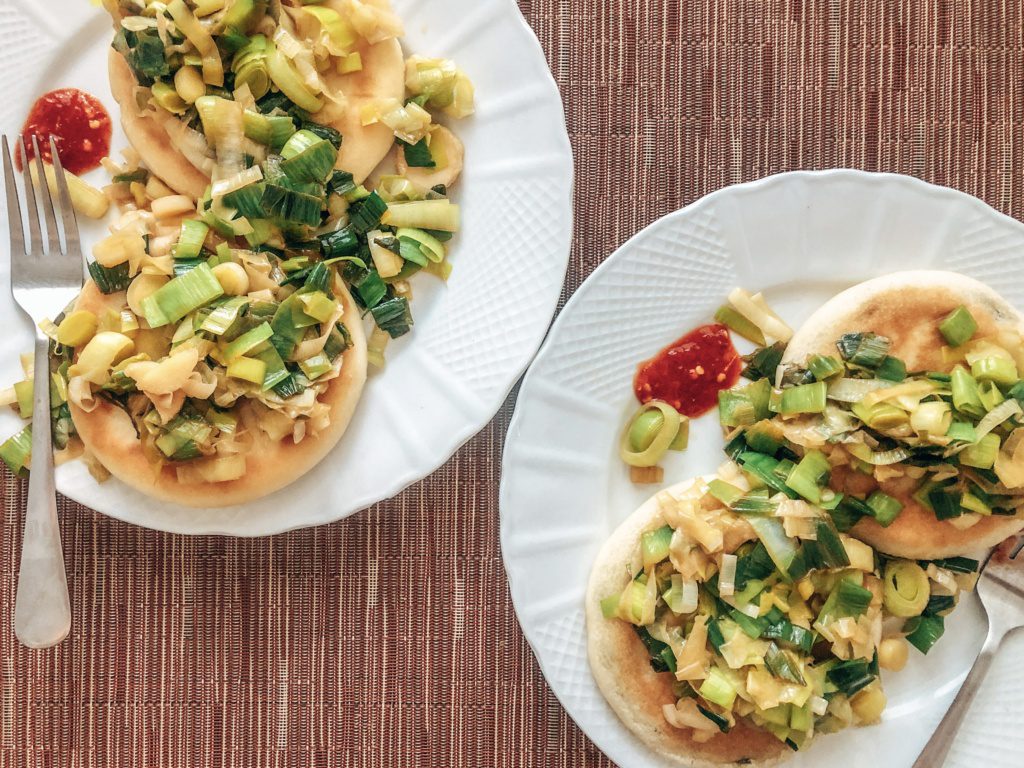
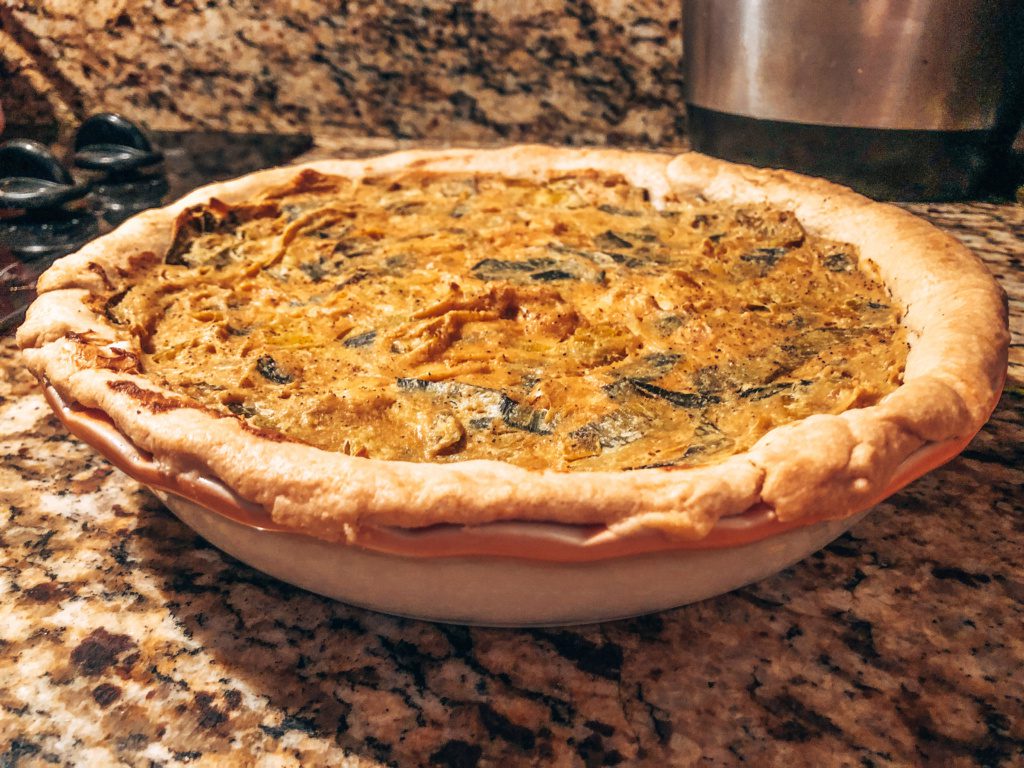
My other favorite is broccoli cashew mac and cheese and my own creation: leek & cauliflower casserole in cashew-nutritional yeast sauce with broad white beans.
Chia seed jam
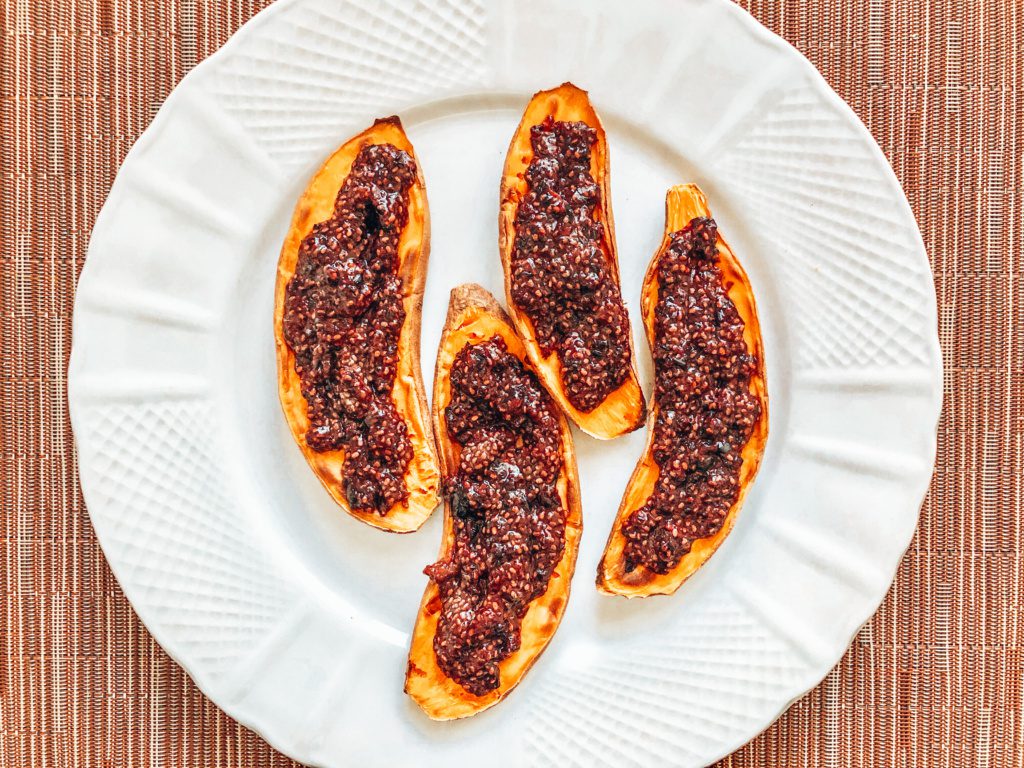
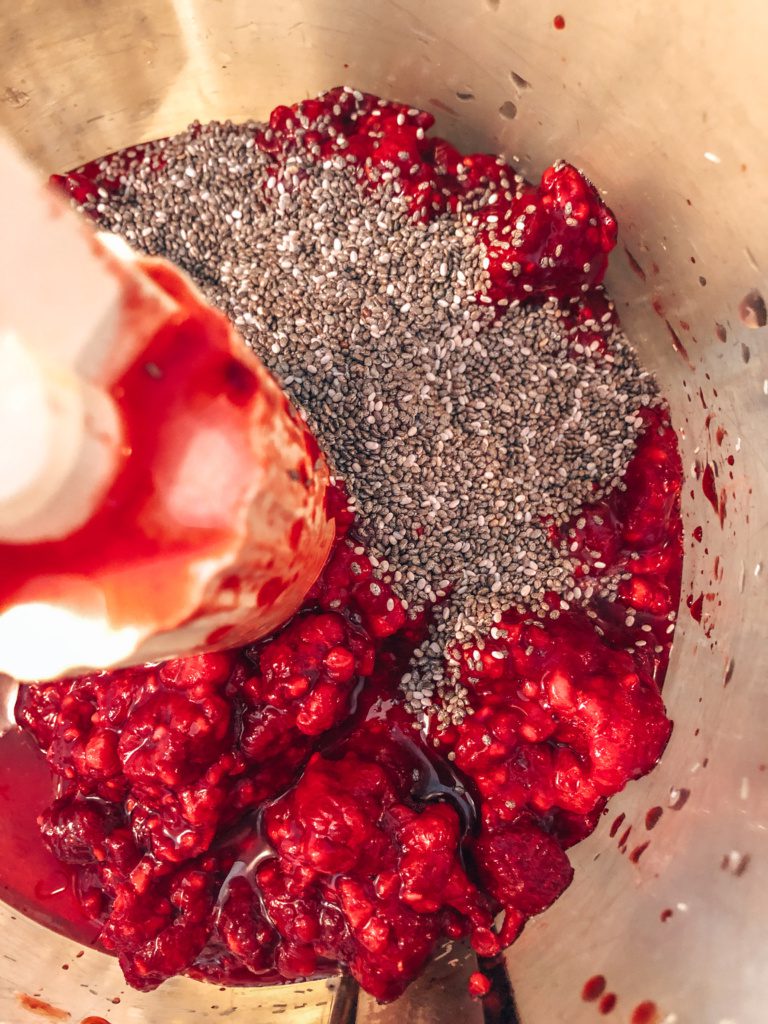
Frozen berries, chia seeds, vanilla extract—done. A favorite with Heart Core Hotels’ guests. Store bought jams are sugar bombs. This one is so easy to make at home, and all the sweetness comes from the berries.
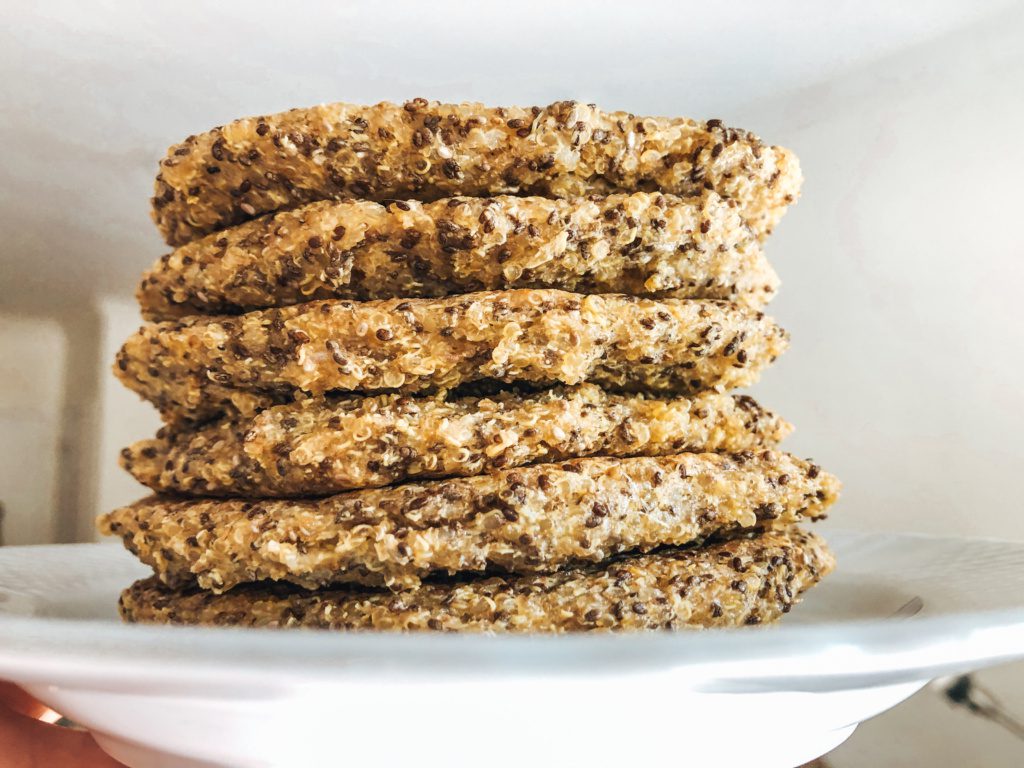
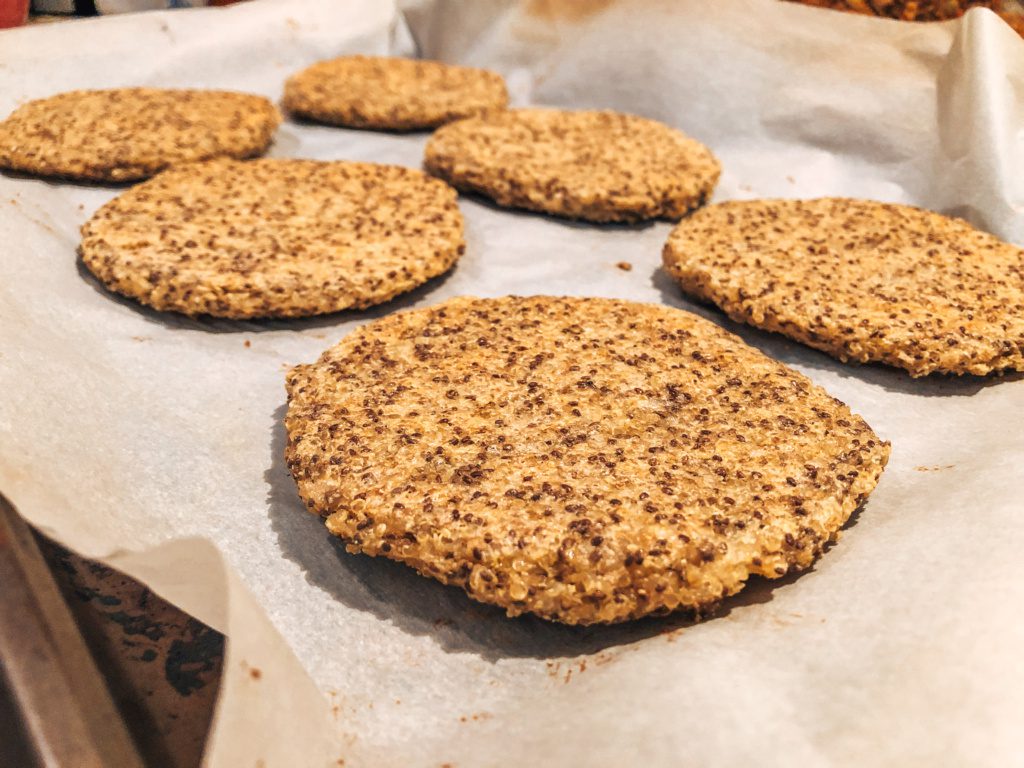
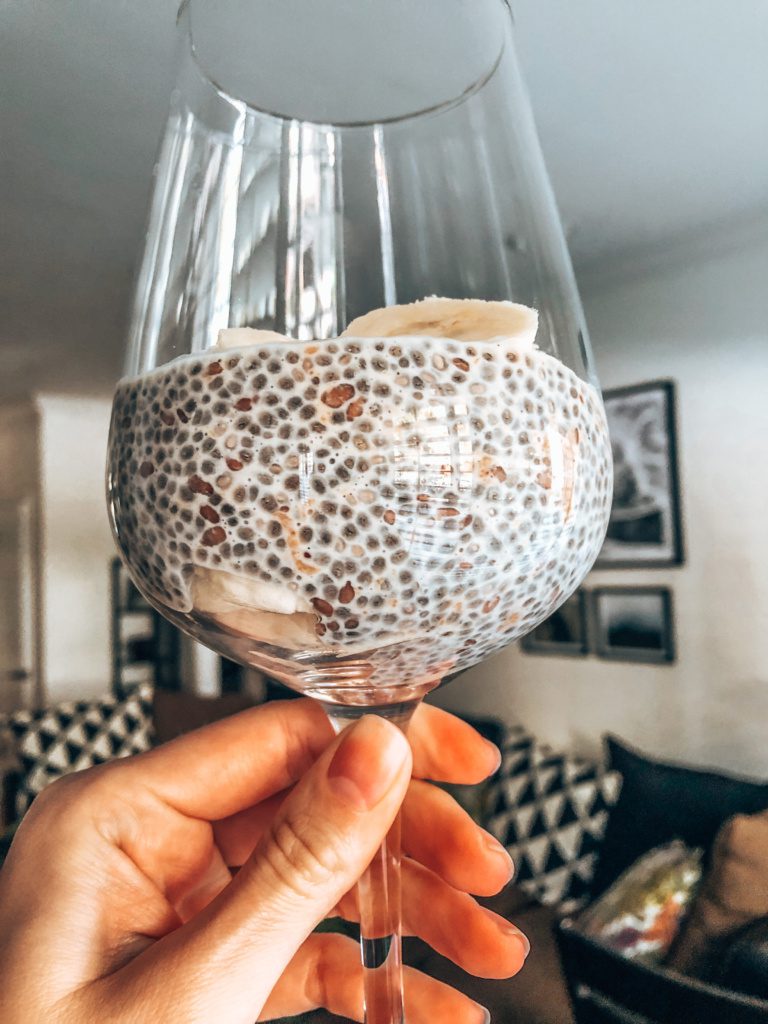
Serve on a sweet potato toast. Or, if you’re feeling extra ambitious, with home made chia cakes! Another simple and nutritious staple is chia pudding.
LOTS of extra virgin olive oil
As Dr. Gundry says, “Food is just a way to get EVOO to my mouth.” Make sure it’s cold pressed, extra virgin and ideally comes from a single estate. Or at the very least from a single country.
If you look closely a lot of EVOO these days is a “blend” sourced from multiple locations, never a good sign. And yes, you can cook with it, even on high heat. It’s just not budget friendly.
Yogurt and kefir
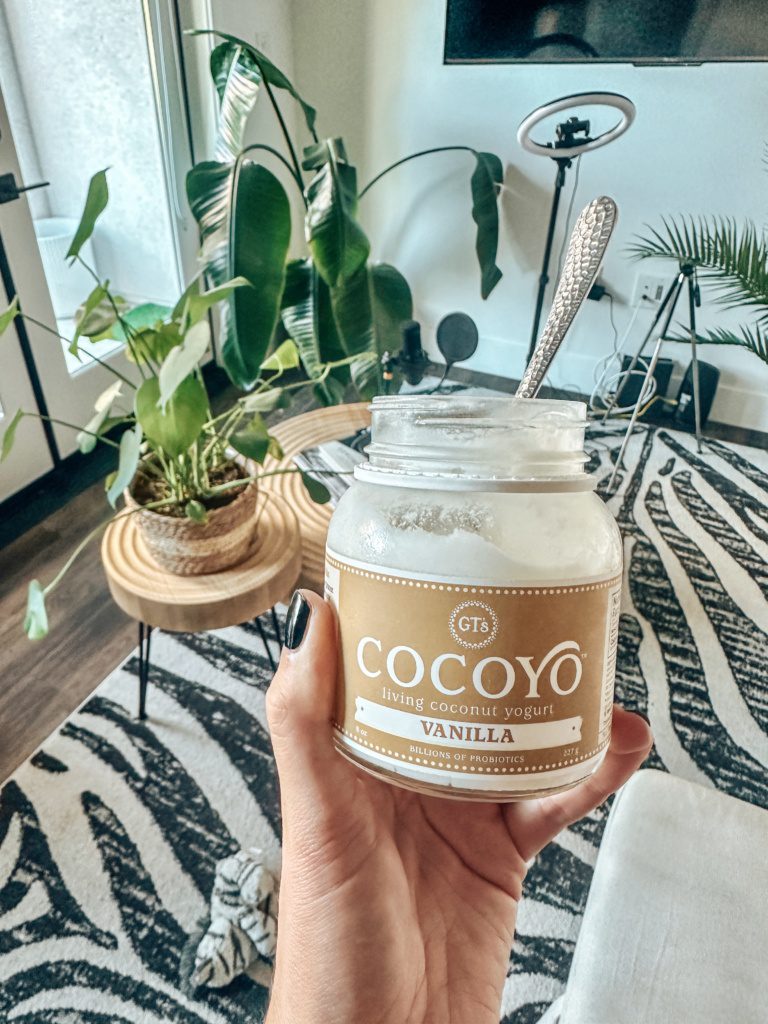
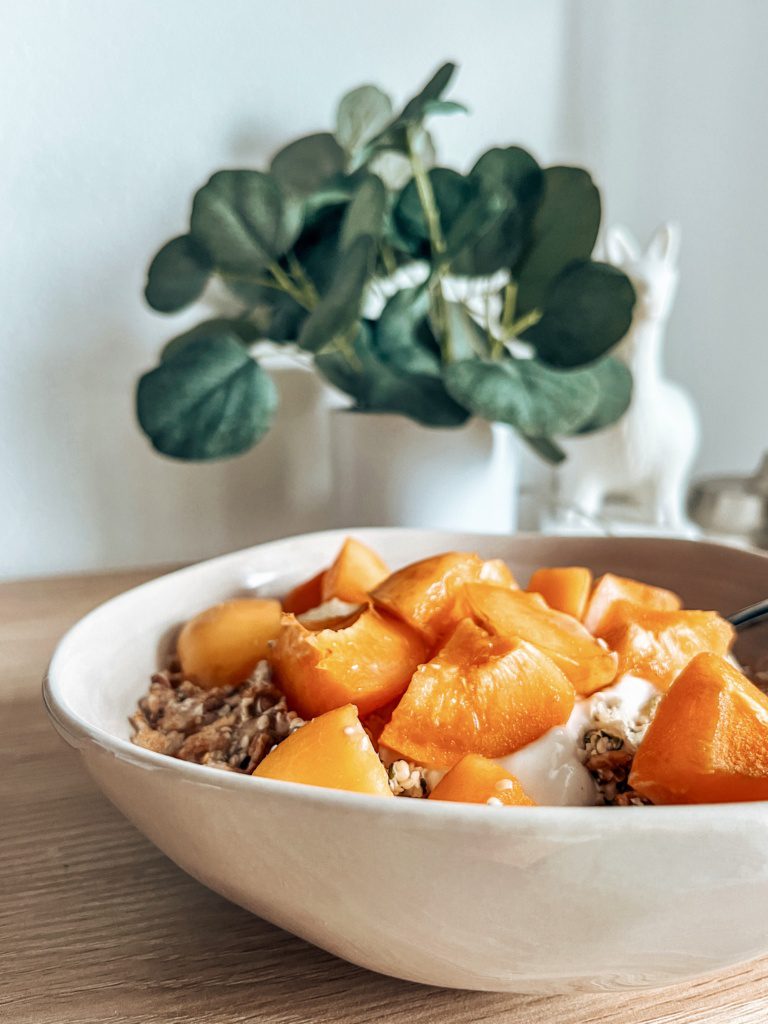
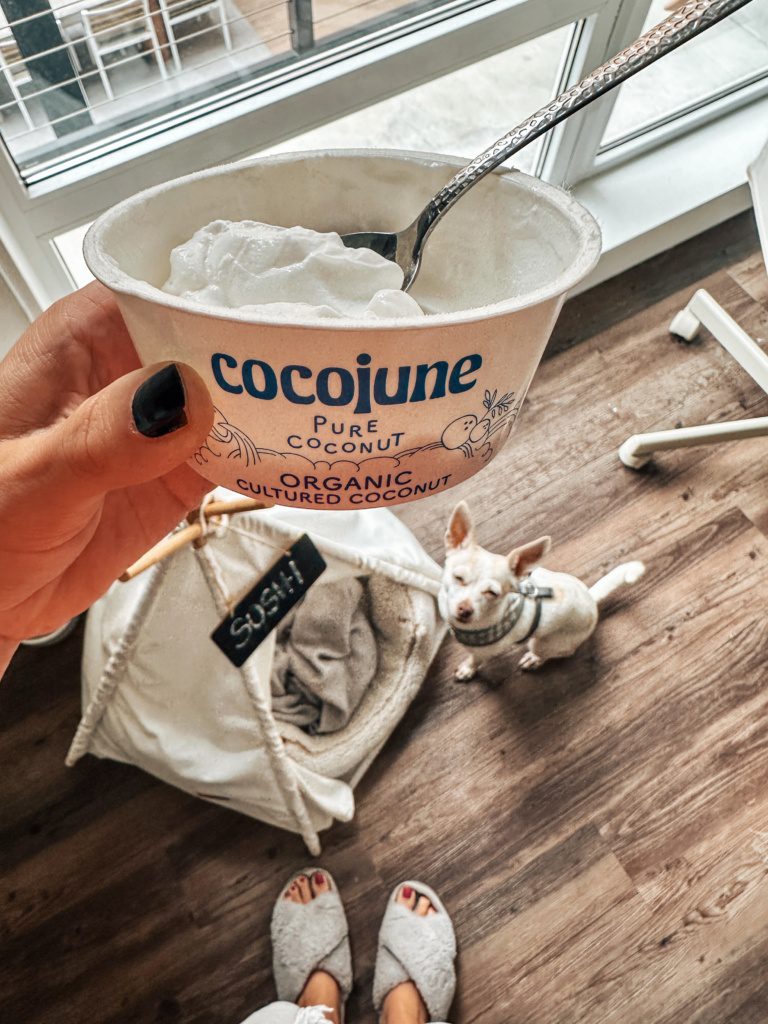
Yogurt and kefir are both rich in probiotics, and with all the good gut friendly bacteria you want to make it a staple. Coconut milk or whole milk Greek yogurt, no added sugar or flavoring. Unless it’s all natural flavoring. Added sugar takes it from health food to junk food.
Other non-vegan additions to my home cooking lately include free-range eggs and sardines for a mercury-free omega boost.
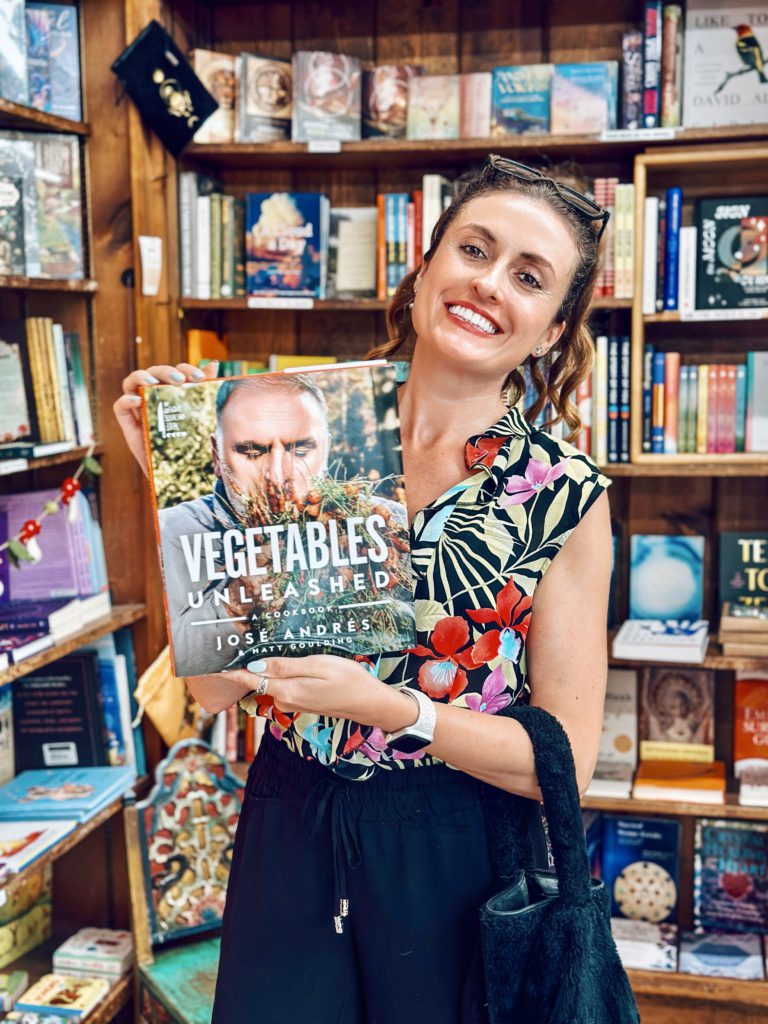
You might also like: 5 Best Vegan Cookbooks For Vicarious Food Travel
Eastern European influences
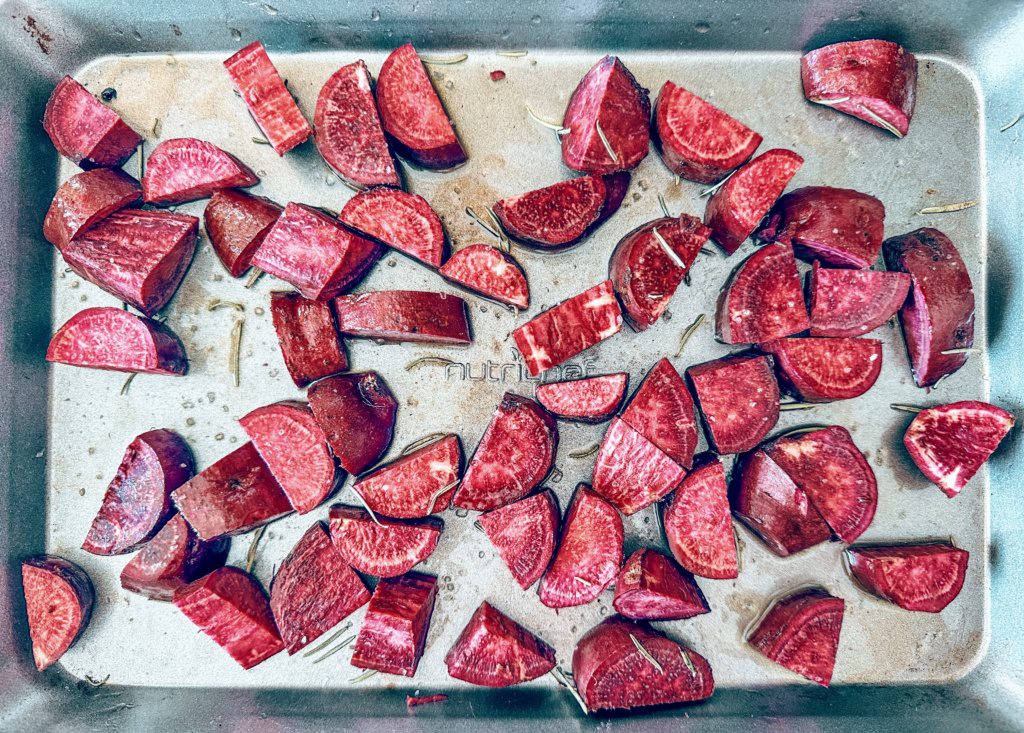
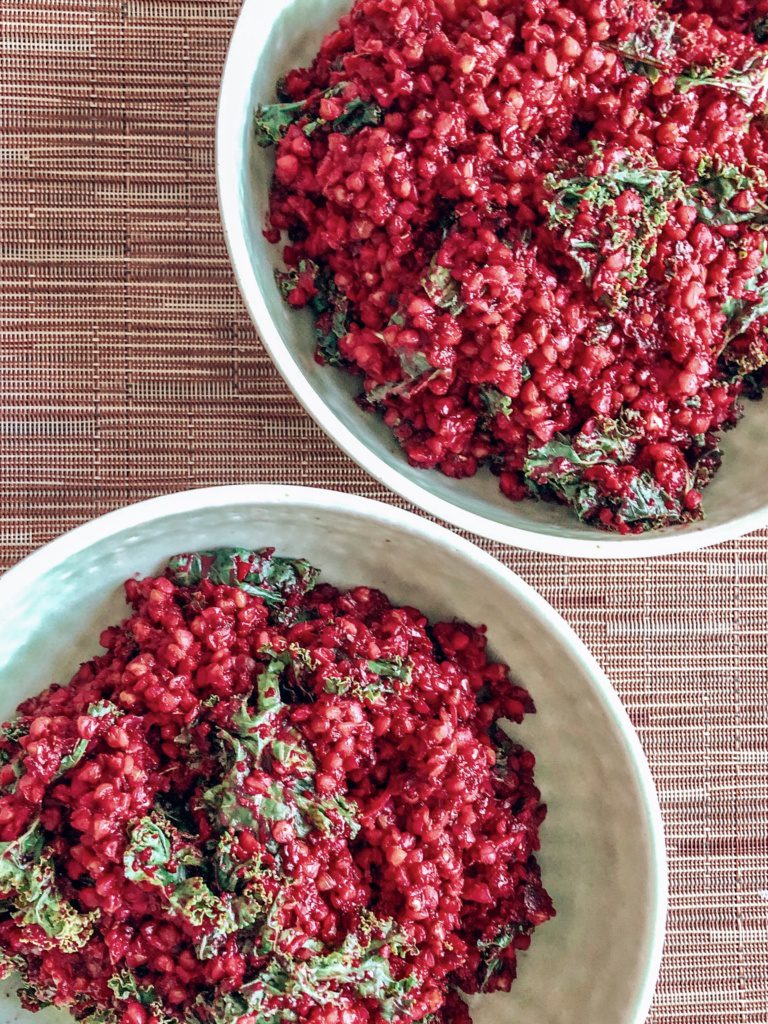
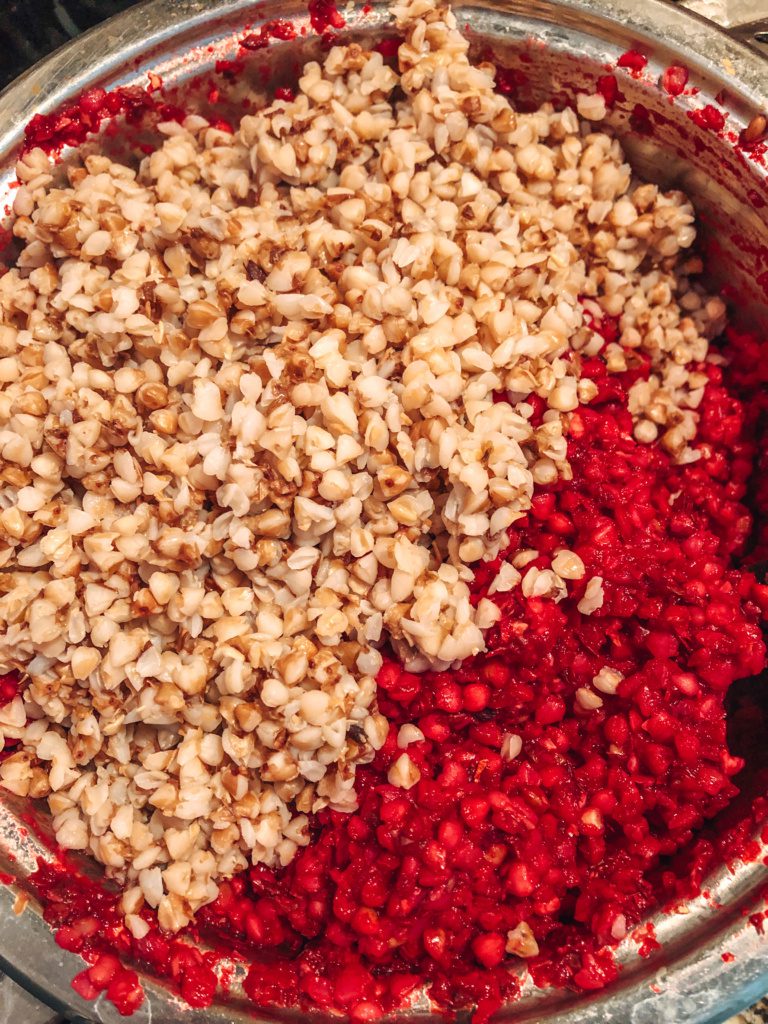
Beets (pickled, roasted, beet hummus, beet risotto—gimme all the beets). Sauerkraut, cabbage (especially purple for polyphenols); and grains: barley, buckwheat groats, and more.
The selection is pretty decent in LA thanks to the sizable Jewish community. Though I’m yet to find sauerkraut like the one I grew up with. Which is why I tend to stick to kimchi outside of Europe.
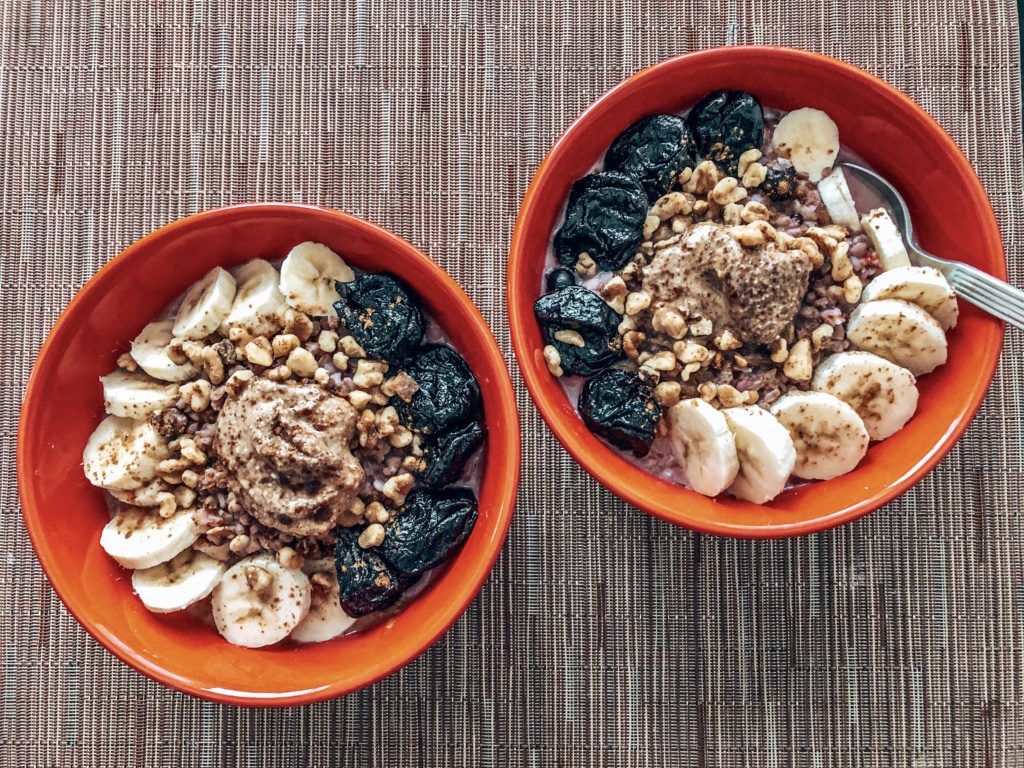
Home made granola & overnight oats
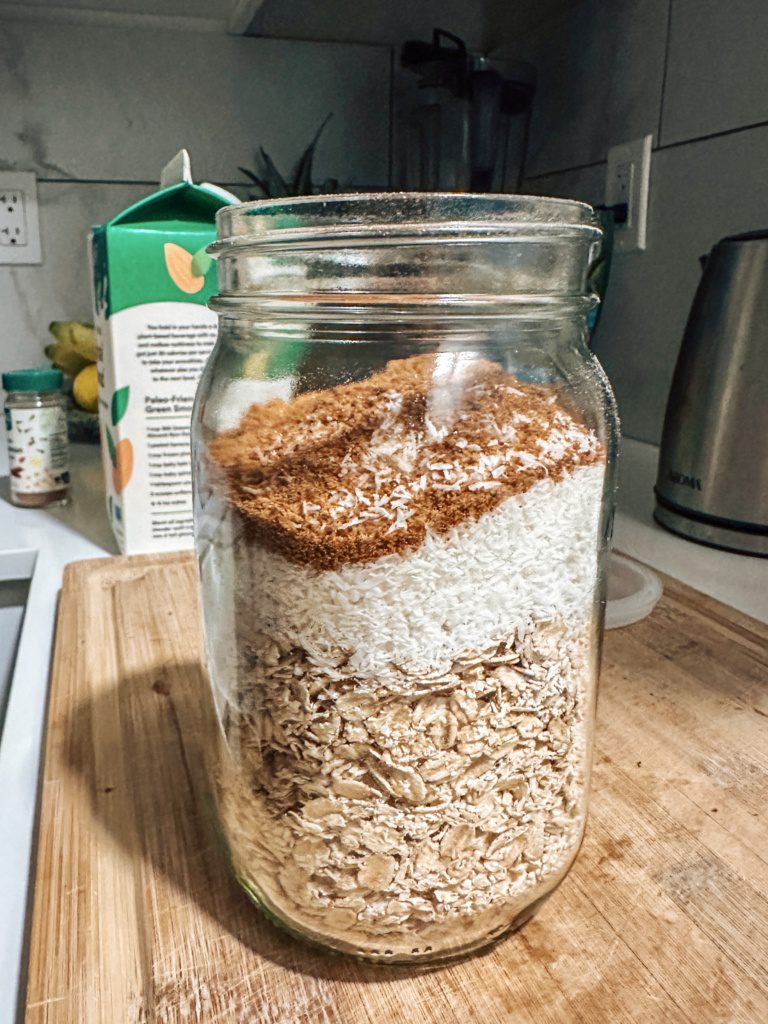
I don’t eat oats often, especially in the US. It’s an occasional treat. The coconut overnight oats was always a huge hit at our hotels in Hawaii and Palm Springs.
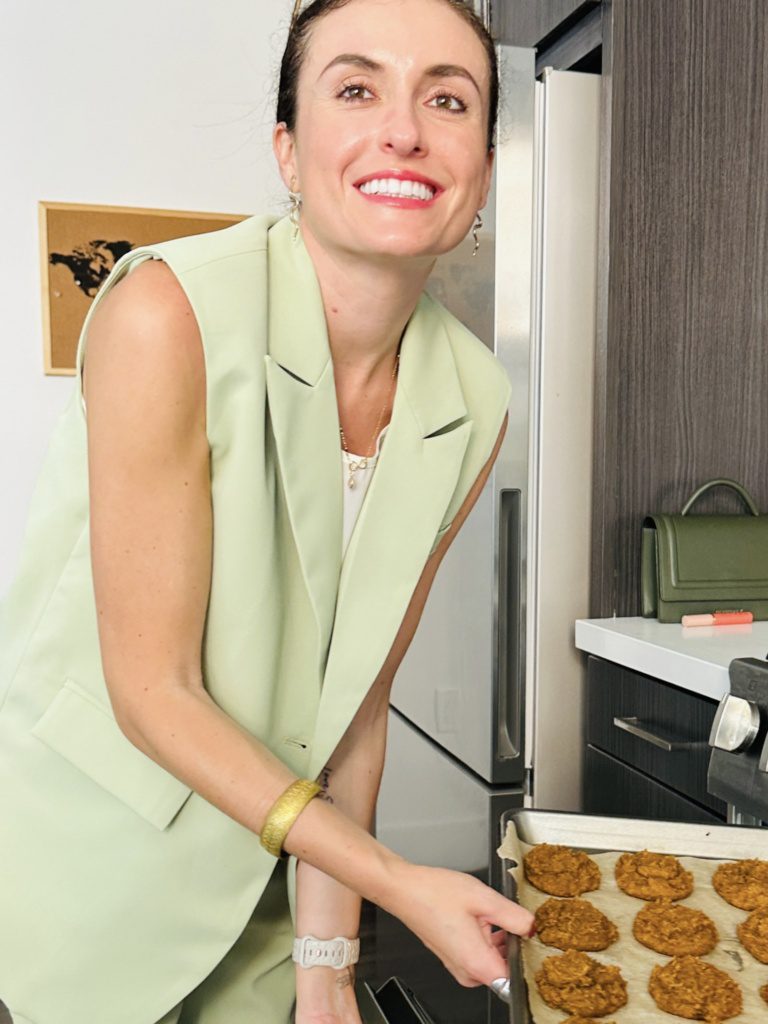
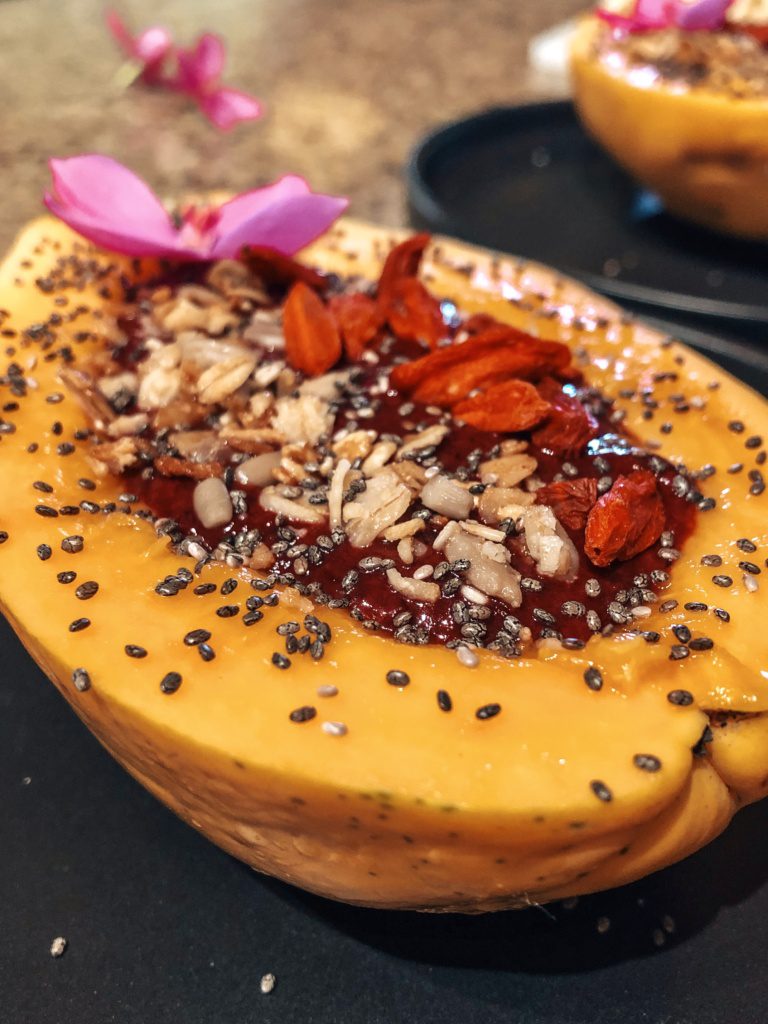
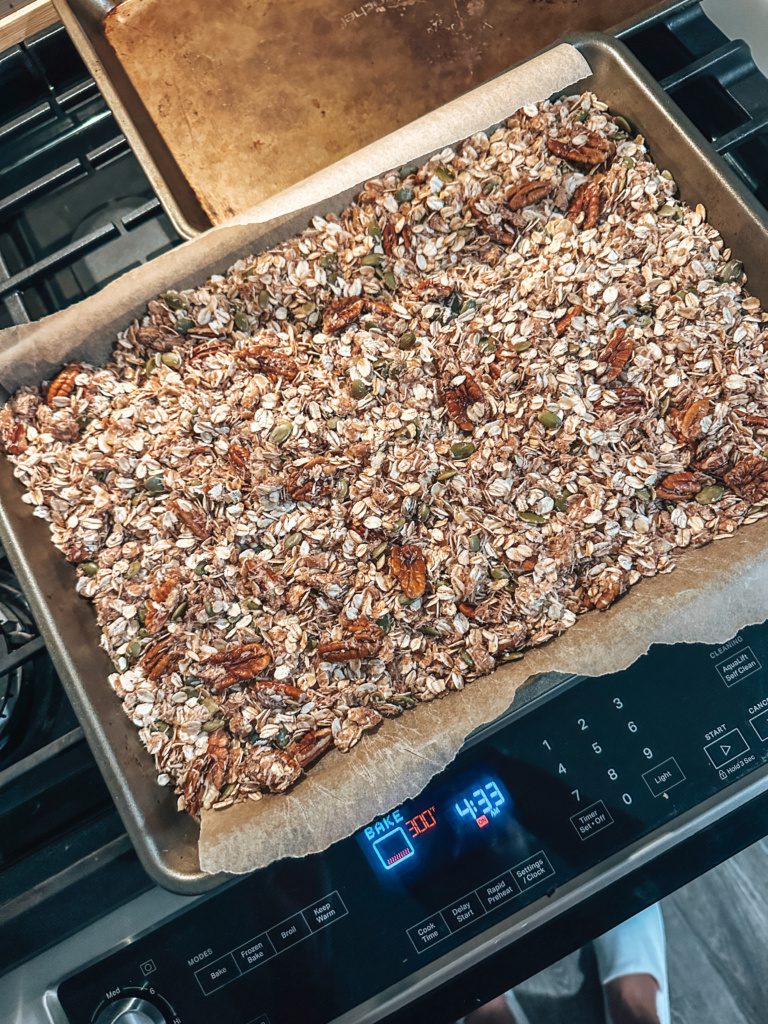
So was the home baked granola sprinkled on açai & goji papaya boats. Store bought granola is one of the biggest scams at grocery stores today (as are muesli bars) – watch out for added sugar.
Plant-based “steaks” and burgers
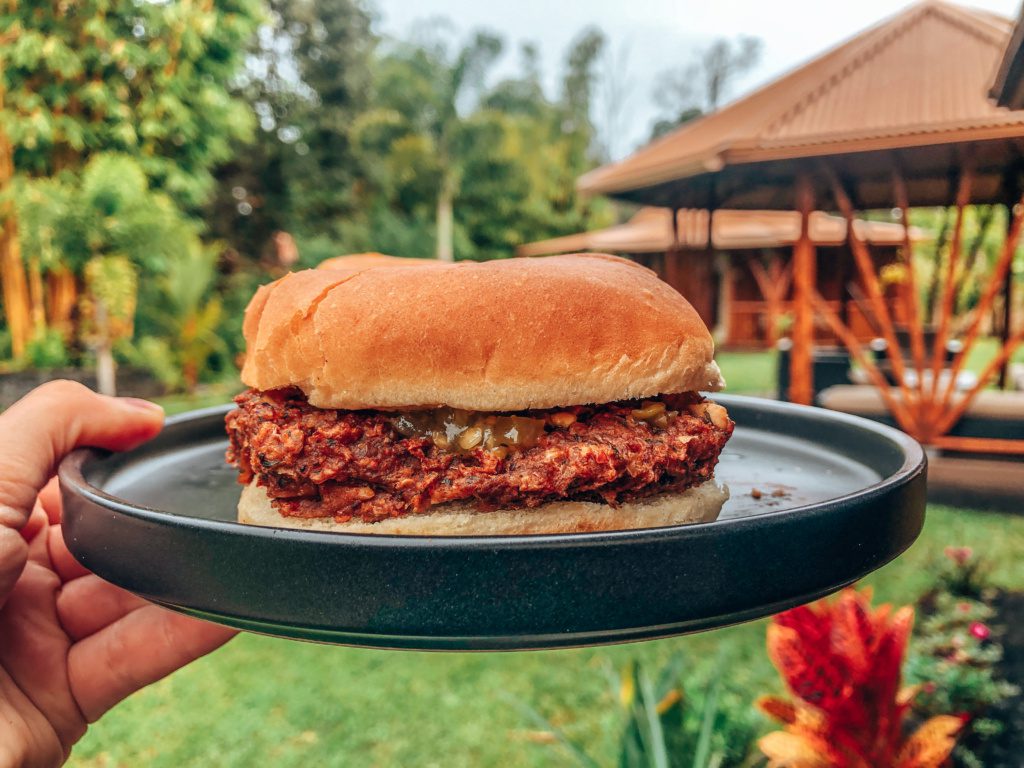
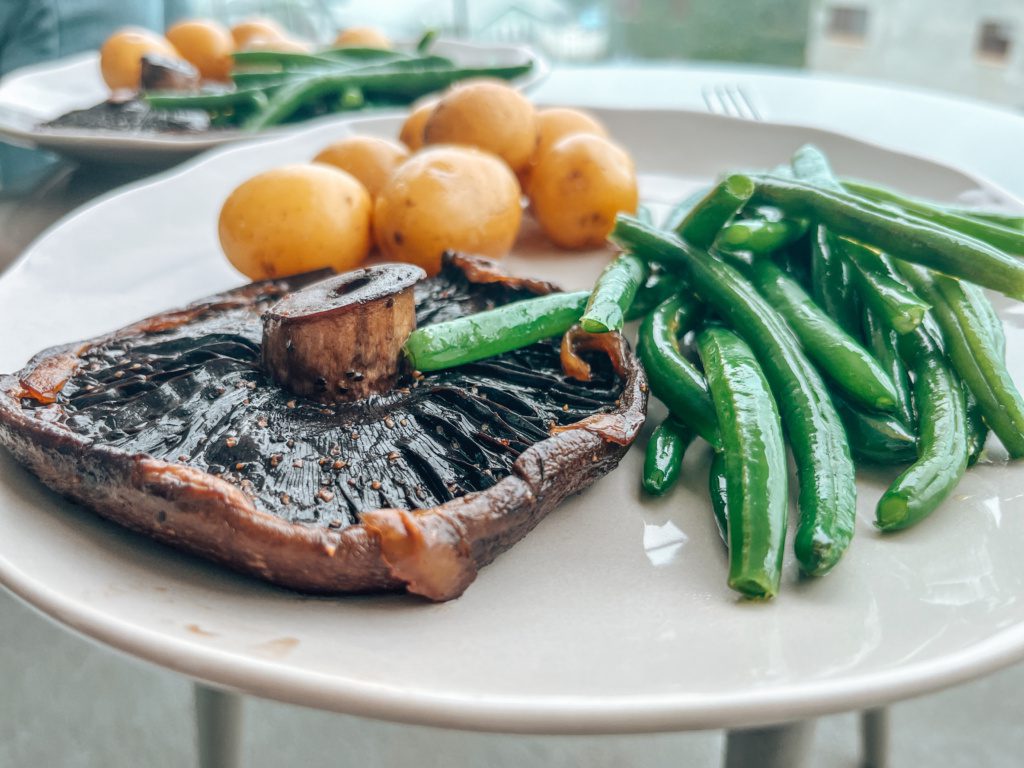
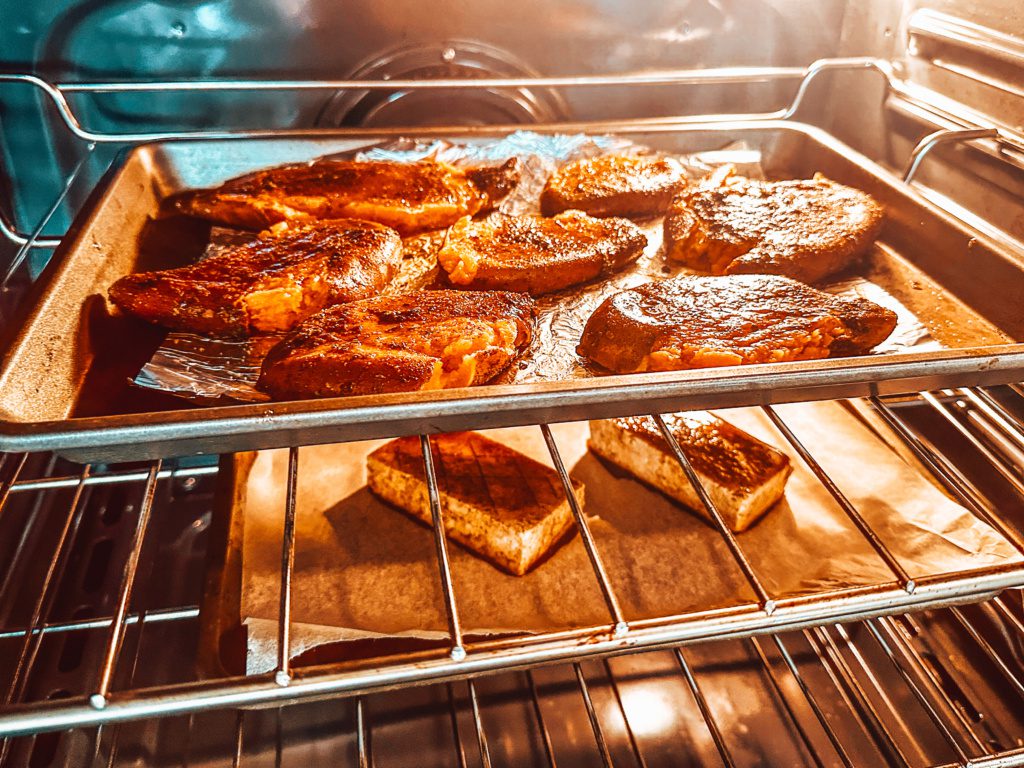
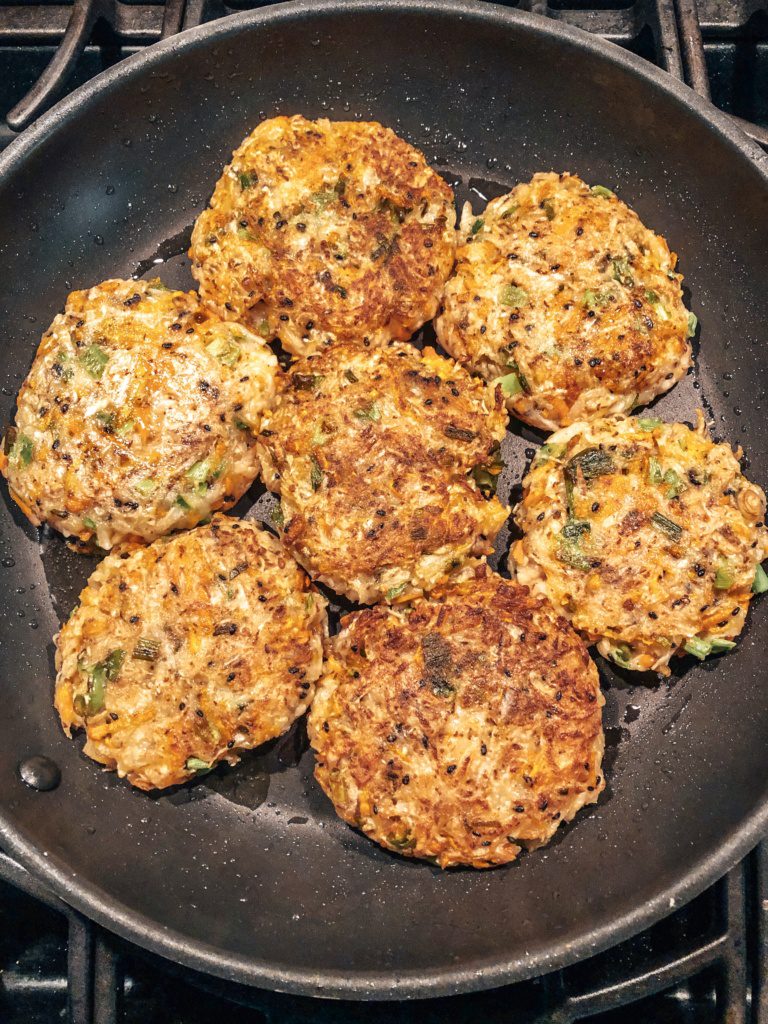
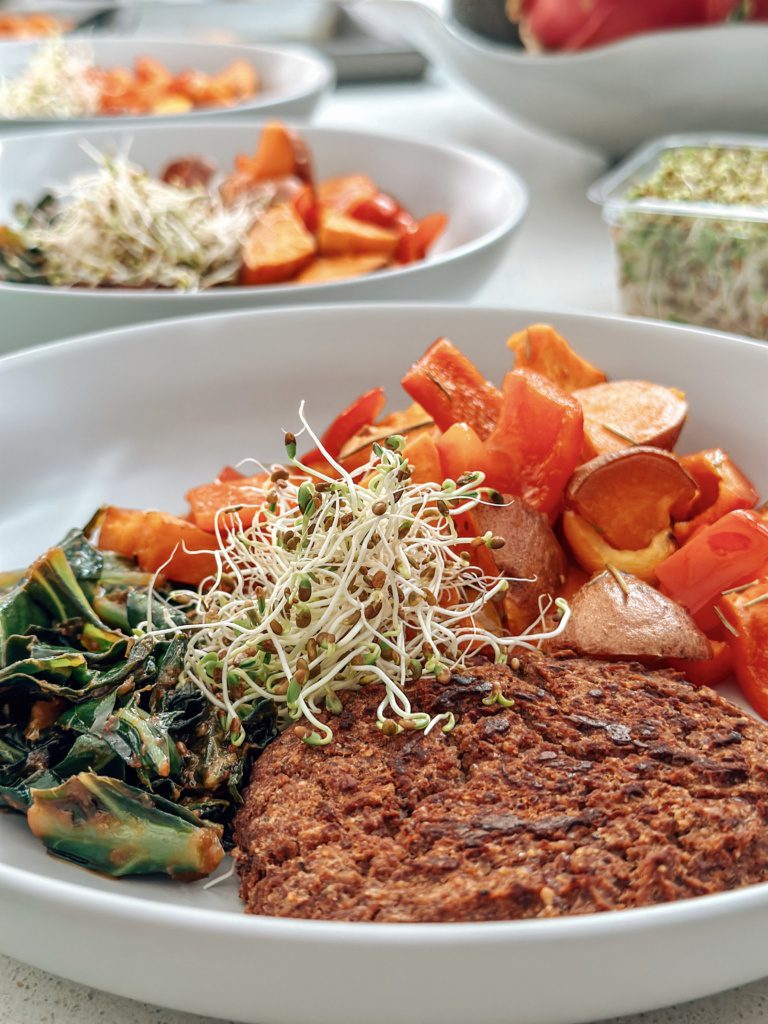
Portobello mushroom, cabbage, cauliflower, tofu… And veggie burgers! Home made veggie burgers are so much fun.
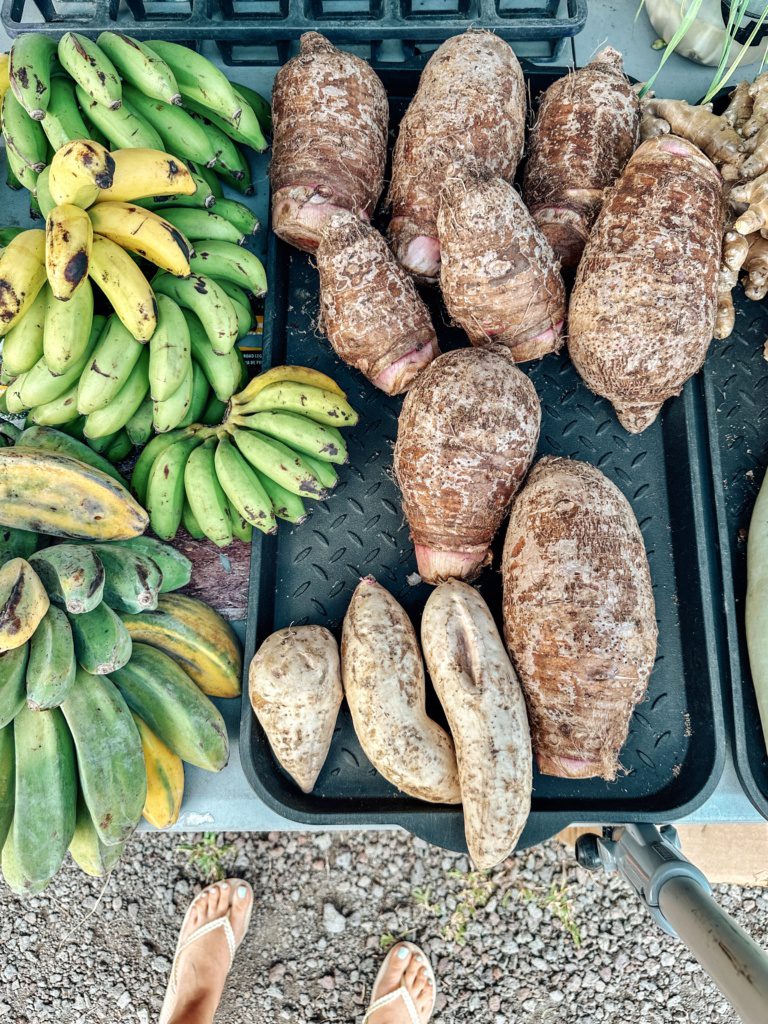
In Hawaii my favorite was the taro burger, although to make it from scratch and be respectful of the sacred taro plant is a lot of work. Also falafel – couldn’t live without it.
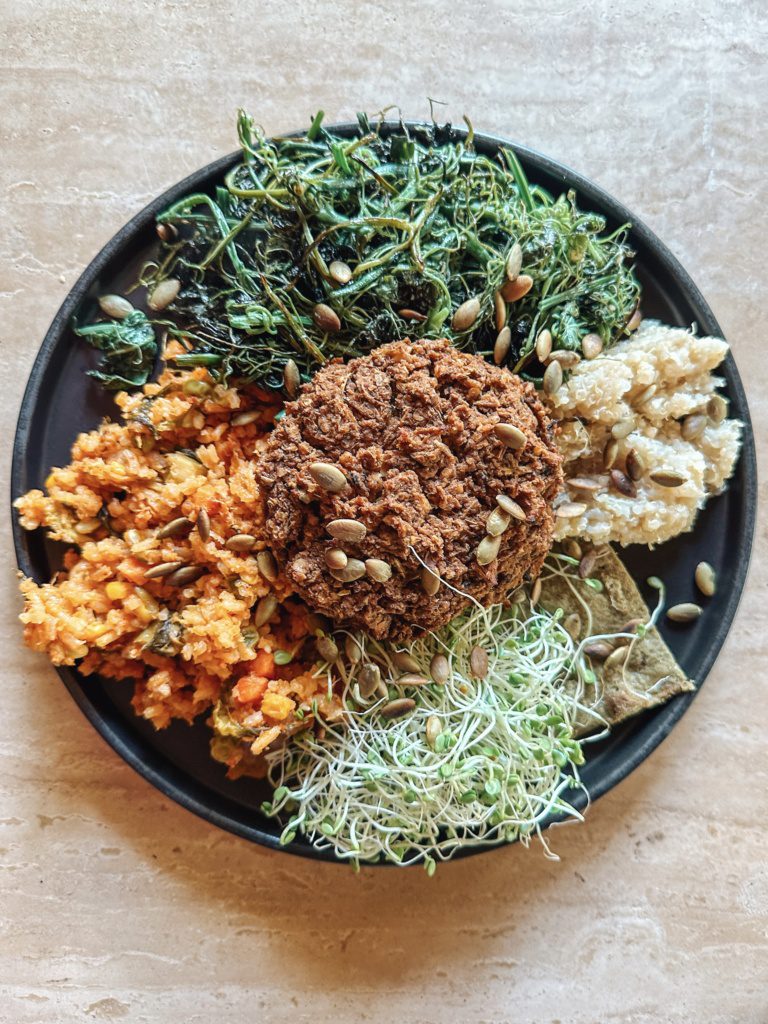
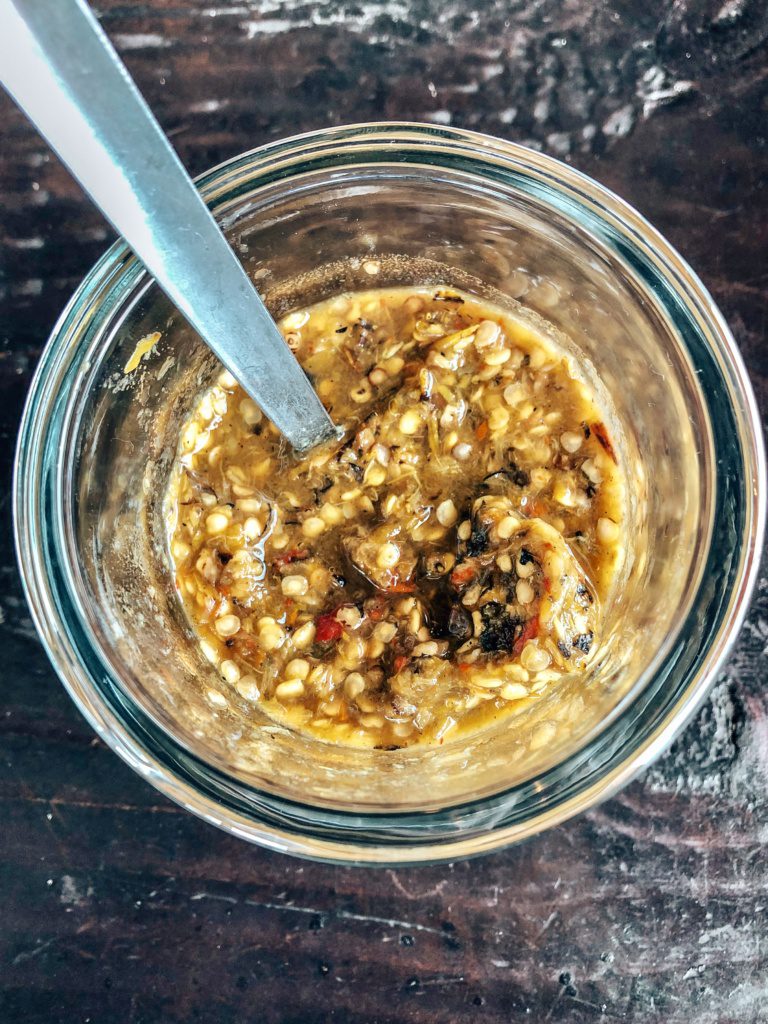
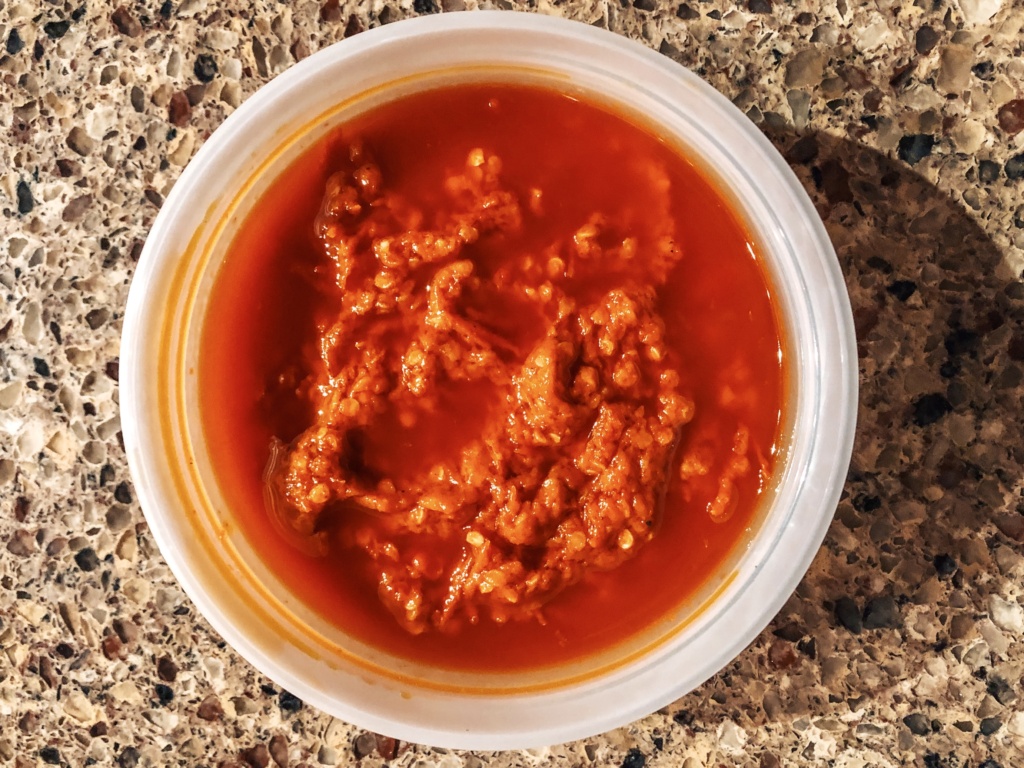
Hot sauce and chili crunch
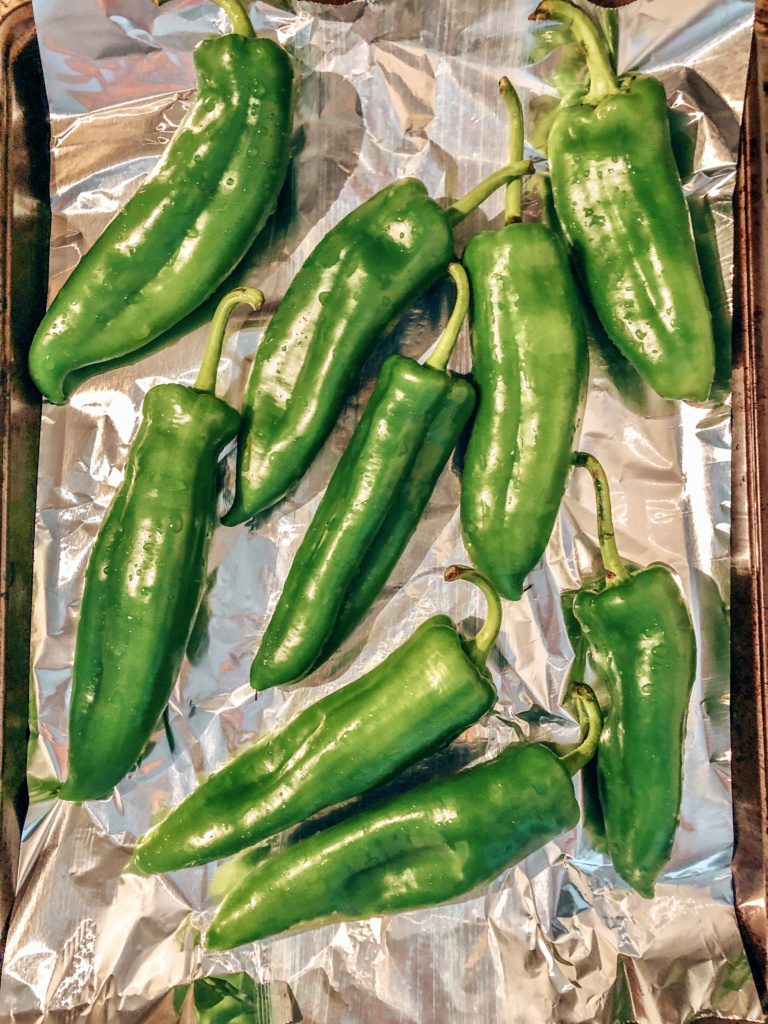
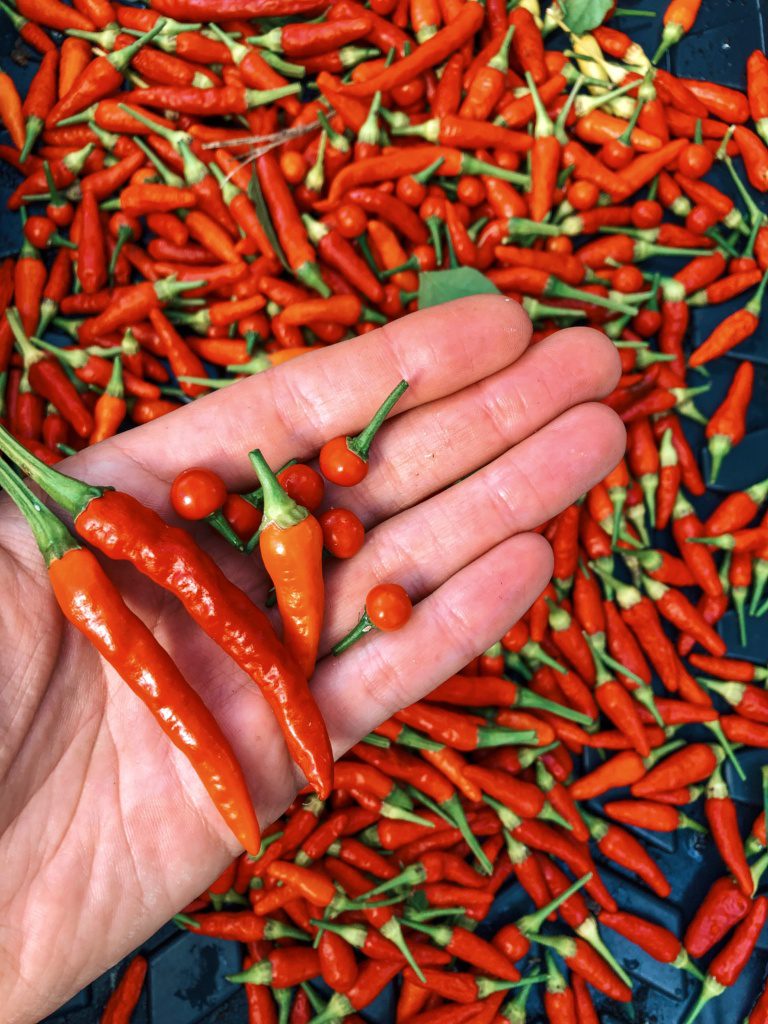
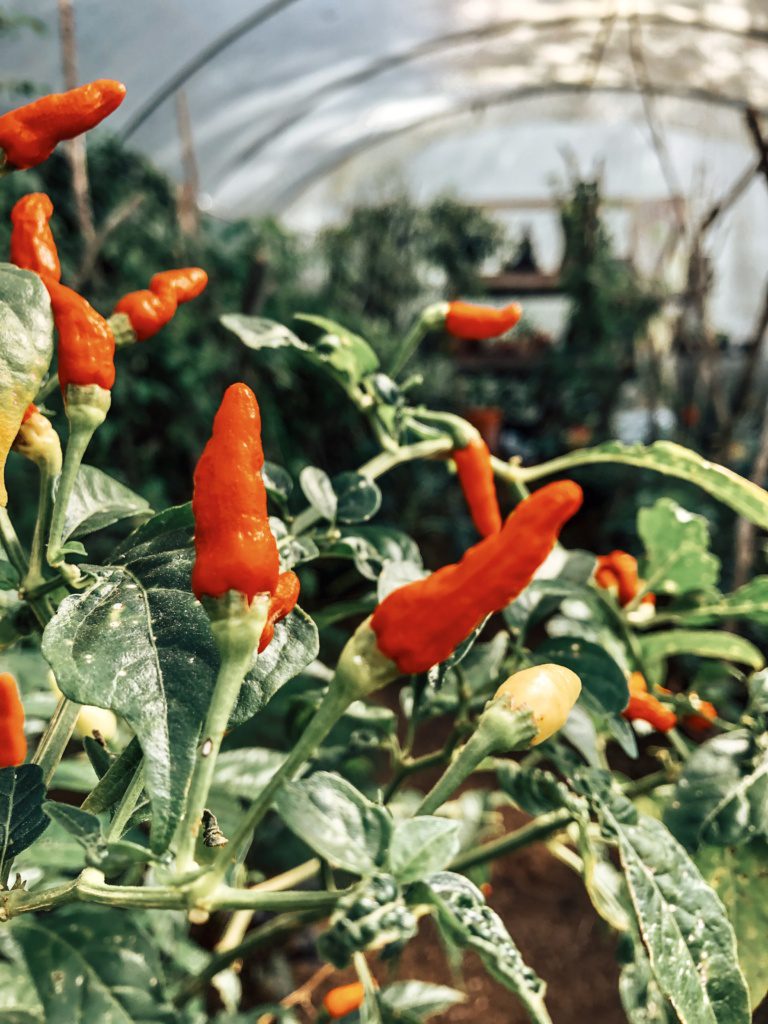
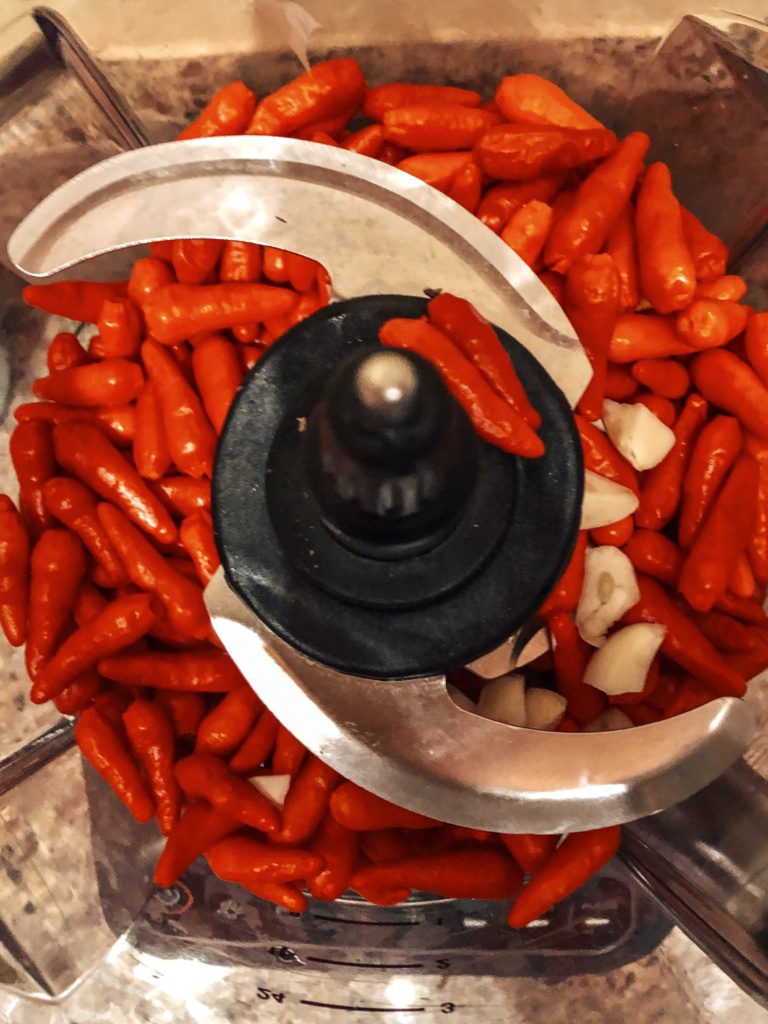
Living so close to Mexico I had to develop a love for heat. We’re spoiled with a wide variety of excellent hot sauces and salsas in LA, but I still like to make my own. In Hawaii we used to go as far as to grow our own chili peppers.
I also recently discovered chili crisp, or crunch, and I’m low key obsessed. I’ve been putting it on everything.
Spaghetti squash & veggie noodles
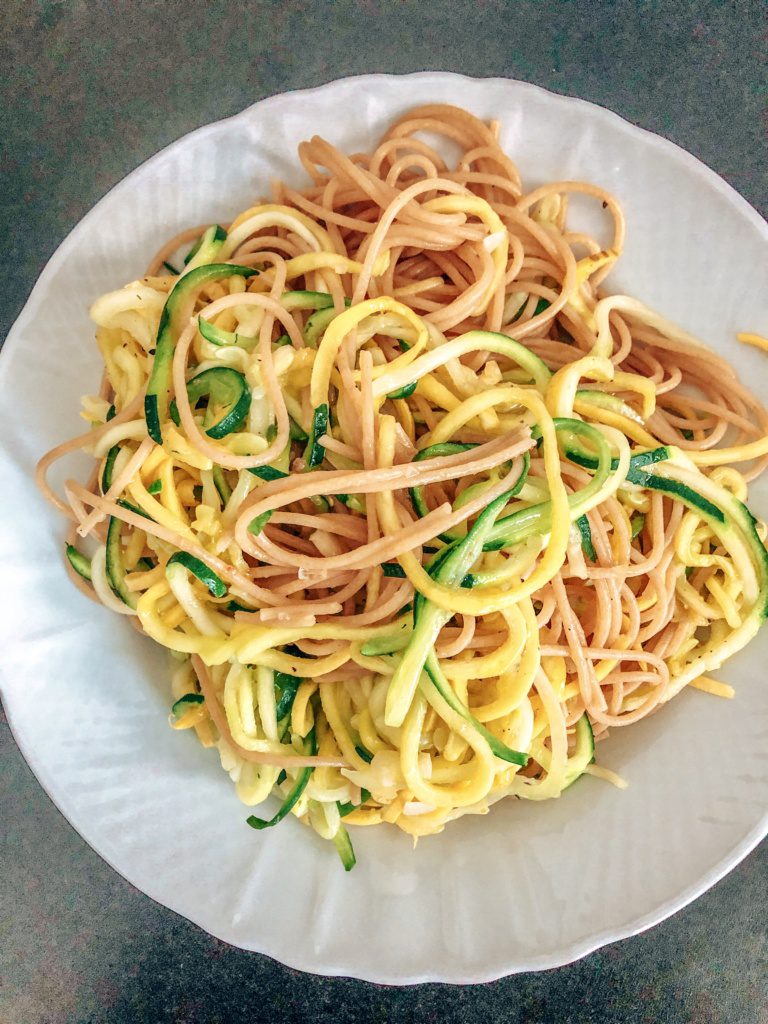
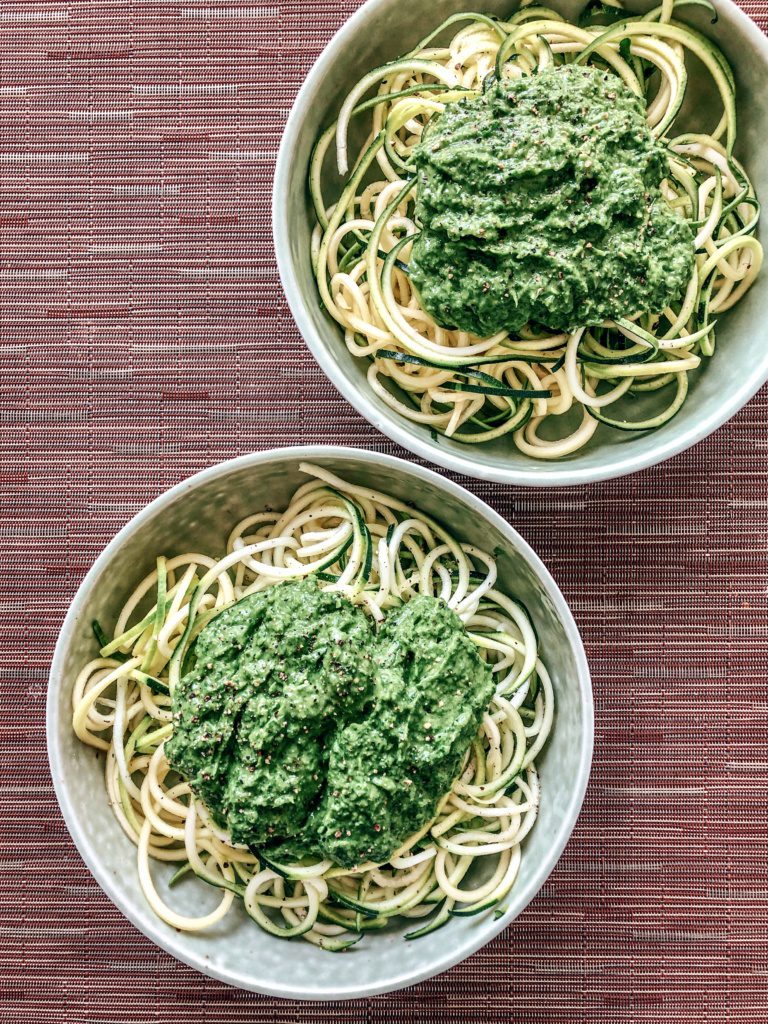
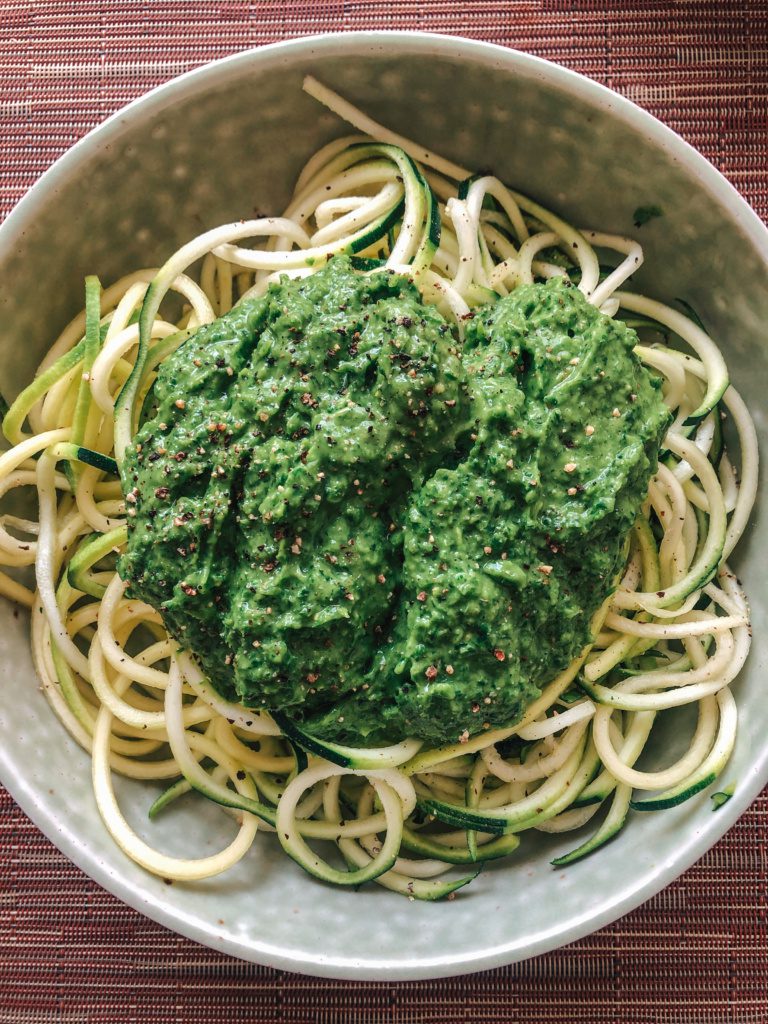
World – meet zoodles. If you haven’t made zucchini noodles yet – you’re missing out. Get a spiralizer and have some fun. I’ve spiralized carrots, squash, cucumbers, zucchini, you name it.
The produce world is your oyster. Such a great way to sneak veggies into your meals, and stay GF friendly in the process.
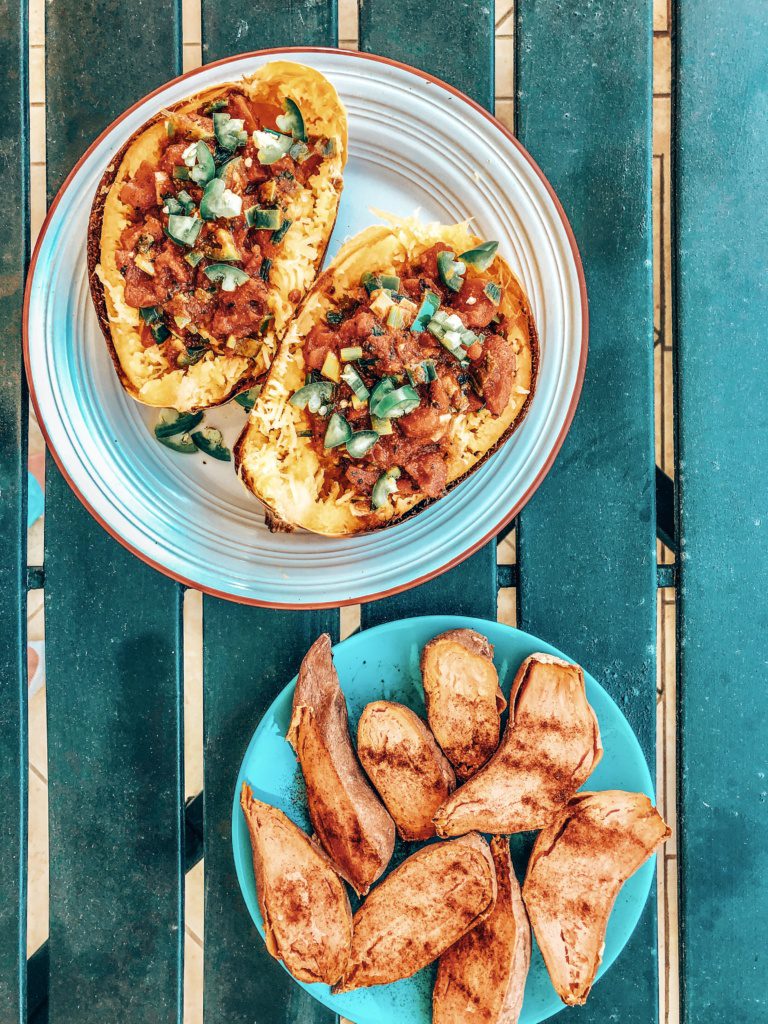
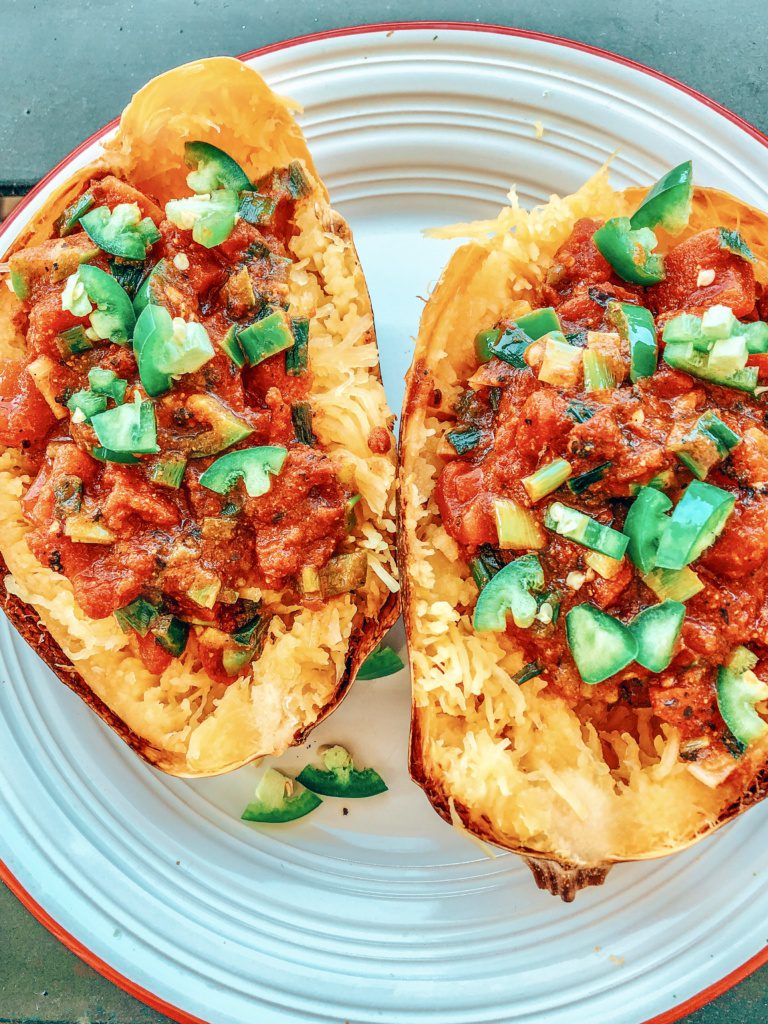
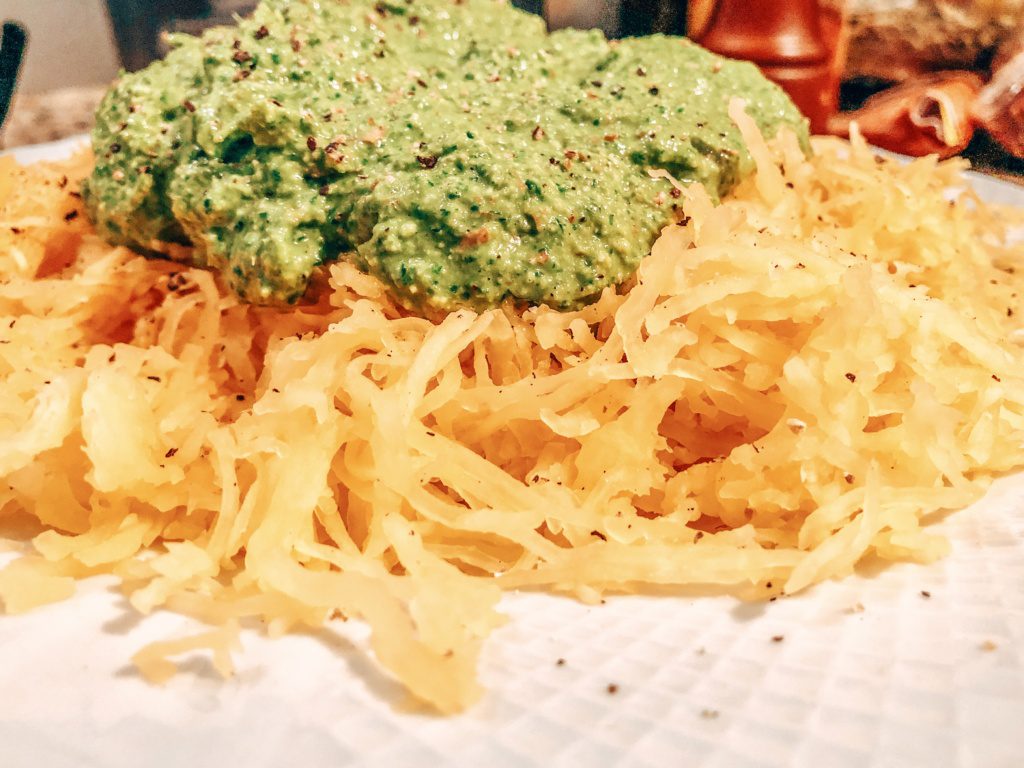
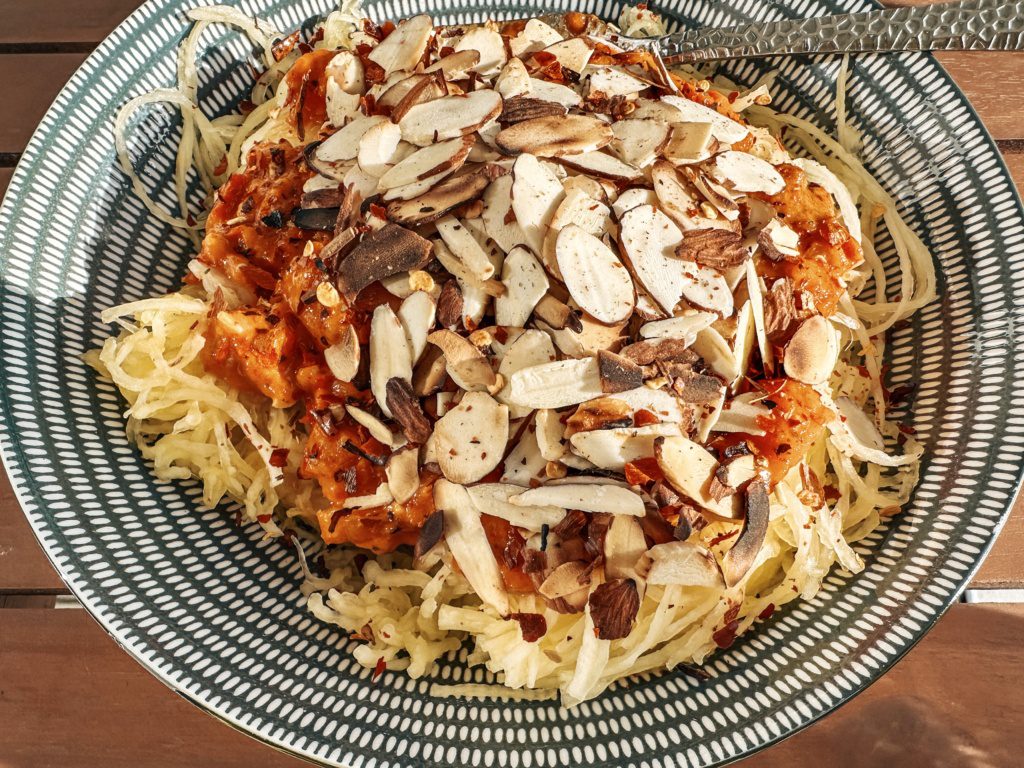
Another great hack is spaghetti squash. You can top it with just about any sauce you’d use for regular spaghetti. I also love cauliflower rice, while we’re at it
Popcorn
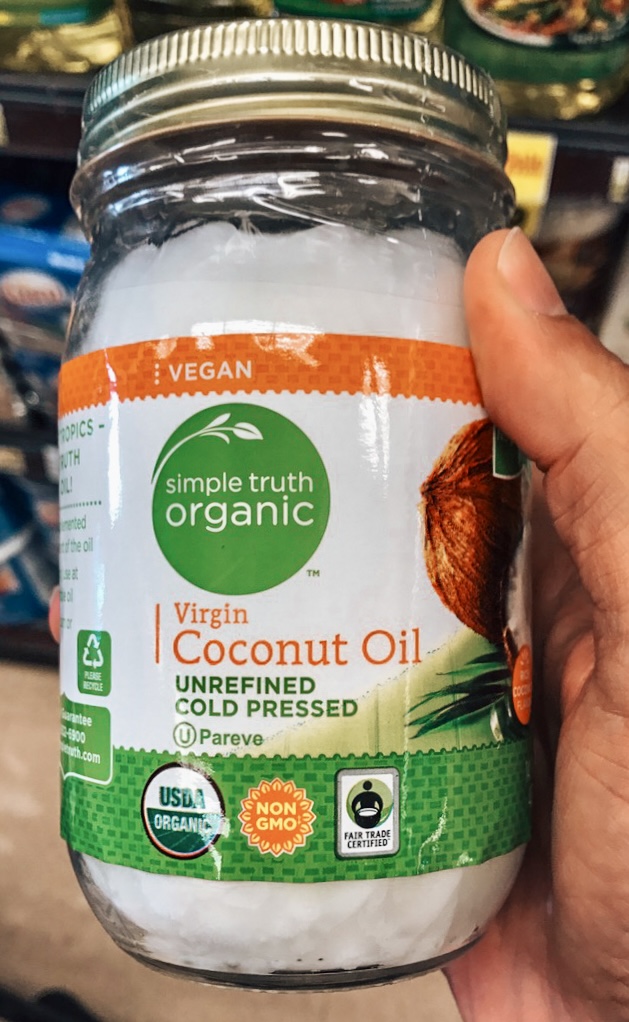
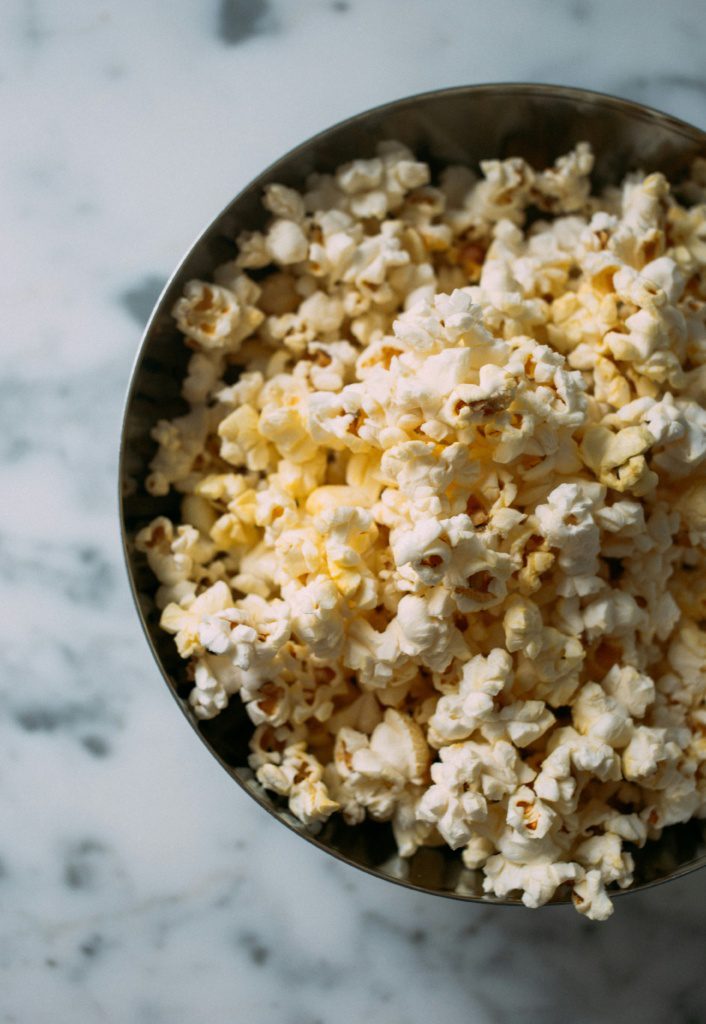
As a major film nerd I take my movie nights seriously. I love popcorn, especially home made, popped in cold pressed coconut oil or EVOO.
I experimented with sprinkling herbs and seasoning on it (paprika, nutritional yeast etc.), but decided I’m a purist. Simple sea salt is the way to go.
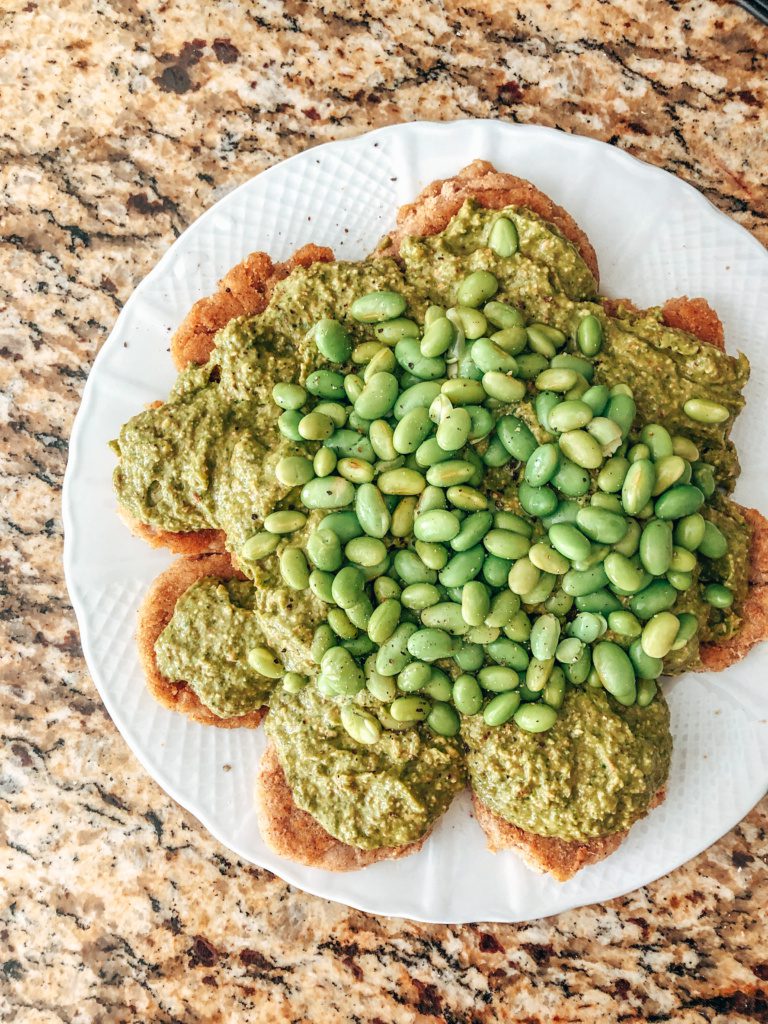
Another movie night favorite snack is edamame. I buy it frozen and it’s such an easy healthy protein snack.
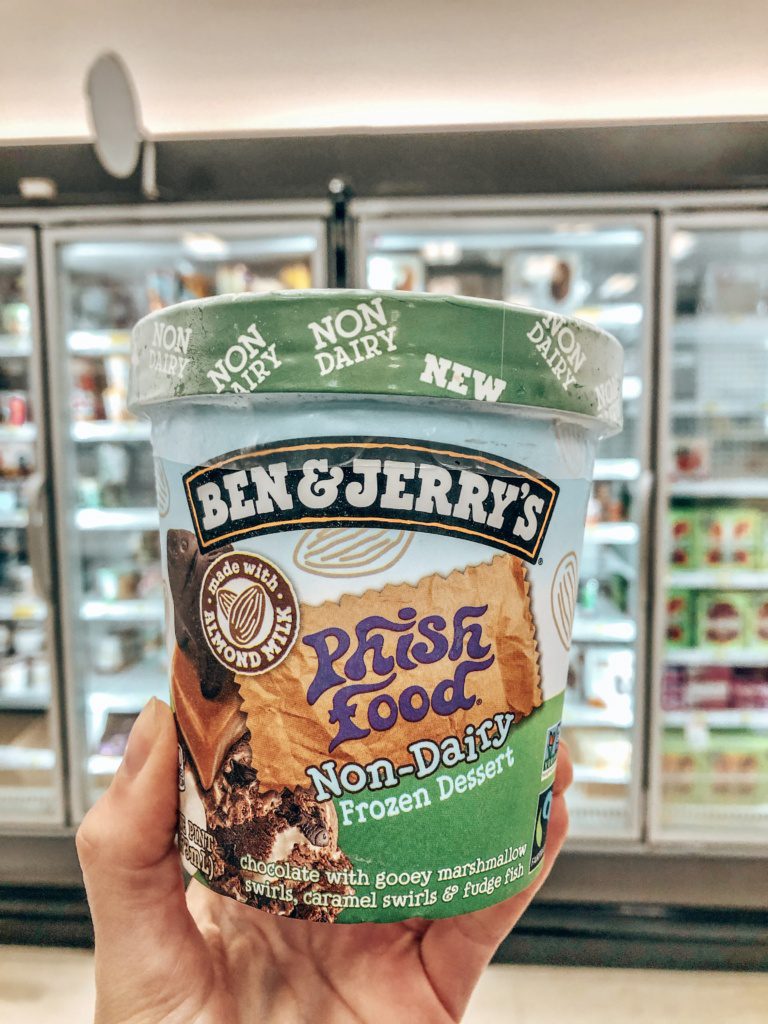
(I may or may not also enjoy the occasional – i.e. twice a year or so – plant based Phish Food, too. Shhh…)
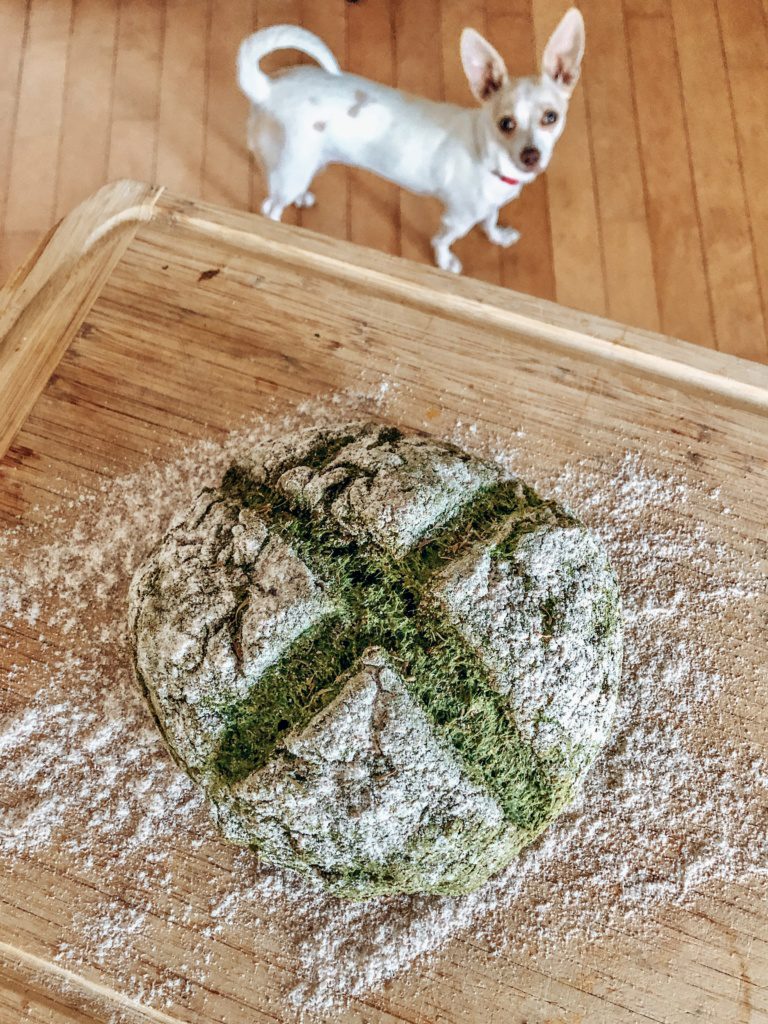
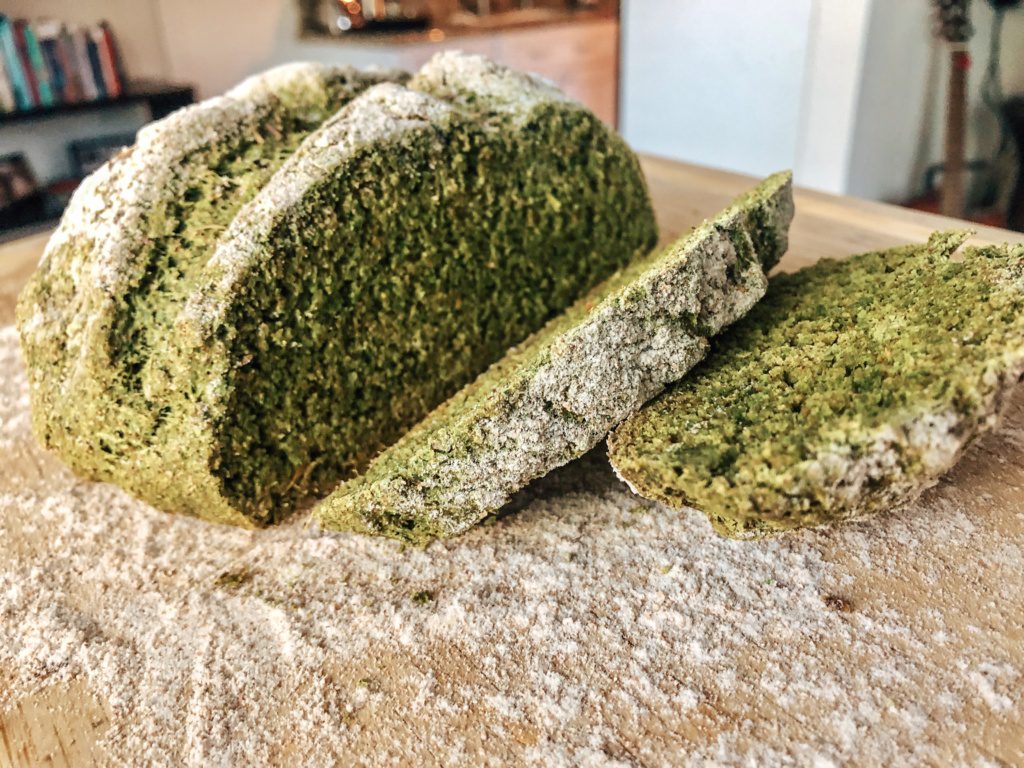
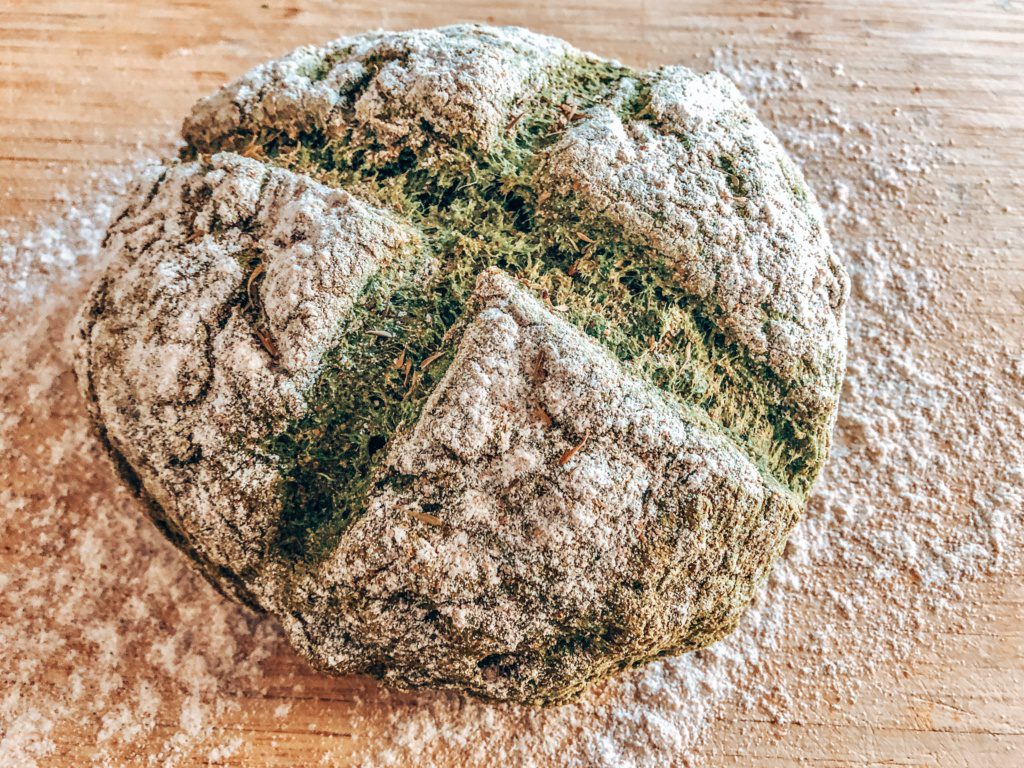
Bread – my sacred food
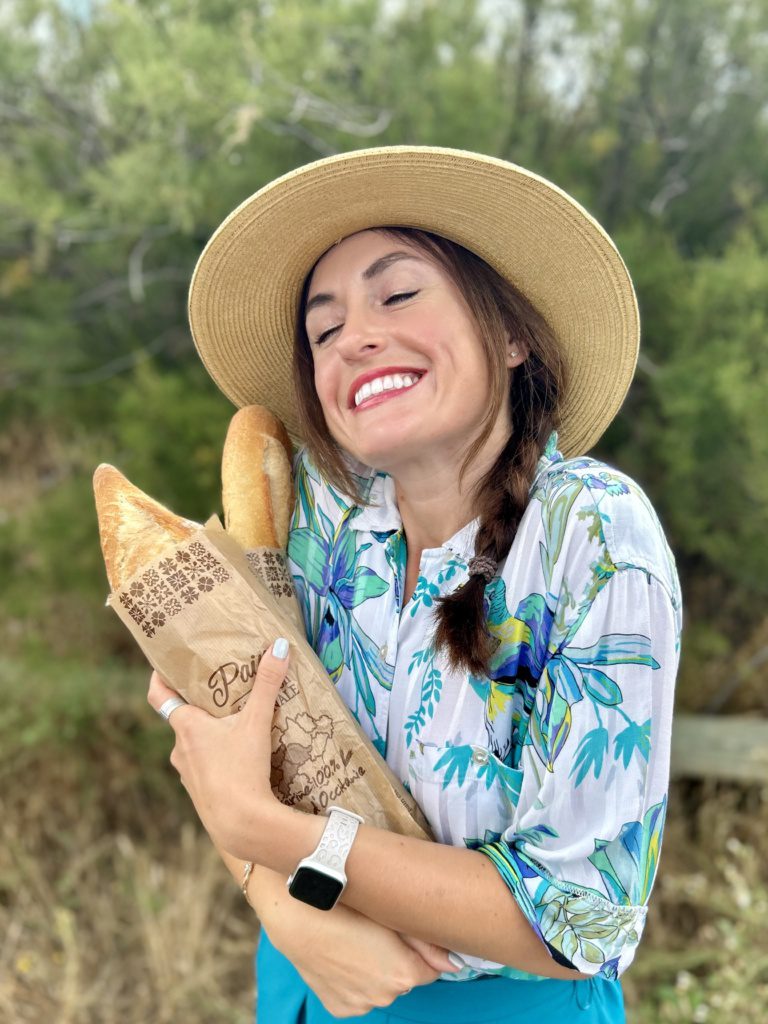
As someone with Polish roots, I don’t eat bad bread—it’s not snobbery, it’s reverence.
I used to bake multigrain sourdough with a starter inherited from my aunt—until one day I forgot to save some and baked it all. RIP, lineage.
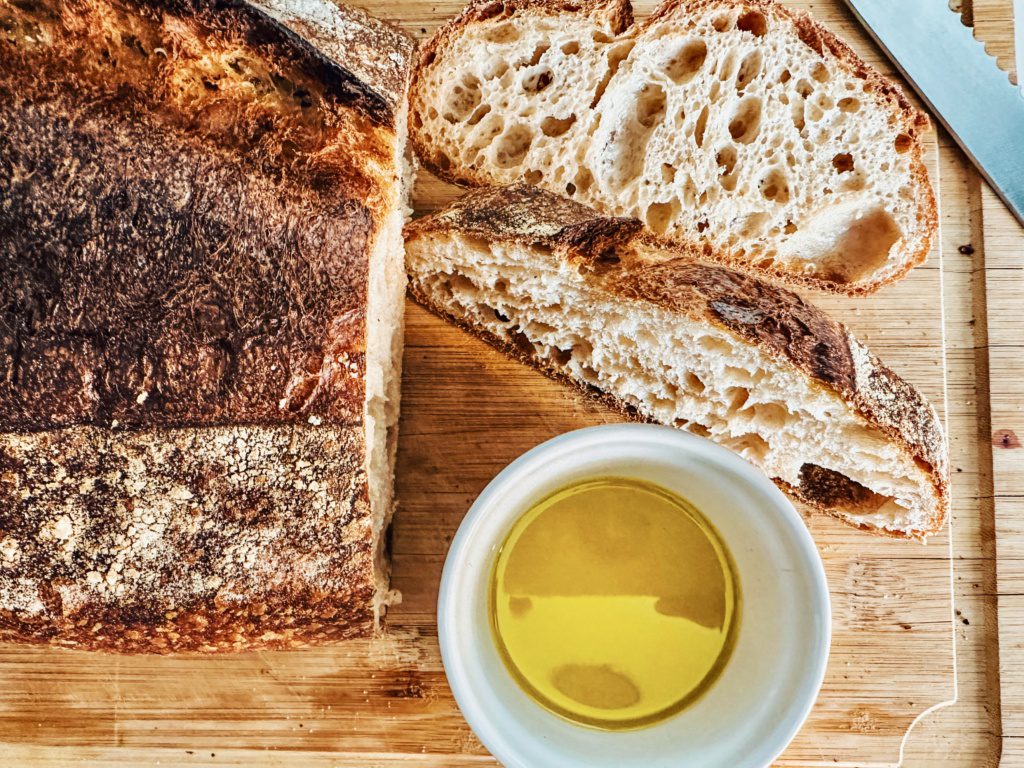
But when I get my hands on a perfect loaf of sourdough? Just give me EVOO and sea salt… and leave me alone. That could be my last supper.
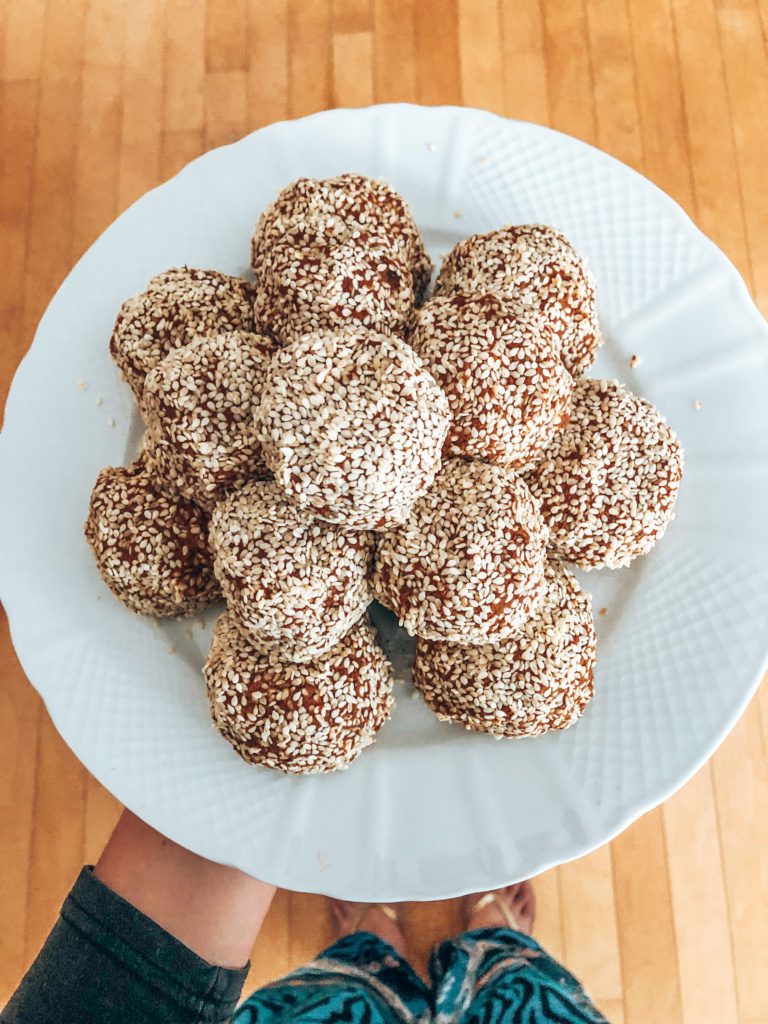
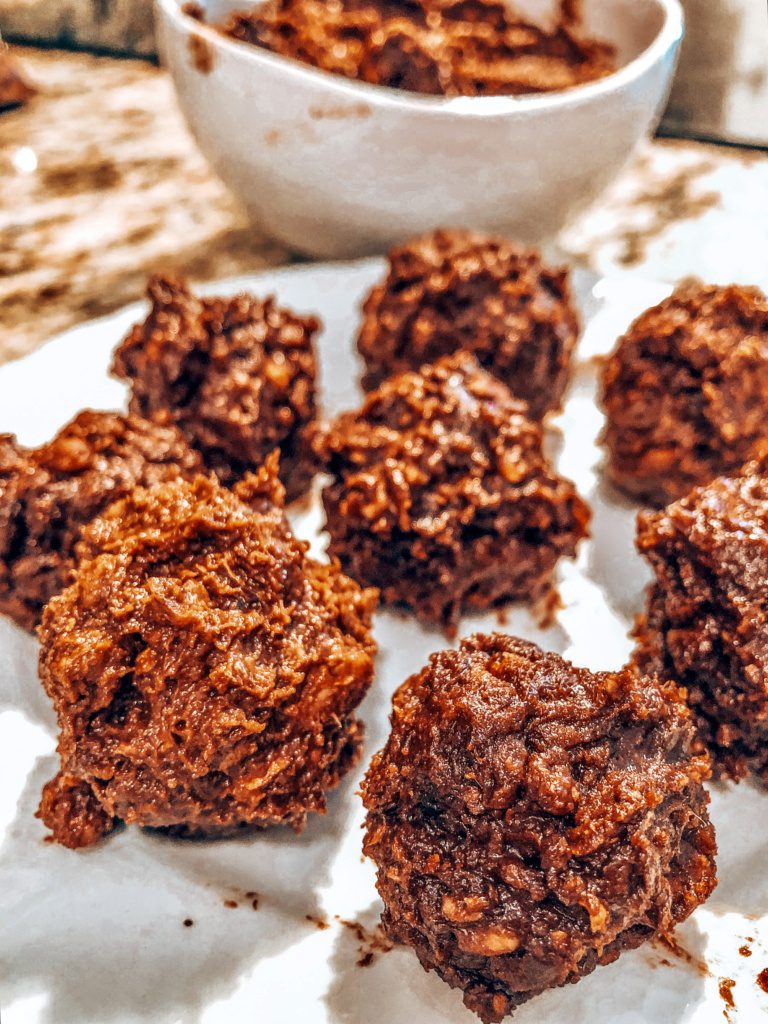
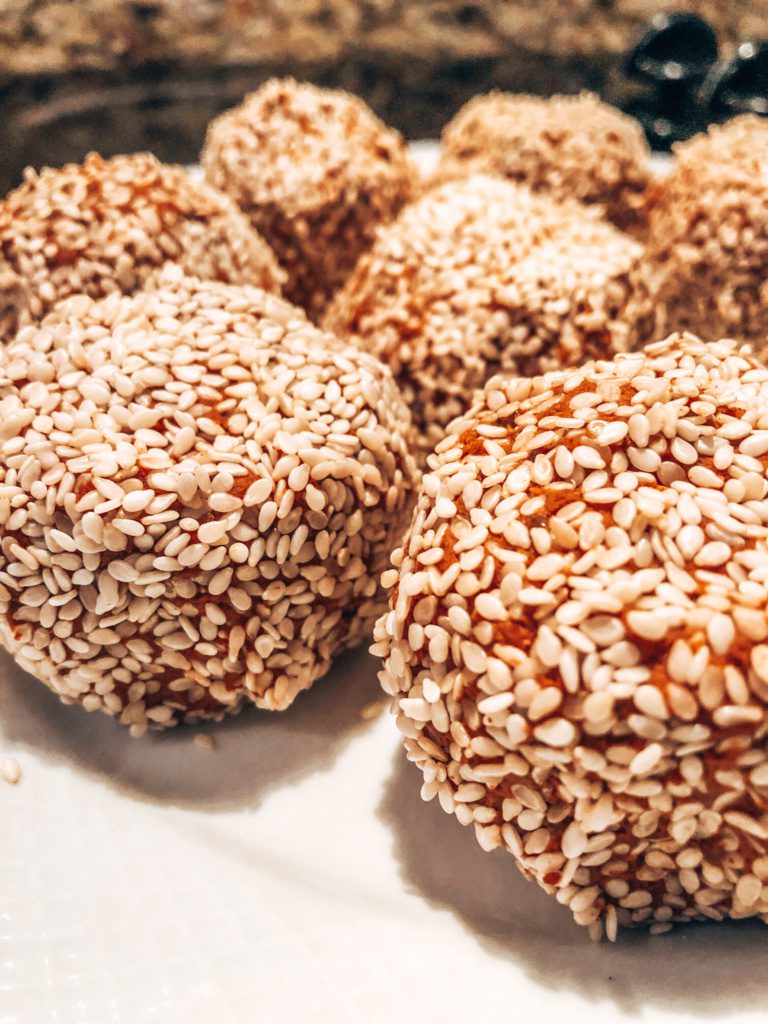
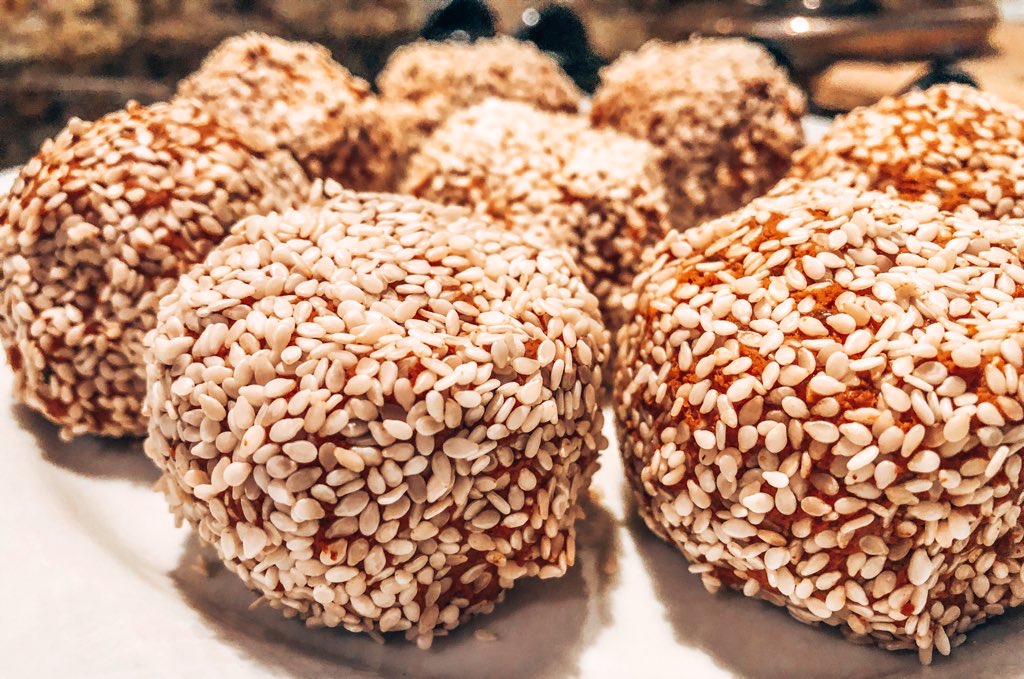
Energy balls
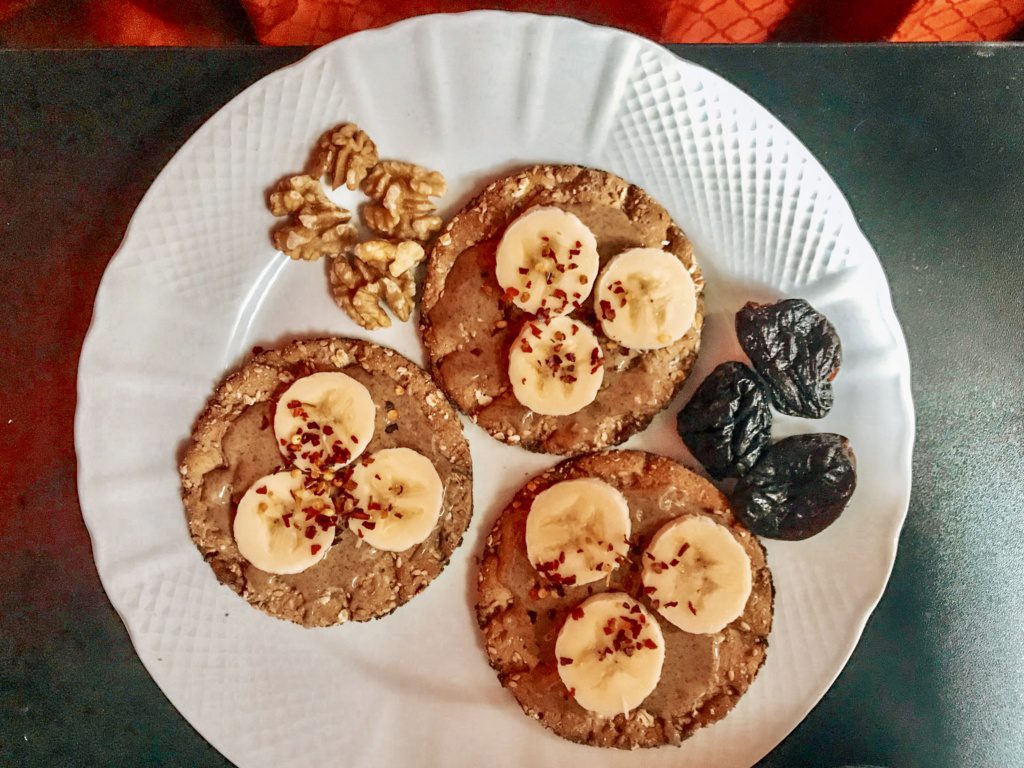
Now this can be anything, from seeds and nuts, cacao powder, tahini, peanut butter to raw veggies like carrots and fresh and dried fruit. Dates and prunes work like a charm.
They keep in the fridge for about a week and just like that you have a nourishing answer to sugar cravings.
Turmeric – powdered gold
I used to have a roommate who’s an Ayurveda therapist. Shout out to Aneta. <3 That, in addition to my travels through India, really got me hooked on living in accordance to Ayurveda and eating in line with my dosha (I’m mostly Vata with a lot of Pita).
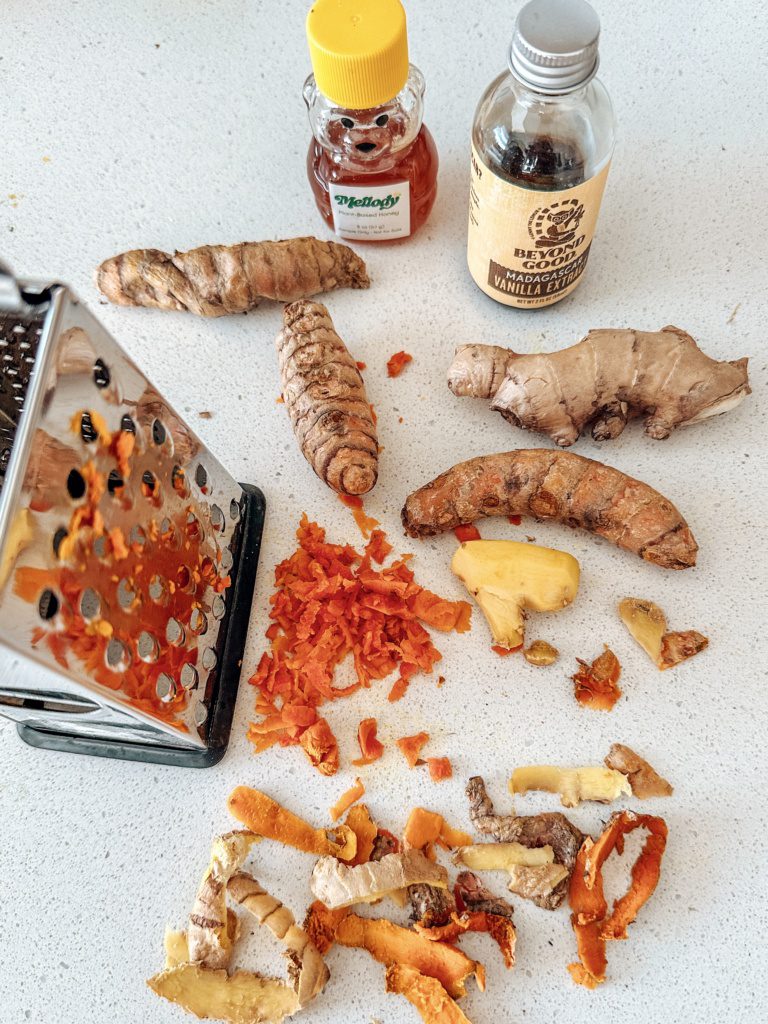
There are so many rules I try to use daily – hello tongue scraping – but ingredients such as turmeric are the easiest to implement. I buy turmeric in bulk, and add it to anything from soups and stews to smoothies.
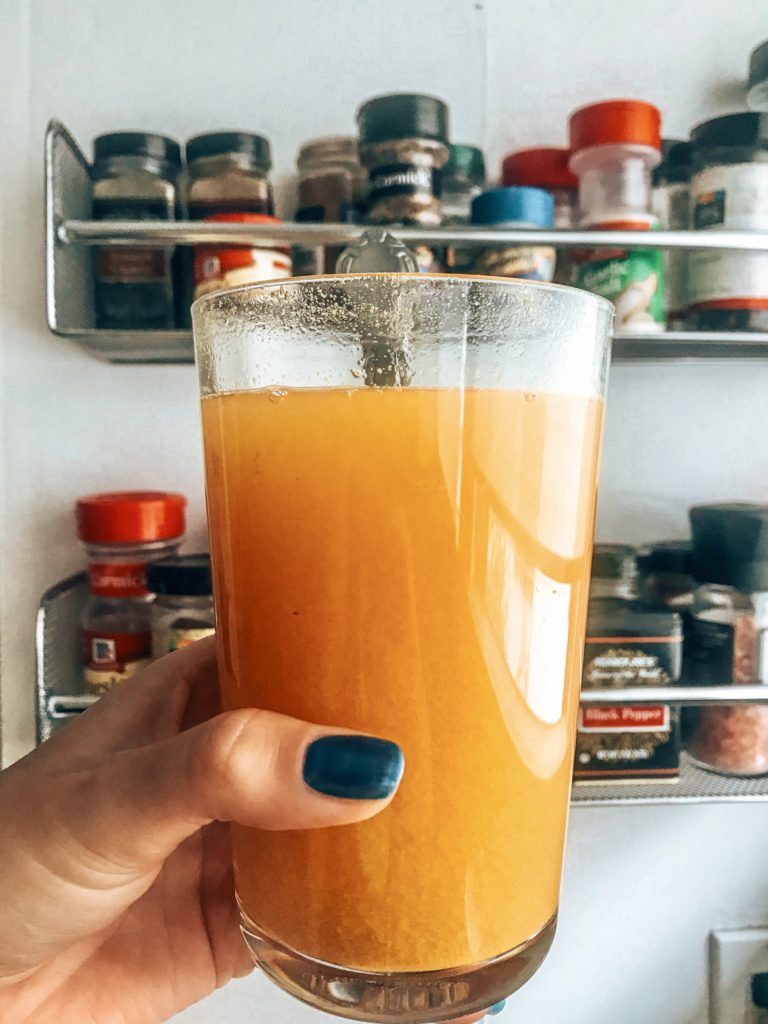
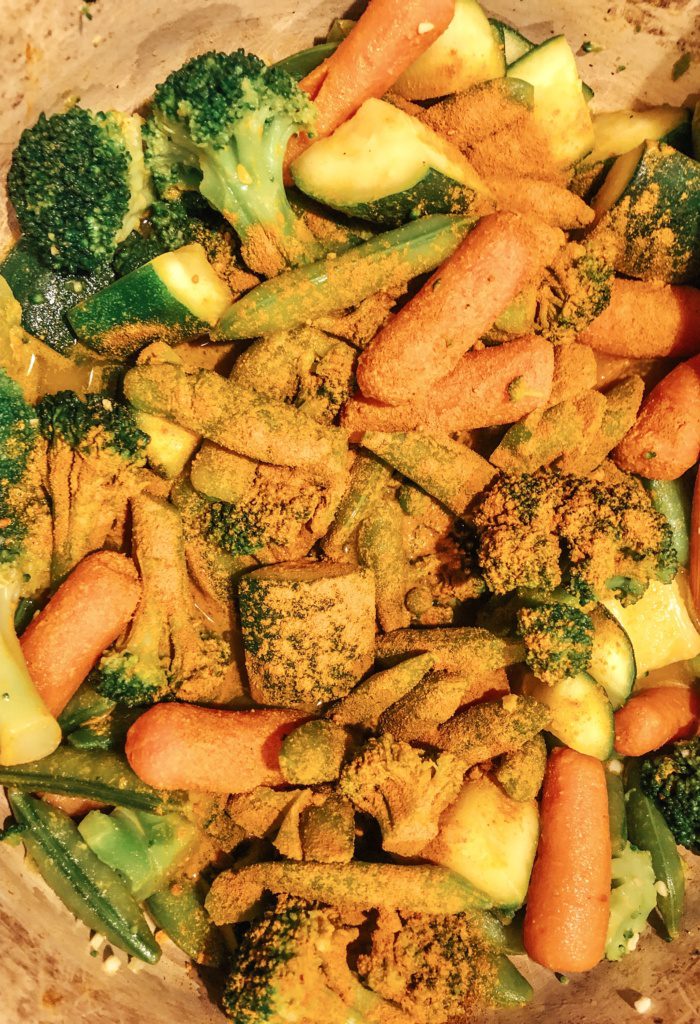
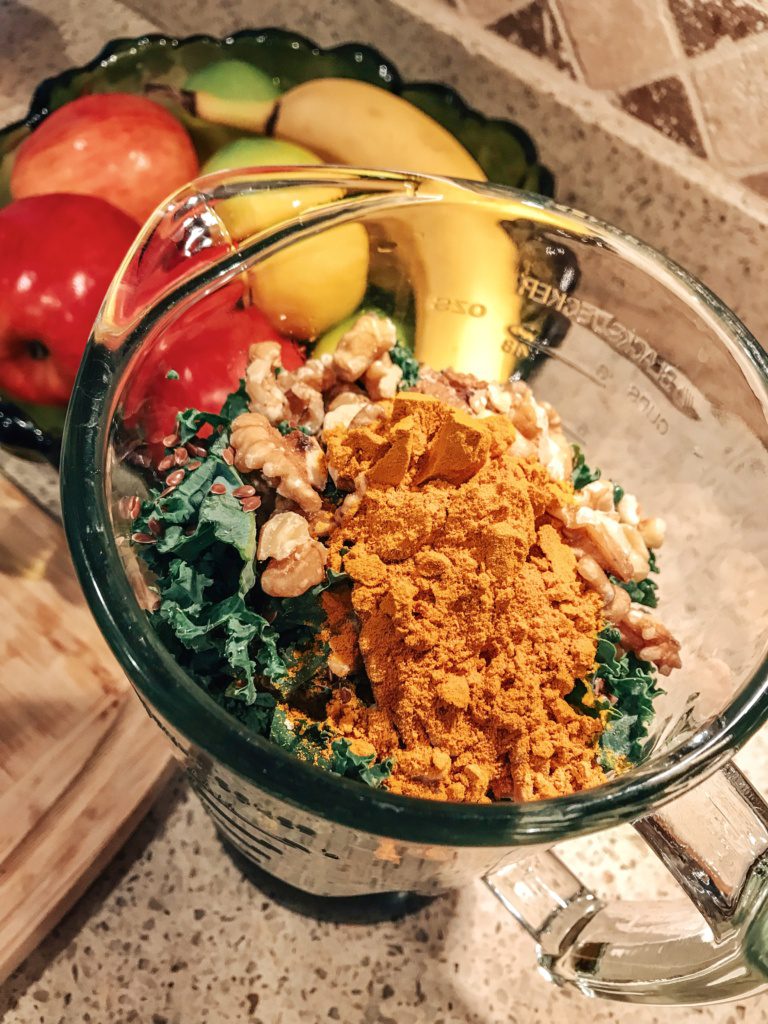
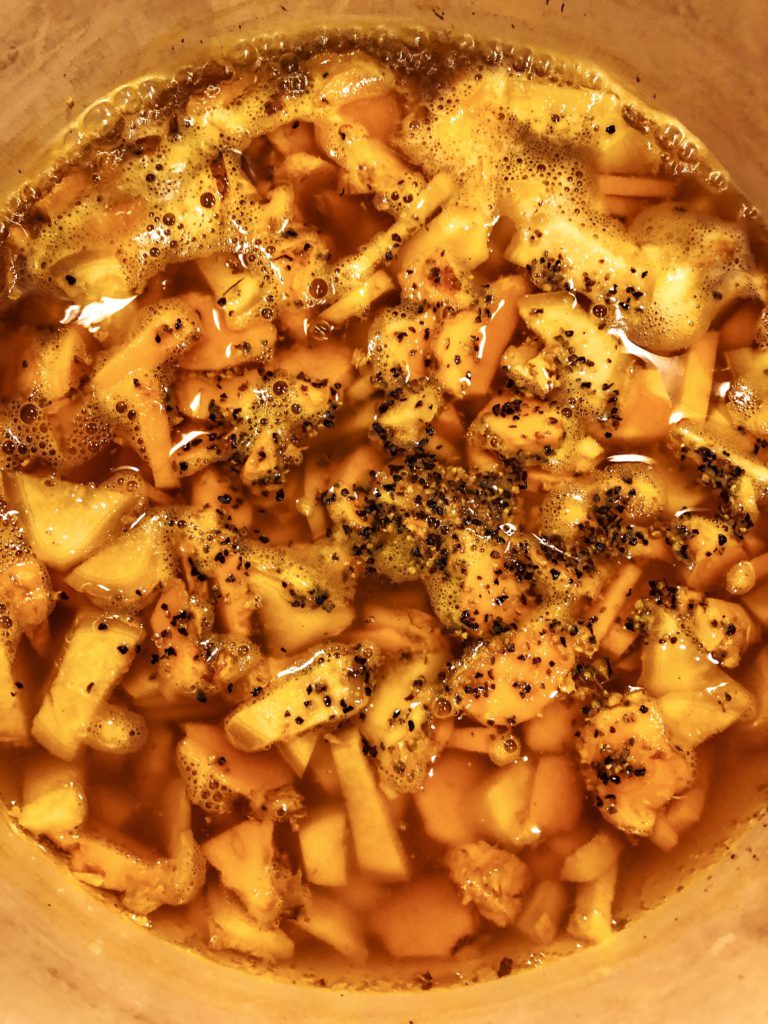
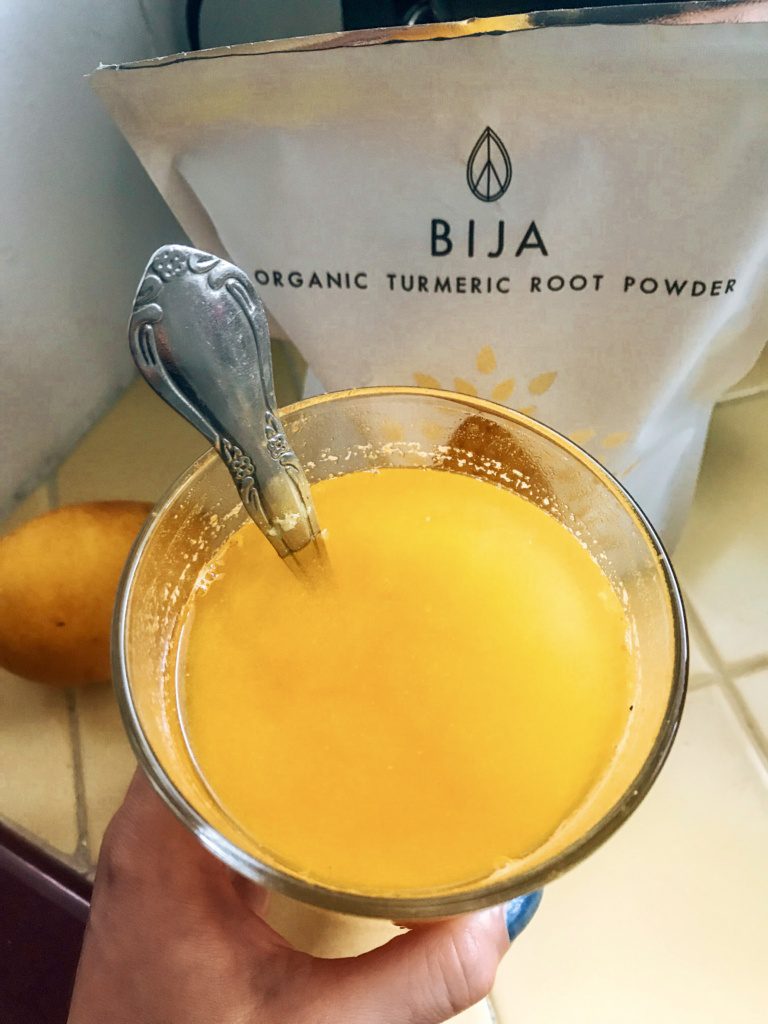
A morning drink of turmeric lemon water or warming turmeric and ginger tea work wonders, too. Just remember to add black pepper when possible as it helps release the magic healing ingredient – curcumin.
Potato chips
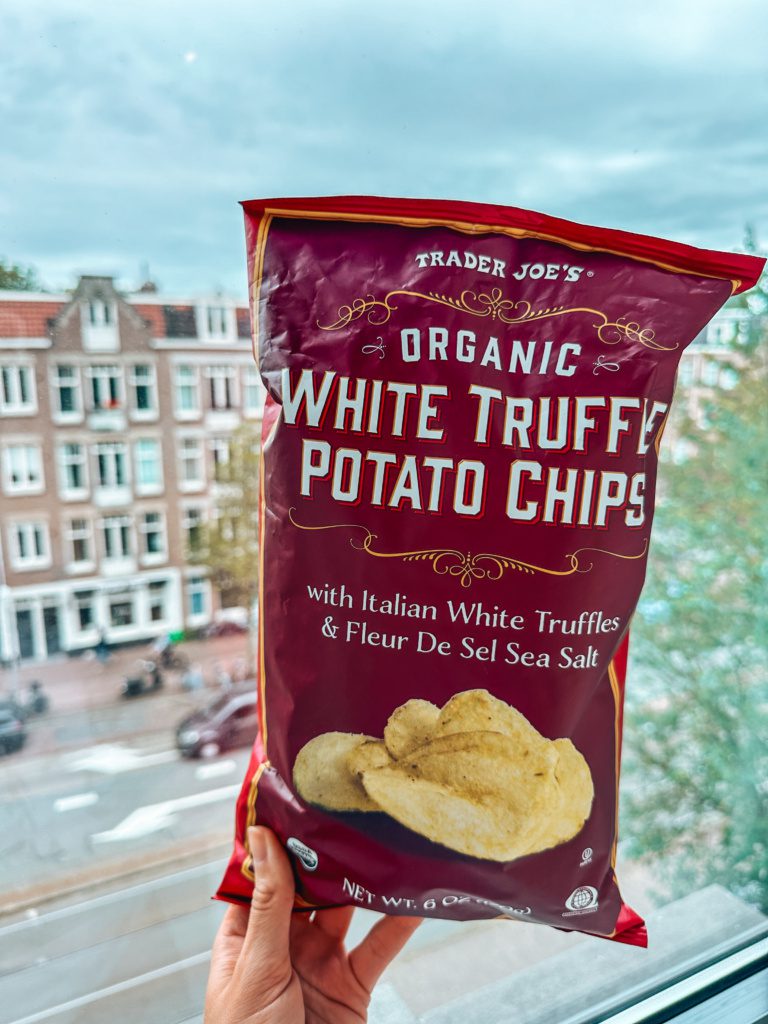
Last but not least. We all have vices, ok? If you haven’t tried Trader Joe’s white truffle chips, you haven’t lived 😉 I’m also partial to Irish Tayto cheese & onion chips, Lays green onion (only available in Europe), and the simple salted chips by… Target’s own brand.
Pro tip: look for local varieties of potato chips when you travel. Some of the most interesting flavors I’ve come across include nori seaweed, furikake, hot pot, blue cheese and chili squid.
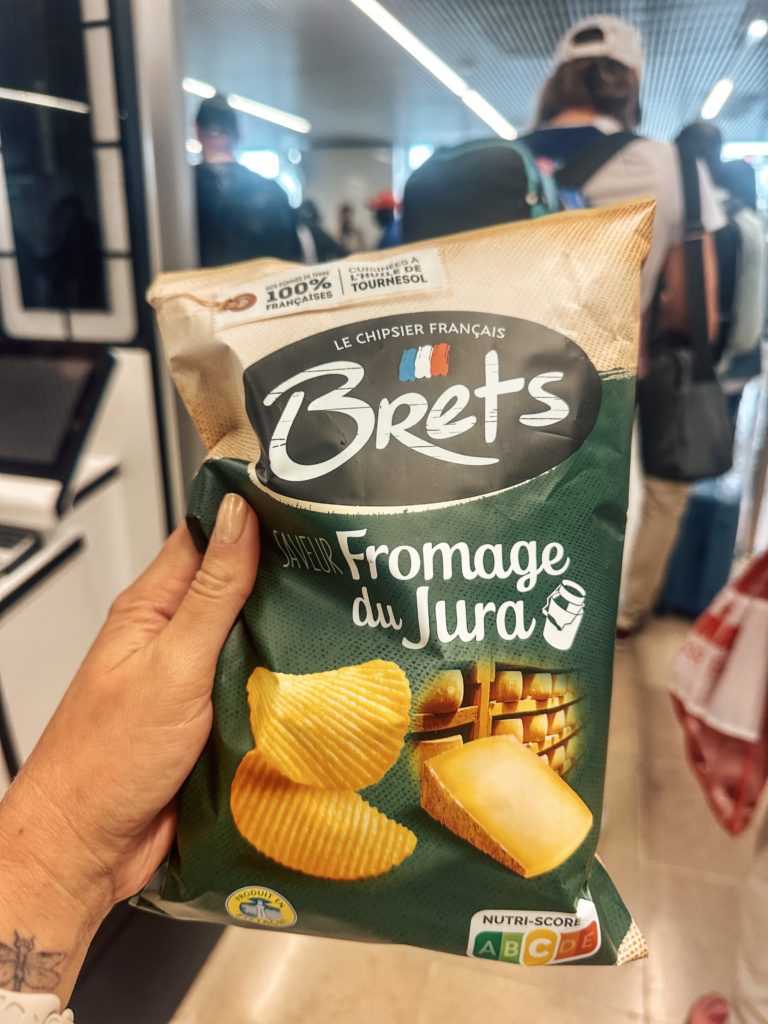
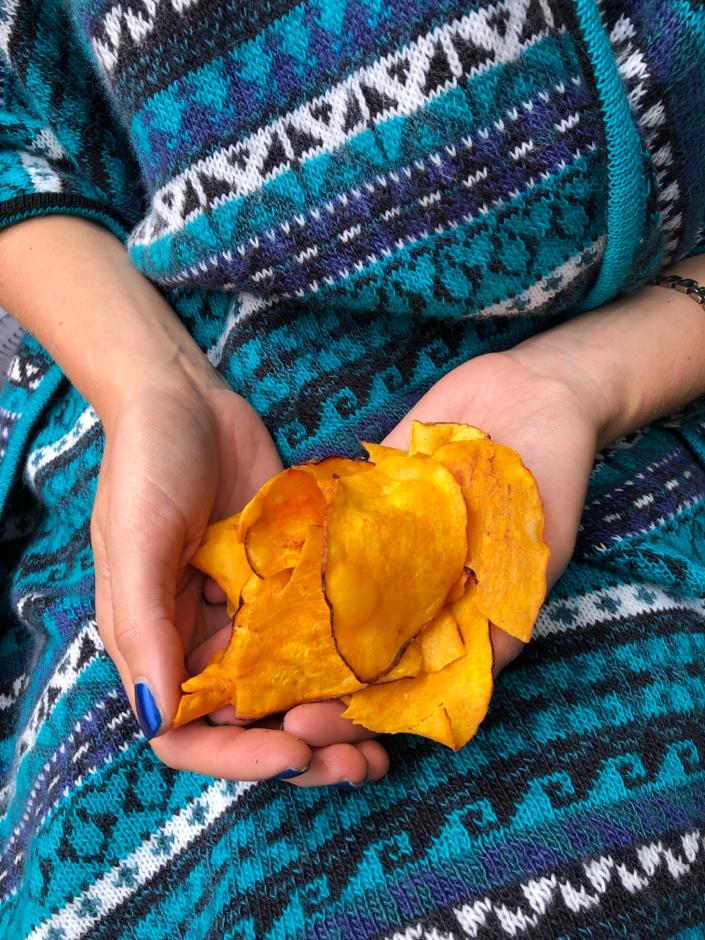
You might also like: Spain’s Crispy Obsession: Potato Chips Around The World
Bonus: Water
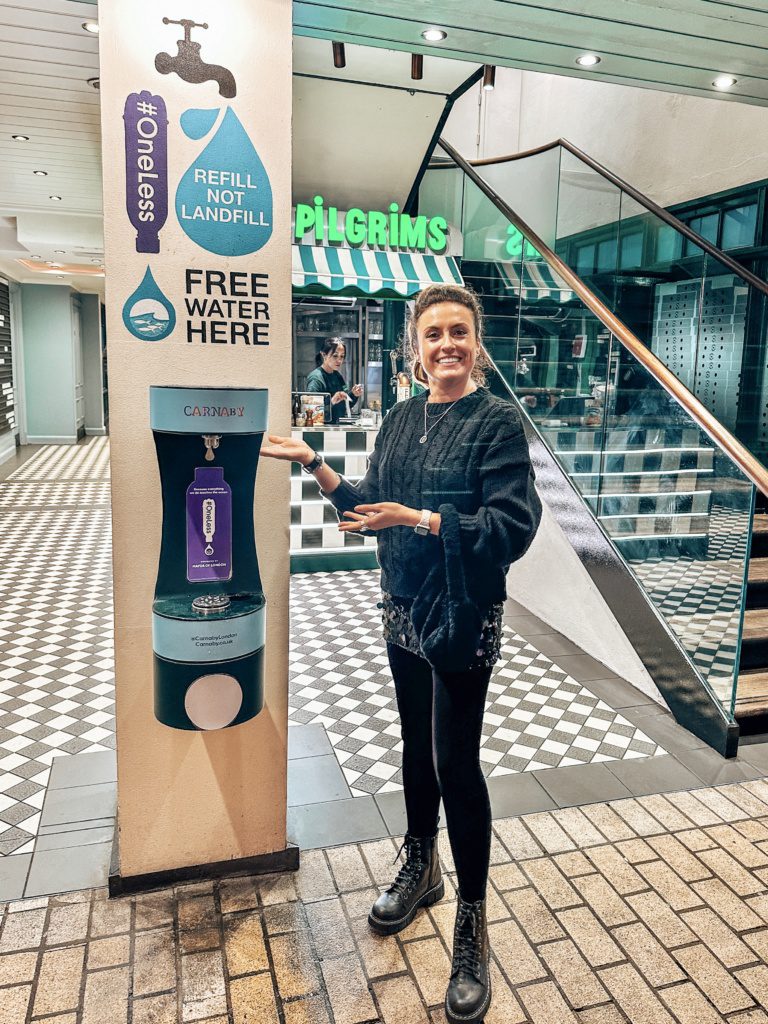
I challenge you to find someone who gets more excited about water refill stations! Friends and family call me water police for a reason.
I firmly believe lack of adequate hydration is the number one reason for a lot of health issues in today’s modern society. If you suffer from migraines, reach out for a glass of water before you reach out for that ibuprofen.
Quality matters, of course, and I can’t wait for a permanent home base so I can install the most cutting edge filtration system. For the time being, it’s my faithful Brita, San Pellegrino and my reusable water bottle collection.
Let your food be an adventure
I love food so much I live for it, travel for it, photograph it, write about it, and study it. In another life, I would’ve been a food anthropologist.
Life is what happens between the meals.
So next time you walk into a grocery store — don’t treat it like an errand. Treat it like a food travel adventure. Visit the “ethnic” aisle, pick up that new sauce.
No PhD in nutrition needed. Just curiosity… and an open heart.
You might also like: Why “Ethnic Food” Is a Racist Invention—And Why It’s Time To Let It Go
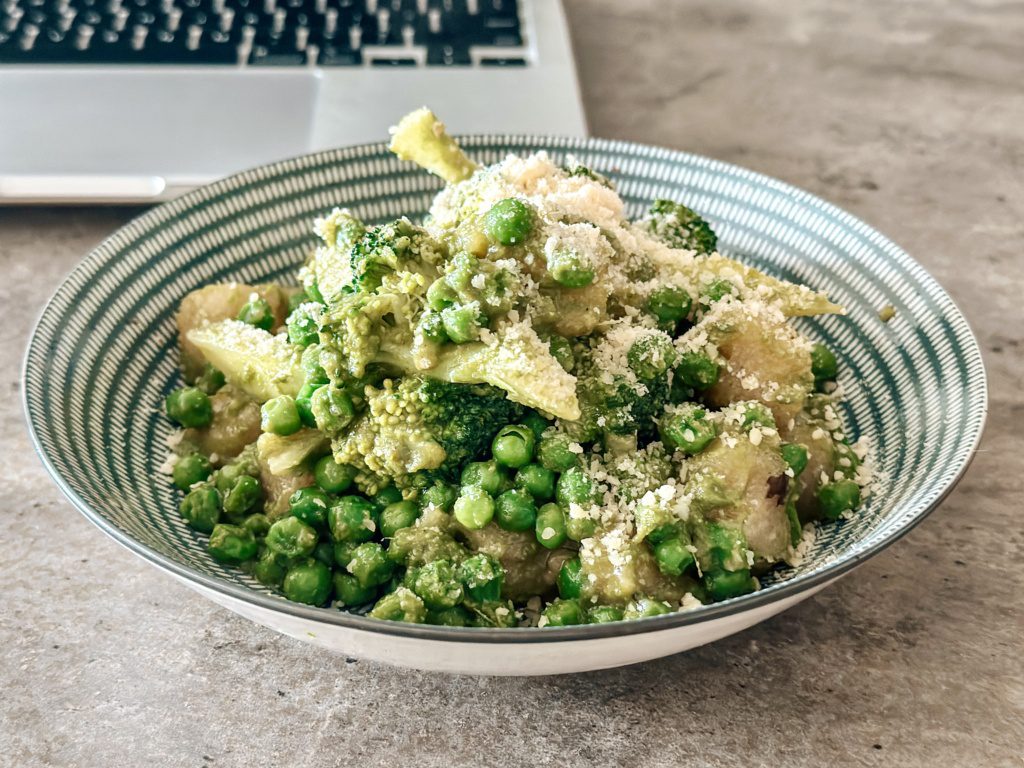
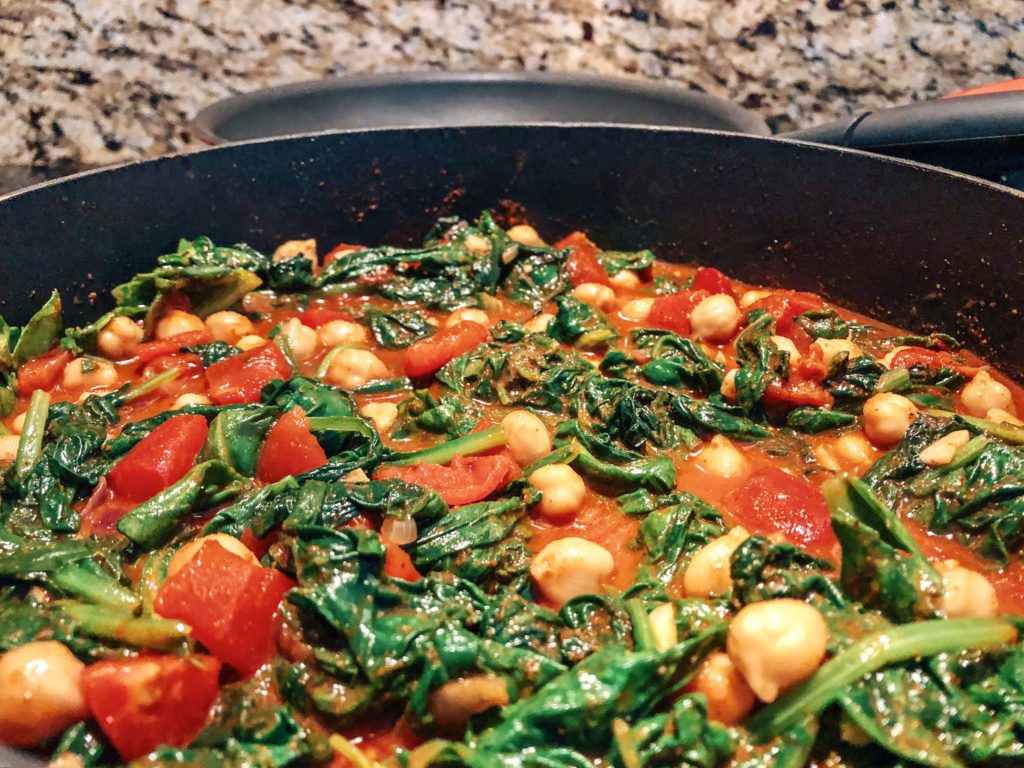
What are some of your go-to travel inspired recipes at home? Let us know in the comments or tag @eightyflavors on socials!
OUR TRIED AND TESTED FOOD TRAVEL RESOURCES: Book a hotel with Booking.com. Search for the best flight deals on Skyscanner. Find the best local food tours on Viator. Browse curated conscious group trips with GAdventures. Get your travel insurance with World Nomads.
Disclaimer: this post contains affiliate links. We’ll receive a small commission if you purchase through the link provided, at no extra cost to you. Thank you for your support in running this blog!