Tasting The Truth: Lessons In Racism From London Docklands Museum
Looking to explore the London Docklands Museum through food travel lense? Let’s dive in.
As a food-travel storyteller, I’ve spent years chasing flavors across continents—always believing that to understand a place, you must first taste it.
But on my latest trip to London, it wasn’t a restaurant, market stall, or neighborhood café that shook me awake. It was a museum.
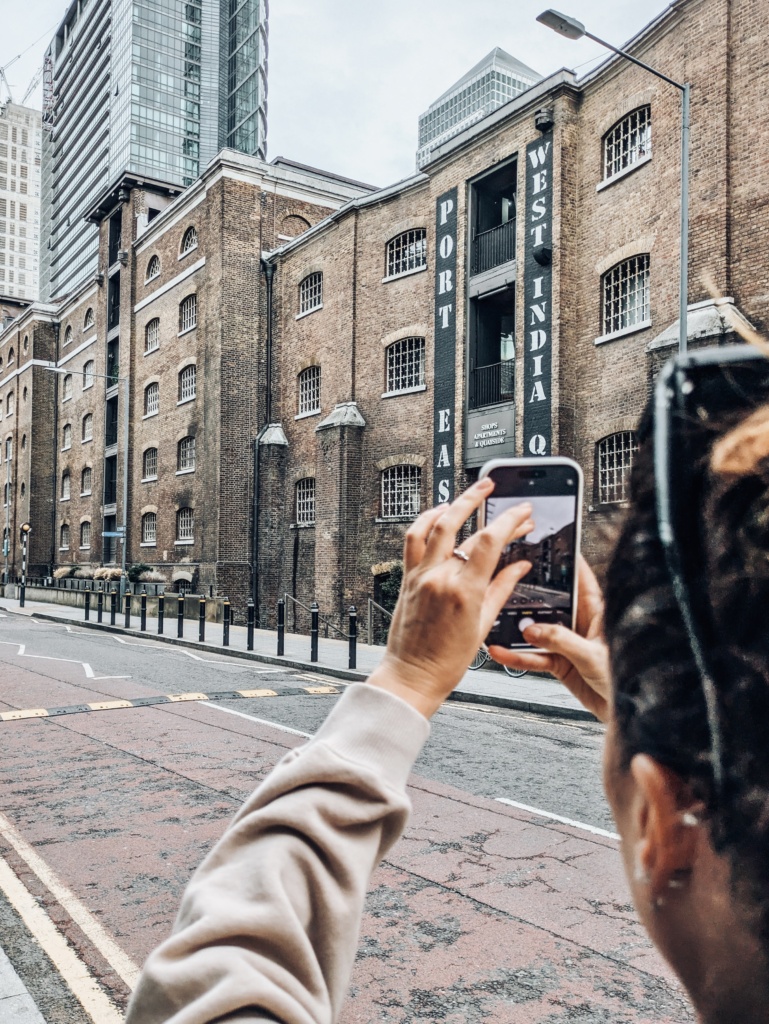
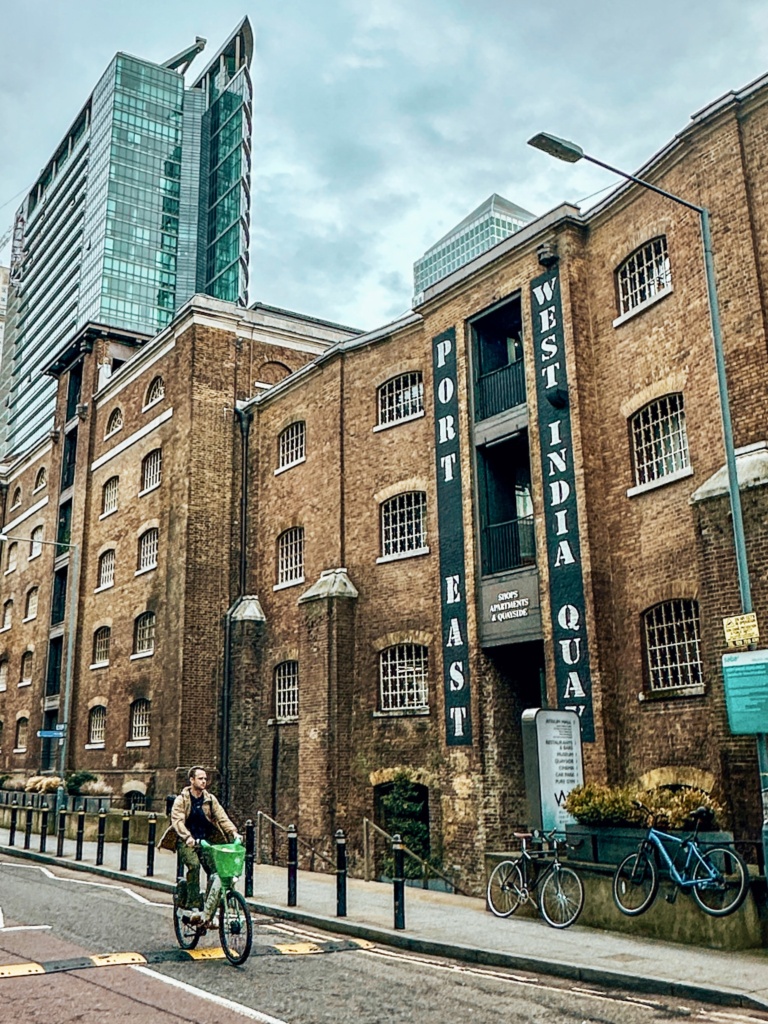
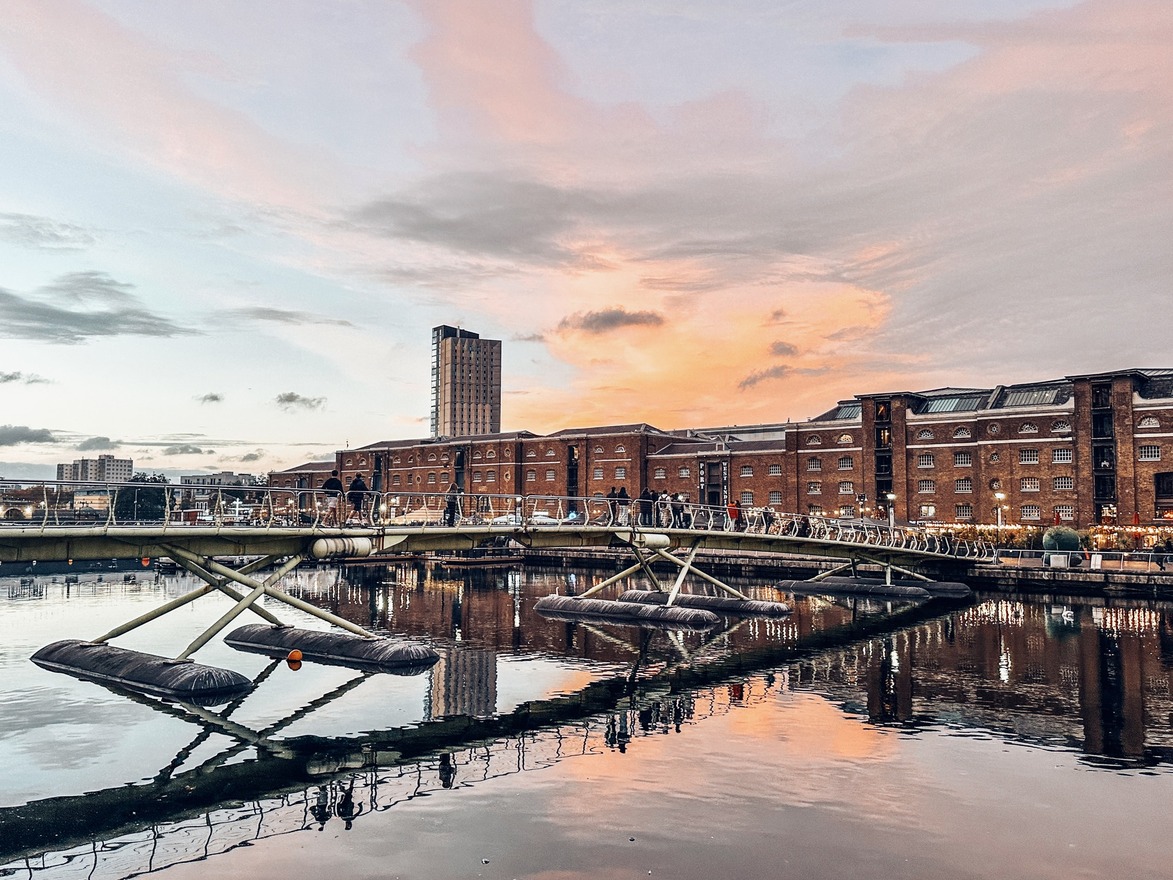
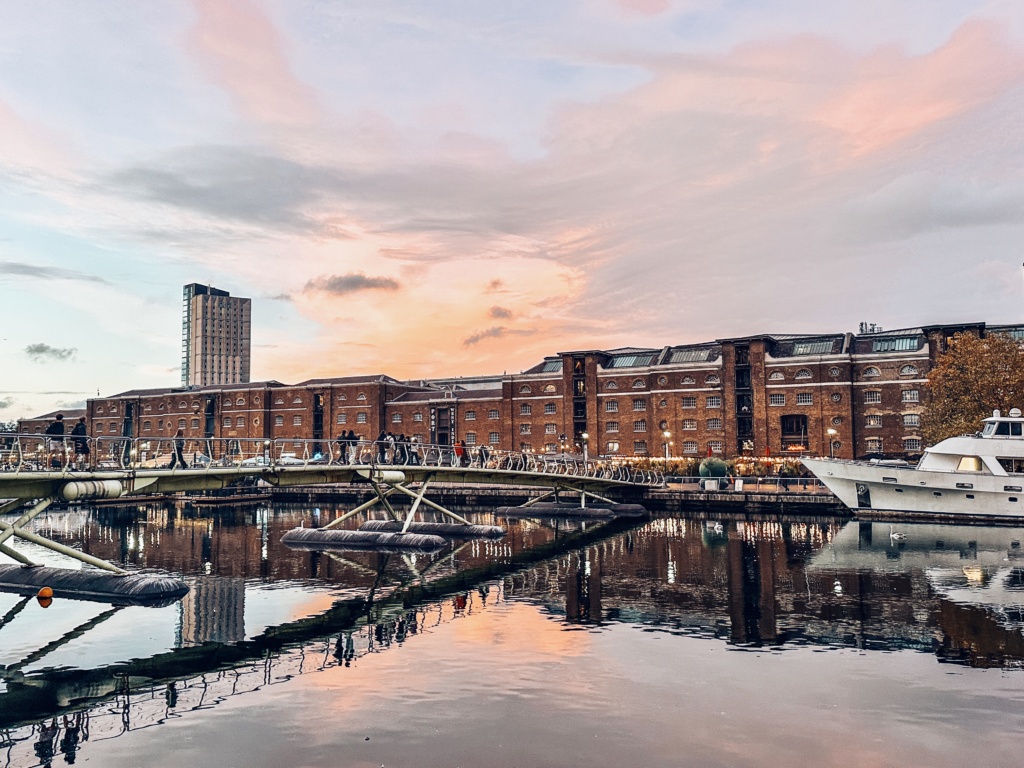
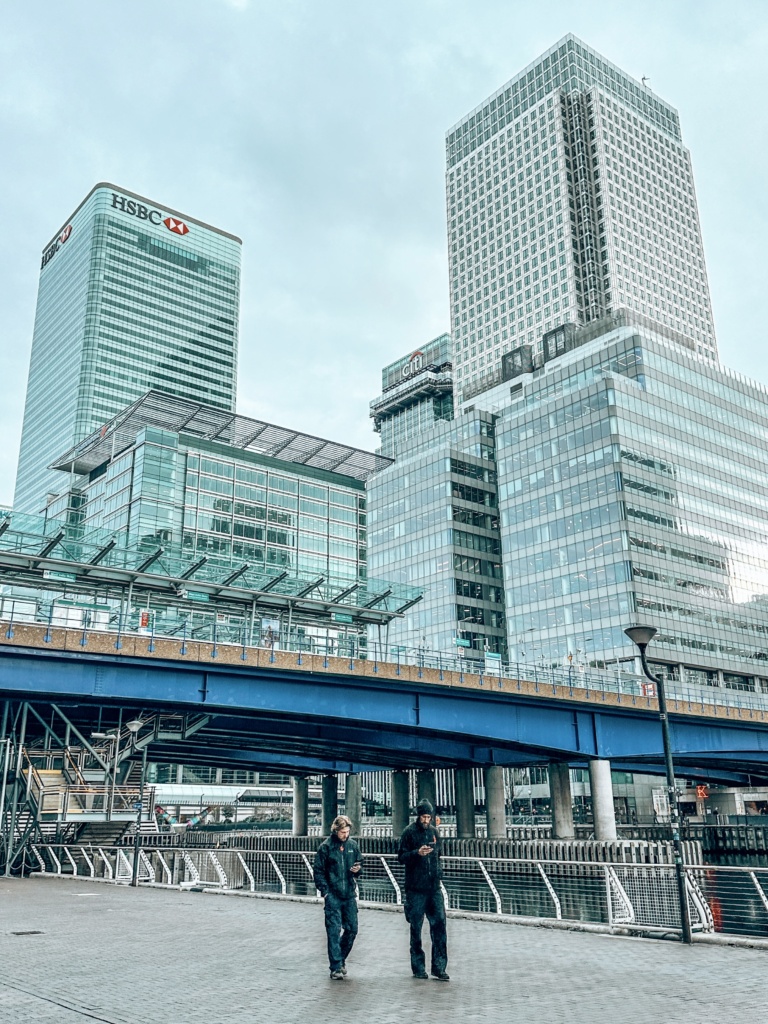
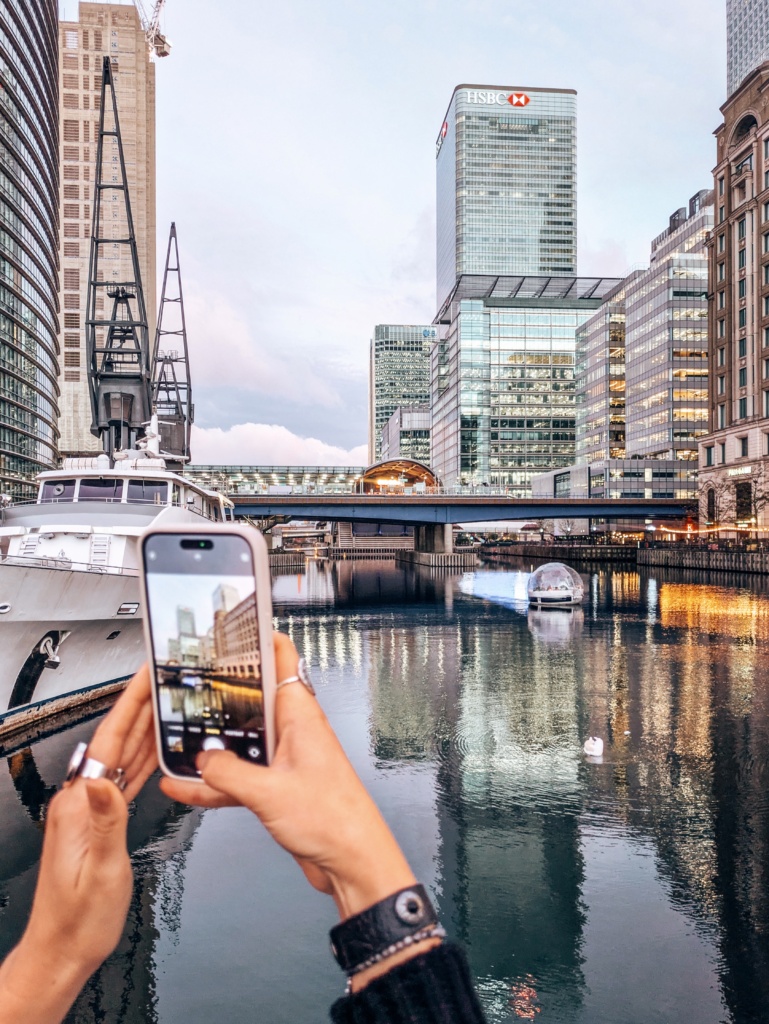
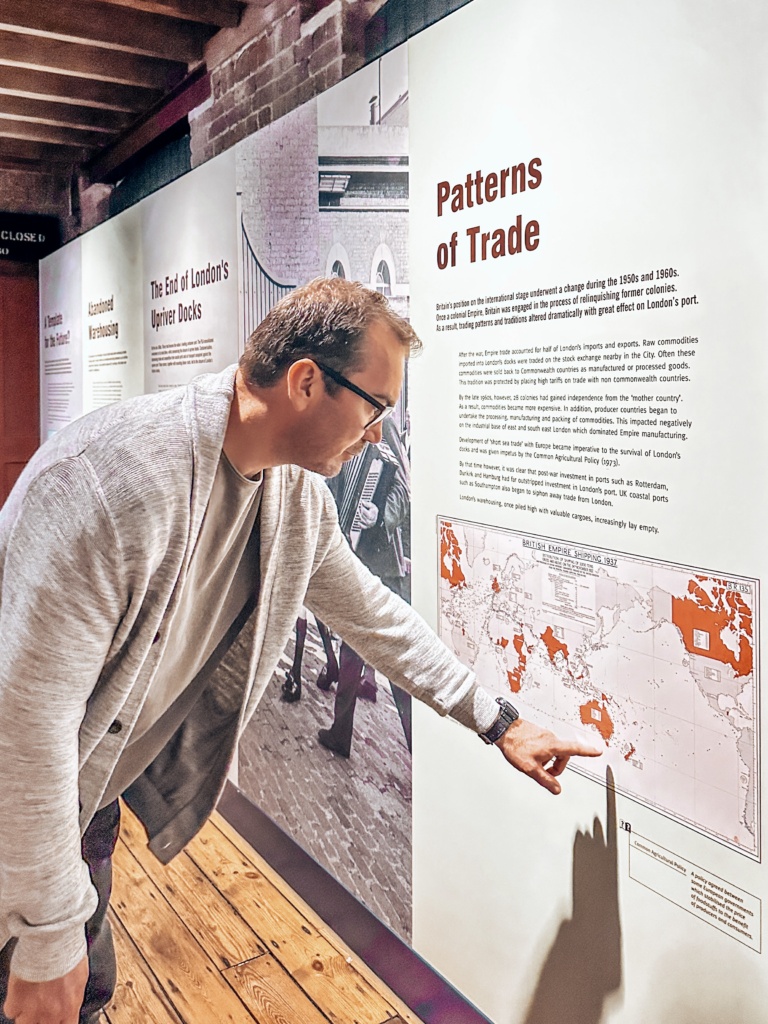
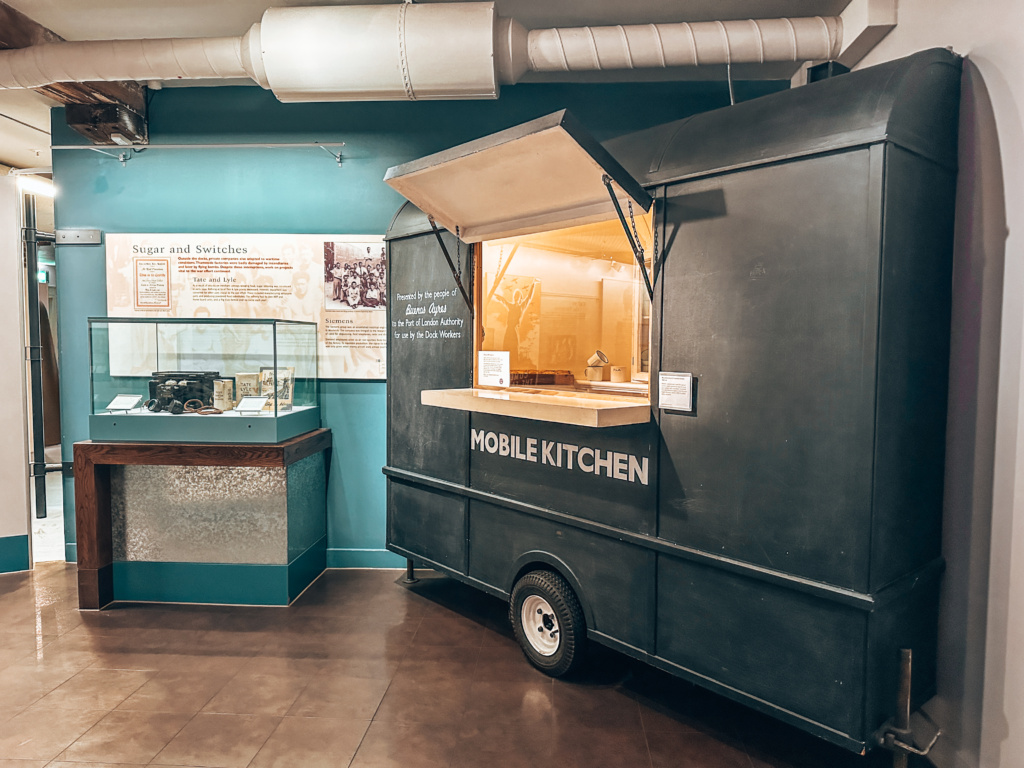
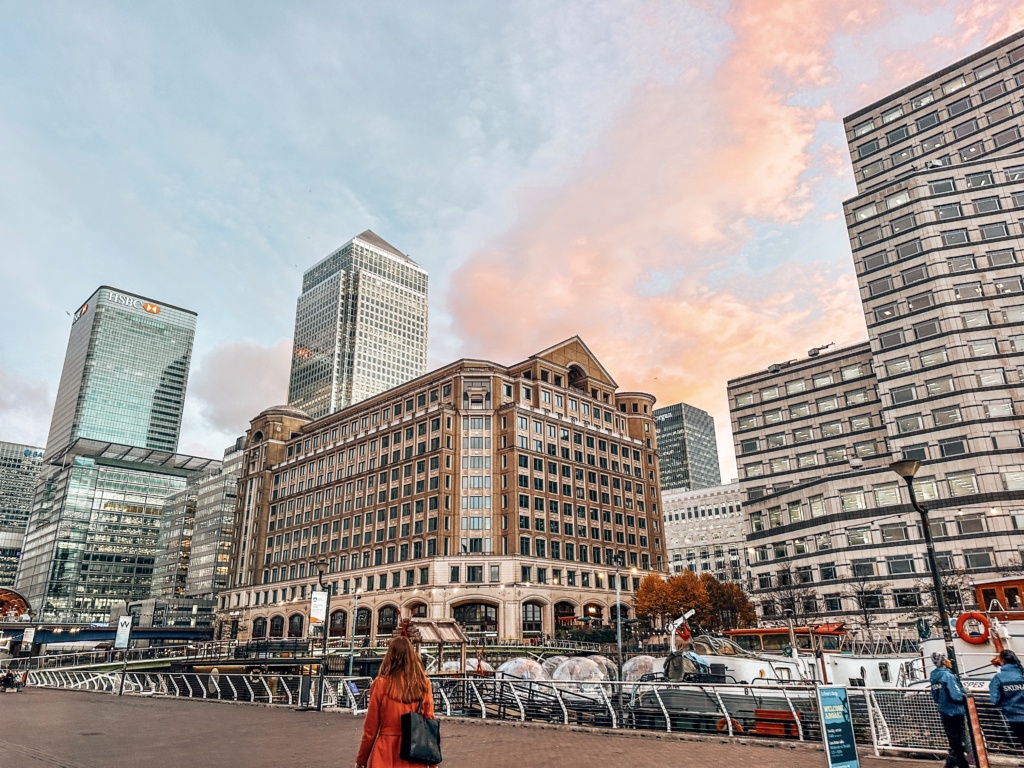
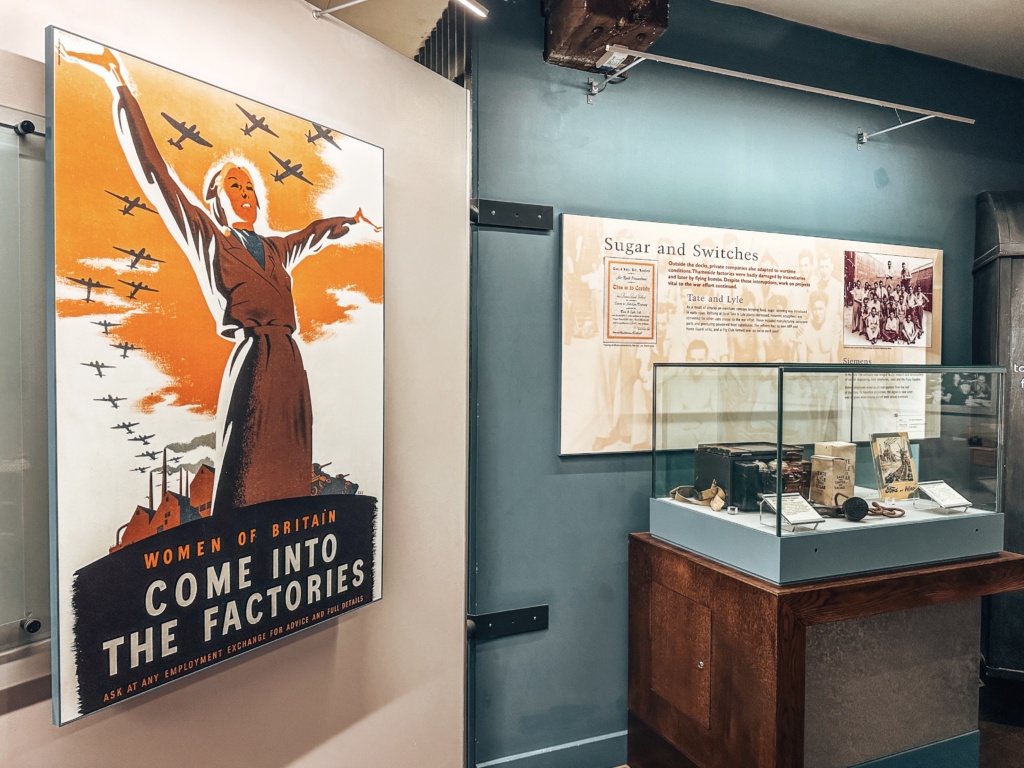
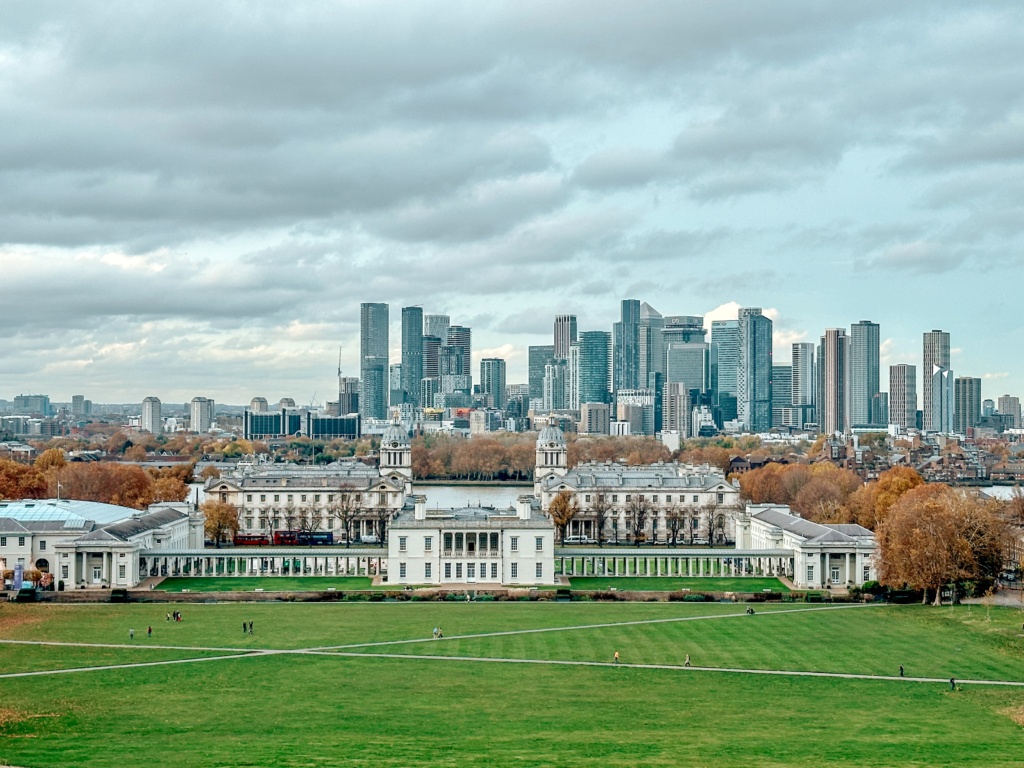
Hidden just beyond Canary Wharf’s towering glass facades is the London Docklands Museum, a place that challenges you to look straight into the forgotten kitchens of history.
The ones that fed empires, fueled trade routes, and stitched together the global palate we now take for granted.
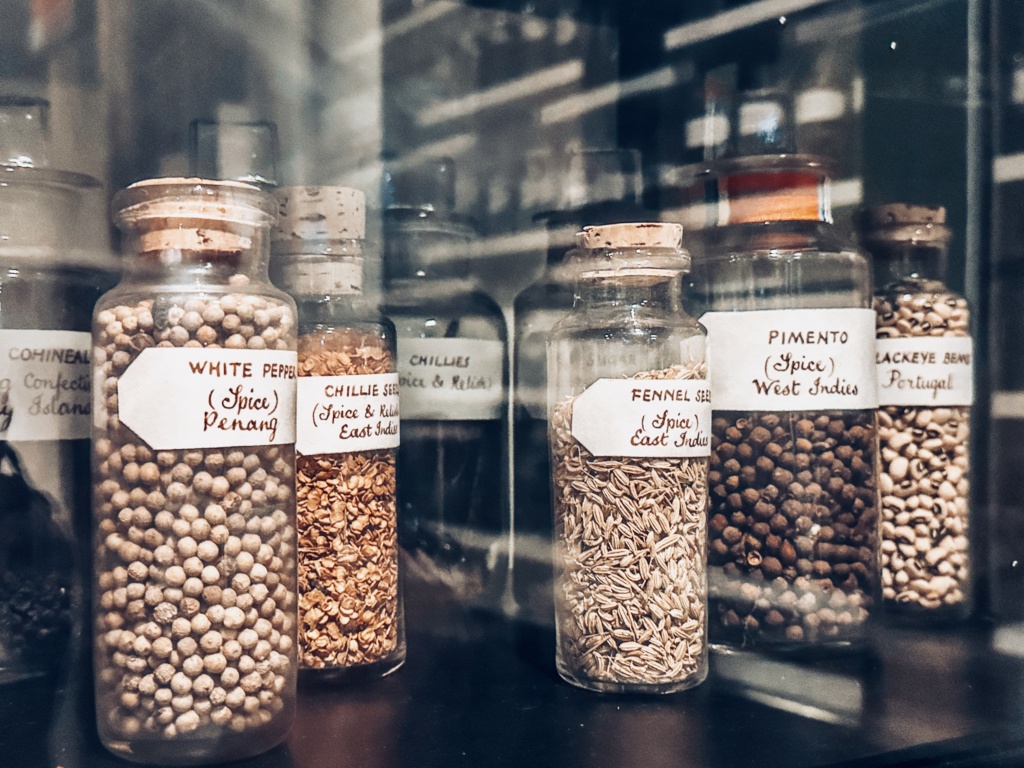
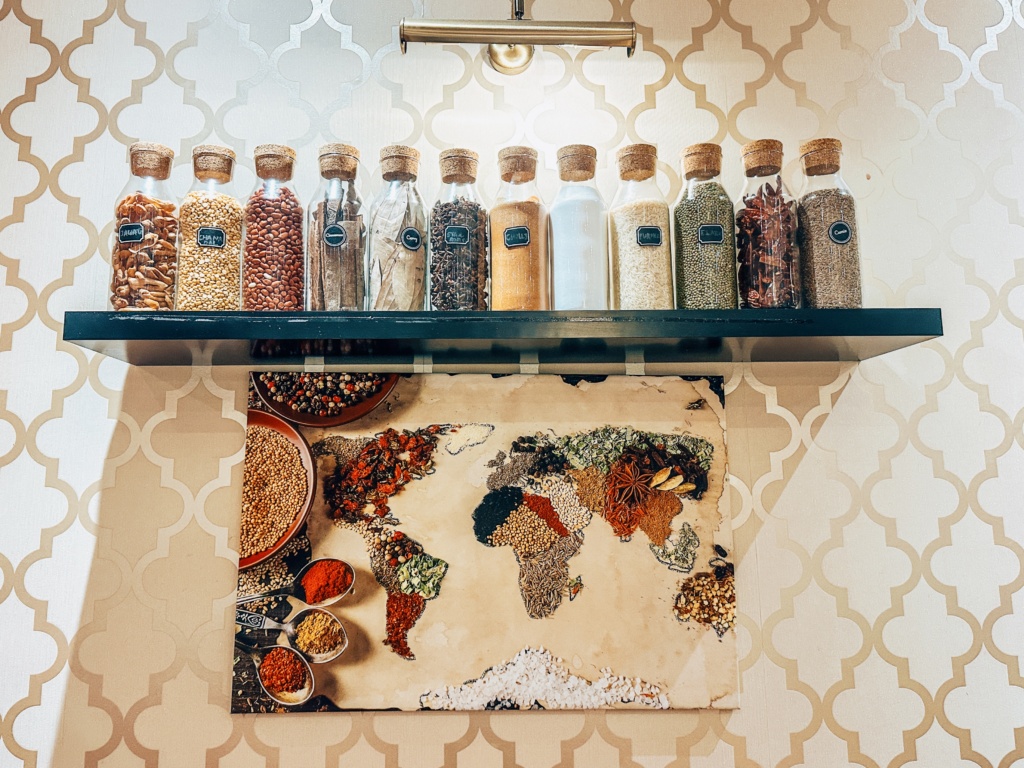
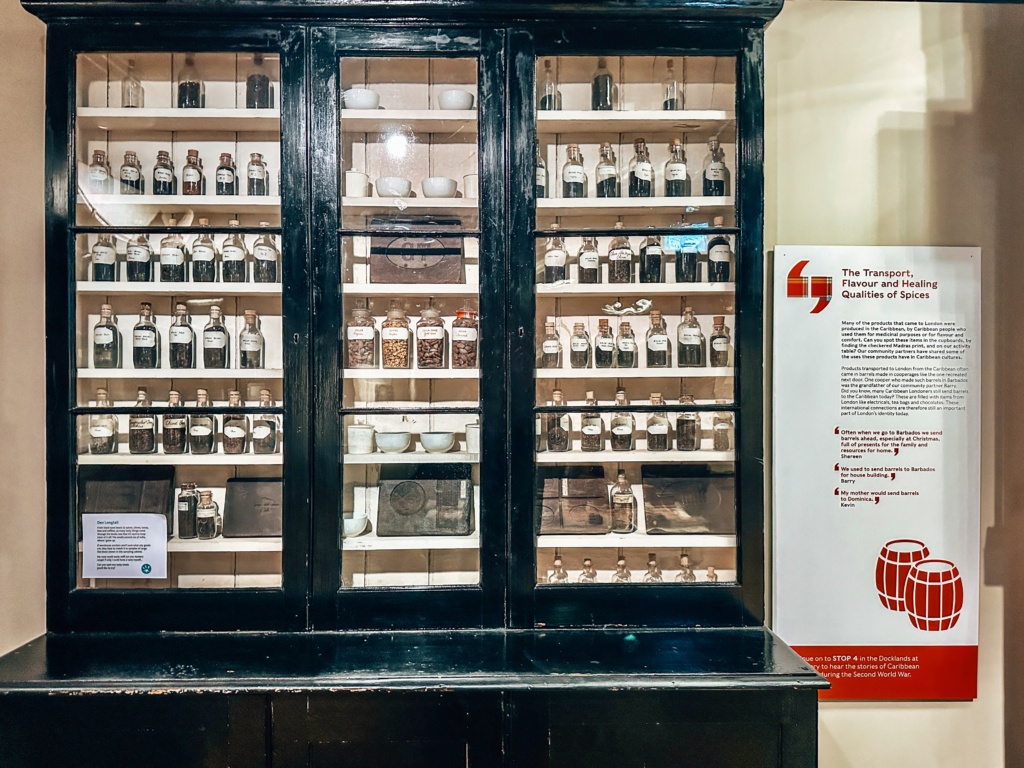
Here, among the old brick warehouses, I learned a truth that should be obvious yet is often erased: the very ingredients that define “British” food—tea, coffee, sugar, rum, cinnamon, cloves, vanilla, mustard, curry powders, masalas—exist here because of slavery, colonization, and exploitation.
You might also like: Why “Ethnic Food” Is a Racist Invention—And Why It’s Time To Let It Go
London Docklands Museum – Where Tea Meets Trauma
We talk so casually about tea in Britain, a ritual wrapped in civility and porcelain cups.
Yet in the museum, surrounded by artifacts from the West Indies and British India, I was reminded that tea leaves once traveled along routes paved with forced labor, oppression, and racial hierarchy.
The warm comfort of a cup of English breakfast suddenly felt heavier, as if steeped in silence.
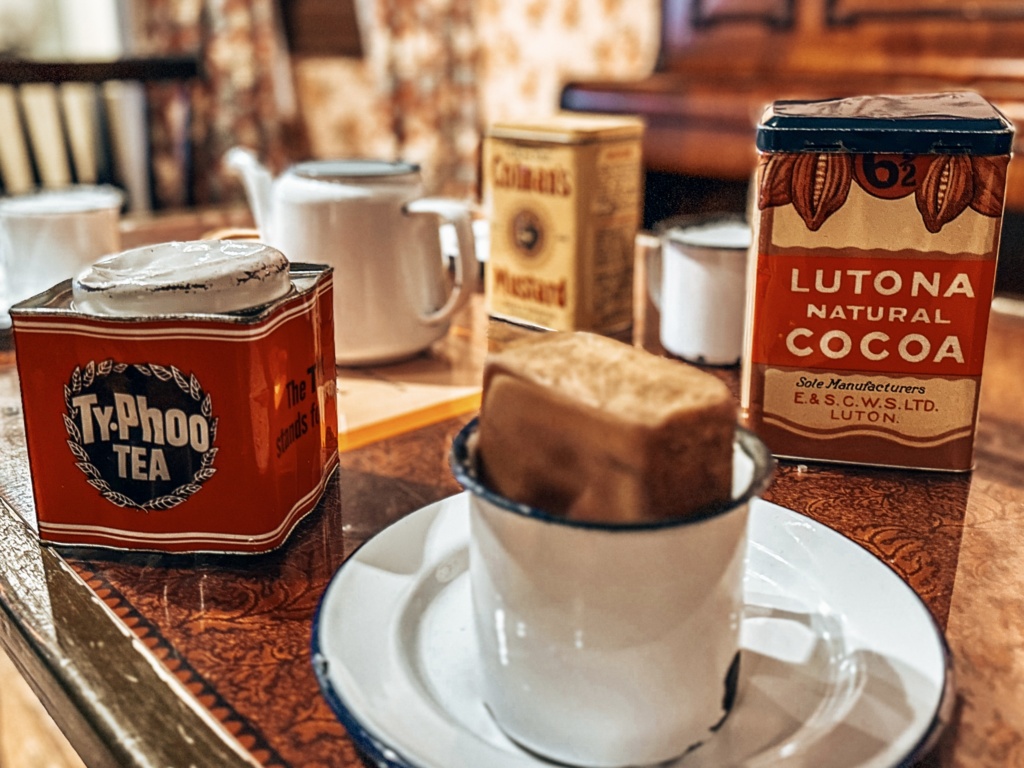
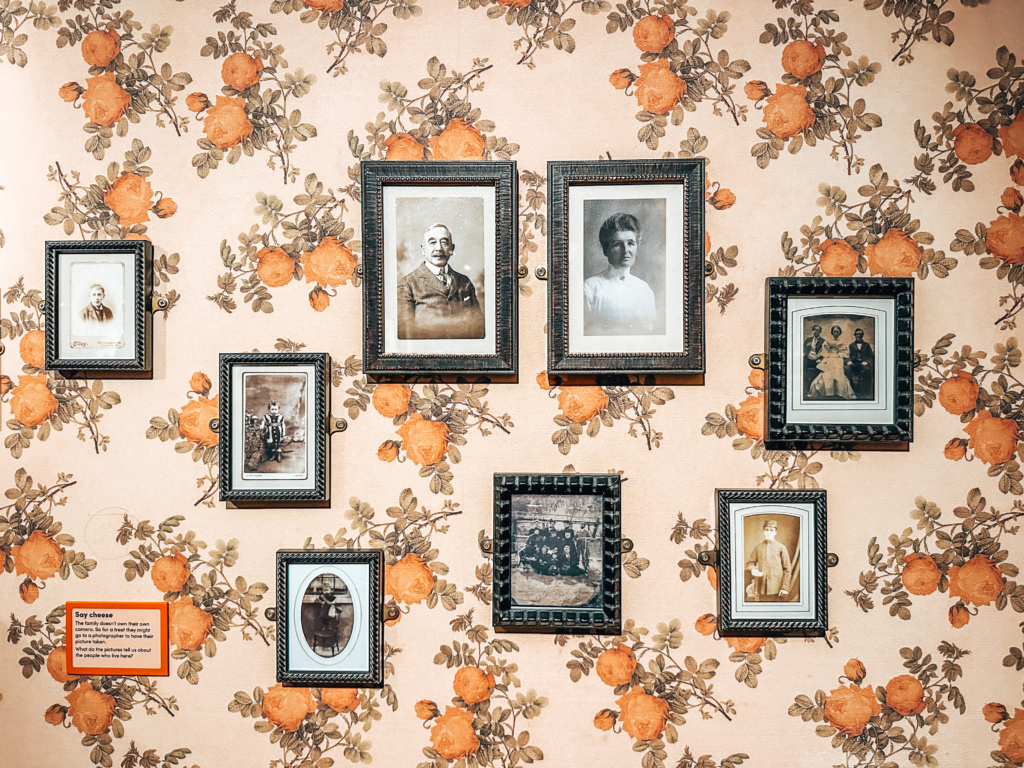
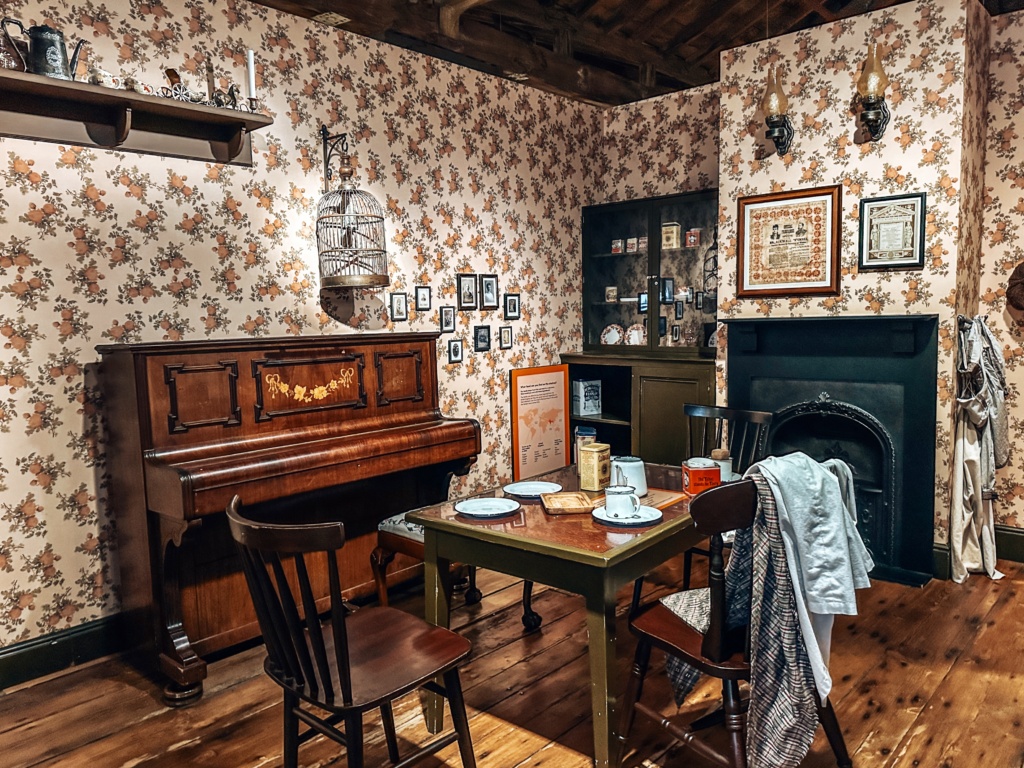
Coffee? Same story.
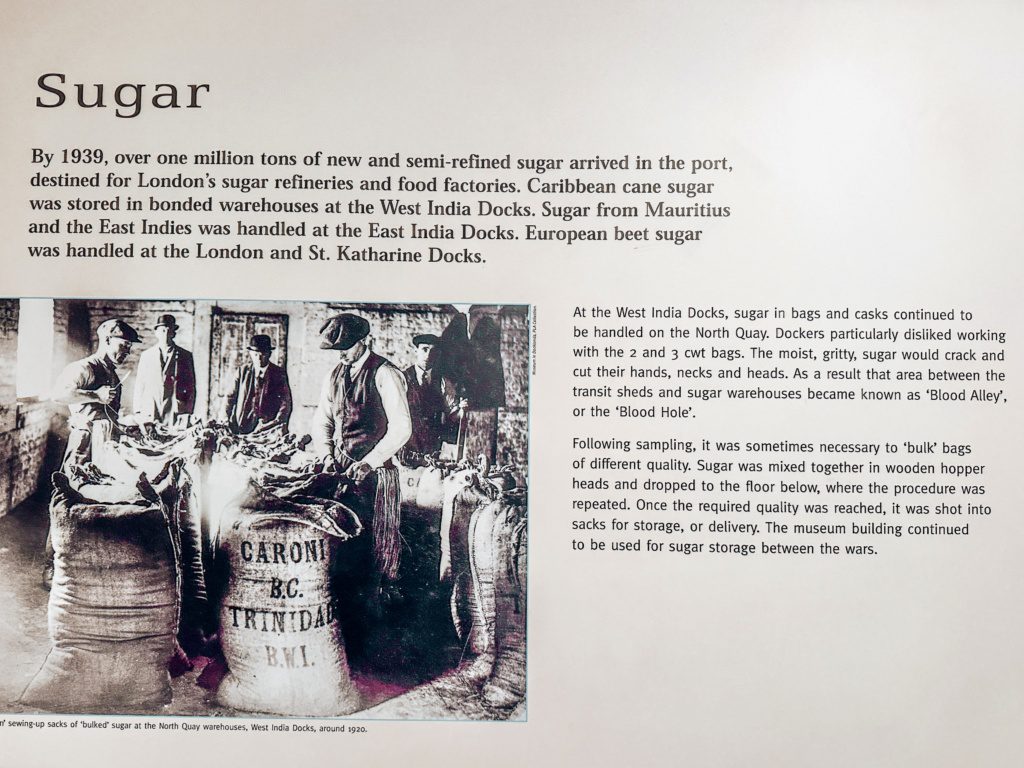
Sugar? The story becomes even more brutal.
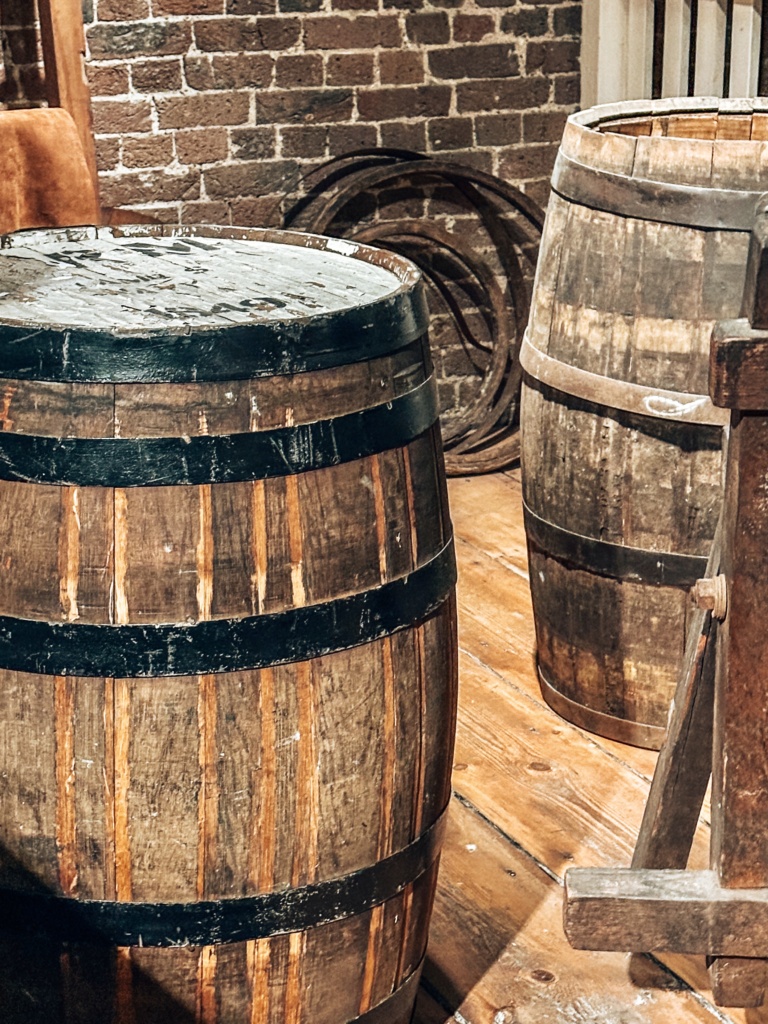
Rum? A byproduct of enslaved labor, fermented from the very plantations that broke millions of lives.
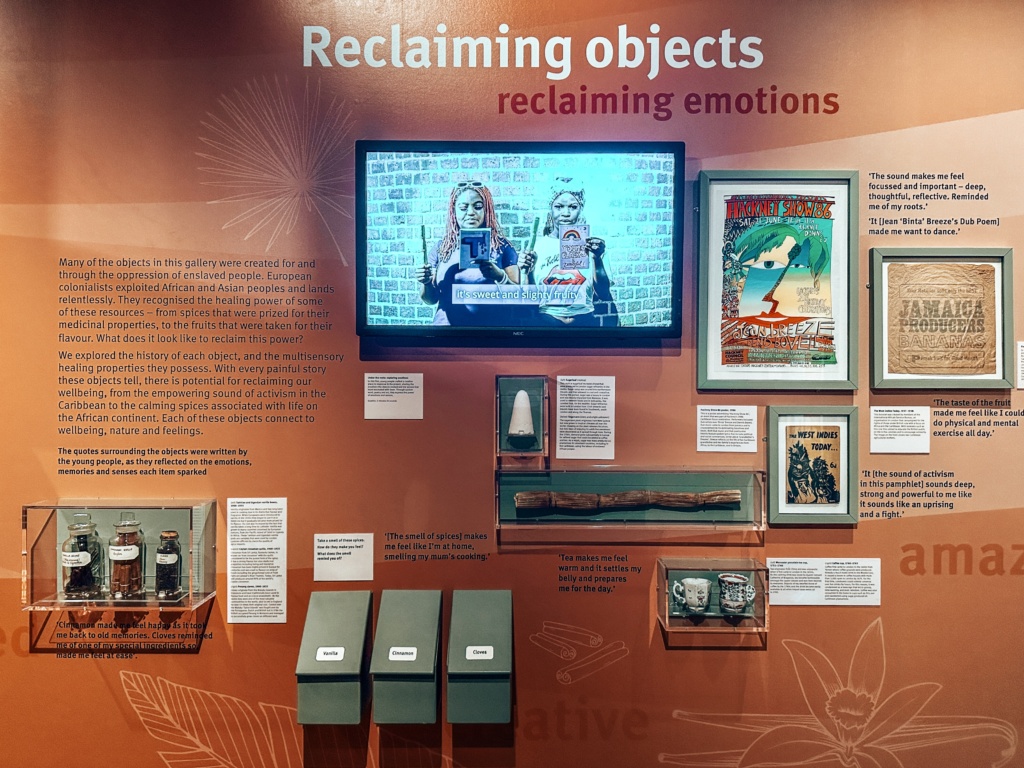
Cinnamon, cloves, vanilla—the sweet aromas of home baking—were once symbols of power, wealth, and violence.
Even the “British” flavors of mustard or the beloved national dish of curry owe their presence to imperial conquest and the people who paid the price for Britain’s appetite.
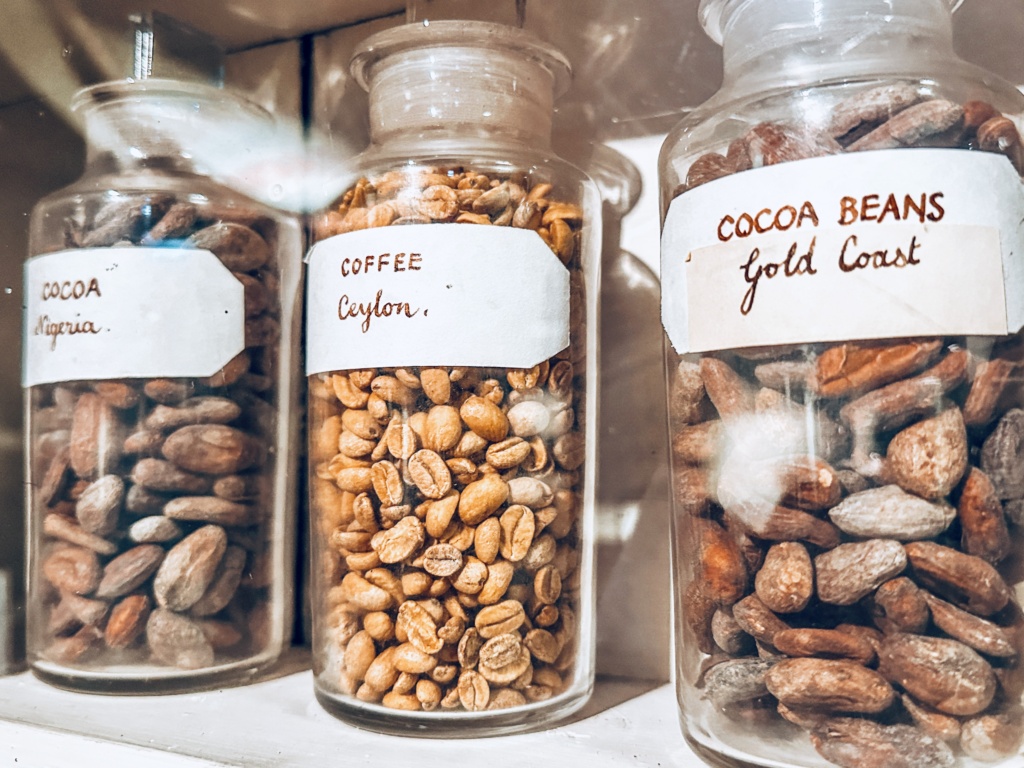
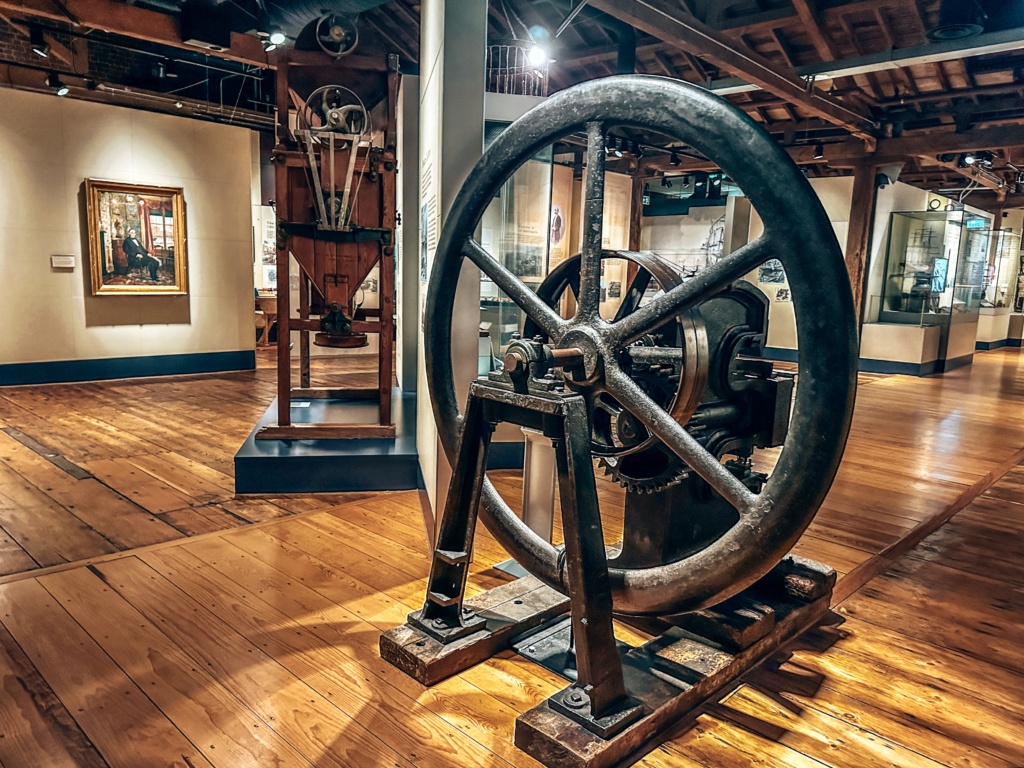
You might also like: All Travel Should Be Food Travel: An Ode To Culinary Curiosity (With Tips)
A Museum That Actually Tells the Truth
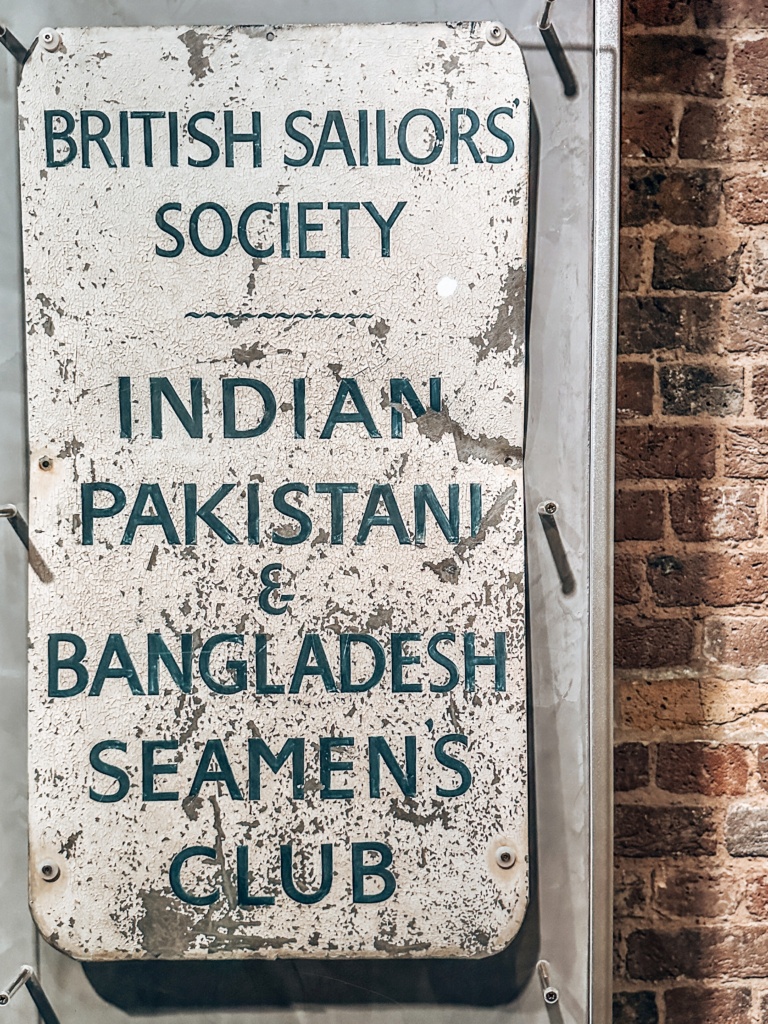
What struck me most at the London Docklands Museum is how unafraid it is to name things clearly: racism, slavery, exploitation, empire.
No euphemisms, no softening, no “wasn’t-that-an-interesting-trade-network” gloss.
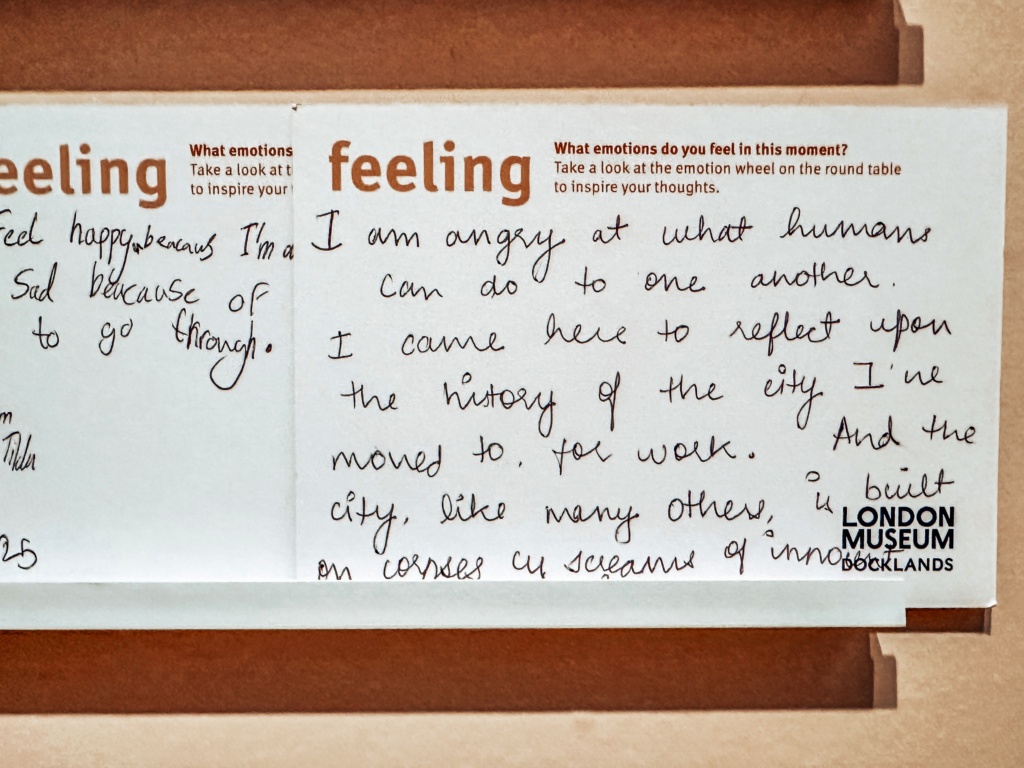
The museum has even added a wall dedicated to collective trauma, a space for reflection, grief, anger, and healing—created especially for descendants of enslaved people and for the BIPOC community of modern Britain.
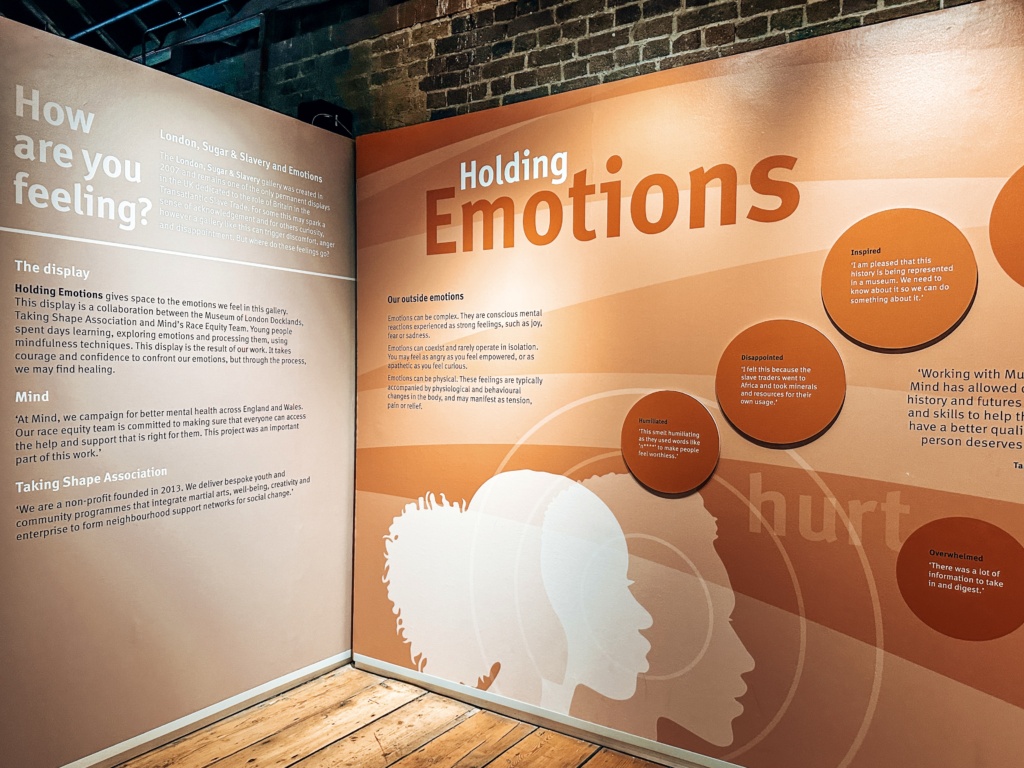
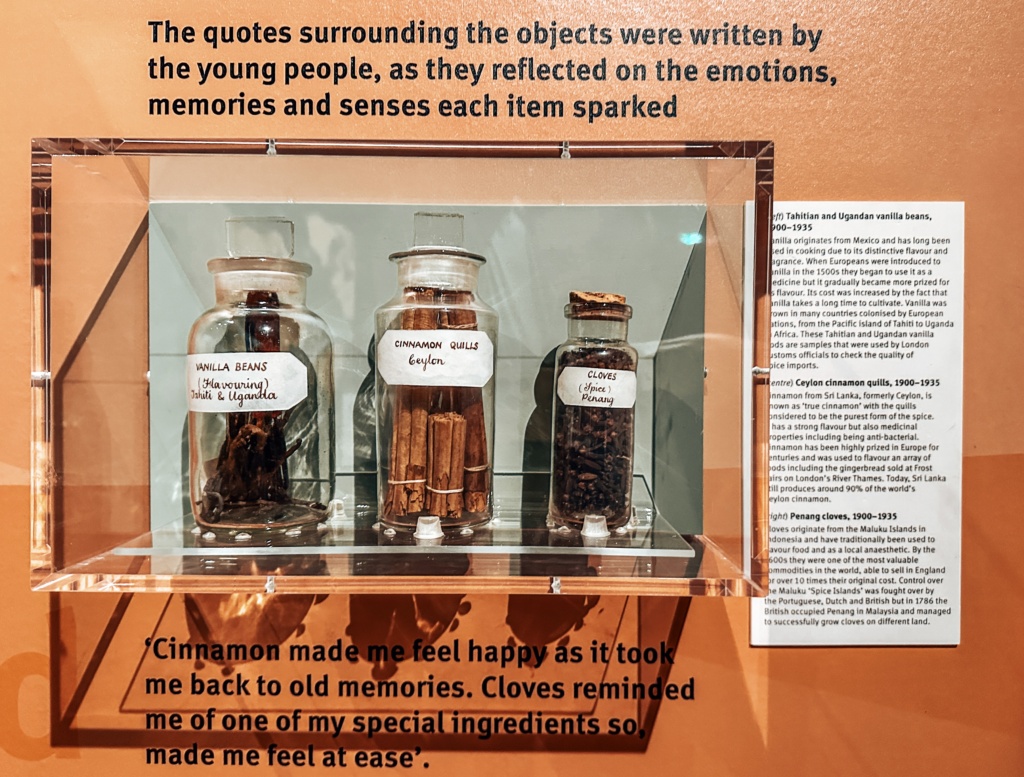
It acknowledges that history is not past; it moves through families, bodies, and Britain’s social fabric today.
As someone who explores the world through its dishes, I found myself unexpectedly emotional. Here, food wasn’t just nourishment or pleasure—it was a witness.
Every spice jar and commodity sack told a story of people whose names never made it into history books.
You might also like: 25 Best Anthony Bourdain Quotes on Food and Travel
Where Empires Docked and the City Was Built
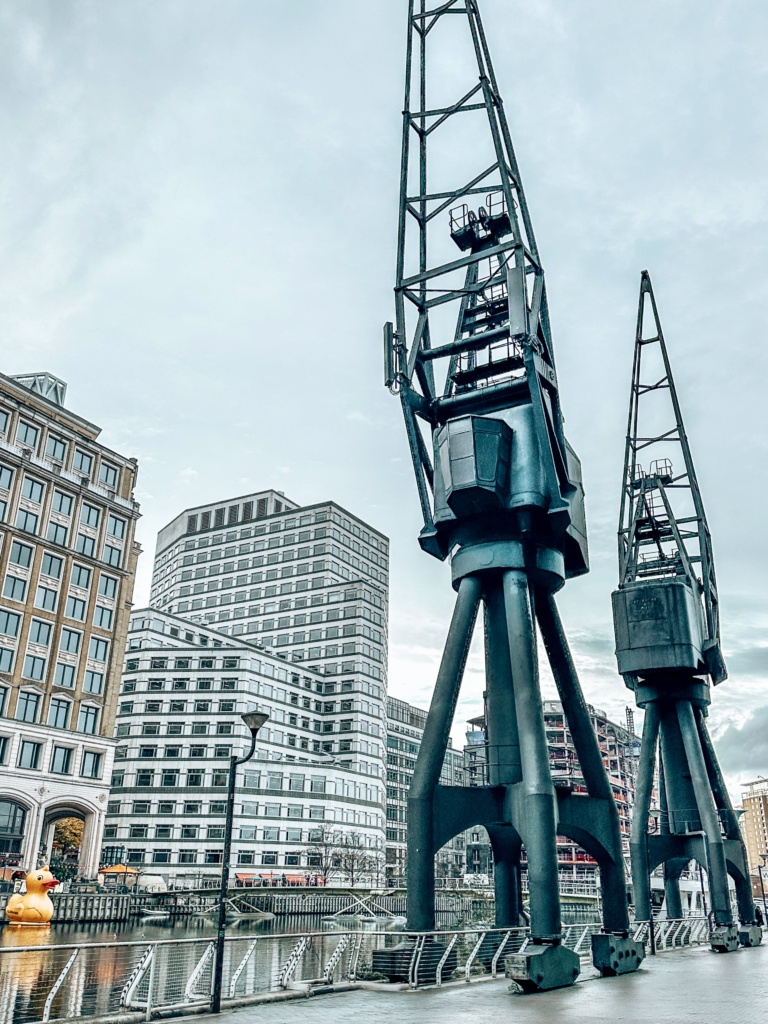
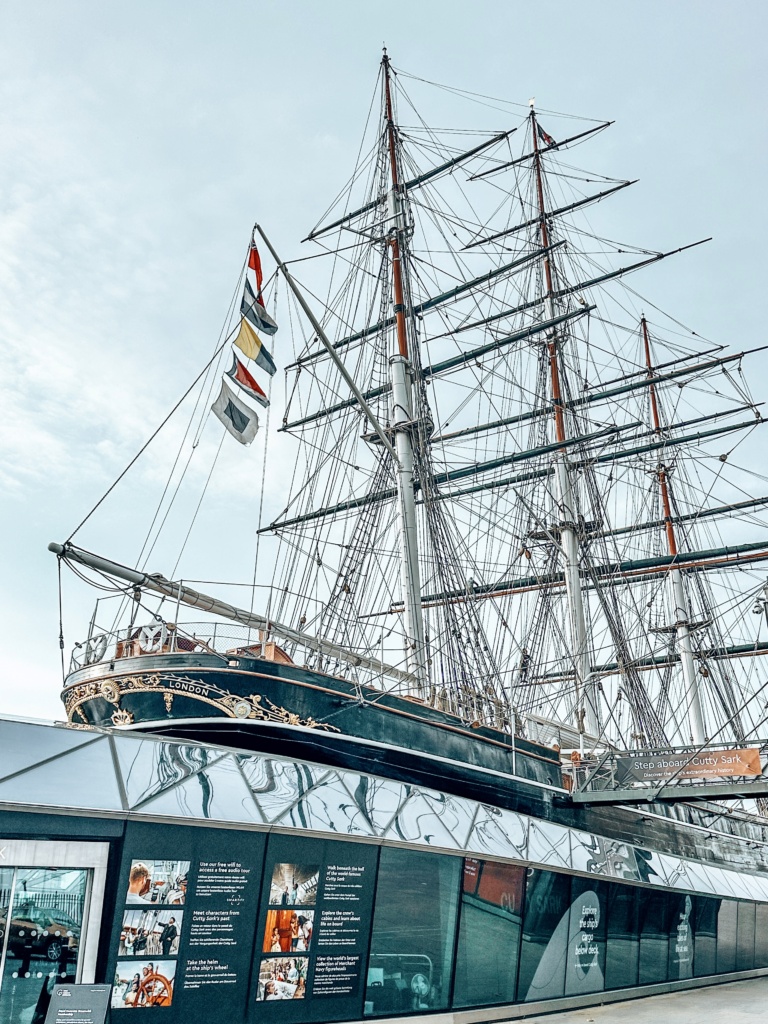
The Docklands once formed the beating heart of the British Empire’s global trade system.
Ships arrived from the West Indies loaded with sugar and rum; from India and Sri Lanka with tea, spices, and textiles; from Africa with human beings forced into bondage.
Deals were made, fortunes amassed, and London became the center of a global food-commodity empire.
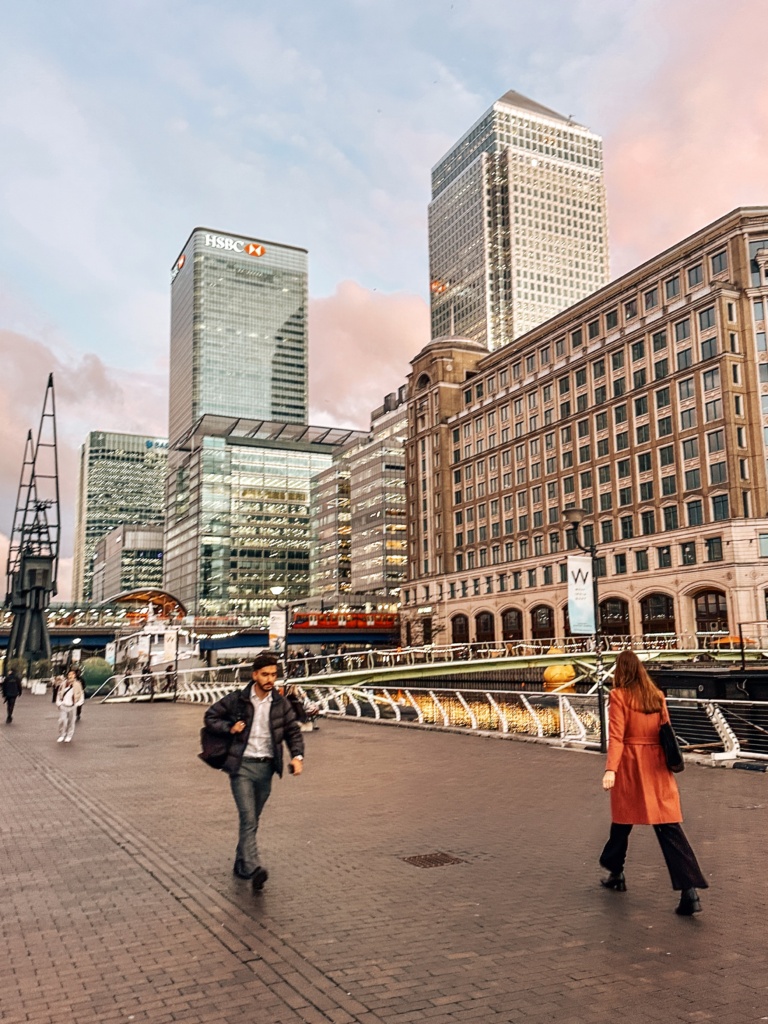

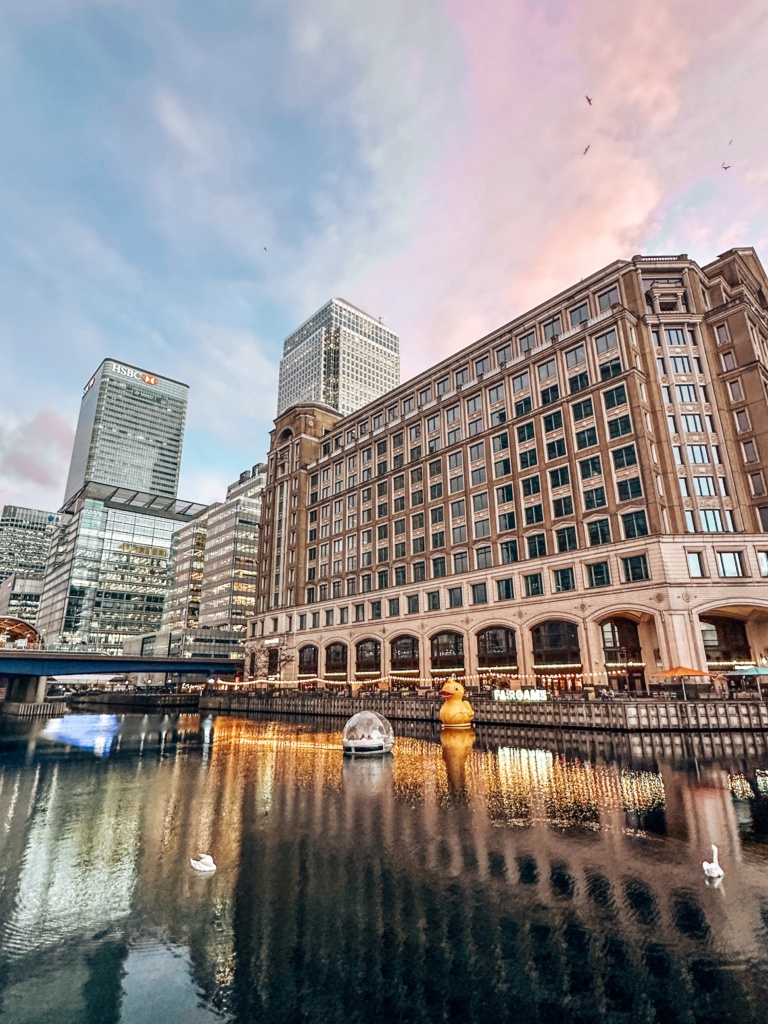
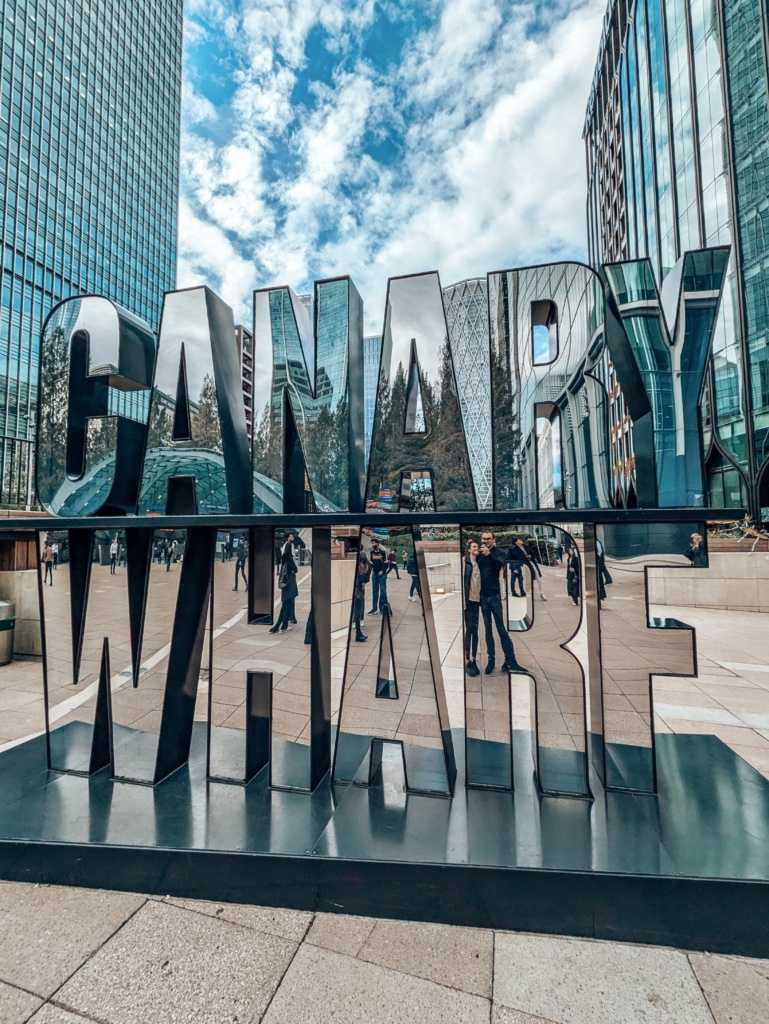
Standing there today—steps away from Canary Wharf, the modern financial hub of London—I couldn’t help but feel the continuity.
The money-making machinery has changed, but the underlying structures of power, inequality, and exploitation? Less so.

This place is where the empire’s wealth flowed in.
And it’s where modern Britain’s economic empire now flows out.
British cuisine is, in many ways, a map of historical oppression—and a reminder that what people call “home cooking” often began with someone else’s homeland.
The line from colonial trade routes to today’s financial institutions is far straighter than most people admit. And the line from that colonial past to current racism and social inequality? Even straighter.
You might also like: 8 quick food travel tips on how to be a culinary explorer
Skip the “British” Museum—Visit the Museum Britain Actually Needs
I’ll say it clearly: if you want to understand Britain—not the sanitized version, not the imperial fantasy—the London Docklands Museum is a must.
Far more meaningful than the “British” Museum with its stolen mummies and looted art, this place actually deals with the legacy that built Britain and continues to shape its identity.
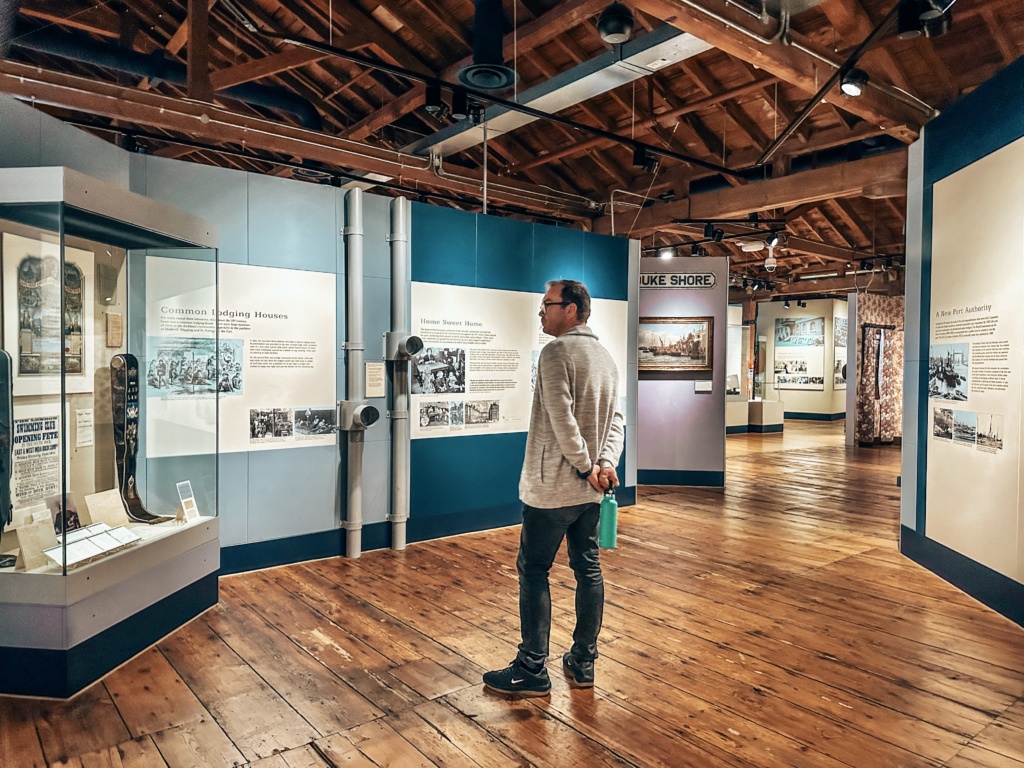
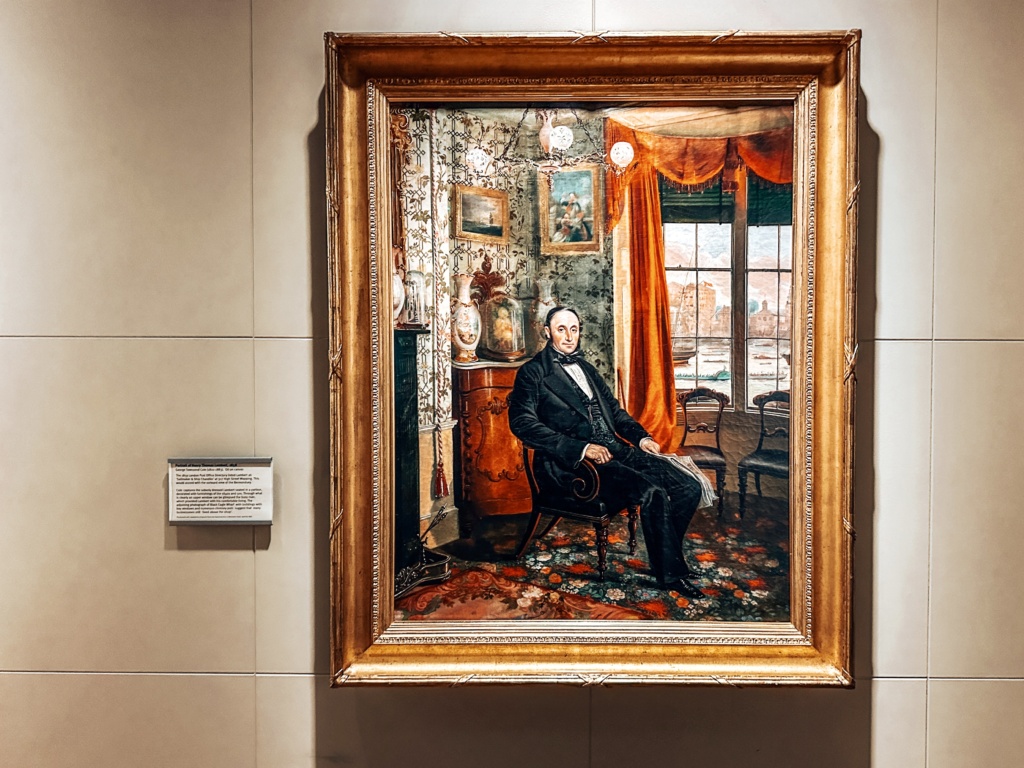
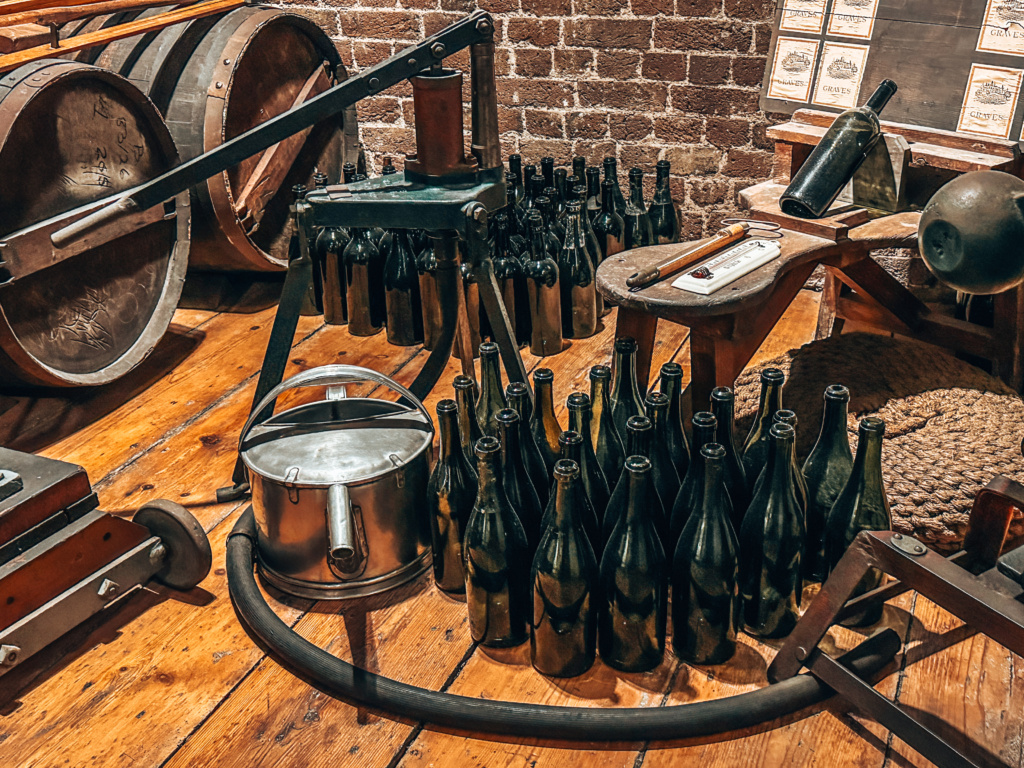
Here in the East End—where immigrant communities have lived for generations, where resilience is part of the everyday, where racism isn’t hidden behind glass cases but confronted in daily life—you find the real London.
The London of dockworkers, sailors, cooks, laborers, and families whose cultures and cuisines built the city long before flat whites and gastropubs made it fashionable.
The Docklands Museum tells their story—and, in doing so, tells the truth about Britain.
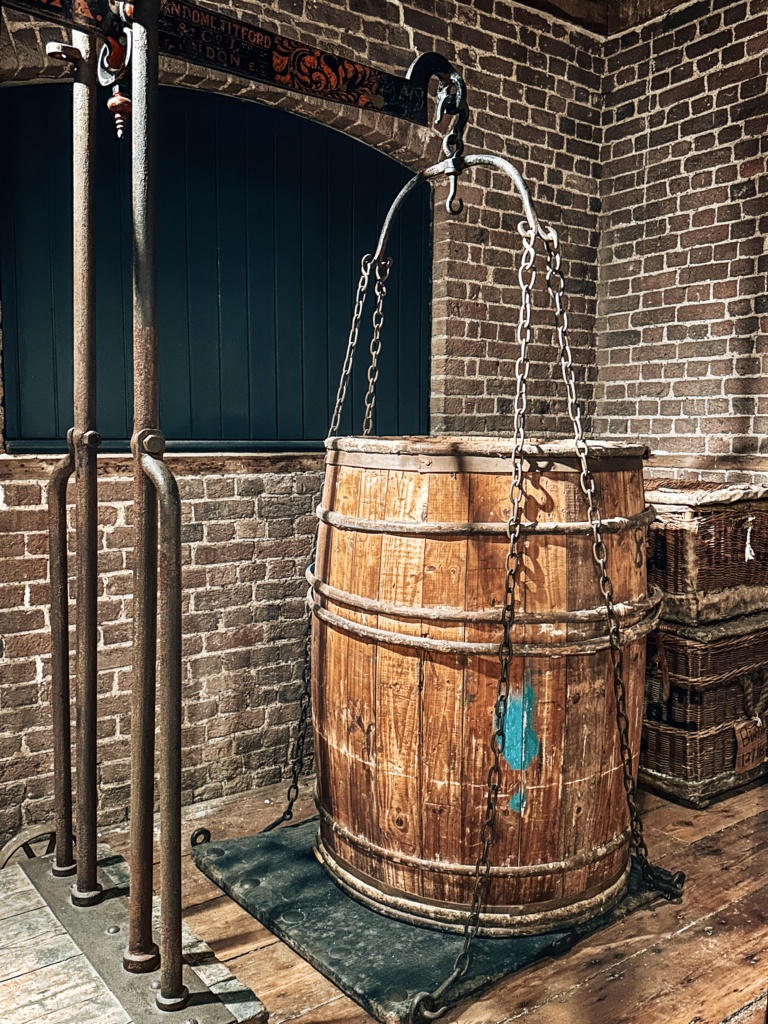
You might also like: What is Poke And Why You Won’t Find Poke Bowls in Hawaii
The Great British Food – Or Is It?
And the more I thought about it, the more I realized how deeply colonialism is woven into the very dishes Britons call “traditional.”
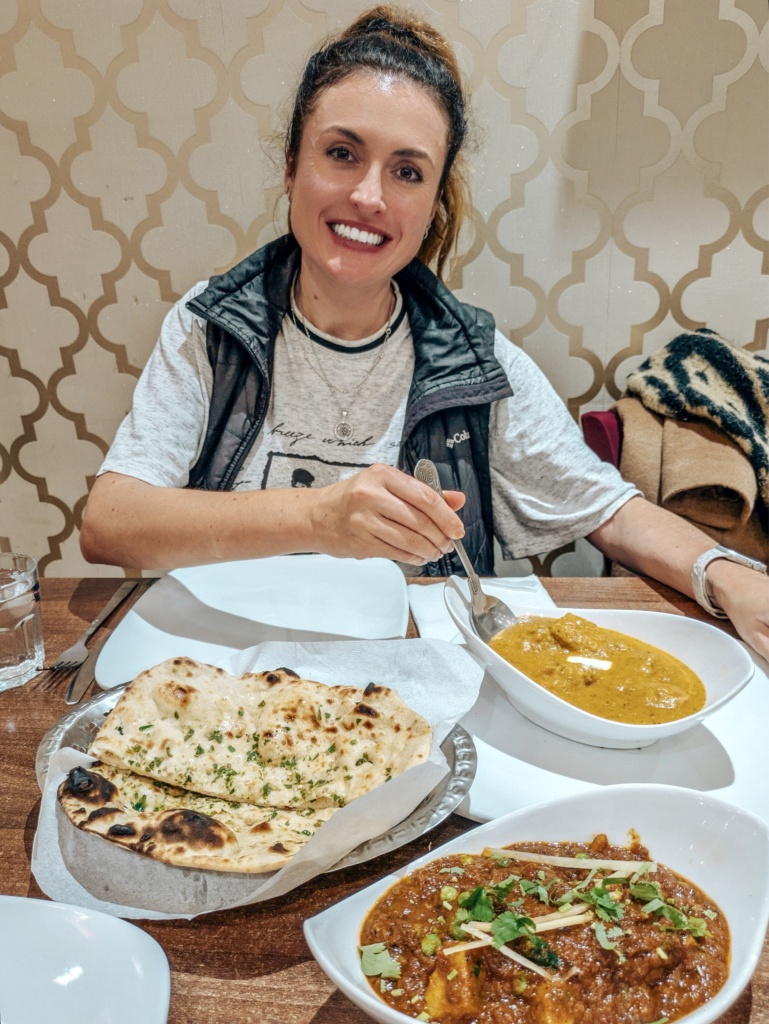
Curries—now considered a national obsession—come directly from British rule over the Indian subcontinent, their flavors adapted, diluted, or reinterpreted through the lens of empire.
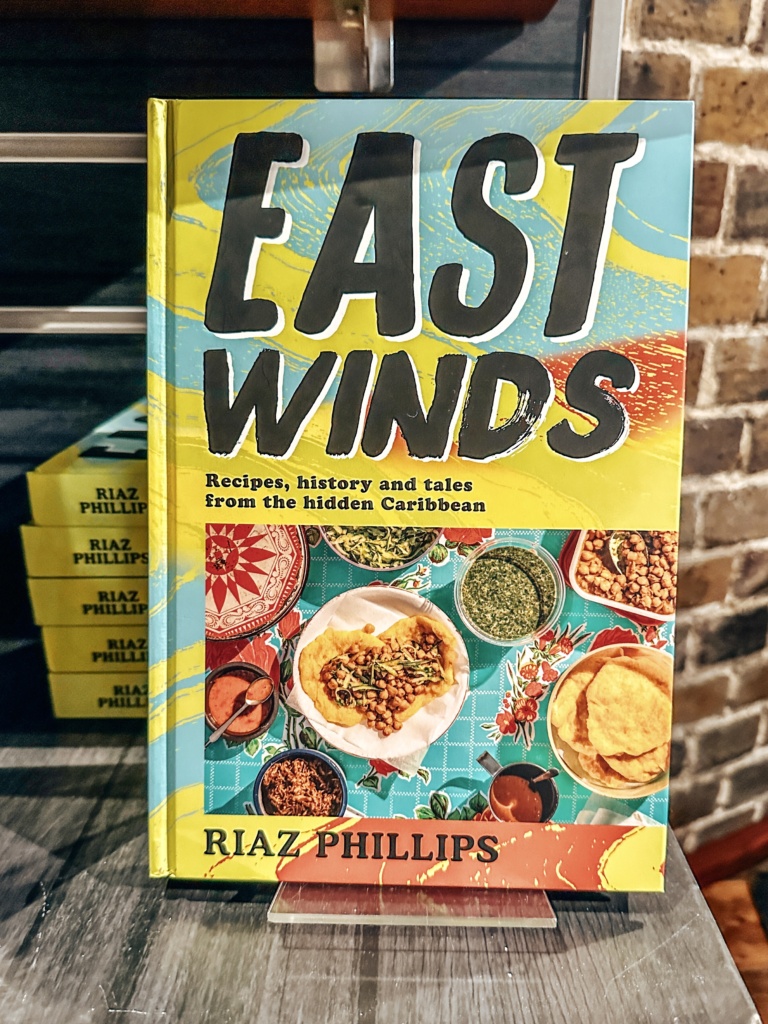
Caribbean food, from jerk spices to patties to plantains, exists in Britain because of the long, painful history linking the West Indies to these docks.
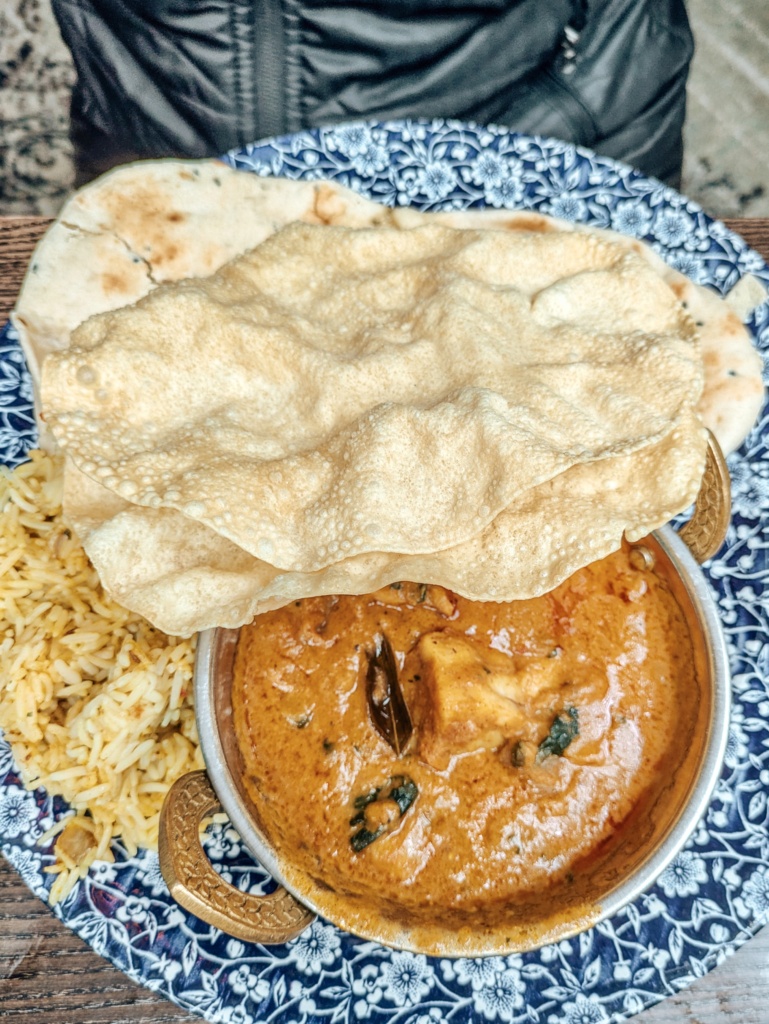
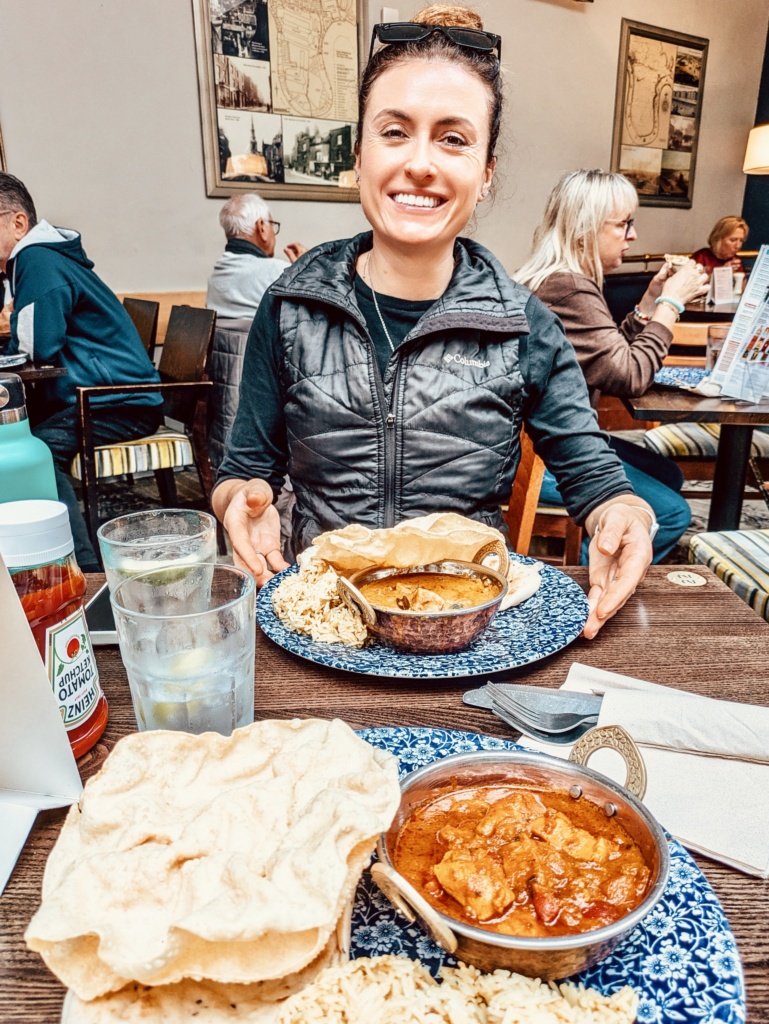
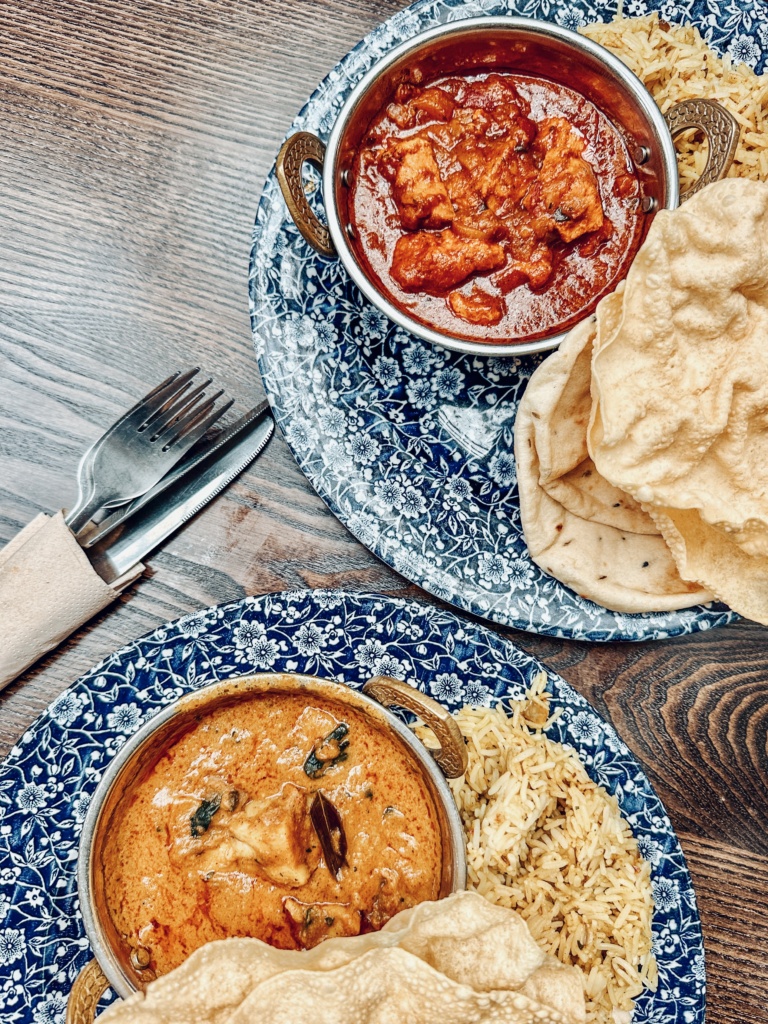
Even Christmas pudding and mince pies, those quintessentially British holiday staples, are built on ingredients—sugar, nutmeg, cloves, cinnamon—that arrived through ruthless global extraction and enslaved labor.
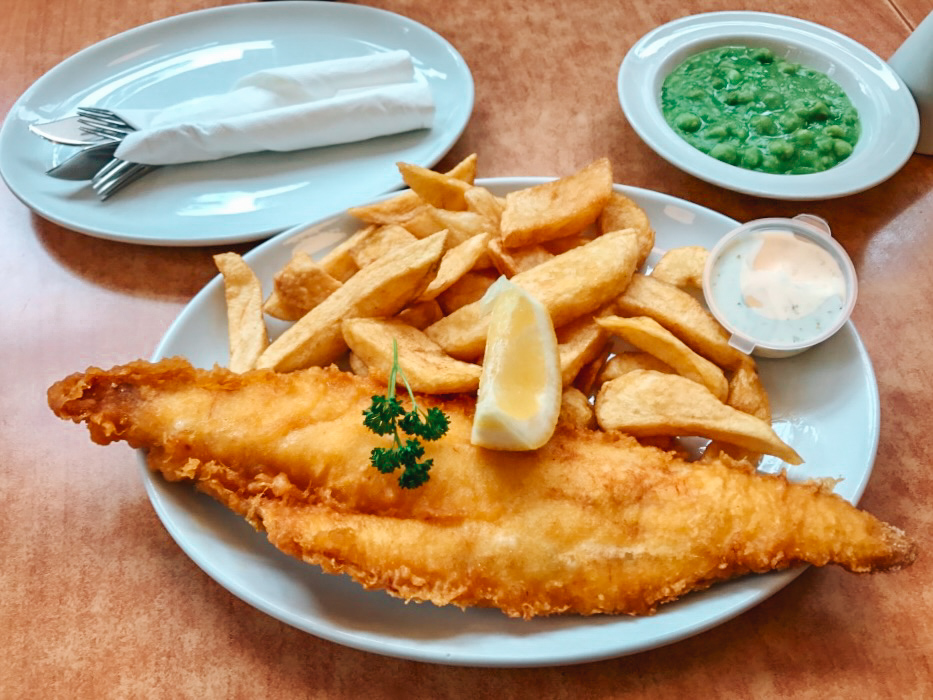
And then there’s fish and chips, the country’s beloved comfort food: the fish traces to Sephardic Jewish immigrants, and the chips are often drowned in curry sauce, another subtle echo of Britain’s colonial past.
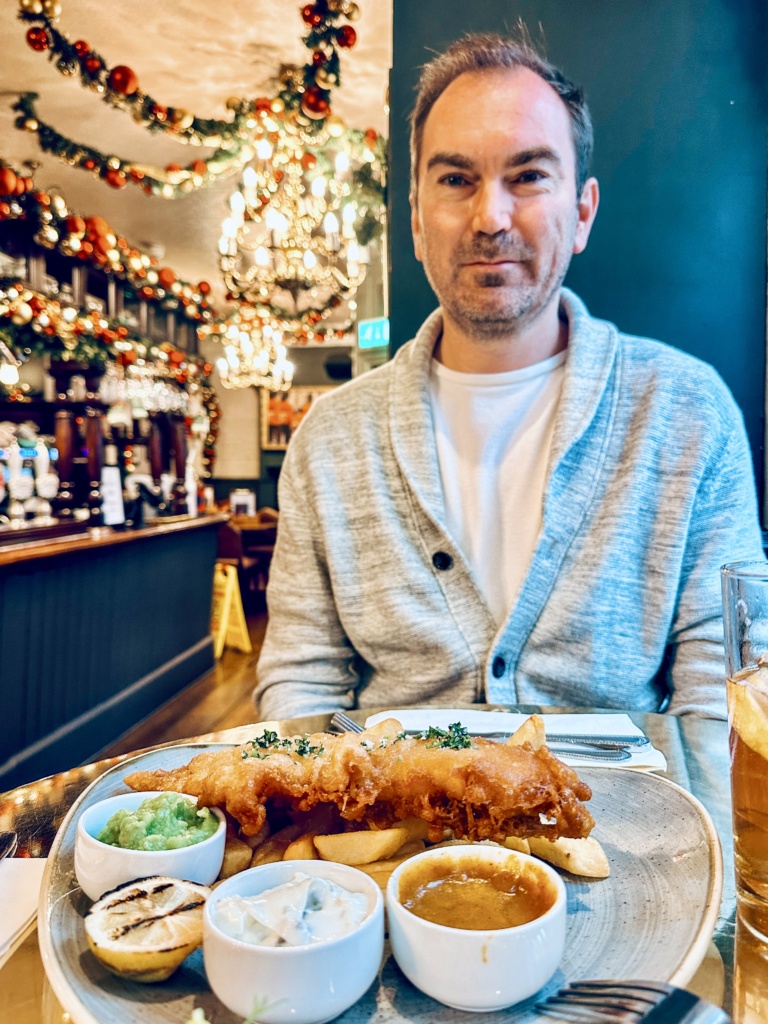
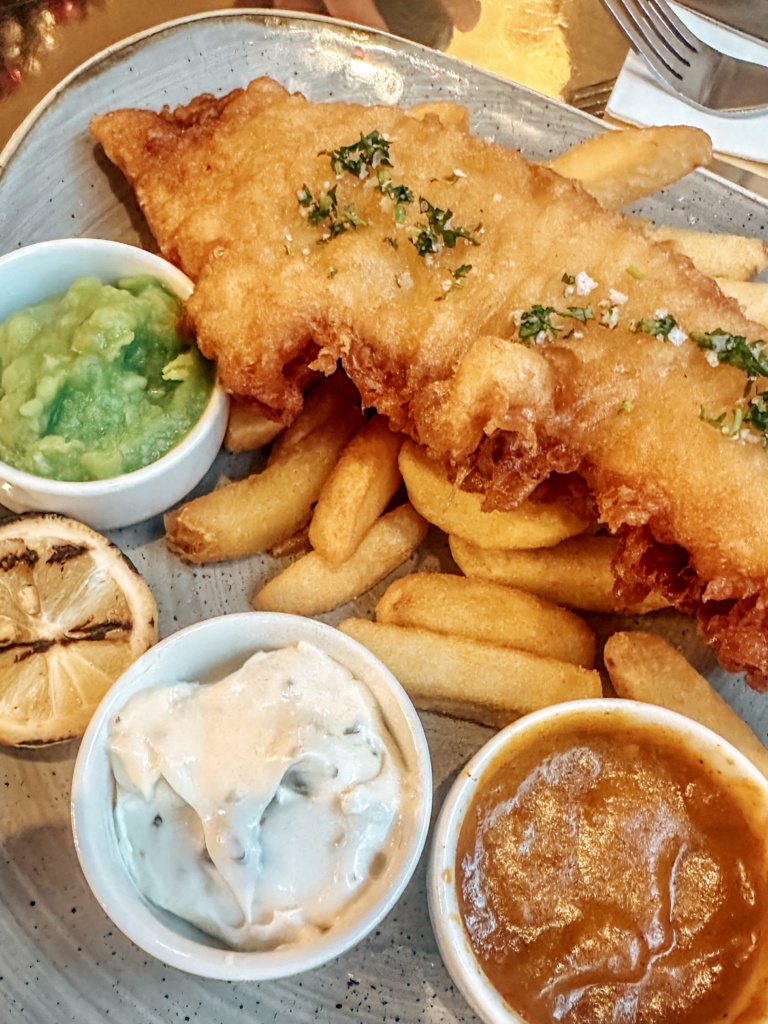
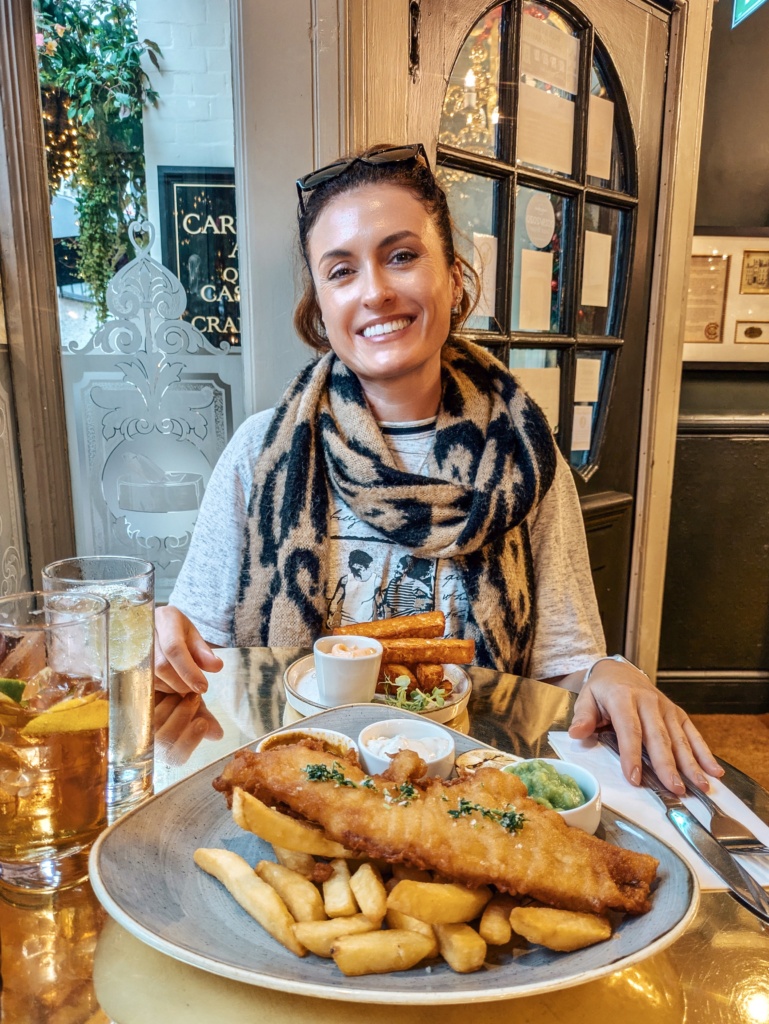
When you look closely, almost nothing about the British table is isolated from empire. Whether it’s hot cross buns filled with spices from once-occupied islands, or Worcestershire sauce born from colonial-era flavor experiments.
Even afternoon tea, which relies entirely on leaves grown in India and Sri Lanka and sugar harvested in the Caribbean.
British cuisine is, in many ways, a map of historical oppression—and a reminder that what people call “home cooking” often began with someone else’s homeland.
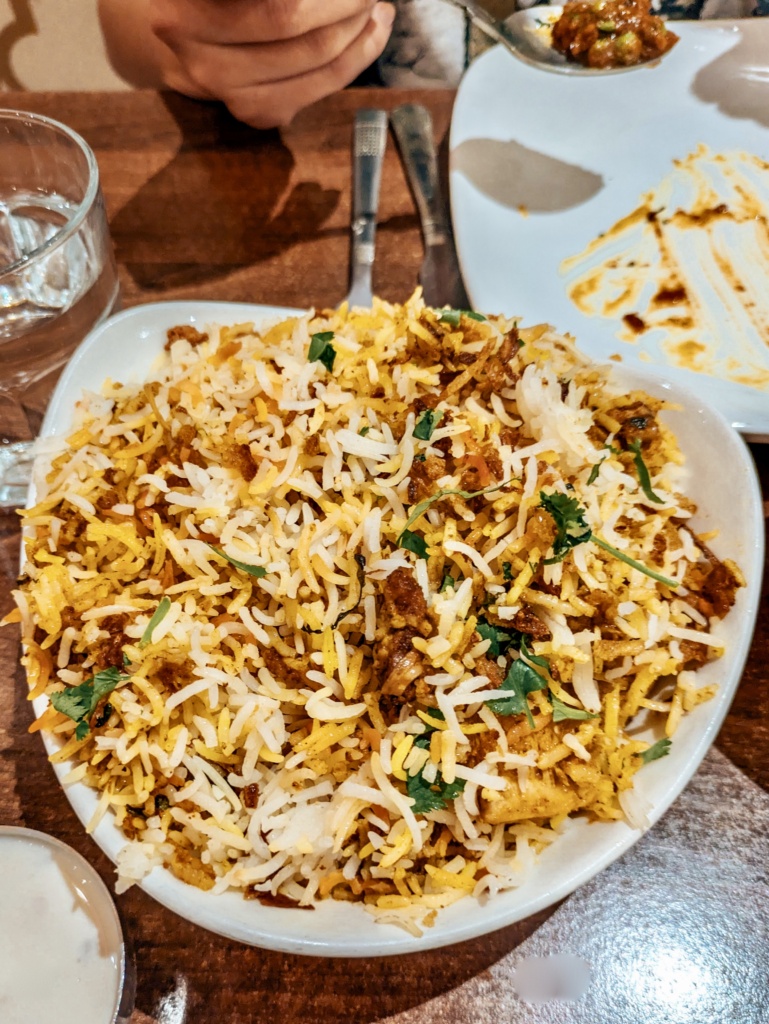
Leaving With a Changed Palate
When I stepped back out into the cold London air, something inside me had shifted. I thought about every latte, every slice of cake, every spoonful of curry sold across Britain today.
All the “comfort foods” layered with centuries of discomfort. All the flavors that traveled thousands of miles, carried by ships and suffering.
Food is joy—yes.
Food is culture—always.
But food is also history, and sometimes that history carries pain.
You might also like: Sips Of Ceylon: Top 8 Sri Lankan Drinks You Should Try
London Docklands Museum – Final Thoughts
This trip reminded me that as travelers and eaters, we owe it to the world to taste with awareness. To ask where flavors come from. To acknowledge who paid the price for spices we now sprinkle without thought.
The East End still whispers these stories. The Docklands Museum amplifies them.
And if you really want to understand the soul of Britain—not just its postcard charm but its truths, wounds, resilience, and diversity—start here.
Drink the tea, but know its history.
Taste the spices, but honor their journey.
Celebrate the food, but never forget the people.
Because understanding the past is the first step toward changing the present.
Have you been to London Docklands Museum? How did you like it and what emotions did it stir? Let us know in the comments or tag @eightyflavors on socials!
OUR TRIED AND TESTED FOOD TRAVEL RESOURCES: Book a hotel with Booking.com. Search for the best flight deals on Skyscanner. Find the best local food tours on Viator. Browse curated conscious group trips with GAdventures. Get your travel insurance with World Nomads.
Disclaimer: this post contains affiliate links. We’ll receive a small commission if you purchase through the link provided, at no extra cost to you. Thank you for your support in running this blog!