Why “Ethnic Food” Is a Racist Invention—And Why It’s Time To Let It Go
Looking to unpack why the term ethnic food is racist? Let’s dive in!
In the United States, we eat tacos on Tuesdays, sushi on date nights, pho when we’re sick, and pad thai on lazy nights in. We eat them without blinking, without questioning the stories behind the flavors, or the people who carried those recipes across oceans, borders, and trauma.
We often do this while still calling these meals “ethnic food”—a label that is as outdated as it is offensive.
You might also like: What is Poke And Why You Won’t Find Poke Bowls in Hawaii
What Makes American Food American?
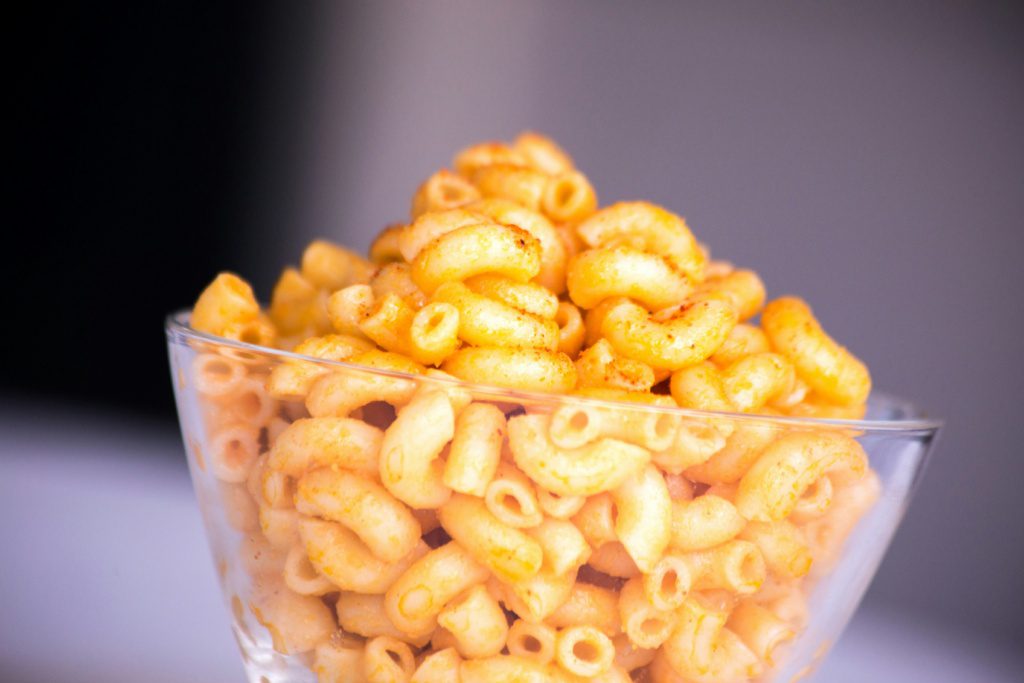
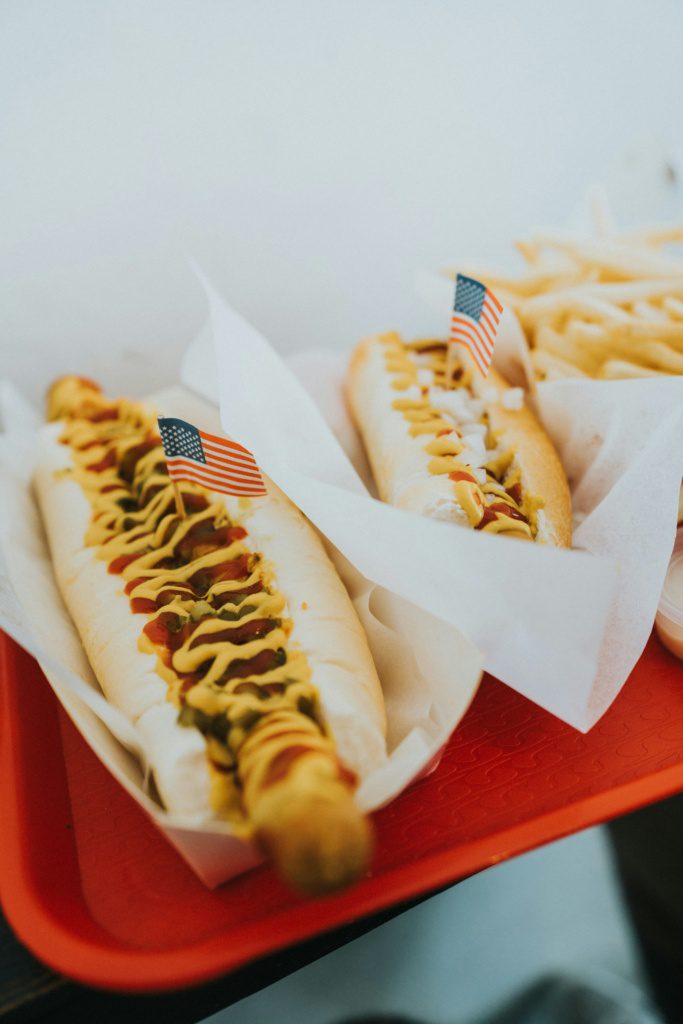
But what even is “American food”? A burger? A hot dog? Mac and cheese? All of these have immigrant roots. The hamburger is German, the hot dog is Polish, and mac and cheese is a British import, popularized in America by none other than Thomas Jefferson, who enslaved the people who cooked it. Pizza, bagels, BBQ? All imported.
So how did we arrive at this warped cultural sorting system, where the food of white immigrants becomes “American,” and the rest is perpetually “ethnic”?
To answer that, we need to talk about immigration, slavery, inequality, and the economic structures still defining whose culture is celebrated—and whose is exploited.
As an expat, I don’t claim to speak with authority on what American food truly is—but I can listen, learn, and observe. Over the years, I’ve collected powerful writing on the subject from those who live it every day: the minority chefs, BIPOC restaurant owners, and food writers working in the kitchens and communities where culture and cuisine collide. These are their voices and perspectives.
You might also like: What is Kava: The Origins, The Benefits And The Cultural Appropriation
The Economic Lie Behind “Ethnic” Food
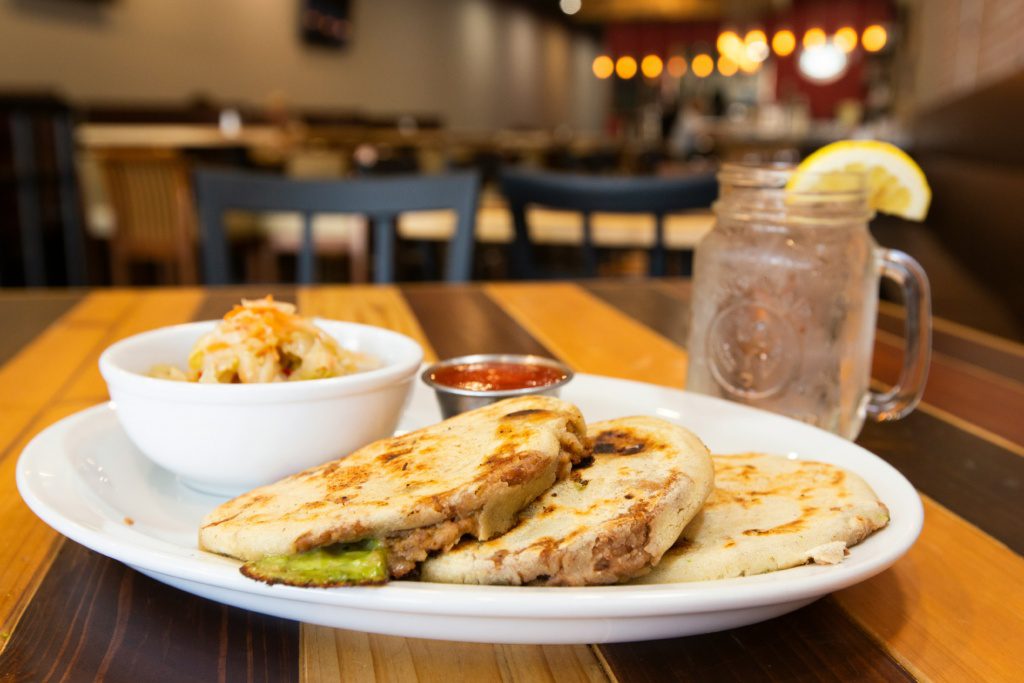
Walk into most major American cities, and you’ll find that food from immigrant communities—Vietnamese, Ethiopian, Salvadoran, Chinese, Mexican—is often cheap, almost suspiciously so. Not because the ingredients are inherently cheaper (they’re not), and certainly not because the food is of lower quality.
The price reflects something else: labor devaluation, racial hierarchies, and our country’s long history of associating non-white work with lower worth.
In How Americans pretend to love ethnic food for Washington Post, Roberto A. Ferdman writes, “Surely you have told someone that you adore curry, or that you like nothing better than a bowl of pad Thai. … But behind our public enthusiasm for Indian, Thai, Vietnamese, Ethiopian, Korean … there is also private, and yet pronounced, form of bias, a subtle hypocrisy that suggests we think these foods are inferior.
Our palate has undergone something of a renaissance over the past century, evolving to incorporate the cuisines of the immigrants who have made the United States their home. But we have incorporated these foods on our terms — not on theirs. We want “ethnic food” to be authentic, but we are almost never willing to pay for it.”
You might also like: Dodger Dogs History: A Taste Of Los Angeles Baseball Culture
Menu Pricing Reflects Inequality
It’s true that the people behind the “ethnic” food are often working longer, harder, and for less. Immigrant restaurateurs and workers are frequently underpaid, working in grueling conditions, and yet expected to deliver “authenticity” as part of the price point. They are celebrated for their food, but not compensated equally for their labor.
This pricing also reflects a deeper inequality. American diners are willing to pay more for European cuisines. Think French, Italian, or New American—because those have been culturally whitened. Thai or Indian food, on the other hand, is still expected to be cheap.
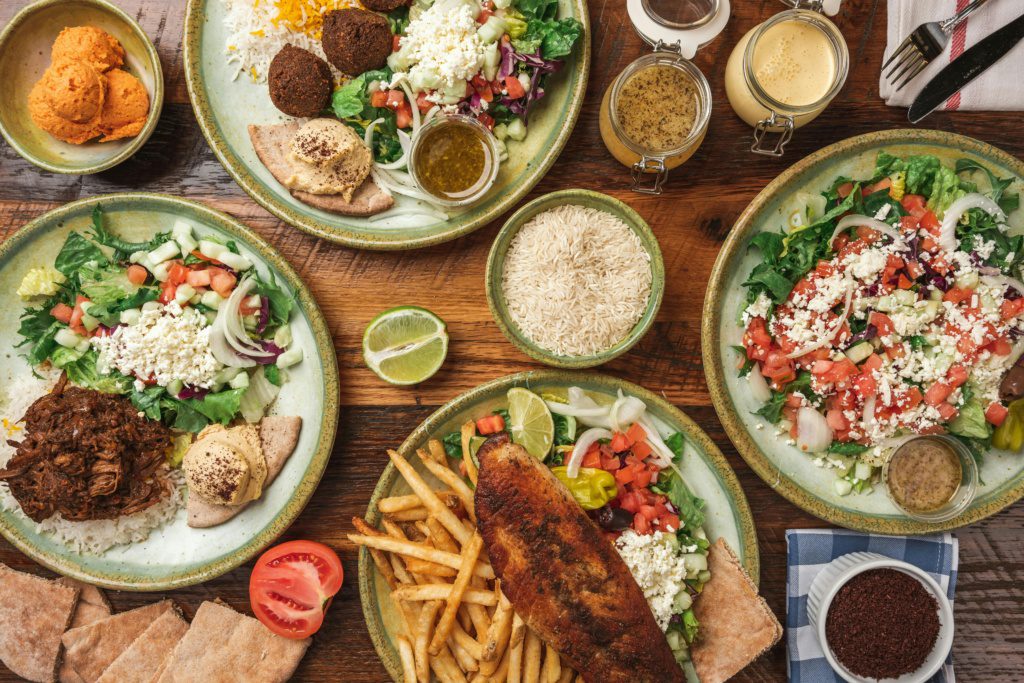
Even when it requires more complex techniques and spices. This is no accident; it is the economic echo of white supremacy and colonial assumptions about value.
You might also like: El Salvador Corridor: Best Pupusas in Los Angeles
A Legacy of Slavery and Servitude on Every Plate
Slavery built the American South’s culinary backbone. From okra and yams to black-eyed peas and rice, enslaved Africans brought with them not only ingredients but foodways—techniques and rituals passed down through generations.
The origins of what we call “soul food” are inseparable from this painful history. Fried chicken, collard greens, cornbread—all of these were shaped by the constraints of slavery and the resilience of Black cooks. The same cooks who were denied recognition even when the white women published cookbooks packed with their help’s recipes.
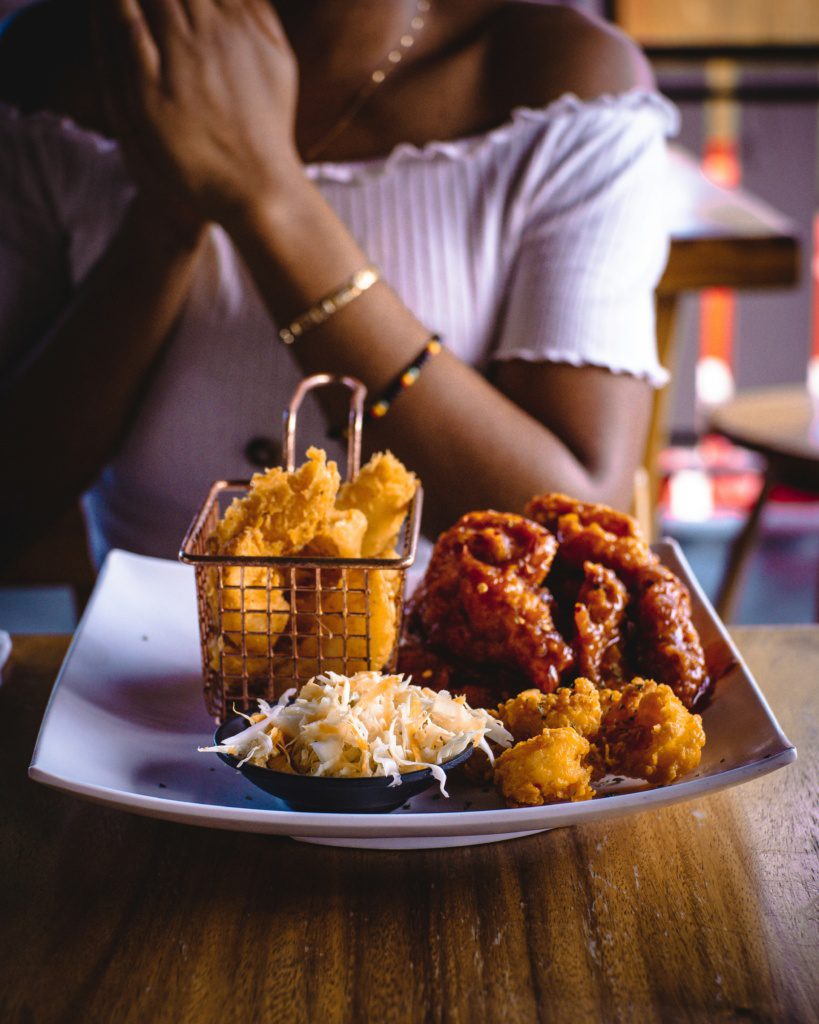
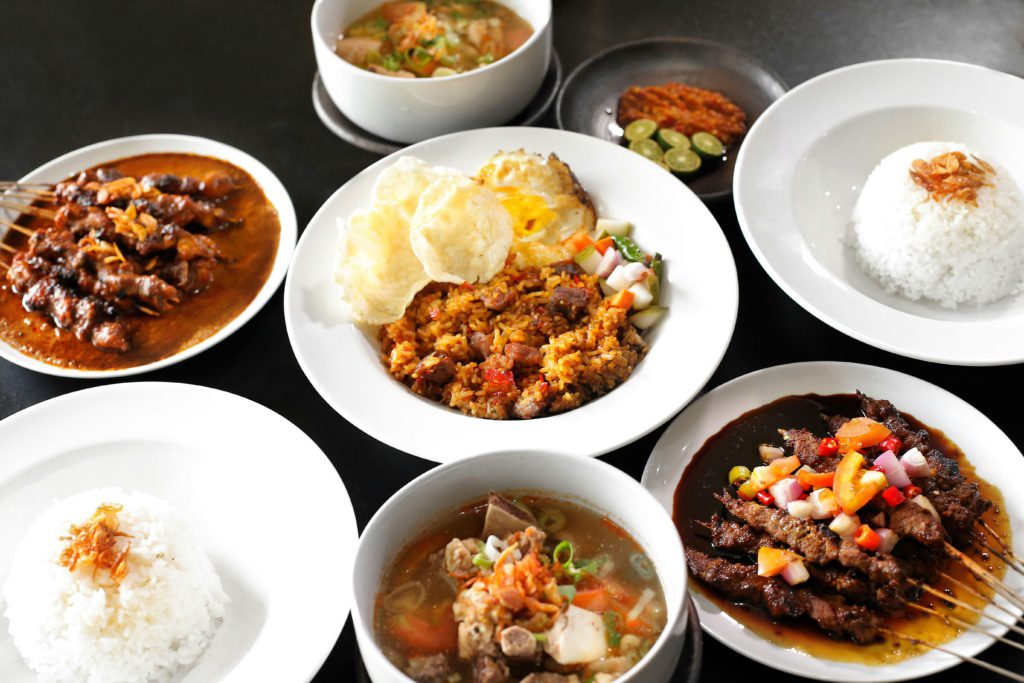
Yet this heritage is often romanticized and sanitized. The food gets celebrated; the people do not. We still see this with Mexican cooks in trendy taquerias or Chinese chefs in Michelin-starred restaurants. As Esalen Institute notes in Getting to the Roots of Food & Family, American cuisine often masks the people who made it—turning “ethnic” food into a commodity, while erasing the identities and struggles of those who carry its recipes.
Chef Elle Simone Scott adds in the Esalen piece: “Cultural silencing through cuisine is present in the immigrant Diaspora as well, with Chinese food an example of this complex and peculiar narrative. … Chinese American food had long been considered simply as “takeout”. It diminishes the Chinese American experience and what they had to do to establish themselves in this country. You can apply that same principle to every culture here.”
Immigration, Assimilation, and Culinary Code-Switching
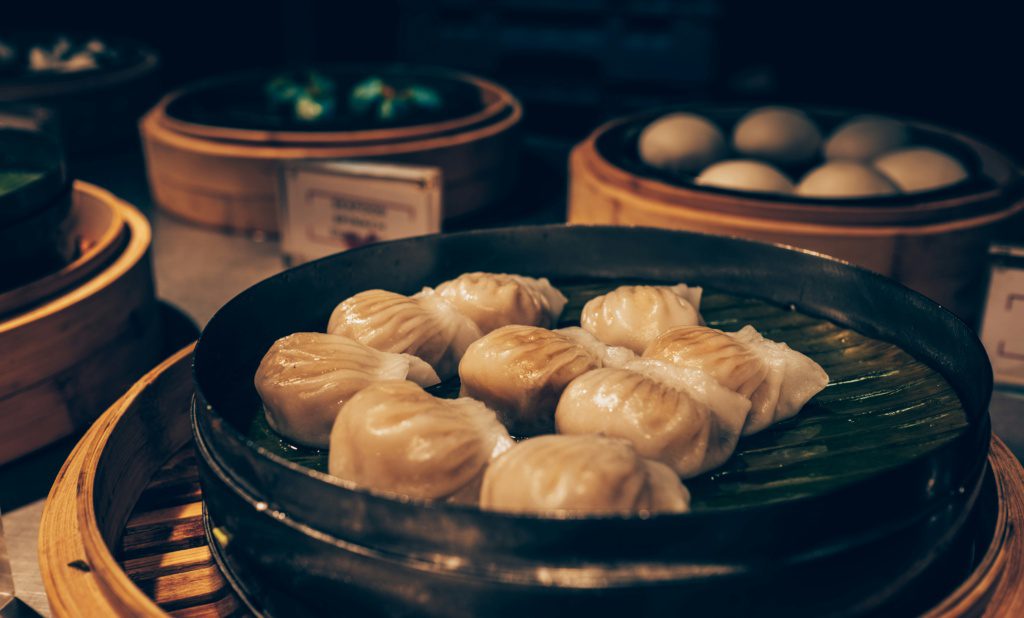
The term “ethnic food” is a linguistic fence, keeping “other” cultures at the margin of American identity. “Ethnic” is rarely applied to hamburgers, pasta, or steak—even though all of those came from somewhere else. Instead, it becomes a racialized descriptor for brown and Black food traditions, implying that they are foreign, temporary, or unserious.
This creates a strange kind of culinary code-switching. As Ruth Tam writes in her poignant Washington Post piece How it feels when white people shame your food – then make it trendy, the same Chinese food once mocked as “gross” in school cafeterias becomes cool once it’s repackaged for white audiences.
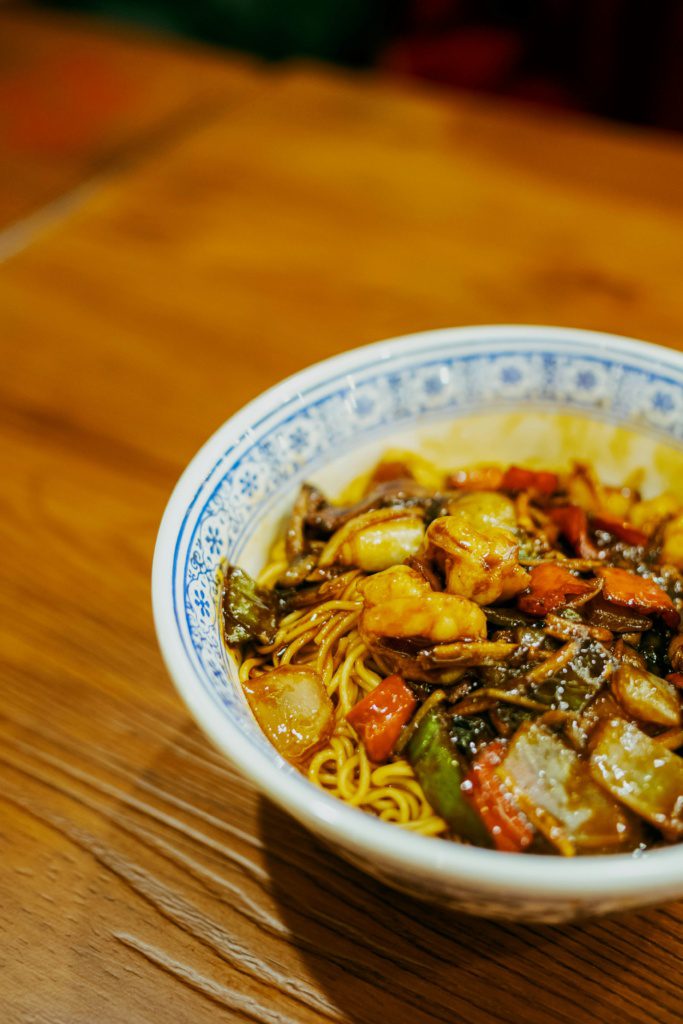
Dishes like General Tso’s chicken or Korean BBQ are now Instagrammable, but often divorced from the immigrant families who popularized them. Sometimes over generations of ridicule. It’s a painful irony: food becomes a way for immigrants to gain visibility. Even as the culture that produced it remains invisible or stereotyped.
You might also like: 30 Best Bean And Cheese Burritos In LA (And How The Burrito Almost Saved My Marriage)
Food as Soft Power—and Soft Resistance
Still, immigrant restaurants wield a quiet power. They’re places of comfort and pride. They are community anchors. They survive underpricing and undervaluation because they are often more than businesses; they are lifelines.
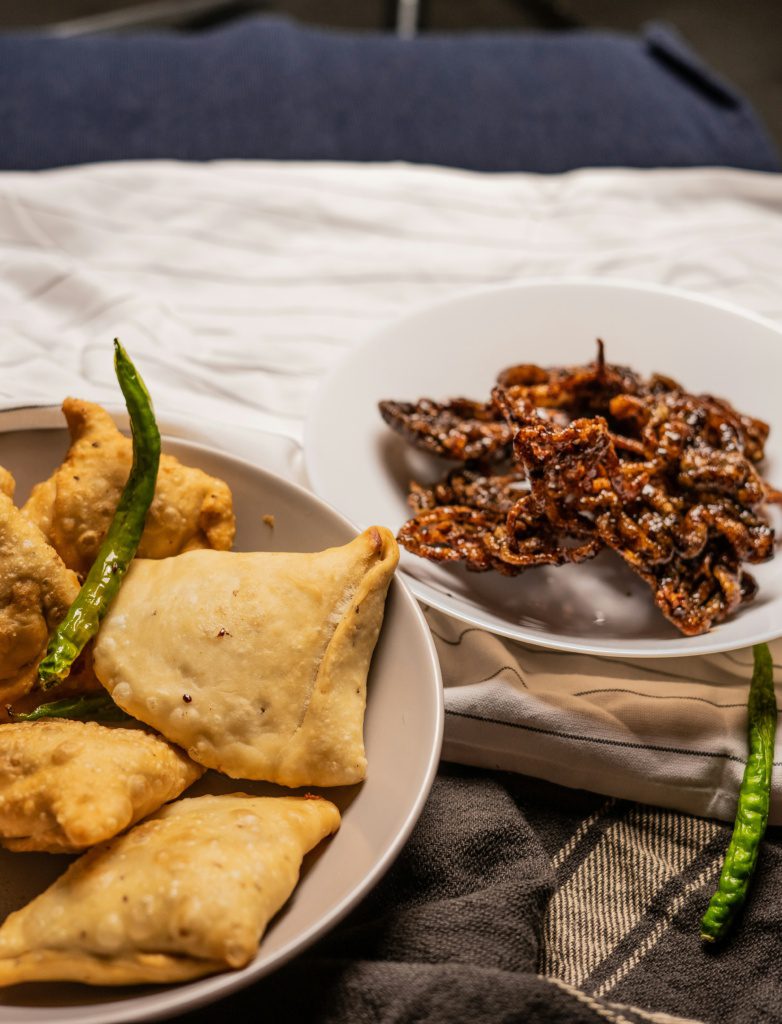
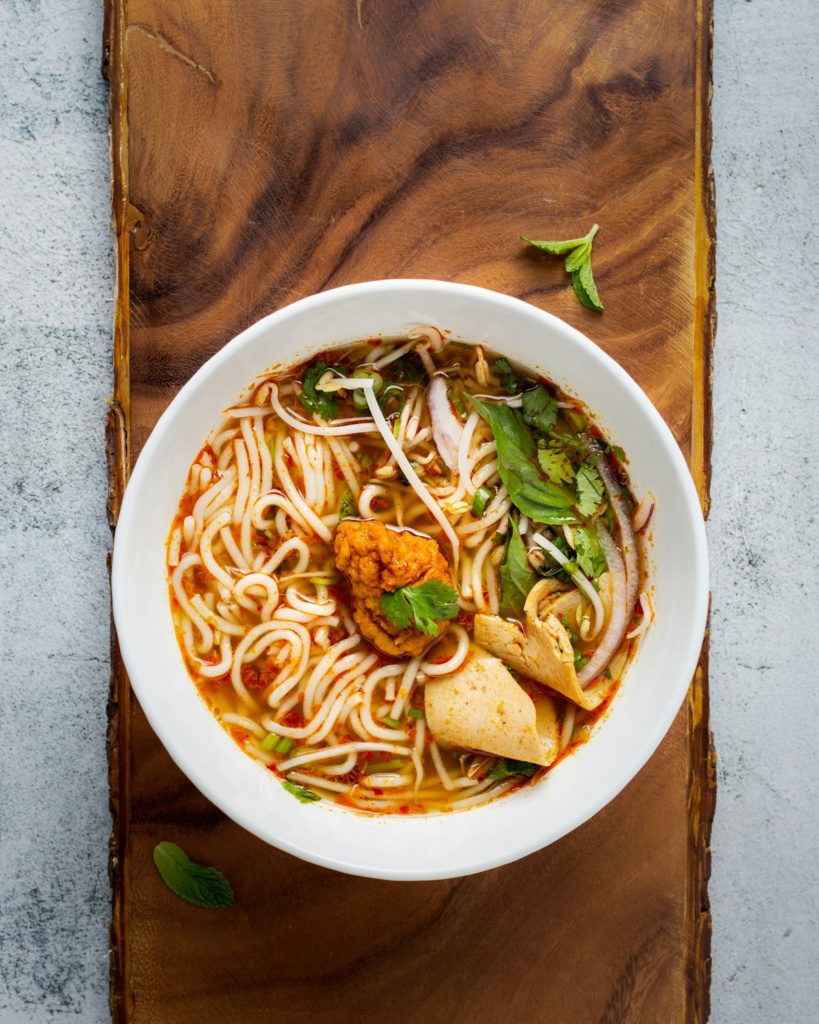
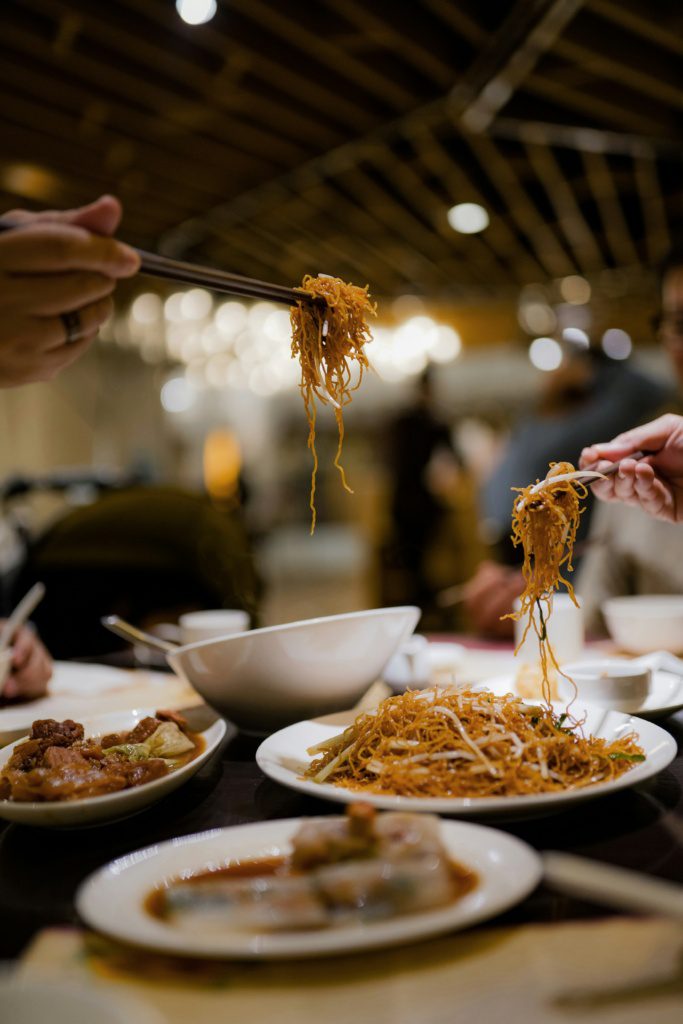
In The Humble Power of Immigrant Restaurants, Tim Carman argues that “you can’t hate someone if you like their food.” There’s truth there—but only if we go deeper. We can’t just like their food; we must also respect their history, pay them fairly, and see them as American.
Food becomes resistance when it refuses to conform—when it insists on being spicy, unpronounceable, messy, or unfamiliar. In The Sriracha Argument for Immigration, David Sax reminds us how threatened people still are by the cultural power of immigrants. But Sriracha itself is proof that immigrant contributions are not just tolerated—they’re transformative.
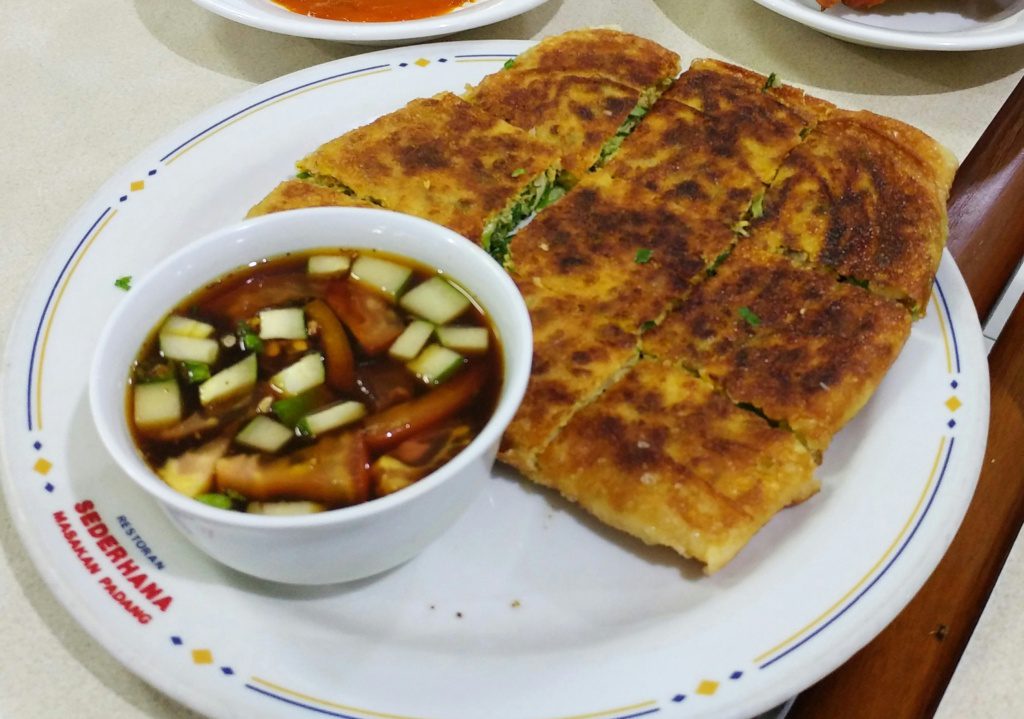
David at The New Yorker goes on to pint out: “What’s remarkable in today’s America is that, while racism and xenophobia have come out into the open, food this time around seems to be exempt. It would be nearly unthinkable to talk of banning a cuisine based on its country of origin.
Red or blue state, we all want to watch Anthony Bourdain eat his way around the world and find the tastiest taco in town. The political tide may be shifting to nationalism, but our appetite is increasingly globalist.”
Why It’s Time to Retire the Racist Term “Ethnic”
The term “ethnic food” is not just outdated—it is loaded with hierarchy. It marks food as “other,” not American, no matter how long it’s been here. But what is American food, if not a stew of every culture that arrived on these shores?
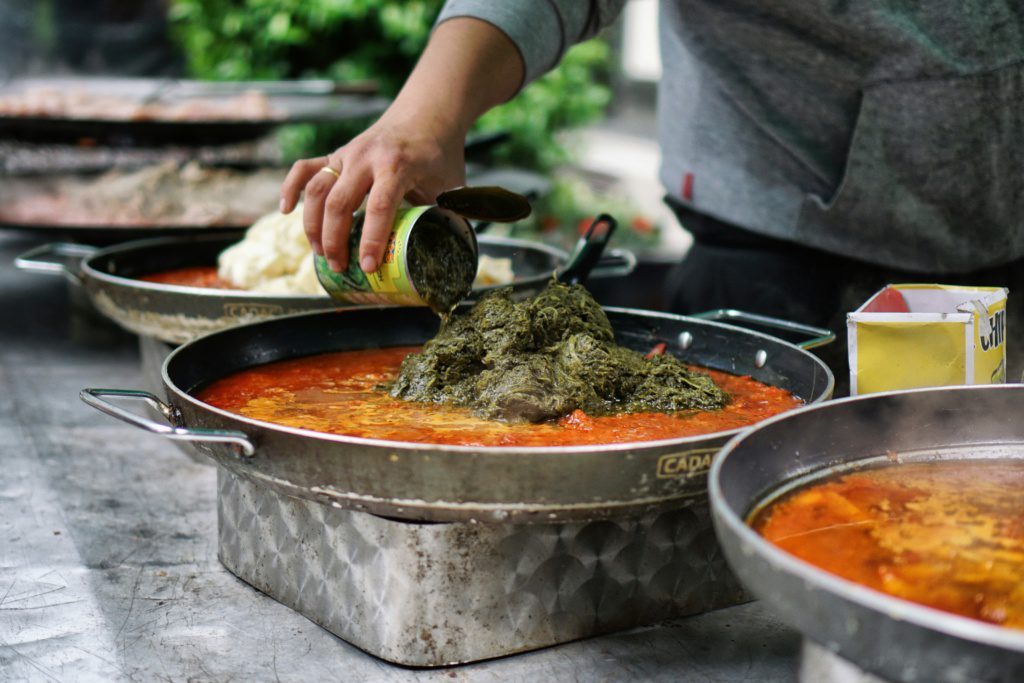
As Pacific Standard asked: “What Makes American Cuisine American?” The answer is immigration, innovation, and adaptation. American cuisine is a living contradiction, shaped by migration and inequality, flavored by survival.
Indeed, as James McWilliams points out, “At its essence, American food began as a cuisine of survival. … From desperation, American food—a cuisine essentially stripped of tradition—has gradually emerged … around ongoing geographical and emotional displacement.
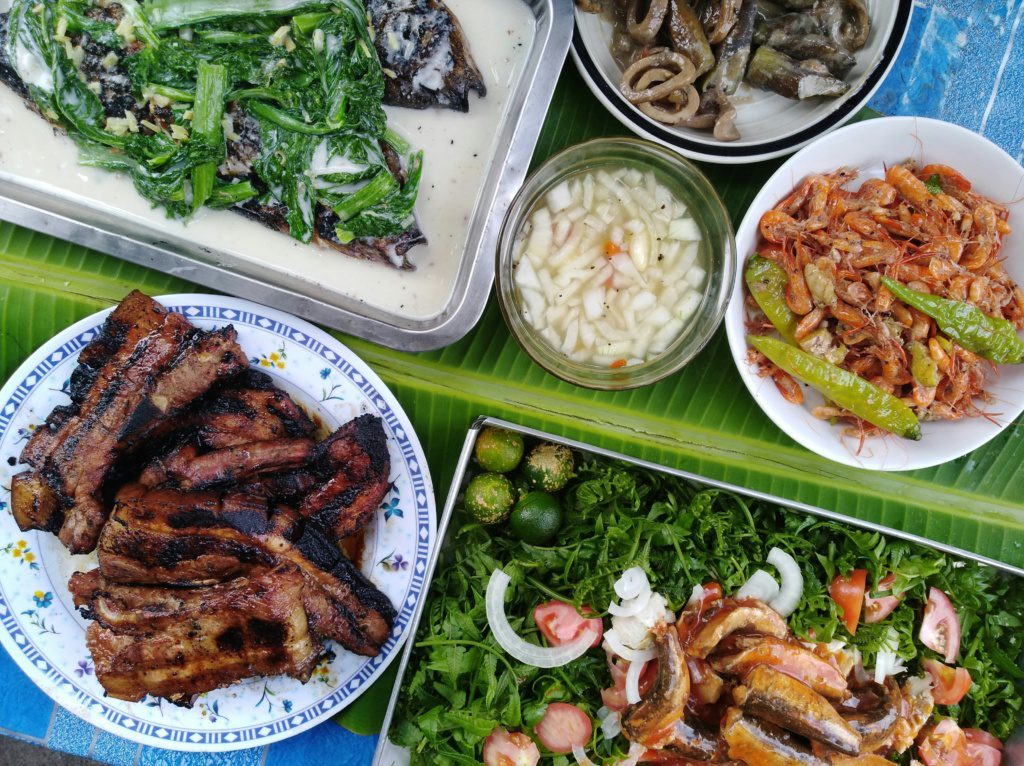
The origins of American food might be innumerable and obscure, but they are ultimately rooted in a vast and undiscriminating foundation marked by acute hardship on the frontier of American life.”
When we say “ethnic food,” we’re not just describing a cuisine—we’re drawing a line. A line between us and them. Between the center and the margin. Between those who get to claim American identity and those who are asked to earn it, bite by bite.
It’s time to erase that line.
You might also like: Singapore Street Food Culture: Asia For Beginners
Toward a New Vocabulary of Respect
Here’s why everyone should stop calling immigrant food ethnic. Let’s start calling food what it is: Filipino, Senegalese, Peruvian, Yemeni, Palestinian, Appalachian, Creole, Kenyan. Let’s pay the people who cook it fair wages. Acknowledge the histories, both painful and proud, that simmer in every pot. And let’s quit acting like food can be divorced from politics, from labor, from race. It never can be.
Food is culture, yes—but it is also memory, migration, resistance, and identity. And if we’re serious about equity in America, then the conversation has to start at the table.
Let’s call it American food—not because it’s bland or beige, but because America, at its best, is a mosaic. And every dish tells a story worth hearing.
Images: Unsplash
Did we miss important details in the ethnic food as a racist term debate? Let us know in the comments or tag @eightyflavors on socials!
OUR TRIED AND TESTED FOOD TRAVEL RESOURCES: Book a hotel with Booking.com. Search for the best flight deals on Skyscanner. Find the best local food tours on Viator. Browse curated conscious group trips with GAdventures. Get your travel insurance with World Nomads.
Disclaimer: this post contains affiliate links. We’ll receive a small commission if you purchase through the link provided, at no extra cost to you. Thank you for your support in running this blog!