Foods to Try in Hawaii: 50 Flavors From The 50th State (+ A Brief History)
Looking for inspiration on what foods to try in Hawaii? Here’s your ultimate Aloha State food and drink bucket list!
Most visitors arrive in Hawaii expecting poke bowls, shaved ice, and tropical cocktails. While all of those are absolutely part of the islands’ culinary identity, Hawaii’s food culture is far deeper and more historically layered than most travelers realize.
Click HERE to book a top rated Hawaii Off The Beaten Path Food Tour on Viator!
Hawaiian Food: A Brief History
Indeed, the cuisine of the Aloha State is one of the most fascinating food stories in the world — a blend of Native Hawaiian traditions, Asian migration, colonialism, American influences, plantation labor, globalization, and survival across one of the most isolated island chains on earth.
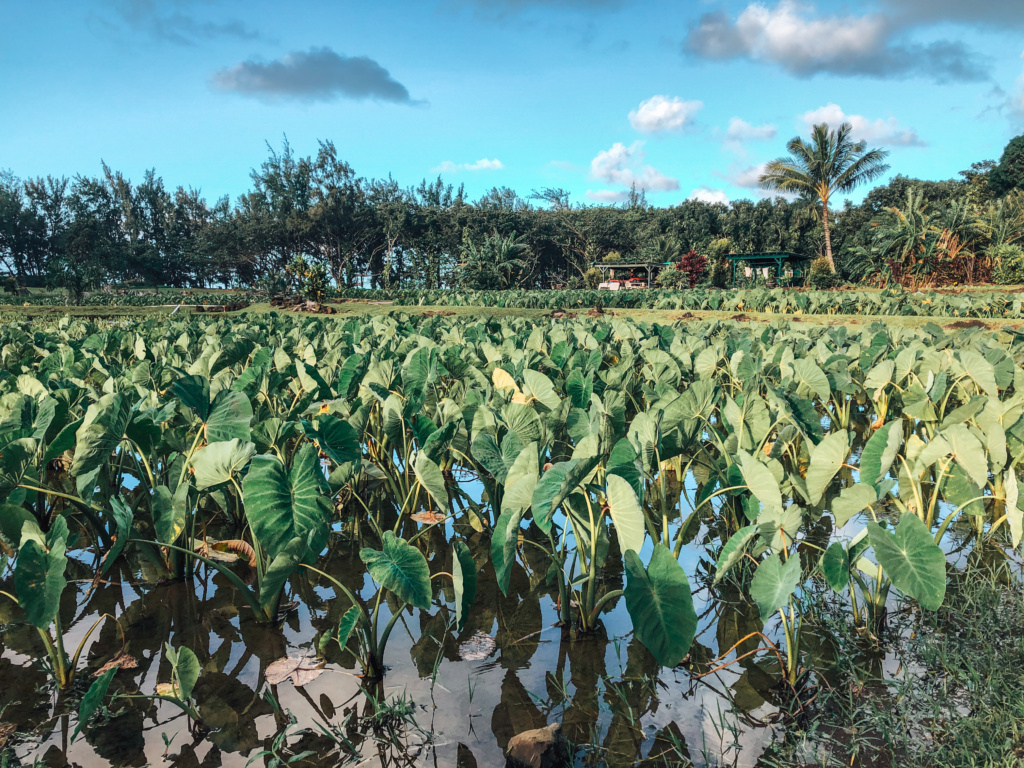
Before Western contact, Native Hawaiians lived largely from the ocean and from canoe crops brought by ancient Polynesian navigators across the Pacific. Traditional Hawaiian cuisine centered around taro, poi, breadfruit, seaweed (limu) and fish.
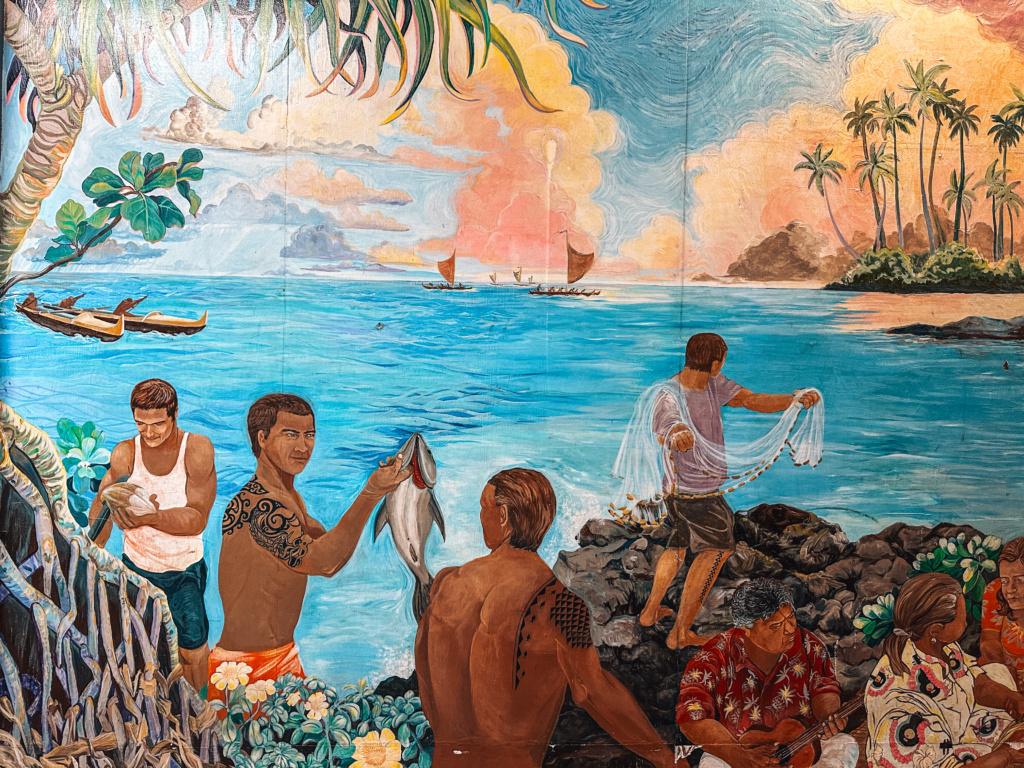
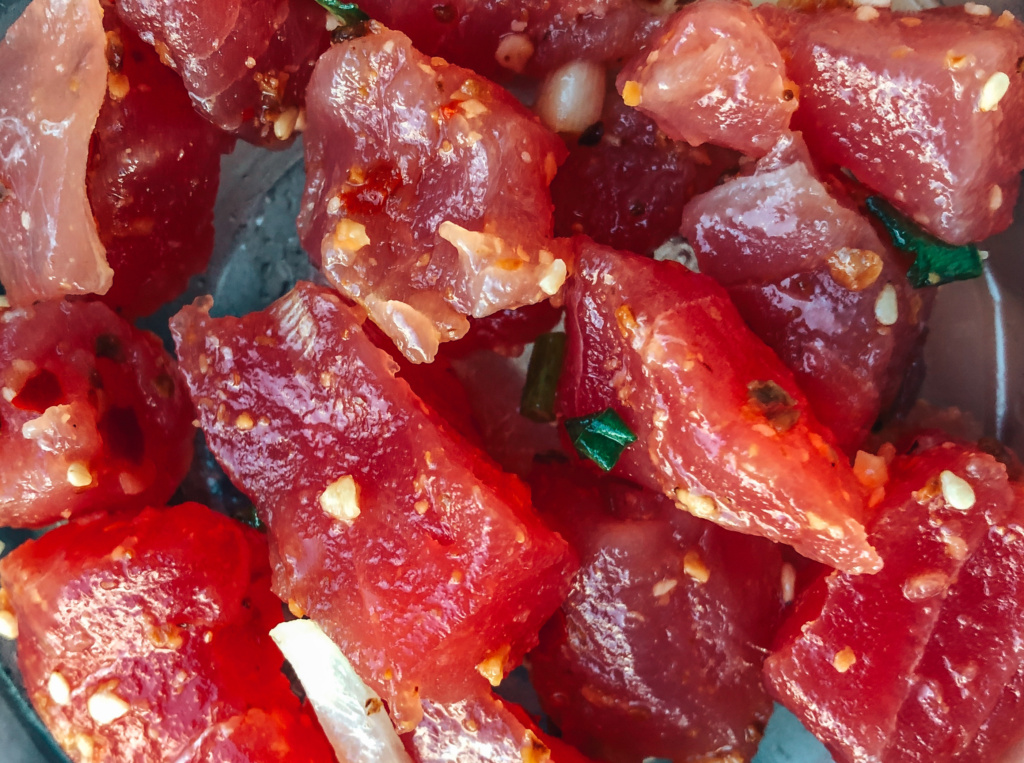
That’s right friends. Ancient Hawaiians survived on fish and poi. No pineapples, no pork, no papaya. And most definitely no instagram-friendly acai bowls.
There were no cattle, onions, wheat, dairy, or sugarcane-based desserts in ancient Hawaii. Food was deeply spiritual and tied to the land through systems of stewardship and sustainability.
You might also like:
- What is Poke And Why You Won’t Find Poke Bowls in Hawaii
- The History of Loco Moco (Plus The Best Loco Moco in Hawaii)
- From Pearl Harbor to ABC Stores: The History of Musubi in Hawaii
- Mai Tai Origins (Plus The Best Mai Tais in Hawaii)
Meat and Potatoes – Foreign Influences
Everything changed after European arrival in the late 1700s. British explorer Captain James Cook became the first documented Westerner to reach Hawaii in 1778, opening the islands to global trade, missionaries, colonizers, and foreign influence.
Europeans and Americans brought cattle, pigs, sheep, wheat, citrus, onions, coffee, and eventually ranching culture to the islands.
Hawaiian paniolo cowboy culture actually began when cattle gifted by British explorer George Vancouver — often confused in popular storytelling with George Washington-era America — multiplied rapidly across the islands. Ranching transformed parts of Hawaii’s landscape and diet forever, introducing beef into local cuisine for the first time.

Christian missionaries from New England further reshaped Hawaiian life, suppressing many Native traditions while introducing Western foods, baking, sugar, and agricultural systems.
At the same time, plantation owners recruited workers from Japan, China, Korea, Portugal, Okinawa, Puerto Rico, and the Philippines, permanently transforming Hawaii’s culinary landscape.
You might also like:
- Best Restaurants in Kona: A Local’s Guide to Big Island Dining
- 53 Best Eats in Honolulu: A Local’s Guide to Oahu’s Top Food
- Where to Eat Near Hawaiʻi Volcanoes National Park
- Hawaiian Food: 6 Best Places To Eat Like a Local in Kauai
Hawaiian Cuisine Today
Today, Hawaii may be one of the world’s greatest fusion food destinations, and Honolulu one of the world’s greatest culinary cities. (Here’s where to eat in Honolulu like a local.)
That extraordinary cultural mixing is exactly why Hawaii’s food scene today feels unlike anywhere else in America.
Japanese bentos sit beside Hawaiian laulau. Portuguese malasadas are sold near Filipino adobo plate lunches. Okinawan sweet potatoes become purple pies, while fresh ahi tuna appears in everything from traditional poke to modern poke nachos.
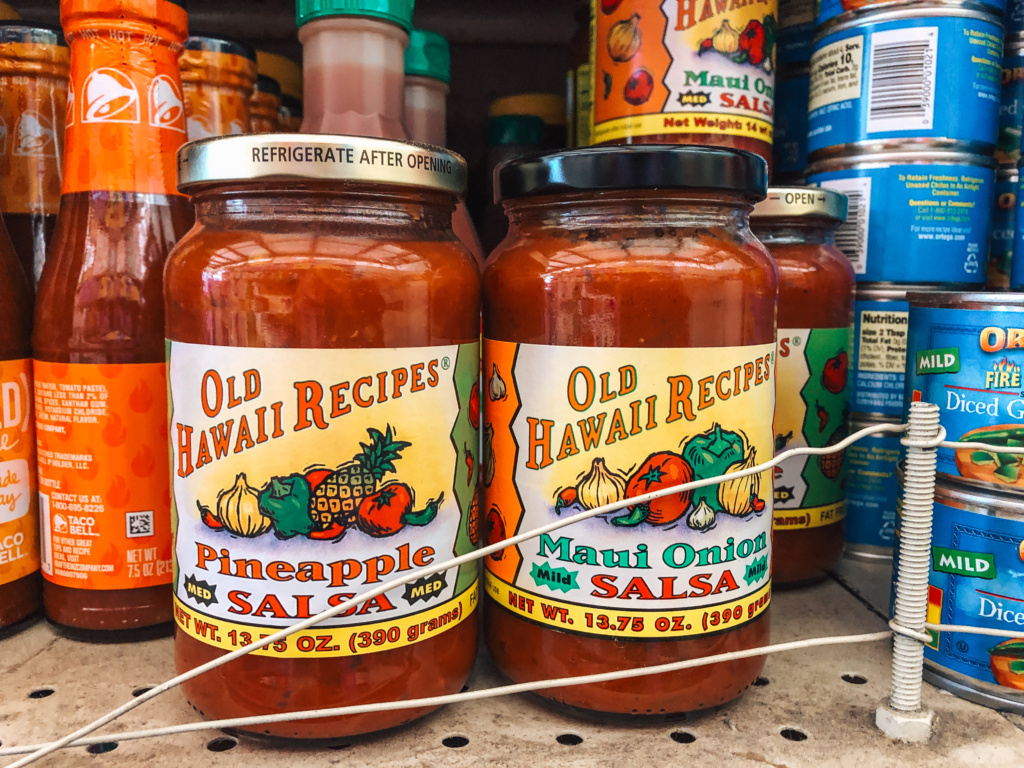
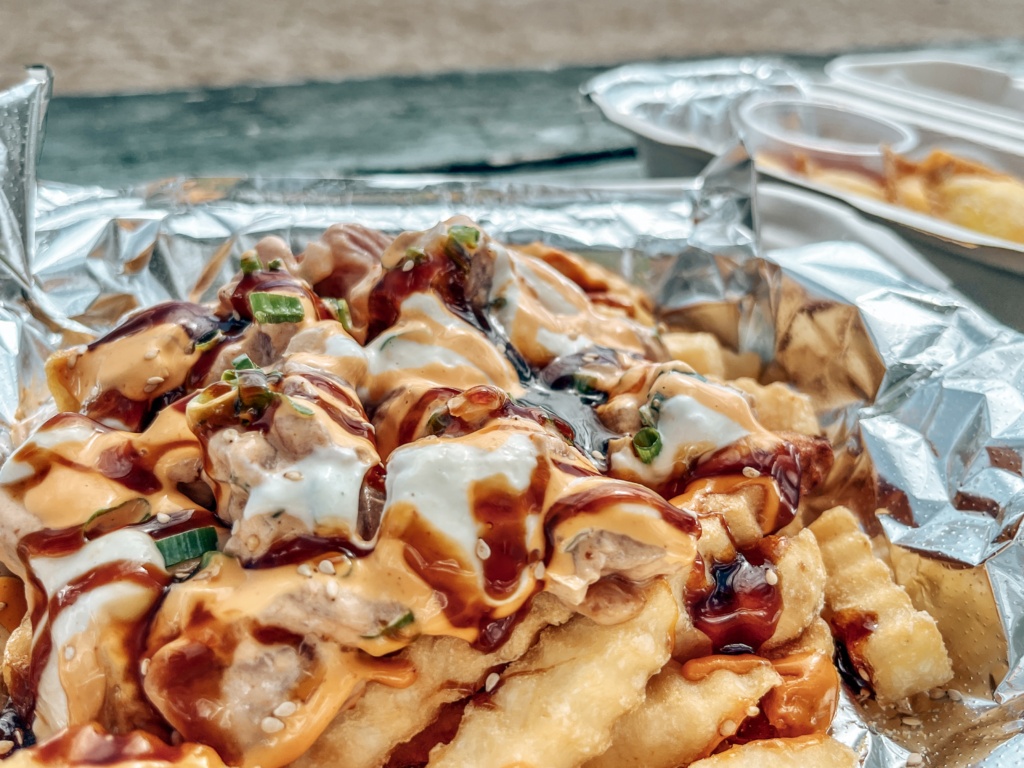
Hawaii may be geographically isolated, but culturally and culinarily, it became one of the world’s great crossroads.
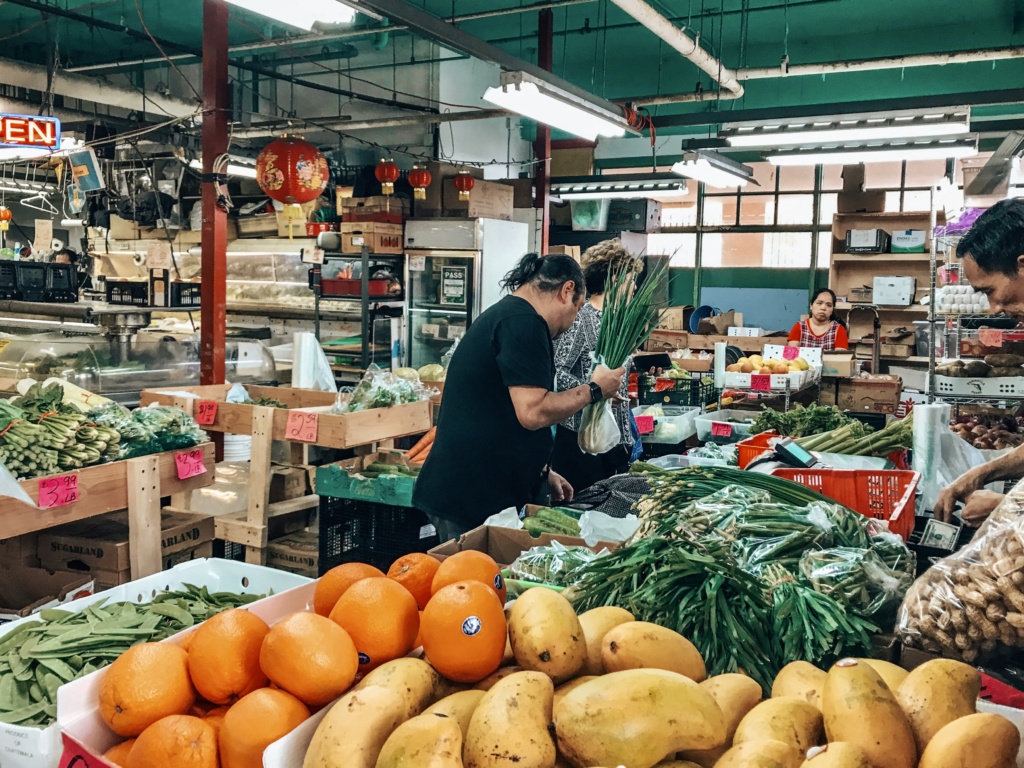
Pair with that the abundance of produce and some of the world’s most exciting farmers markets, and you have a foodie vacation worth writing home about.
You might also like:
- Dinner at Tiffany’s: Best Food In Maui You Never Heard Of
- Hawaiian Food: 6 Best Places To Eat Like a Local in Kauai
- Volcano Winery Big Island: Hawaii’s Fiery Elegance
- 50 Best Places to Eat in Hilo: Hawaii’s Most Underrated Food Town
50 Foods To Try in Hawaii: Your Ultimate Bucket List
Without further ado, here are 50 essential flavors every food traveler should experience in Hawaii:
1. Poke
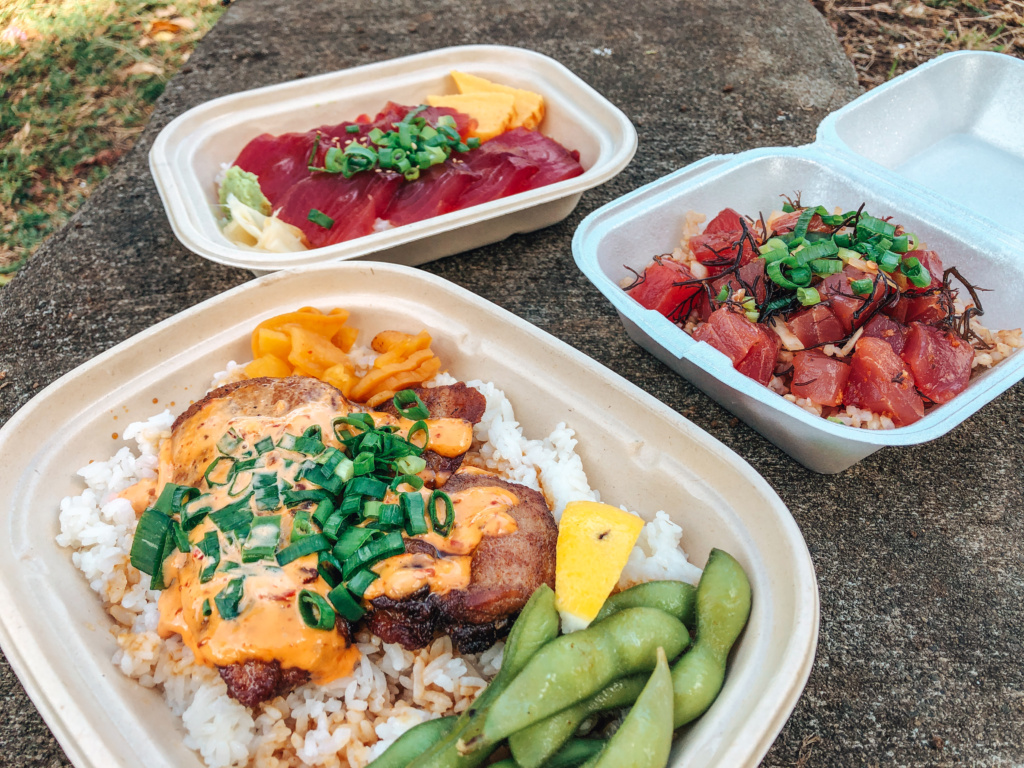
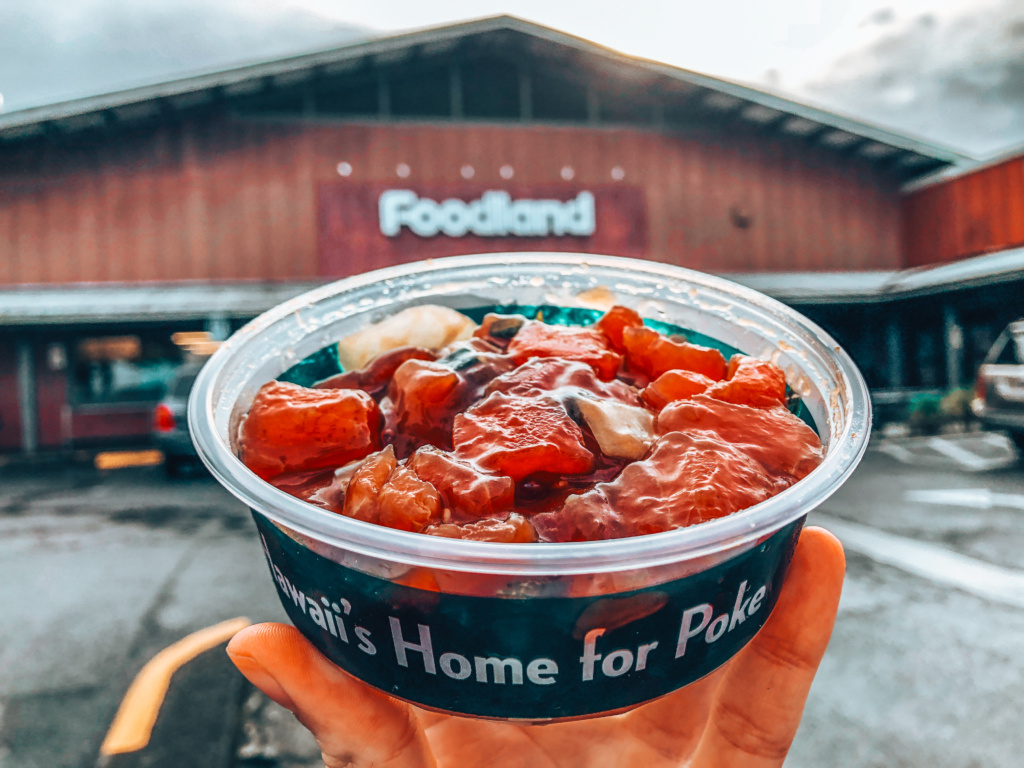
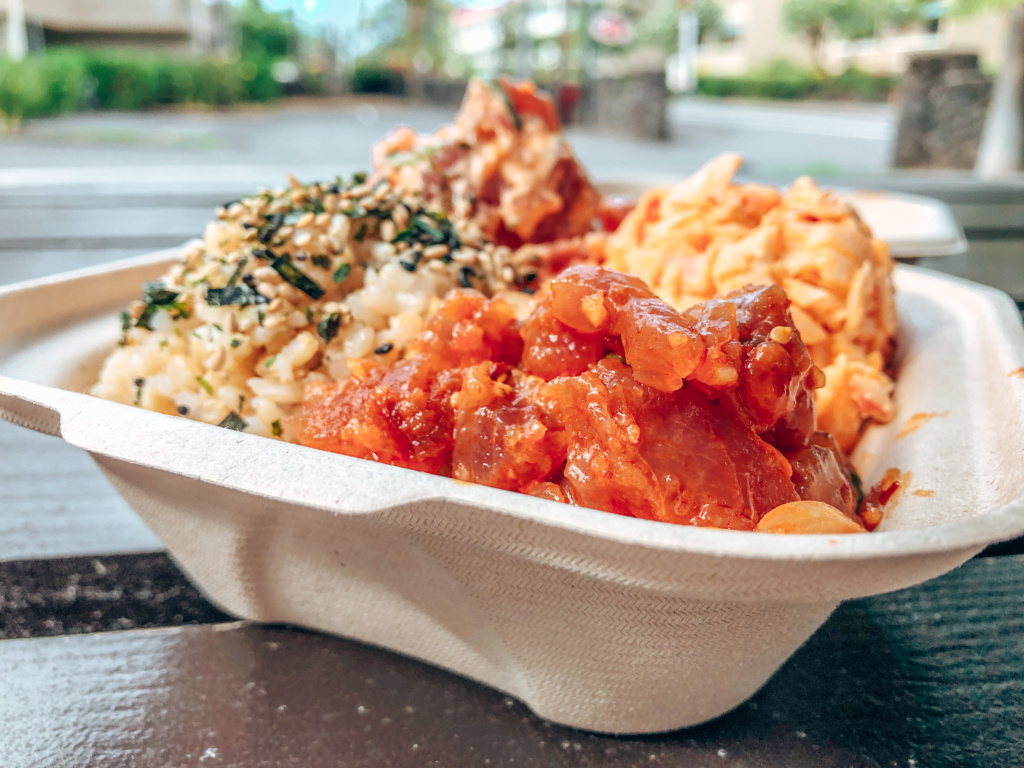
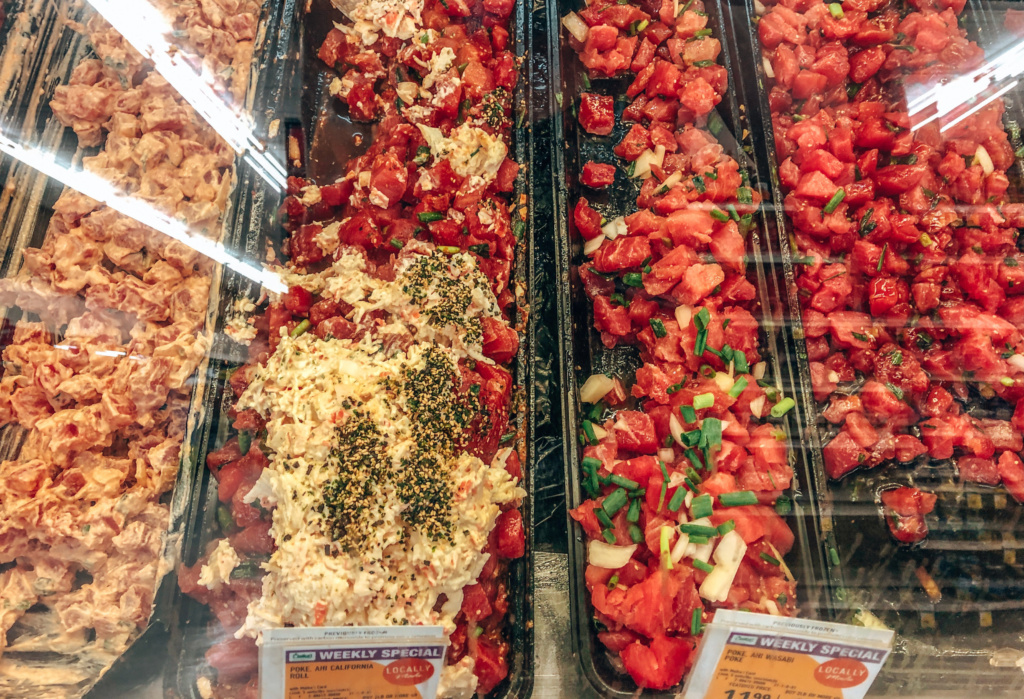
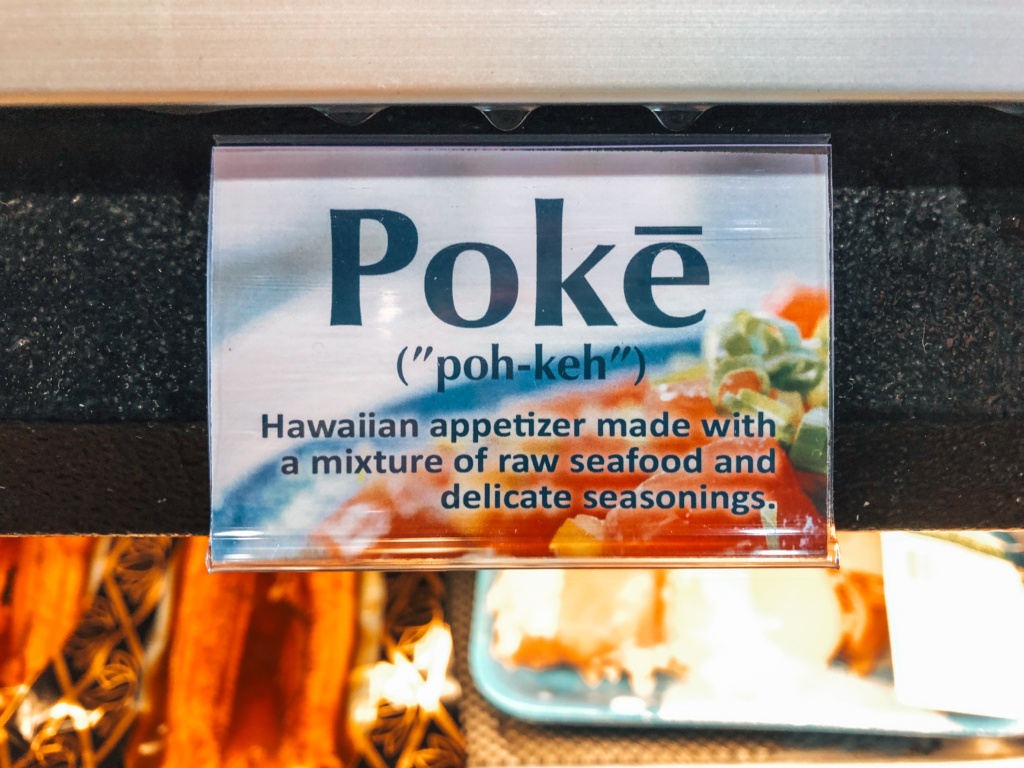
Poke began as a Native Hawaiian fisherman’s snack long before it became trendy on the mainland. Fresh reef fish was cut into cubes and seasoned simply with sea salt, seaweed, and crushed kukui nuts. Over time, Japanese ingredients like soy sauce and sesame oil entered the mix, creating the modern poke bowls people know today.
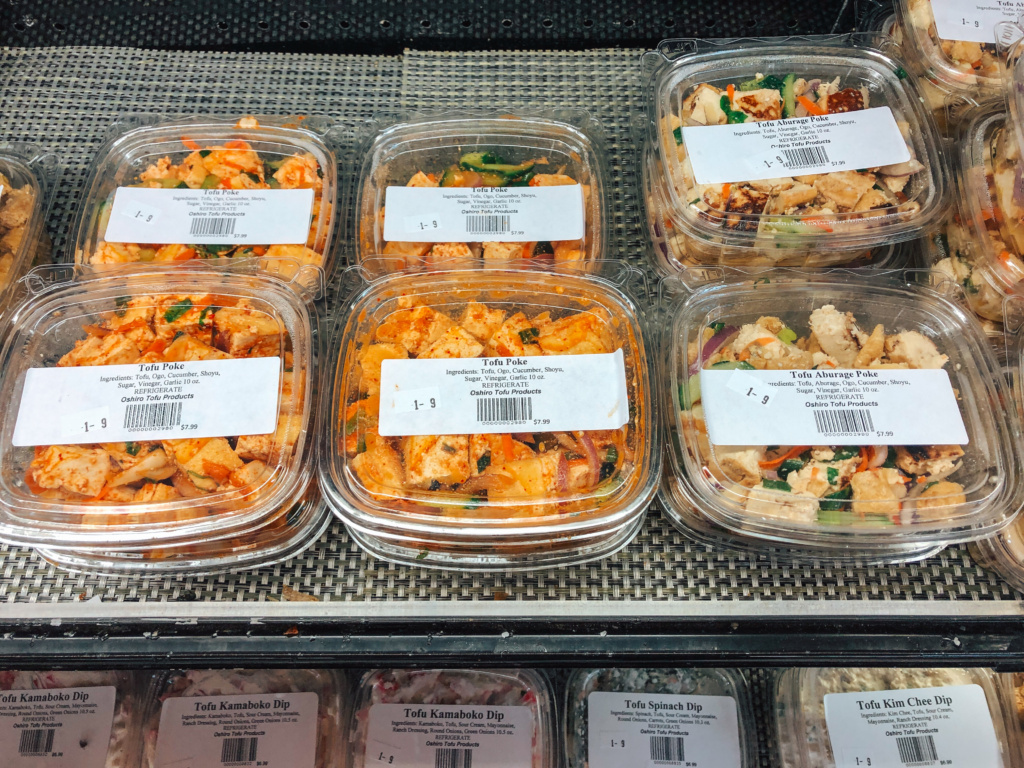
In Hawaii, poke is still treated with enormous respect. The best versions are often found in humble grocery stores and fish markets rather than upscale restaurants. Ahi tuna remains the classic choice, though salmon, octopus, shrimp, and even vegan tofu poke are now common across the islands.
Here’s more on what really is poke and why it’s become a rather contentious dish on the mainland.
2. Loco Moco
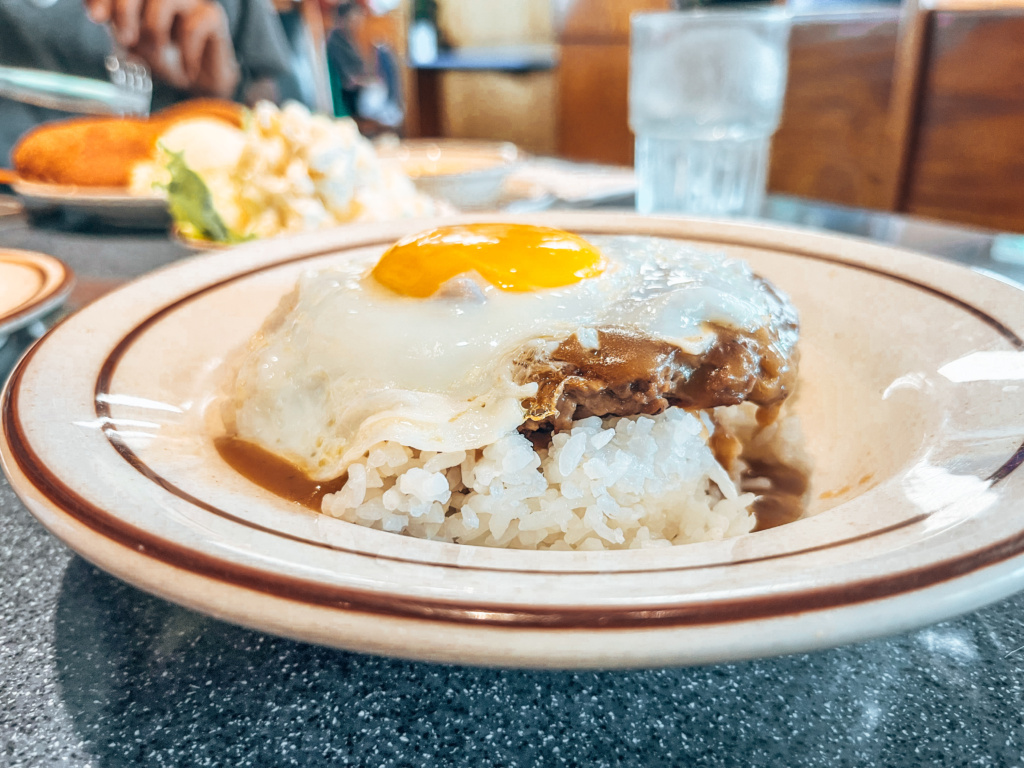
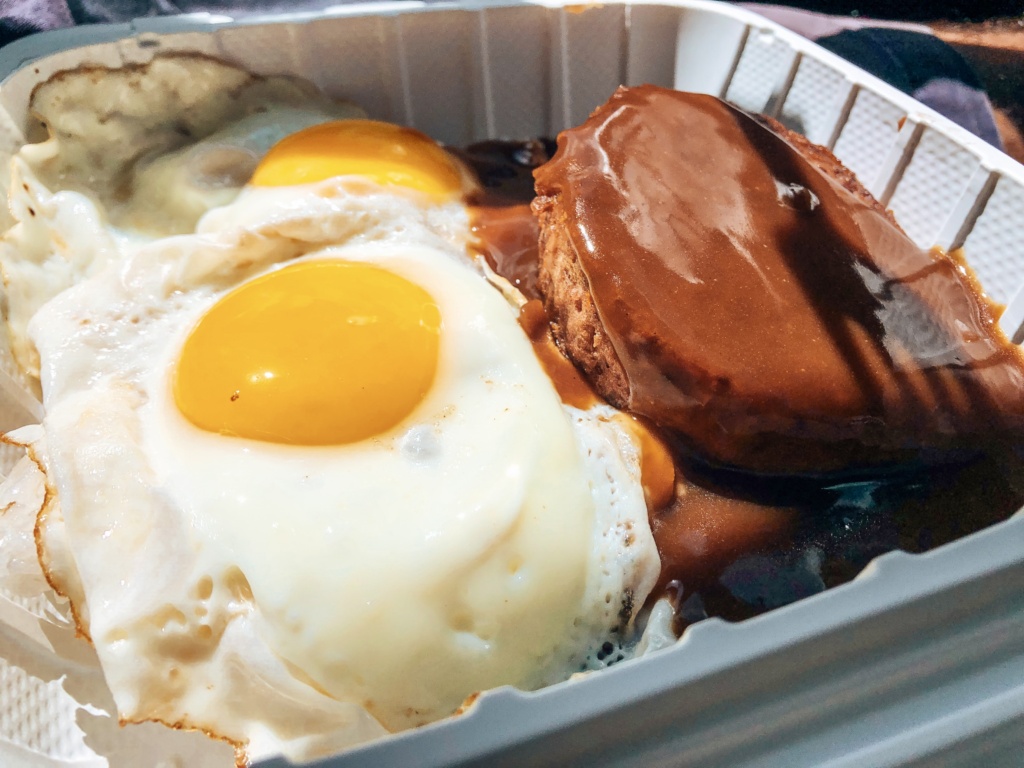
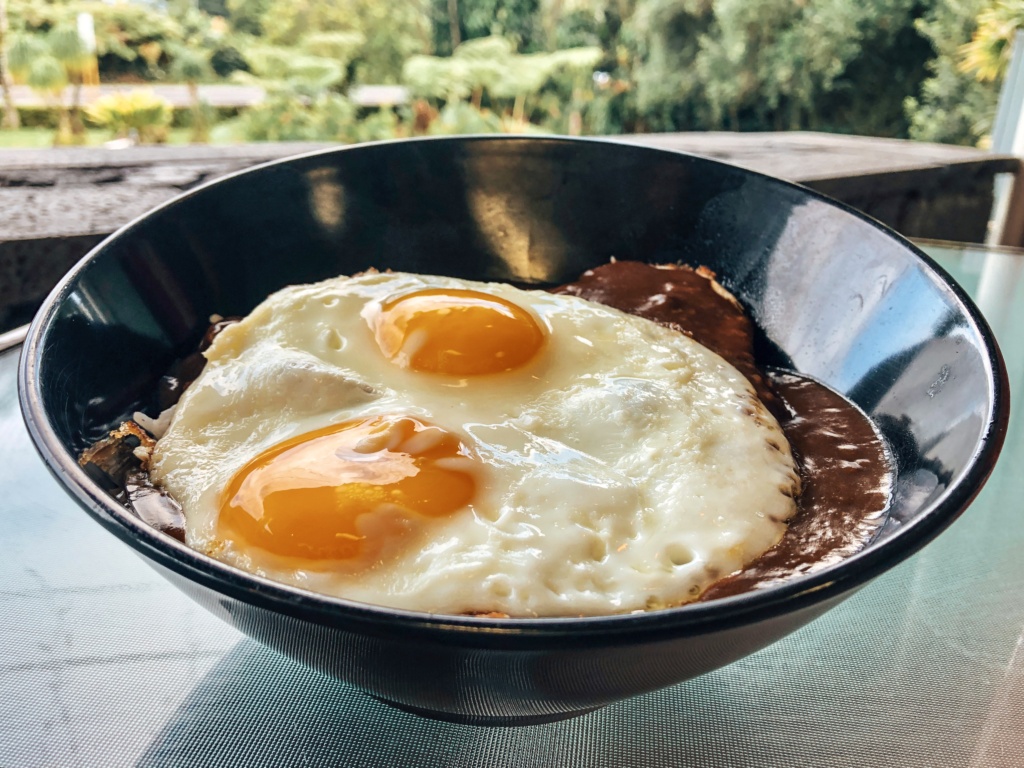
Loco moco was invented in Hilo on the Big Island at Cafe 100. Local teenagers wanted something affordable, filling, and fast, so a cook created a dish of rice topped with a hamburger patty, brown gravy, and eggs. It became an instant local favorite. Here’s more on the history of loco moco.
Today, loco moco is Hawaii comfort food at its finest. Variations include teriyaki beef, fried spam, short ribs, or even lobster. The dish perfectly reflects Hawaii’s plantation-era food culture: inexpensive, hearty, multicultural, and deeply satisfying.
3. Musubi
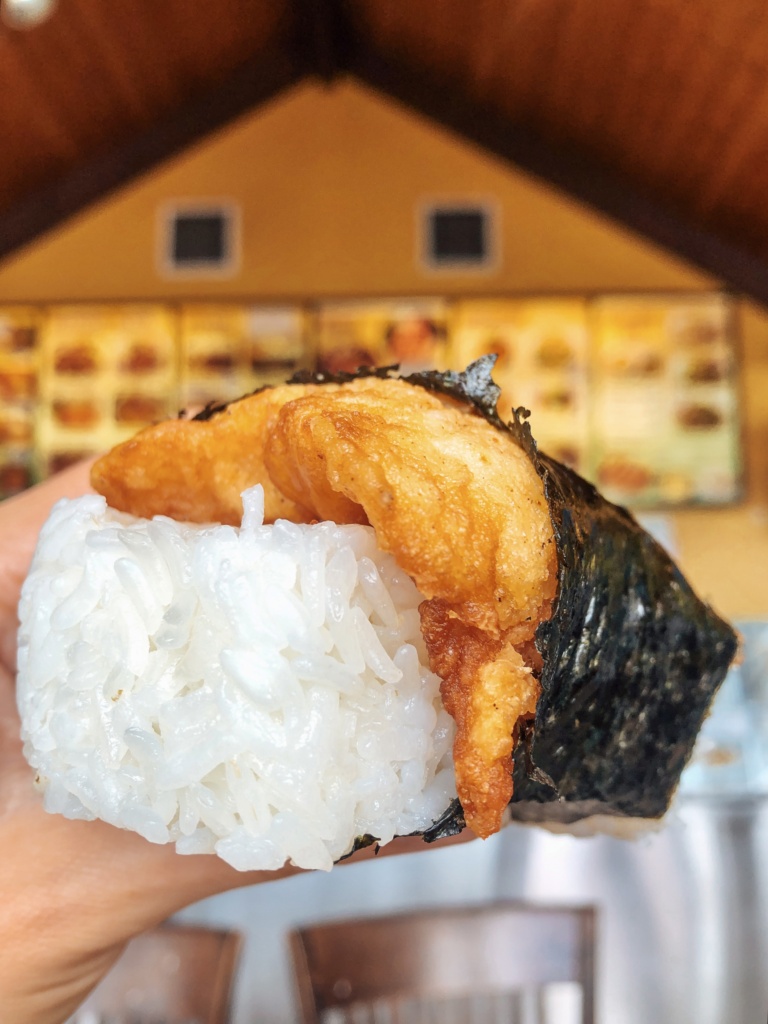
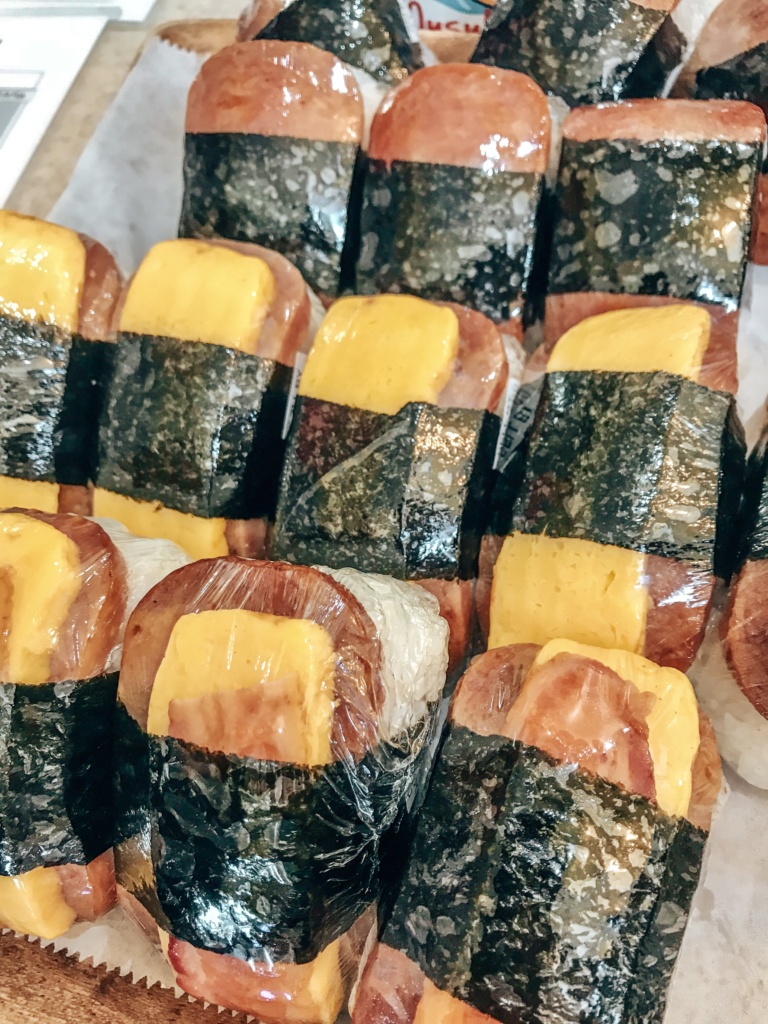
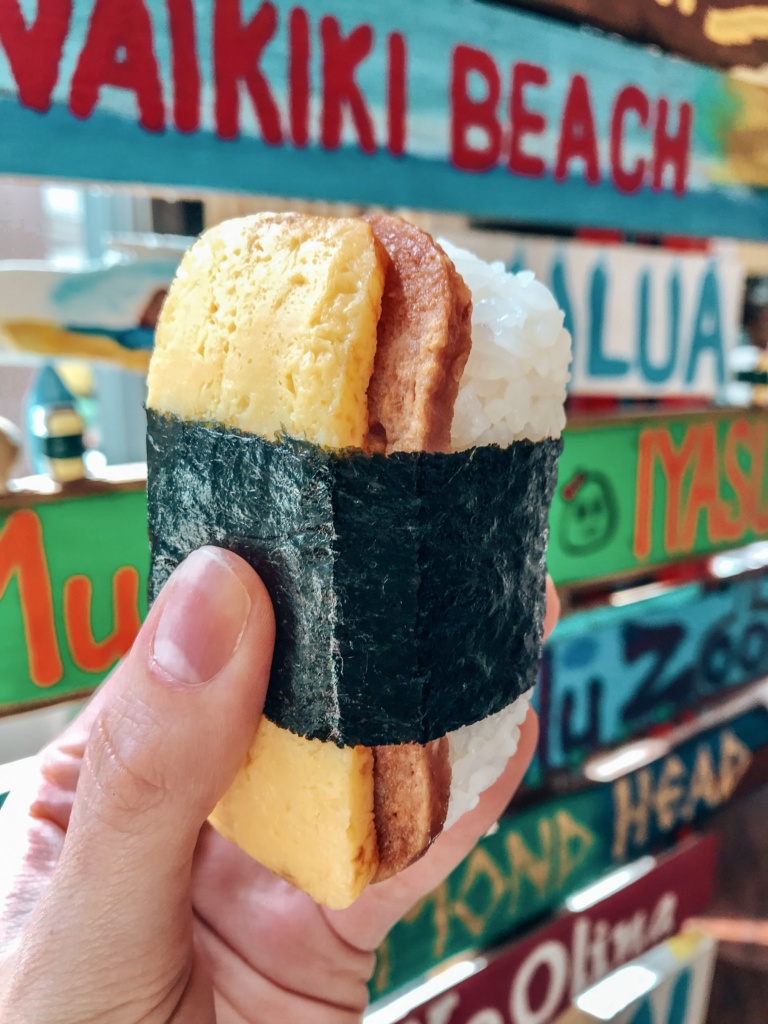
Spam musubi is one of Hawaii’s most iconic grab-and-go snacks. Its roots trace back to Japanese onigiri rice balls combined with America’s wartime canned meat obsession during World War II. Spam became hugely popular in Hawaii because it was shelf-stable and accessible during wartime shortages.
Modern musubi combines grilled Spam, rice, and seaweed into a portable snack sold everywhere from 7-Eleven stores to luxury hotel snack counters. Locals eat it for breakfast, beach days, hikes, and road trips across the islands. Read more about Hawaiian musubi here.
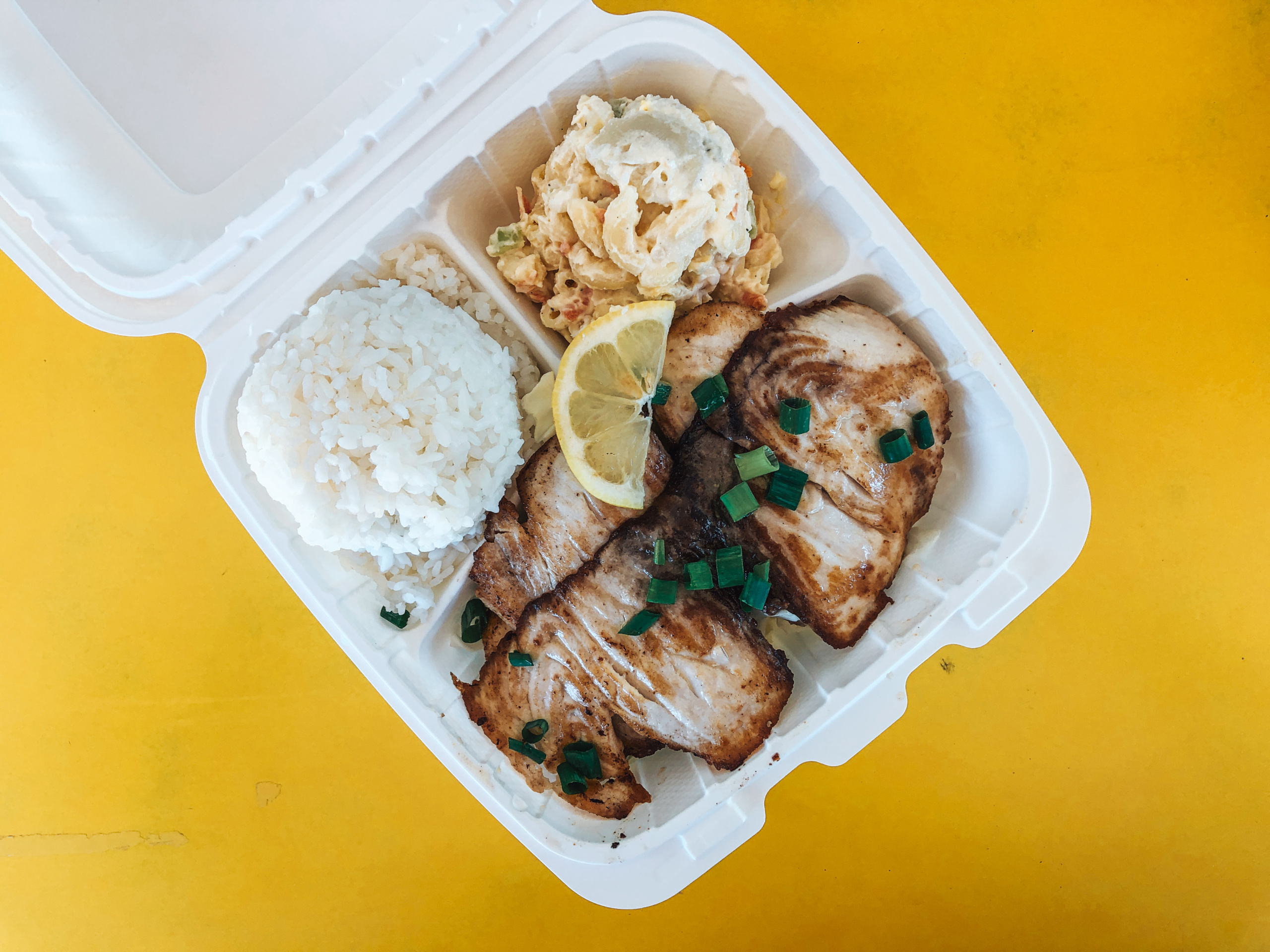
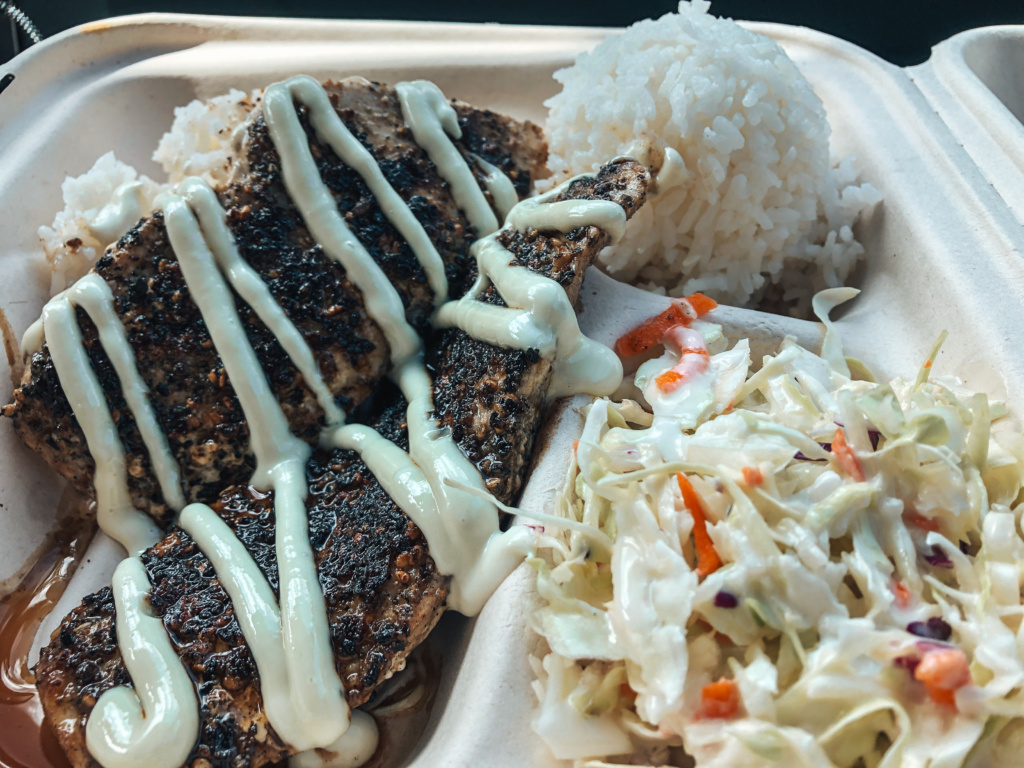
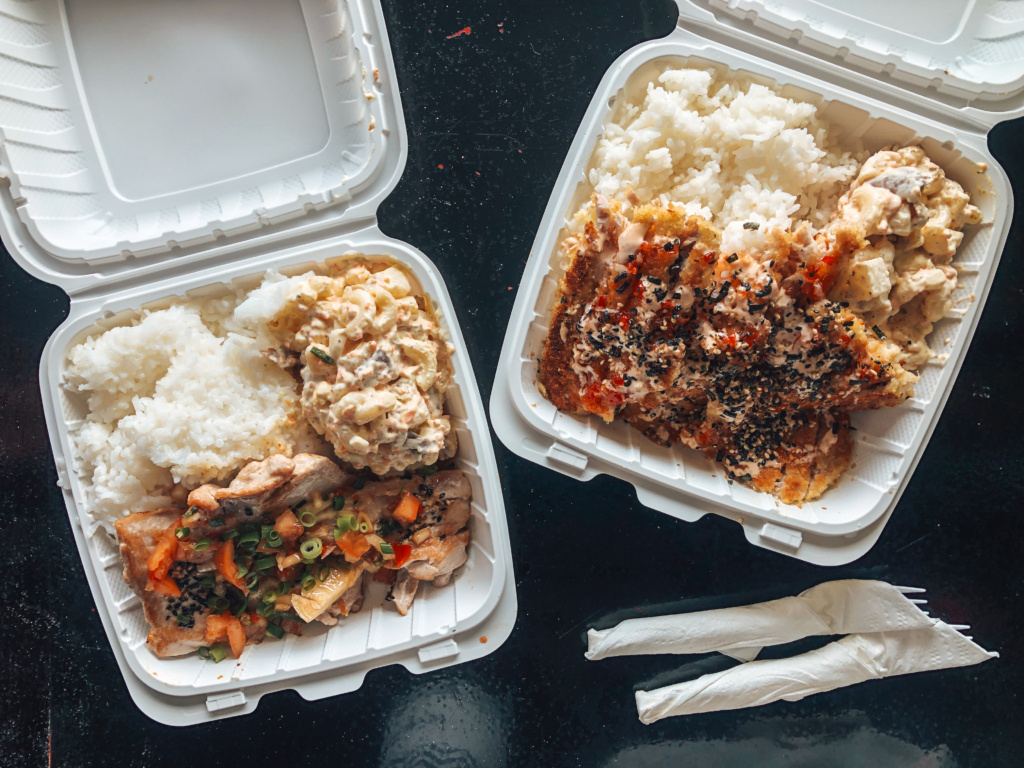
4. Plate Lunch
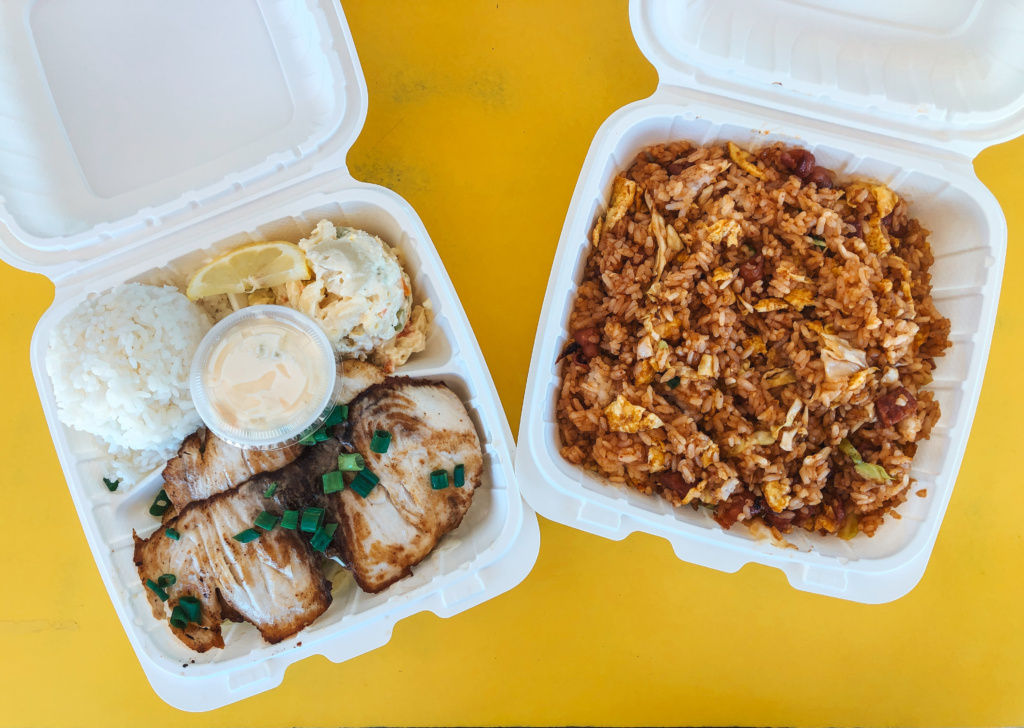
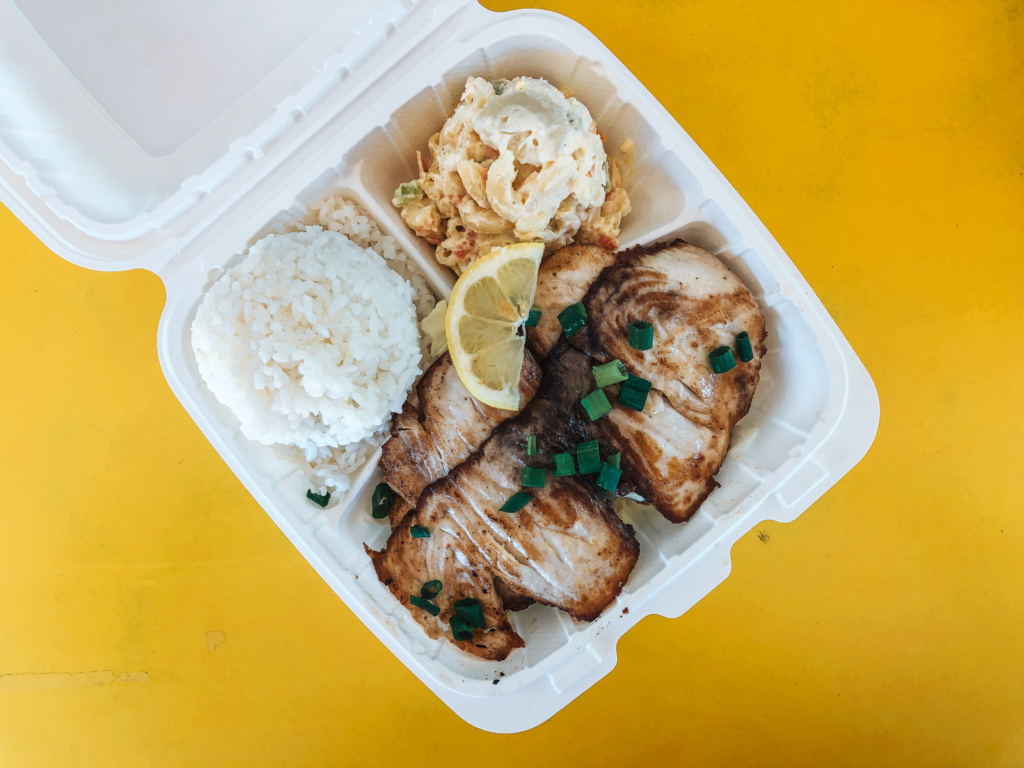
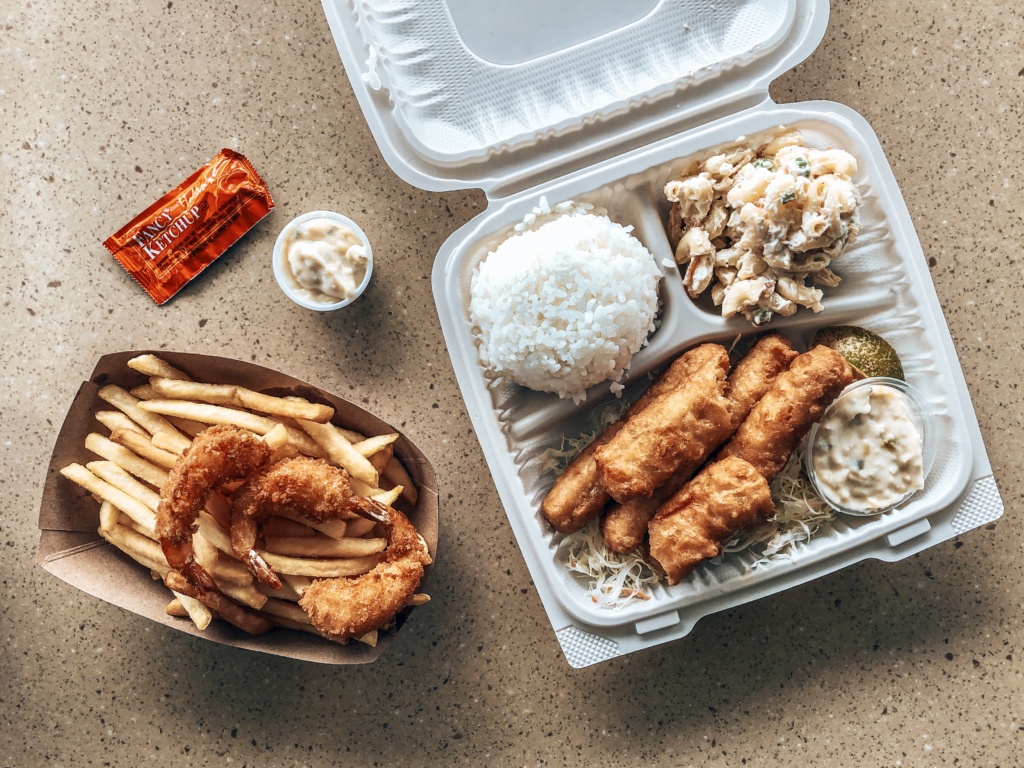
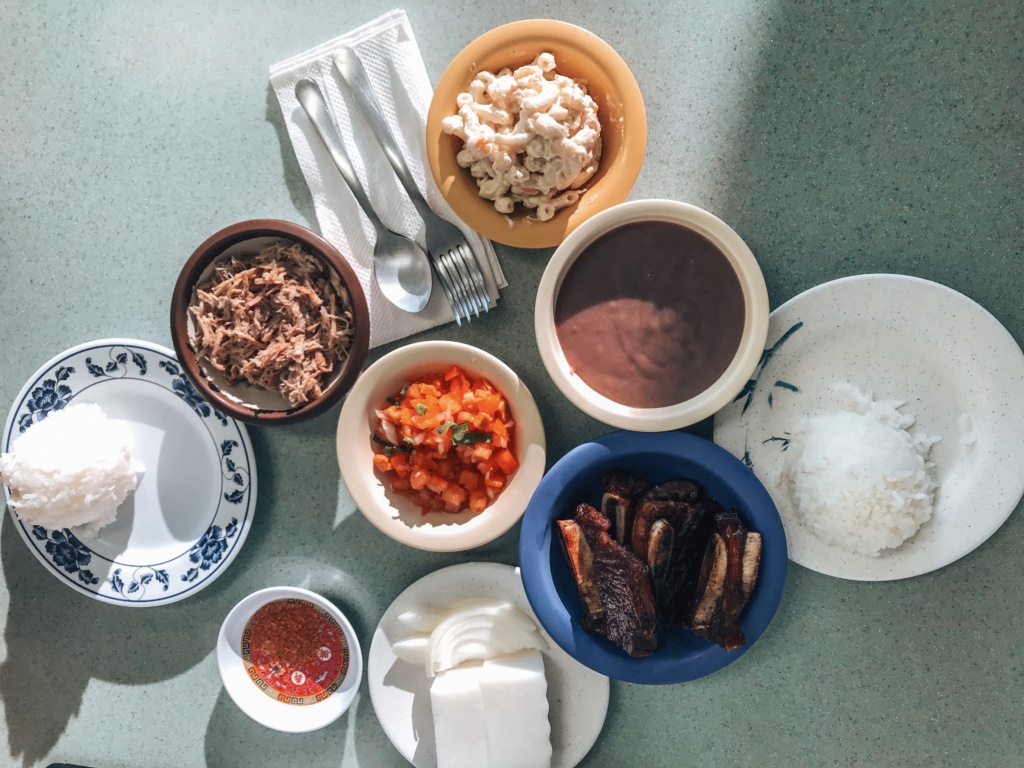
The plate lunch is perhaps the most important symbol of Hawaii’s plantation history. Workers from different ethnic backgrounds shared meals during breaks, and eventually foods from Japanese, Chinese, Filipino, Portuguese, and Hawaiian cultures blended together on a single plate.
A traditional plate lunch typically includes two scoops of rice, macaroni salad, and a protein like teriyaki beef, chicken katsu, kalbi ribs, furikake salmon or barbecue chicken. It’s hearty, affordable, and deeply tied to local identity.
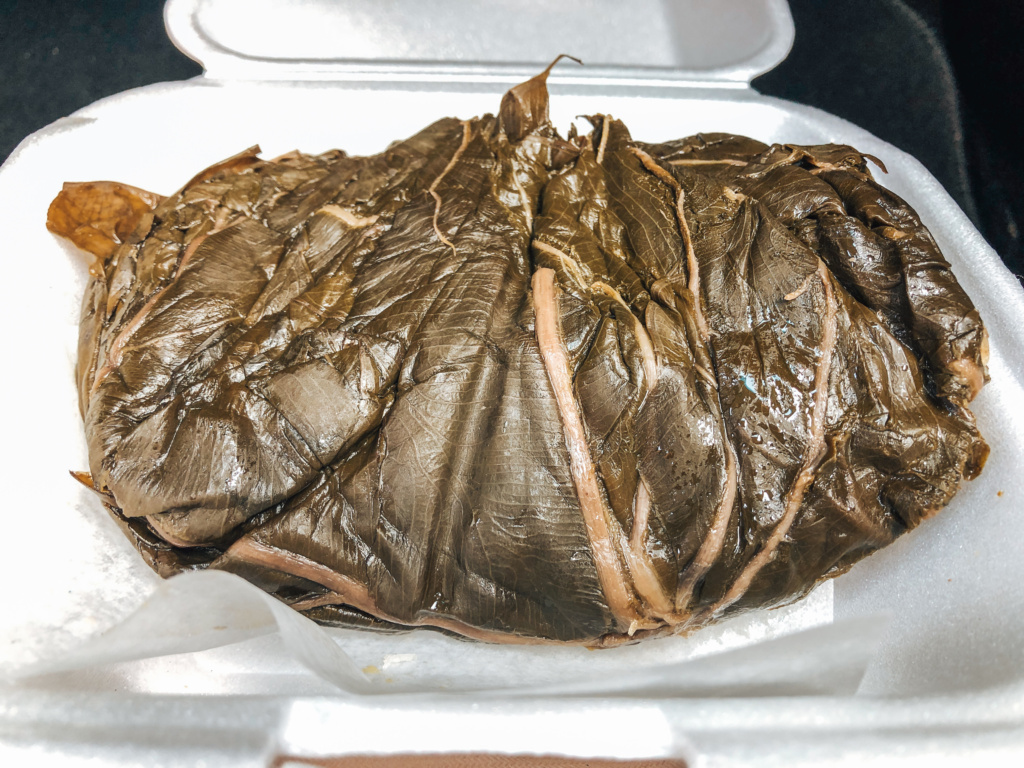
5. Lau Lau
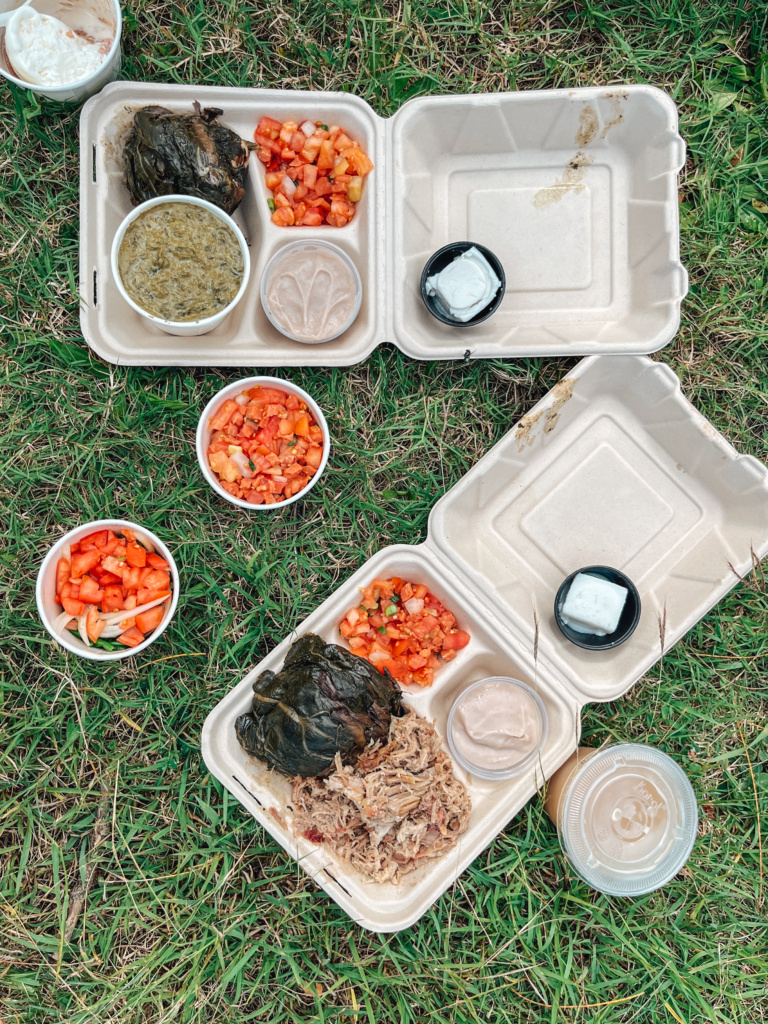
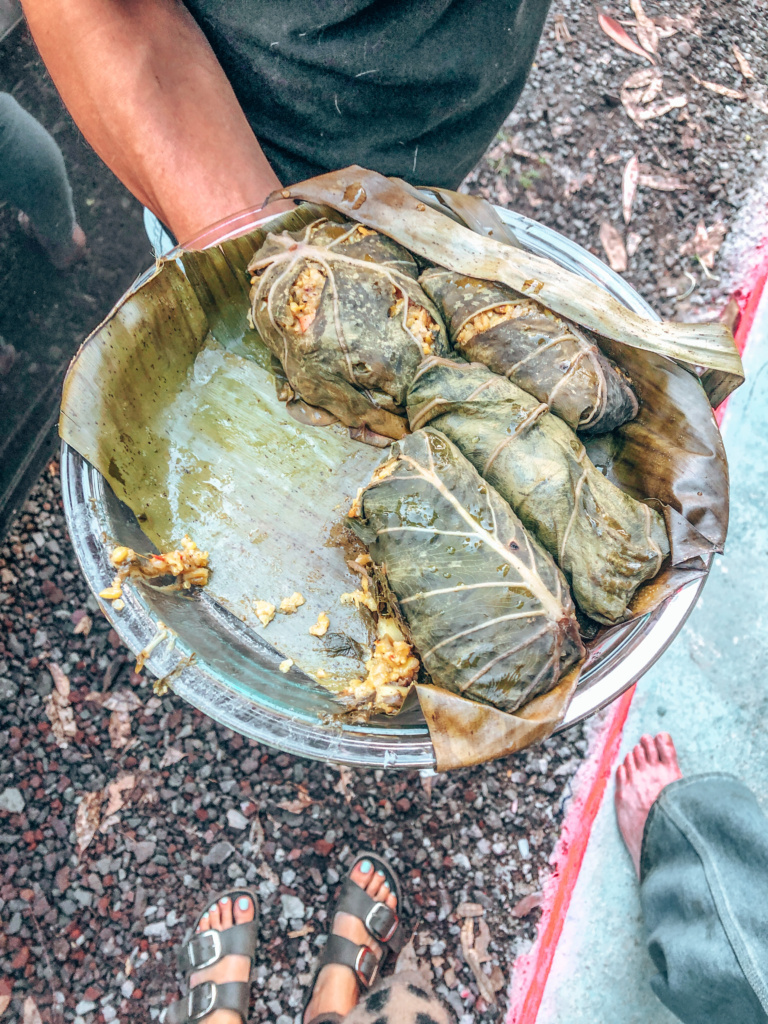
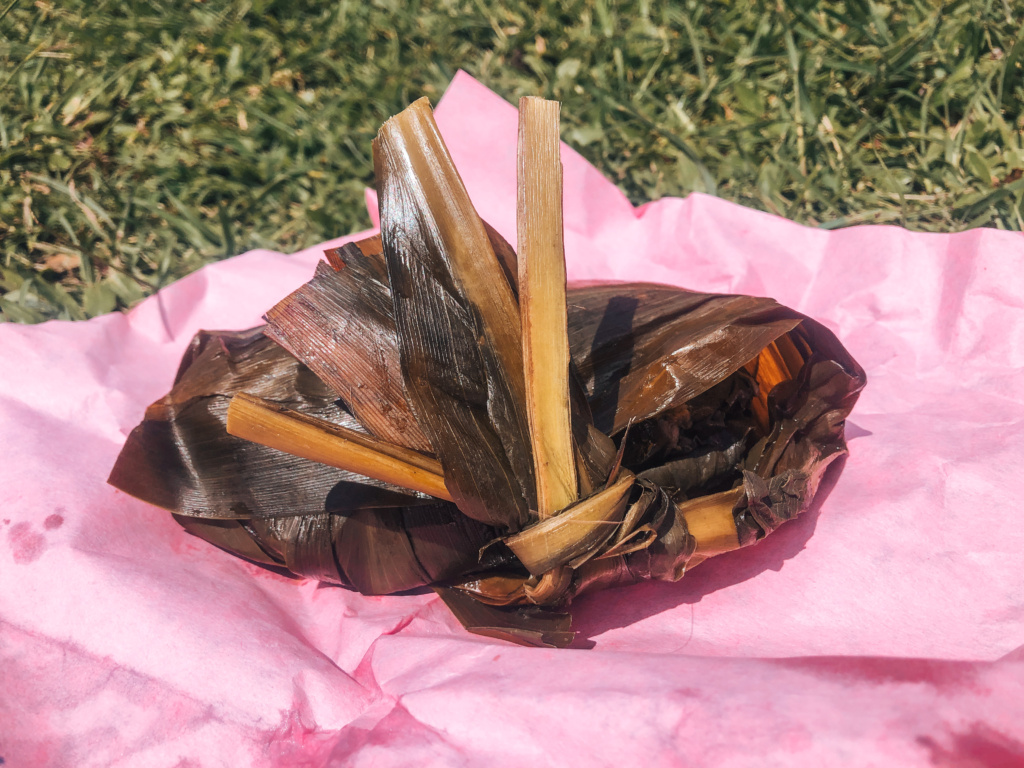
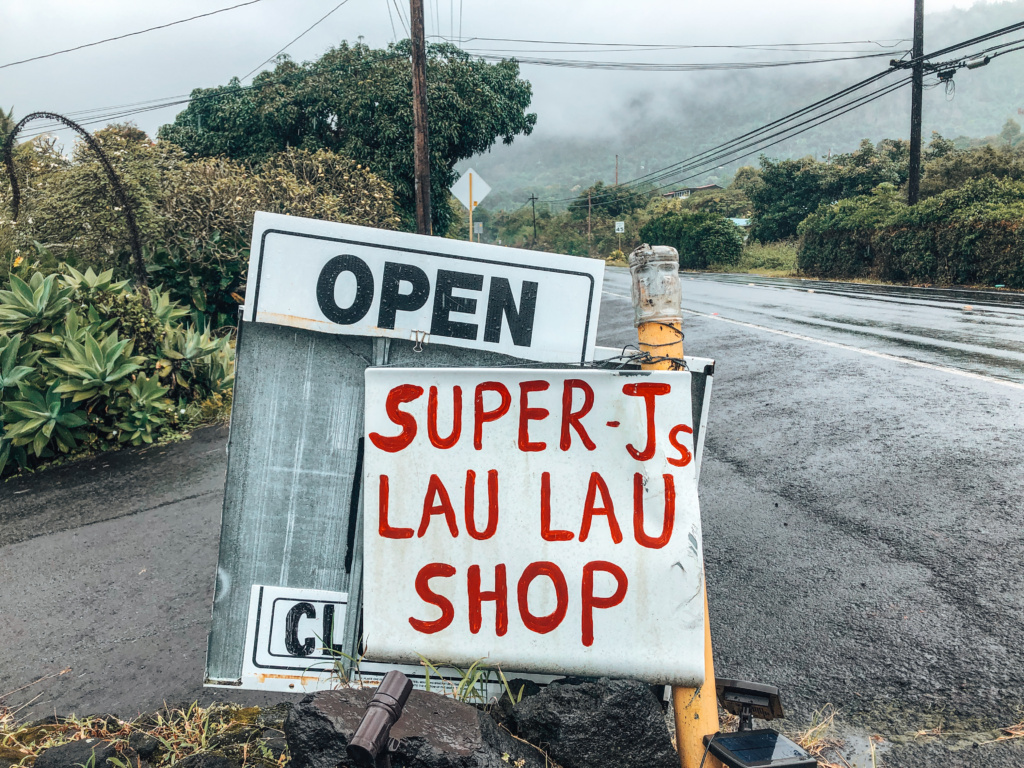
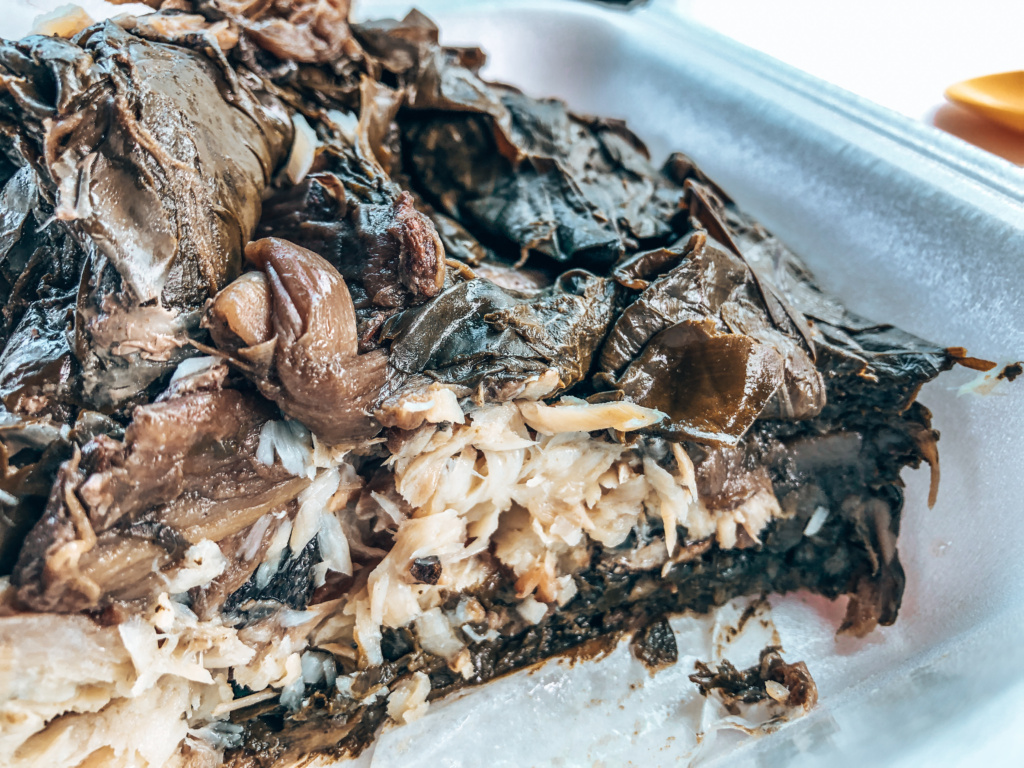
Lau lau is one of the oldest Native Hawaiian dishes still commonly eaten today. Pork and salted fish are wrapped in taro leaves and steamed for hours until incredibly tender. Traditionally, it was cooked underground in imu ovens alongside kalua pig.
The taro leaves become soft and earthy during cooking, infusing the meat with flavor. Lau lau is commonly served with rice and poi at luaus and family gatherings across Hawaii.
6. Bento Box
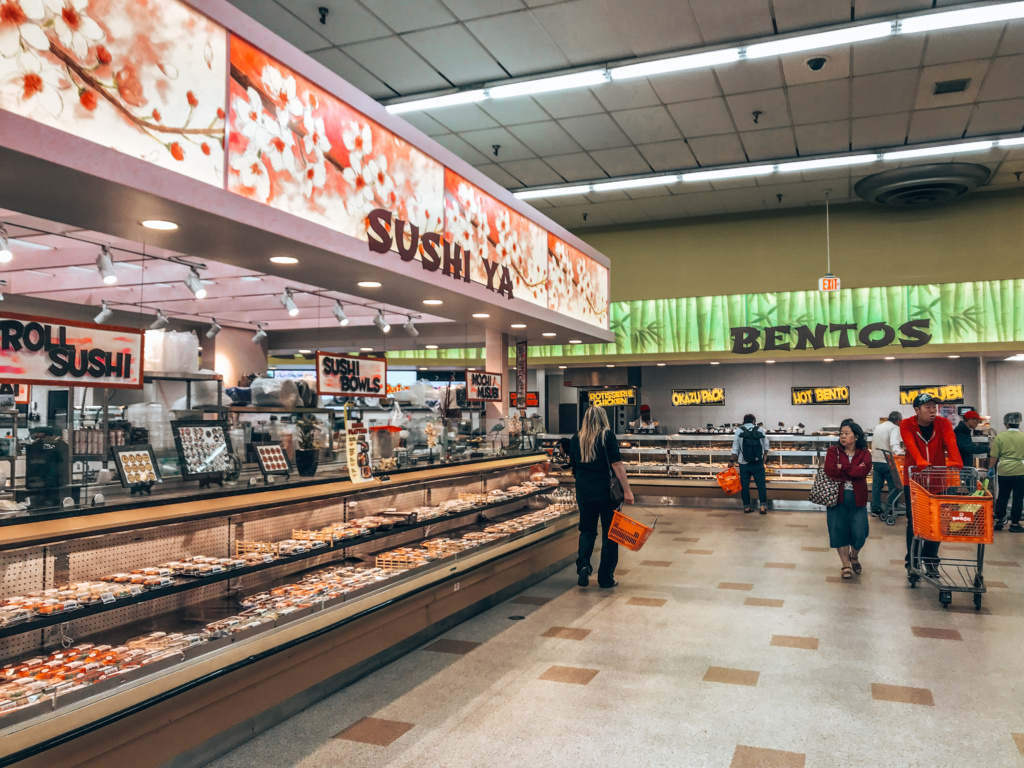
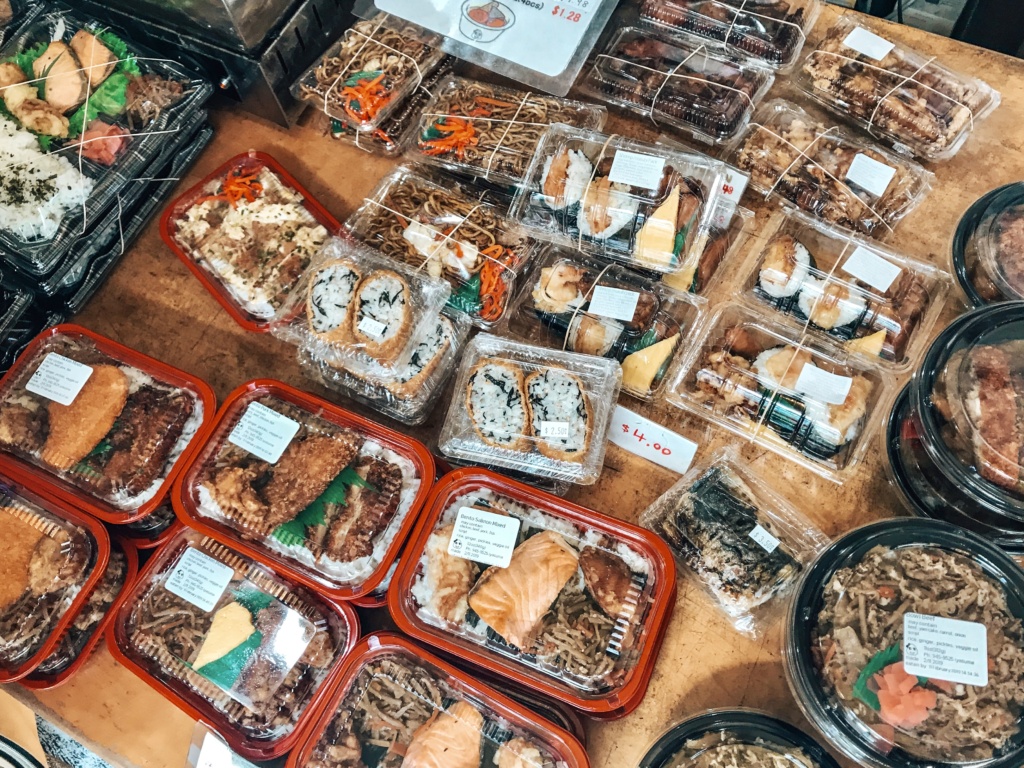
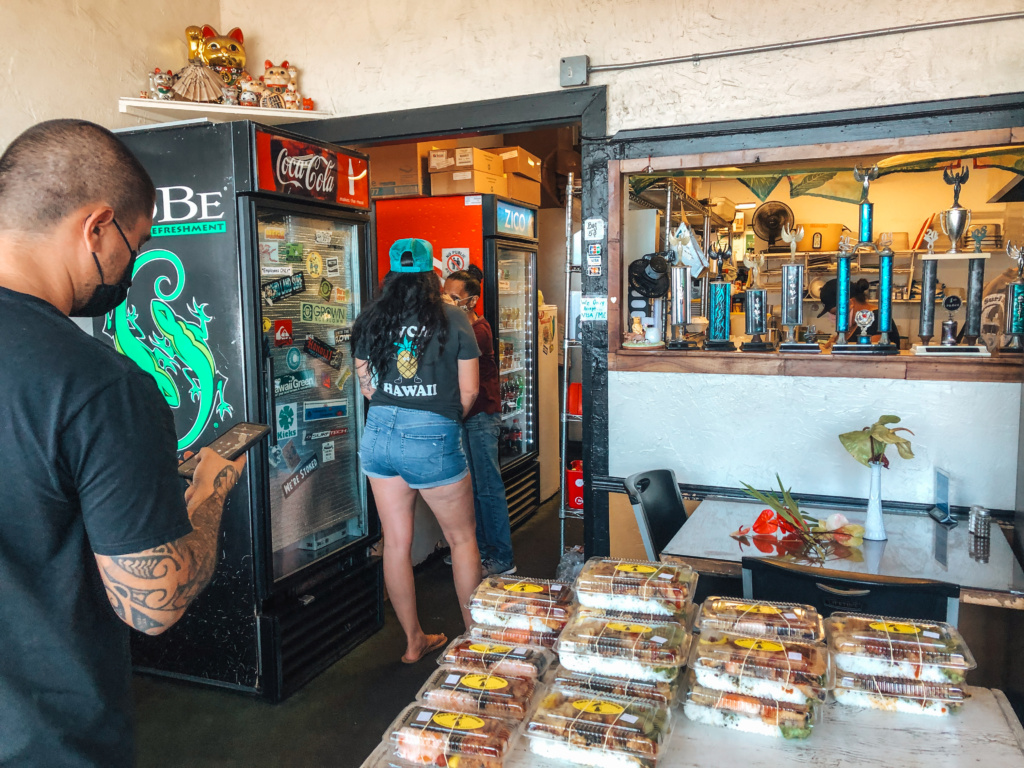
Japanese immigration profoundly shaped Hawaii’s food culture beginning in the late 1800s. Bento boxes became a practical lunch for plantation workers and evolved into an everyday local staple.
Today, Hawaii bentos are often larger and more eclectic than those found in Japan. They may contain teriyaki chicken, tempura, rice, pickled vegetables, fried fish, and macaroni salad all in one container.
7. Mango
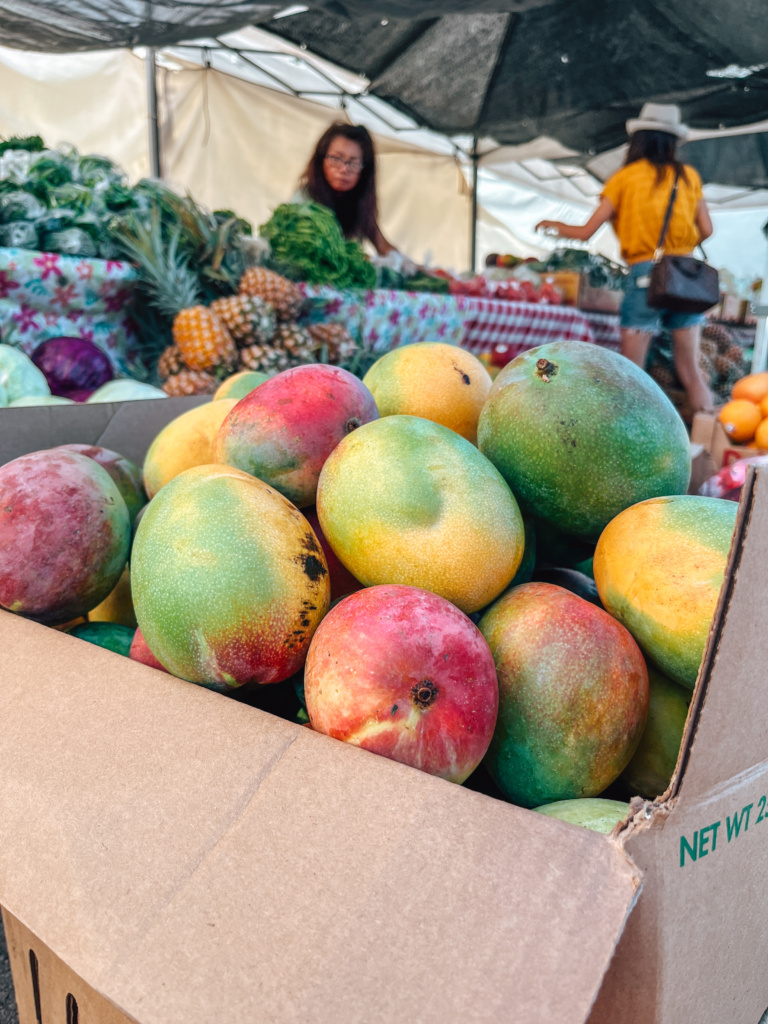
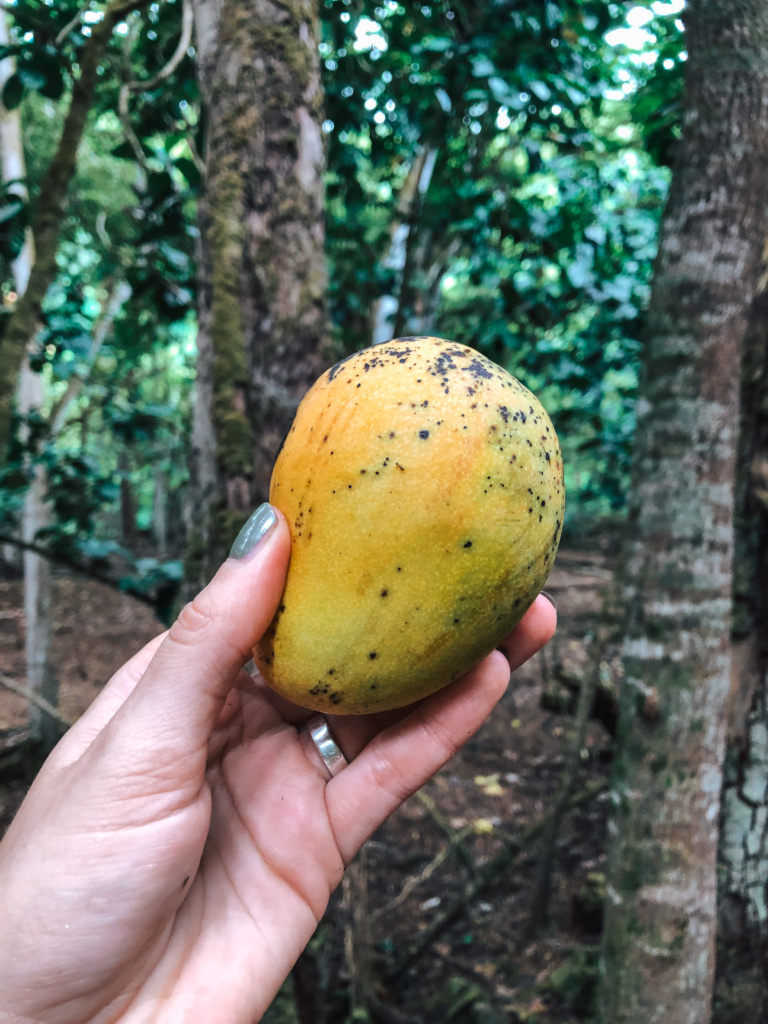
There are over 60 cultivated varieties of mangoes grown in Hawaii. Mango trees thrive in Hawaii’s tropical climate, and many locals grow them in their own yards. Different varieties appear throughout summer, each with distinct sweetness and texture.
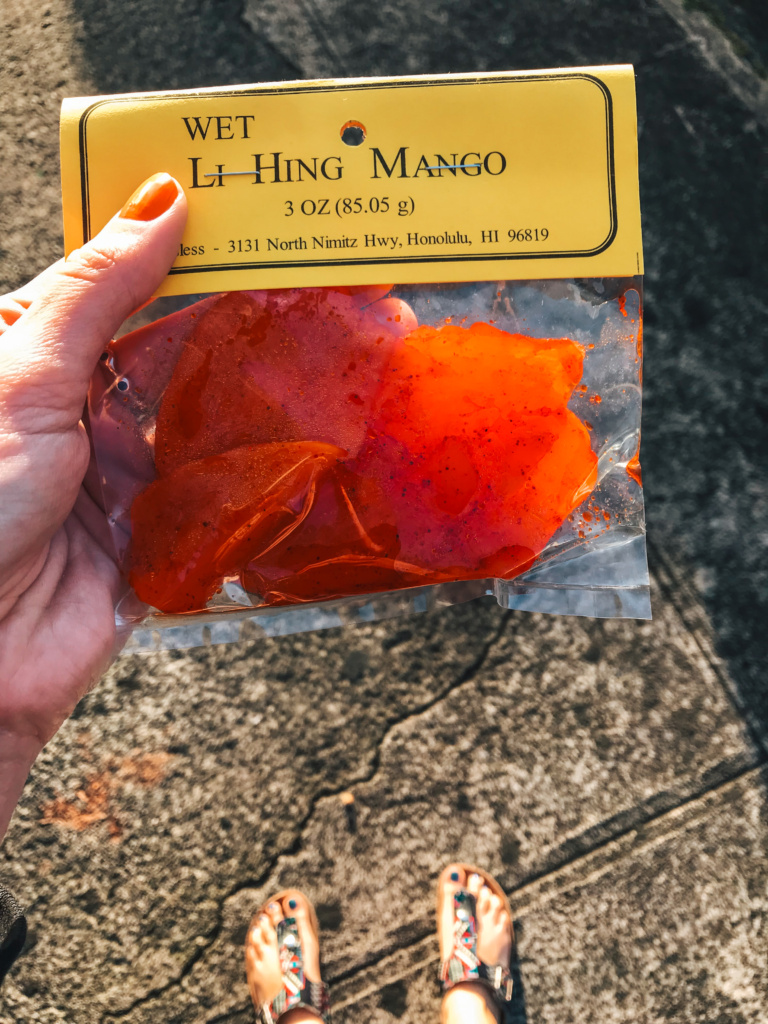
Locals often eat mango with li hing mui powder, a salty-sweet preserved plum seasoning introduced through Chinese immigration. It’s one of the most beloved Hawaii snack combinations.
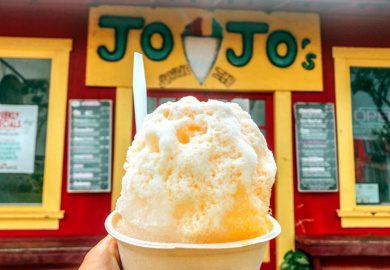
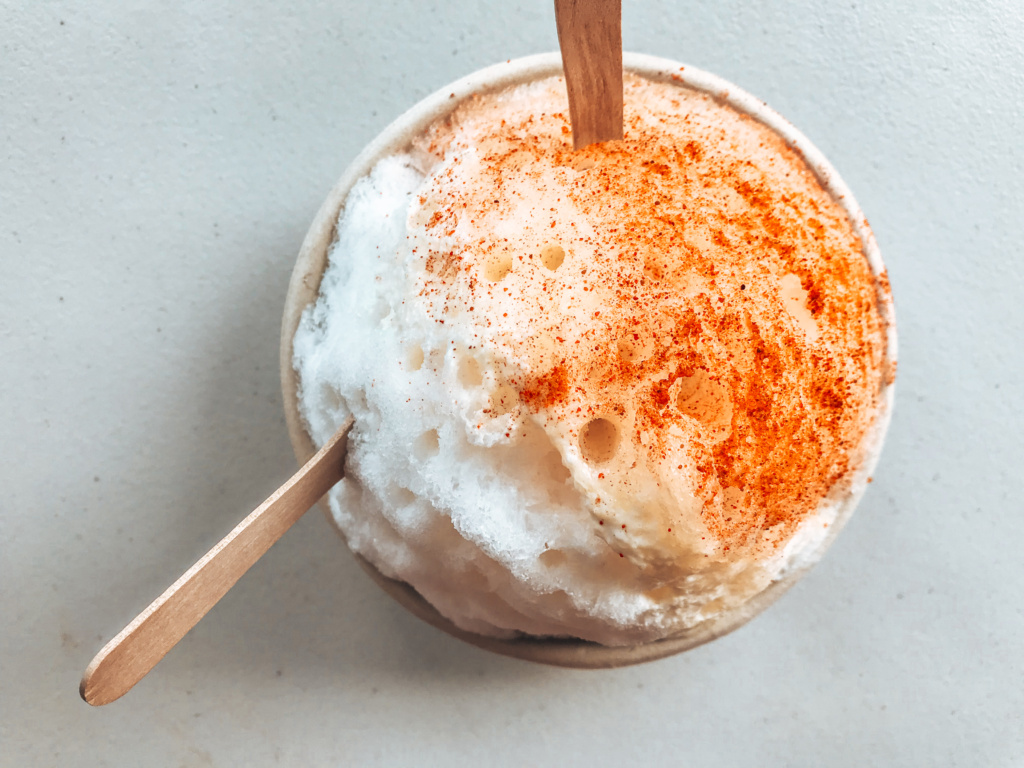
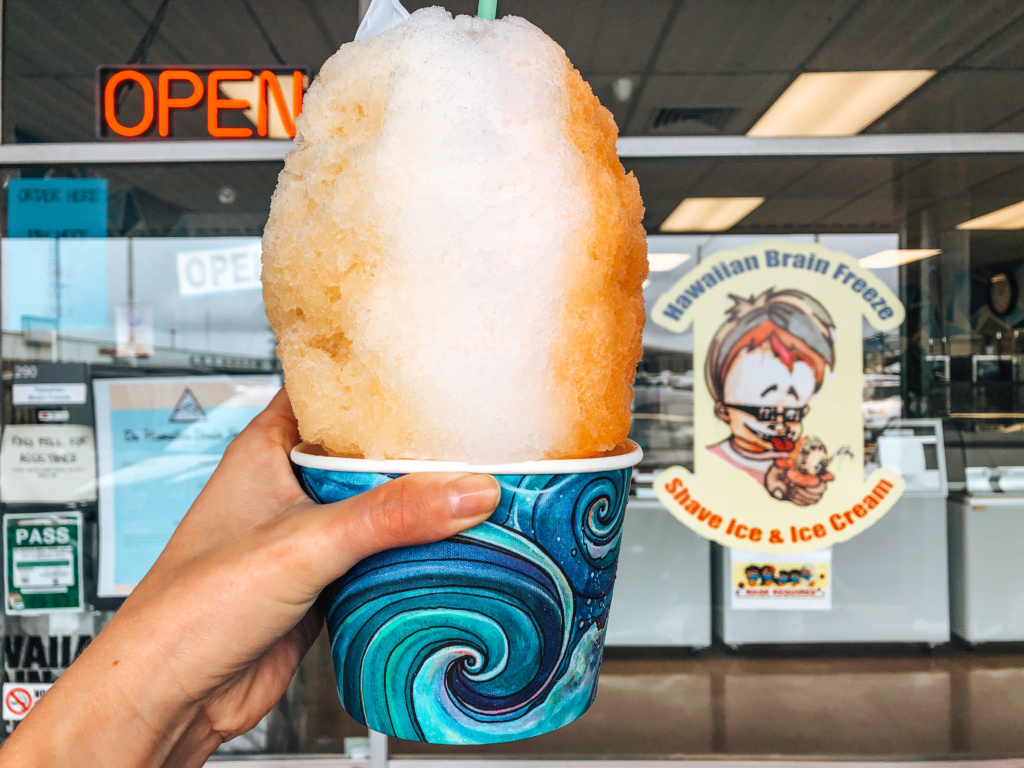
8. Shave Ice
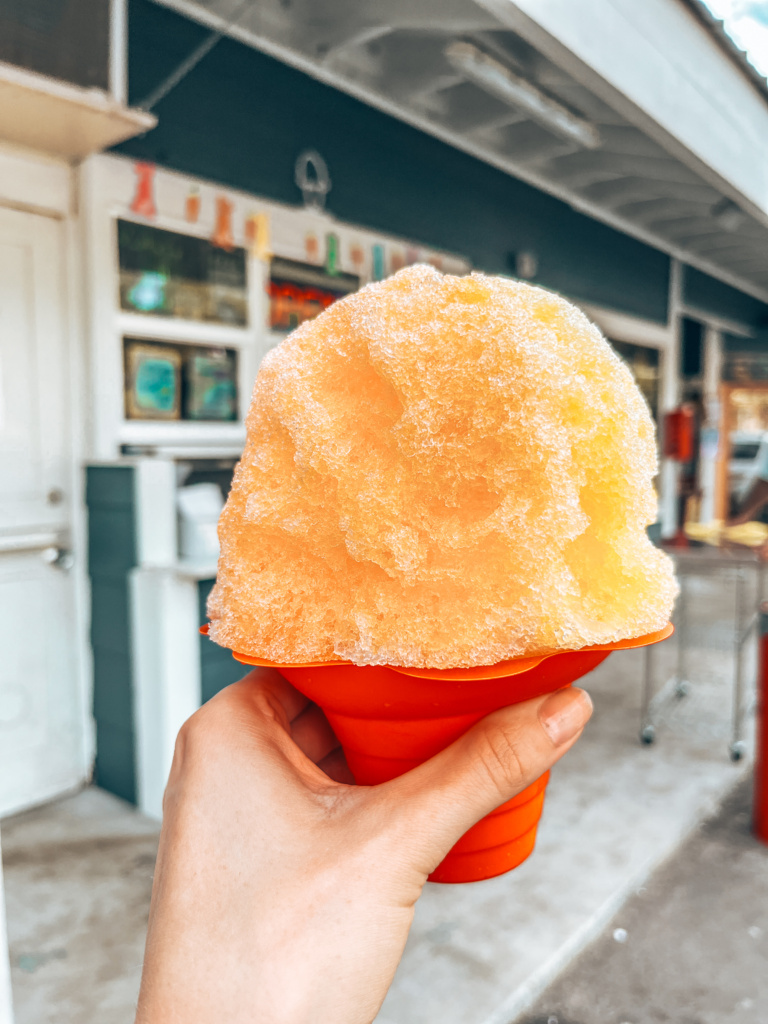
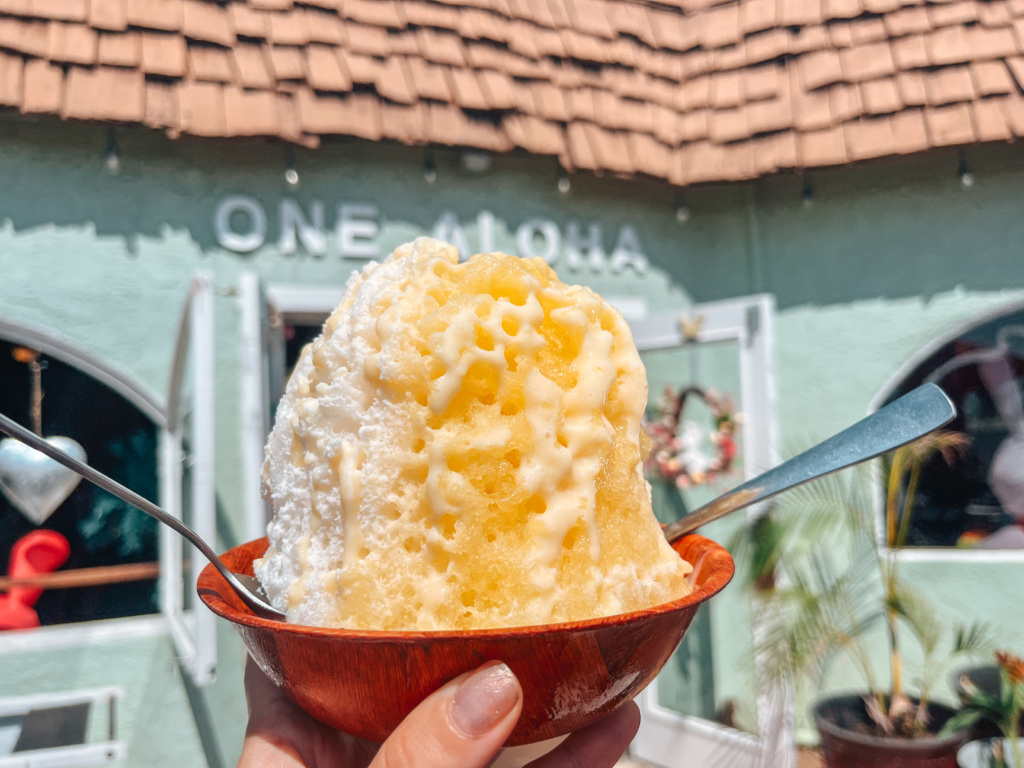
Japanese immigrants introduced kakigori-style shaved ice to Hawaii during the plantation era. Over time, it evolved into Hawaii’s iconic shave ice culture with tropical syrups and local toppings.
Unlike crunchy mainland snow cones, Hawaii shave ice is finely shaved until almost powdery. Popular toppings include condensed milk, mochi balls, azuki beans, ice cream, and tropical fruit syrups like lilikoi and guava.
9. Lomi Lomi Salmon
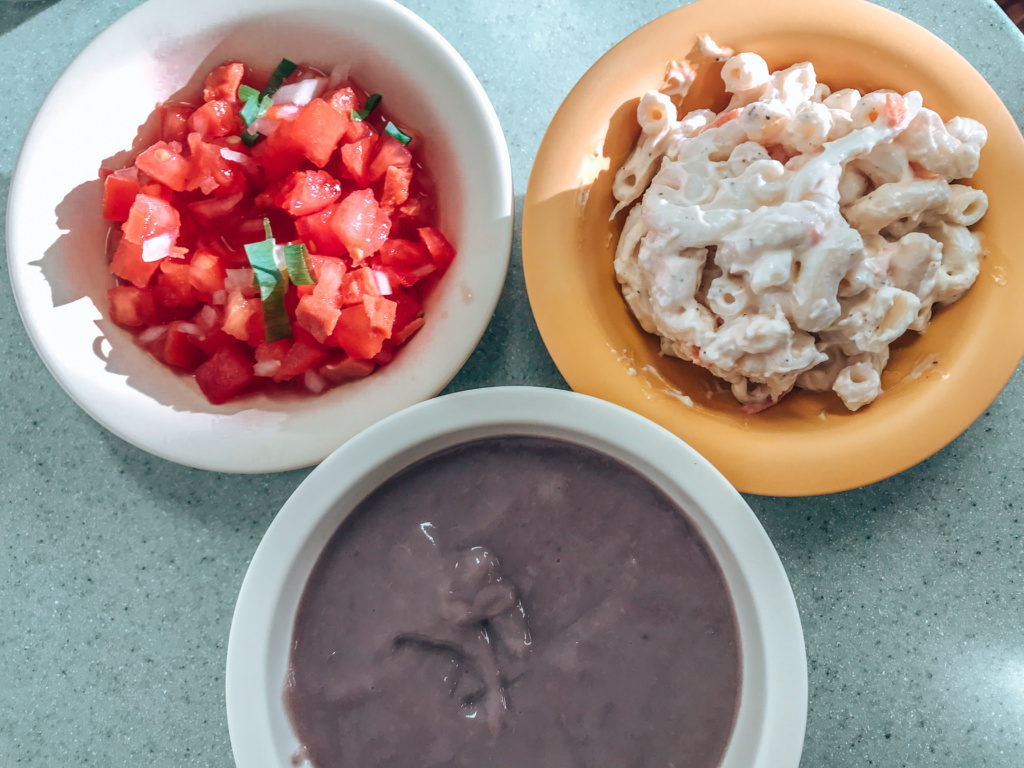
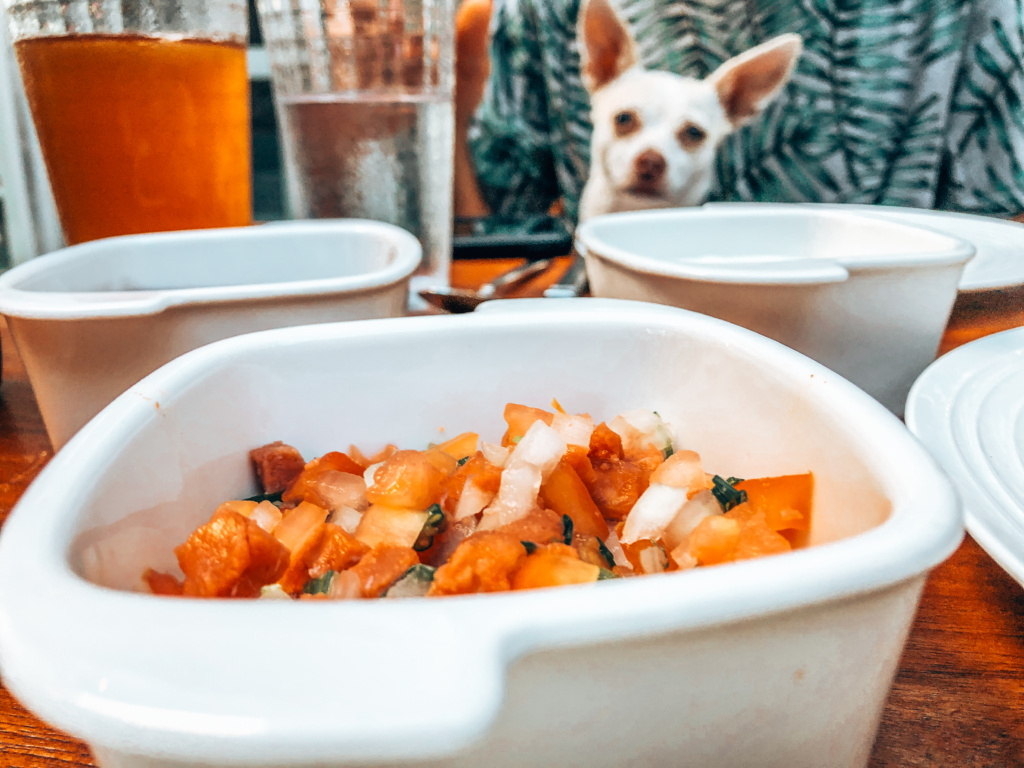
Lomi lomi salmon reflects Hawaii’s long history of maritime trade. Salmon was introduced through contact with Western sailors and became incorporated into Native Hawaiian cuisine.
The dish combines salted salmon with tomatoes and onions into a refreshing side dish commonly served at luaus. “Lomi” means massage in Hawaiian, referring to the mixing process used to prepare it.
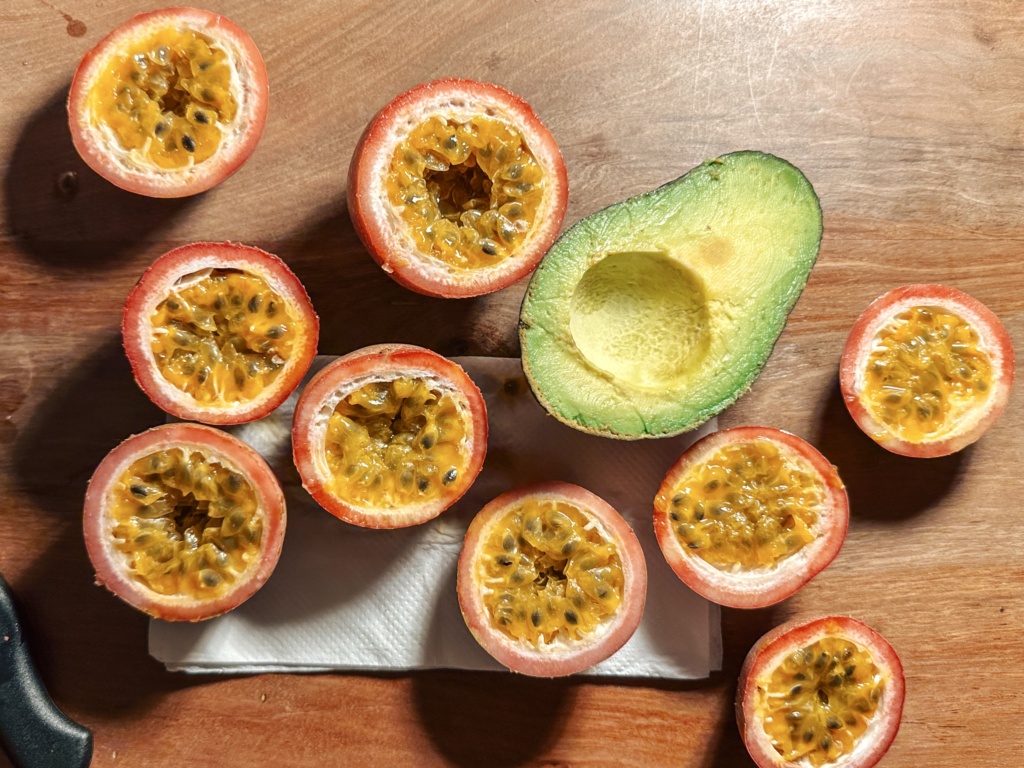
10. Avocados
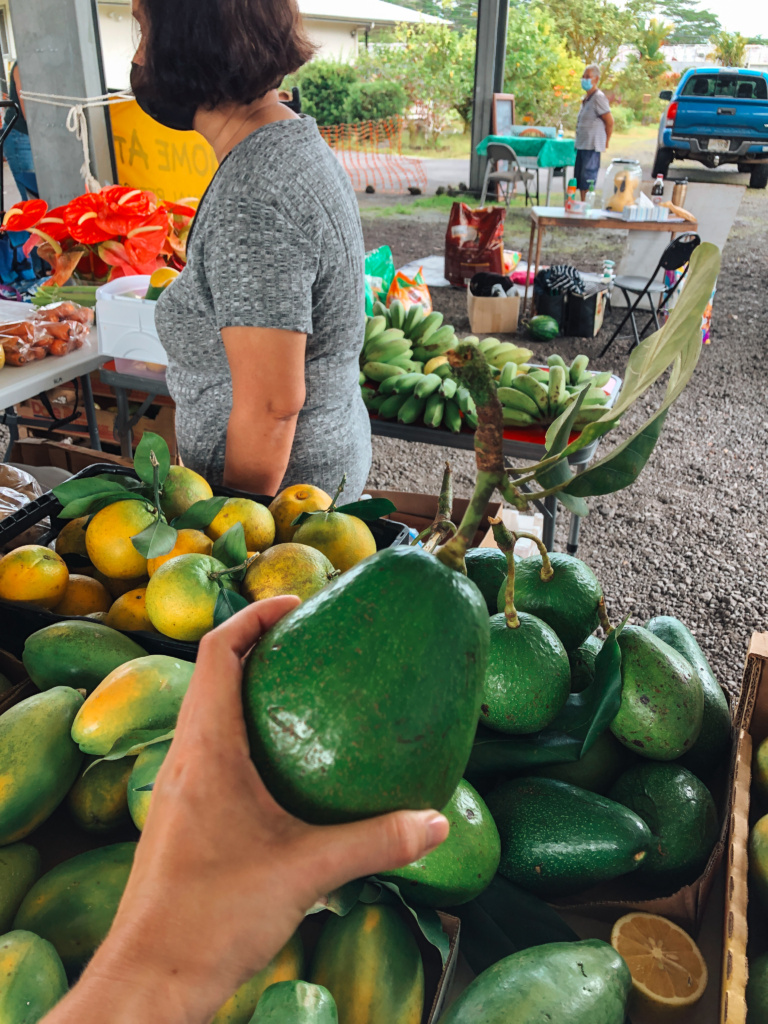
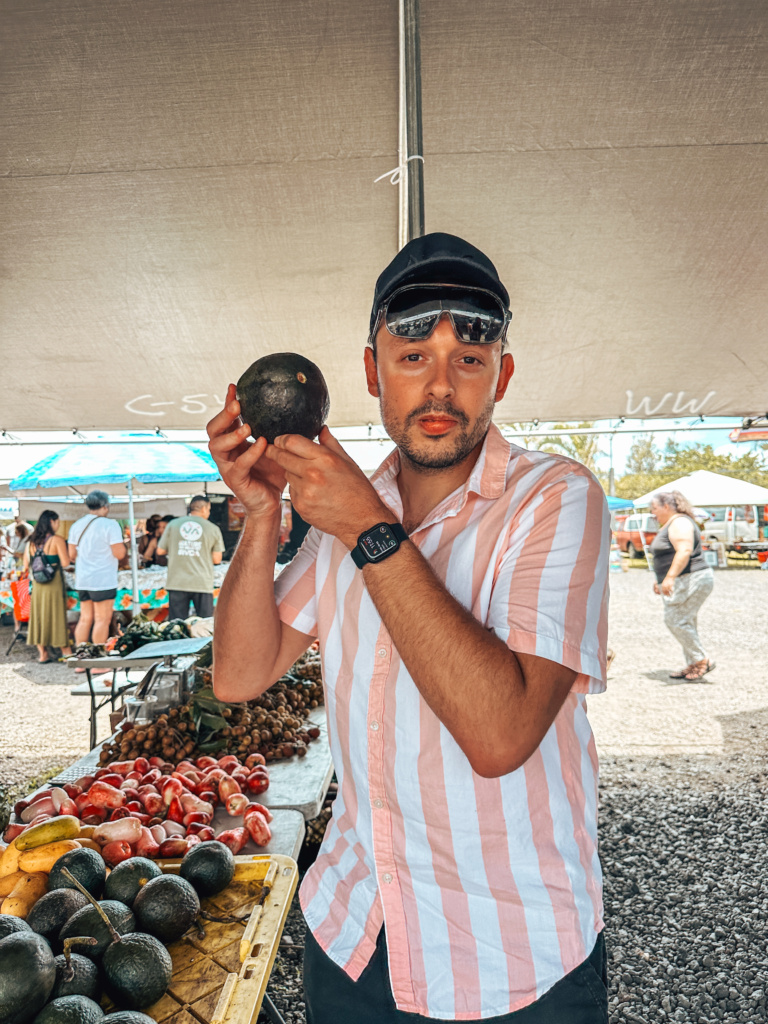
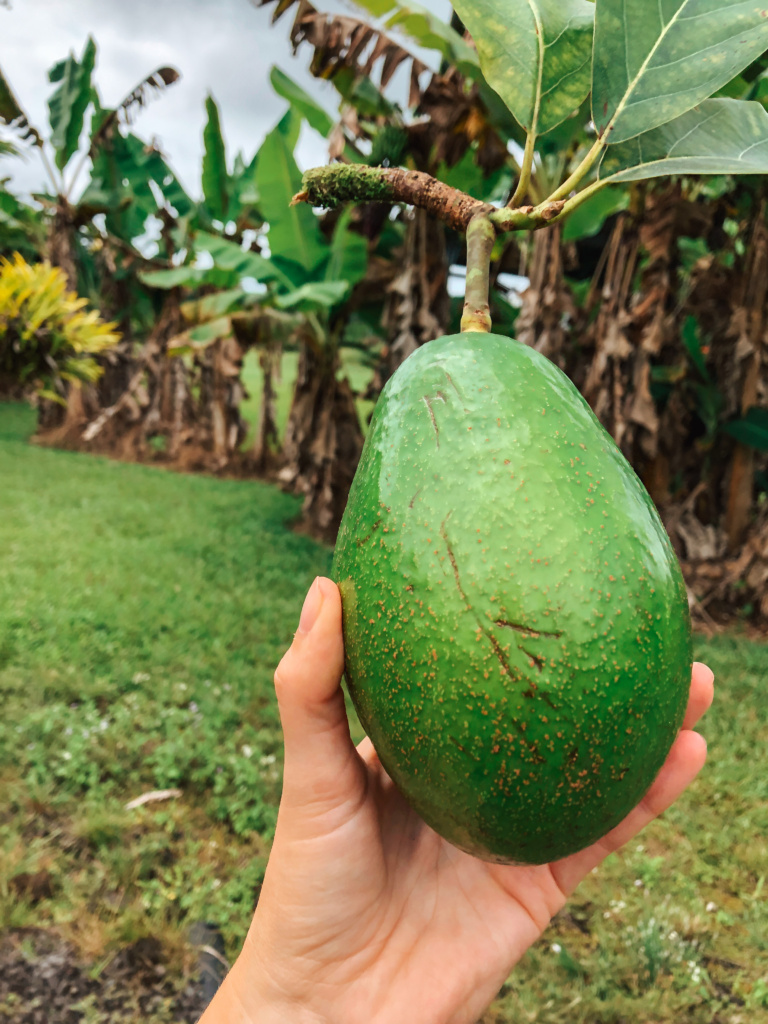
Hawaii produces enormous buttery avocados thanks to volcanic soil and year-round growing conditions. Many local varieties are larger and creamier than mainland Hass avocados.
Locals often eat avocado simply sliced with soy sauce or added alongside rice and grilled meats. Backyard avocado trees are common throughout the islands. Head to a farmers market near you and admire all the varieties.
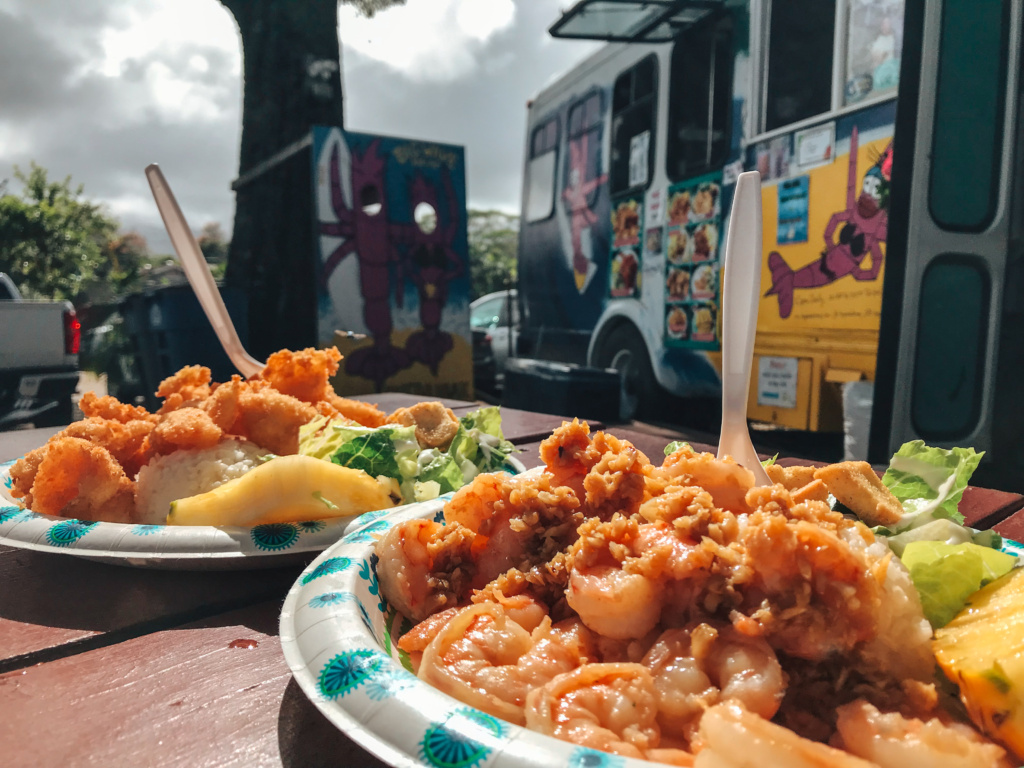
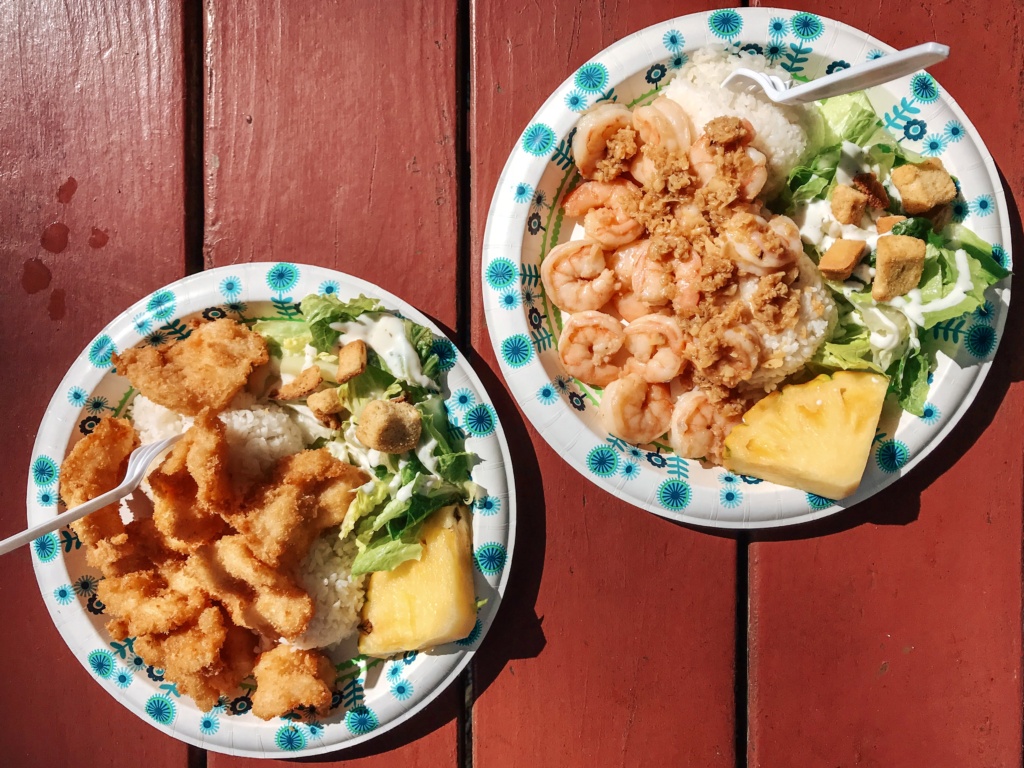
11. Garlic Shrimp
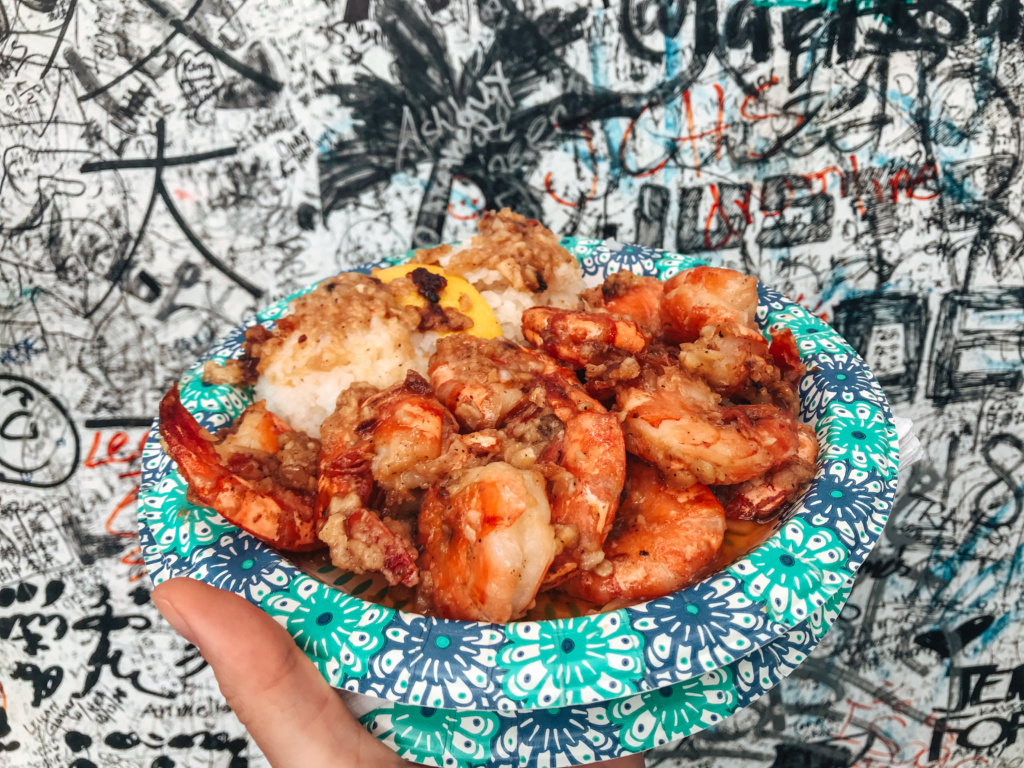
Garlic shrimp became famous on Oahu’s North Shore in the 1990s through roadside shrimp trucks. The shrimp farming industry helped create one of Hawaii’s most iconic modern food experiences.
The dish is gloriously messy: shrimp drenched in garlic butter sauce served over rice. Eating garlic shrimp at picnic tables near the ocean has become a Hawaii vacation ritual. Here’s where to find the best garlic shrimp in Hawaii.
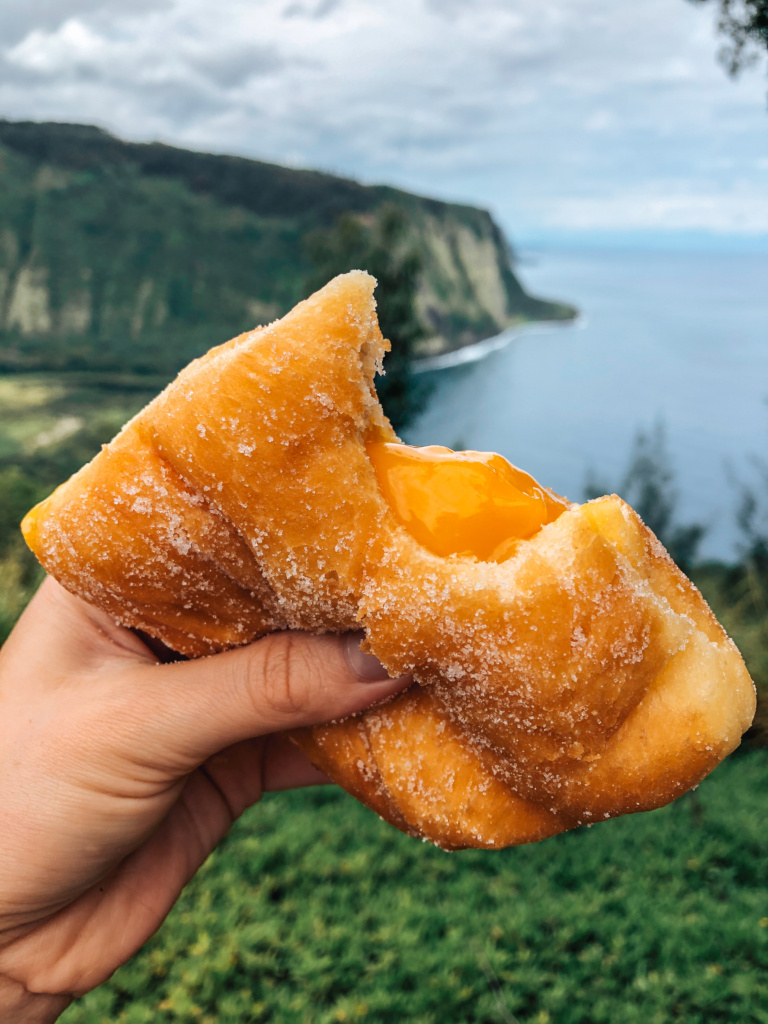
12. Malasadas
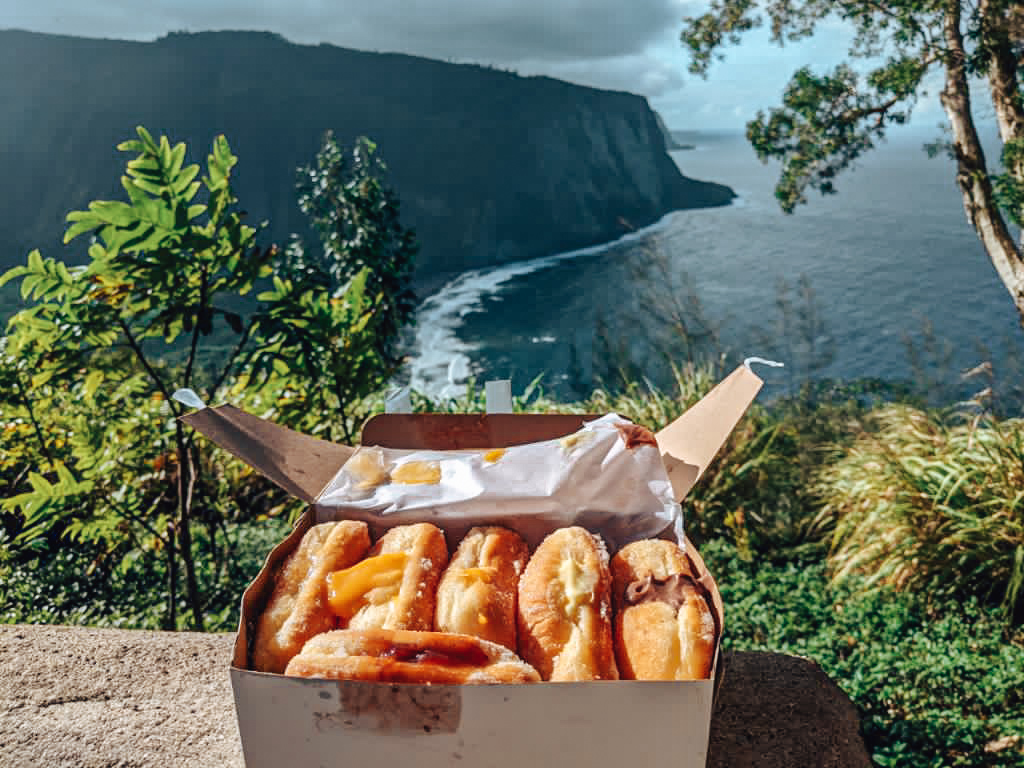
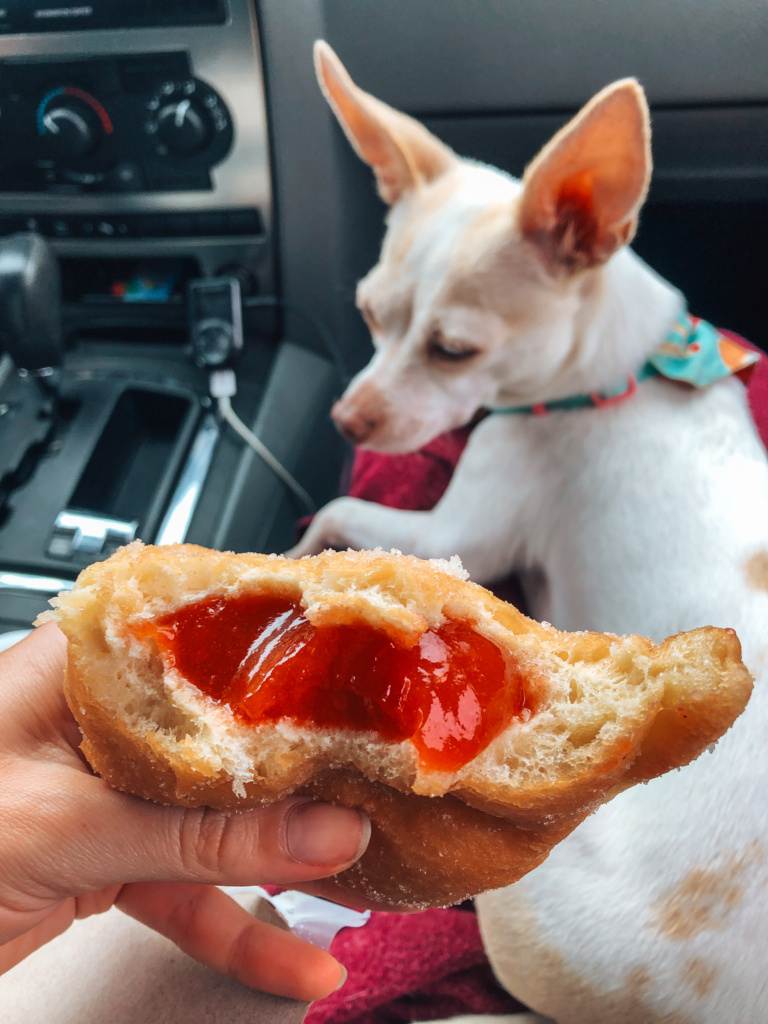
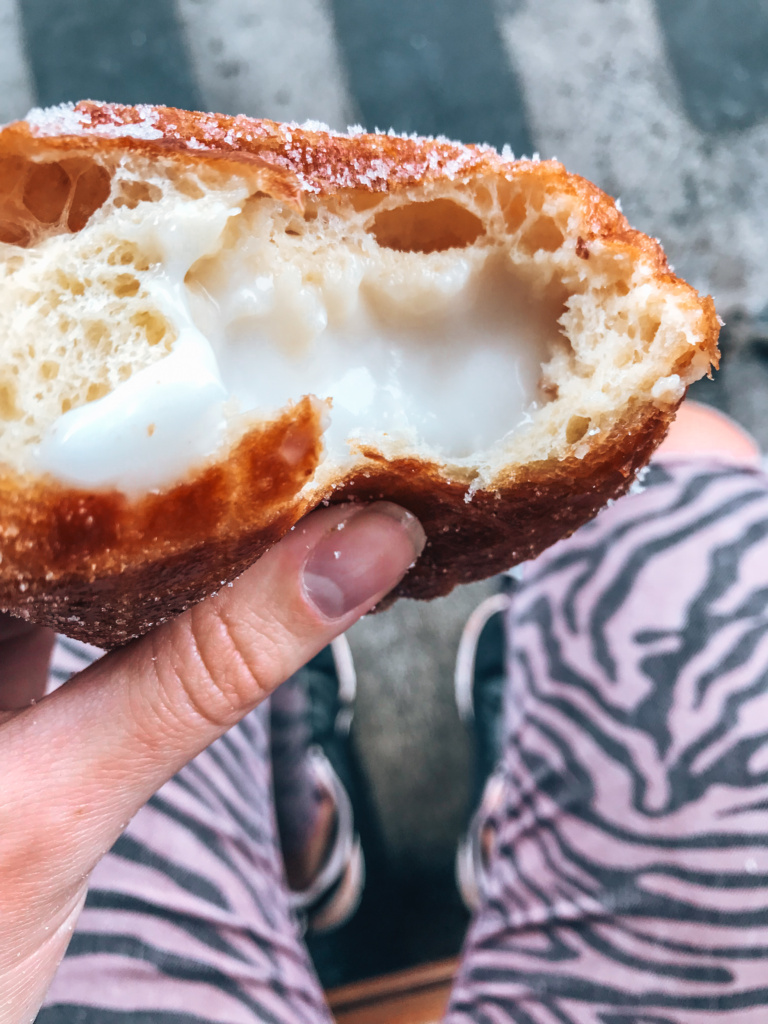
Portuguese laborers brought malasadas to Hawaii in the late 19th century while working on plantations. These fried dough pastries originally came from Madeira and the Azores.
In Hawaii, malasadas evolved into fluffy sugar-coated doughnuts often filled with haupia, guava, chocolate, or lilikoi cream. Leonard’s Bakery helped turn them into a statewide obsession. Here’s where to find the best malasadas in Hawaii.
13. Kalua Pork
Kalua pork dates back centuries in Native Hawaiian cooking traditions. Whole pigs were slow-cooked underground in imu ovens lined with hot stones and banana leaves.
The result is smoky, tender shredded pork that remains a centerpiece of luaus and celebrations today. Modern restaurants often recreate the flavor using ovens and liquid smoke.
14. Squid Luau
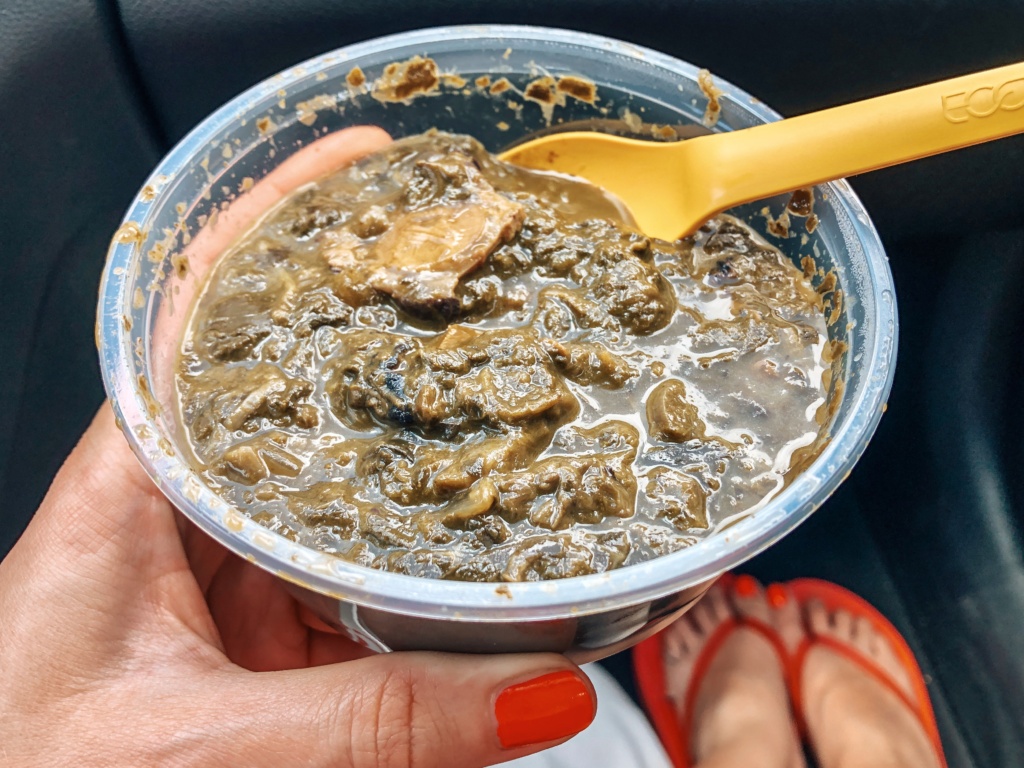
Squid luau combines Native Hawaiian ingredients with seafood traditions that evolved over generations. Tender squid is simmered with coconut milk and taro leaves into a rich stew-like dish.
The earthy flavor of cooked taro leaves balances beautifully with the briny squid. It remains a beloved local comfort food despite being unfamiliar to many tourists.
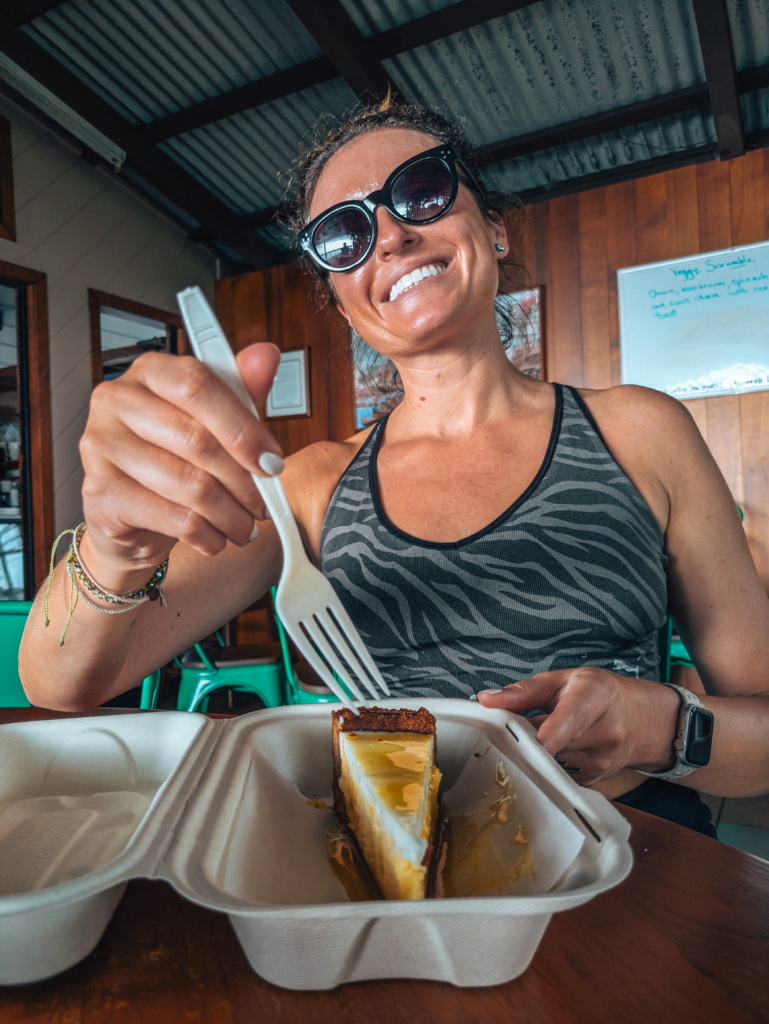
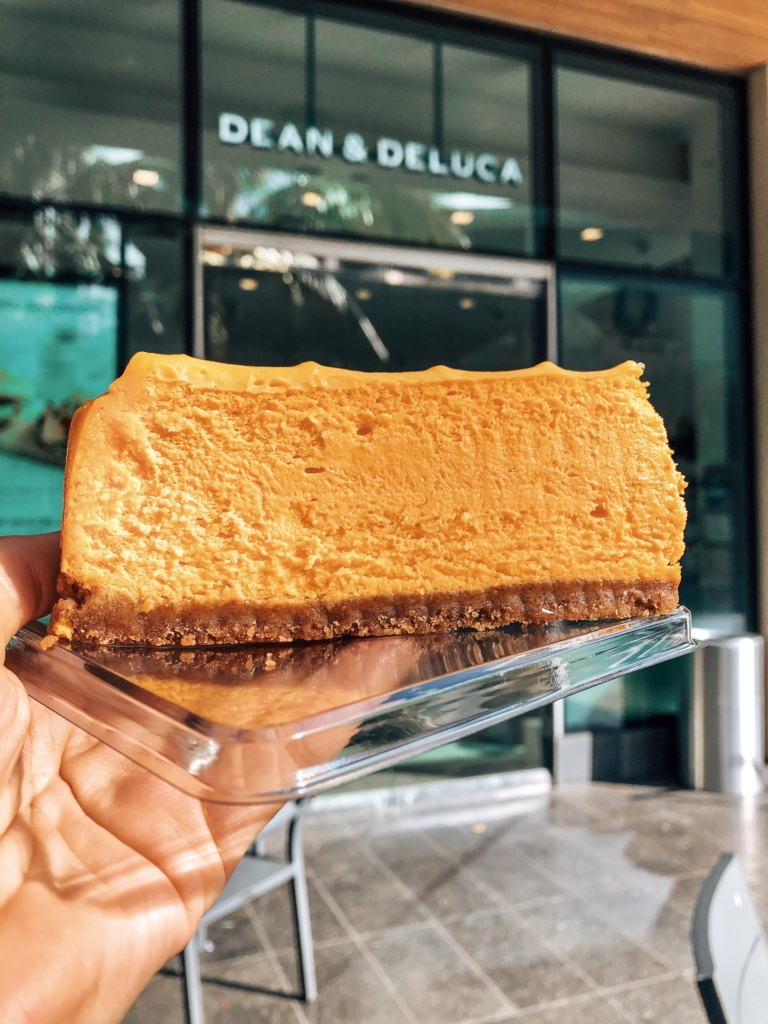
15. Lilikoi Cheesecake
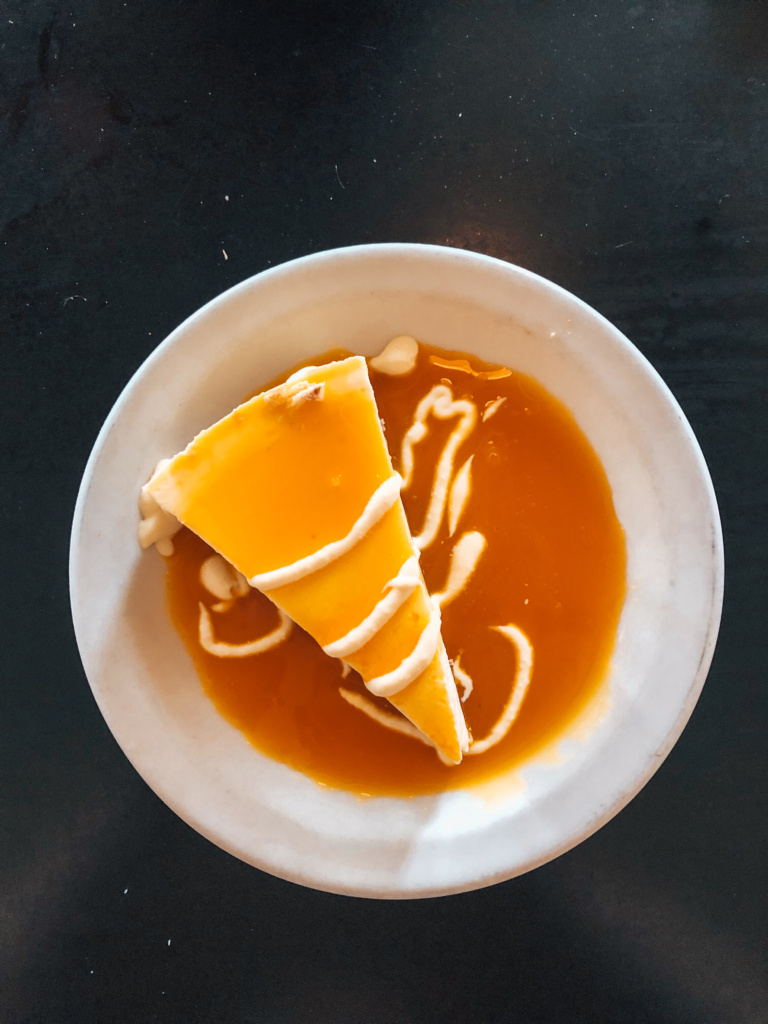
Lilikoi, or passion fruit, thrives in Hawaii’s tropical climate and appears in countless desserts. The fruit’s bright tartness makes it especially popular in cheesecakes.
Lilikoi cheesecake perfectly captures Hawaii dessert culture: tropical flavors mixed with classic American sweets. Nearly every island bakery has its own variation.
16. Kulolo
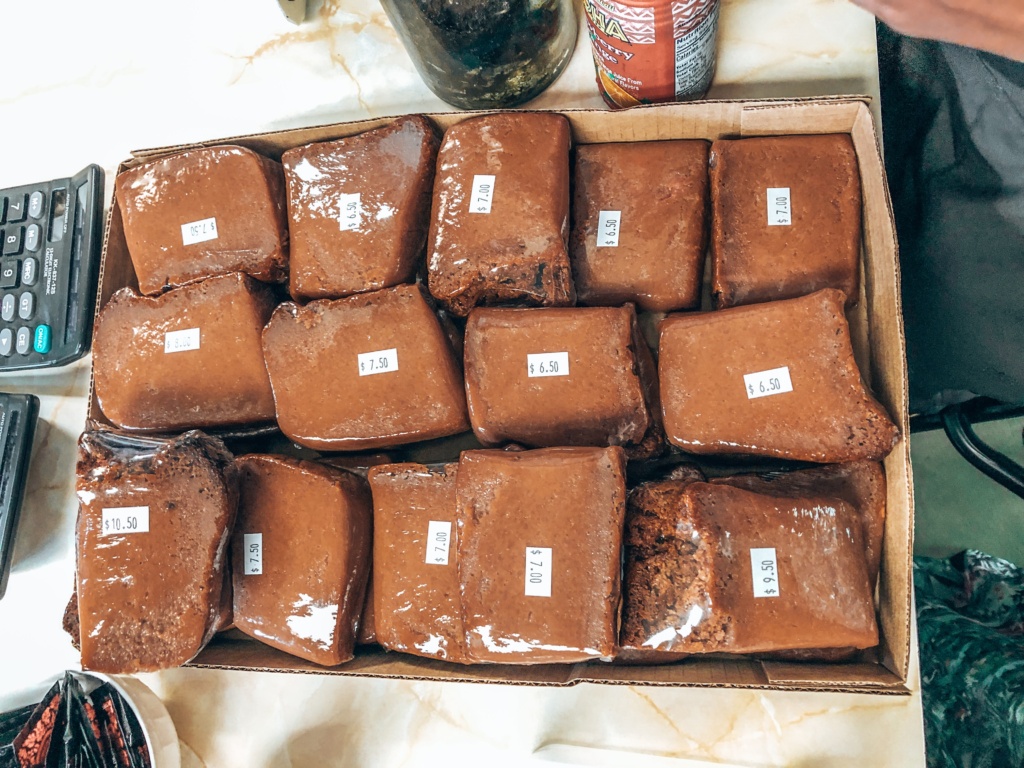
Kulolo is a traditional Hawaiian dessert made from grated taro and coconut milk. It predates Western sugar-heavy desserts and remains culturally significant today.
The texture is dense, chewy, and almost pudding-like. While some visitors find it unfamiliar at first, kulolo offers a direct connection to ancient Hawaiian food traditions.

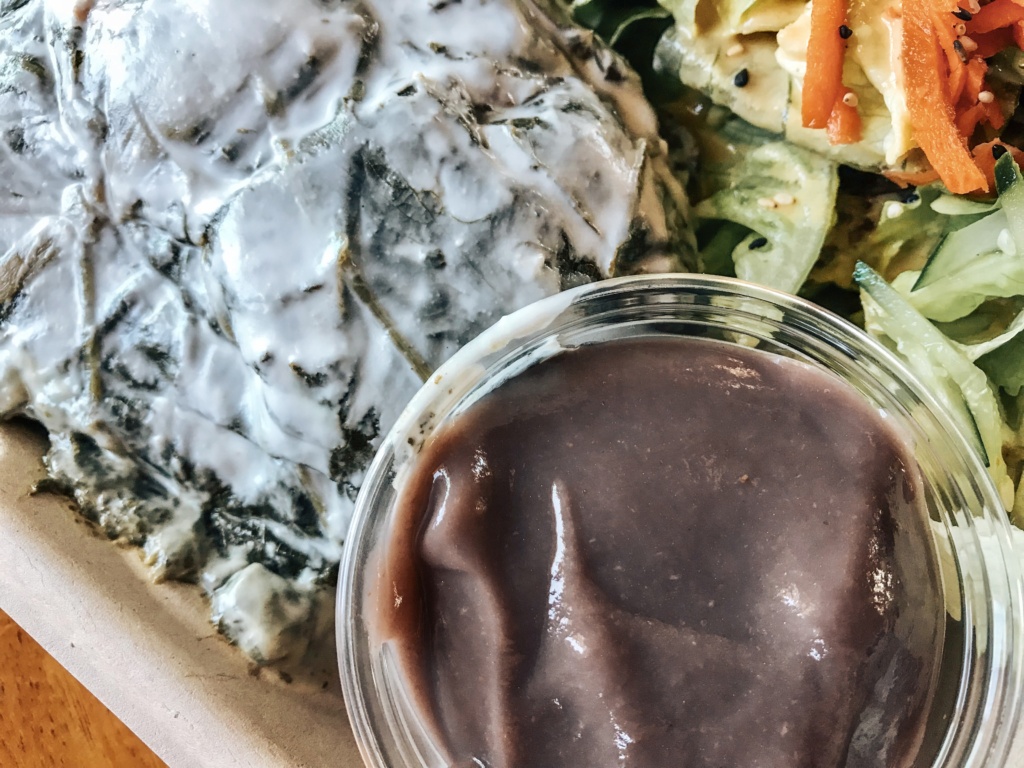
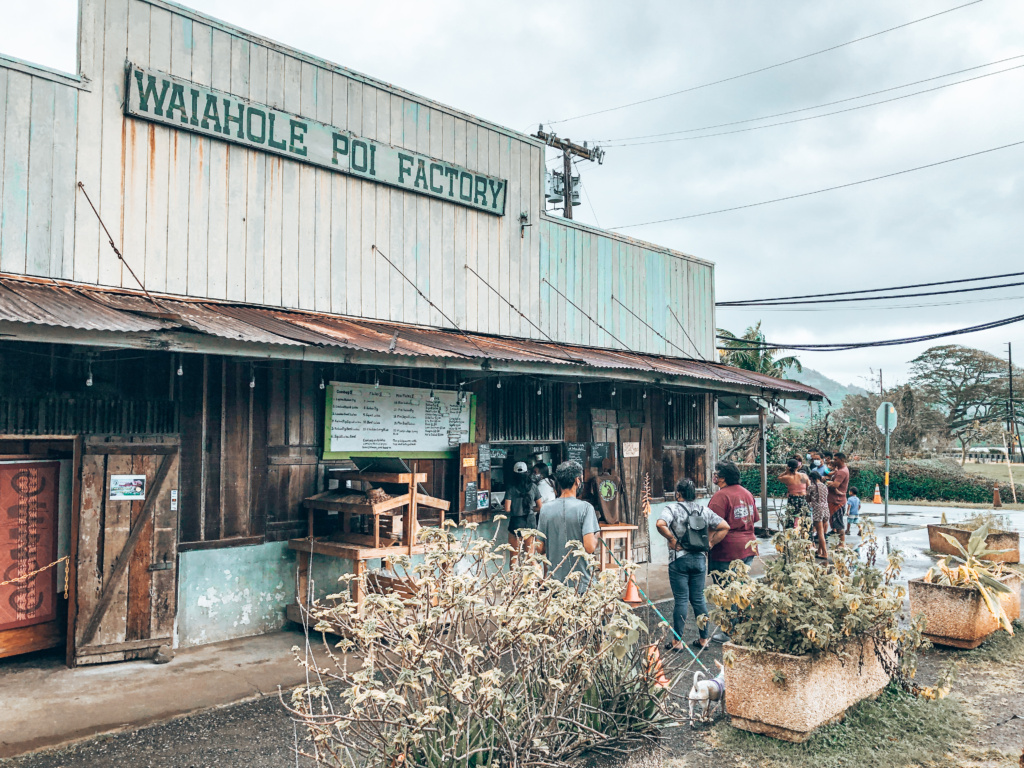
17. Poi
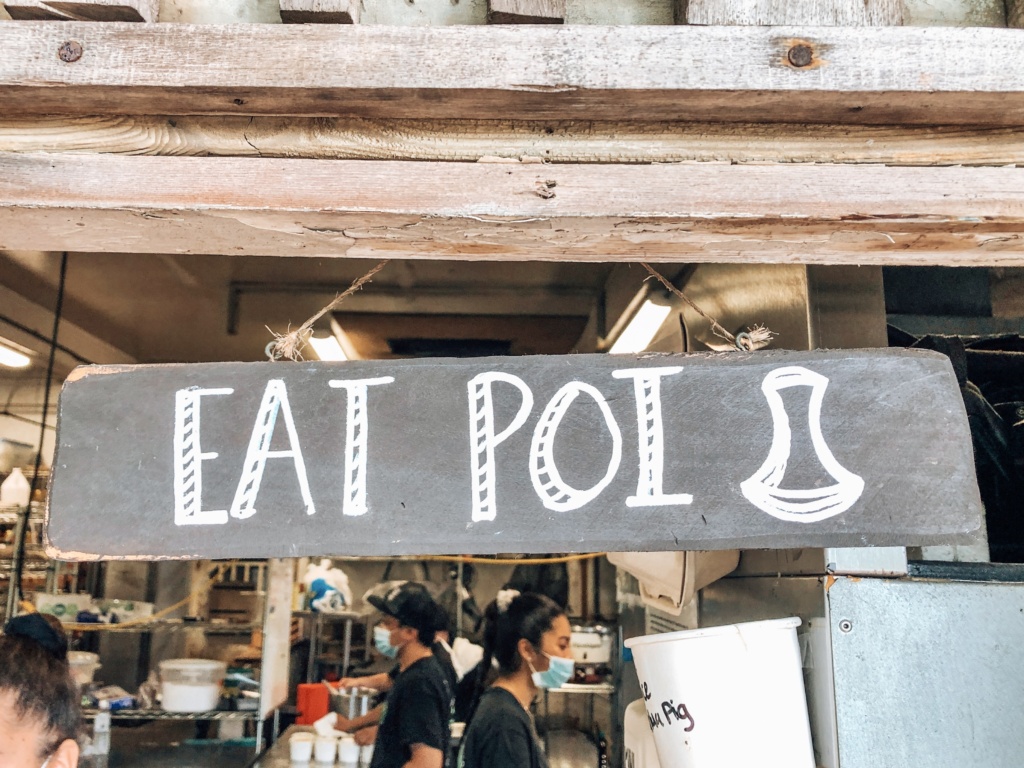
Poi is one of the oldest and most sacred foods in Hawaiian culture. Made by pounding cooked taro root into a paste, poi was once the dietary foundation of Native Hawaiian life.
The flavor is subtle and slightly tangy depending on fermentation. While tourists often misunderstand poi, many locals see it as an essential cultural food tied to Hawaiian identity and ancestry.
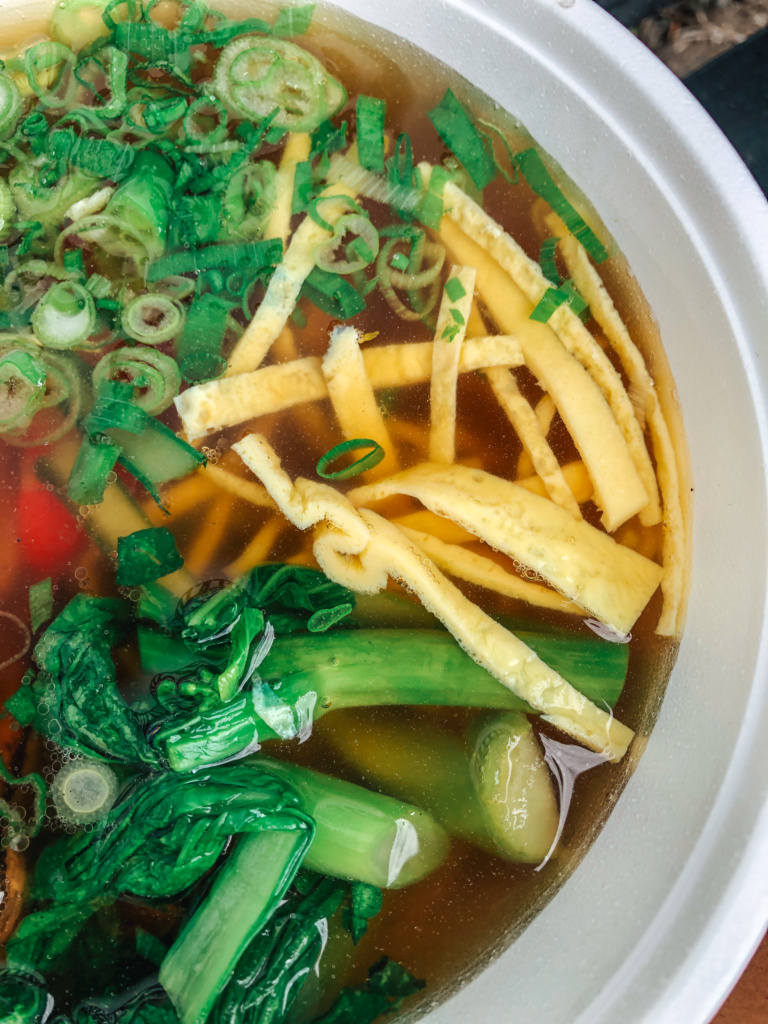
18. Saimin
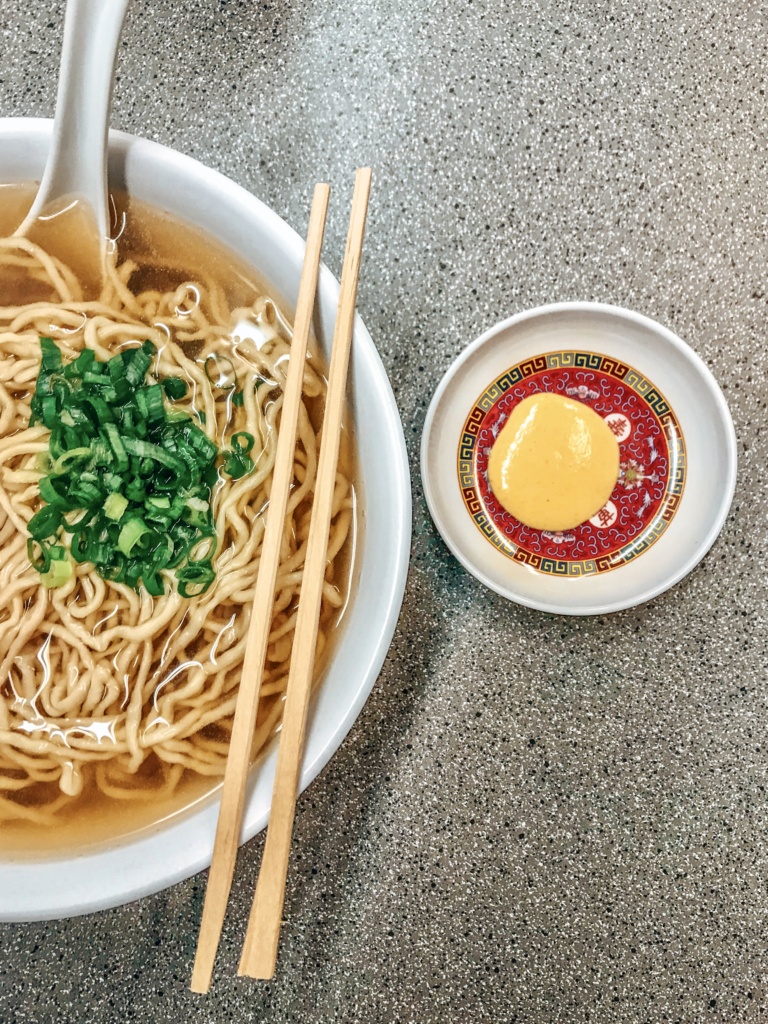
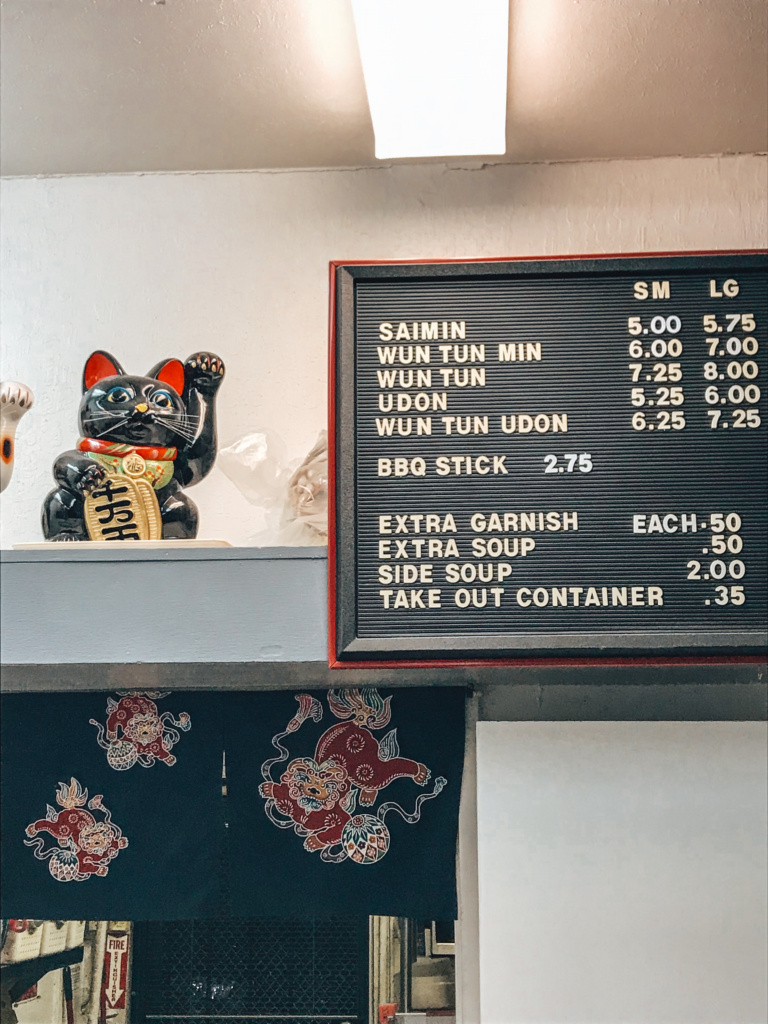
Saimin developed during Hawaii’s plantation era when Chinese, Japanese, Filipino, and Korean workers blended noodle soup traditions together.
The result is uniquely Hawaiian: springy noodles in a light broth topped with green onions, fish cake, spam, eggs, or char siu pork. It’s classic local comfort food.
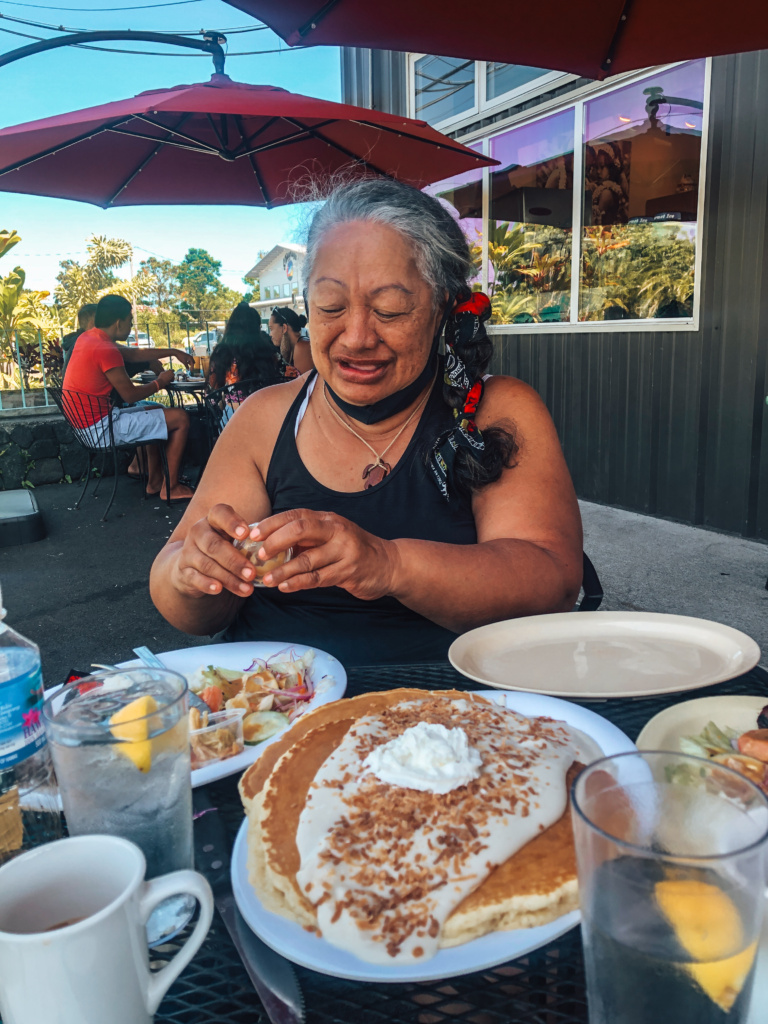
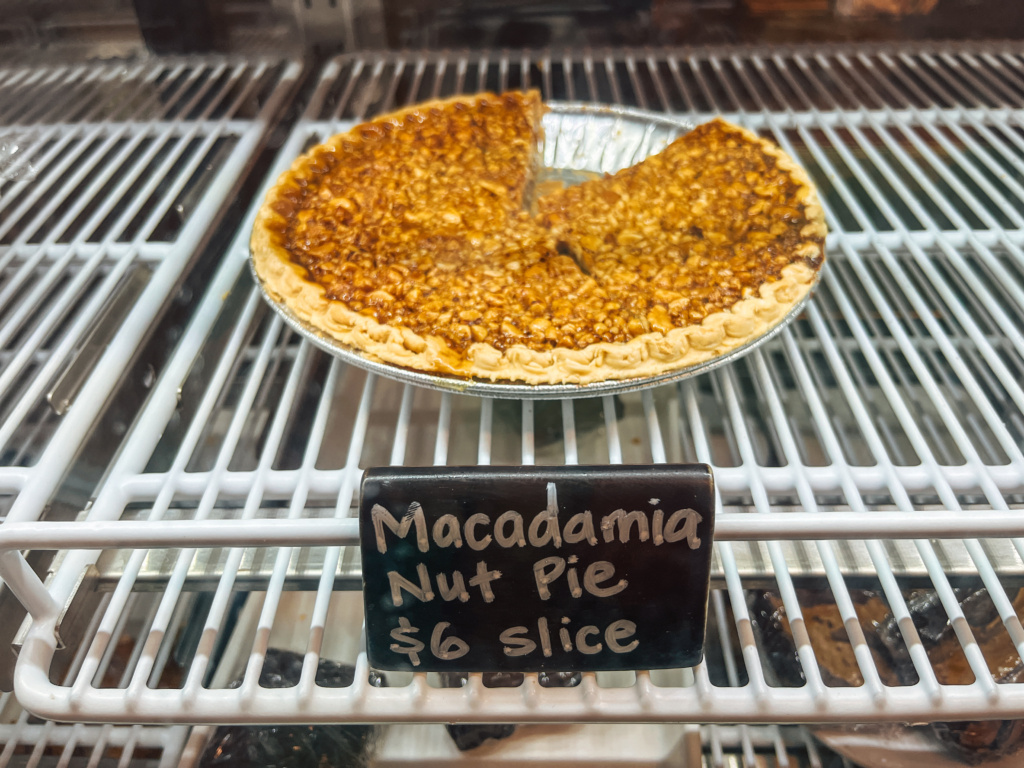
19. Macadamia Nuts and Mac Nut Pancakes
Macadamia nuts were introduced commercially to Hawaii in the late 1800s and eventually became one of the islands’ signature exports.
Mac nut pancakes became popular in Hawaii resort breakfasts during the tourism boom. Today they’re often served with coconut syrup and butter for an indulgent island breakfast experience.
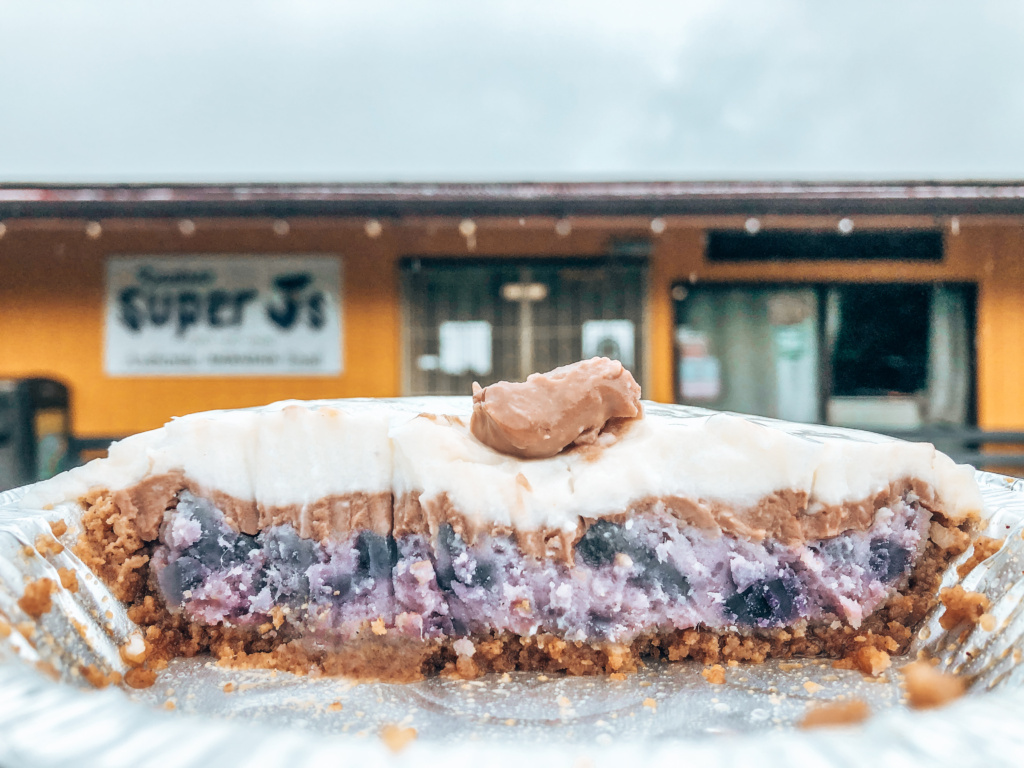
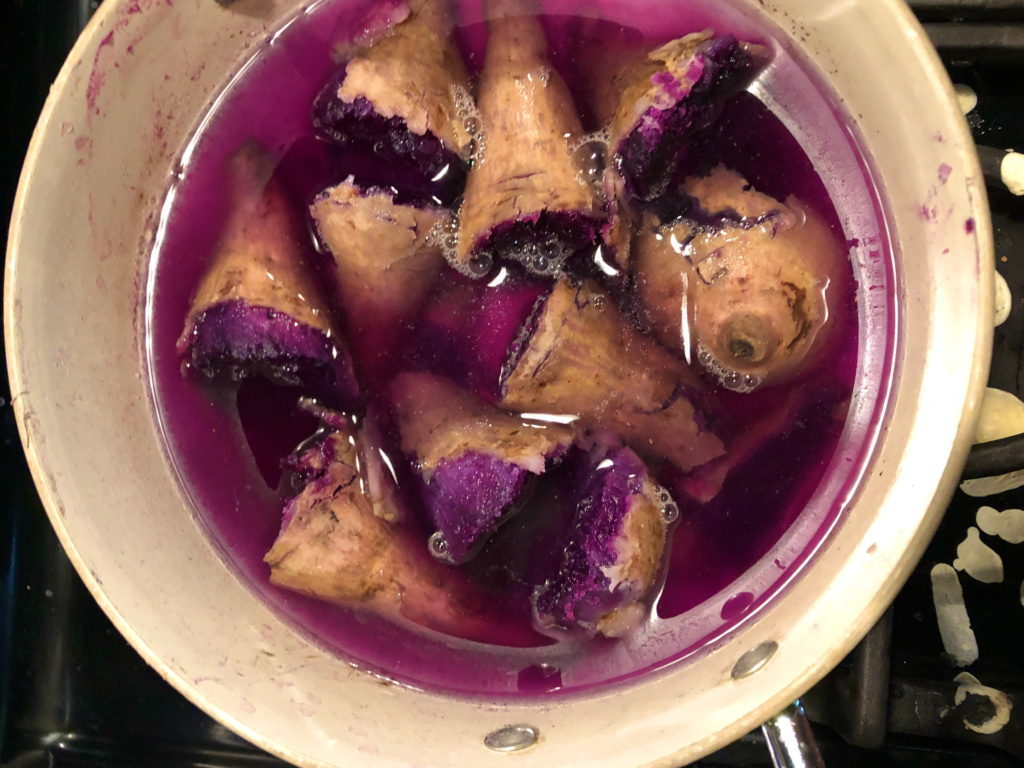
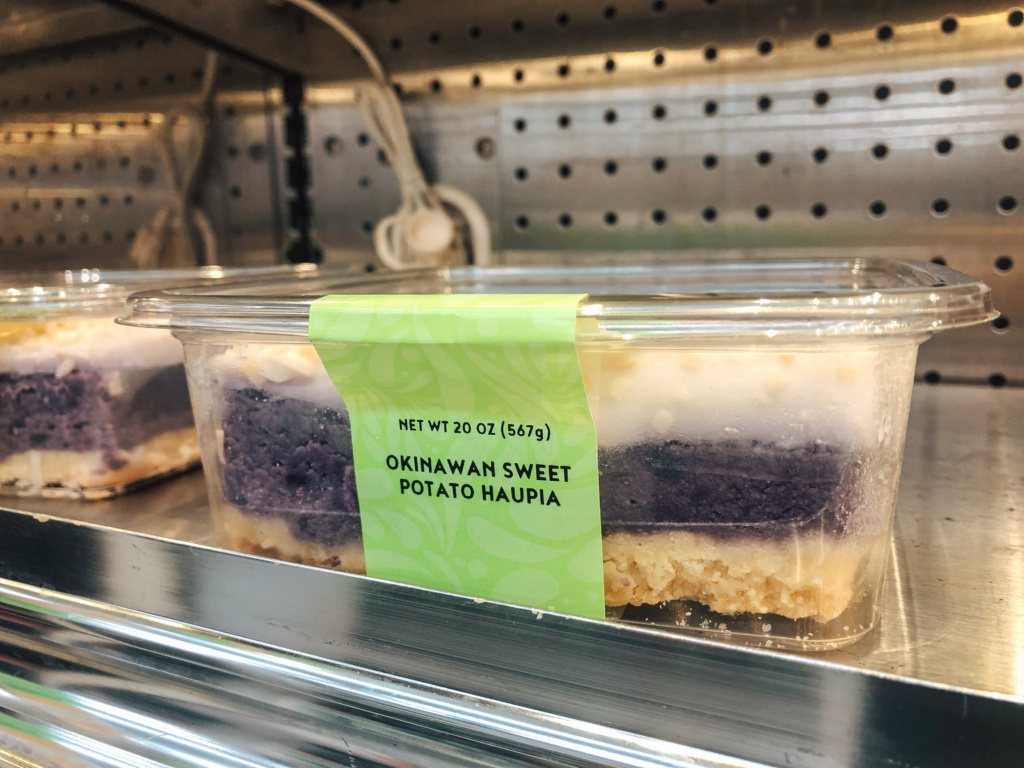
20. Sweet Potato Haupia Pie
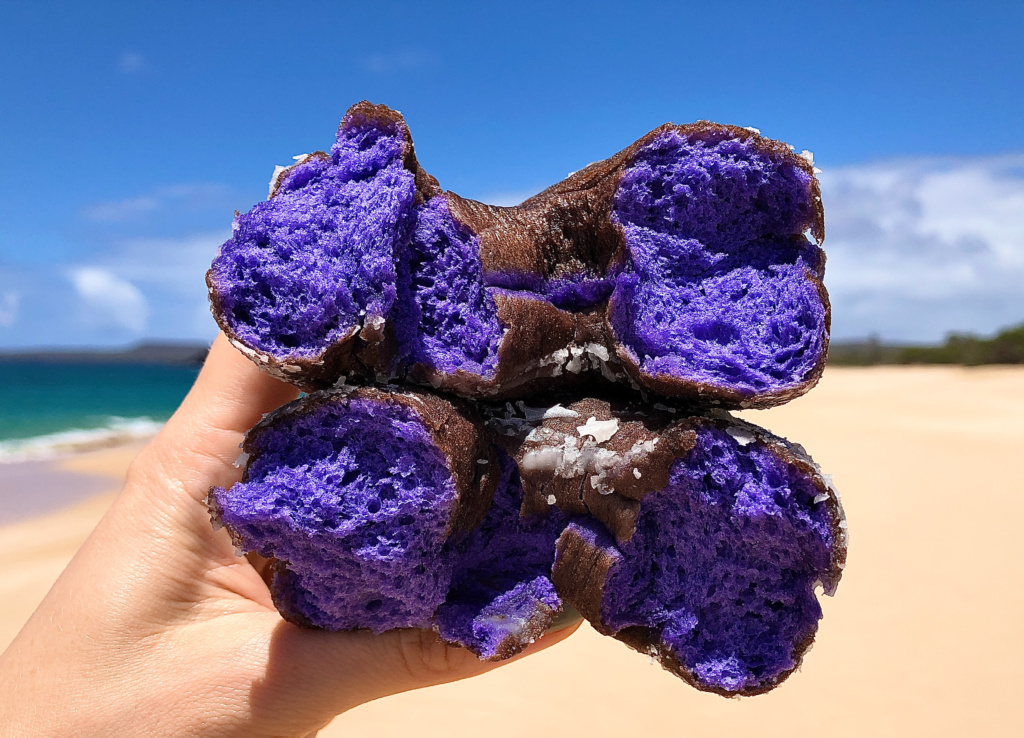
This beloved Hawaii dessert combines Okinawan purple sweet potatoes with haupia, a coconut pudding deeply rooted in Hawaiian cuisine.
The pie’s vibrant purple color has made it especially popular on social media, but locals have loved the flavor combination for generations. Also look for regular coconut haupia pie.
Pro tip: Hawaiian McDonald’s sells haupia pie instead of the traditional apple pie.
21. Huli Huli Chicken
Huli huli chicken was created in the 1950s by Ernest Morgado, who grilled teriyaki-style chicken over charcoal for fundraising events.
The word “Huli” means turn in Hawaiian, referring to the rotating grills used to cook the chicken. Today it’s a staple at roadside stands and community gatherings.
22. Kona Coffee
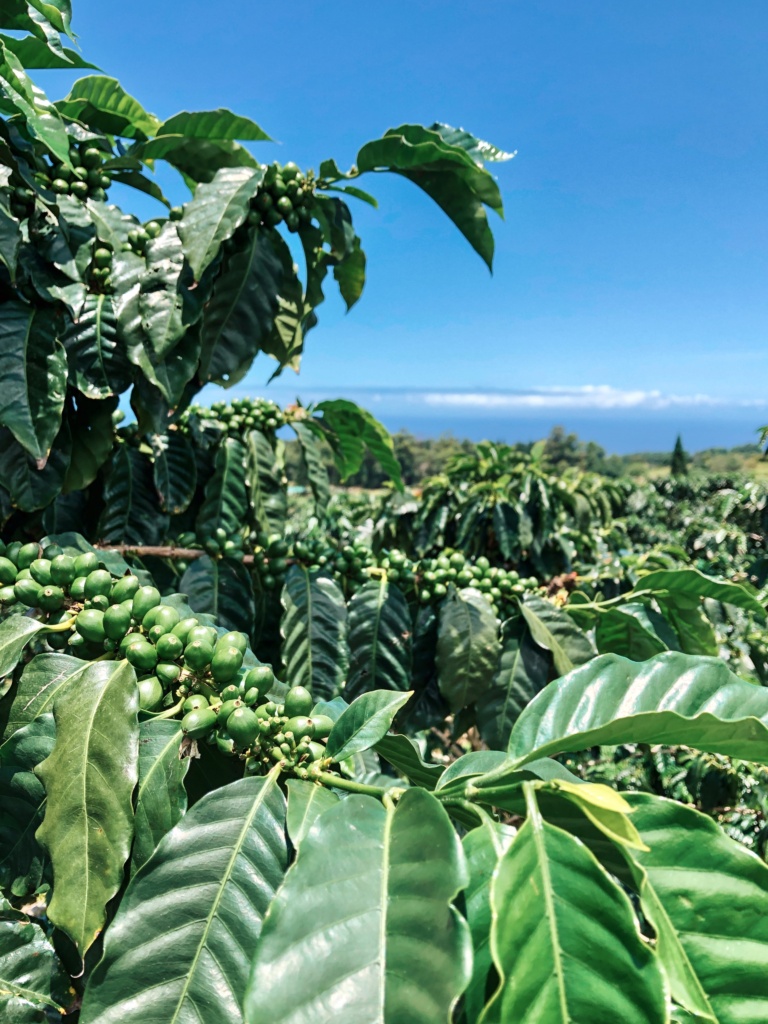
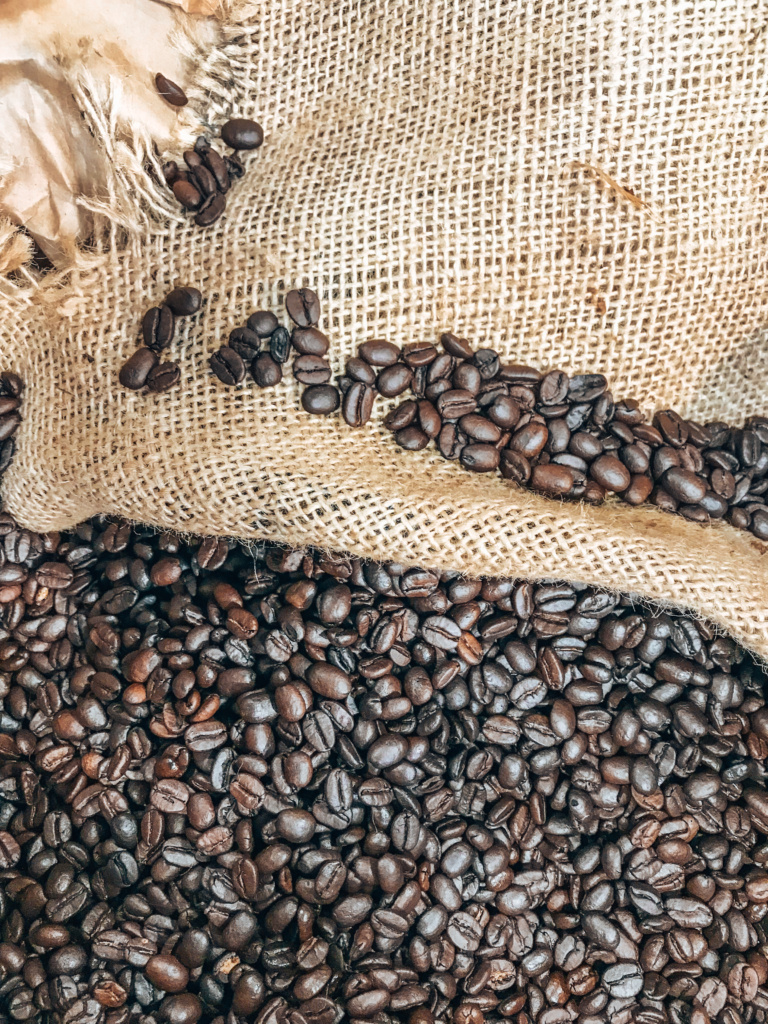
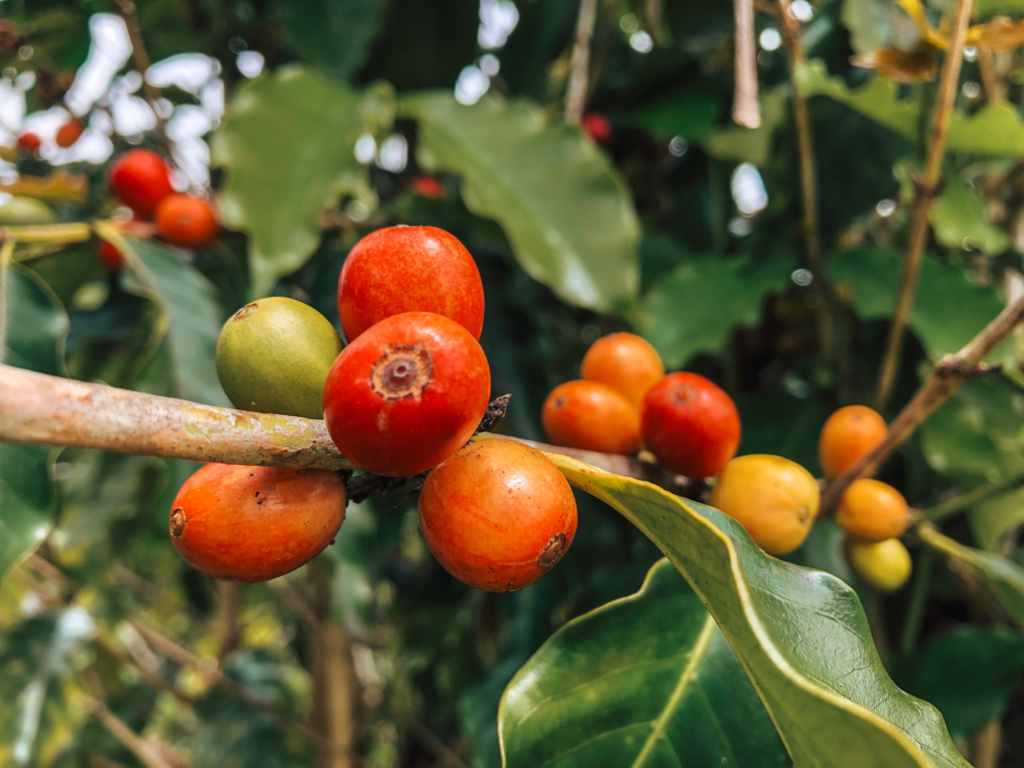
Coffee farming began in Kona in the early 1800s, and the volcanic slopes of the Big Island proved ideal for growing high-quality beans.
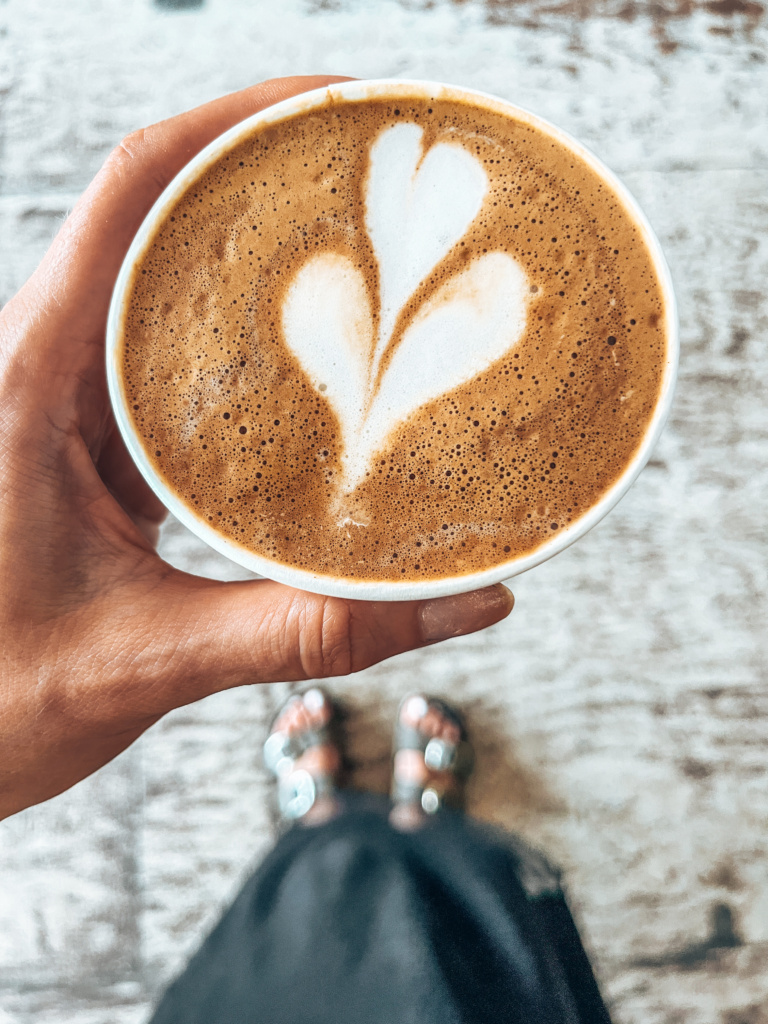
Kona coffee became internationally famous for its smooth, low-acid flavor profile. Visiting a Kona coffee farm remains one of Hawaii’s great foodie experiences.
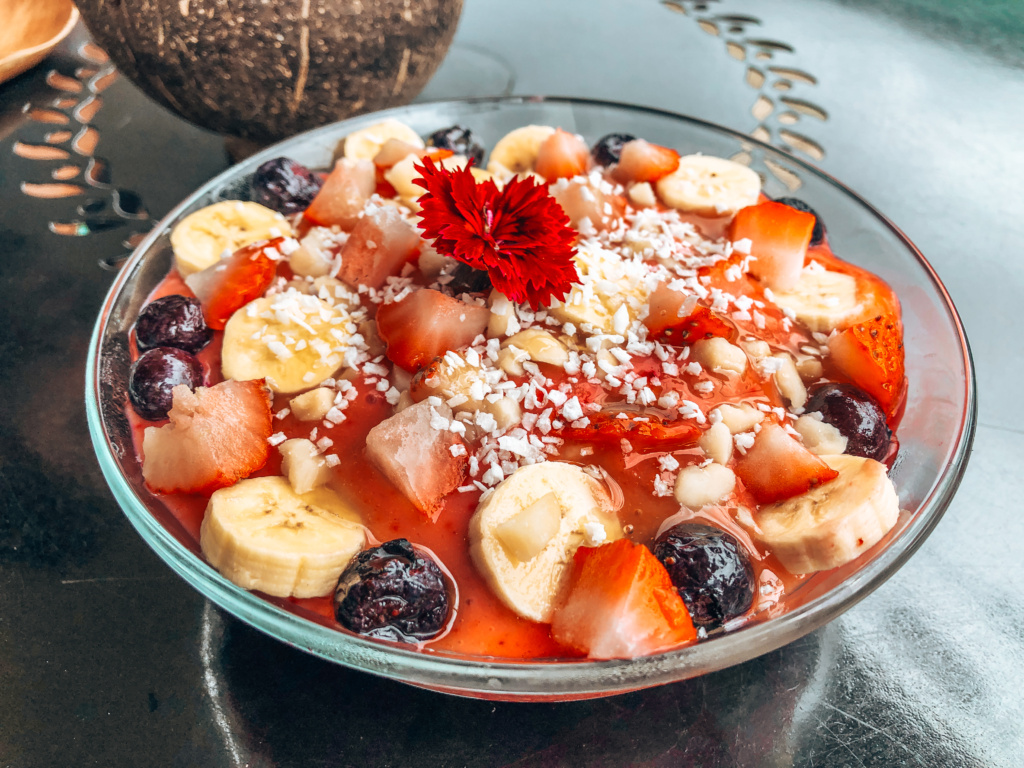
23. Pitaya Bowls
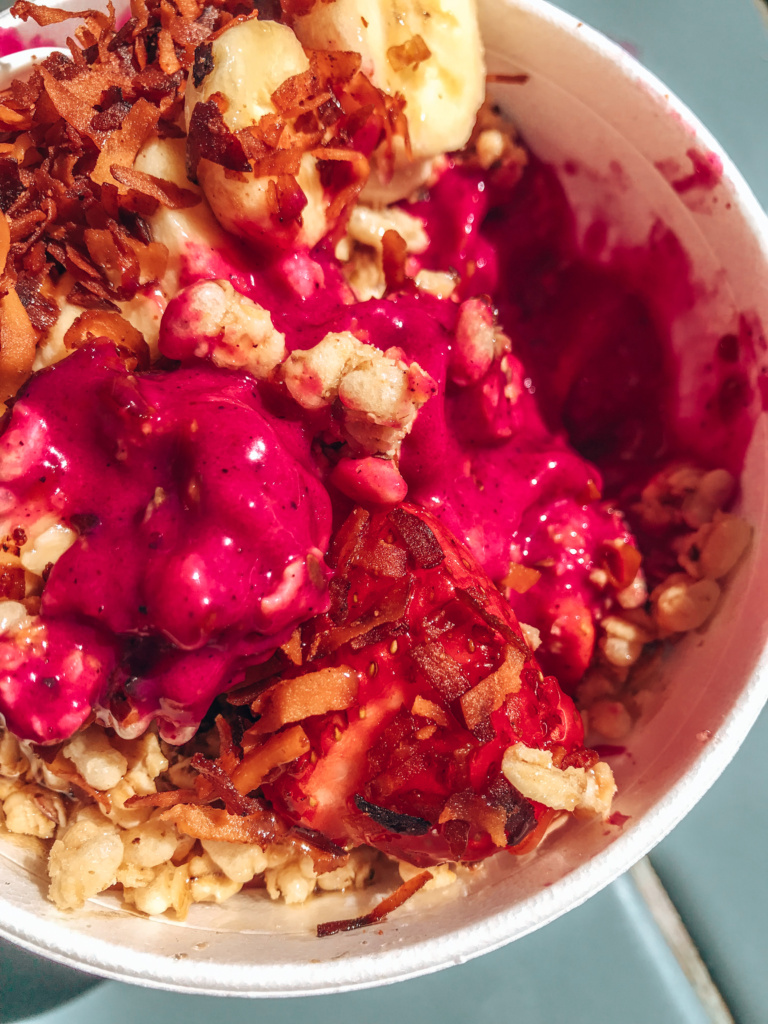
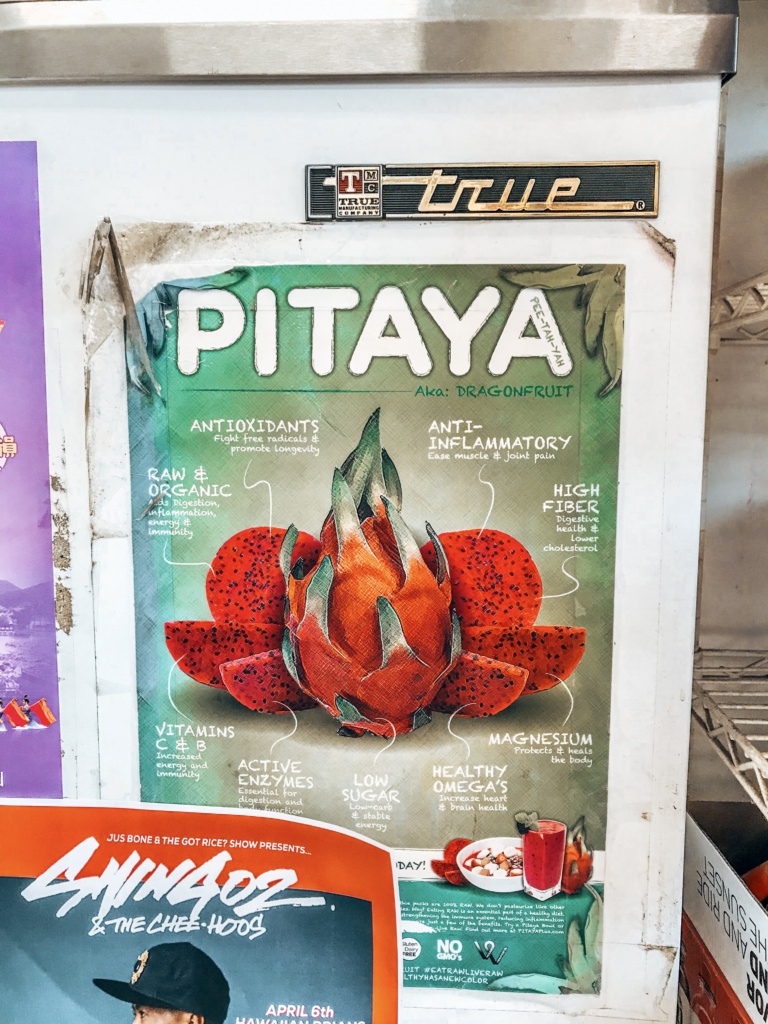
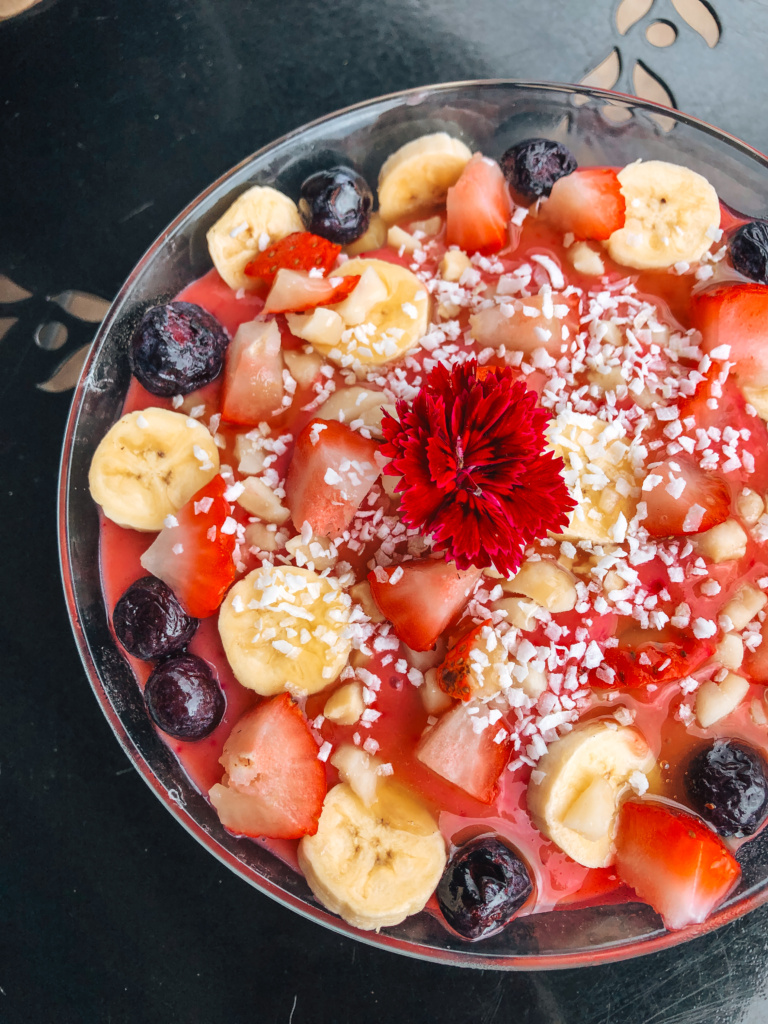
Pitaya bowls reflect Hawaii’s modern health-conscious cafe culture. Dragon fruit blends into vivid pink smoothie bowls topped with fruit, coconut, and granola.
While newer than many traditional Hawaii foods, pitaya bowls perfectly fit the islands’ tropical produce abundance and outdoor lifestyle.
24. Blue Hawaiian
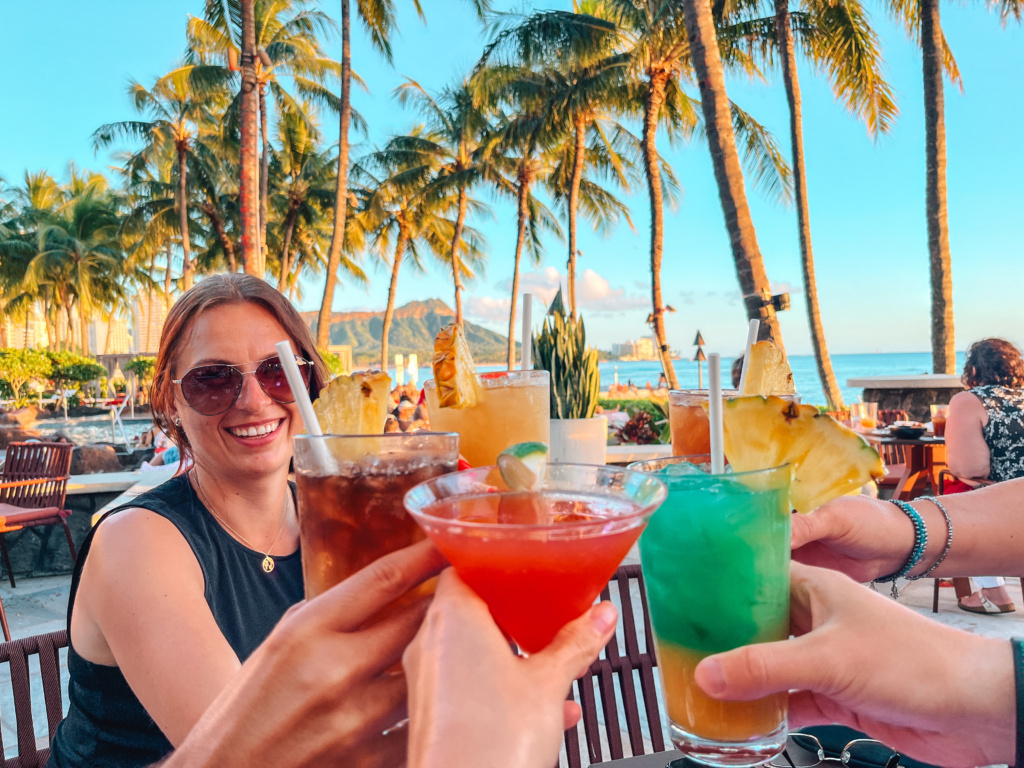
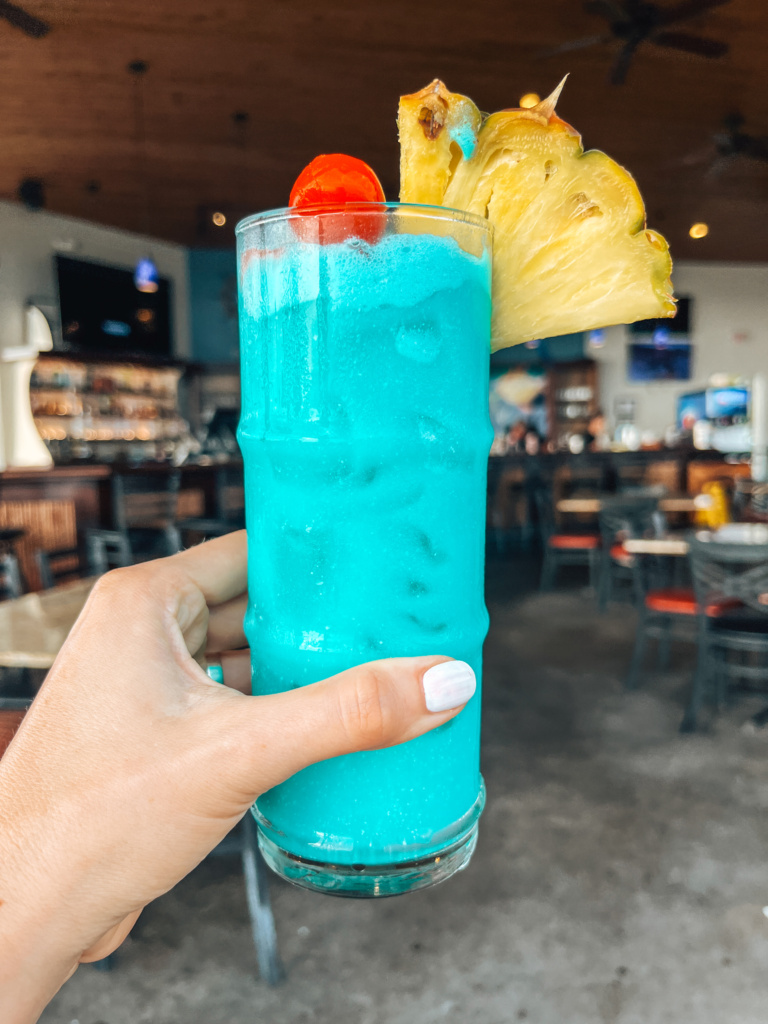
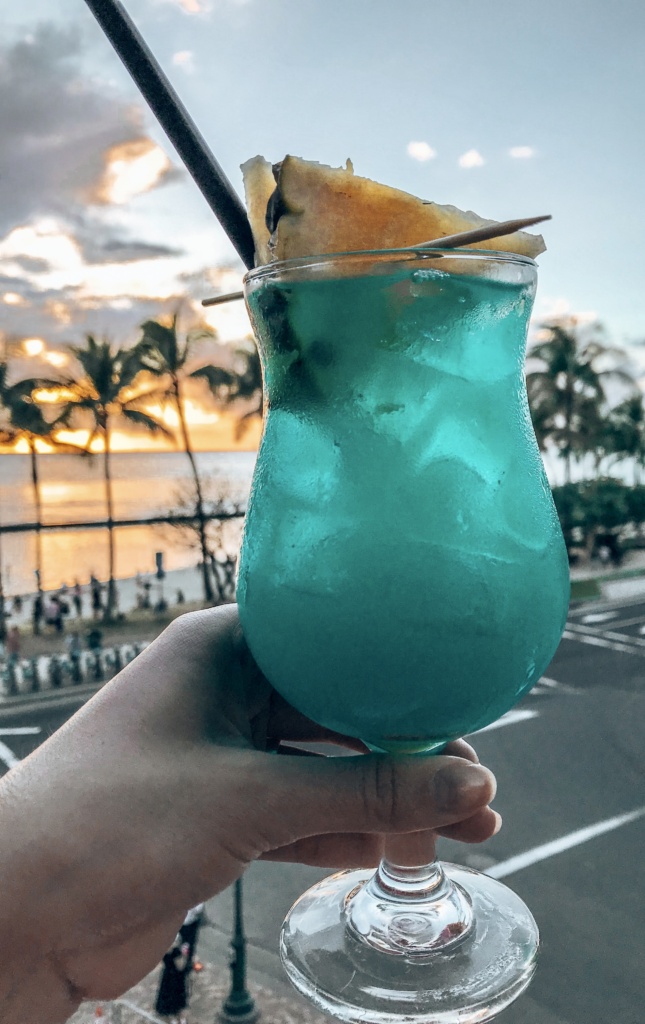
The Blue Hawaiian cocktail was created in Waikiki in the 1950s during Hawaii’s golden tiki era. Its bright blue color became synonymous with tropical vacations.
Made with rum, pineapple juice, and blue curaçao, the drink remains a resort classic tied to old-school Hawaii tourism glamour.
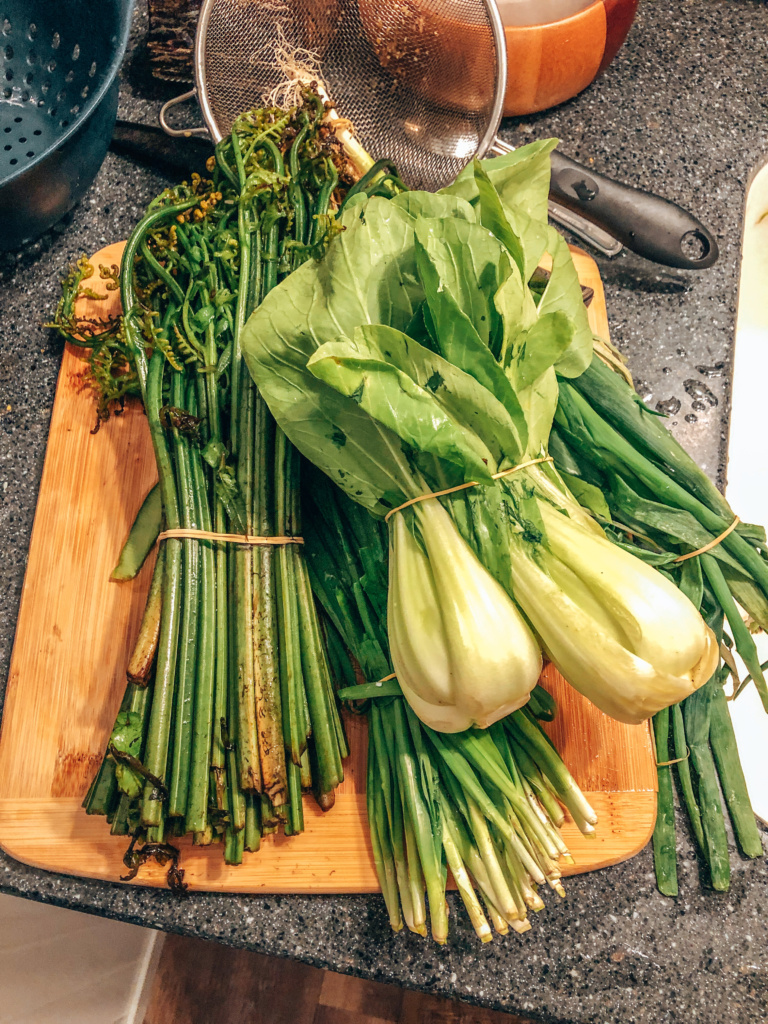
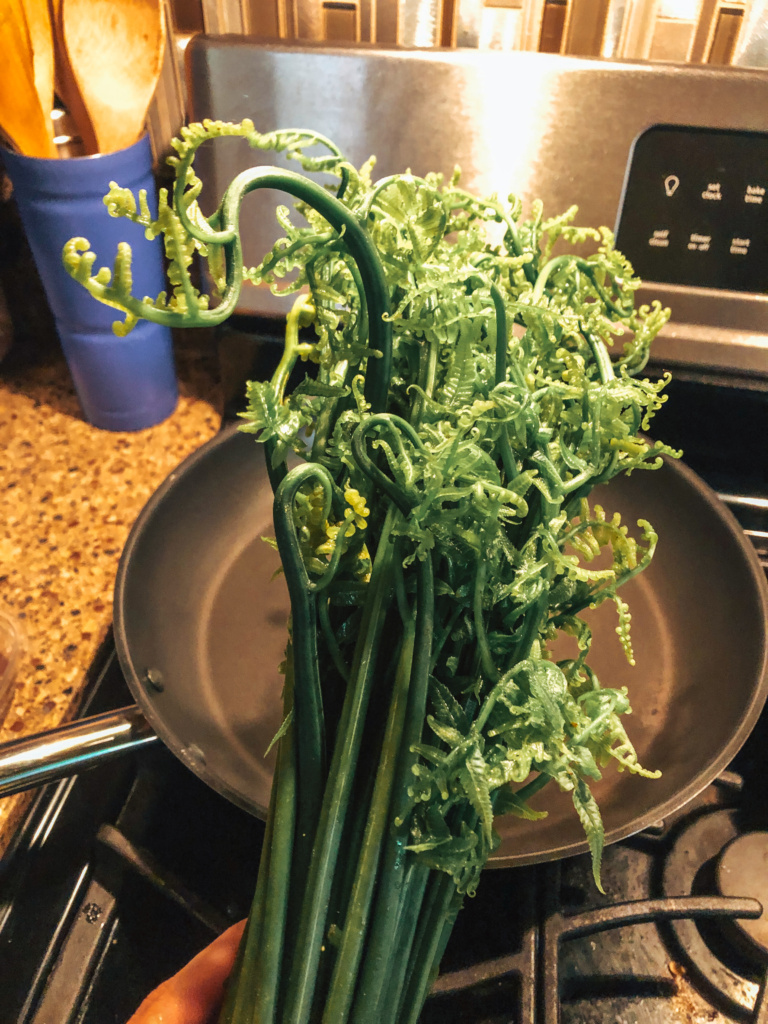
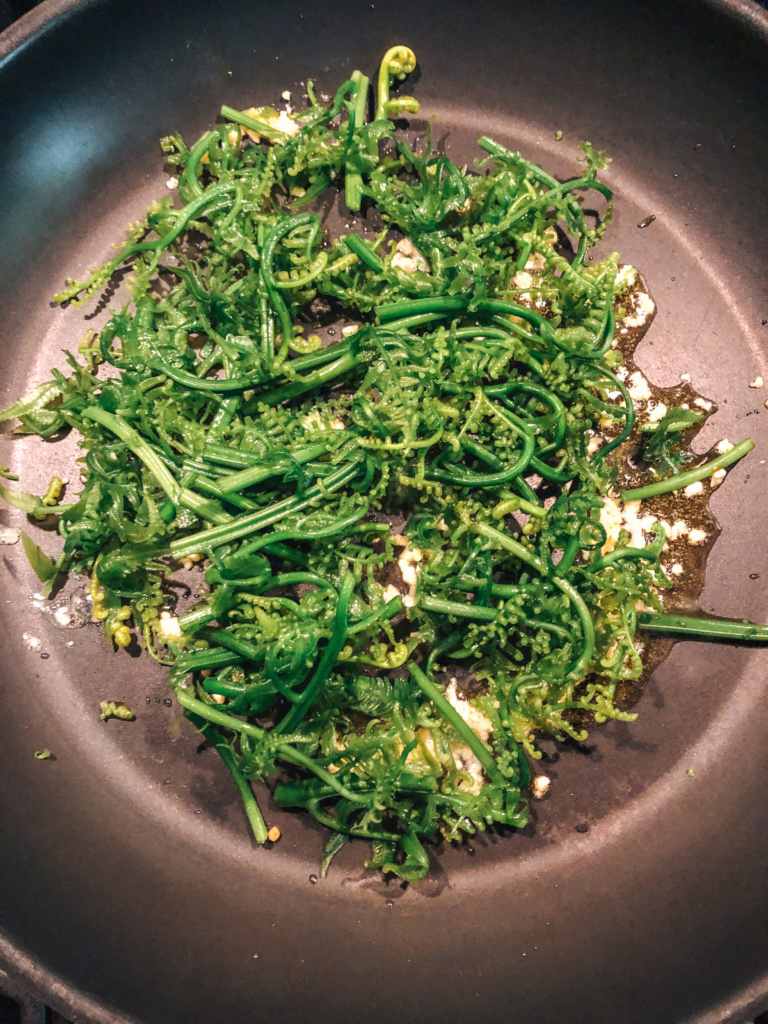
25. Warabi
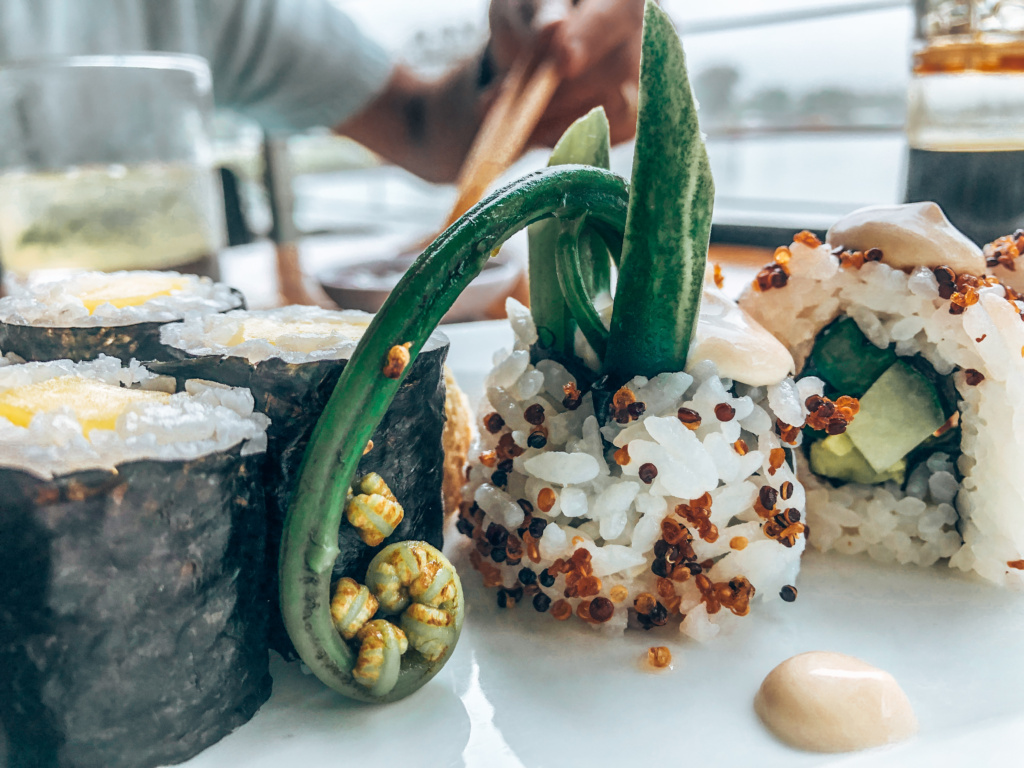
Warabi, or edible fern shoots, entered Hawaii cuisine through Japanese influence. The plant grows naturally in parts of the islands and is often foraged locally.
Its slightly slippery texture and earthy flavor make it especially popular in traditional Japanese-style dishes served throughout Hawaii.
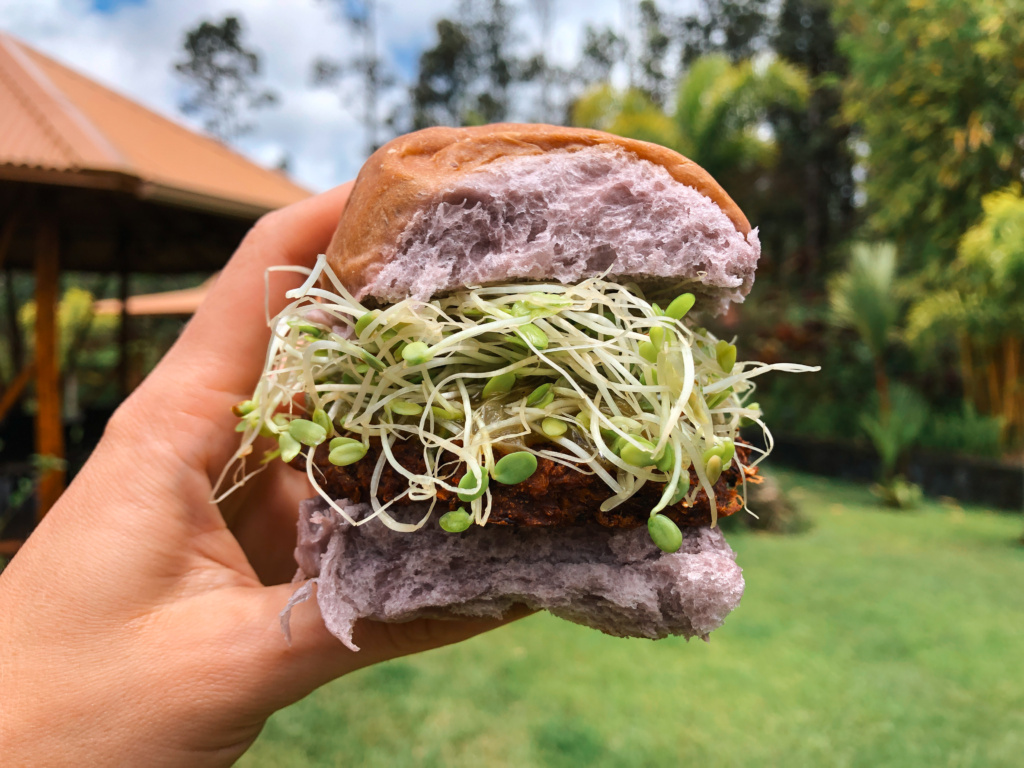
26. Taro Burger
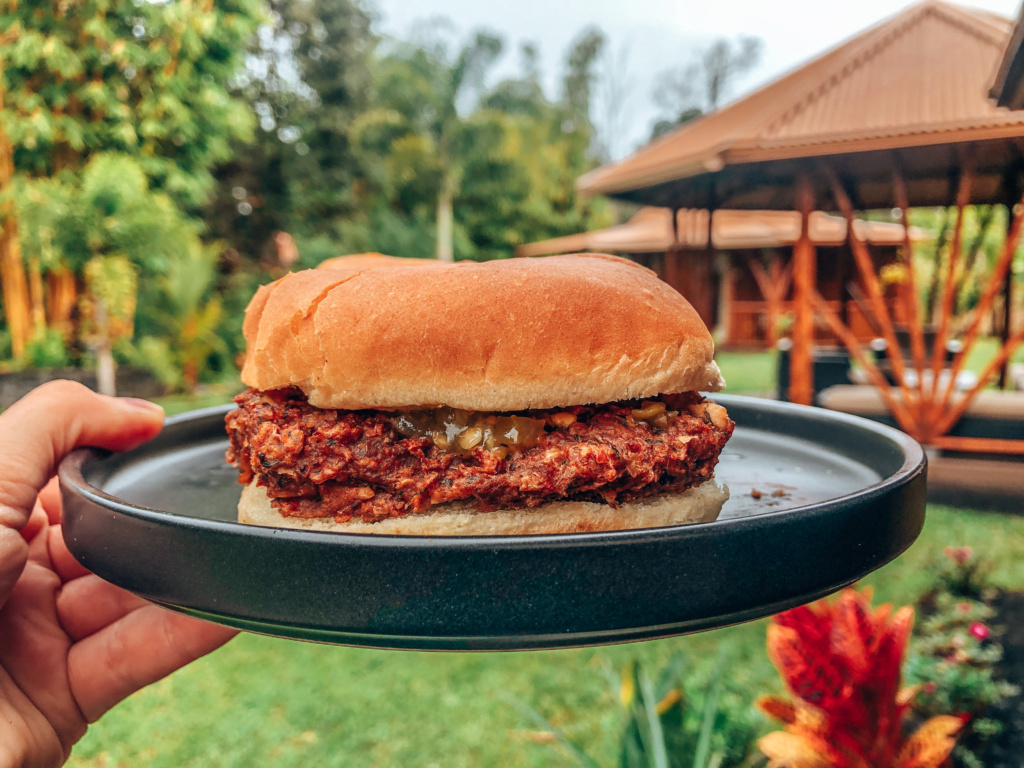
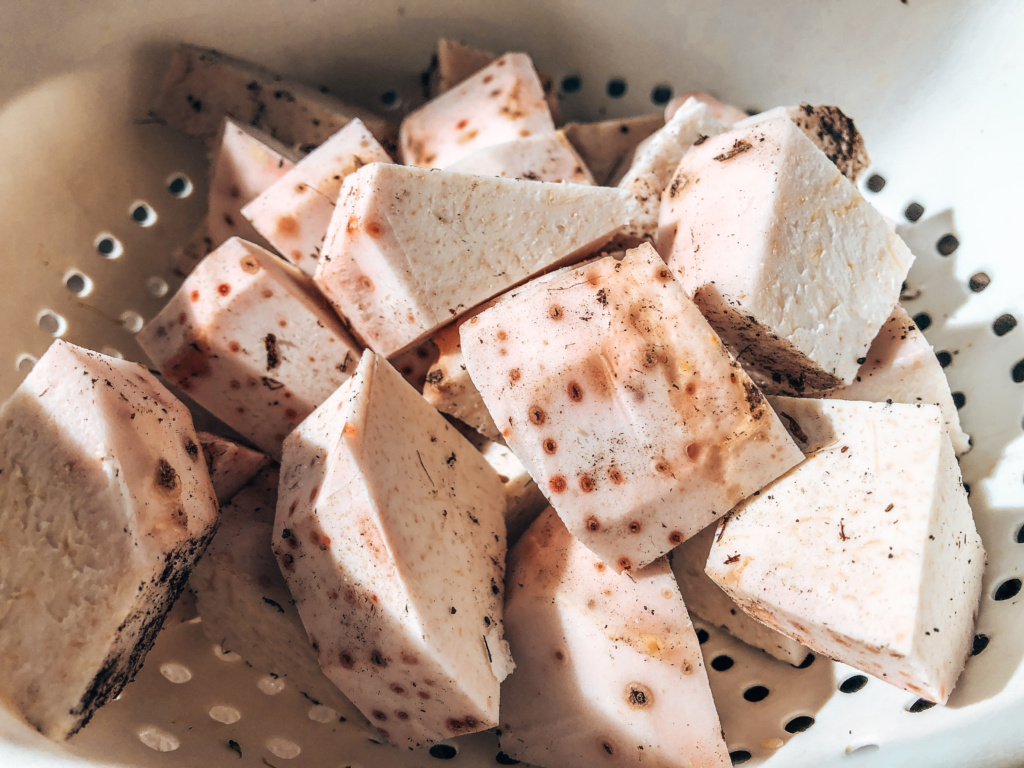
The taro burger represents Hawaii’s fusion of local agriculture and vegetarian cooking trends. Taro, one of Hawaii’s most sacred canoe crops, becomes the star ingredient.
The slightly nutty flavor and soft texture pair beautifully with tropical sauces and local vegetables.
27. Taro and Purple Potato Chips
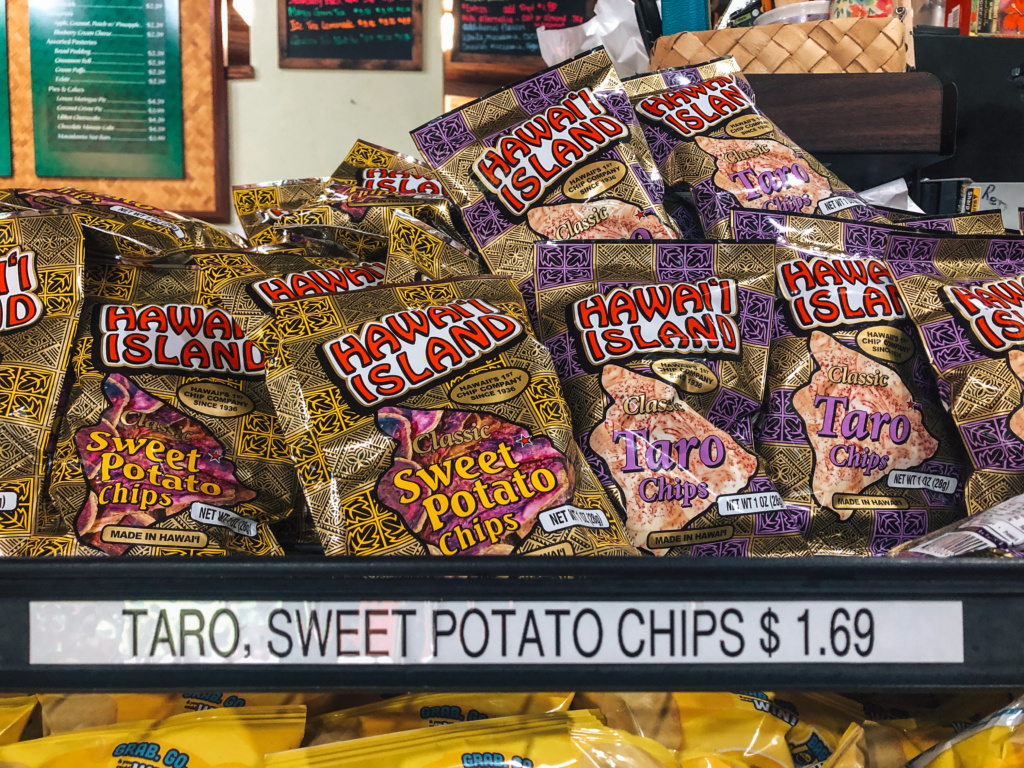
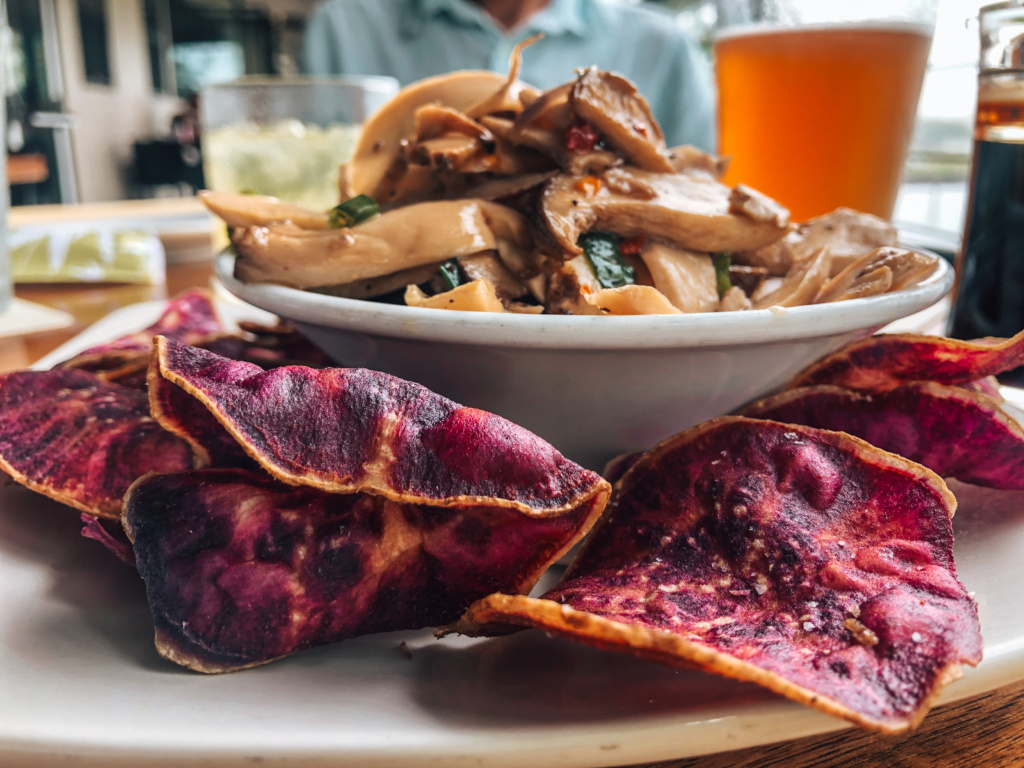
Hawaii snack companies popularized taro and purple sweet potato chips as an alternative to standard potato chips.
The chips highlight ingredients deeply tied to Hawaiian and Okinawan agriculture while showcasing the islands’ vibrant produce colors.
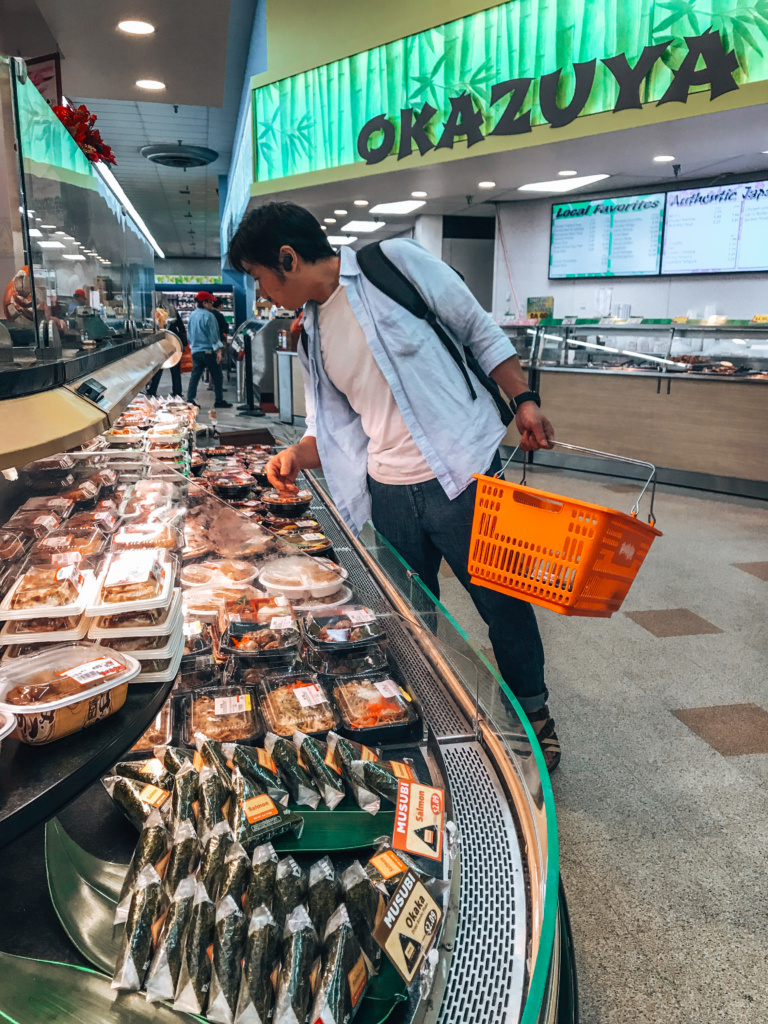
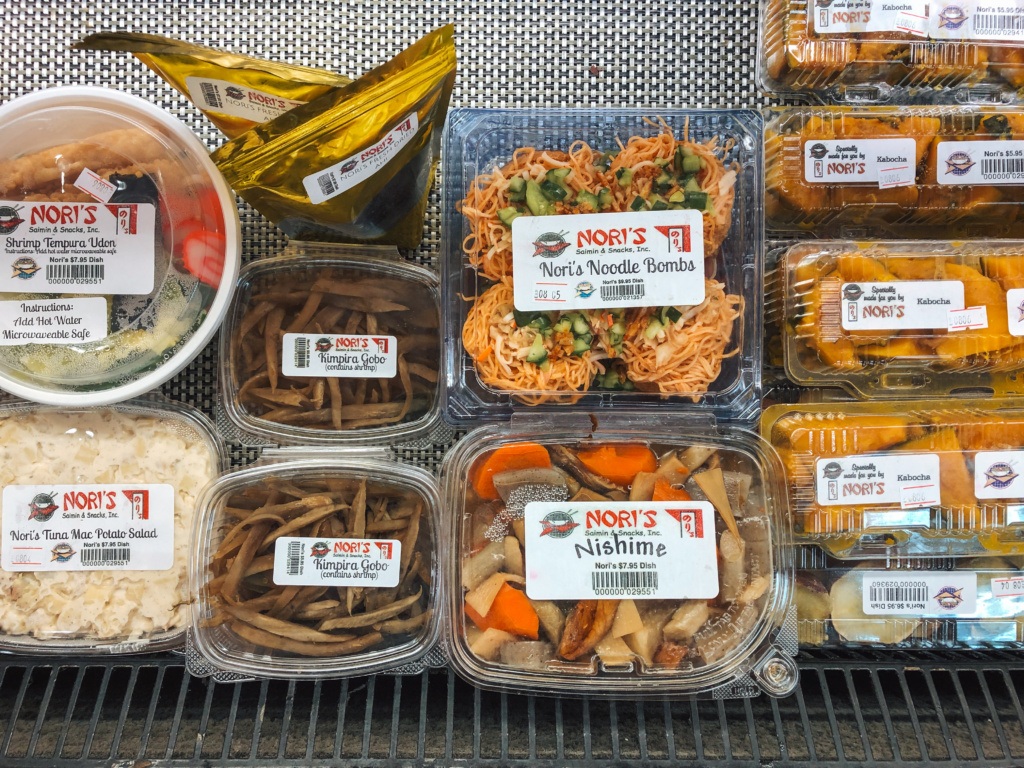
28. Okazuya Lunch
Okazuya shops developed from Japanese delicatessen traditions brought to Hawaii by immigrants working on plantations.
These humble counter-service spots sell comfort foods like fried chicken, tempura, noodles, and musubi. Many remain family-run institutions generations later.
Some of the best okazuyas in the state can be found in Hilo, Big Island.
29. Mai Tai
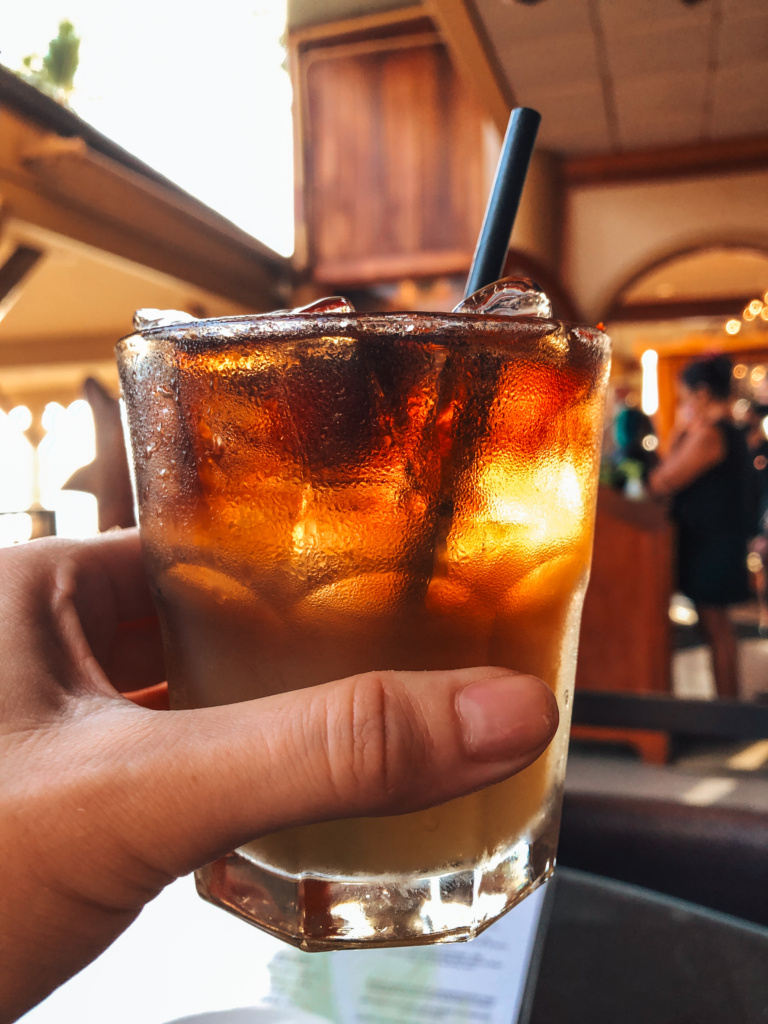
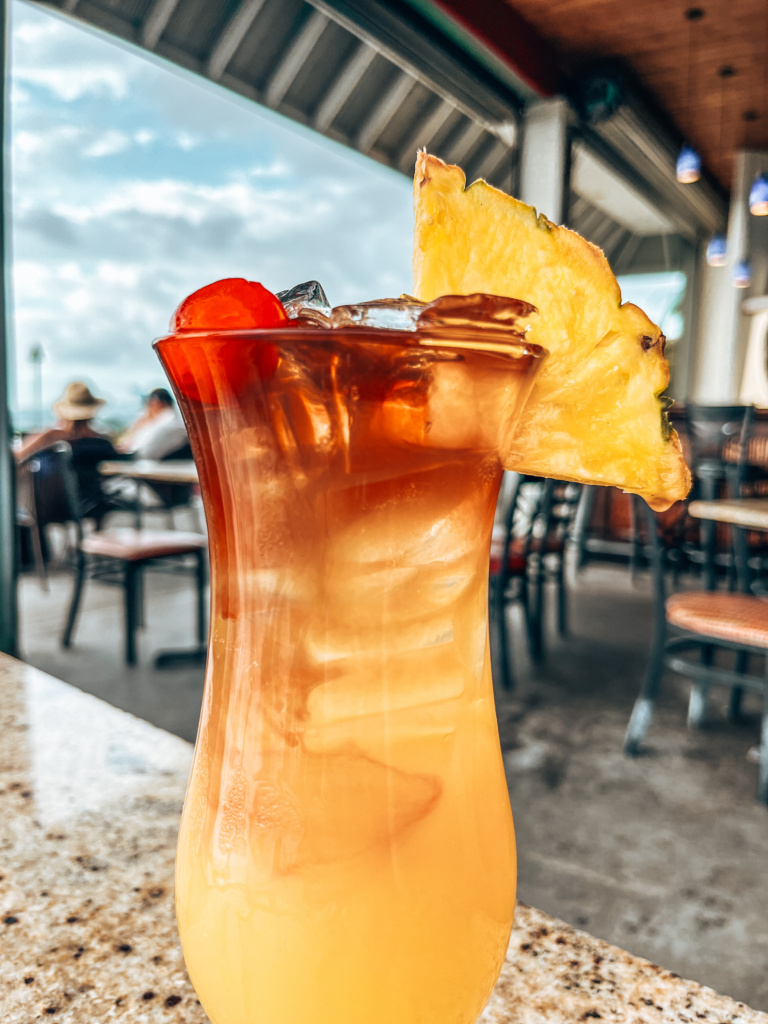
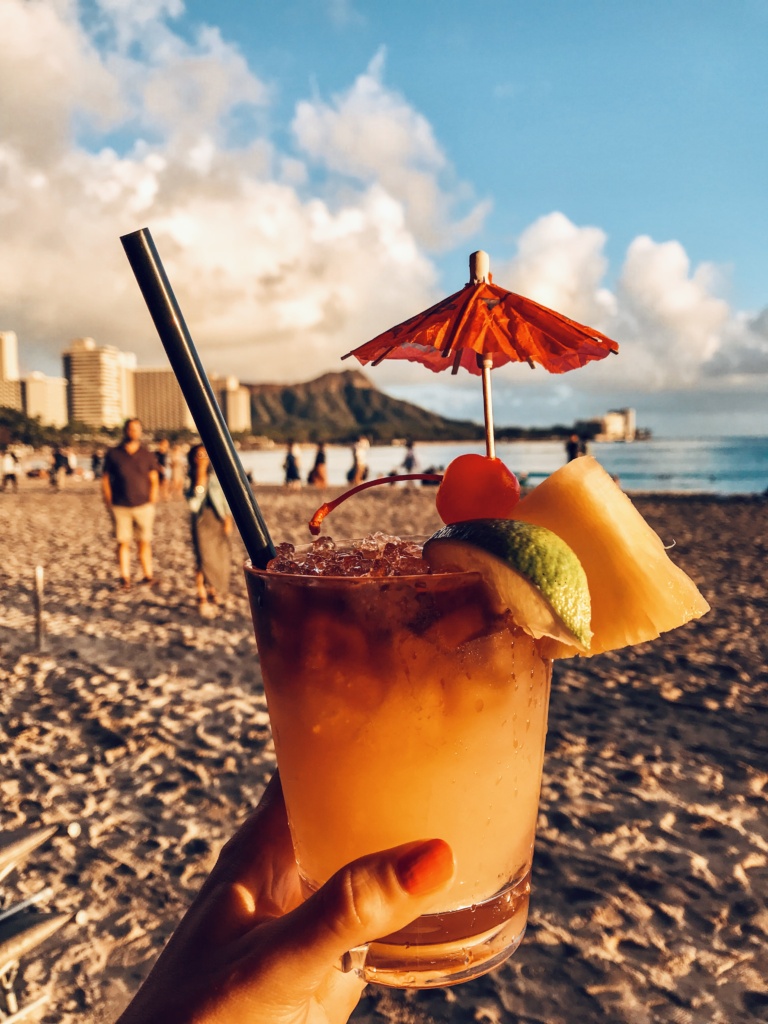
Although originally created in California, the mai tai became deeply associated with Hawaii during the mid-century tiki craze. Check out this post on the history of Mai Tai and the issues locals have with the tiki culture.
In Hawaii, the drink evolved into a sunset ritual enjoyed at beachfront bars throughout the islands. Fresh juices and quality rum make all the difference.
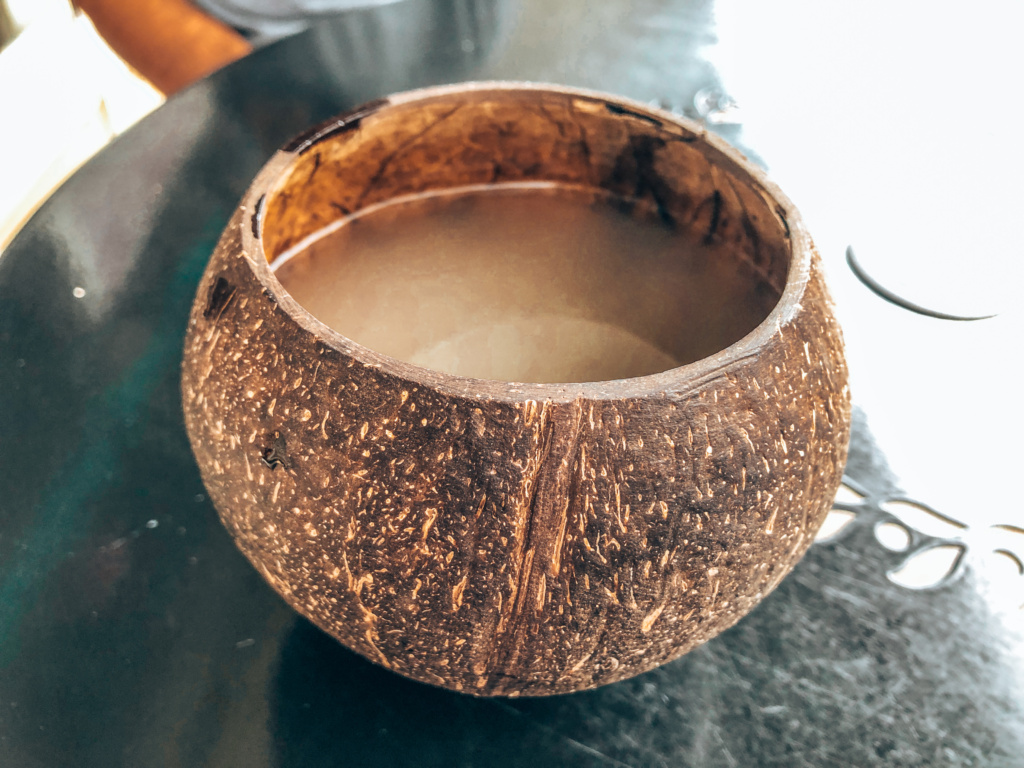
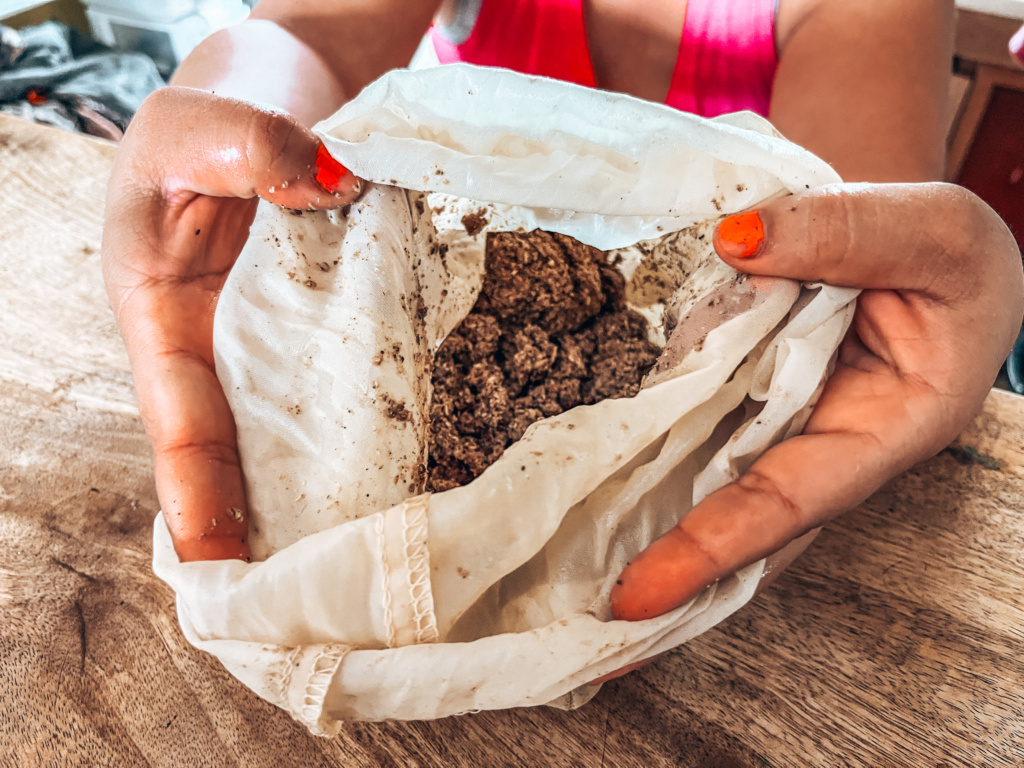
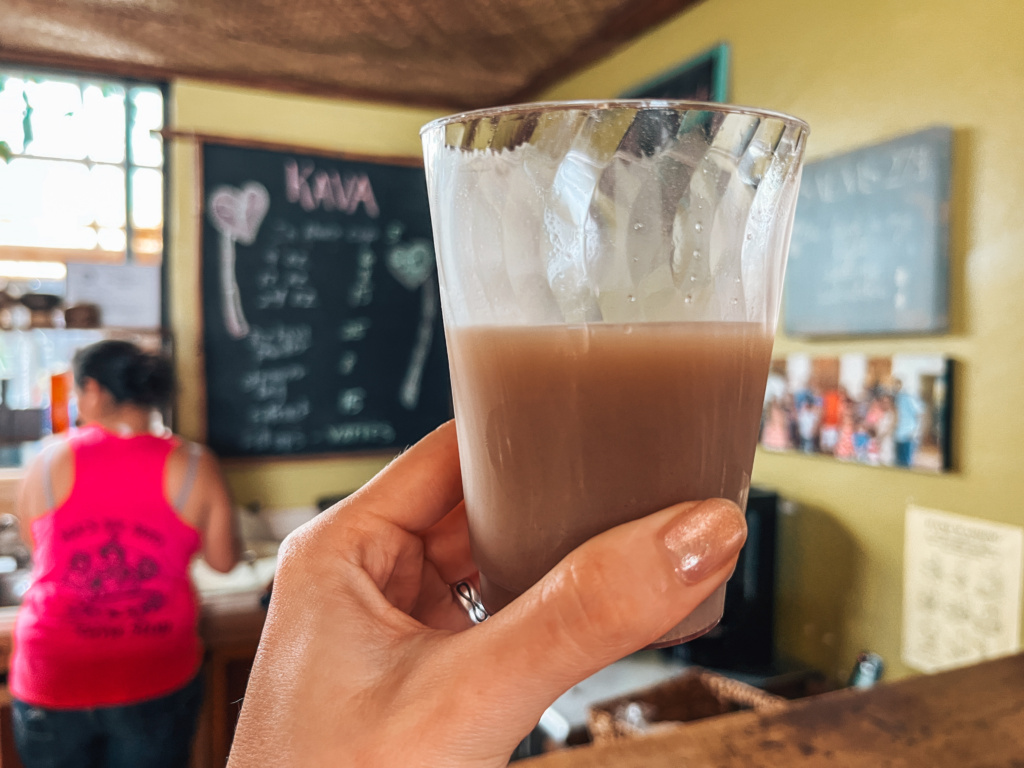
30. Kava Drink
Kava has been consumed ceremonially throughout Polynesia for centuries. The drink is made from the root of the kava plant and traditionally used for relaxation and social gatherings.
Today, kava bars across Hawaii continue that tradition while introducing visitors to an important part of Pacific Island culture. However, check out this post on cultural appropriation of kava for a full picture.
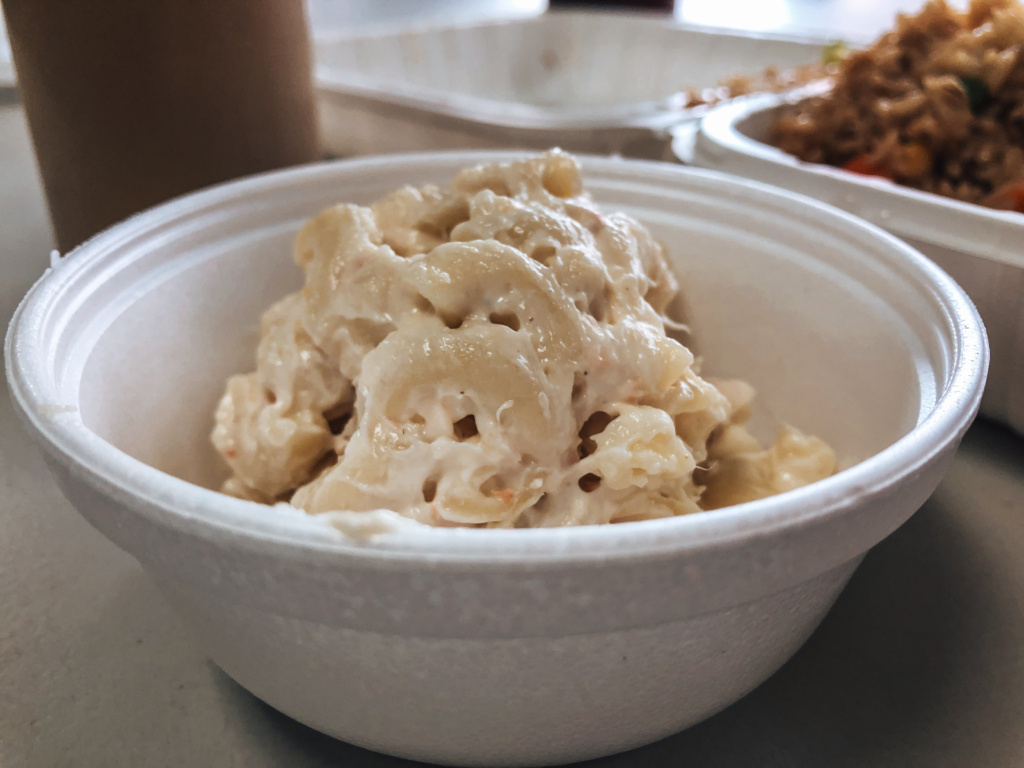
31. Mac Salad
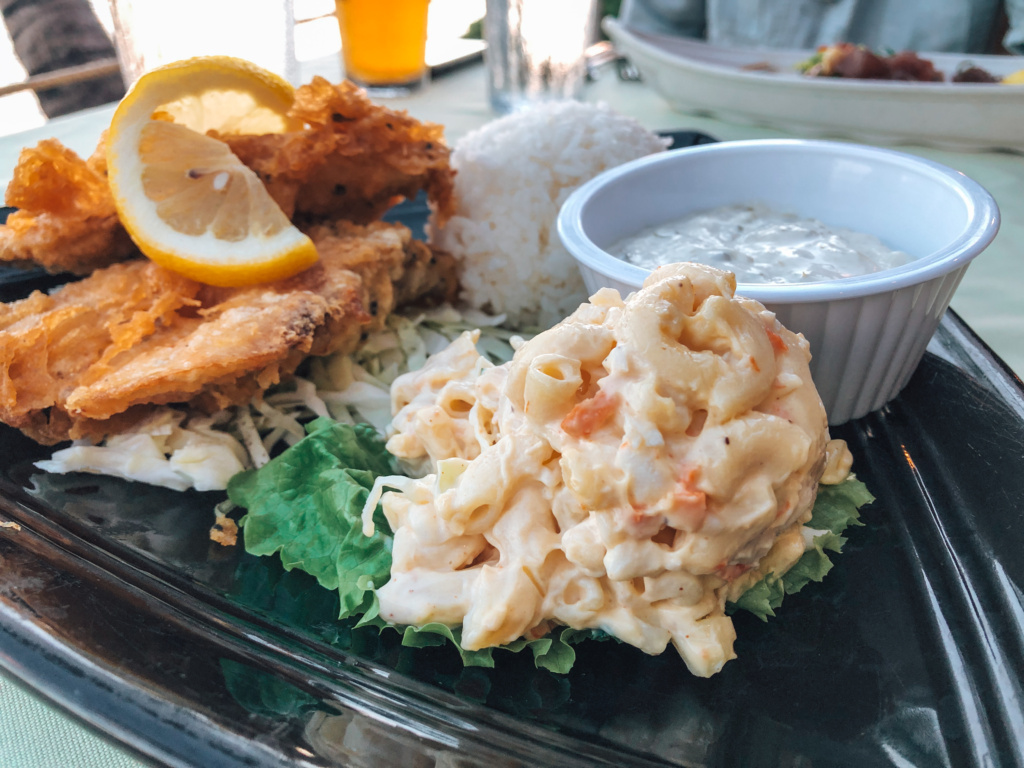
Mac salad became a staple of Hawaii plate lunches during the plantation era because it was cheap, filling, and easy to prepare in large batches. Over time, it evolved into one of Hawaii’s most beloved comfort foods.
Unlike tangy mainland versions, Hawaii mac salad is creamy, simple, and slightly sweet, usually made with soft macaroni, mayonnaise, carrots, and onions. No plate lunch feels complete without it.
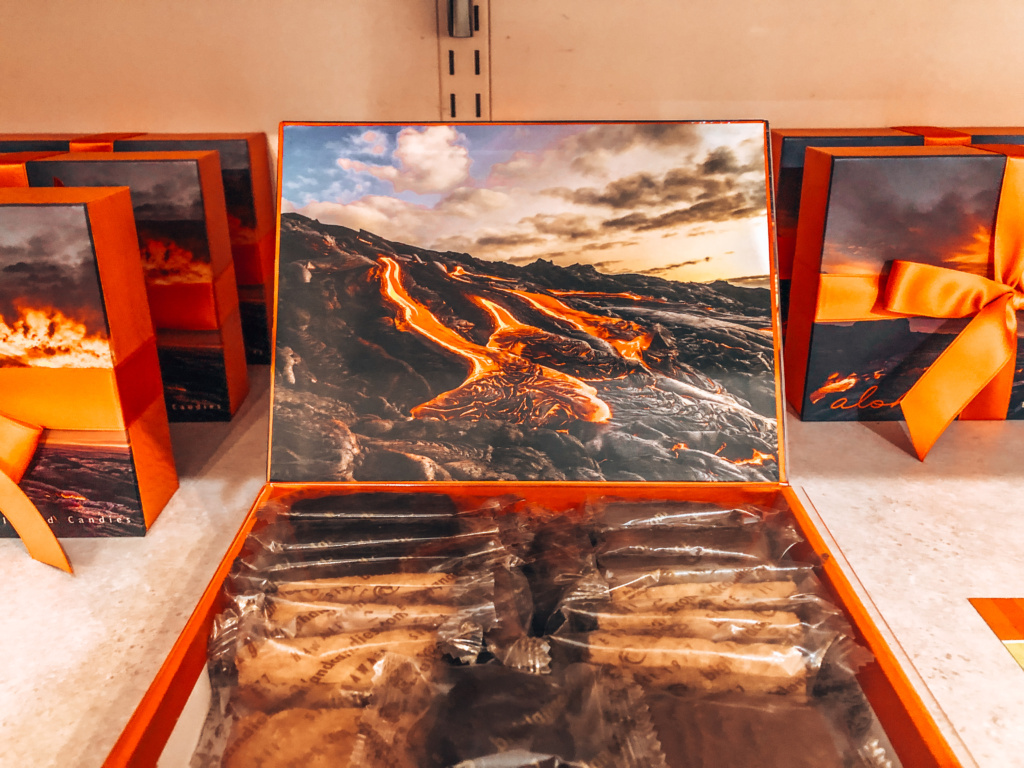
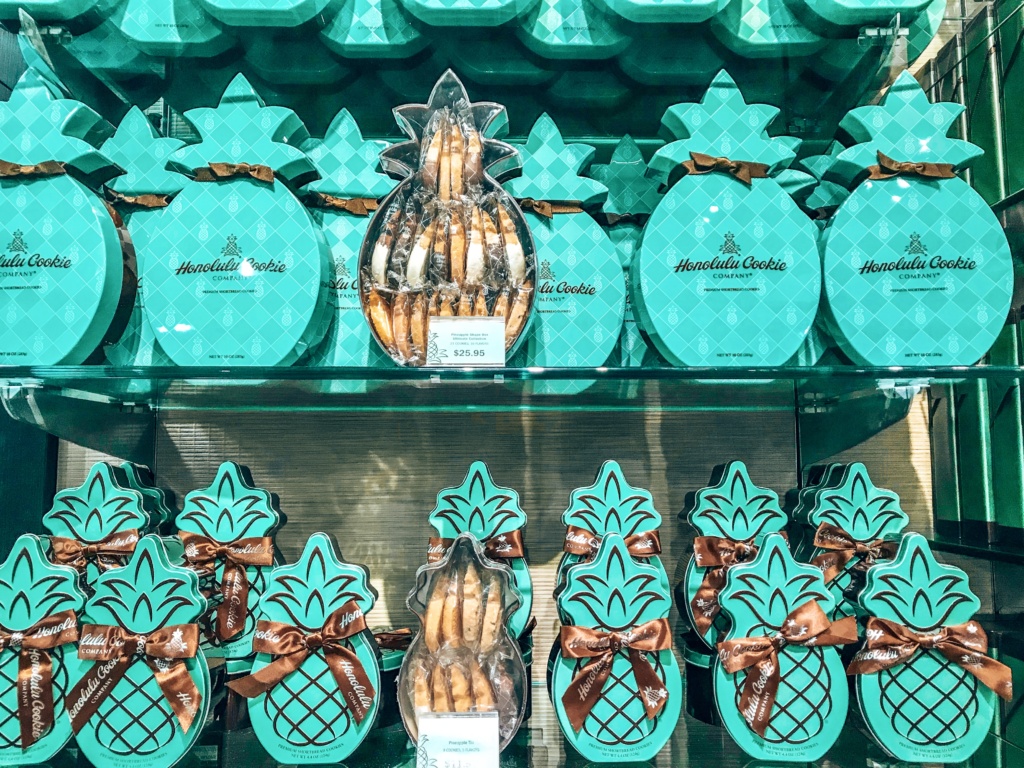
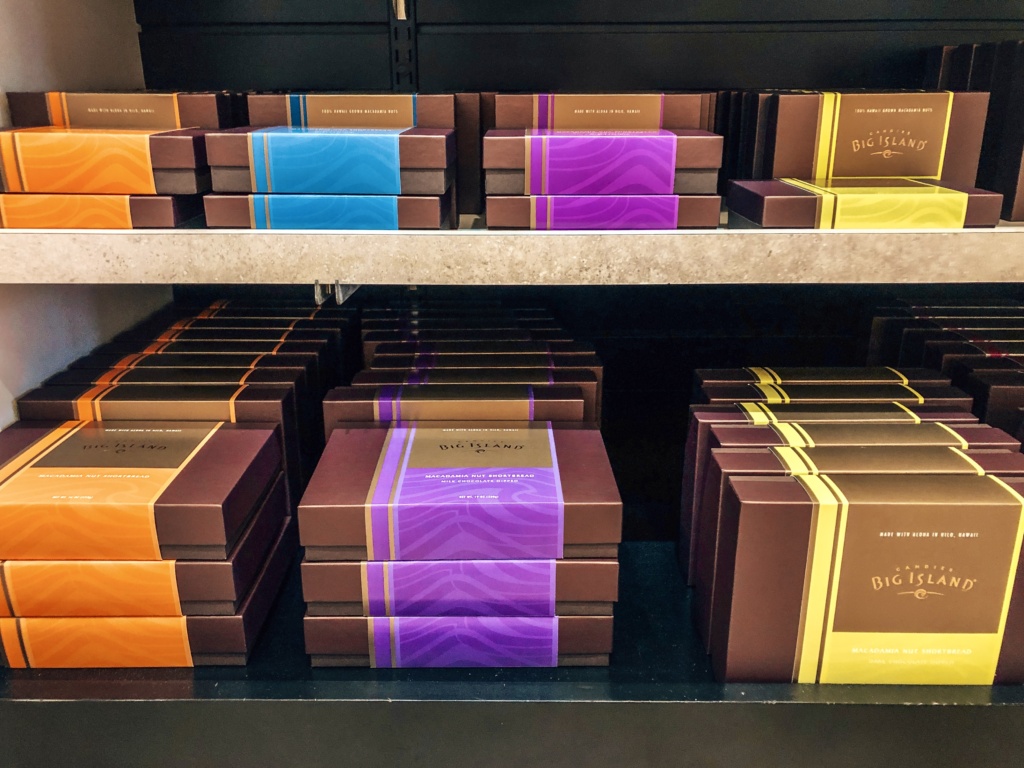
32. Honolulu Cookies and Big Island Cookies
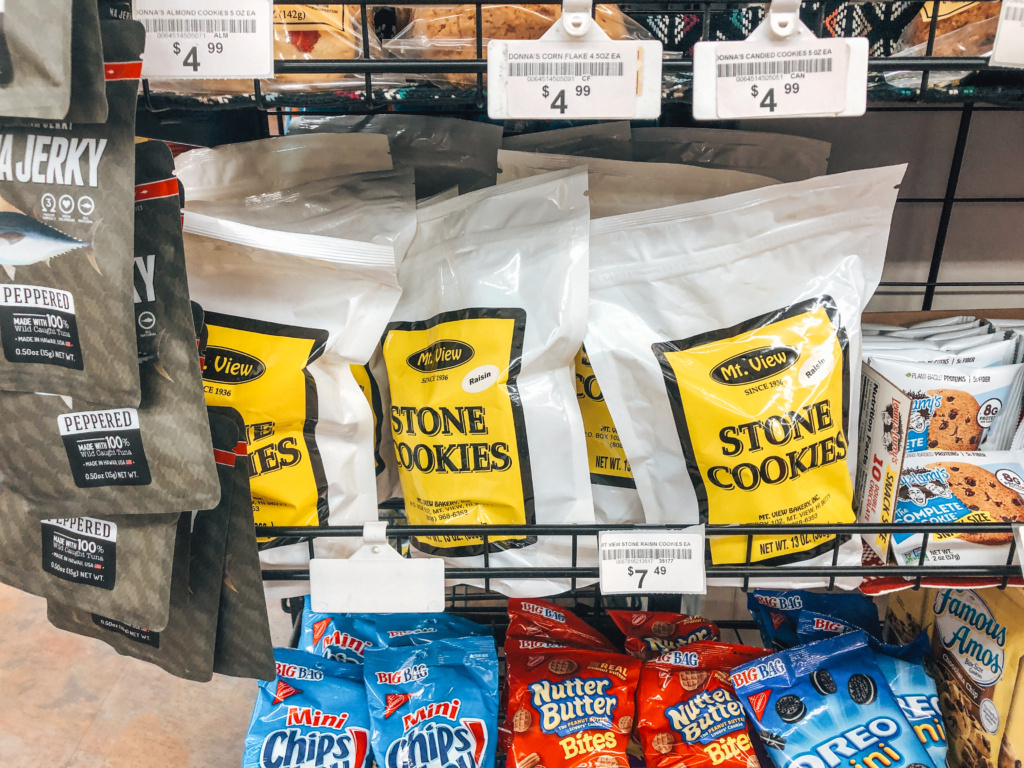
Hawaii’s cookie culture exploded alongside tourism growth, with buttery tropical shortbread becoming a popular edible souvenir.
Flavors like Kona coffee, guava, pineapple, and macadamia nut capture the islands’ tropical identity in dessert form. Check out this post on what else to eat in Hilo, Big Island.
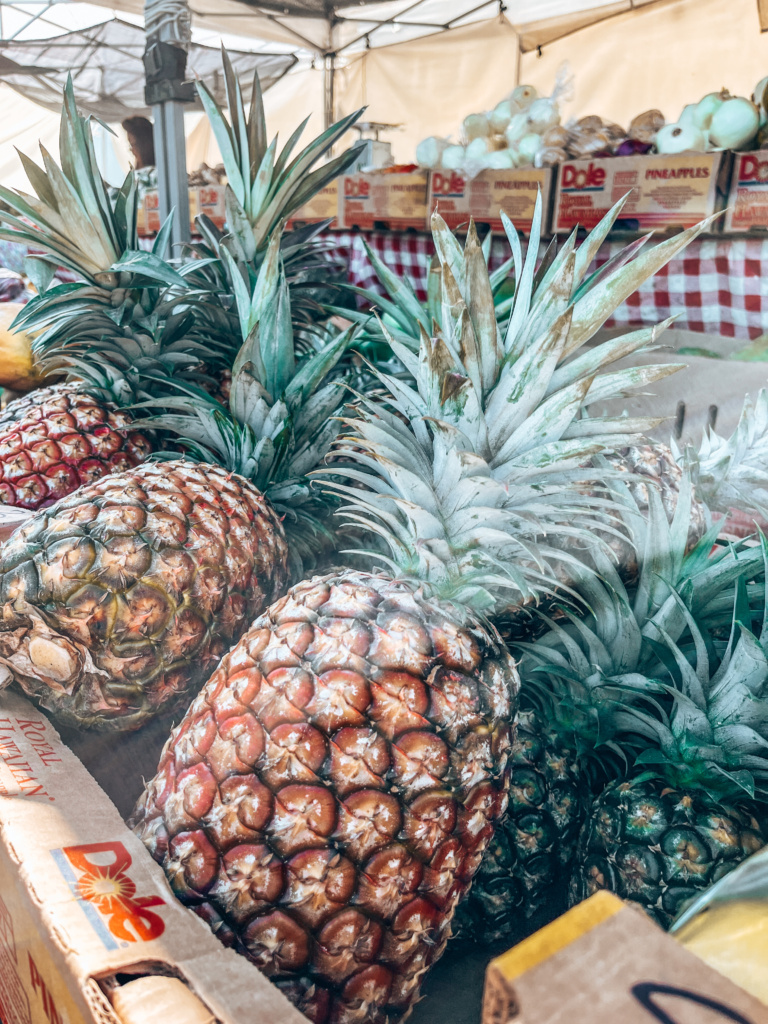
33. Maui Gold Pineapple & Dole Whip
Pineapple farming shaped Hawaii’s economy for generations, though most modern production now happens elsewhere globally.
Dole Whip originated as a pineapple soft serve dessert connected to Hawaii’s pineapple industry and tourism culture. Cold, creamy, and refreshing, it became one of Hawaii’s most recognizable sweet treats for visitors. Maui Gold pineapples remain famous for their extreme sweetness and low acidity, making them taste completely different from supermarket pineapples.
Just be sure to refer to this post on what Hawaiian people want you know about Hawaii for the full story of Mr. Dole’s involvement in the state’s forced annexation.
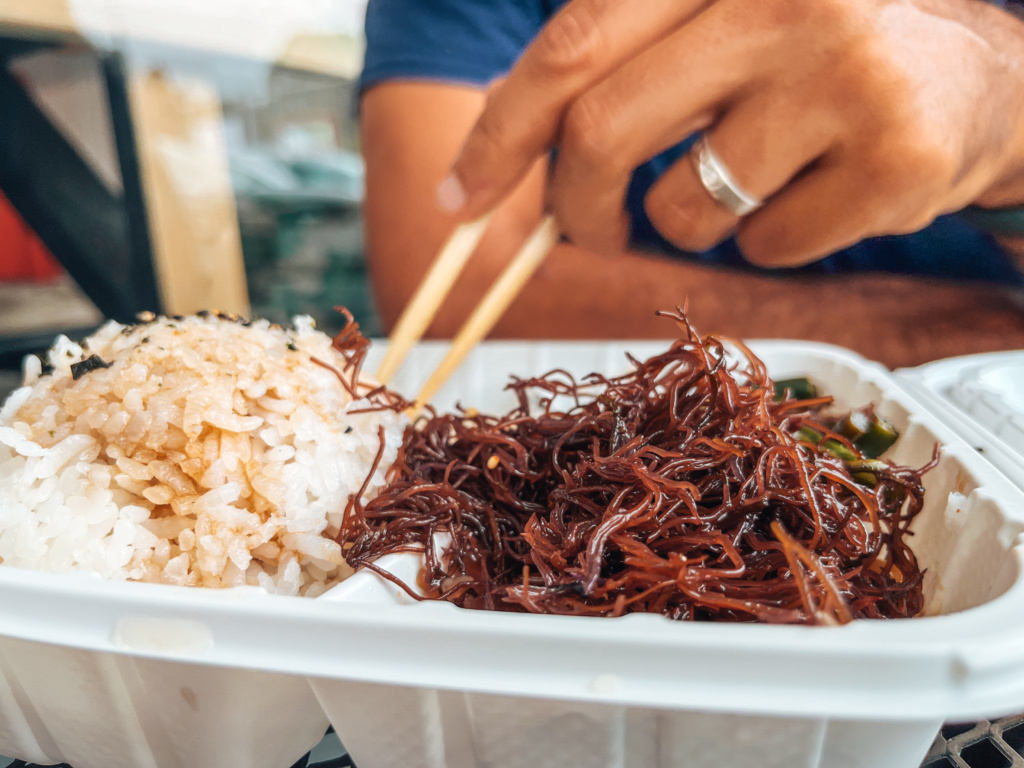
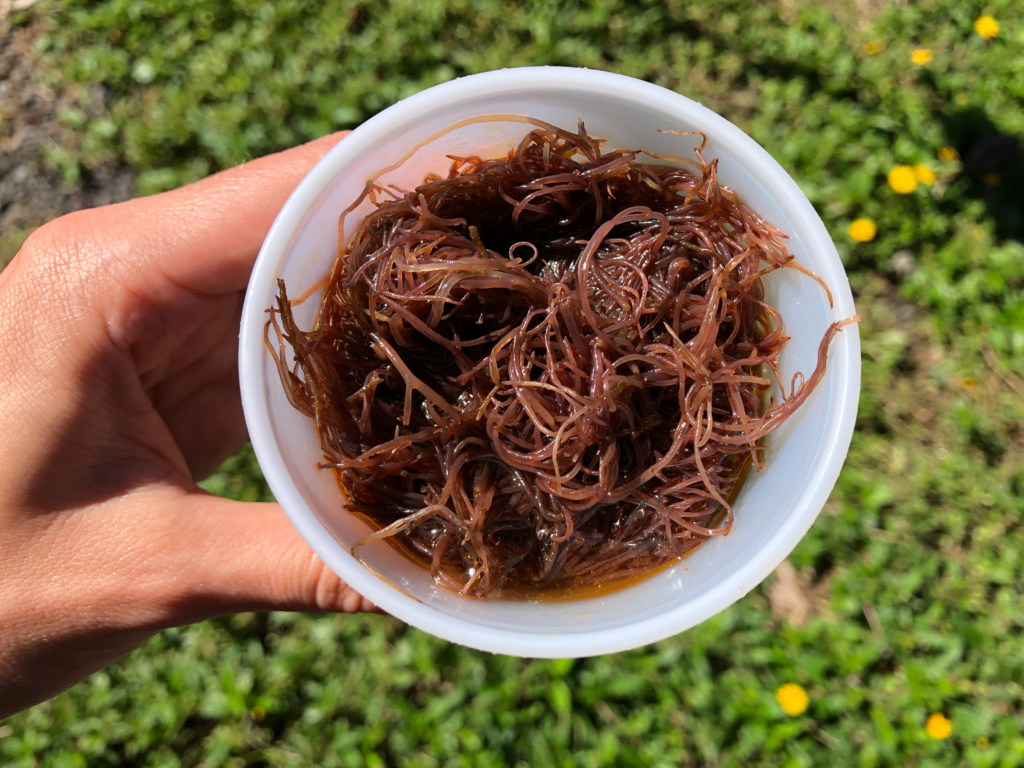
34. Limu Seaweed
Limu seaweed has been part of Native Hawaiian cuisine for centuries and was traditionally gathered from reefs around the islands. Long before modern tourism, limu was an important source of nutrients and commonly eaten with fish and poi.
Today, limu is most often associated with poke, where it adds a salty ocean flavor and authentic local touch. For many locals, it’s a taste deeply connected to traditional Hawaii food culture.
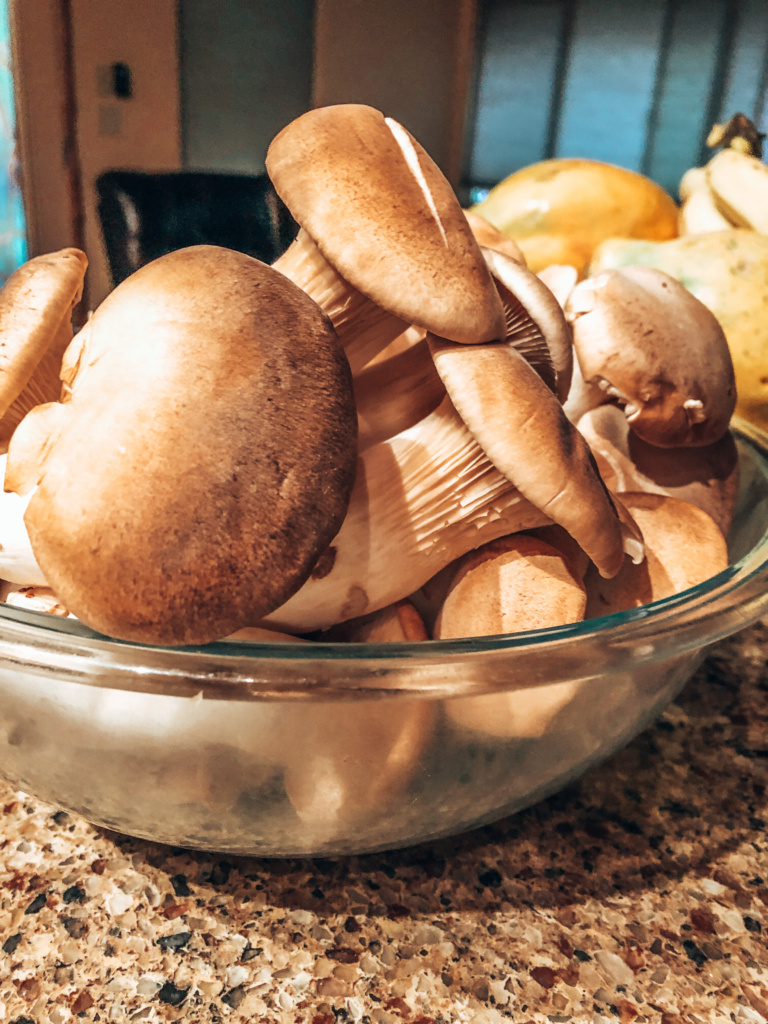
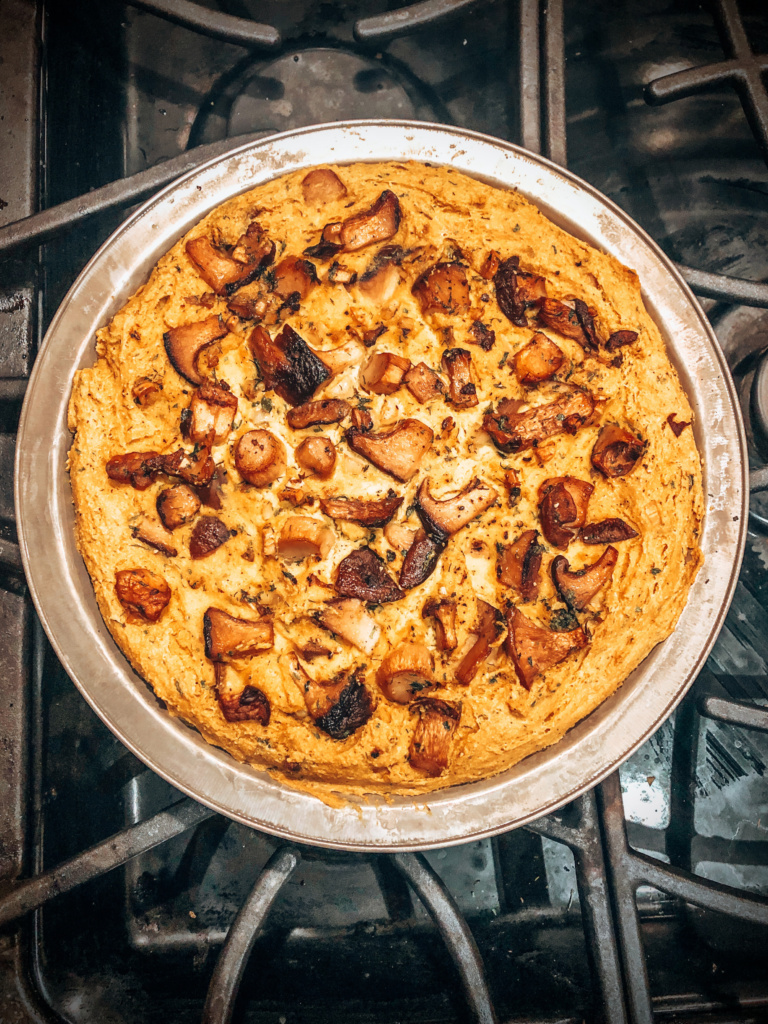
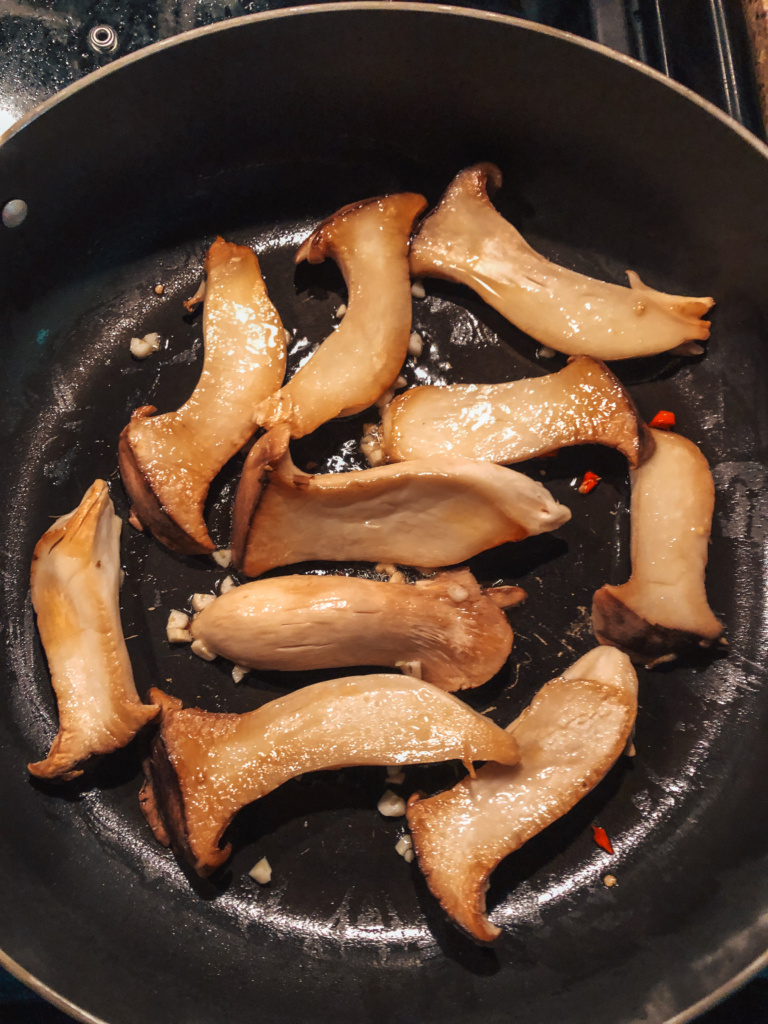
35. Honoka‘a Mushrooms
The Big Island’s diverse microclimates make it ideal for specialty agriculture, including gourmet mushroom farming.
Honoka‘a mushrooms appear on menus throughout Hawaii, especially in upscale farm-to-table restaurants emphasizing local ingredients.
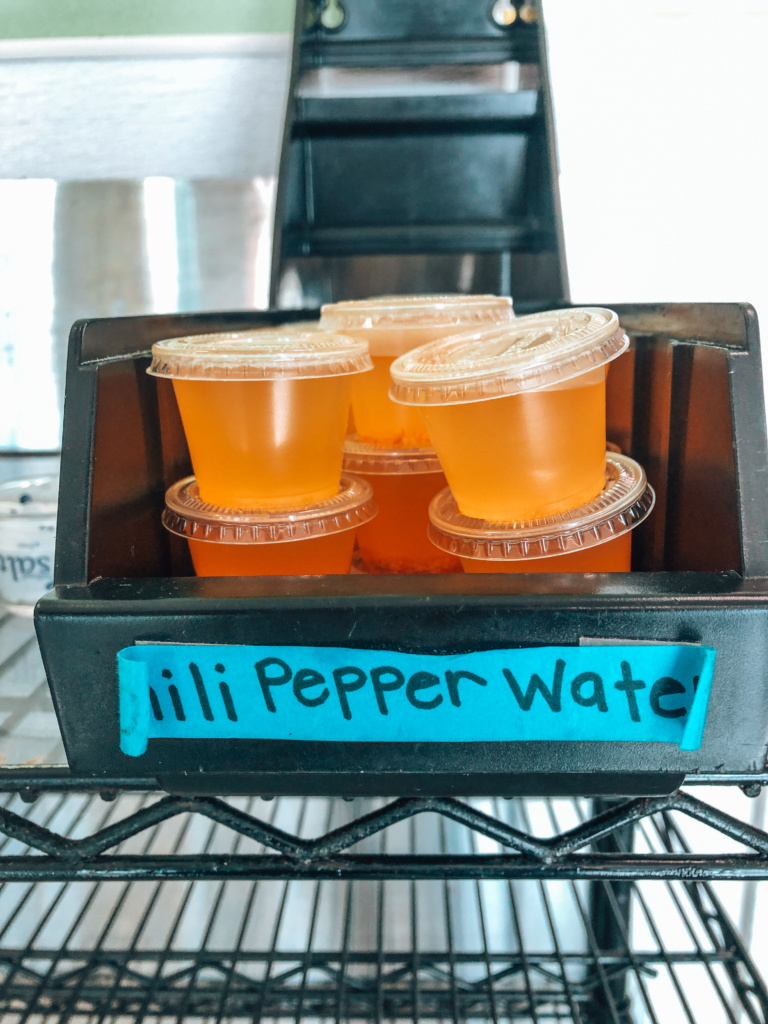
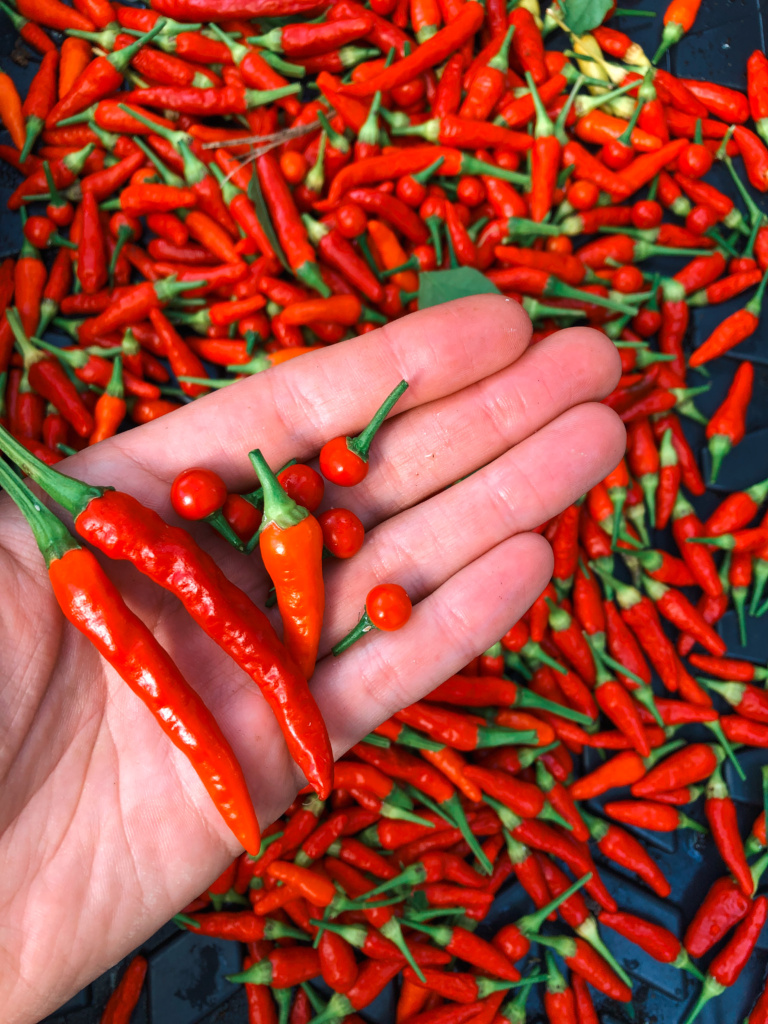
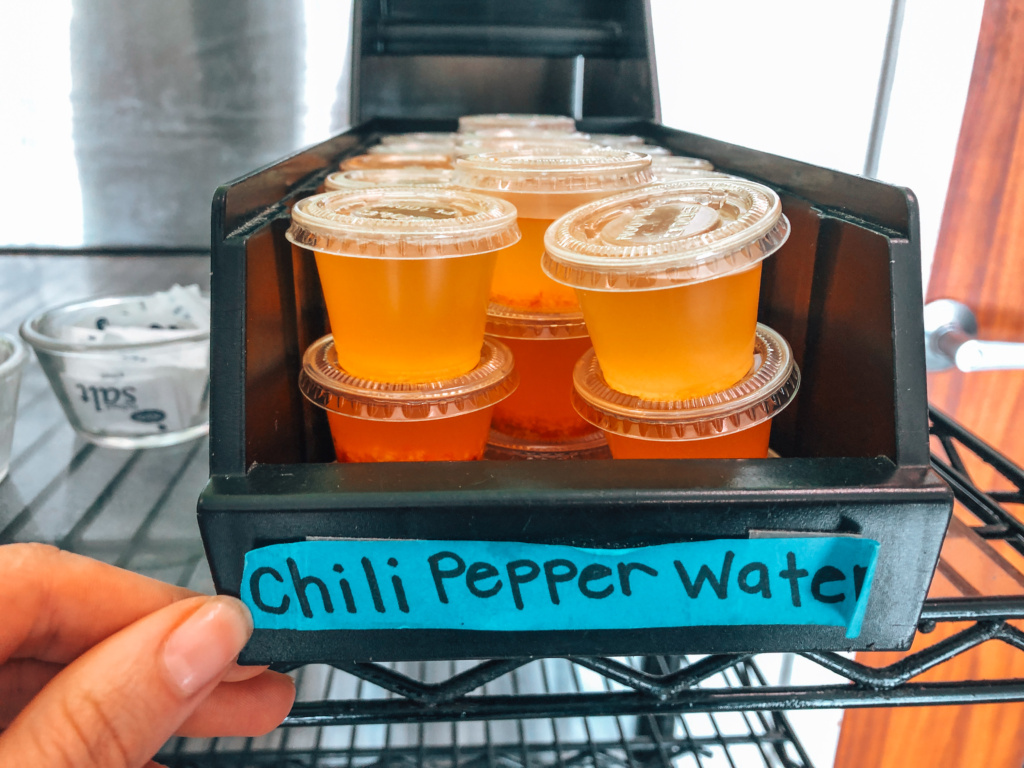
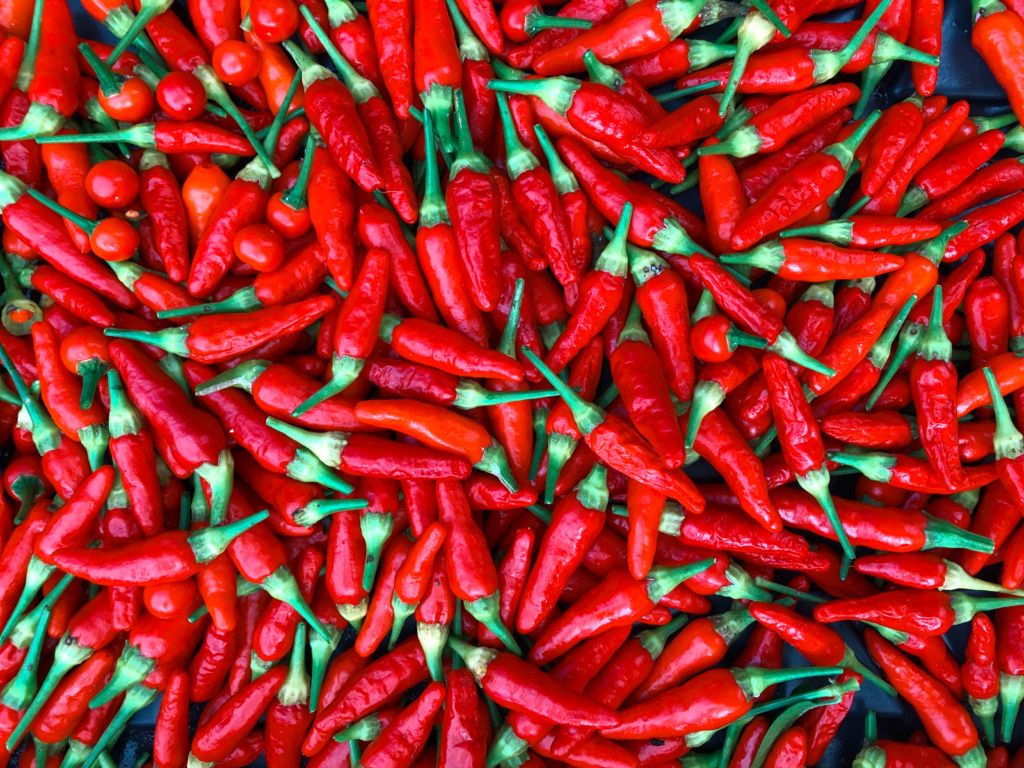
36. Hawaiian Chili Water
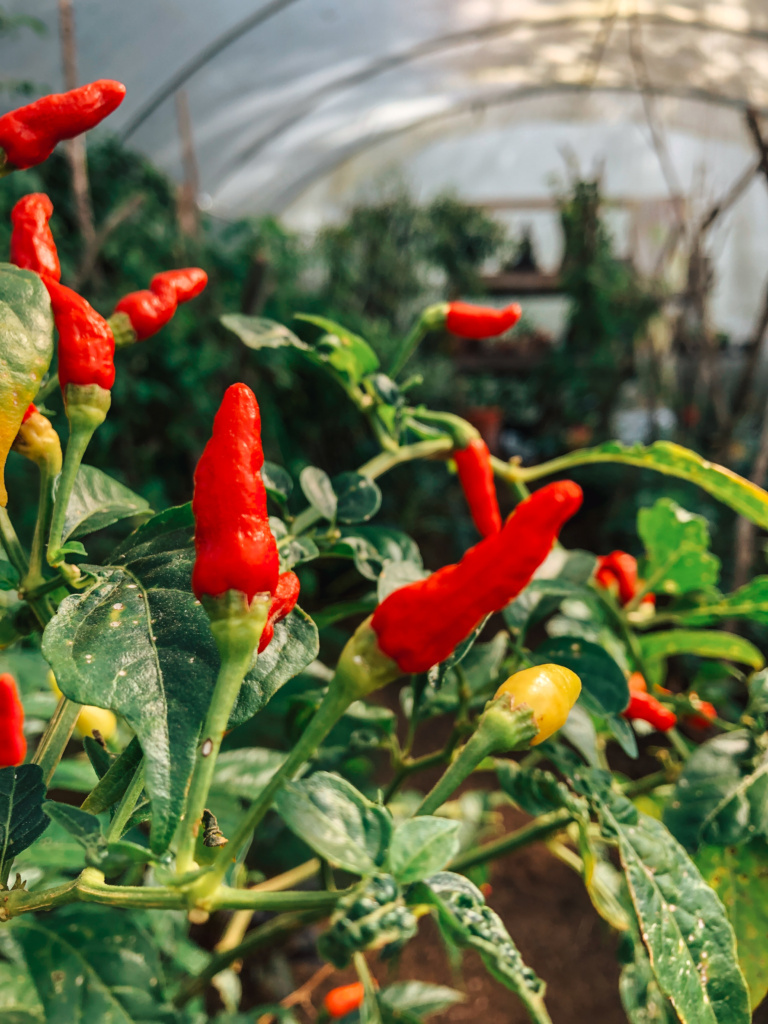
Hawaiian chili pepper water developed as a local condiment blending Native Hawaiian and immigrant flavor traditions.
The spicy vinegar-based sauce appears on everything from poke to fried rice and reflects Hawaii’s love of bold seasoning.
37. Chicken Long Rice
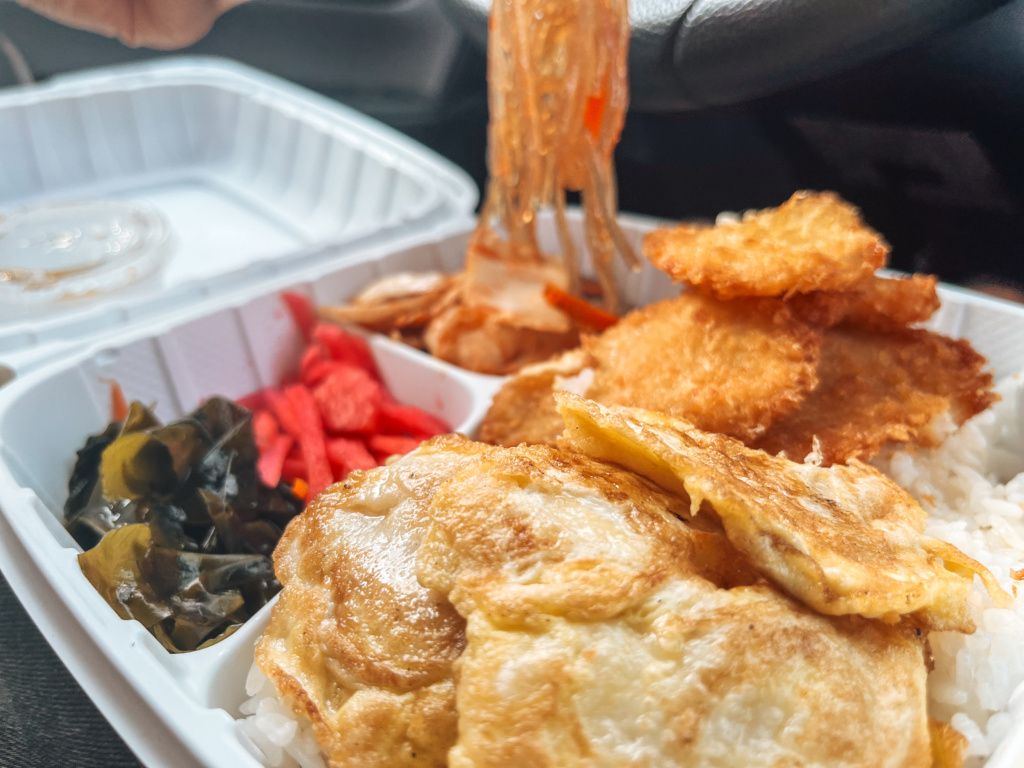
Chicken long rice likely originated from Chinese noodle soups adapted into local Hawaii cuisine. Despite the name, the “rice” refers to translucent bean thread noodles simmered in a gingery chicken broth.
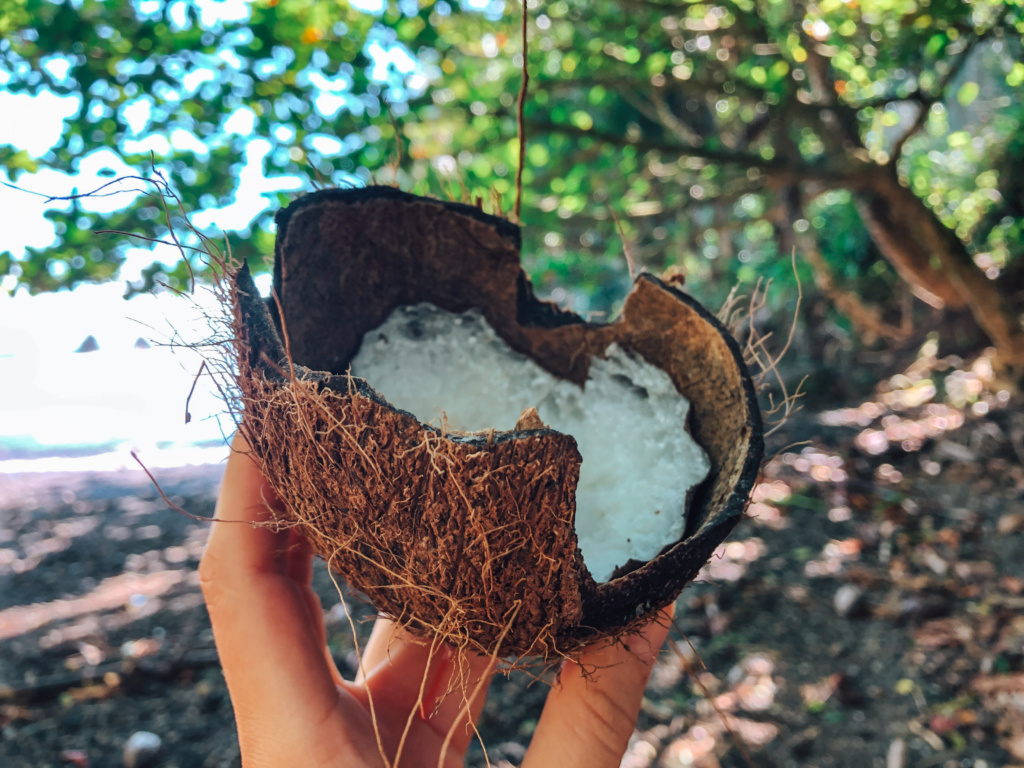
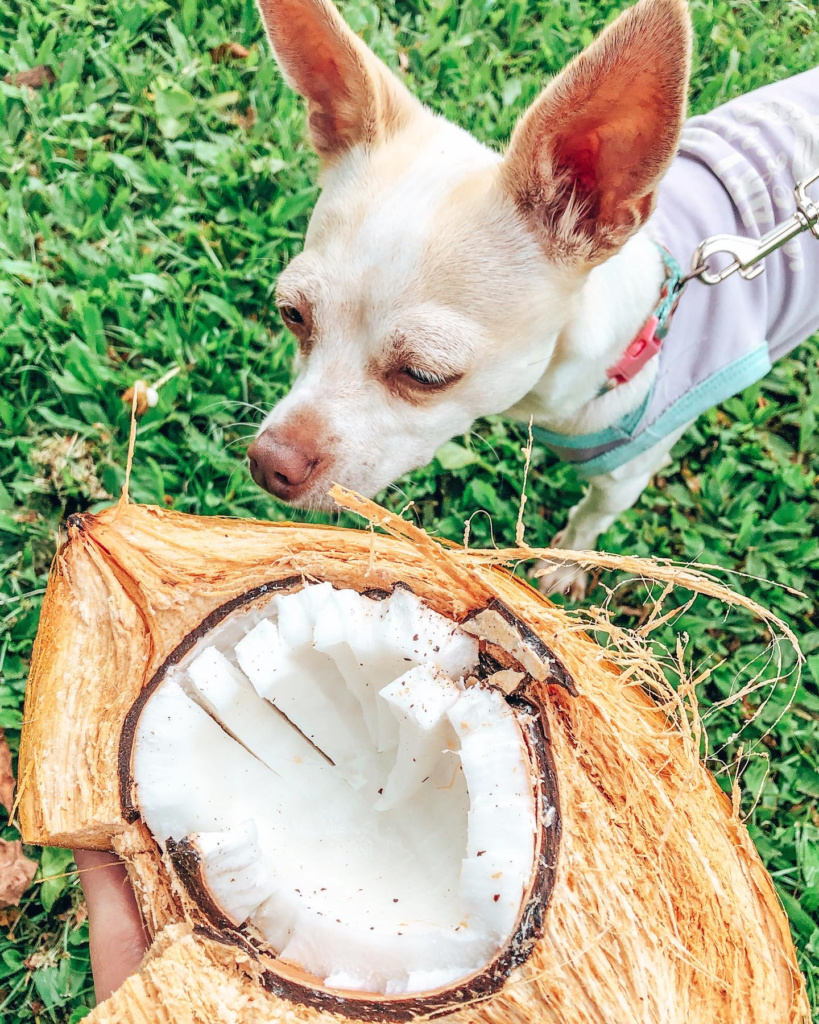
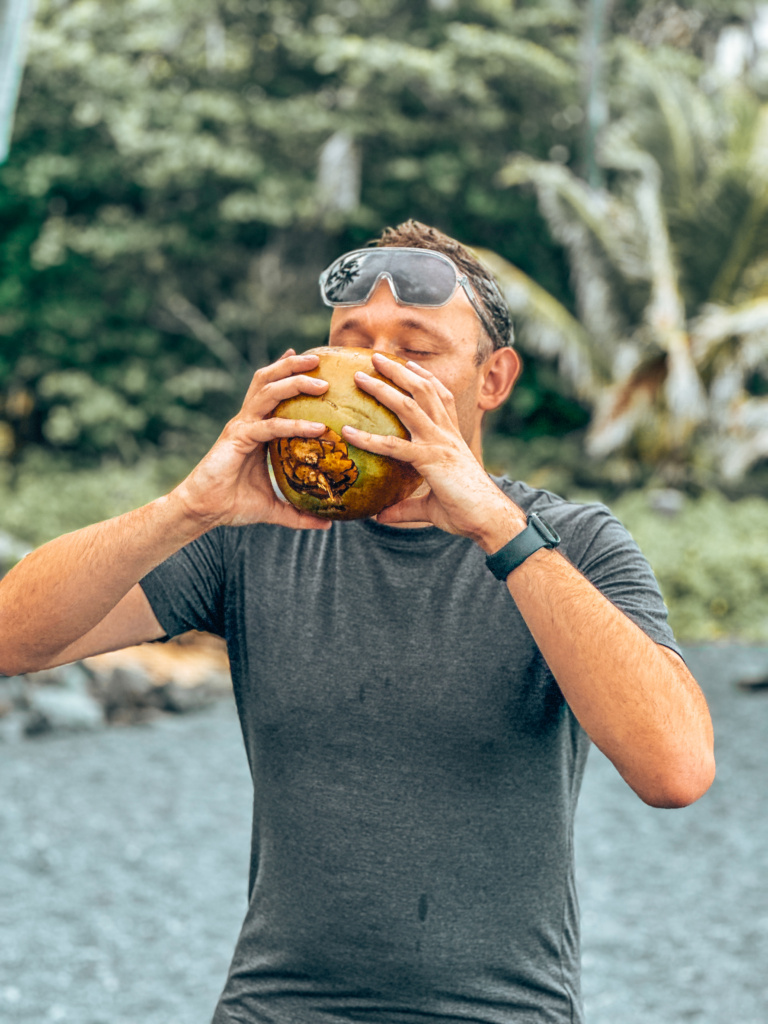
38. Fresh Coconut
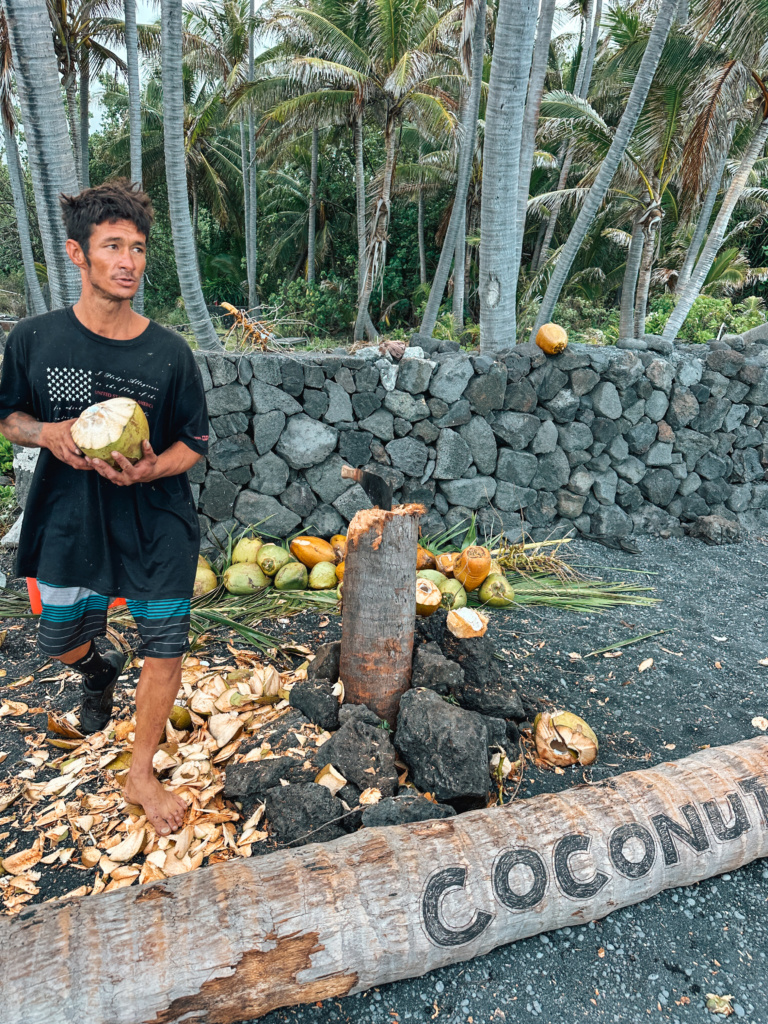
Coconuts were among the original canoe crops brought by Polynesian voyagers centuries ago. Today, fresh coconut water and soft coconut meat remain one of the purest tropical flavors visitors can experience in Hawaii.
39. Fish and Chips Hawaiian Style
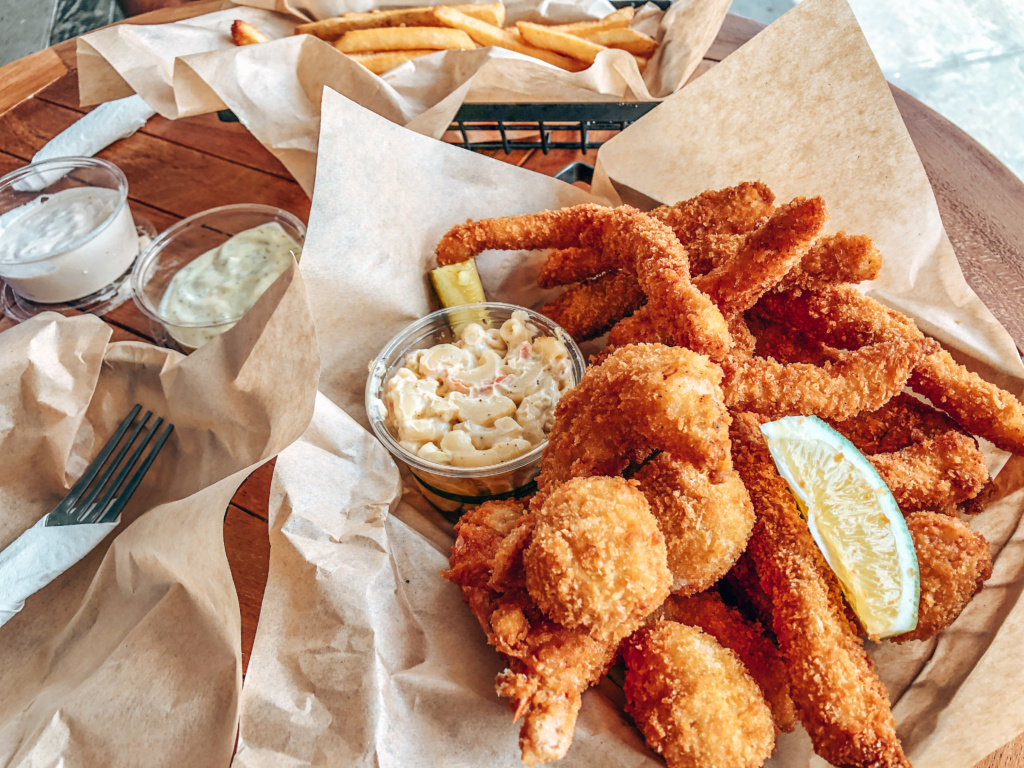
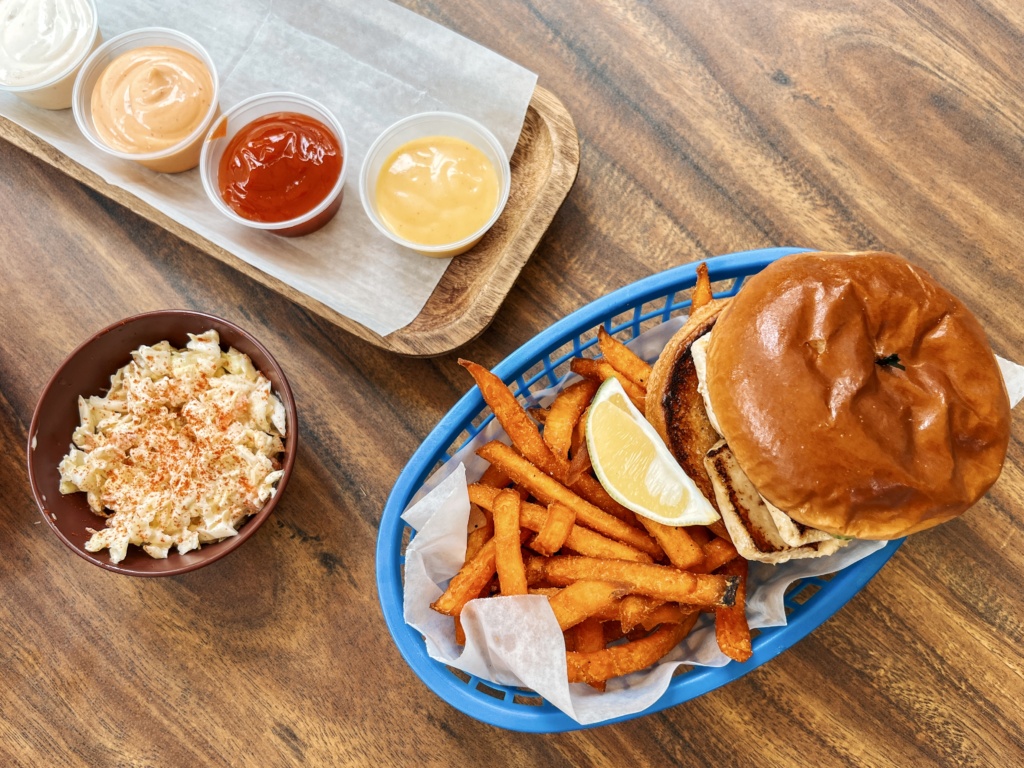
Fish and chips in Hawaii usually features ultra-fresh local fish like mahi mahi or ono rather than cod. The dish reflects Hawaii’s blend of American comfort food with incredible island seafood quality. Side of mac salad obligatory.
40. Mac Nut Crusted Mahi Mahi
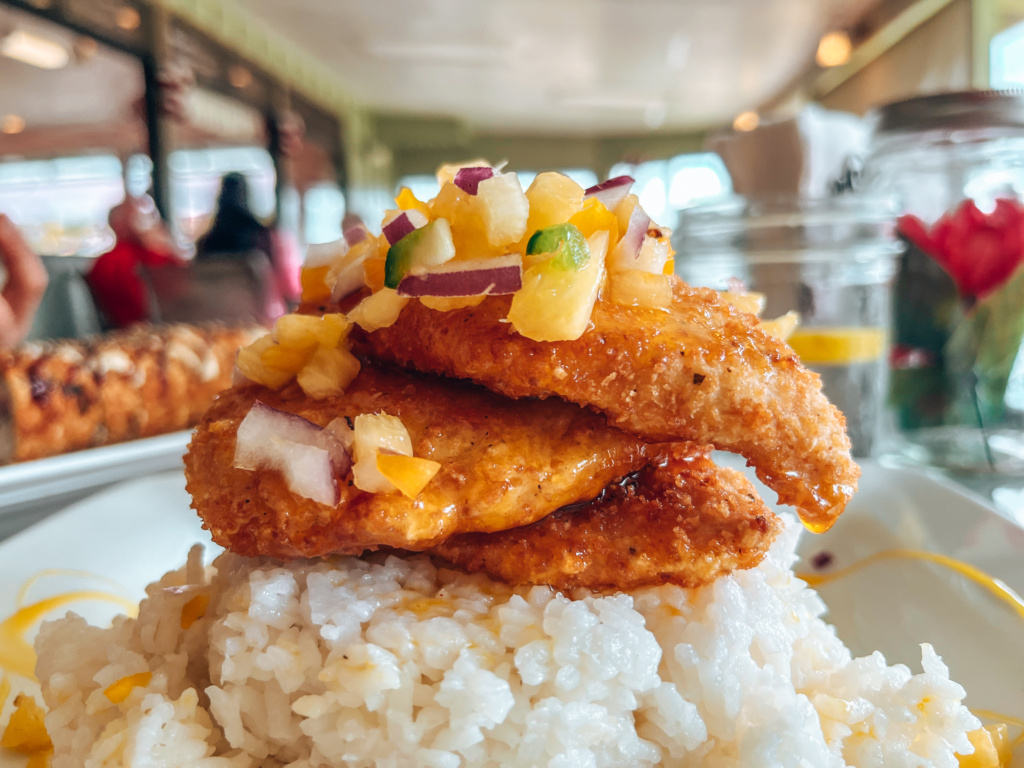
Macadamia-crusted fish became especially popular during Hawaii’s resort dining boom in the 1980s and 1990s. The buttery crunch of macadamia nuts pairs beautifully with flaky local mahi mahi and tropical fruit sauces.
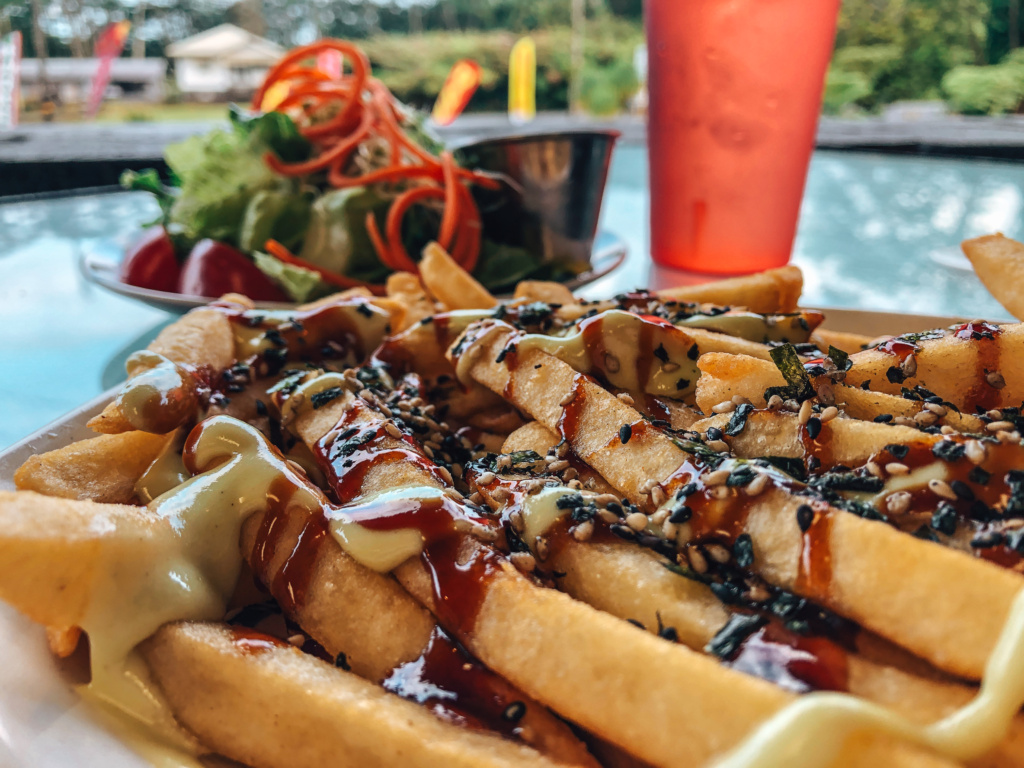
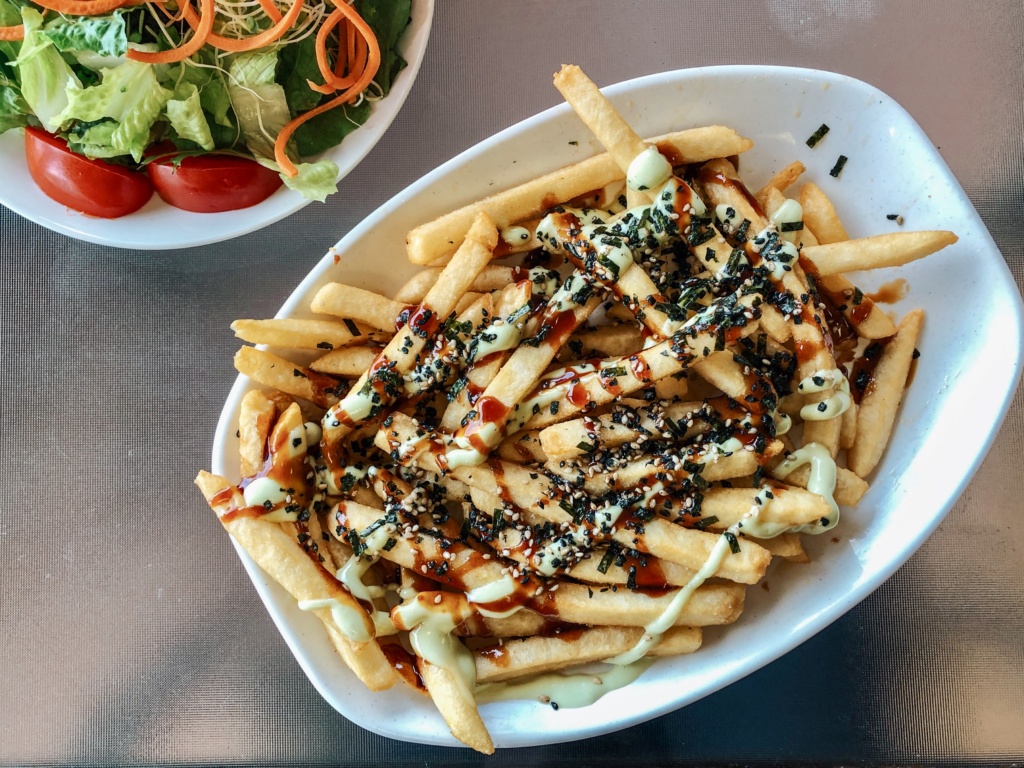
41. Furikake Fries
Furikake seasoning came to Hawaii through Japanese immigration and eventually found its way onto french fries. The combination of seaweed, sesame seeds, salt, and fries perfectly represents Hawaii’s playful fusion food culture. If you’re lucky you may even find loaded furikake and poke fries.
42. Poke Nachos
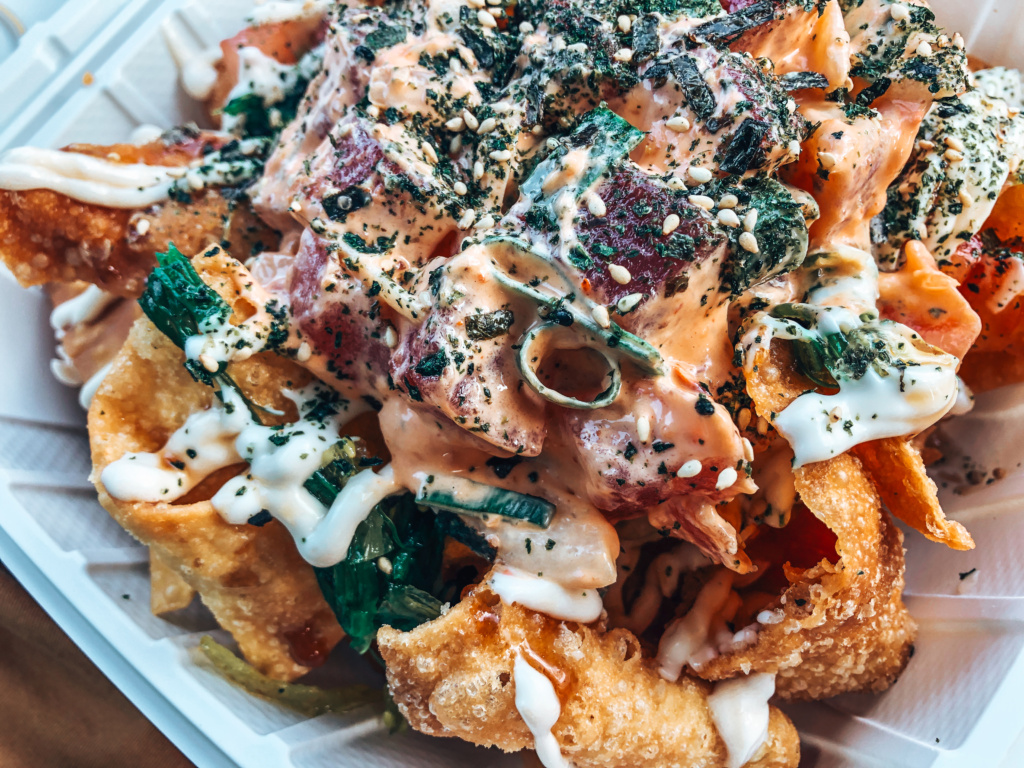
Poke nachos are a modern Hawaii invention blending fresh ahi tuna with American bar food traditions. The dish became especially popular in Waikiki restaurants catering to both locals and visitors looking for contemporary island fusion cuisine.
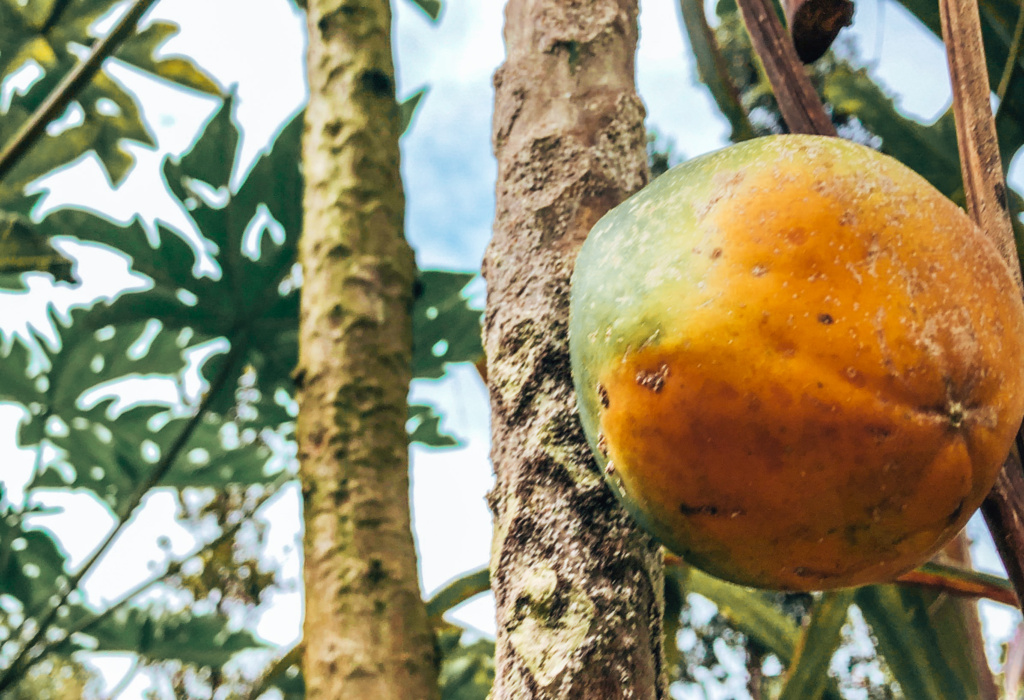
43. Hawaiian Papaya
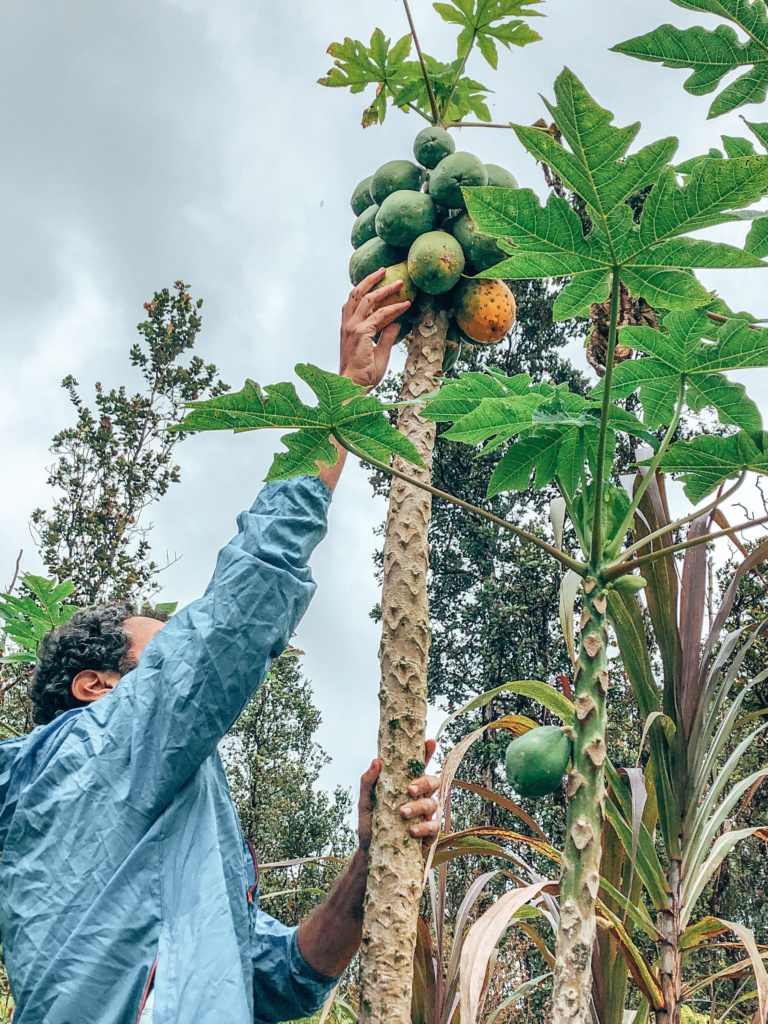
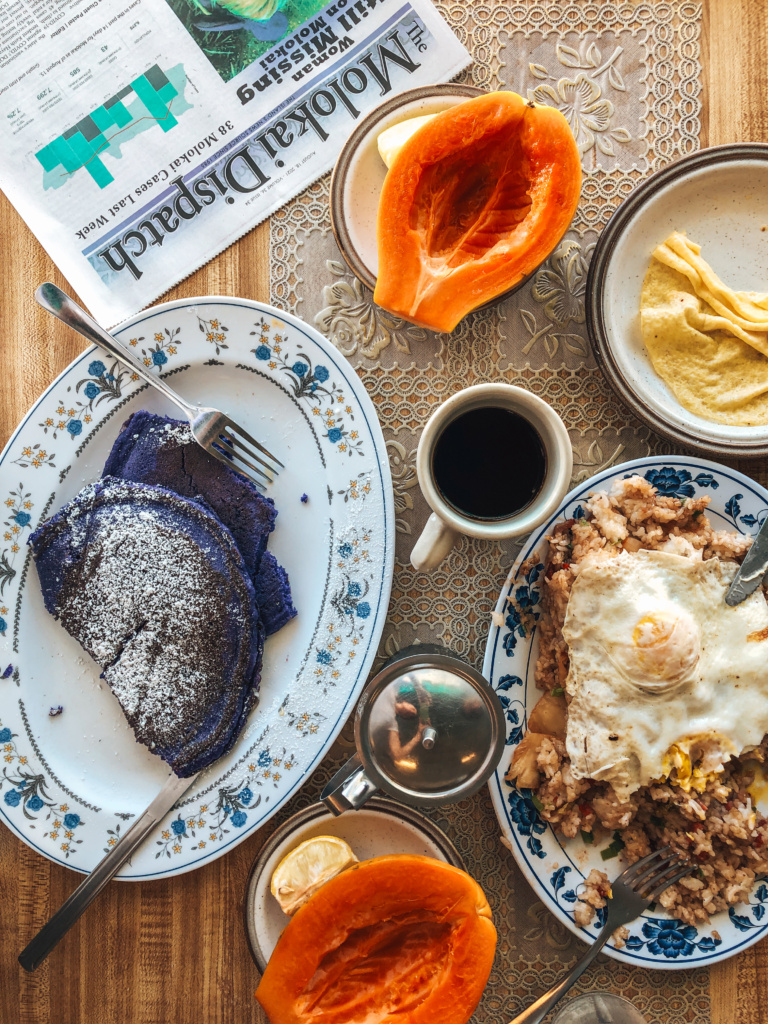
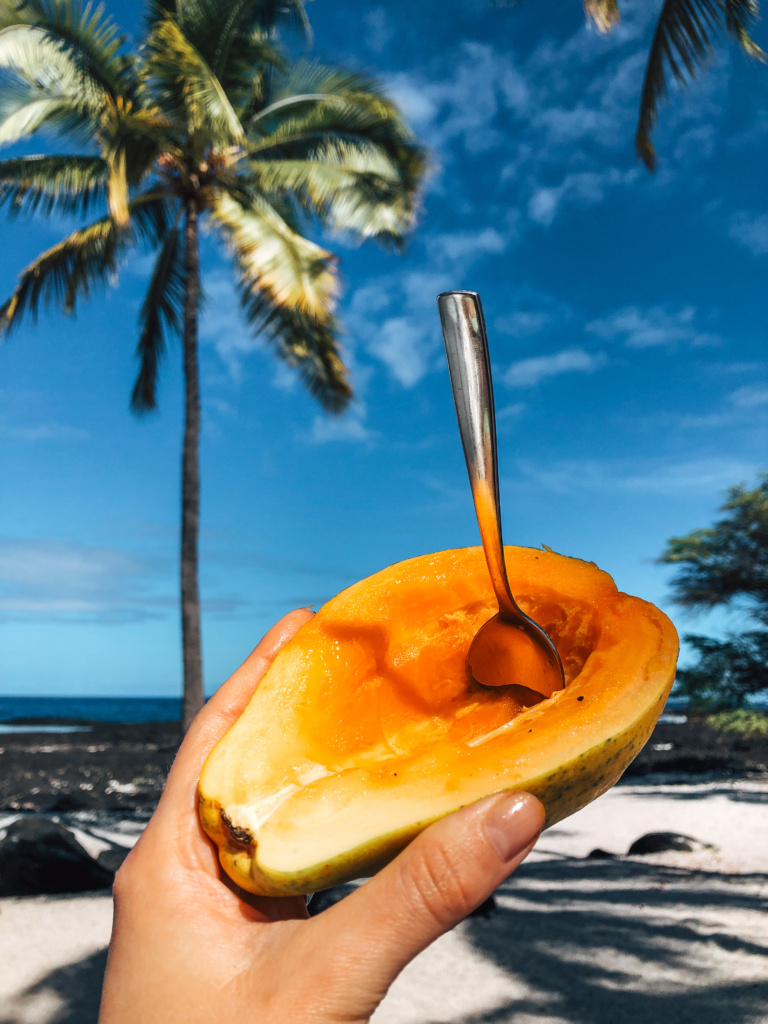
Papayas thrive in Hawaii’s tropical climate and have long been part of island breakfasts. Fresh Hawaiian papaya is sweeter and more fragrant than many mainland varieties and is often served simply with lime juice.
44. Mountain Apples
Mountain apples were introduced to Hawaii by Polynesian settlers and flourish in rainy tropical regions of the islands. The fruit is crisp, watery, and refreshing, often eaten chilled straight from backyard trees.
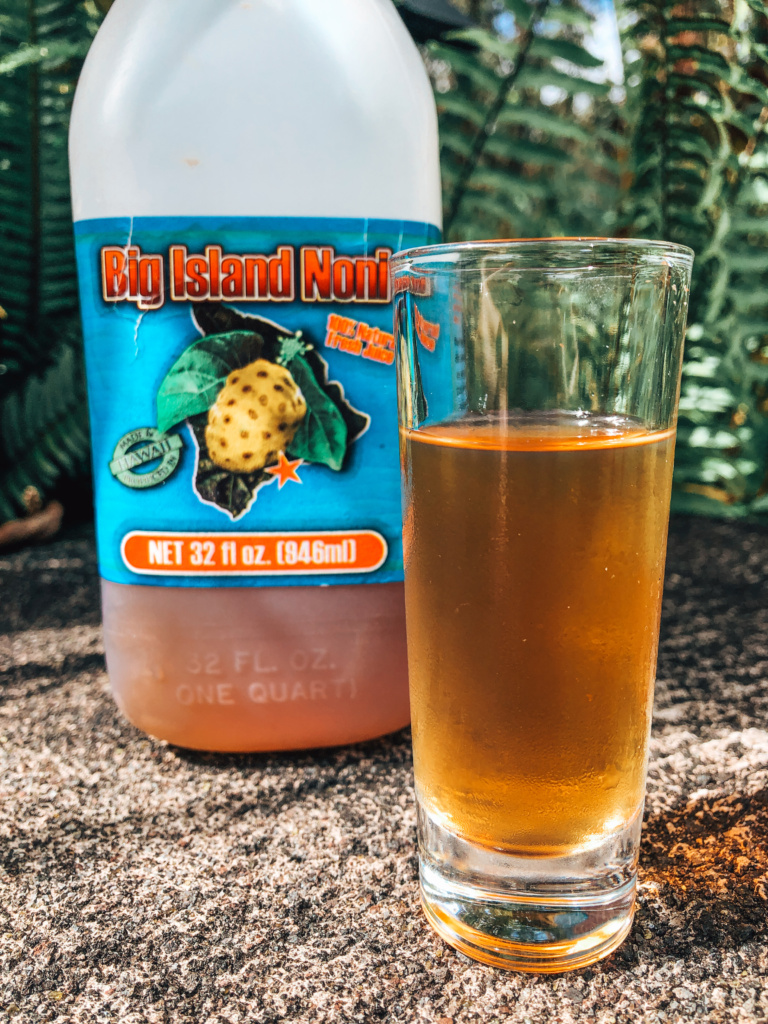
45. Noni
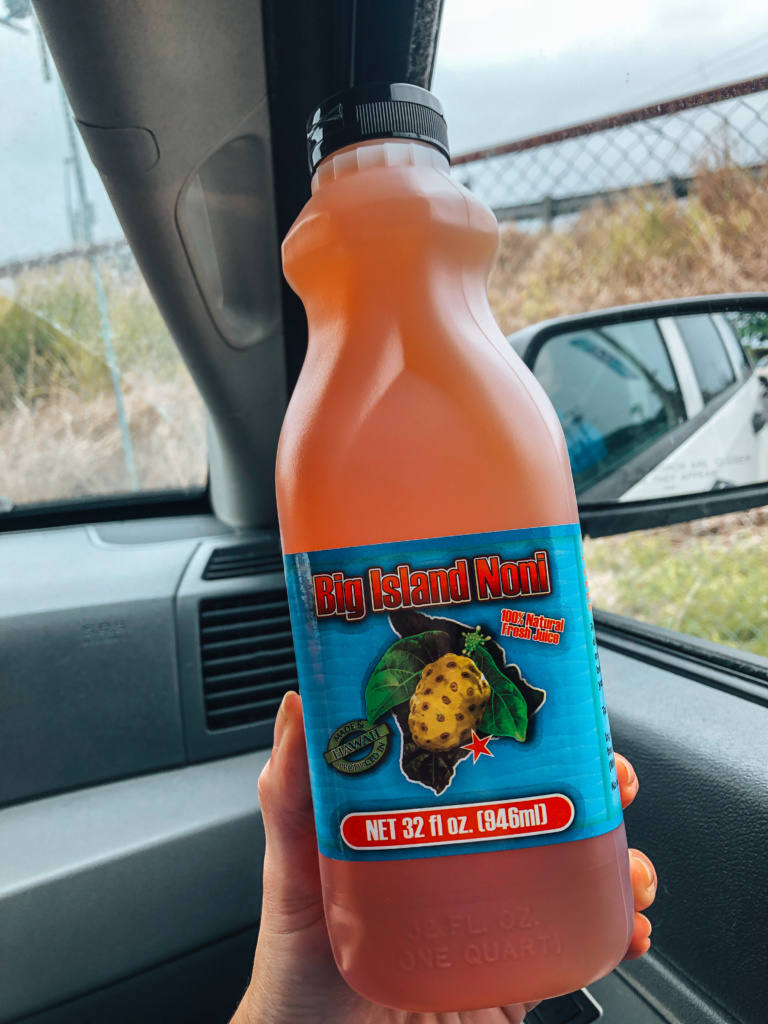
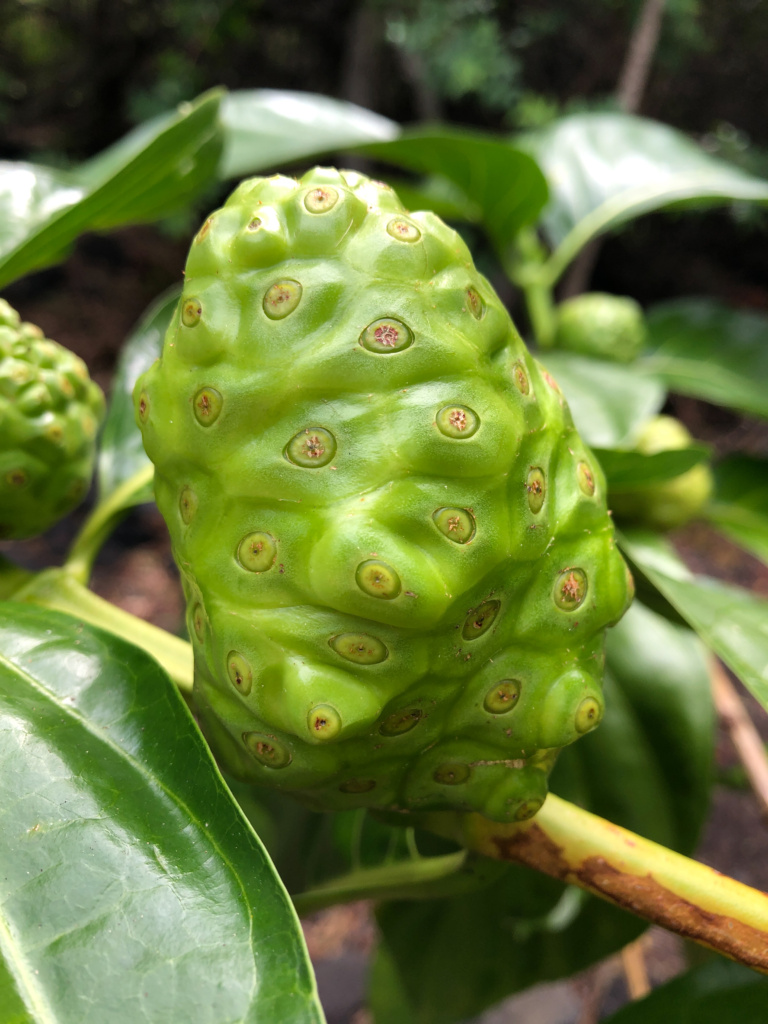
Noni fruit has been used medicinally throughout Polynesia for generations despite its famously pungent aroma. Many locals consume noni juice for wellness purposes, making it an important traditional food plant in Hawaiian culture. Here’s more about noni’s incredible health benefits.
46. Filipino Food
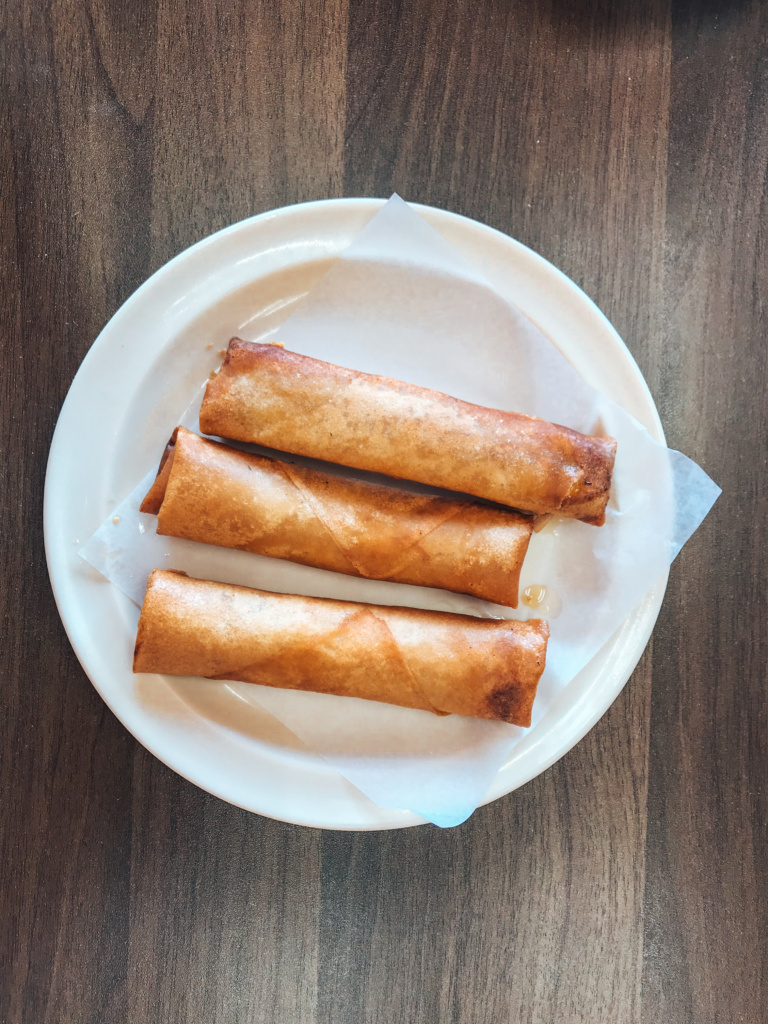
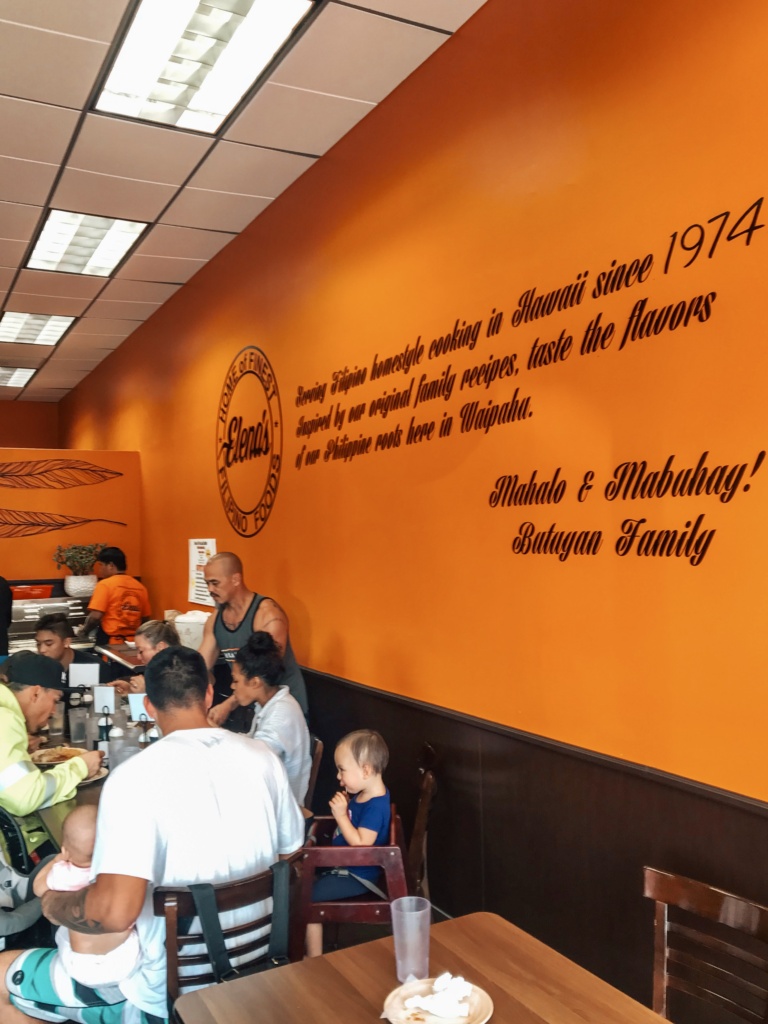
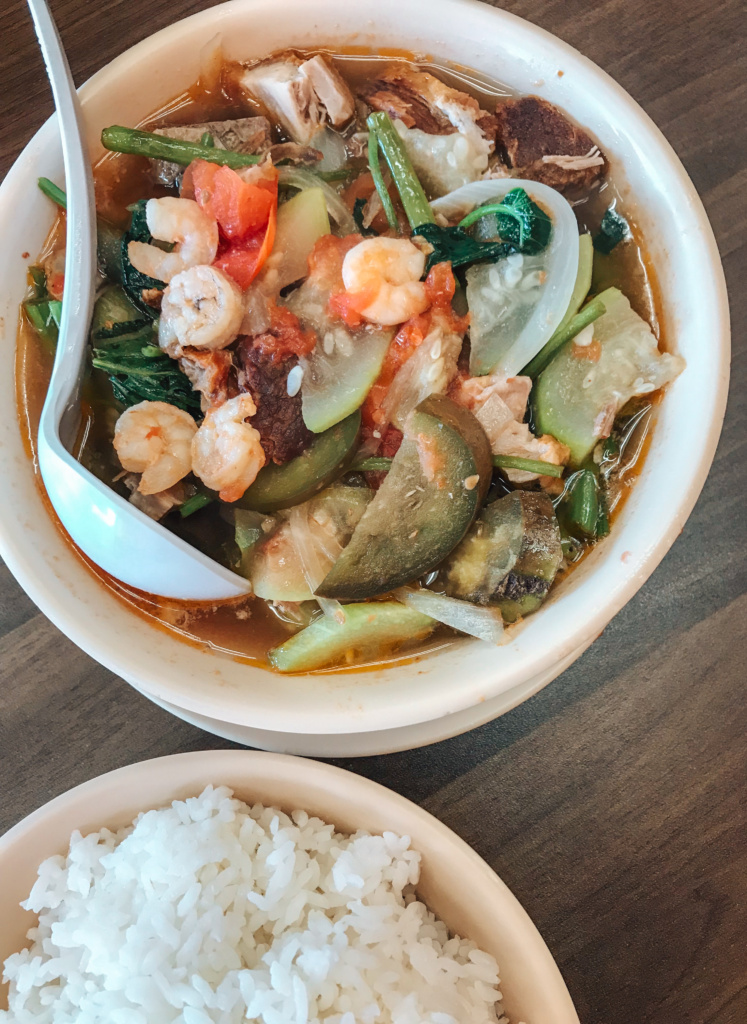
Filipino workers arrived in Hawaii in large numbers during the plantation era and deeply influenced local food culture.
Today, dishes like adobo, pancit, lumpia, and lechon are staples across Hawaii, especially at family gatherings and local plate lunch spots.
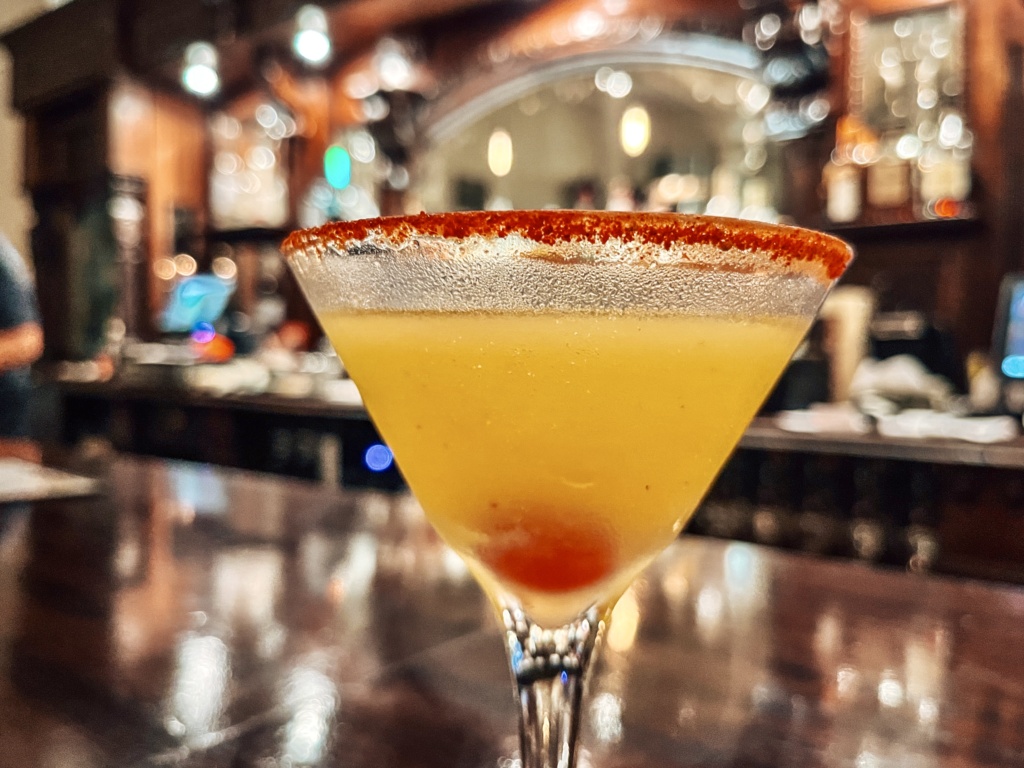
47. Lilikoi Martini
Lilikoi martinis reflect Hawaii’s modern cocktail culture built around tropical fruit flavors. The tart floral notes of passion fruit create one of the islands’ most refreshing tropical cocktails.
48. Island Style Fried Rice
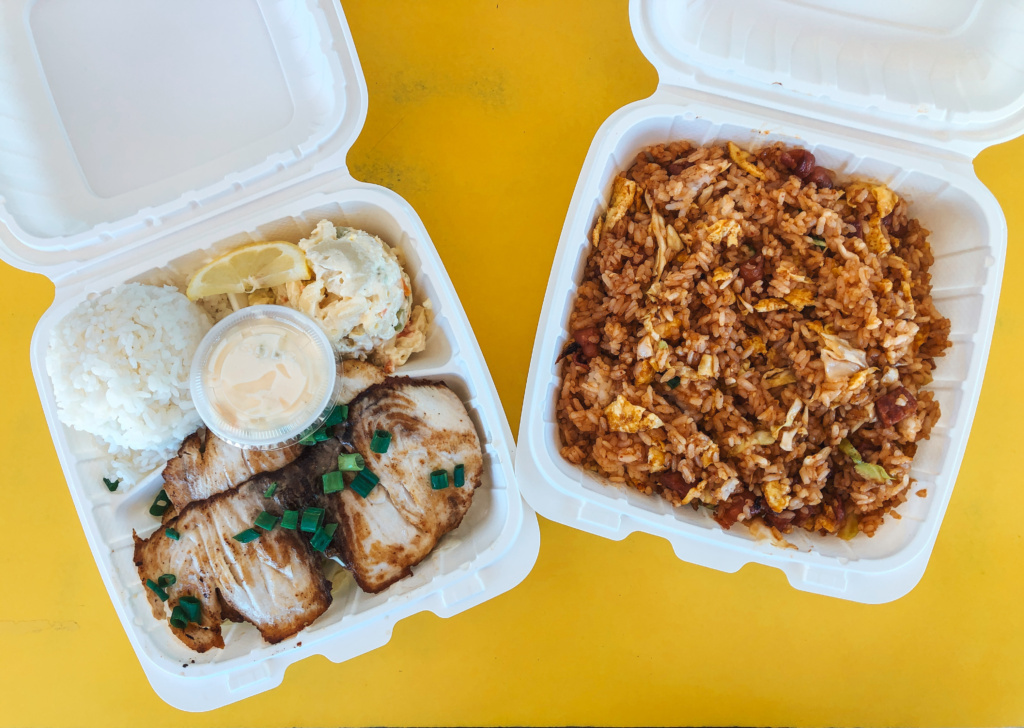
Fried rice became a Hawaii staple through Asian immigration and evolved into a distinctly local comfort food. Spam, Portuguese sausage, eggs, green onions, and leftover barbecue meats often find their way into island-style versions.
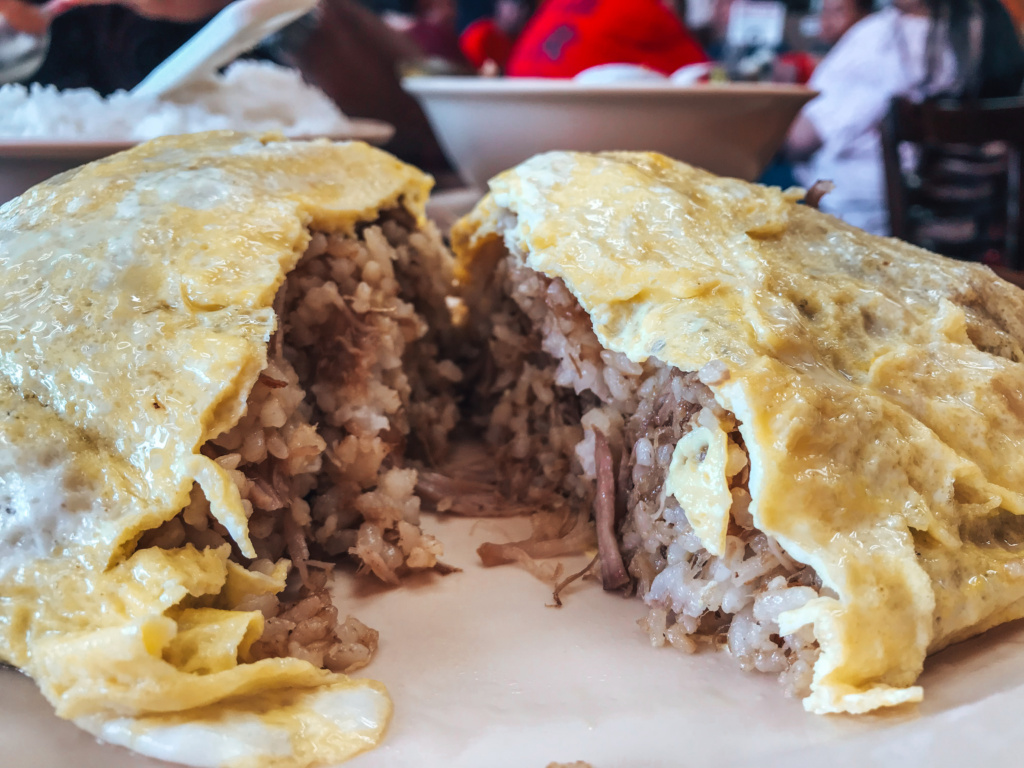
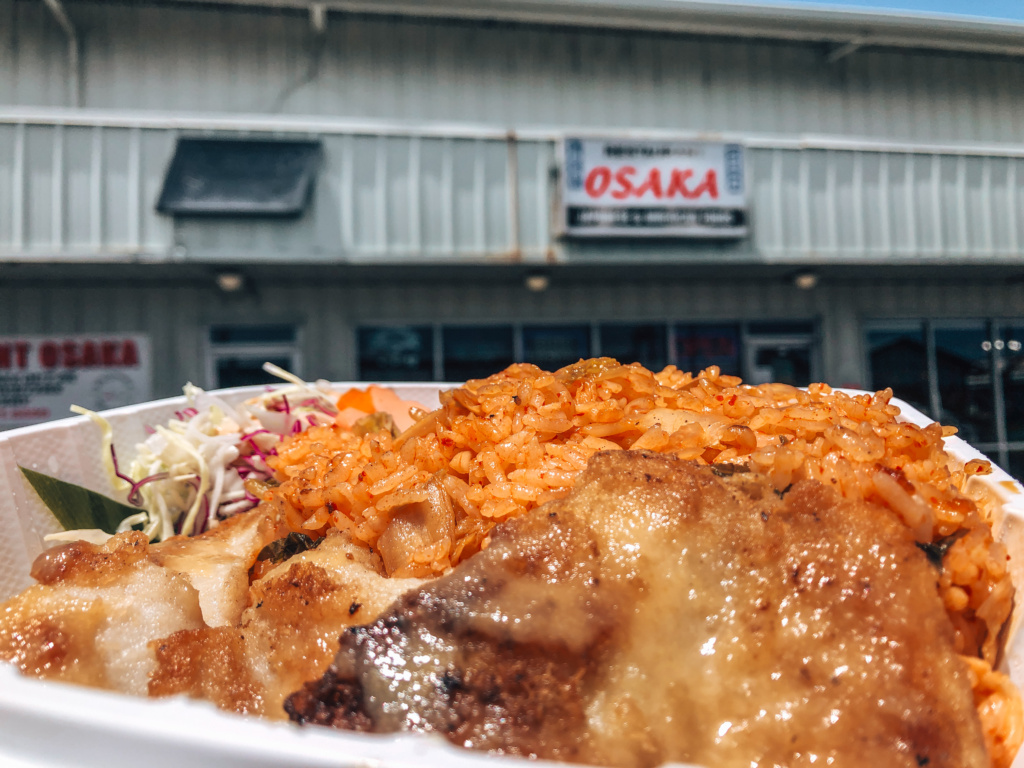
Personal favorite? Kimchi fried rice at Osaka in Hilo and kalua pork fried rice built into an omelette! Read this post on best eats in Honolulu to learn where we found it.
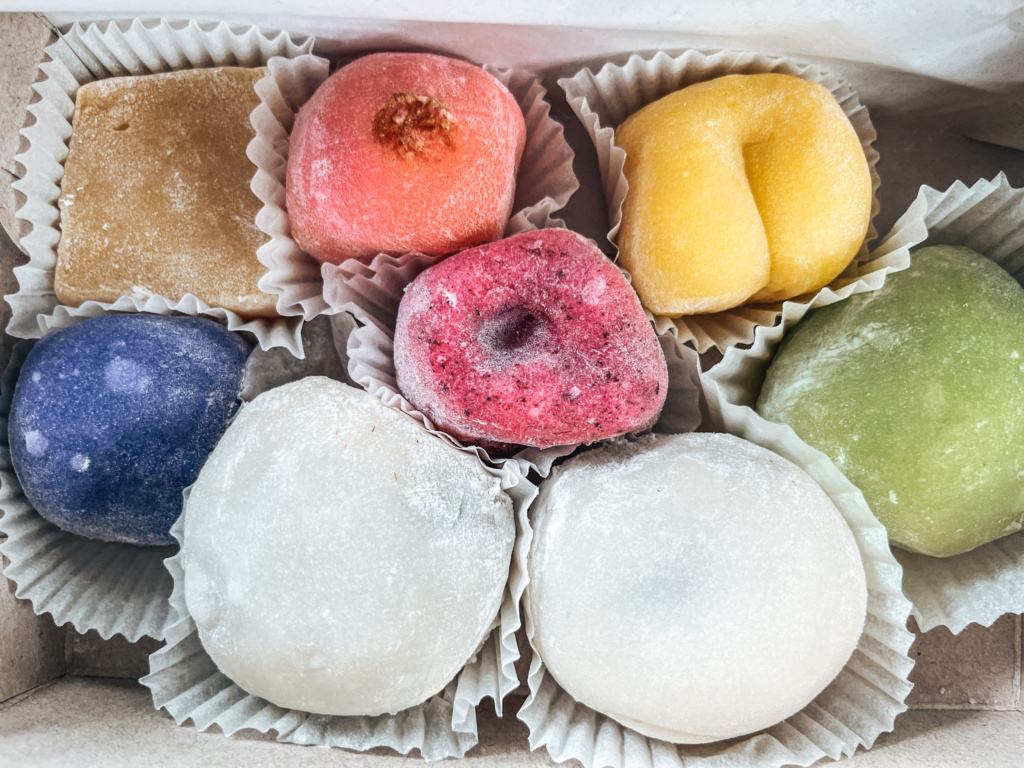
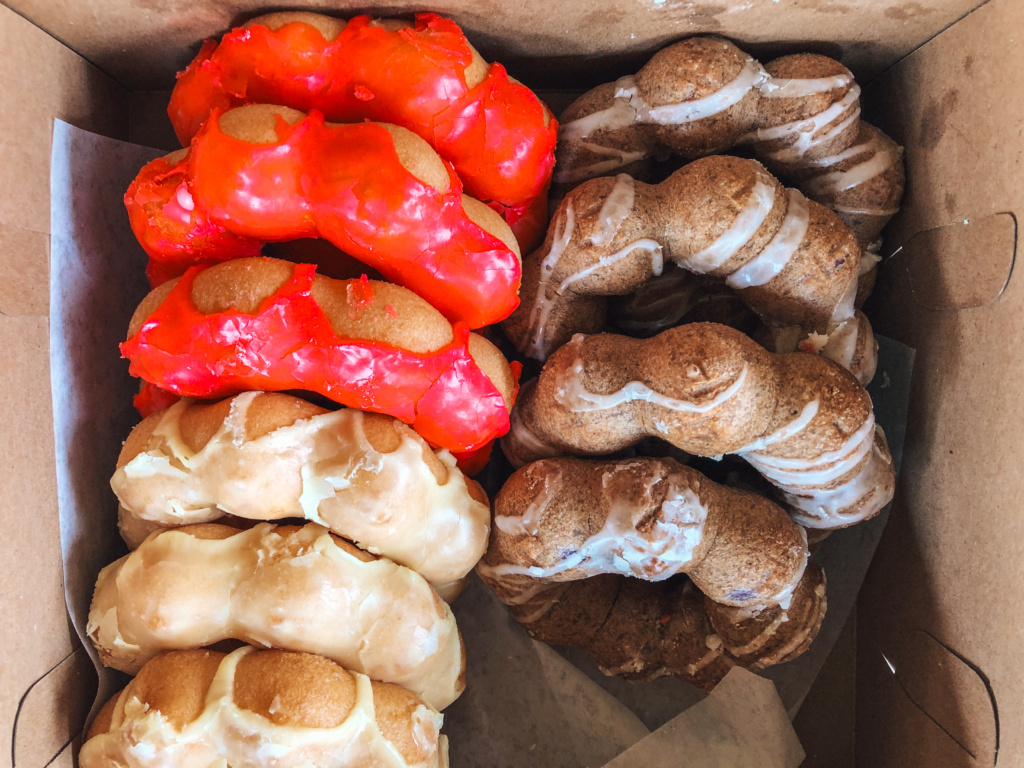
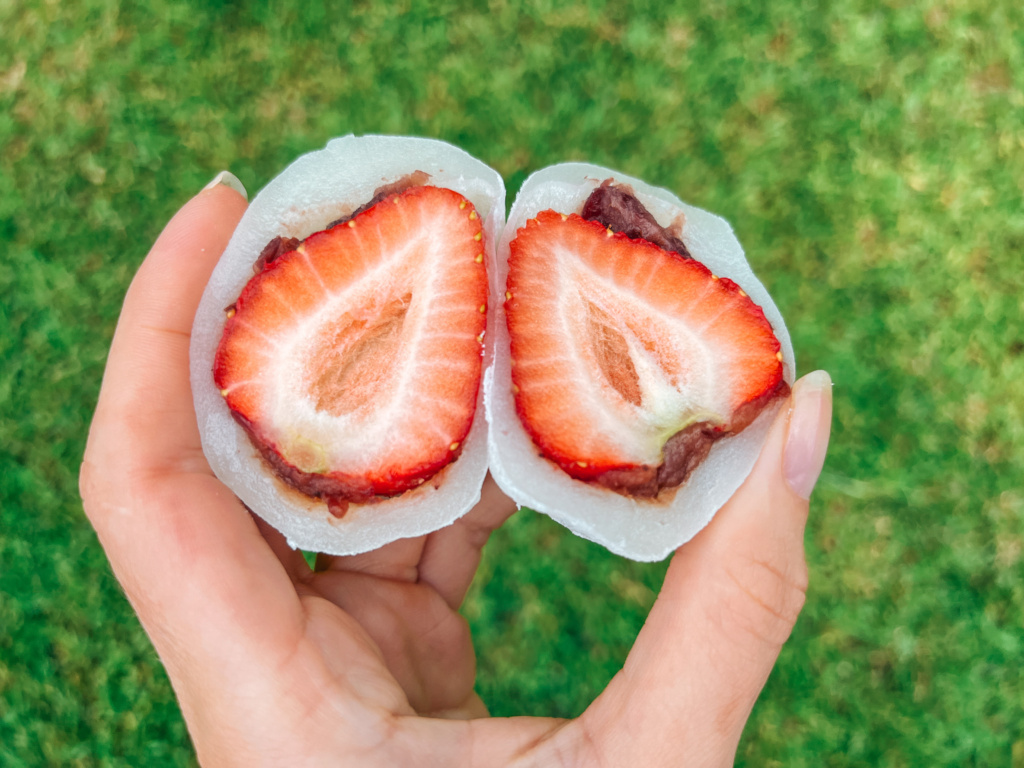
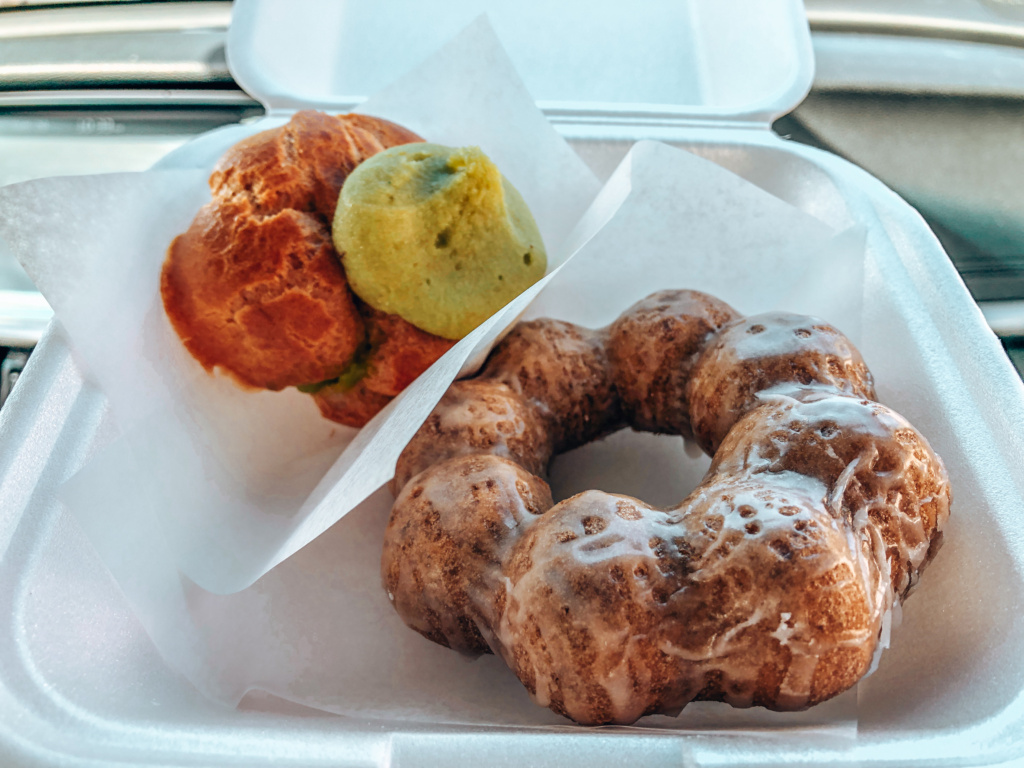
49. Mochi and Mochi Donuts
Japanese mochi traditions became deeply rooted in Hawaii through generations of immigration and cultural exchange.
Modern mochi donuts combine chewy mochi texture with American doughnut culture, creating one of Hawaii’s trendiest desserts. For the absolute best mochi in the entire state head to Two Ladies Kitchen in Hilo.
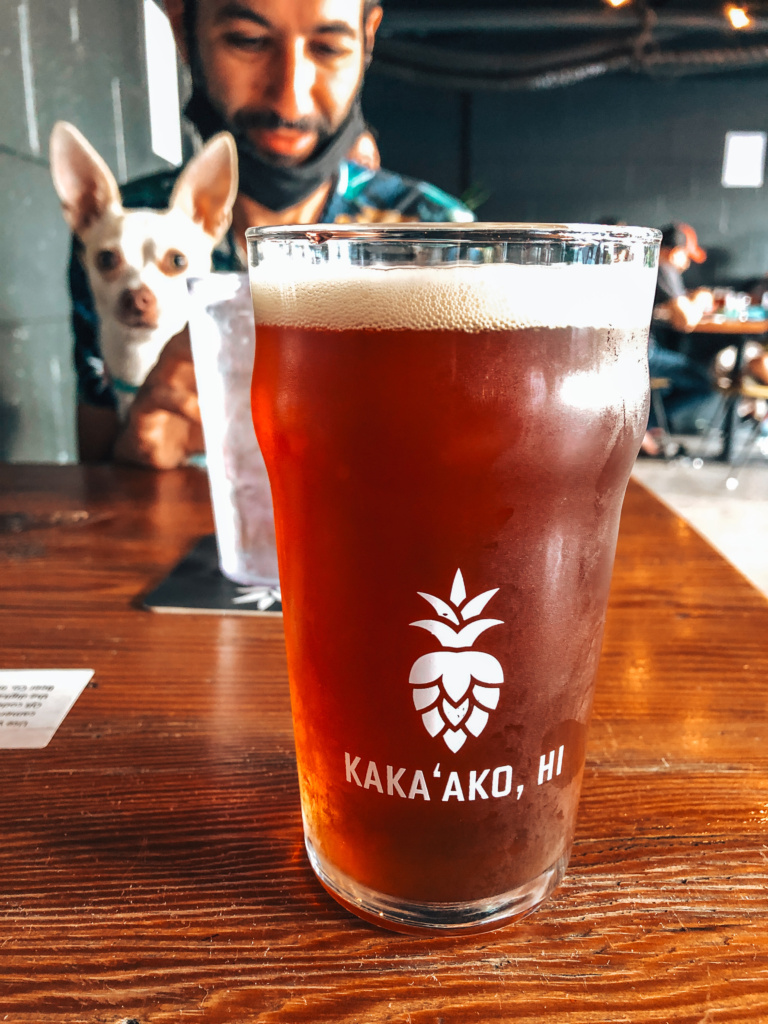
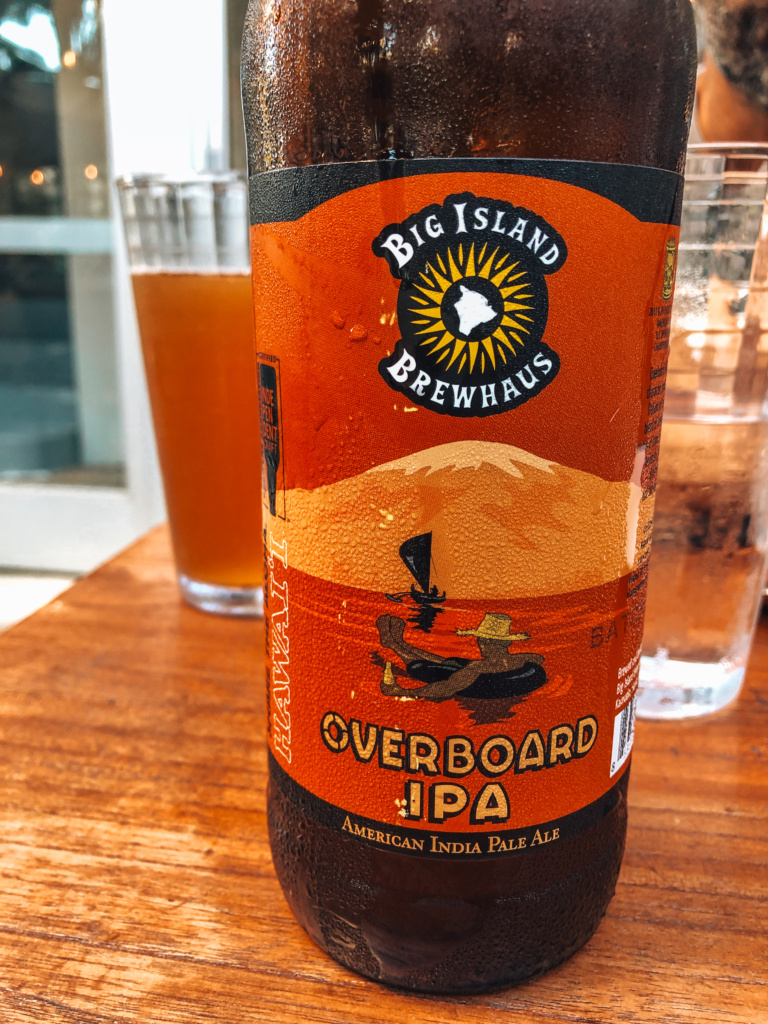
50. Local Beers
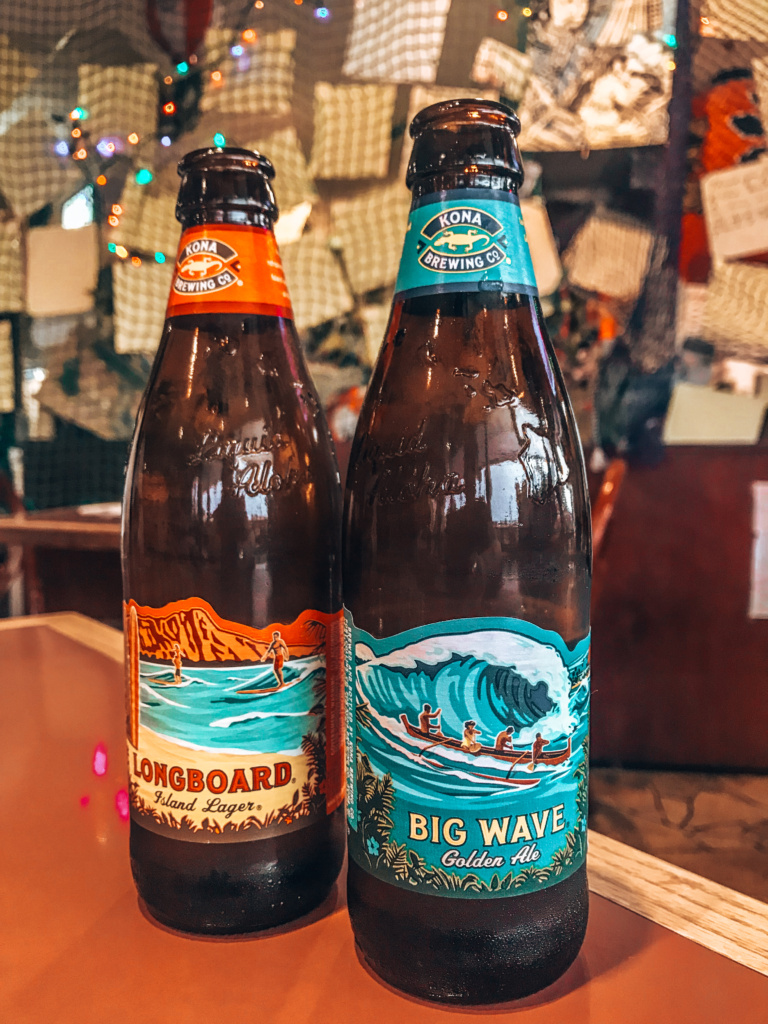
Hawaii’s craft beer scene grew rapidly in recent decades as breweries began incorporating tropical flavors and island branding.
Local beers pair perfectly with beach days, plate lunches, and sunset dinners, completing the modern Hawaii foodie experience.
Foods to Try in Hawaii – Final Bite
Hawaii may be America’s most geographically isolated state, but its food scene is one of the most globally connected.
Every plate tells part of the islands’ story — Native Hawaiian traditions, plantation history, immigrant resilience, and modern Pacific creativity all layered together.
Come hungry, because eating your way through Hawaii is one of the best ways to understand it.
Click HERE to book a top rated Hawaii Off The Beaten Path Food Tour on Viator!
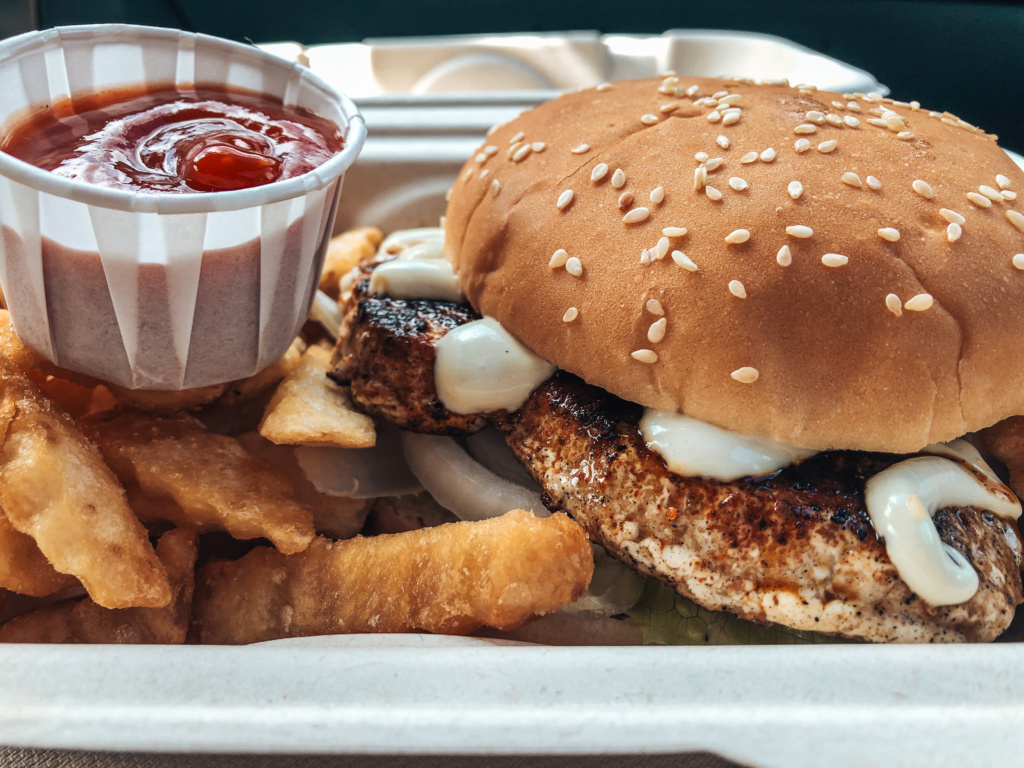
What else would you add to the list of foods to try in Hawaii? Let us know in the comments or tag @eightyflavors on socials!
OUR TRIED AND TESTED FOOD TRAVEL RESOURCES: Book a hotel with Booking.com. Search for the best flight deals on Skyscanner. Find the best local food tours on Viator. Browse curated conscious group trips with GAdventures. Get your travel insurance with World Nomads.
Disclaimer: this post contains affiliate links. We’ll receive a small commission if you purchase through the link provided, at no extra cost to you. Thank you for your support in running this blog!