The History of Loco Moco (Plus The Best Loco Moco in Hawaii)
Looking to learn more about the history of loco moco? Read on!
If there is one dish that perfectly captures the spirit of local Hawaiian comfort food, it is loco moco.
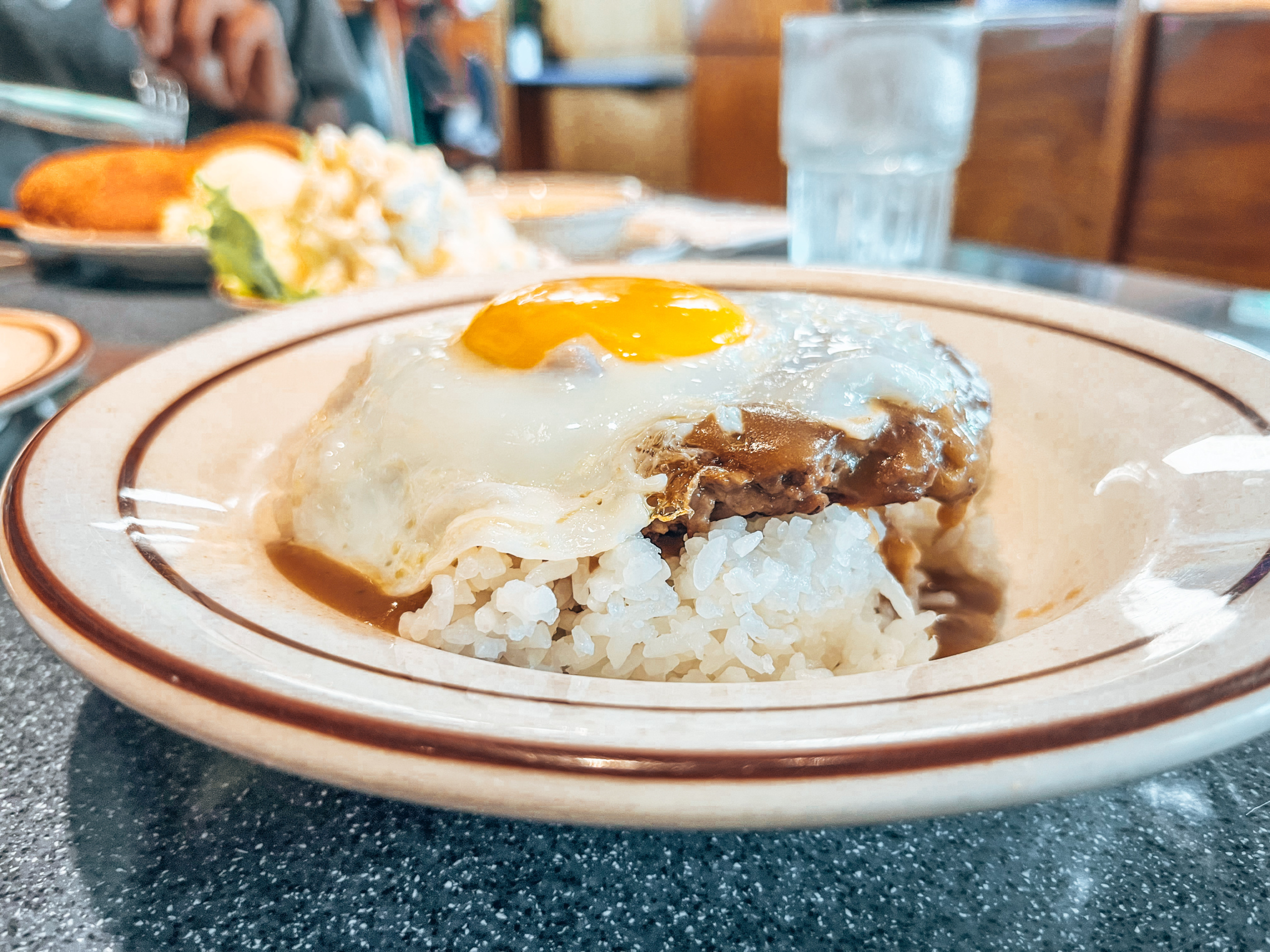
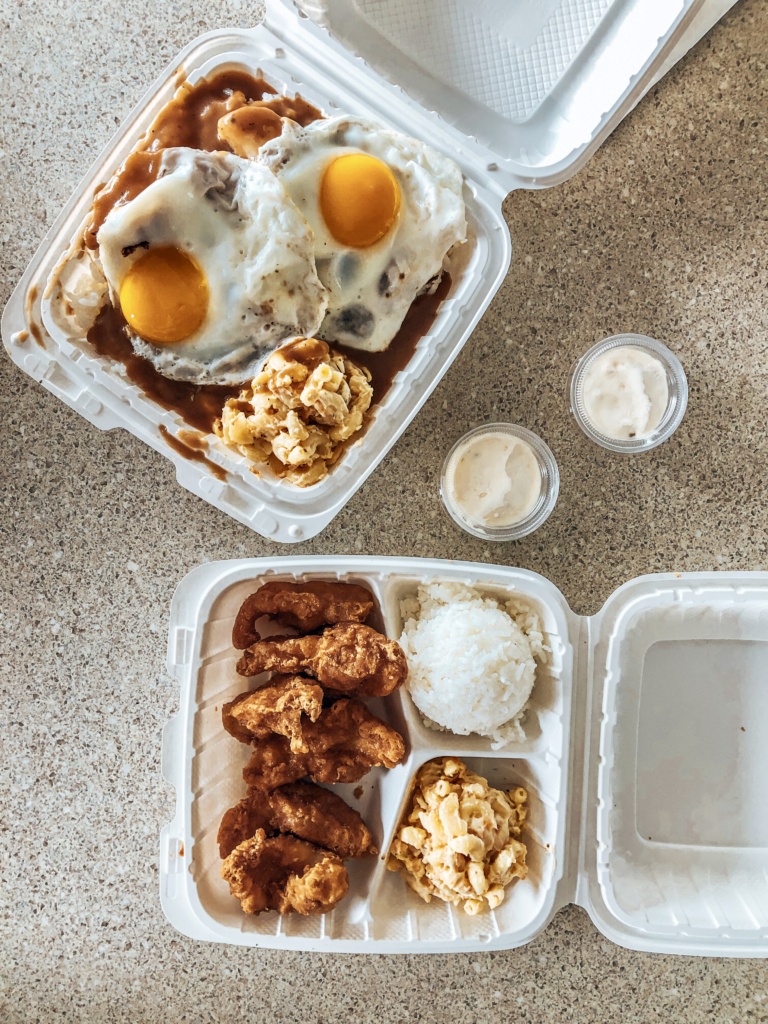
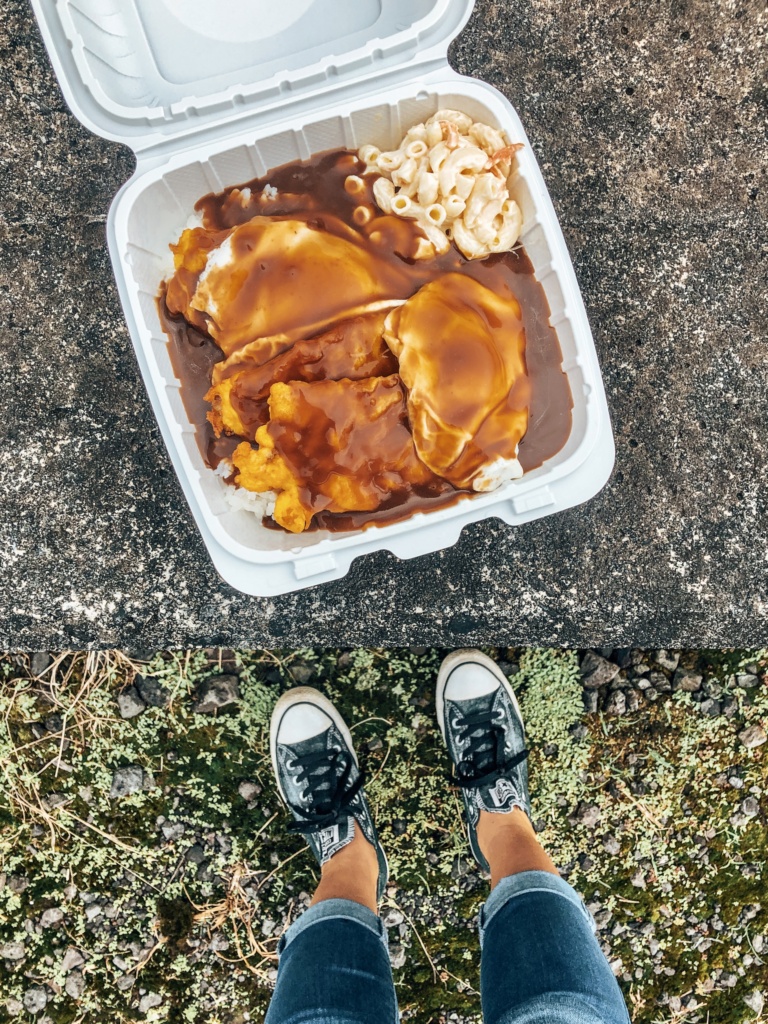
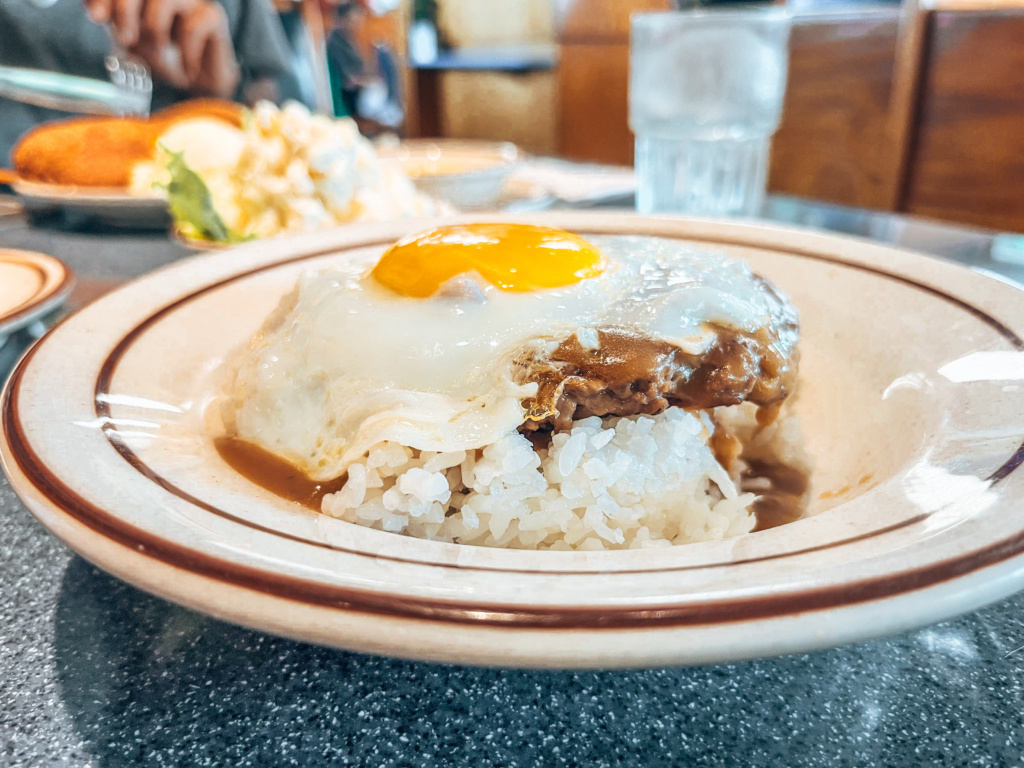
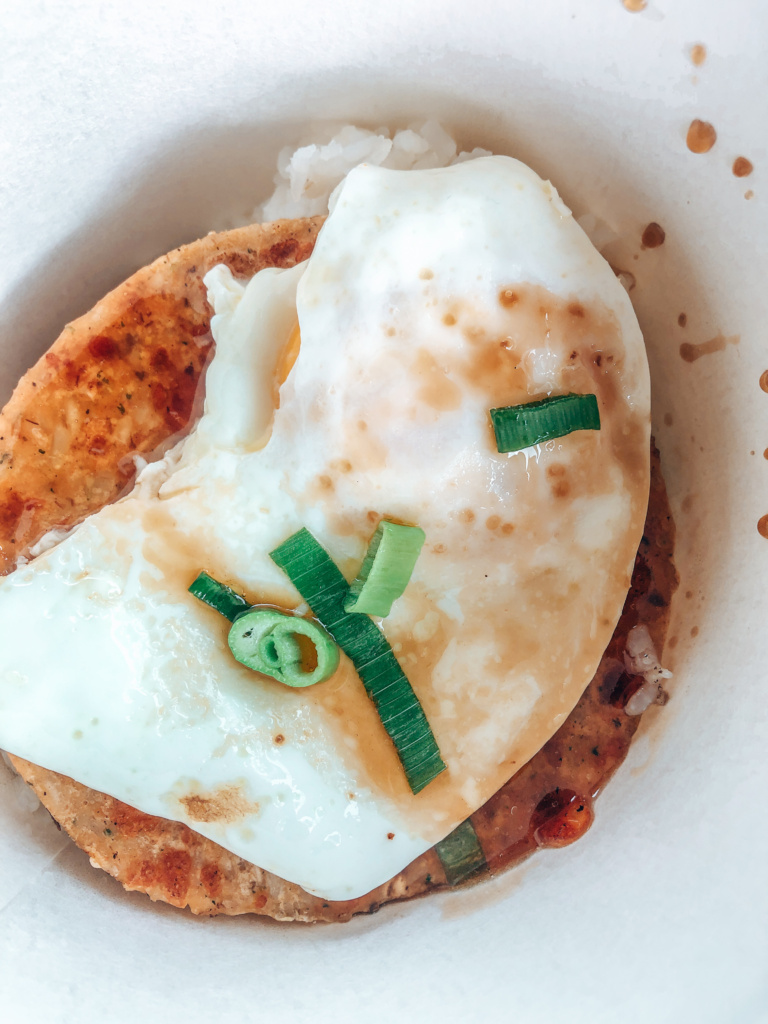
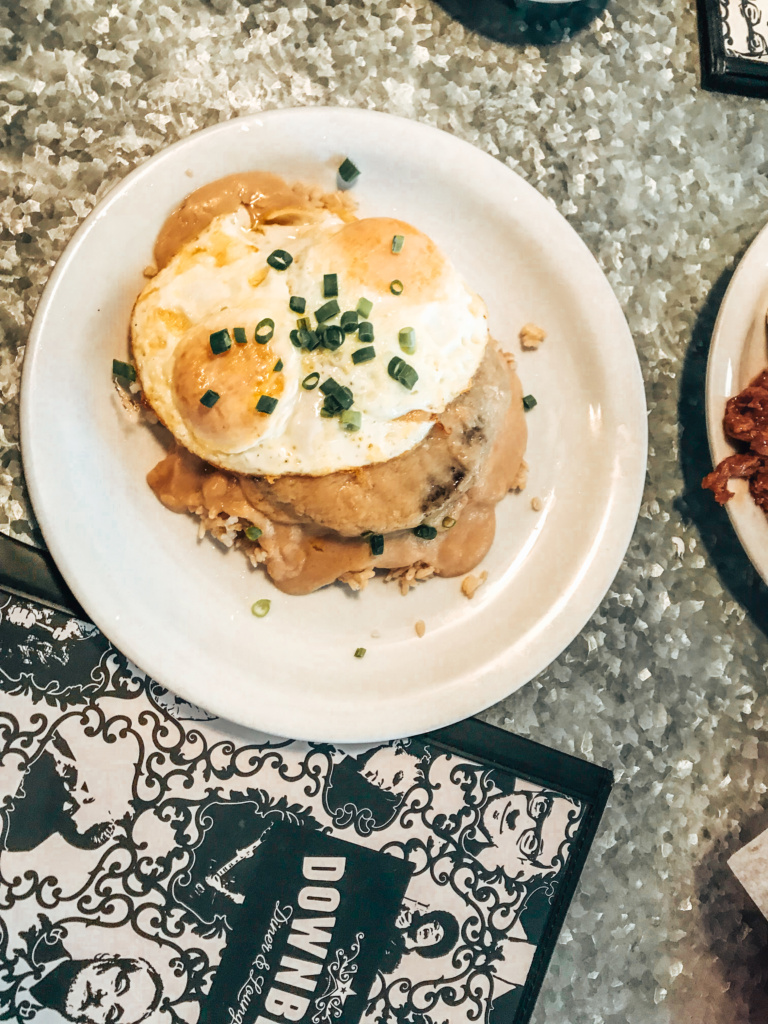
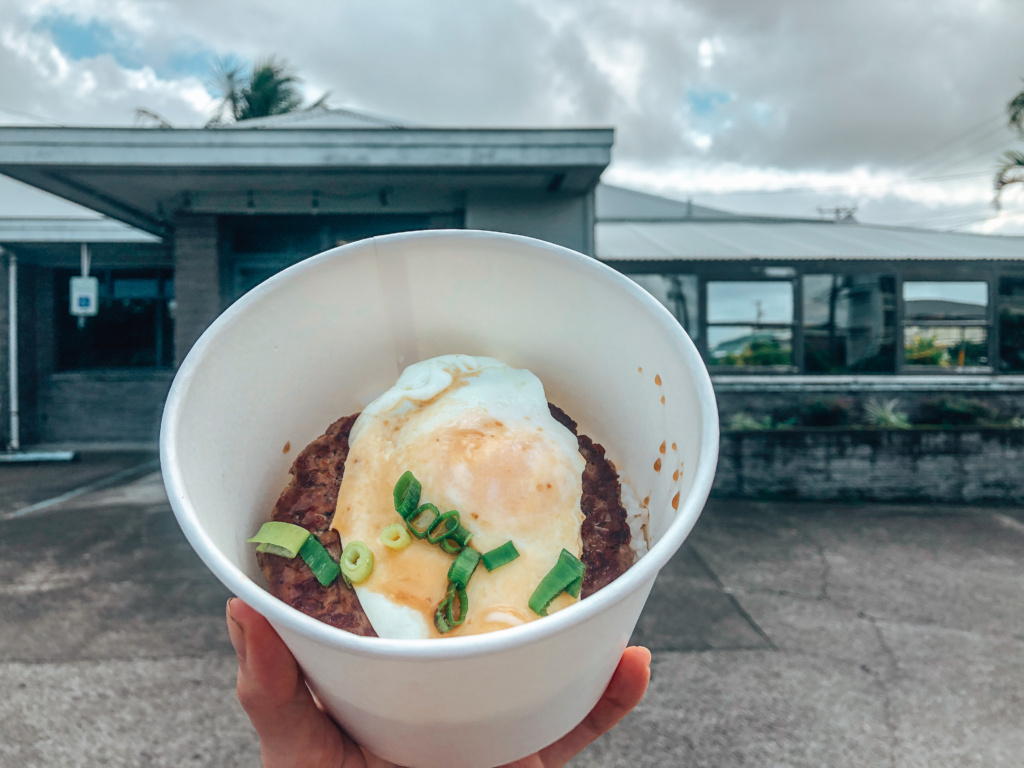
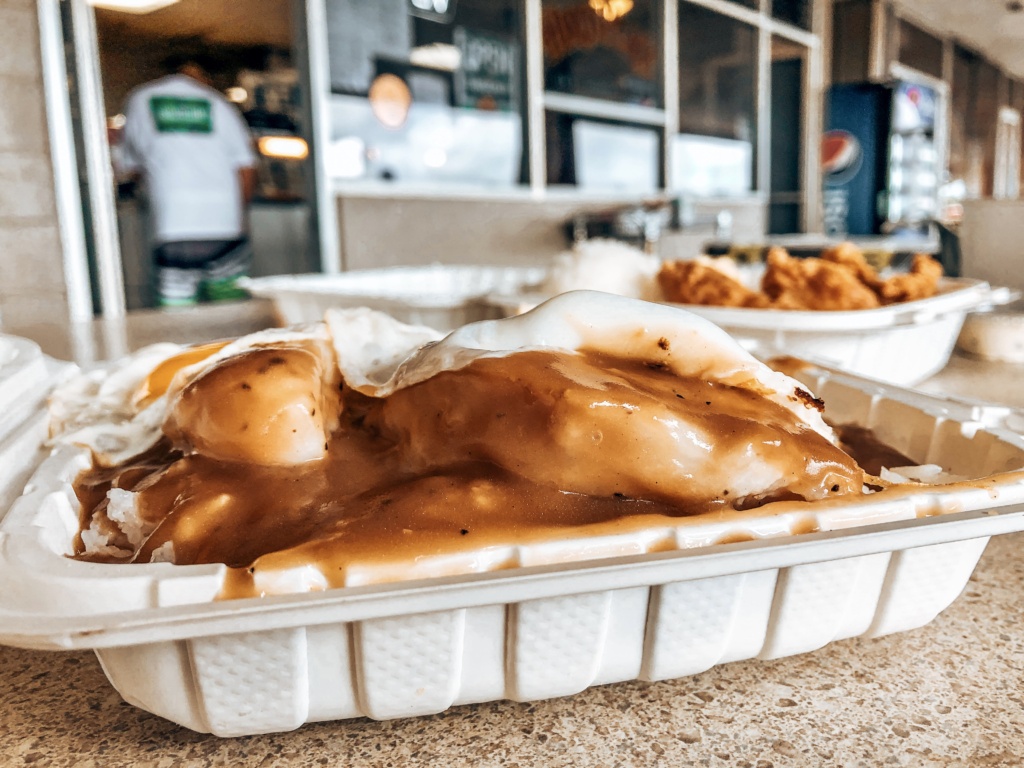
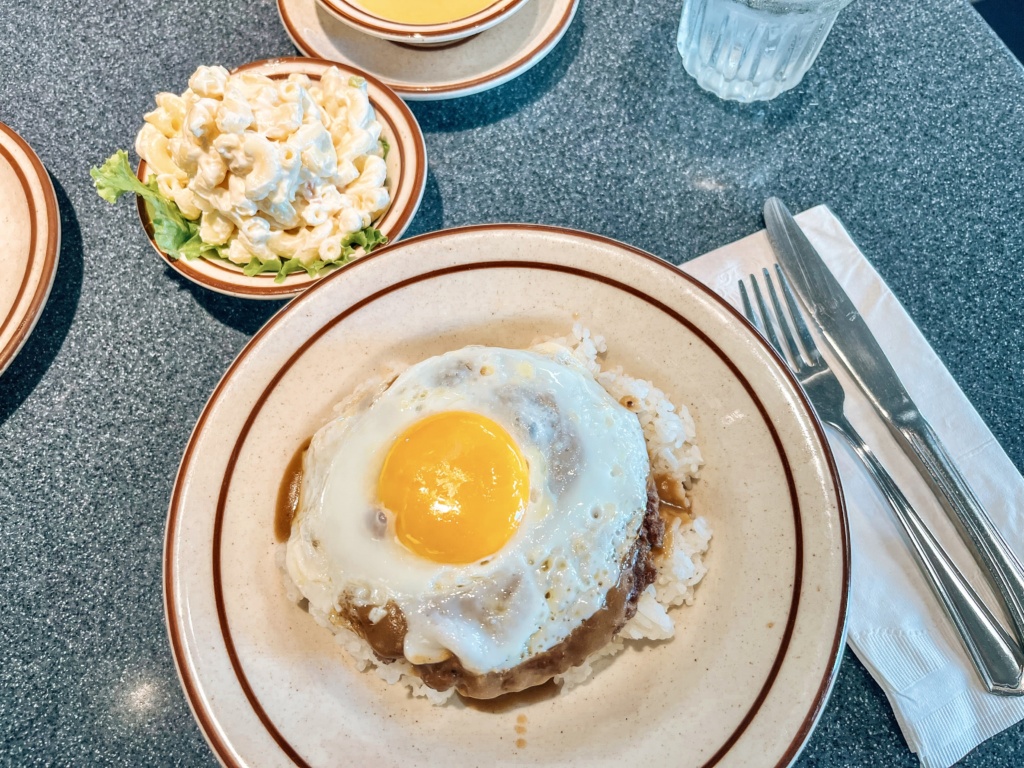
Rich brown gravy poured over rice, topped with a juicy burger patty and a runny fried egg — it is simple, hearty, affordable, and deeply tied to Hawaii’s local food culture.
Over the decades, loco moco has evolved from a humble diner meal into one of the islands’ most iconic comfort dishes.
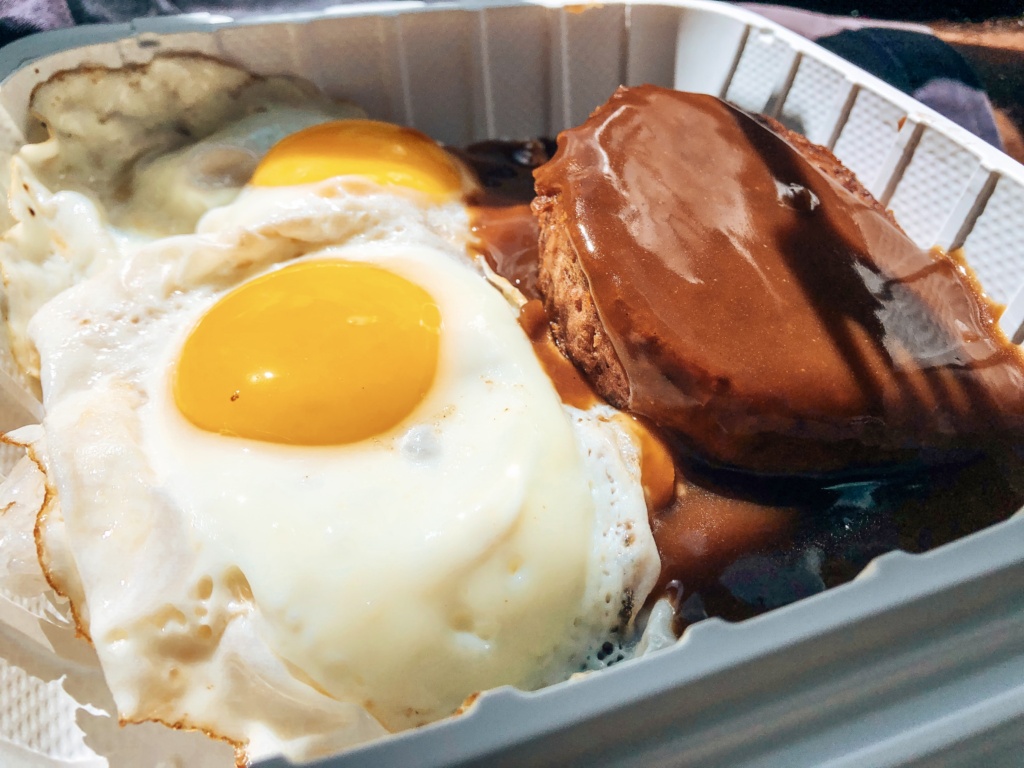
Today, visitors can find countless variations across Hawaii, from classic beef patties to versions made with kalua pork, fried rice, teriyaki beef, garlic shrimp, and even ahi tuna.
But despite all the modern twists, the original loco moco remains one of Hawaii’s most beloved local dishes.
You might also like:
- 50 Best Places to Eat in Hilo: Hawaii’s Most Underrated Food Town
- From Pearl Harbor to ABC Stores: The History of Musubi in Hawaii
- Best Garlic Shrimp in Hawaii: Top 5 Shrimp Shacks You Should Try
- Mai Tai Origins (Plus The Best Mai Tais in Hawaii)
- What is Poke And Why You Won’t Find Poke Bowls in Hawaii
- Where to Eat Malasadas in Hawaii – Our 5 Favorites
- Hawaiian Food: 6 Best Places To Eat Like a Local in Kauai
The History of Loco Moco
The story of loco moco begins in Hilo on the Big Island in the late 1940s. According to local food history, a group of hungry teenagers known as the Lincoln Wreckers regularly gathered at Lincoln Grill, looking for something inexpensive, filling, and fast.
The teenagers wanted an alternative to sandwiches, so the restaurant created a dish using ingredients already available in the kitchen: a bowl of white rice topped with a hamburger patty and covered in brown gravy.
Eventually, a fried egg was added on top, completing what would become Hawaii’s famous loco moco.
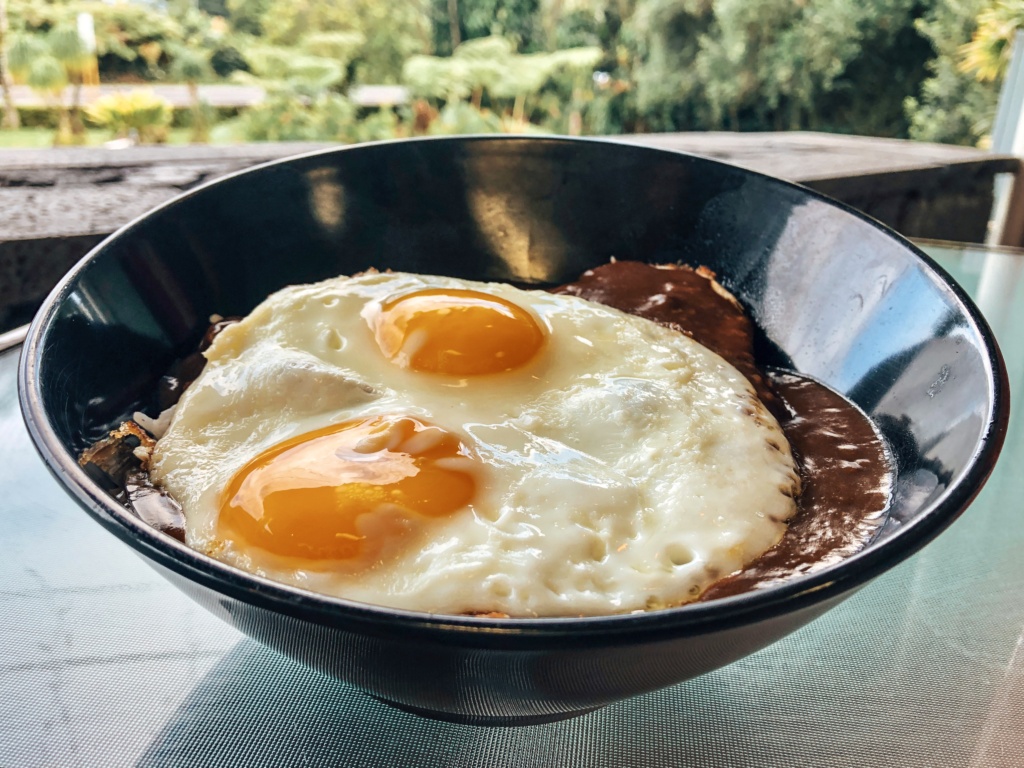
The unusual name supposedly came from one of the teenagers’ nicknames, “Loco,” combined with “moco” simply because it rhymed and sounded catchy.
Over time, the dish spread throughout Hawaii and became a staple at diners, plate lunch spots, bowling alleys, and local cafes across the islands.
Today, loco moco is considered one of Hawaii’s signature comfort foods and an essential meal for anyone wanting to experience authentic local cuisine.
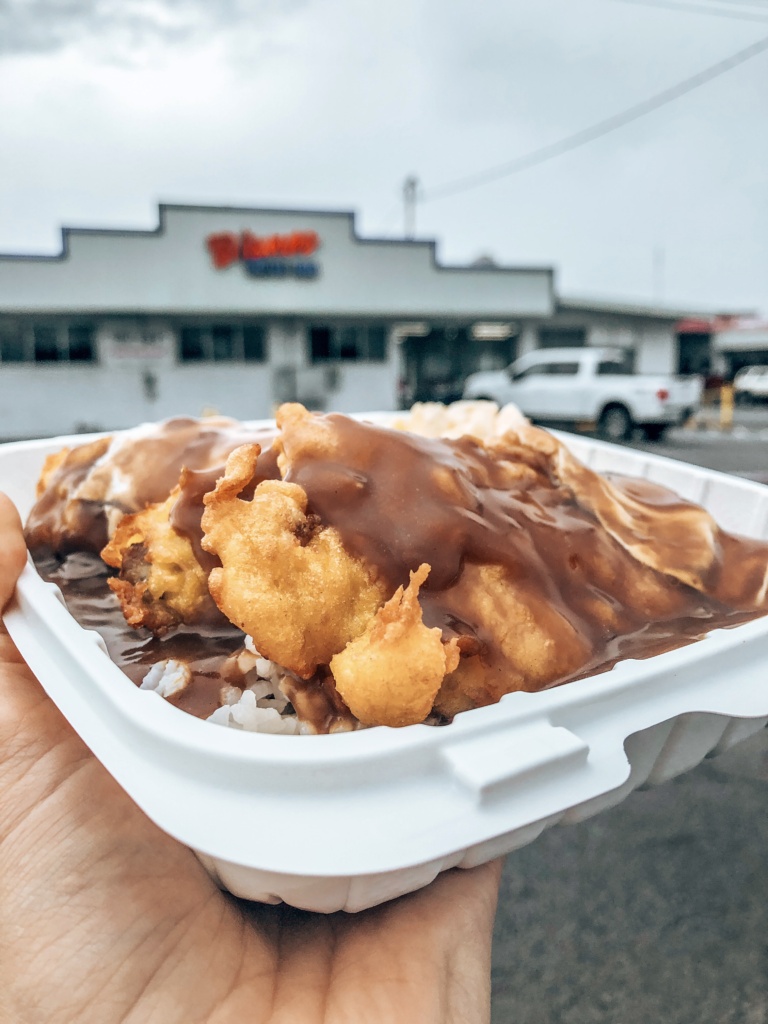
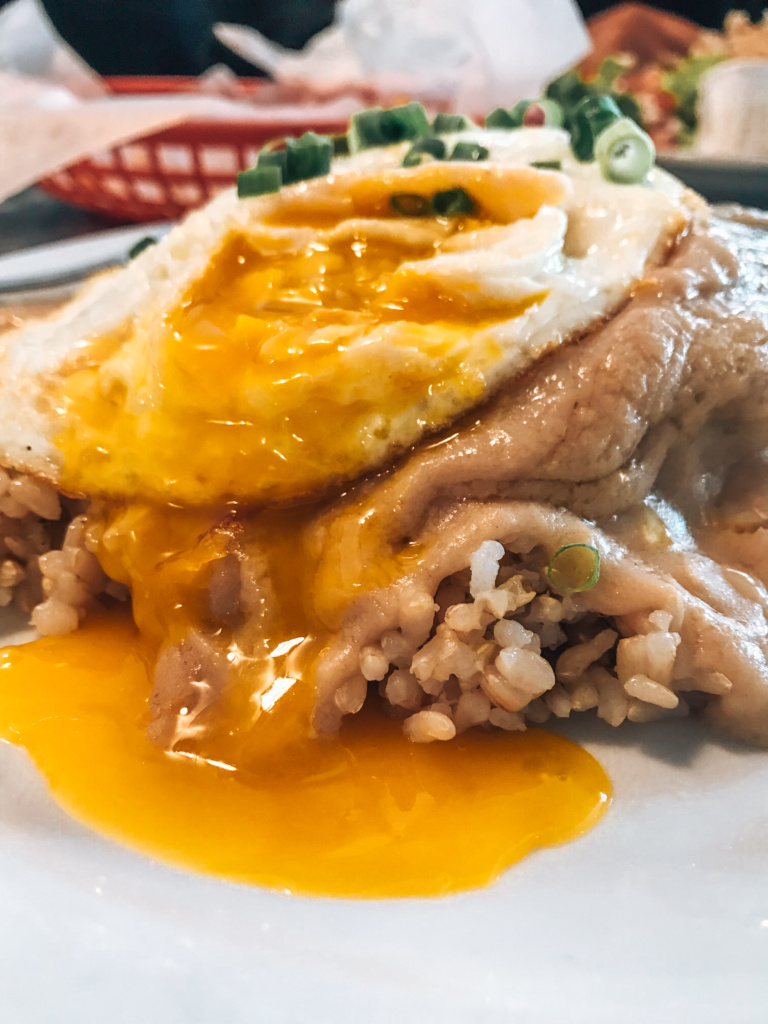
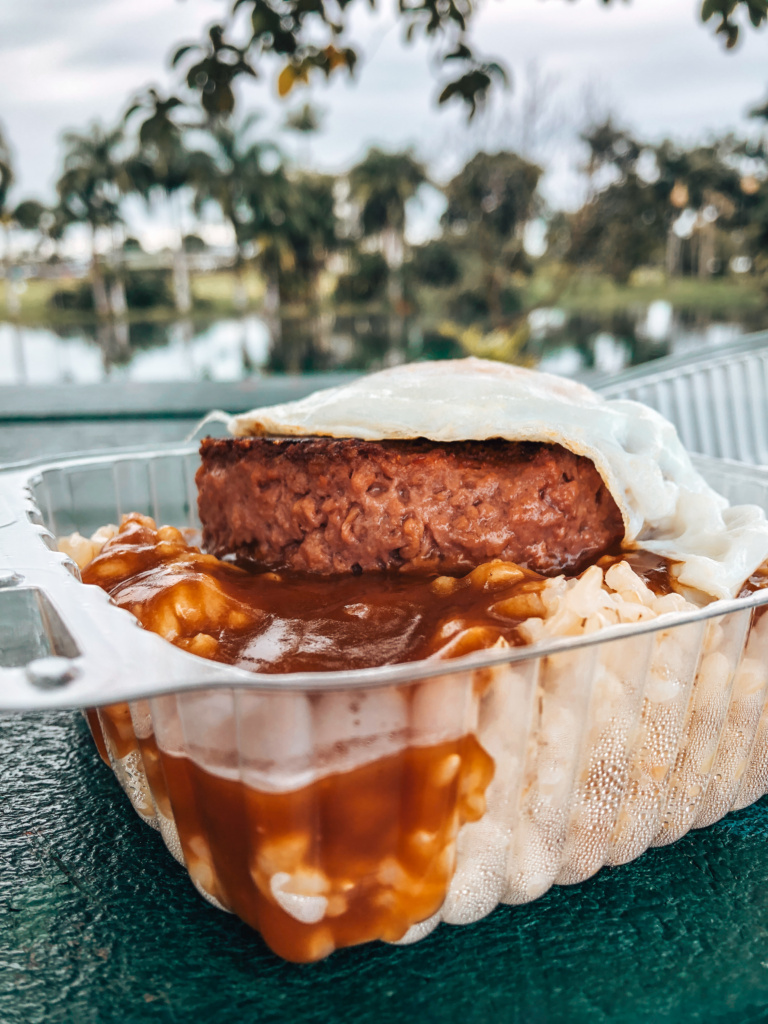
Cafe 100 In Hilo: The Home Of The Loco Moco
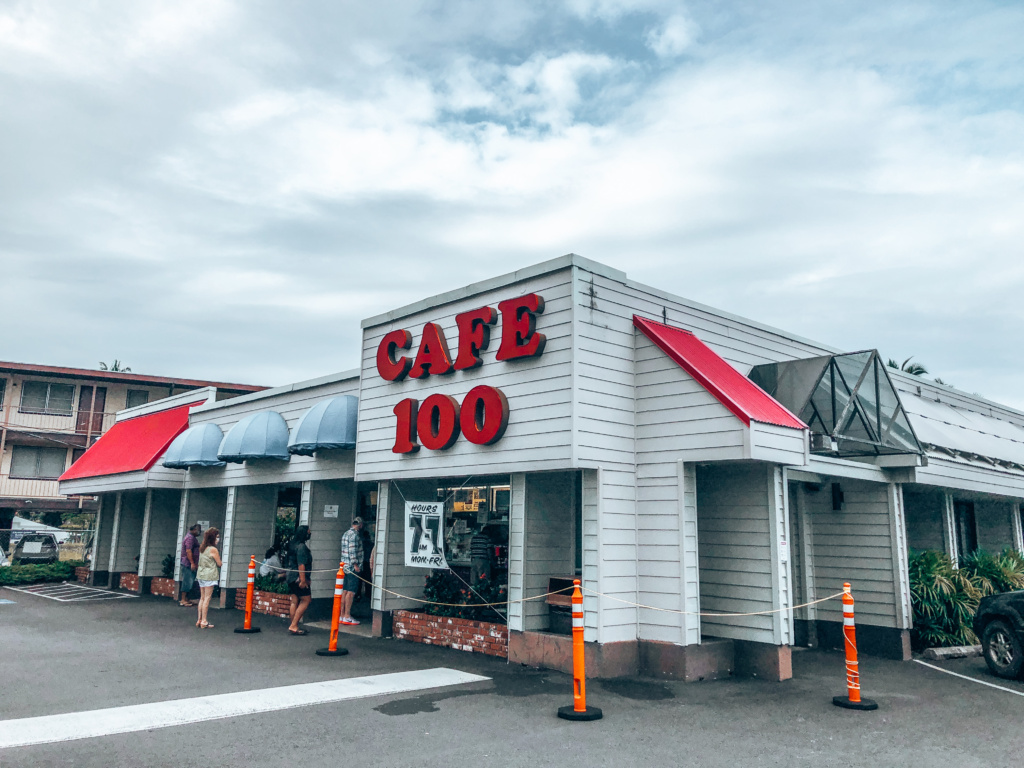
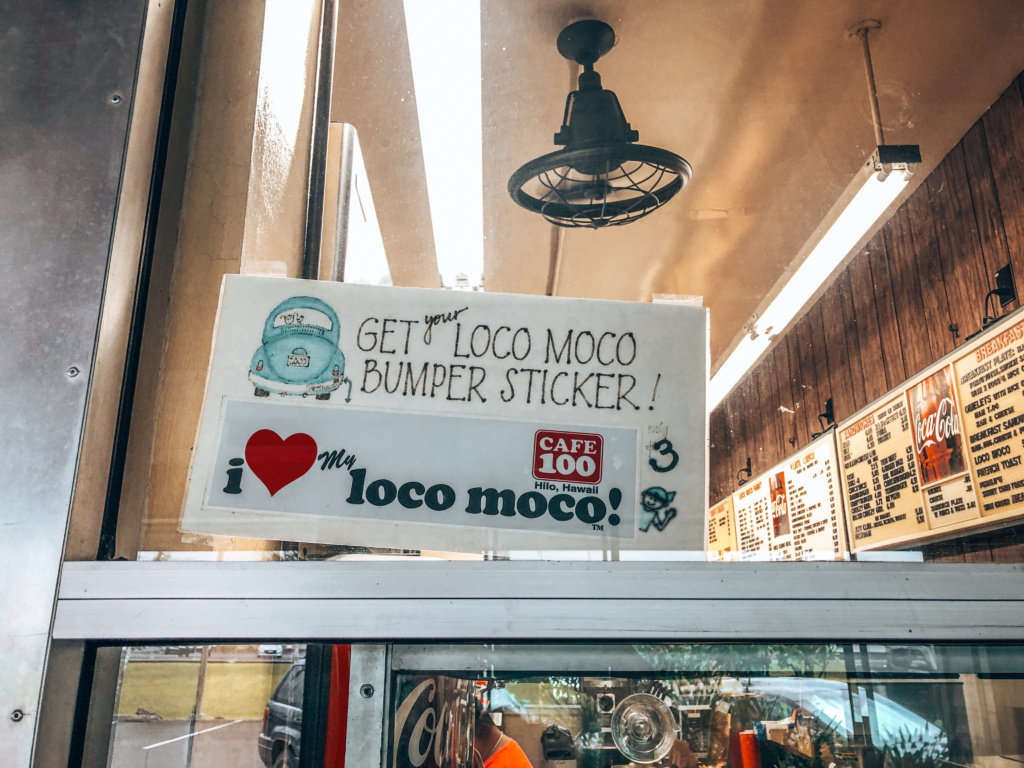
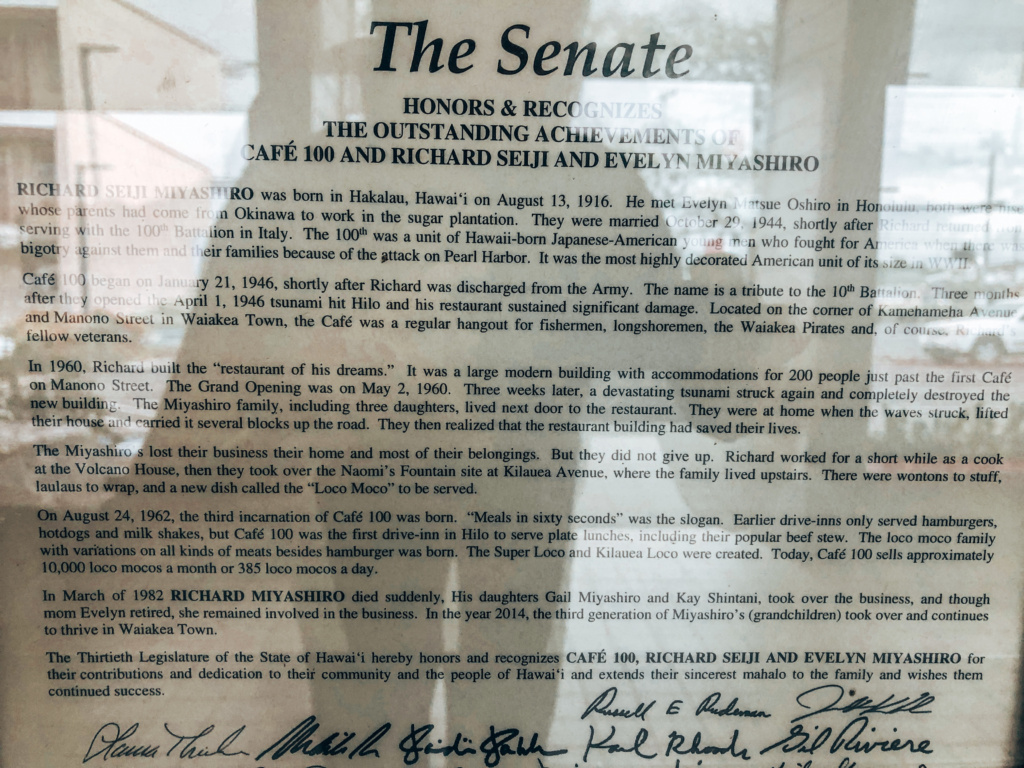
No conversation about loco moco is complete without mentioning Cafe 100 in Hilo.
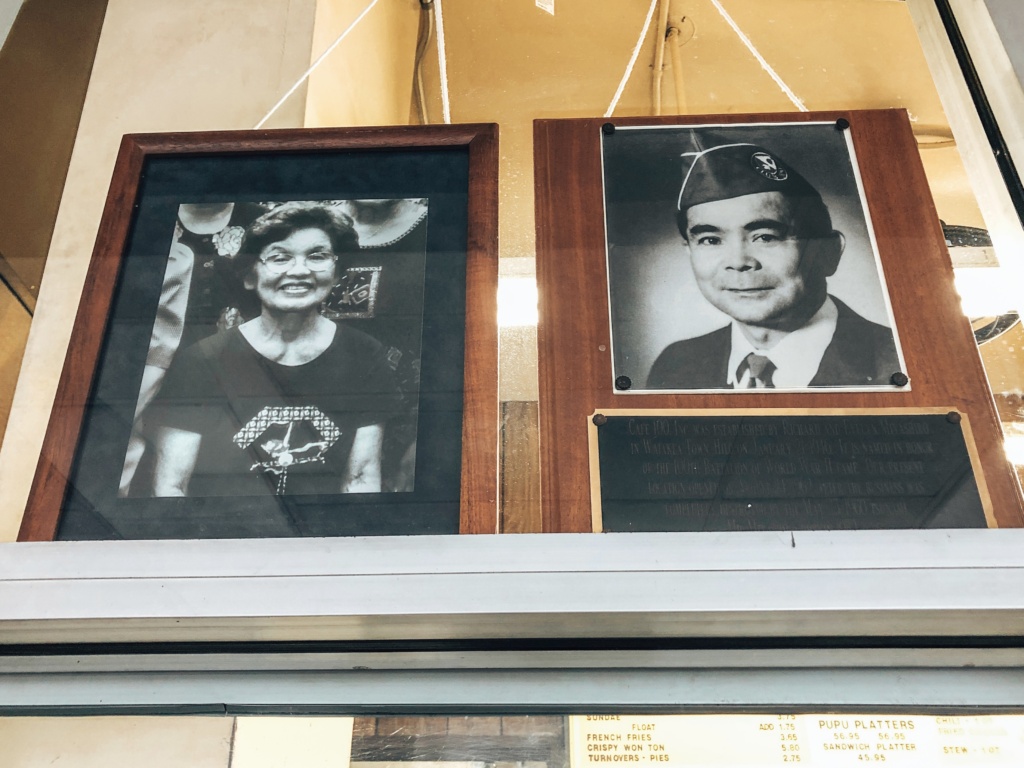
Opened in 1946, the restaurant became legendary for serving the original version of the dish and remains one of Hawaii’s most iconic local eateries.
What makes Cafe 100 special is that it still feels deeply rooted in old Hawaii. The restaurant continues to serve classic local-style comfort food in generous portions without trying to modernize the experience too much. Walking into Cafe 100 feels like stepping into a piece of Hawaii food history.
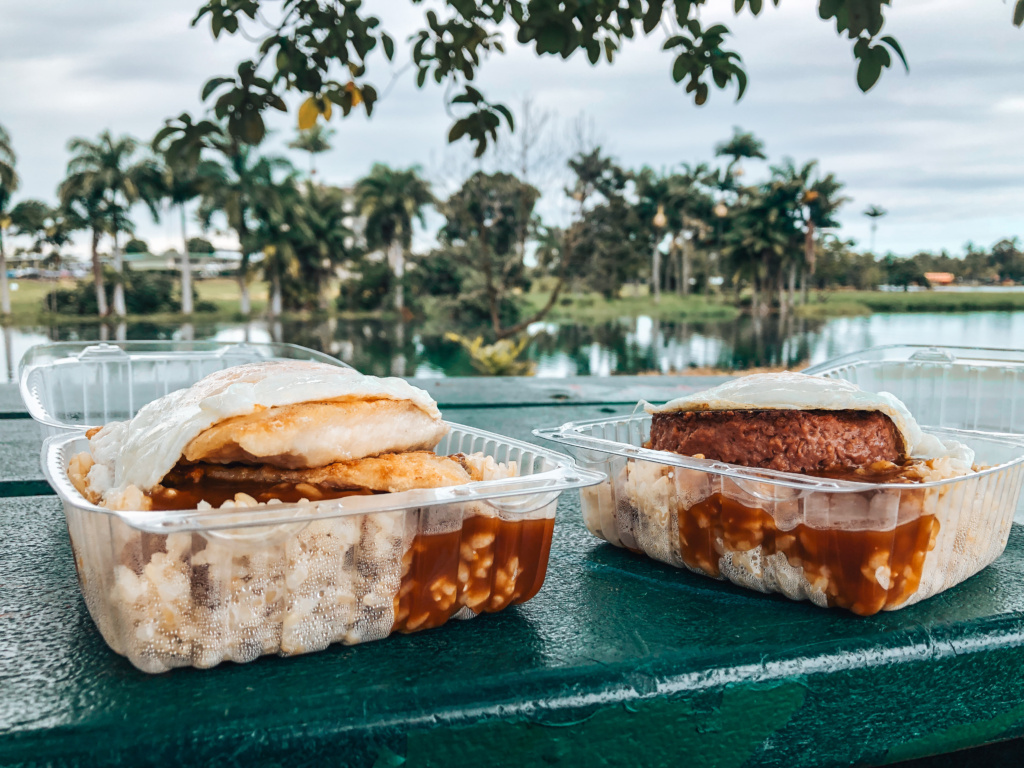
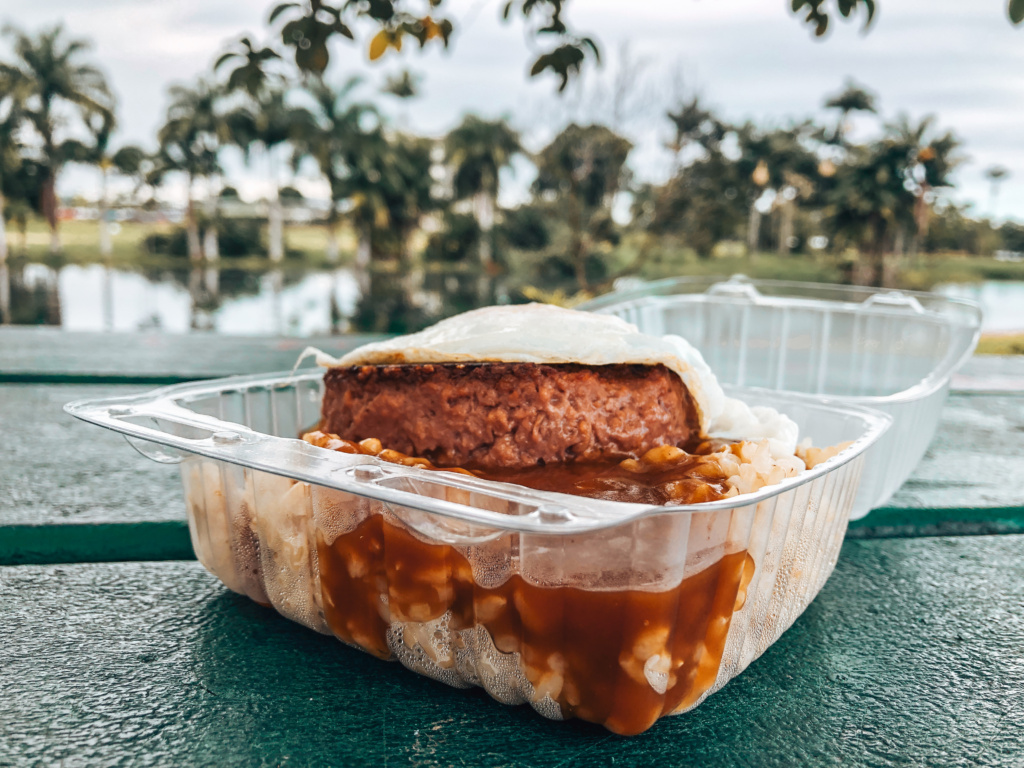
Their classic loco moco stays true to the original formula: fluffy white rice, savory hamburger patty, rich brown gravy, and eggs cooked to order.
But the menu has expanded dramatically over the years, with dozens of loco moco variations available, including teriyaki beef, mahi mahi, spam, Portuguese sausage, and vegan Beyond burger versions.
For many locals and food lovers, eating loco moco at Cafe 100 is practically a Hawaii pilgrimage.
Why Loco Moco Became So Popular In Hawaii
Loco moco perfectly reflects Hawaii’s multicultural food culture. The dish combines Japanese-style rice bowls, American hamburger steak, diner-style brown gravy, and the local Hawaiian love of filling plate lunches.
It also became popular because it was affordable and satisfying. Hawaii’s plantation-era food culture emphasized meals that were inexpensive, comforting, and filling enough to fuel long workdays. Loco moco checked every box.
Even today, locals eat loco moco at all times of day. It is common as a breakfast dish, late-night meal, hangover cure, or post-surf comfort food. Many people in Hawaii grow up eating it regularly.
The Best Loco Moco In Hawaii
Here is where to find the most epic loco moco in Hawaii, one on every island:
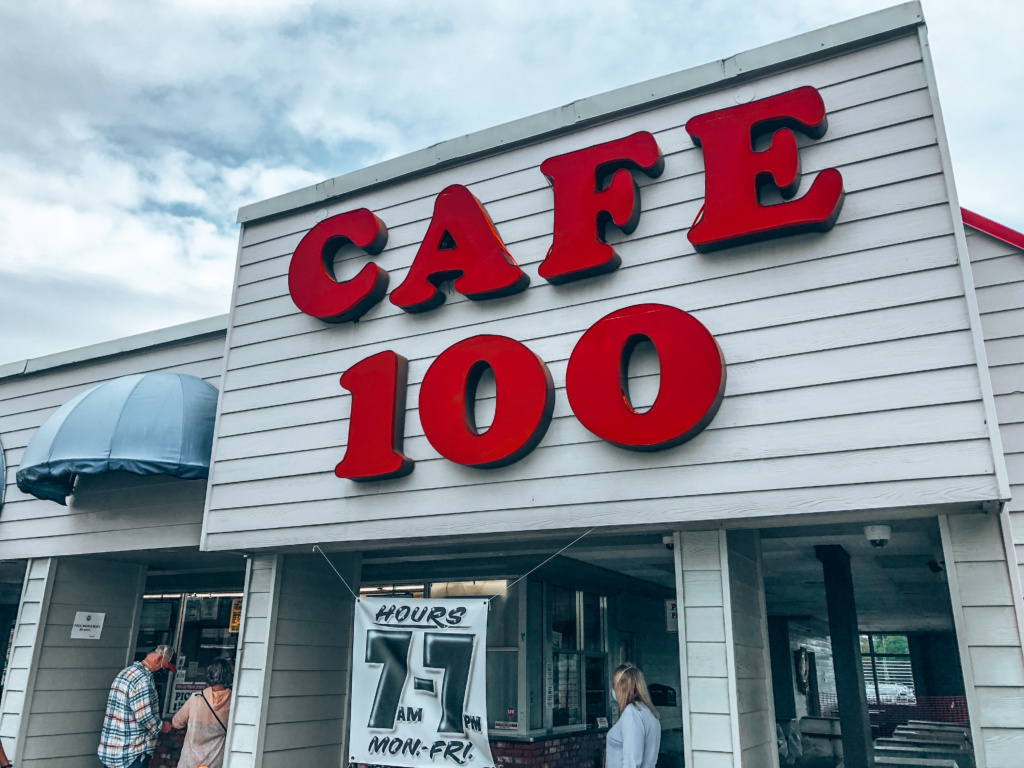
Cafe 100 — Hilo, Big Island
If you want to experience the original loco moco, Cafe 100 is still the essential stop. The old-school diner atmosphere, classic brown gravy, and long history make this one of Hawaii’s most important local food destinations.
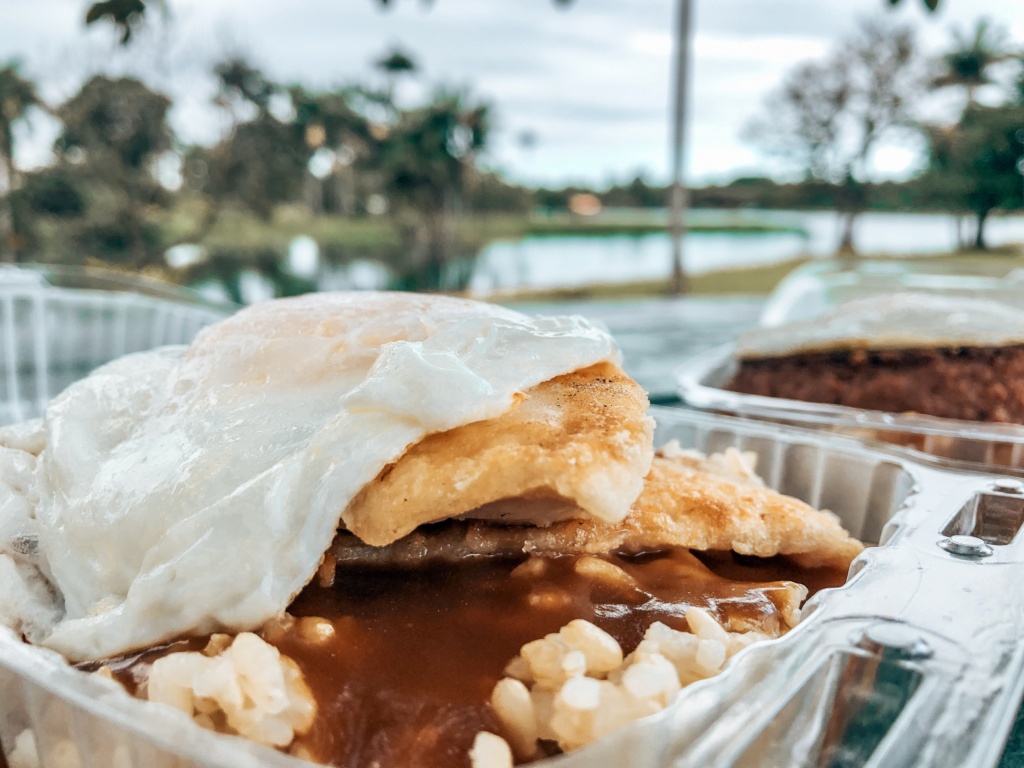
The traditional version is excellent, but adventurous eaters should explore some of the restaurant’s many variations. The chili loco moco and teriyaki loco moco both have strong local followings.
Rainbow Drive-In — Oahu
Few restaurants are as iconic to Oahu plate lunch culture as Rainbow Drive-In in Honolulu. Open since 1961, this classic local institution has served generations of Hawaii residents.
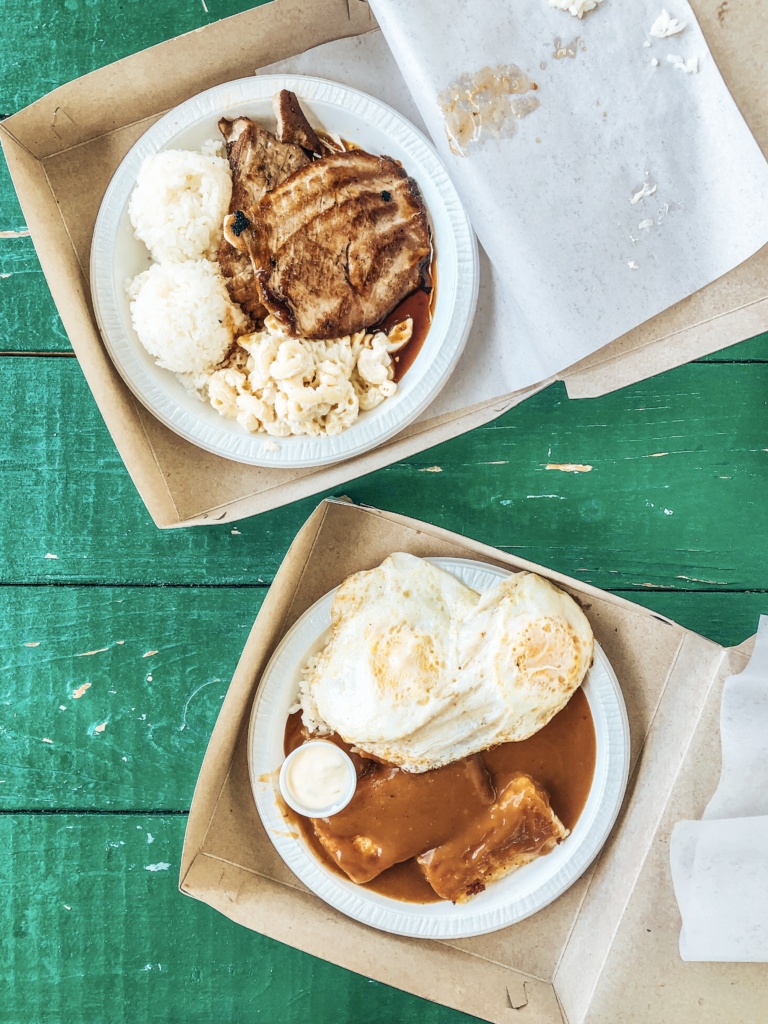
Their loco moco is exactly what many people picture when imagining a classic Hawaii plate lunch: two beef patties over rice, covered in rich gravy with sunny-side-up eggs on top. The flavor is deeply nostalgic and unapologetically local.
Part of the charm at Rainbow Drive-In is the atmosphere itself. Sitting outside with a paper plate of loco moco after a day at Waikiki Beach feels like a true Hawaii experience.
Kihei Caffe — Maui
On Maui, Kihei Caffe has developed a loyal following for its massive breakfasts and comforting local-style dishes. Their loco moco stands out thanks to flavorful gravy, hearty portions, and perfectly cooked eggs.
The restaurant captures Maui’s laid-back beach-town energy, making it especially popular after early morning surf sessions or beach walks. Pairing a loco moco with one of their famous pancakes creates an unforgettable Maui breakfast.
Kountry Kitchen — Kauai
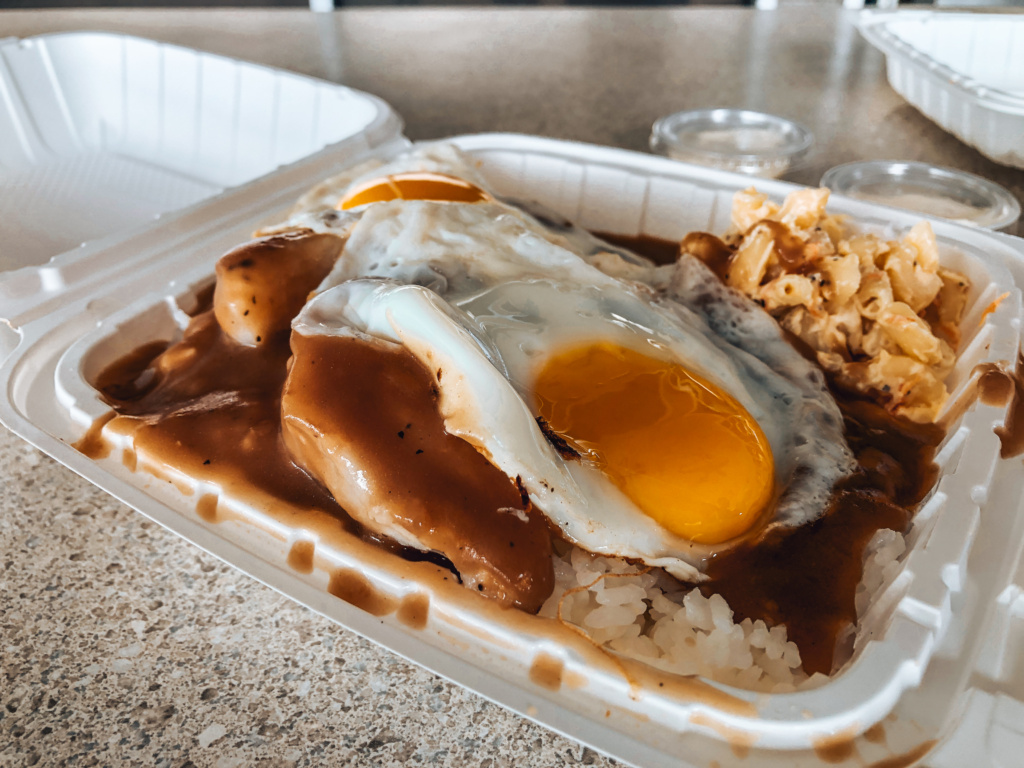
On Kauai, Kountry Kitchen in Kapaa serves one of the island’s most satisfying loco mocos. Known for generous portions and homestyle cooking, this longtime local favorite brings a comforting, family-style approach to the dish.
Their version leans heavily into classic diner comfort food, with rich gravy and perfectly seasoned beef patties served in a cozy plantation-style setting.
After a morning exploring Kauai’s beaches or hiking trails, few meals feel more rewarding than digging into a hot loco moco at Kountry Kitchen.
Modern Loco Moco Variations
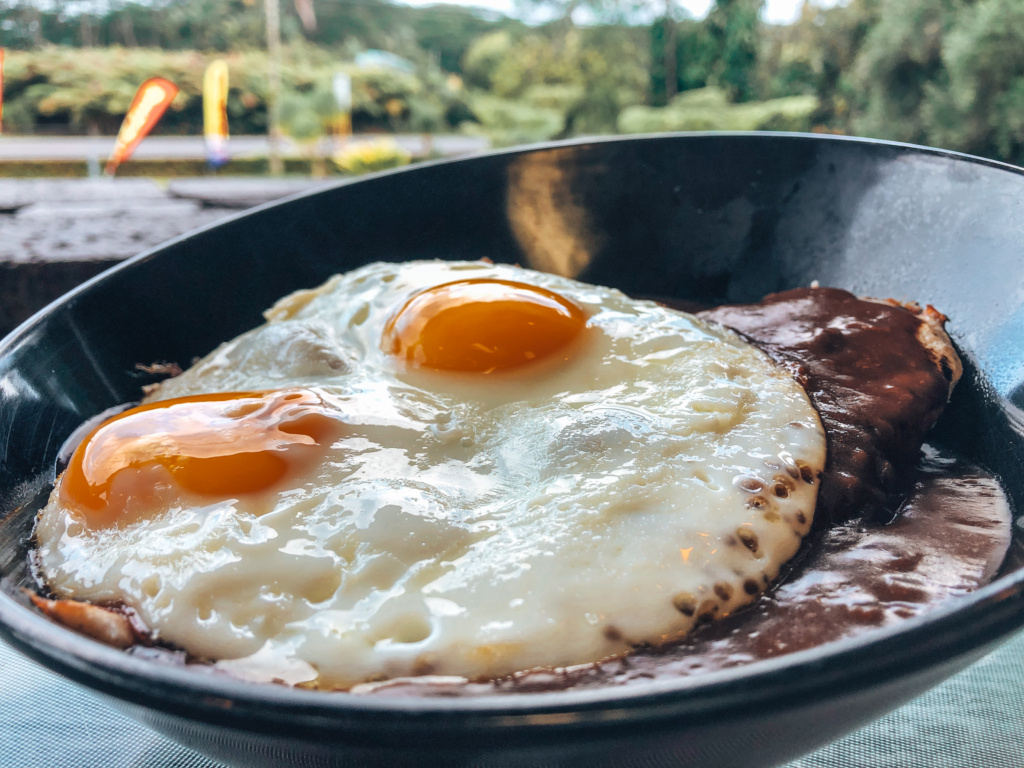
Although the classic version remains beloved, loco moco has evolved significantly over the years. Across Hawaii, restaurants now offer creative versions using:
- Kalua pork
- Fried chicken
- Garlic shrimp
- Teriyaki beef
- Spam
- Portuguese sausage
- Kimchi fried rice
- Ahi tuna
- Curry gravy
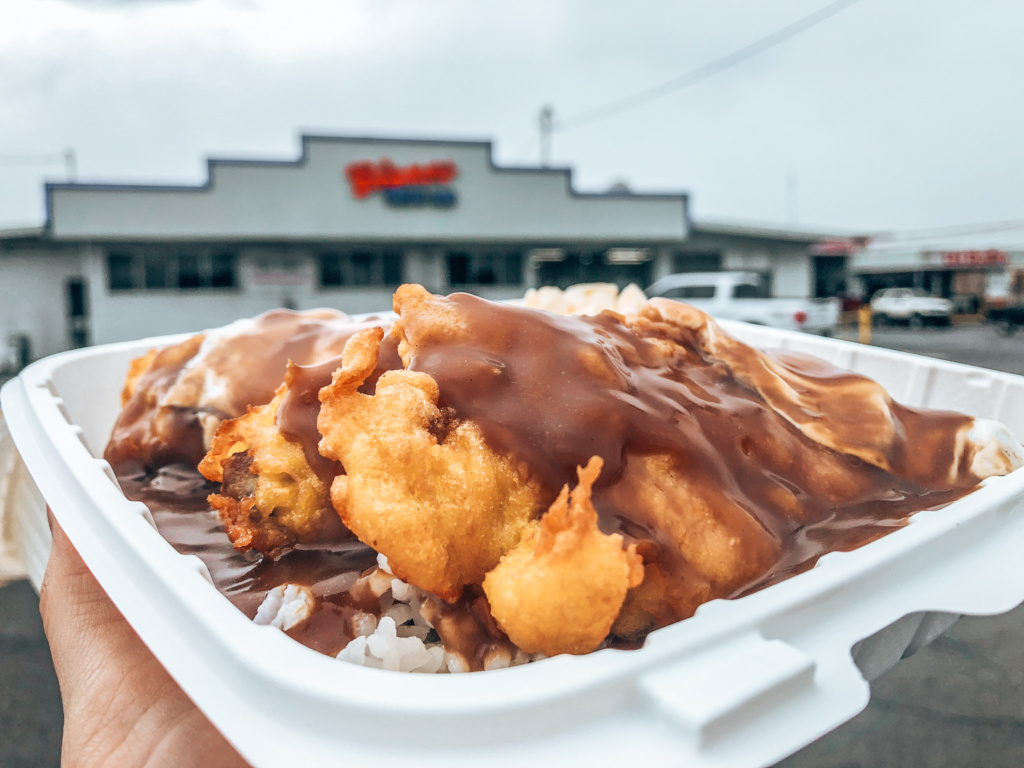
Some upscale Hawaii restaurants have even turned loco moco into a gourmet brunch dish featuring wagyu beef, truffle gravy, or sous vide eggs.
Still, most locals will tell you the best loco moco is often the simplest one — especially when eaten at a casual neighborhood diner.
History of Loco Moco – Final Bite
Loco moco is more than just a meal. It represents Hawaii’s local culture, multicultural history, and love for comforting food shared across generations.
The dish tells the story of postwar Hawaii, local diners, plantation influences, and the creativity that comes from blending multiple culinary traditions together.
Whether you try the original version in Hilo, enjoy a beachside plate lunch in Honolulu, or discover a modern variation on Maui or Kauai, eating loco moco is one of the most authentic food experiences visitors can have in Hawaii.
For many travelers, it quickly becomes one of the most memorable meals of the entire trip.
Were you surprised by history of loco moco? Let us know in the comments or tag @eightyflavors on socials!
OUR TRIED AND TESTED FOOD TRAVEL RESOURCES: Book a hotel with Booking.com. Search for the best flight deals on Skyscanner. Find the best local food tours on Viator. Browse curated conscious group trips with GAdventures. Get your travel insurance with World Nomads.
Disclaimer: this post contains affiliate links. We’ll receive a small commission if you purchase through the link provided, at no extra cost to you. Thank you for your support in running this blog!