From Pearl Harbor to ABC Stores: The History of Musubi in Hawaii
Understanding the history of musubi means understanding Hawaii itself: immigration, plantation life, wartime influence, local creativity, and the blending of cultures into something uniquely Hawaiian.
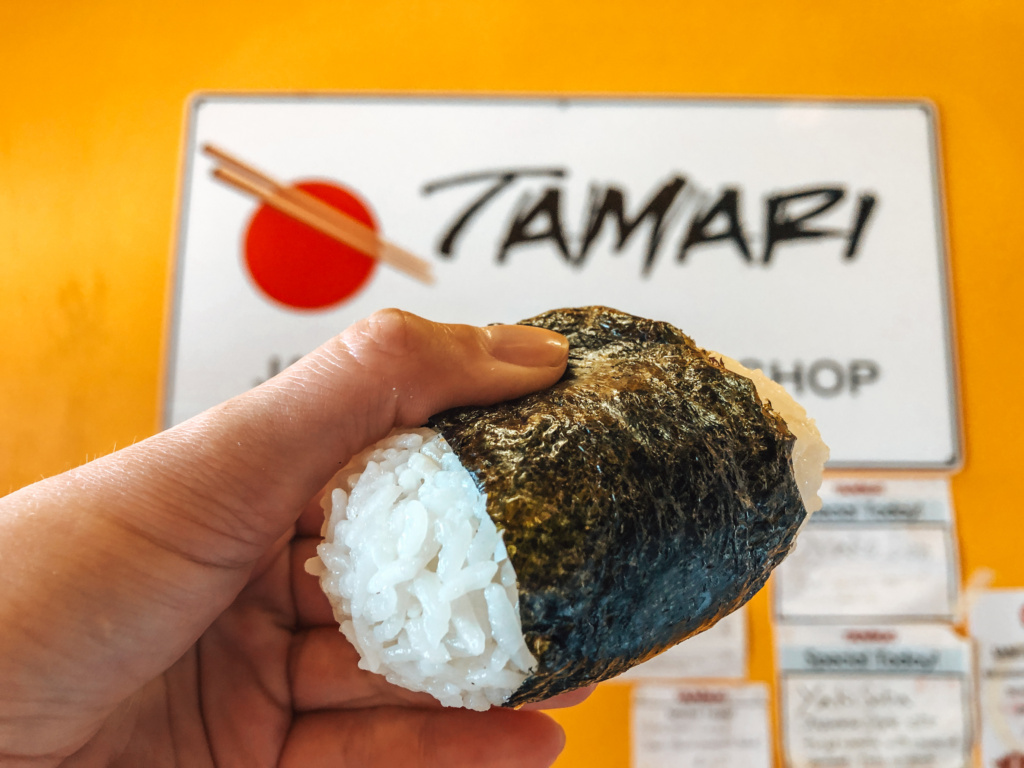
Few foods tell the story of Hawaii quite like musubi. Portable, affordable, comforting, and endlessly adaptable, musubi has become one of the islands’ most recognizable foods.
Click HERE to book a top rated Hawaii Off The Beaten Path Food Tour on Viator!
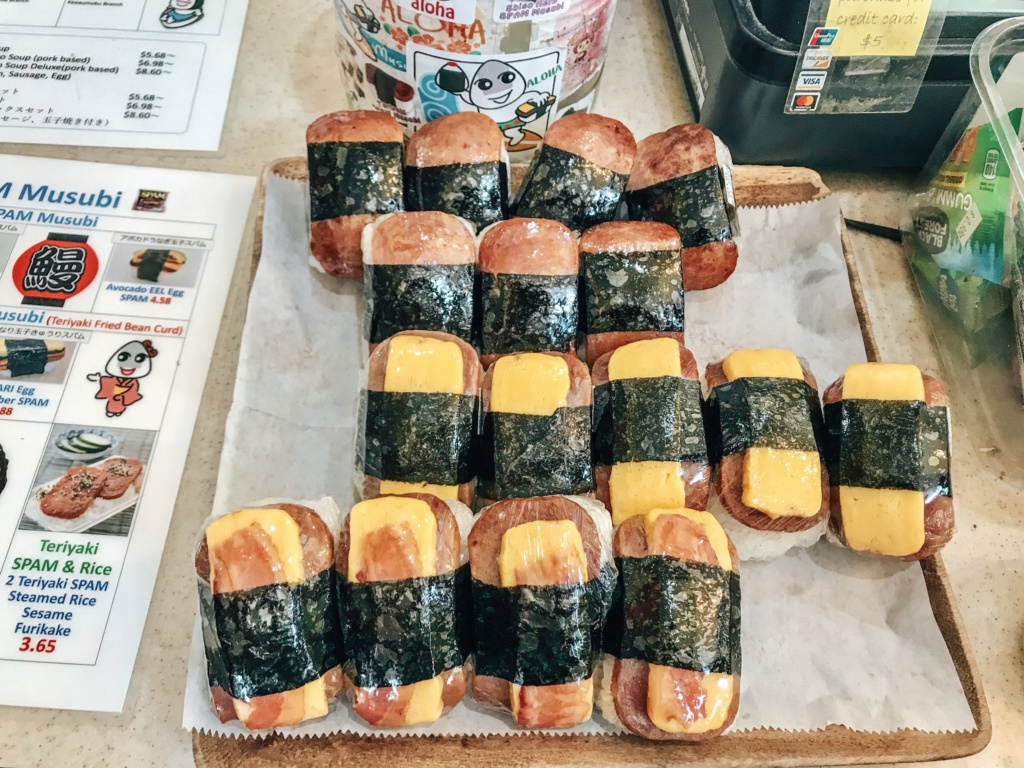
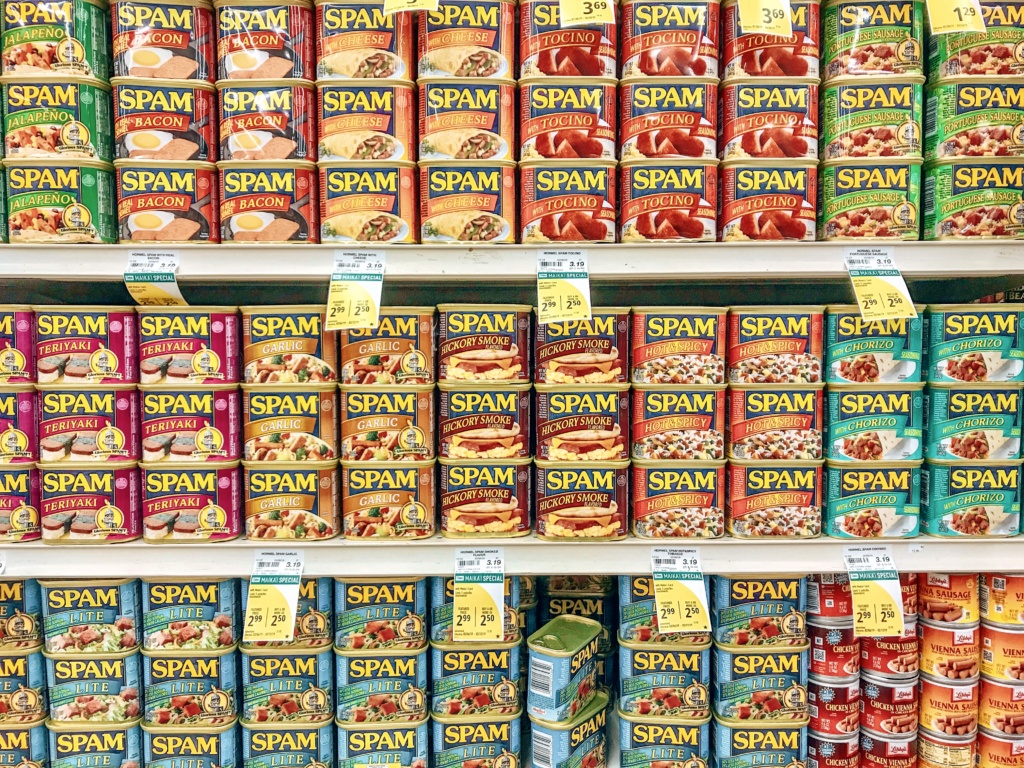
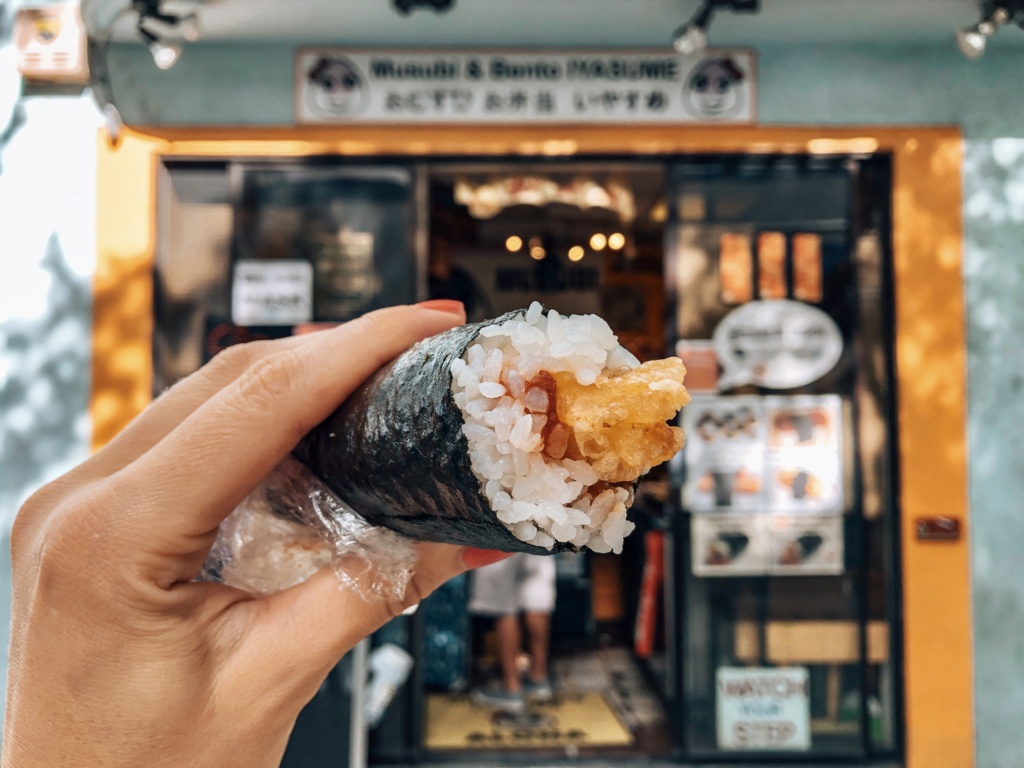
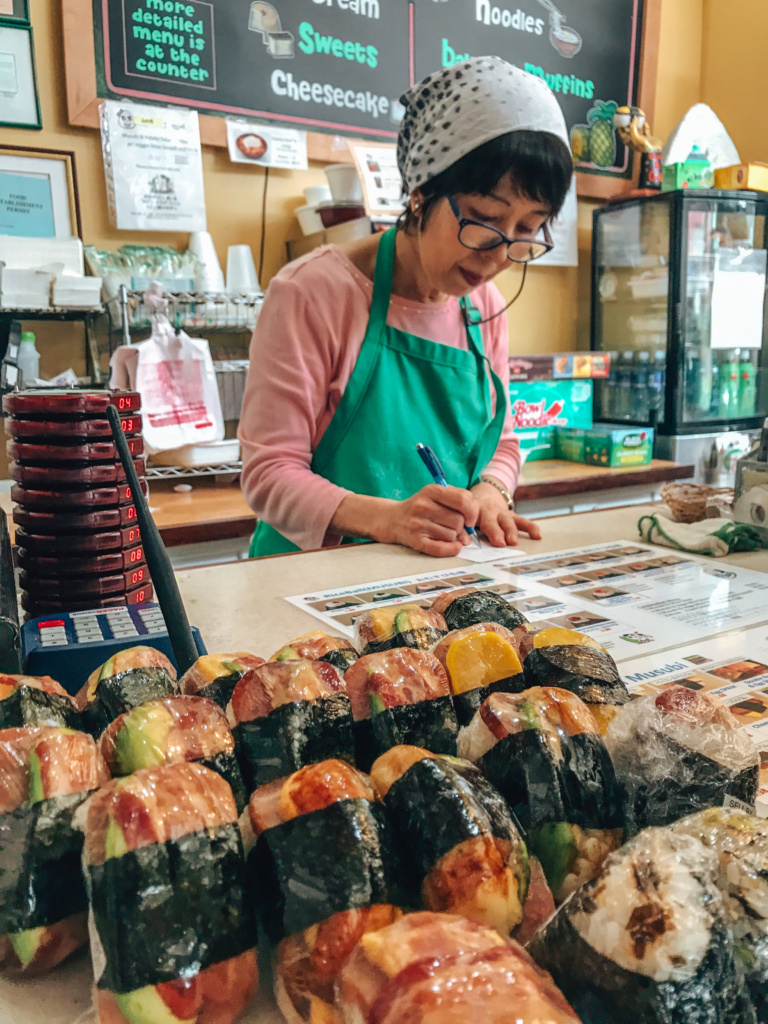
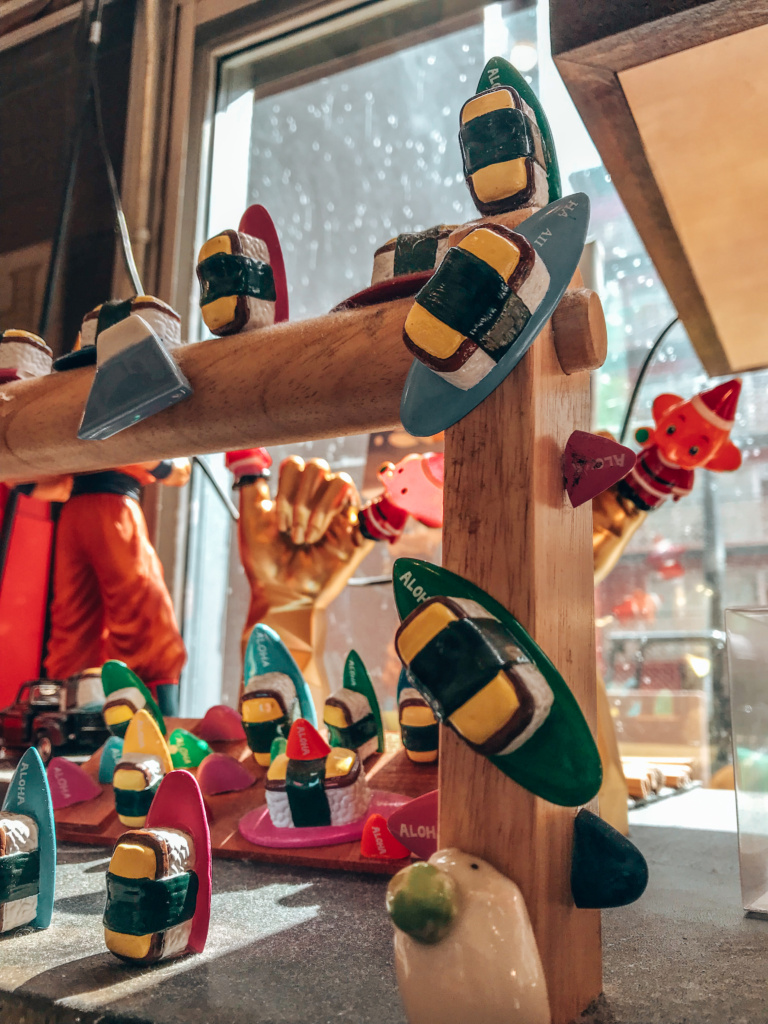
Today, musubi can be found everywhere from gas stations and surf shops to high-end cafes and specialty musubi counters.
While Spam musubi is the most famous variation, the story of musubi stretches back much further and reflects generations of cultural exchange across the islands.
You might also like: What is Poke And Why You Won’t Find Poke Bowls in Hawaii
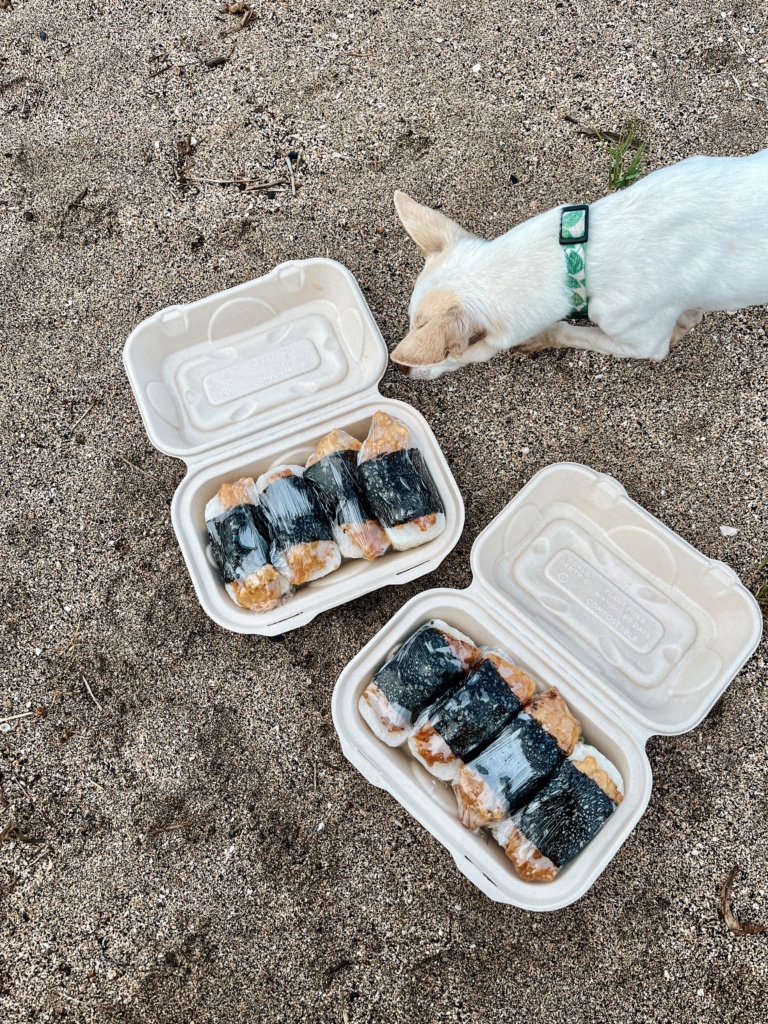
The History of Musubi
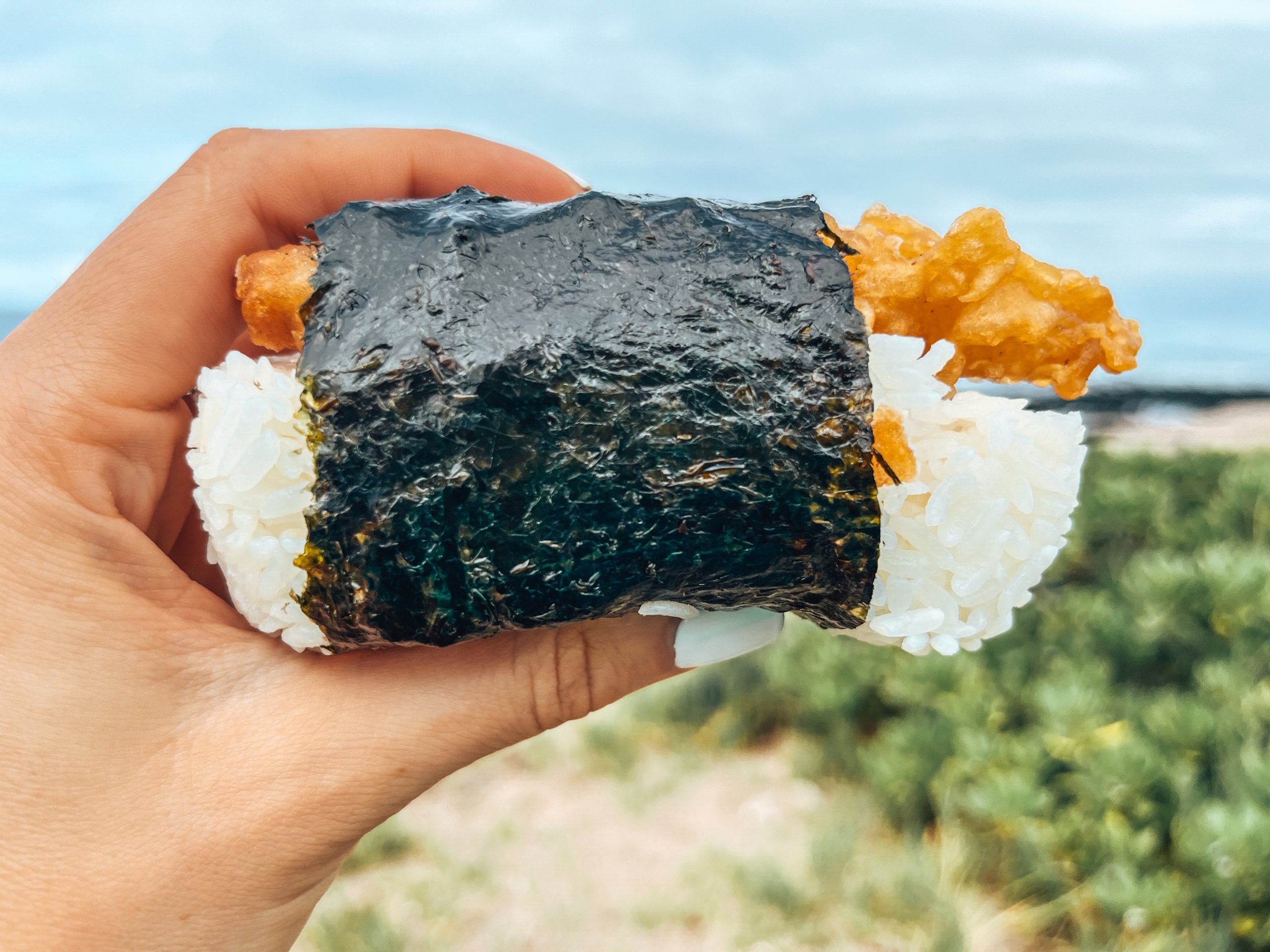
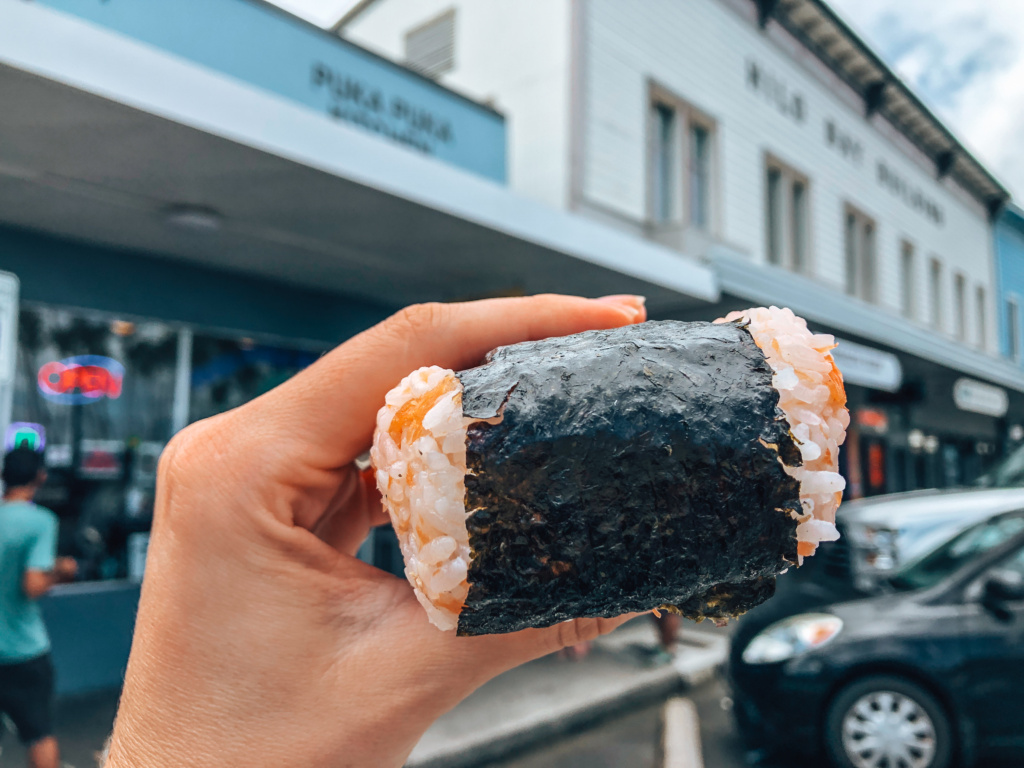
The history of musubi begins in Japan with onigiri, the rice balls that have been eaten for centuries as a practical and portable meal.
Traditionally shaped into triangles or cylinders, onigiri was made from rice and wrapped in nori seaweed, often filled with salted salmon, pickled plum, tuna, or other preserved ingredients.
The word “musubi” itself is closely connected to Japanese rice culture and refers to rice that is shaped or pressed together.
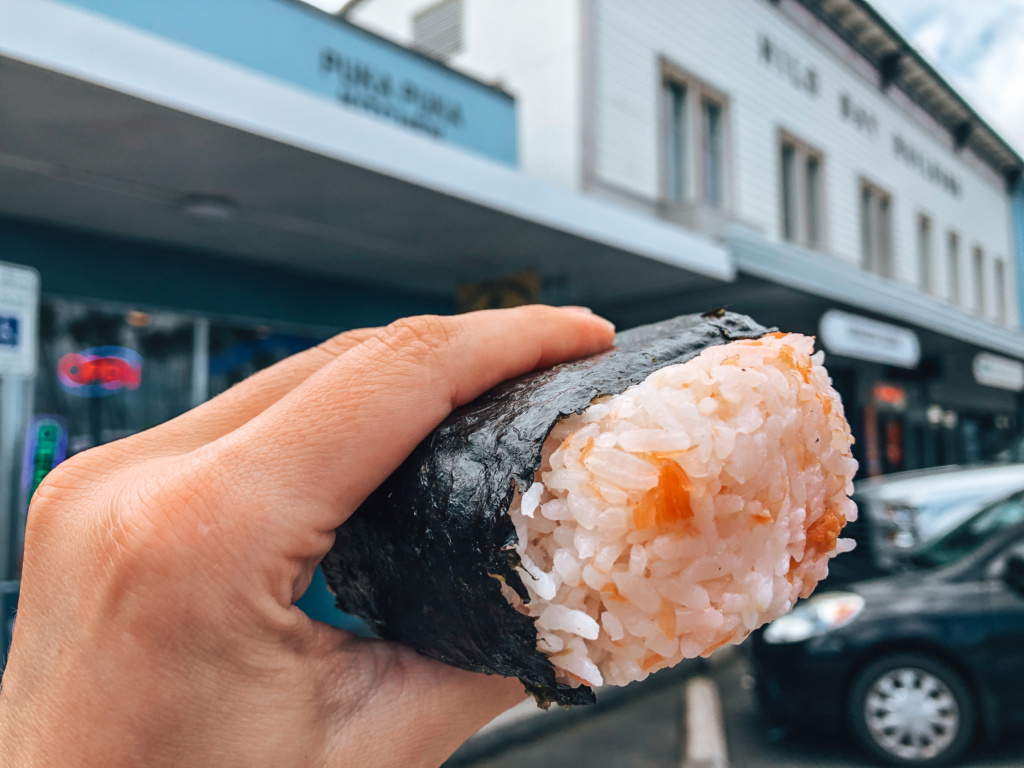
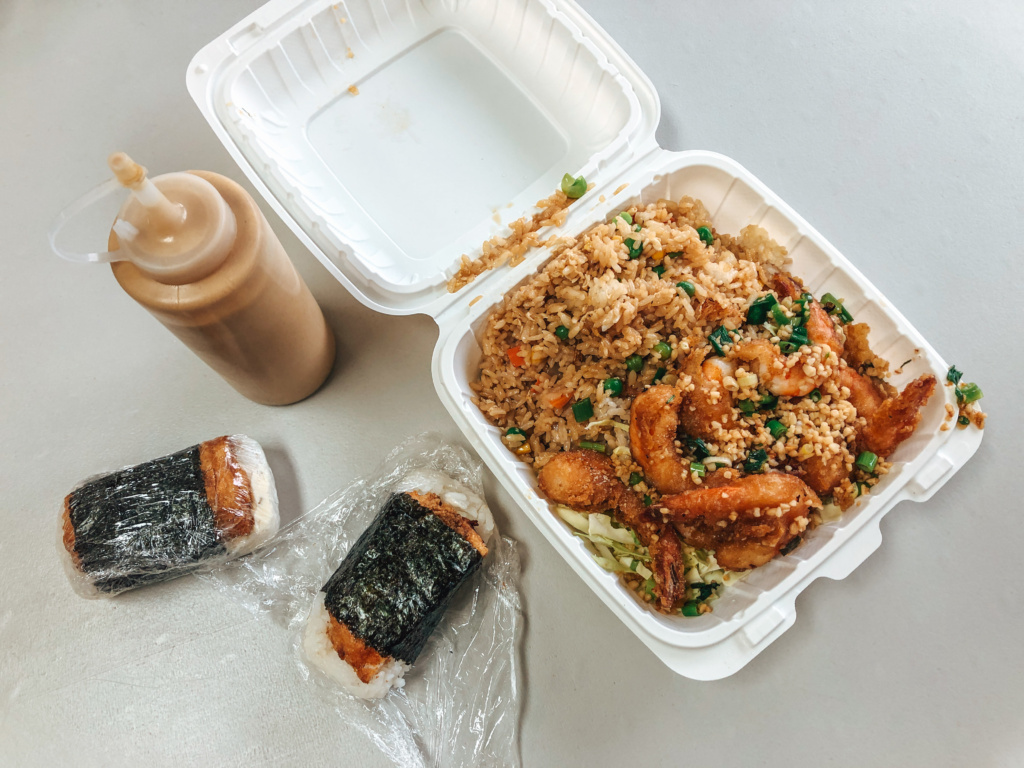
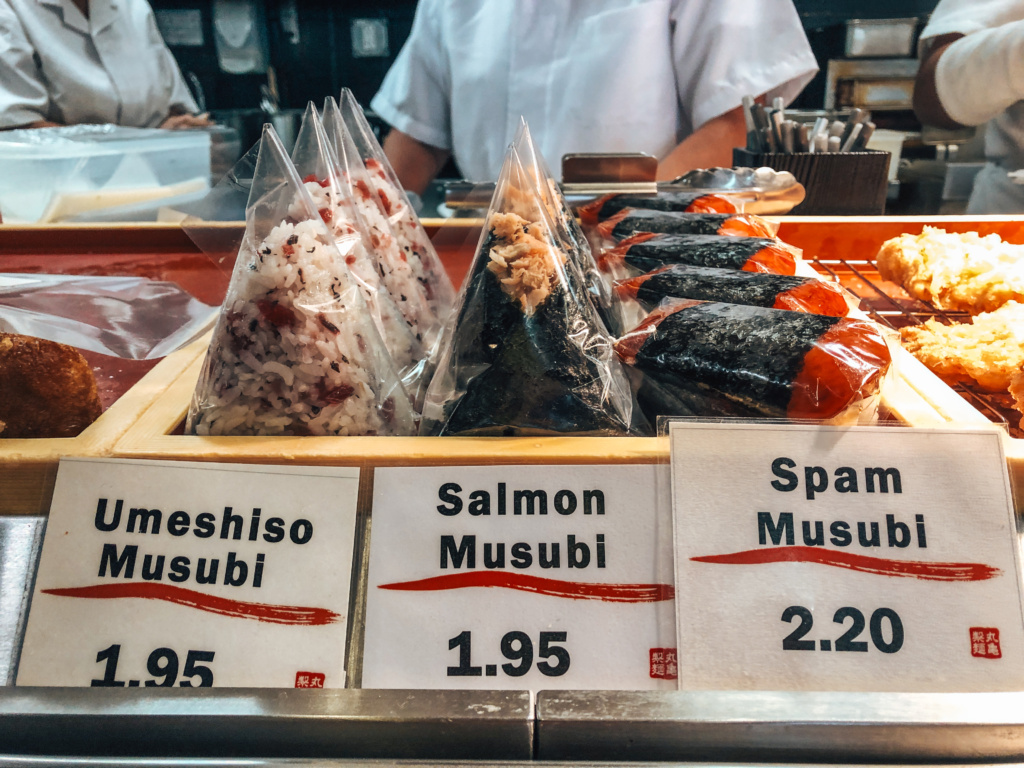
Japanese immigrants brought these food traditions with them when they arrived in Hawaii in large numbers during the late 19th and early 20th centuries to work on sugar and pineapple plantations.
For plantation workers, musubi was ideal. It traveled well, required no utensils, and provided energy during long days of labor. Rice quickly became a staple across Hawaii, not just among Japanese families but throughout the islands’ multicultural communities.
You might also like: Hawaiian Food: 6 Best Places To Eat Like a Local in Kauai
How Hawaii Changed Musubi Forever
While Japanese onigiri inspired musubi in Hawaii, local culture transformed it into something entirely its own. Hawaii’s diverse communities — Japanese, Native Hawaiian, Filipino, Chinese, Korean, Portuguese, and others — all influenced local food traditions over generations.
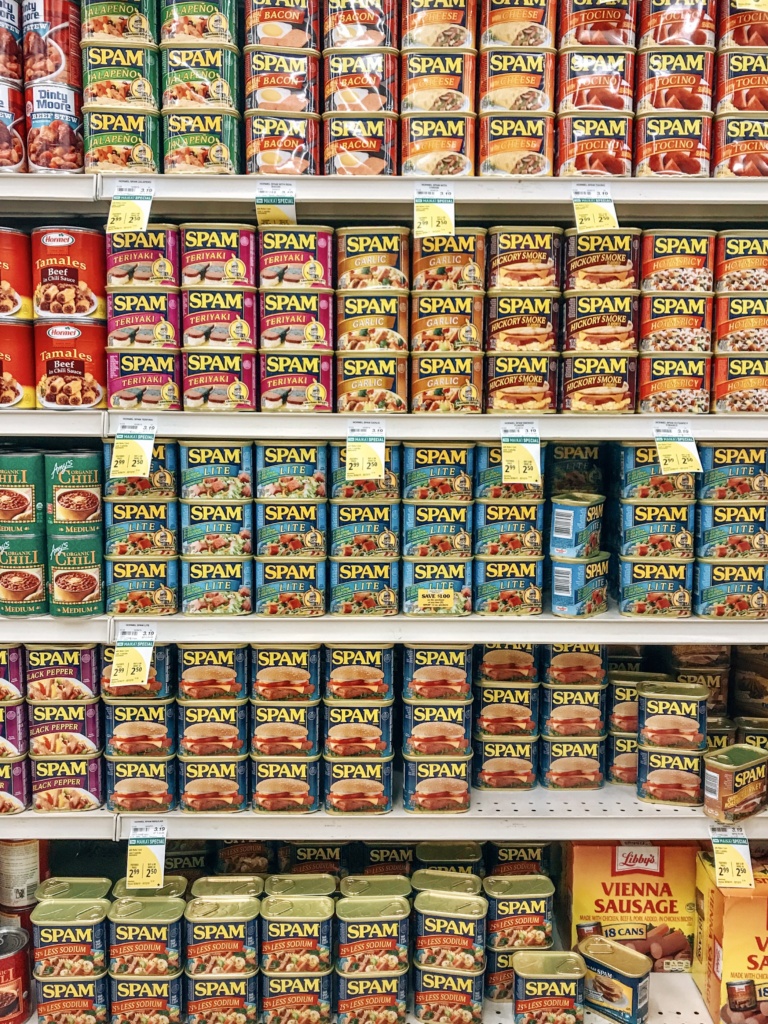
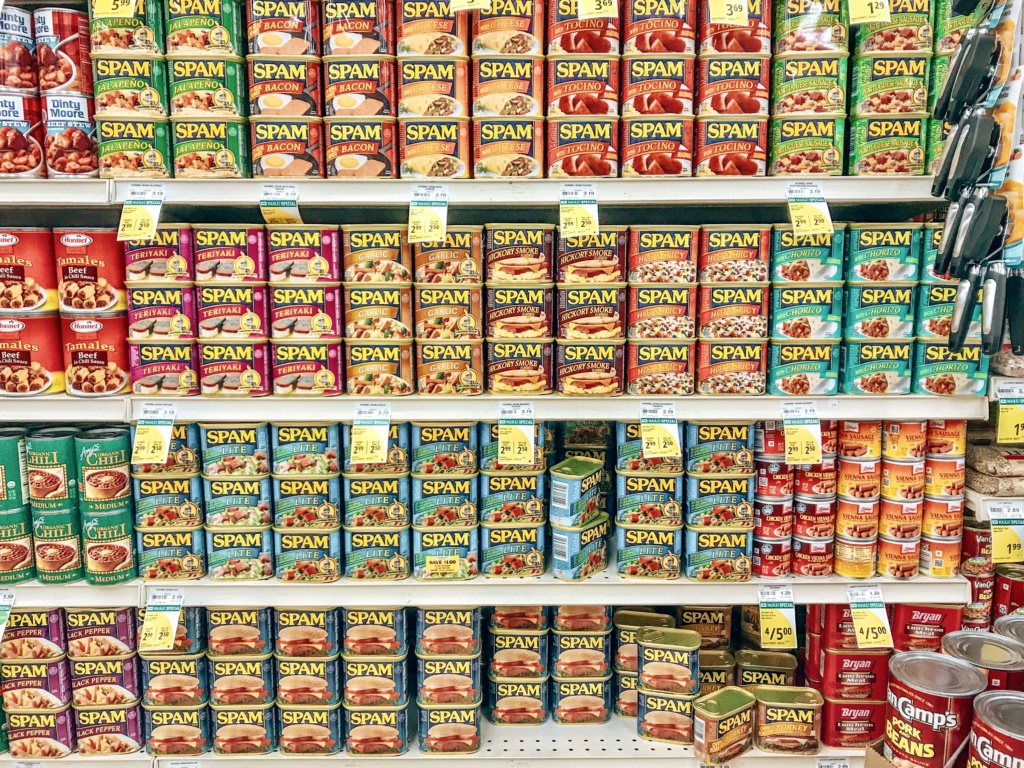
The biggest turning point in the history of musubi came during and after World War II, when Spam became deeply embedded in Hawaiian cuisine.
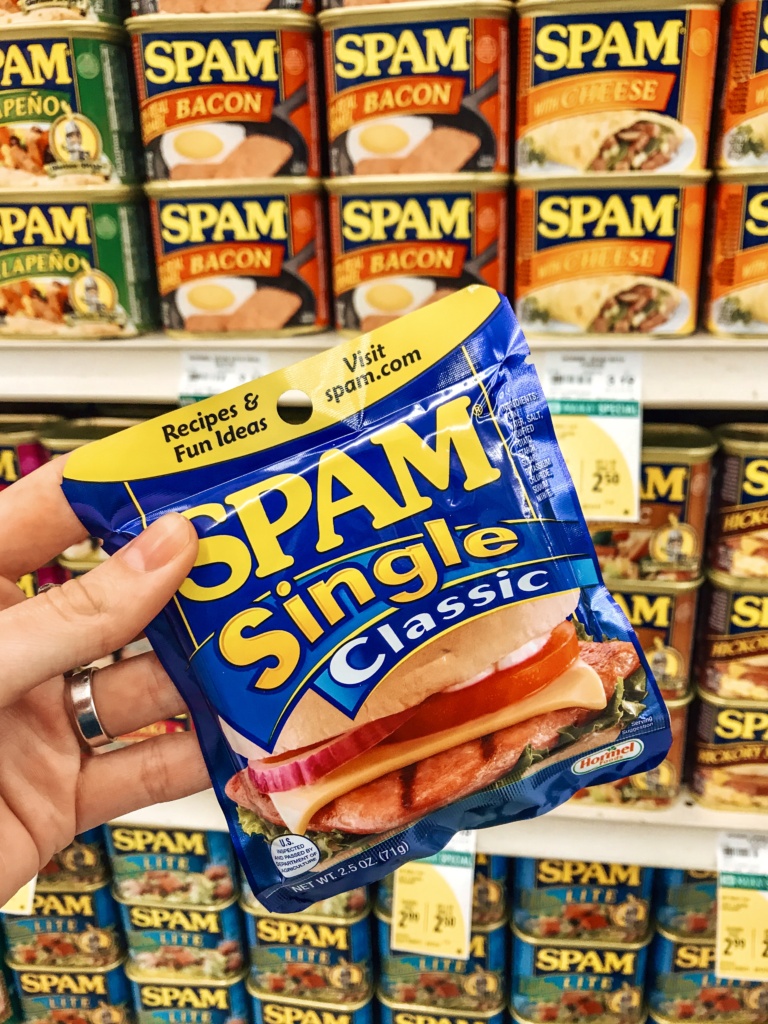
Due to wartime rationing and the military presence in Hawaii, canned meats became widely available and heavily consumed. Spam, with its salty flavor, affordability, and long shelf life, fit perfectly into island food culture.
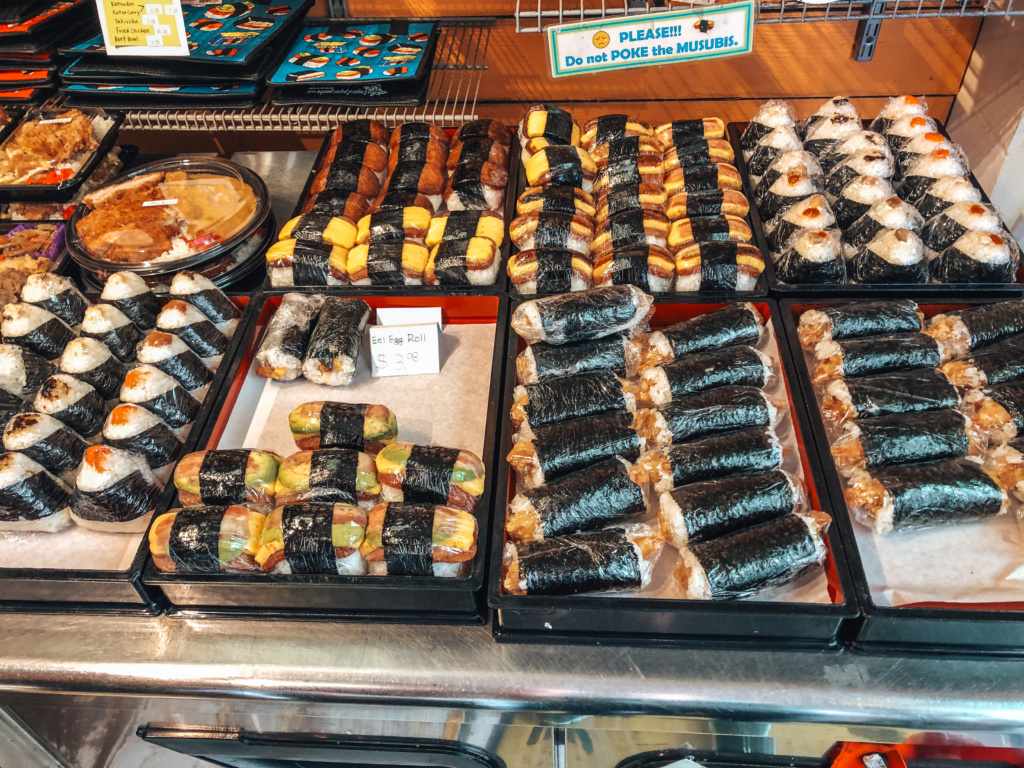
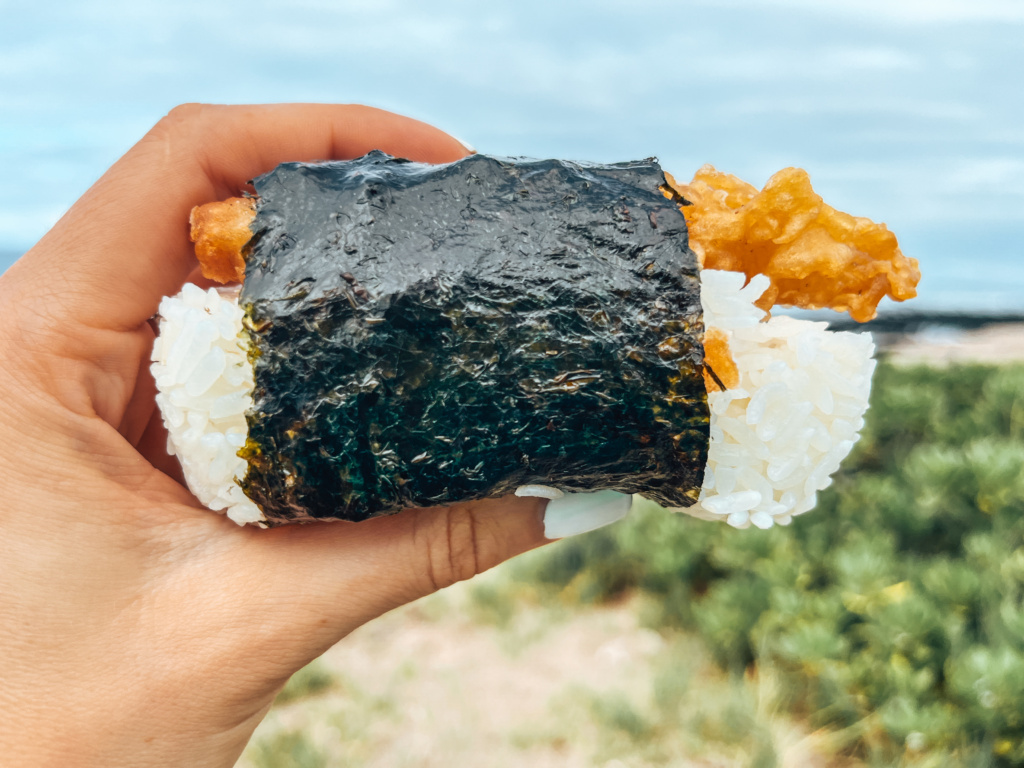
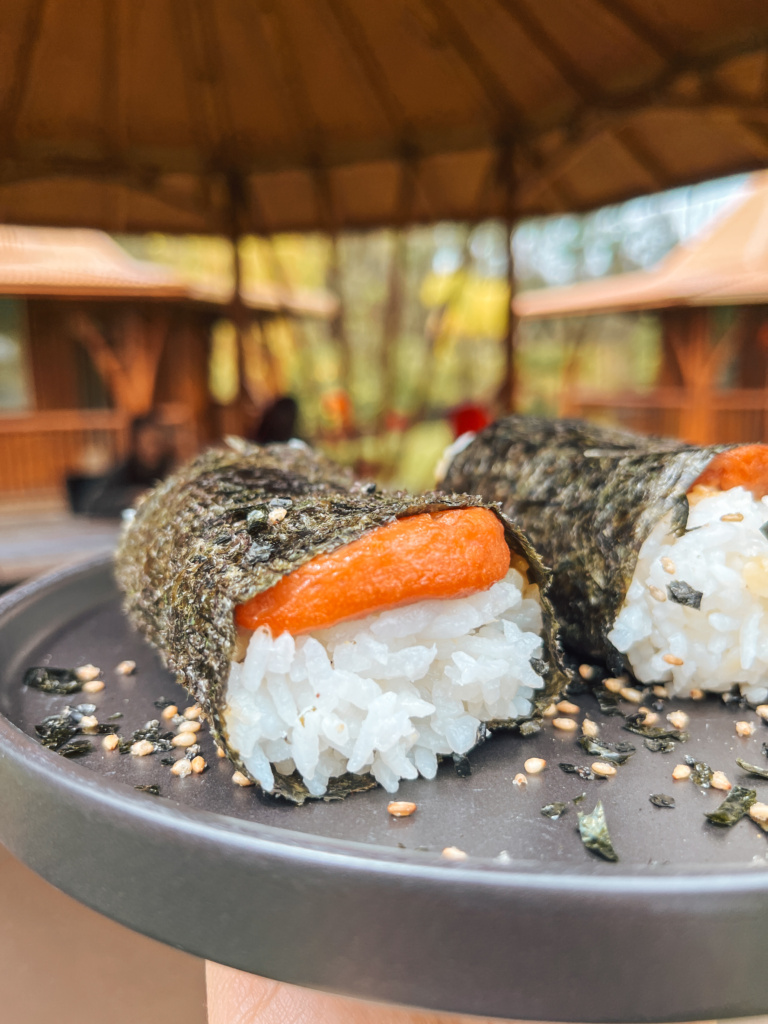
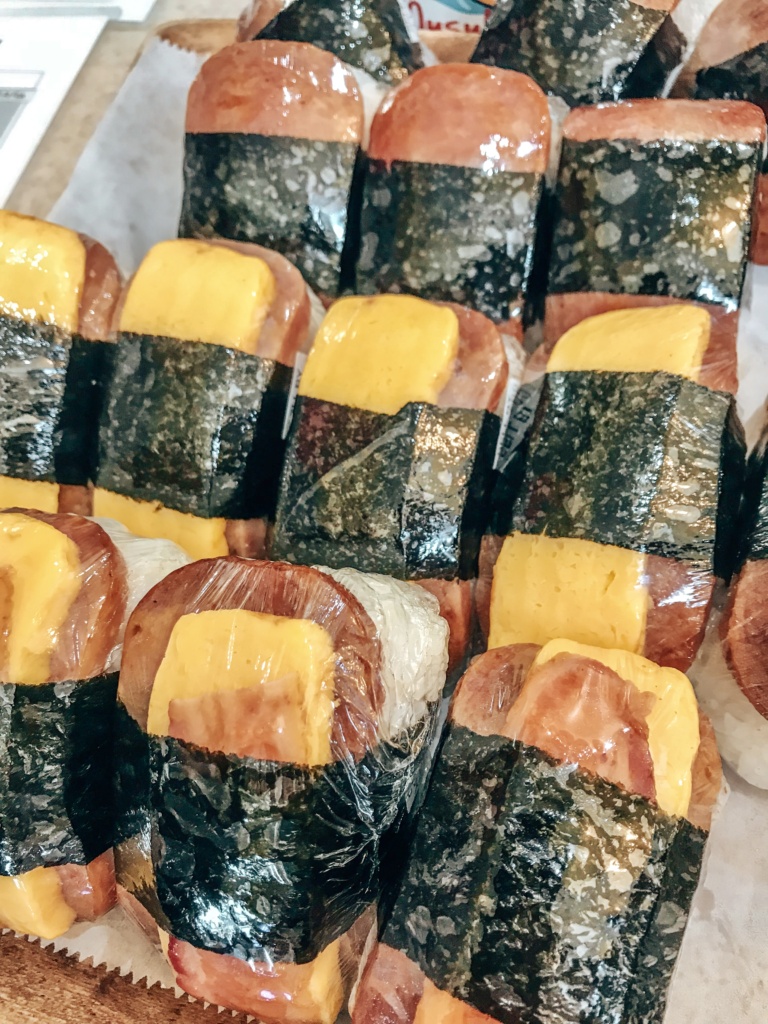
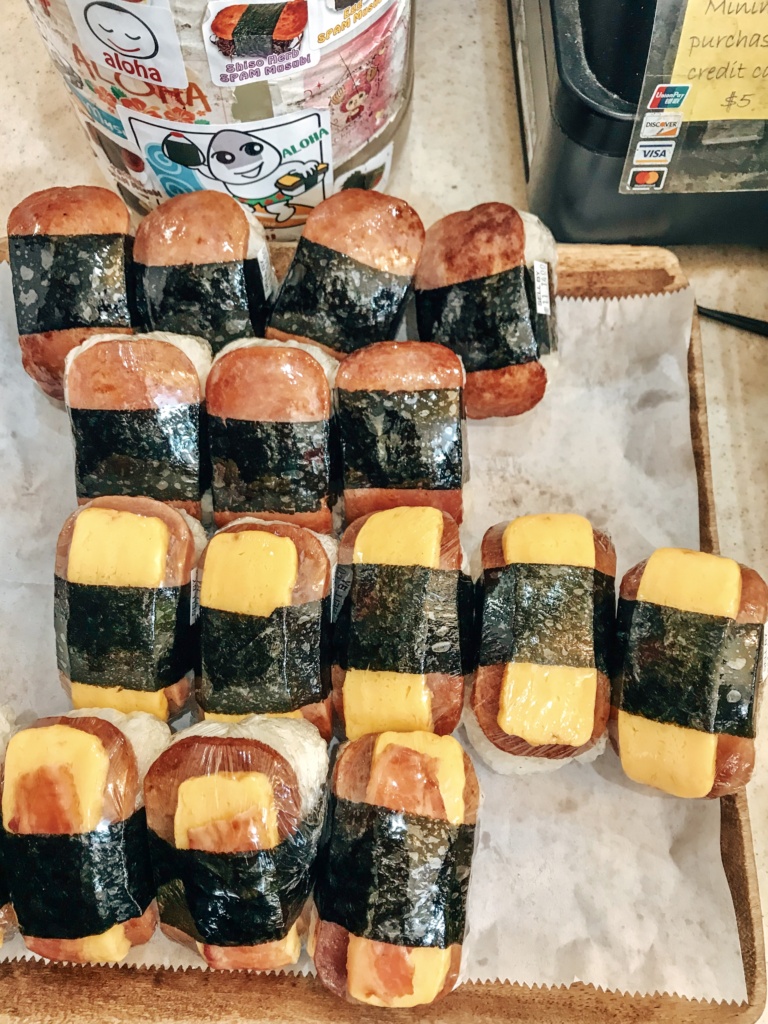
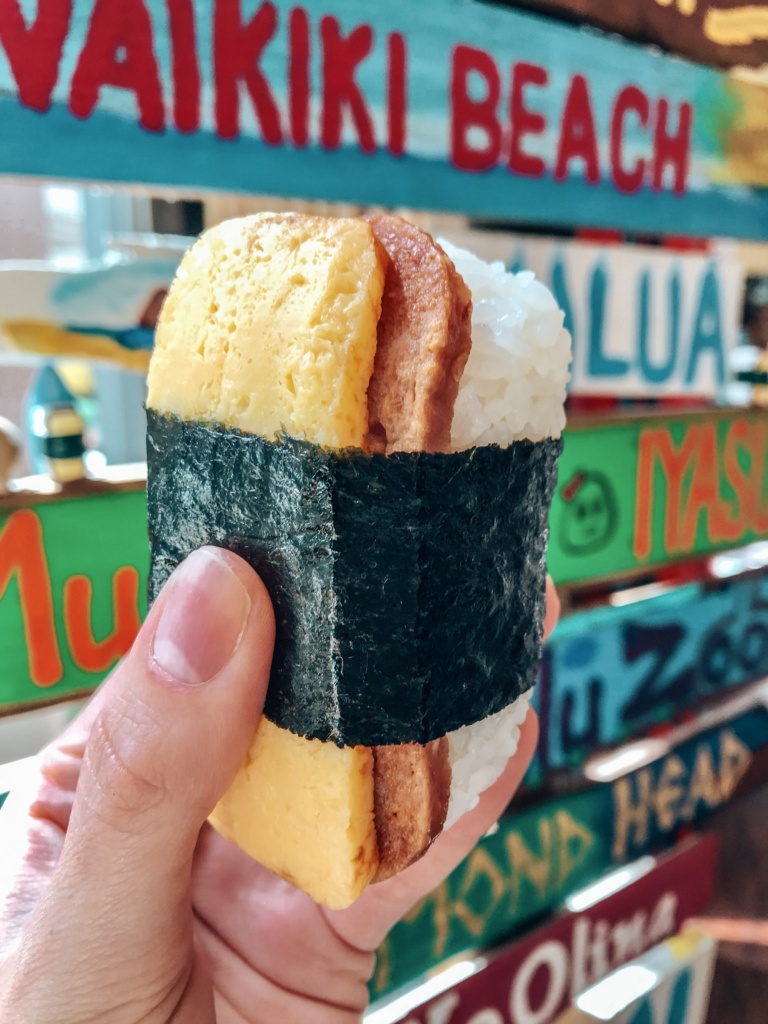
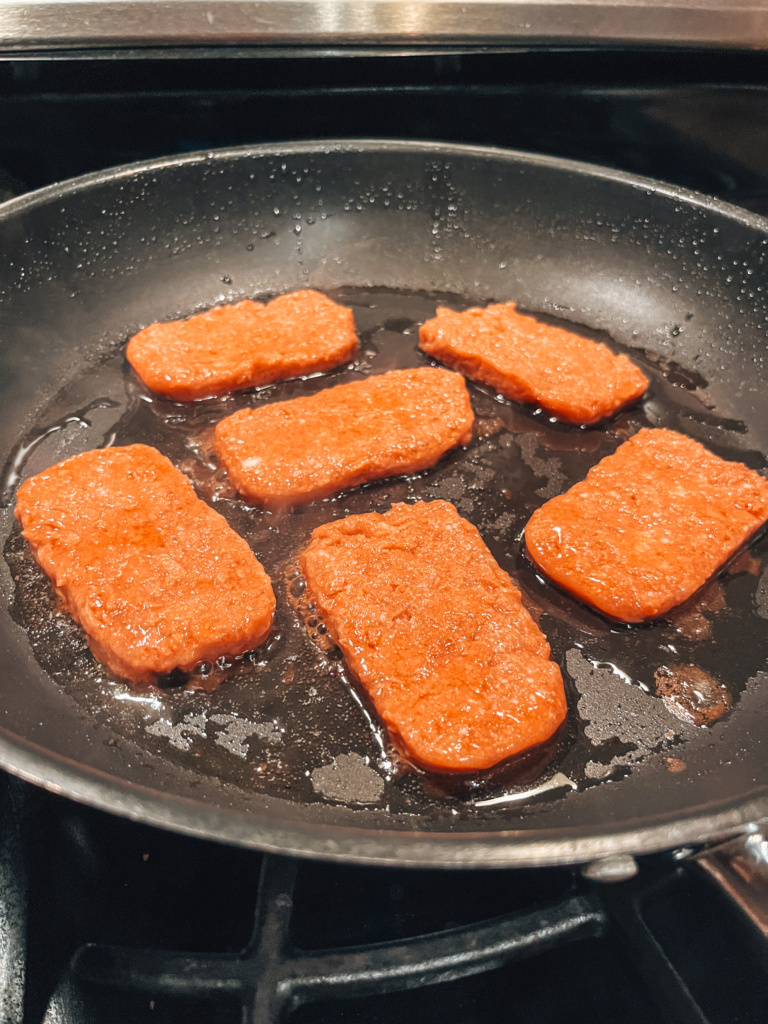
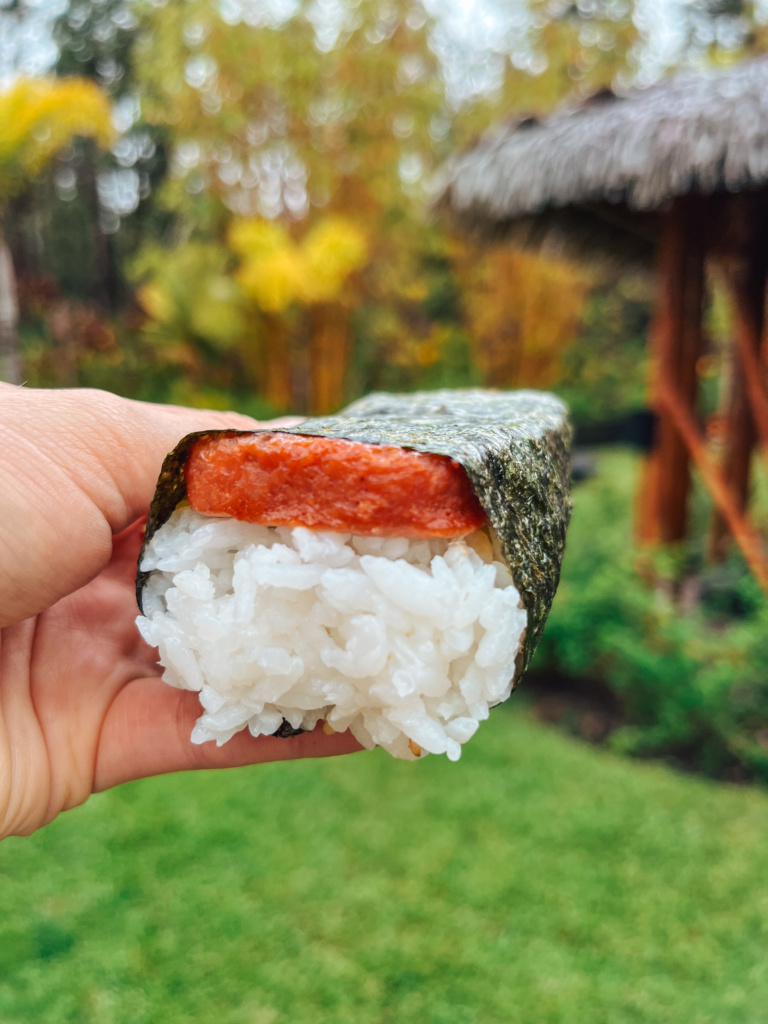
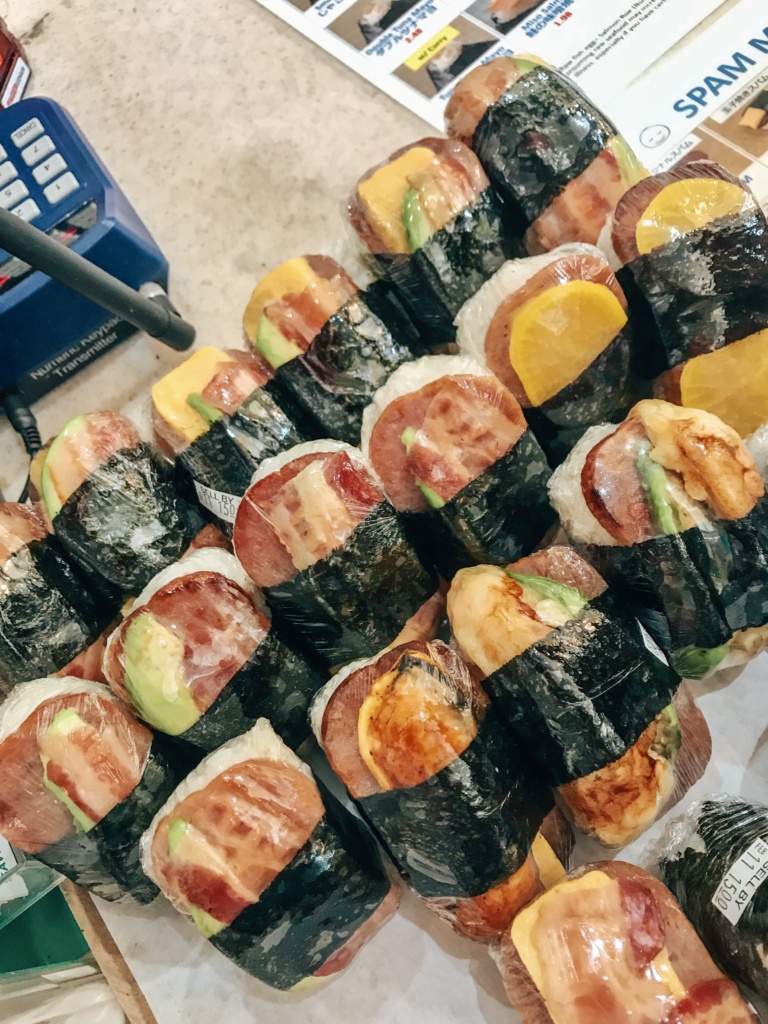
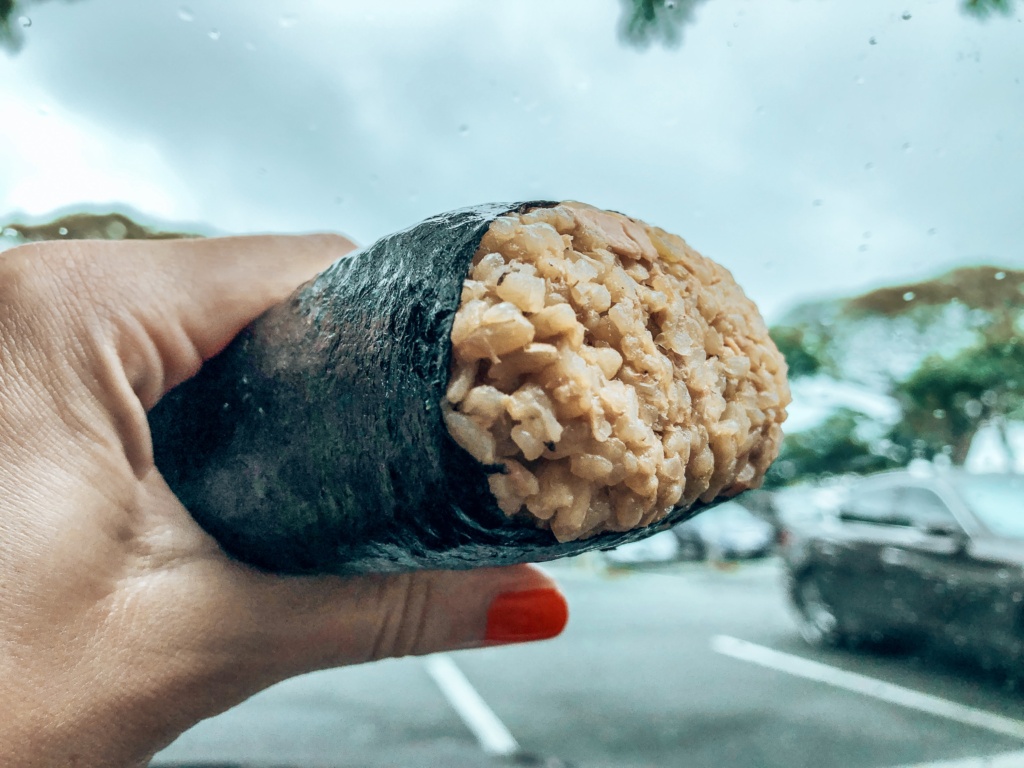
Eventually, locals began placing grilled slices of Spam atop blocks of rice and wrapping them with nori. The result was Spam musubi, now arguably Hawaii’s most iconic snack food.
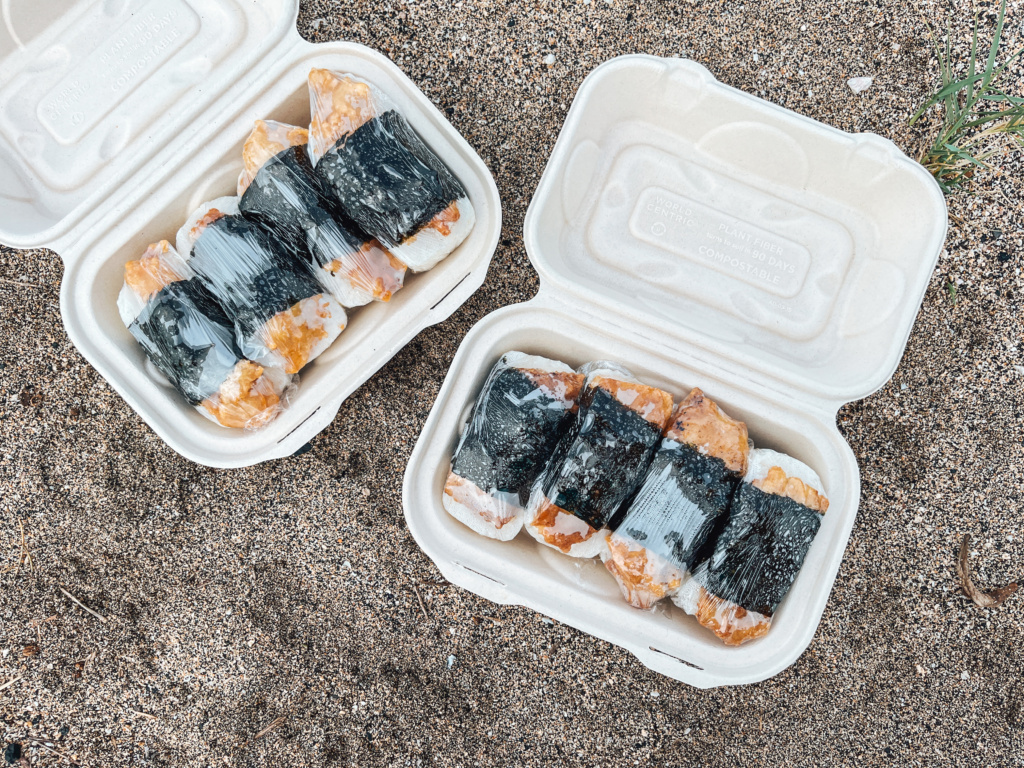
Unlike traditional Japanese onigiri, Spam musubi is rectangular, compact, and often made using molds. It reflects both Japanese culinary influence and Hawaii’s history of adaptation and practicality.
You might also like: Best Garlic Shrimp in Hawaii: Top 5 Shrimp Shacks You Should Try
Why Musubi Became So Important in Hawaii
Musubi is more than just a snack in Hawaii. It represents comfort, local identity, and everyday life.
Part of what makes musubi culturally significant is its accessibility. It is inexpensive, filling, and available almost everywhere.
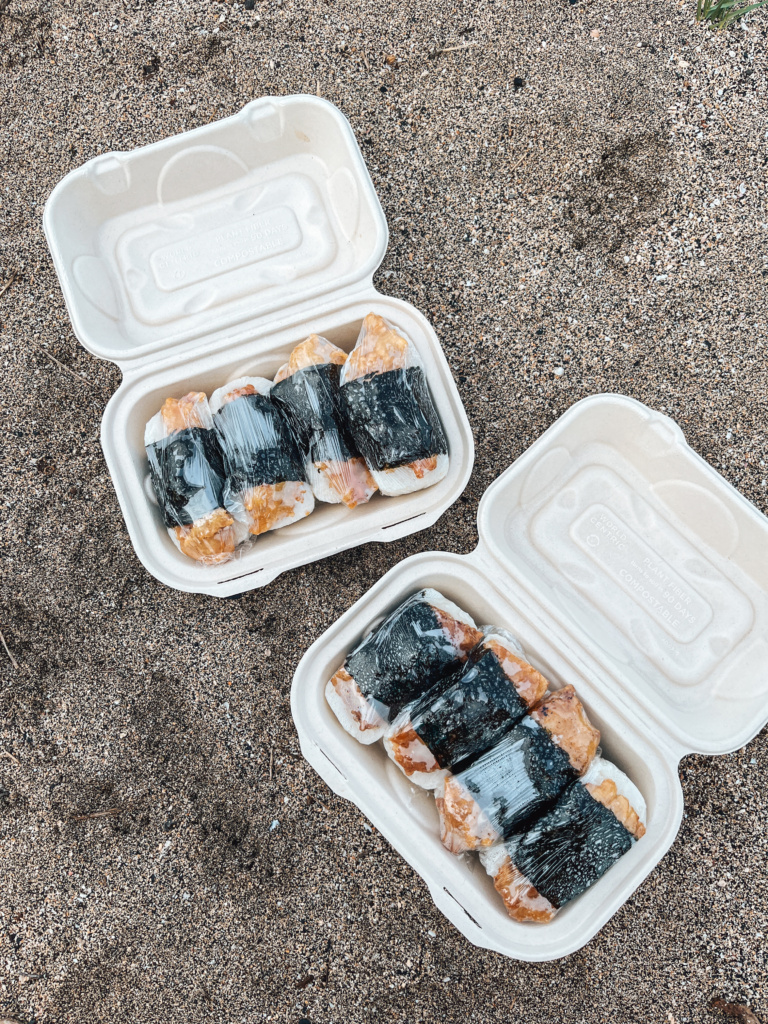
Students grab musubi before school. Surfers eat it after dawn sessions. Workers pick it up at convenience stores for lunch. Families pack it for beach days, hikes, and road trips around the islands.
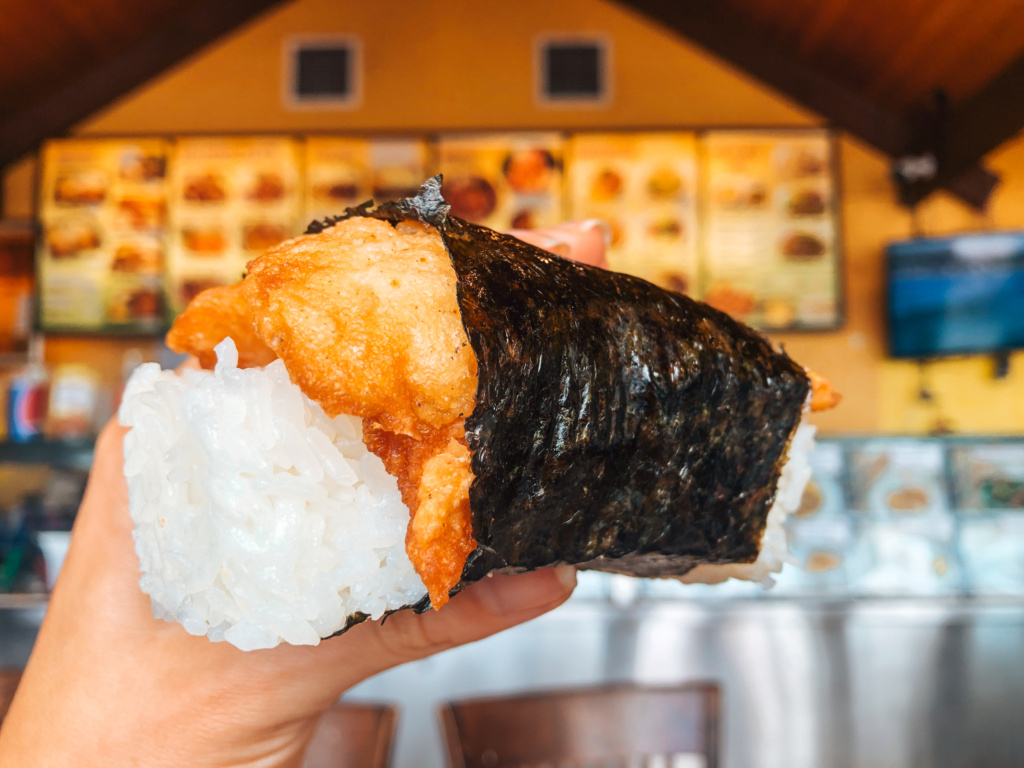
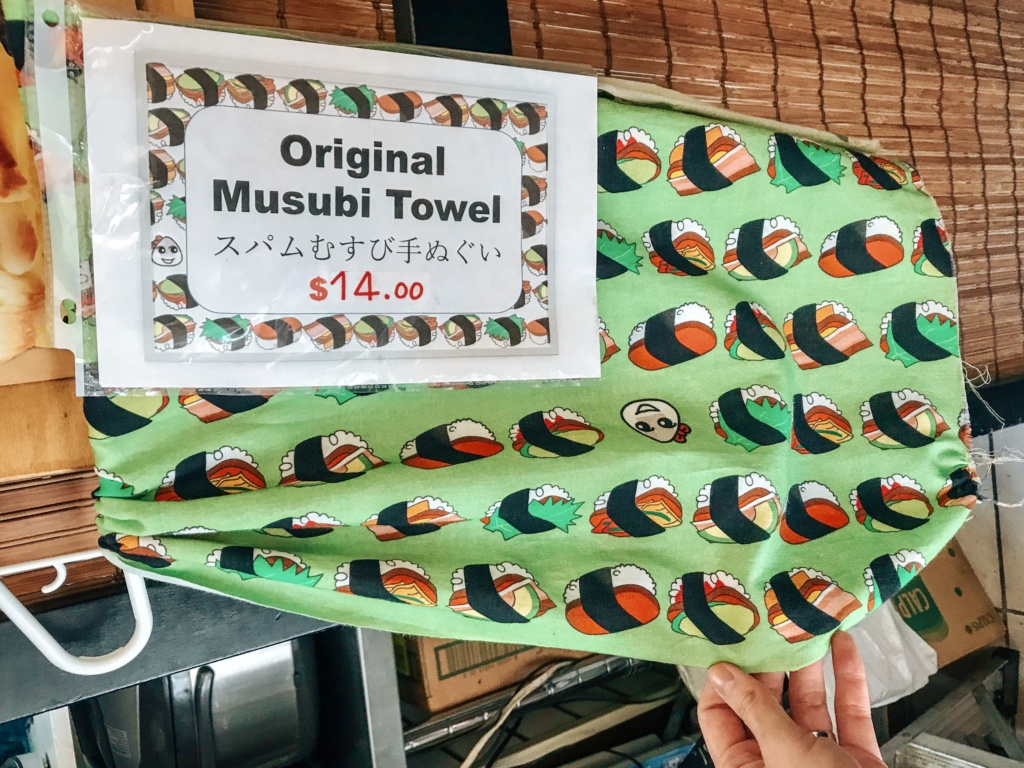
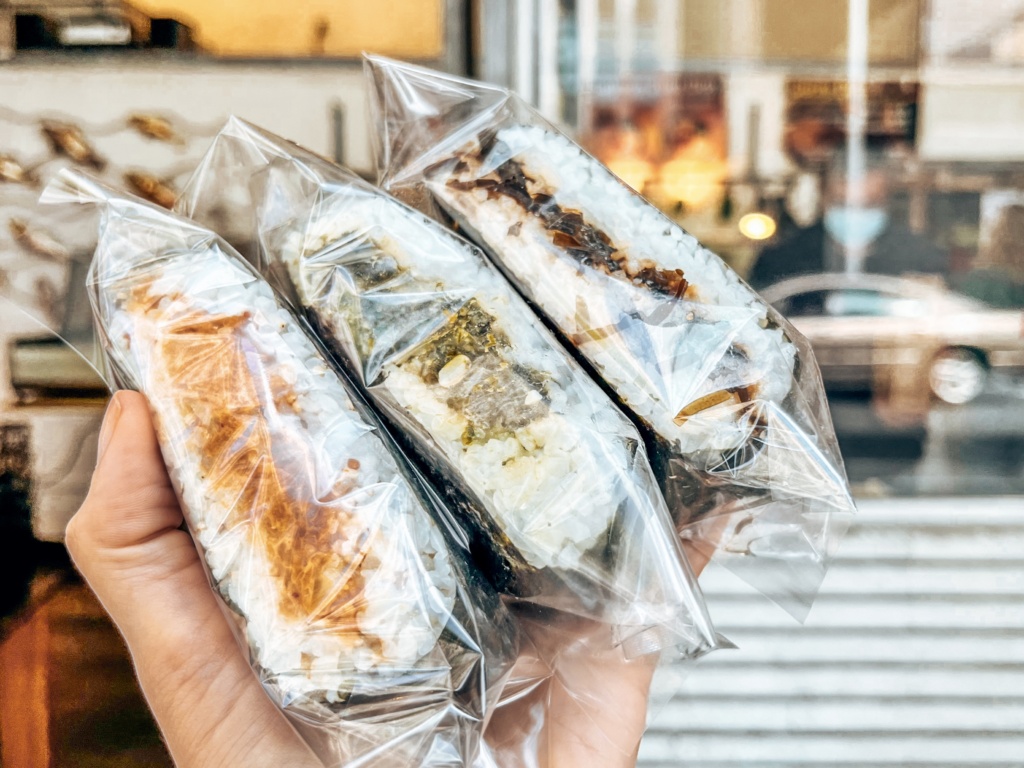
For many local people, musubi also carries a sense of nostalgia. It reminds them of childhood lunches, family kitchens, and neighborhood stores.
Every family seems to have its own preferred version, and debates about the best musubi in Hawaii can become surprisingly serious.
The food also reflects Hawaii’s multicultural identity. Spam musubi in particular embodies the way Hawaiian food culture embraces outside influences and turns them into something deeply local.
You might also like: Mai Tai Origins (Plus The Best Mai Tais in Hawaii)
The Evolution of Musubi Over the Decades
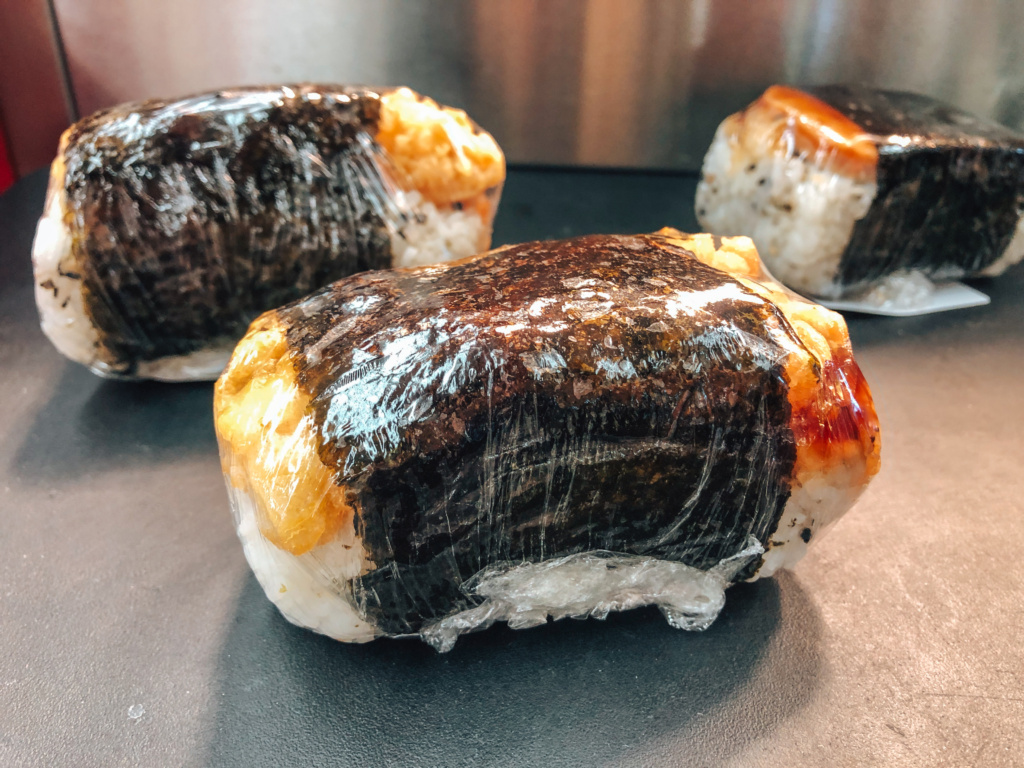
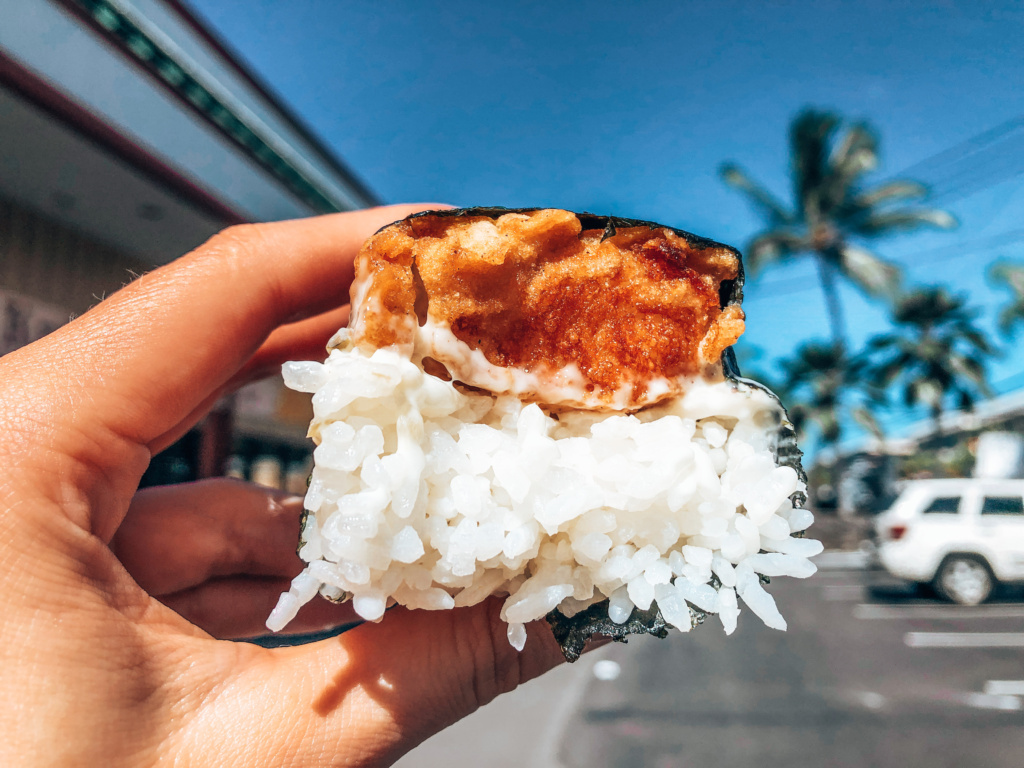
Over time, musubi evolved far beyond the original Spam-and-rice format. As Hawaii’s food scene grew more creative and globally connected, chefs and home cooks began experimenting with new ingredients and styles.
Today, musubi variations include:
- Teriyaki chicken musubi
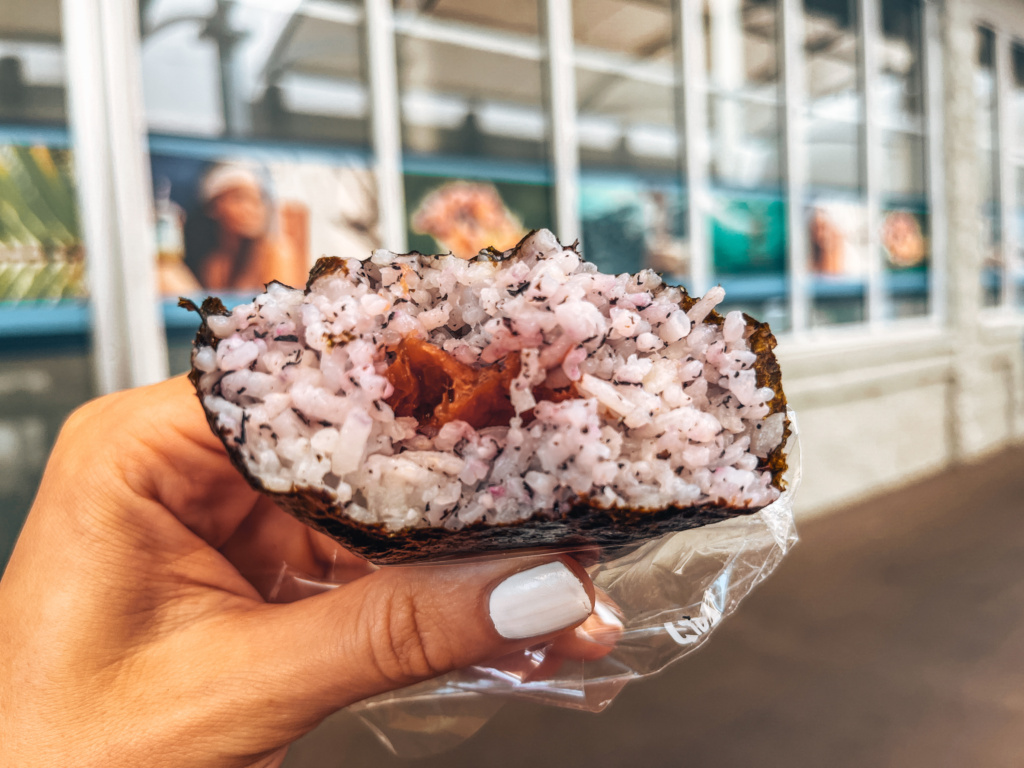
- Furikake musubi
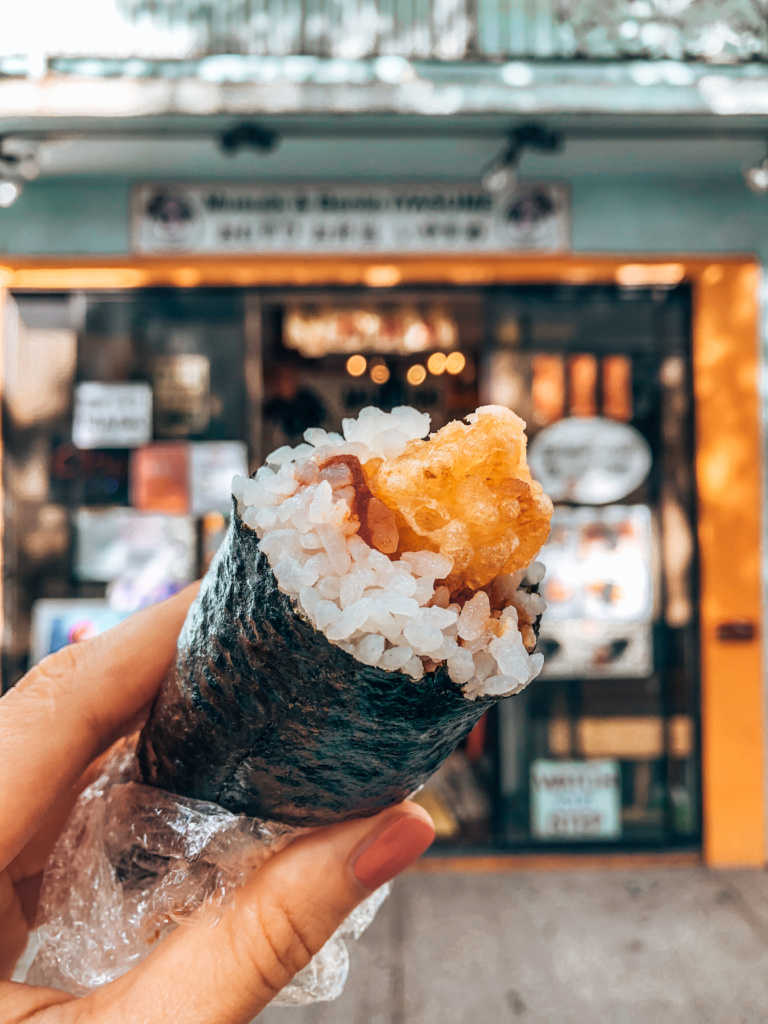
- Tempura shrimp musubi
- Portuguese sausage musubi
- Mochiko chicken musubi
- Katsu musubi
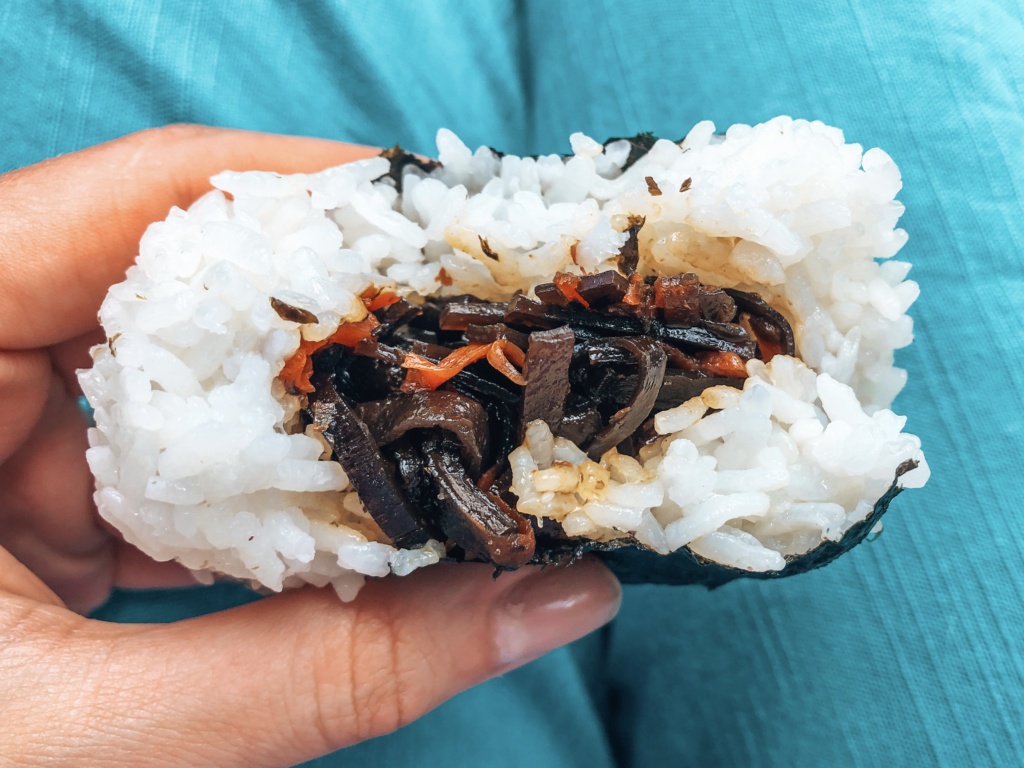
- Tofu and vegan Spam musubi
- Kimchi musubi
- Egg and bacon breakfast musubi
- Tuna mayo musubi inspired by Japanese convenience stores
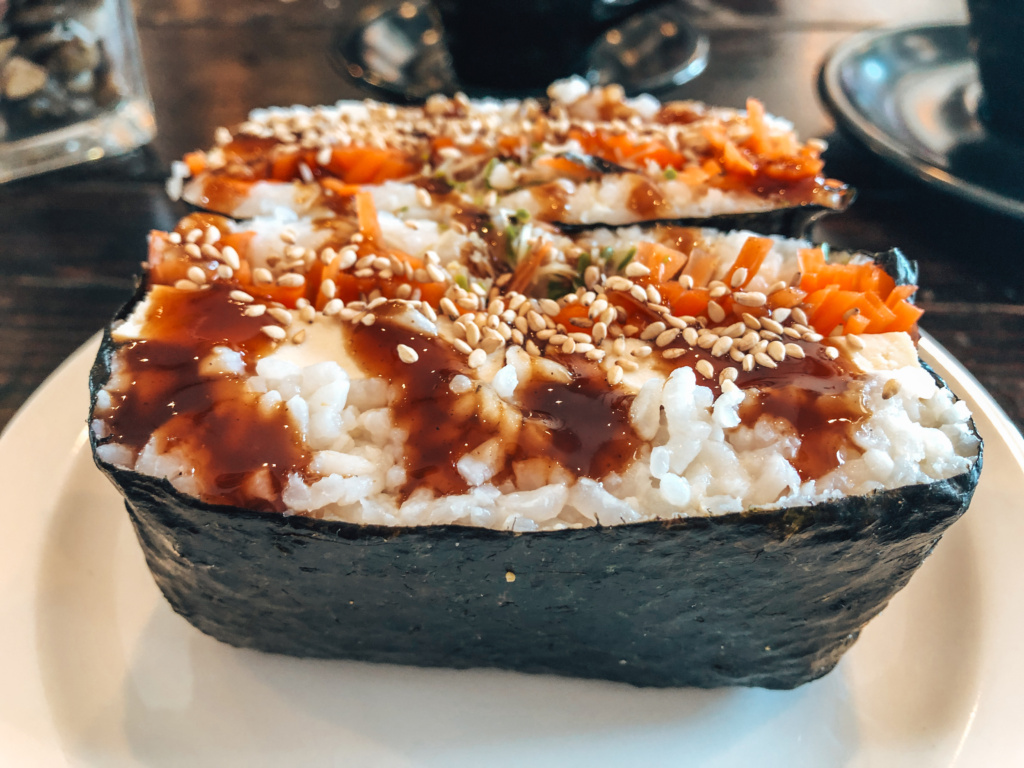
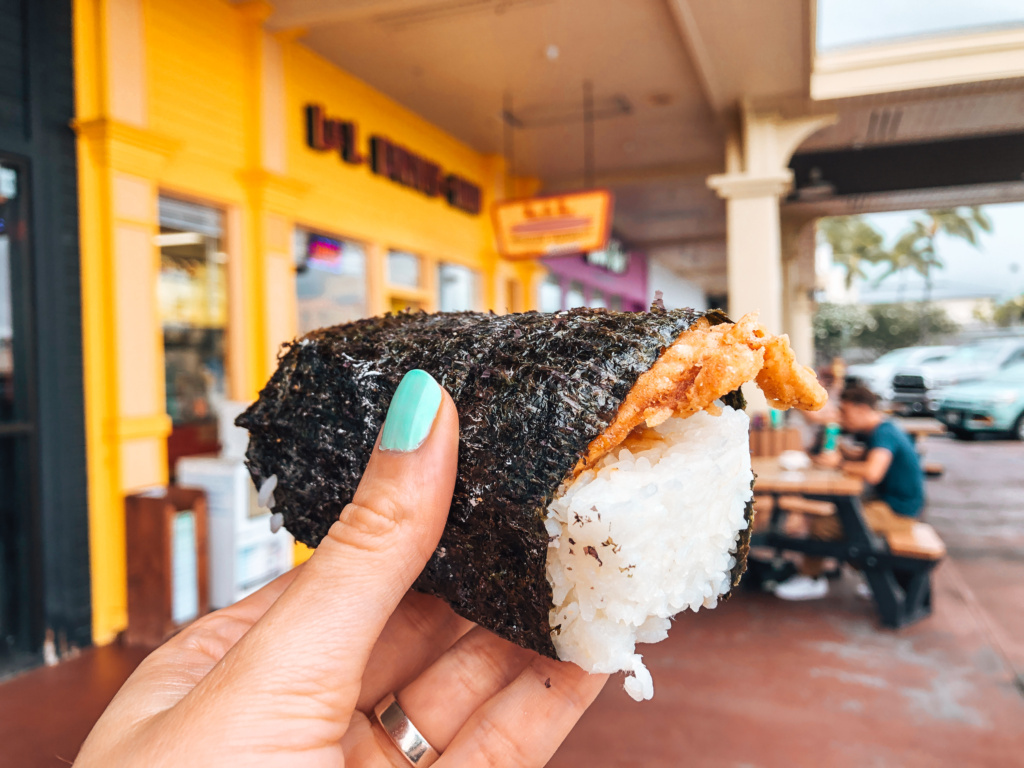
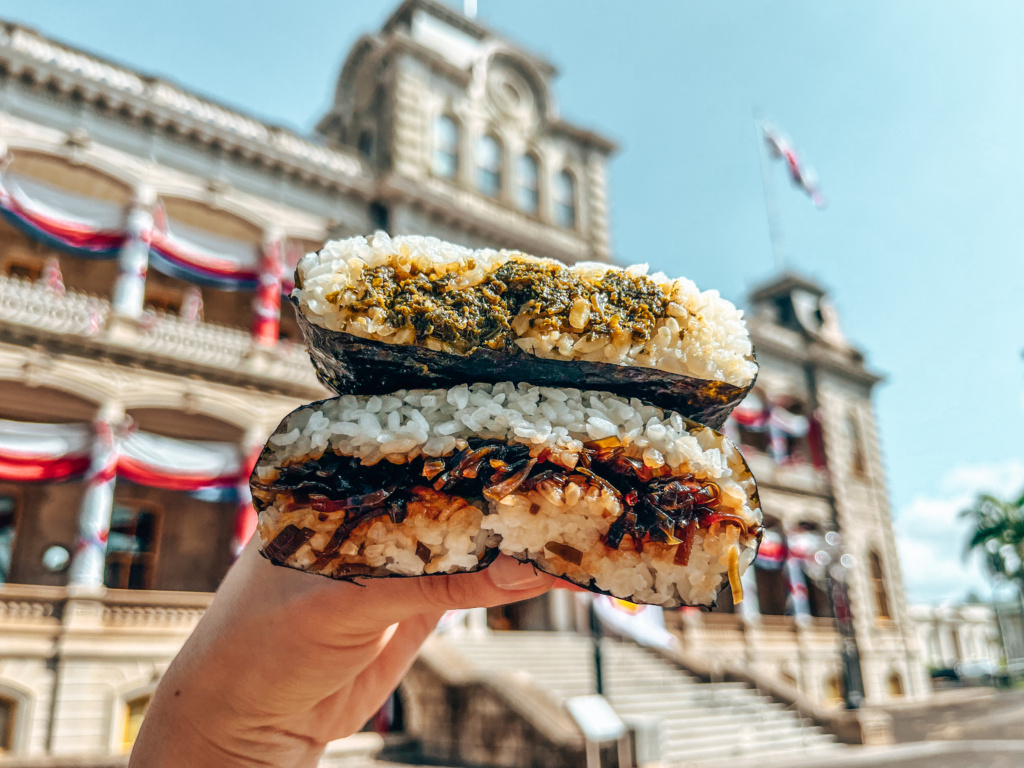
In recent years, gourmet musubi has also become increasingly popular. Specialty shops now use premium rice, house-made sauces, locally sourced fish, and upscale ingredients like unagi, spicy ahi, or wagyu beef.
At the same time, classic convenience store musubi remains beloved. In Hawaii, there is little food snobbery around musubi.
A carefully crafted artisanal musubi and a gas station Spam musubi can both hold emotional importance depending on the moment.
You might also like: Best Vegan Food In Hilo, Hawaii: 25 Places You Should Try!
What’s Currently Trending in Musubi
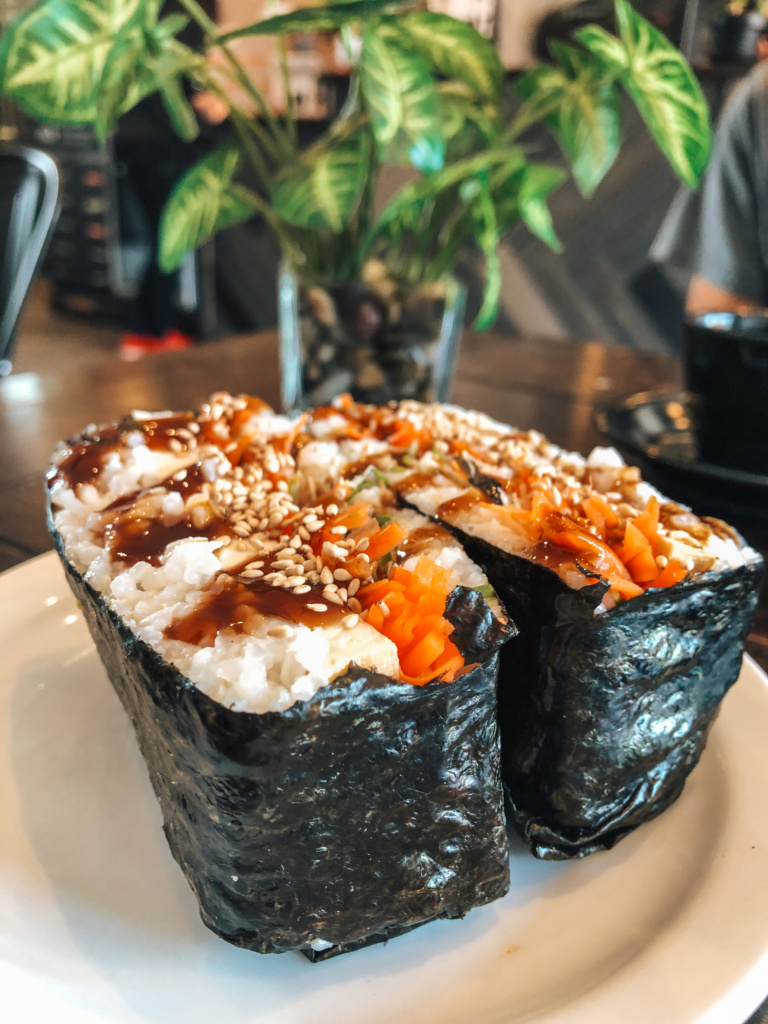
One of the biggest current trends is elevated musubi. Across Honolulu and other parts of Hawaii, chefs are reimagining musubi using restaurant-quality ingredients while still preserving its casual spirit.
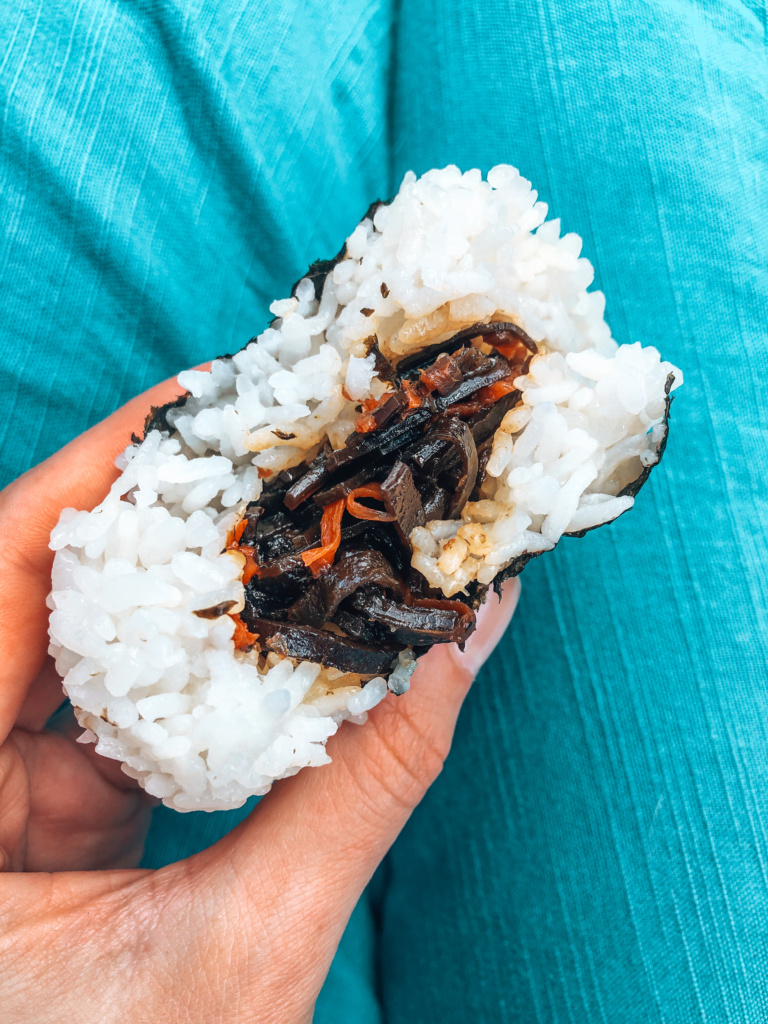
Another major trend is vegan musubi. As plant-based eating grows more popular, many cafes now serve musubi made with tofu, mushroom-based fillings, or vegan Spam alternatives.
These versions are especially popular in Honolulu’s health-conscious food scene.
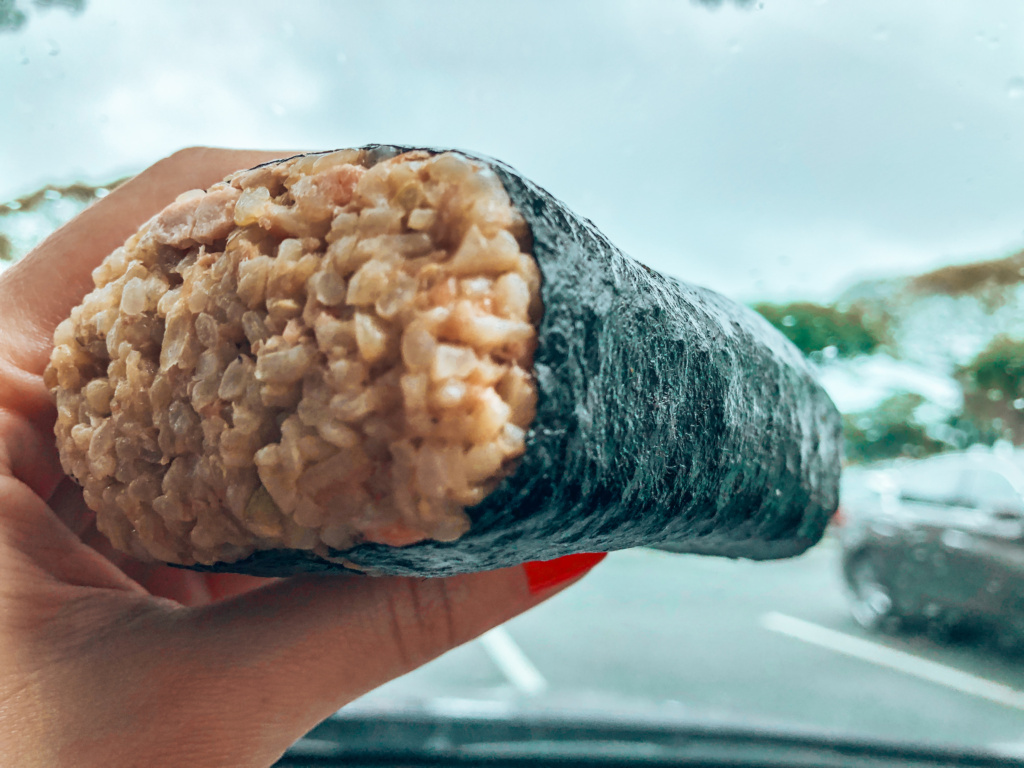
Japanese convenience store-inspired musubi is also having a moment. Some shops now focus on softer rice, delicate fillings, and individually wrapped styles similar to what you might find in Tokyo.
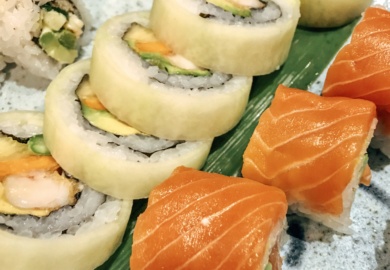
Social media has helped fuel musubi’s popularity as well. Rainbow-colored musubi, sushi-inspired musubi, and oversized specialty musubi regularly appear on Instagram and TikTok, especially among younger locals and visitors.
Despite these modern twists, traditional Spam musubi still dominates. For many people in Hawaii, it remains the ultimate comfort food.
You might also like: Where to Eat Malasadas in Hawaii – Our 5 Favorites
How Hawaiian People Eat Musubi
One of the most interesting parts of the history of musubi is how seamlessly it fits into everyday Hawaiian life. Musubi is not reserved for special occasions. It is woven into daily routines.
People often eat musubi:
- For breakfast alongside coffee
- As a quick lunch during work or school
- After surfing or hiking
- During long drives around the island
- At beach parks and family gatherings
- As an easy late-night snack
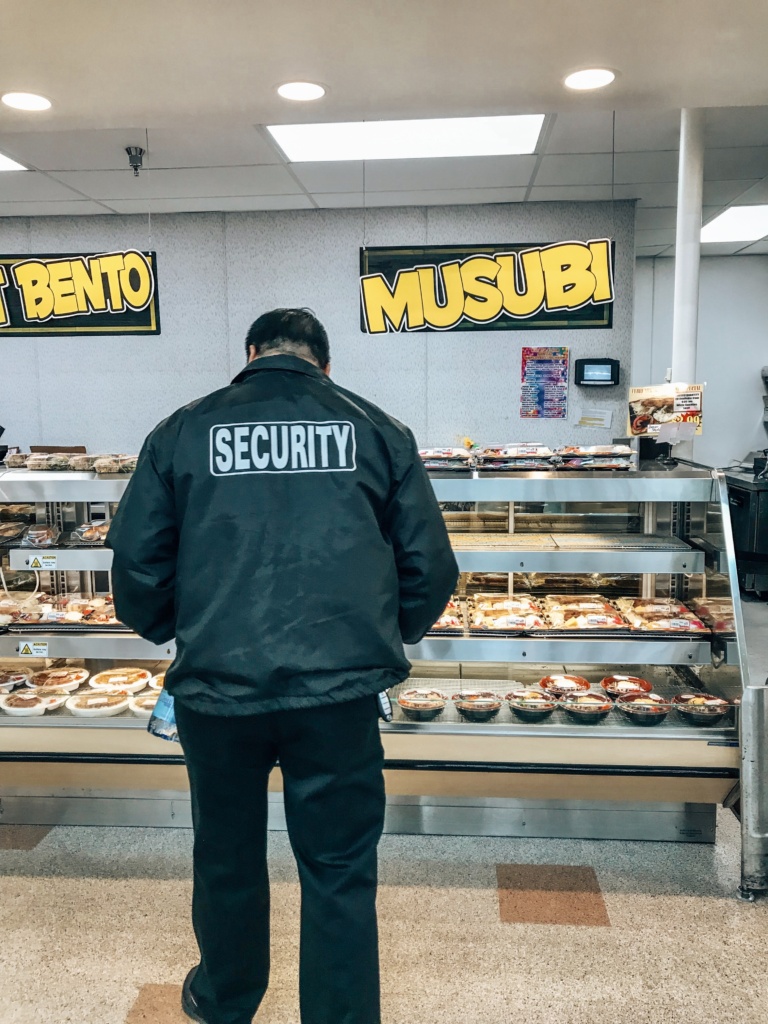
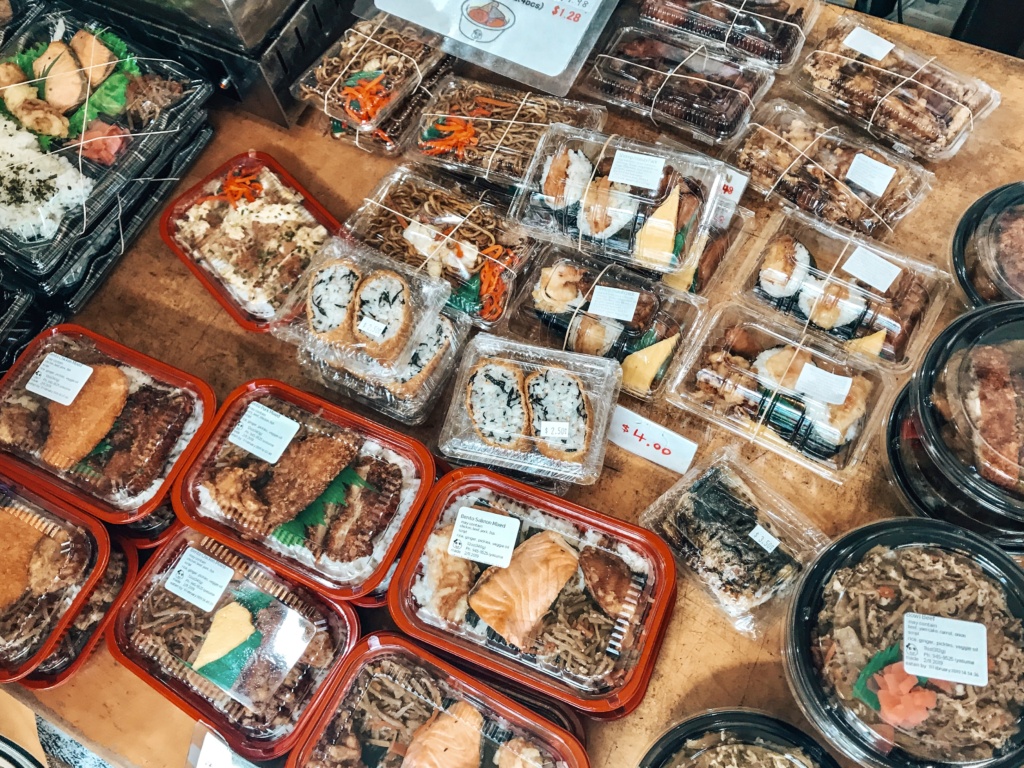
Musubi is also deeply connected to convenience culture in Hawaii. Stores like convenience shops, supermarkets, and local delis prepare fresh musubi throughout the day, and many locals have strong loyalties to particular spots.
There is also an emotional connection to musubi that outsiders sometimes underestimate. Many Hawaii residents see it as part of local identity rather than simply a tourist food.
You might also like: Where to Eat Near Hawaiʻi Volcanoes National Park
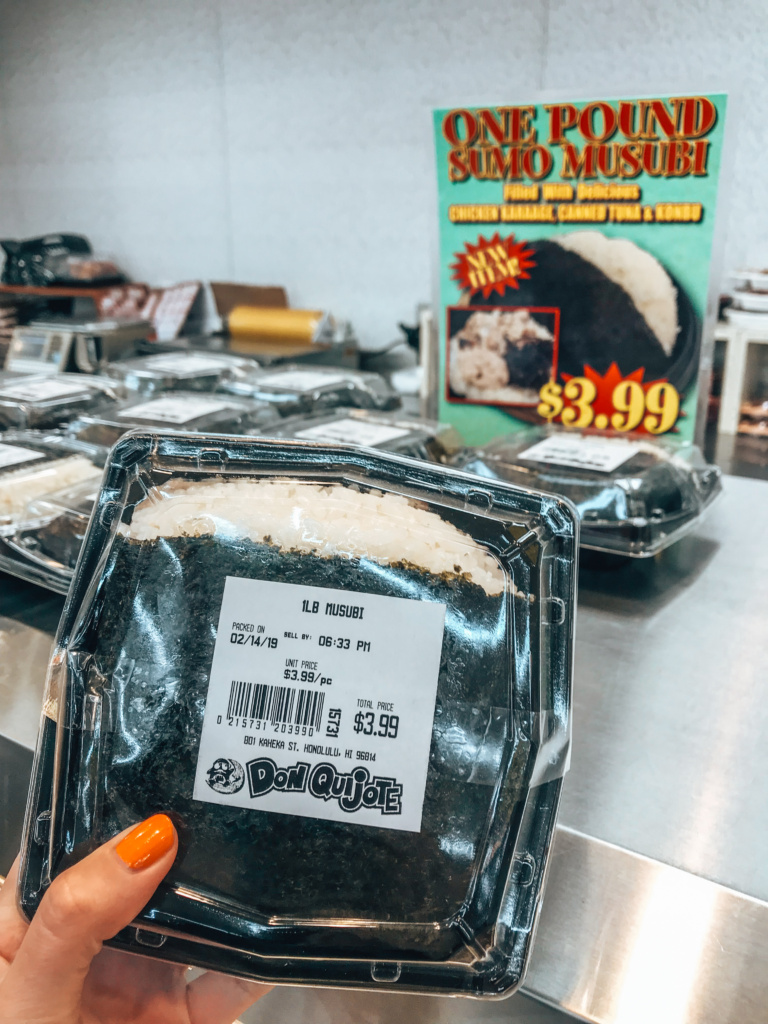
Where to Get the Best Musubi in Hawaii
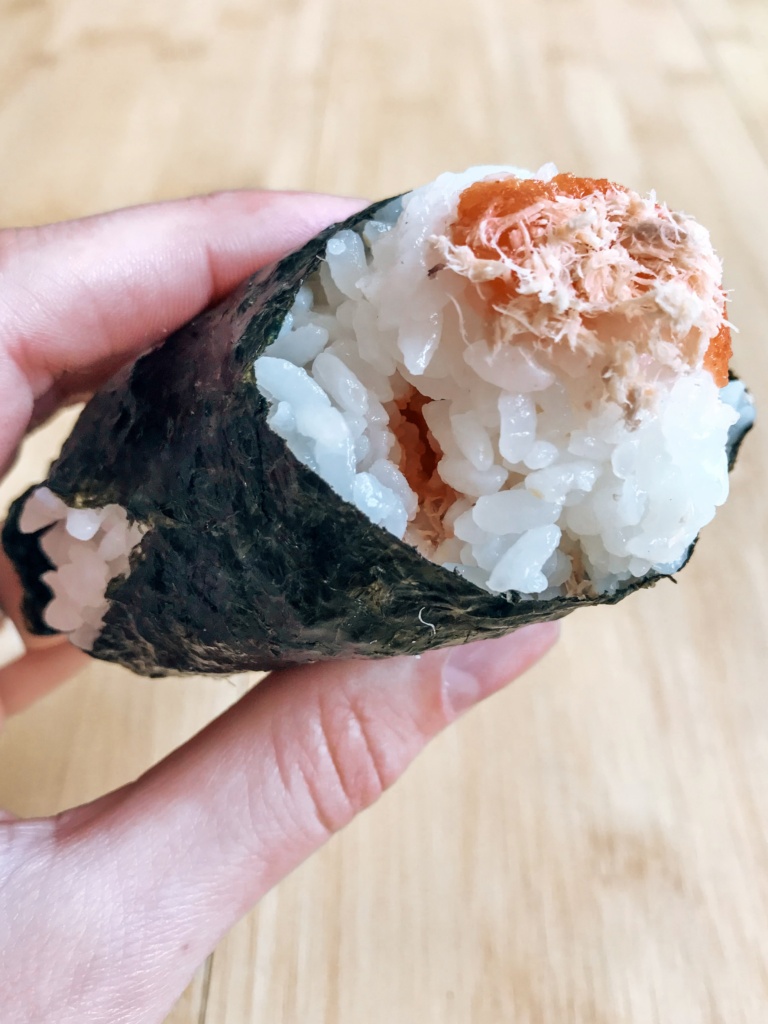
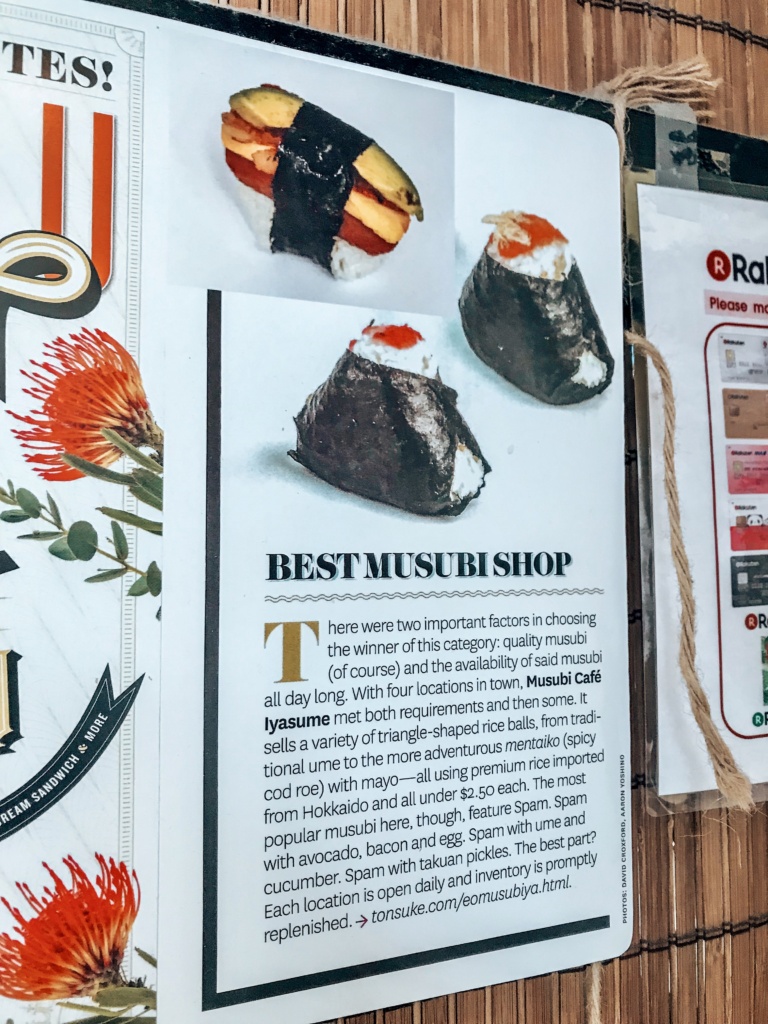
Opinions vary widely on the best musubi in Hawaii, but several spots are consistently celebrated by locals and visitors alike.
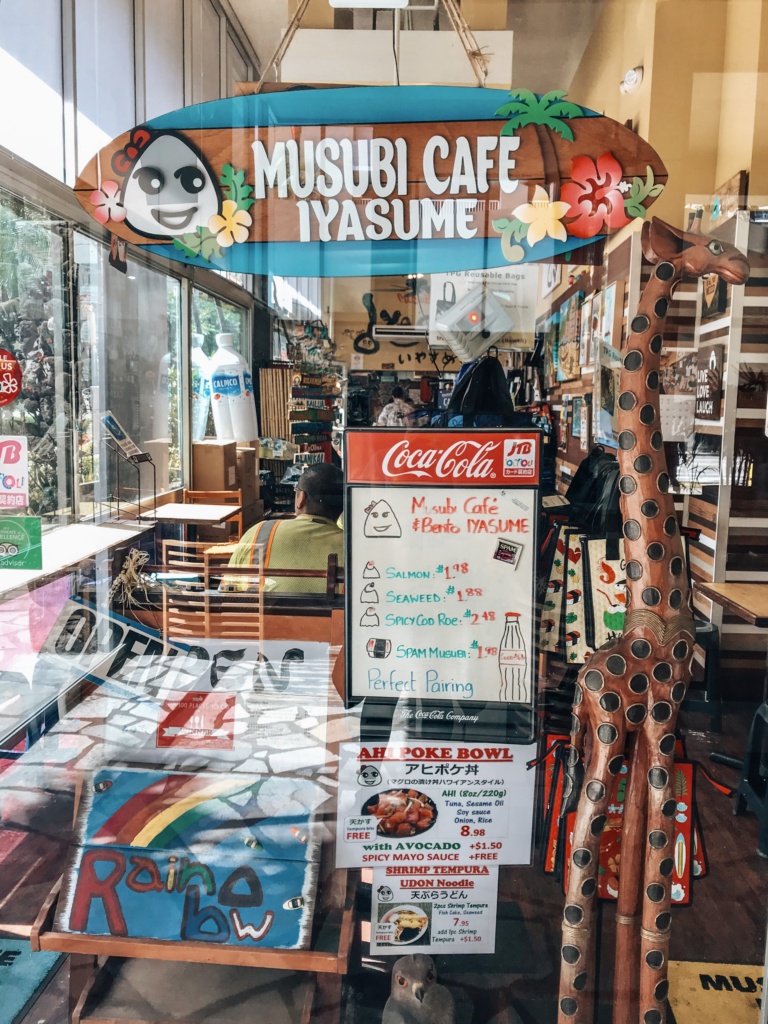
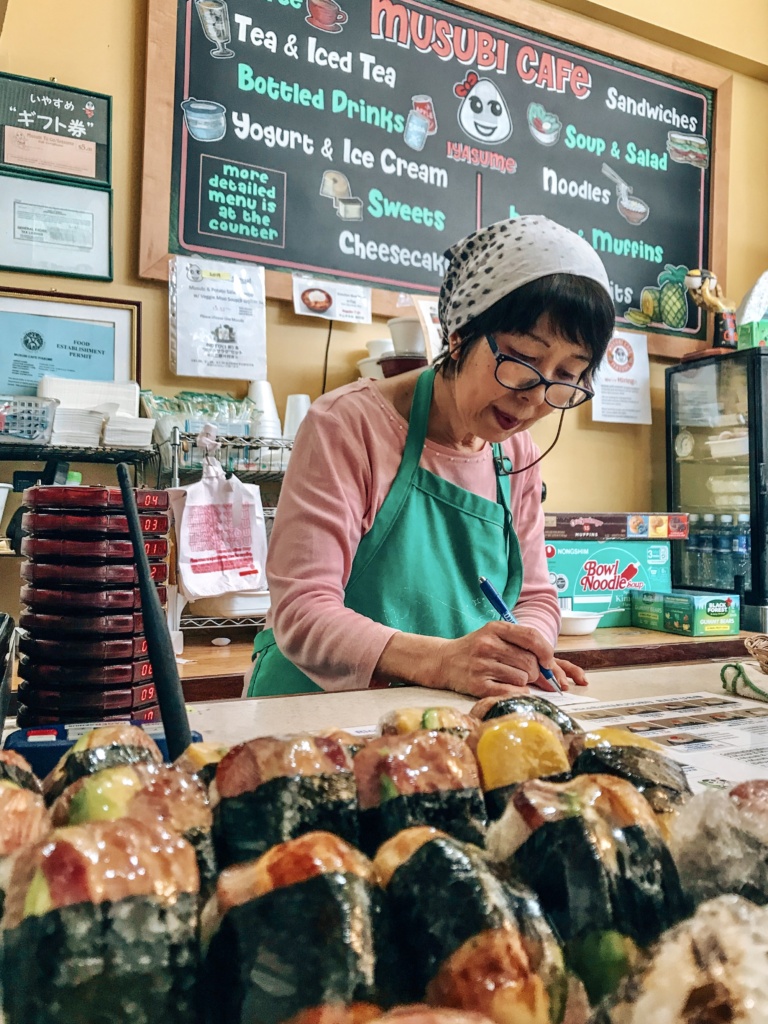
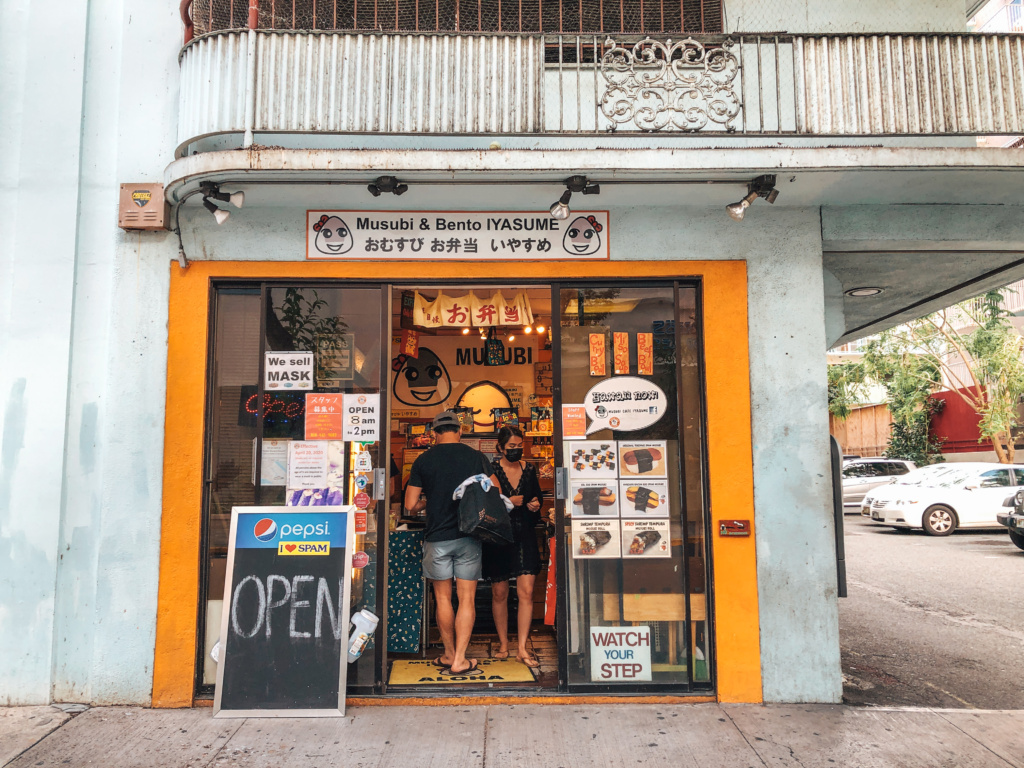
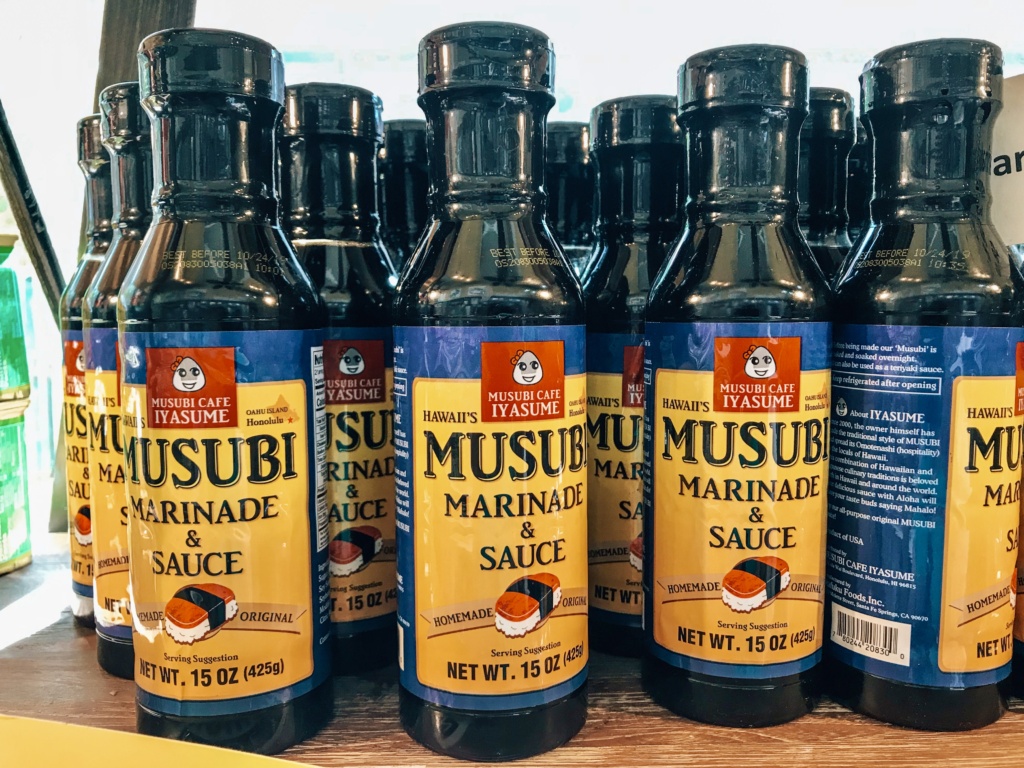
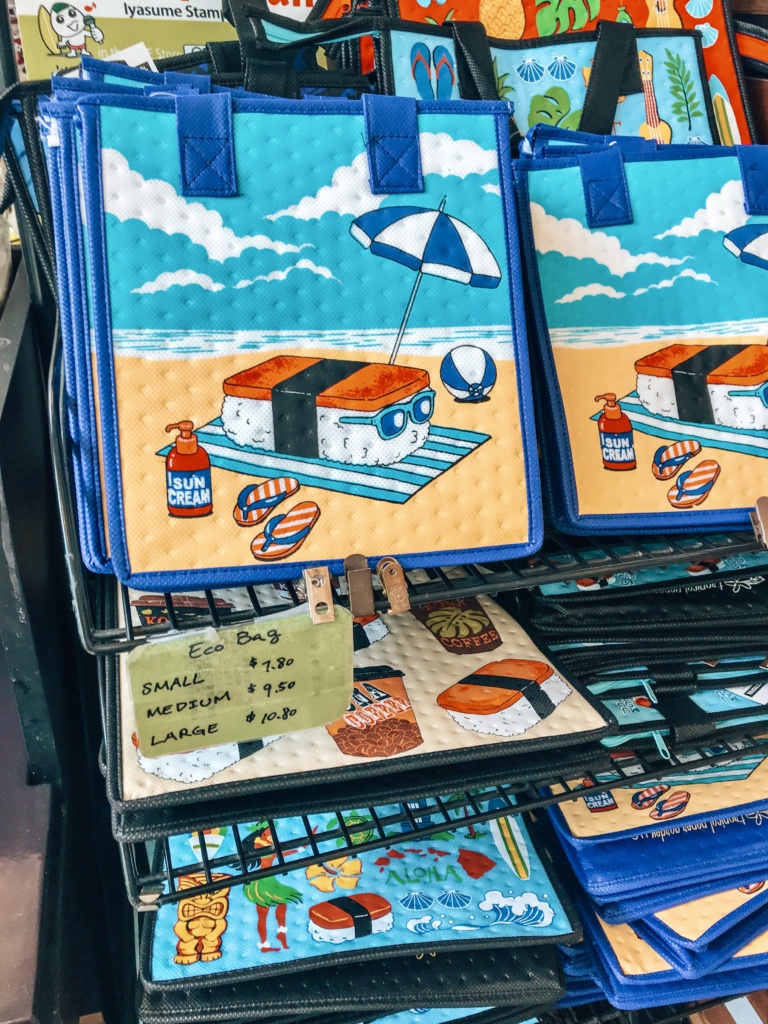
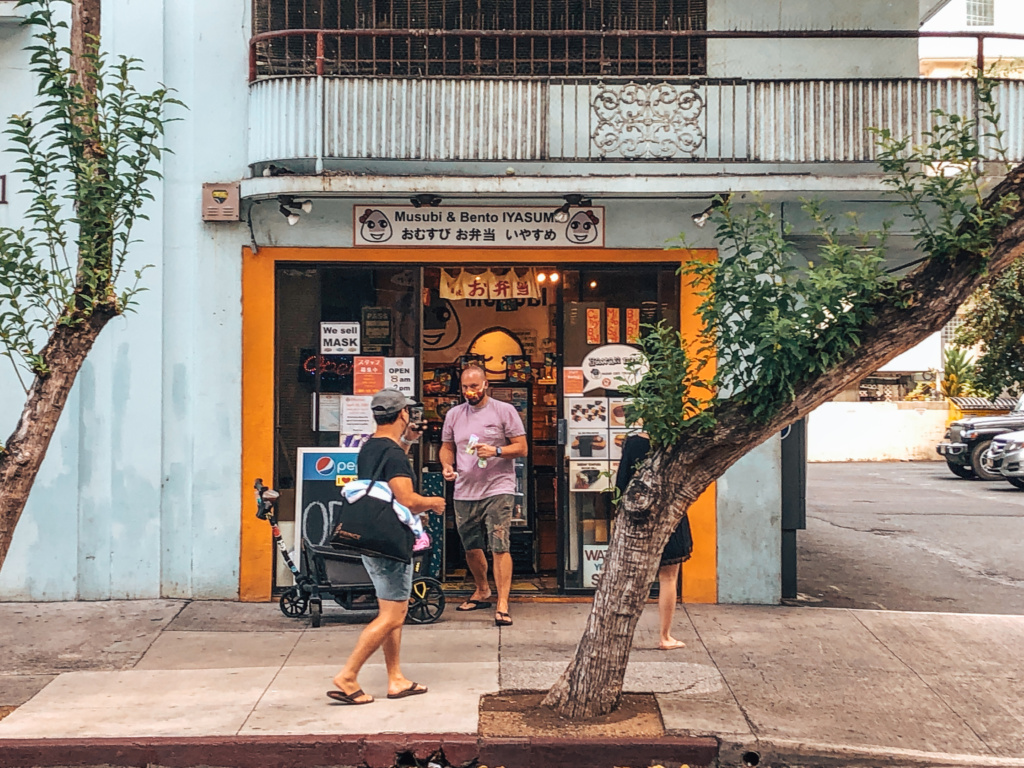
In Honolulu, Musubi Cafe Iyasume is perhaps the most internationally famous musubi destination. Known for its wide range of fillings and fresh preparation, it helped introduce many visitors to musubi culture beyond basic Spam musubi.
7-Eleven Hawaii also deserves recognition. Unlike mainland locations, Hawaii’s 7-Elevens are famous for their fresh local food offerings, and their Spam musubi remains surprisingly beloved.
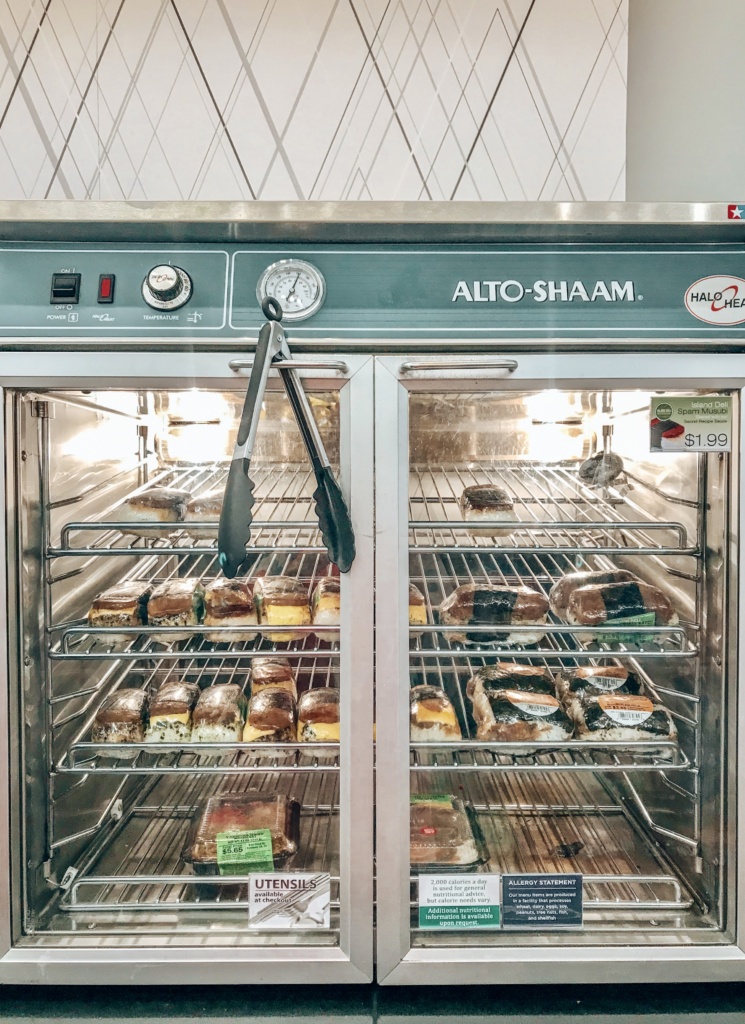
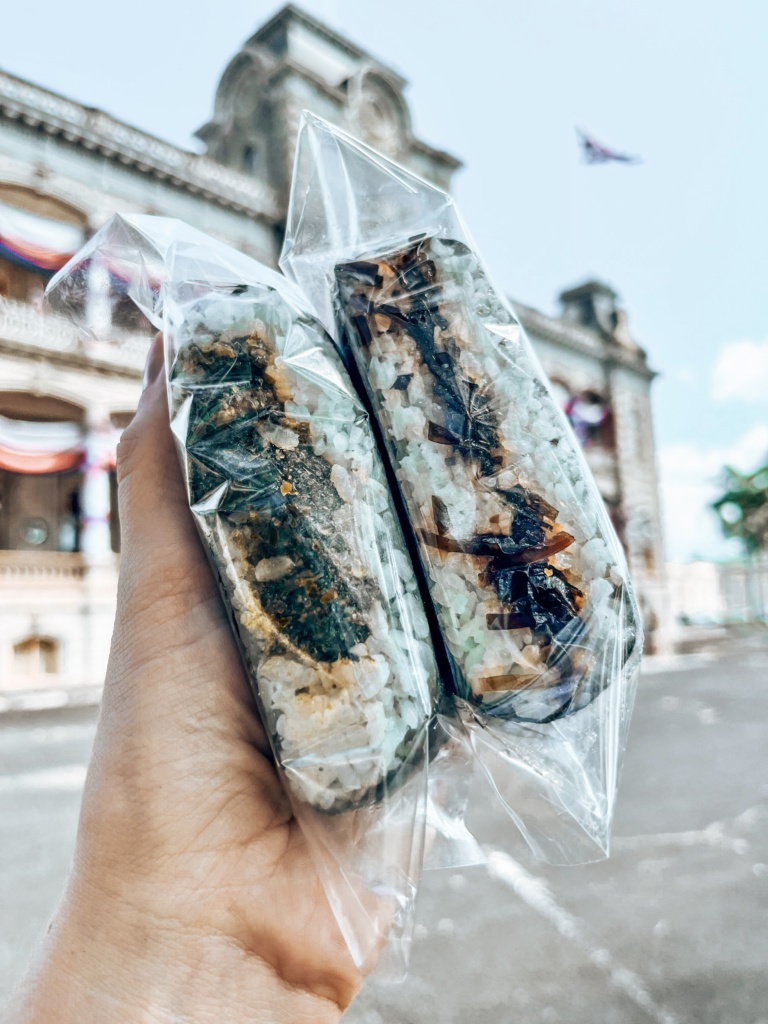
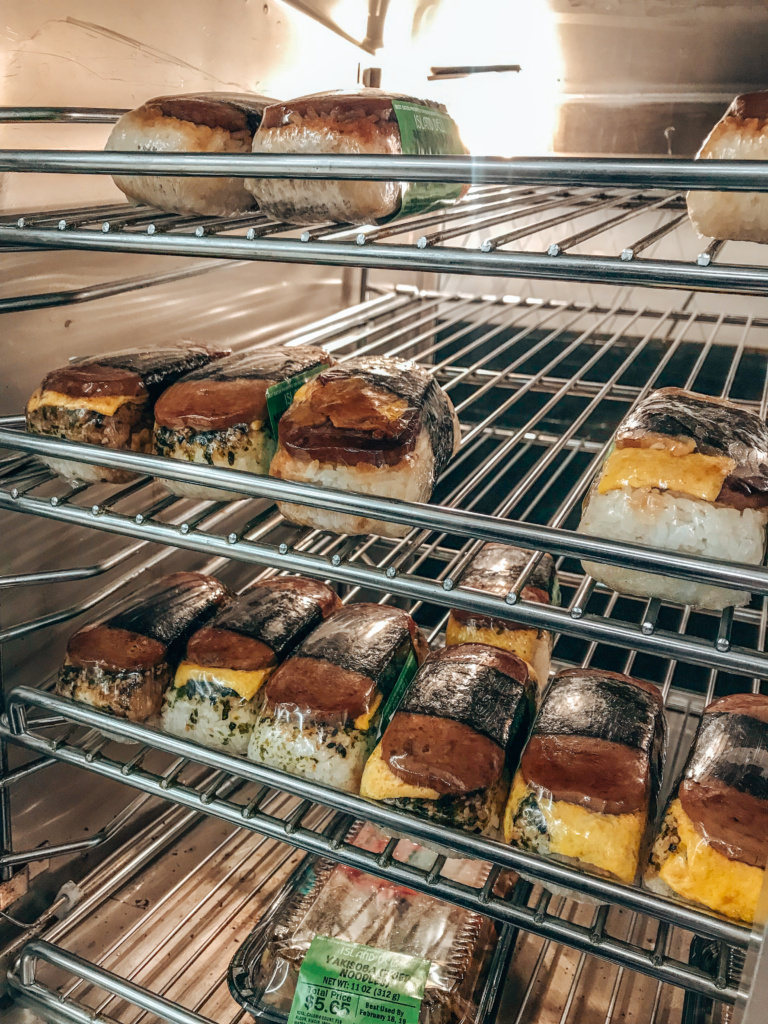
Mana Musubi in Honolulu has earned a strong following for creative and vegan-friendly musubi options. Their modern approach reflects the newer generation of musubi culture in Hawaii.
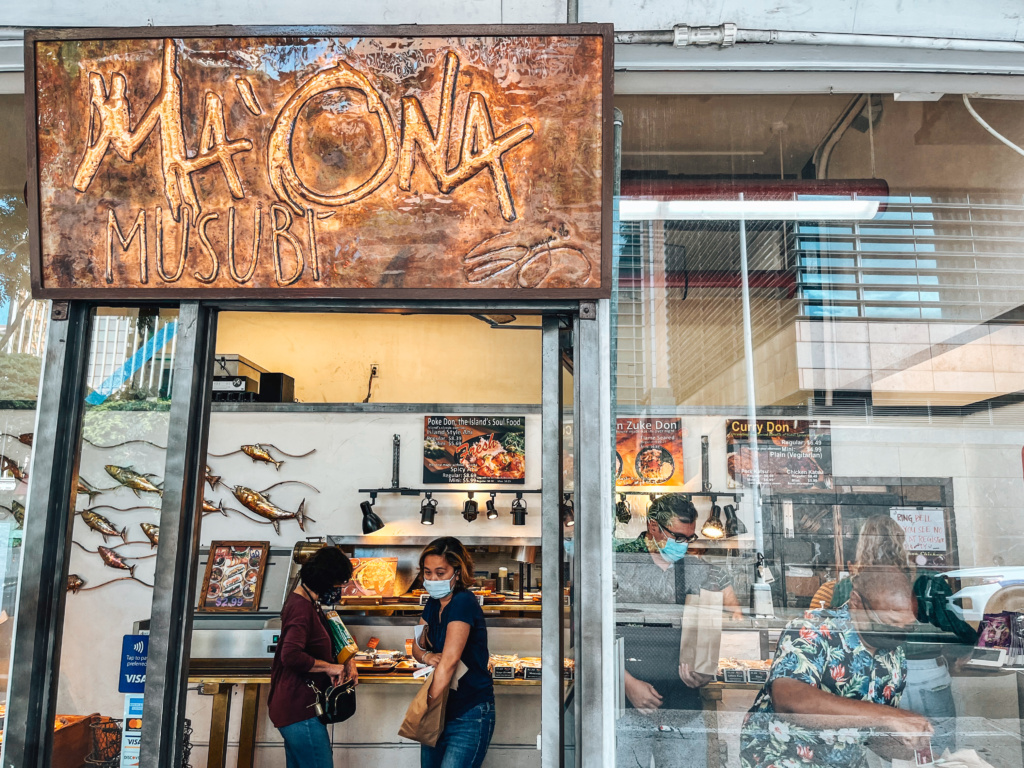
Many locals also swear by neighborhood okazuya shops, small family-run takeout counters serving handmade Japanese and local comfort food.
Some of the best musubi in Hawaii can still be found in humble mom-and-pop stores rather than trendy restaurants.
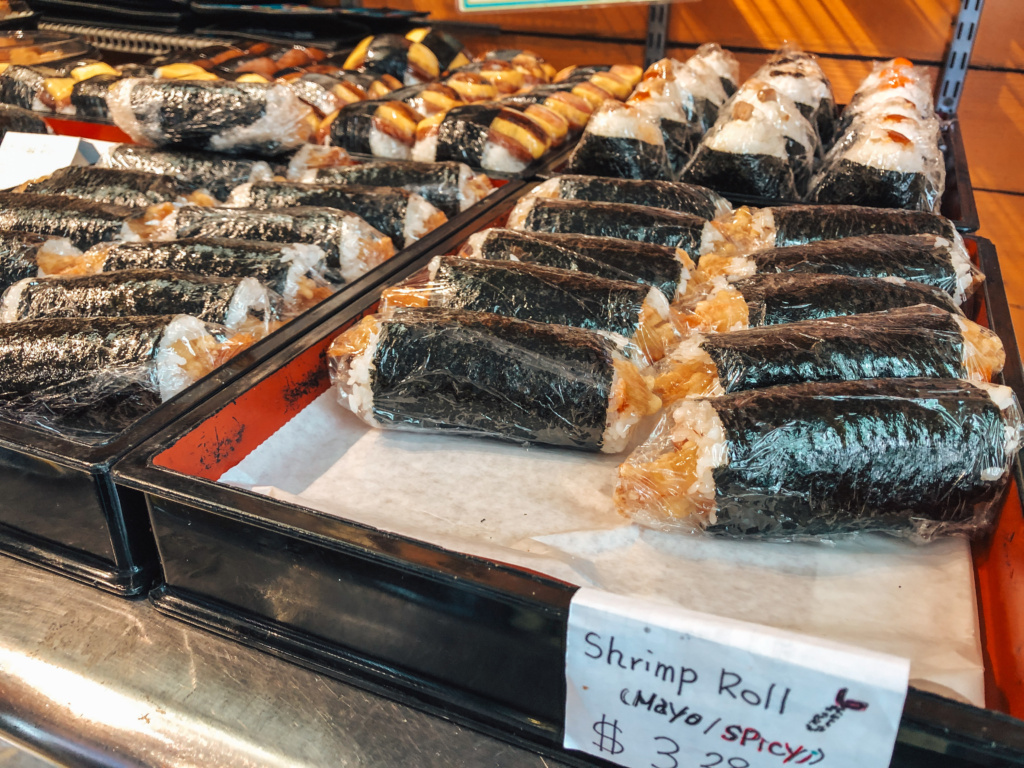
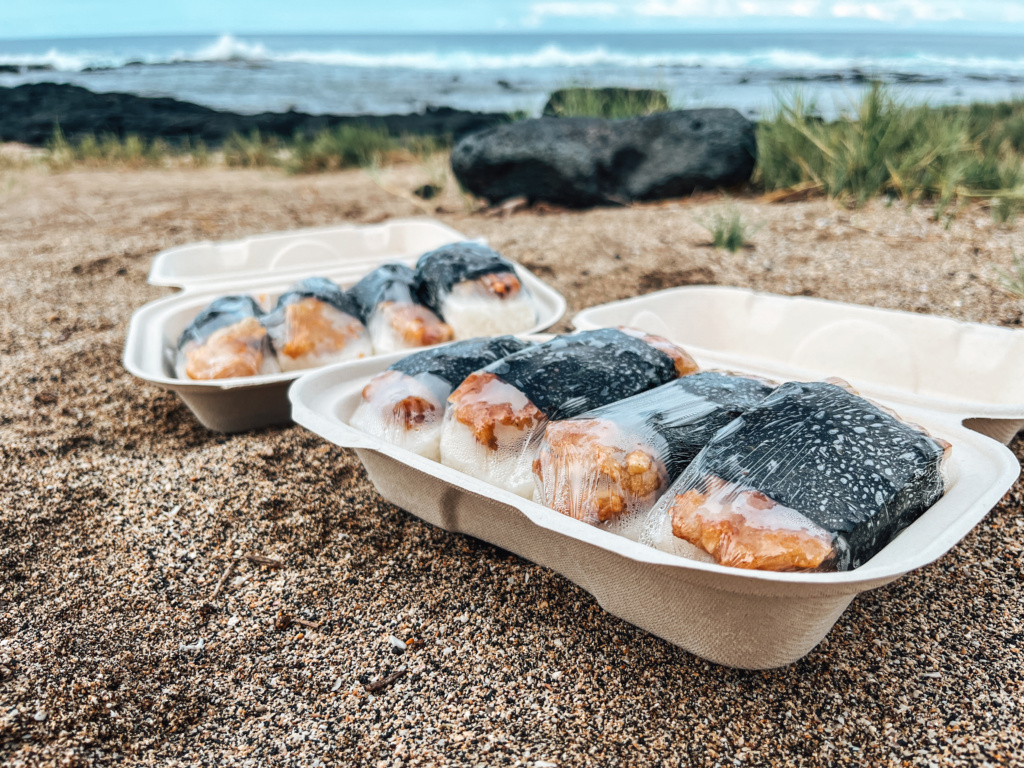
On the Big Island, Maui, and Kauai, local markets, food trucks, and roadside stores often serve excellent musubi as well. In Hawaii, discovering a great musubi spot is almost a rite of passage.
You might also like: Meatless Hawaii: 6 Places To Find The Best Local Food On Molokai
Why the History of Musubi Still Matters Today
The history of musubi is ultimately the story of Hawaii itself. What began as a Japanese rice snack evolved through plantation culture, wartime adaptation, immigration, and local creativity into one of the islands’ defining foods.
Musubi survives because it continues to adapt while remaining deeply comforting and familiar. It is both practical and emotional, humble and iconic.
Whether eaten from a convenience store wrapper after a surf session or served with gourmet ingredients at a modern cafe, musubi remains one of Hawaii’s most meaningful foods — a simple snack that carries generations of history in every bite.
Click HERE to book a top rated Hawaii Off The Beaten Path Food Tour on Viator!
Are you surprised by the history of musubi in Hawaii? Let us know in the comments or tag @eightyflavors on socials!
OUR TRIED AND TESTED FOOD TRAVEL RESOURCES: Book a hotel with Booking.com. Search for the best flight deals on Skyscanner. Find the best local food tours on Viator. Browse curated conscious group trips with GAdventures. Get your travel insurance with World Nomads.
Disclaimer: this post contains affiliate links. We’ll receive a small commission if you purchase through the link provided, at no extra cost to you. Thank you for your support in running this blog!