Tide to Table: A Tourist’s Guide to Tasmanian Seafood
Visiting Tassie for the first time and looking to learn more about Tasmanian seafood and fish? Read on!
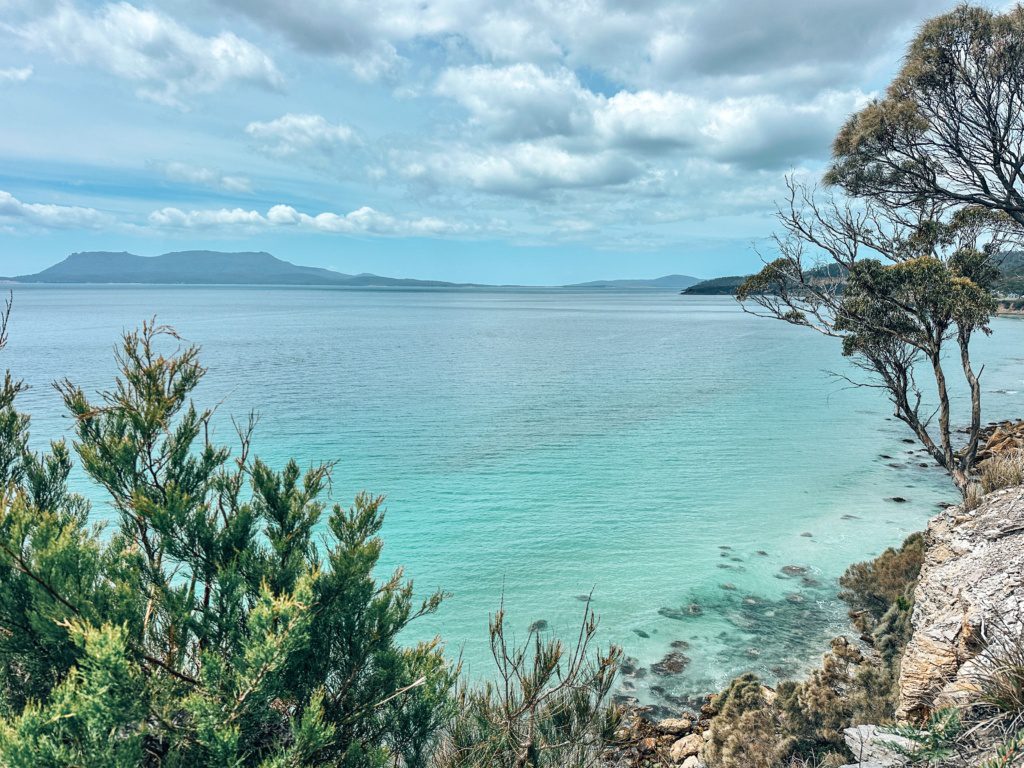
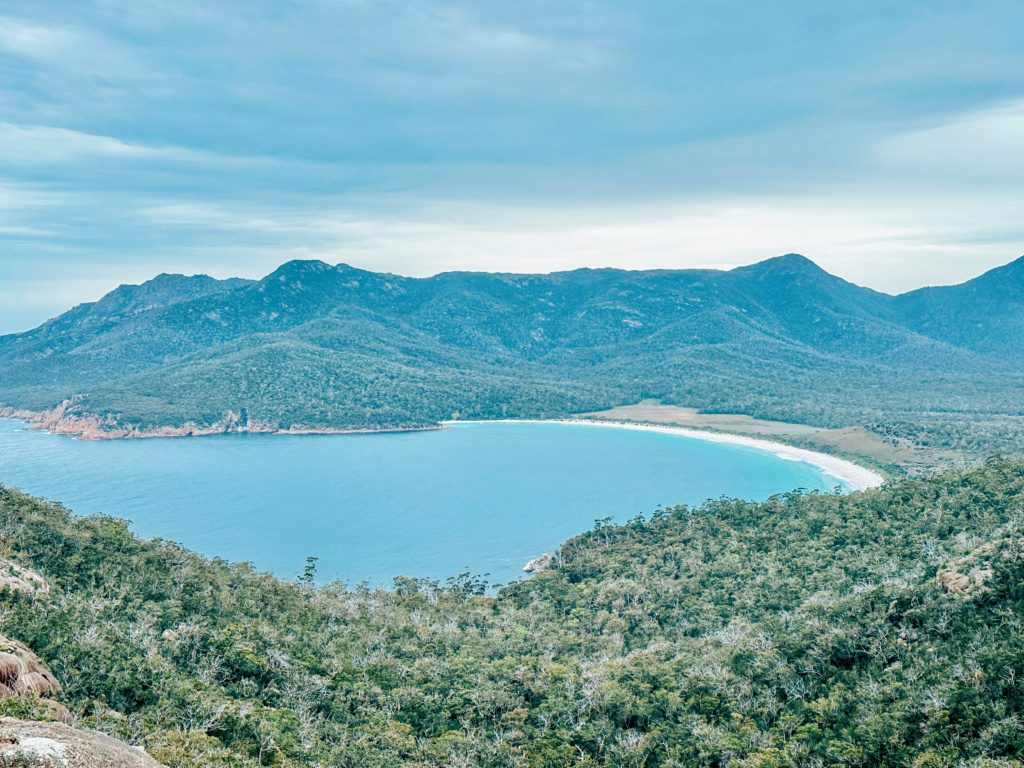
Surrounded by the wild Southern Ocean and blessed with one of the most pristine coastlines on Earth, Tasmania is a place where the sea doesn’t just frame the landscape.
It defines the culture, the history, and the way people eat.
For a food traveler, Tassie is seafood heaven. Cool, clean waters, centuries of seafaring tradition, and ingredients that often go from tide to table in a matter of hours.

An Island Shaped by the Sea
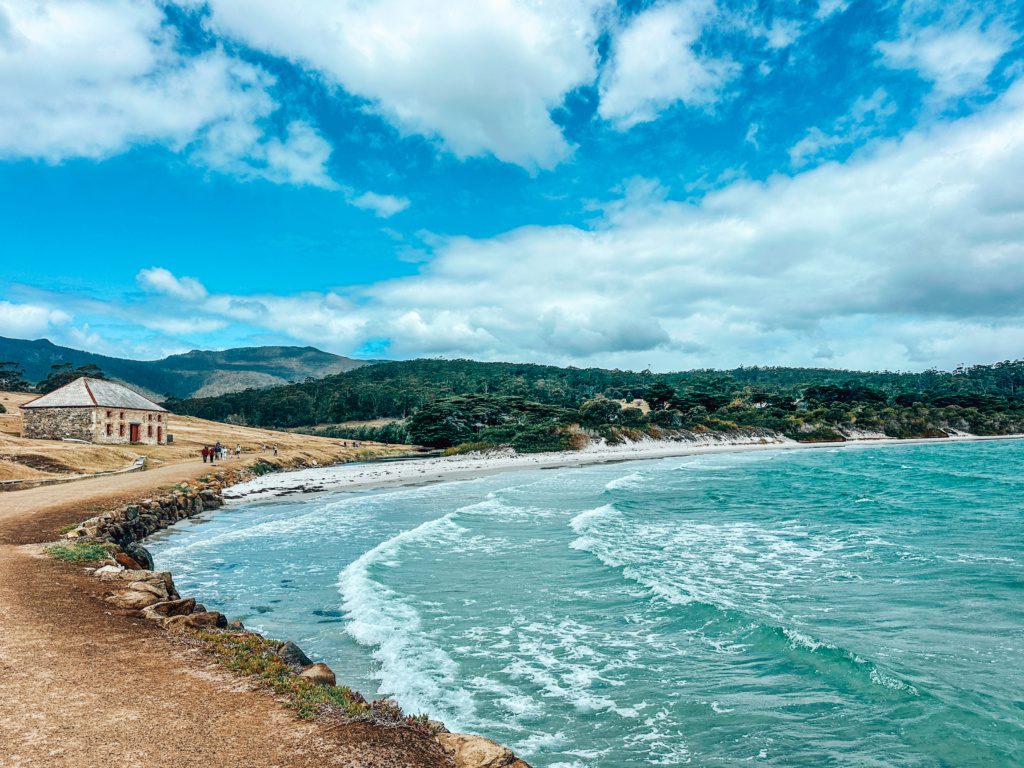
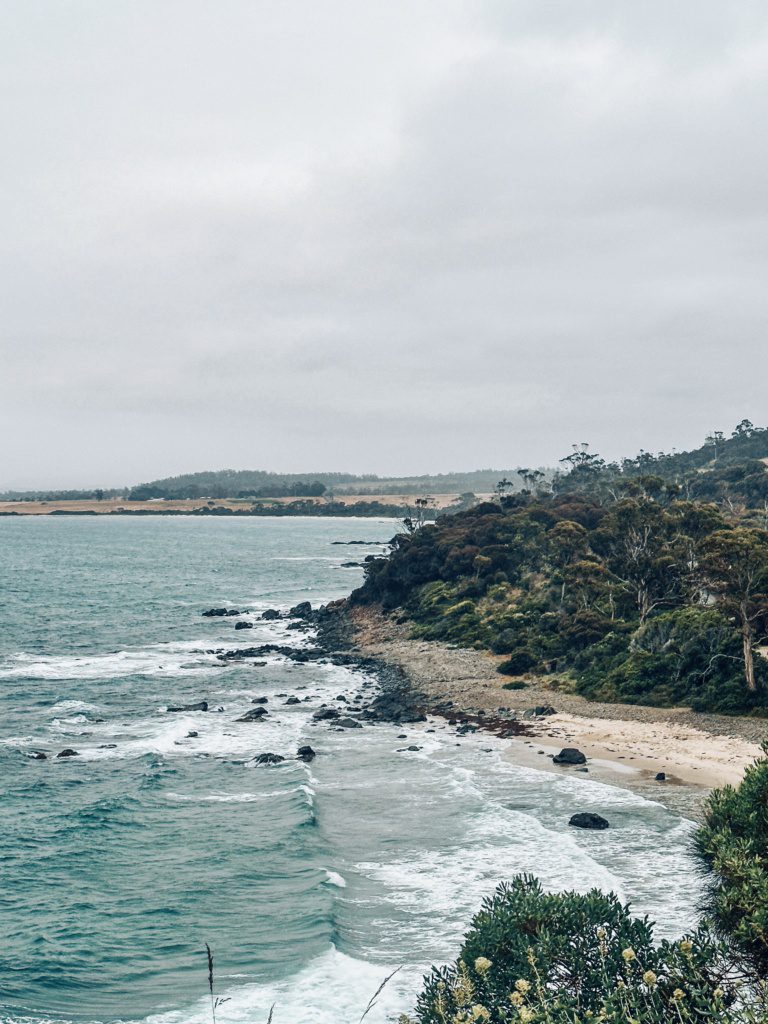
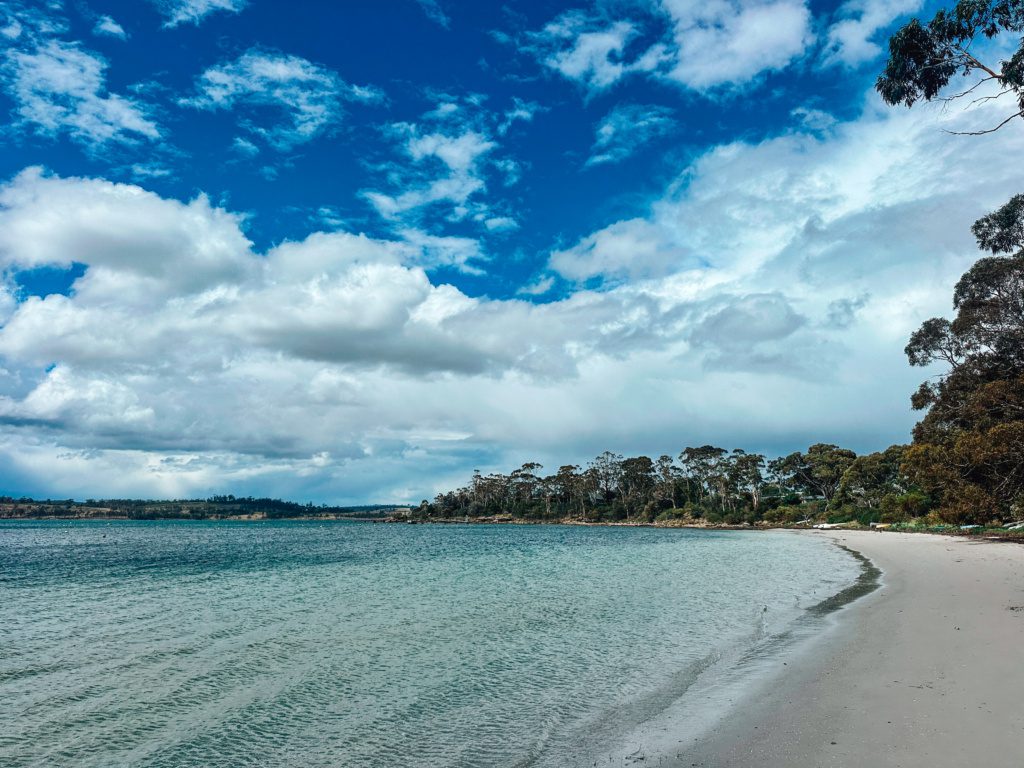
Tasmania’s geography makes seafood unavoidable. As Australia’s only island state, it boasts more than 5,000 kilometers of rugged coastline, dotted with bays, estuaries, wild beaches, and rocky headlands.
The waters here are fed by cold Antarctic currents, creating ideal conditions for shellfish, crustaceans, and cold-water fish to thrive.
Long before modern fishing boats and oyster leases, Tasmania was already a land of sea people. The ocean wasn’t a boundary — it was a lifeline.


You might also like: Peas Offering: A Brief History of Aussie Pies
Aboriginal Seafaring and Ancient Tassie Seafood Traditions
Tasmania’s Aboriginal peoples, among the oldest continuous cultures on Earth, were skilled coastal foragers and seafarers for thousands of years.
Archaeological evidence shows extensive middens along the coast, revealing diets rich in oysters, mussels, abalone, scallops, crayfish, and various fish species.
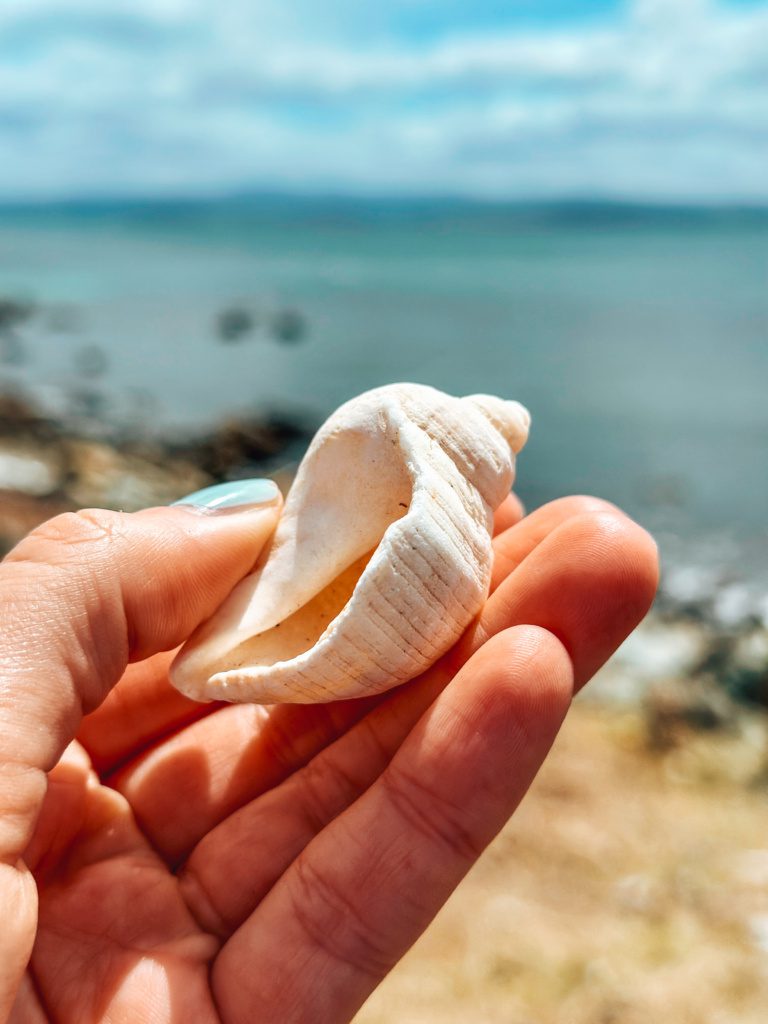
Coastal Aboriginal communities harvested shellfish by hand, fished with spears and traps, and navigated waterways using bark canoes.
Seafood wasn’t just sustenance. It represented cultural knowledge, seasonal rhythms, and connection to Country.
Today, that legacy continues to influence how Tasmanians think about the sea — as something to be respected, protected, and celebrated.
You might also like: Food in Australia: 8 Traditional Flavors to Savor Down Under

Cool Waters, Exceptional Seafood
Tasmania’s cool climate is one of its greatest culinary assets. Cold waters slow the growth of shellfish and fish, resulting in firmer texture, cleaner flavor, and higher natural sweetness.
It’s especially noticeable in oysters and scallops.
Add to that low population density, relatively unpolluted waters, and strict growing conditions, and you get seafood that regularly ranks among the best in the world.
It’s no accident that Tasmanian oysters, abalone, and crayfish are highly prized both locally and internationally.


You might also like: Tsukiji Fish Market in Tokyo: A Food Traveler’s Guide
A First-Timer’s Guide: Must-Try Tasmanian Seafood
If you’re visiting Tasmania for the first time, do not miss the these seafood experiences.
1. Oysters
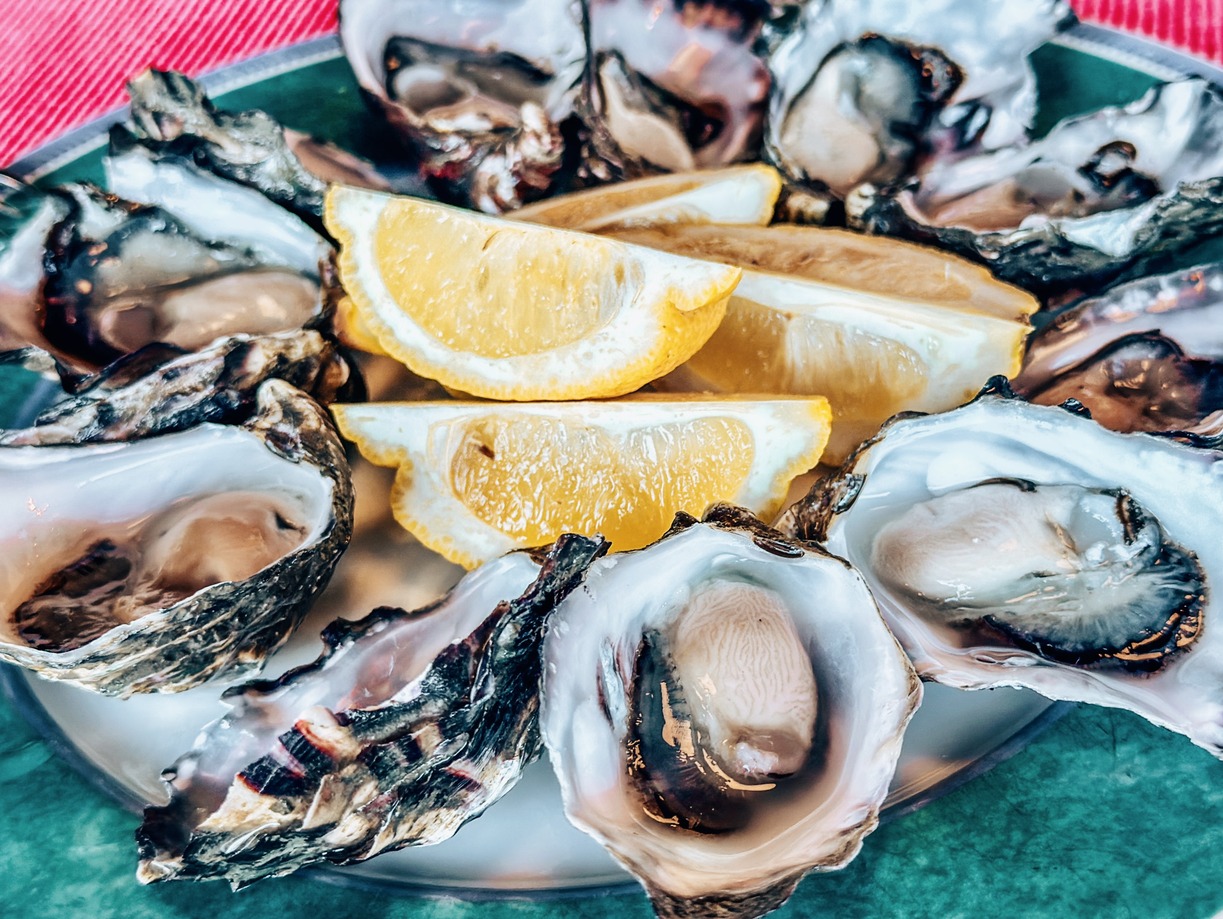
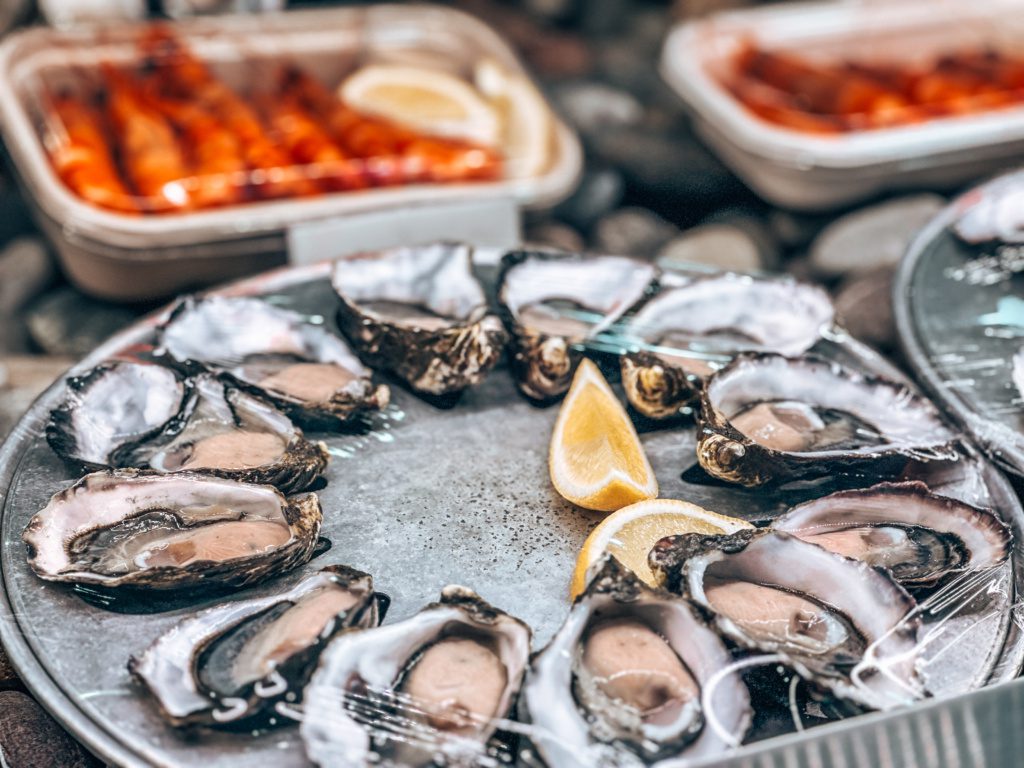
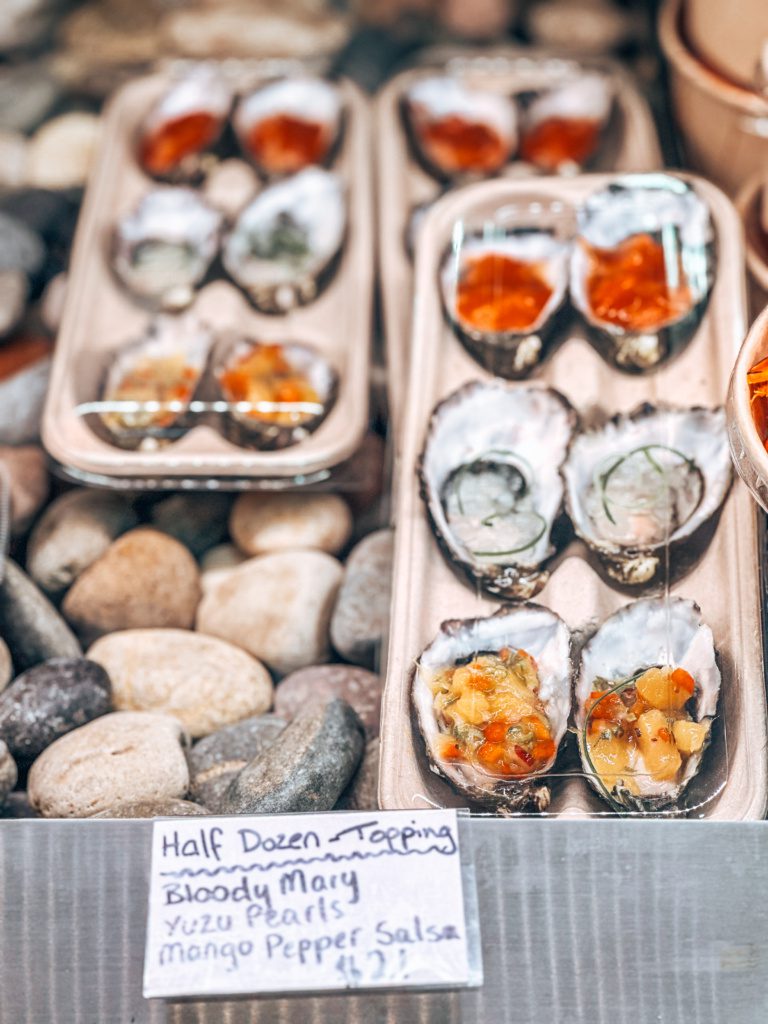
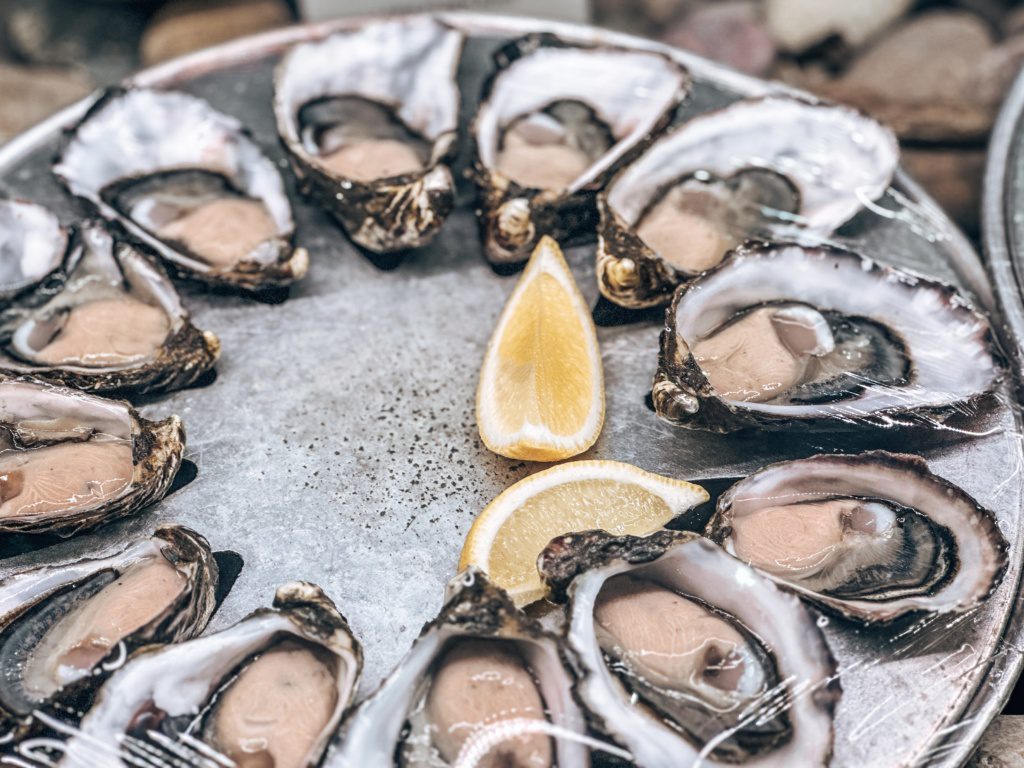
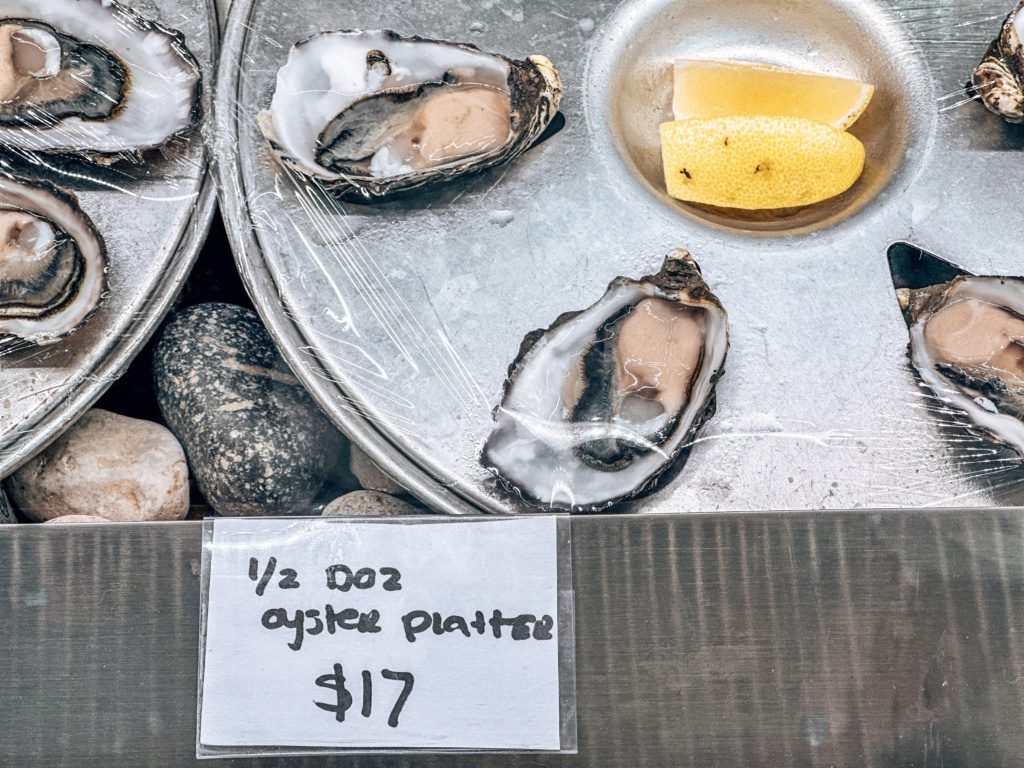
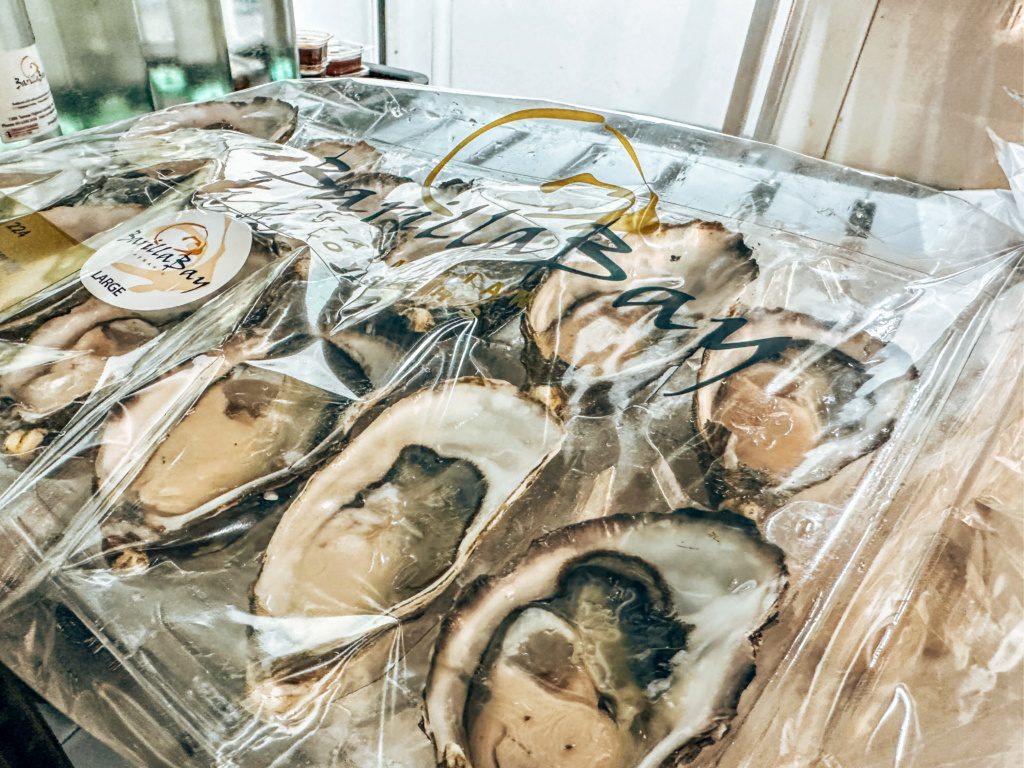
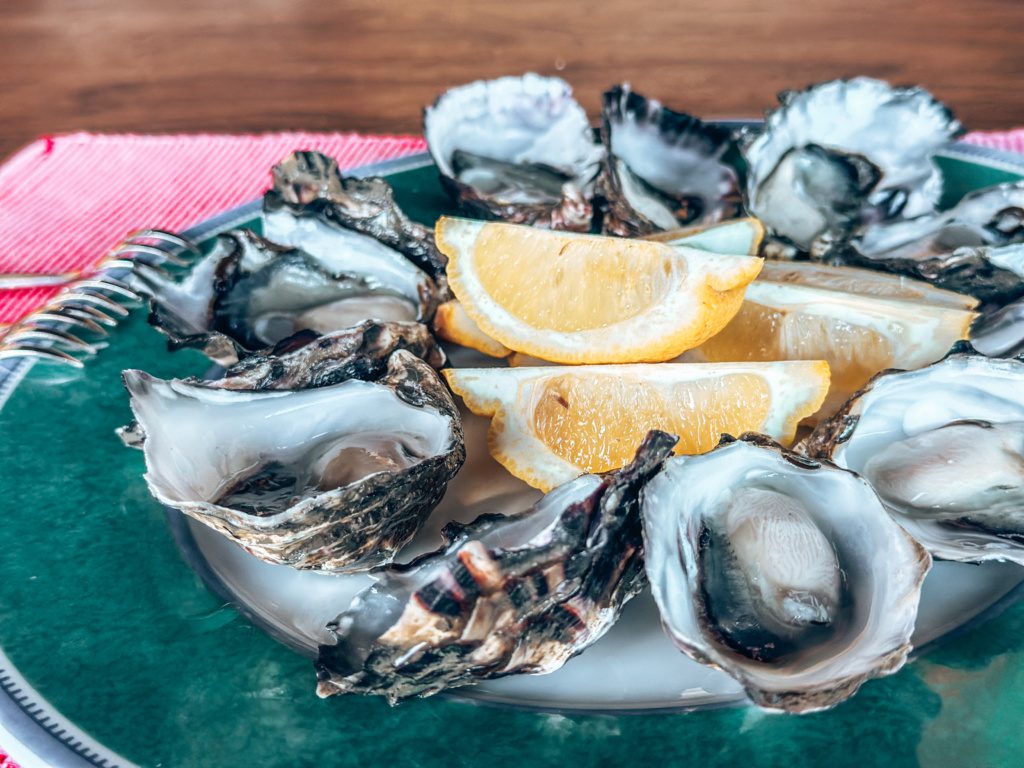
Tasmanian oysters are famous for their clean, briny flavor and crisp finish.
Grown in cold estuaries like Bruny Island and the east coast, they’re best enjoyed simply — shucked fresh, maybe with a squeeze of lemon, letting the ocean speak for itself.
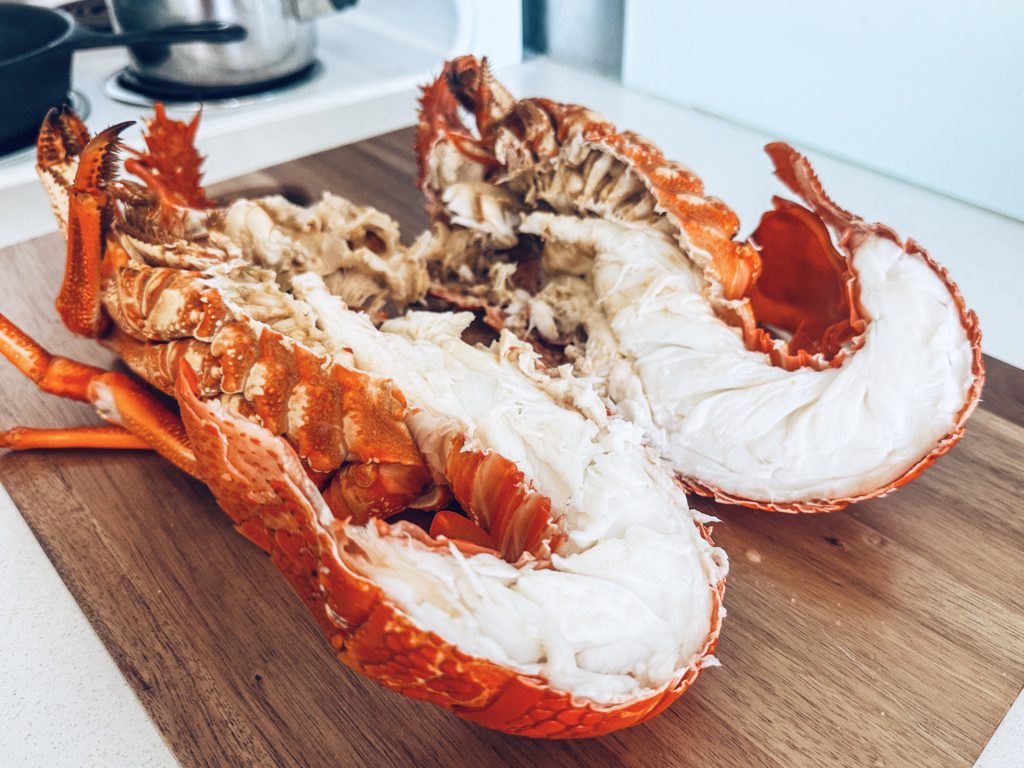
2. Crayfish (Rock Lobster)
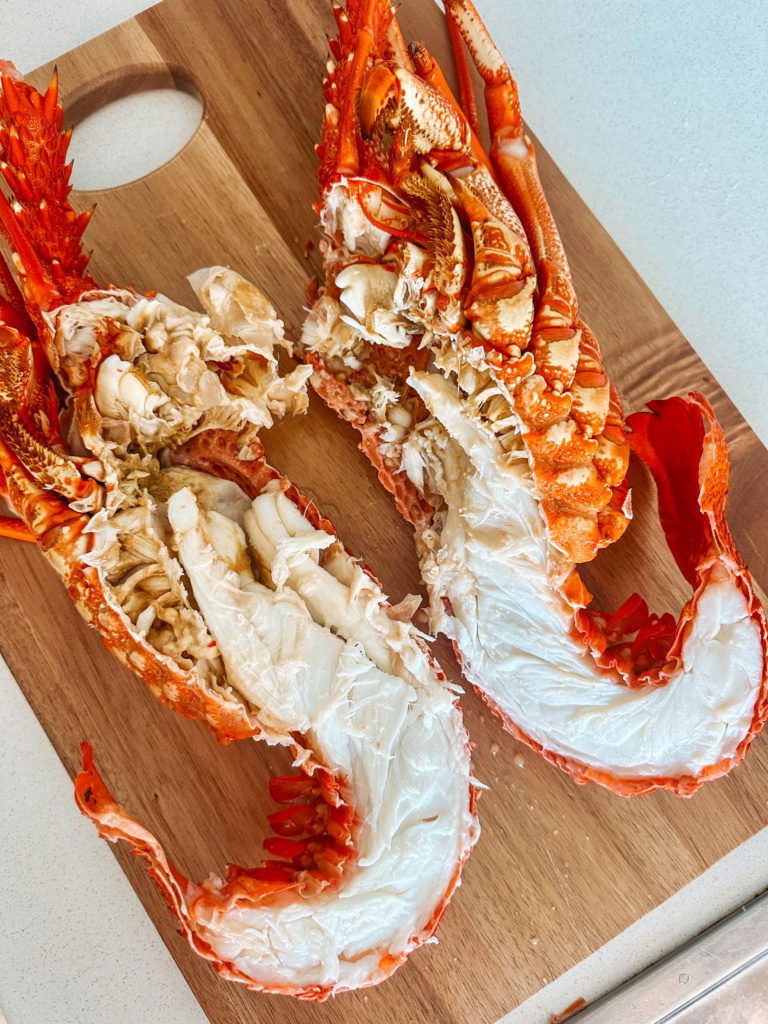
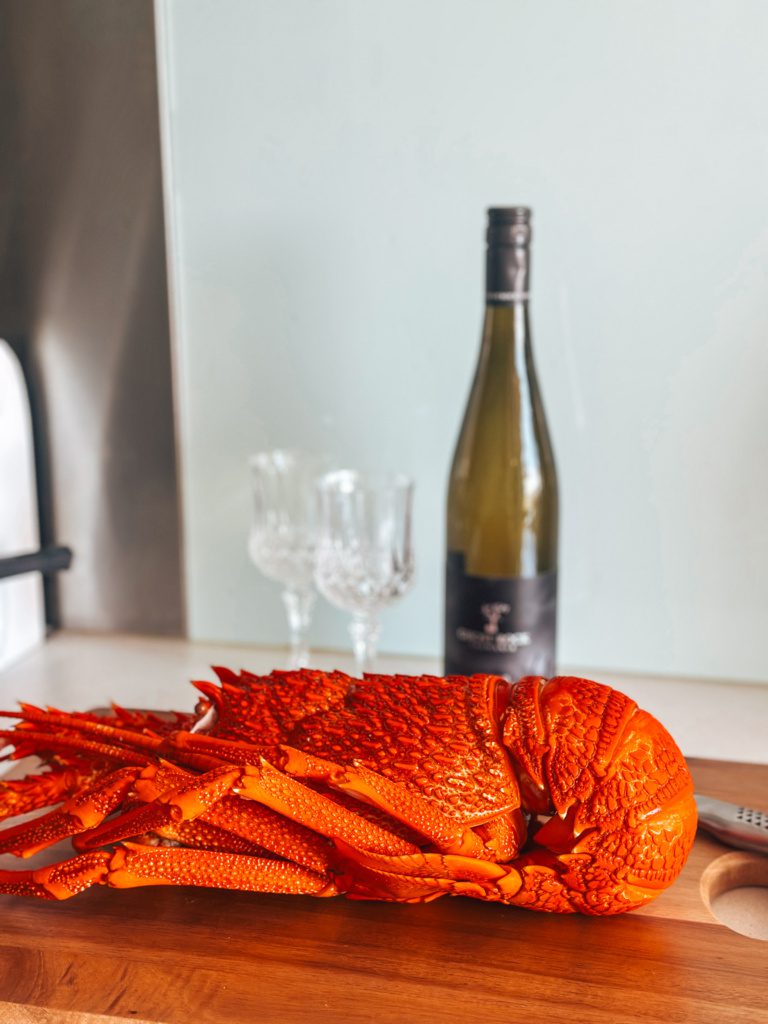
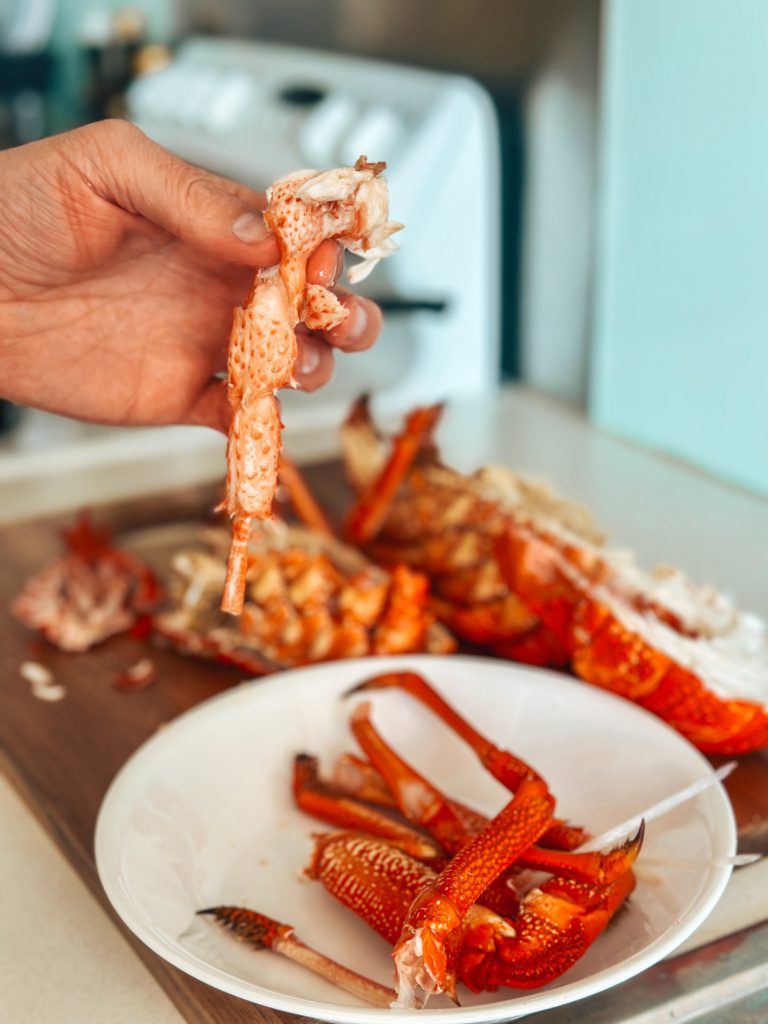
Known locally as crayfish, Tasmanian rock lobster is sweet, delicate, and luxurious. Whether grilled, served with butter, or eaten straight from the shell on a boat or beach, this is Tassie seafood at its most iconic.
Look out for lobster rolls at farmer’s markets all across the island, and for the ultimate icon head to Bicheno’s Lobster Shack.
3. Wild Abalone
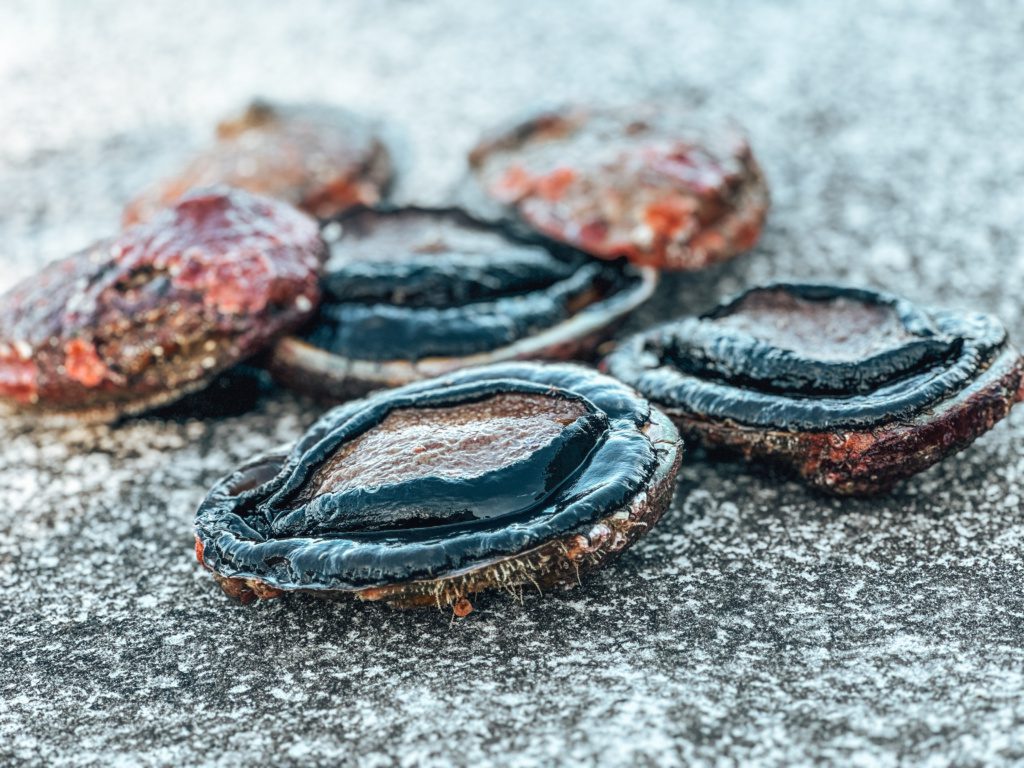
Once a staple food for Aboriginal communities, abalone remains one of Tasmania’s most prized delicacies. Firm and meaty, it’s often sliced thin and flash-fried or braised.
Sustainably harvested wild abalone is especially special if you get the chance to try it.
You might also like: What Is Abalone: The World’s Most Luxurious Mollusk Explained
4. Wild Atlantic Trout
Introduced but now deeply embedded in Tasmanian food culture, wild Atlantic trout thrive in the island’s cold rivers and lakes.
Delicate and clean-tasting, it’s often smoked or pan-fried and pairs beautifully with Tasmania’s local produce.
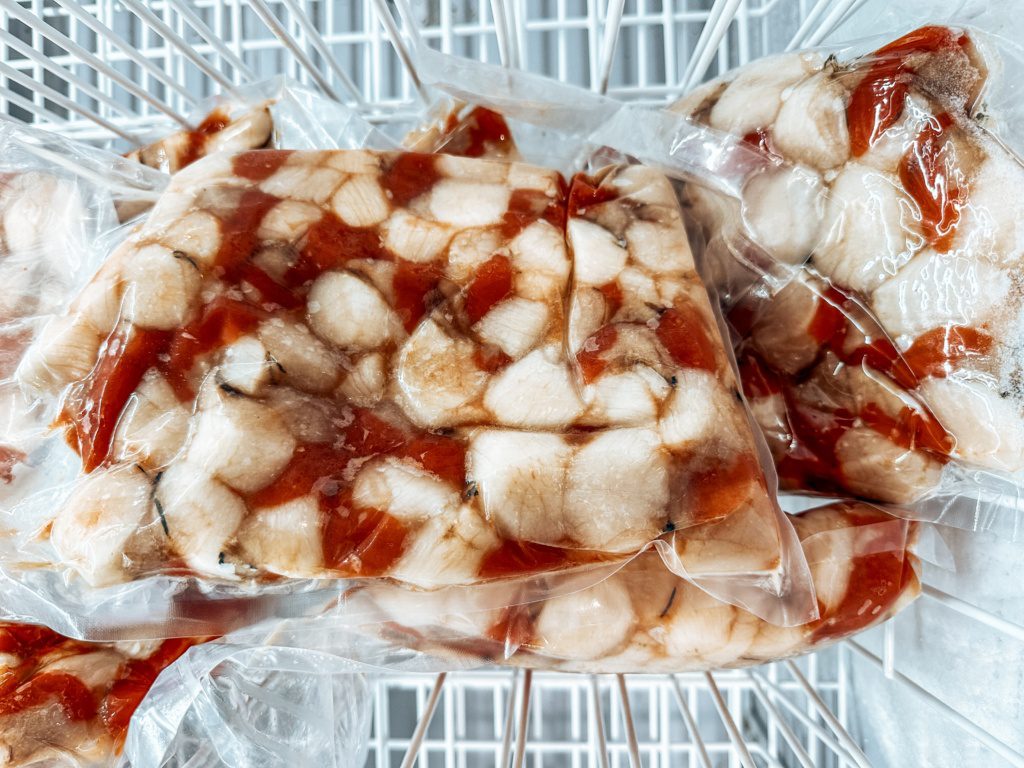
5. Scallops and the Scallop Pie
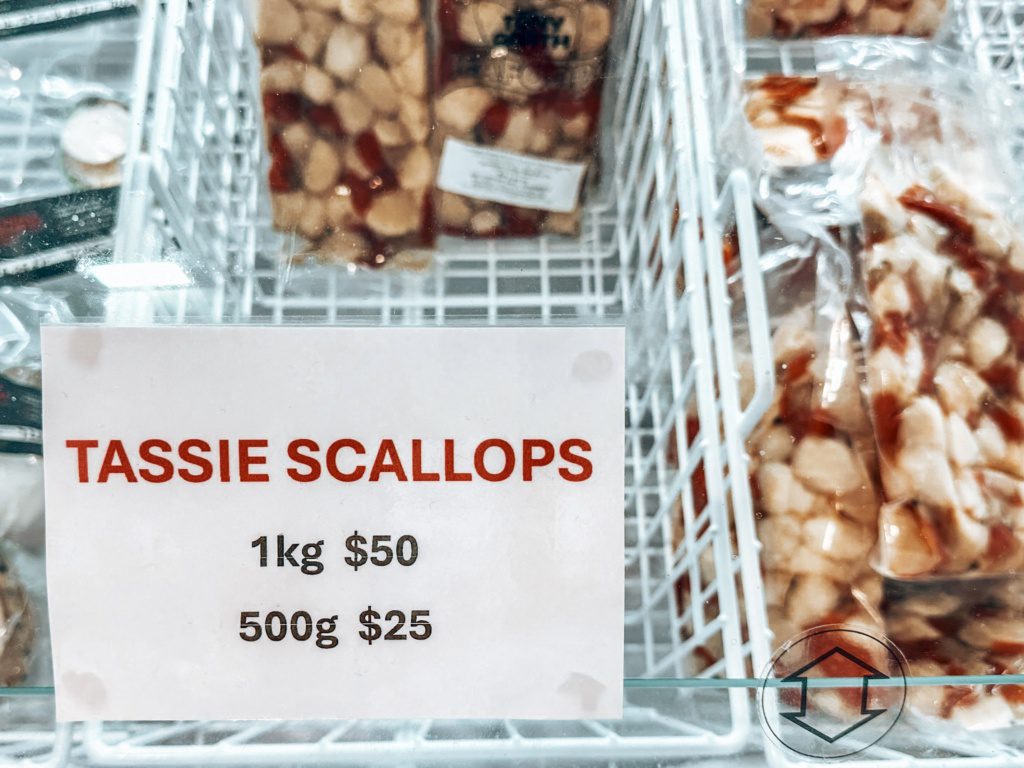
Tasmanian scallops are renowned for their size and sweetness, thanks to those icy waters.
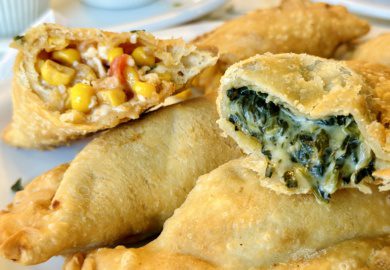
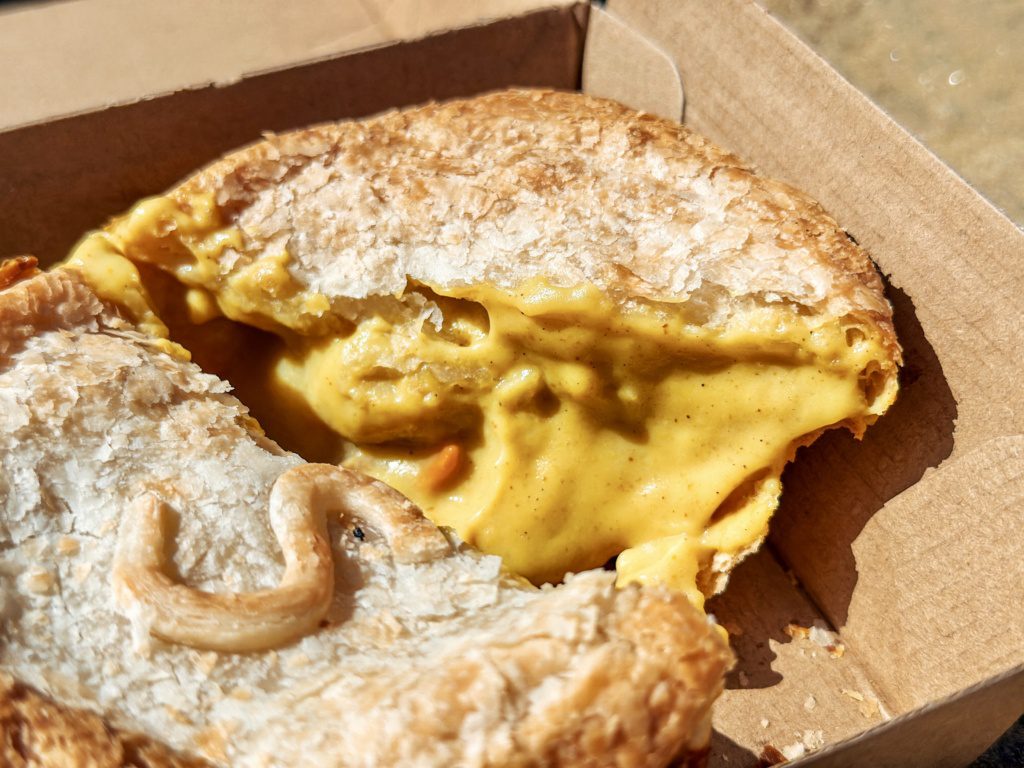
Beyond pan-seared scallops, don’t leave without trying a scallop pie — a beloved local classic featuring creamy scallops baked into flaky pastry.
6. Sea Urchin
For the adventurous eater, Tasmanian sea urchin offers rich, briny uni with a custard-like texture. It’s not always easy to find, but when fresh, it’s a true ocean delicacy.
7. Stripey Trumpeter
Often called Tasmania’s national fish, striped trumpeter has firm white flesh and a mild, slightly sweet flavor. It’s incredibly versatile and showcases just how refined Tasmanian seafood can be.
You might also like: Tasting The Truth: Lessons In Racism From London Docklands Museum
8. Red Moki (Banded Morwong)
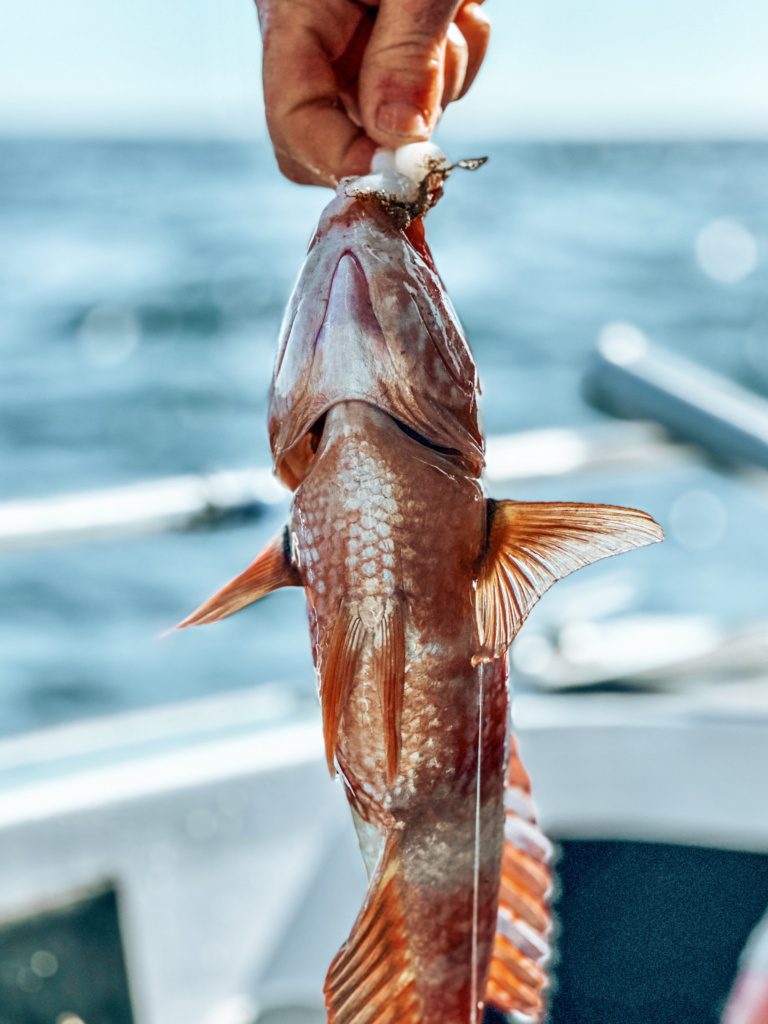
A lesser-known gem, known locally as perch, red moki has sweet, firm flesh and is popular with chefs who love its clean flavor and sustainability credentials.
9. Tassie Salmon – Wild and Farmed
Tasmania is Australia’s largest producer of Atlantic salmon. Farmed salmon is widely available and known for its rich, fatty texture, while wild-caught varieties (where available) offer a leaner, more mineral-driven flavor.
Tassie salmon isn’t without a controversy though – see the part on environmental issues below.
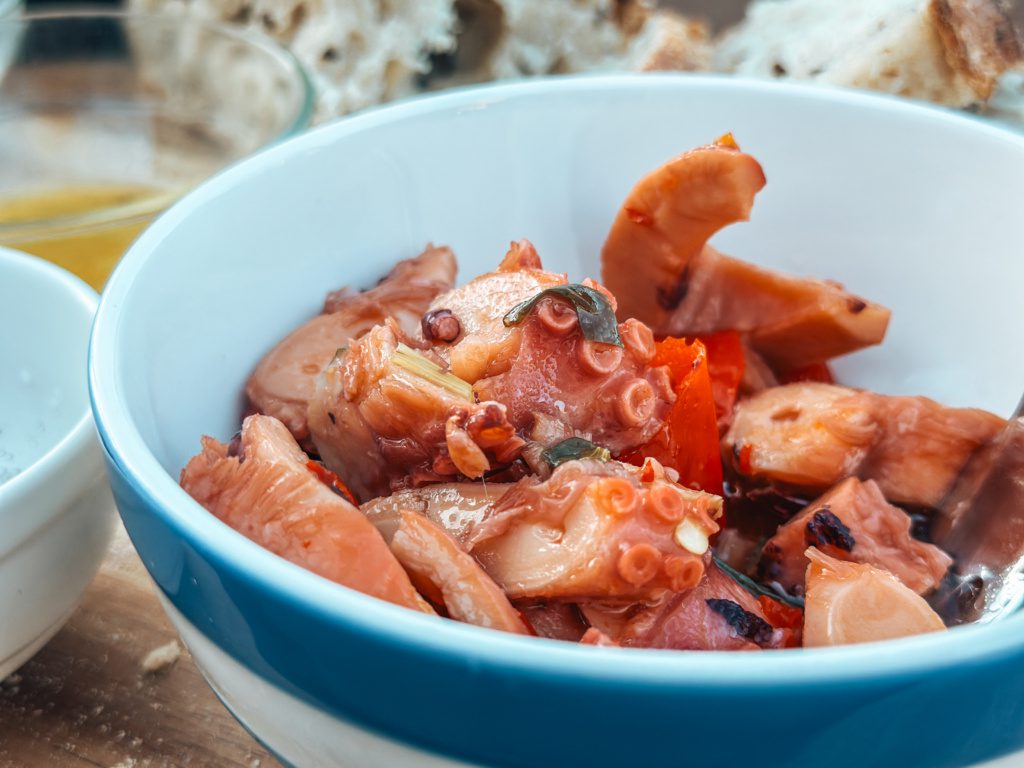
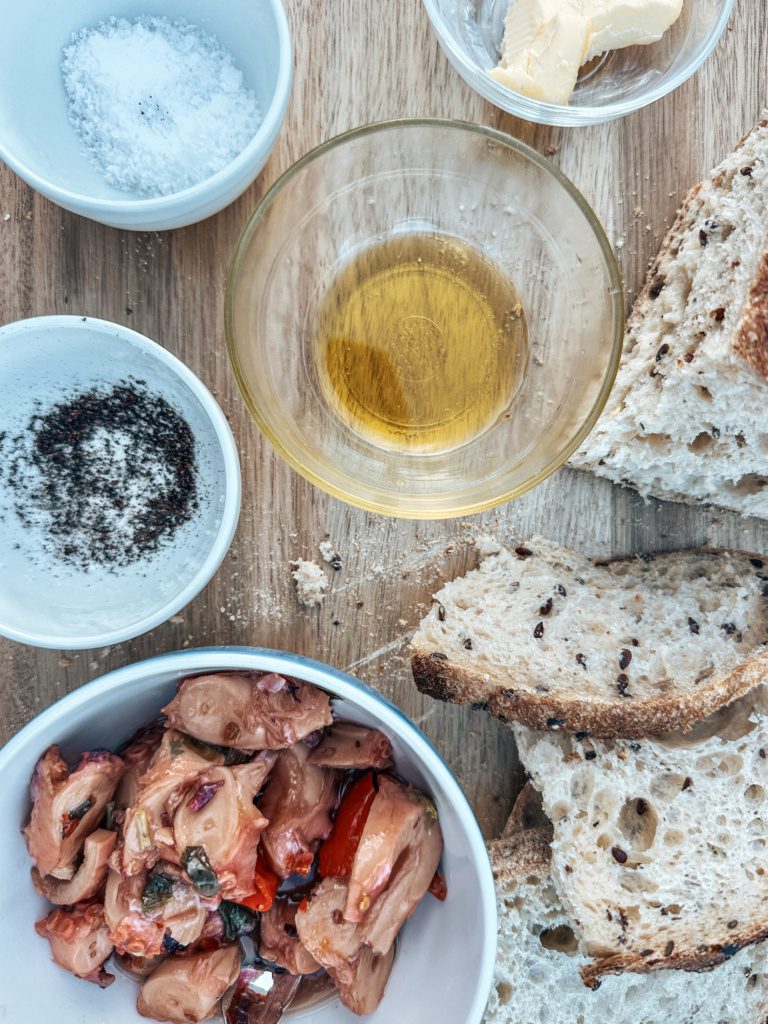
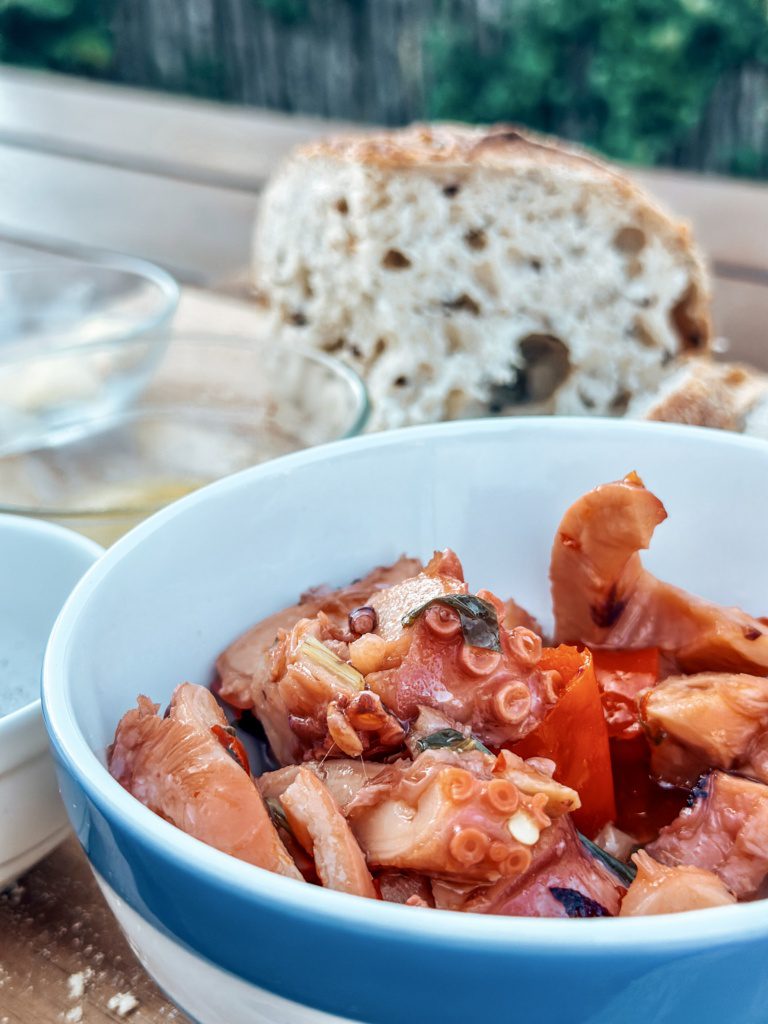
10. Octopus
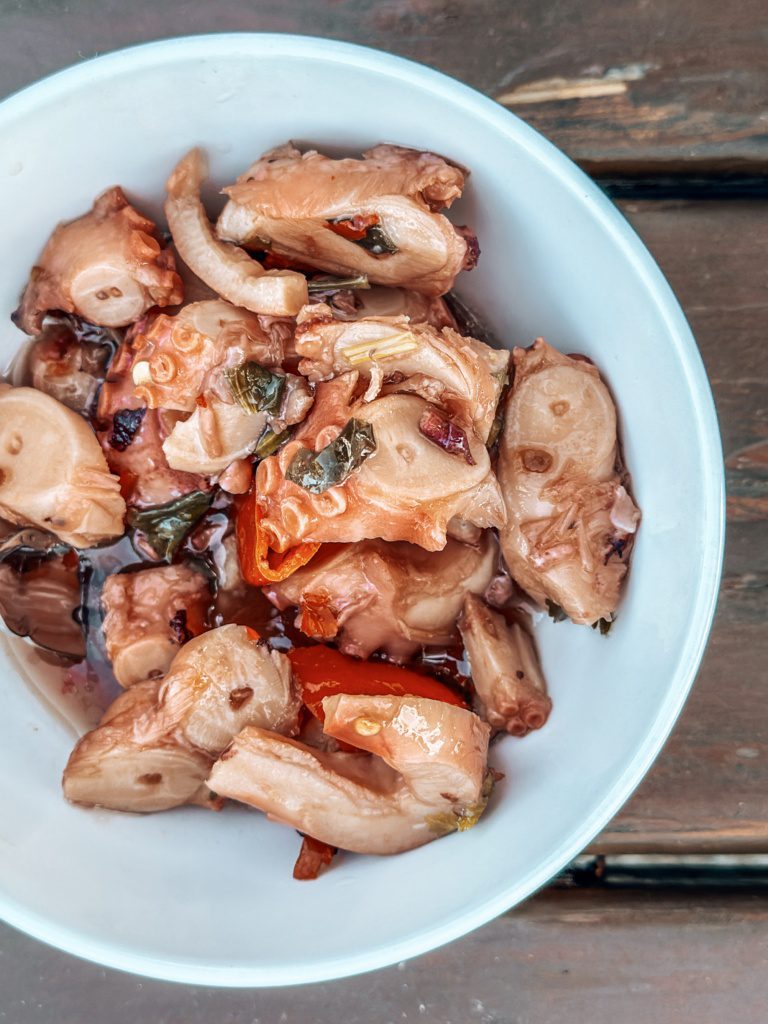
While not always the first thing people associate with Tasmanian seafood, octopus is increasingly appearing on menus, especially at chef-driven restaurants that prize whole-animal cooking.
Caught in cold waters, Tasmanian octopus has a firm yet tender texture when handled well, often char-grilled, slow-braised, or thinly sliced and simply dressed.
Its clean, slightly sweet flavor reflects the purity of the surrounding seas and pairs beautifully with minimal seasoning.
11. Flathead
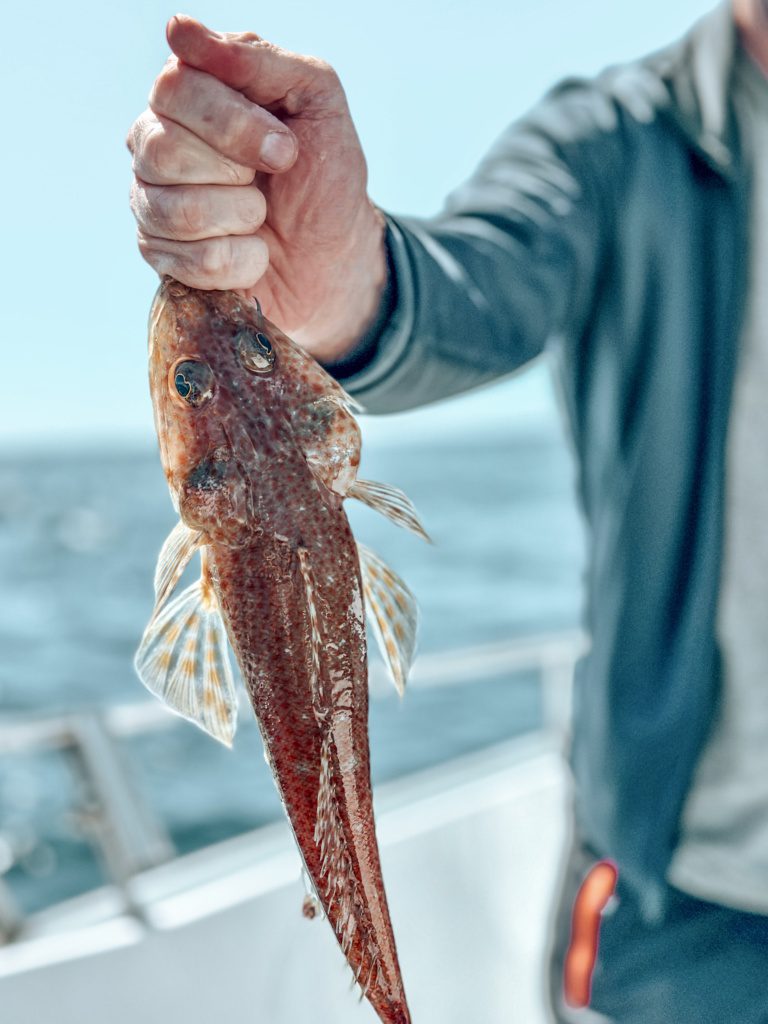
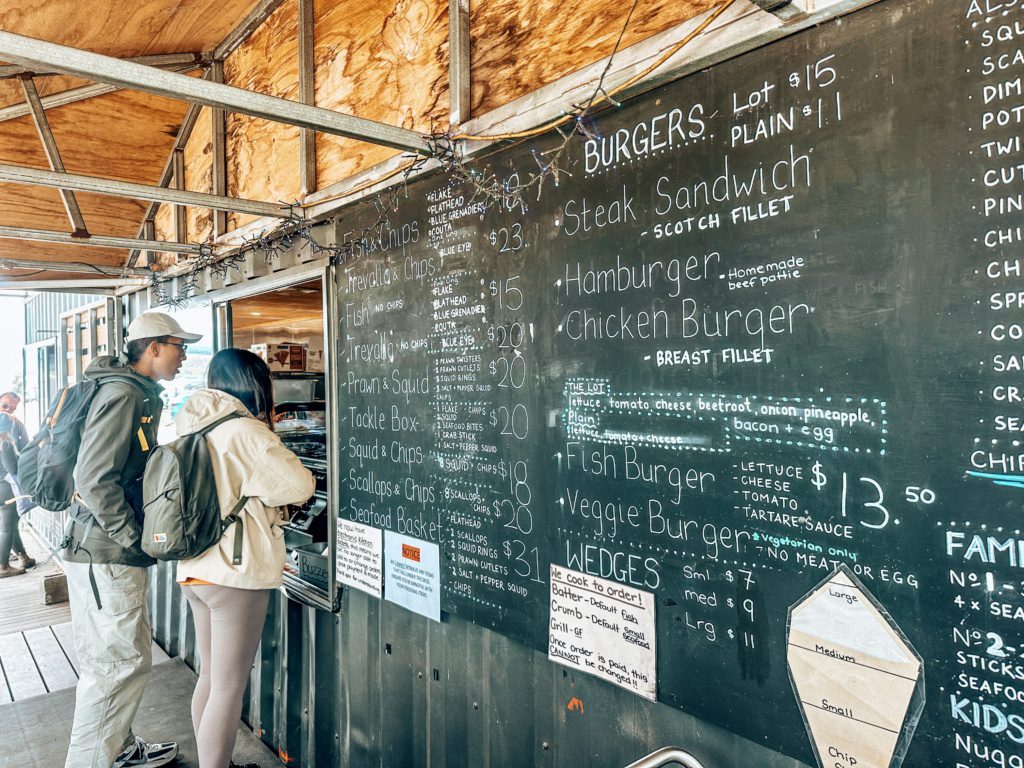
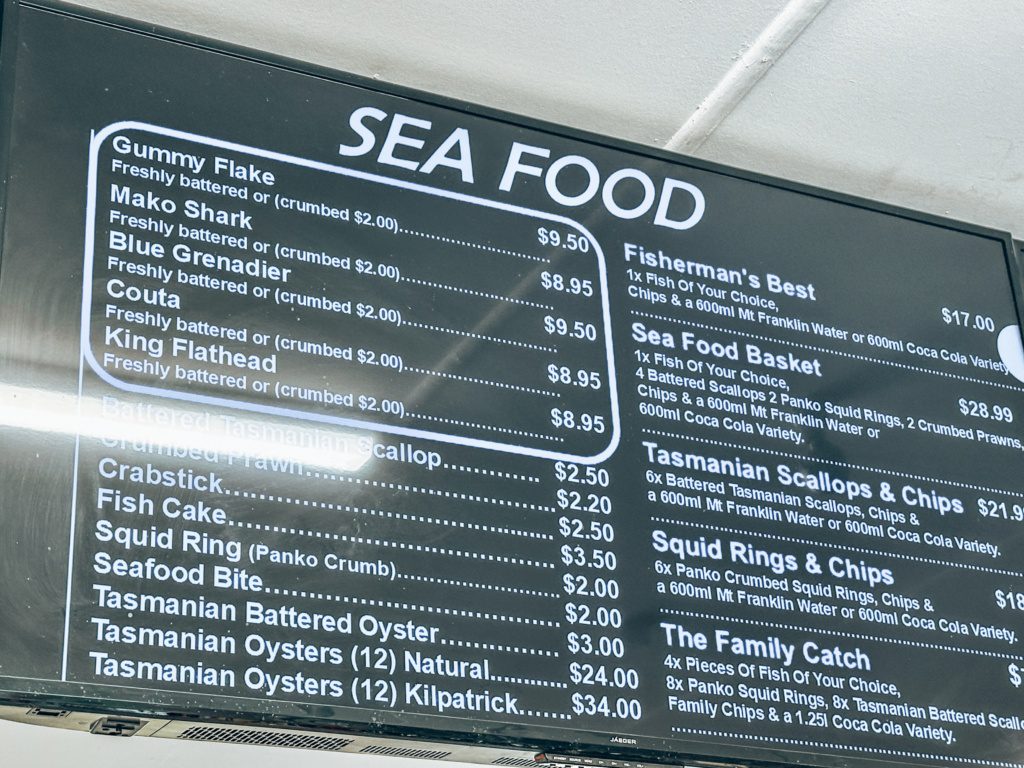
A true Australian classic, flathead is abundant in Tasmanian waters and beloved for its delicate, flaky white flesh. Mild and versatile, it shines whether battered and fried, pan-seared, or grilled whole.
In Tasmania, flathead often feels elevated simply by freshness — served with little more than lemon, butter, and maybe a handful of local herbs.
12. Others: Prawns, Crab, Clams & More
Beyond the headline species, Tasmania’s waters deliver a wide supporting cast.
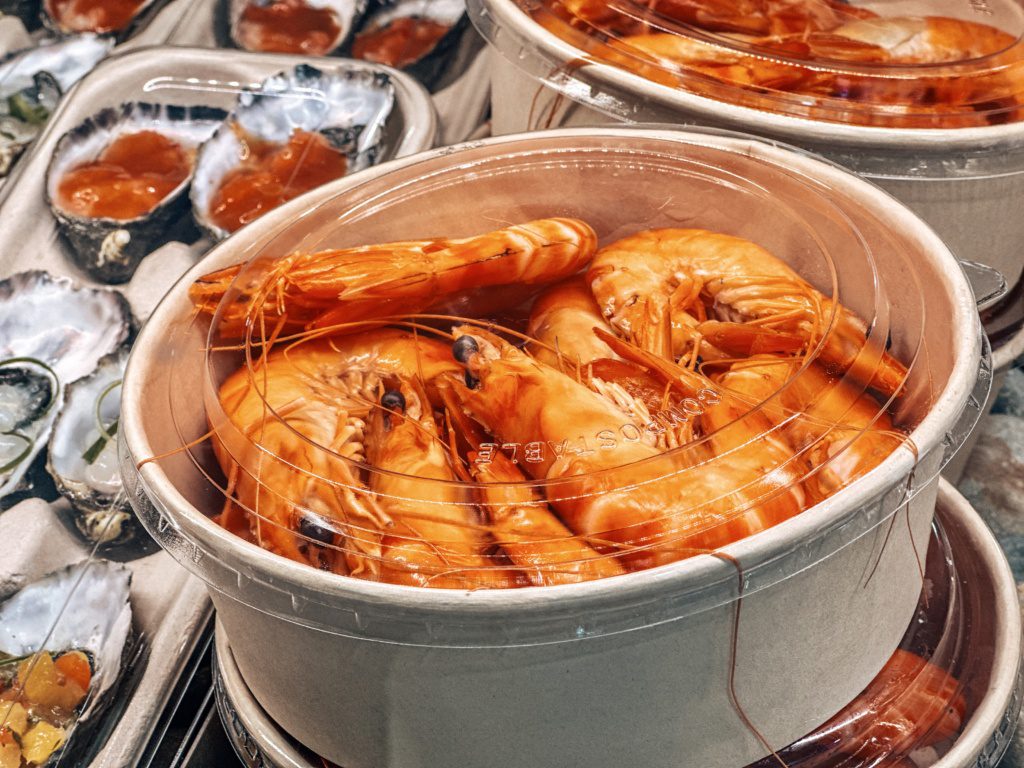
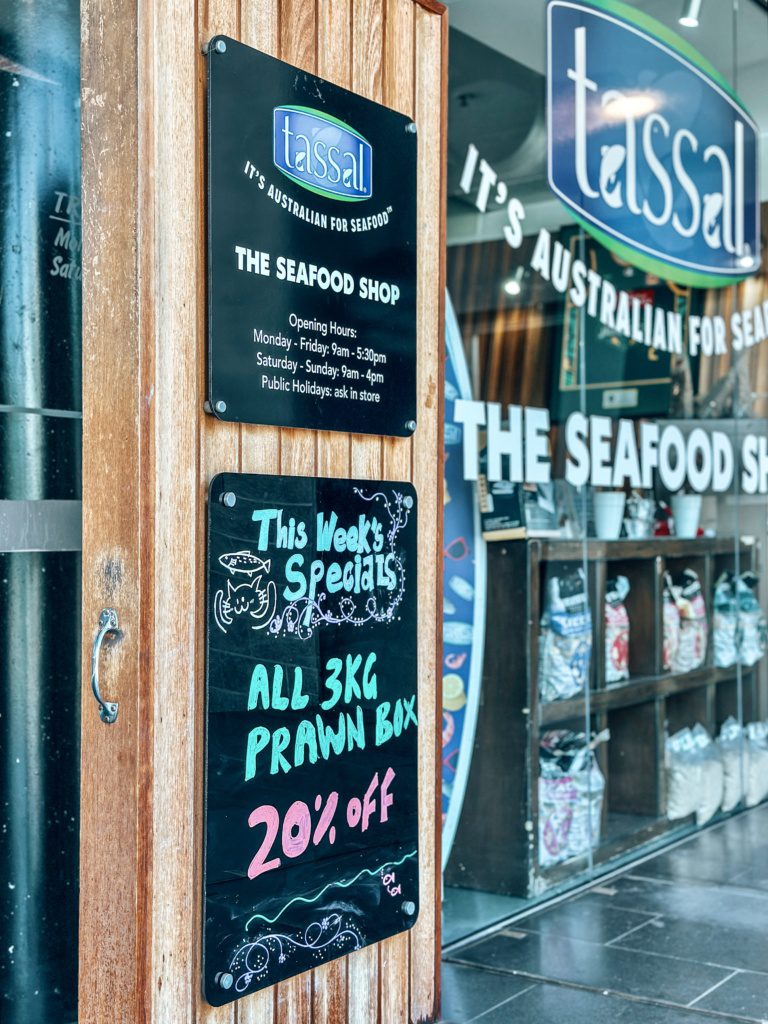
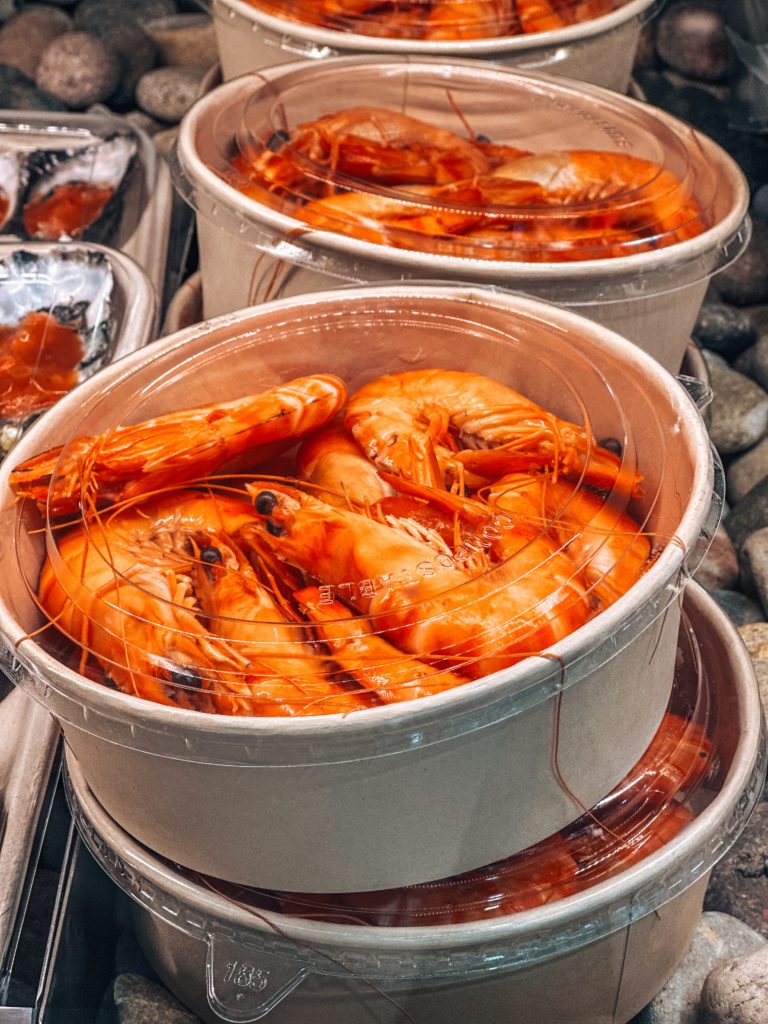
Sweet, cold-water prawns, blue swimmer and spider crab, pipis and other clams all make seasonal appearances, particularly in coastal towns and at seafood counters near the source.
Availability can change with the seasons and the weather, but that unpredictability is part of the magic — eat what’s fresh, ask what’s local, and let the day’s catch guide your choices.
You might also like: The History of Nikkei Cuisine (And What’s Nobu Got To Do With It)
Where to Enjoy the Best Seafood in Tasmania
One of the joys of eating seafood in Tasmania is how closely it’s tied to place.
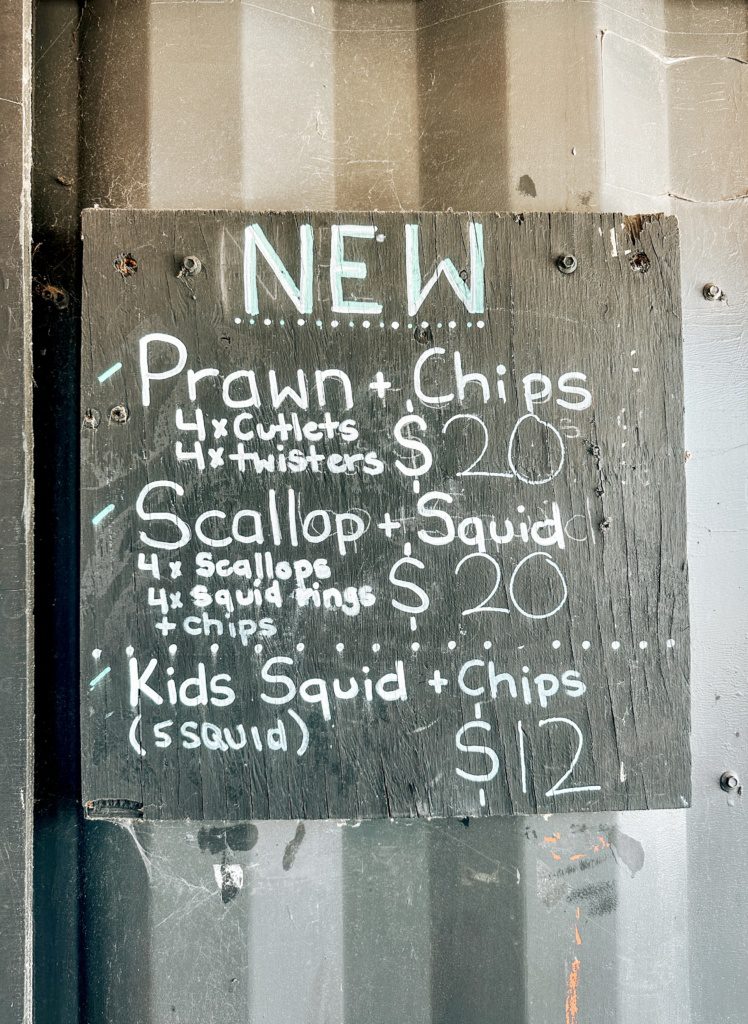
Along the east coast, towns like Triabunna, Coles Bay, Bicheno, and St Helens are prime territory for oysters, scallops, and freshly landed fish, often served just meters from the water.
Bruny Island is a must for oyster lovers. Slurp ultra-fresh oysters at waterside farms and pair them with local cheese or wine.
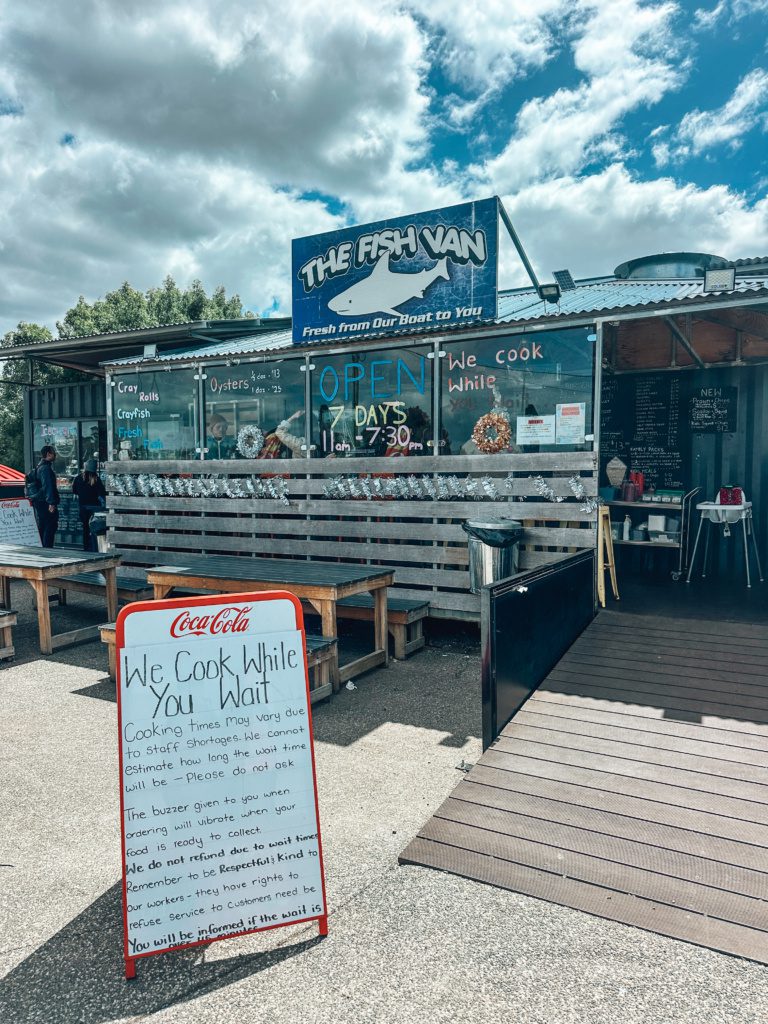

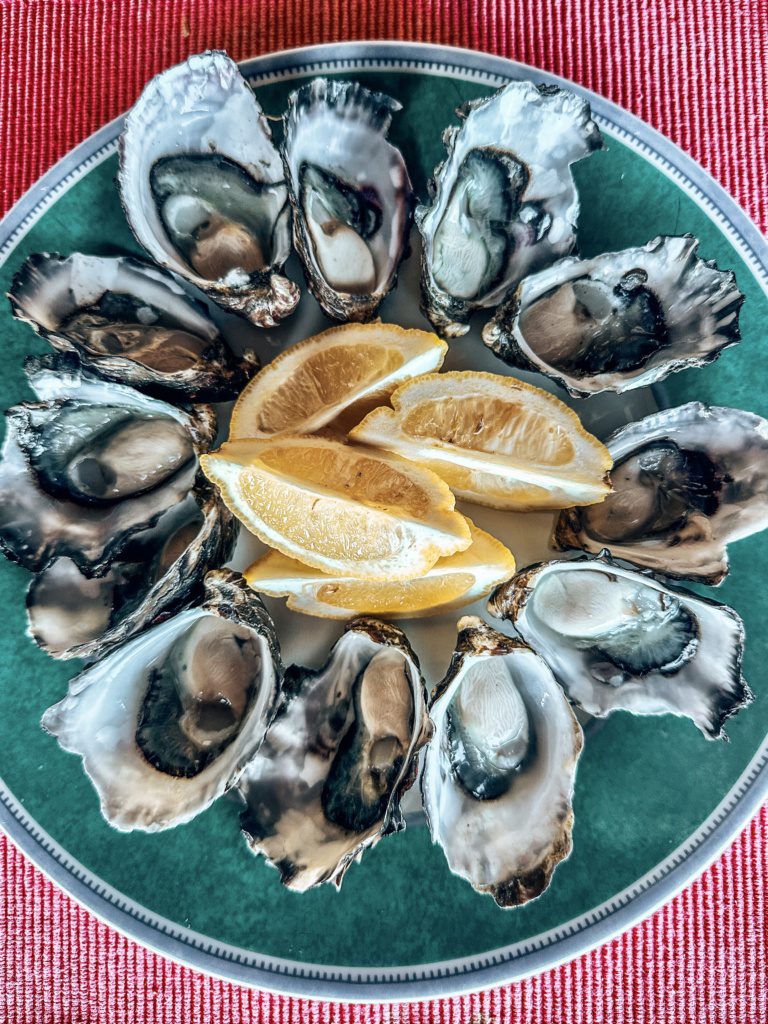
In the Huon Valley and D’Entrecasteaux Channel, cold, sheltered waters produce exceptional shellfish. Many local restaurants source directly from nearby farms.
Hobart is the state’s seafood hub. Standout restaurants such as Franklin, Aloft, Templo, Mures Upper Deck, and Fish Frenzy, all showcase Tassie seafood with a strong sense of seasonality.
For a more immersive experience, book a visit to an oyster farm or a seafood cruise, where you can harvest and eat oysters straight from the water.

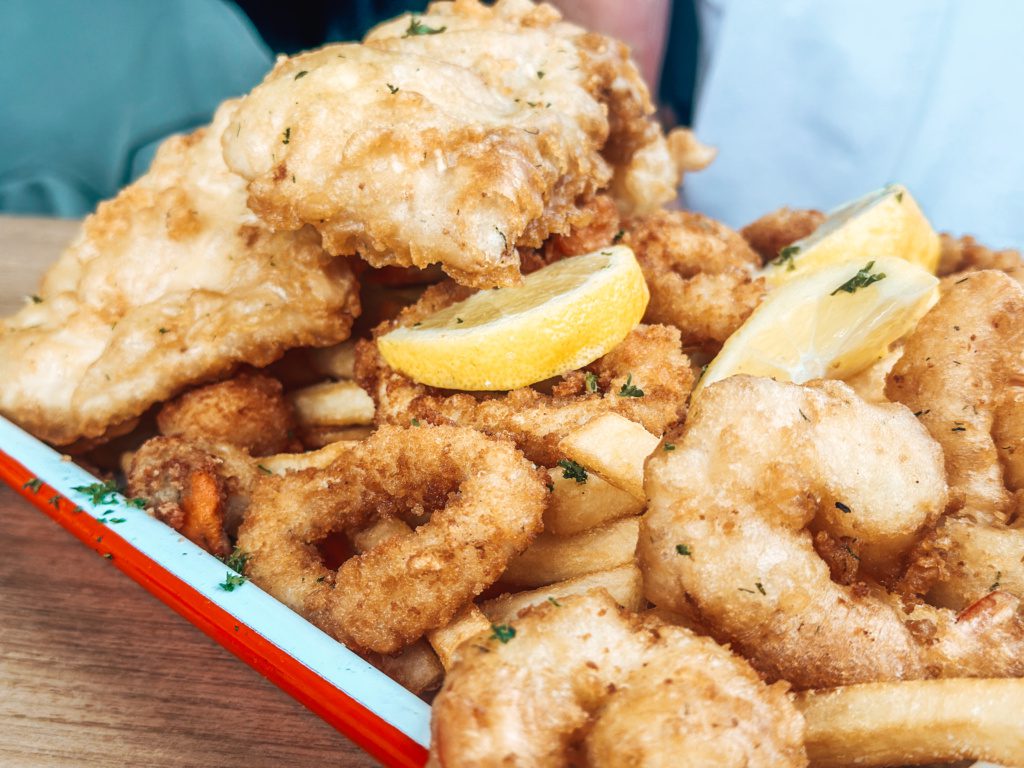
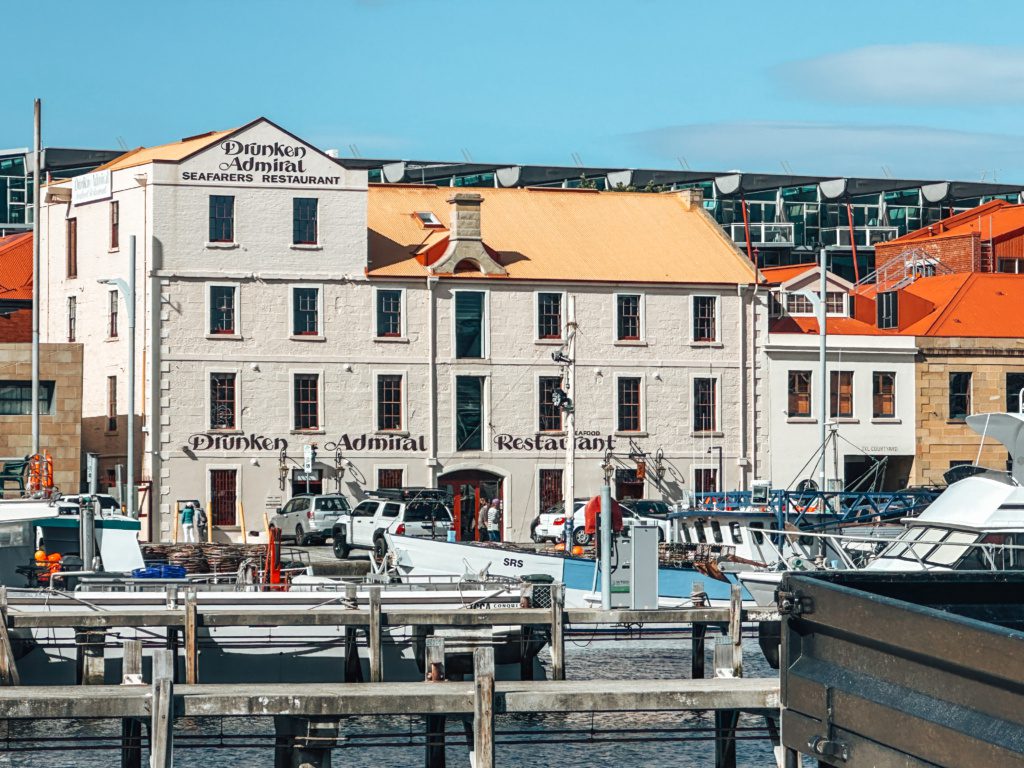
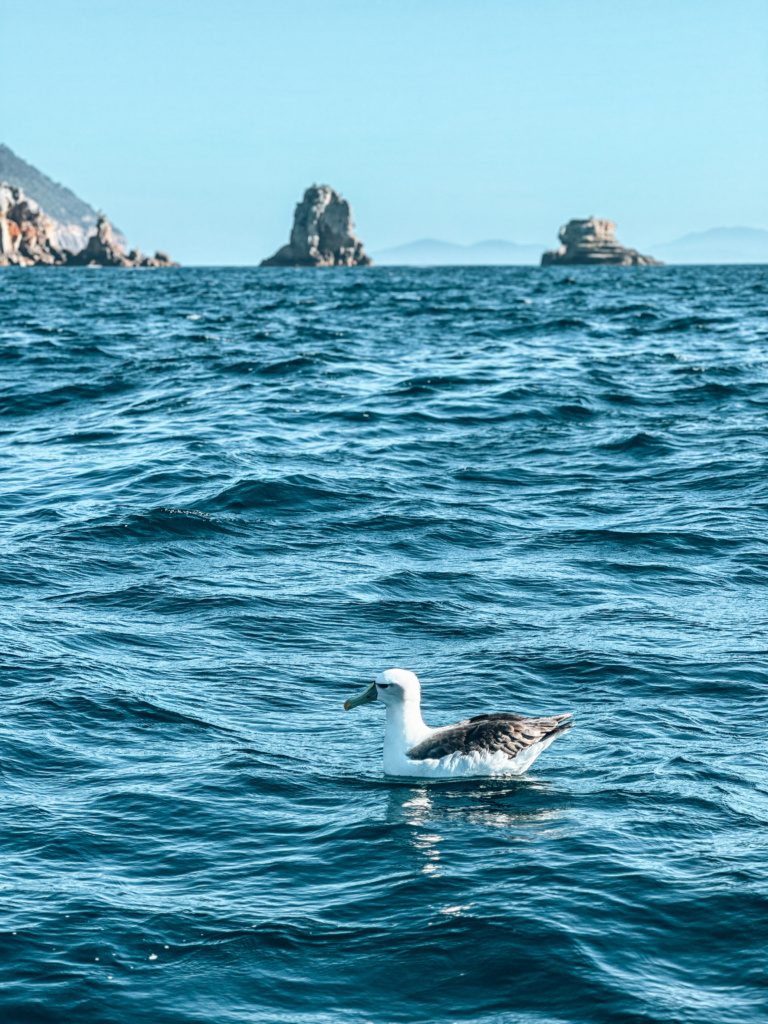
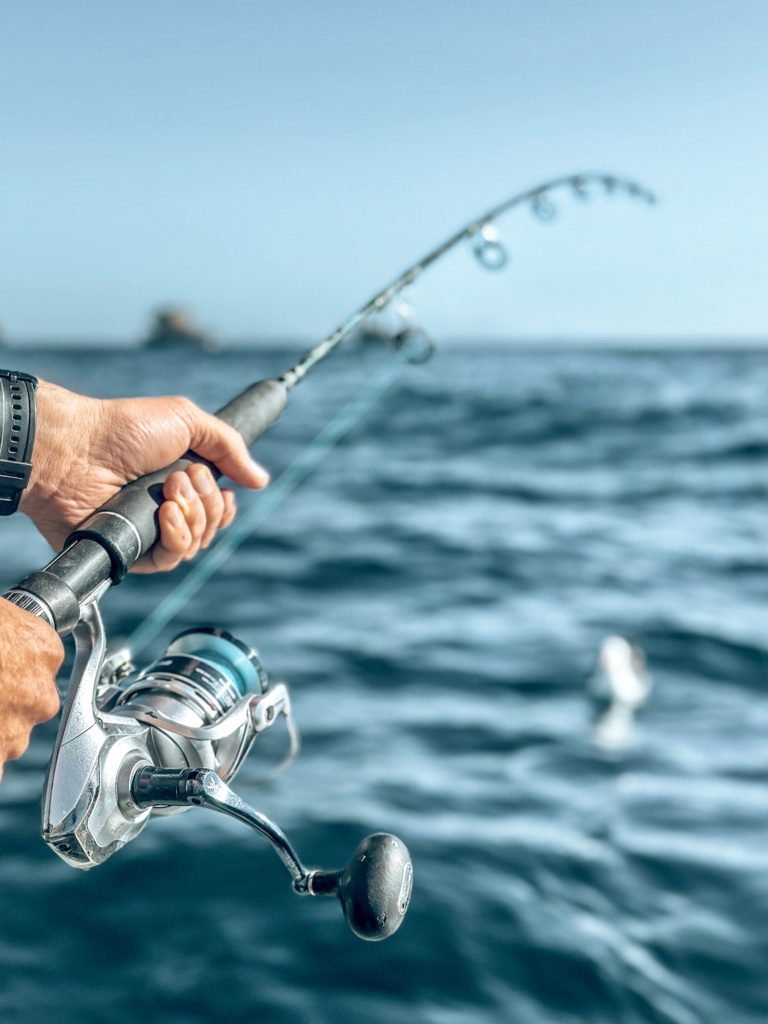
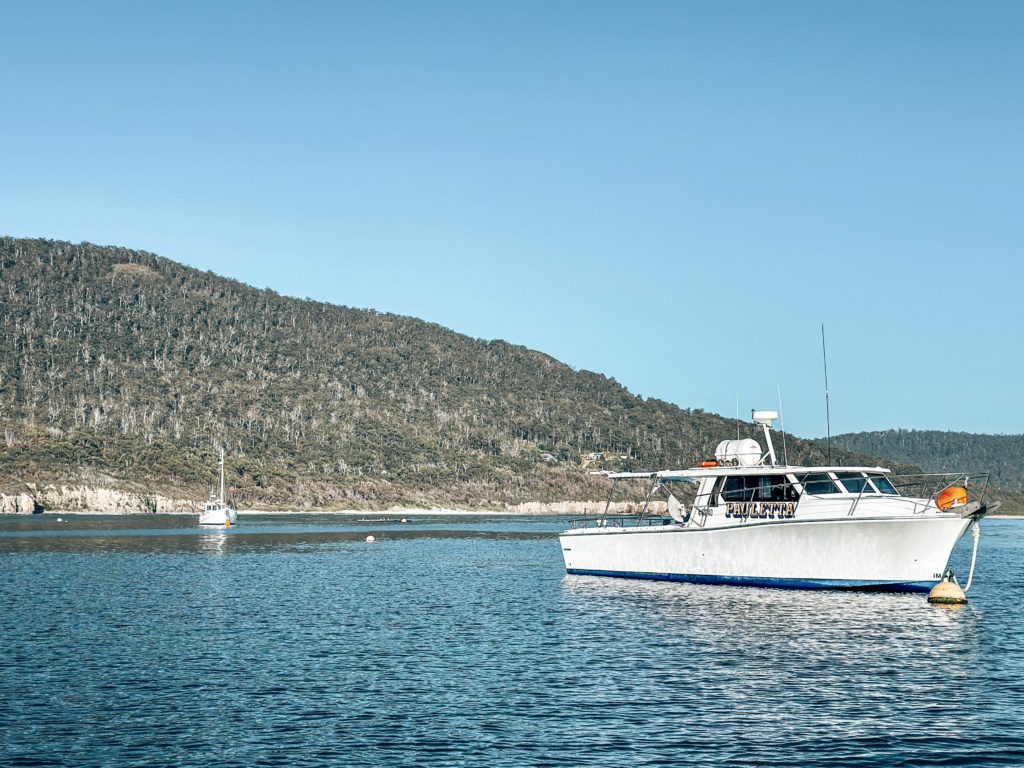
During our trip we also enjoyed a private half-day of fishing excursion. Book your half-day private charter with Personalised Sea Charters. Stuart and Sarah will take great care of you. Highly recommended!
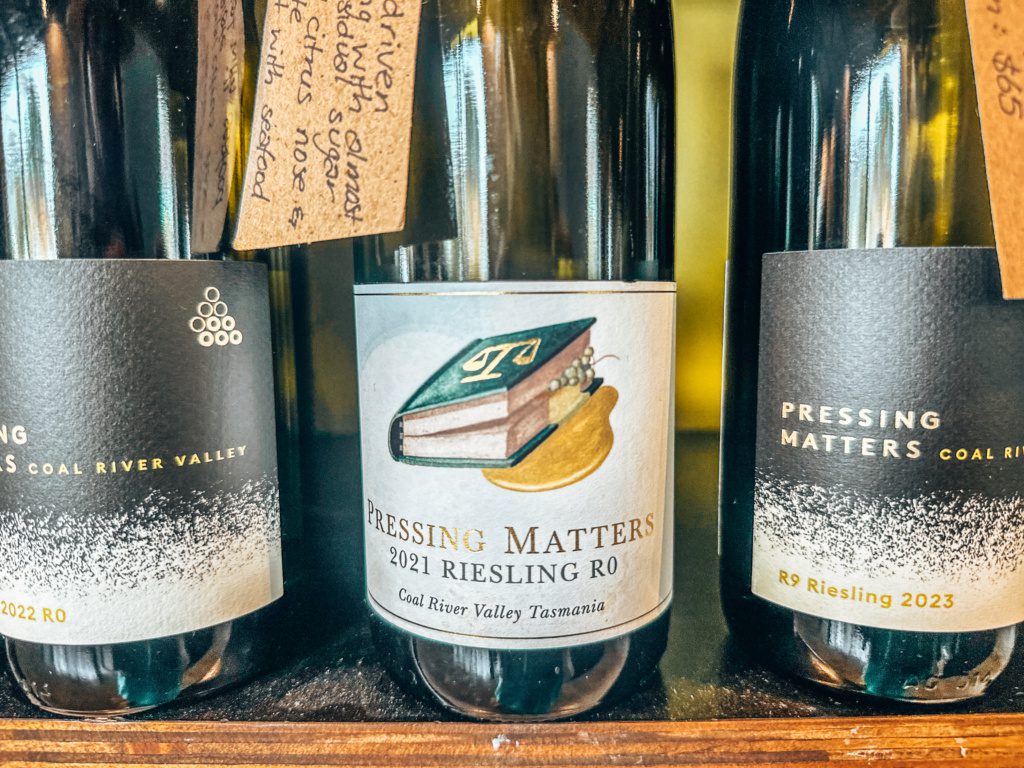
Many cool-climate wineries across the east coast, Coal River Valley, and Tamar Valley also serve seafood-focused menus, making it easy to pair pristine oysters, trout, or scallops with Tasmanian pinot noir or sparkling wine — a combination that feels effortlessly, unmistakably Tassie.
You might also like: 5 Best Fish Tacos In Ensenada, Baja California


Tassie Seafood: Environmental Challenges and Ongoing Conversations
No guide to Tasmanian seafood would be complete without acknowledging the environmental issues surrounding it.
The farmed salmon industry, in particular, has sparked significant debate due to concerns about pollution, fish health, and impacts on fragile marine ecosystems.
Read more about in Toxic: The Rotting Underbelly of the Tasmanian Salmon Industry by Tasmanian-born Man Booker Prize winner Richard Flanagan.
There are also broader challenges around climate change, warming waters, and sustainable harvesting of wild species.
At the same time, Tasmania is home to many fishers, farmers, and producers who are deeply passionate about sustainability, transparency, and protecting the waters that define their livelihoods.
As a visitor, seeking out responsibly sourced seafood and asking questions is part of being a conscious food traveler.

You might also like: Puerto Nuevo Lobster: A Mexican Fishing Village Like No Other
Final Thoughts: A Standing Ovation for the Sea
Tasmania is rightly celebrated for its world-class produce — its dairy and cheeses, truffles, saffron, berries, and cool-climate wines.
But as an island state with some of the most breathtaking coastline anywhere on Earth, its fish and seafood deserve a standing ovation.



And if you’re lucky enough to experience Tasmanian seafood freshly caught in the wild, shared generously by local hosts, you’re in for a culinary moment you’ll never forget.
One that tastes of salt air, cold water, and a deep connection between land, sea, and table.

Have you tried Tasmanian seafood? What was your favorite Tassie fish or shellfish dish? Let us know in the comments or tag @eightyflavors on socials!
OUR TRIED AND TESTED FOOD TRAVEL RESOURCES: Book a hotel with Booking.com. Search for the best flight deals on Skyscanner. Find the best local food tours on Viator. Browse curated conscious group trips with GAdventures. Get your travel insurance with World Nomads.
Disclaimer: this post contains affiliate links. We’ll receive a small commission if you purchase through the link provided, at no extra cost to you. Thank you for your support in running this blog!