What Is Abalone: The World’s Most Luxurious Mollusk Explained
Abalone has an almost mythical status in the food world.
Whispered about in fine-dining circles, prized in East Asian cuisine, fiercely protected by fisheries, and yet—surprisingly—still unknown to many avid food lovers.
When I asked around, only one of my foodie friends had actually tried it, let alone cooked it.
So what exactly is abalone, and why does this humble sea snail command such eye-watering prices?
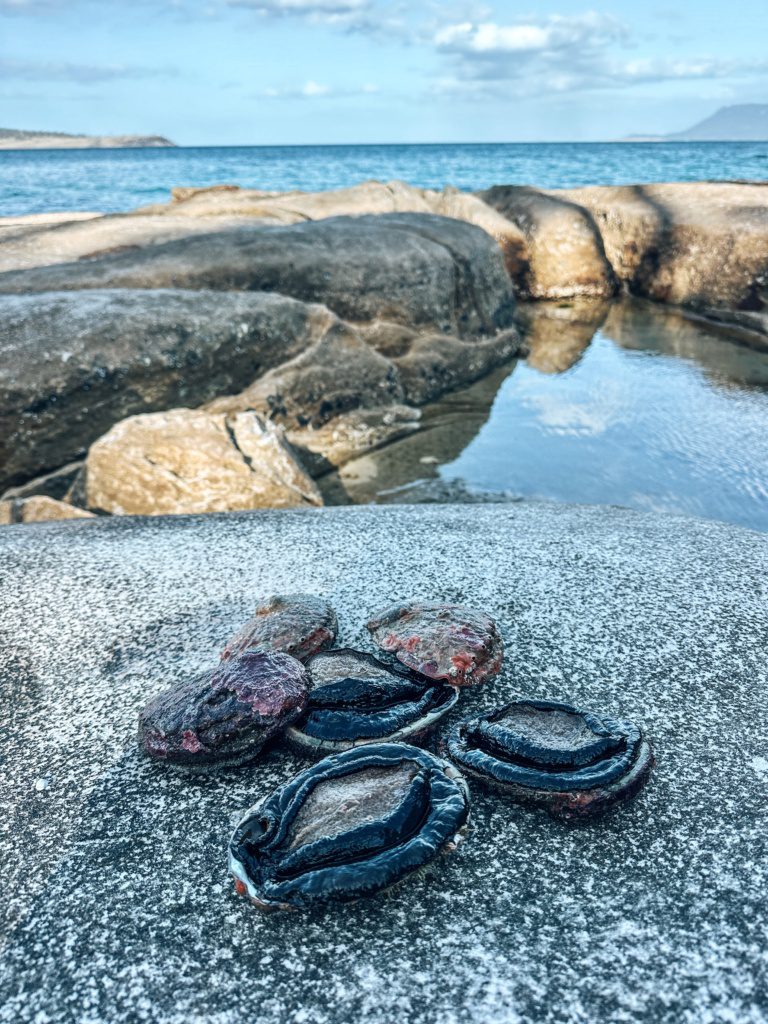
What Is Abalone, Exactly?
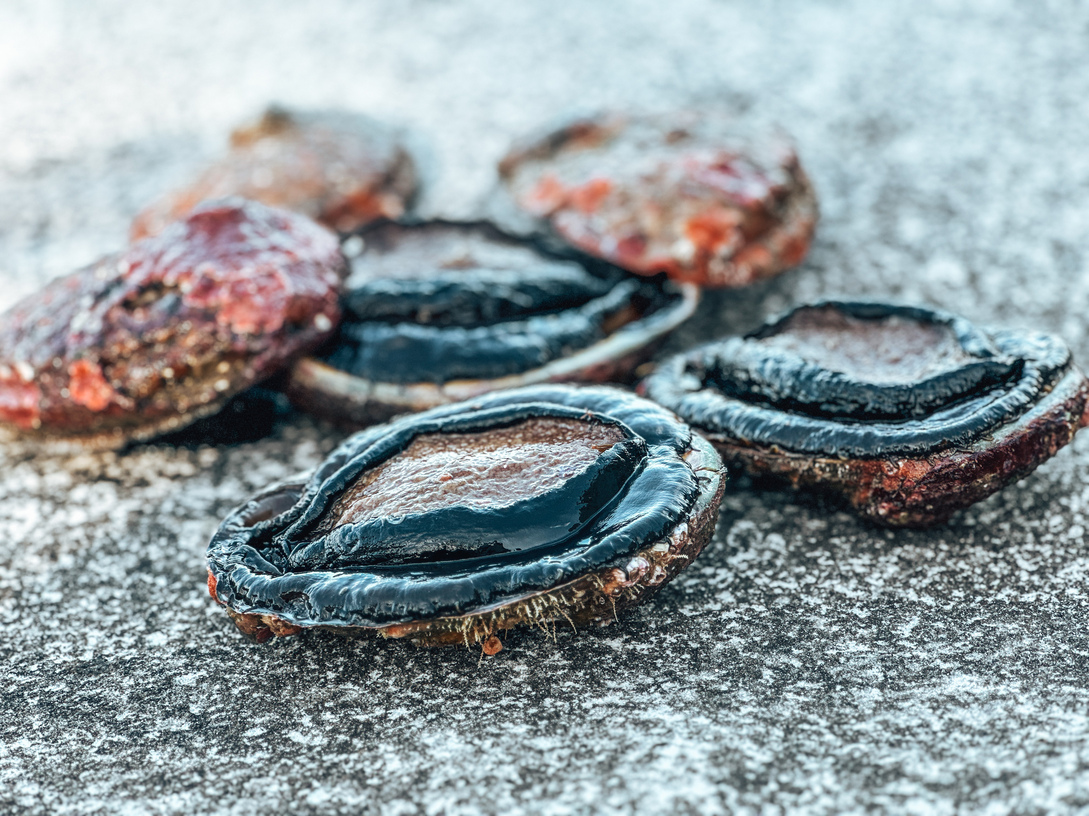
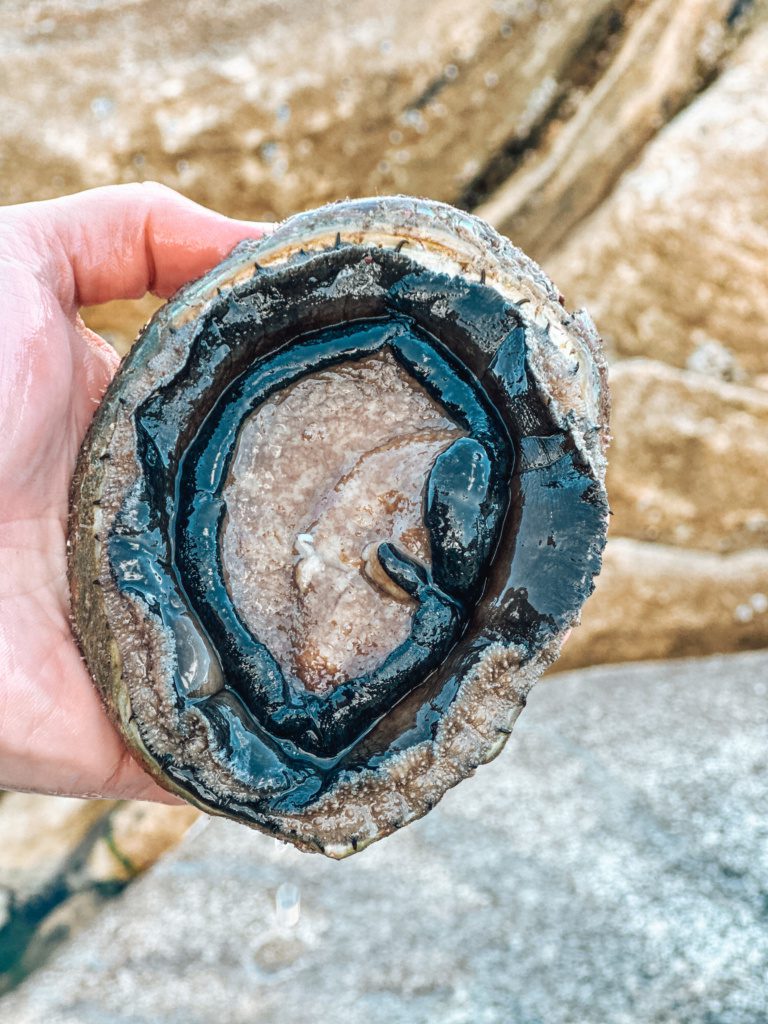
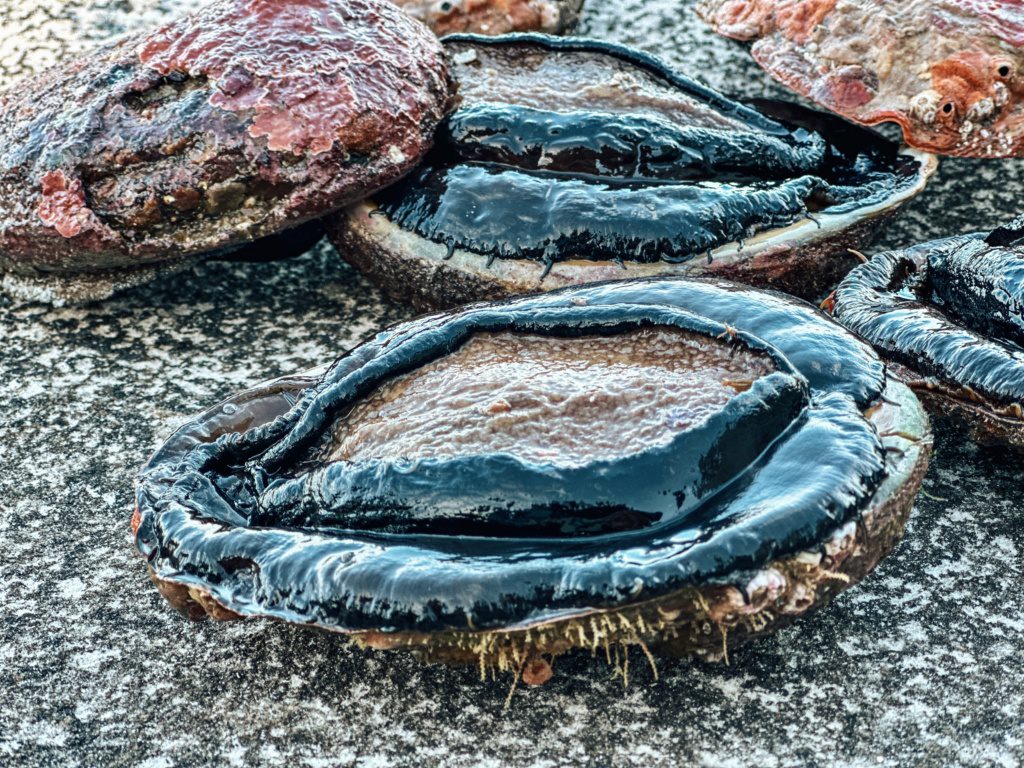
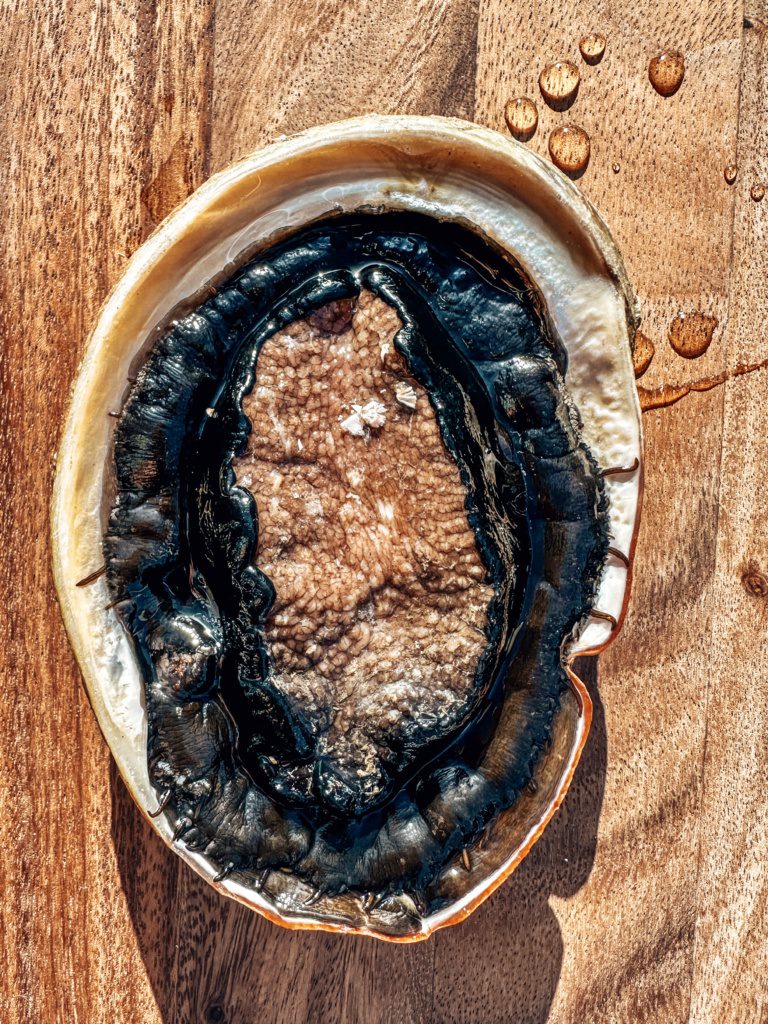
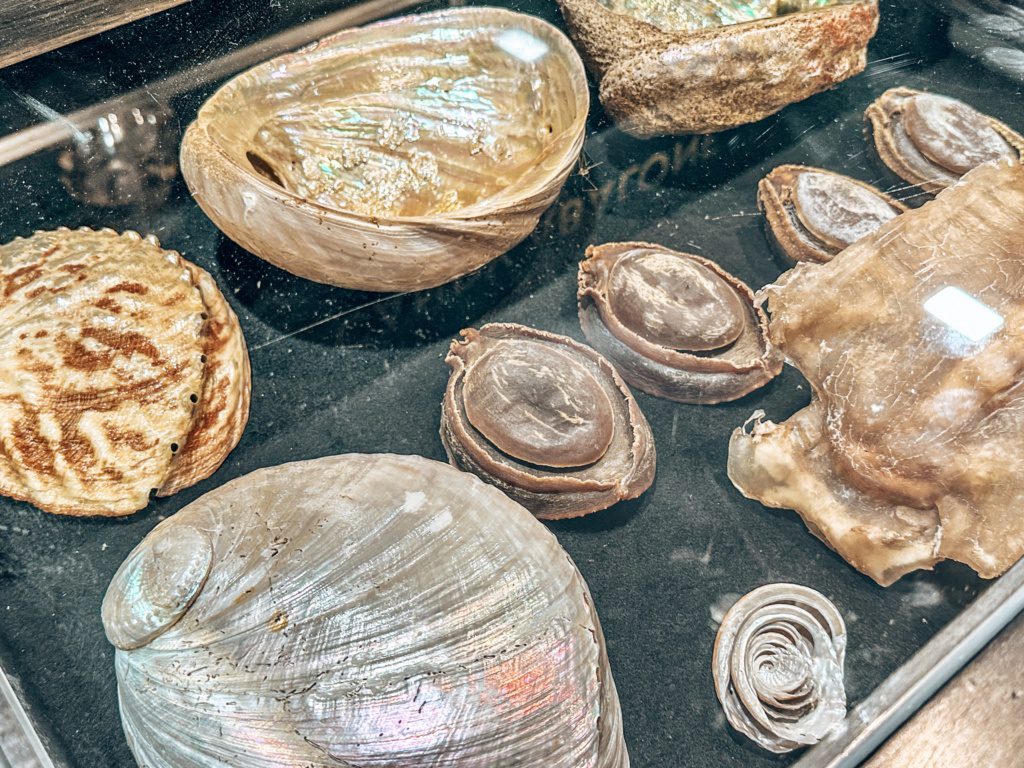
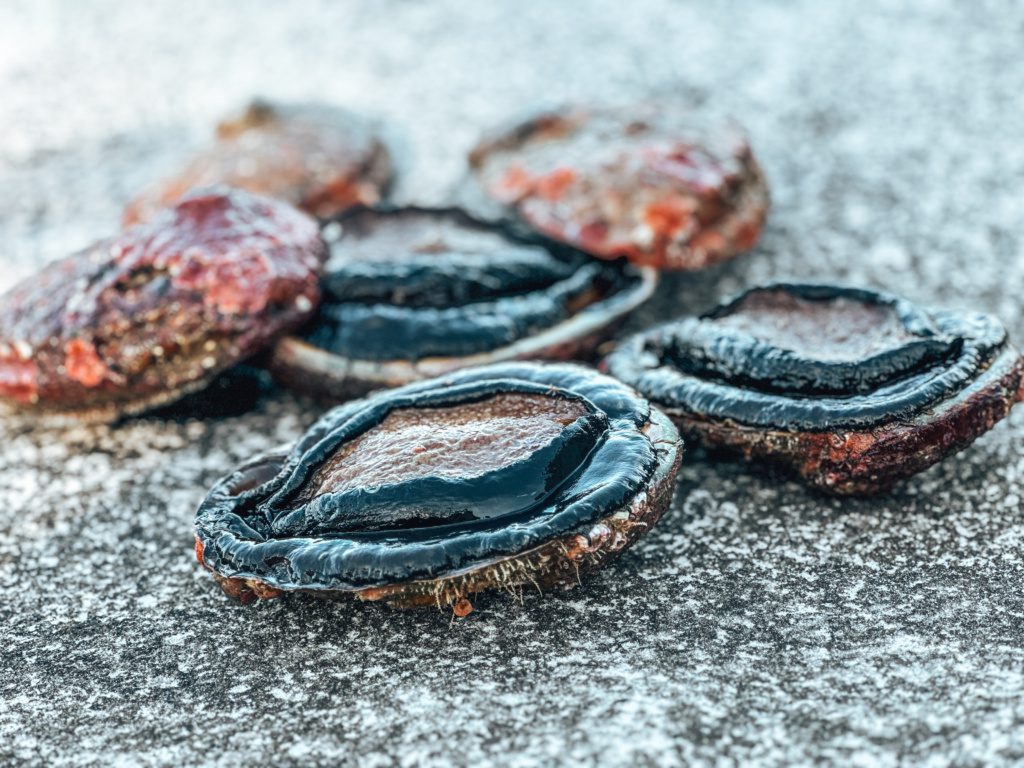
Abalone is a large marine gastropod—a type of sea snail—with a striking iridescent shell and firm, muscular flesh.
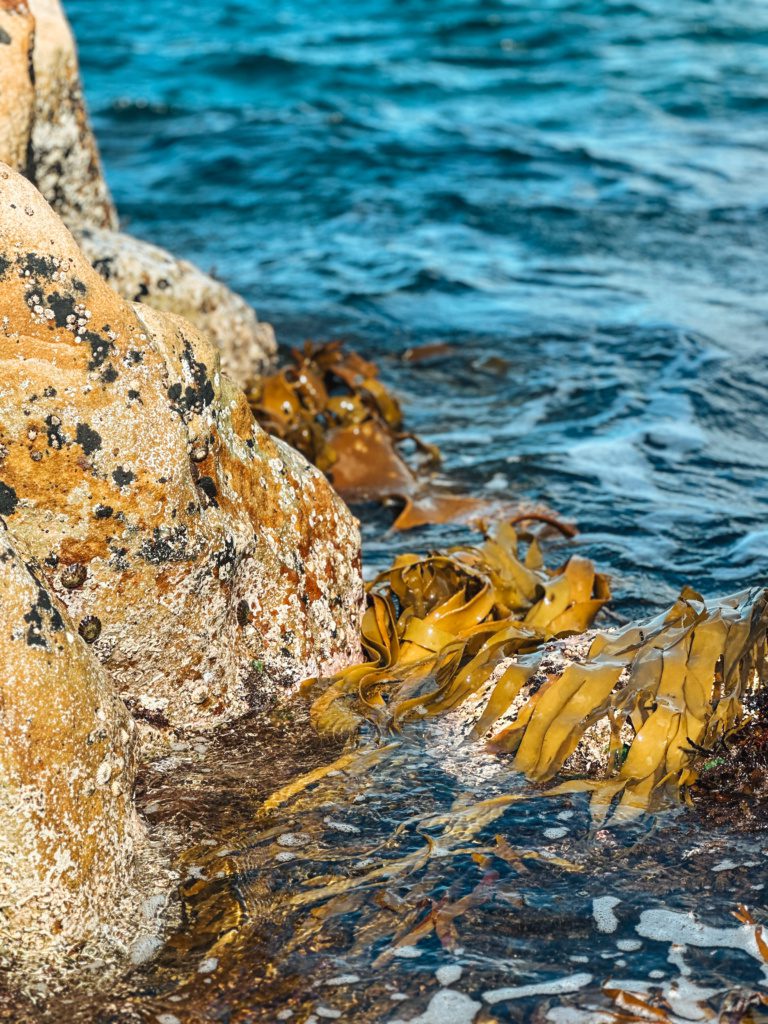
Known scientifically as Haliotis, it clings tightly to rocky coastlines, grazing on algae in cold, clean waters.
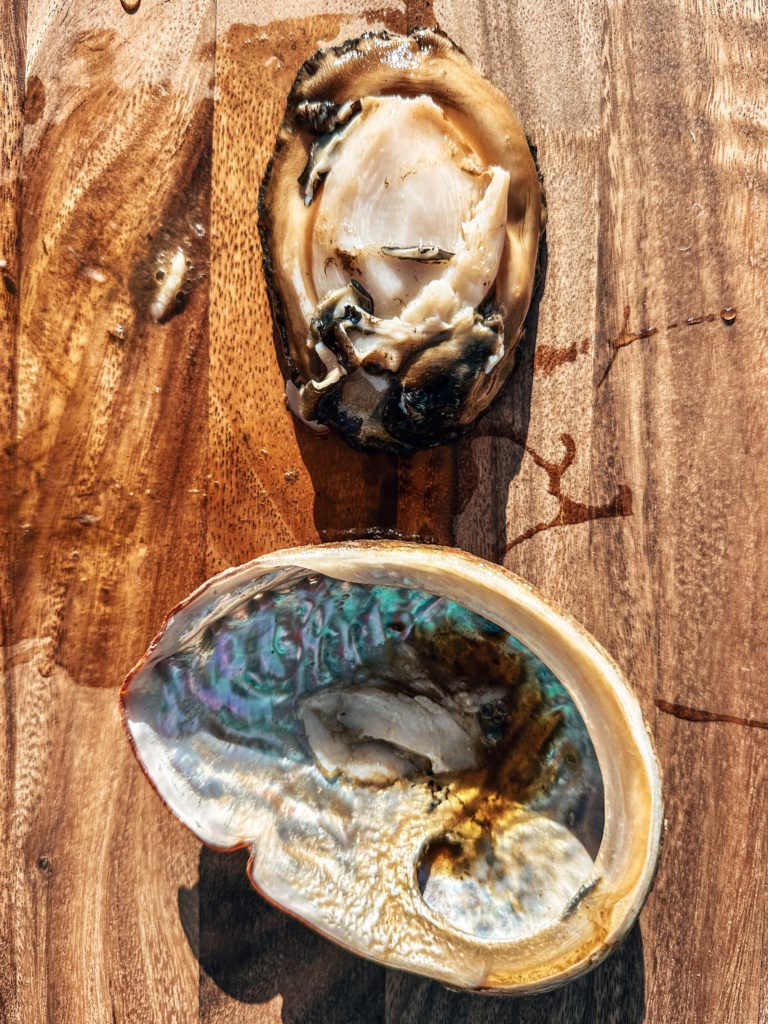
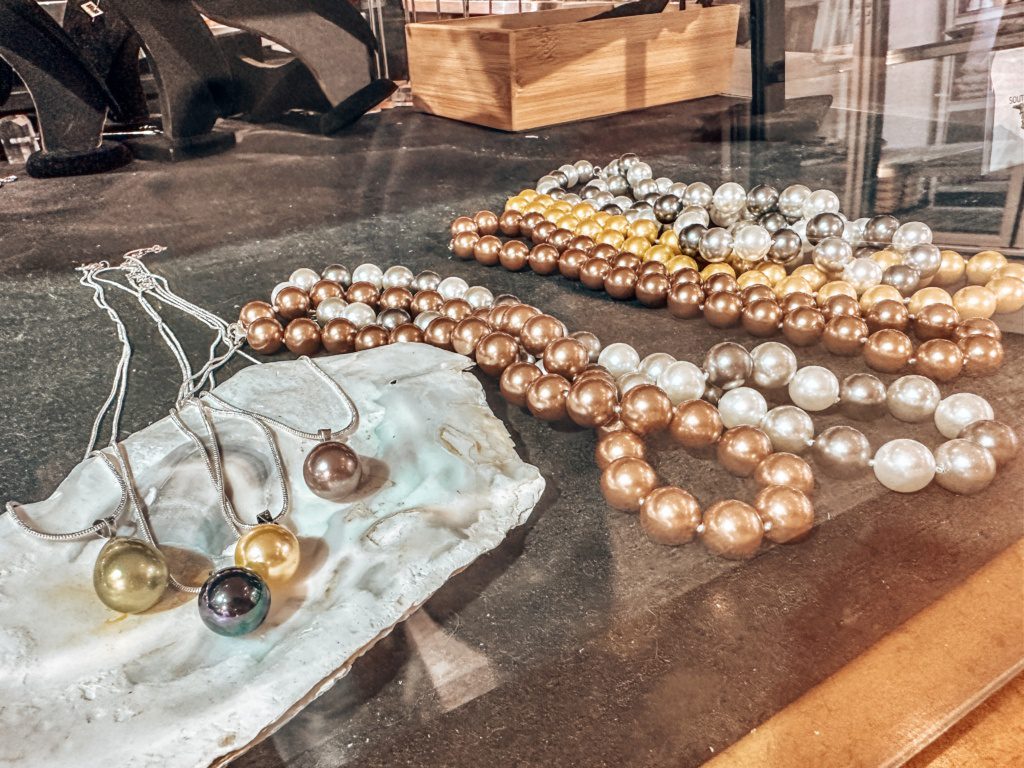
The shell’s pearly interior has been used for jewelry and decoration for centuries, while the meat has become one of the most coveted delicacies in the world.
You might also like: Tsukiji Fish Market in Tokyo: A Food Traveler’s Guide
Where Abalone Is Found (and Thrives)
Abalone is found in coastal waters across the globe, but it thrives best in cold, nutrient-rich oceans. Some of the most abundant and renowned regions include:
- Australia, especially Tasmania, South Australia, and Victoria
- Japan and Korea
- China (largely farmed today)
- South Africa
- California and Baja California
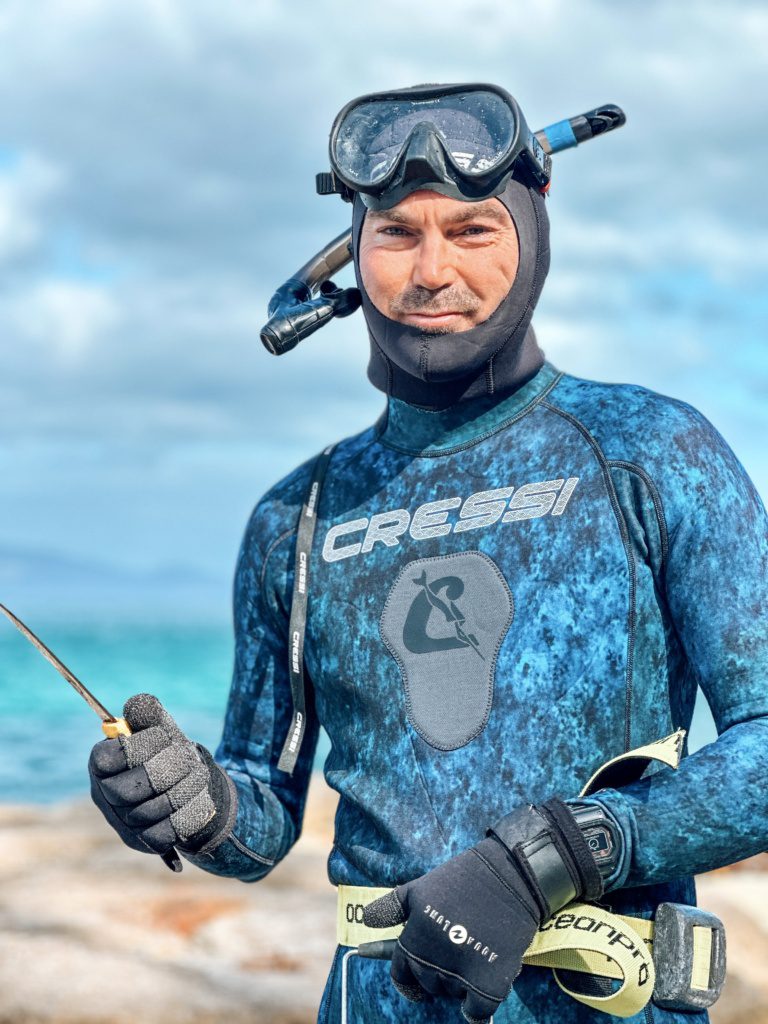
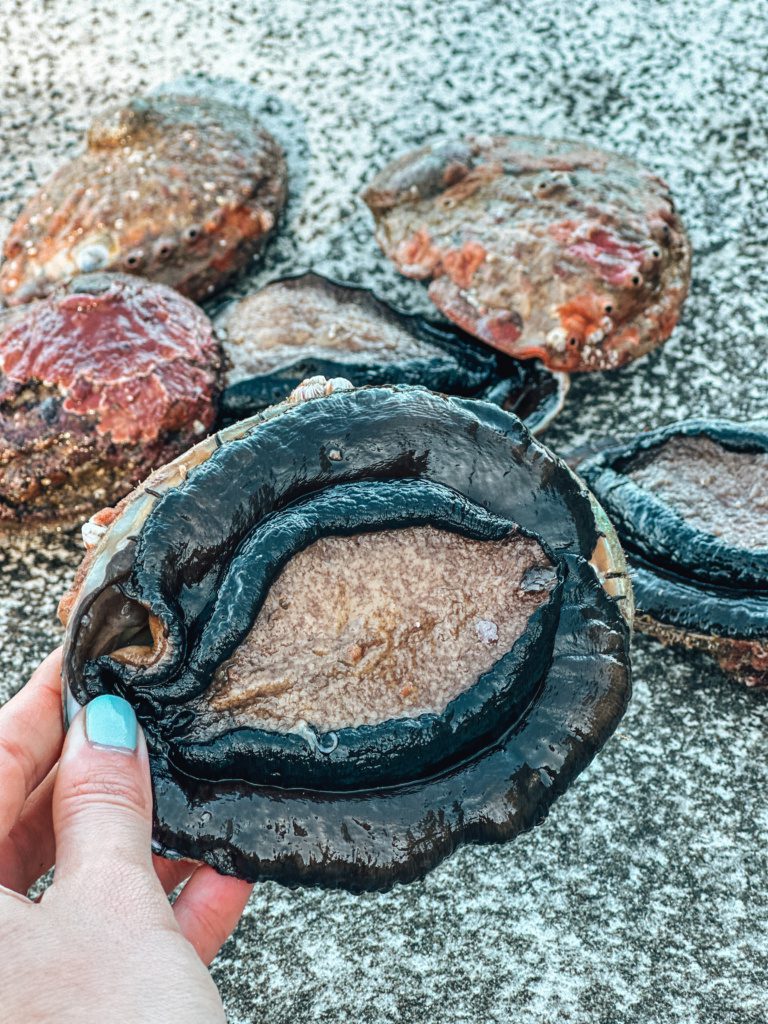
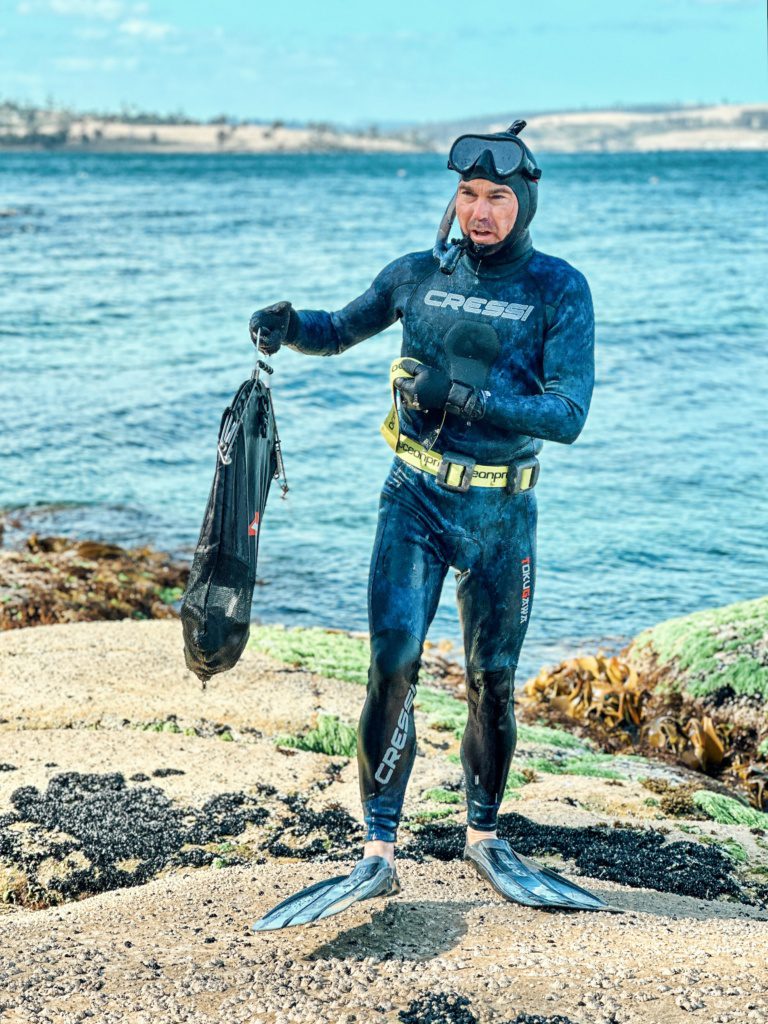
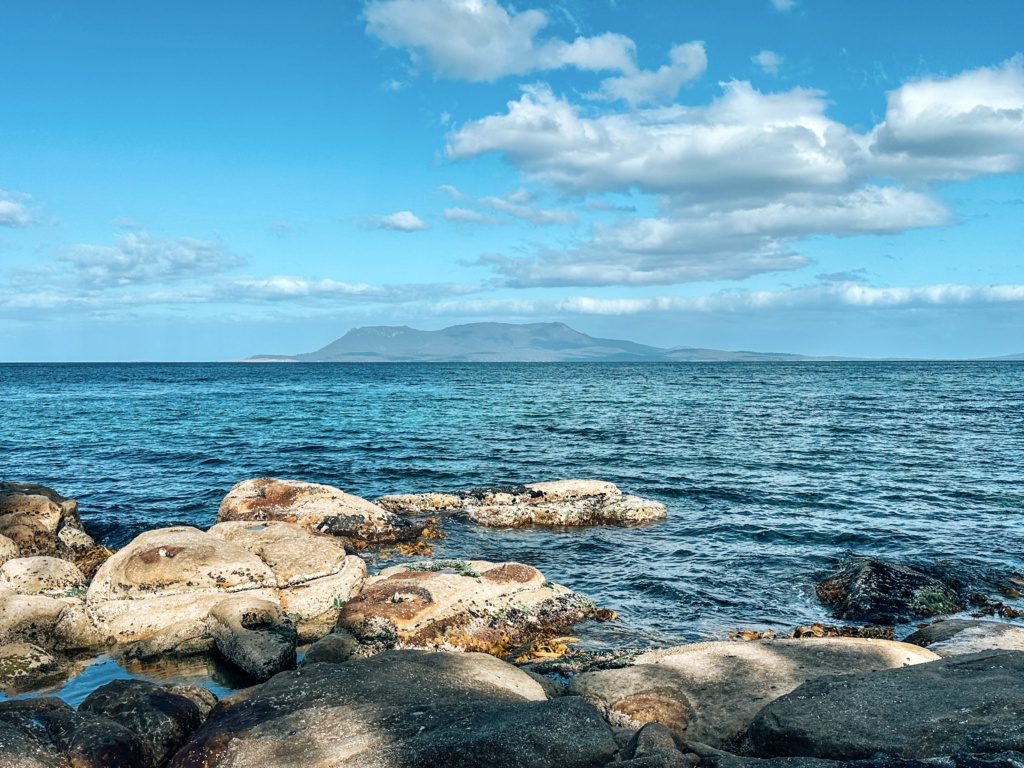
Tasmania, in particular, is often considered the gold standard. Its pristine waters and strict fishing regulations produce abalone with exceptional texture and sweetness.
So good, in fact, that much of it is exported before locals ever see it.
You might also like: What is Poke And Why You Won’t Find Poke Bowls in Hawaii
Why Is Abalone So Prized?
Several factors contribute to abalone’s luxury status:
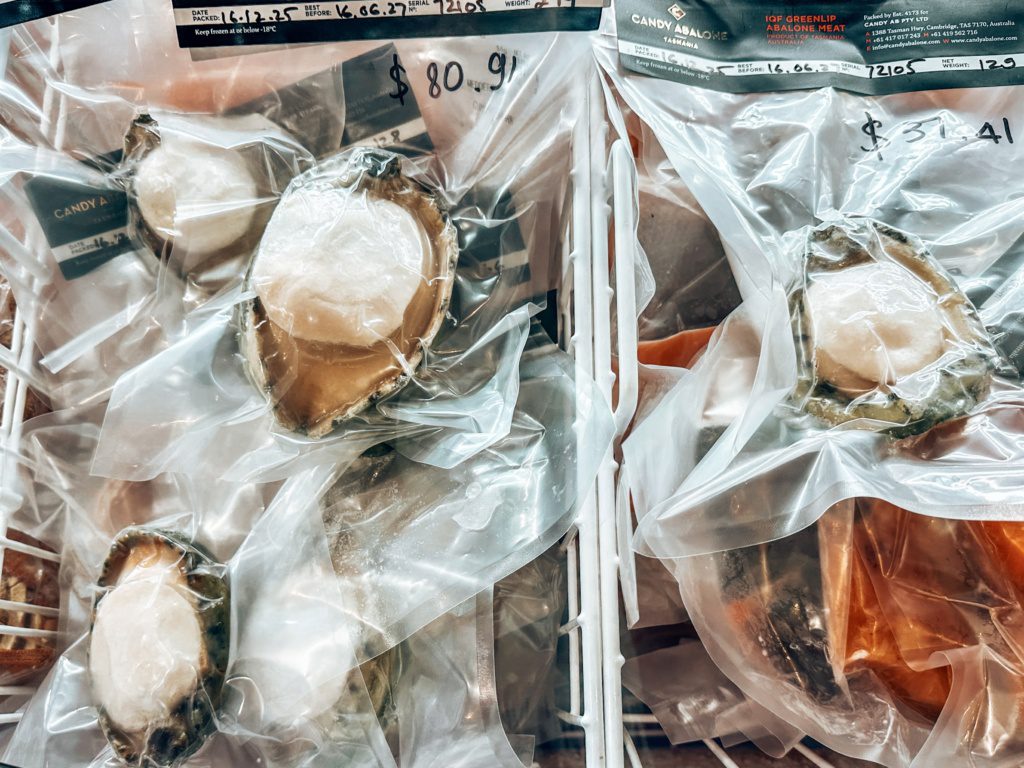
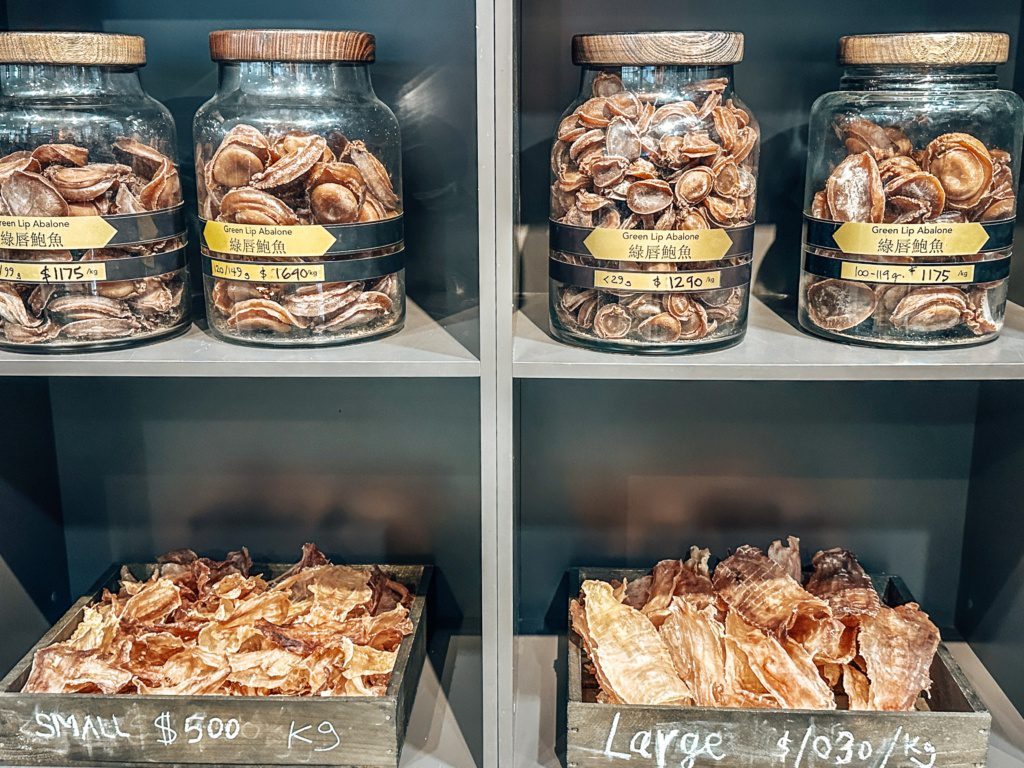
- Scarcity: Wild abalone grows slowly and has been heavily overfished worldwide.
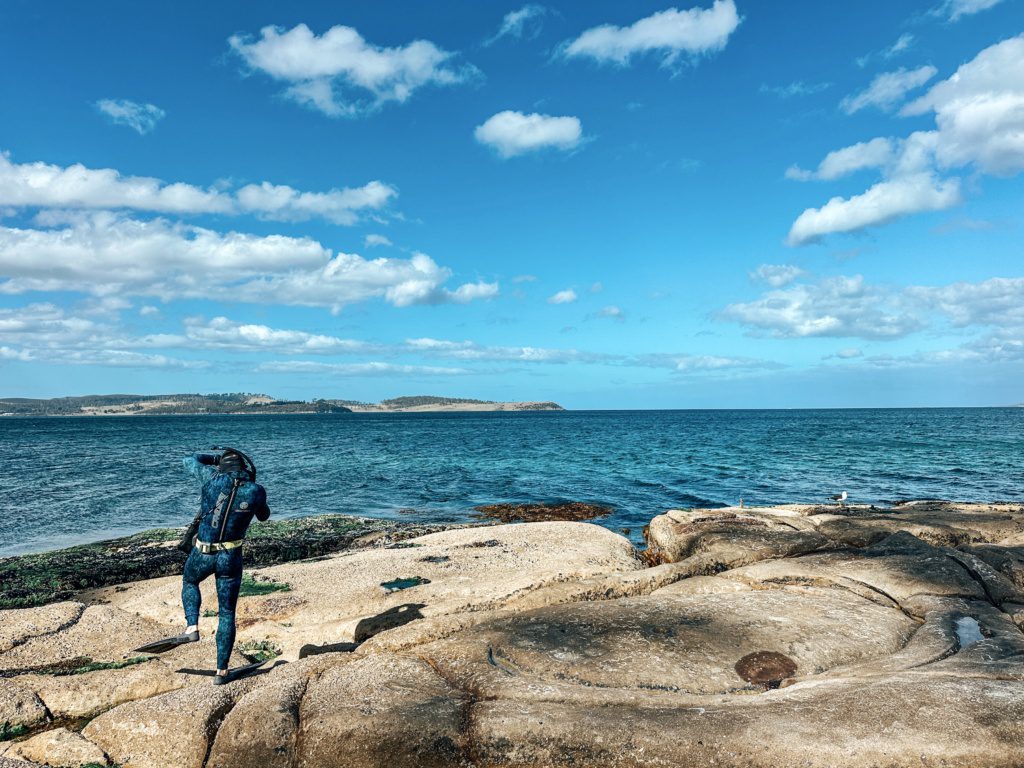
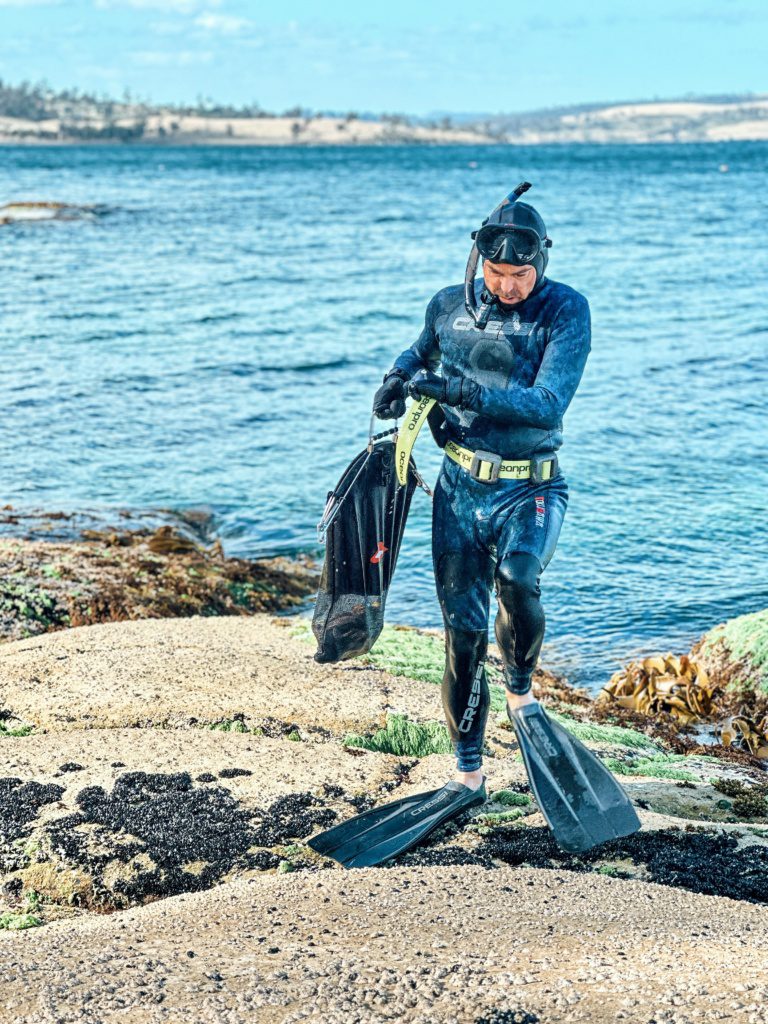
- Labor-intensive harvesting: Most wild ones must be hand-dived.
- Cultural demand: In Chinese cuisine, it symbolizes wealth, prosperity, and celebration.
- Texture and flavor: When prepared well, it’s delicately sweet, briny, and satisfyingly chewy.
This combination of rarity, tradition, and difficulty makes abalone one of the most expensive seafood items on the planet.
You might also like: The History of Nikkei Cuisine (And What’s Nobu Got To Do With It)
How Is It Eaten Around the World
The mollusk delicacy takes many forms depending on where you are:
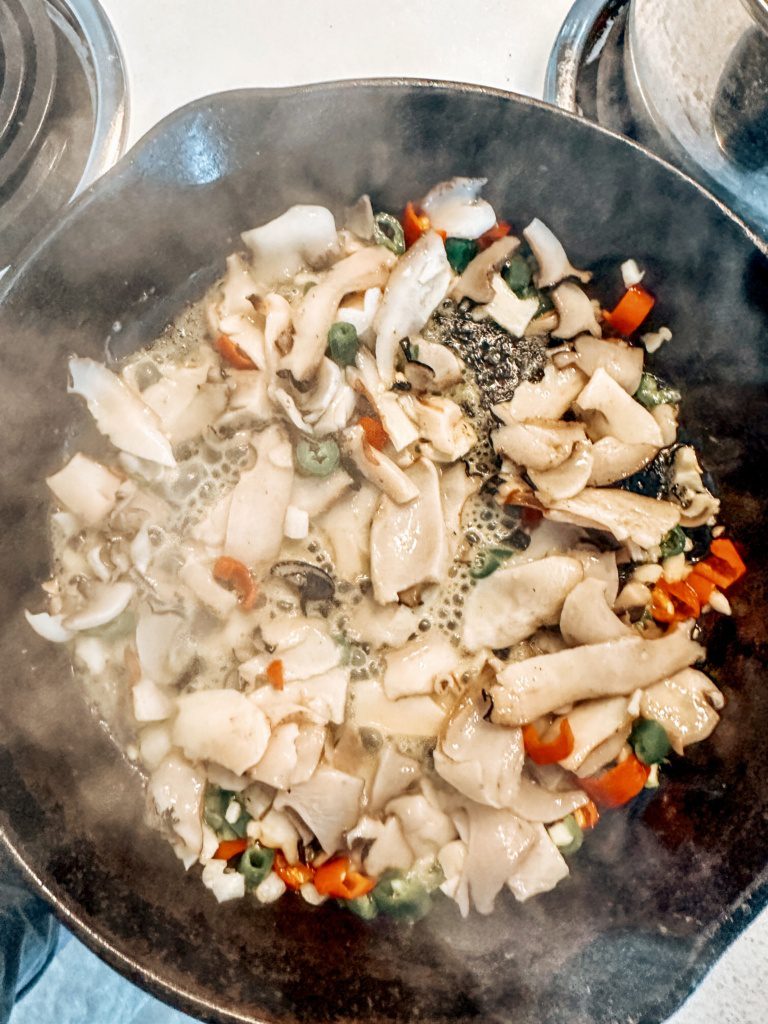
- China & Hong Kong: Often braised slowly with oyster sauce and mushrooms for special occasions
- Japan: Served raw as sashimi, lightly grilled, or simmered
- Korea: Used in porridge (jeonbokjuk)
- South Africa: Sometimes dried or canned for export
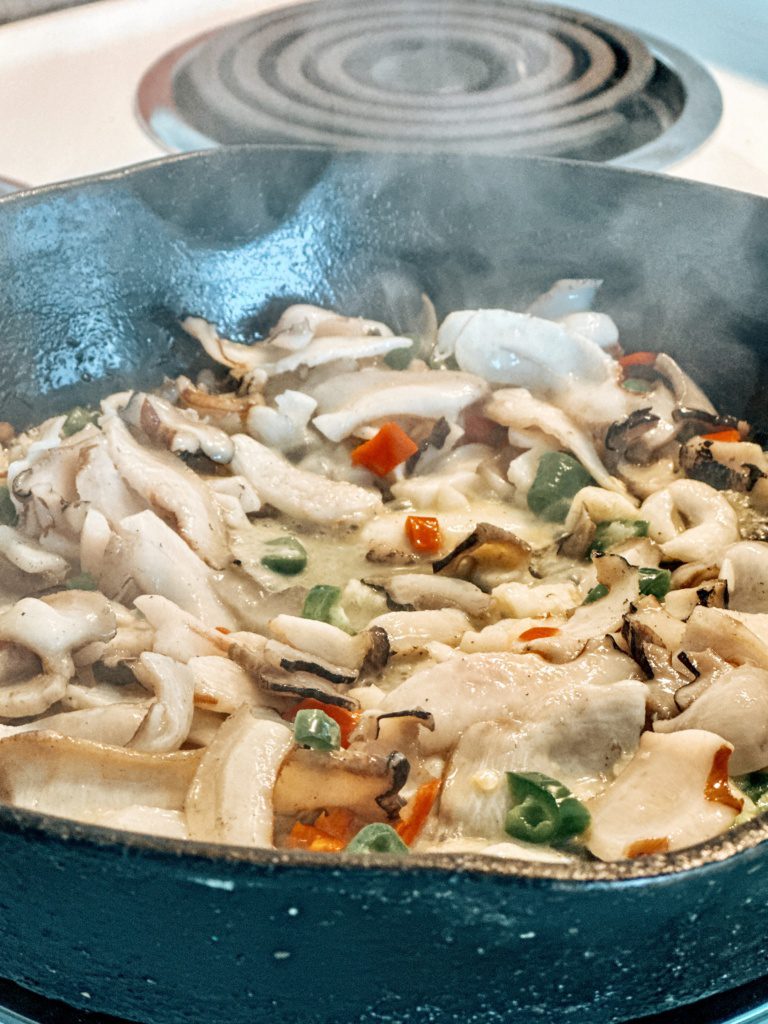
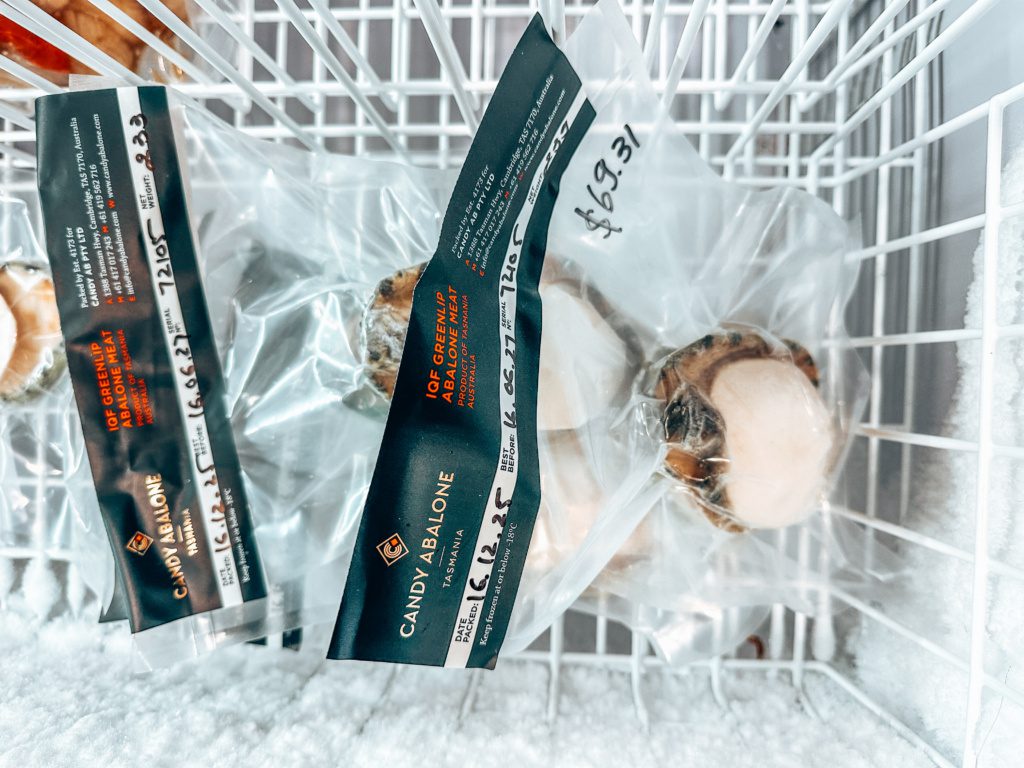
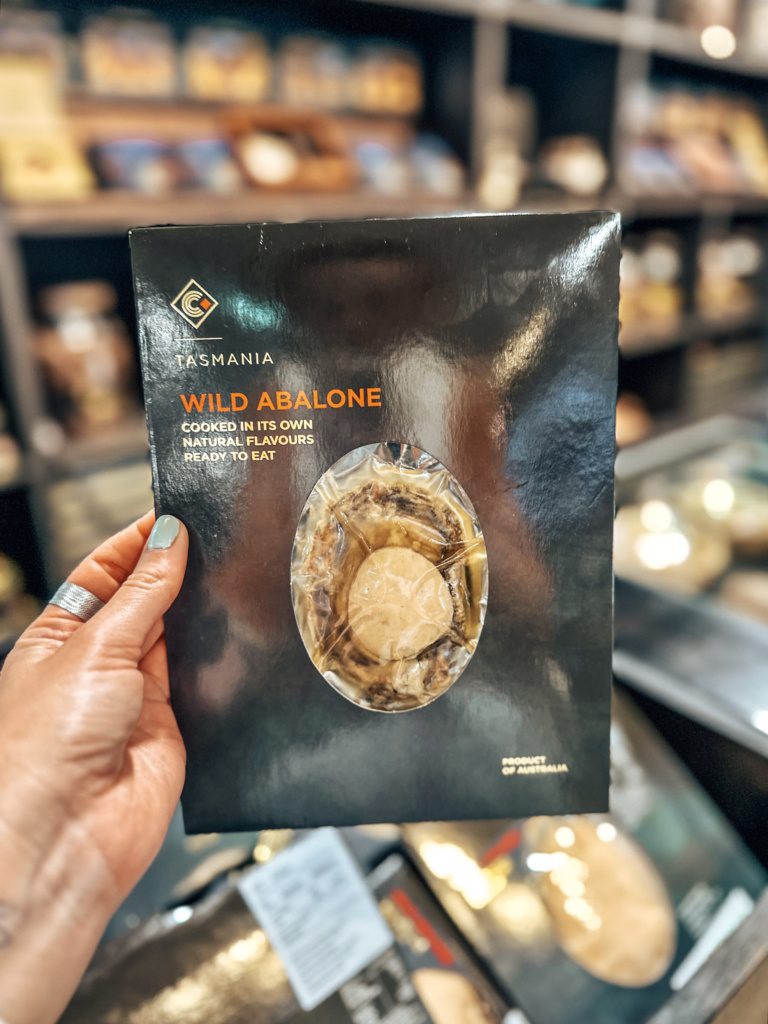
- Australia (Tasmania): From ultra-fresh slices to quirky local creations
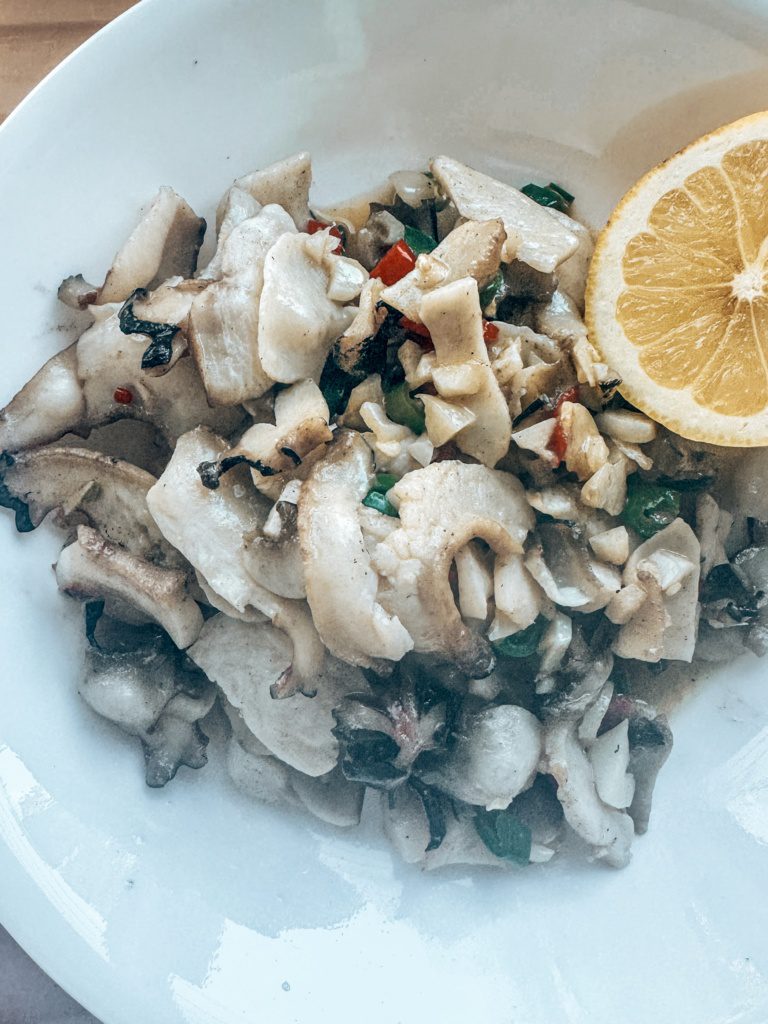
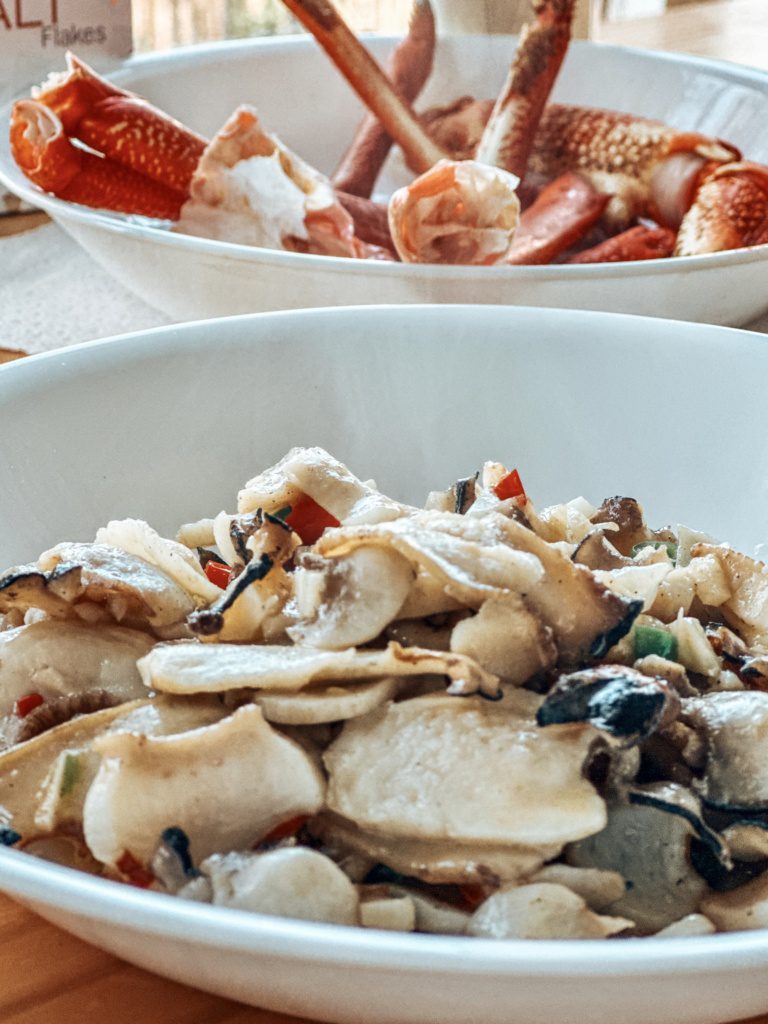
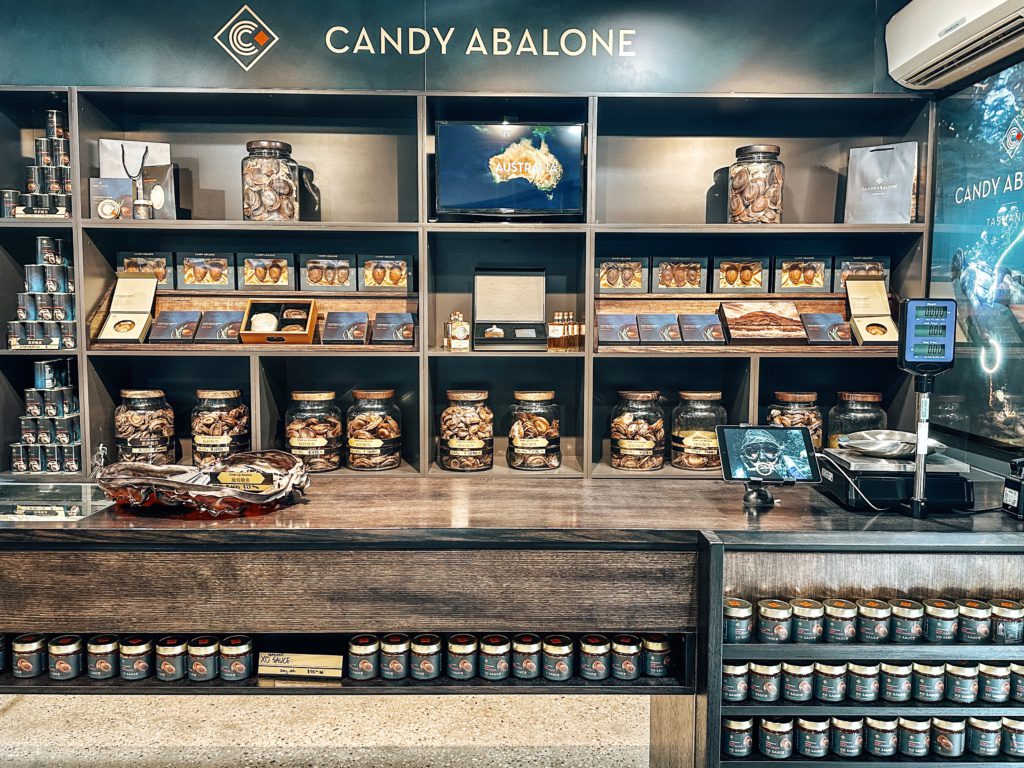
That Tasmanian candy abalone—sweet, chewy, and totally unexpected—perfectly captures how regional creativity can transform even the most traditional luxury ingredient.
You might also like: Puerto Nuevo Lobster: A Mexican Fishing Village Like No Other
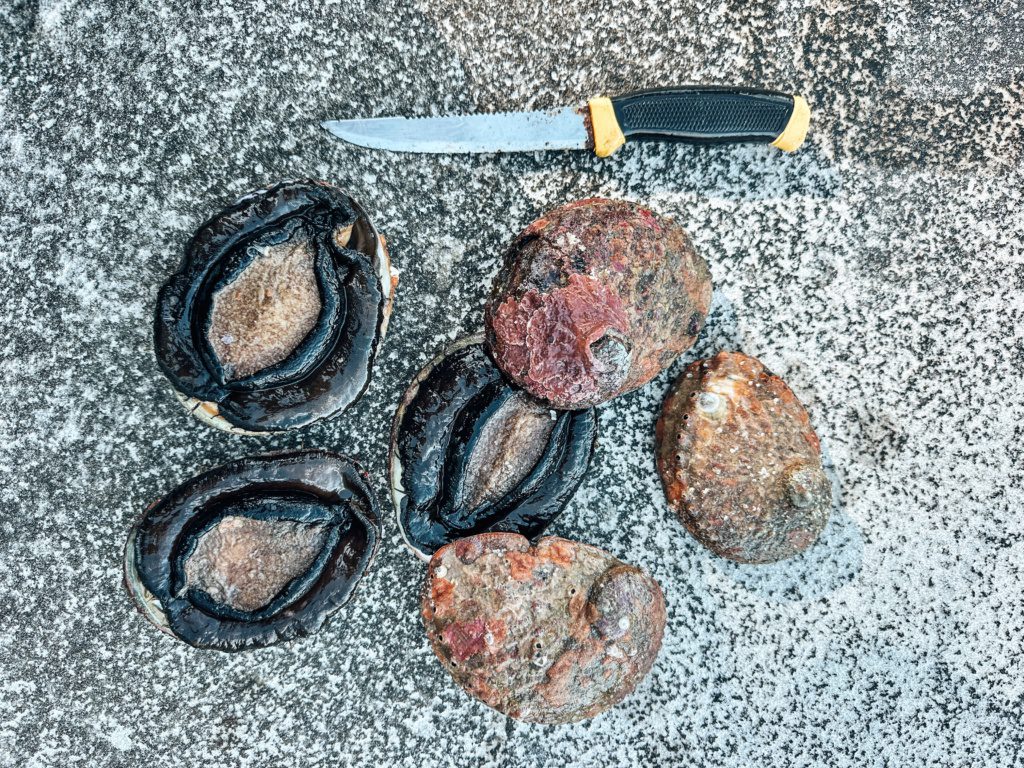
Catching and Preparing Abalone Yourself
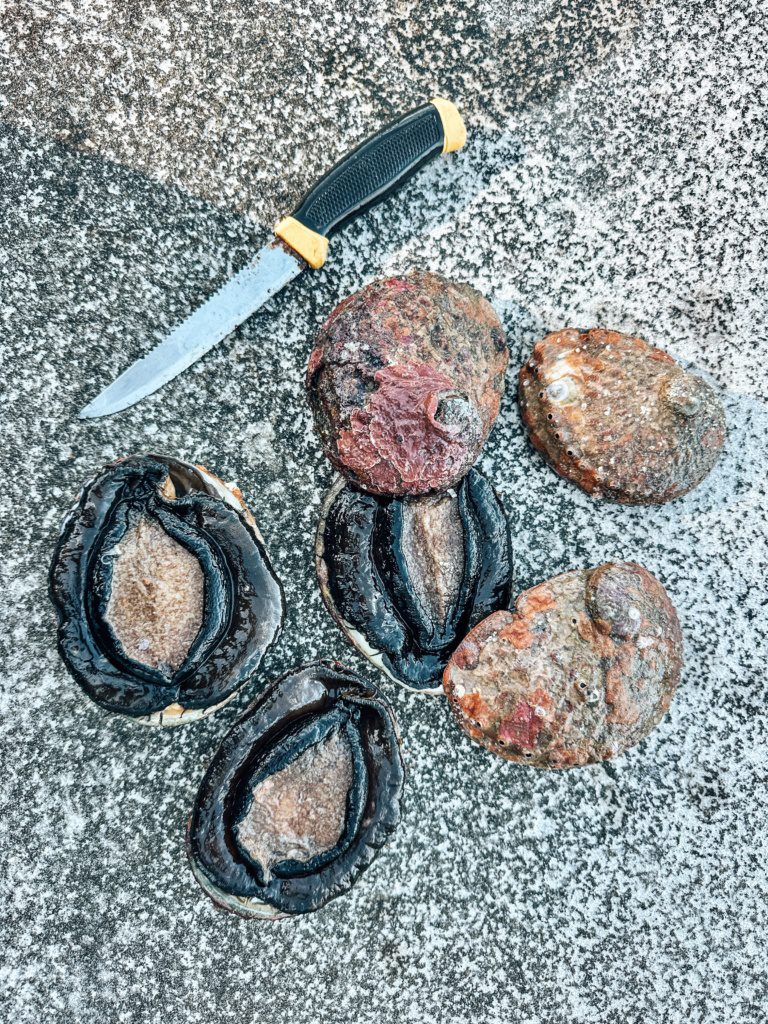
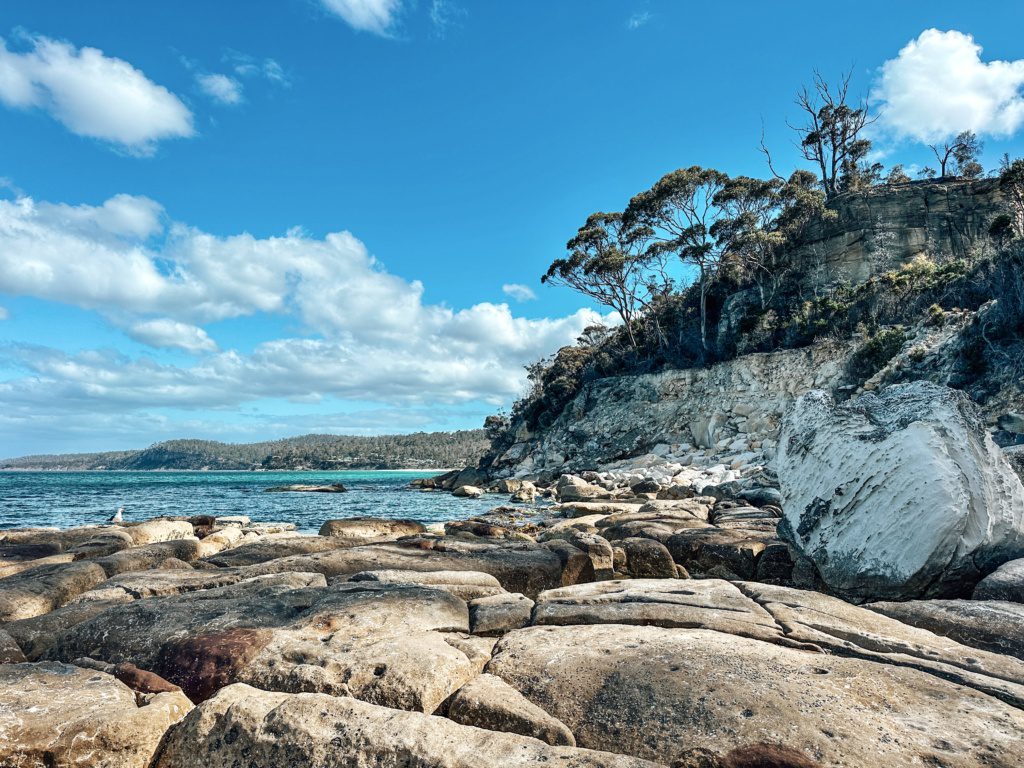
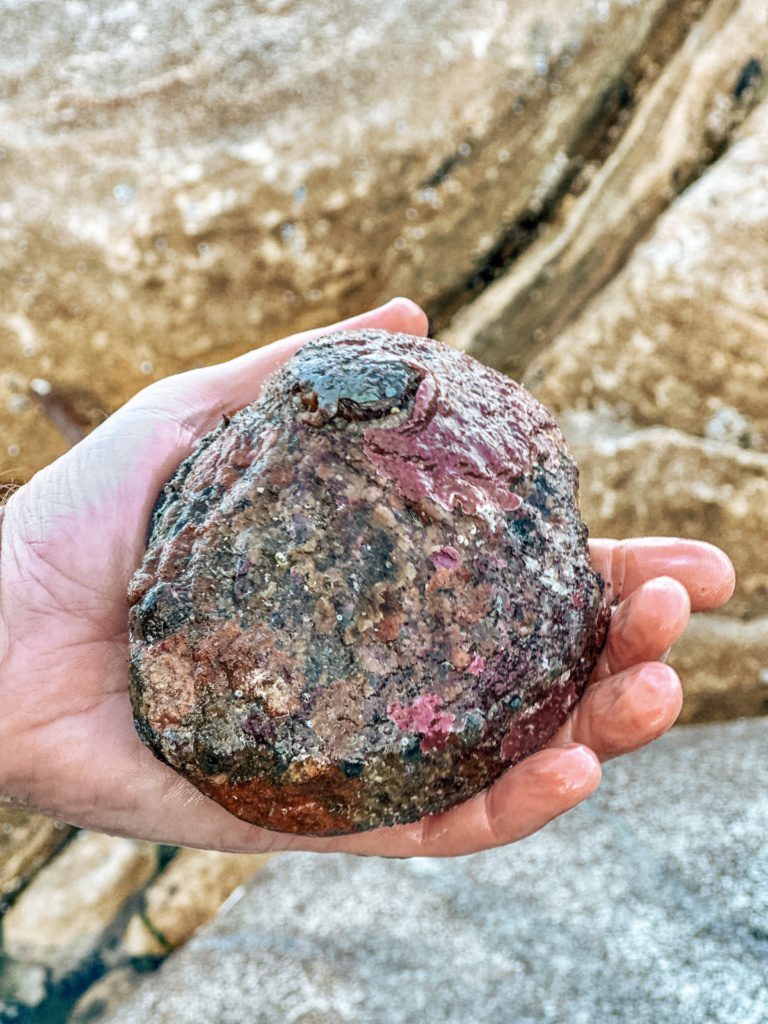
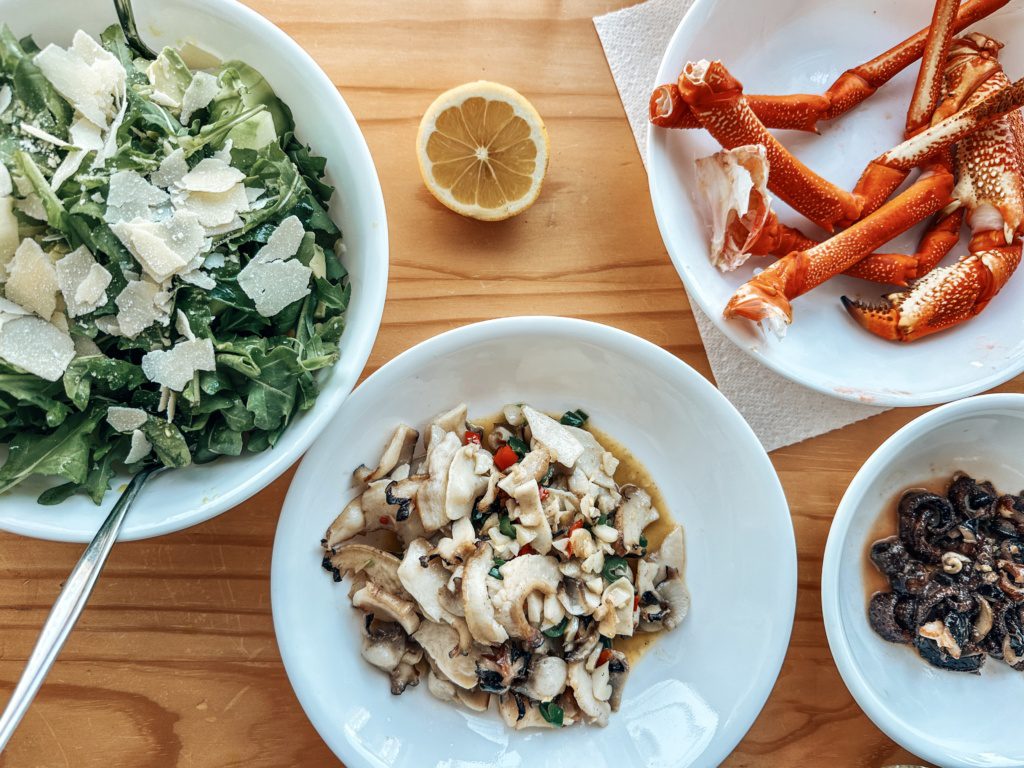
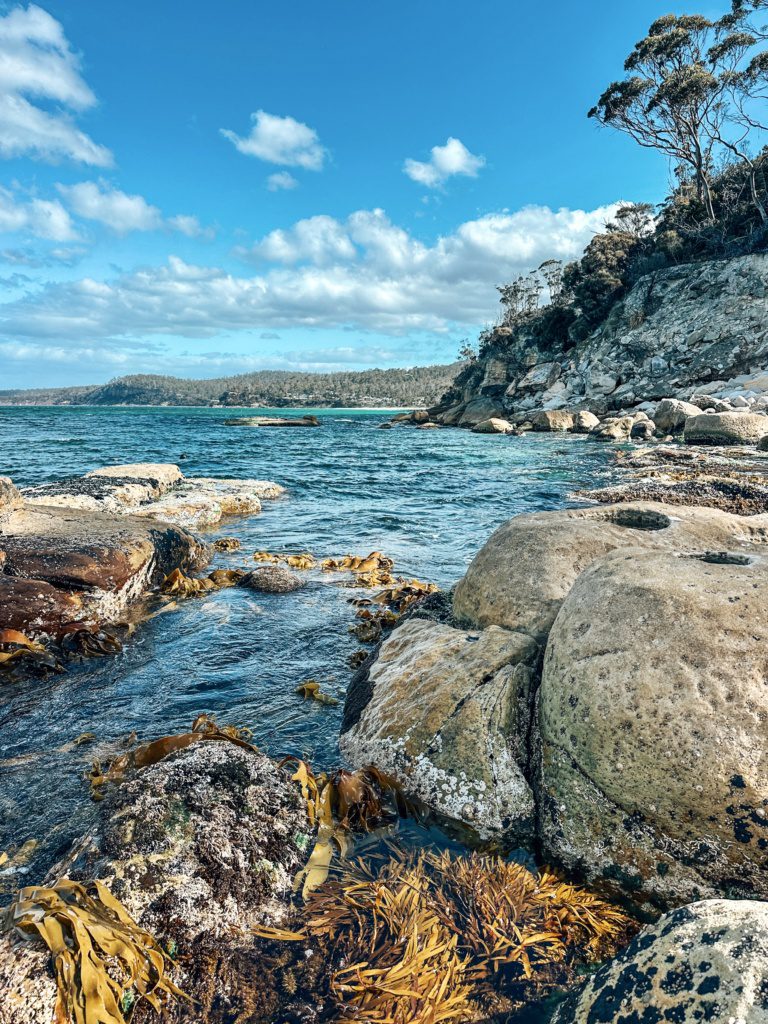
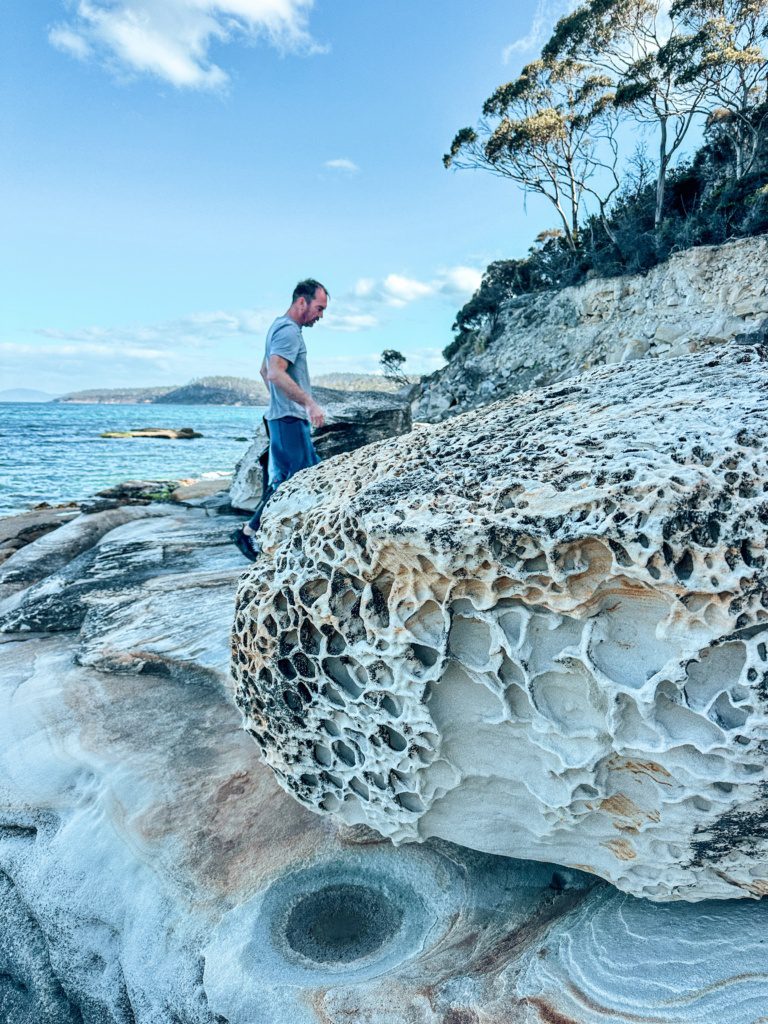
We were lucky enough to experience abalone at its purest—fresh from the sea on a recent trip to Tasmania.
Note: If you plan to do the same, you absolutely need a permit, and regulations are strictly enforced, for good reason.

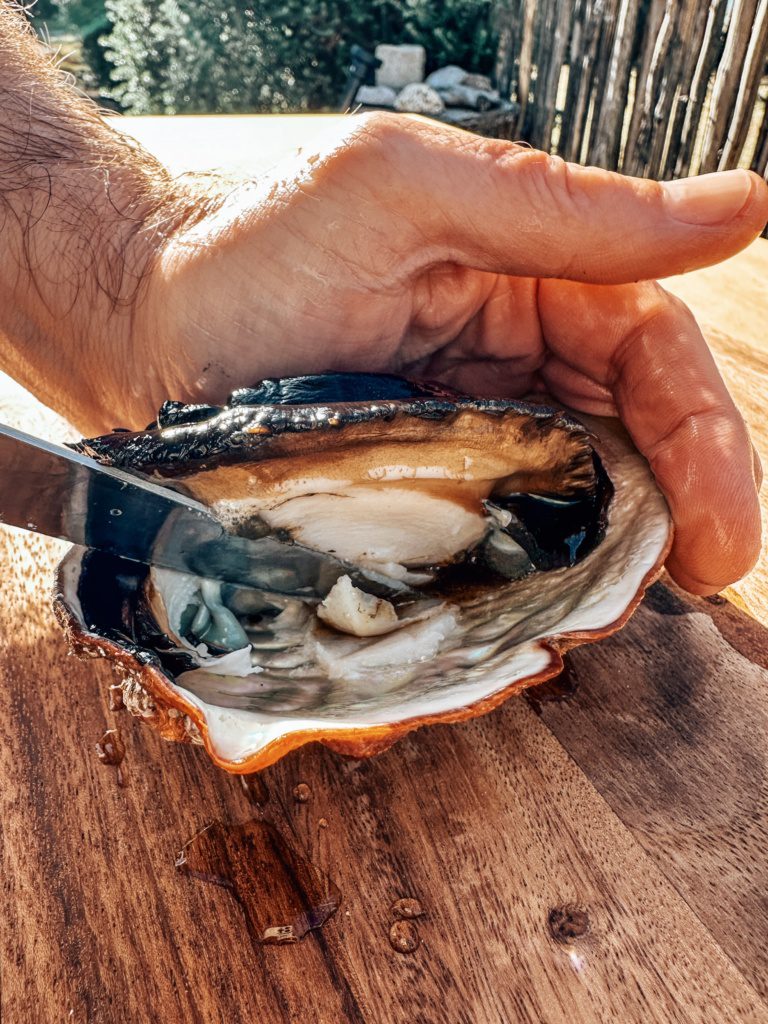
Preparing wild abalone is surprisingly simple but requires care:
- Tenderize it: Abalone is famously tough. Gently pounding or slicing thinly is essential.
- Clean thoroughly: Remove the guts and scrub away sand and debris.
- Keep it simple: A quick sear in butter, a flash grill, or thin raw slices lets the ocean flavor shine.
Fresh abalone doesn’t need much—just respect.

You might also like: What To Eat In Belize in 2025: The History, Flavors and Sustainability of Belizean Cuisine
Why Abalone Feels So Mysterious
Despite its prestige, abalone remains oddly elusive. Many people have heard of it but never tasted it.
It rarely appears on casual menus, and when it does, it’s often hidden behind fine-dining prices or banquet-only dishes.
Add to that its cultural symbolism and protected status, and it becomes less a food and more a legend—something talked about far more than experienced.
You might also like: 5 Best Fish Tacos In Ensenada, Baja California
Is Abalone Worth the Price—or Just Hype?
This is the big question.
If you’re expecting fireworks, the storied sea snail may disappoint. It’s subtle, not showy. The flavor is delicate, the texture unique but not universally loved.
Much of its value comes from scarcity, symbolism, and market demand, not bold taste.
But tasted fresh—really fresh—it offers something rarer: a direct connection to the sea. In that context, it absolutely earns its place.
You might also like: Where to Eat in Tulum Like a Local (Hint: Nowhere Near the Beach)
Sustainability and the Future of Supply
Overfishing has devastated wild populations in many parts of the world, leading to strict quotas, seasonal closures, and a growing reliance on aquaculture.
Sustainable farming has helped reduce pressure on wild stocks, but illegal harvesting remains a serious issue.
It is a reminder that luxury foods often come with hidden environmental costs—and that restraint matters.
You might also like: Food in Australia: 8 Traditional Flavors to Savor Down Under
Final Thoughts: Enjoy, But Don’t Chase
Abalone is worth trying once. Especially if you ever get the chance to taste it fresh from the ocean, where it feels less like a status symbol and more like a gift from the sea.
But it’s not something to chase endlessly or consume without thought. Enjoy it in moderation. Respect the waters it comes from. And resist the hype that turns natural wonders into commodities.
If we want our oceans to keep working with us—and not just for us—sometimes the most luxurious choice is knowing when to stop.
Have you tried abalone? Did it live up to the hype? Let us know in the comments or tag @eightyflavors on socials!
OUR TRIED AND TESTED FOOD TRAVEL RESOURCES: Book a hotel with Booking.com. Search for the best flight deals on Skyscanner. Find the best local food tours on Viator. Browse curated conscious group trips with GAdventures. Get your travel insurance with World Nomads.
Disclaimer: this post contains affiliate links. We’ll receive a small commission if you purchase through the link provided, at no extra cost to you. Thank you for your support in running this blog!