Costa Rican Cuisine: Classic Dishes, Local Drinks & Food-Forward Hotels
Looking for a guide to Costa Rican cuisine? Look no further.
Costa Rica is one of my favorite destinations for eco tourism and reconnecting with nature.
While it doesn’t quite boast a cuisine as rich as, say, Mexico, it offers plenty of fresh, delicious, organic, locally grown ingredients that locals transform into nourishing meals worth seeking out.


This is the essence of costa rican cuisine. Simple, honest food rooted in the land, supported by an abundance of tropical produce. Then elevated by freshness rather than technique.
You might also like: El Salvador Cuisine: 12 Must Try Salvadoran Foods and Drinks
The Spirit of Costa Rican Cuisine
What you’ll quickly realize is that costa rican cuisine isn’t about heavy sauces or elaborate presentation.



It’s about balance and tradition. It’s the kind of food that fuels a day spent hiking through rainforests, surfing along the Pacific, or spotting wildlife in lush national parks.
Meals often revolve around rice and beans, but never feel repetitive thanks to subtle variations, fresh herbs, and vibrant sides.


The History and Roots of Comida Tica
Comida tica has been shaped over centuries by a blend of Indigenous traditions, Spanish colonization, and Afro-Caribbean influence.
Before the arrival of the Spanish, native communities relied heavily on corn, beans, squash, and tropical fruits. Ingredients that still form the backbone of costa rican cuisine today.


Cooking methods were simple and resourceful, centered around what could be grown, foraged, or caught locally.
With Spanish colonization came new ingredients such as rice, cattle, and dairy, which gradually integrated into everyday cooking.
You might also like: What To Do And Eat in Granada, Nicaragua

They gave rise to dishes like gallo pinto and olla de carne.
Over time, African and Caribbean influences—especially along the country’s eastern coast—introduced coconut milk, spices, and new techniques that added depth and regional variation.
You might also like: Ethnic Tourism in Boruca, Costa Rica: What To Do, Eat And Drink



Unlike some of its neighbors, Costa Rica developed a cuisine defined less by opulence and more by accessibility, shaped by small-scale farming, a relatively egalitarian society, and a deep connection to the land.
The result is a culinary identity that feels humble yet deeply nourishing, rooted in tradition but quietly evolving with each generation.
Costa Rican Cuisine: Traditional Flavors to Seek Out

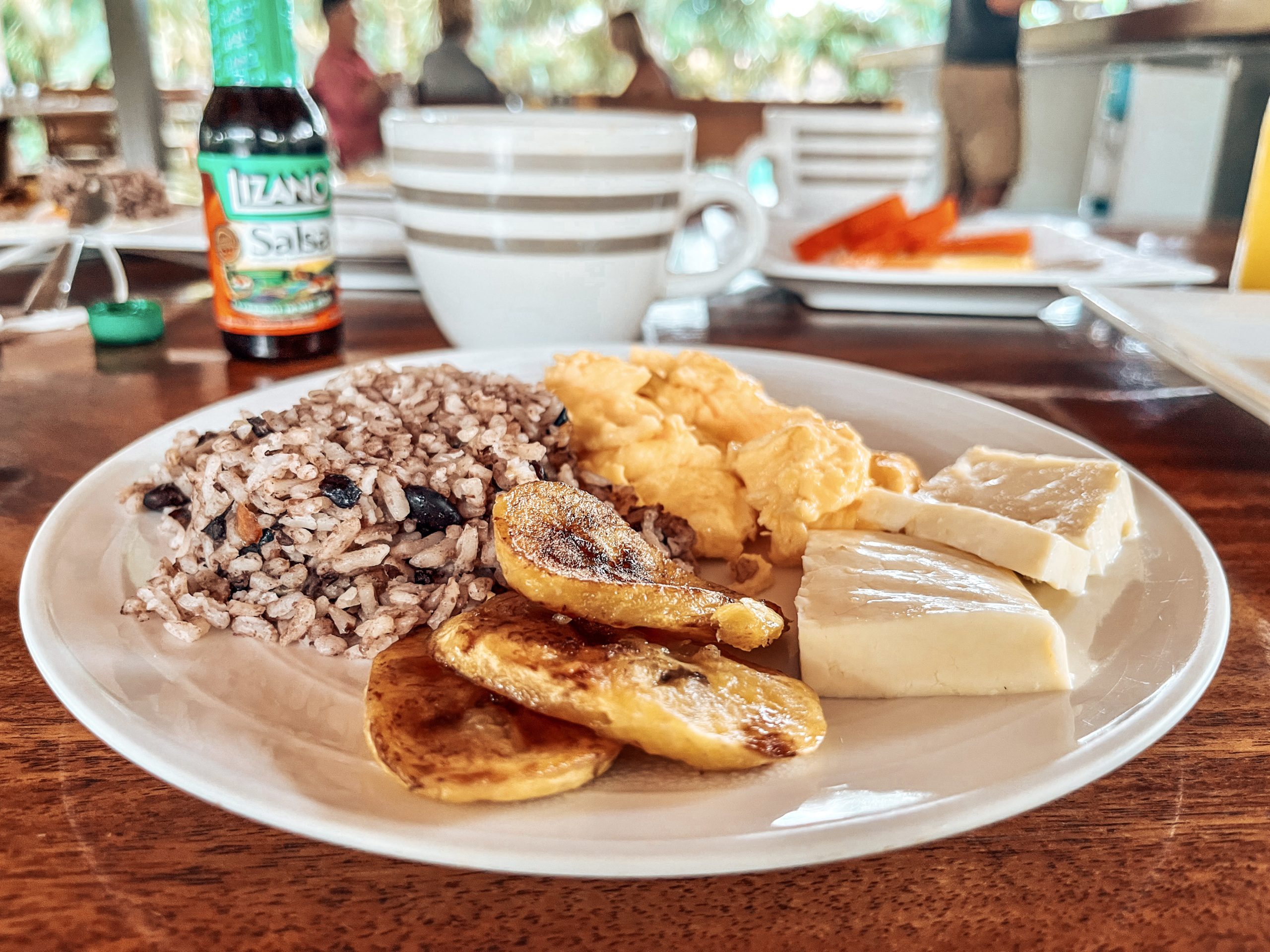
1. Gallo pinto
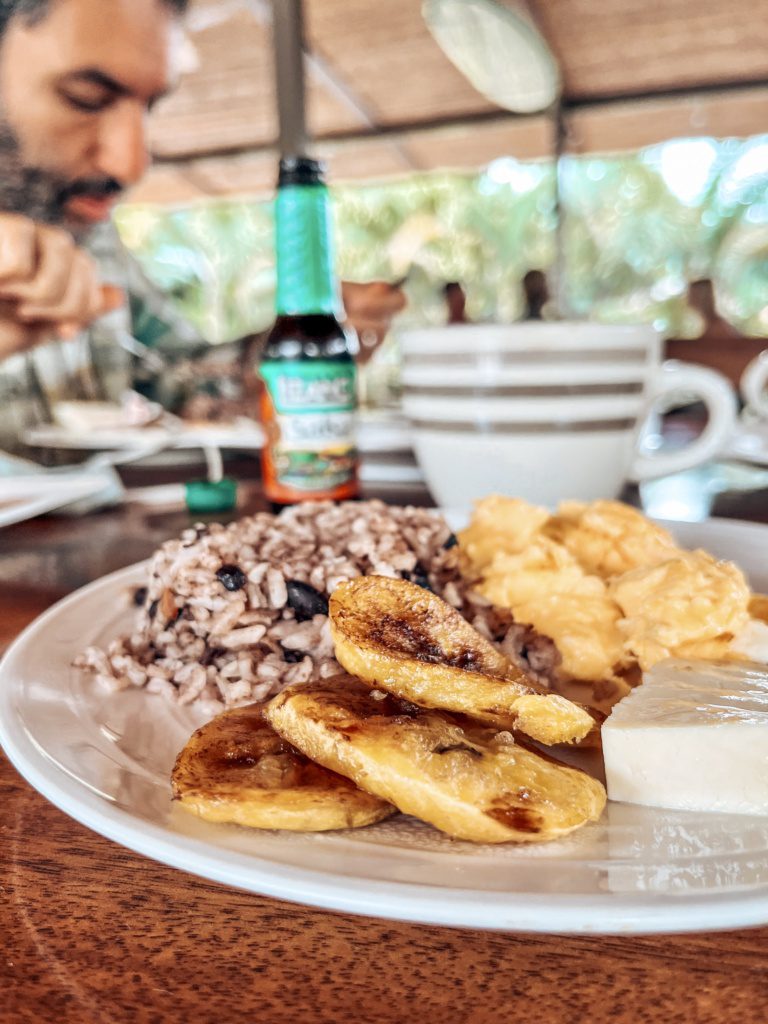
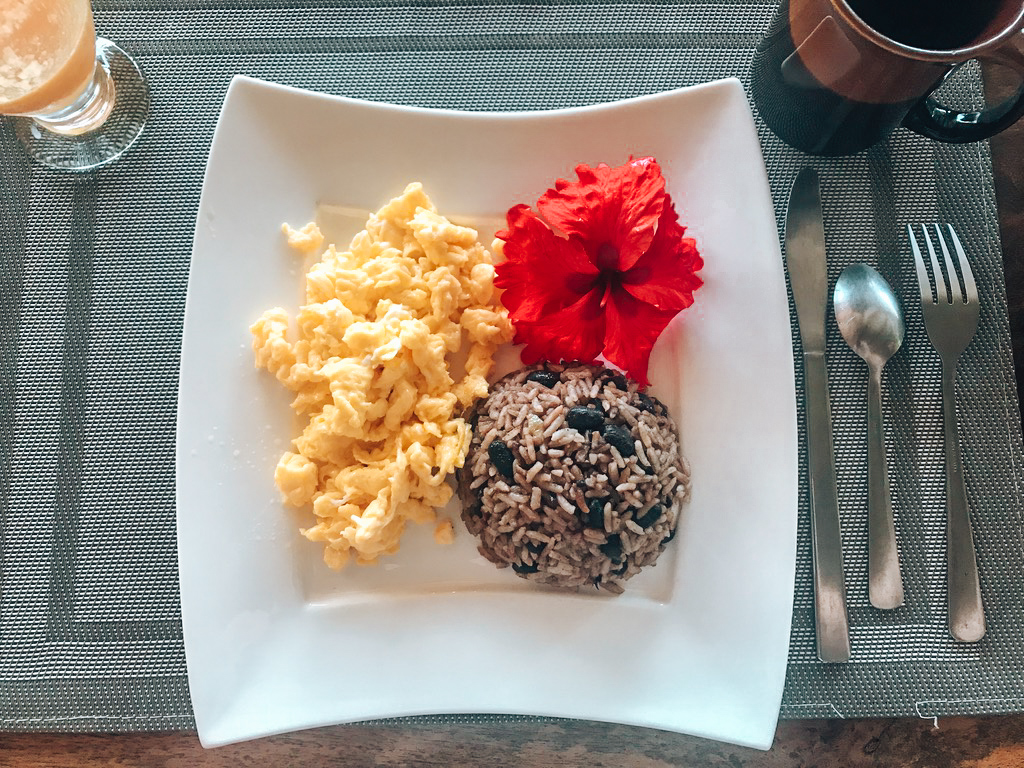
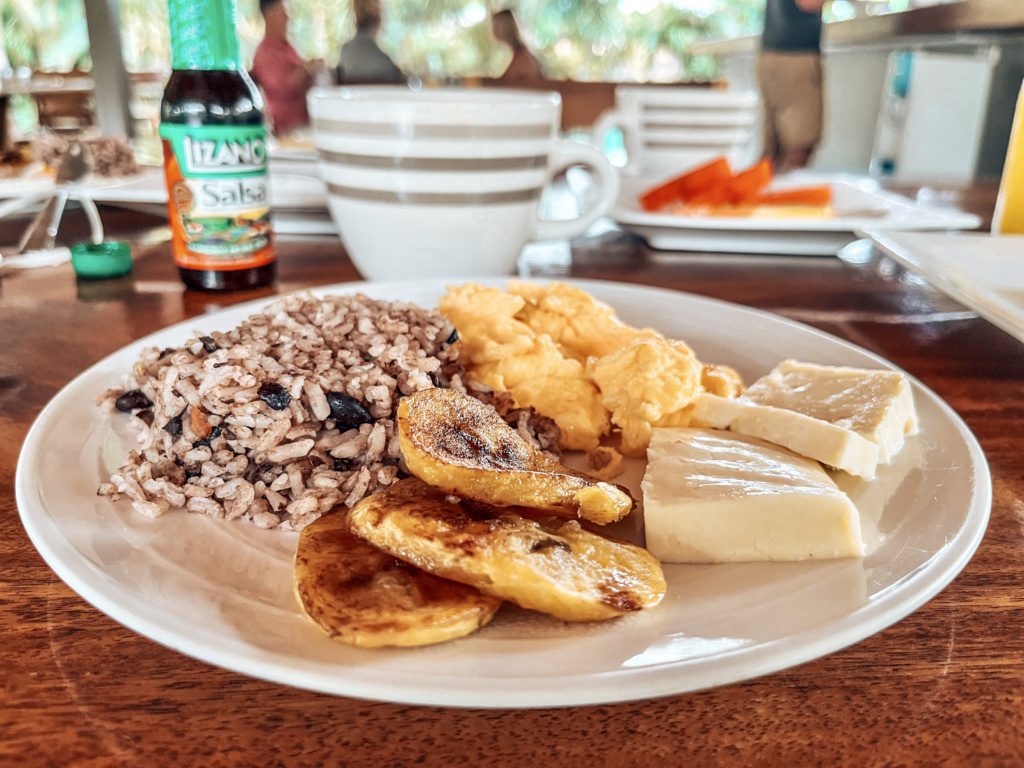
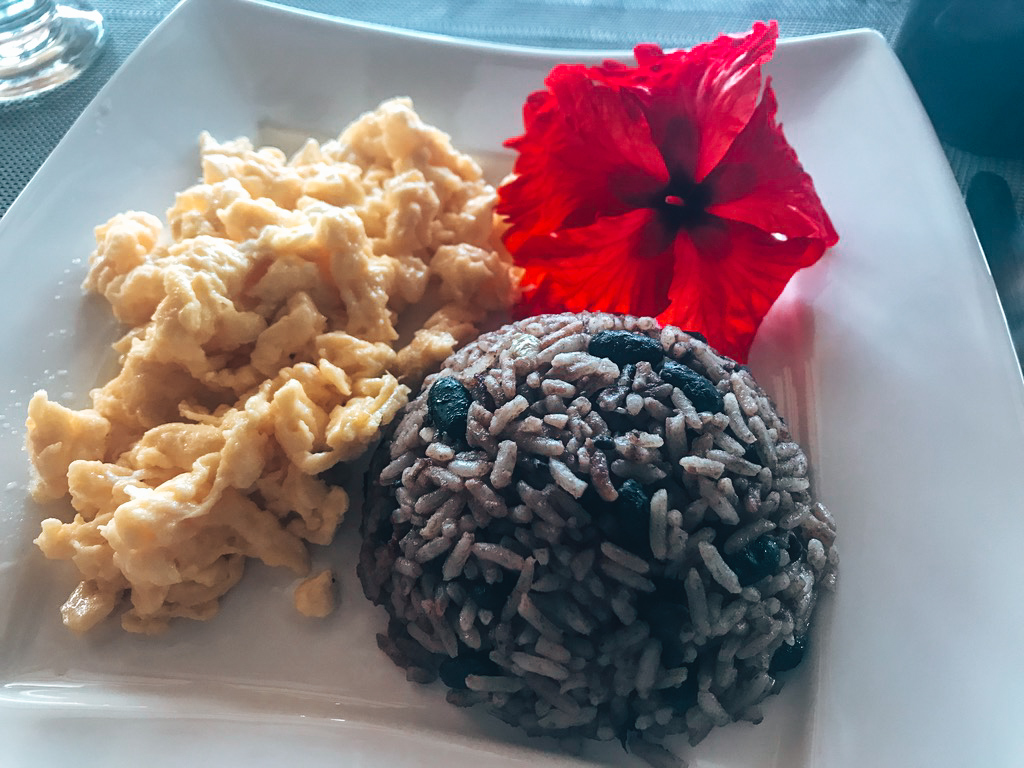
Often considered the national dish, gallo pinto is a humble yet deeply satisfying mix of rice and black beans sautéed with onions, peppers, cilantro, and Salsa Lizano.
It’s most common at breakfast alongside eggs, plantains, and fresh cheese.
Its origins trace back to a blend of Indigenous and Spanish culinary traditions, evolving into a daily staple that reflects the country’s agricultural roots and emphasis on simple, sustaining ingredients.
2. Casado
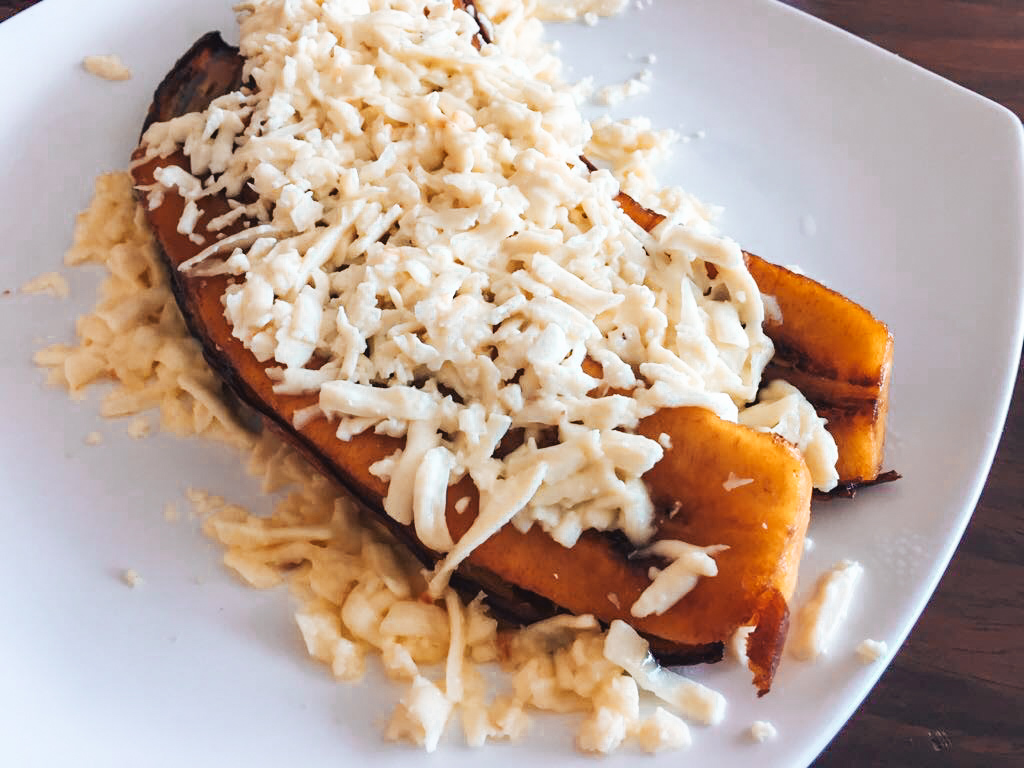
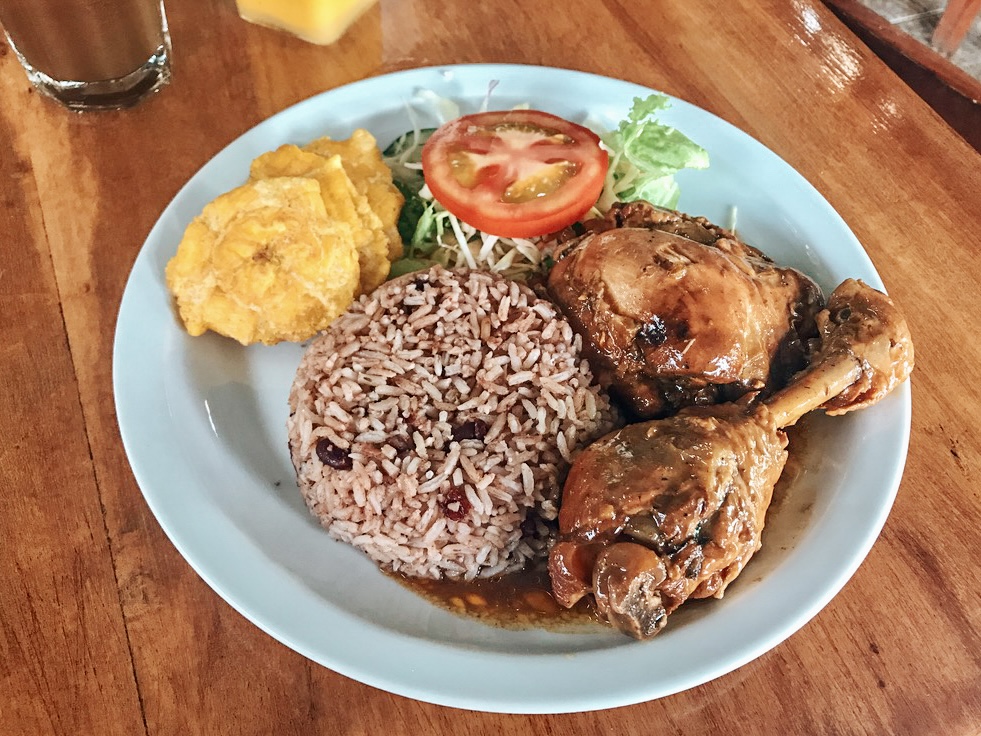
The casado is the quintessential Costa Rican lunch plate. It brings together rice, beans, salad, sweet plantains, and a choice of protein such as fish, chicken, or beef. It’s a complete, balanced meal that you’ll find in local sodas across the country.
The name, meaning “married,” refers to the harmonious pairing of ingredients. It symbolizes both nourishment and the everyday cooking traditions of Costa Rican households.
3. Olla de carne
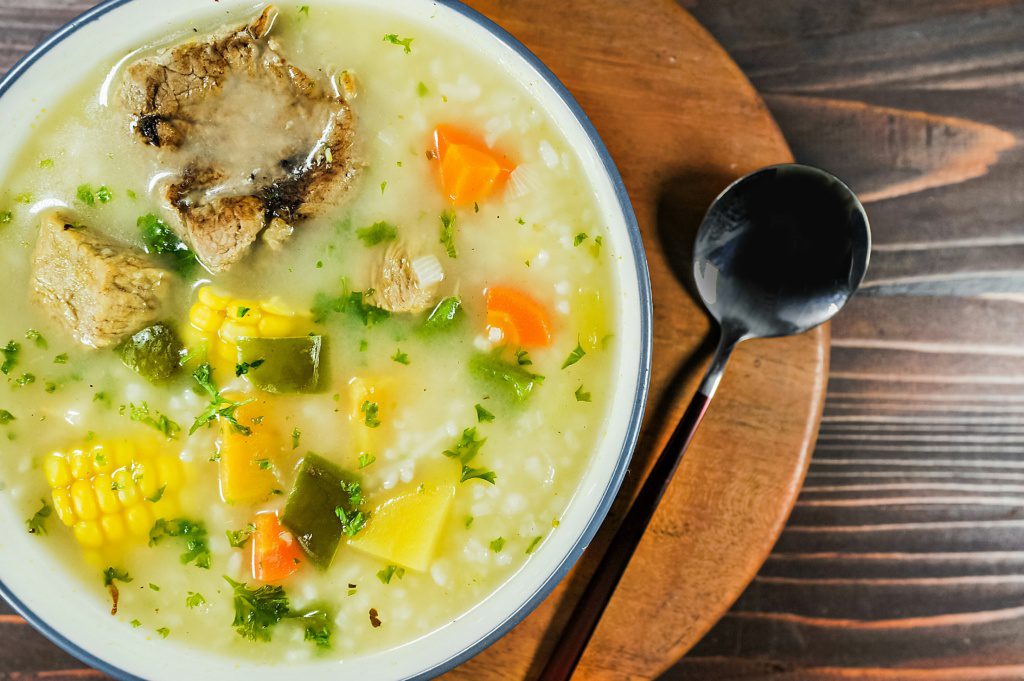
This hearty beef soup is slow-cooked with corn, yuca, potatoes, carrots, and other root vegetables. This deeply comforting dish is especially popular for weekend family meals.
Olla de carne has its roots in Spanish colonial cooking. It adapted over time to include native ingredients, making it a perfect example of the fusion that defines costa rican cuisine.
You might also like: Exploring Belize’s National Dish: The Fry Jack
4. Caribbean rice and beans
On the Caribbean coast, rice and beans take on a completely different personality, cooked in coconut milk and infused with thyme and spices. The result is rich, fragrant, and slightly sweet.
This version reflects the Afro-Caribbean heritage of the region. Particularly around Puerto Viejo where Jamaican influences have shaped local food culture.
5. Patacones
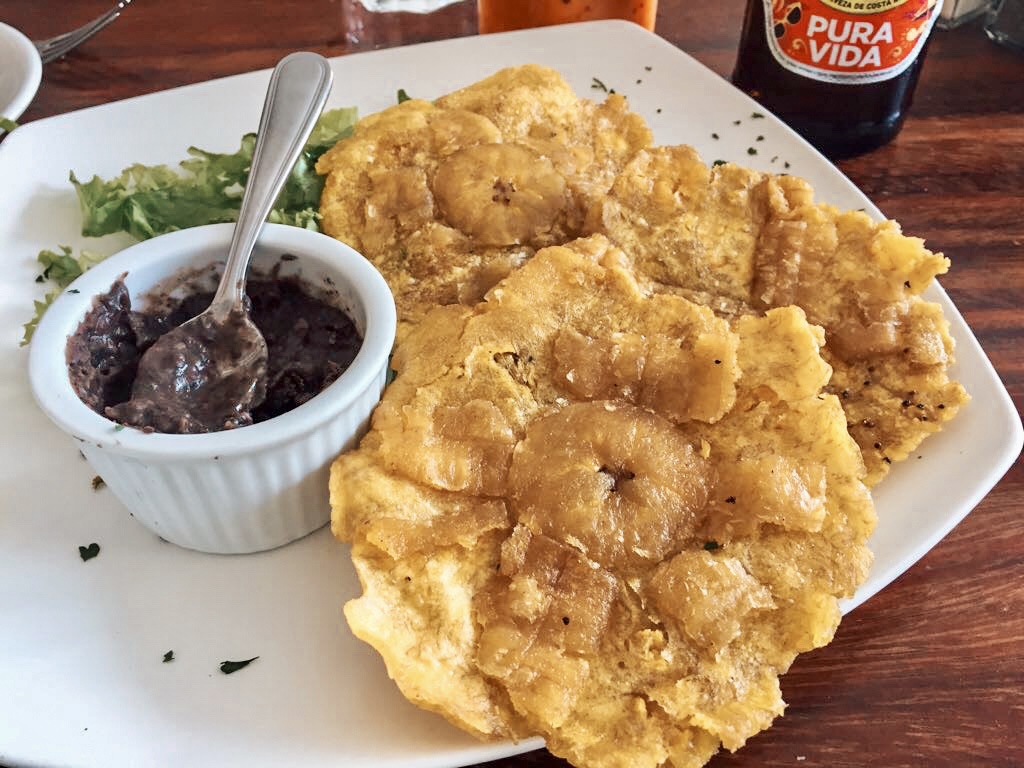
These crispy, twice-fried green plantains can be a snack, appetizer, or side dish, often paired with guacamole or refried beans. They’re crunchy on the outside and soft on the inside, with just the right amount of salt.
Patacones have roots across Latin America, but in Costa Rica they’ve become a staple of casual dining, showcasing the versatility of plantains in tropical cuisine.
You might also like: Where to Eat in Tulum Like a Local (Hint: Nowhere Near the Beach)
6. Chifrijo
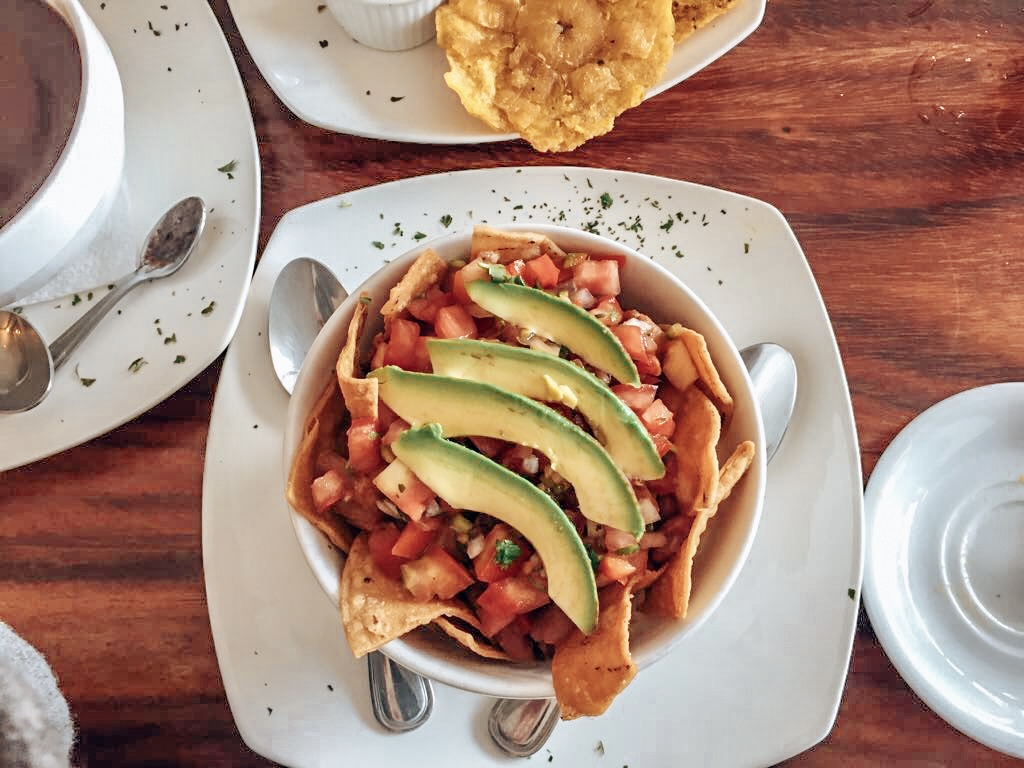
A beloved bar food, chifrijo layers rice, beans, crispy pork, pico de gallo, and avocado into one deeply satisfying bowl. It’s rich, salty, fresh, and perfect for sharing over drinks.
The dish dates back to the late 20th century in San José. It quickly became a national favorite, reflecting Costa Rica’s love for combining simple ingredients into bold, comforting flavors.
7. Ceviche
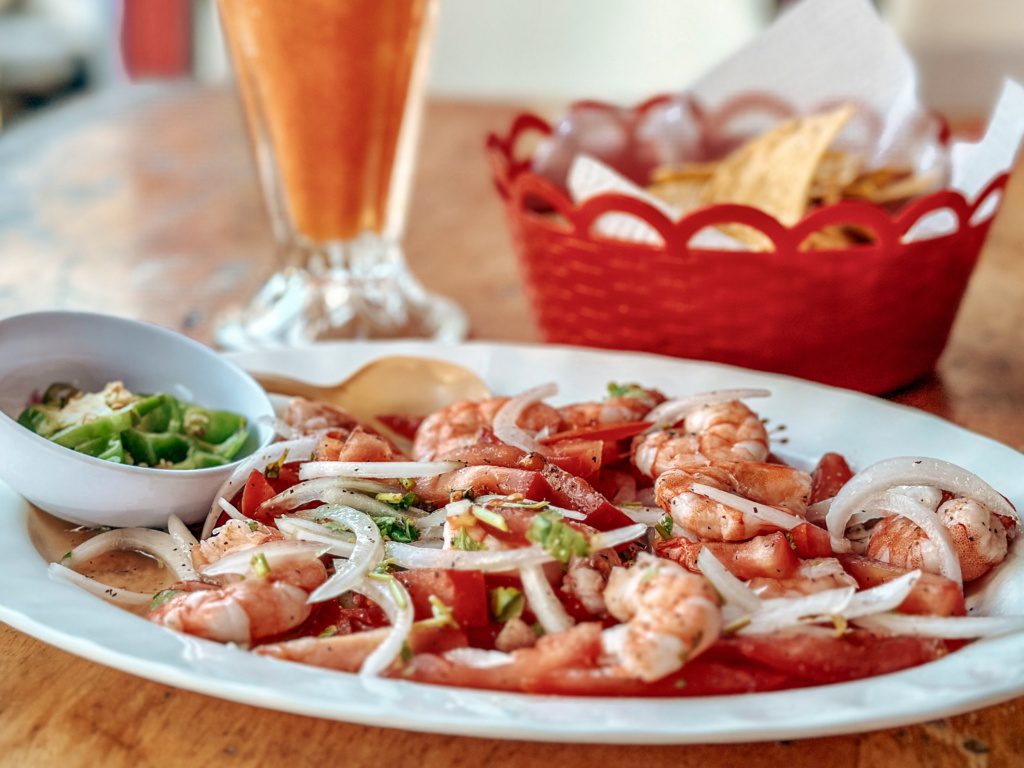
Costa Rican ceviche typically features fresh fish marinated in lime juice, mixed with onions, cilantro, and peppers. It’s bright, zesty, and perfect for warm coastal days.
While ceviche has roots in broader Latin American culinary history, Costa Rica’s version reflects its coastal abundance and preference for clean, refreshing flavors.
You might also like: What To Eat In Belize in 2025: The History, Flavors and Sustainability of Belizean Cuisine
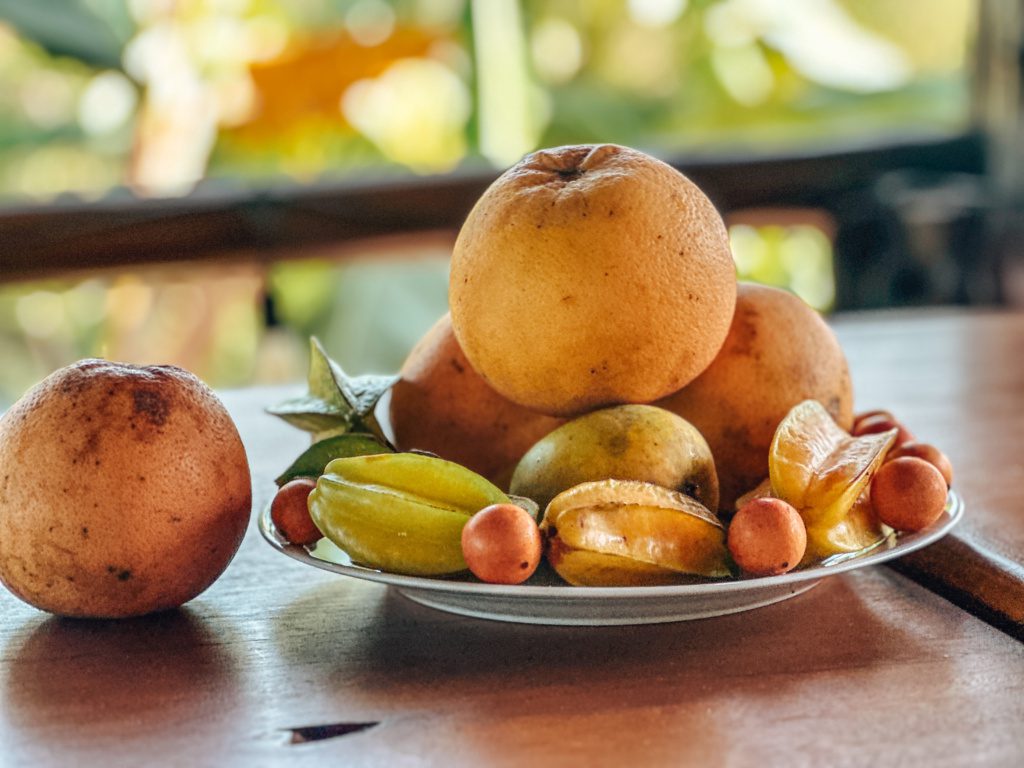
8. Fresh tropical fruit
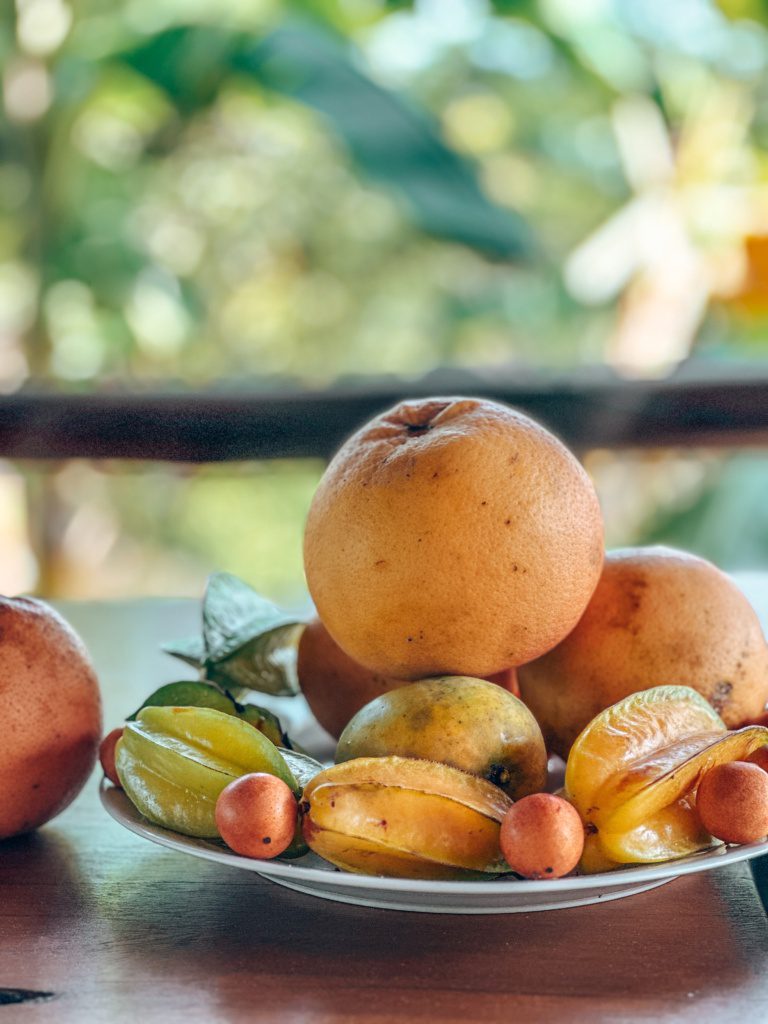
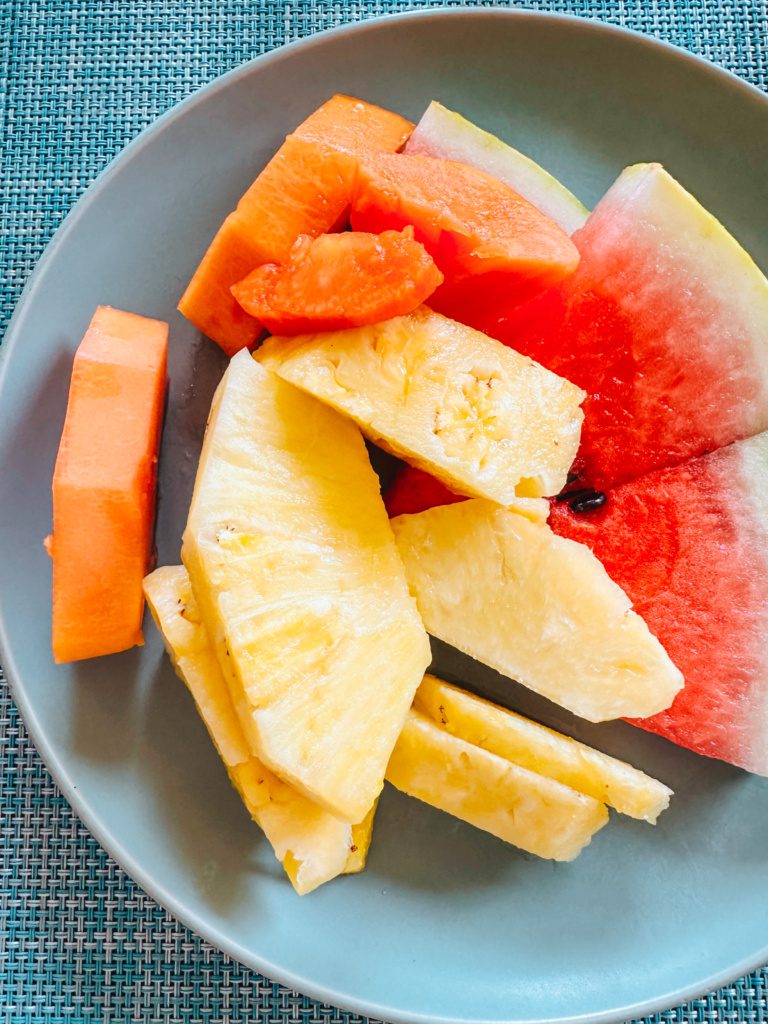
One of the simplest pleasures of costa rican cuisine is the abundance of fresh fruit—papaya, pineapple, mango, watermelon, and more—often served sliced at breakfast or as a snack throughout the day.
With year-round growing conditions and fertile soil, Costa Rica’s fruit culture is deeply ingrained in daily life, offering a direct connection to the land in its purest form.

What to Drink in Costa Rica
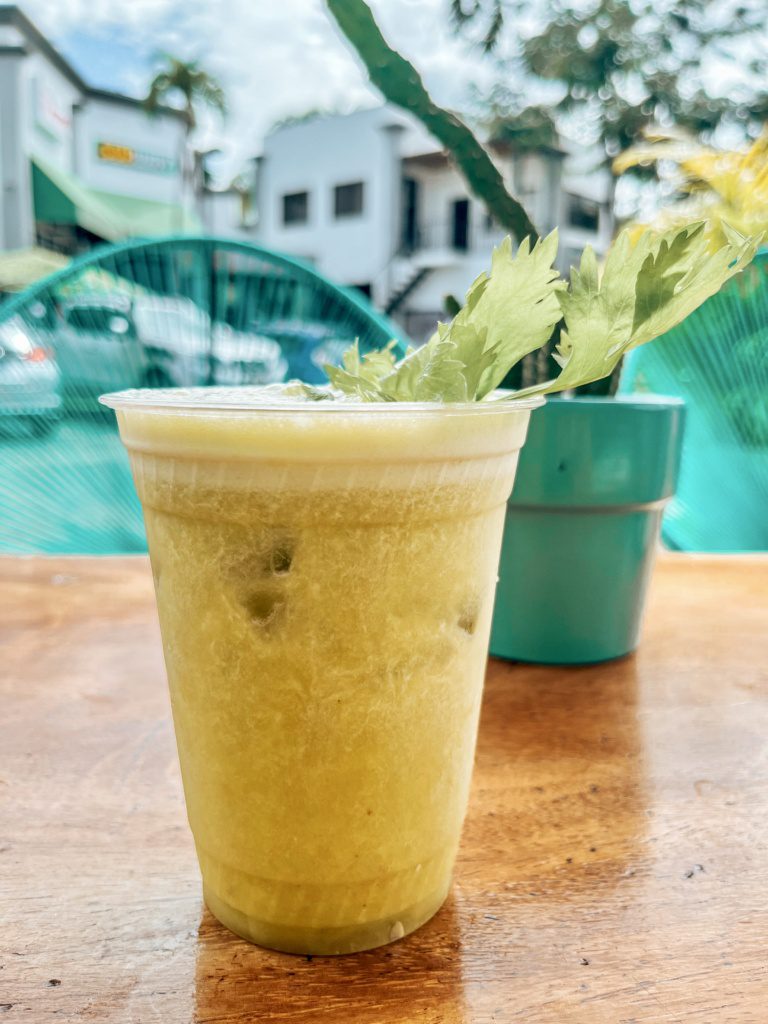
9. Frescos naturales
These fresh fruit drinks are essentially blends of tropical fruits like mango, pineapple, papaya, or passion fruit with water or milk. They’re refreshing, vibrant, and found everywhere from roadside stands to restaurants.
Frescos naturales are a direct expression of Costa Rica’s biodiversity, turning its rich fruit harvest into everyday hydration.
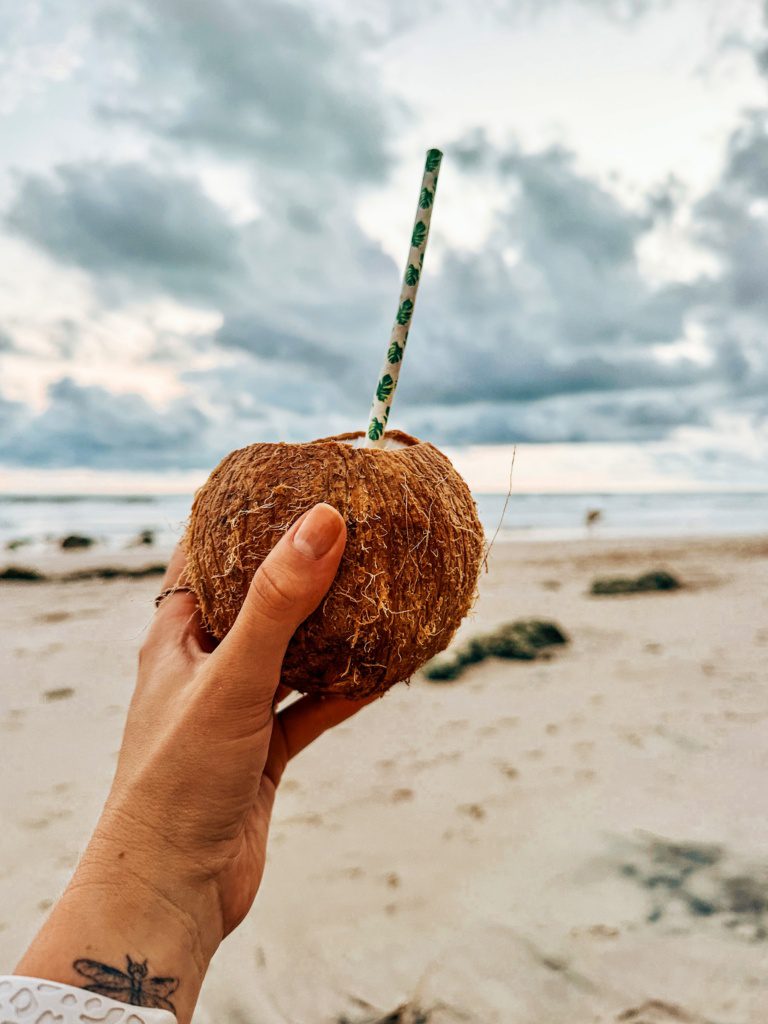
10. Agua de pipa
Fresh coconut water served straight from a green coconut is one of the most refreshing drinks you can have. Especially along the coast. It’s naturally sweet and incredibly hydrating.
This tradition comes from coastal communities where coconuts are abundant. It’s a simple, natural way to stay cool in the tropical heat.
You might also like: What I Eat at Home as a (Mostly) Plant-Based Food Travel Blogger
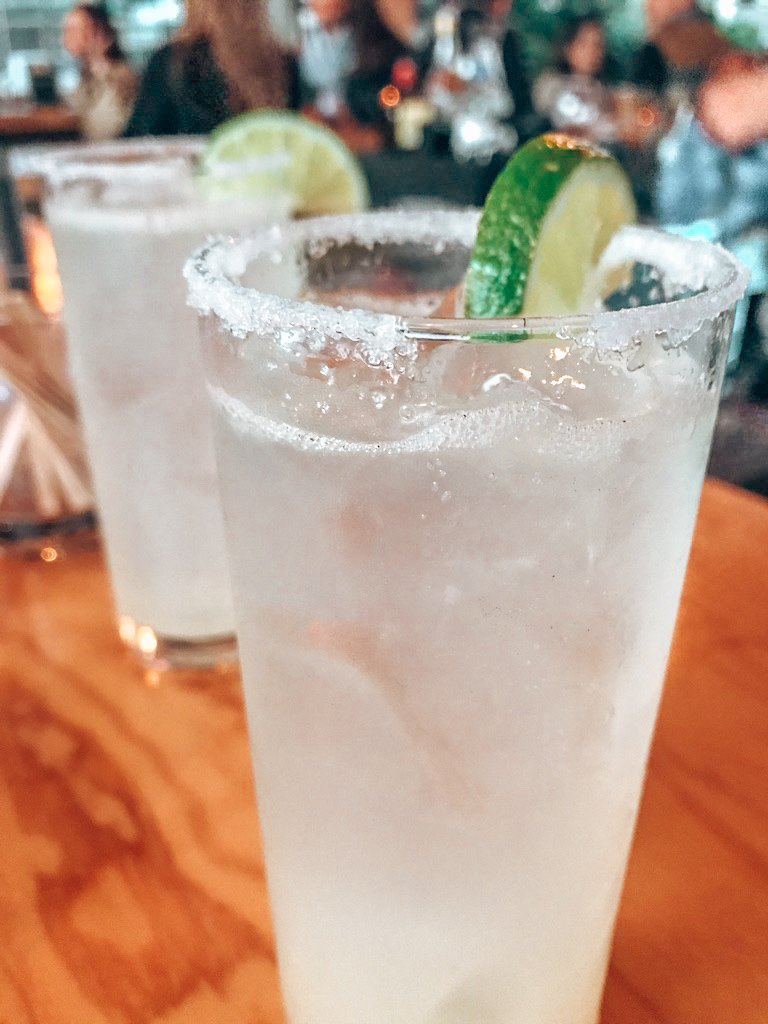
11. Guaro & Guaro Sour
The national liquor, most commonly associated with Cacique Guaro, is a clear sugarcane spirit that’s smoother and lighter than many expect. Try it neat, as a shot, or mixed into cocktails.
Made with Guaro, lime juice, and sugar, the guaro sour is light, citrusy, and easy to drink. It’s the country’s signature cocktail.
Guaro itself has long been distilled from sugarcane in Costa Rica. Its production dates back generations, making a symbol of national identity.

12. Imperial and Pilsen beers
These light lagers—Imperial Beer and Pilsen—are the go-to choices for locals and visitors alike. Crisp and easy-drinking, they pair perfectly with the tropical climate.
Both beers have decades of history in Costa Rica. They are cultural staples that accompany everything from beach days to backyard gatherings.

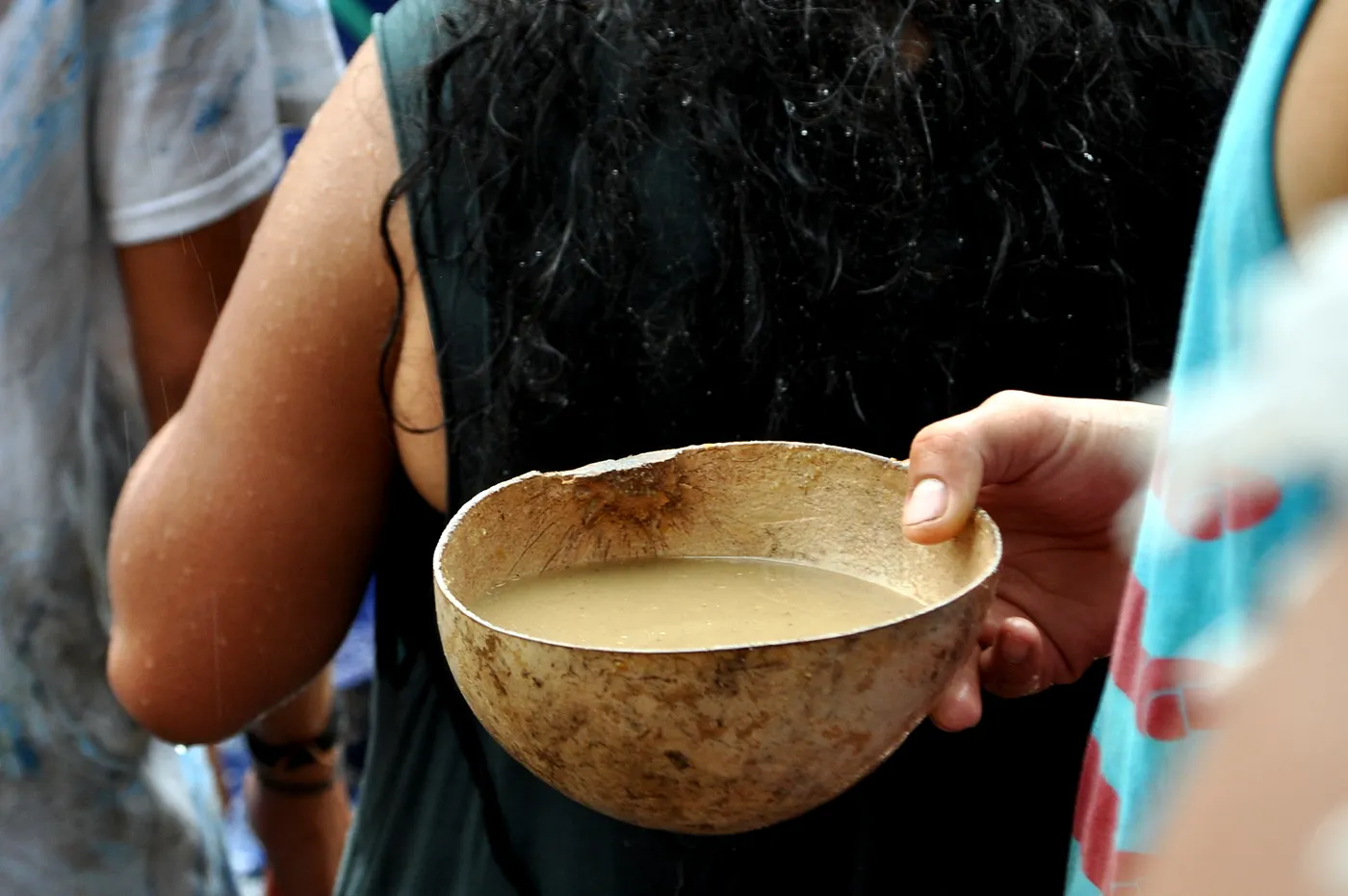
13. Chicha
Chicha is a traditional fermented drink made from corn, sometimes lightly alcoholic depending on preparation. Its flavor can range from sweet to tangy and varies widely by region.
With deep Indigenous roots, chicha predates Spanish colonization and remains an important cultural beverage. It connects modern Costa Rican cuisine to its earliest traditions.
You might also like: Sips Of Ceylon: Top 8 Sri Lankan Drinks You Should Try
14. Costa Rican Coffee
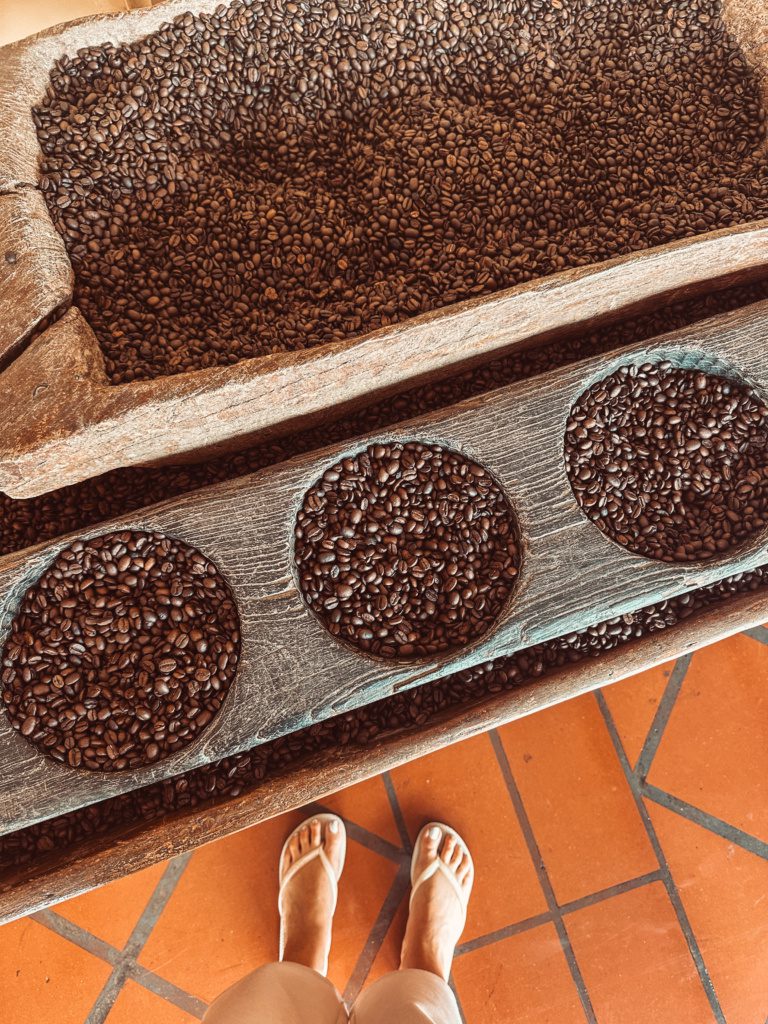
Costa Rican coffee is world-renowned, grown in rich volcanic soil and often brewed using traditional methods like the chorreador. The result is clean, bright, and deeply aromatic.
Coffee production has been central to Costa Rica’s economy and culture since the 18th century. It has shaped both its landscape and its global reputation.


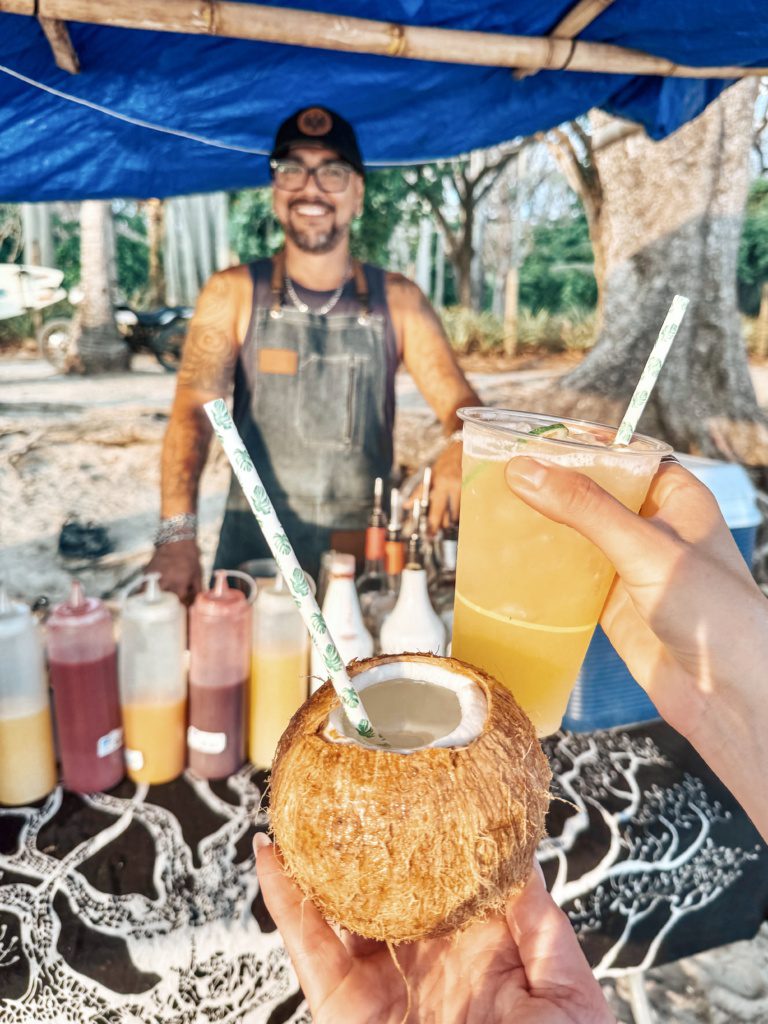
15. Sunset Cocktails
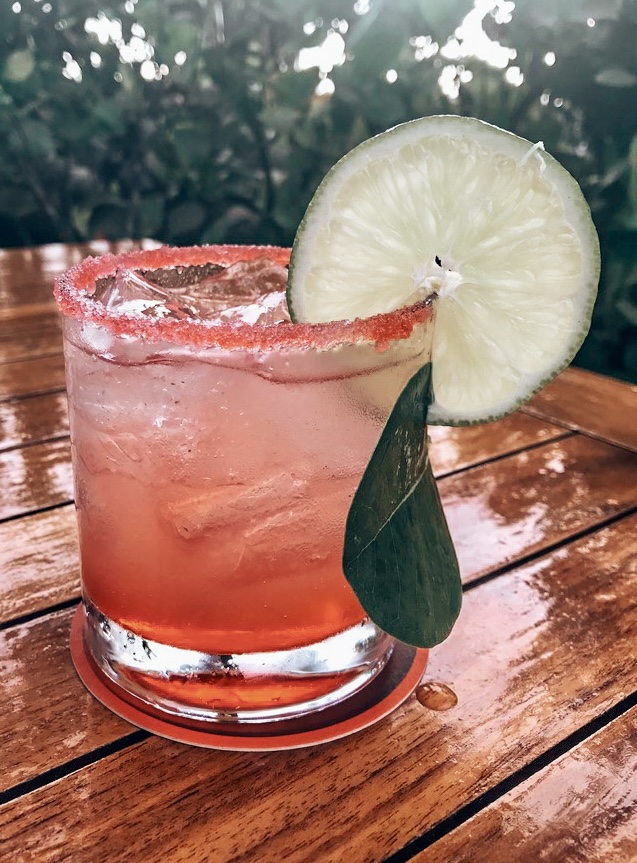
As the day winds down, costa rican cuisine naturally gives way to one of the country’s greatest rituals—sunset cocktails.
Along the Pacific coast, there’s nothing quite like sipping a guaro-based drink or a fresh fruit cocktail as the sky turns shades of orange and pink.
This daily tradition is less about the drink itself and more about the moment. It blends Costa Rica’s laid-back lifestyle with its extraordinary natural beauty.


Desserts worth saving room for
16. Tres Leches Cake
This beloved dessert features a light sponge cake soaked in three types of milk. The result is in an ultra-moist, rich, and indulgent treat. It’s commonly found in bakeries and restaurants across the country.
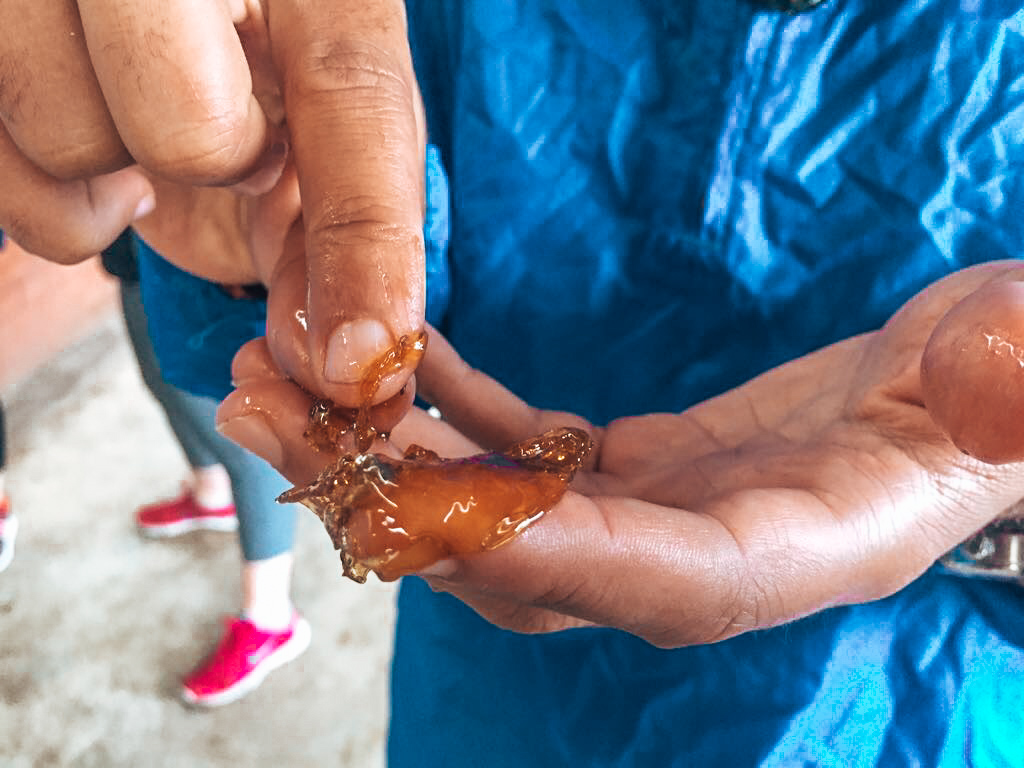
17. Cajeta de Leche
A thick caramel sauce made from sugar and milk, cajeta is used as a topping or filling in various desserts. Its origins lie in traditional methods of preserving milk and sugar, reflecting the resourcefulness of rural cooking traditions.

18. Arroz con Leche
This creamy rice pudding is flavored with cinnamon and sometimes raisins, offering a comforting, nostalgic sweetness. Arroz con leche has Spanish roots but has been embraced across Costa Rica as a classic homemade dessert.
You might also like: Beyond Chichen Itza – A Responsible Traveler’s Guide to Yucatán
Where to stay: Top 3 Costa Rican Hotels for Food Lovers



Where you stay can elevate your entire experience of costa rican cuisine. Two properties stand out for those who travel with their appetite in mind:
Finca Rosa Blanca, near San Jose
In the highlands, Finca Rosa Blanca set among coffee plantations and lush gardens, is a true coffee and food lovers paradise. For starters, it grows and roasts its own coffee served to hotel guests.

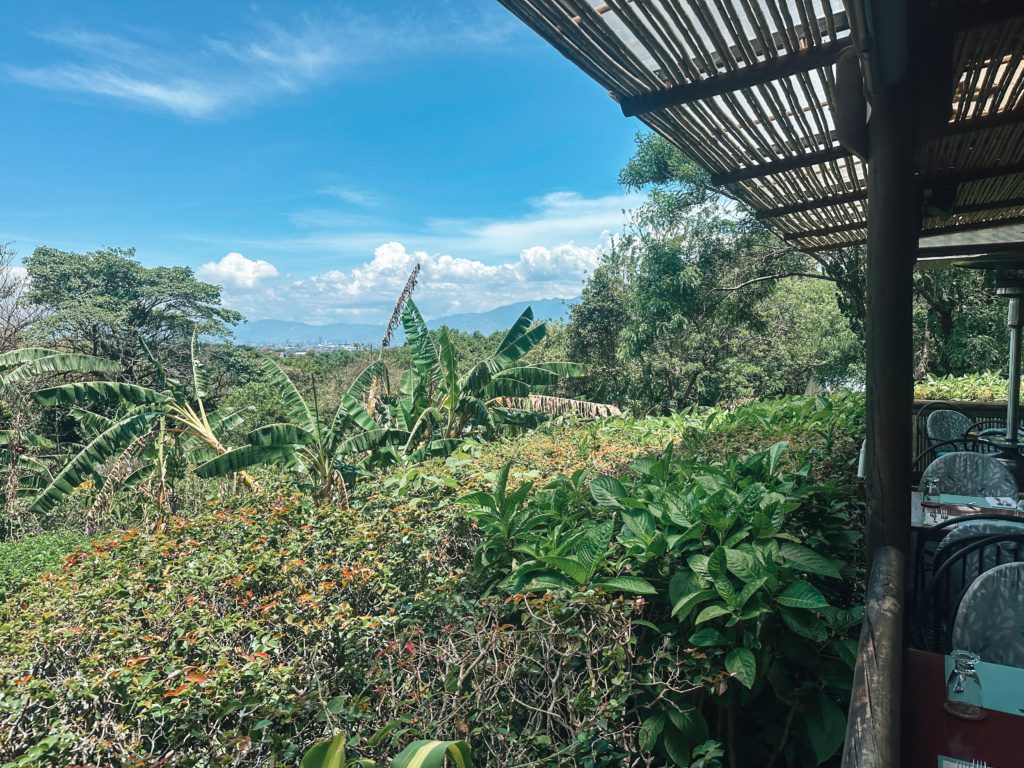

With an emphasis on organic produce grown right on the property, they honor and preserve the connection to Tico roots at El Tigre Vestido, the farm-to-table restaurant on site.
The perfect complement to the greater Finca Rosa Blanca philosophy, El Tigre Vestido is a celebration of Costa Rican cuisine and a dedication to sustainability. A balance of fresh ingredients, traditional recipes, and local culture.



Hotel Nantipa, Santa Teresa
Hotel Nantipa offers a refined yet relaxed beachfront experience on the Nicoya Peninsula, where barefoot luxury meets a strong sense of place.
The hotel’s culinary program leans heavily into local sourcing, showcasing fresh seafood, tropical produce, and modern interpretations of traditional dishes, all served in a setting that feels effortlessly connected to the ocean.

Days here naturally revolve around food and rhythm—long breakfasts with fresh fruit and Costa Rican coffee, leisurely lunches steps from the sand, and dinners that transition seamlessly into sunset cocktails.
You might also like: Ecolodges in Costa Rica – Green or Greenwashed?



Hacienda Alta Gracia, San Isidro Valley
This serene resort spans 180 bird-song-filled acres of untamed tropical forest, coffee farm, equine stables, organic chef’s gardens, heritage-inspired cuisine, a holistic wellbeing center and home to the Estée Lauder Skin Longevity Institute.
A pure, soulful expression of Costa Rican ingredients and Latin American culinary rituals, dining at Hacienda AltaGracia is warm, inviting and rustic in style.



The dishes served tell a story – of a place, traditions, ingredients. Influenced by cuisine throughout Central America, menus host a rich palette of flavors with great variety and ever-changing food and beverage journeys.
You might also like: The Good Hotel Antigua, Guatemala: Where Comfort Meets Impact

Costa Rican Cuisine: Final Thoughts
Costa rican cuisine may not be the most famous in Latin America, but it quietly delivers something many others don’t: a deep connection to nature, seasonality, and well-being.
Come for the nature, for the yoga, the flora and fauna. Stay for the food and the unbeatable sunset cocktails.
You might also like: Colombian Food: What To Eat In Cartagena De Indias



Have you been to Costa Rica? Did you love the food? Let us know in the comments or tag @eightyflavors on socials!
OUR TRIED AND TESTED FOOD TRAVEL RESOURCES: Book a hotel with Booking.com. Search for the best flight deals on Skyscanner. Find the best local food tours on Viator. Browse curated conscious group trips with GAdventures. Get your travel insurance with World Nomads.
Disclaimer: this post contains affiliate links. We’ll receive a small commission if you purchase through the link provided, at no extra cost to you. Thank you for your support in running this blog!