The City That Fed My Soul: Mumbai Street Food Memoirs
Mother India didn’t just crack my heart wide open – she fed me. Welcome to my Mumbai street food memoir.
I’m a lifelong food and travel lover, but it was during my first trip to India that my blog Around the World in 80 Flavors was born.
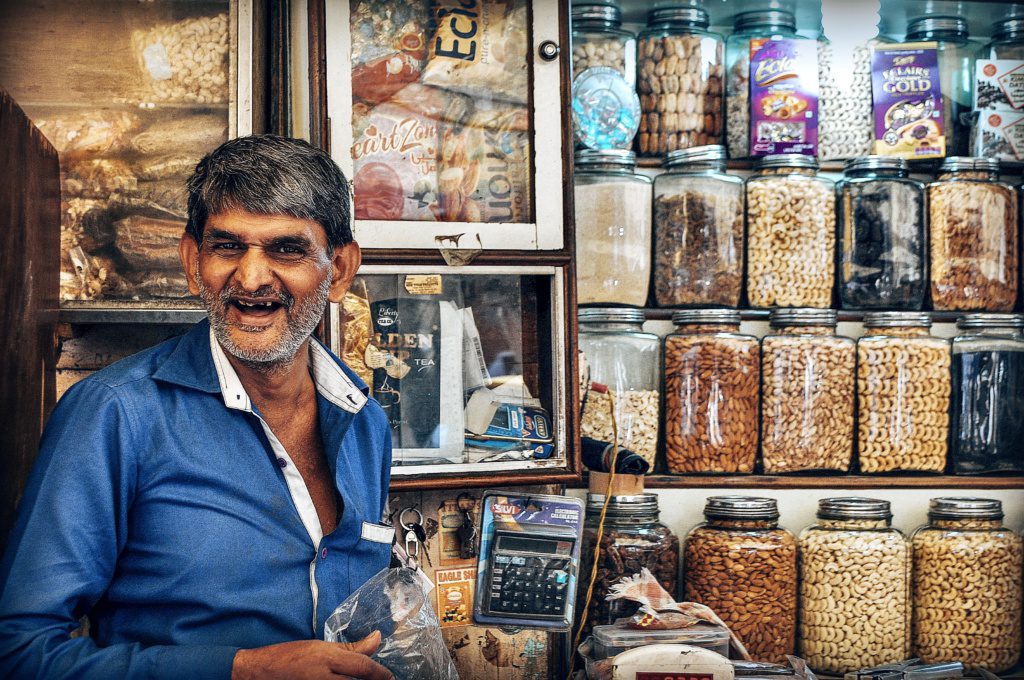
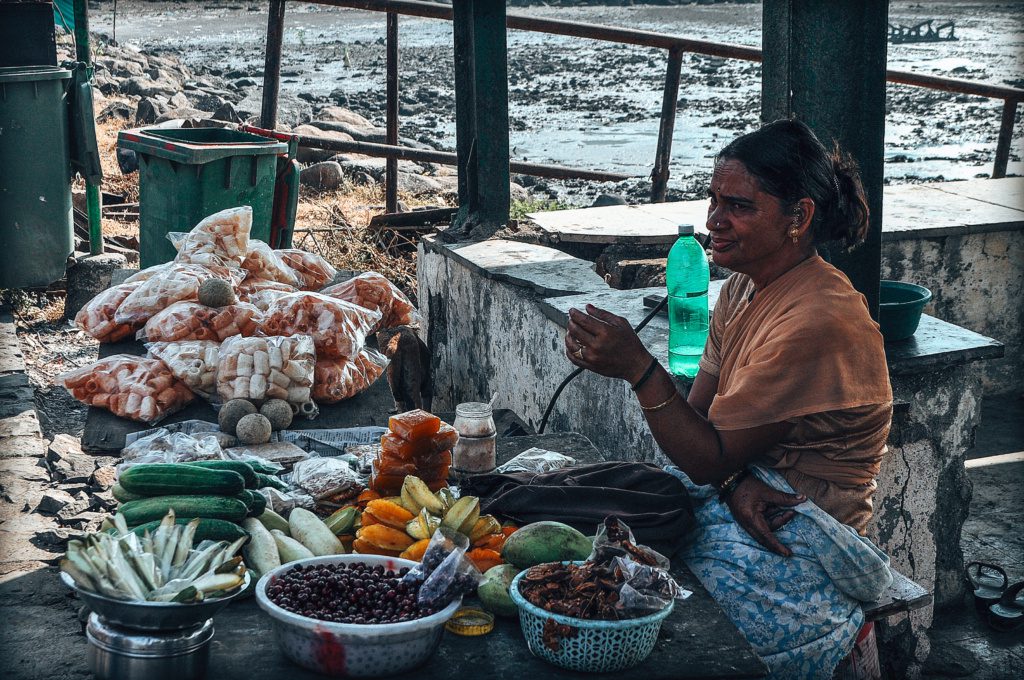
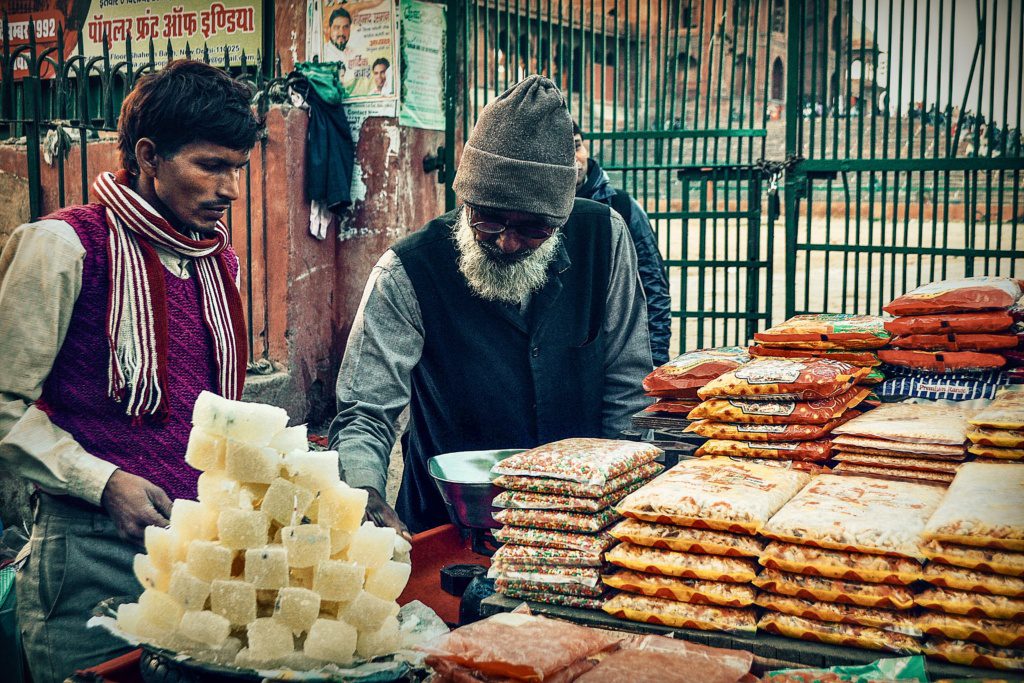
There were so many new dishes, so many textures, so many spices perfuming the air everywhere I turned, that I couldn’t keep up with my notes or my camera.
With every bite I found myself wondering what I had even been eating my whole life.
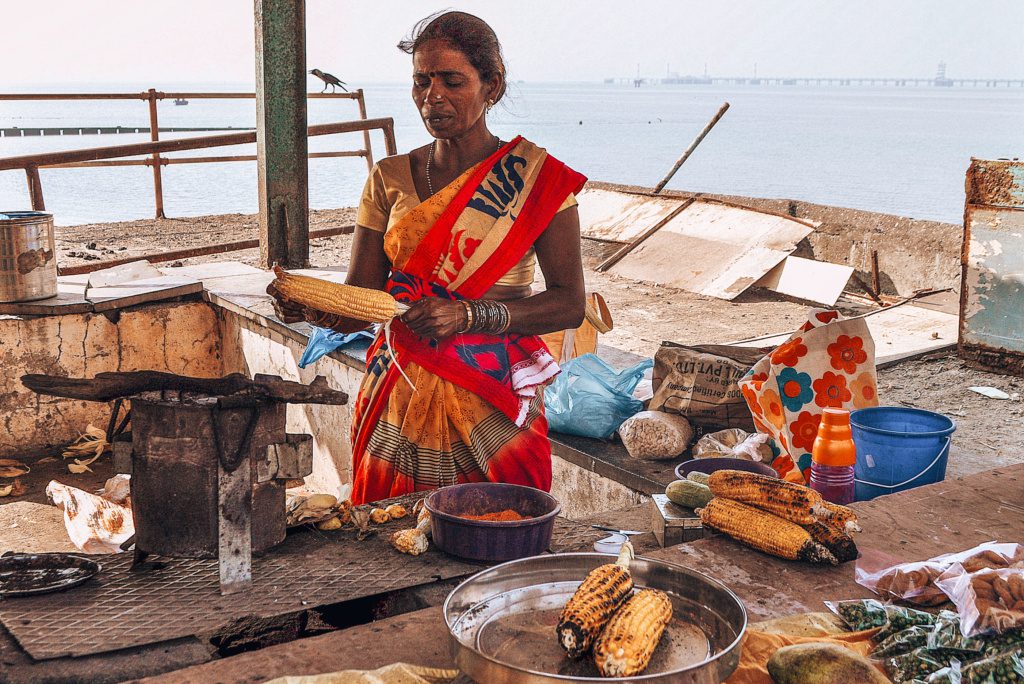
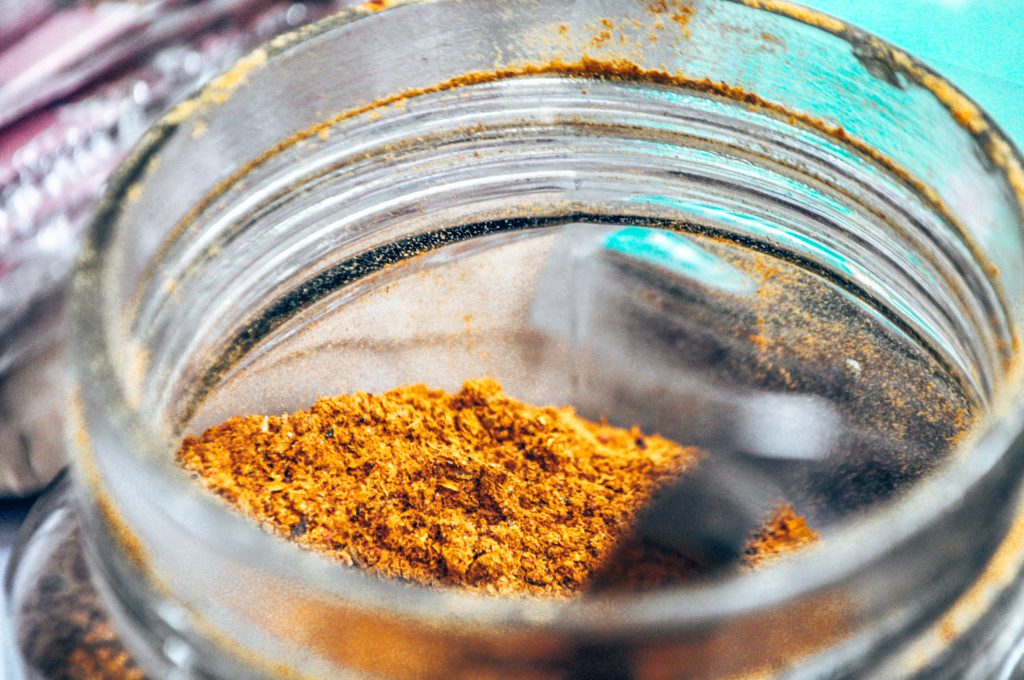
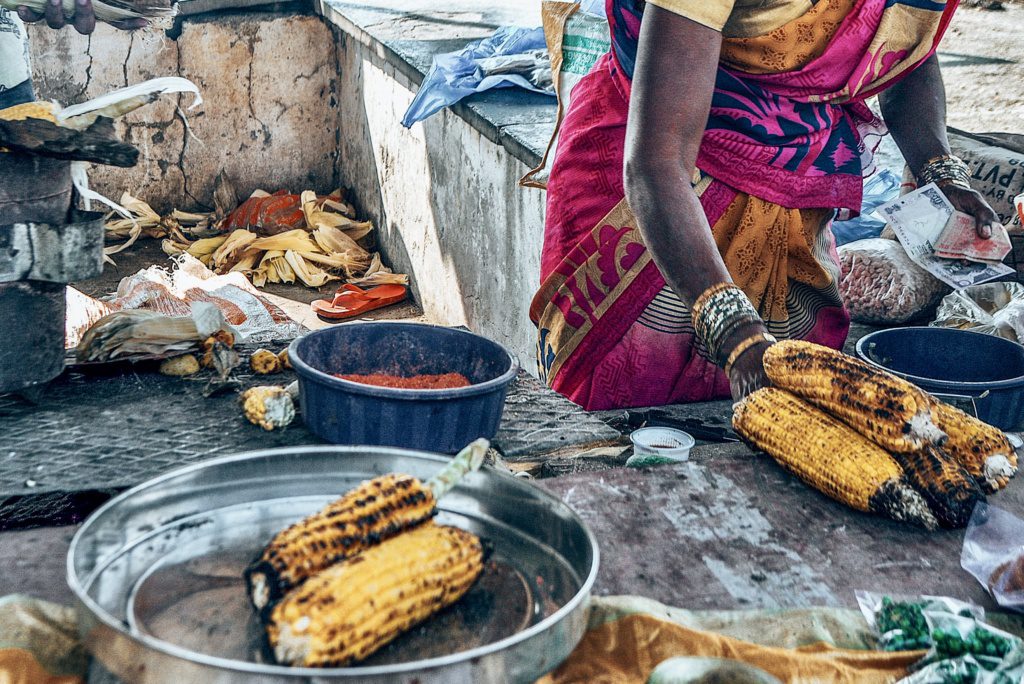
Flavors of India
Indian cuisine was a revelation. Biryani eaten with my hands was a revelation. A dosa breakfast on Christmas morning was a revelation.
You could argue there are as many cuisines in India as there are states — if not more. In Kolkata you’ll find mustard-laced fish curries and syrup-soaked sweets.
Hyderabad fiercely defends its iconic biryani. Amritsar serves buttery kulcha and slow-cooked dal that could convert anyone to vegetarianism.
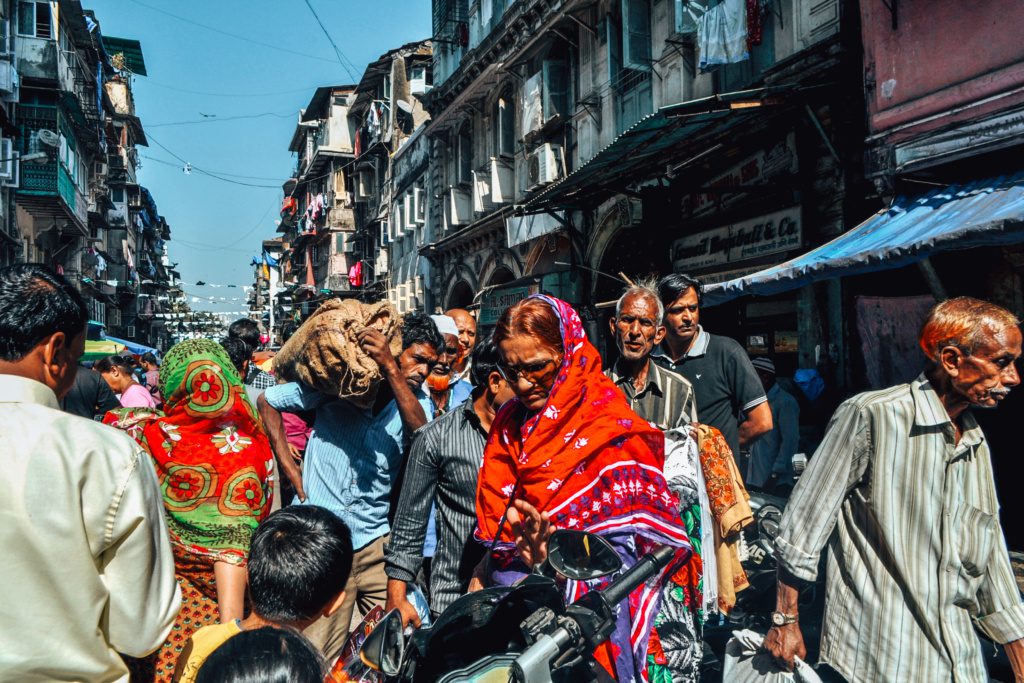
And in Mumbai — or Bombay, as many locals still lovingly call it — the street food scene alone could justify a plane ticket.
You might also like: Best Indian Burritos in Los Angeles: 3 Mexican Indian Fusion Spots You Should Try
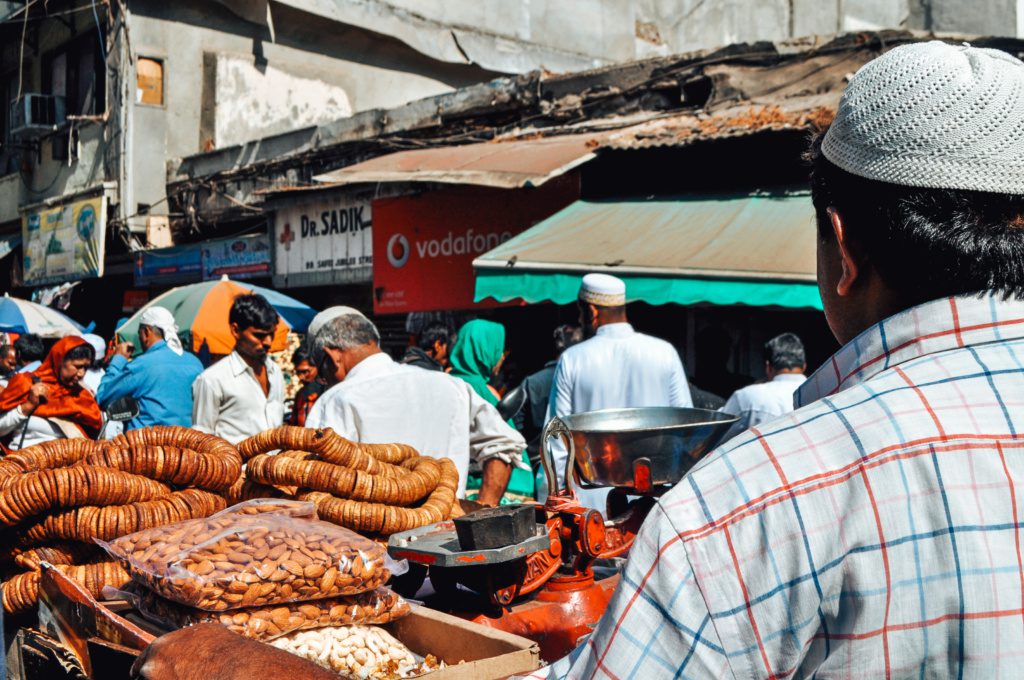
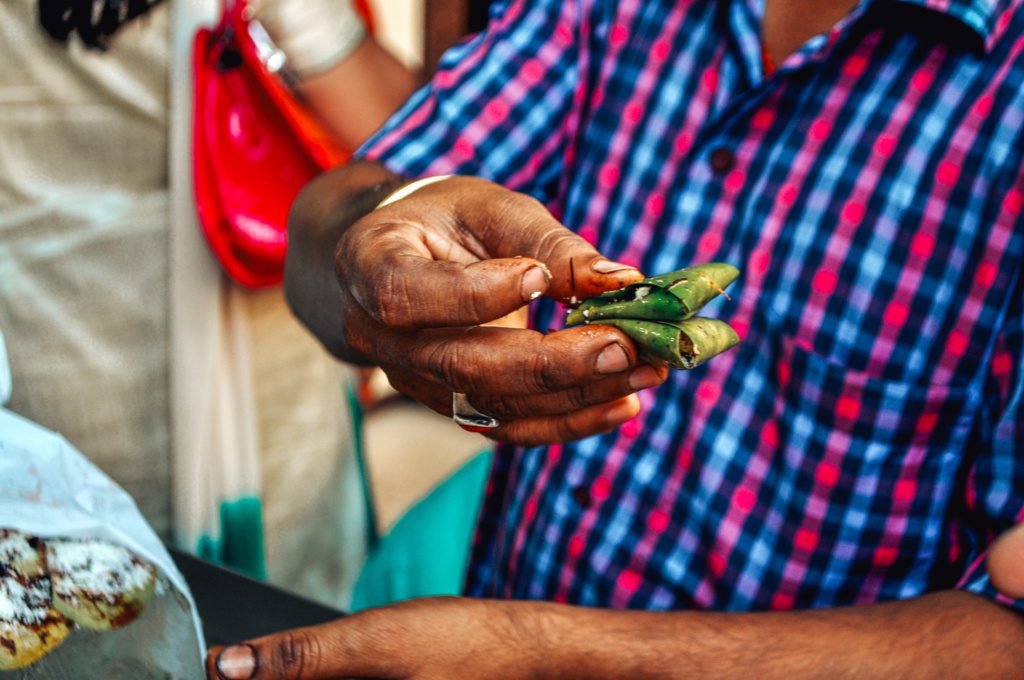
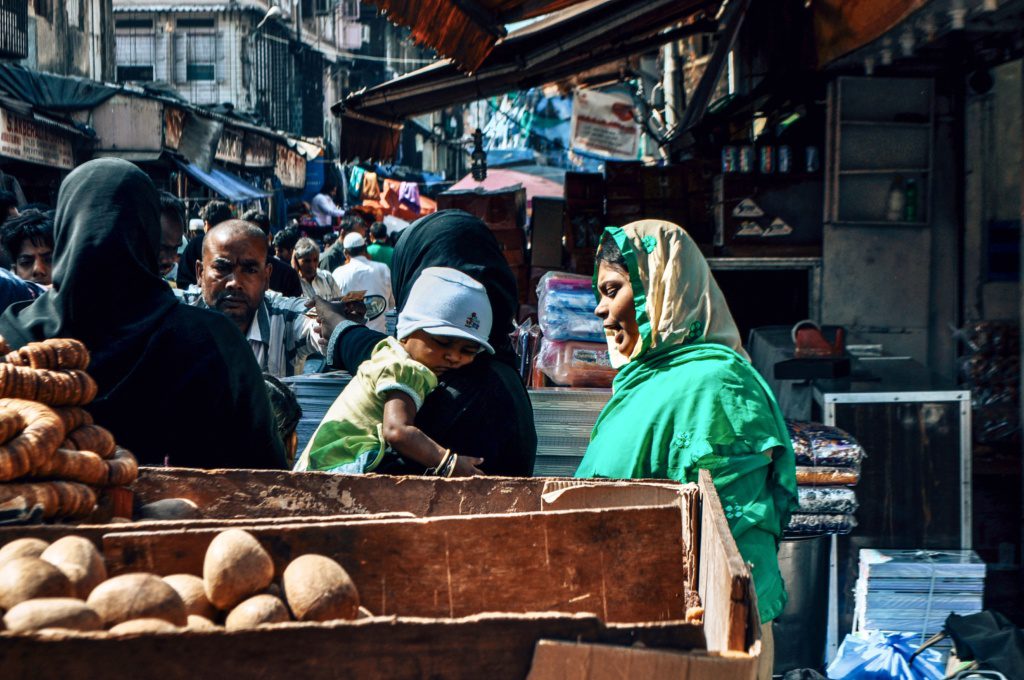
Mumbai Street Food: The Highlights
Some of the most unforgettable bites of my life happened right there. Here they are, in a particular order 😉
1. Vada Pav: The Bite That Broke Me
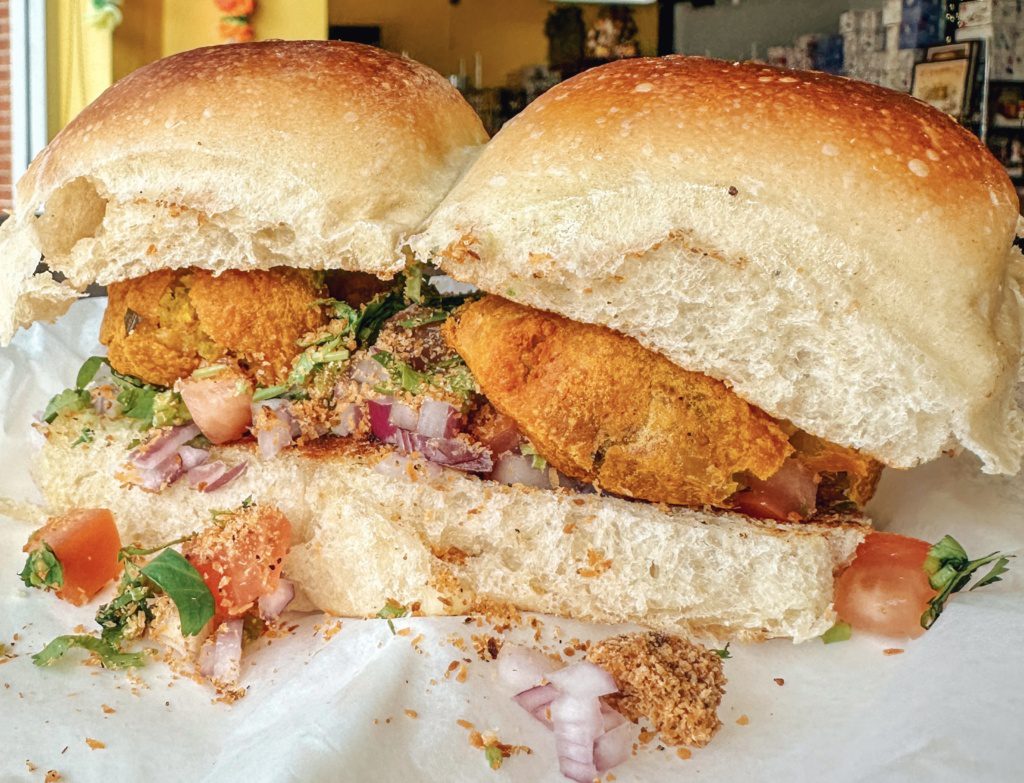
The first bite of the first vada pav from a street cart left me in tears and I was forever hooked.
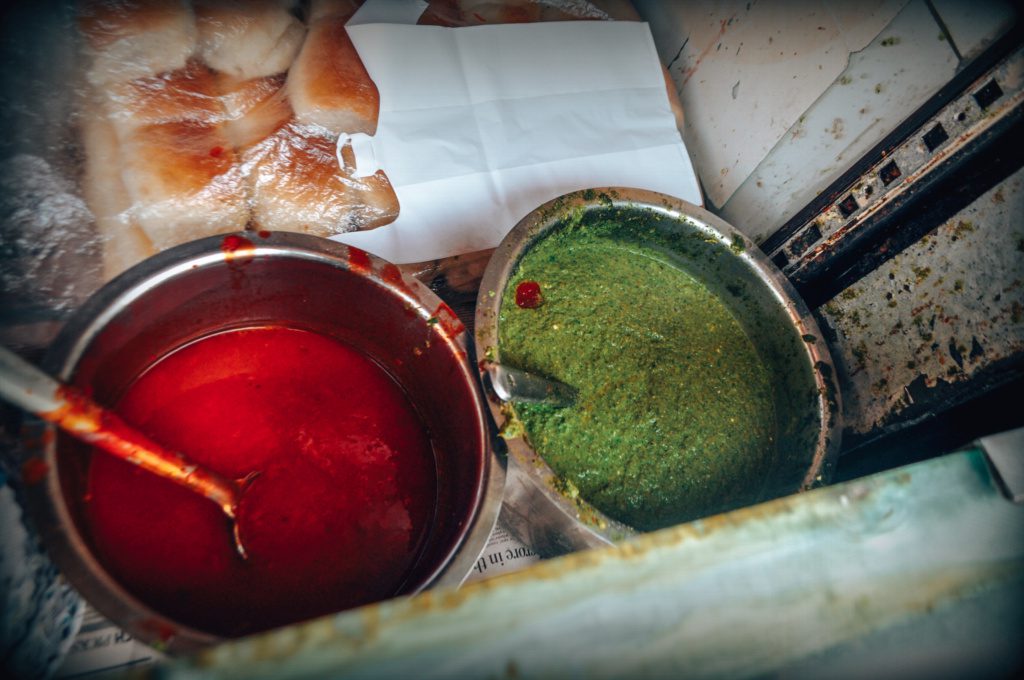
Vada pav is Mumbai’s humble king: a deep-fried, spiced potato fritter tucked into a soft bread roll, smeared with fiery garlic chutney and sweet tamarind sauce, sometimes served with a fried green chili on the side.
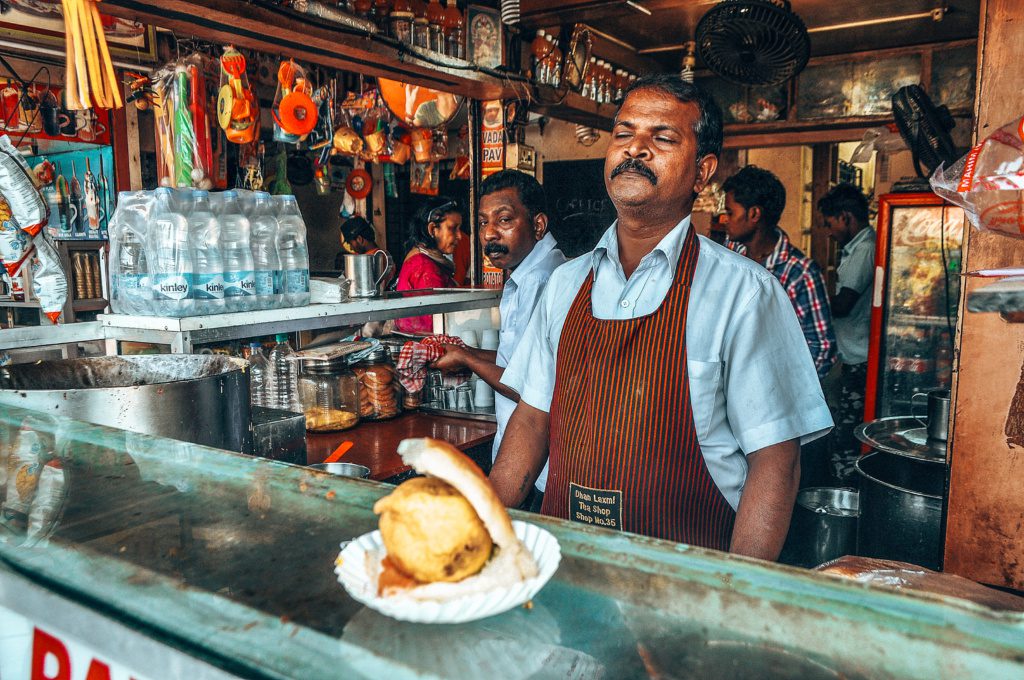
It costs next to nothing — about 25 cents when I was there — yet delivers more joy than meals a hundred times the price.
Often called the most consumed sandwich in the world, with millions eaten daily across Mumbai, it transcends class and culture.
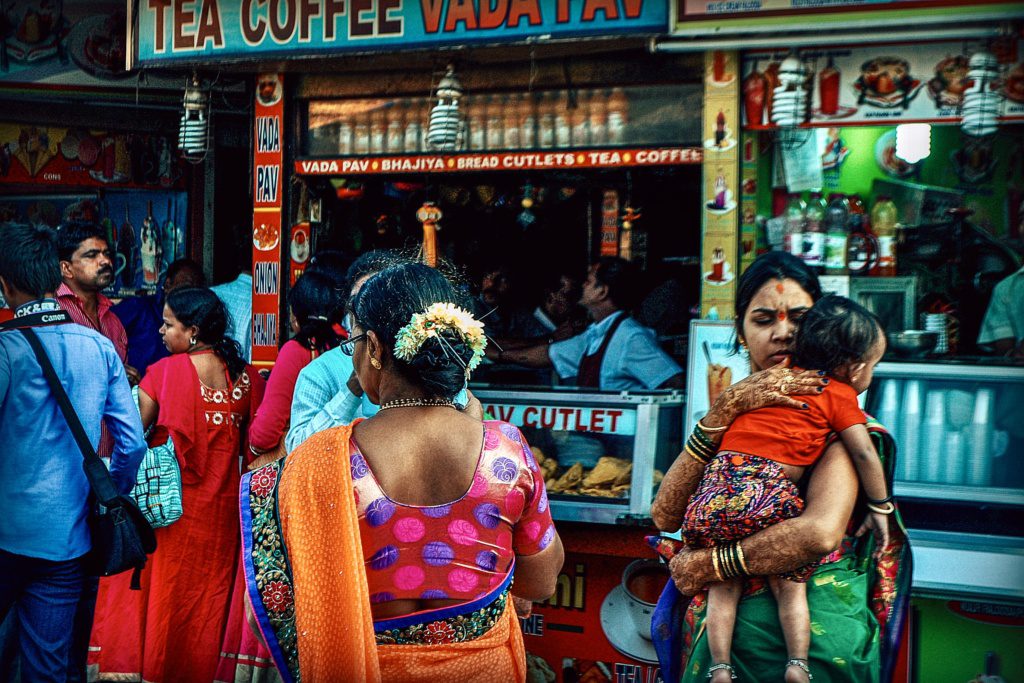
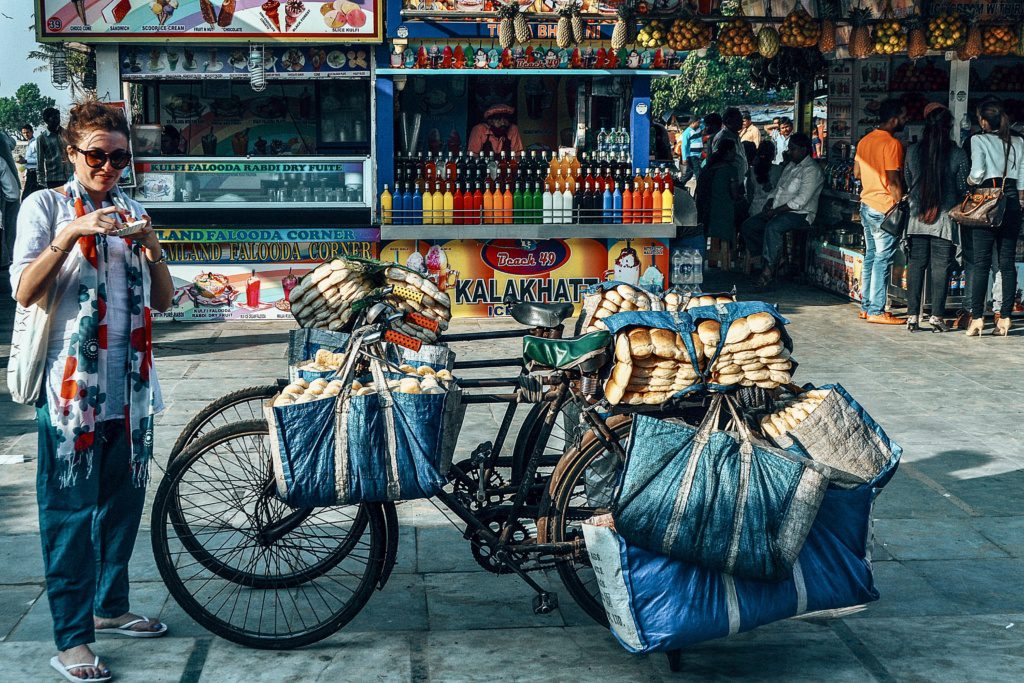
You’ll see businessmen and laborers lining up at the same cart. You eat it with your hands, standing up, unapologetically.
Years later, when I found vada pav at Samosa House in Los Angeles, I cried again. It felt like a reunion with a long-lost soulmate.
You might also like: What I Eat at Home as a (Mostly) Plant-Based Food Travel Blogger
2. Biryani at Leopold Café: Learning to Eat with My Hands
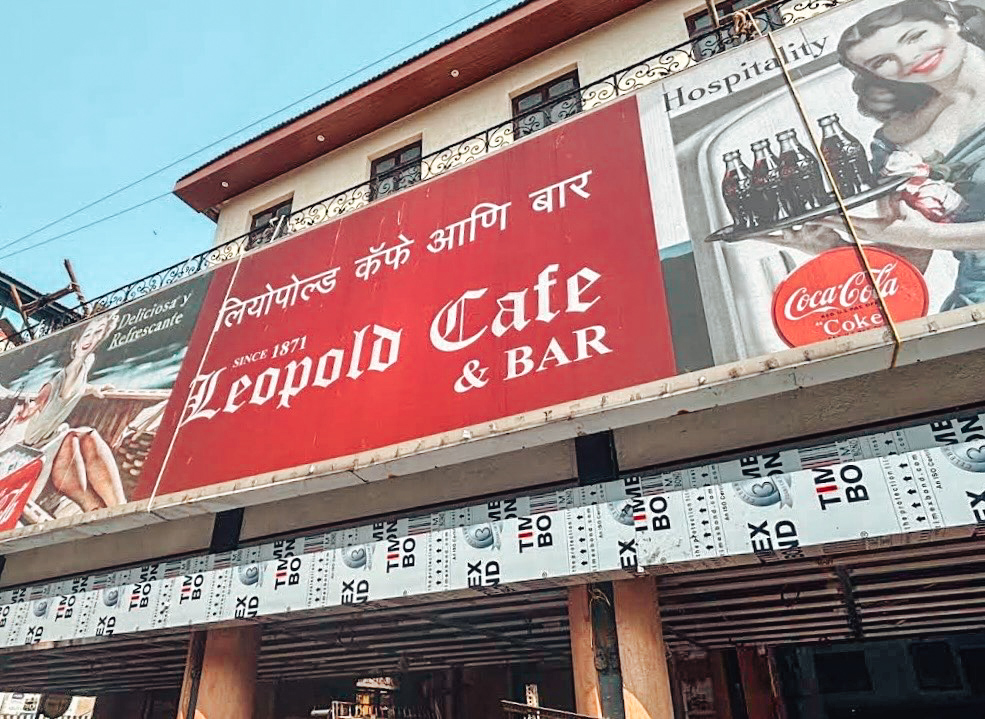
Another defining moment was my first biryani at Leopold Cafe in Colaba, a place I had long dreamed of visiting after reading Shantaram.
Biryani is layered basmati rice perfumed with saffron and spices, cooked with marinated meat or vegetables, sometimes sealed and slow-cooked so every grain absorbs flavor.
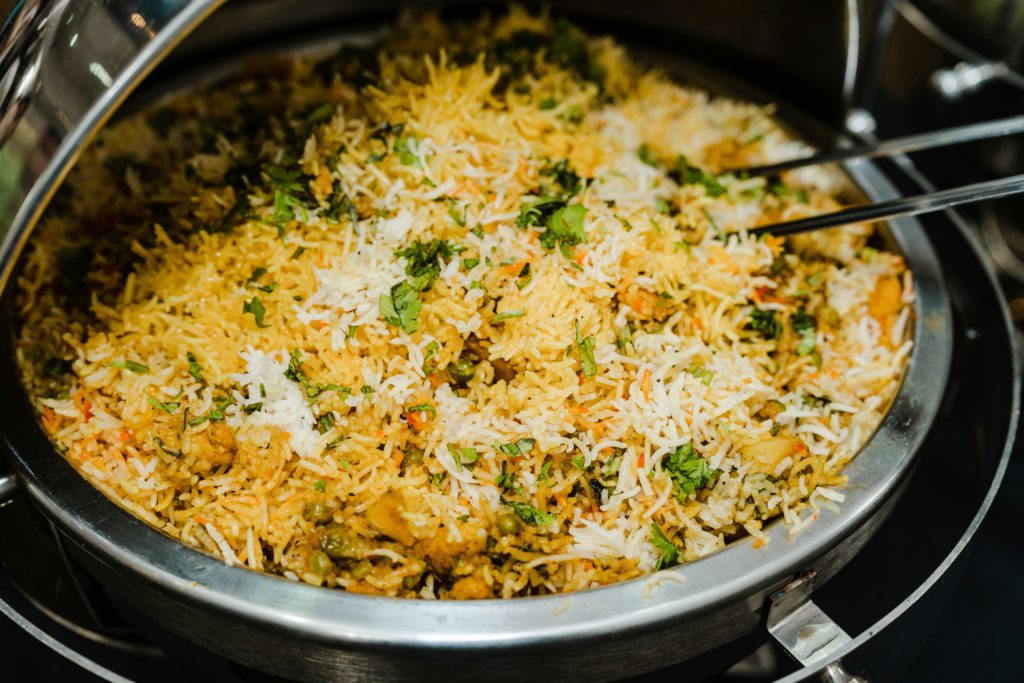
Across India, biryani inspires fierce loyalty, memes, debates, and endless regional variations. It’s celebratory and everyday at the same time.
That meal was also where I learned — patiently coached by my food buddy AJ — to eat properly with my hands. It sounds simple, but it’s an art. Once you do it, you understand: food tastes different when you touch it.
You might also like: An Icon of India: What is Biryani
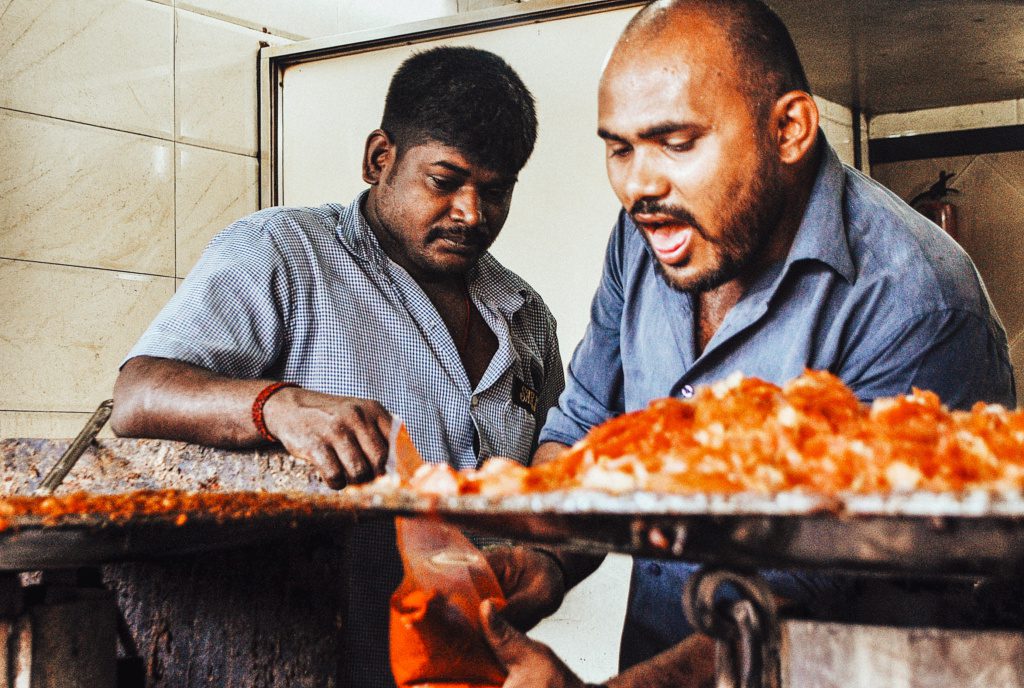
3. Pav Bhaji at Sardar: Butter as a Love Language
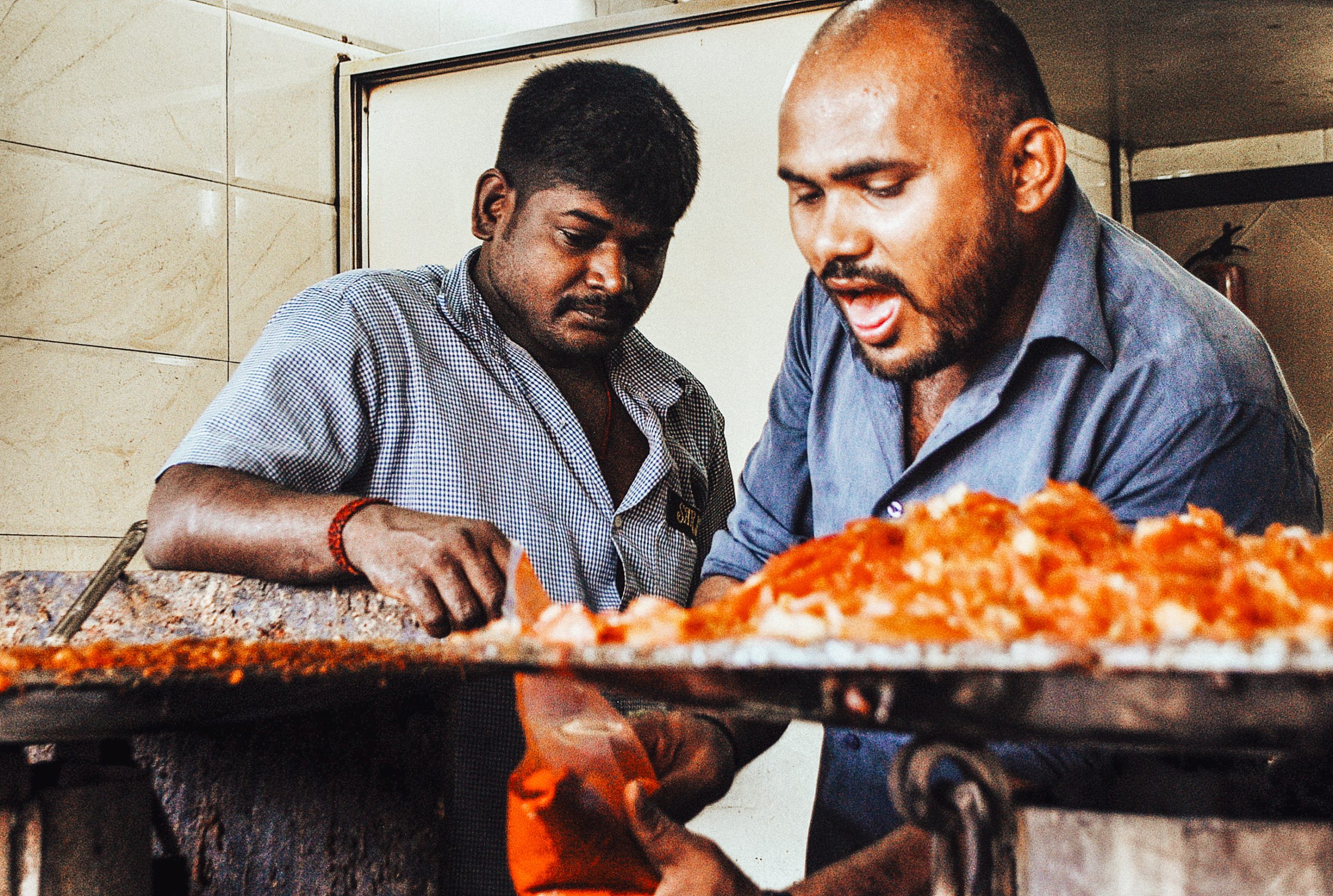
Then there was pav bhaji at Sardar Pav Bhaji. I may still be at increased cardiovascular risk from that lunch ten years ago.
Pav bhaji is a mashed vegetable curry — potatoes, tomatoes, peas and spices — cooked down into a thick, tangy, spicy gravy and enriched with heroic amounts of butter.
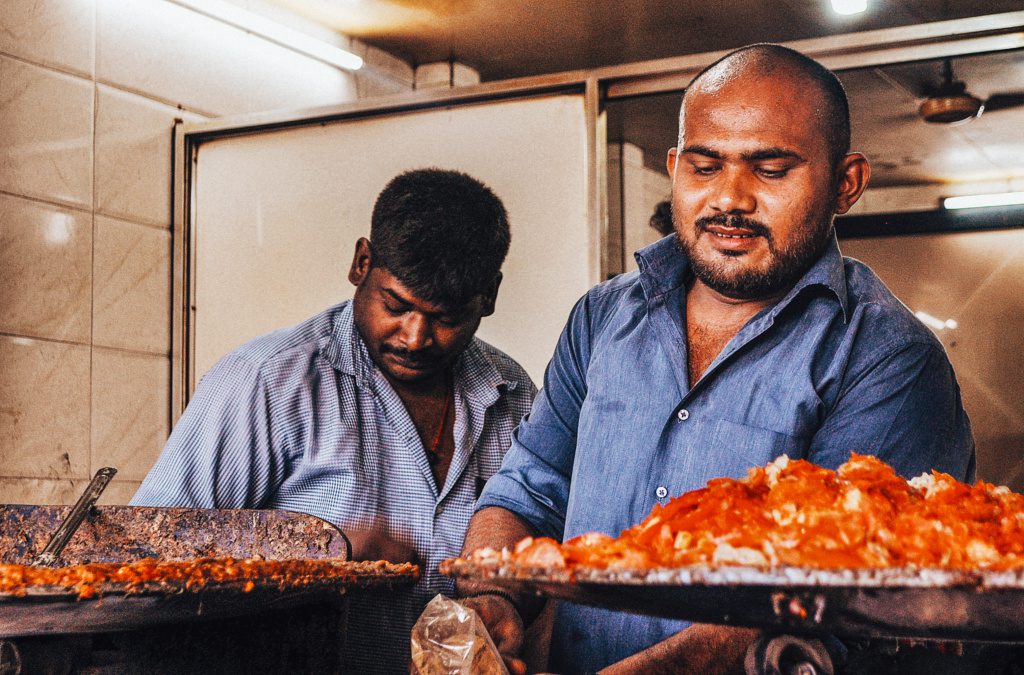
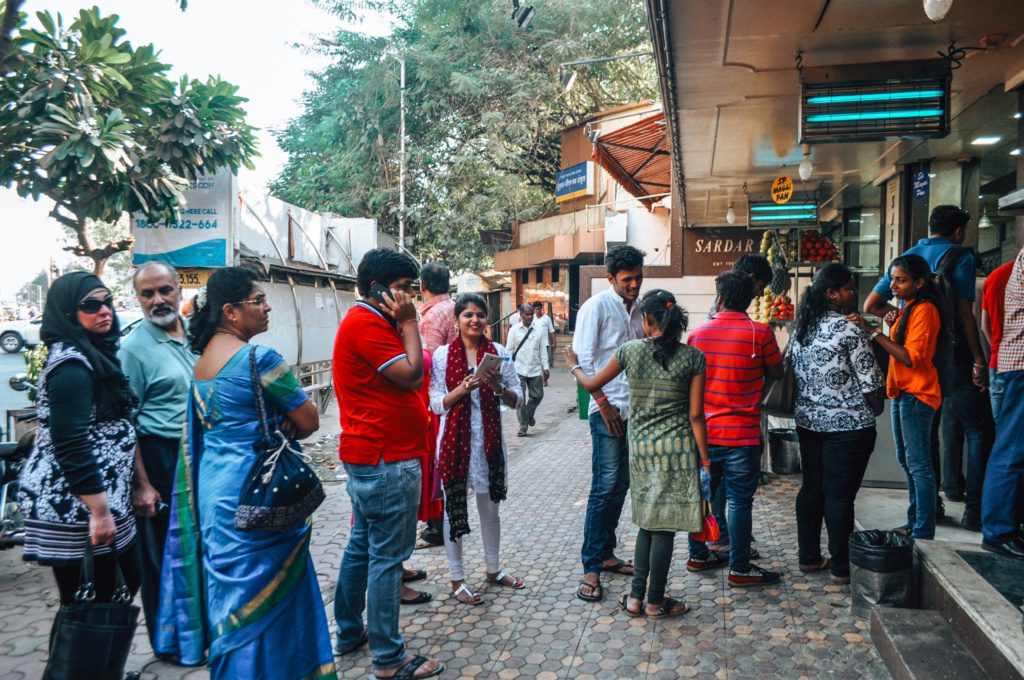
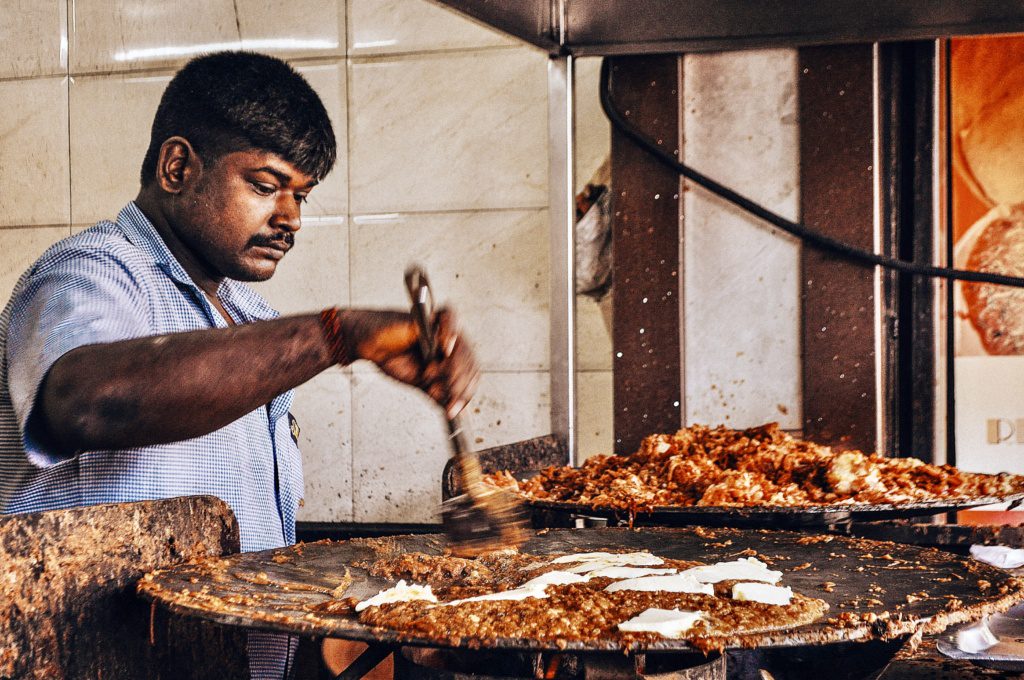
The pav, named after the Portuguese pão, is toasted in even more butter until golden and crisp.
Watching the cook add slab after slab of butter might make your heart doctor cringe, but one bite explains everything. It’s rich, smoky, indulgent and unforgettable.
I still remember every mouthful and still dream about it.
You might also like: Tasting The Truth: Lessons In Racism From London Docklands Museum
4. Sev Puri on “Monkey Island”
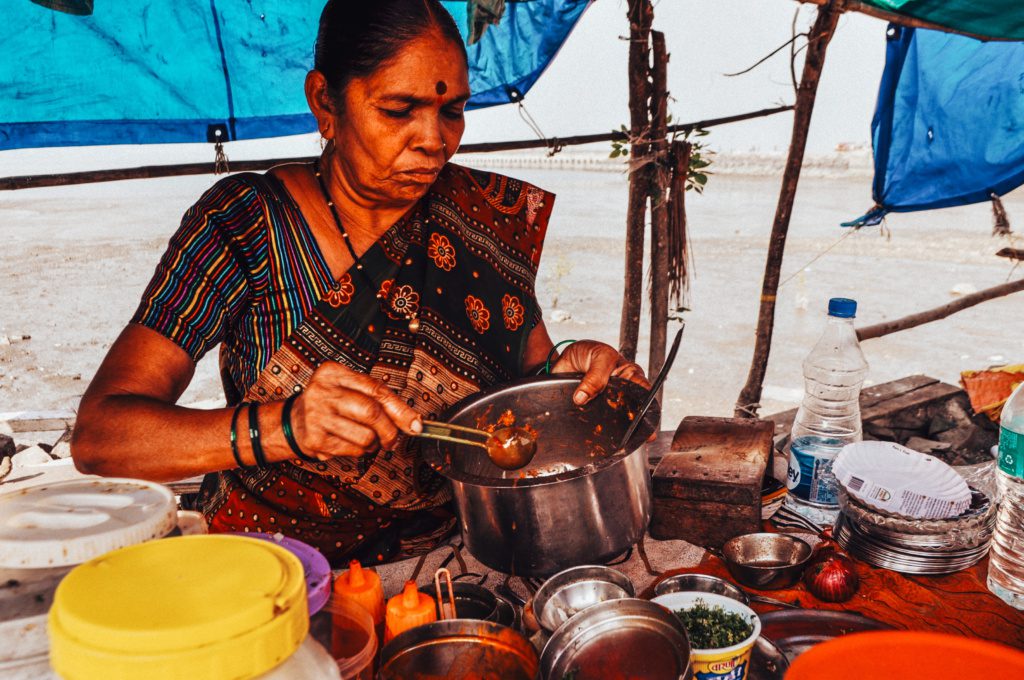
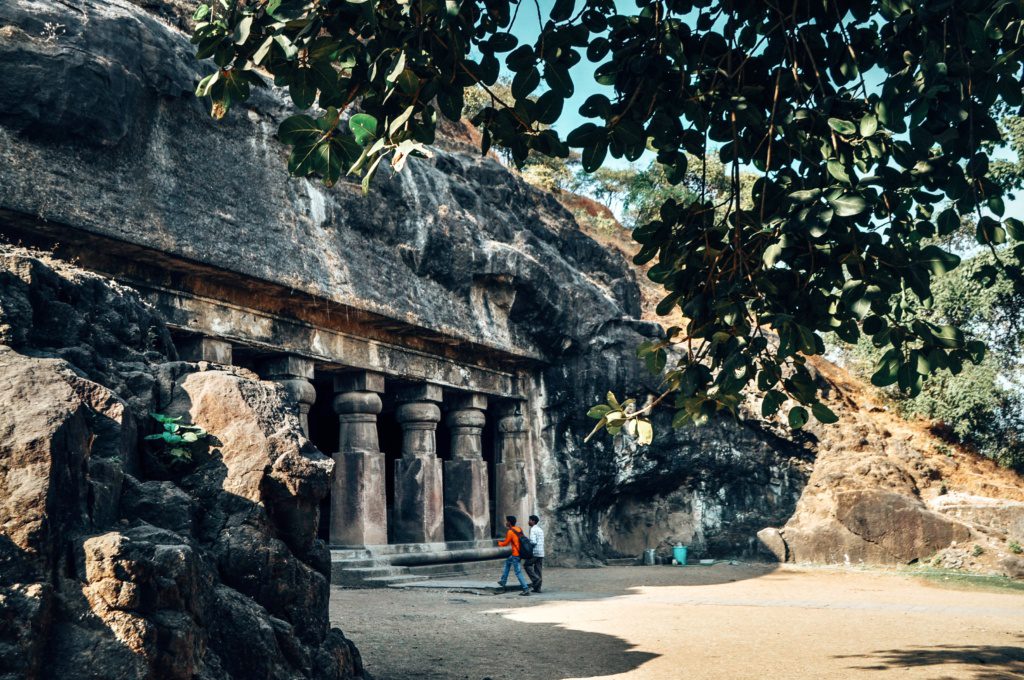
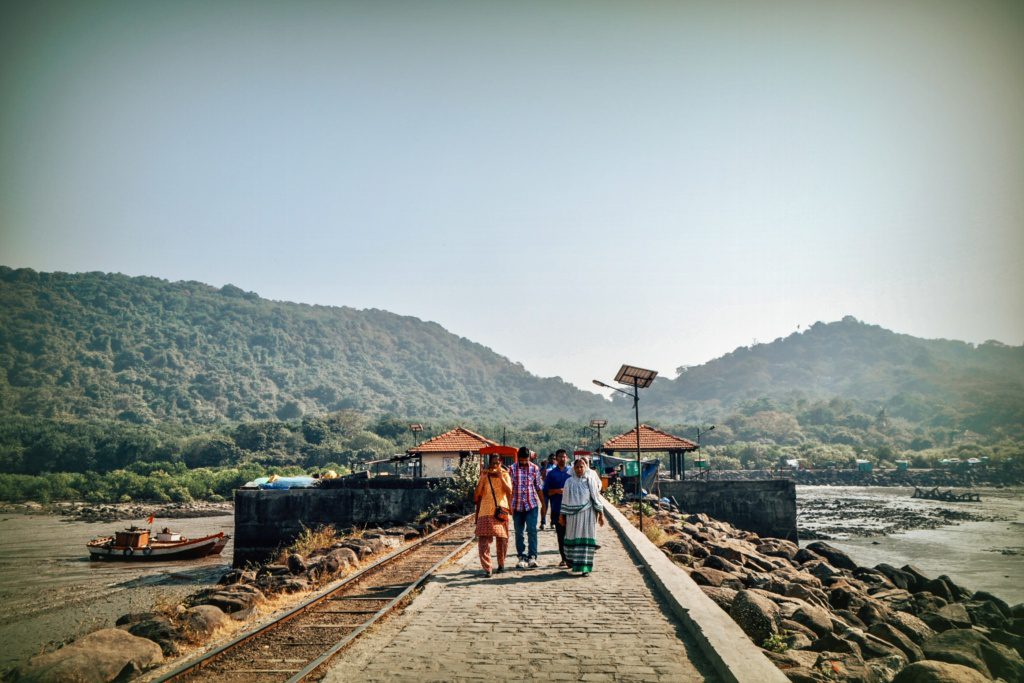
One of the most tender memories is eating sev puri on a tiny island near an ancient temple.
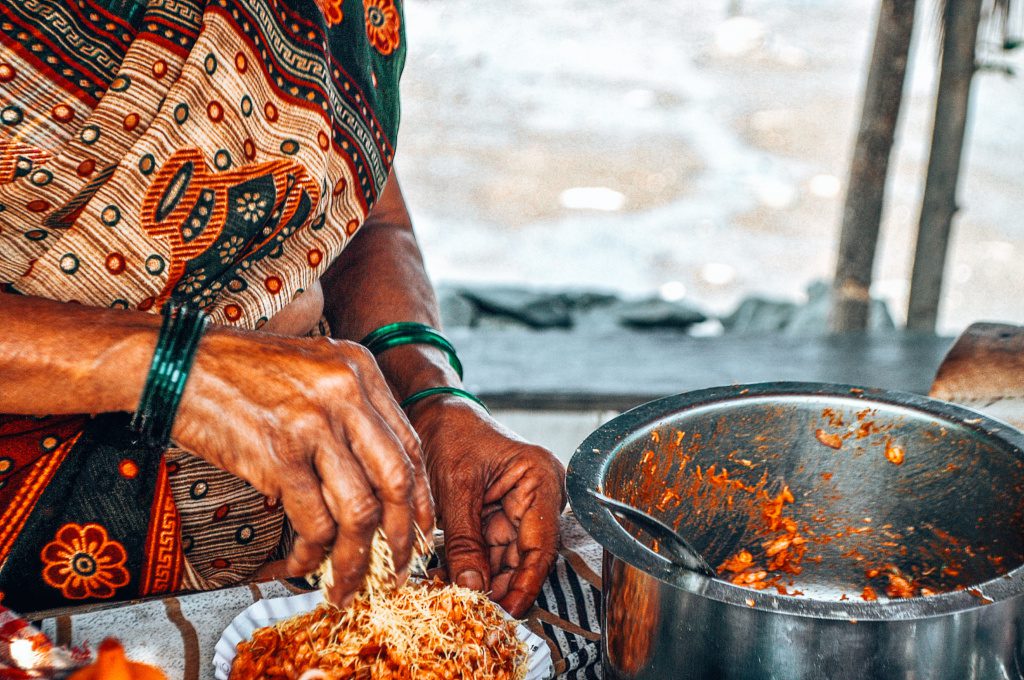
The woman assembling my plate sensed my excitement to try it for the first time, and I could feel her pride in making it — even if she had prepared thousands before mine.
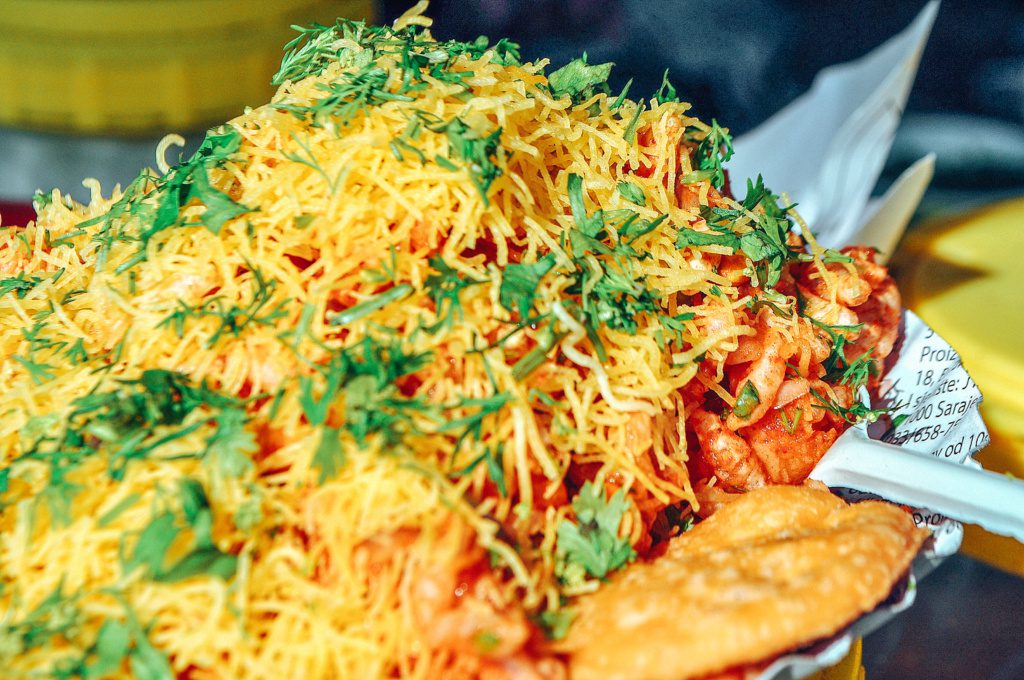
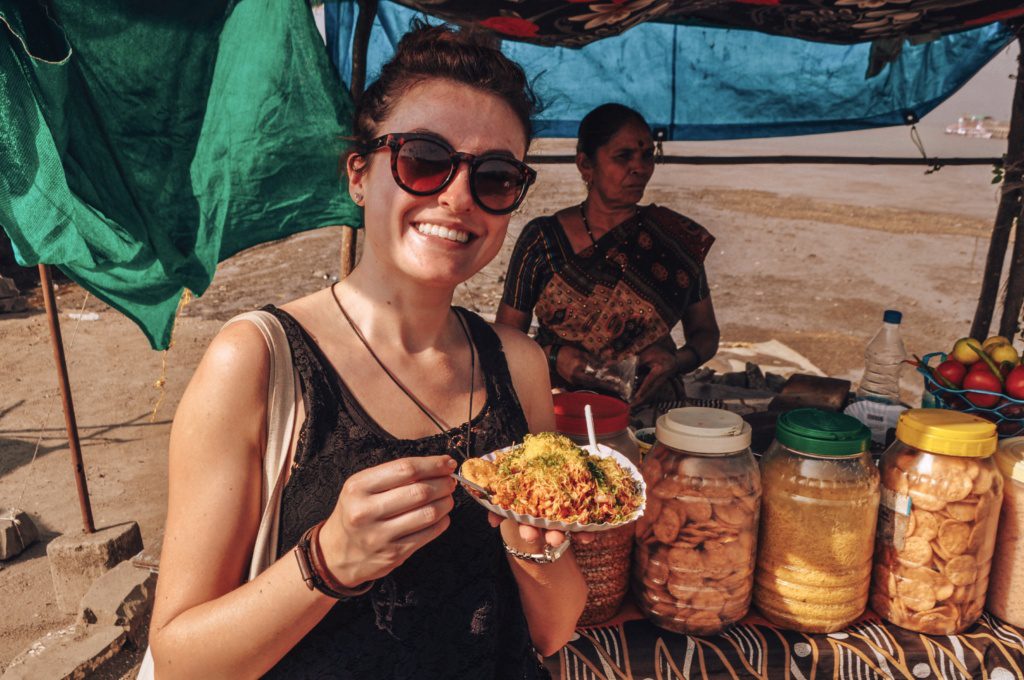
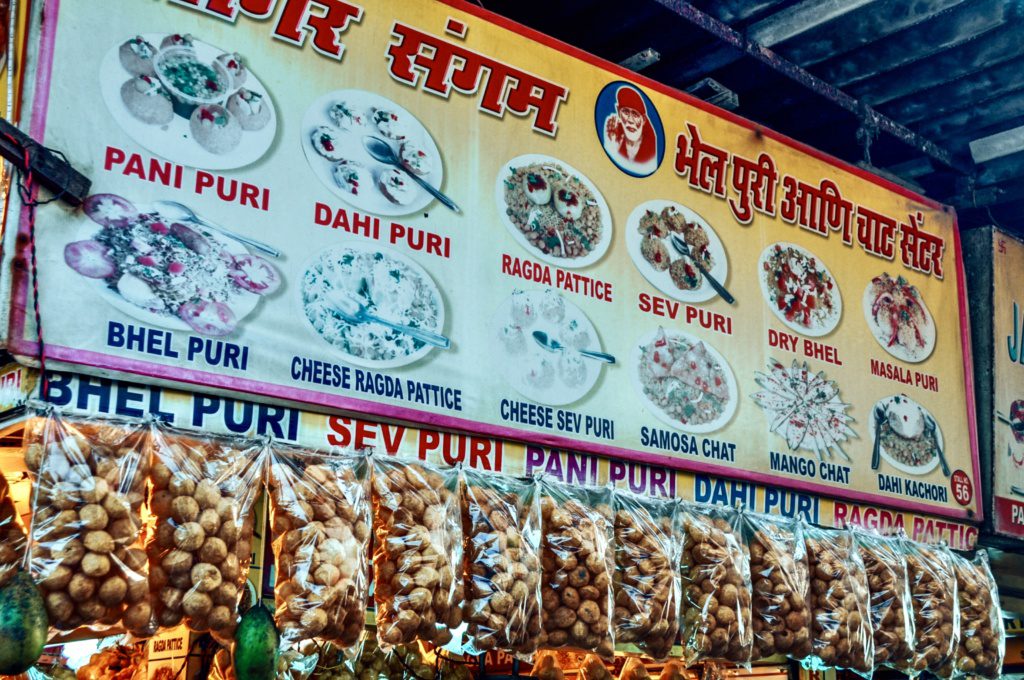
Crisp puris were topped with diced potatoes, onions, sweet and spicy chutneys and a generous handful of crunchy sev.
Each bite shattered, then dissolved into a perfect balance of tangy, sweet and spicy.
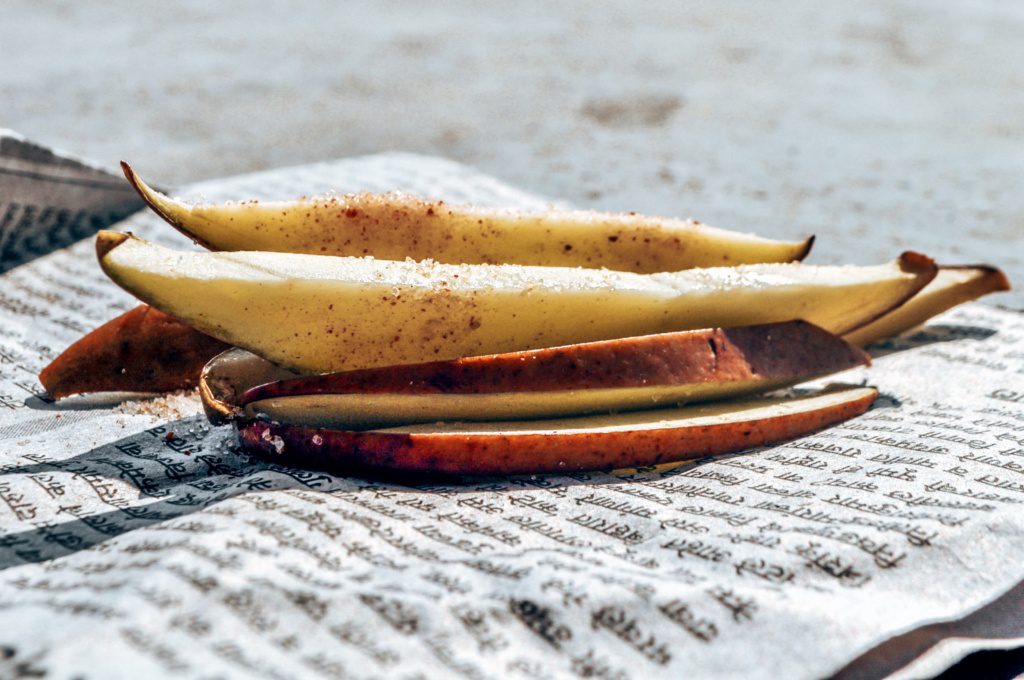
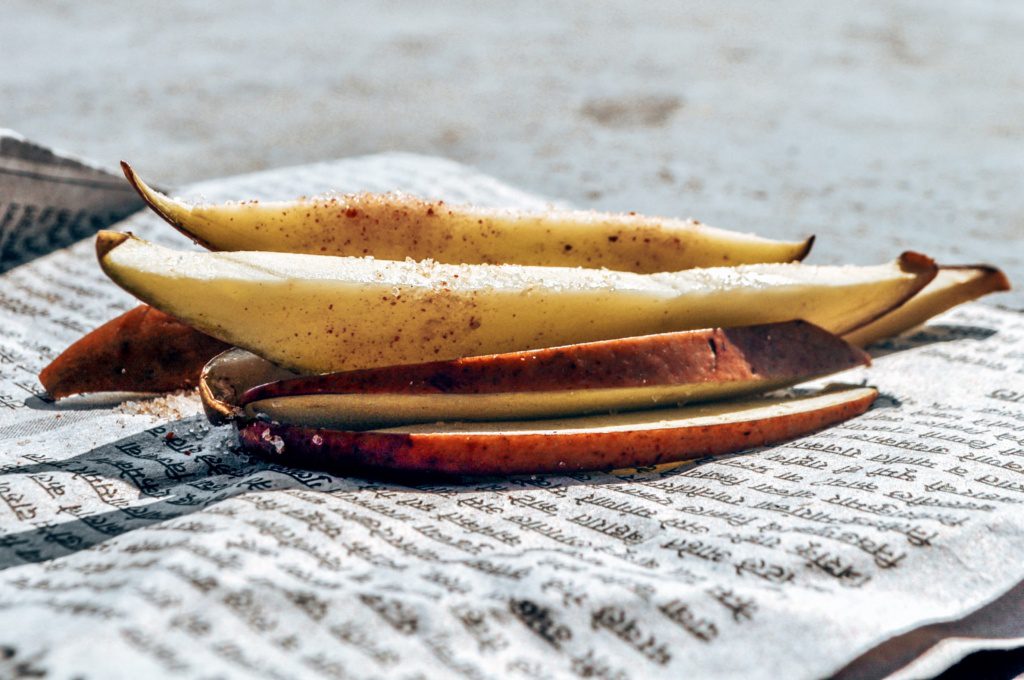
Before that, I had eaten slices of green mango sprinkled with sea salt, wrapped in old newspaper. It was a simple meal, but it felt sacred.

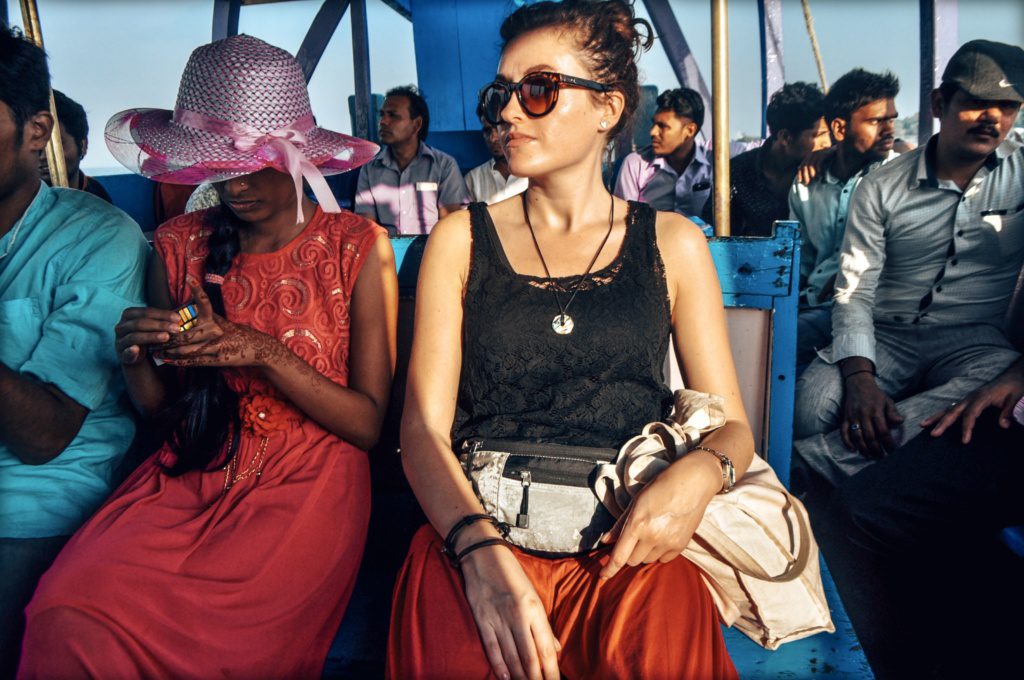
5. A Veg Thali: The Joy of Many Small Things
A vegetarian thali in a bustling street-side café reminded me why India’s veg cuisine is a universe of its own. Many restaurants clearly distinguish between veg and non-veg, and vegetarian food is never an afterthought.
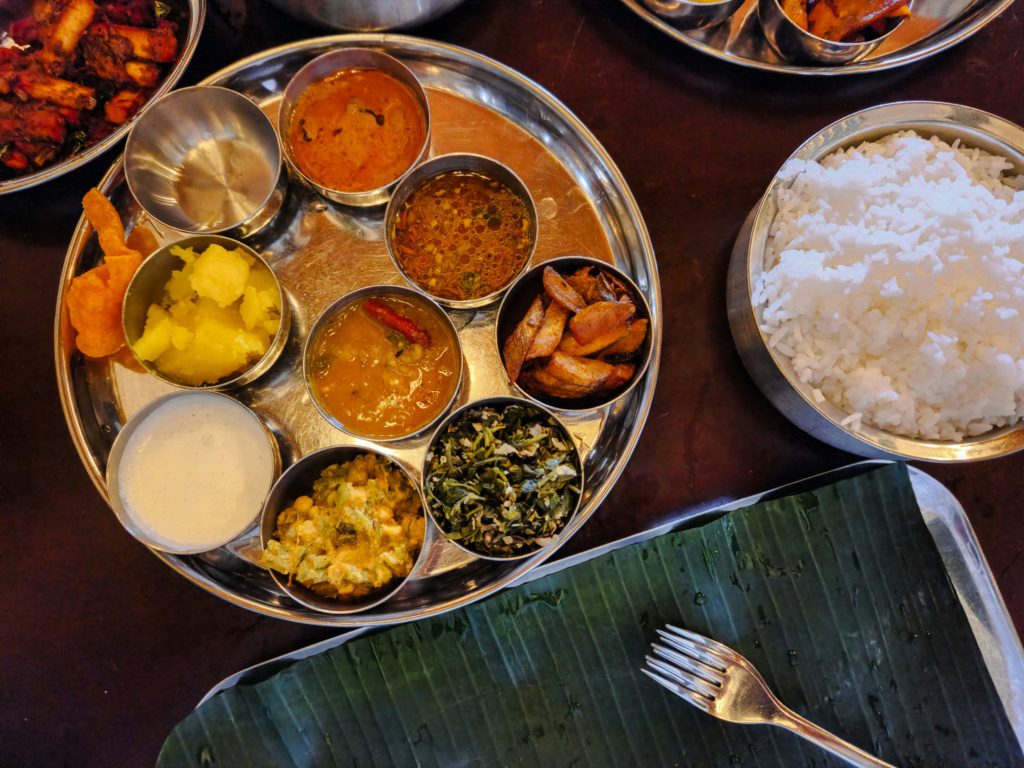
A thali arrives as a round metal tray holding small bowls of lentils, vegetable curries, pickles, yogurt, rice, roti and often a sweet.
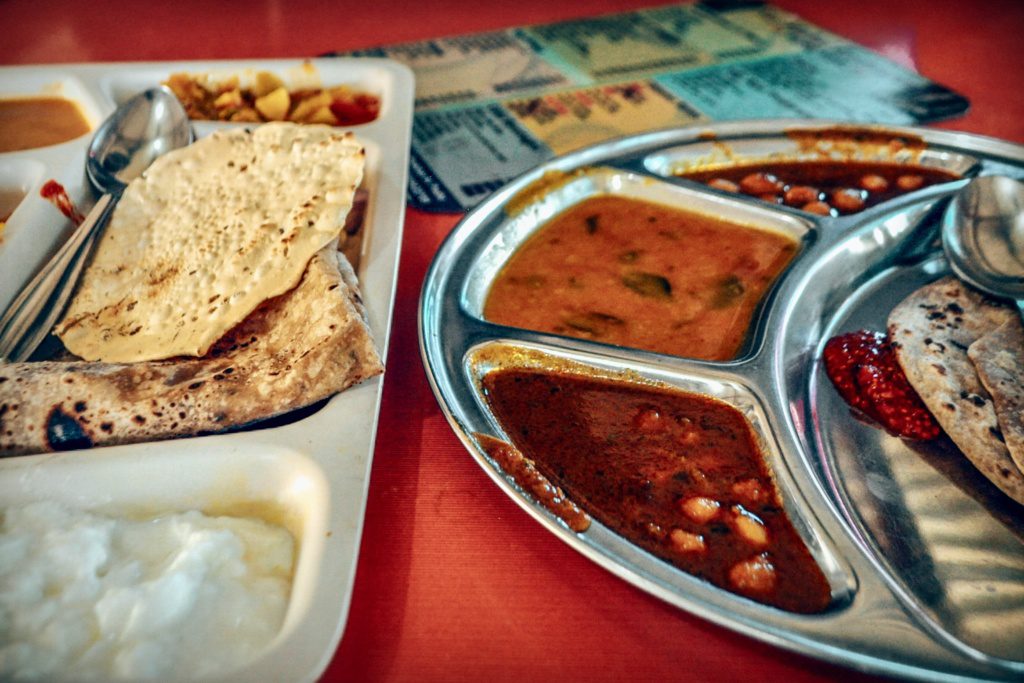
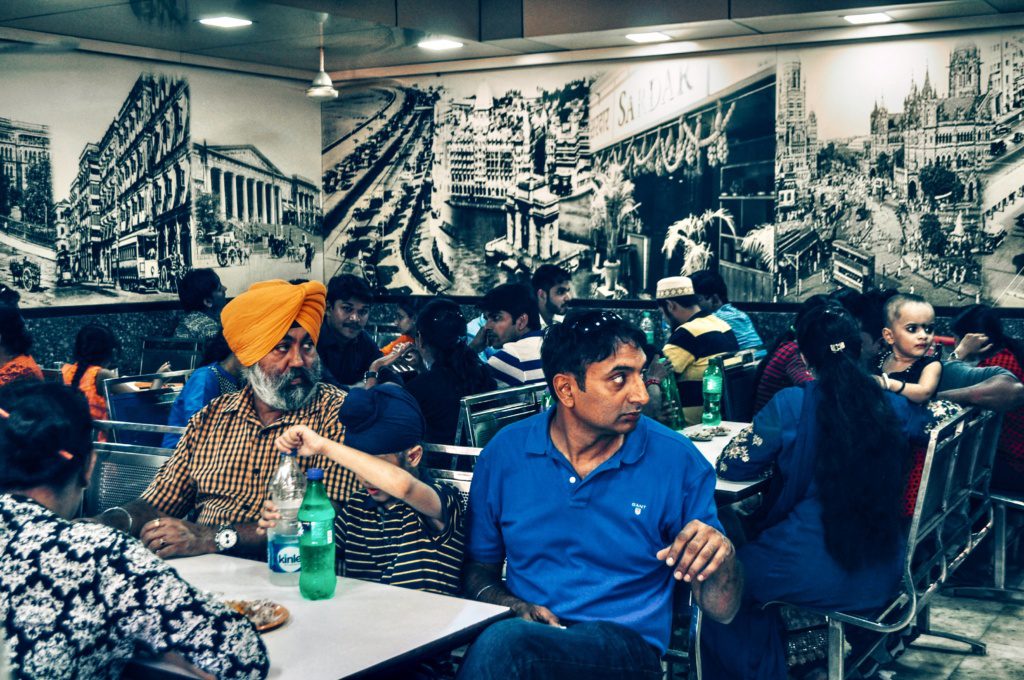
Eating my thali with my hands, scooping steaming curries with torn pieces of roti, surrounded by hundreds of other diners in close quarters, I felt pure joy.
There is no such thing as personal space in Mumbai, but there is an abundance of shared love for food. A thali is a must.
You might also like: Singapore Street Food Culture: Asia For Beginners
6. Street Food at Juhu Beach
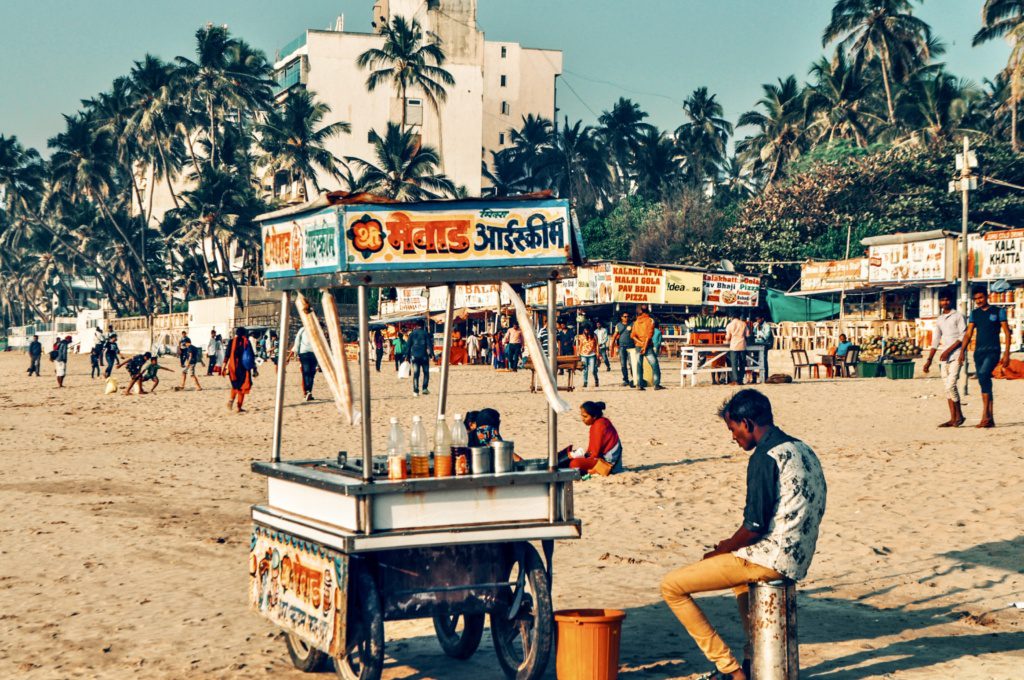
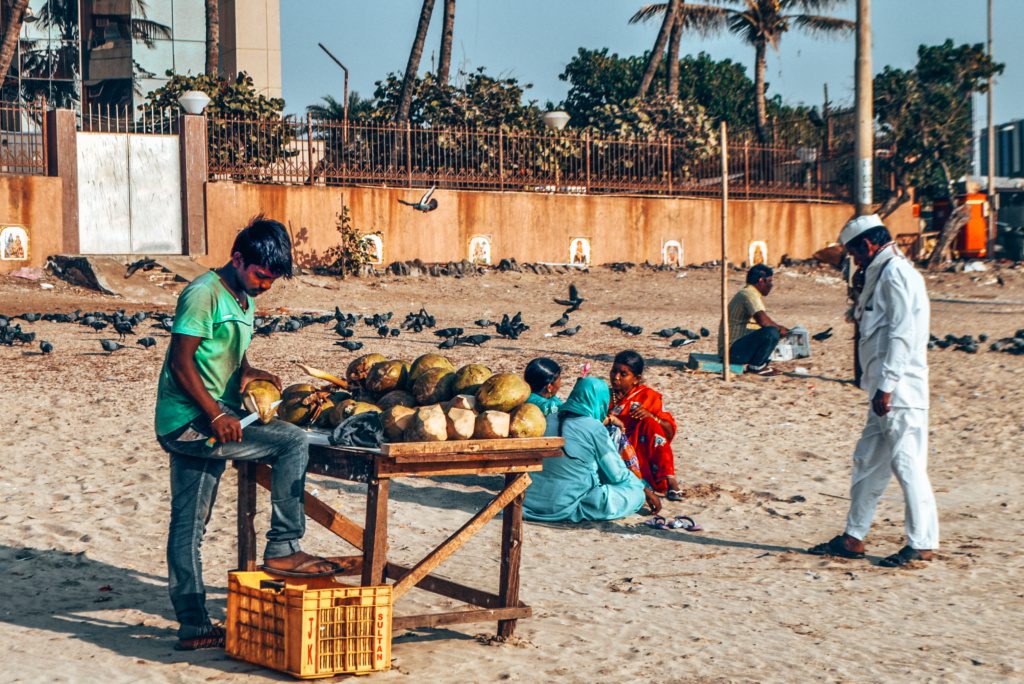
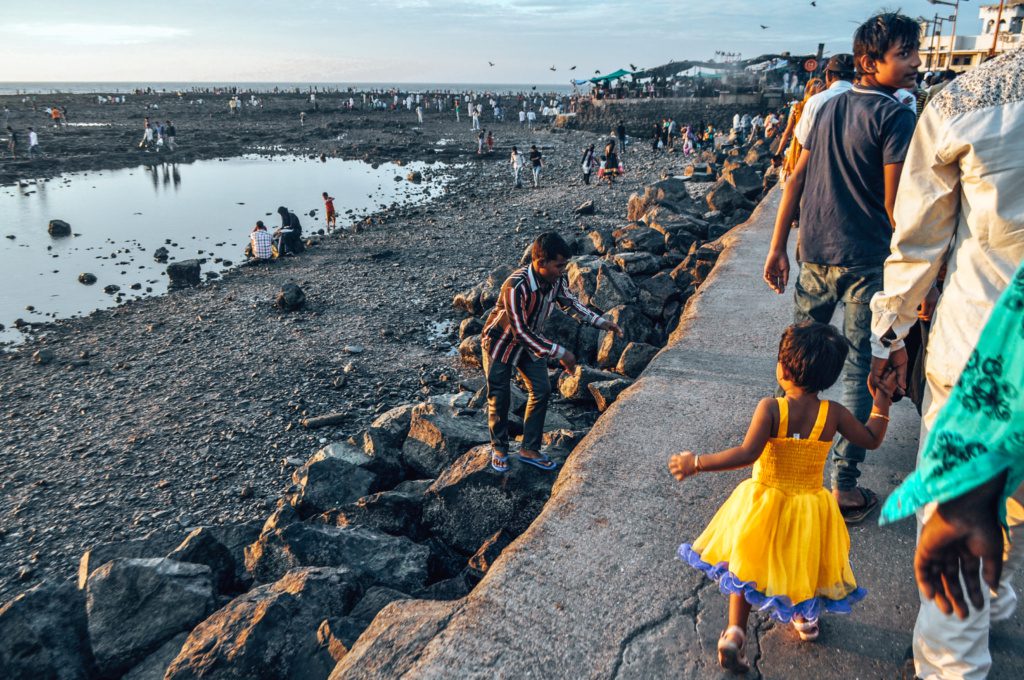
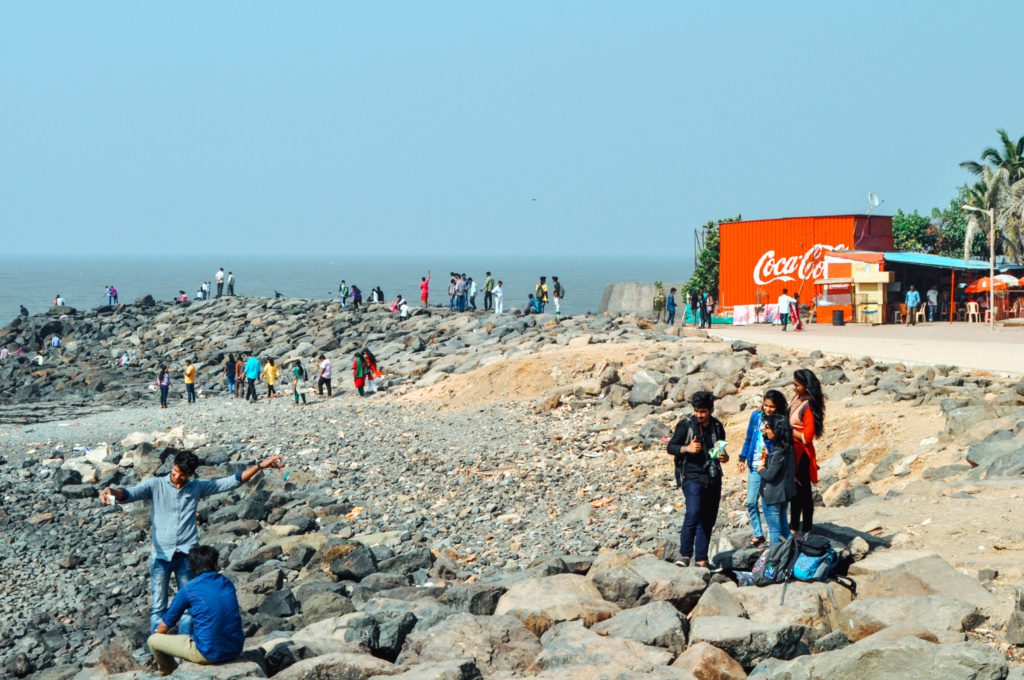
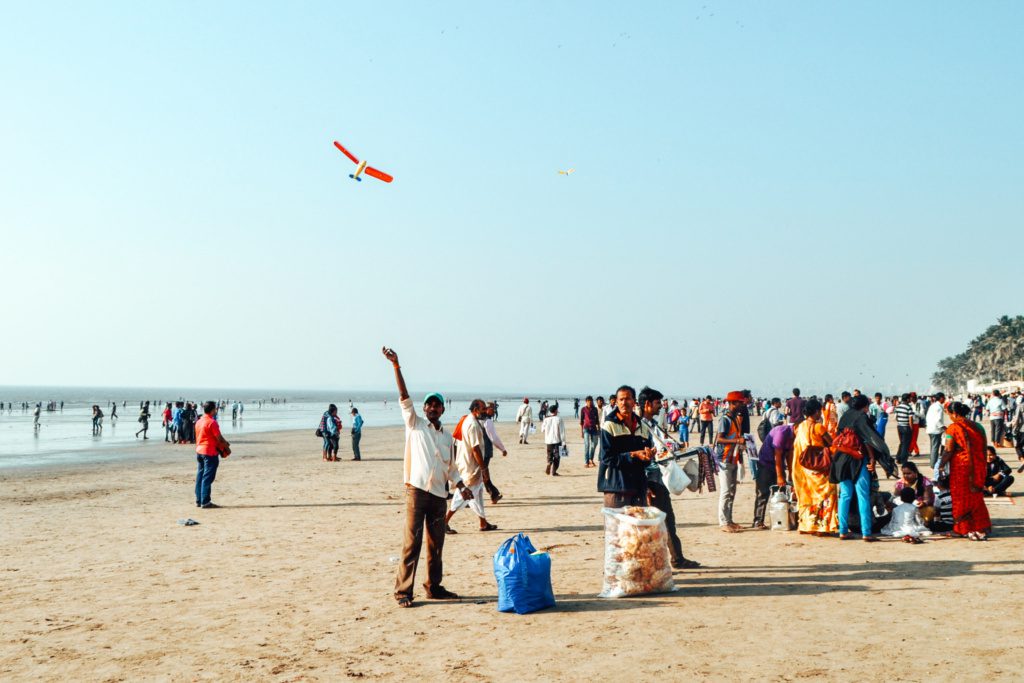
When I asked locals for a truly local experience, they sent me to Juhu Beach.
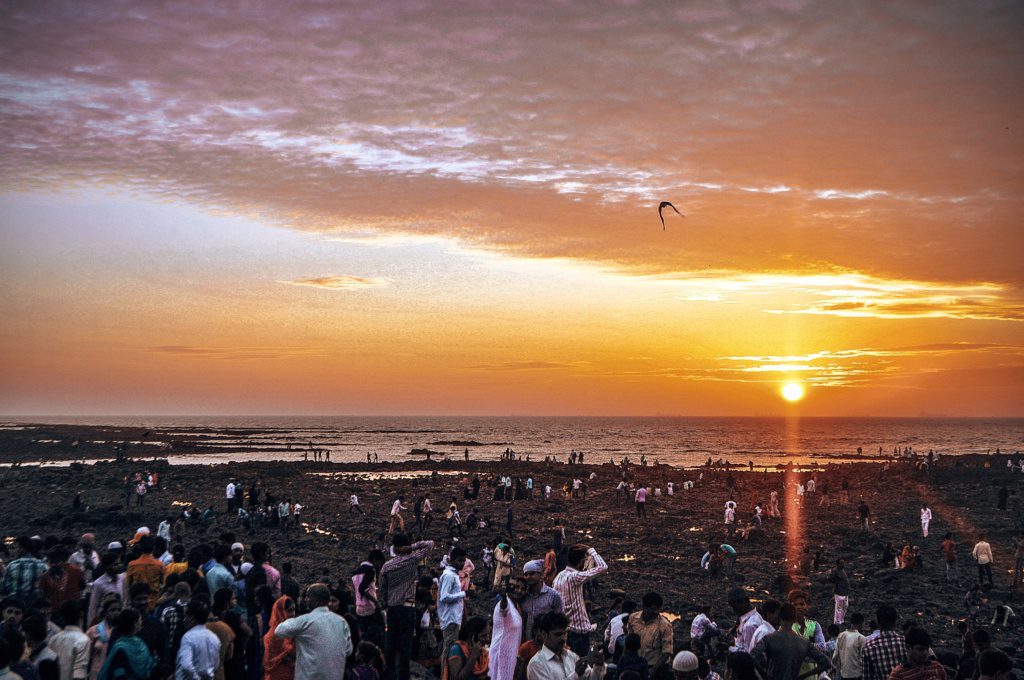
That afternoon felt like a living postcard: sunset cricket matches, children building sandcastles, teenagers flirting, kites dancing overhead.
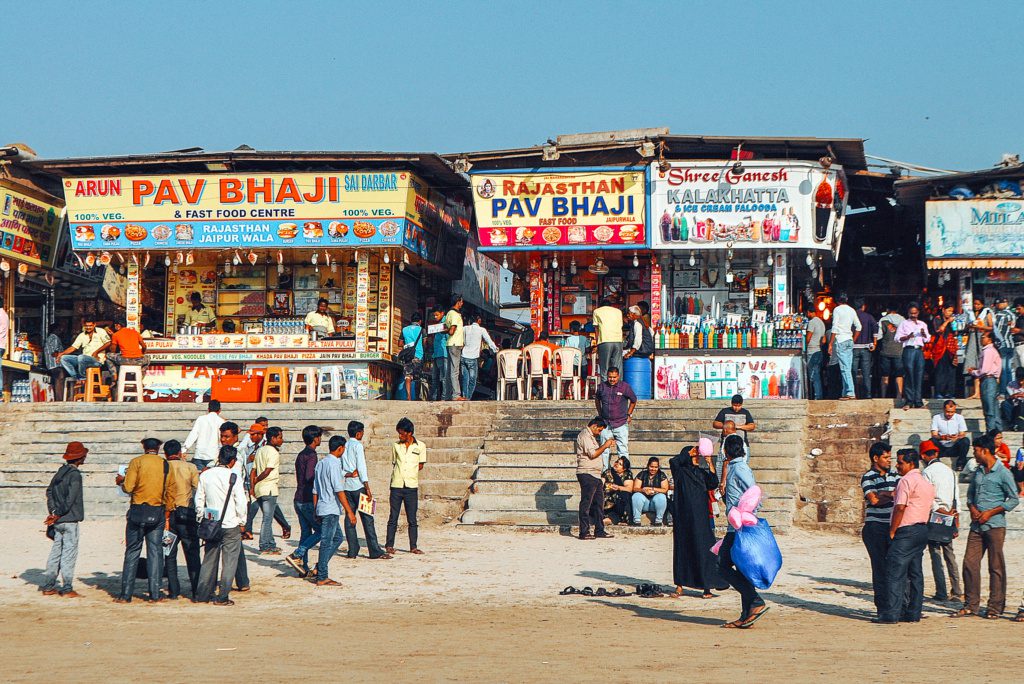
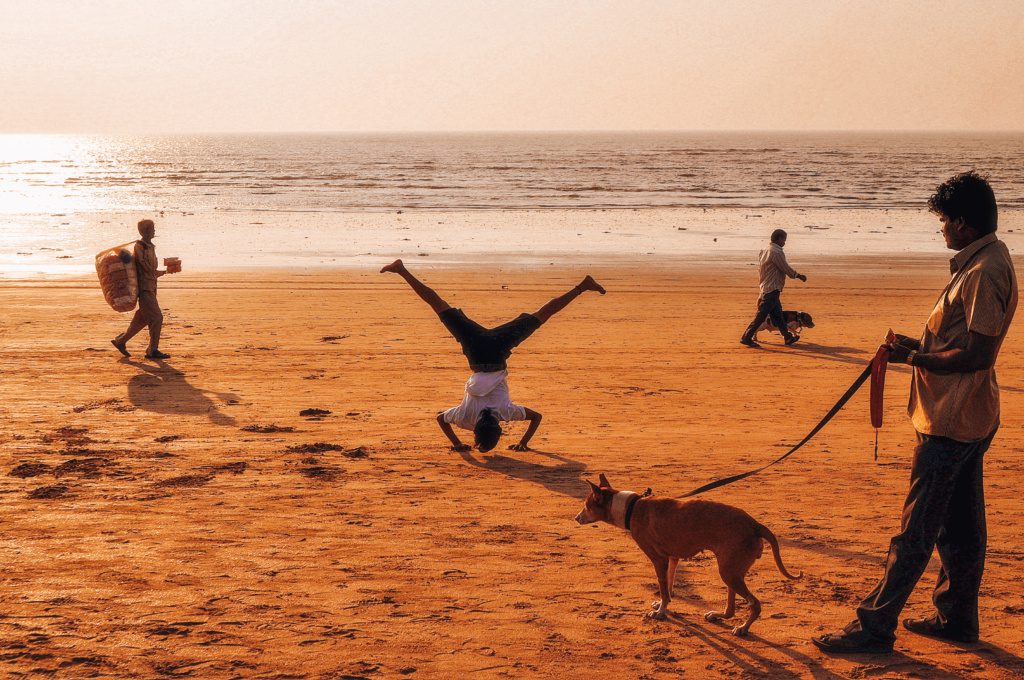
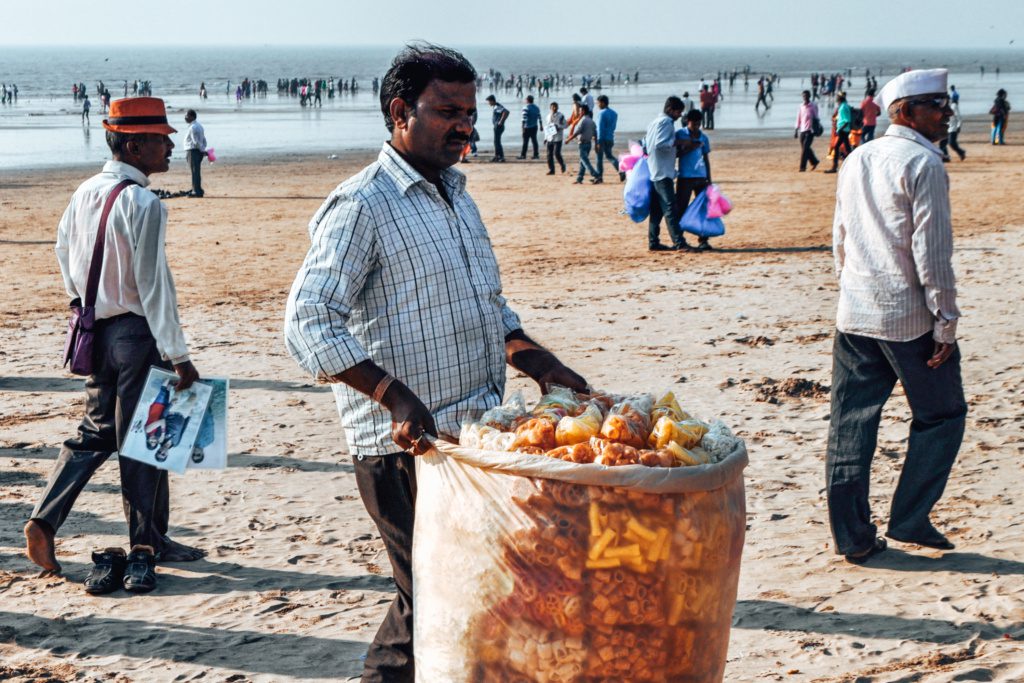
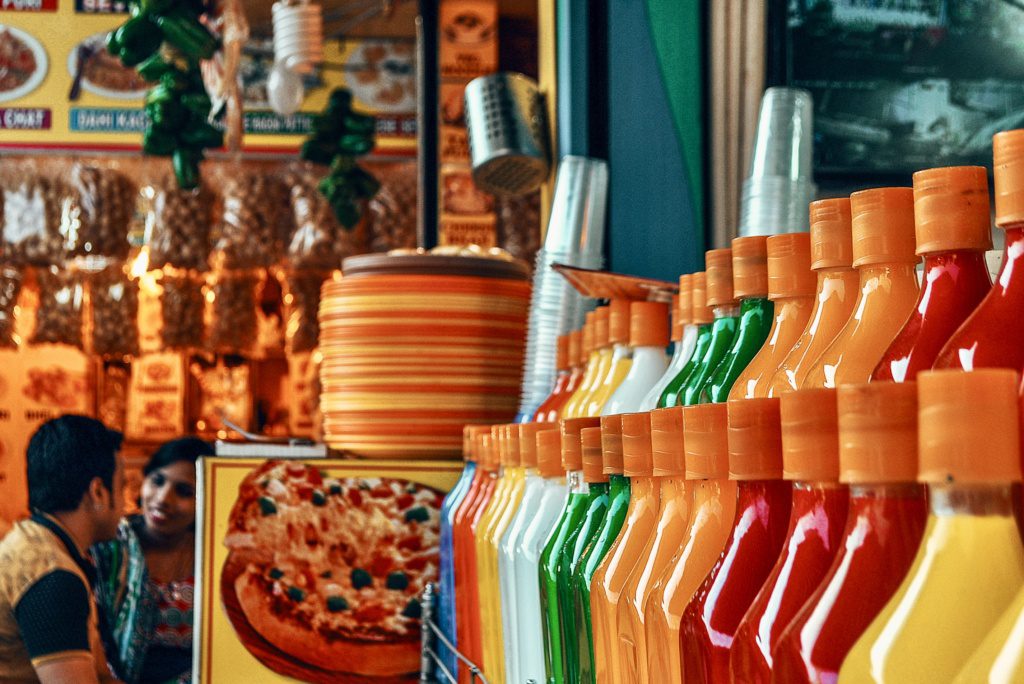
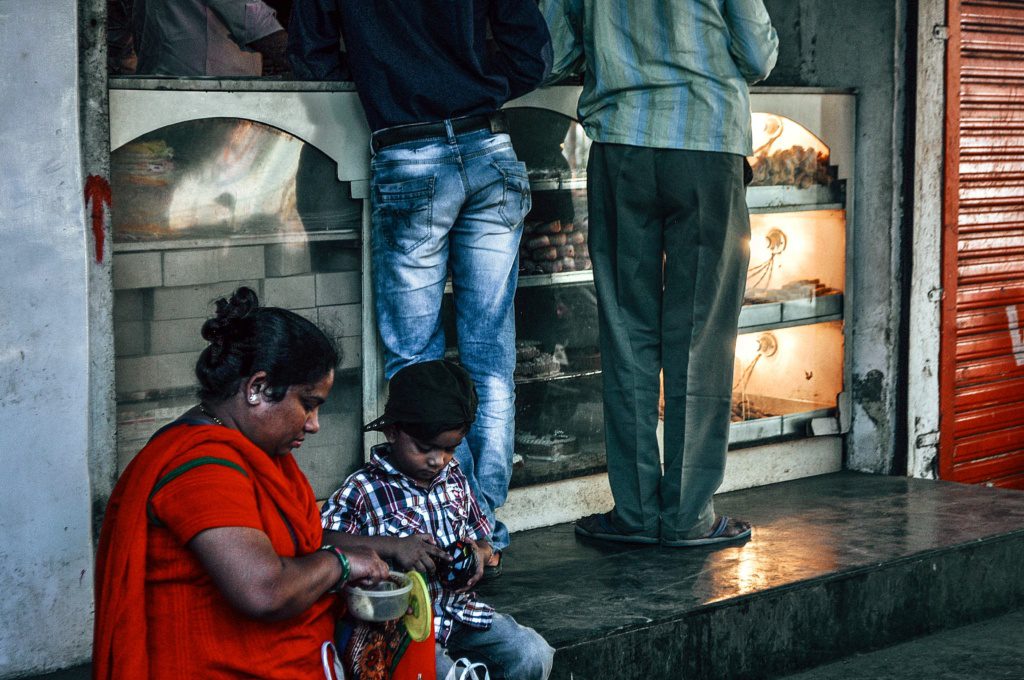
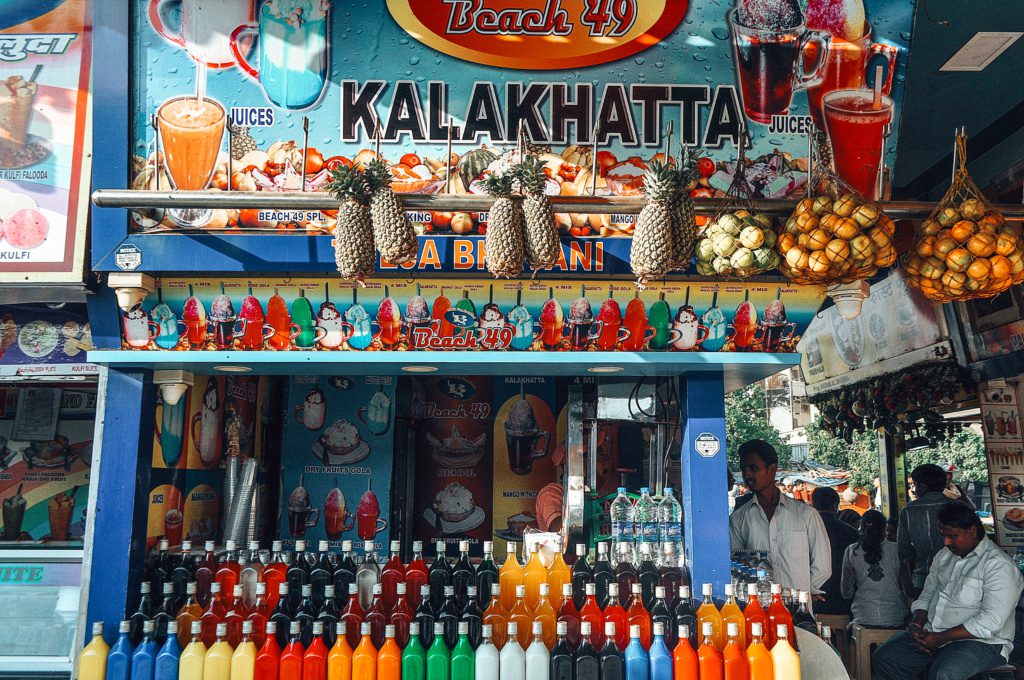
And everywhere, food. Pani puri filled with spiced mint water, bhel puri tossed with chutneys, vada pav, electric pink cotton candy, ice cream.
And the iconic Mumbai street sandwich — layered with vegetables, chutneys and spices, pressed on a hot griddle until crisp.
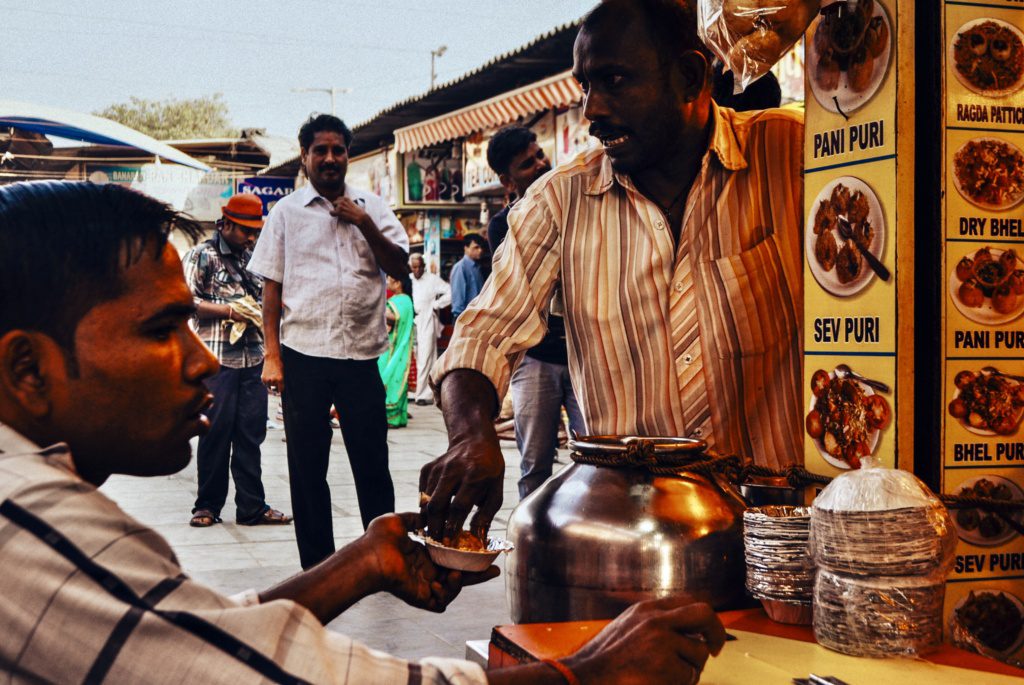
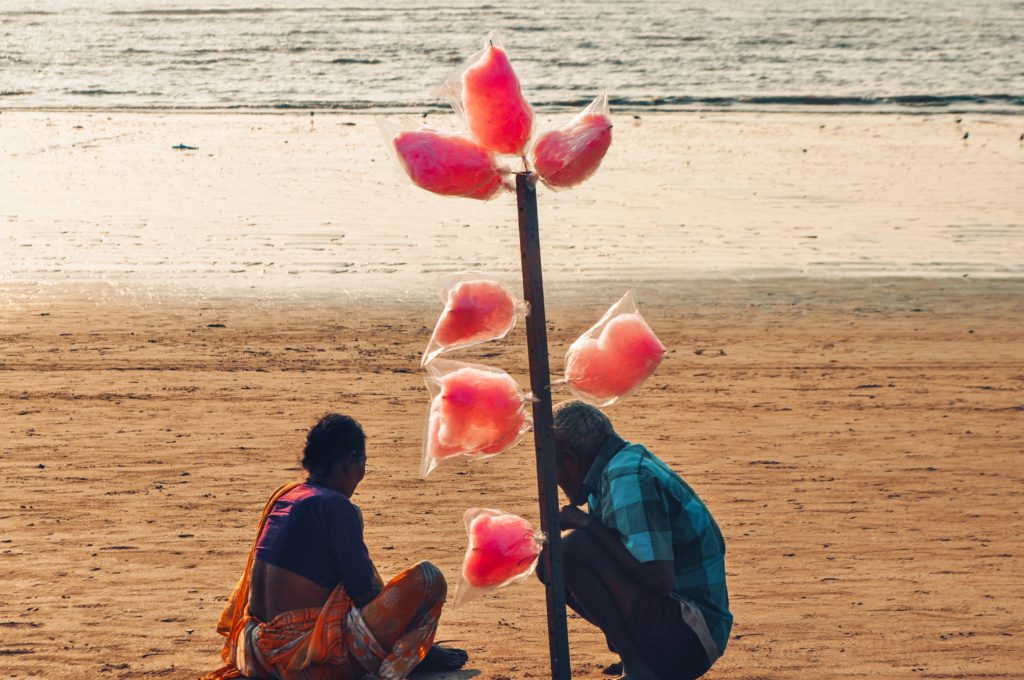
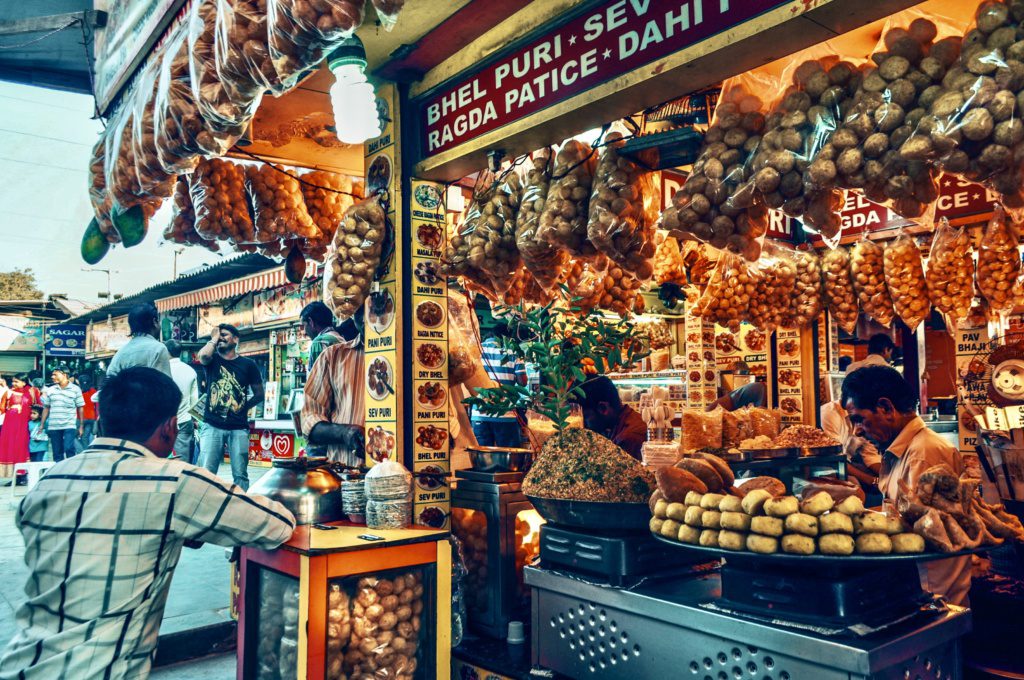
Don’t be fooled: a Mumbai street sandwich is a category of its own and an experience you’ll write home about.
Even if you don’t eat, it’s an experience for all the senses. Plus people watching at its finest.
You might also like: Omani Cuisine: Roots, Rituals & Remarkable Flavors (+ Where to Eat in Muscat)
7. Iranian Tea Cafés: Time Capsules of Old Bombay
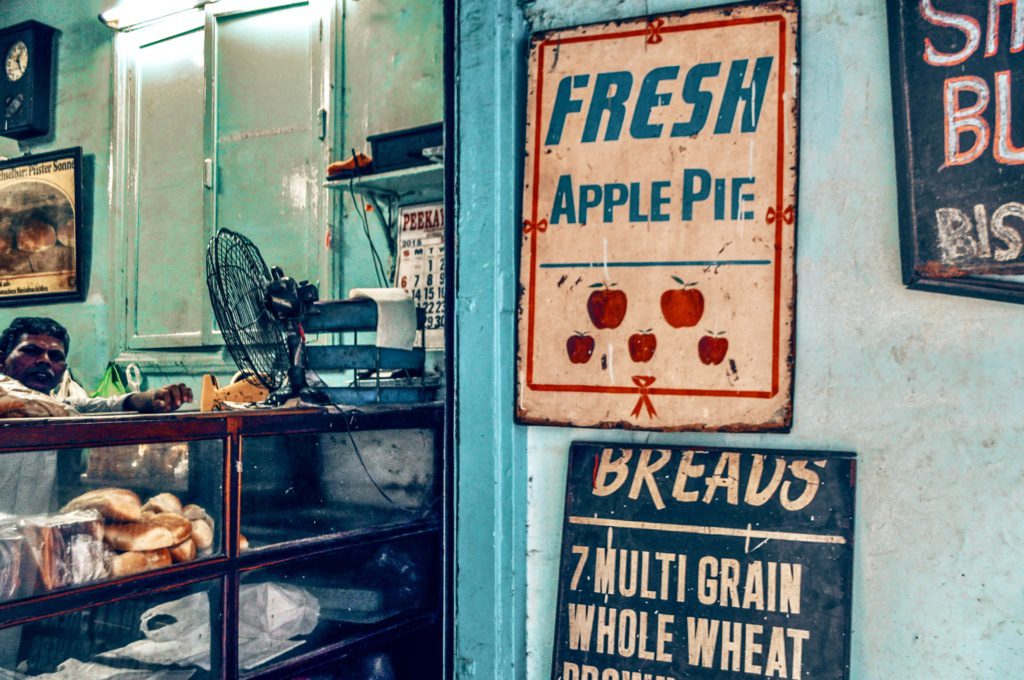
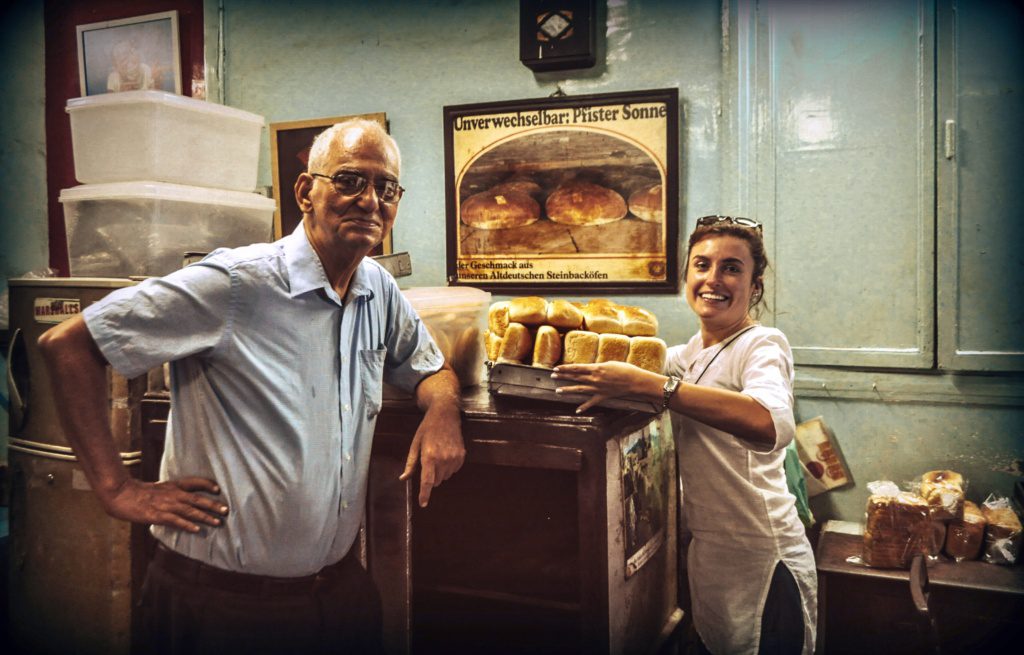
Mumbai’s Iranian cafés offer another layer of flavor and history.
Opened by Zoroastrian immigrants from Iran in the late nineteenth and early twentieth centuries, these cafés are time capsules of old Bombay.
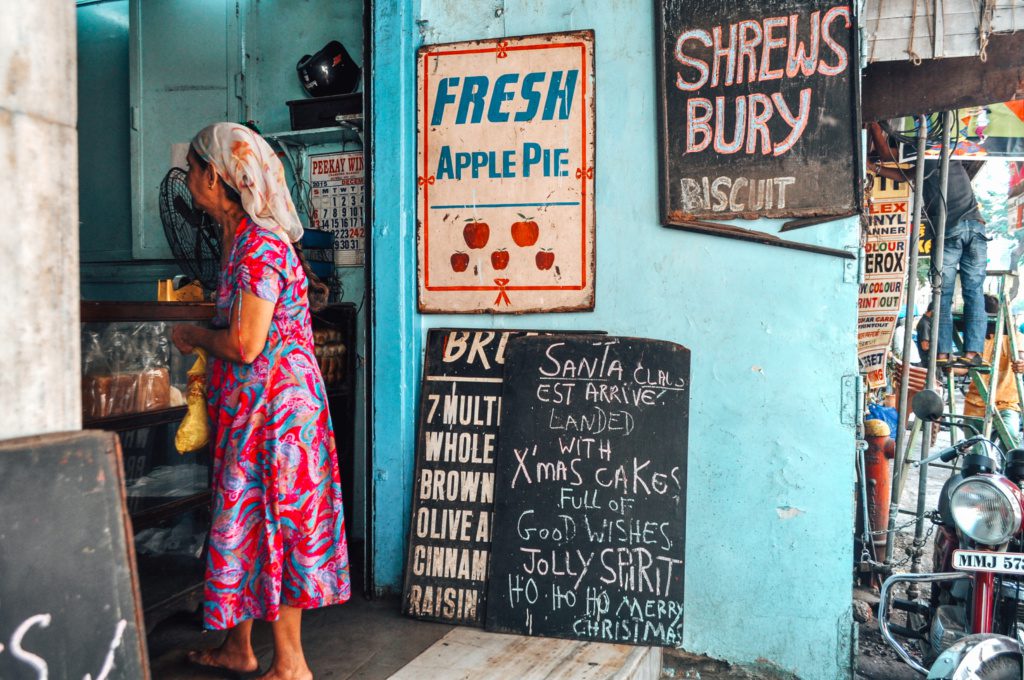
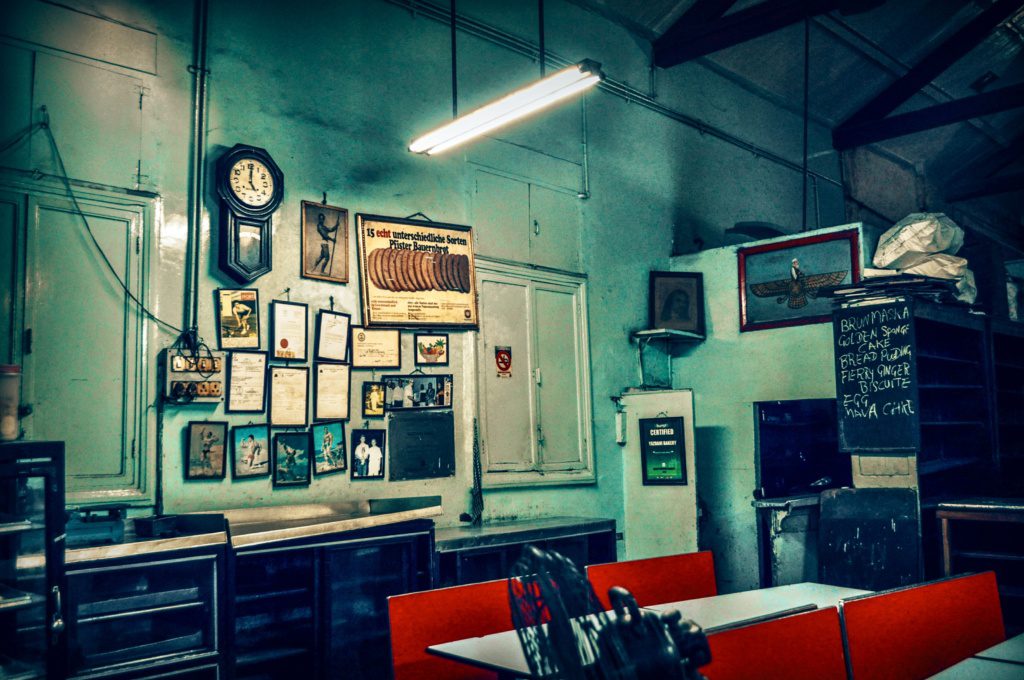
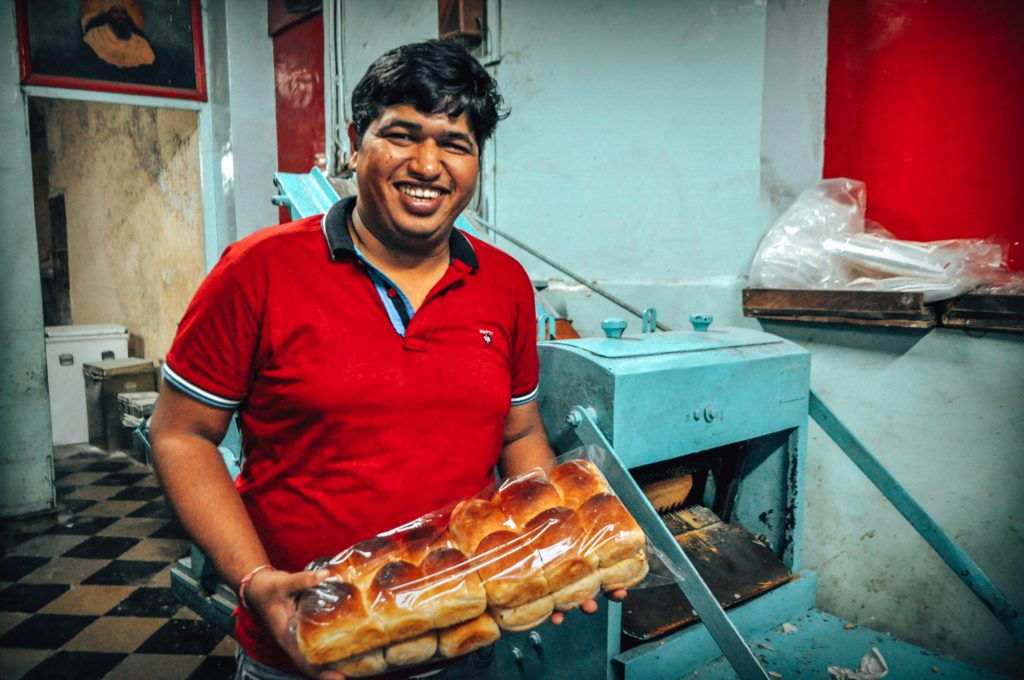
At places like Kyani & Co. and Britannia & Co., you sit at marble-top tables beneath slowly spinning ceiling fans and order bun maska with sweet milky chai, kheema pav, or caramel custard.
They’re not polished or trendy. They’re living Persian history you can taste.
You might also like: Why “Ethnic Food” Is a Racist Invention—And Why It’s Time To Let It Go
8. Sunset and Sweets at Haji Ali
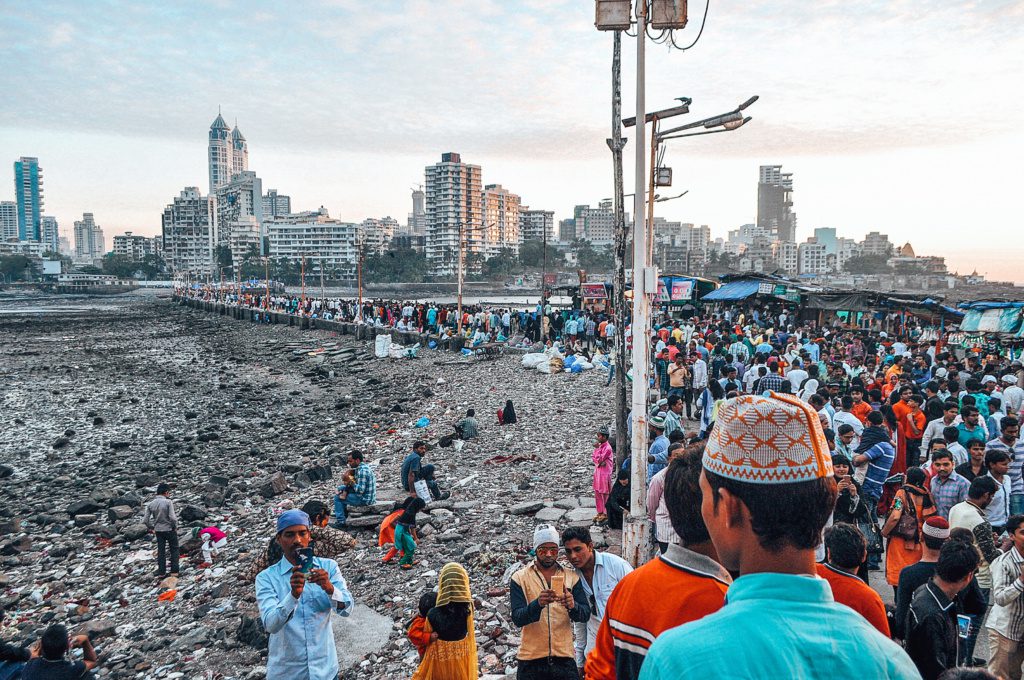
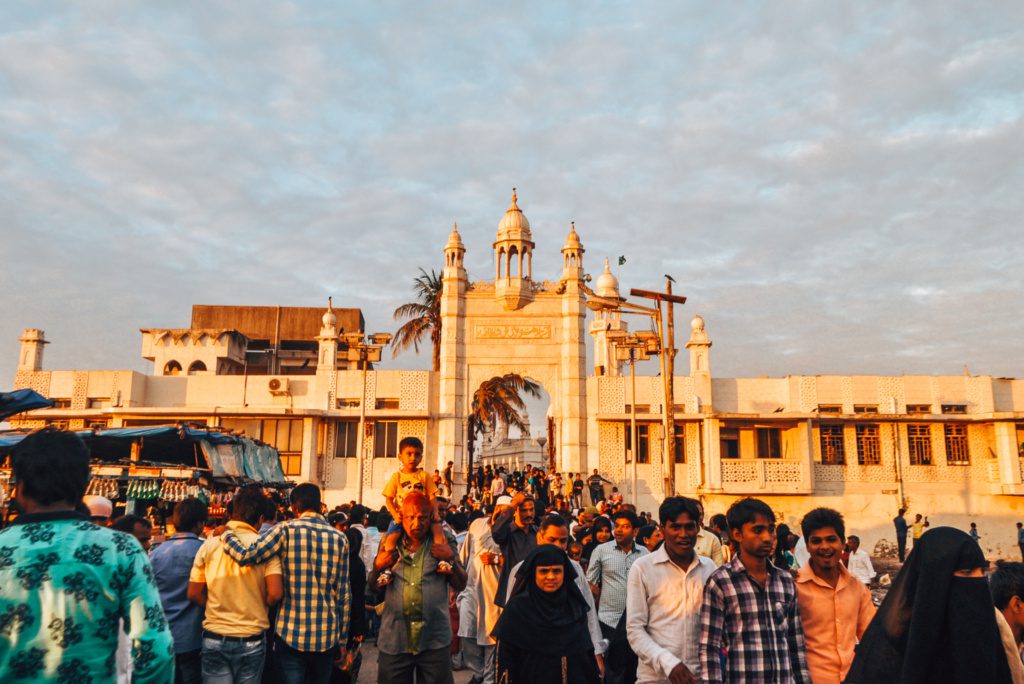
Finally, sunset at Haji Ali Dargah with a falooda in hand is an experience I will never forget.
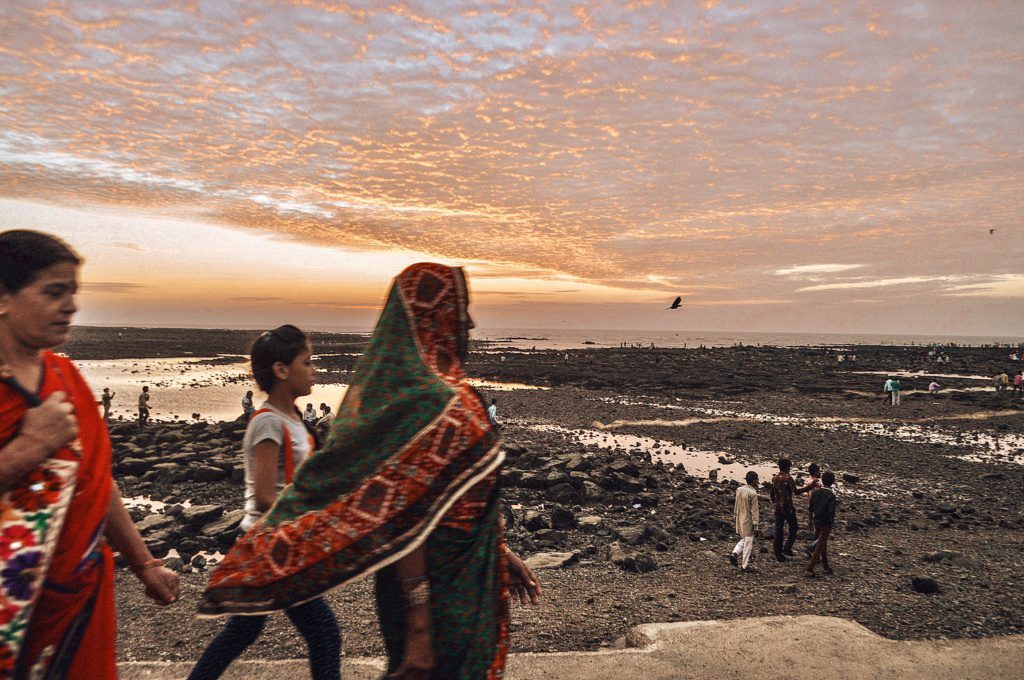
The 15th-century mosque and tomb sits in the Arabian Sea, connected by a narrow causeway that disappears at high tide.
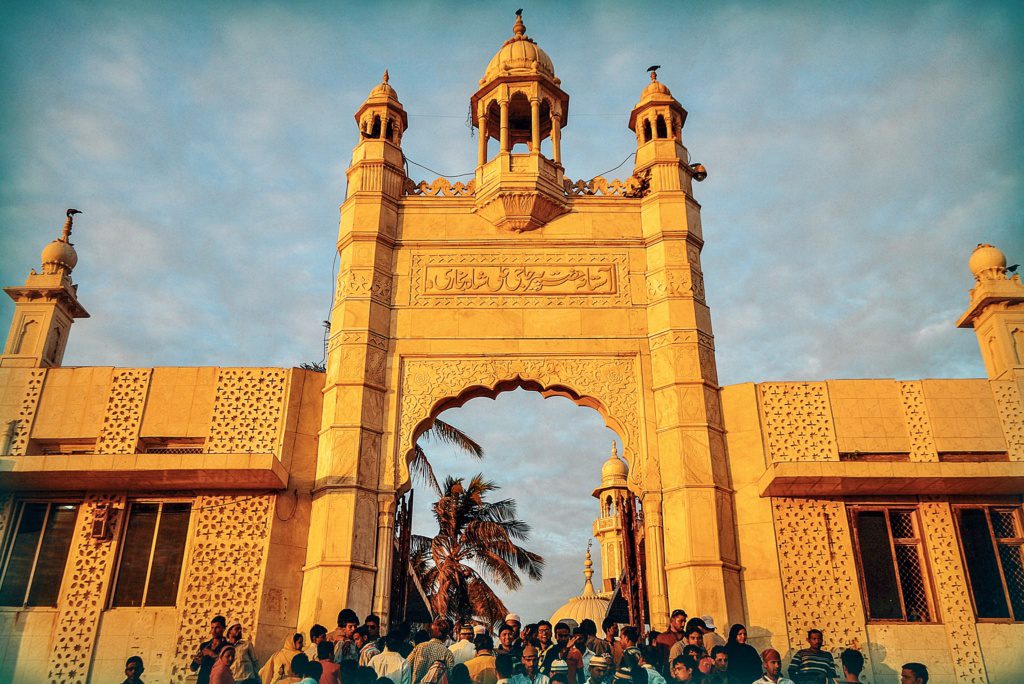
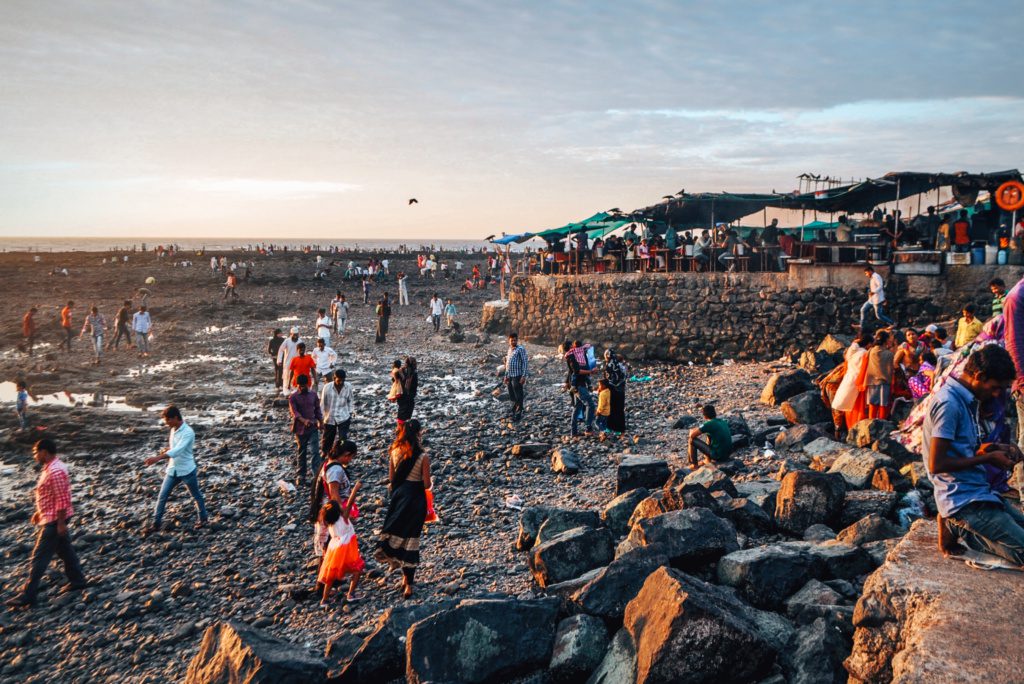
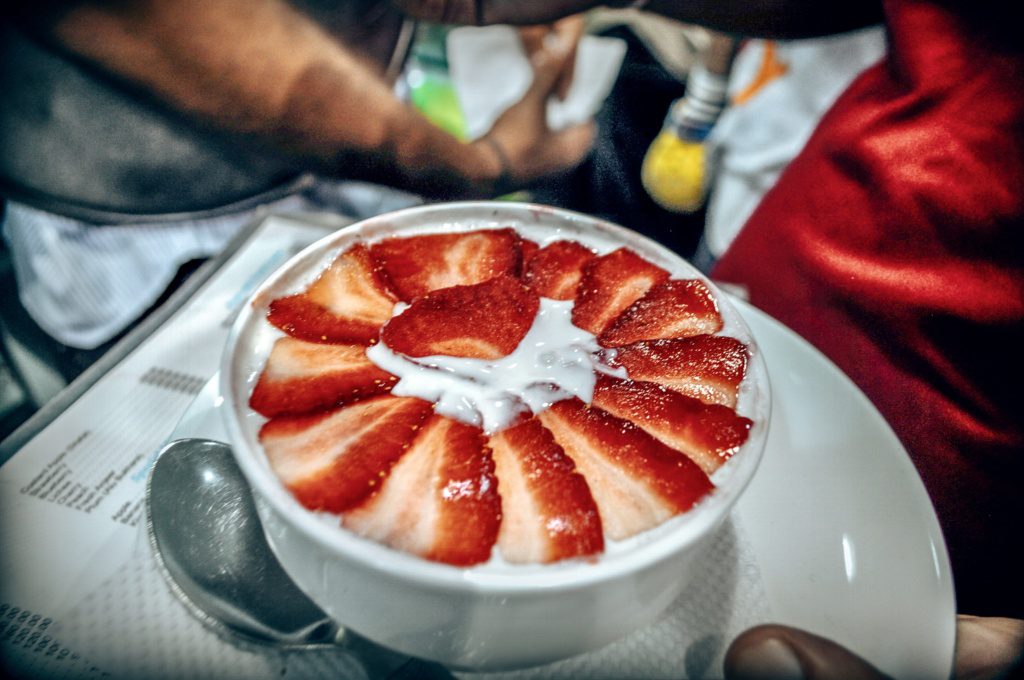
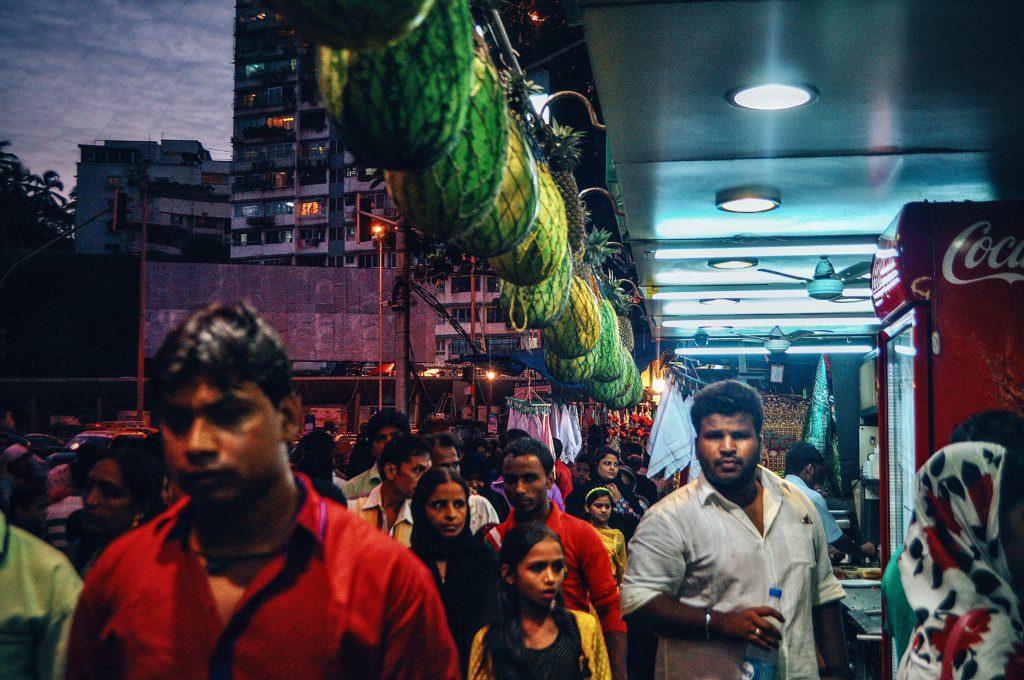
Thousands gather there each evening. In my hand was falooda — rose syrup, vermicelli, basil seeds, milk and ice cream layered into a fragrant pink dessert — alongside vendors selling sitafal treats and kulfi.
It felt spiritual and communal at once, a sweet ending to vibrant days.
You might also like: Celebrating Vaisakhi in Surrey, BC: A Feast For The Senses
Mumbai Street Food: Ten Years Later, I Still Taste It
I’m writing this on the tenth anniversary of that trip. For a full decade, I was too emotional to even edit the photos. The memories felt too vivid, too tender. I still remember almost every bite.
Go to Mumbai. Eat everything. Use your hands. Let the butter drip. Let the chutney stain your fingers.
And may your food memories linger just as long.
Have you been to Mumbai? Did Mumbai street food live up to the hype? Let us know in the comments or tag @eightyflavors on socials!
OUR TRIED AND TESTED FOOD TRAVEL RESOURCES: Book a hotel with Booking.com. Search for the best flight deals on Skyscanner. Find the best local food tours on Viator. Browse curated conscious group trips with GAdventures. Get your travel insurance with World Nomads.
Disclaimer: this post contains affiliate links. We’ll receive a small commission if you purchase through the link provided, at no extra cost to you. Thank you for your support in running this blog!