Tasmanian Food Odyssey: 30 Unique Flavors to Try in Tassie
On my recent trip Down Under to Australia’s island state, I set out on a Tasmanian food deep dive. What I discovered is that Tassie cuisine is distinct, deeply rooted, and quietly revolutionary.
While mainland Australia often gets the spotlight, Tasmania’s isolation, cool climate, pristine air, and layered history have created a food culture all its own.
Please note, this post is the culmination of a Tassie food post series. Check out the following for a deeper dive:
- Where To Eat In Tasmania: 15 Must-Try Spots For A First Time Visitor
- Salamanca Market: A Quintessentially Tassie Day Out in Hobart
- A Lobster Roll With a View: Visiting the Lobster Shack, Tasmania
- Tide to Table: A Tourist’s Guide to Tasmanian Seafood
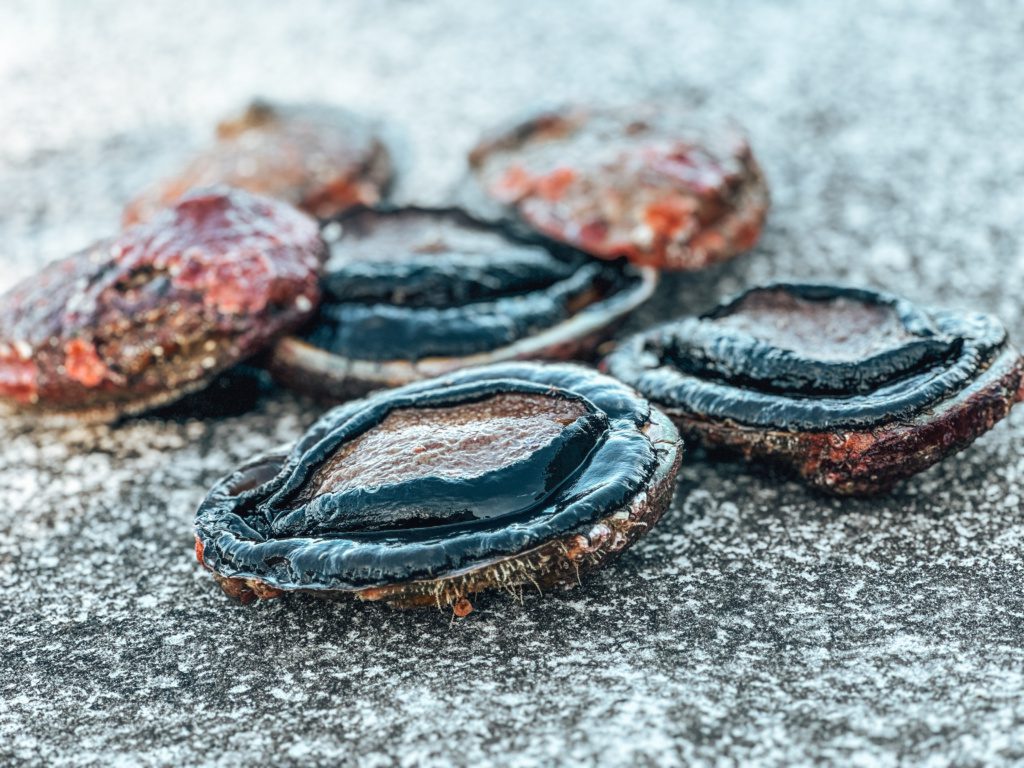
- What Is Abalone: The World’s Most Luxurious Mollusk Explained
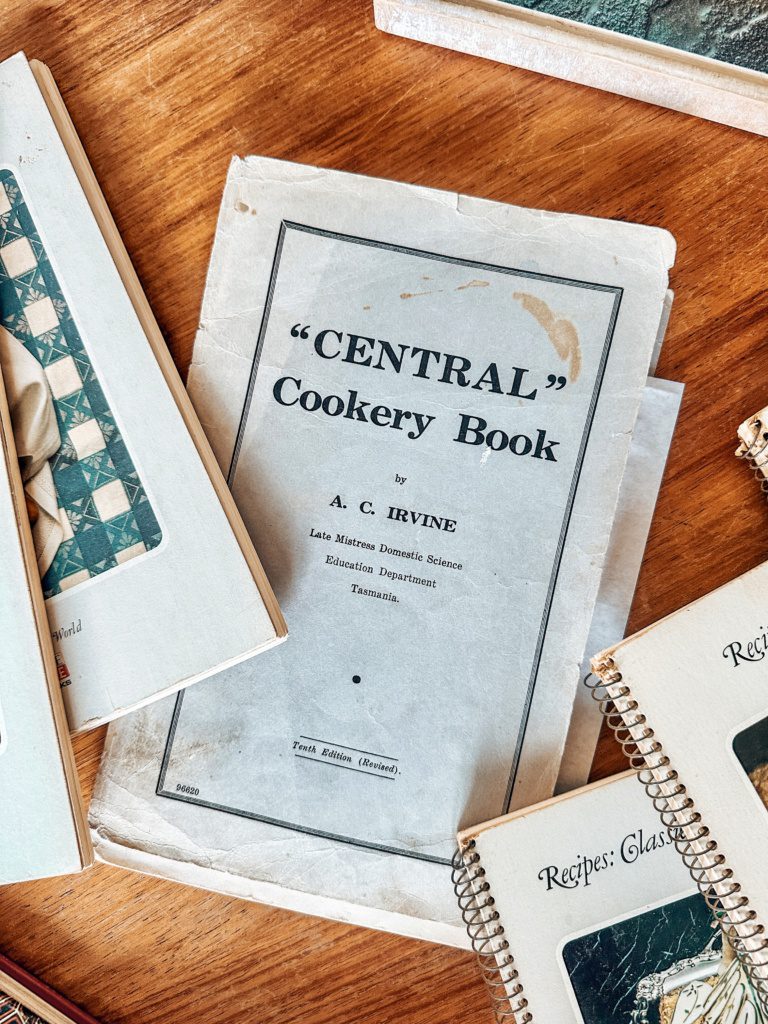
Tasmanian Food: Aboriginal, Colonial, Modern
Tasmania sits about 240 kilometers south of mainland Australia, separated by the Bass Strait.
Its remoteness shaped everything: from farming traditions to fishing practices to a renewed focus on indigenous ingredients.
Today, Tasmanian food reflects ancient Aboriginal knowledge, colonial heritage, and a modern wave of sustainability-driven artisans who treat land and sea with reverence.
A Landscape That Shapes Flavor
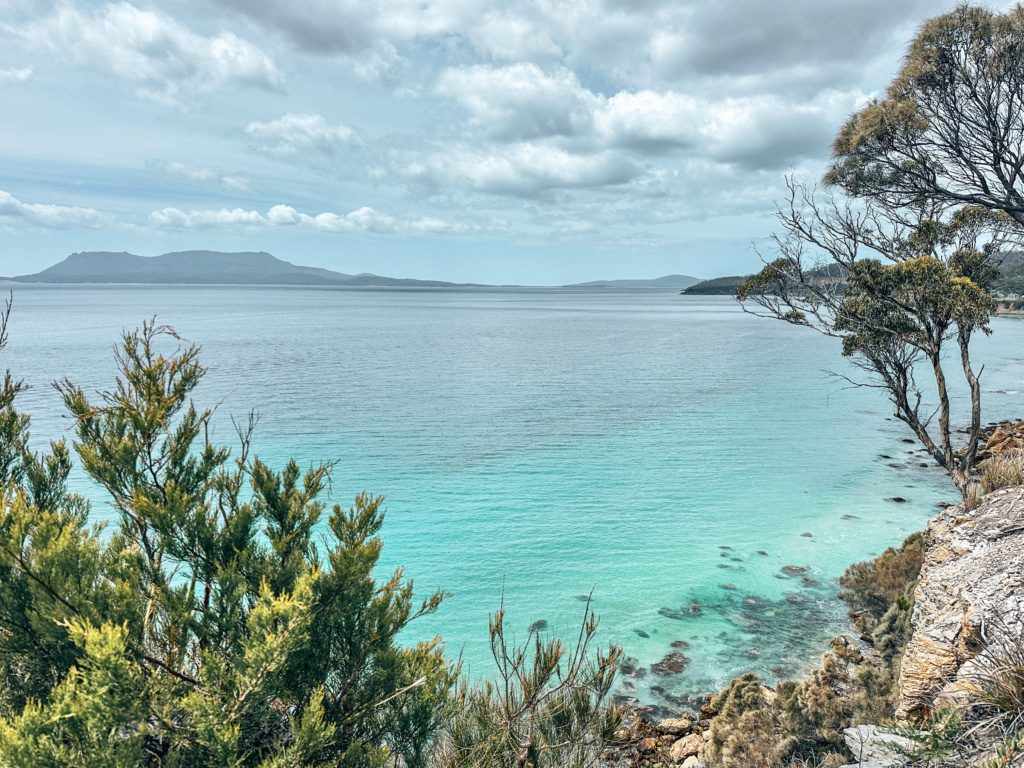
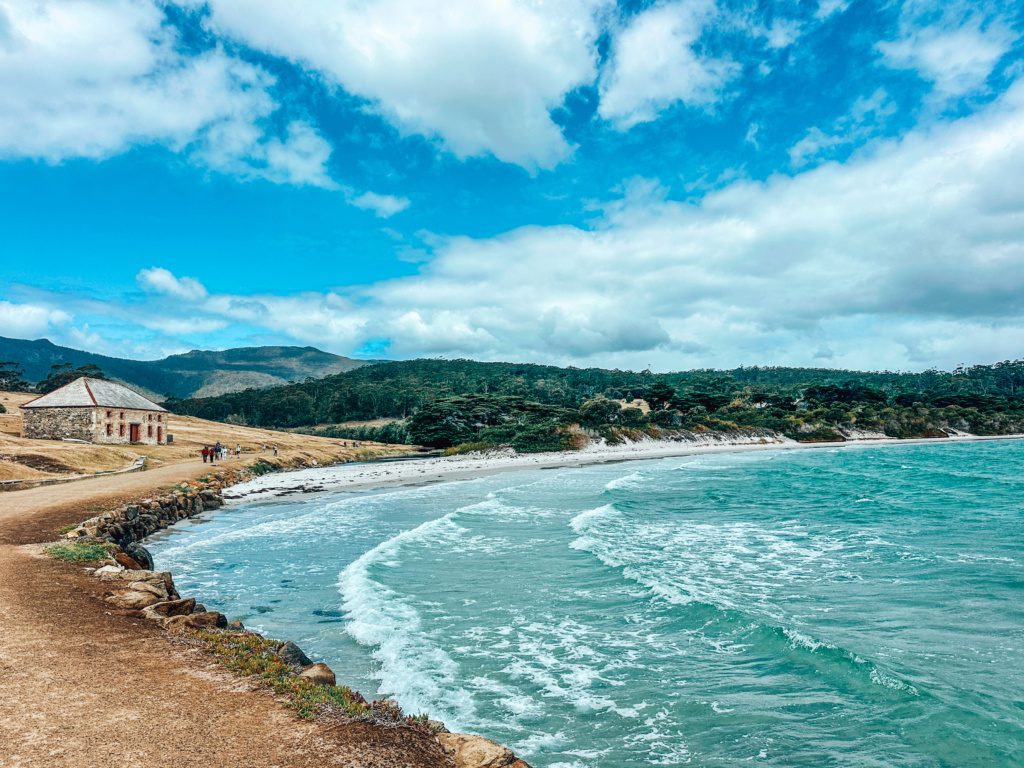
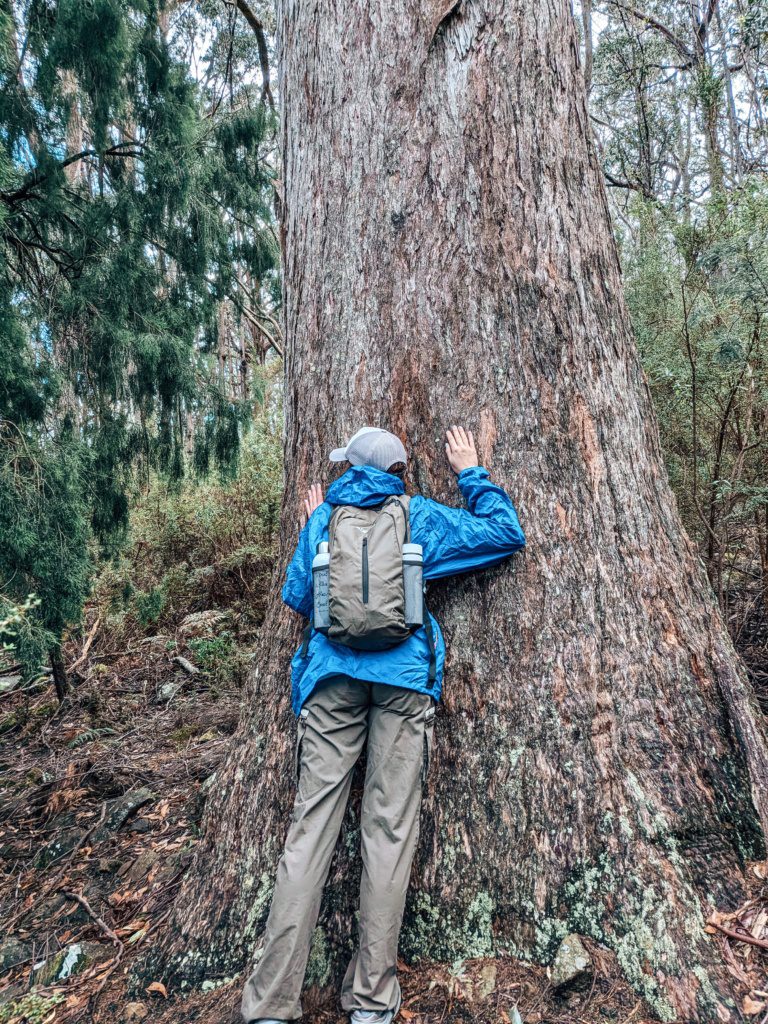
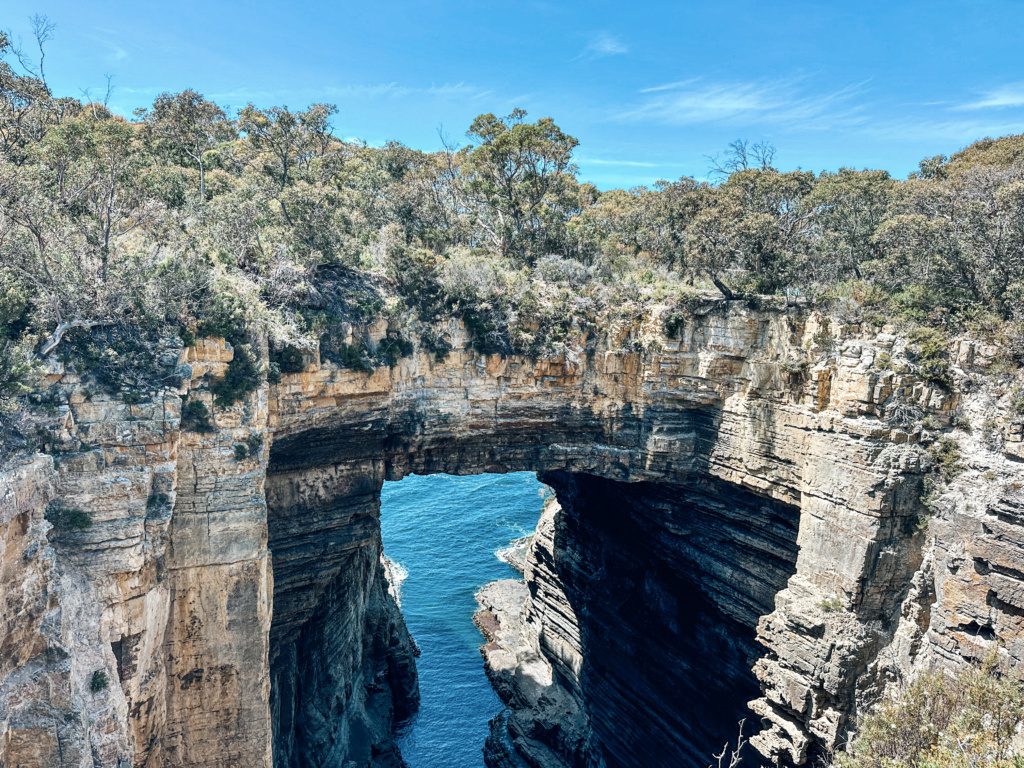
Tasmania’s geography is dramatic—wild coastlines, ancient forests, fertile valleys, and highland plateaus.
The island is known for having some of the cleanest air in the world, measured at monitoring stations in the northwest.
That purity affects everything from dairy to honey to whisky maturation.

The cool maritime climate creates long growing seasons. Apples are crisper. Berries are sweeter. Grapes retain bright acidity.
Pastures grow lush and chemical-light, producing extraordinary grass-fed lamb and beef. The cold Southern Ocean yields pristine oysters, rock lobster, and delicate white fish.
Tasmanian food tastes like where it comes from—pure, sharp, mineral, wind-kissed.
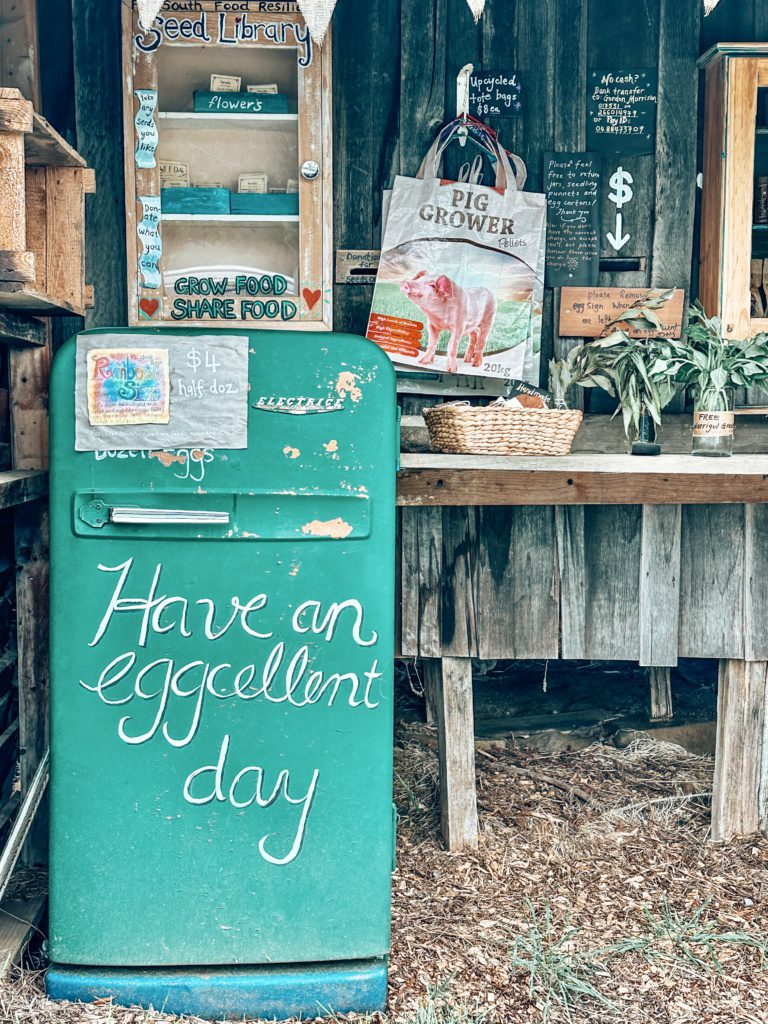
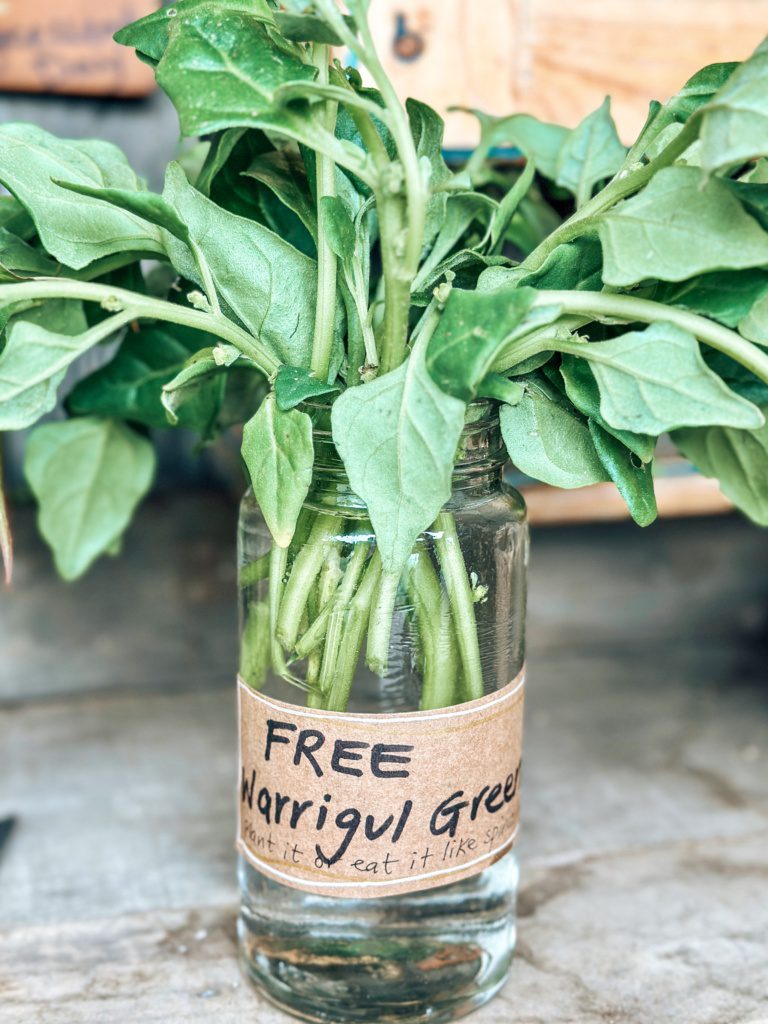
Aboriginal Roots and the Revival of Native Ingredients
Long before European arrival, Tasmanian Aboriginal communities lived as skilled land and sea stewards for over 40,000 years.
Native ingredients like pepperberry, kunzea, kangaroo apple, and wild greens sustained them.
Today, Indigenous-led food tours and cultural experiences—offered by organizations such as Palawa Kipli—are helping revive and protect these traditions.
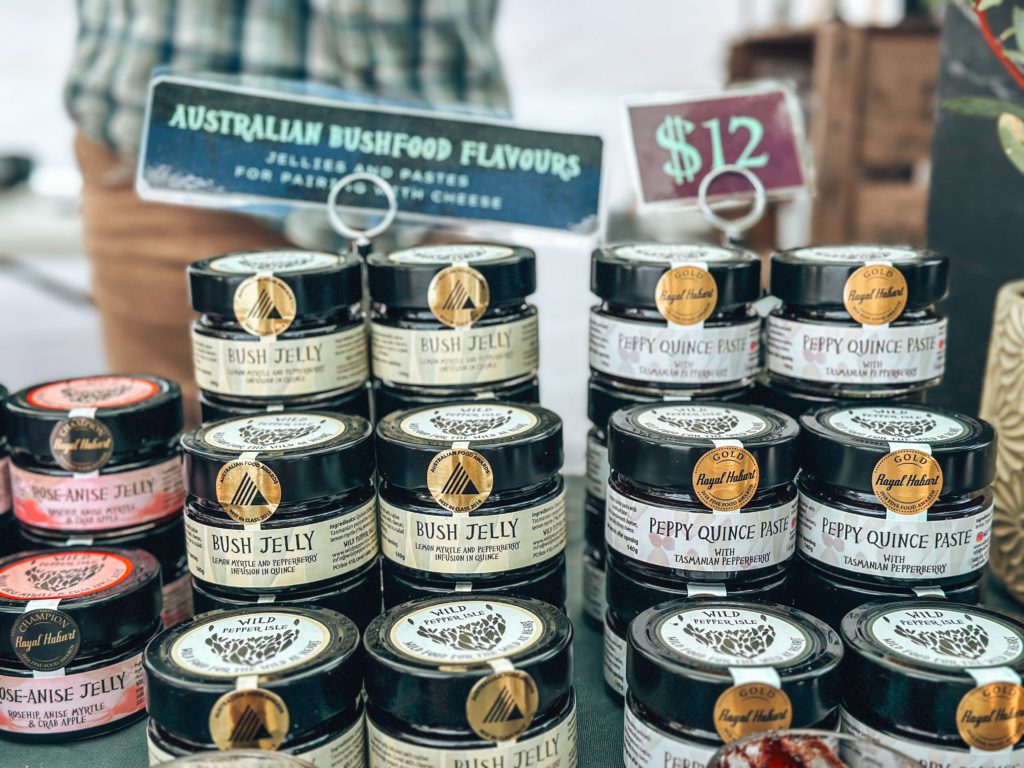

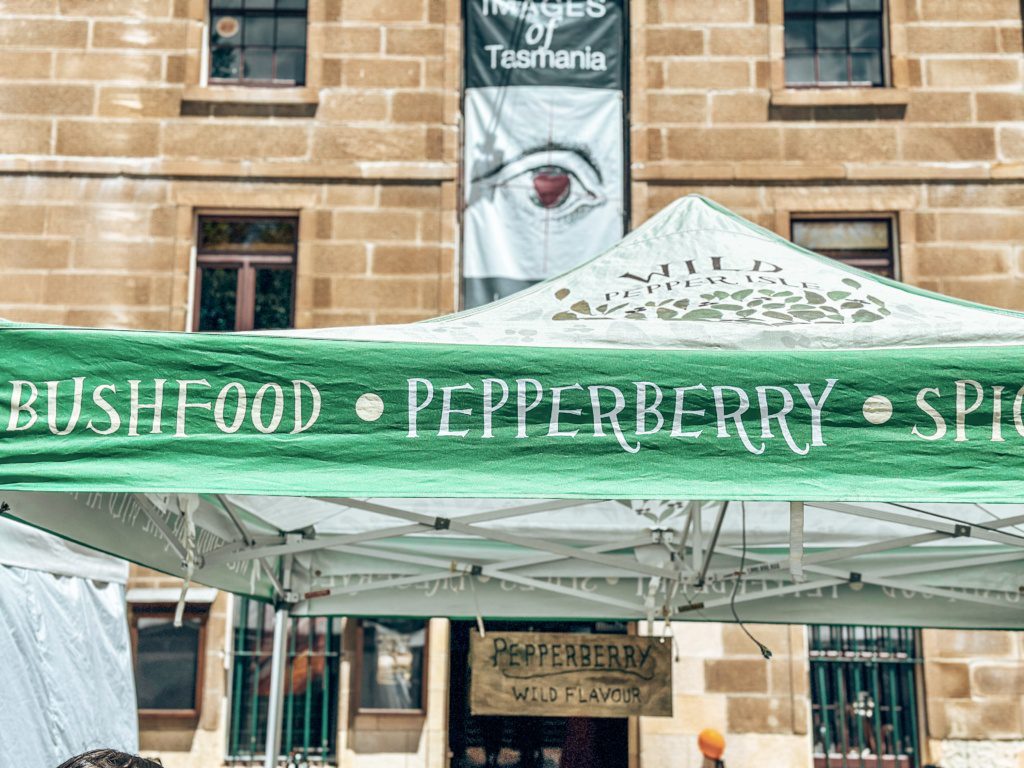
There is a conscious movement to reintroduce native bush foods into contemporary kitchens.
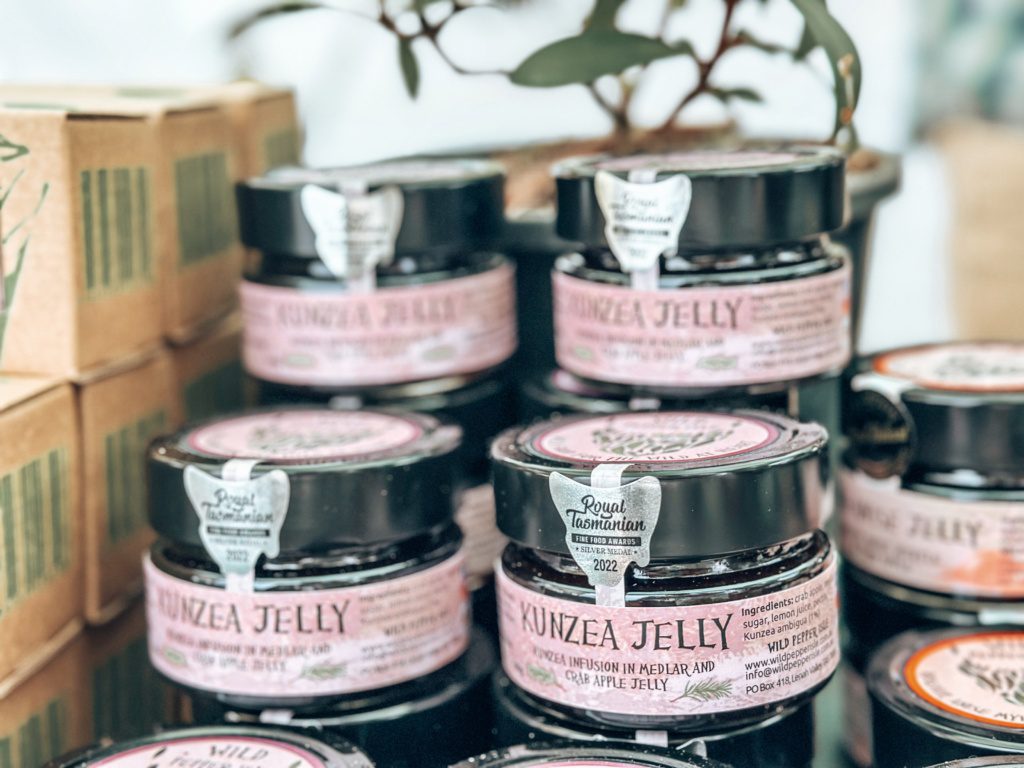
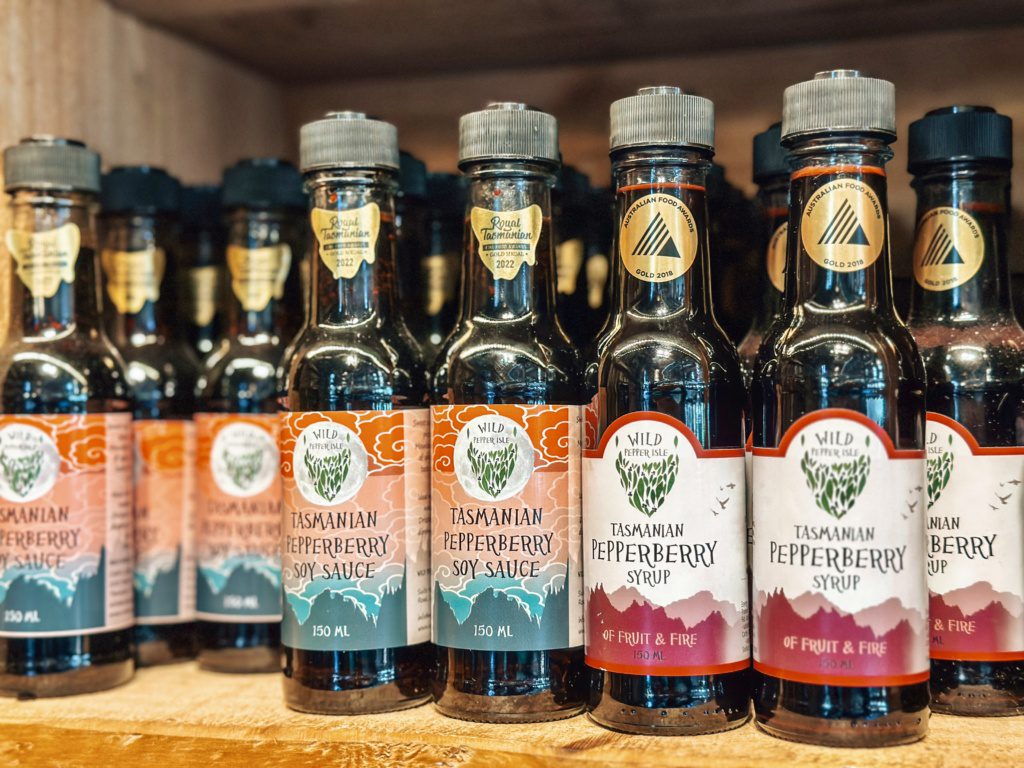
Chefs are grinding native pepperberry in place of imported pepper. Kunzea is turned into jelly and syrups. Native clover and other wild plants are appearing in modern dishes.
This revival is one of the most exciting chapters in Tasmanian food right now: honoring deep history while creating something fresh.


You might also like: Food in Australia: 8 Traditional Flavors to Savor Down Under
Tassie Food Sustainability: Promise and Tension
Tasmania often markets itself as clean and green—and much of that reputation is deserved.
Small-scale oyster farms, regenerative grazing practices, organic berry growers, and artisan cheesemakers are doing remarkable work.
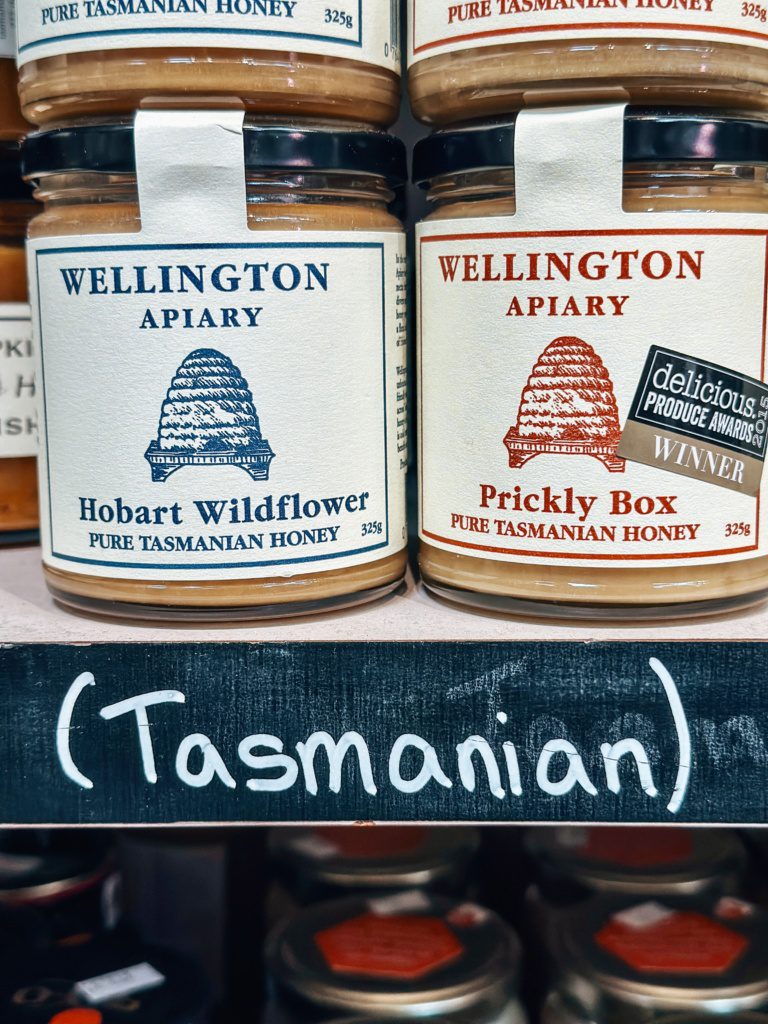
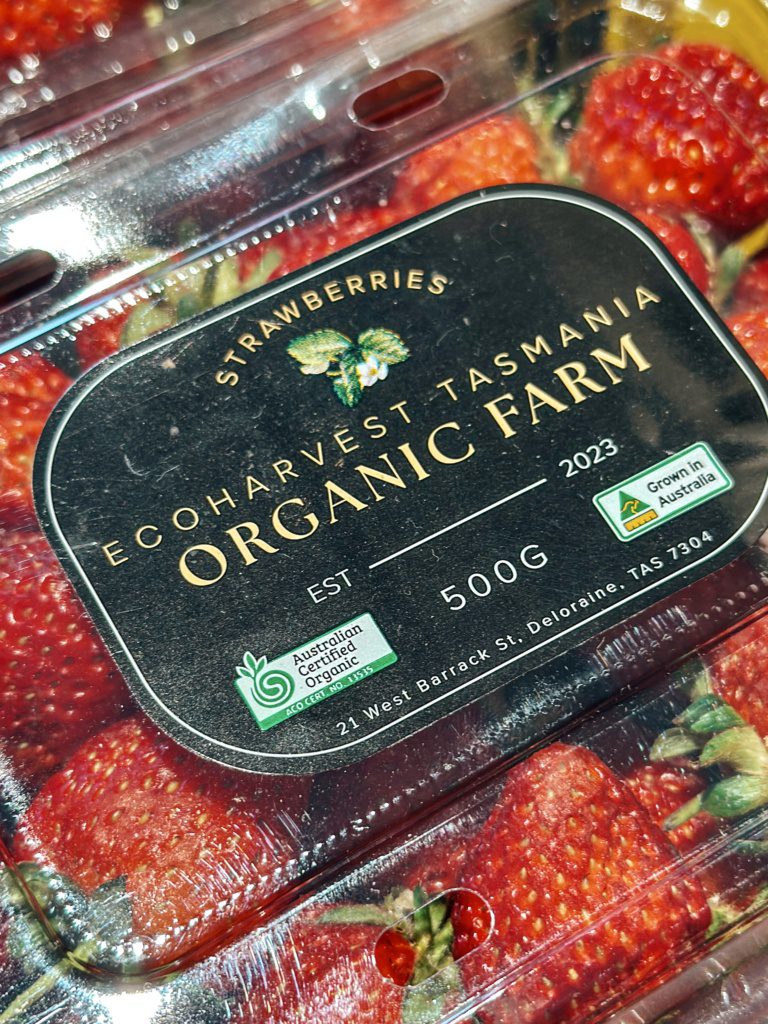
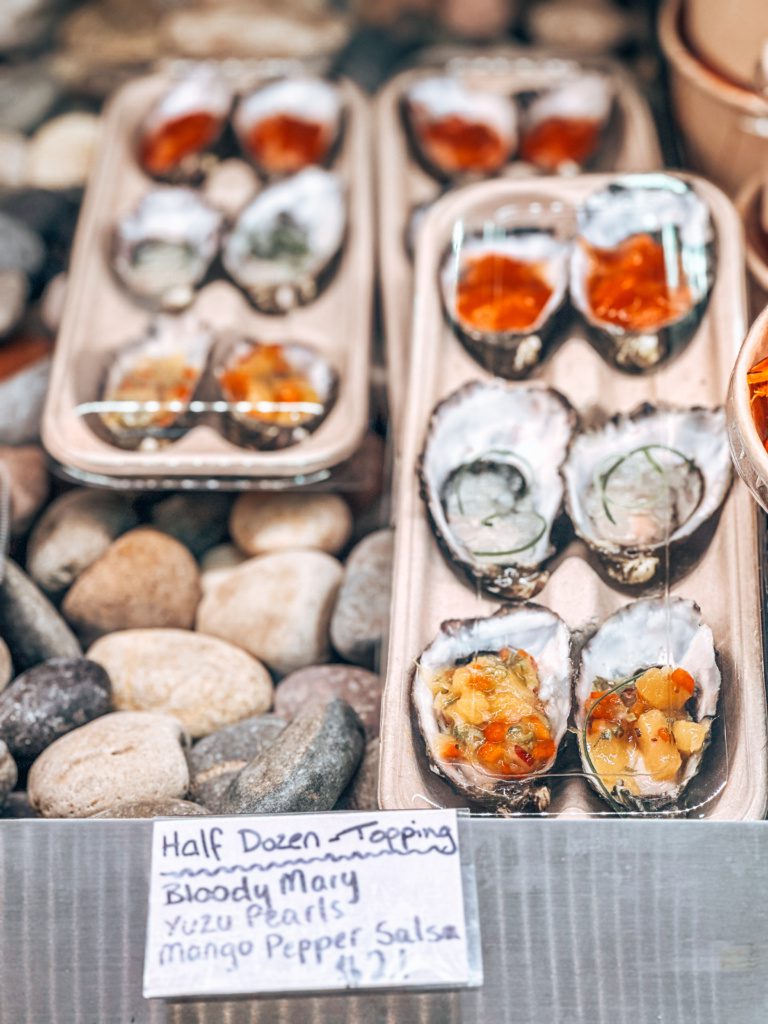
However, not everything is perfect. The industrial farmed salmon industry, particularly in the waters of the Huon Valley, has sparked environmental debate over pollution and greenwashing.
As travelers, asking questions and supporting transparent producers is part of responsible Tasmanian food exploration.
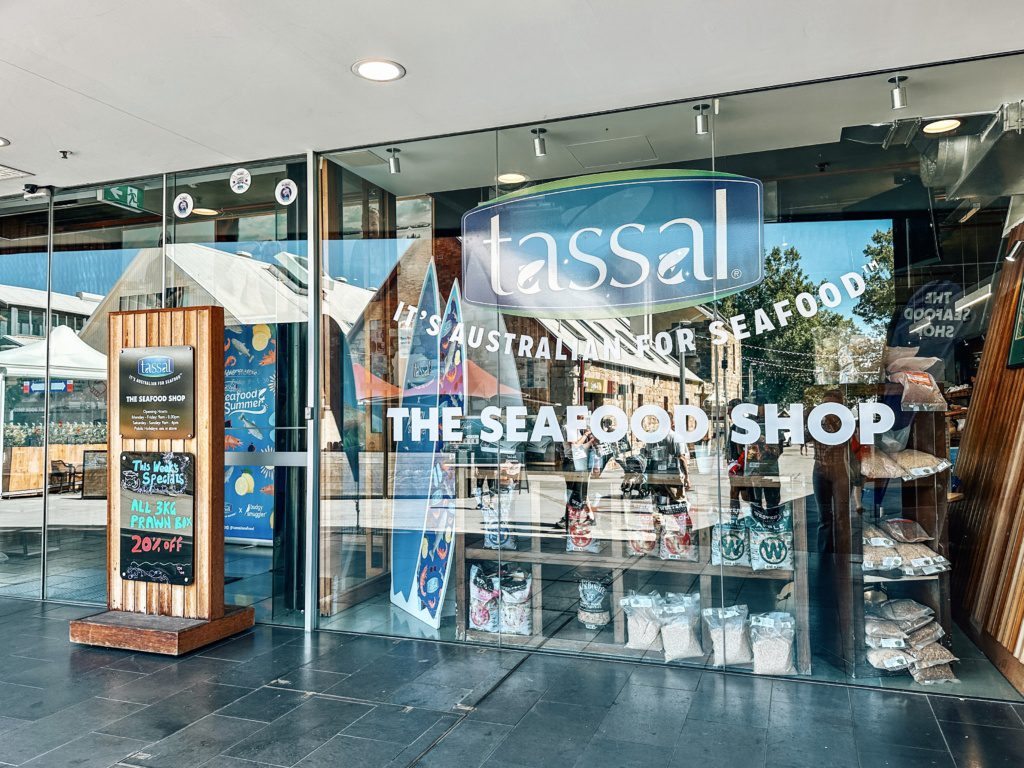
Tasmanian Food To Try On Your Trip
Now — to the flavors. In no particular order, here are the essential eats to try on your Tassie food journey. 30 flavors that tell the story of Tasmanian food—and where to find them.
1. Scallop Pie
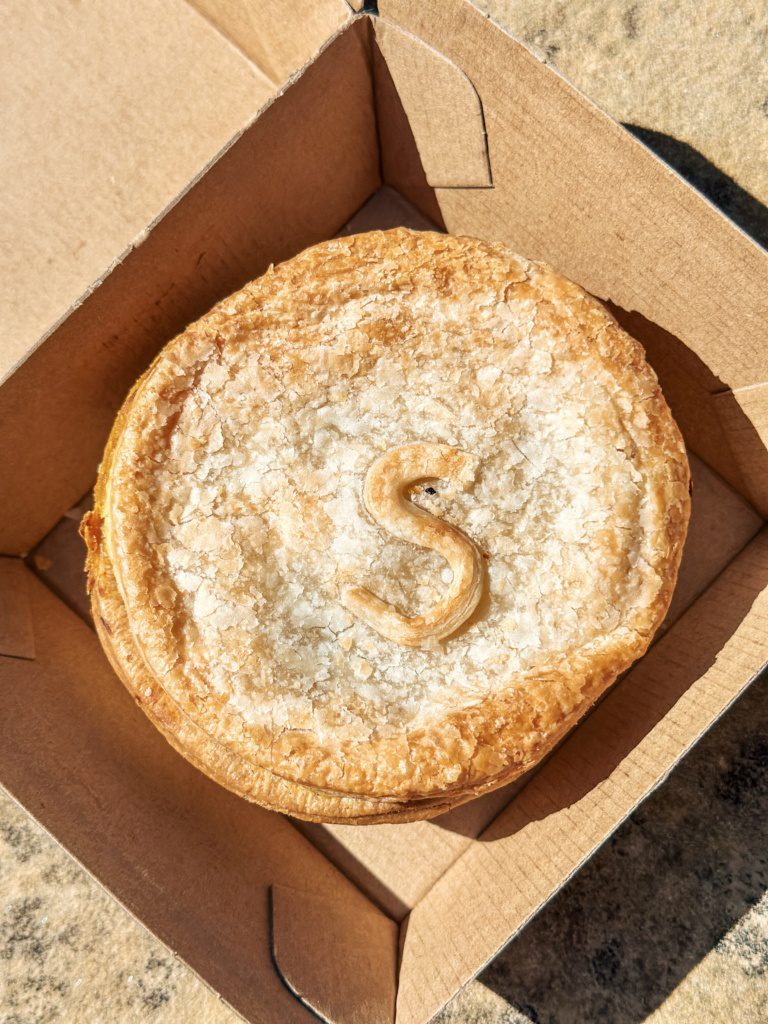
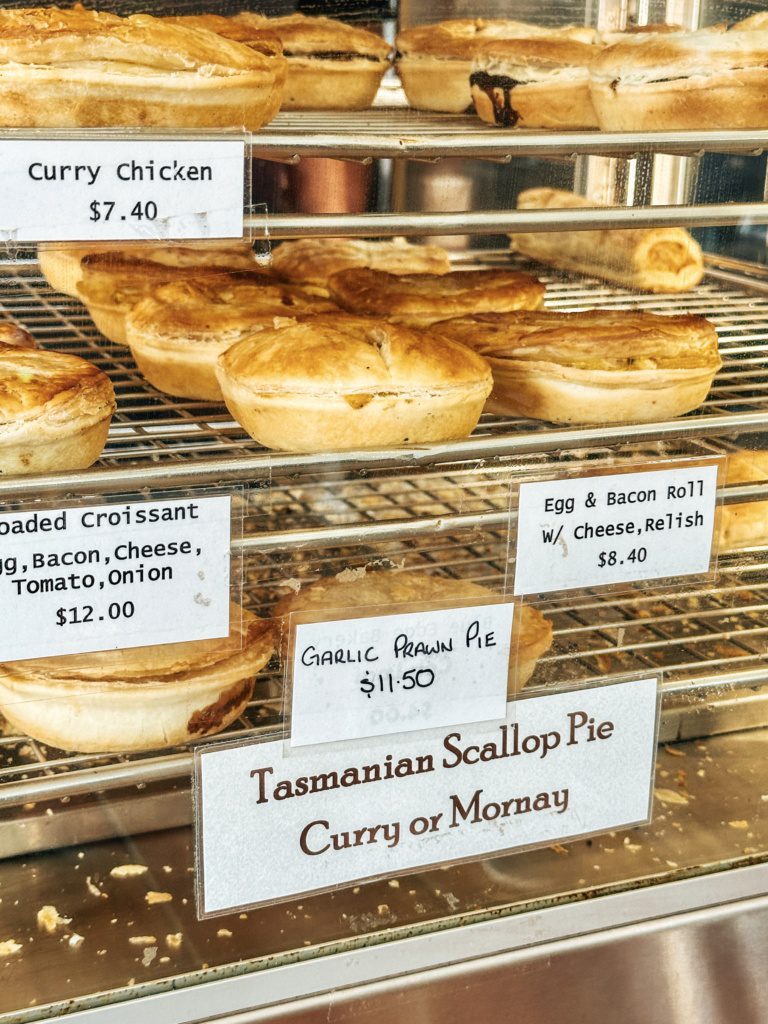
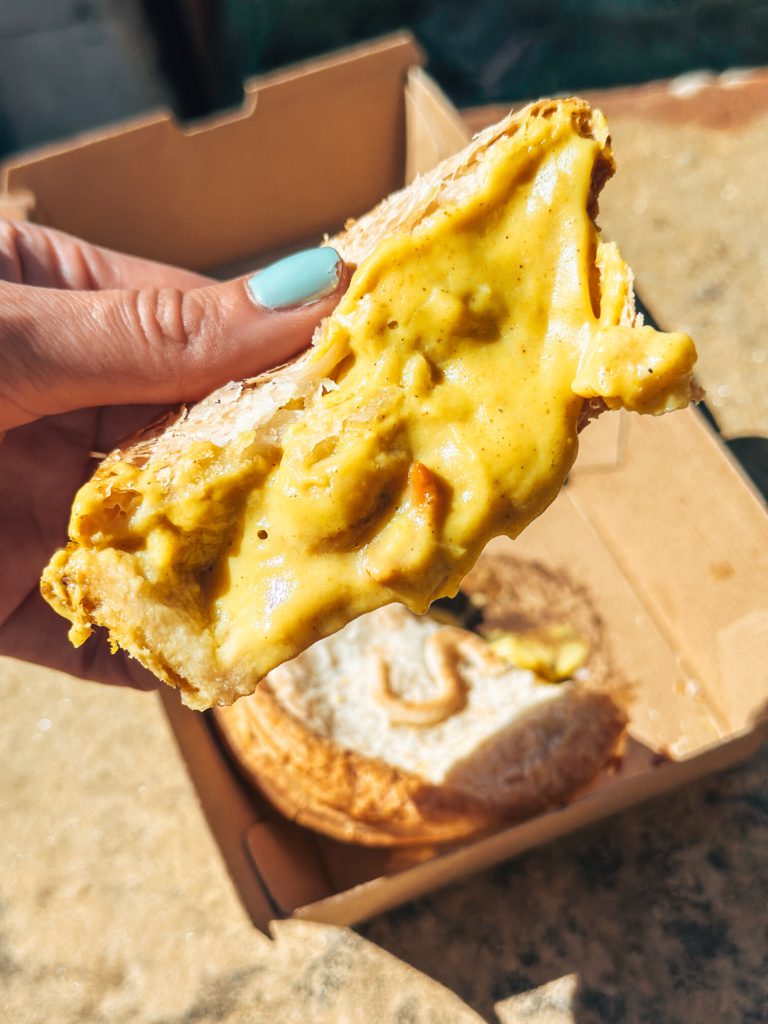
Scallop pie is perhaps Tasmania’s most iconic comfort food, and it’s surprisingly hard to find outside the island. Tender local scallops are folded into a gently curried, creamy sauce and encased in flaky golden pastry.
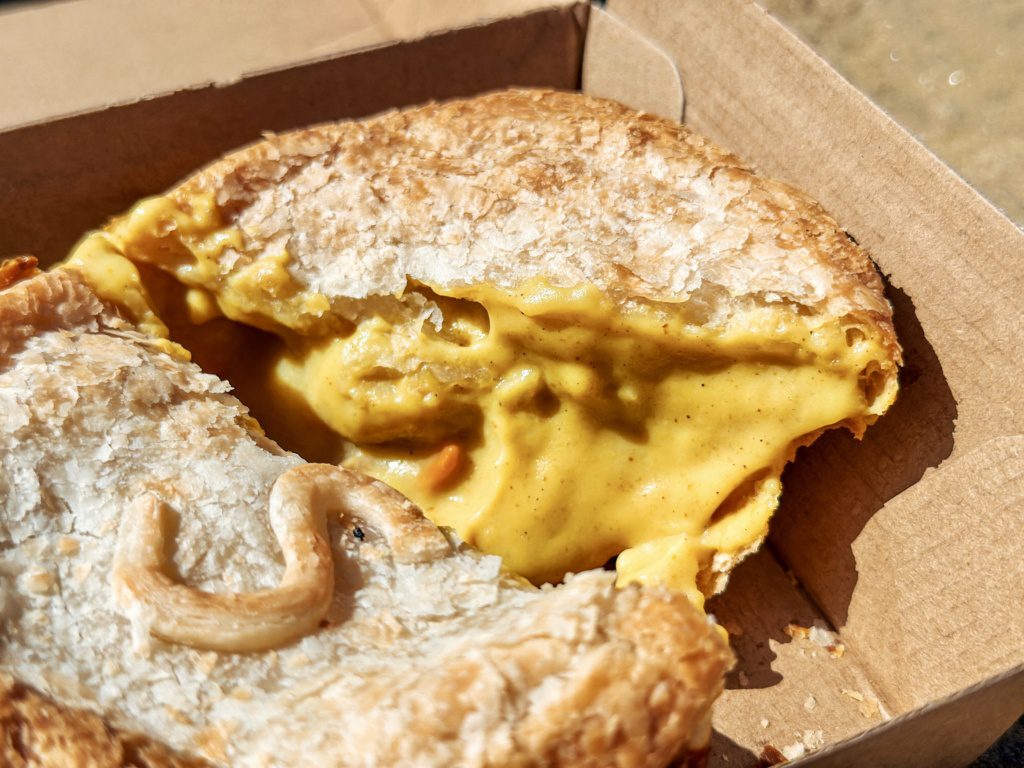
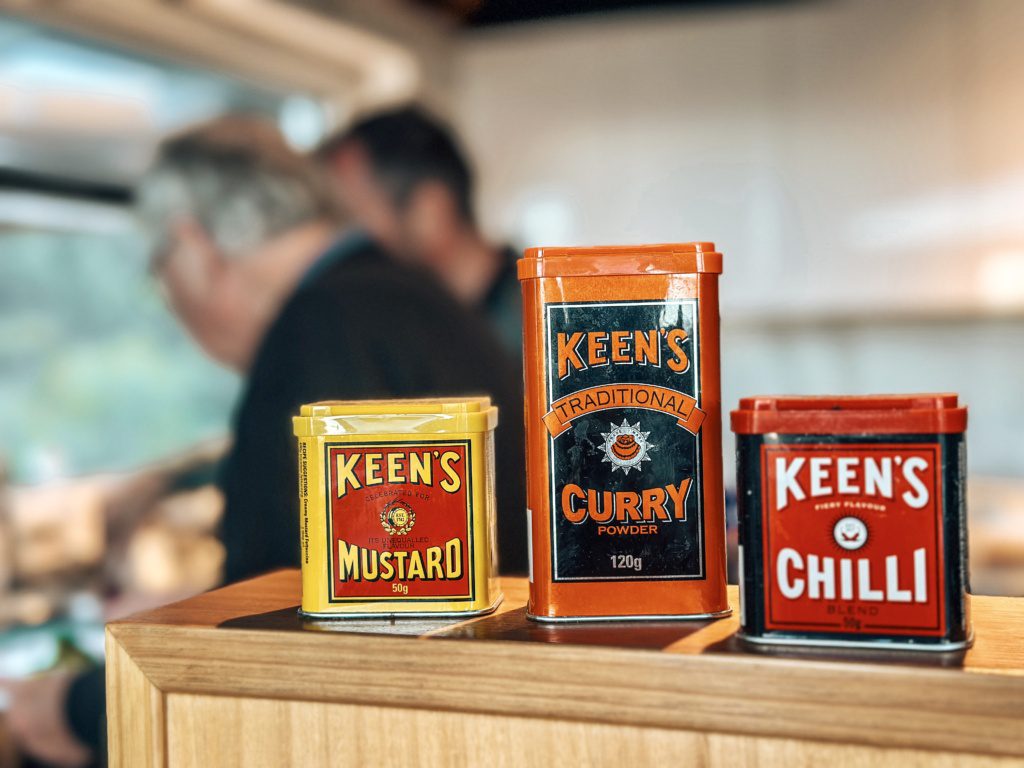
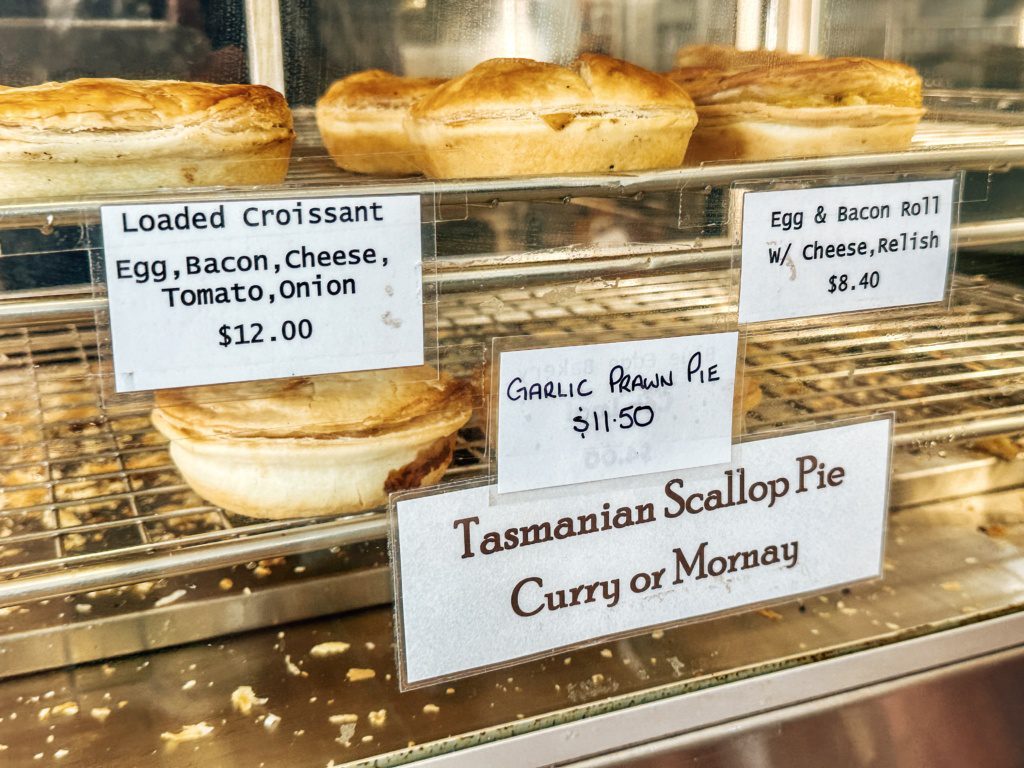
The Keen curry spice reflects British colonial influence, yet the seafood is unmistakably Tasmanian.
Try one at Ross Village Bakery for a classic country-town version, or at bakeries across Hobart and Launceston during scallop season (typically autumn and winter).
You might also like: Peas Offering: A Brief History of Aussie Pies
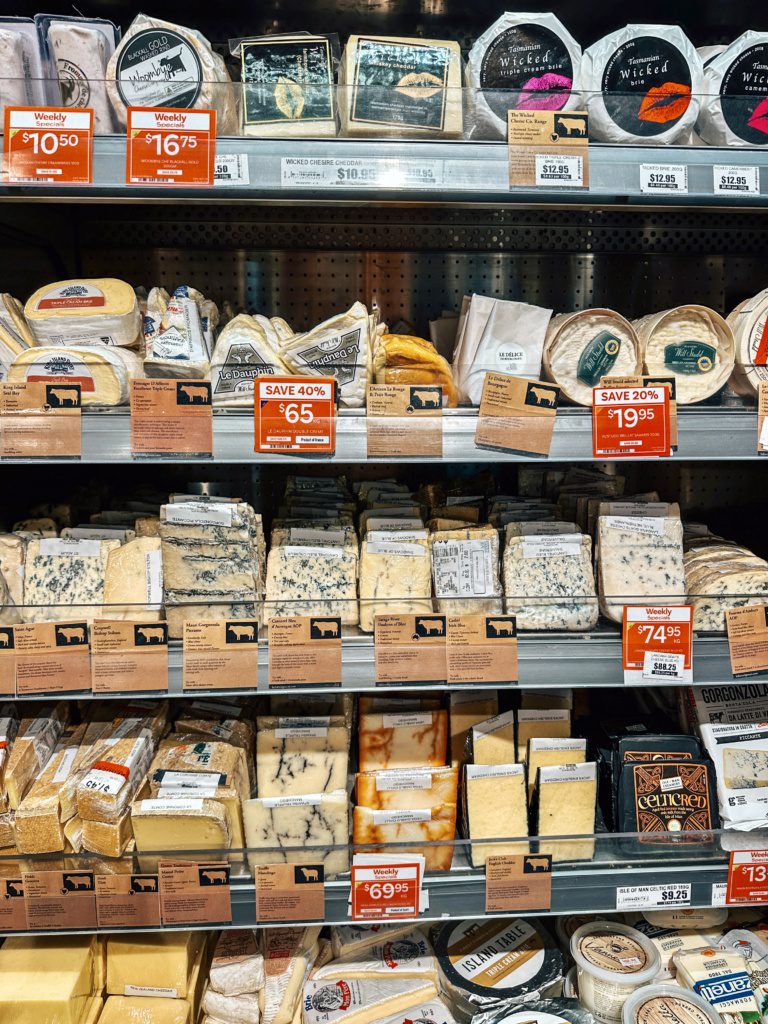
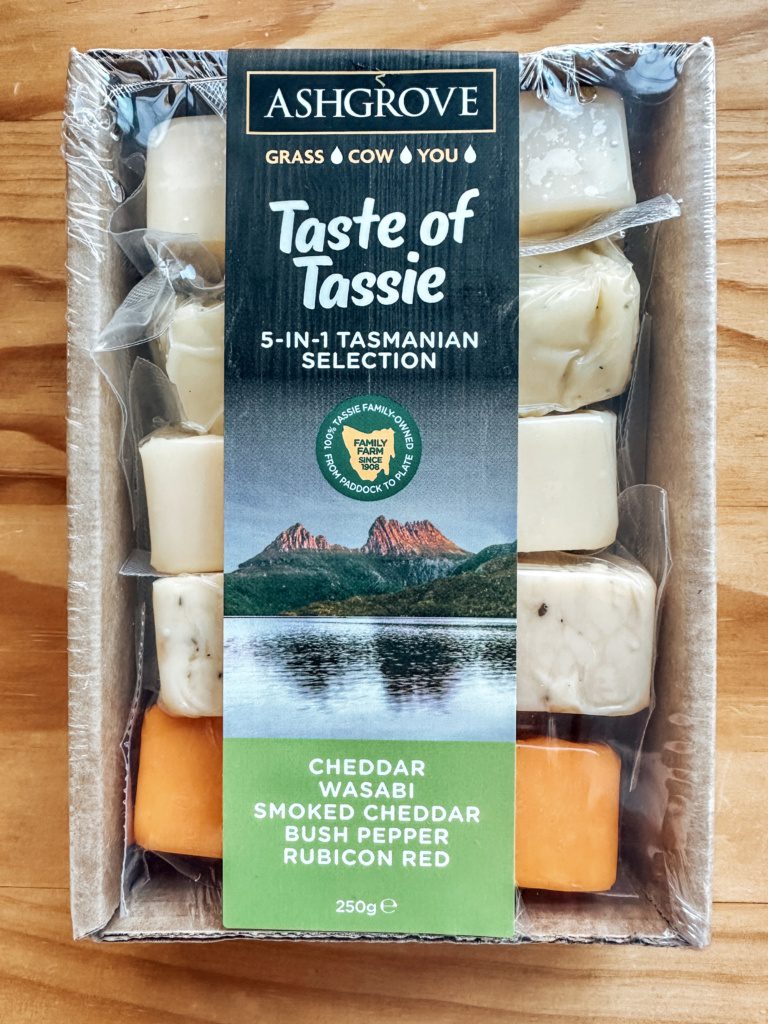
2. Bruny Island and King Island Cheese
Tasmania’s cool climate and lush pastures create milk with remarkable richness and balance.
Bruny Island Cheese Co. produces raw milk cheeses and washed rinds that reflect European traditions with Tasmanian character.
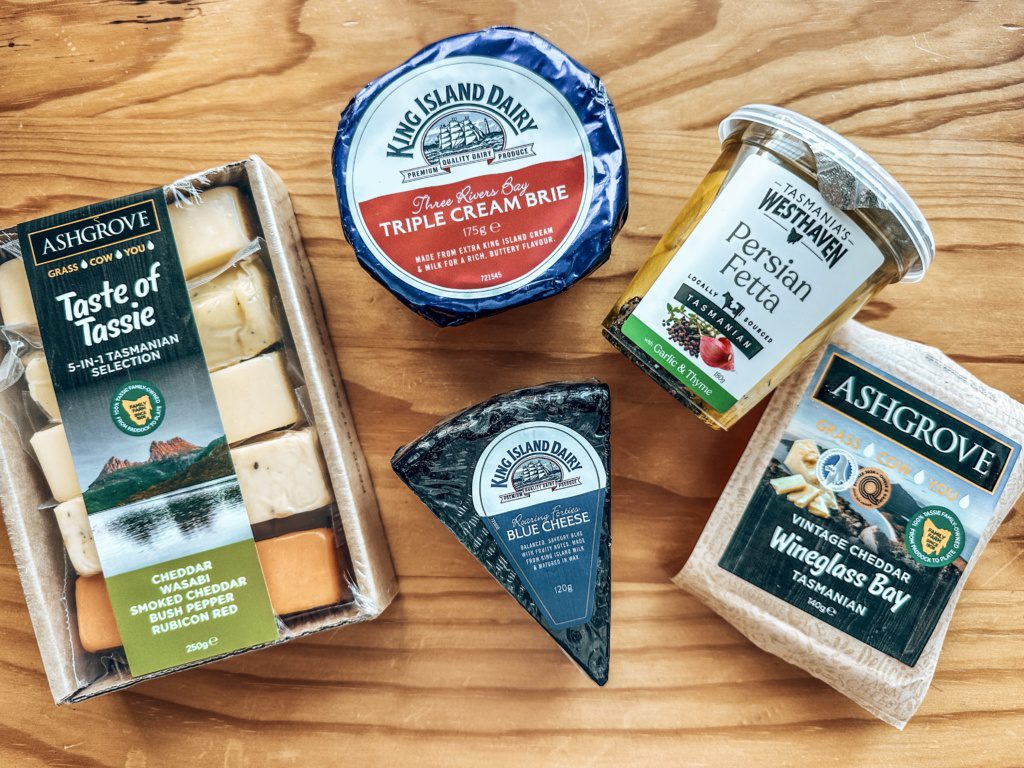
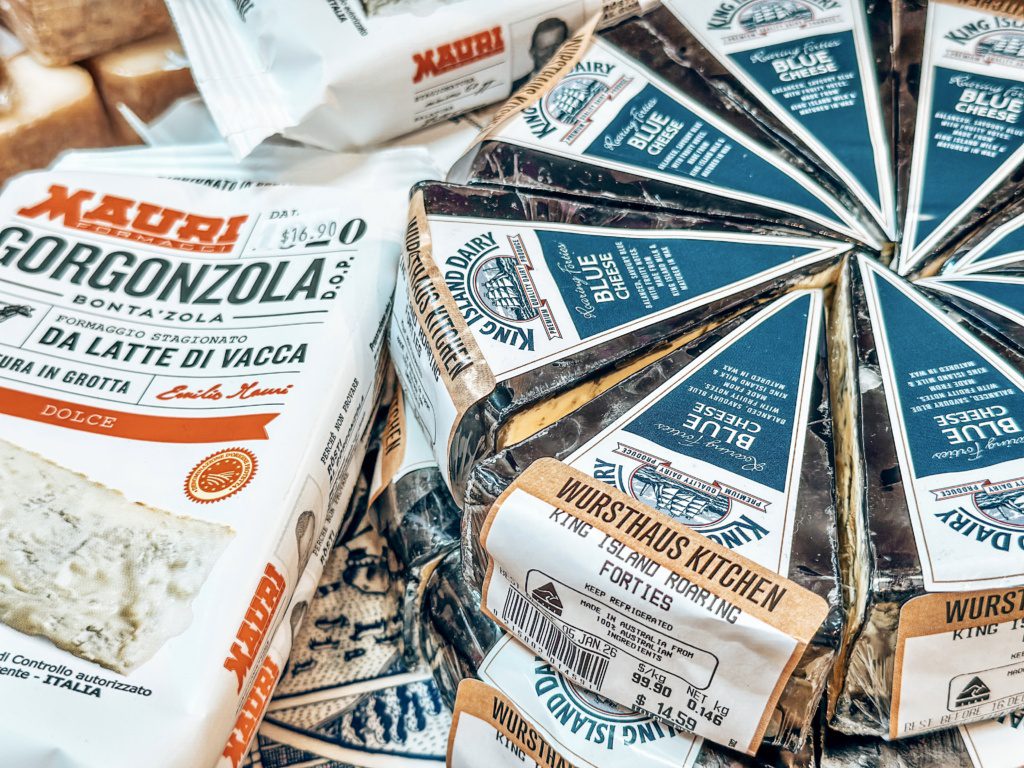
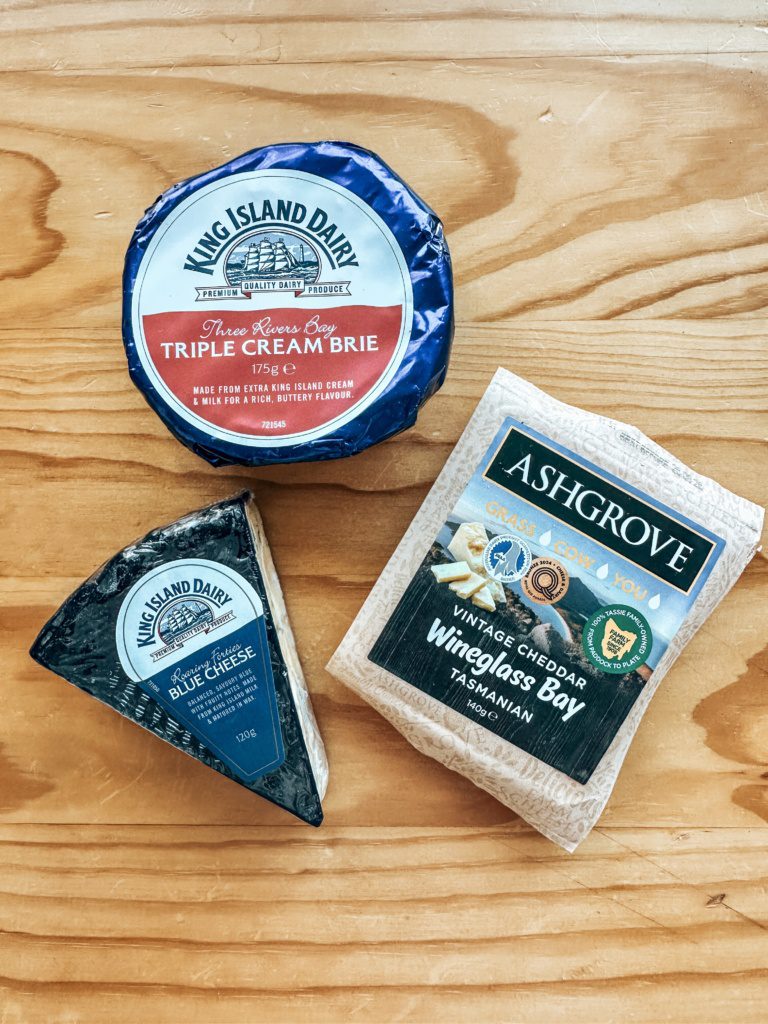
Meanwhile, King Island Dairy crafts award-winning blues and cheddars shaped by salty ocean breezes. Visit the cellar doors for tastings paired with local cider or wine.
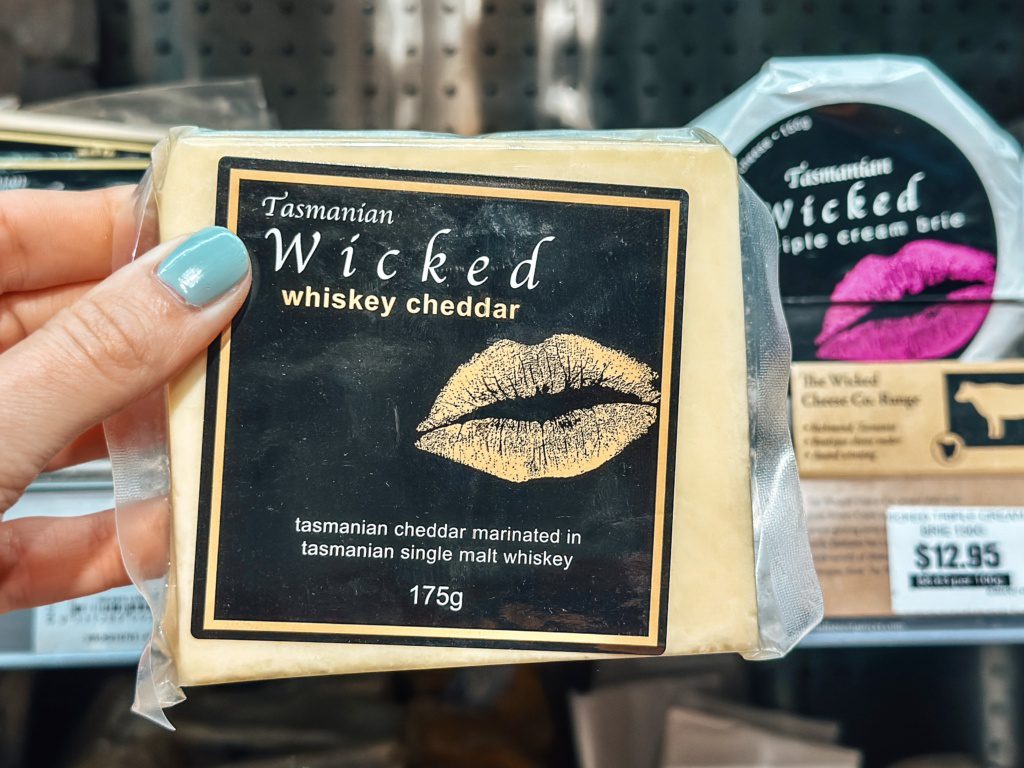
Wicked Cheese Co. in Richmond makes for a great detour. When ordering a tasting platter be sure to include their storied whisky cheddar.
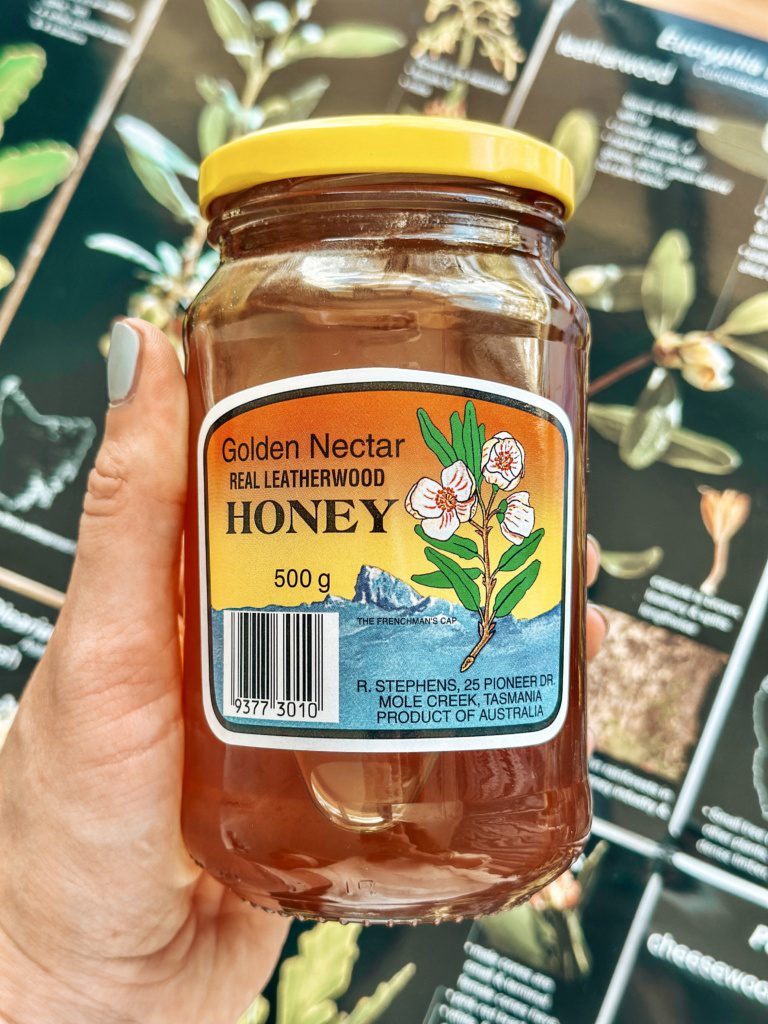
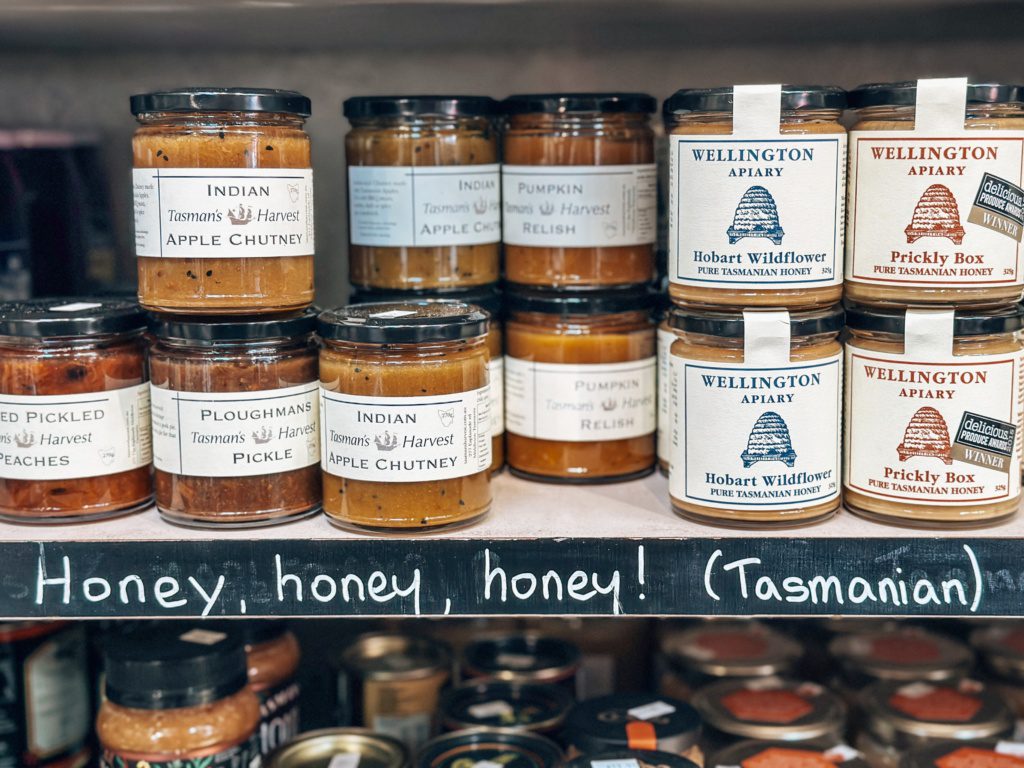
3. Leatherwood Honey
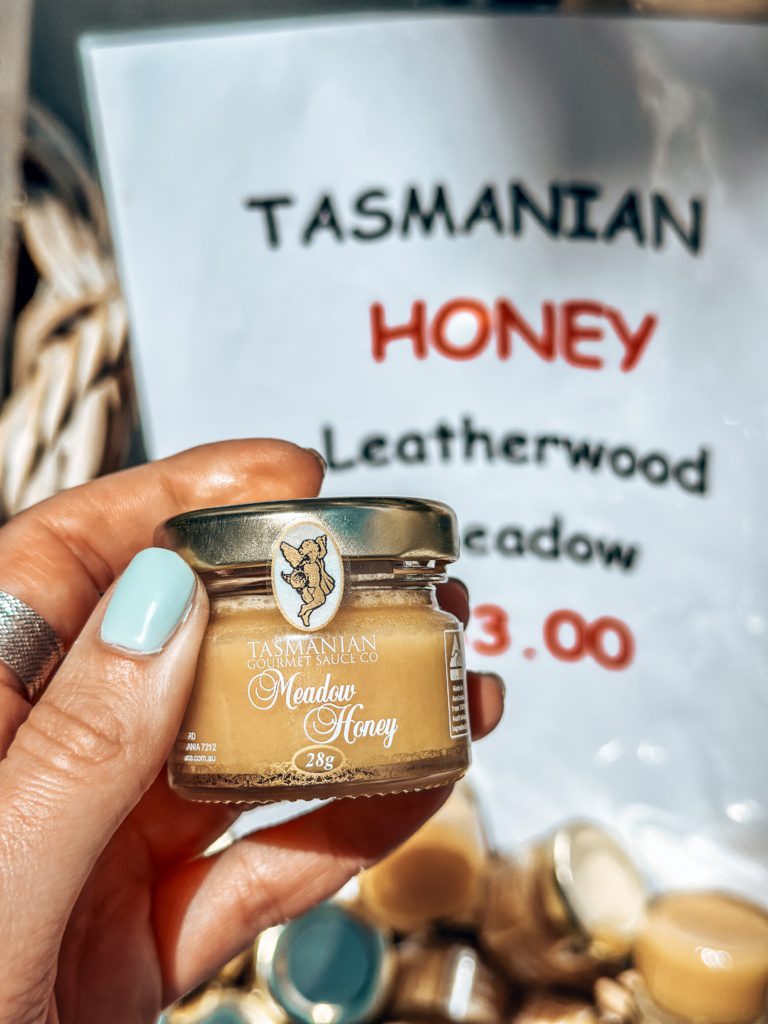
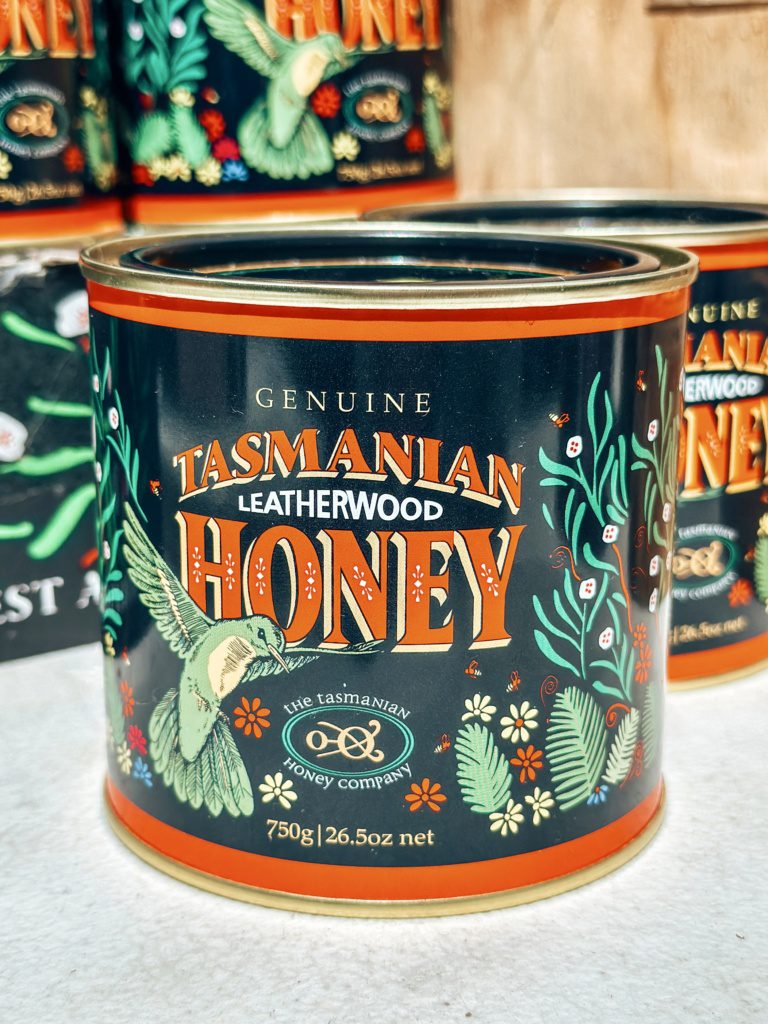
Leatherwood trees grow deep in Tasmania’s ancient rainforests and nowhere else on earth.
The honey has an intense floral aroma and slightly spicy finish, almost herbal compared to common clover honey.
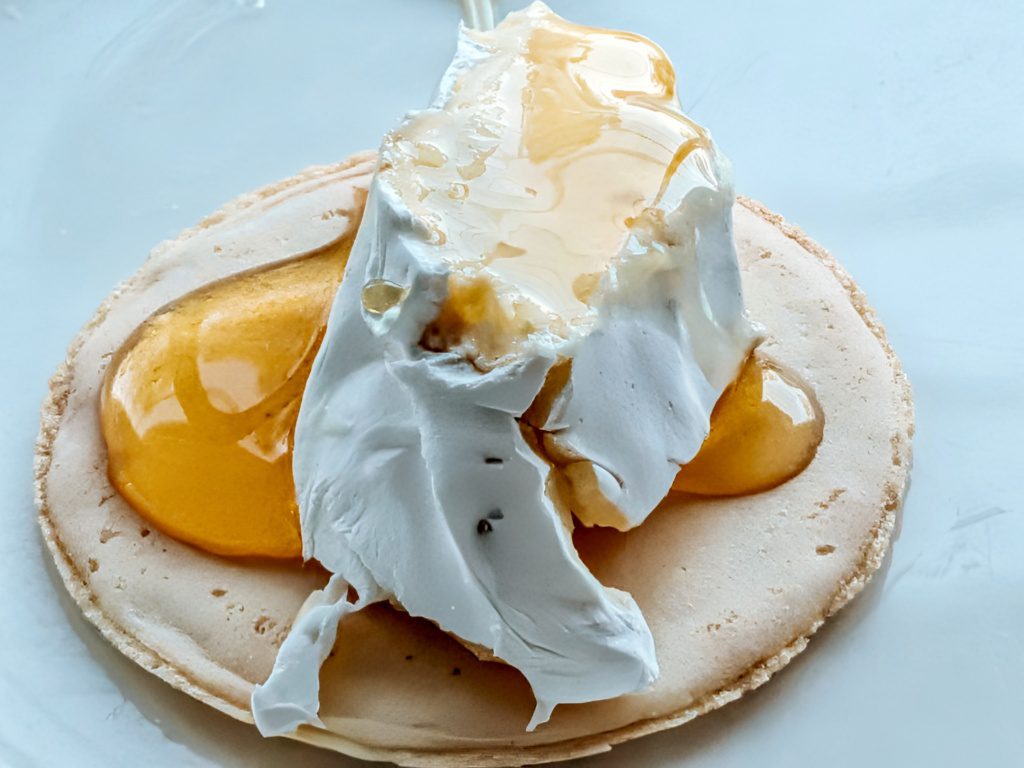
You’ll find it at farmers markets and specialty grocers like Hill Street Grocer, or drizzled over cheese at local cafés.
You might also like: Is Honey Vegan? Ethics, Ecosystems And Honey Laundering
4. Cool Climate Wines
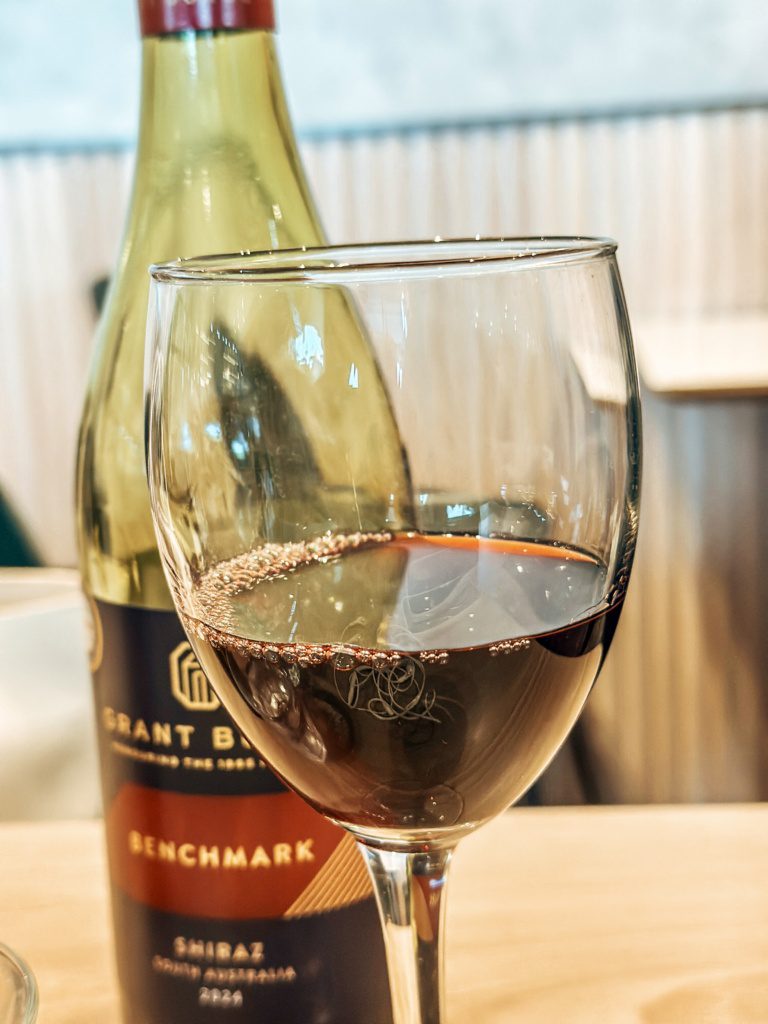
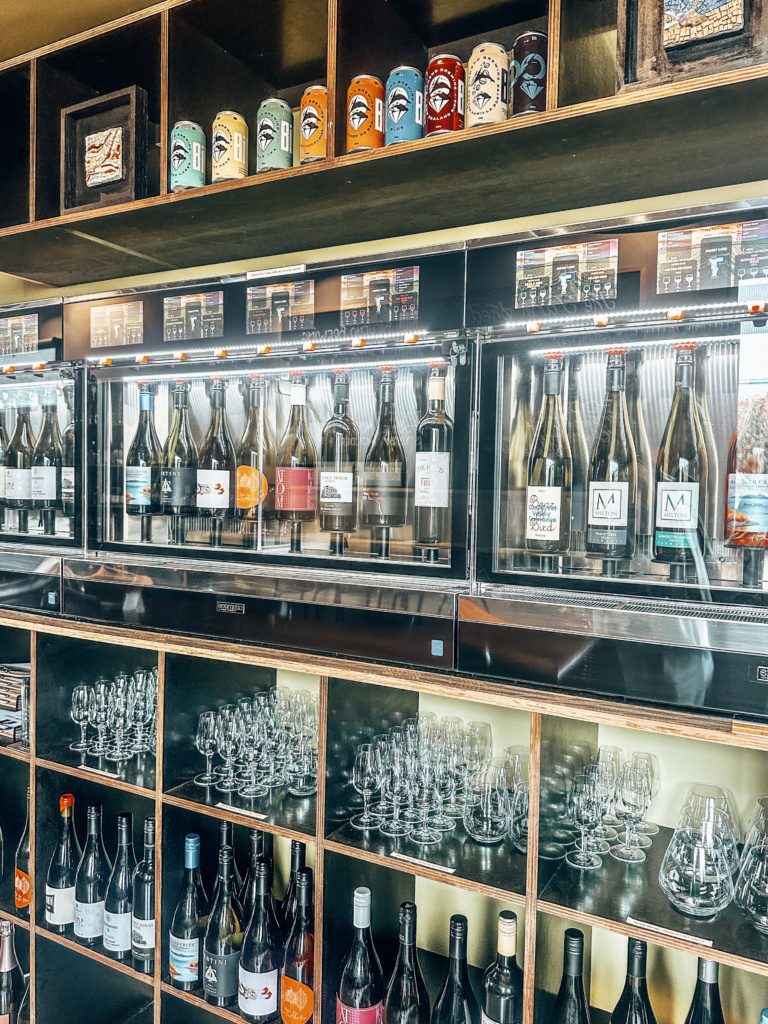
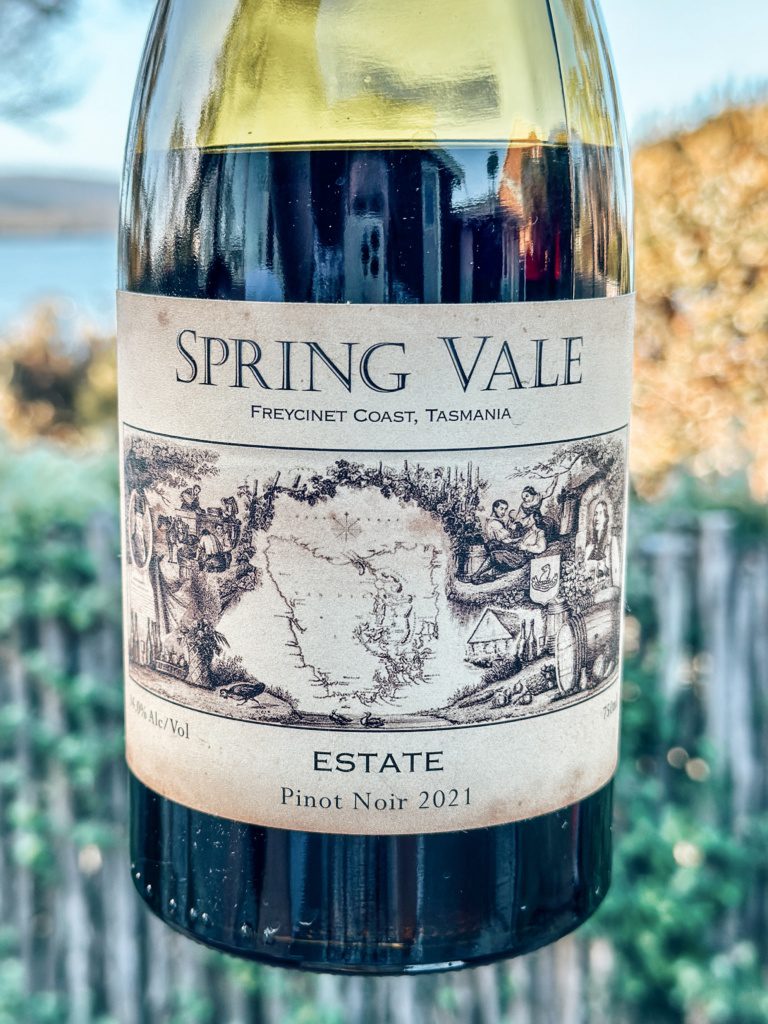
Tasmania has become globally respected for Pinot Noir, Chardonnay, and sparkling wine thanks to long ripening seasons and crisp acidity.
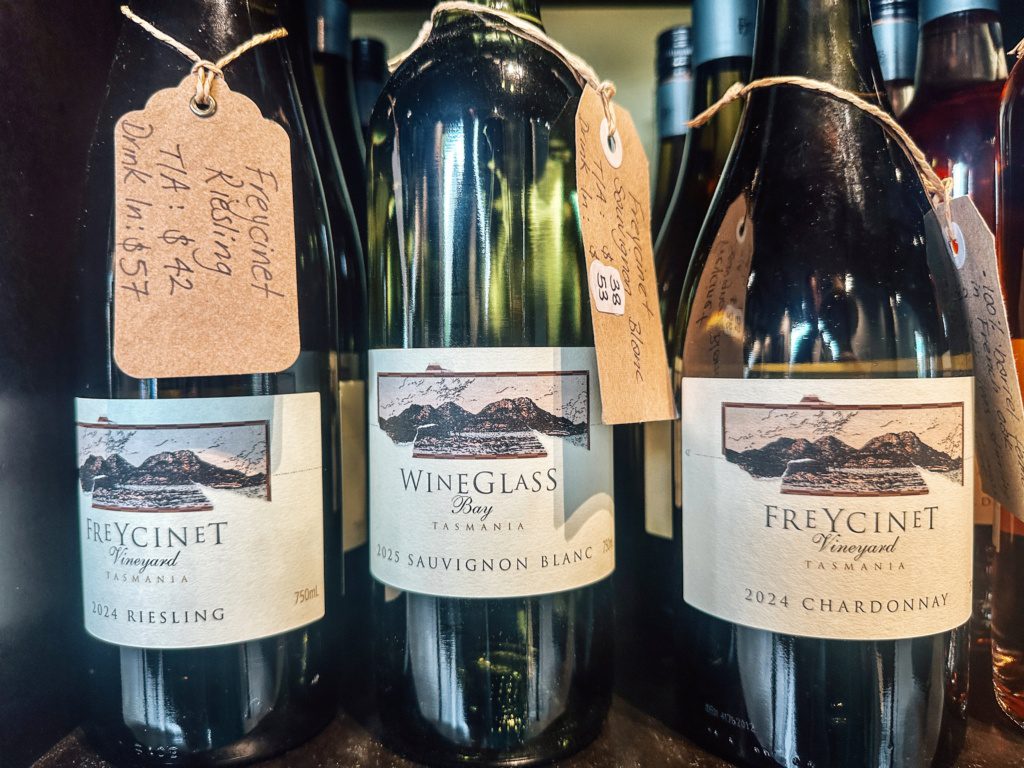
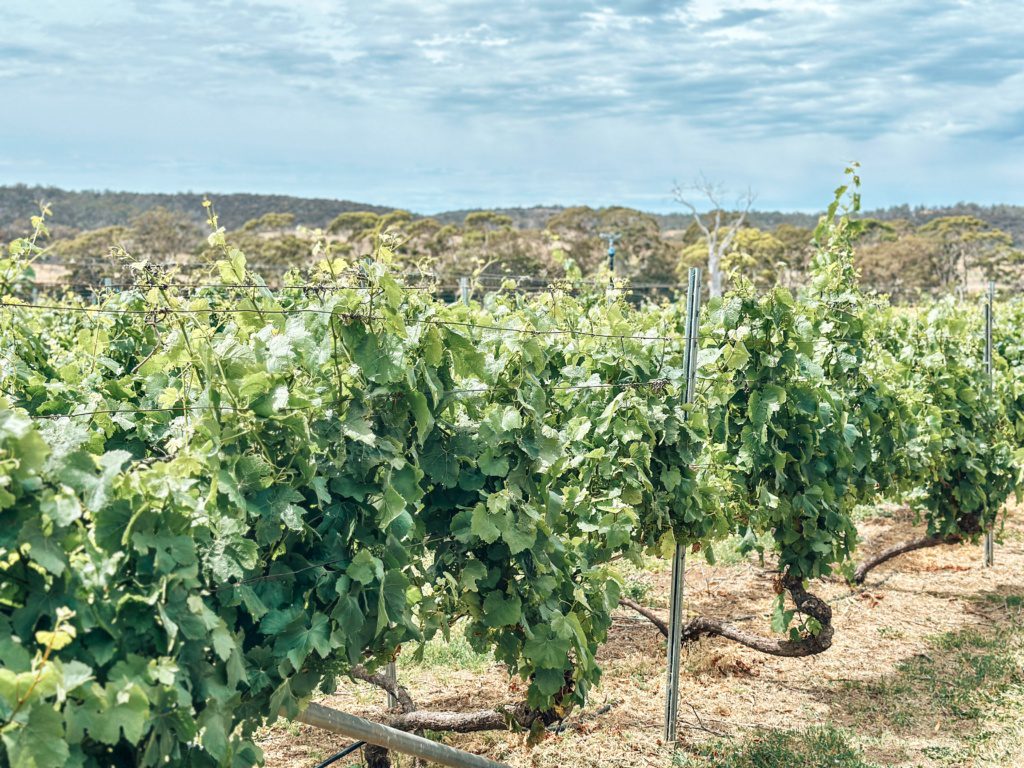
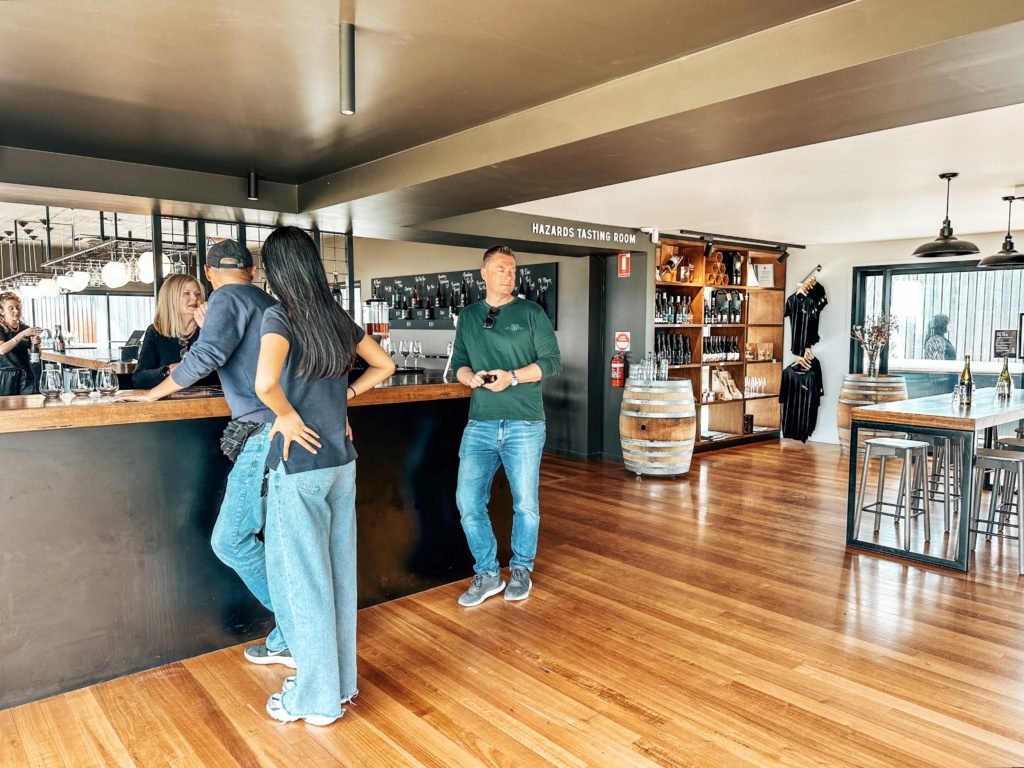
The East Coast Wine Trail is dotted with cellar doors, and producers like House of Arras create sparkling wines that rival Champagne in elegance and complexity.
Visit the Coal River Valley for a concentrated tasting experience near Hobart.
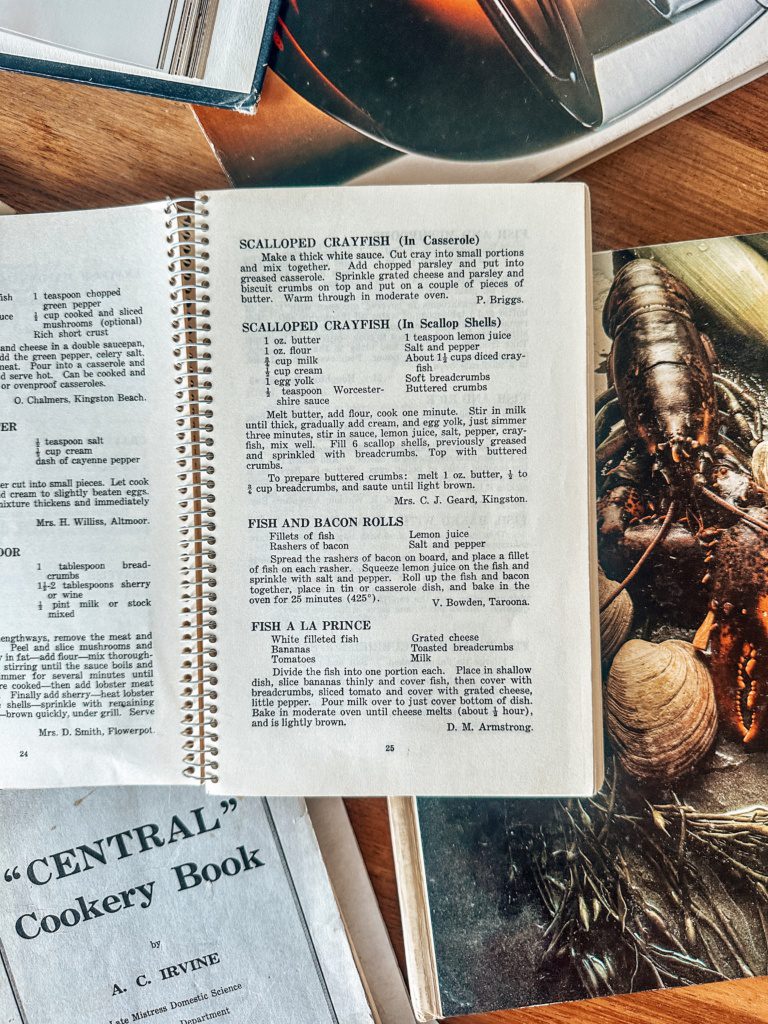
5. Rock Lobster (Crayfish)
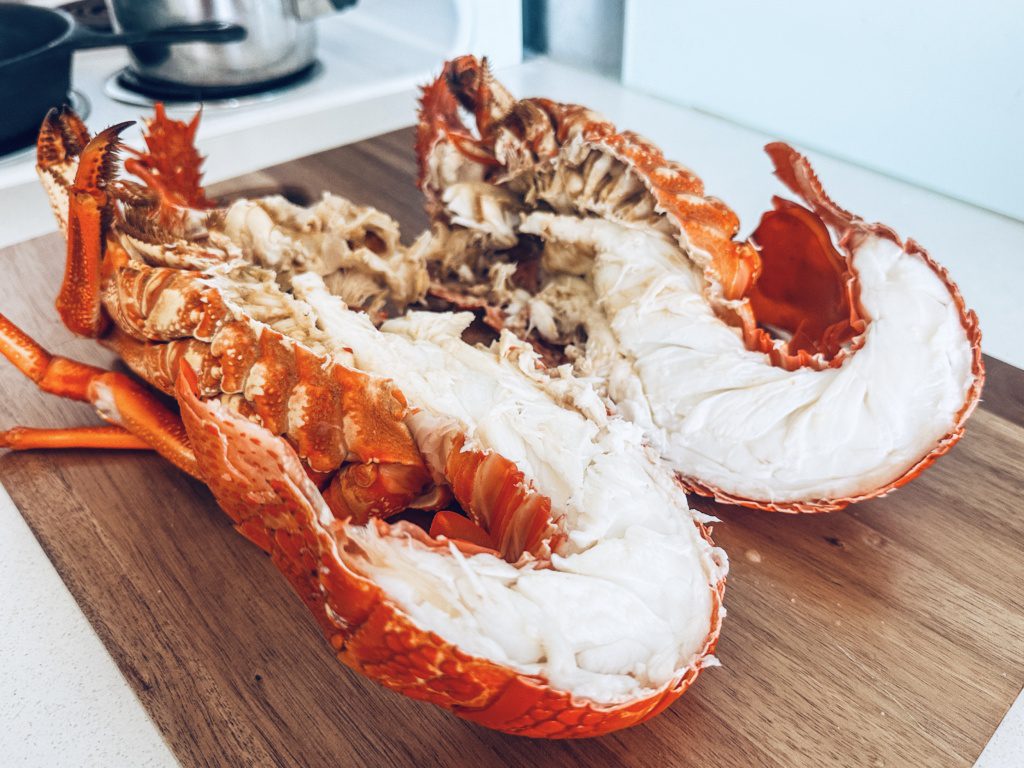
Southern rock lobster—locally called crayfish—is sweet, firm, and ocean-fresh. Its flavor is cleaner and less briny than warm-water lobster.
Try it grilled with lemon at seaside institutions like The Lobster Shack, where the seafood arrives straight from local waters.
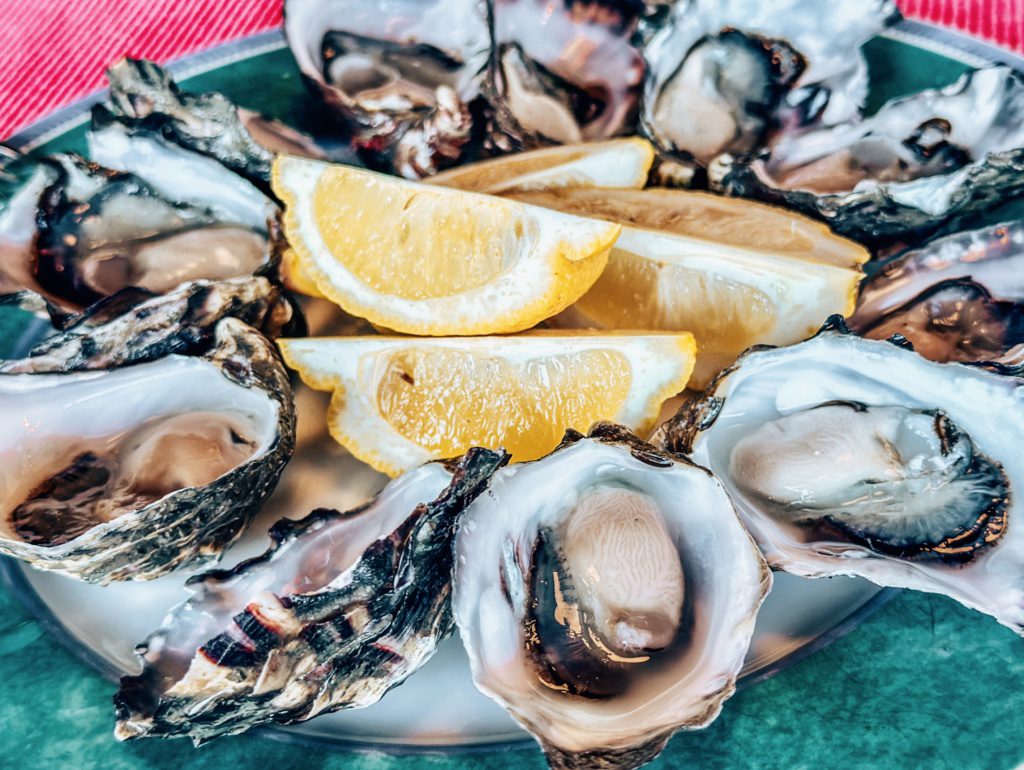
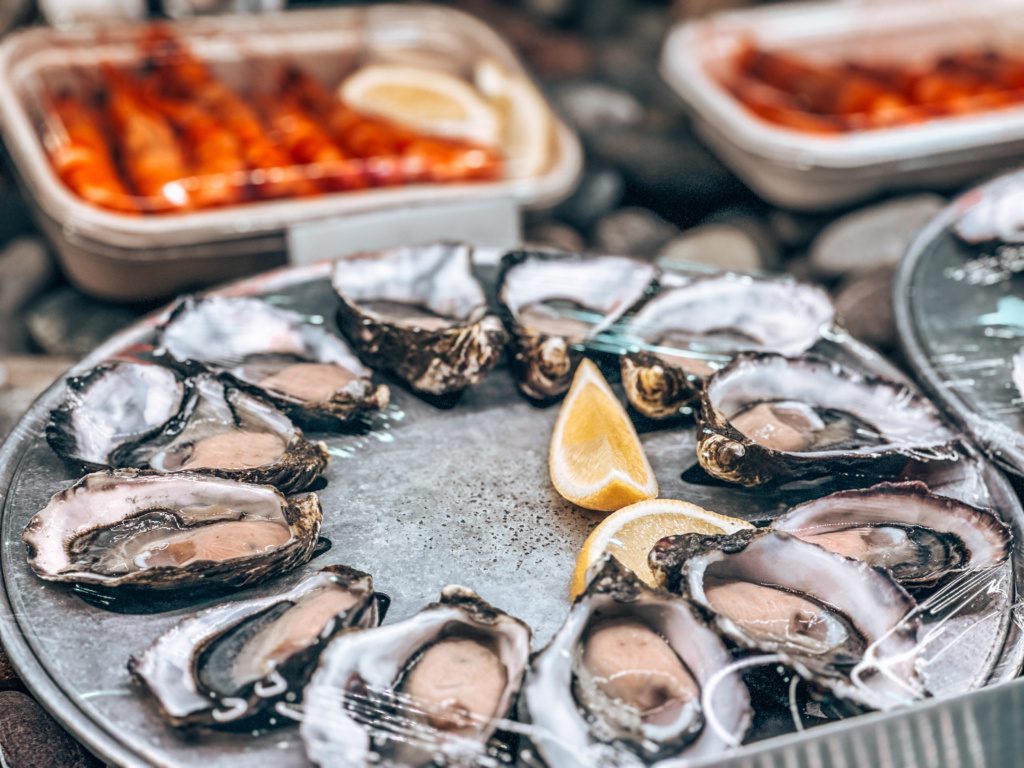
6. Tassie Oysters
Cold Southern Ocean waters slow oyster growth, creating plump shells with intense minerality. Bruny Island oysters are particularly prized.
Many oyster farms offer dockside tastings where you can sample them moments after harvest—pure Tasmanian food at its source.
7. Pepperberry
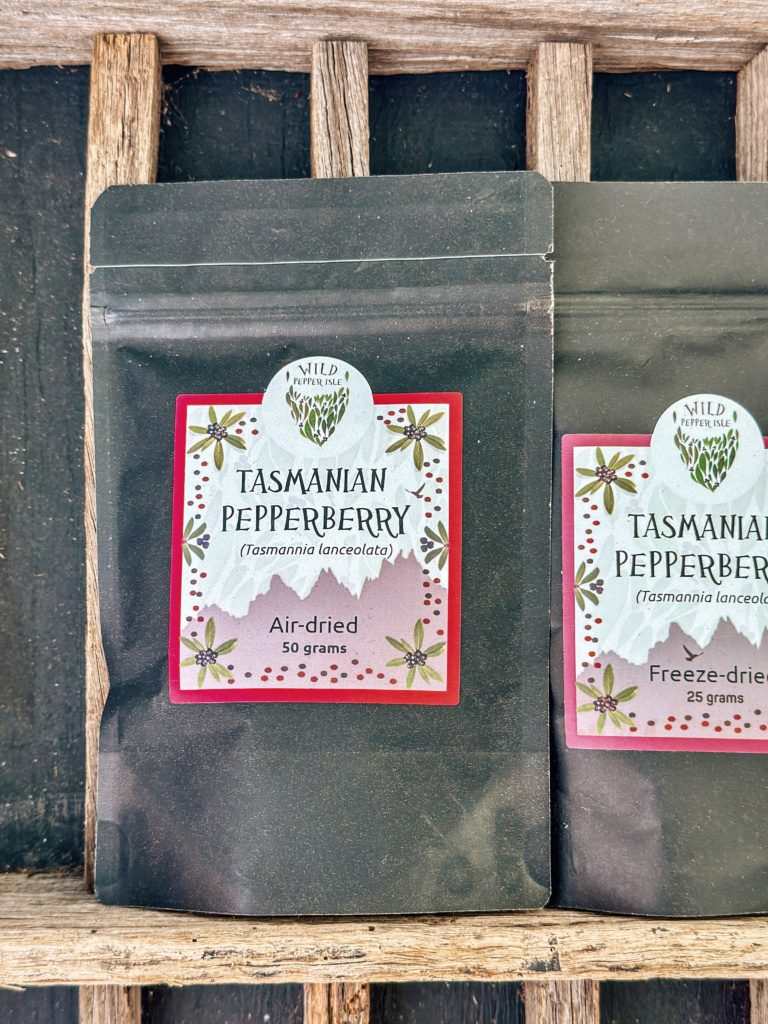
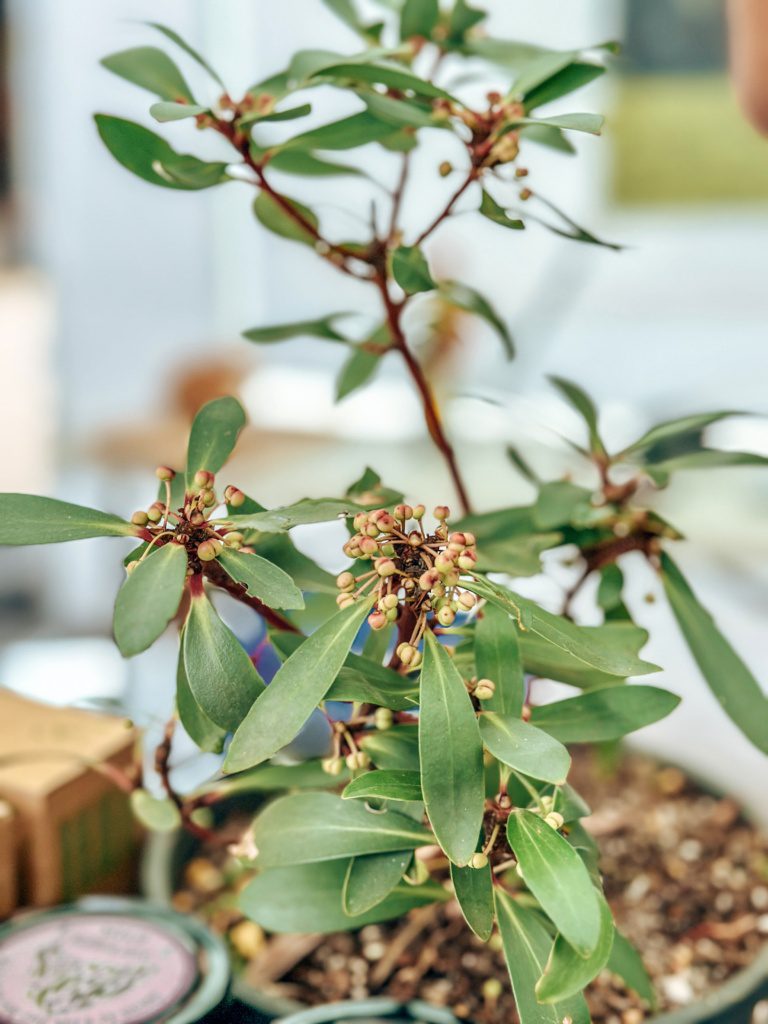
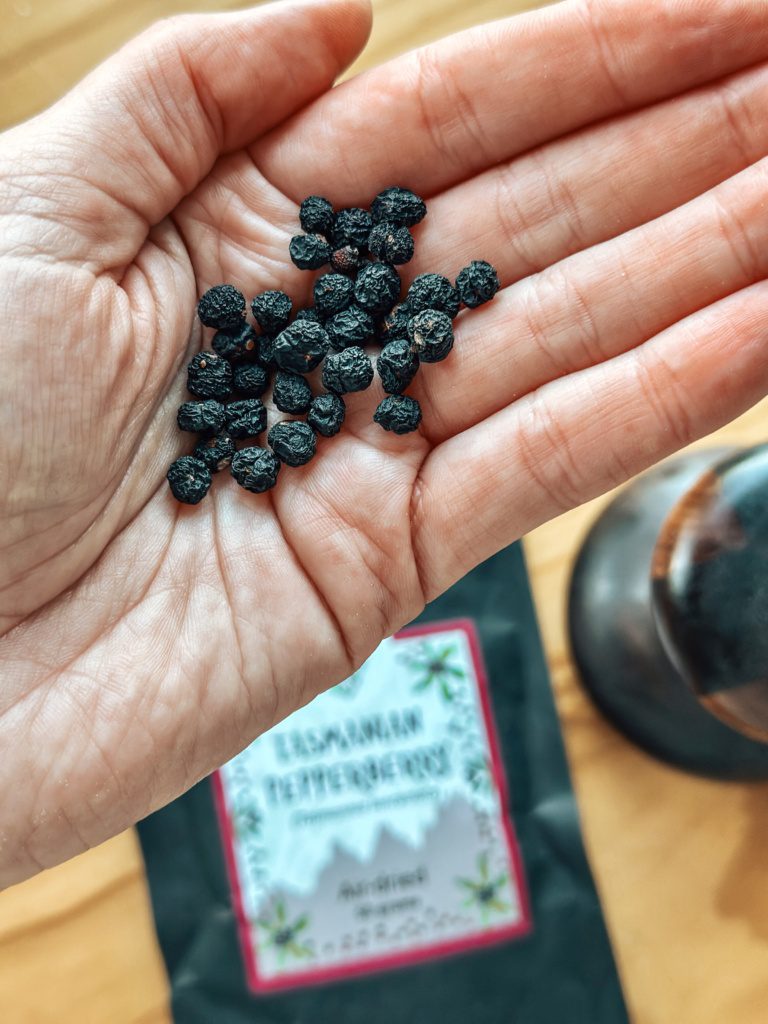
Native Tasmanian pepperberry has a deep purple hue and fruity heat. It’s less sharp than black pepper but more aromatic.
Indigenous food advocates are bringing it back into prominence. You’ll see it crusted onto wallaby or even folded into ice cream at innovative restaurants.
8. Bush Foods
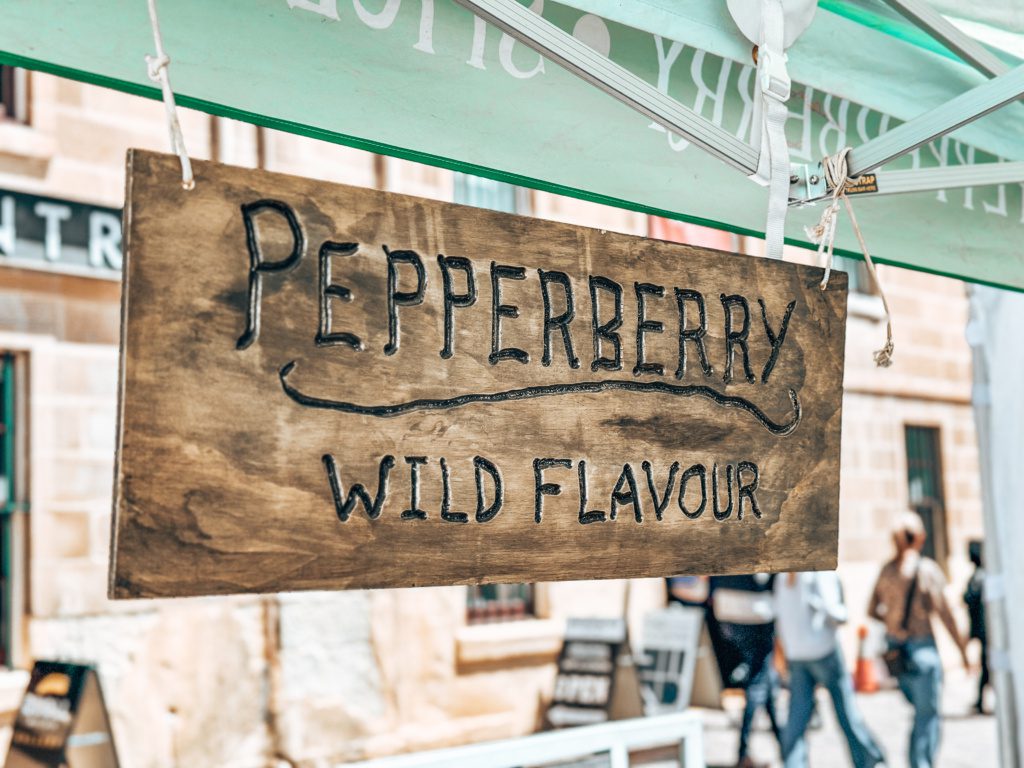
Ingredients like kangaroo apple, native clover, cunigong seaweed, and kunzea jelly reflect 40,000+ years of Aboriginal food knowledge.
Organizations such as Palawa Kipli support cultural revival and education around native foods.
Some guided tours and progressive restaurants incorporate these ingredients respectfully into modern menus.
9. Tasmanian Ice Cream
Local creameries experiment with flavors like leatherwood honey and pepperberry.
Van Diemens Land Creamery showcases creative scoops using regional ingredients. The high-quality dairy base makes every flavor shine.

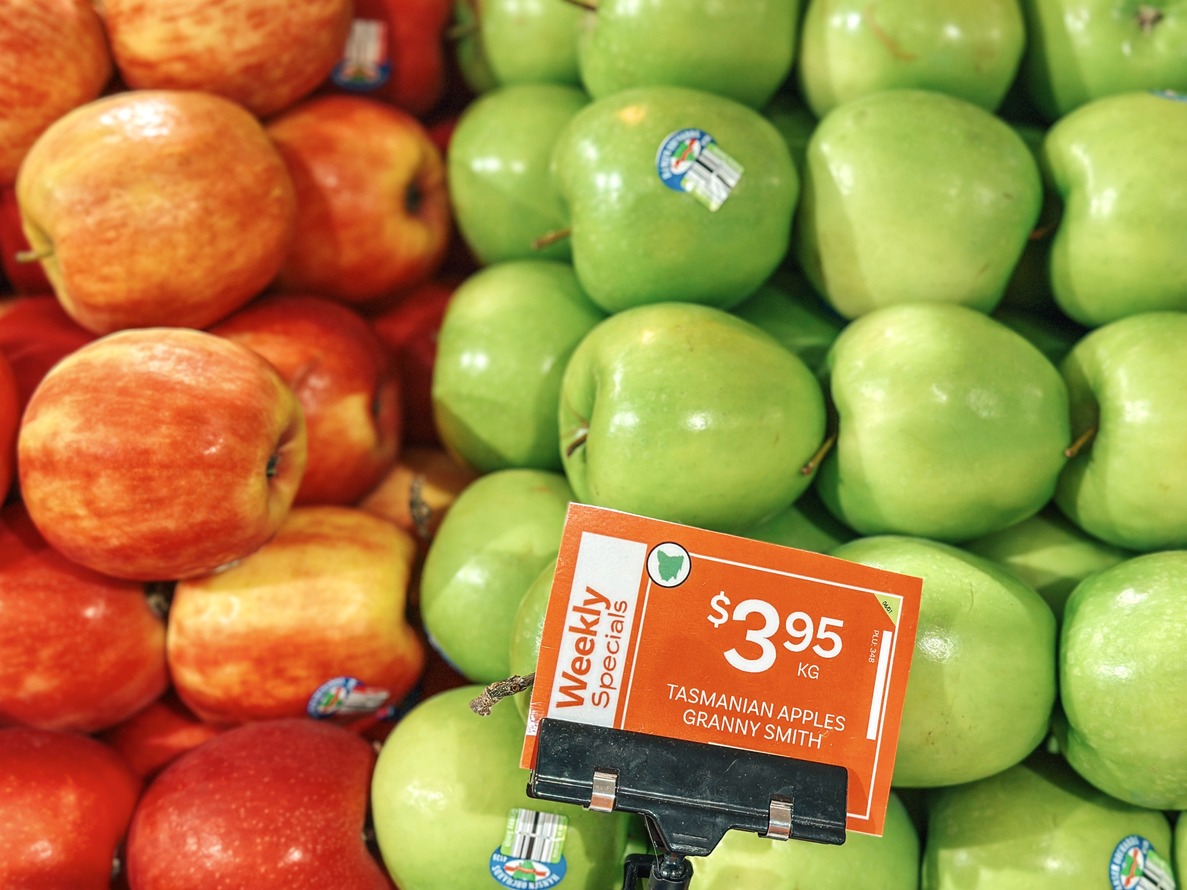
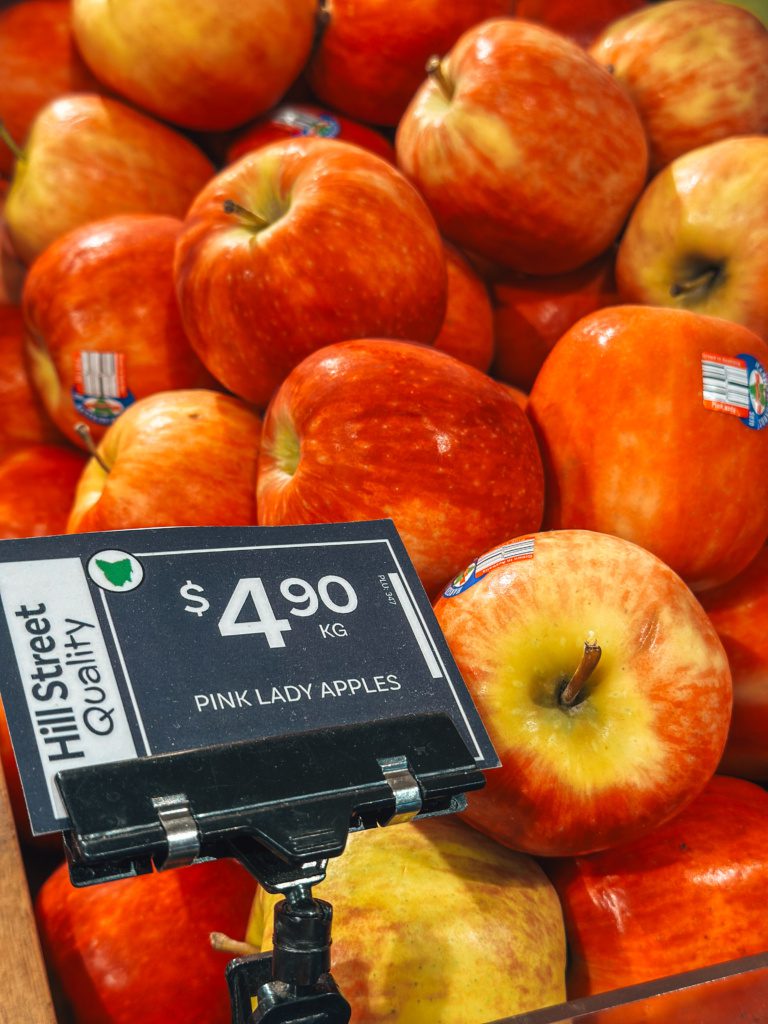
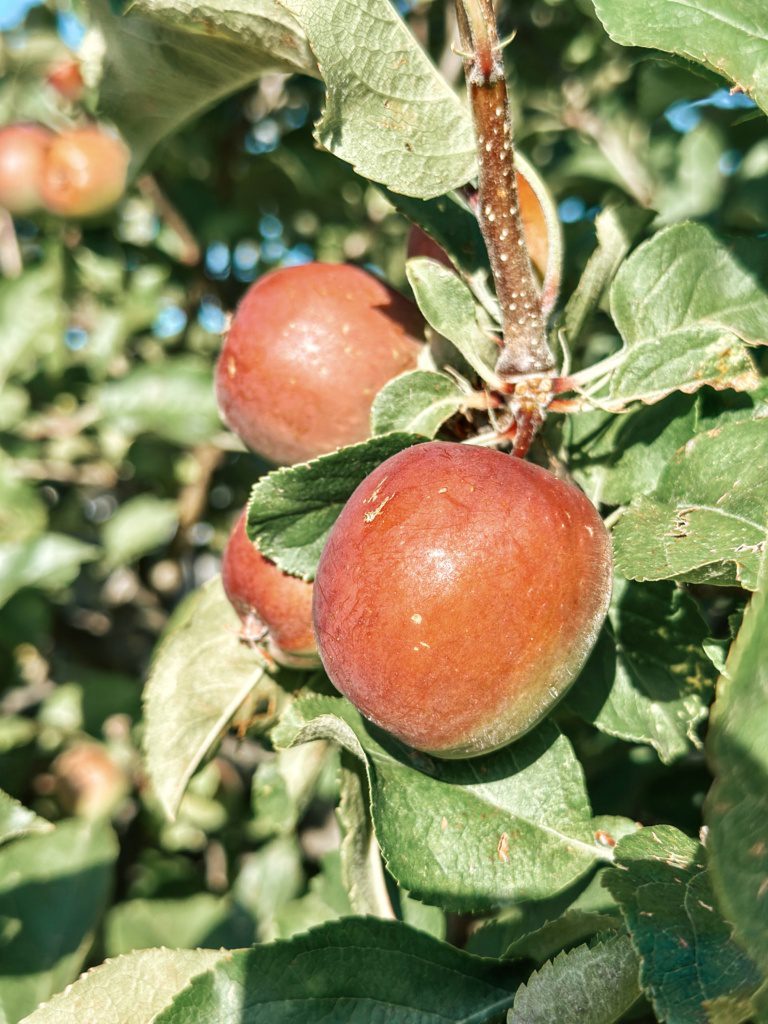
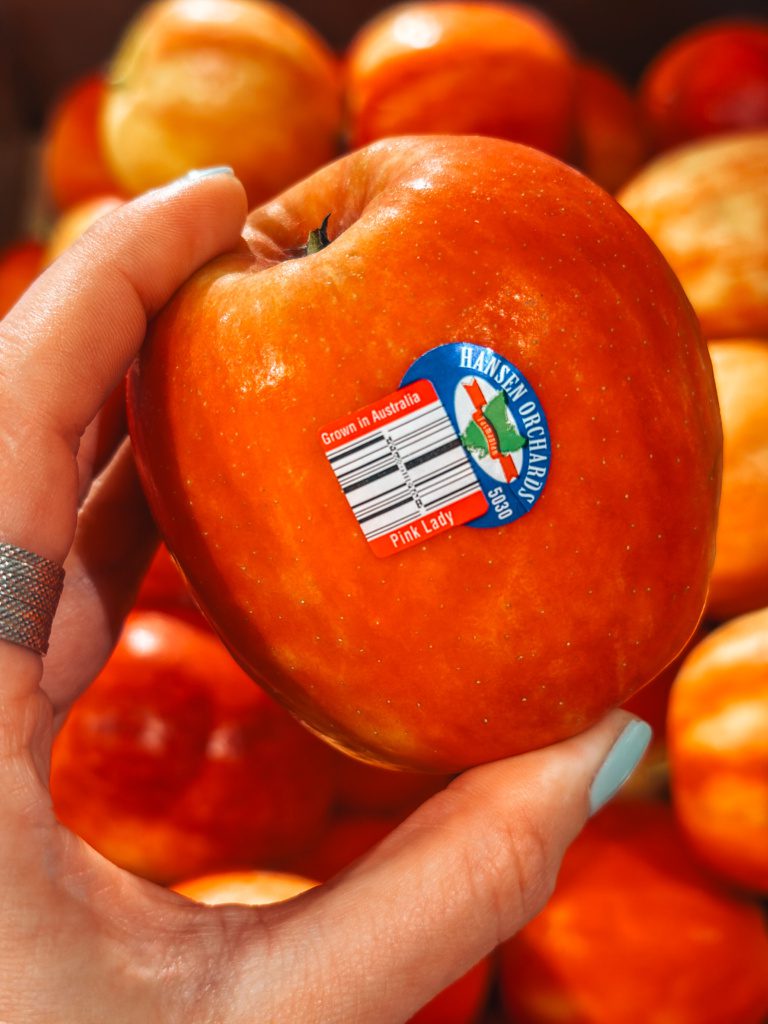
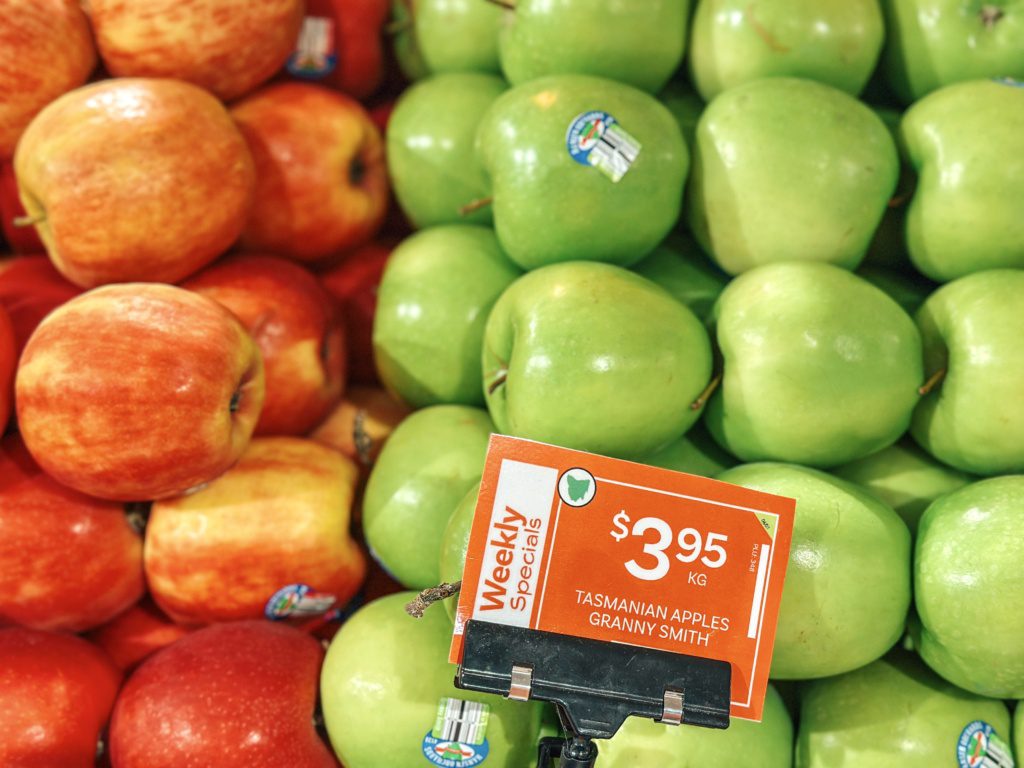
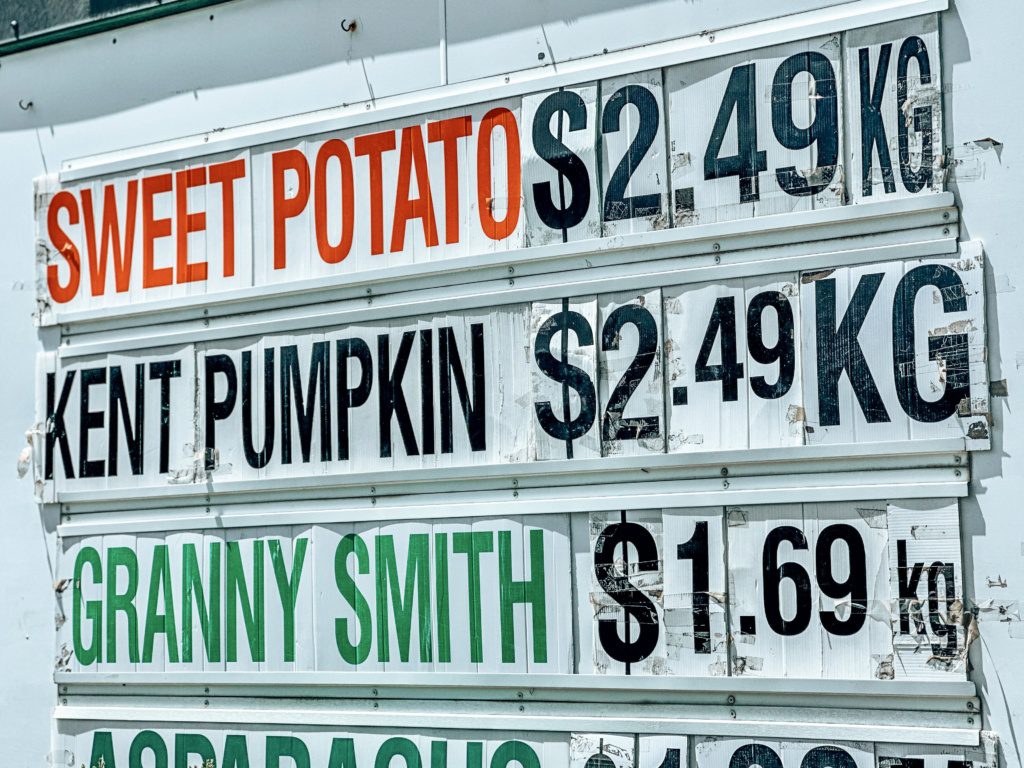
10. Tasmanian Apples
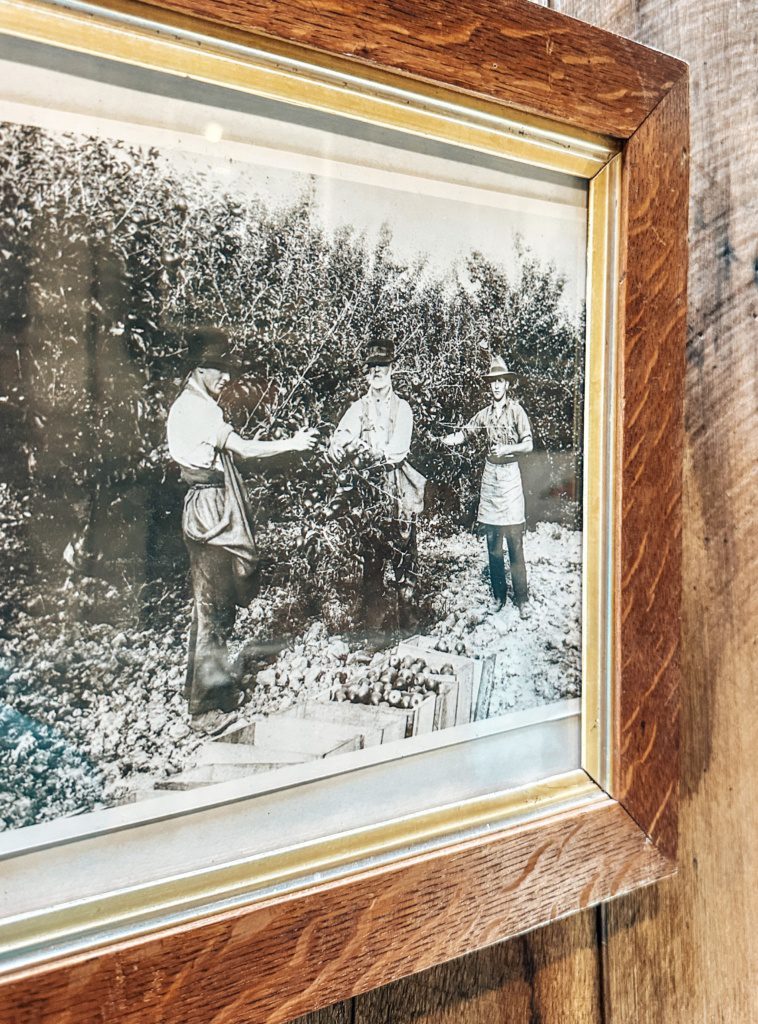
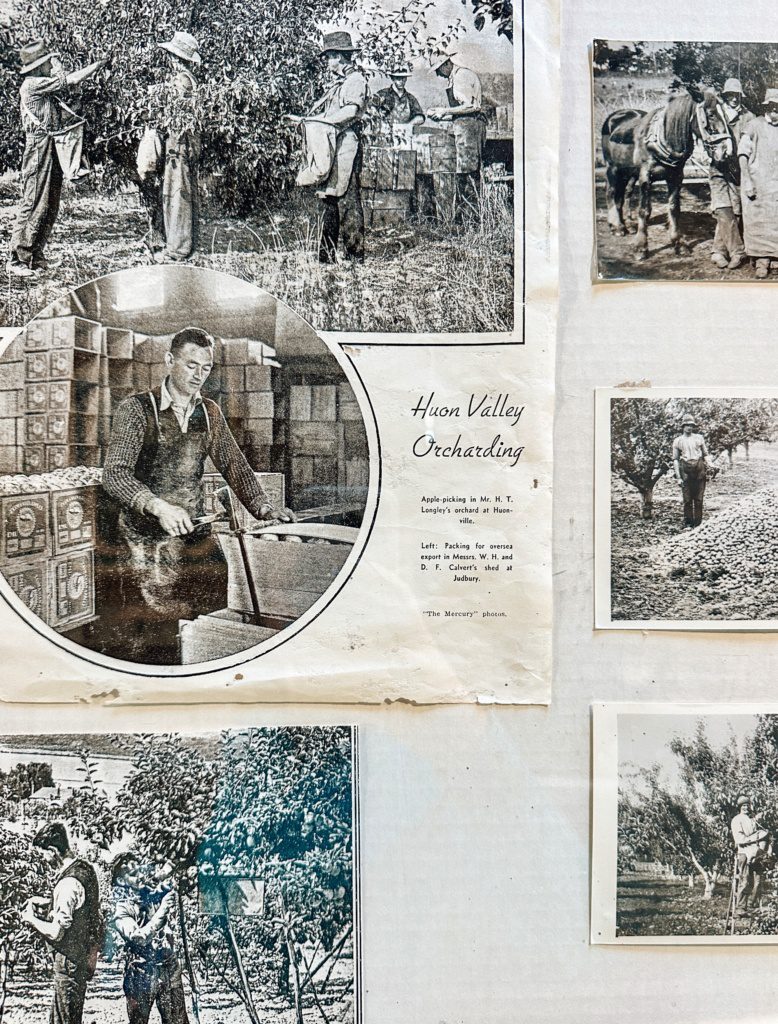
Nicknamed the “Apple Isle,” Tasmania once exported apples worldwide. Today orchards still flourish, particularly in the Huon region.
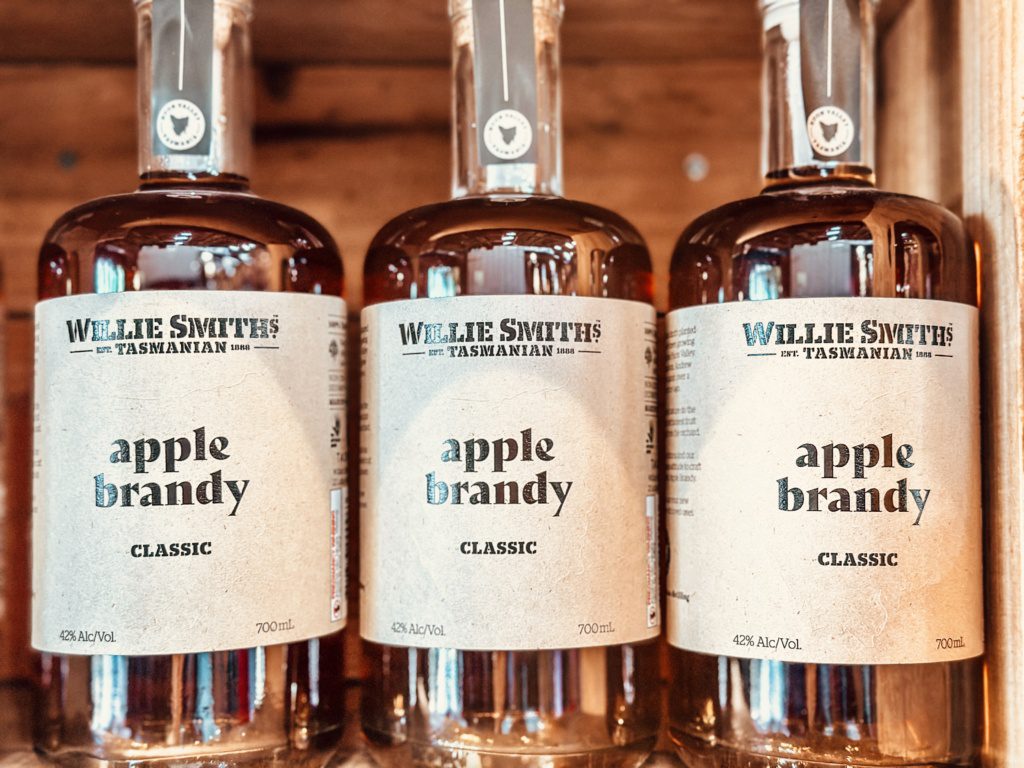
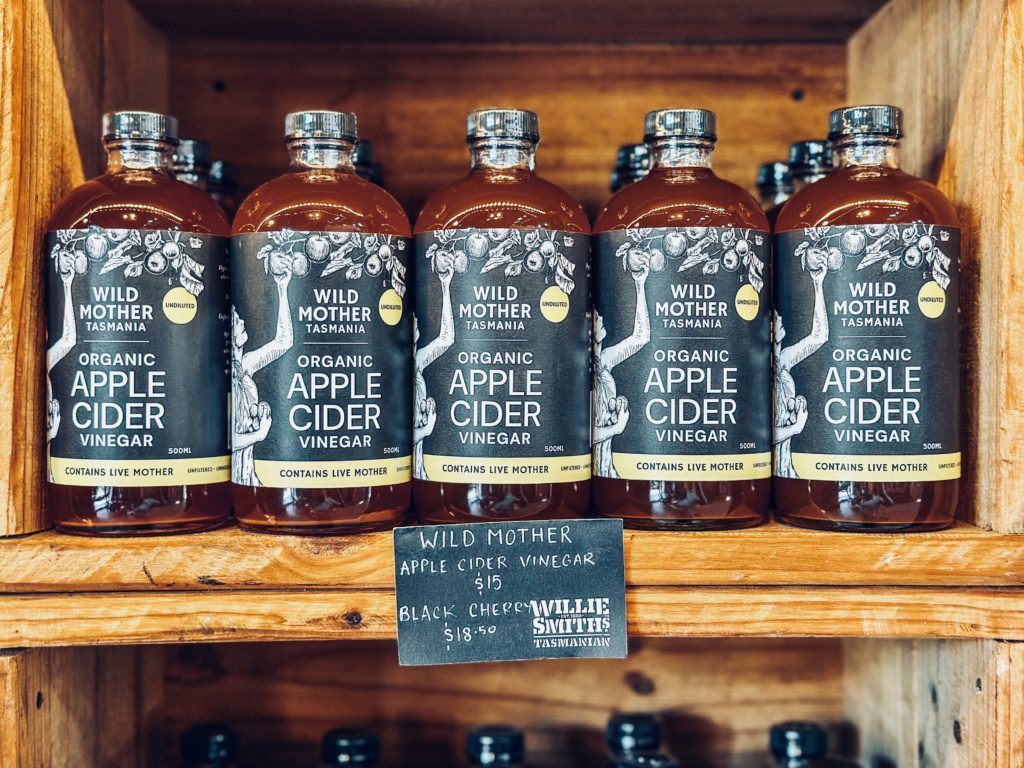
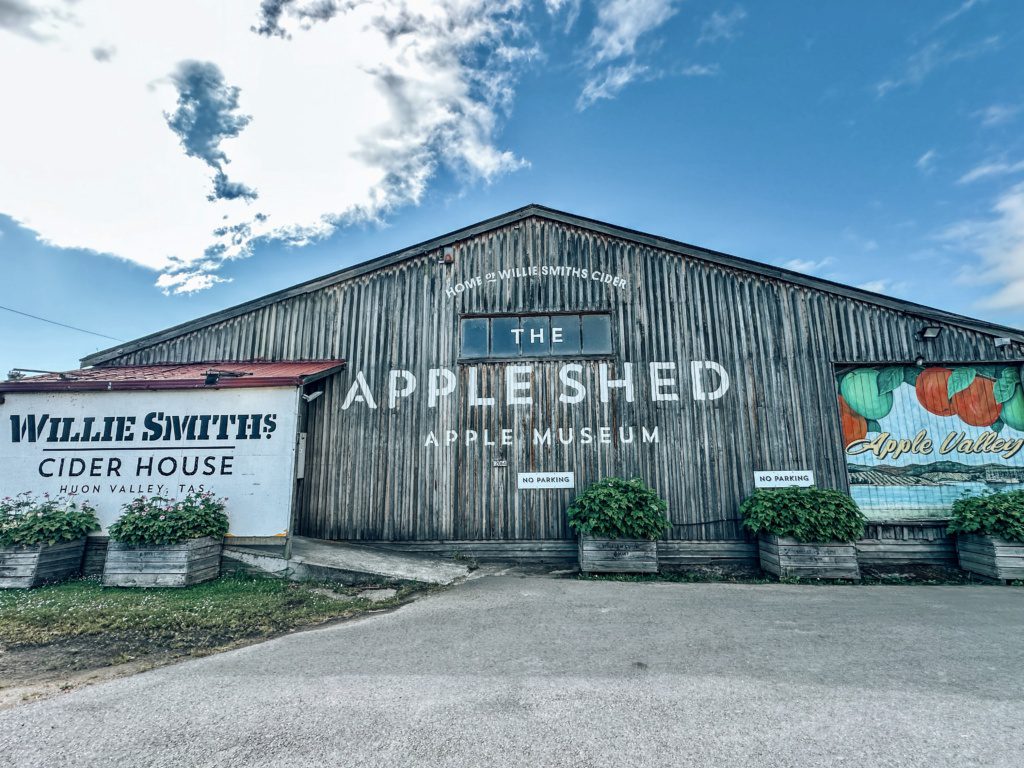
Apple pie at Willie Smith’s Apple Shed is a must, served alongside house-made cider.
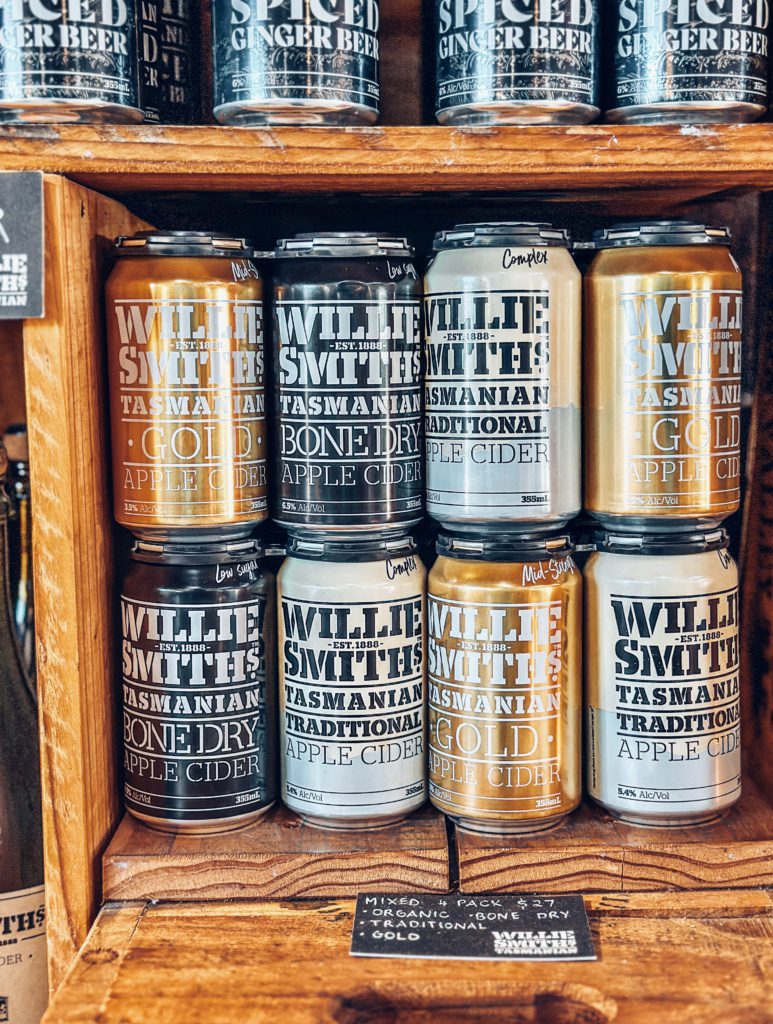
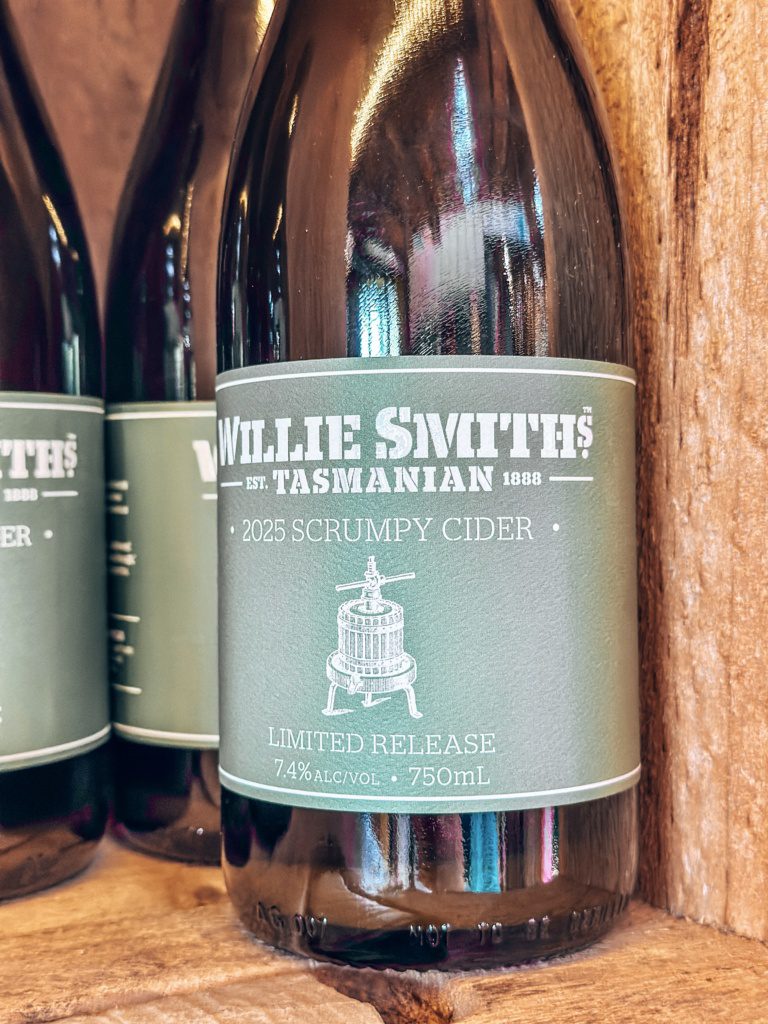
11. Apple Cider
Cider is woven into Tasmania’s identity. Once known as the “Apple Isle,” the island built its economy on orchards, and today that legacy lives on through vibrant, cool-climate ciders made from heritage apple varieties.
Expect bright acidity, gentle tannins, and clean, orchard-fresh flavor that feels unmistakably Tasmanian.
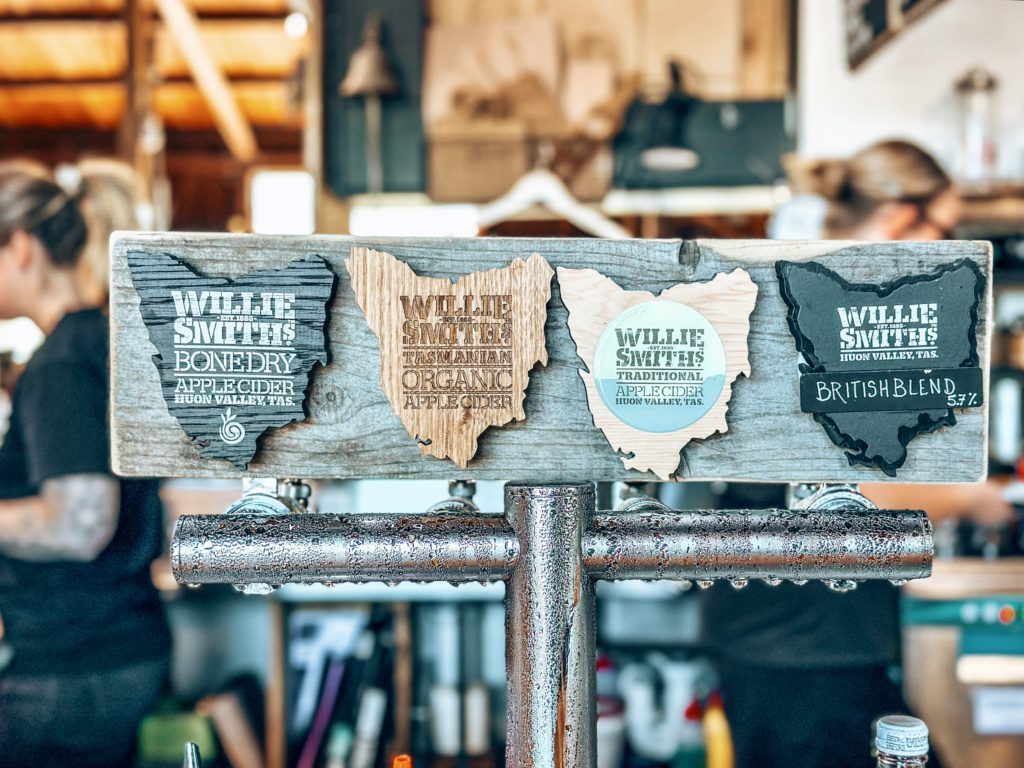

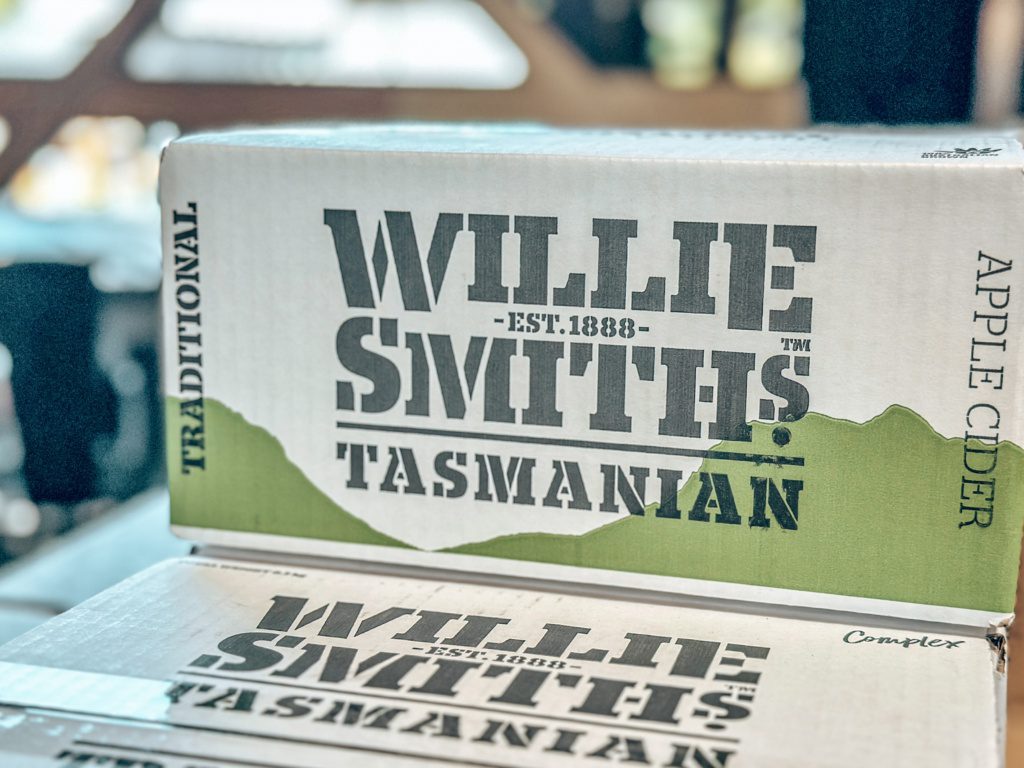
A visit to Willie Smith’s Apple Shed in the Huon Valley brings that history to life.
Housed in a restored apple packing shed, it blends cider tastings with a small museum honoring generations of orchard growers.
From dry farmhouse styles to alcohol-free options, it’s both a delicious stop and a window into the heart of tasmanian food culture.
12. Huon Valley & Truss Tomatoes
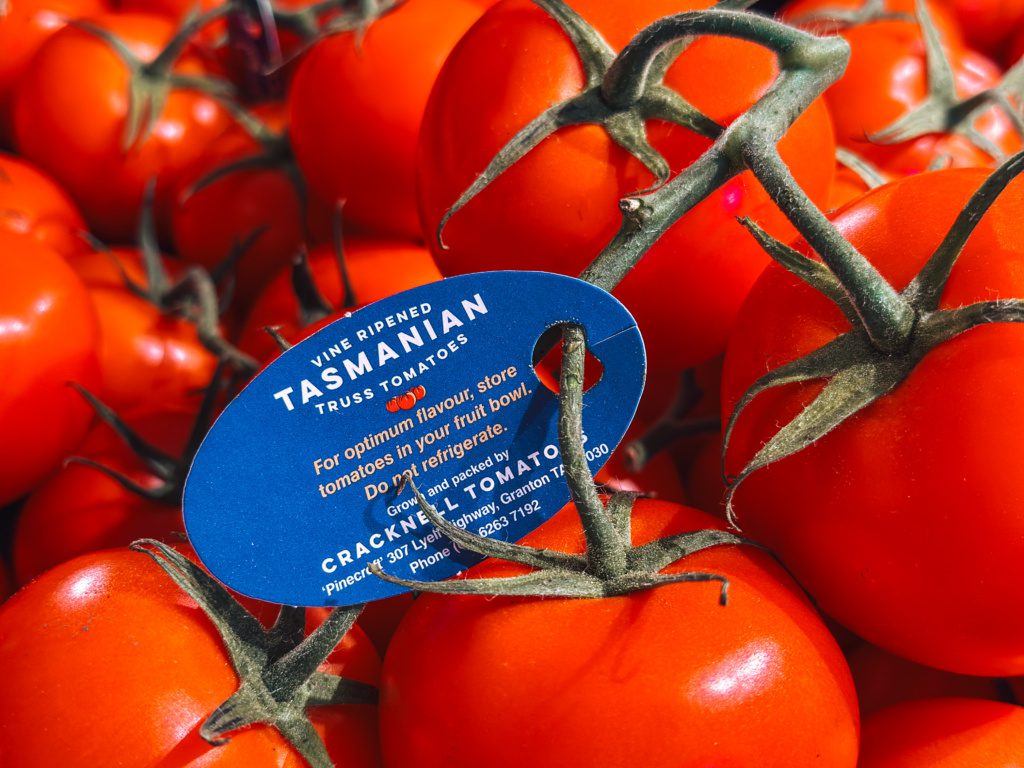
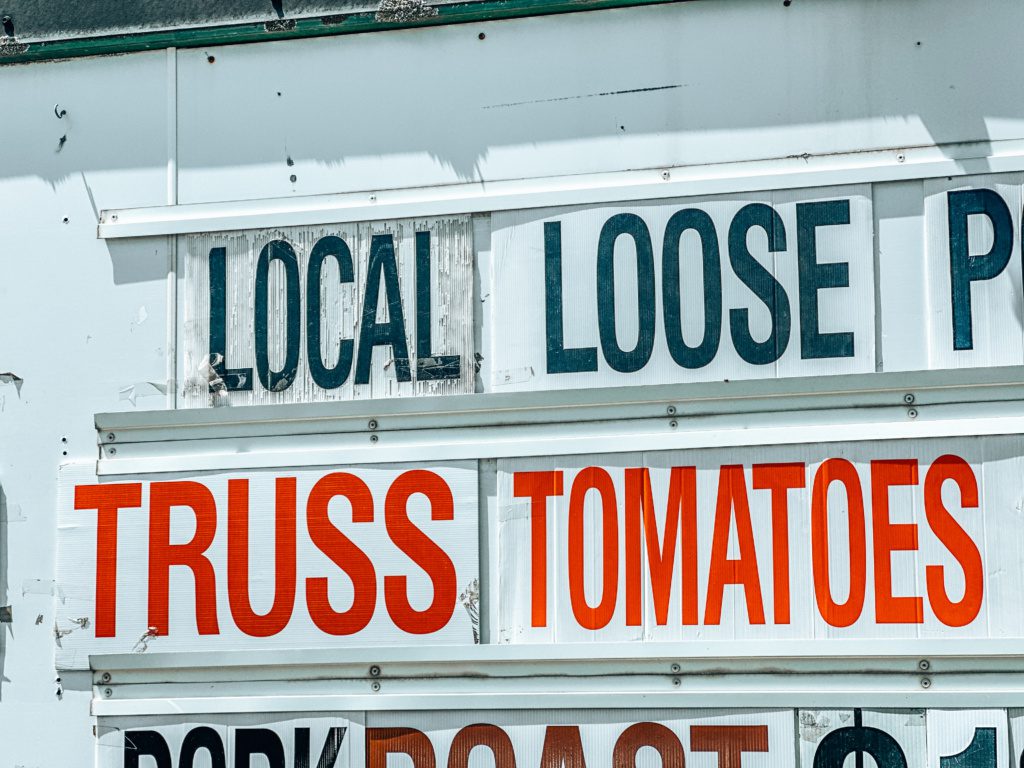
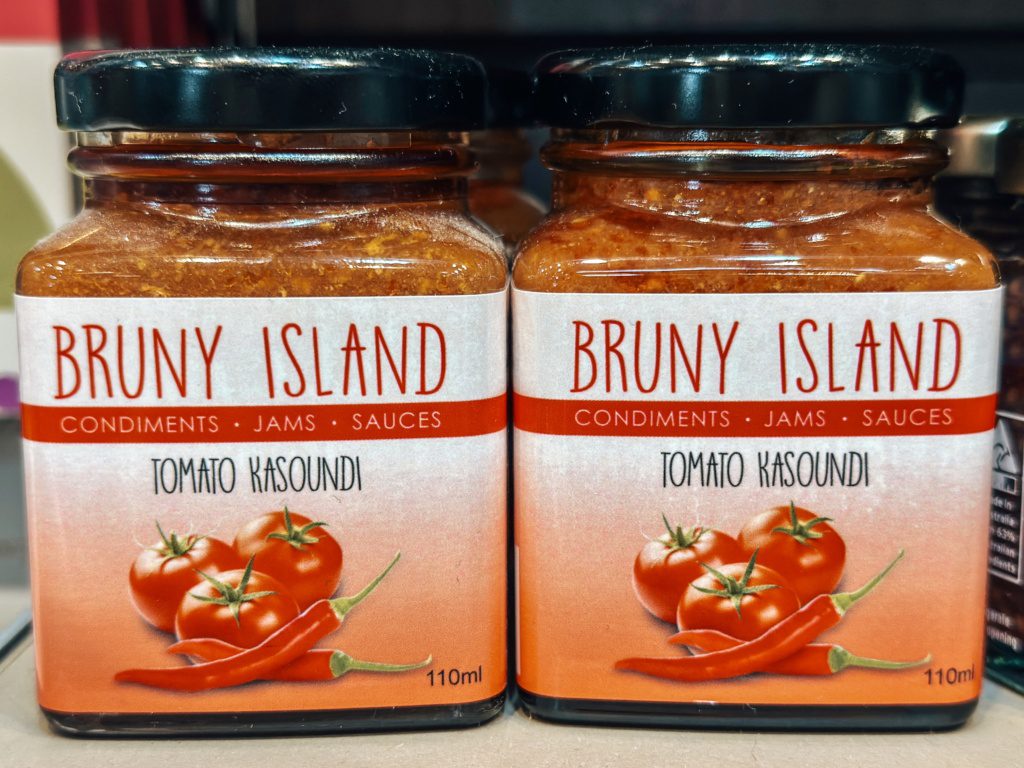
The Huon Valley produces tomatoes with remarkable sweetness thanks to long daylight hours and cool nights.
In peak summer, grab heirloom varieties from Hill Street Grocer and taste them simply with sea salt.
13. Tasmanian Sea Salt
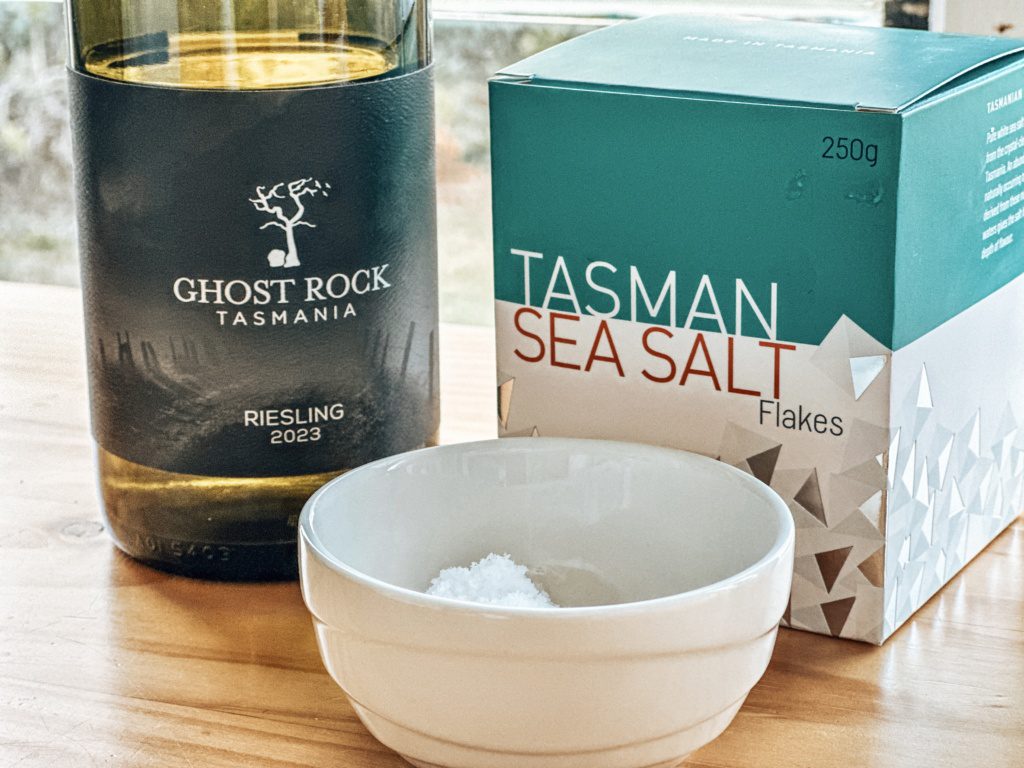
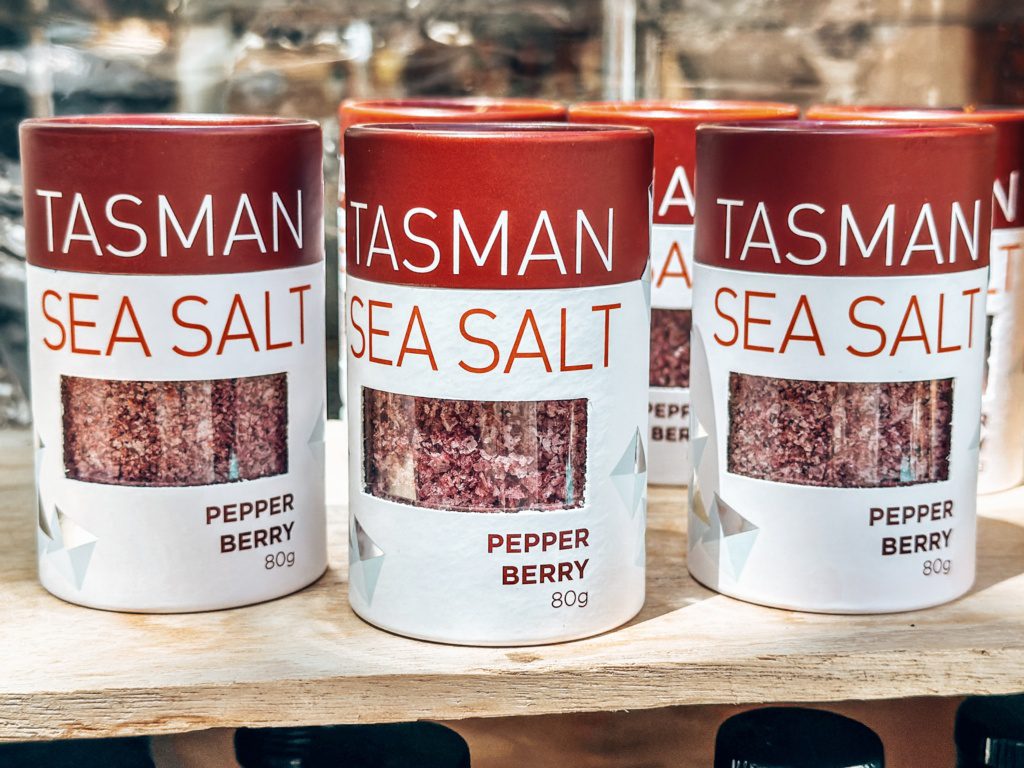
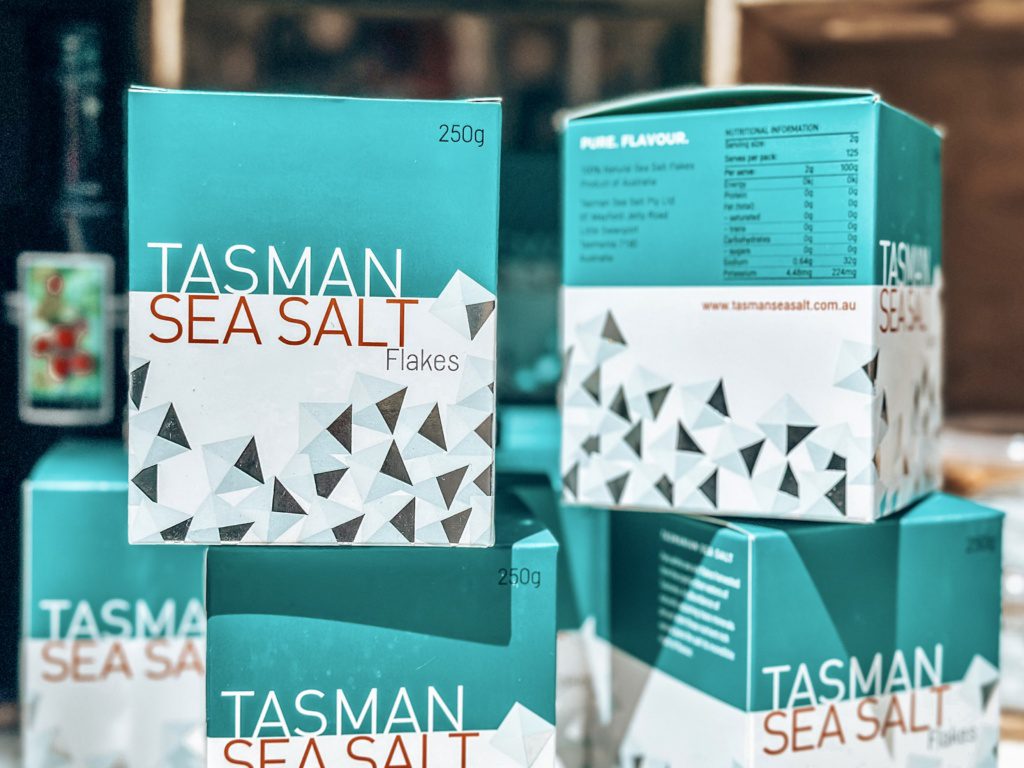
Hand-harvested from pristine waters, Tasmanian sea salt carries clean mineral notes. Artisanal producers supply top restaurants across the state.
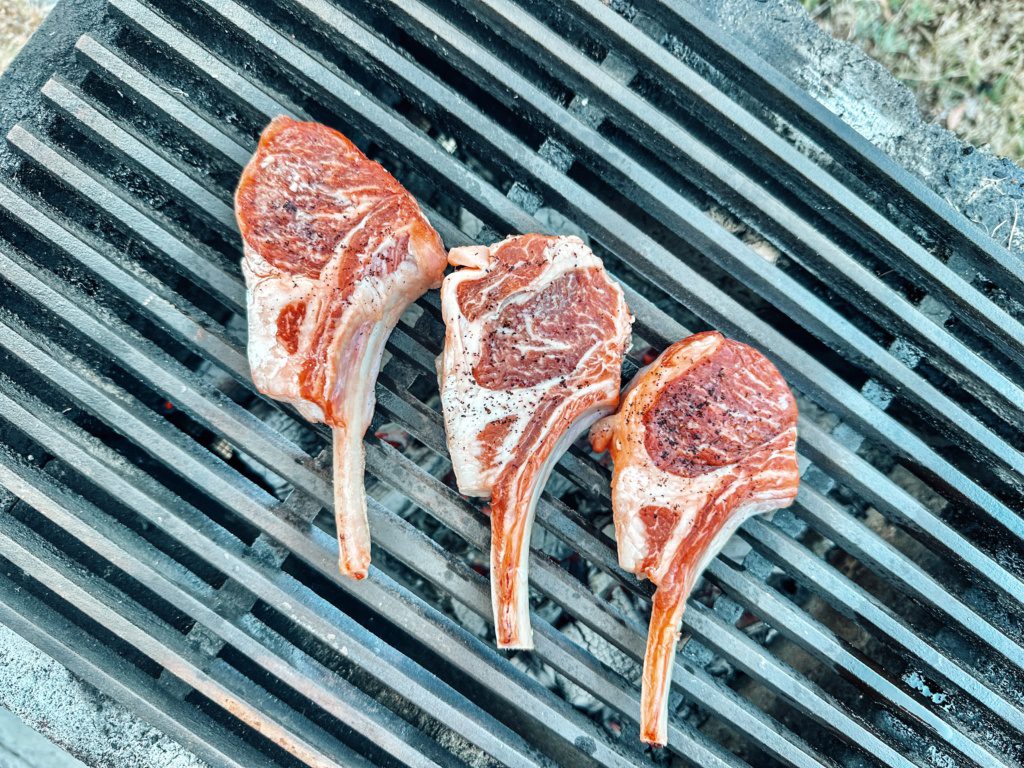
14. Local Lamb
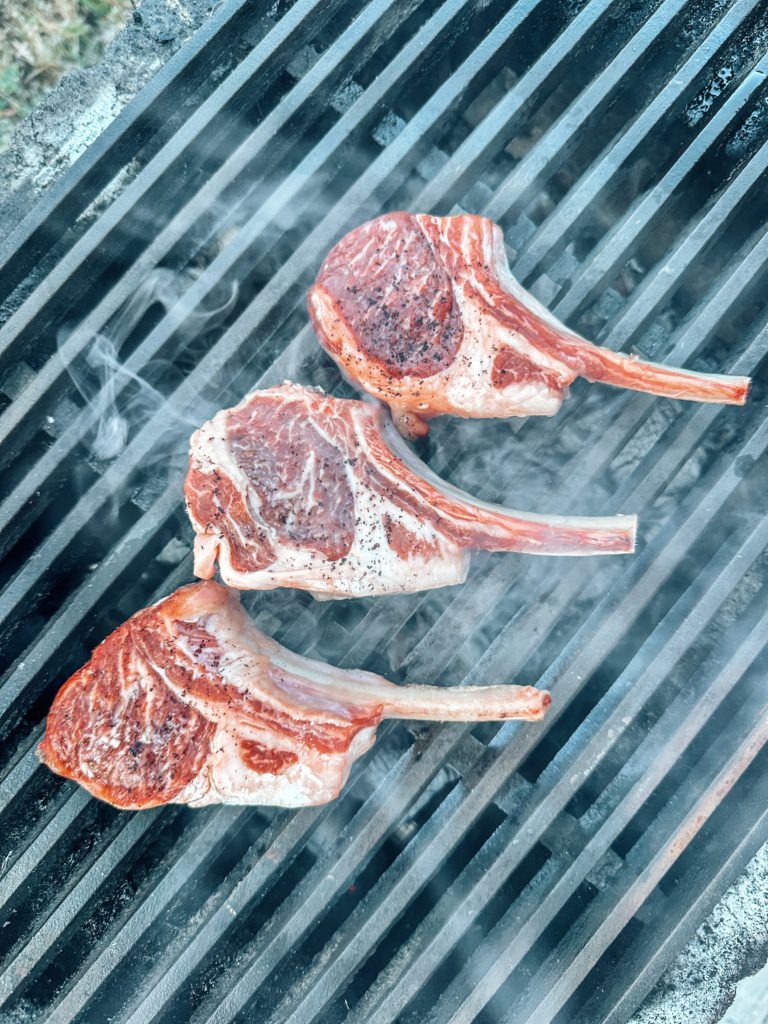
Tasmanian lamb grazes year-round on chemical-light pasture. The result is tender meat with subtle herbaceous flavor.
Order lamb racks at fine-dining restaurants in Hobart to taste its elegance.
15. Berries
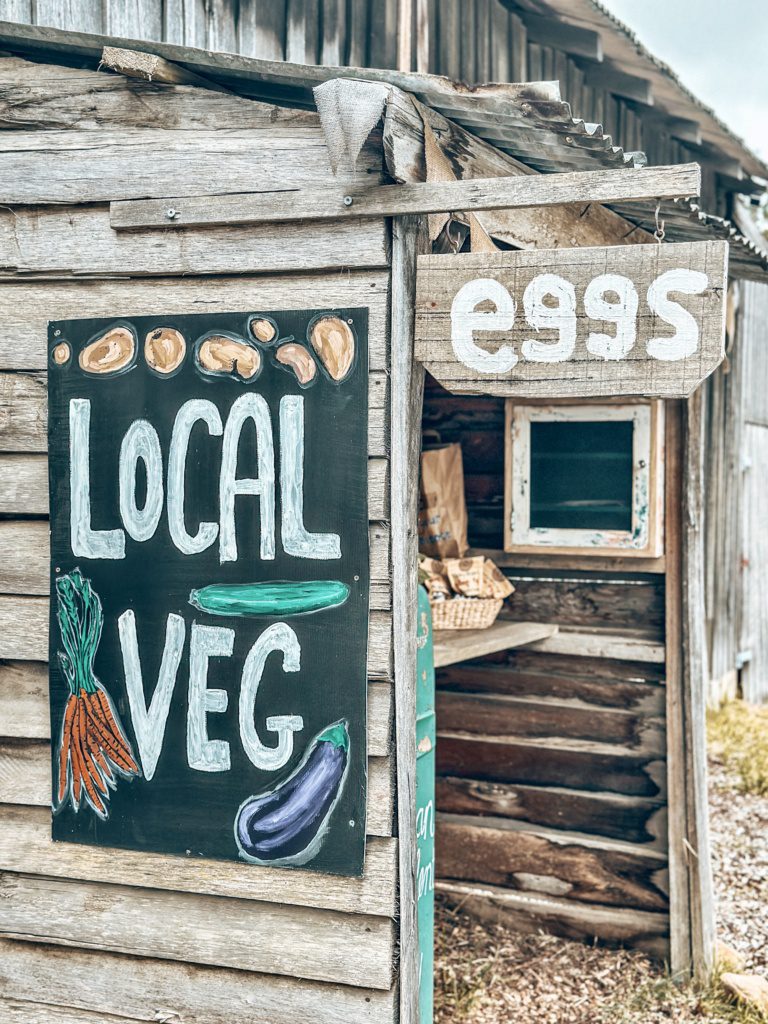
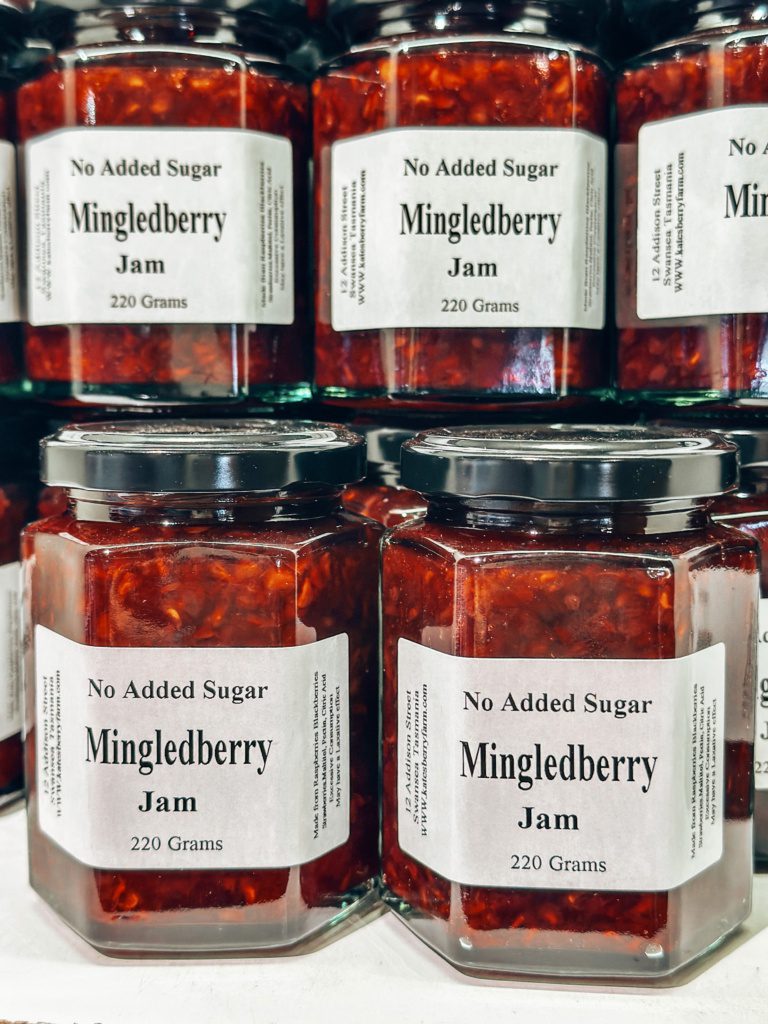
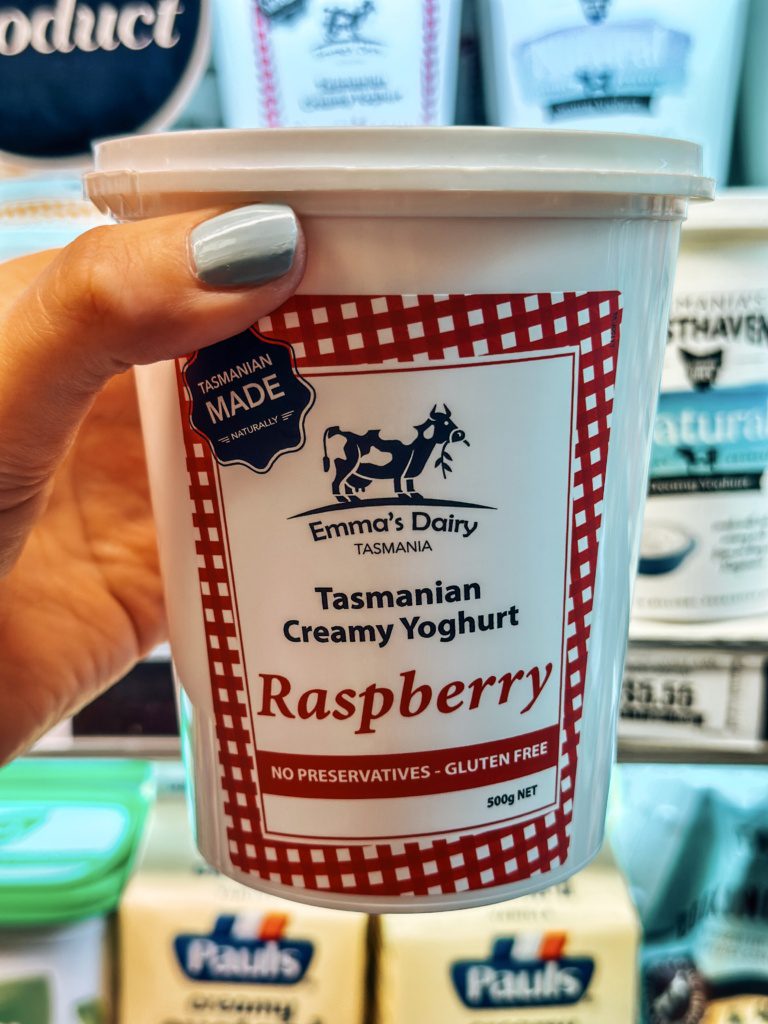
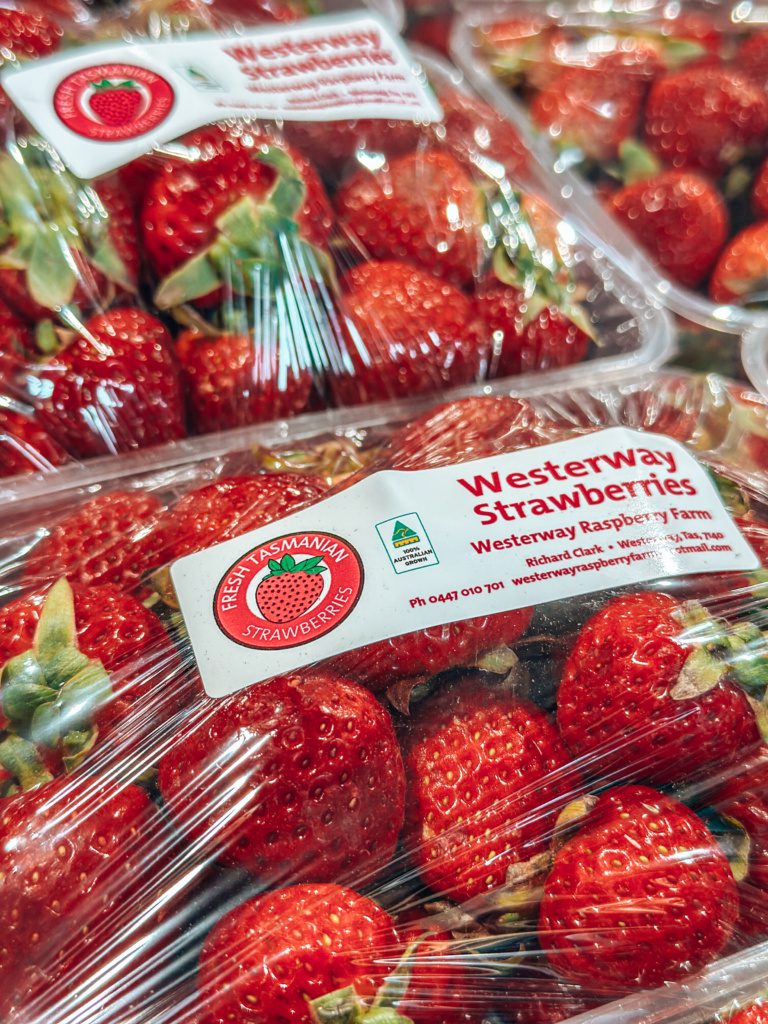
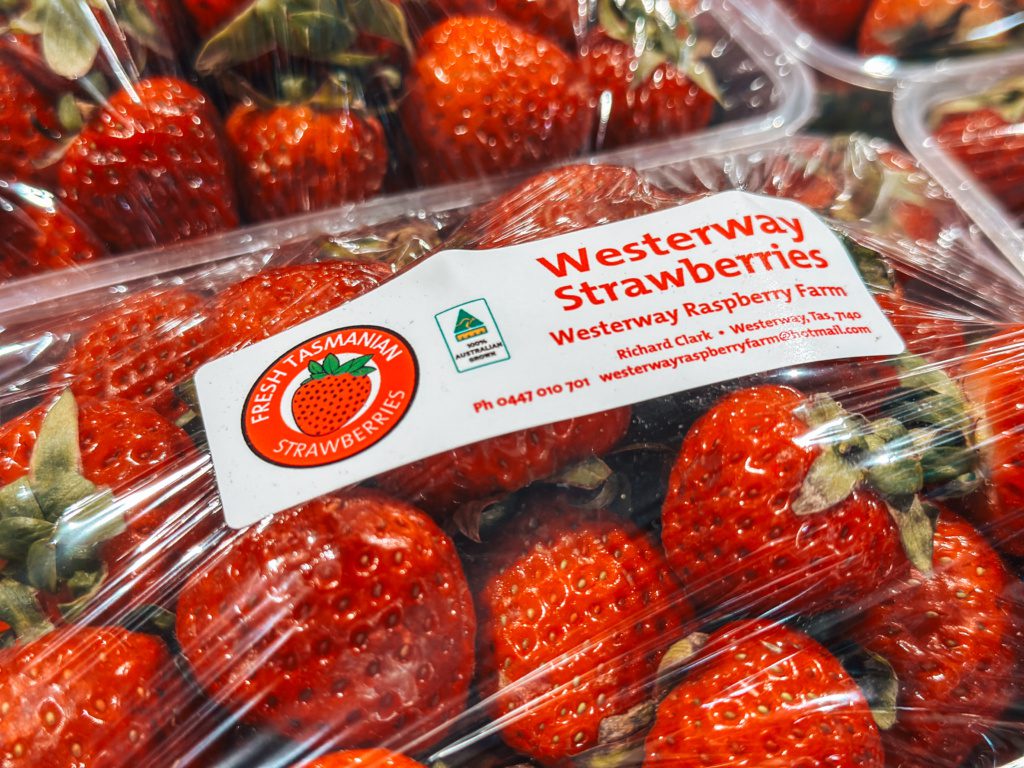
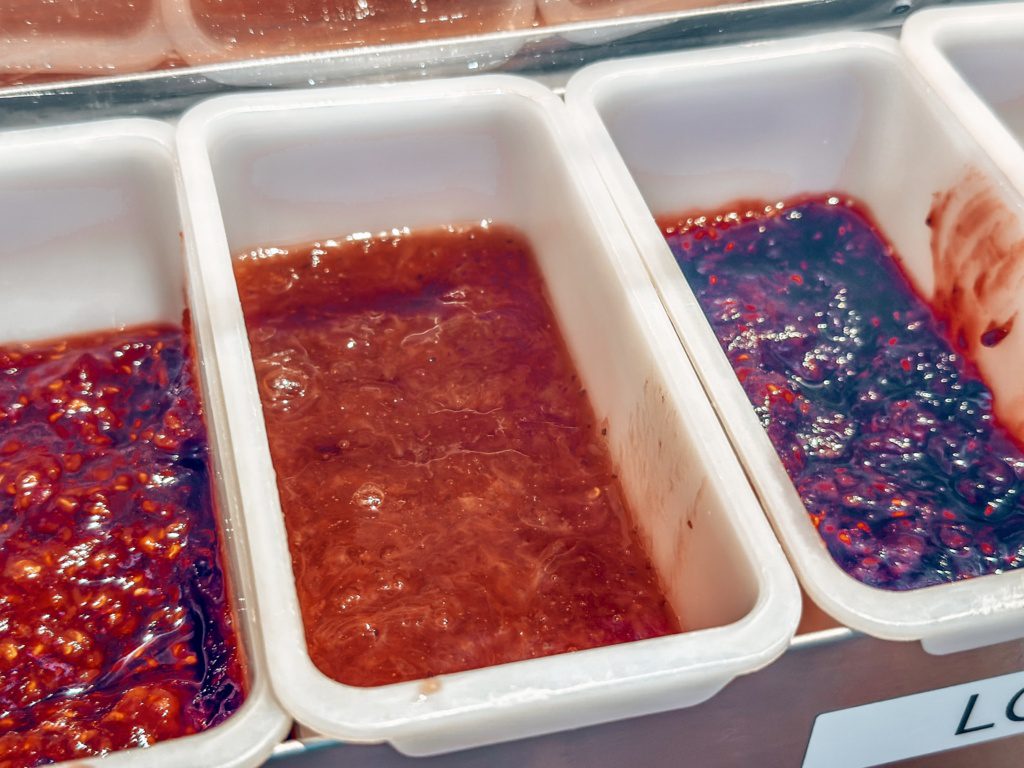
Raspberries and strawberries thrive in Tasmania’s mild summers. Farm gates across the north and northwest sell fresh punnets, and berry jams appear at breakfast tables statewide.
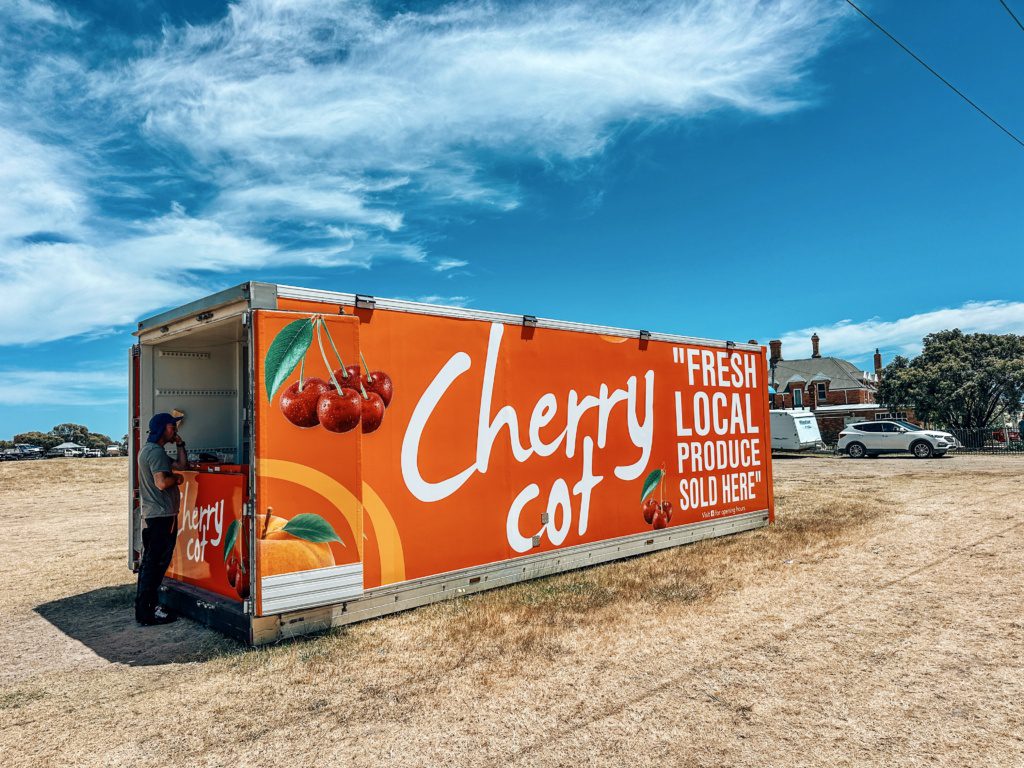
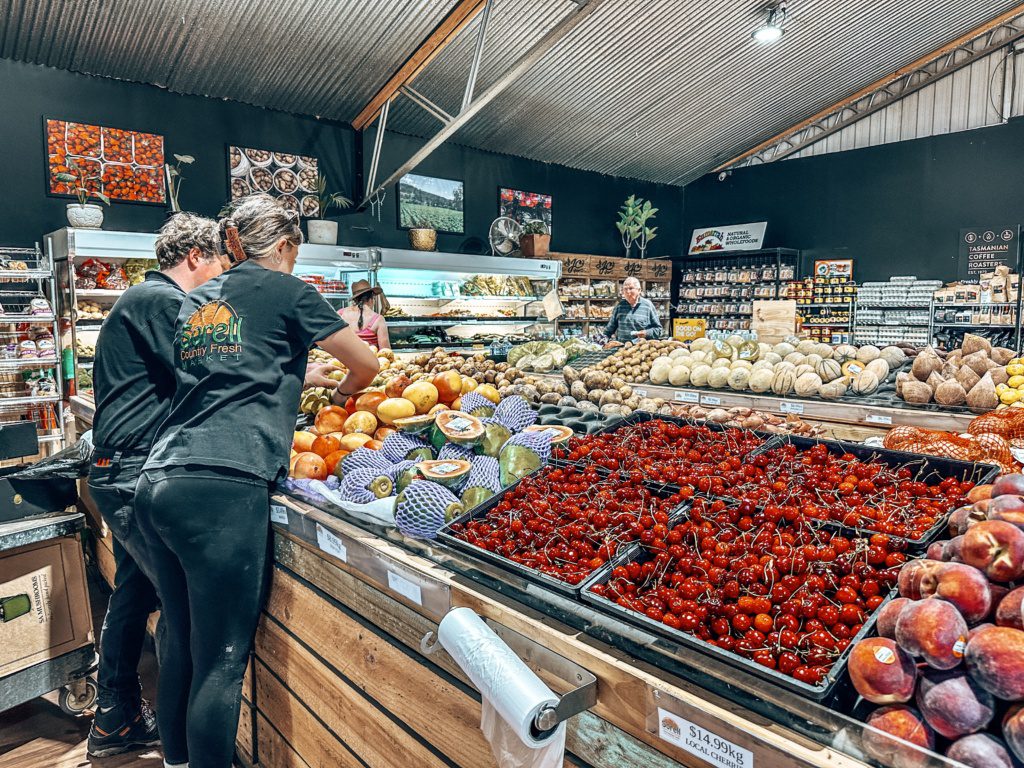
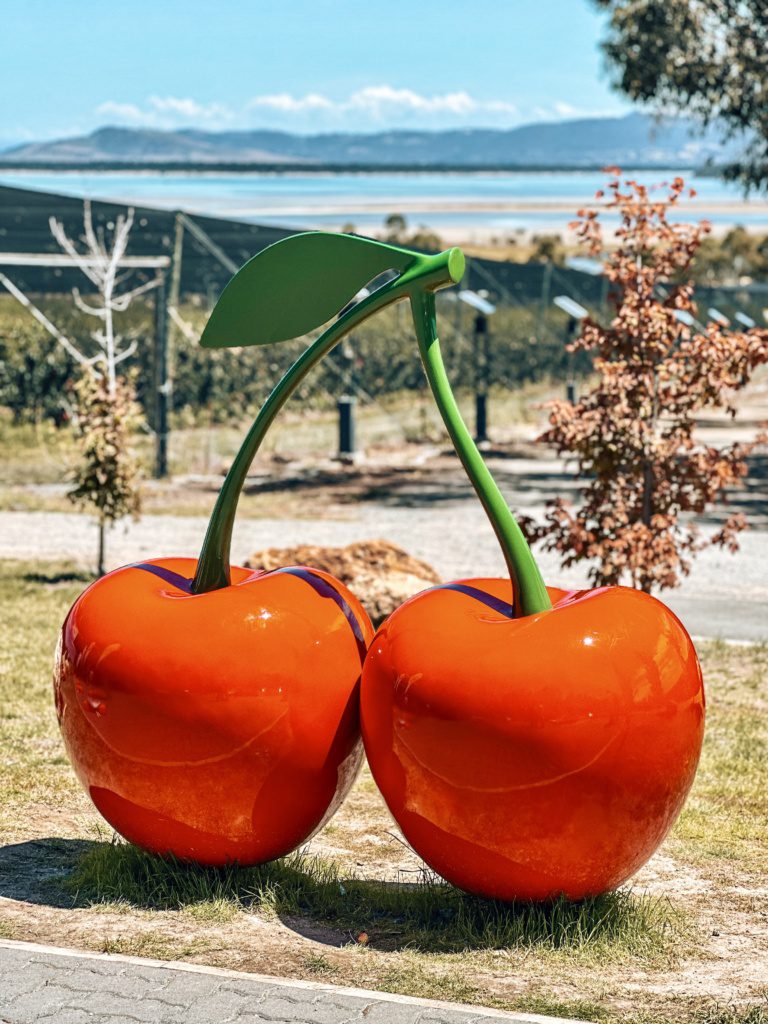
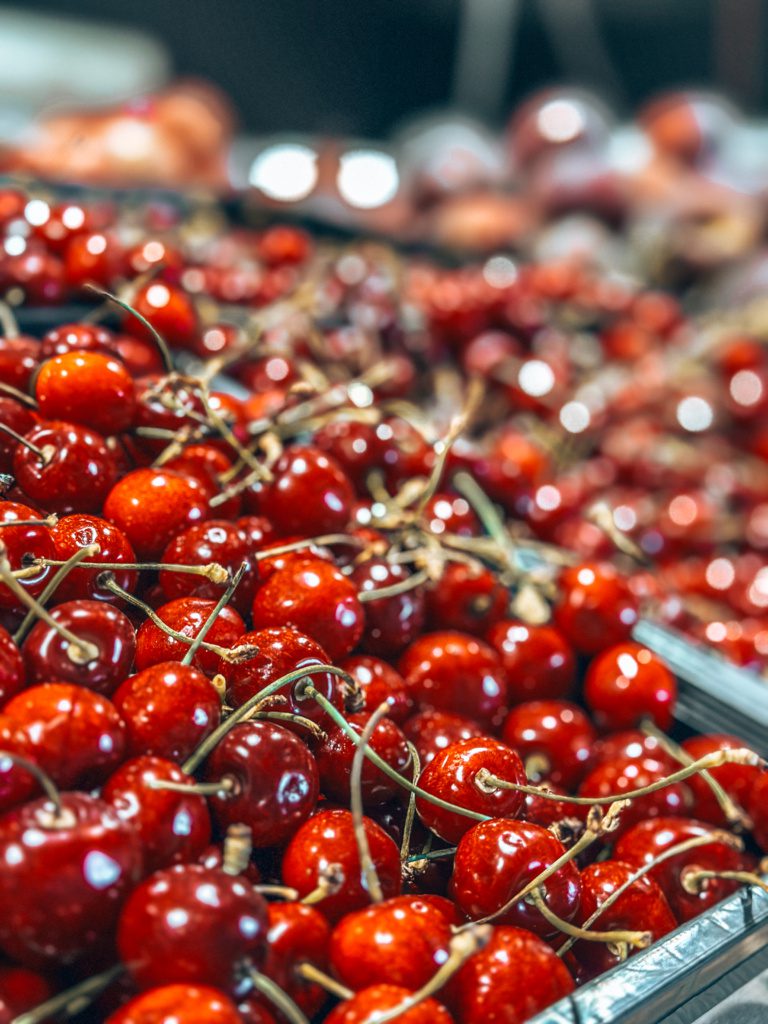
16. Dover Cherries
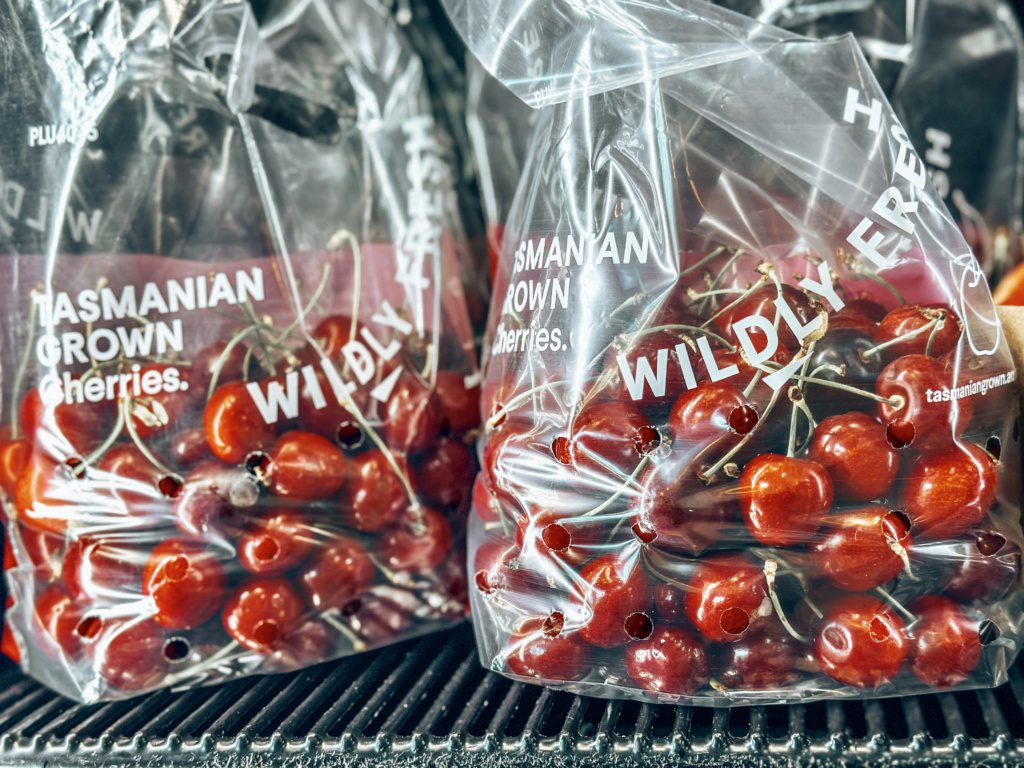
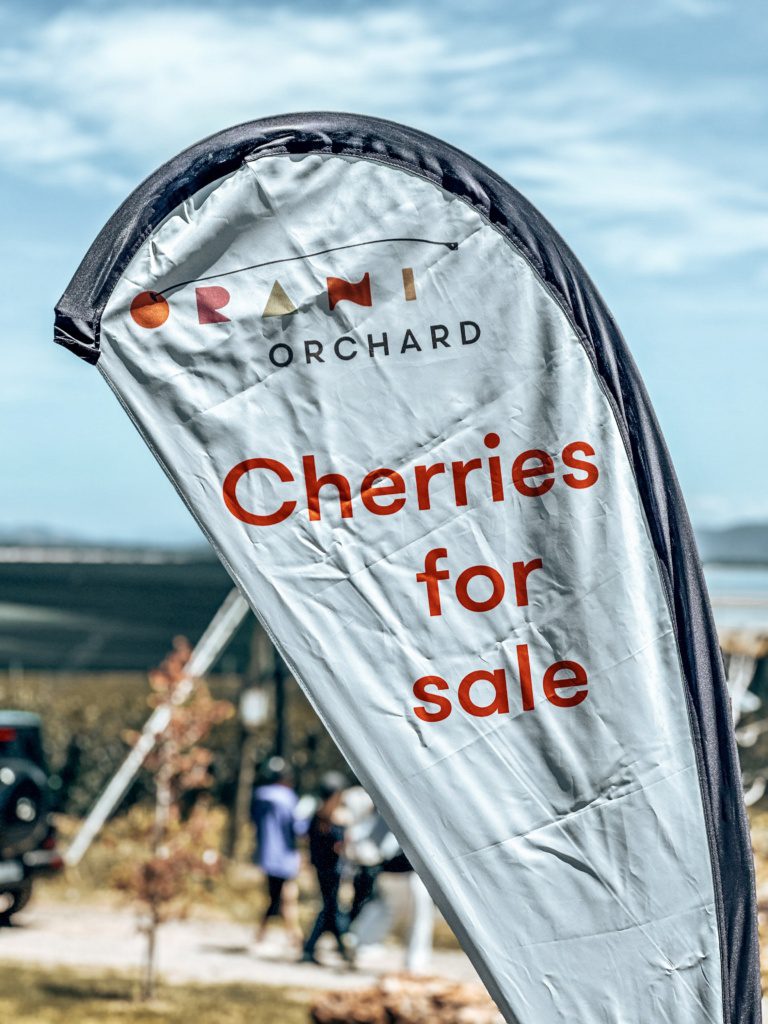
Grown in southern Tasmania, Dover cherries are intensely sweet and deeply red. Visit roadside stalls during cherry season (December–January) for the freshest experience.
17. Tassie Truffles
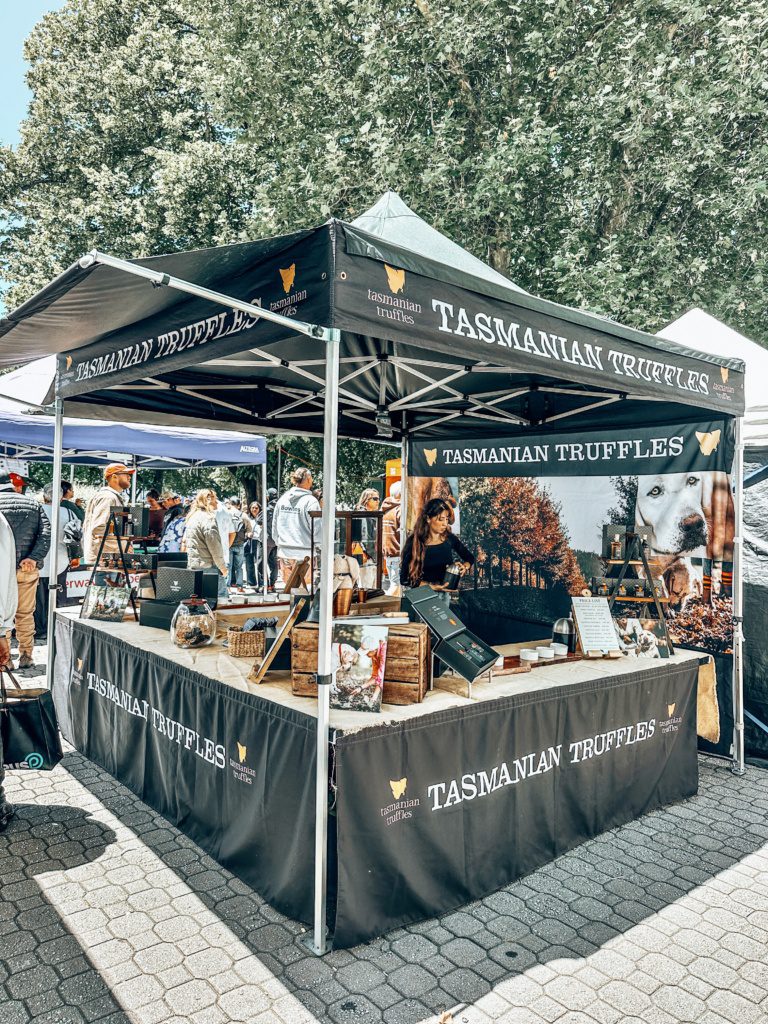
The Truffle Farm offers winter truffle hunts where you can see trained dogs uncover aromatic black truffles. Many Hobart restaurants feature truffle-forward menus during the June–August season.
18. Hazelbrae Hazelnuts
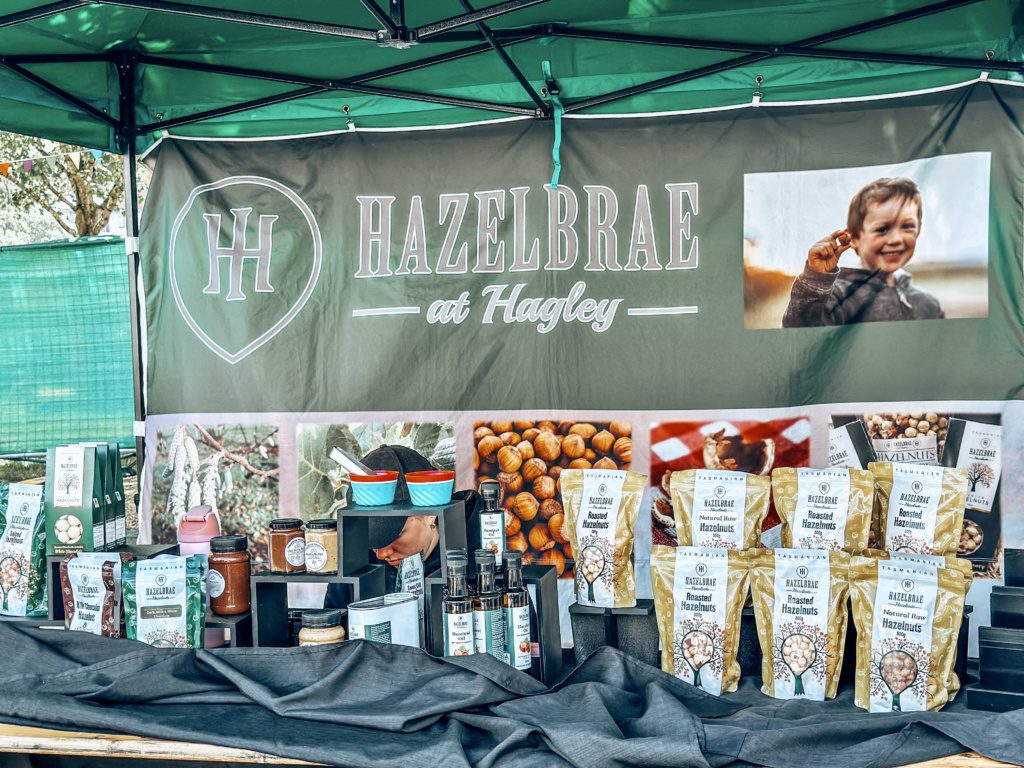
Hazelbrae Hazelnuts grows buttery, sweet hazelnuts and makes spreads and roasted snacks. Their farm shop near Launceston is worth the detour.
19. Tasmanian Saffron
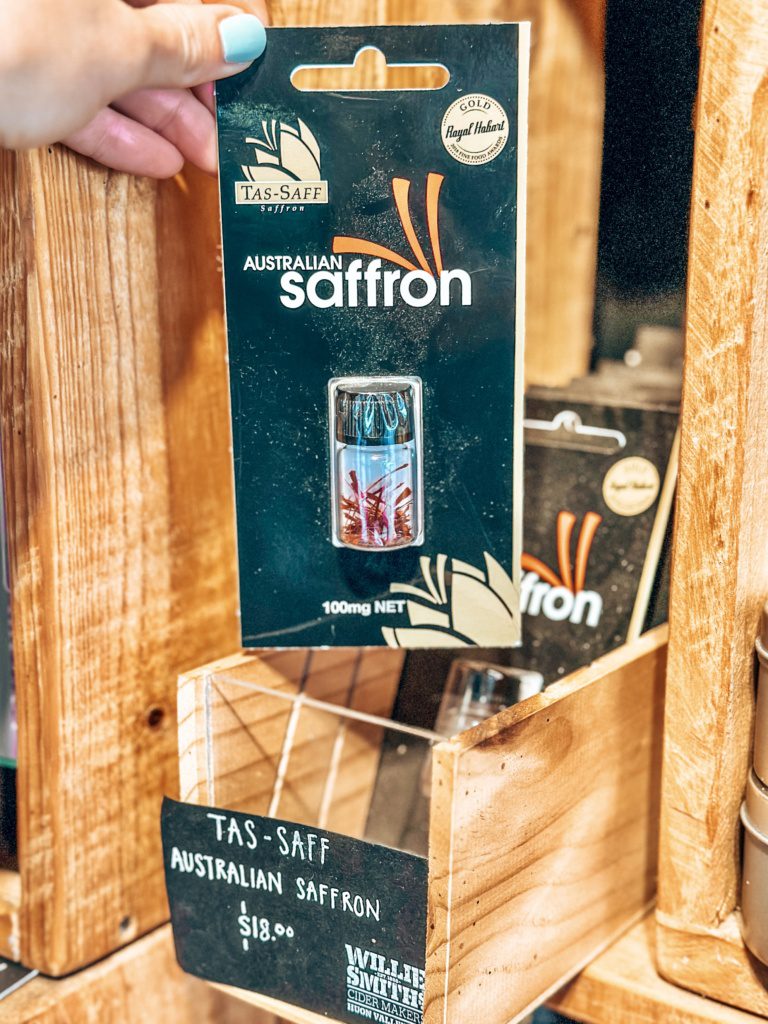
Small growers cultivate vibrant saffron threads used in desserts and tea. The cool climate enhances the spice’s aroma and intensity.
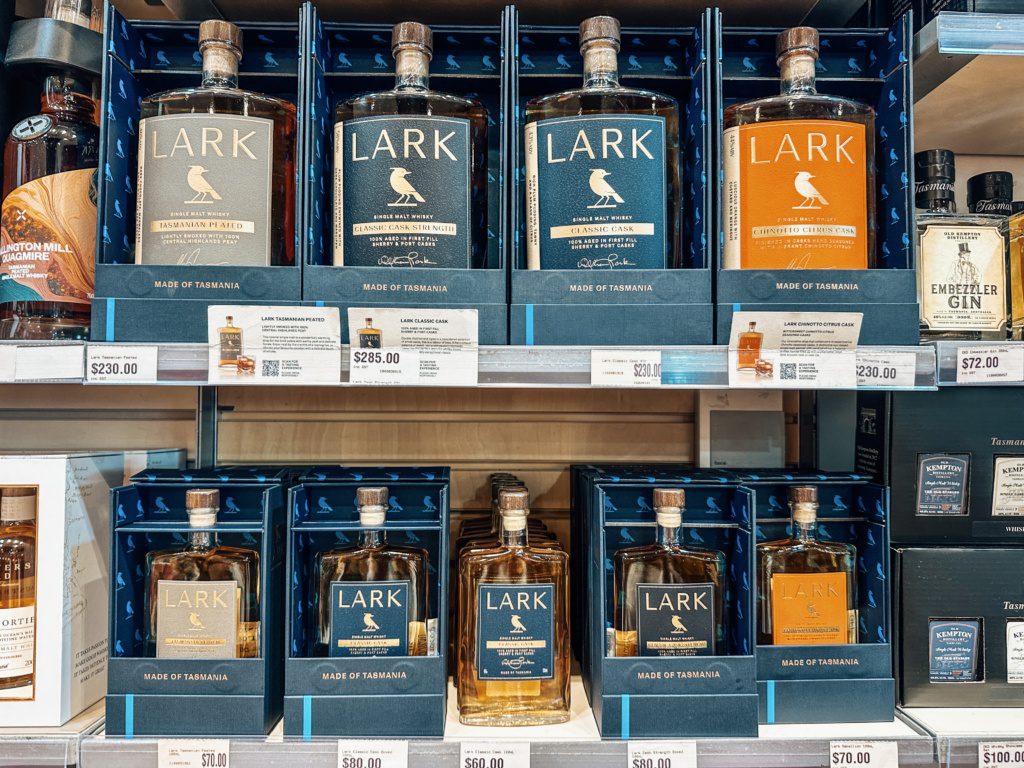
20. Whisky, Gin & Rum
Tasmania’s spirits scene is a powerhouse within tasmanian food culture, thanks to pure water, clean air, and a cool climate that allows slow, nuanced barrel aging.
The result? Remarkably smooth, complex whiskies and aromatic gins that truly reflect place.
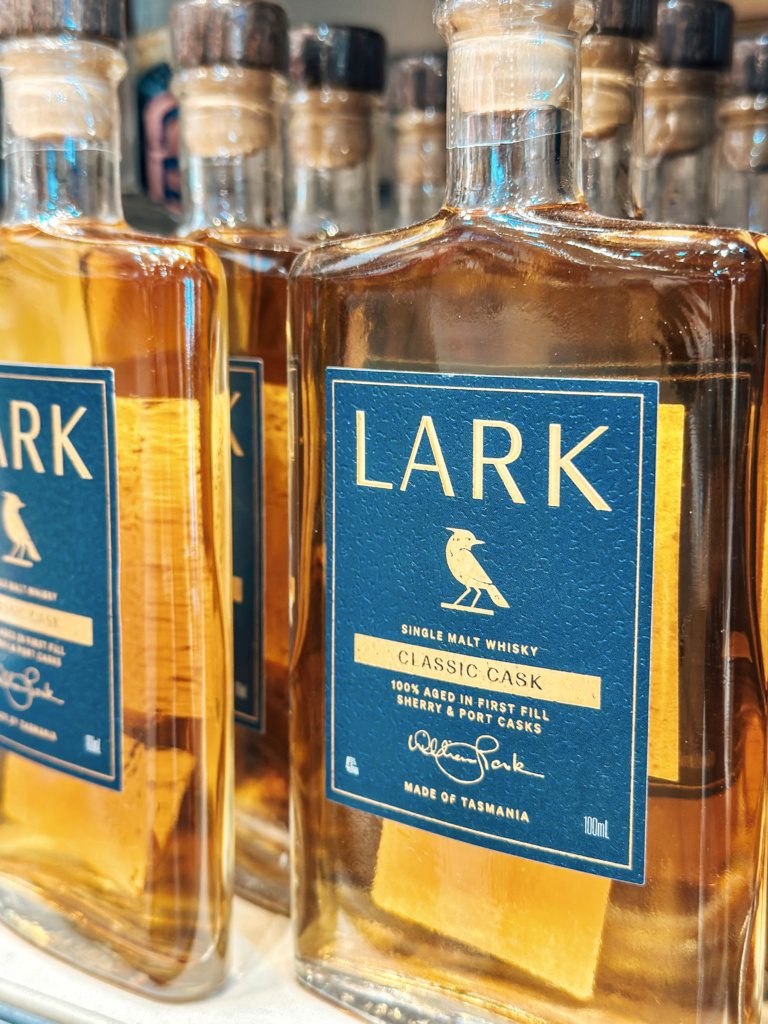
Lark Distillery helped spark the island’s whisky revival, crafting award-winning single malts under the fitting tagline “Made of Tasmania.”
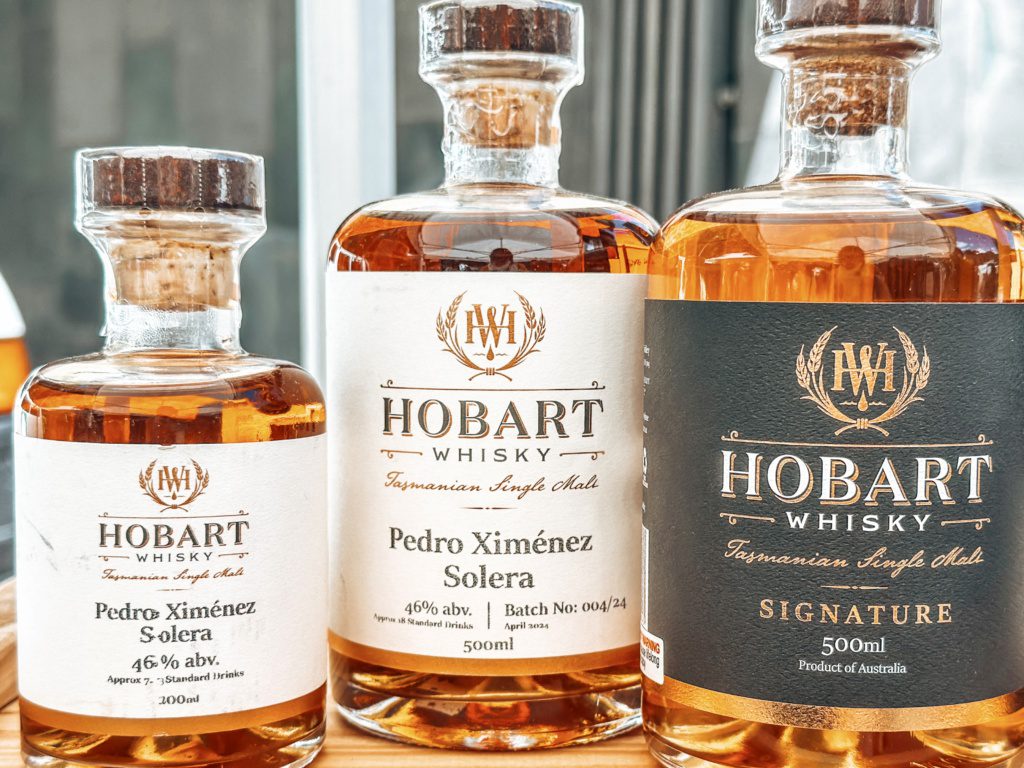
Nearby, Hobart Whisky continues the tradition with small-batch releases that showcase precision and depth.
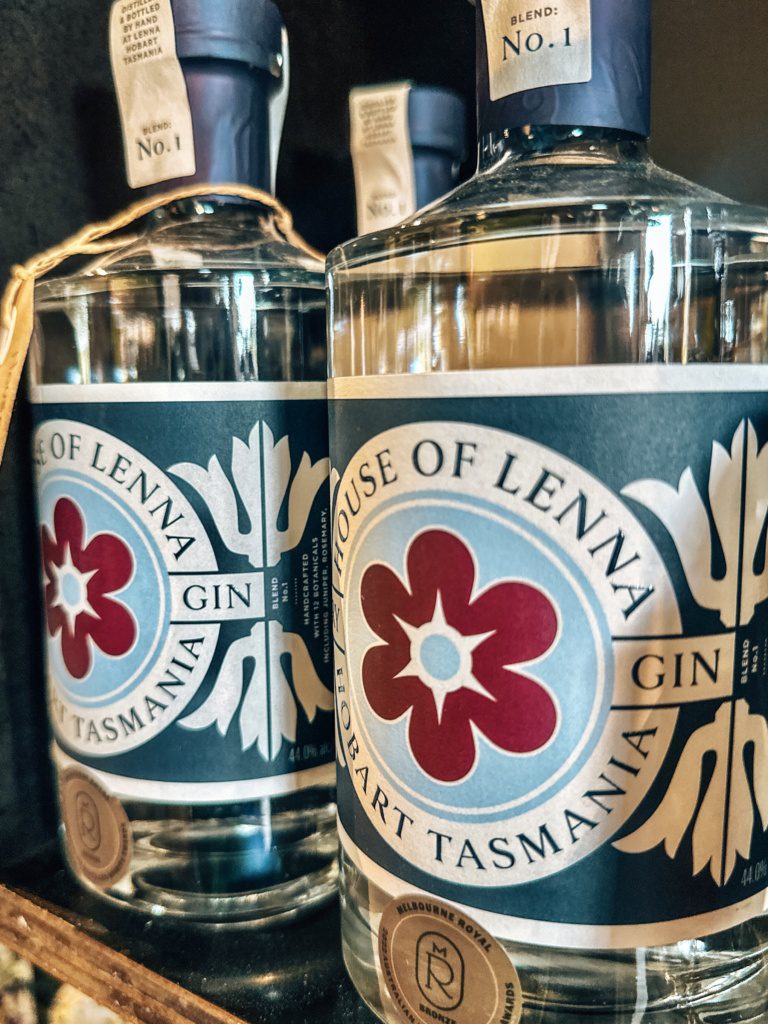
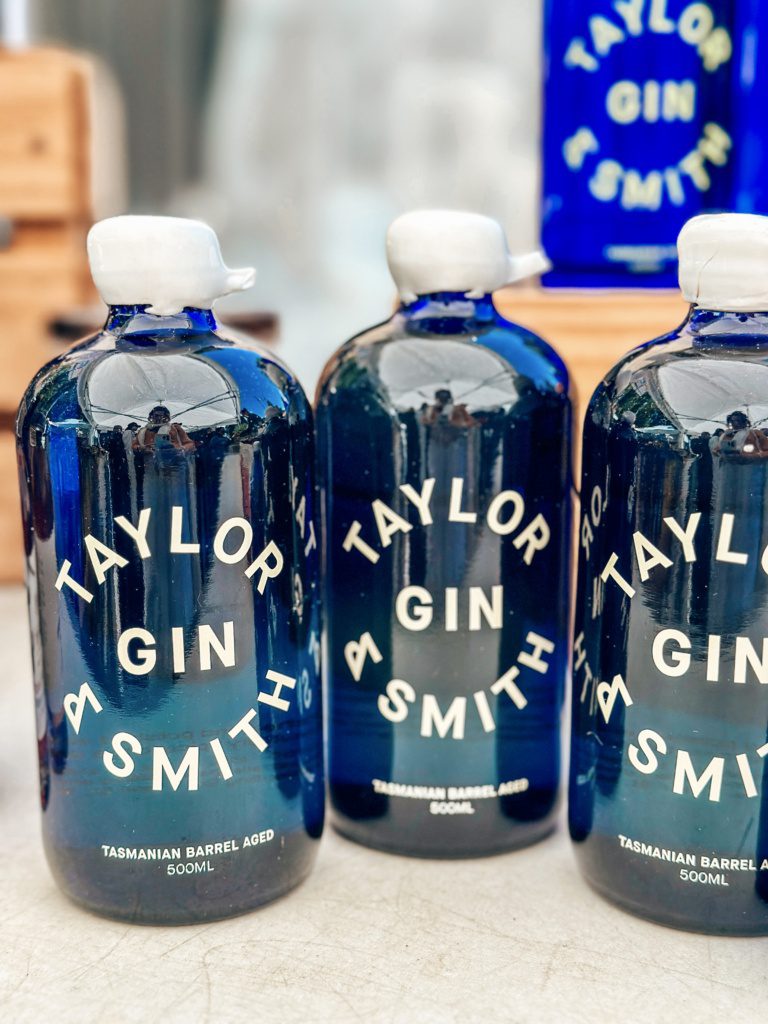
For gin lovers, House of Lenna and Taylor & Smith Distilling Co. highlight local botanicals and refined distilling.
Whether neat, on ice, or in a simple cocktail, Tassie spirits capture the island in a glass.
21. House of Arras Sparkling Wine
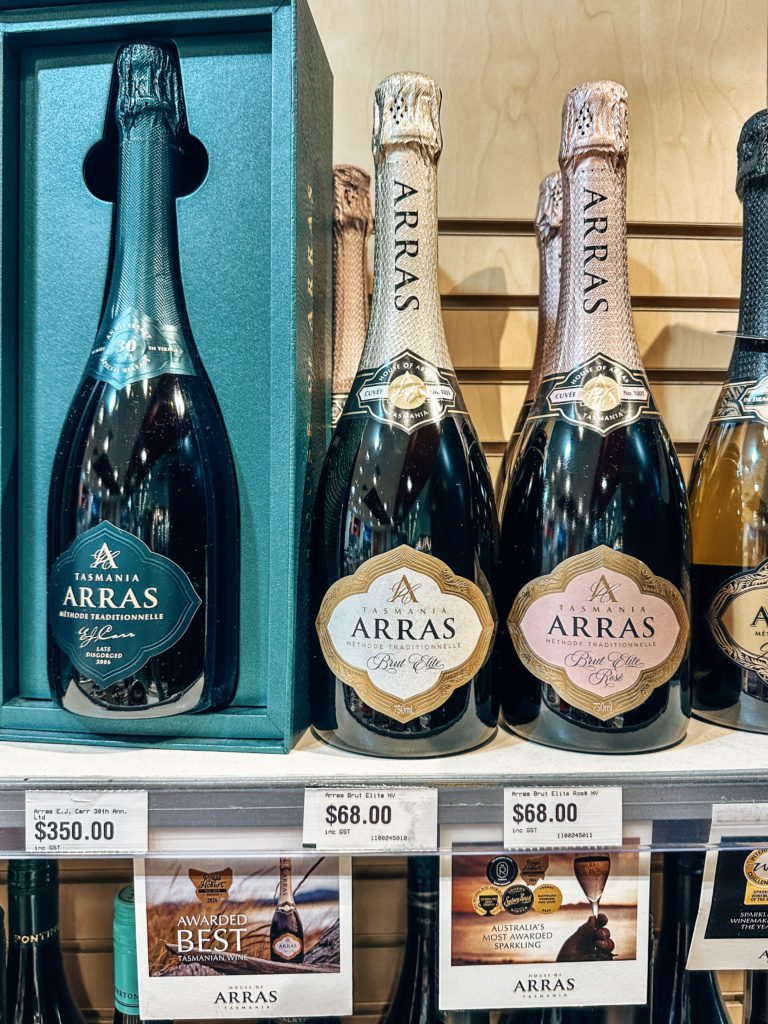
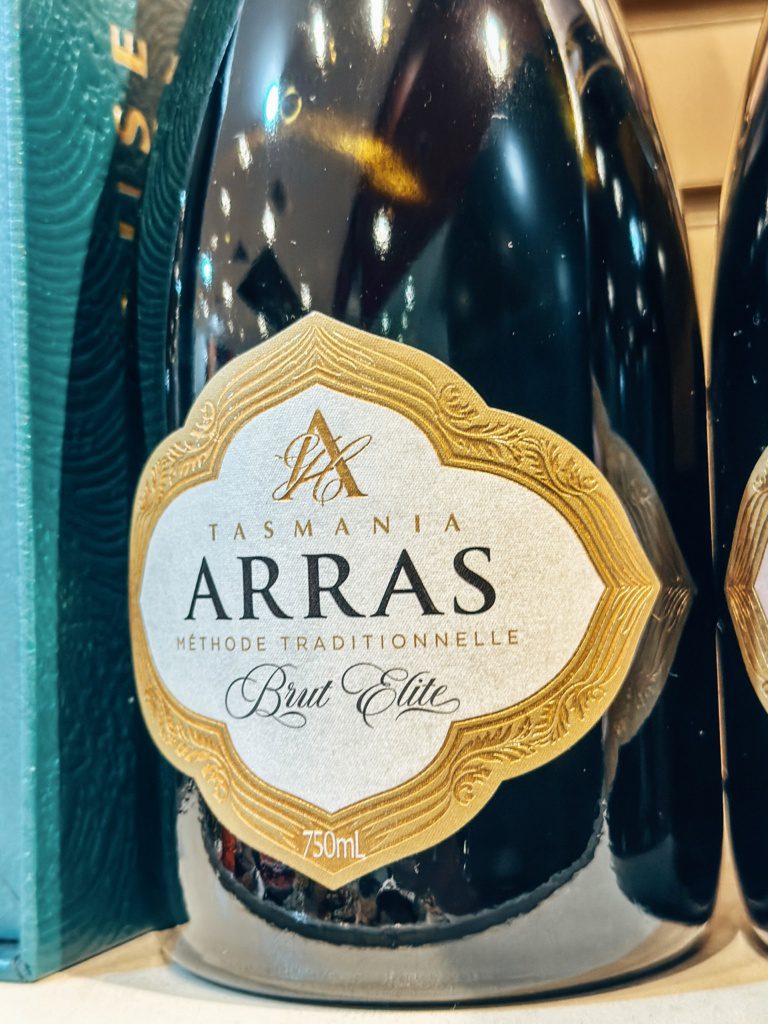
House of Arras represents Tasmania’s sparkling pinnacle. Long lees aging and traditional methods produce refined bubbles perfect for celebrating your Tasmanian food journey.

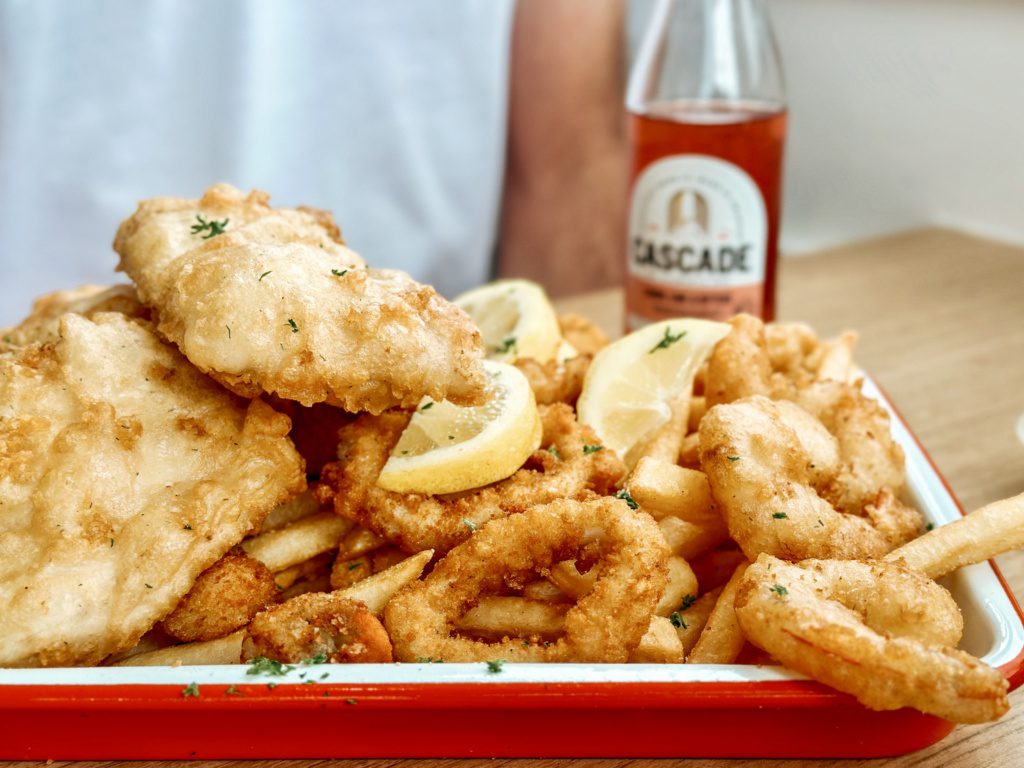
22. Fish and Chips
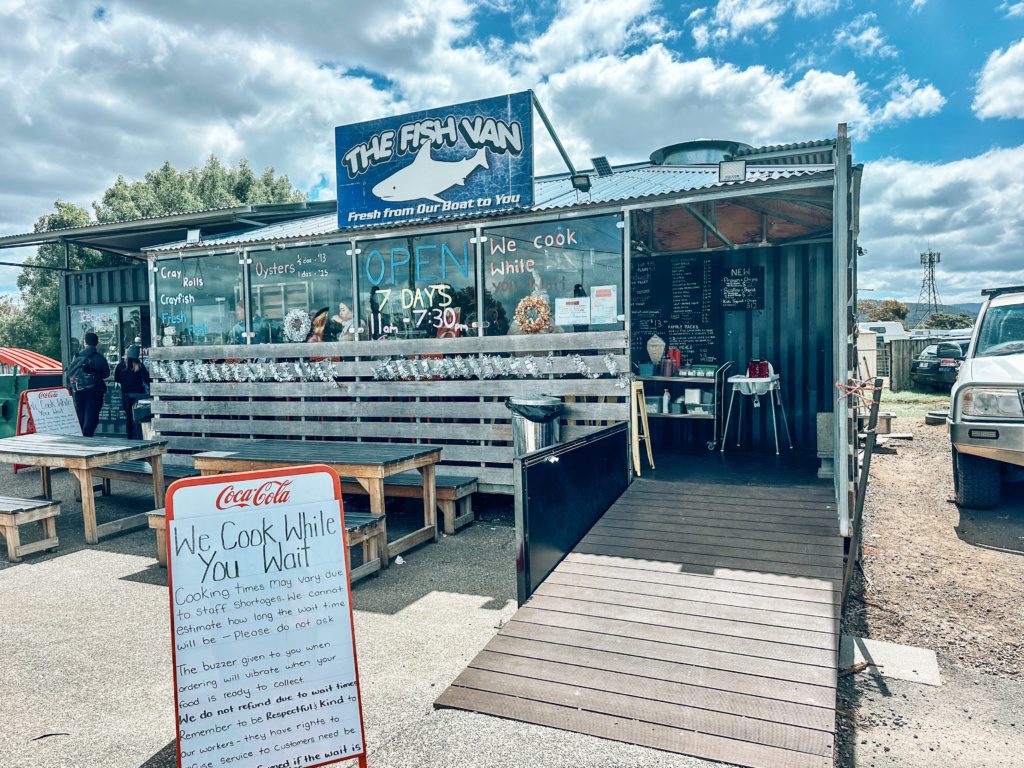
With ultra-fresh flathead or whiting, fish and chips taste different here—cleaner, sweeter. Enjoy them by the water in Bicheno or Hobart’s waterfront precinct.
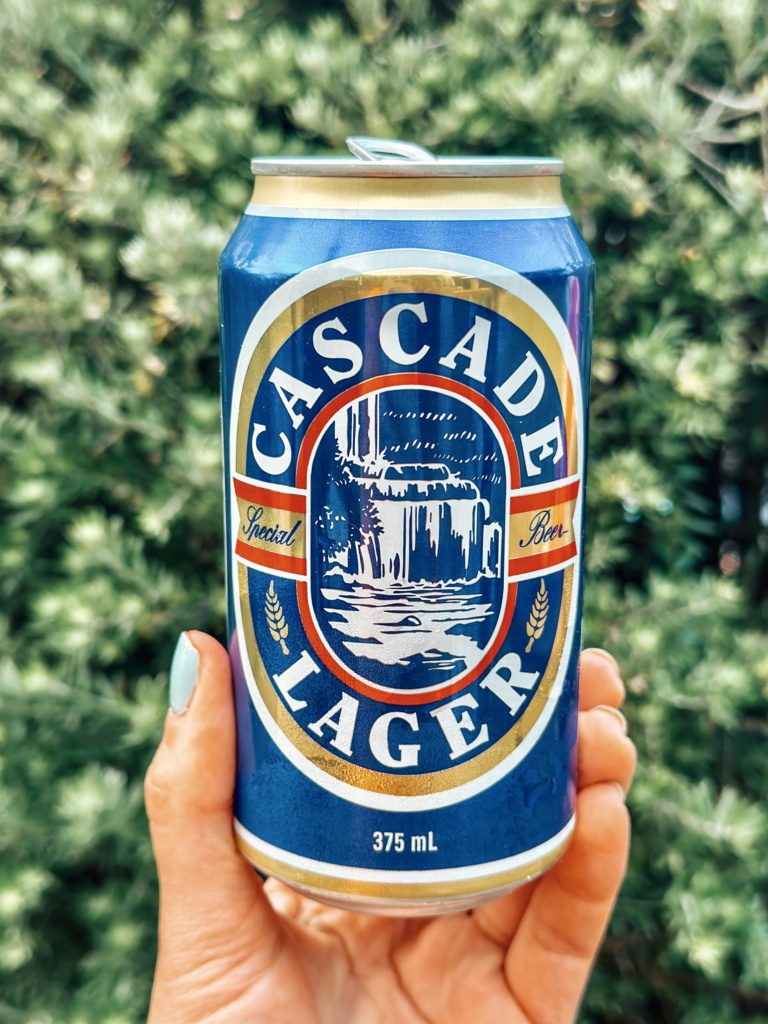
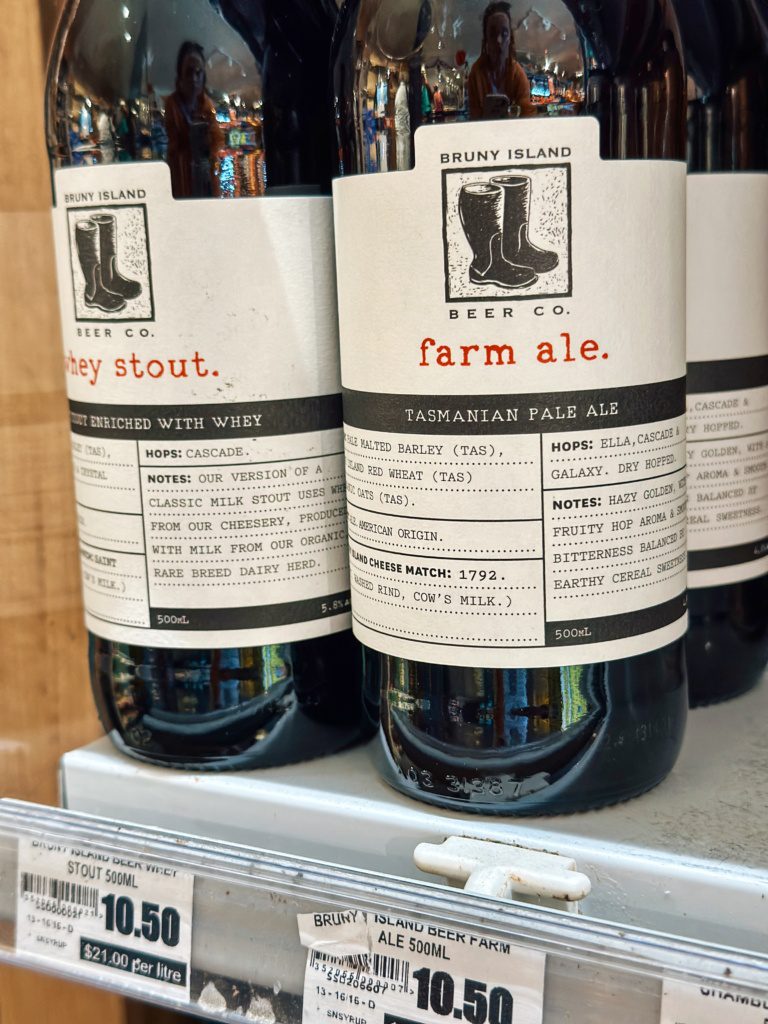
23. Tassie Breweries
Cascade Brewery, Australia’s oldest operating brewery, offers tours and tastings. Creative oyster stouts and excellent ales from local craft breweries showcase maritime influence.

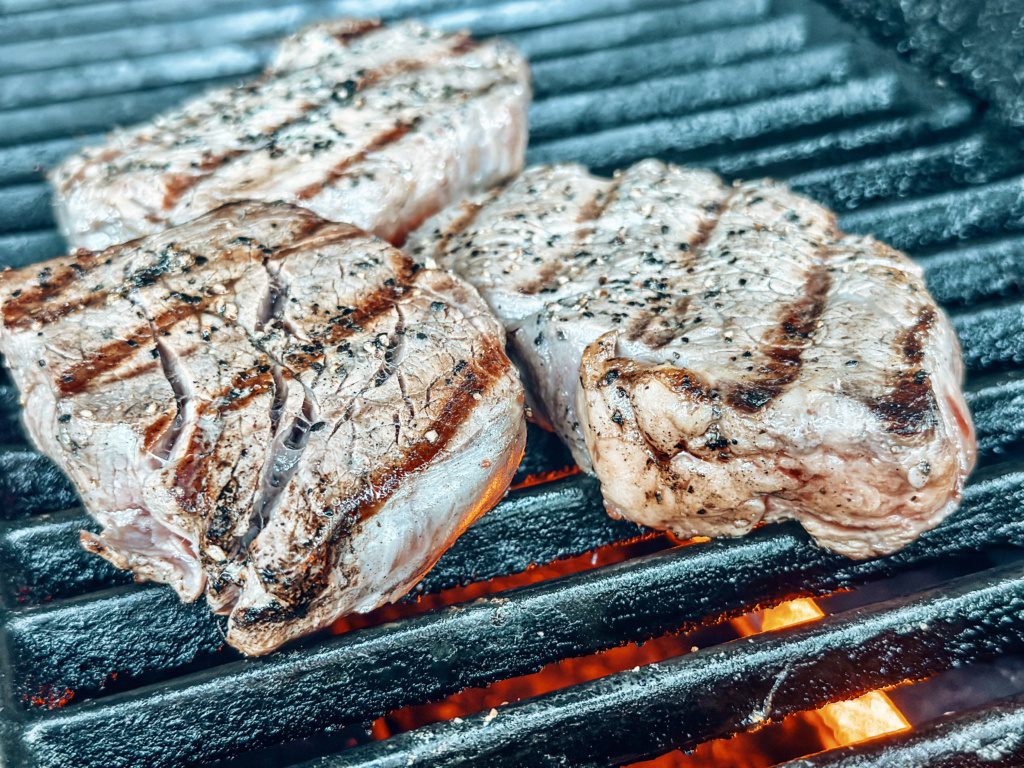
24. Grass-Fed Beef
Long grazing seasons produce beef with balanced fat and deep flavor. Many steak-focused restaurants proudly list Tasmanian provenance on their menus.
25. Artisan Chocolate
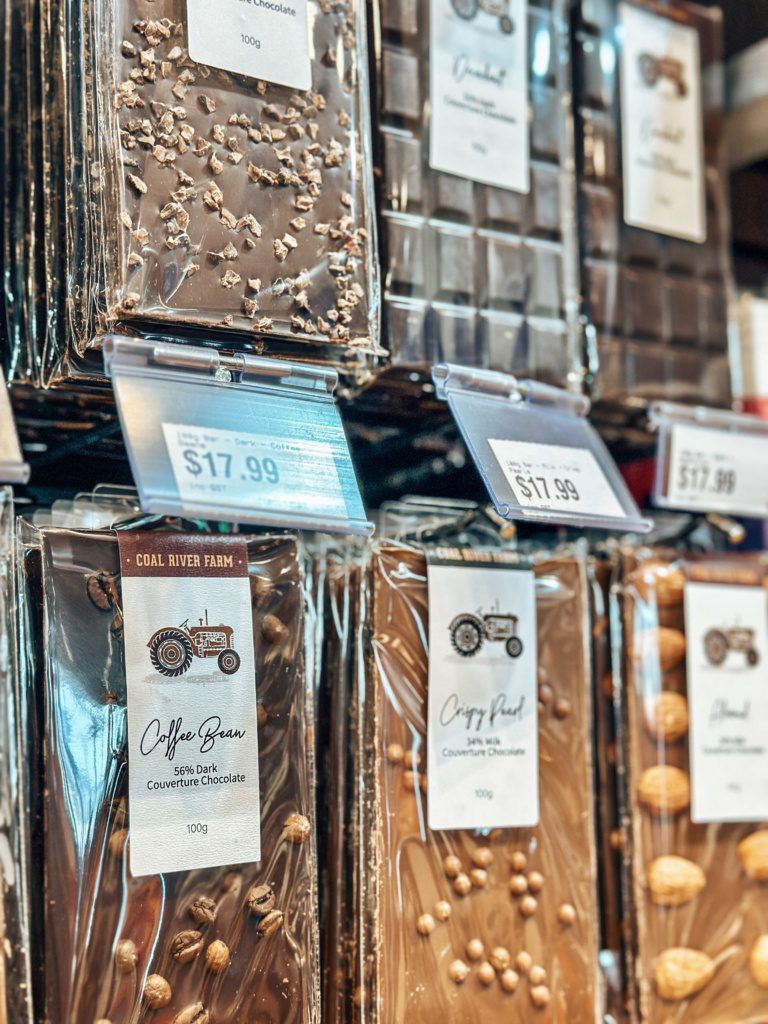
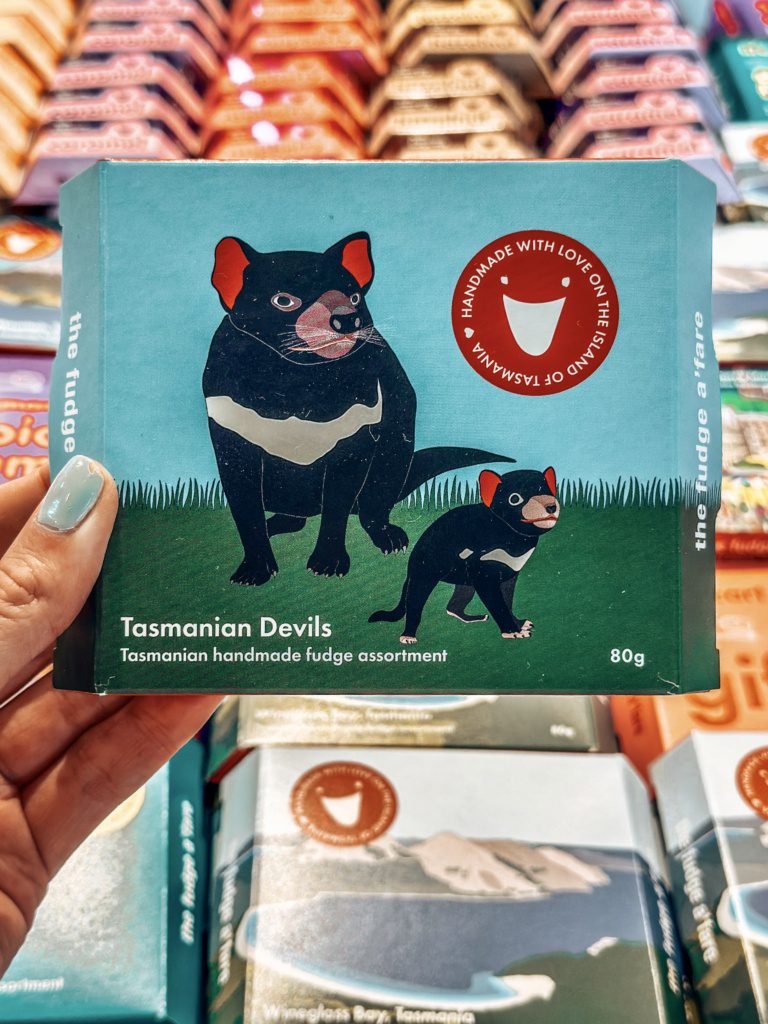
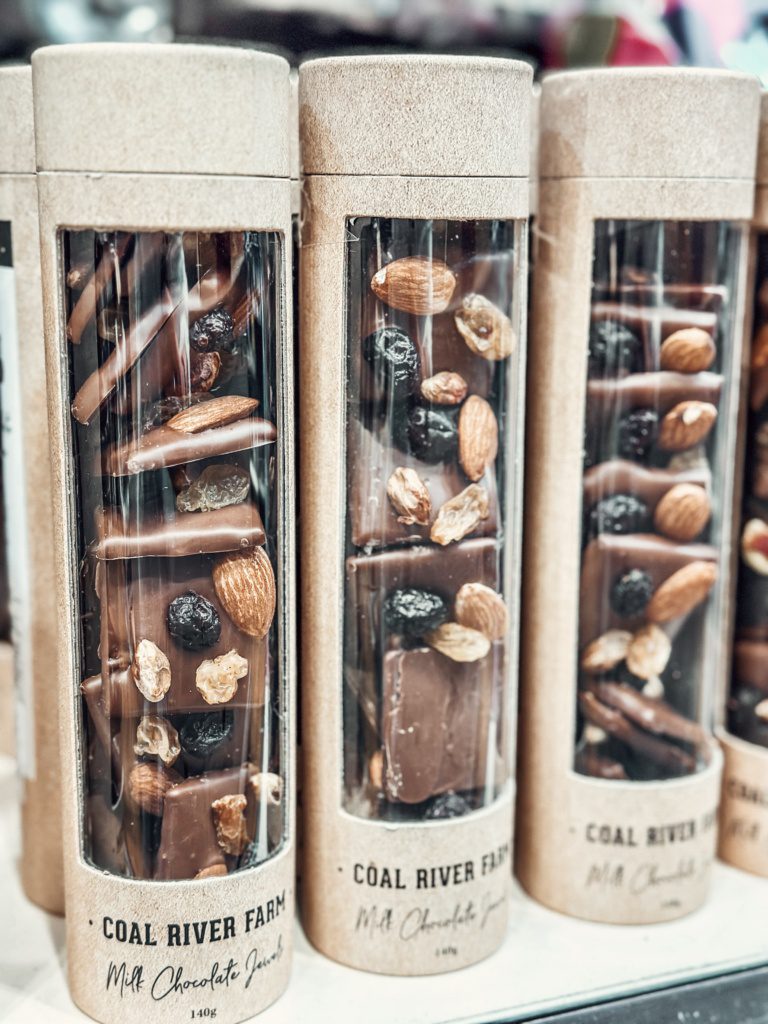
Tasmanian chocolatiers incorporate local dairy, berries, and even native spices into handcrafted bars. Look for small-batch makers in Hobart, Richmond and Launceston.
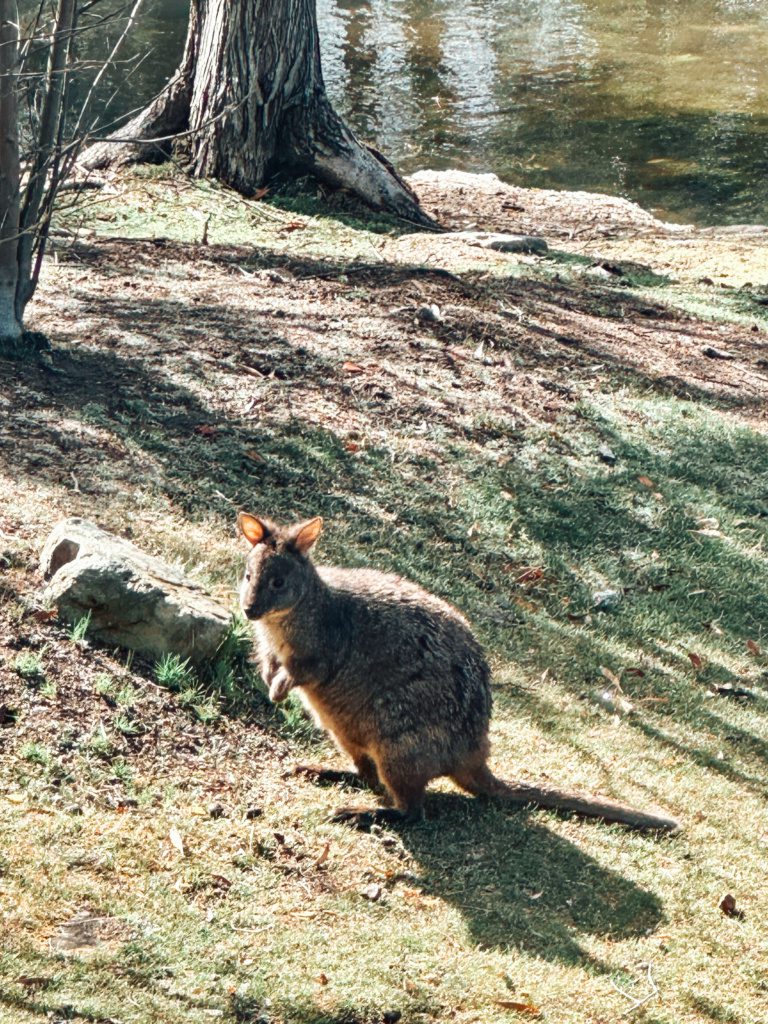
26. Wallaby
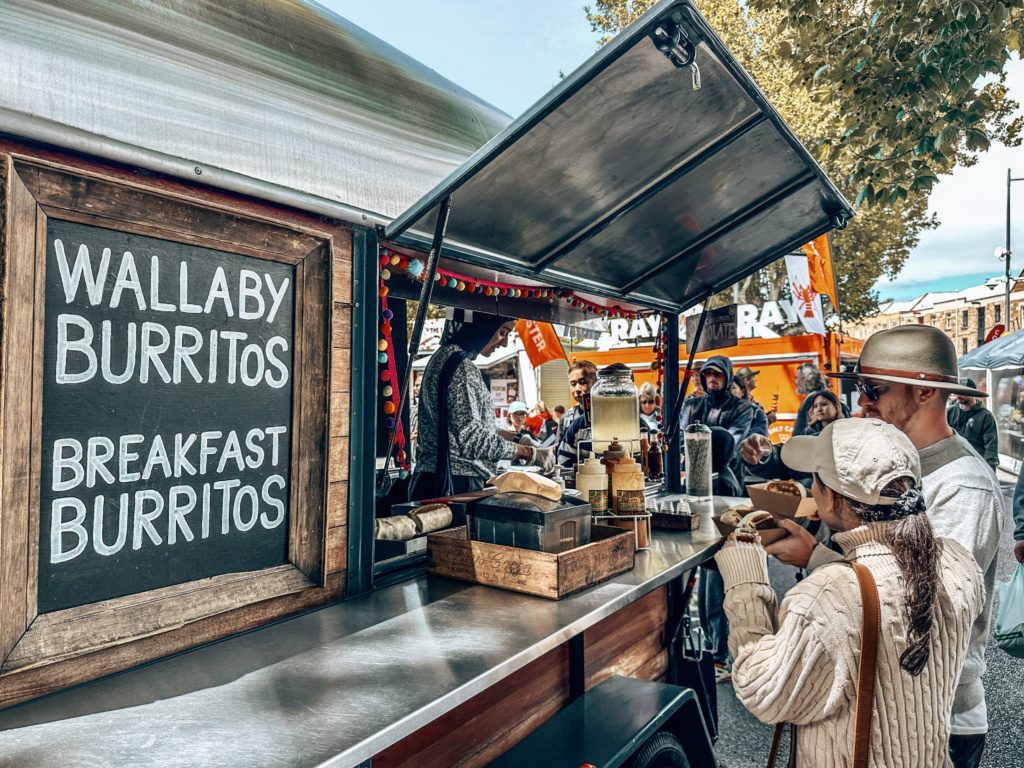
Lean, high in protein, and sustainably wild-harvested, wallaby is considered an environmentally responsible meat.
Restaurants like Bar Wa Izakaya have featured creative wallaby dishes. Its flavor is slightly gamey yet refined.
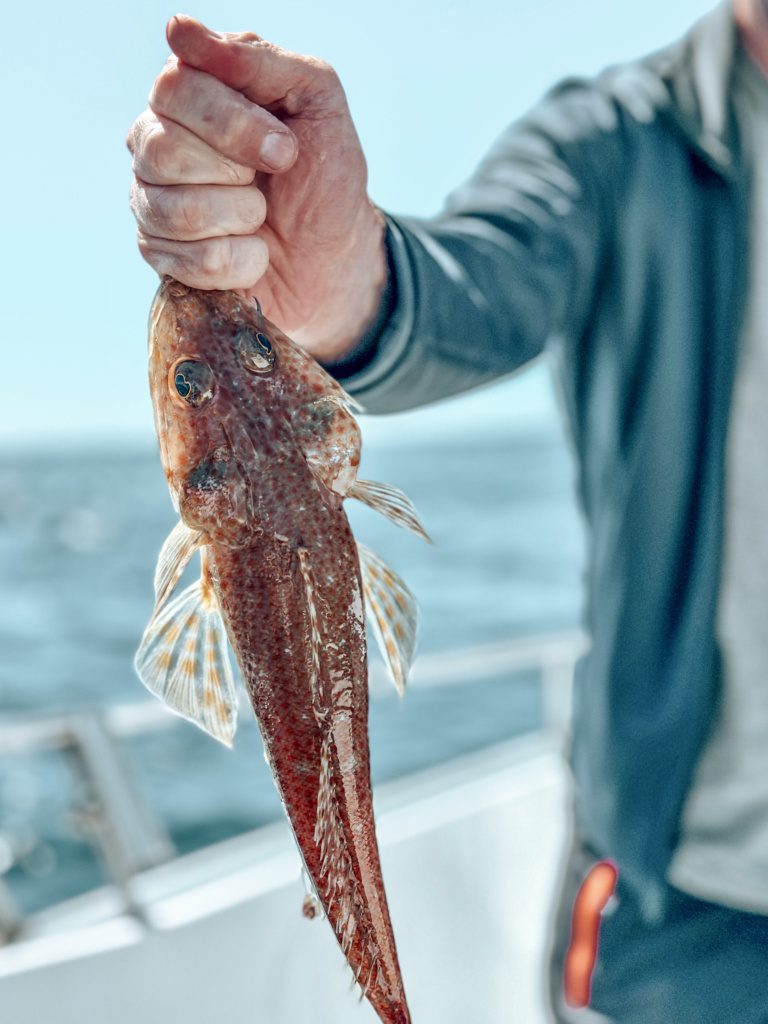
27. Ocean Fish: Flathead & Stripey Trumpeter
These cold-water fish are delicate and flaky. Order them grilled at coastal seafood restaurants for a true taste of Southern Ocean purity.
28. Vanilla Slice
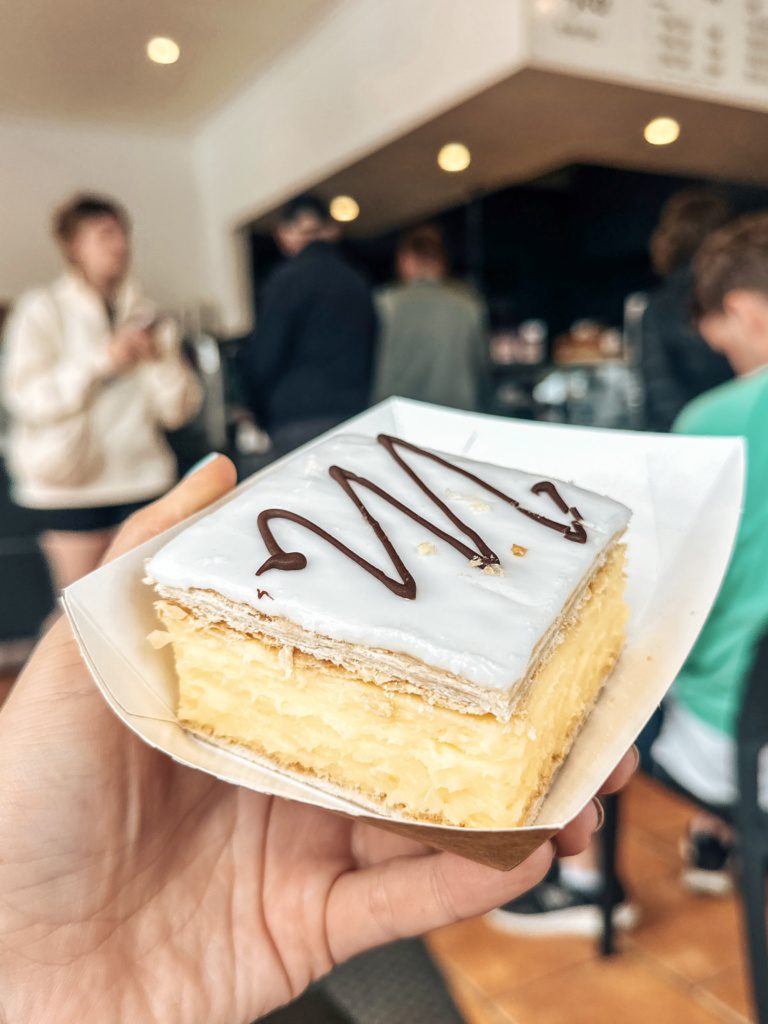
Tasmania takes its vanilla slice seriously. Ross Village Bakery and Blue Edge in Bicheno both serve towering custard slices with perfectly flaky pastry—a nostalgic yet elevated treat.


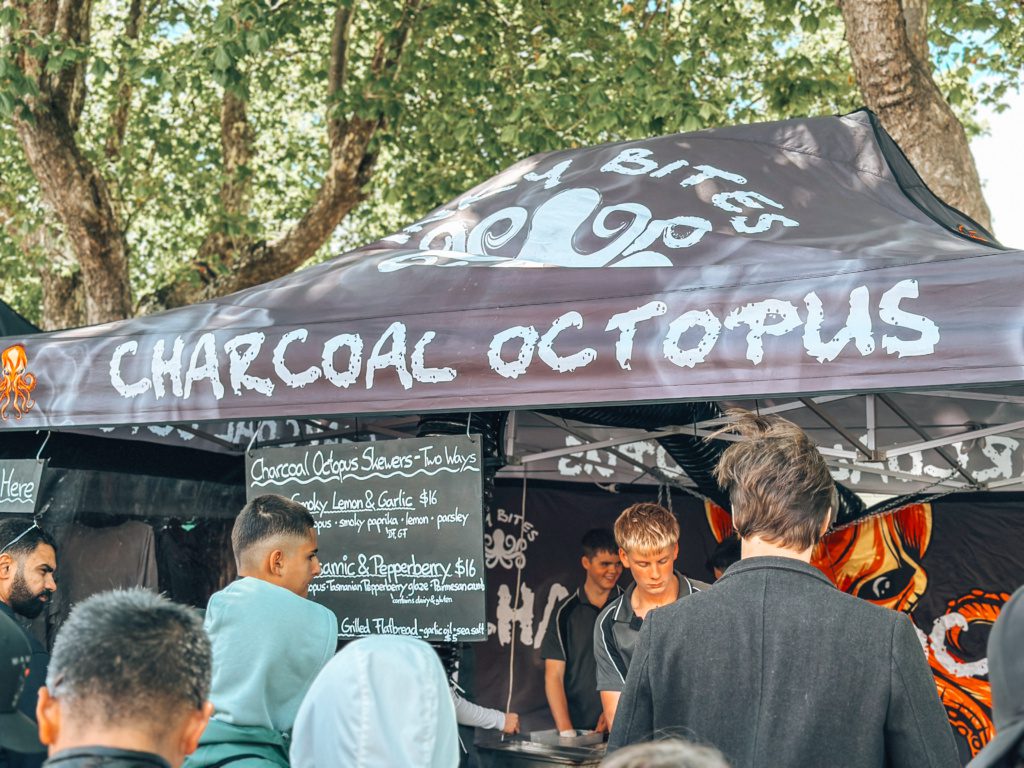
29. Street Food at Salamanca Market
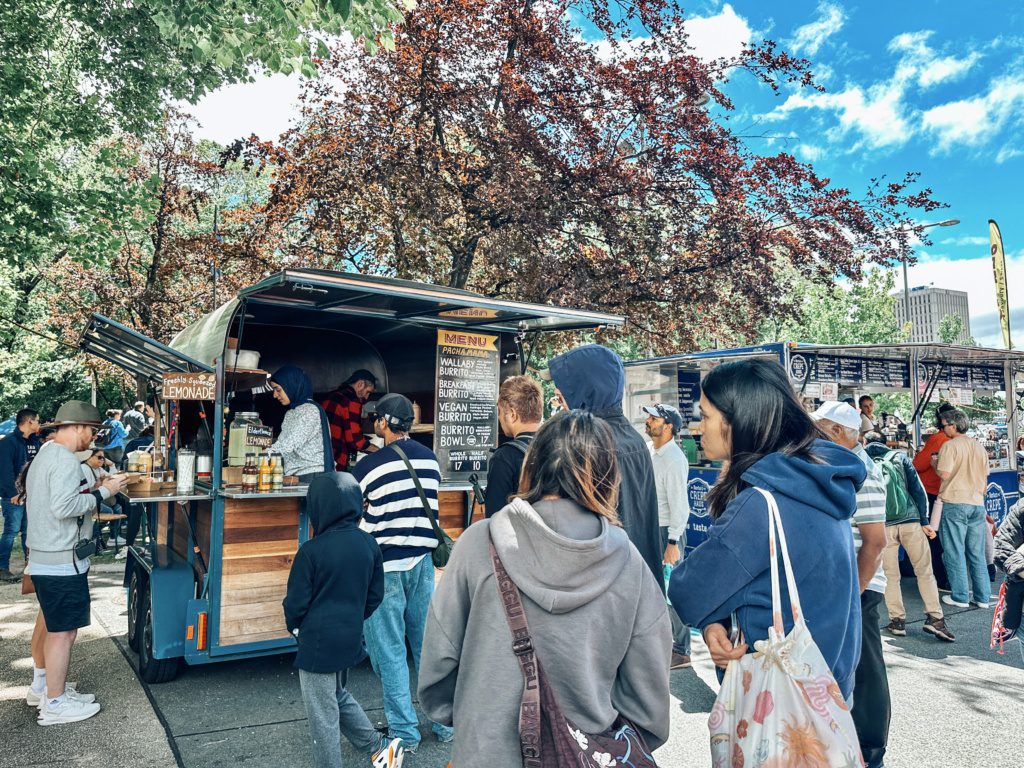
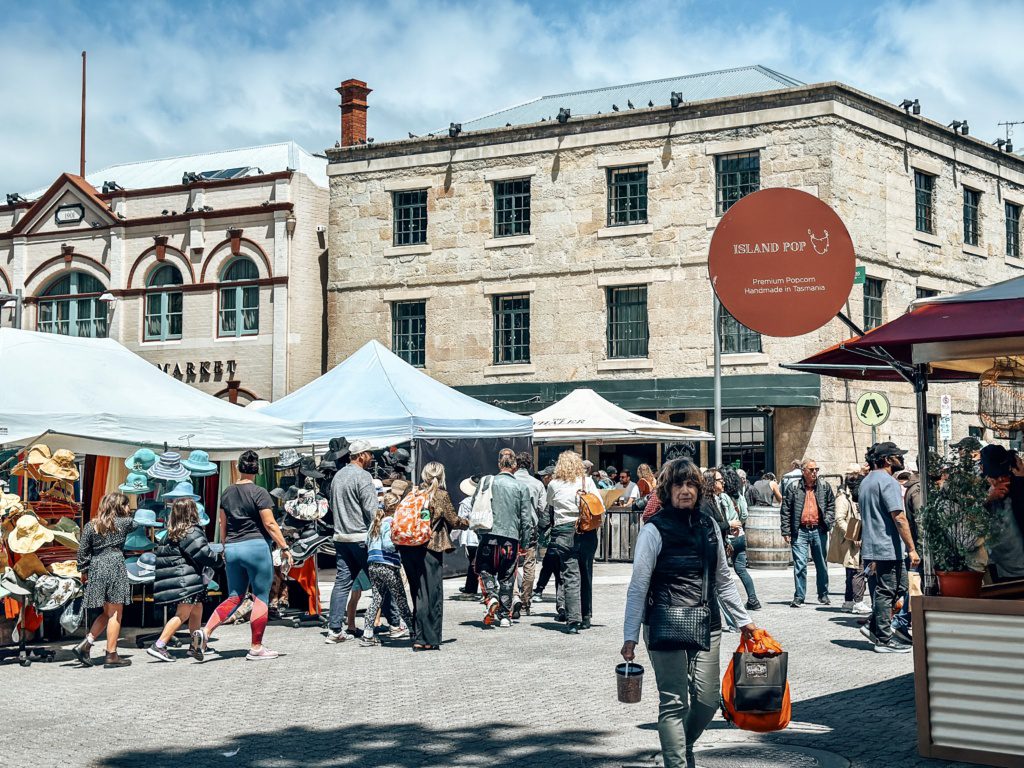
Every Saturday, Salamanca Market transforms into a showcase of Tasmanian food: scallop pies, berries, cheeses, honey, and artisan chocolate all in one place.
It’s touristy—but absolutely worth visiting at least once. Check out our detailed post on Salamanca Market for more info.
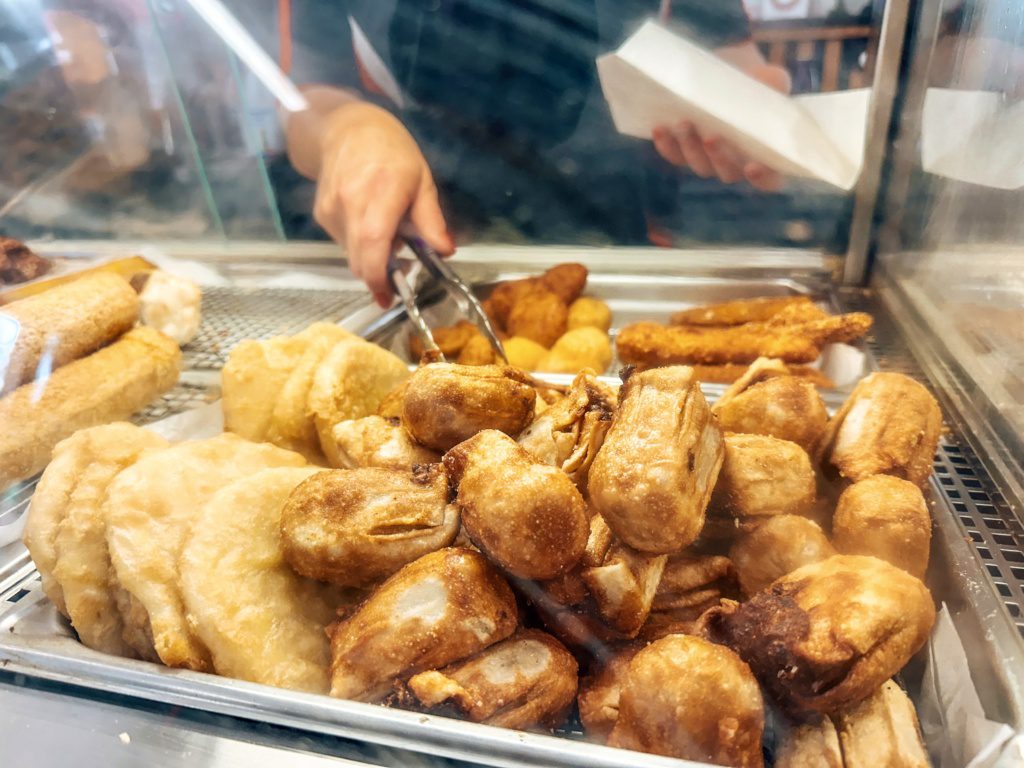
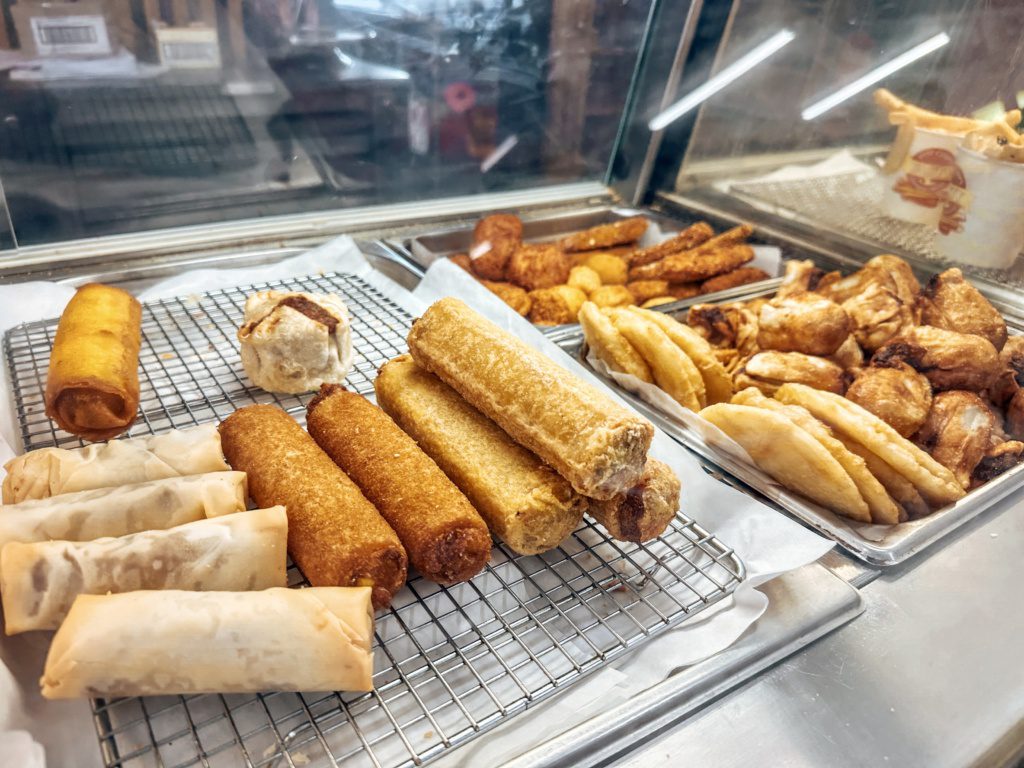
30. Dim Sim aka Tassie Fast Food
Not all tasmanian food is oysters and wine—some of it comes wrapped in paper from a local takeaway shop.
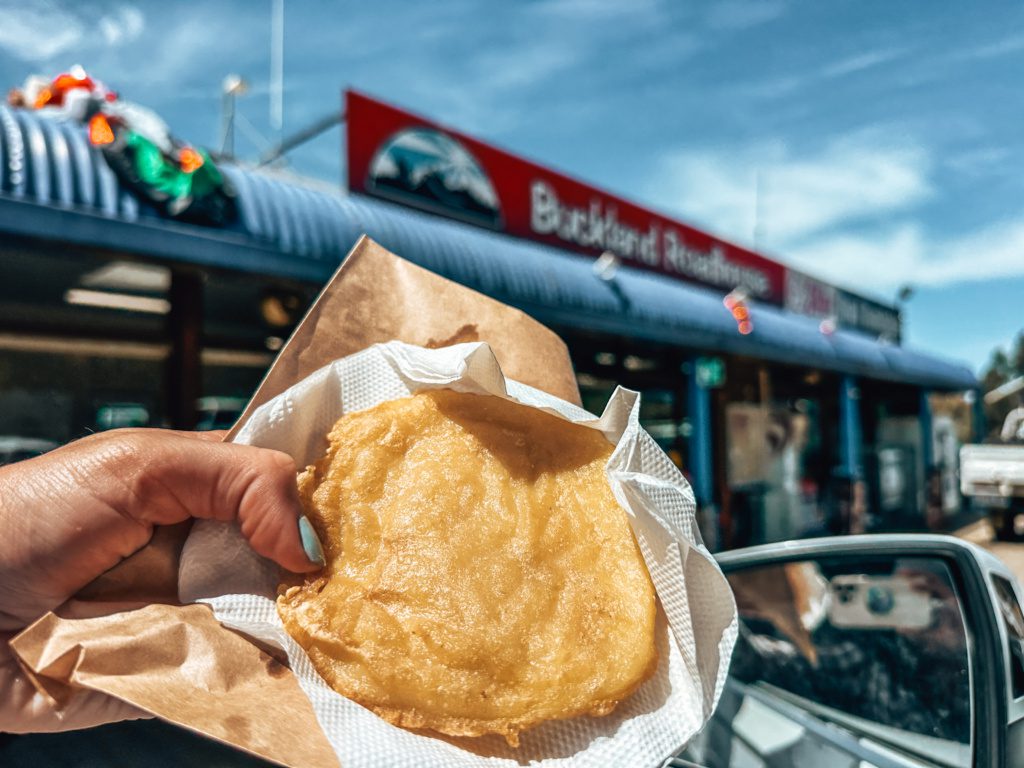
The humble dim sim, a chunky Australian-style dumpling usually fried until golden, is a staple in fish-and-chip stores across the island.
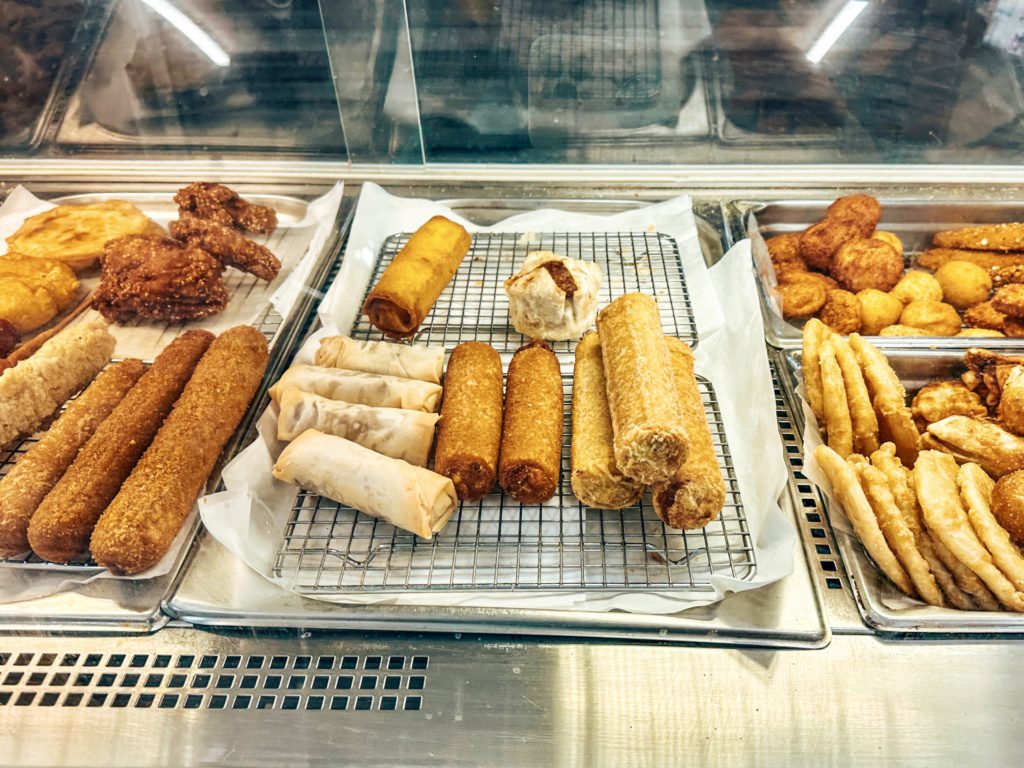
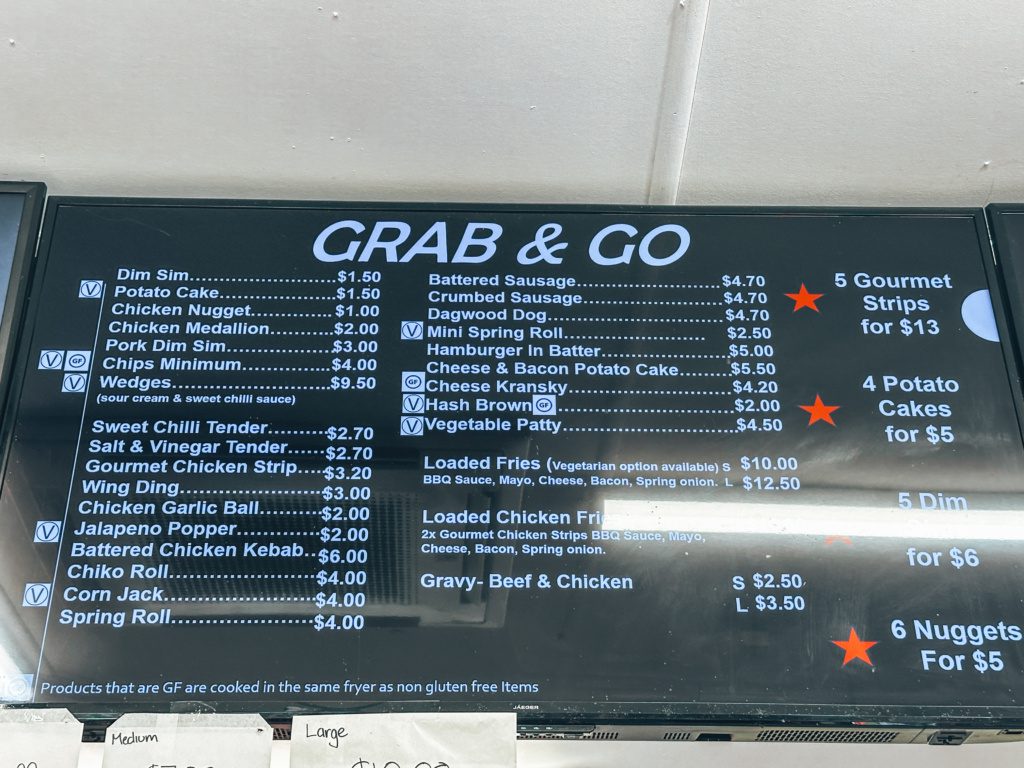
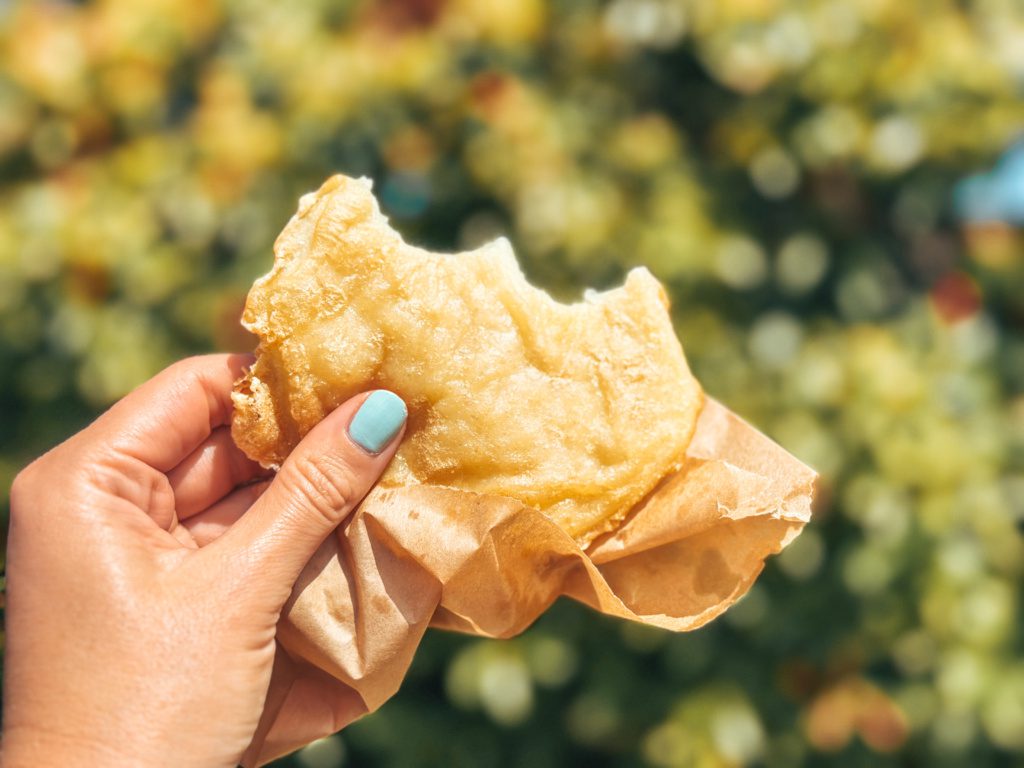
Pair it with a potato cake (thick battered potato slices), a classic spring roll, or even a Dagwood dog or hash brown for the full experience.
These fried snacks are everyday Tassie comfort food—quick, nostalgic, and best eaten hot by the beach or in the car between road trip stops.
And whatever you order, don’t forget the finishing touch: a very generous sprinkle of chicken salt.
31. Bonus: Flat White
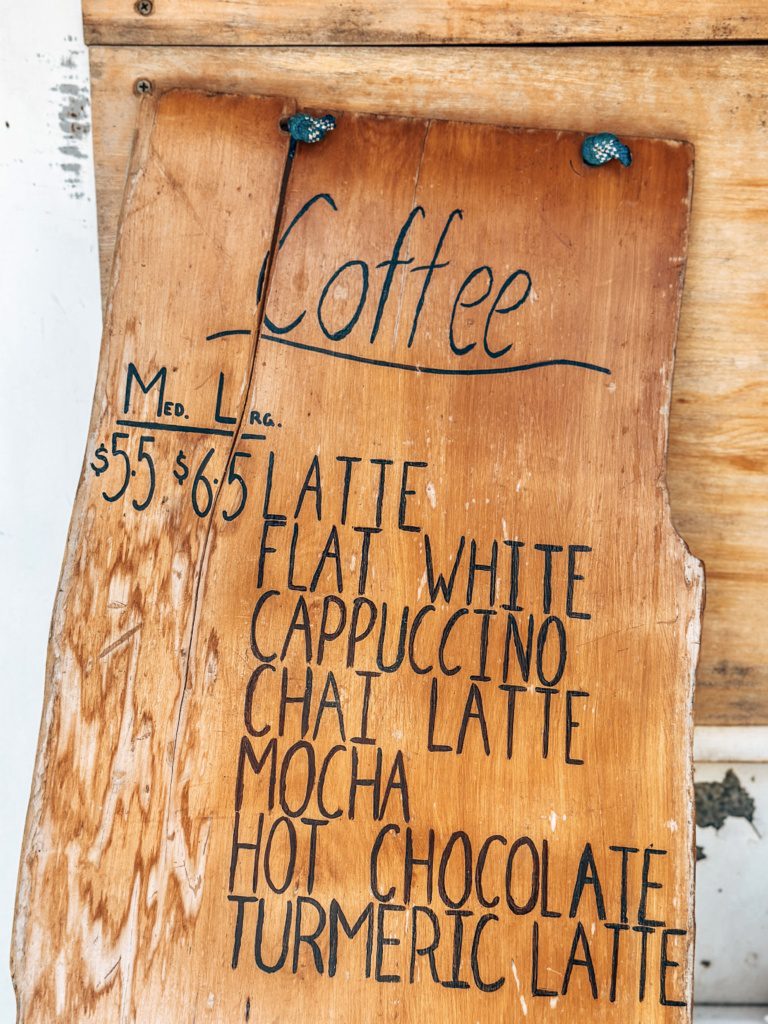
A perfectly textured flat white—strong espresso with velvety microfoam—is an Australian ritual.
Hobart cafés take pride in quality beans and expert baristas. It’s the daily punctuation mark of Tasmanian food culture.


Tasmanian Food: Final Bite
I was especially fortunate to explore all of this with Ian, a Hobart-born founder of Travel Massive, whose local insight and stories added context to every orchard, vineyard, and seafood shack.
I can only hope this mini guide to Tasmanian food serves as a helpful companion for your own culinary adventure.
Tasmania is a special place—and its food reflects that.
Take a deep breath of Tasmanian fresh air. May the odyssey begin. Happy eating!
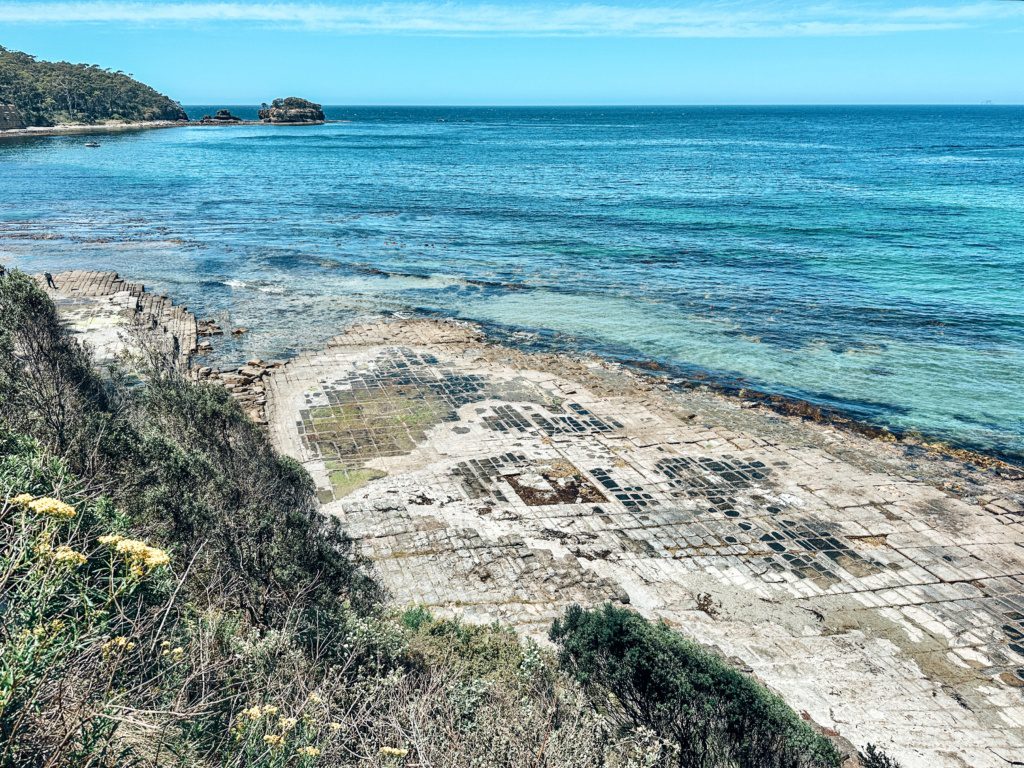


Have you been to Tassie? Did Tasmanian food live up to the hype? Let us know in the comments or tag @eightyflavors on socials!
OUR TRIED AND TESTED FOOD TRAVEL RESOURCES: Book a hotel with Booking.com. Search for the best flight deals on Skyscanner. Find the best local food tours on Viator. Browse curated conscious group trips with GAdventures. Get your travel insurance with World Nomads.
Disclaimer: this post contains affiliate links. We’ll receive a small commission if you purchase through the link provided, at no extra cost to you. Thank you for your support in running this blog!