Beyond Oia: Inside Santorini’s Tomato Industrial Museum
Looking to learn more about the little-known Santorini Tomato Museum? Read on!
Santorini is famous for many things: whitewashed villages, blue-domed churches, volcanic sunsets, cave hotels and the seemingly endless Oia parade of flowing dresses photographed above the caldera.
Tomatoes rarely make the list. But they should.
Long before tourism became Santorini’s dominant industry, this harsh volcanic island was known for producing some of Greece’s most distinctive tomatoes—and for the factories that transformed them into intensely concentrated tomato paste.
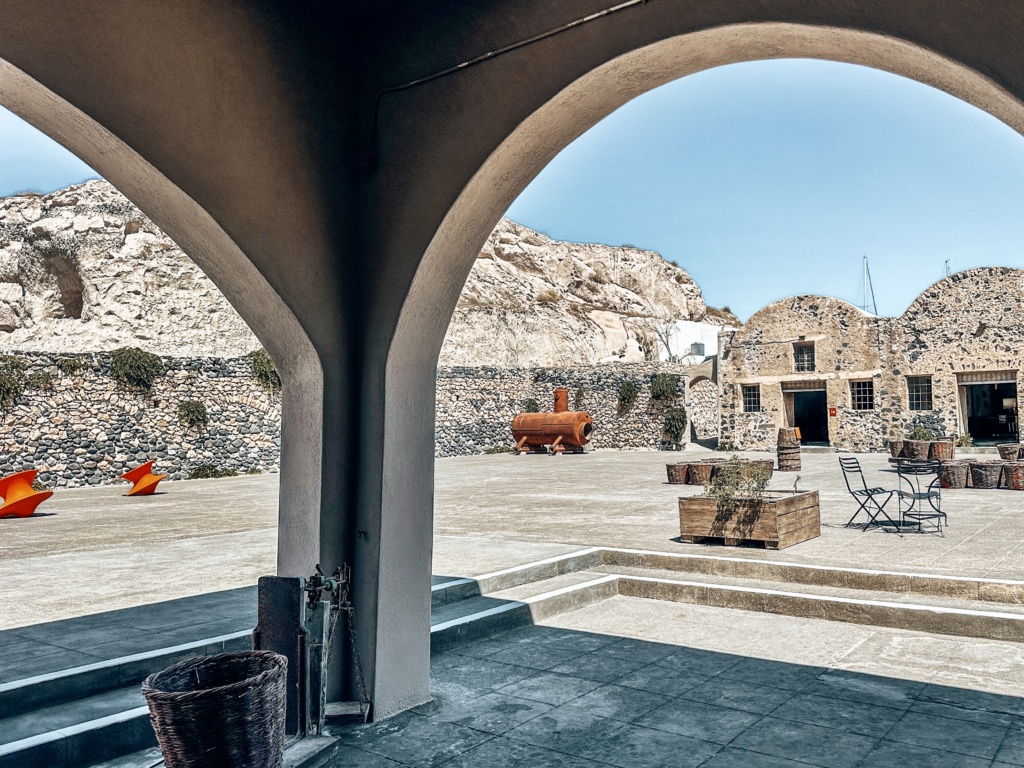
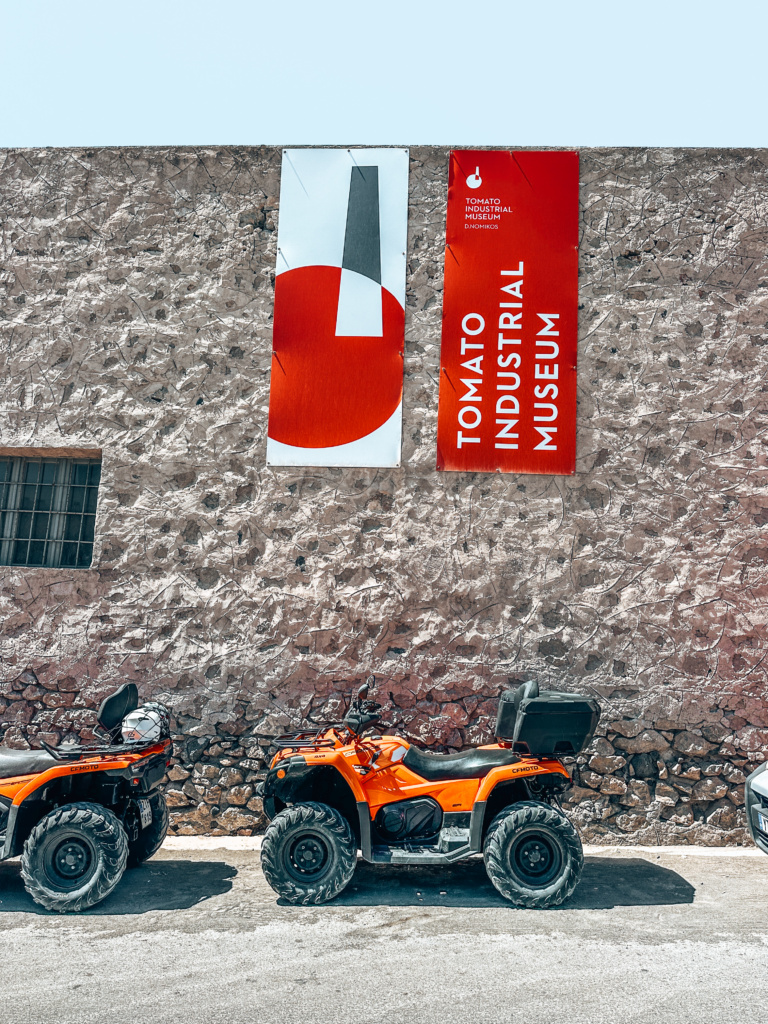
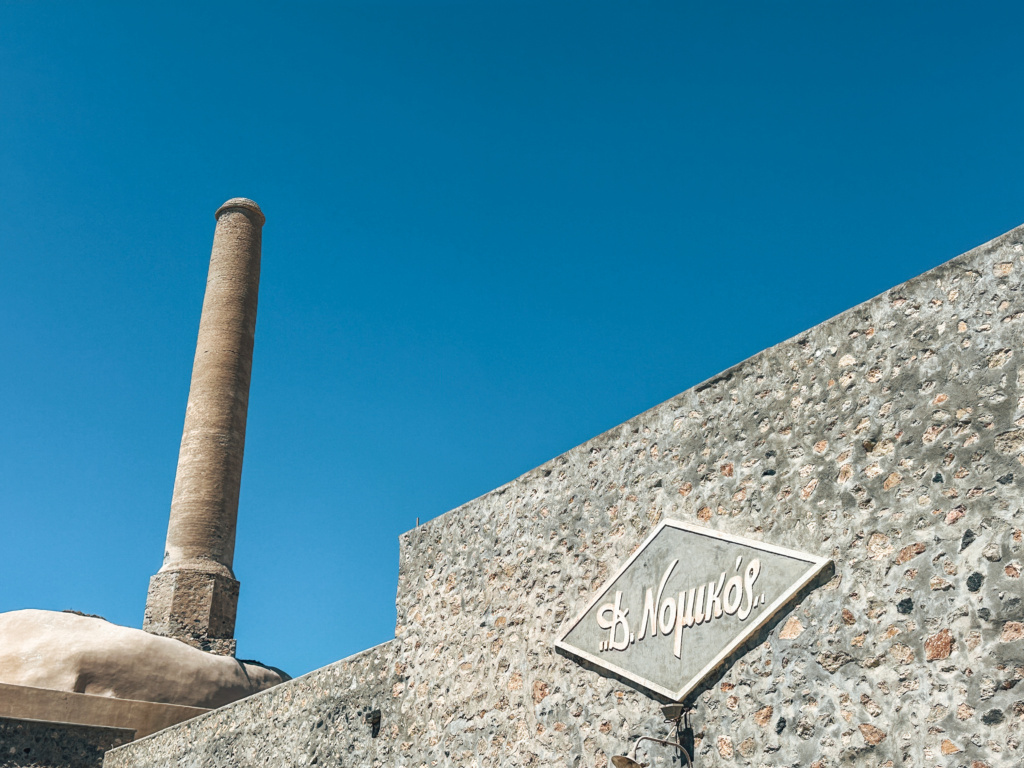
That lesser-known story is beautifully preserved at the Tomato Industrial Museum “D. Nomikos,” housed inside a former tomato factory beside Vlychada Beach on Santorini’s southern coast.
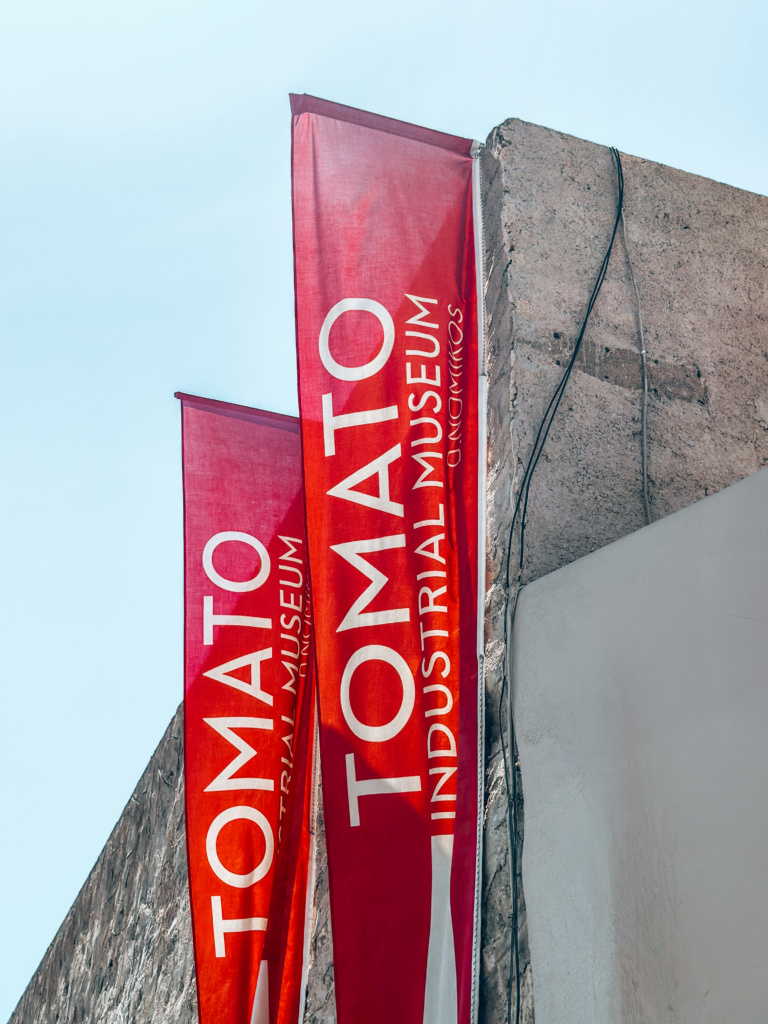
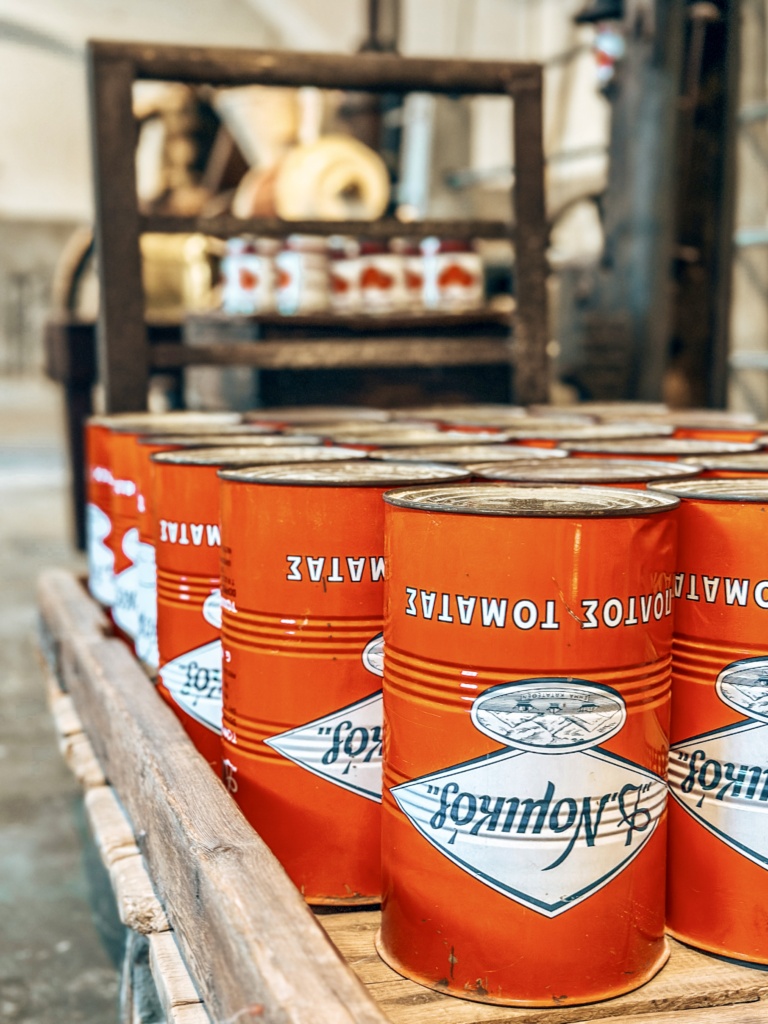
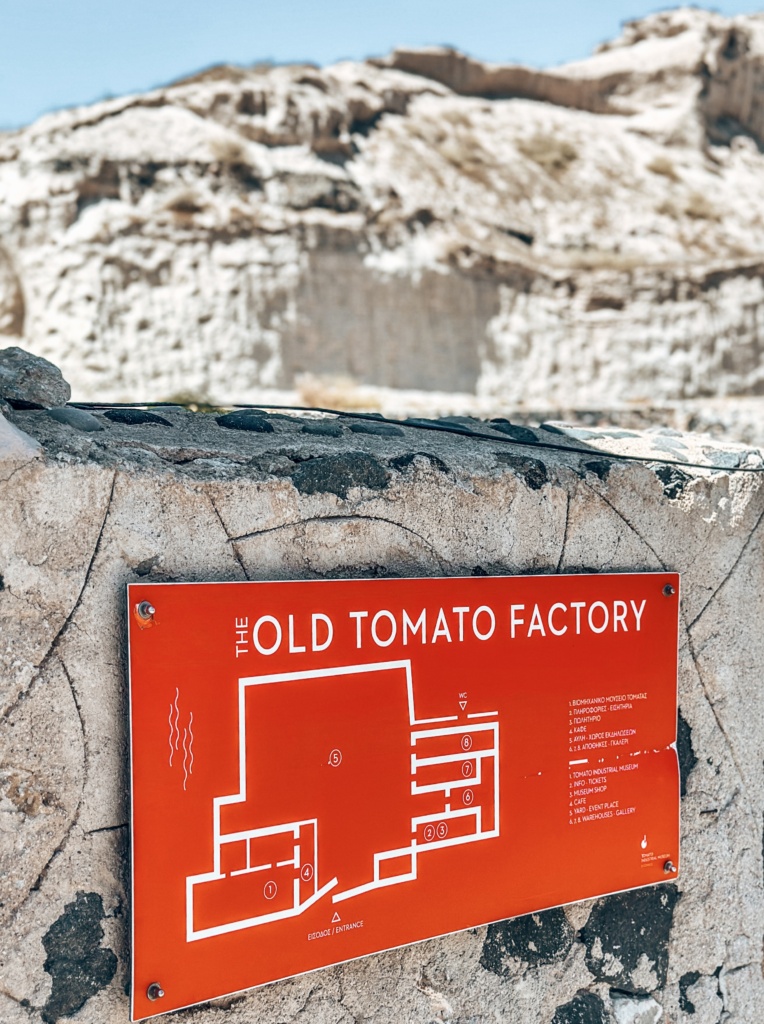
Visiting the museum was one of the unexpected highlights of my time on the island.
It offers something increasingly difficult to find in Santorini: a window into the lives, labor and ingenuity of the people who lived here before infinity pools and Instagram shoots took over.
Santorini’s Tiny Tomato With a Big History
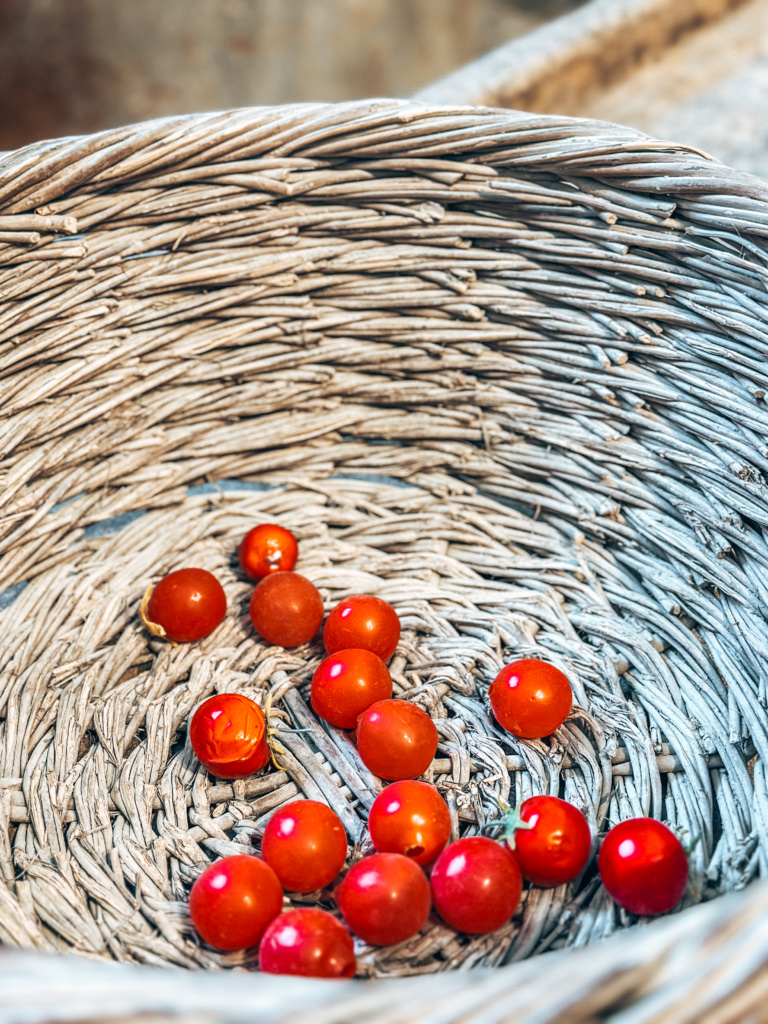
The famous tomataki Santorinis is a small, deeply flavored tomato shaped by one of Europe’s most unusual agricultural environments.
Santorini receives very little rainfall, and its volcanic soil is dry, porous and poor in many of the nutrients associated with conventional farming. The plants traditionally survived largely on moisture absorbed from sea mist and morning humidity.
Those stressful growing conditions produced small tomatoes with firm flesh, relatively little water and an exceptionally concentrated balance of sweetness and acidity. They were ideal for turning into tomato paste.
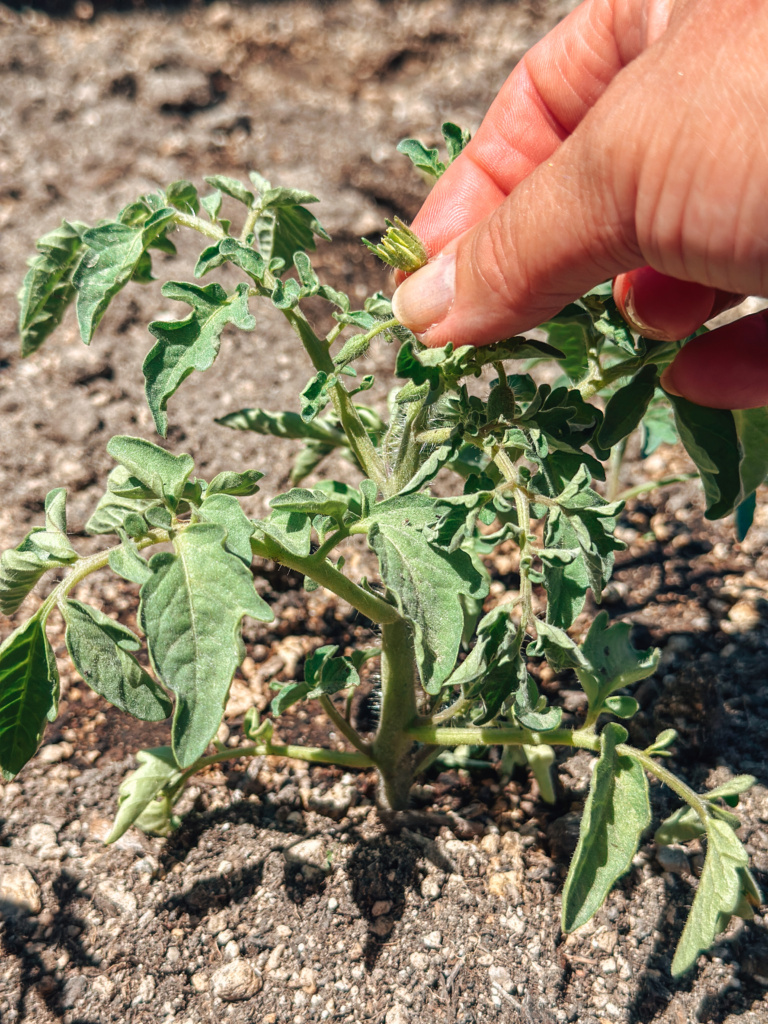
Tomatoes began to be cultivated systematically on Santorini during the late 19th century. As demand grew, tomato processing became one of the island’s most important industries.
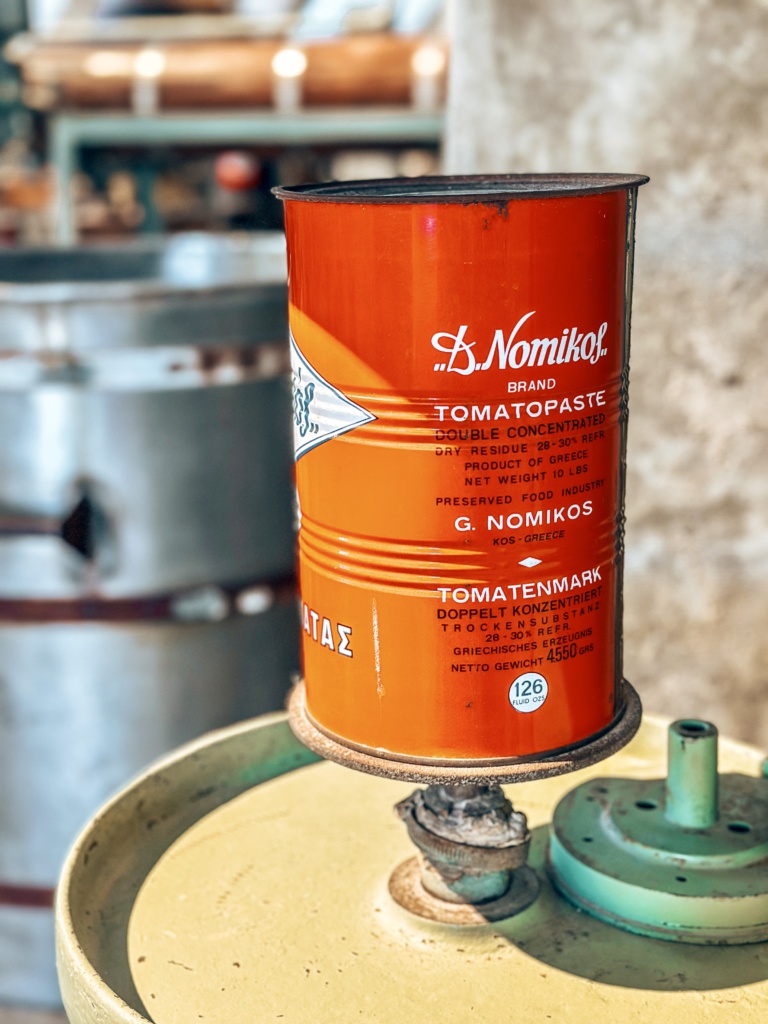
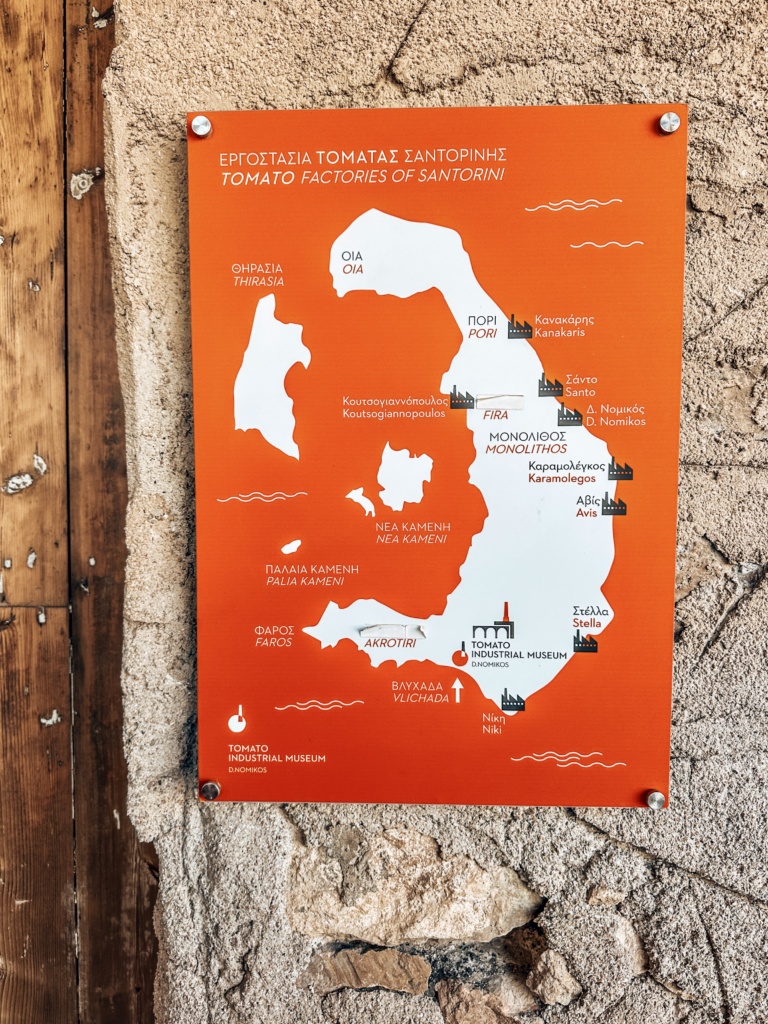
Dimitrios Nomikos began producing tomato paste using pre-industrial methods in Messaria in 1915 and later established one of the region’s early canneries.
His son, George Nomikos, opened the Vlychada factory in 1945. By around 1950, nine tomato factories were operating across Santorini.
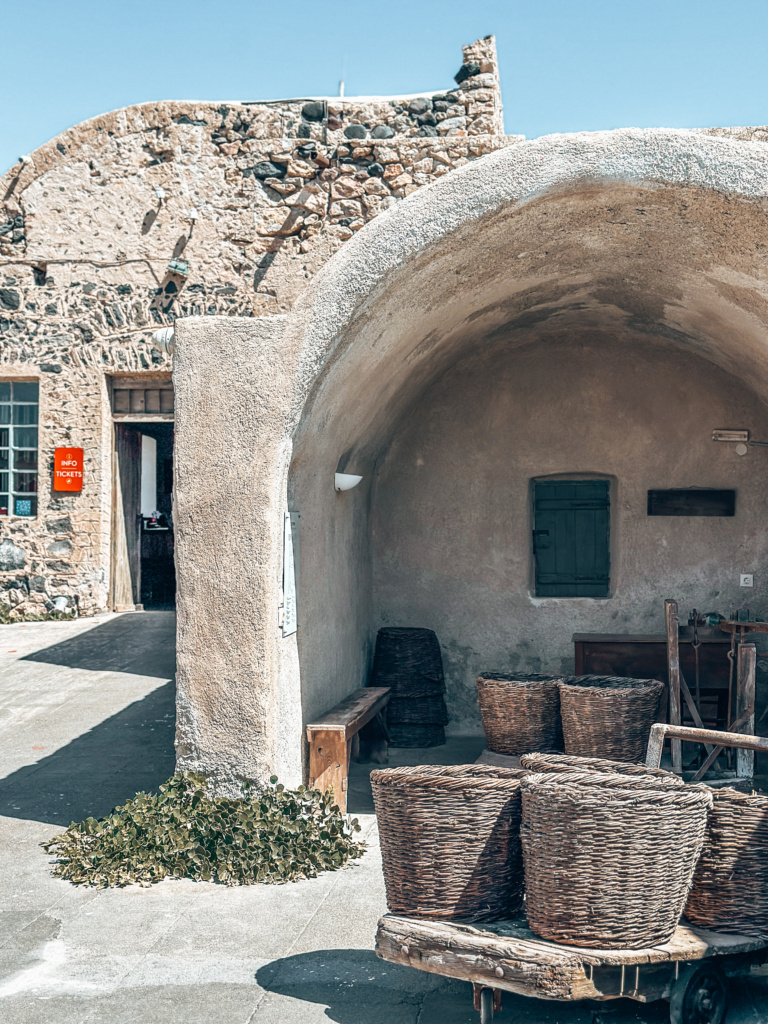
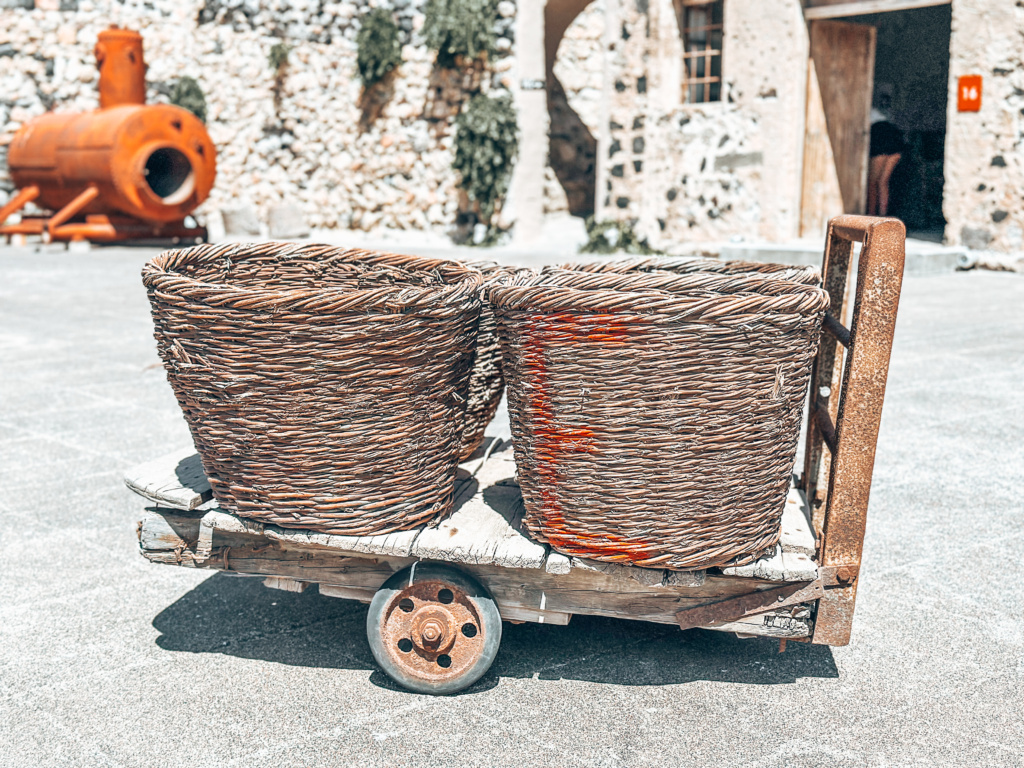
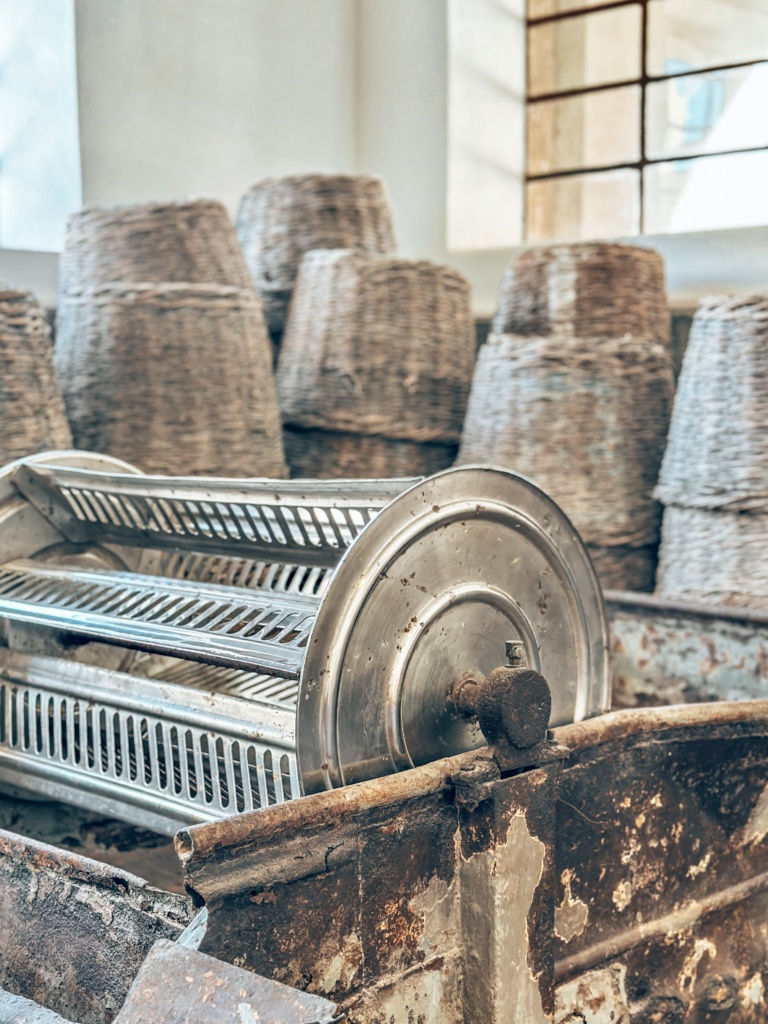
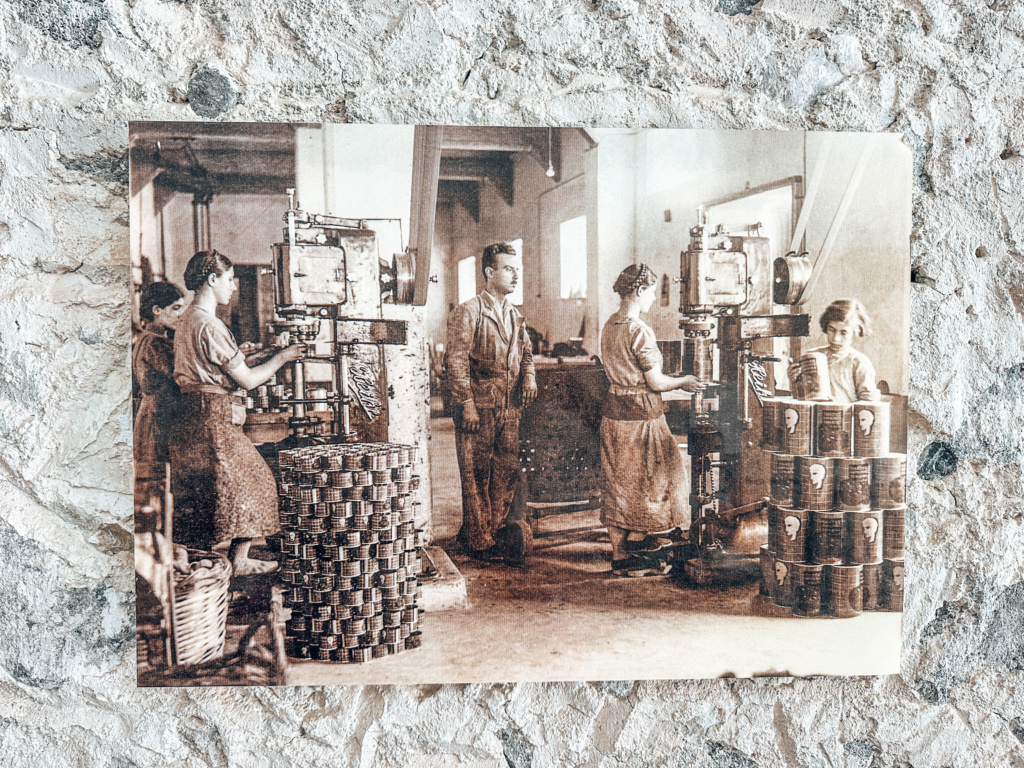
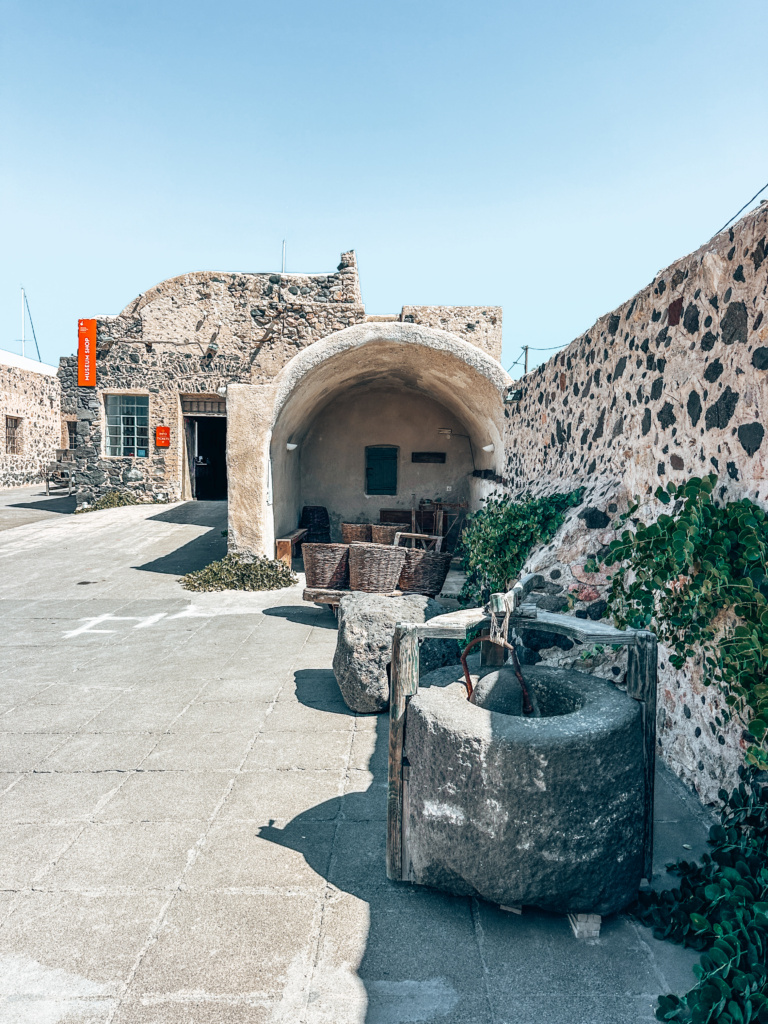
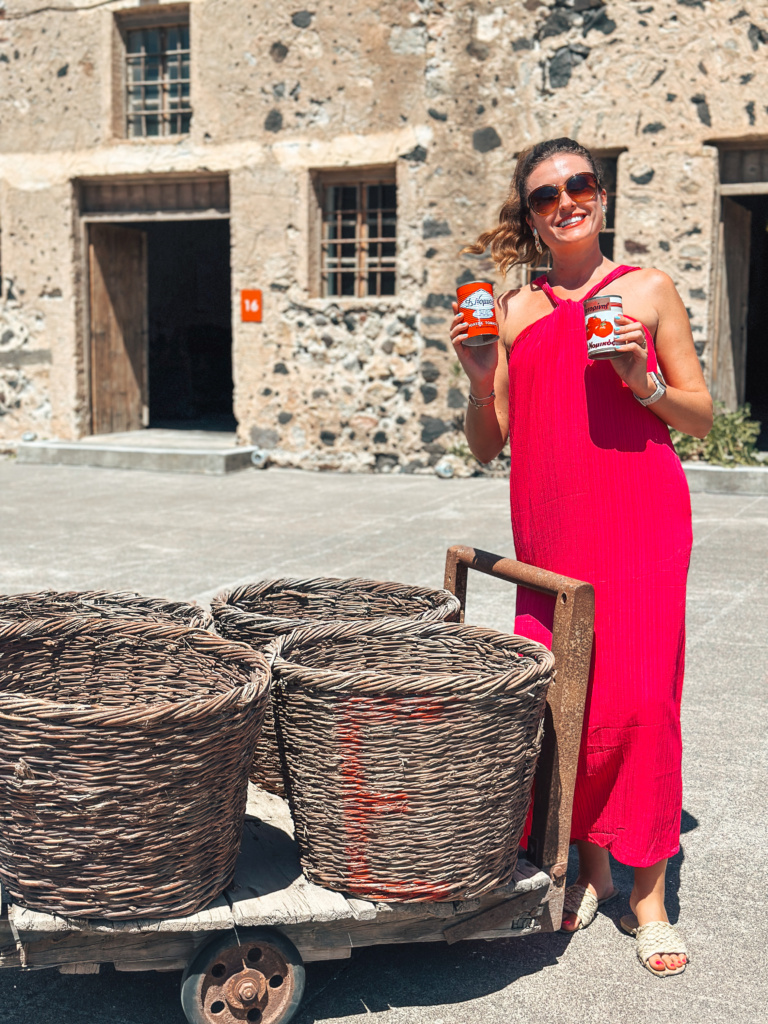
The industry supported farmers, factory workers, can makers, transporters and their families. During the harvest, farmers arrived with tomatoes piled into woven baskets and carried by mules.
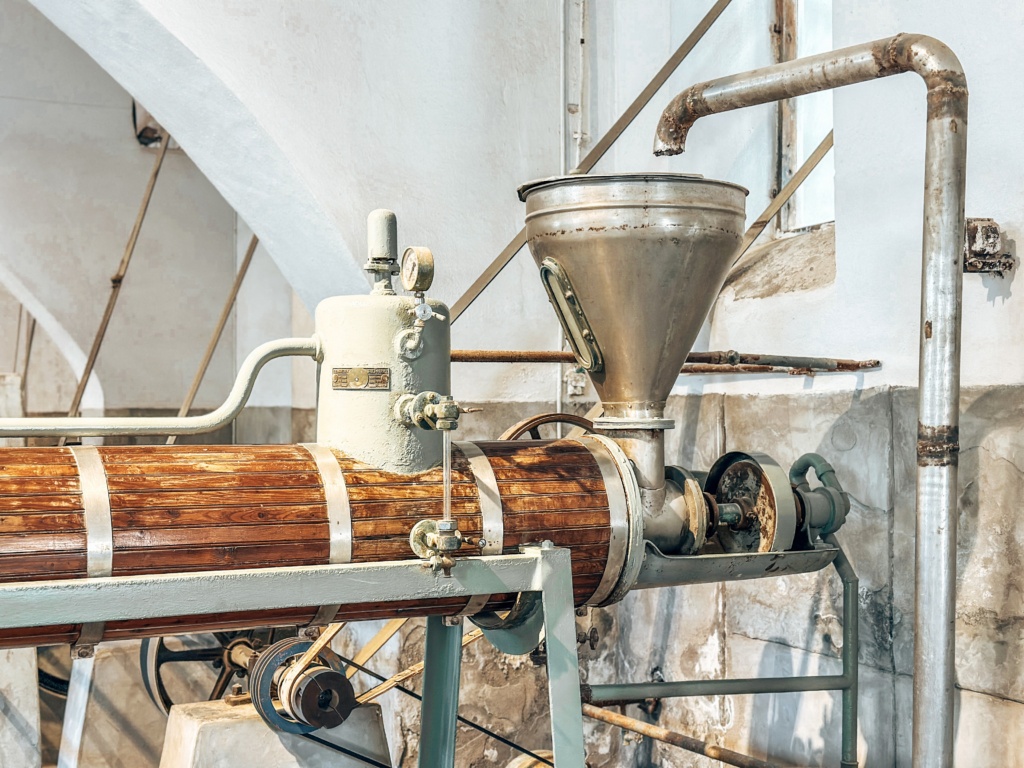
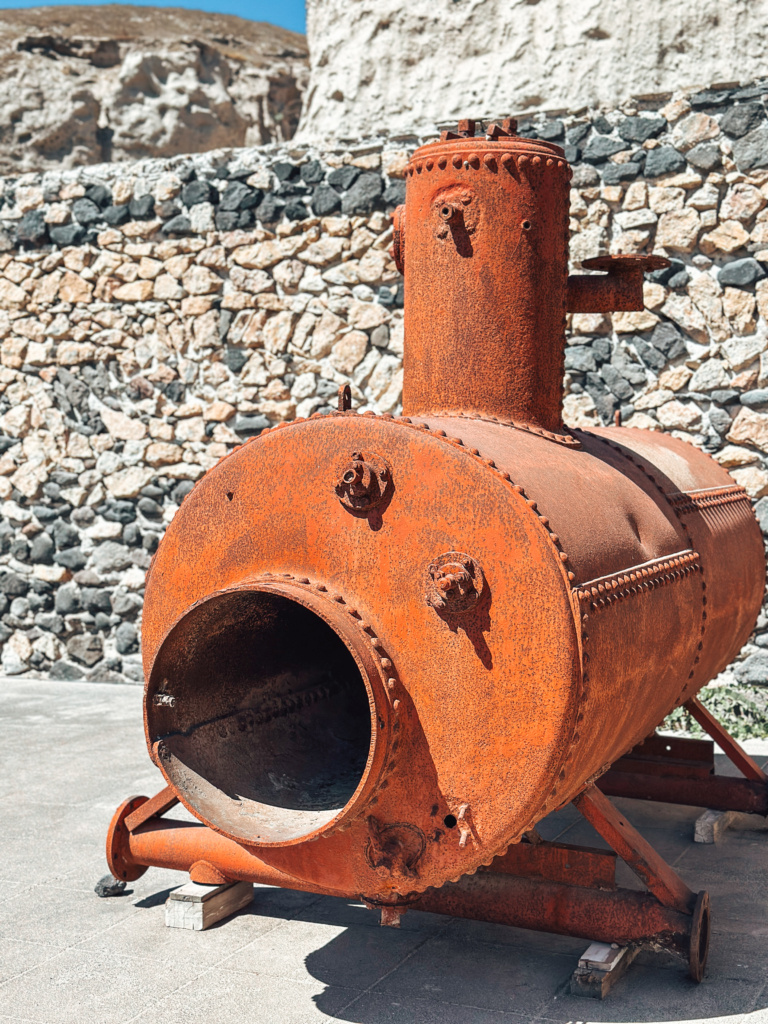
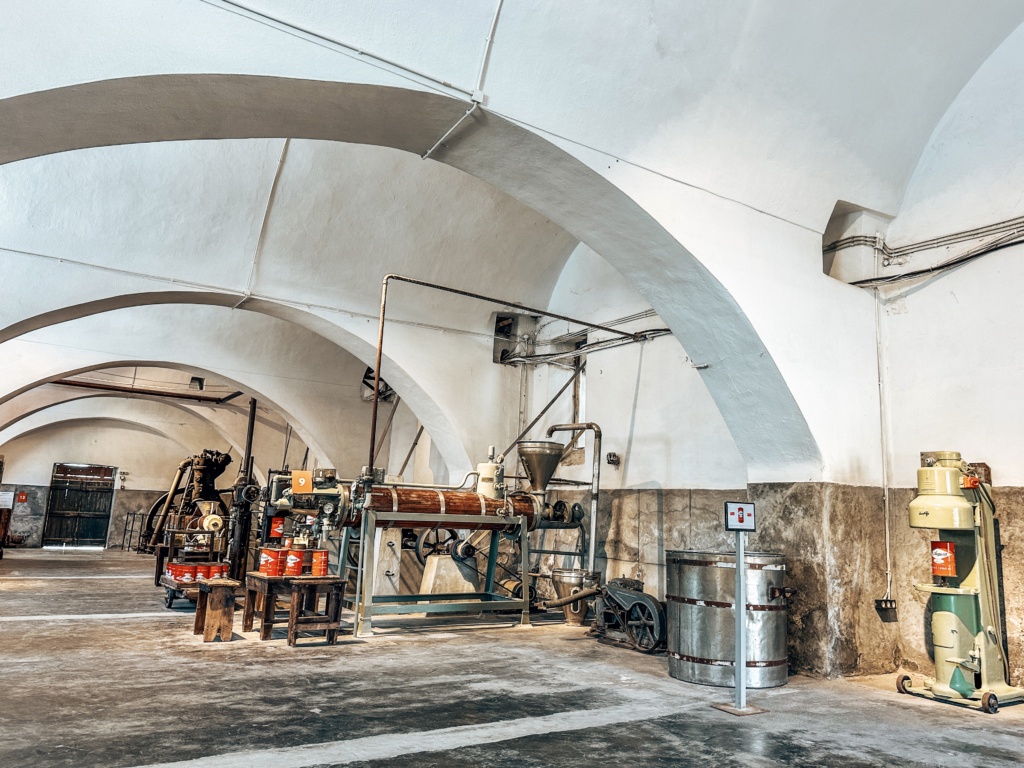
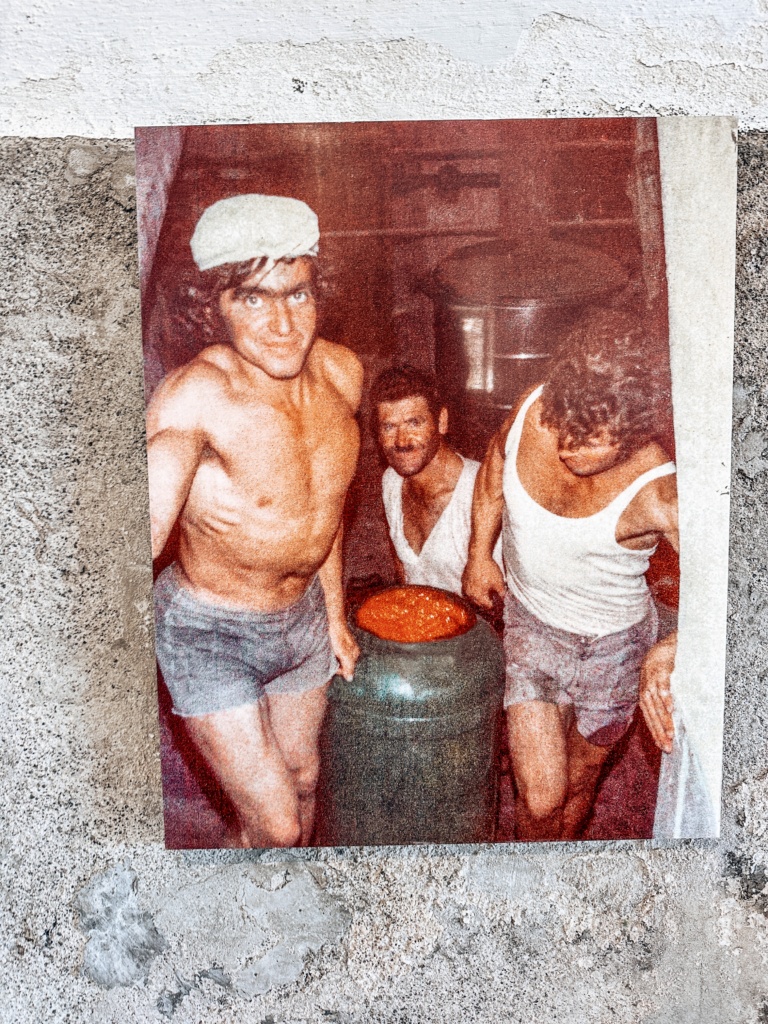
The Vlychada factory initially operated without a public electricity supply: coal powered its machinery, while seawater was pumped from the nearby bay to wash the tomatoes and create steam.
1956 Earthquake: A Shift From Tomatoes to Tourism
Santorini’s tomato economy eventually declined as the island changed. The devastating 1956 earthquake, competition from industrial producers elsewhere, reduced cultivation and the rapid growth of tourism all contributed to its disappearance.
The Vlychada factory remained in operation until 1981. The buildings reopened in 2014 as the Santorini Tomato Museum, preserving not only the machinery but also the memories of the people whose lives revolved around the harvest.
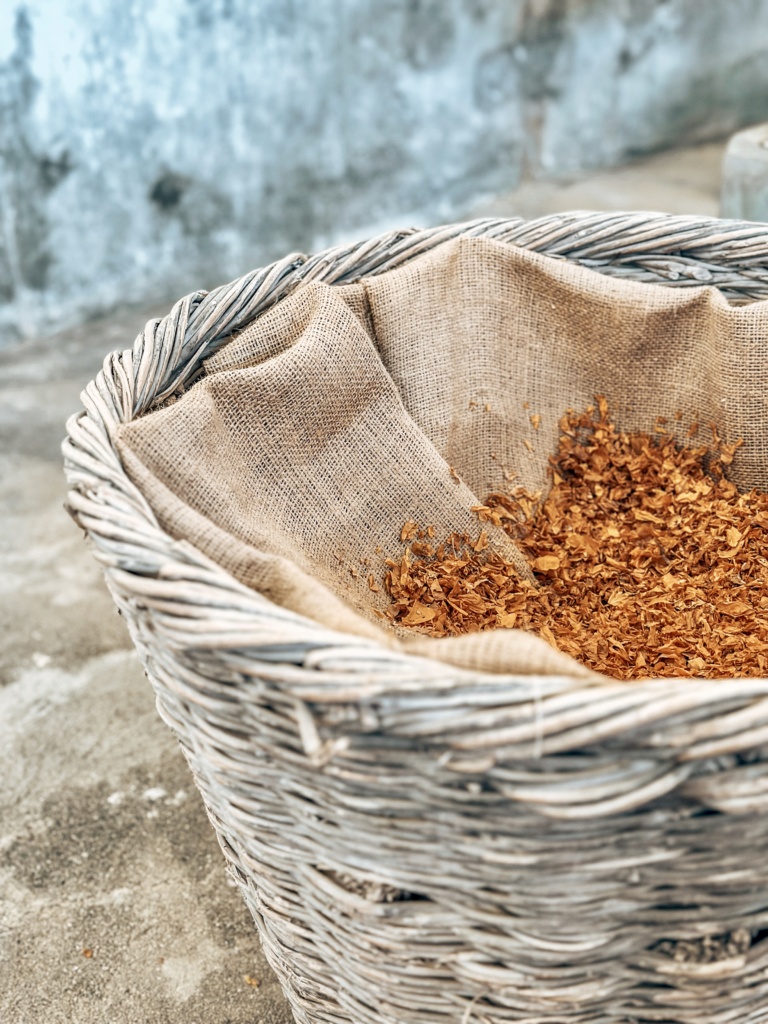
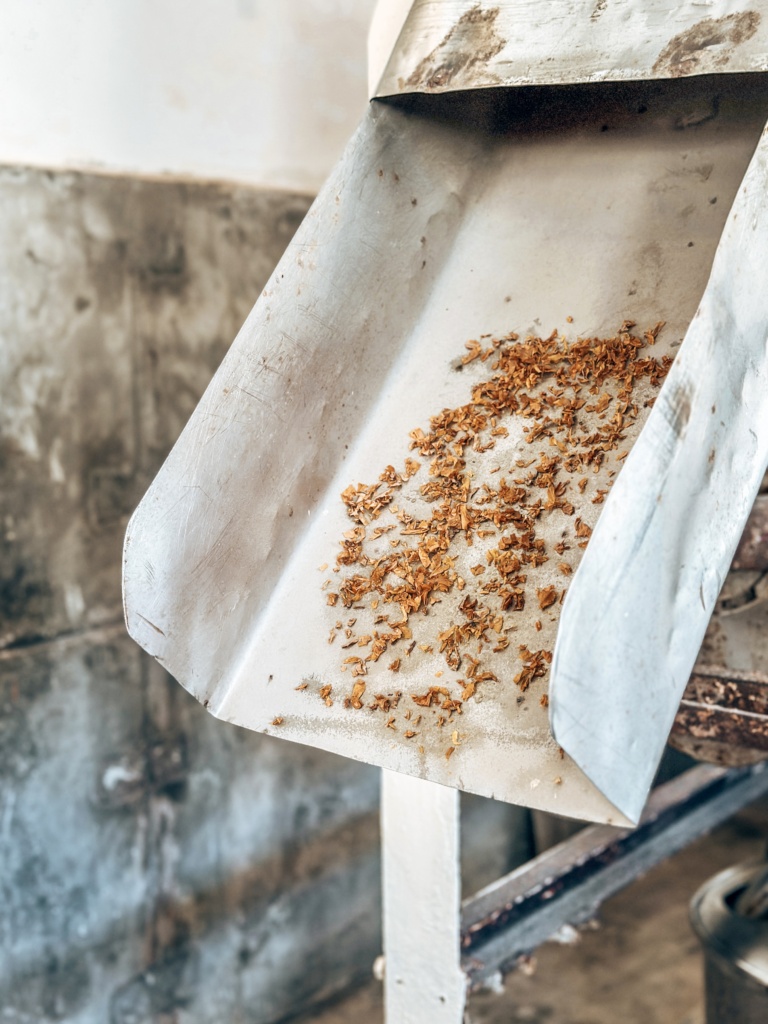
Today, the Santorini tomato is cultivated in much smaller quantities and prized as a local delicacy. It also holds European Protected Designation of Origin status. It recognizes its connection to the island’s landscape and traditional production methods.
The Tomato in Santorini’s Kitchen
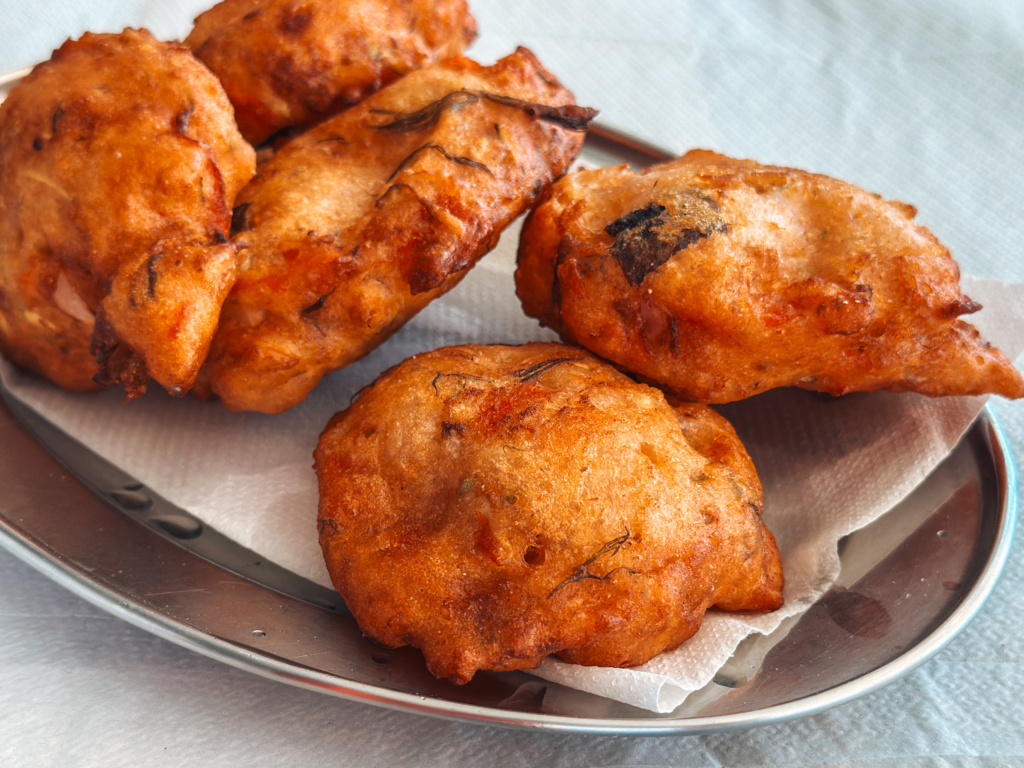
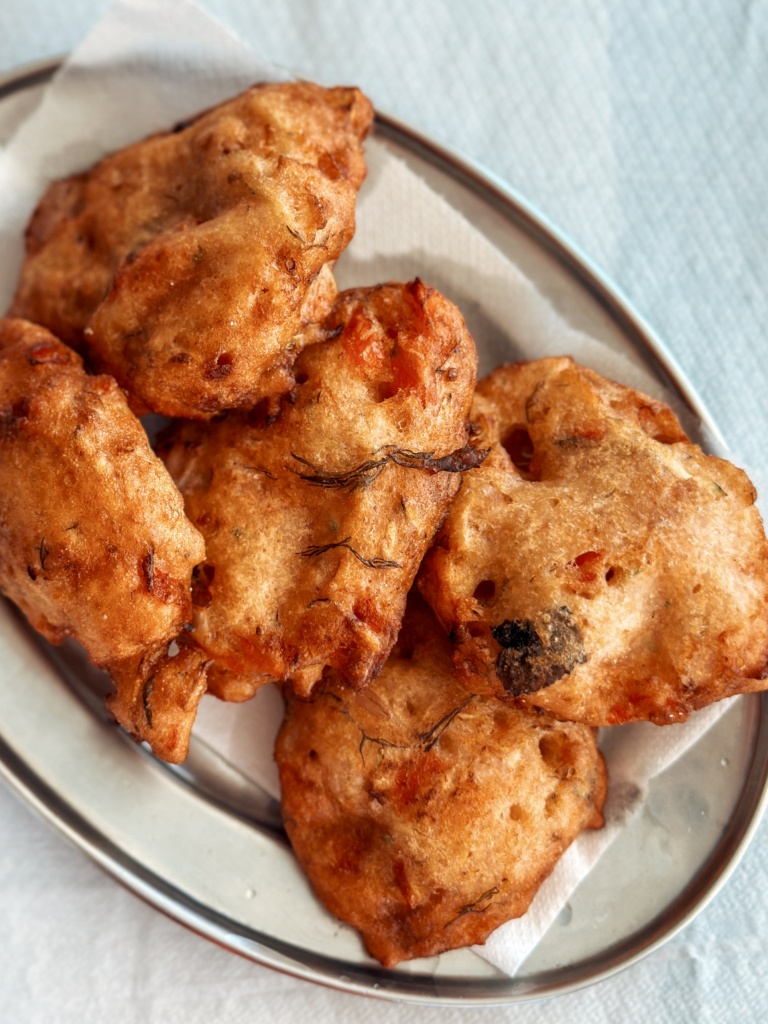
You will encounter Santorini tomatoes in several forms across the island. The most famous dish is undoubtedly tomatokeftedes: rustic tomato fritters traditionally made with chopped ripe tomatoes, onion, flour and fresh herbs such as mint or parsley, then fried until crisp around the edges and tender inside.
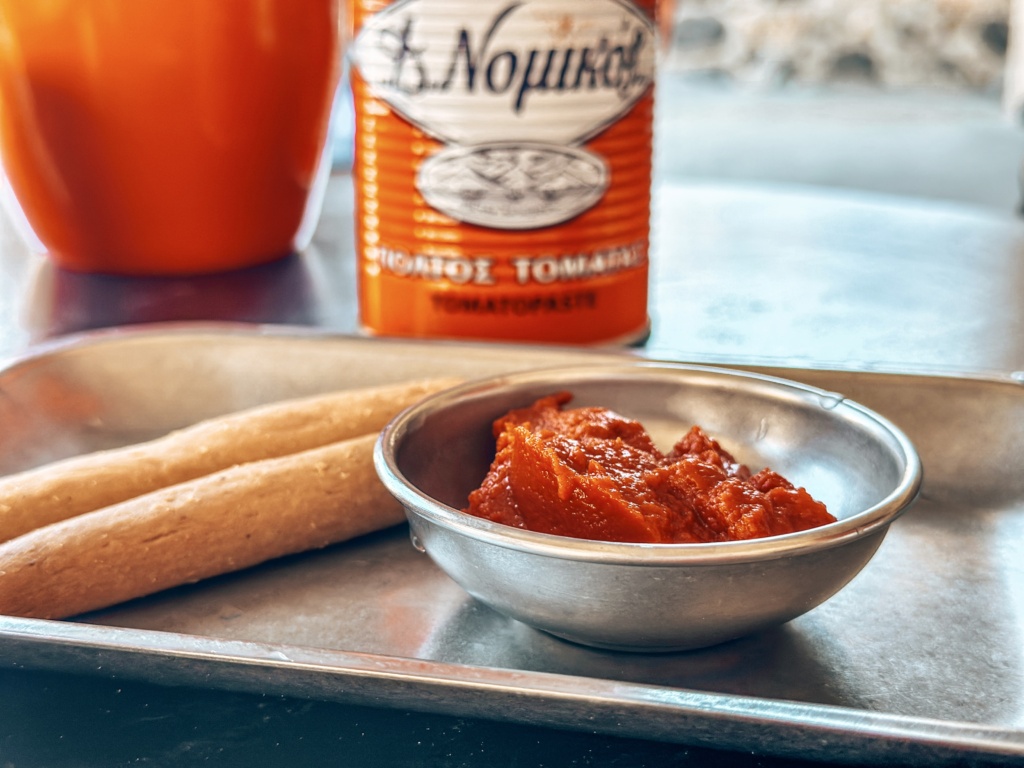
The tomatoes also appear in sauces, salads, preserves and the island’s famously intense tomato paste. Because the fruit contains relatively little water, even a small amount can deliver an extraordinary depth of flavor.
At the Santorini Tomato Museum, however, I discovered an entirely different way to eat them: as tomato marmalade. More on that shortly.
What to Expect at the Santorini Tomato Museum
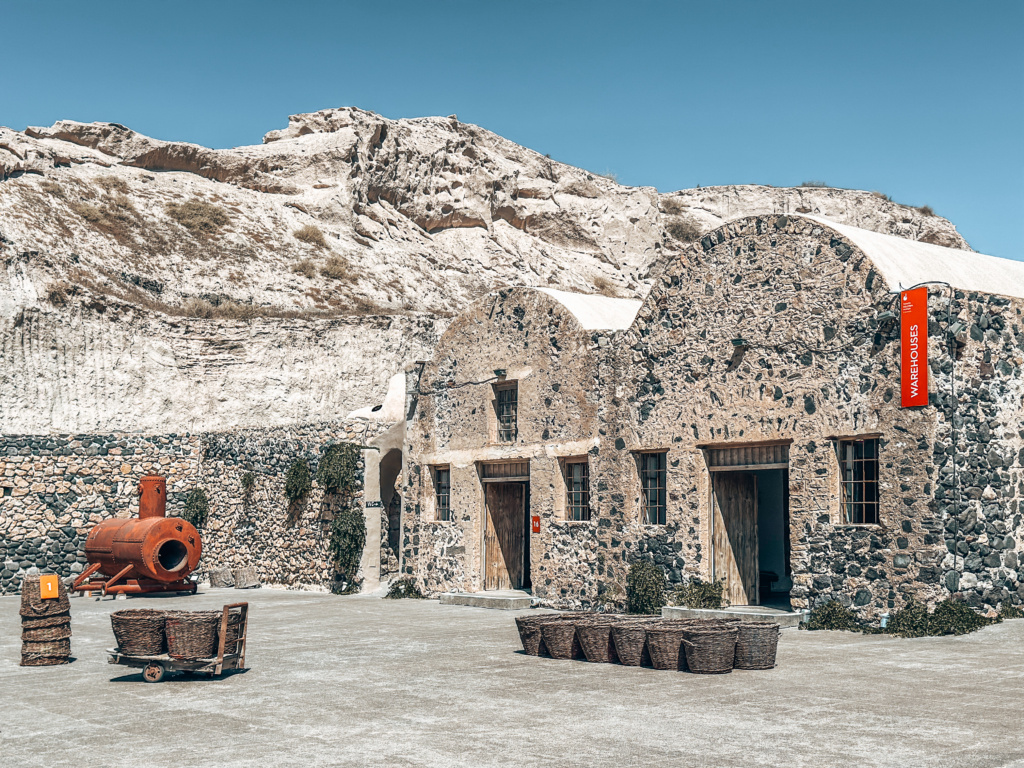
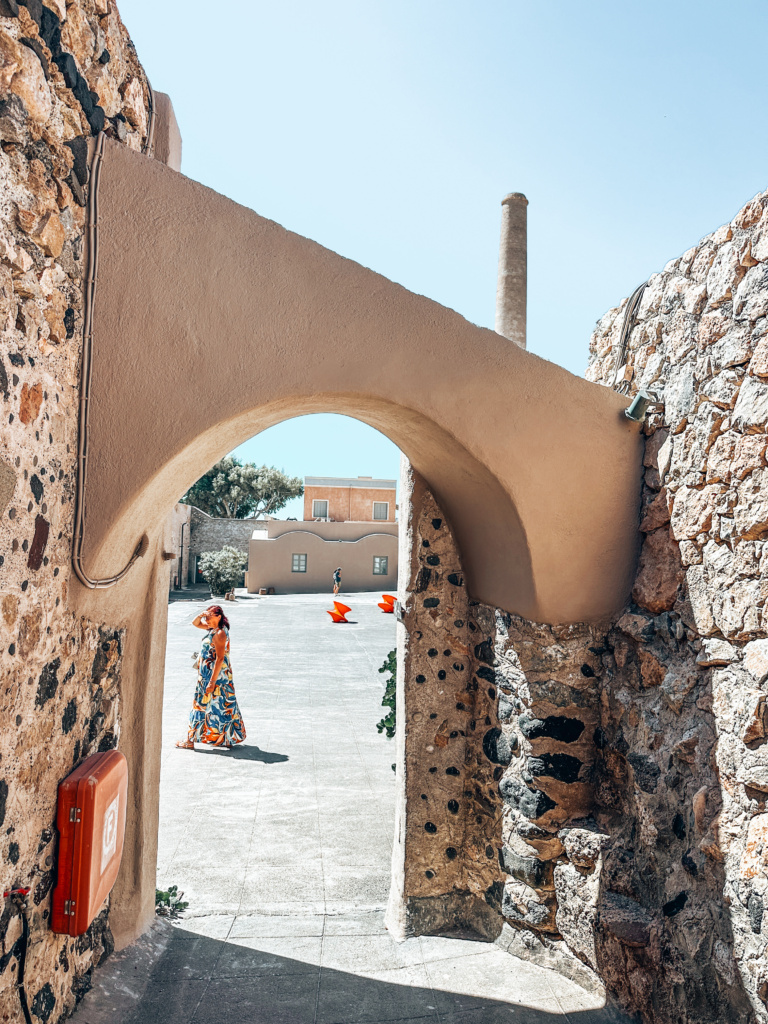
The museum occupies the original D. Nomikos factory complex, complete with its industrial chimney, weathered machinery and beautiful old production spaces.
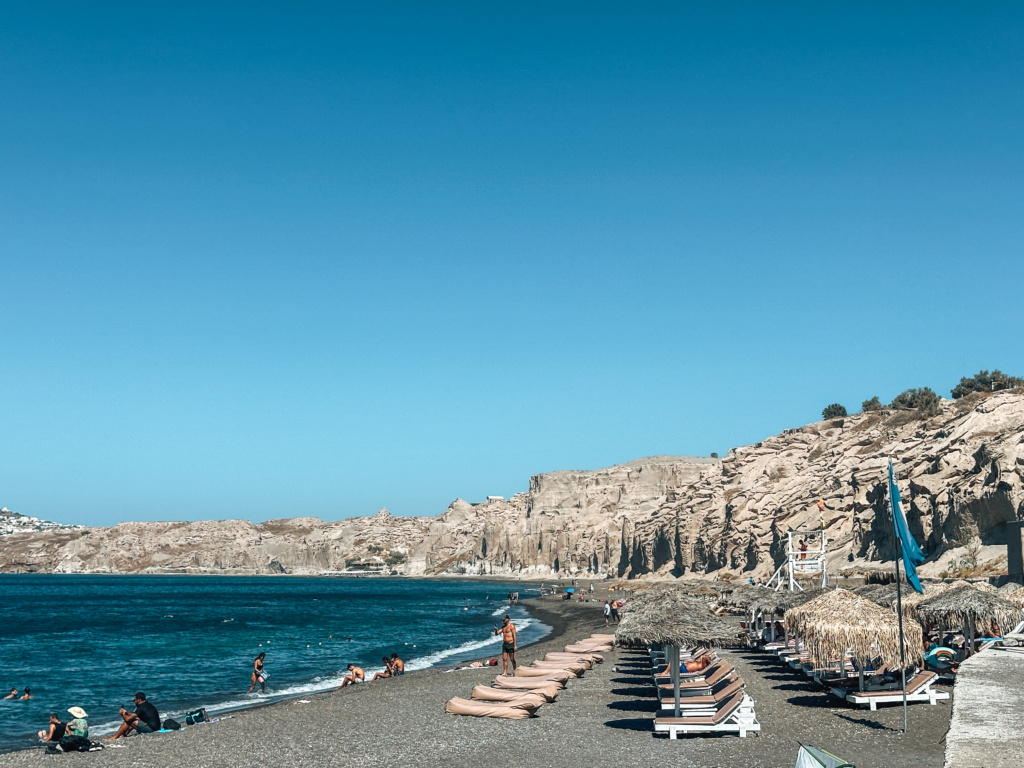
Its location beside Vlychada Beach could not be more fitting. The surrounding cliffs, sculpted by wind and erosion into pale, rippling formations, give this part of Santorini an almost lunar quality.
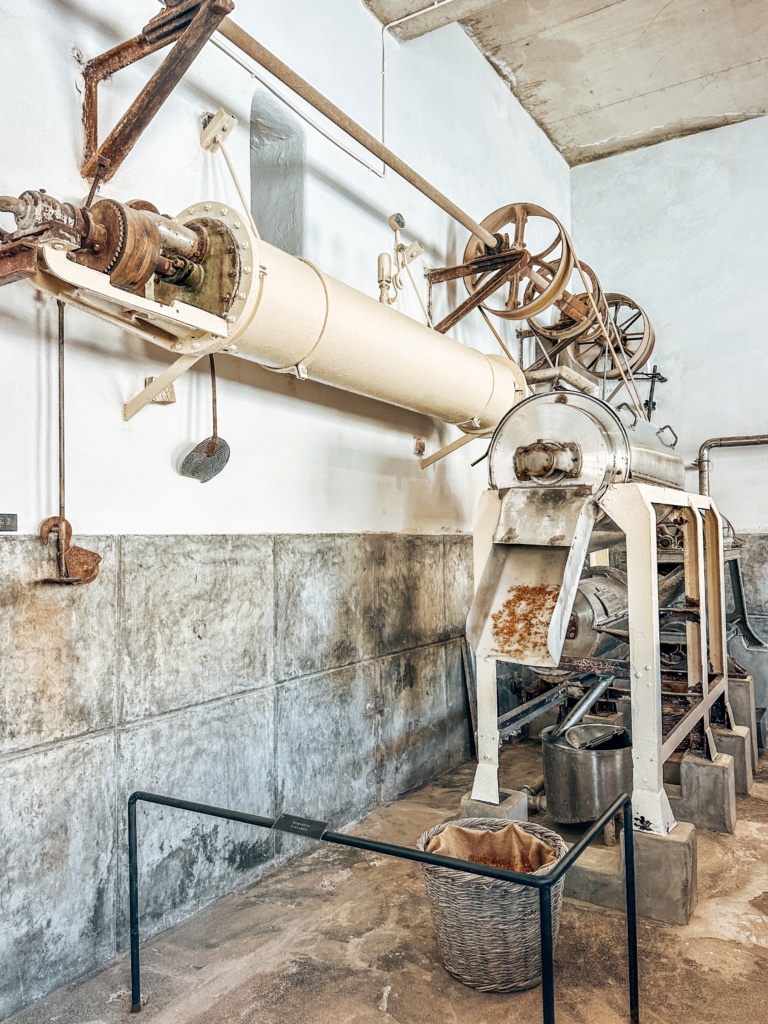
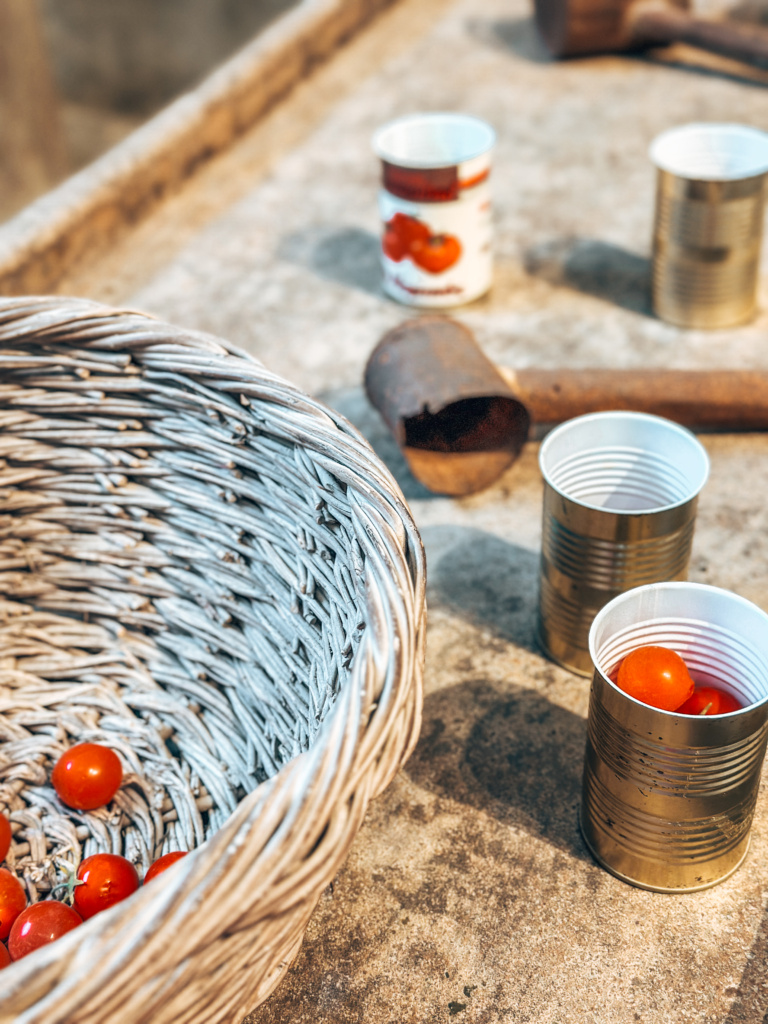
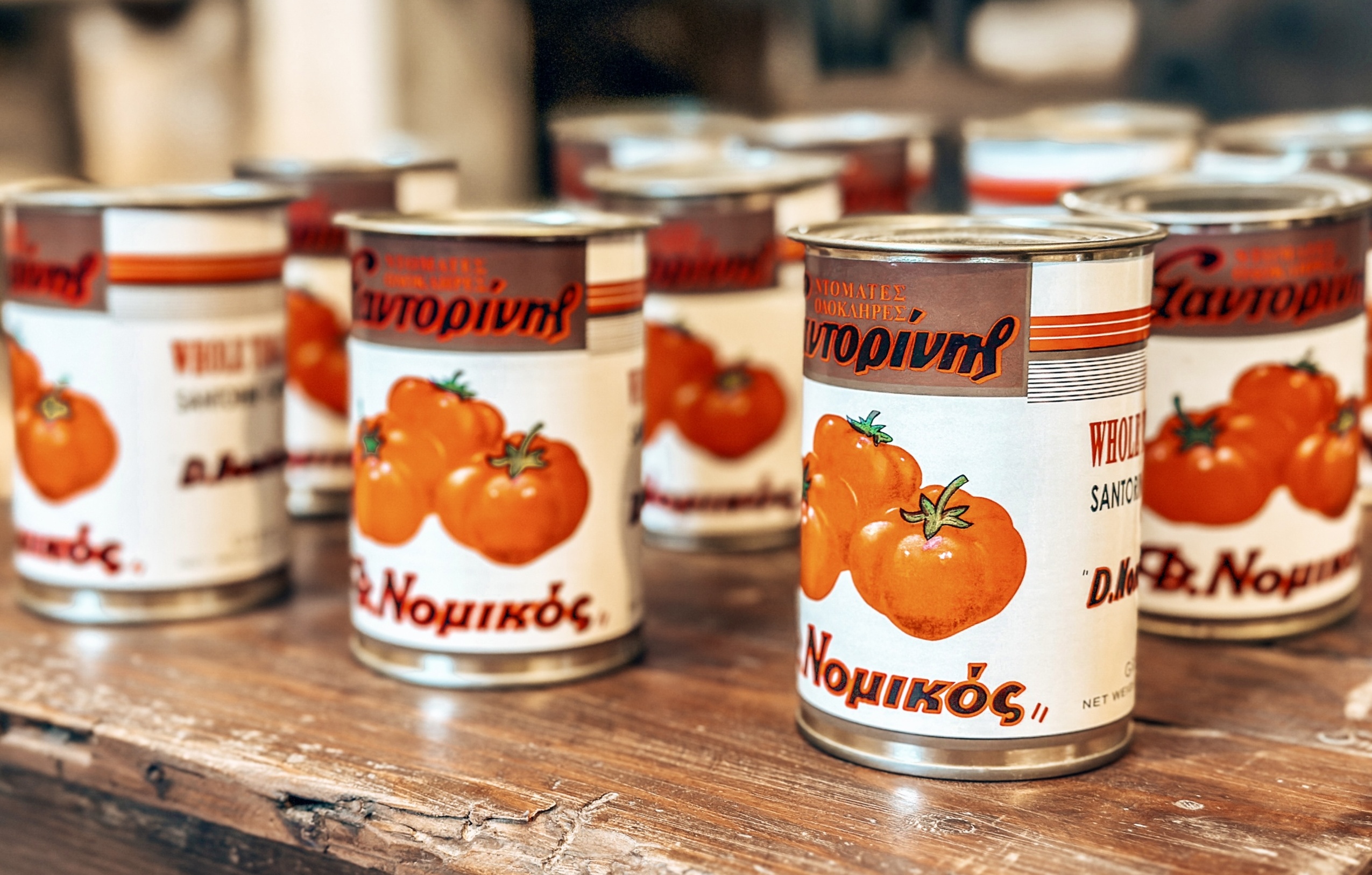
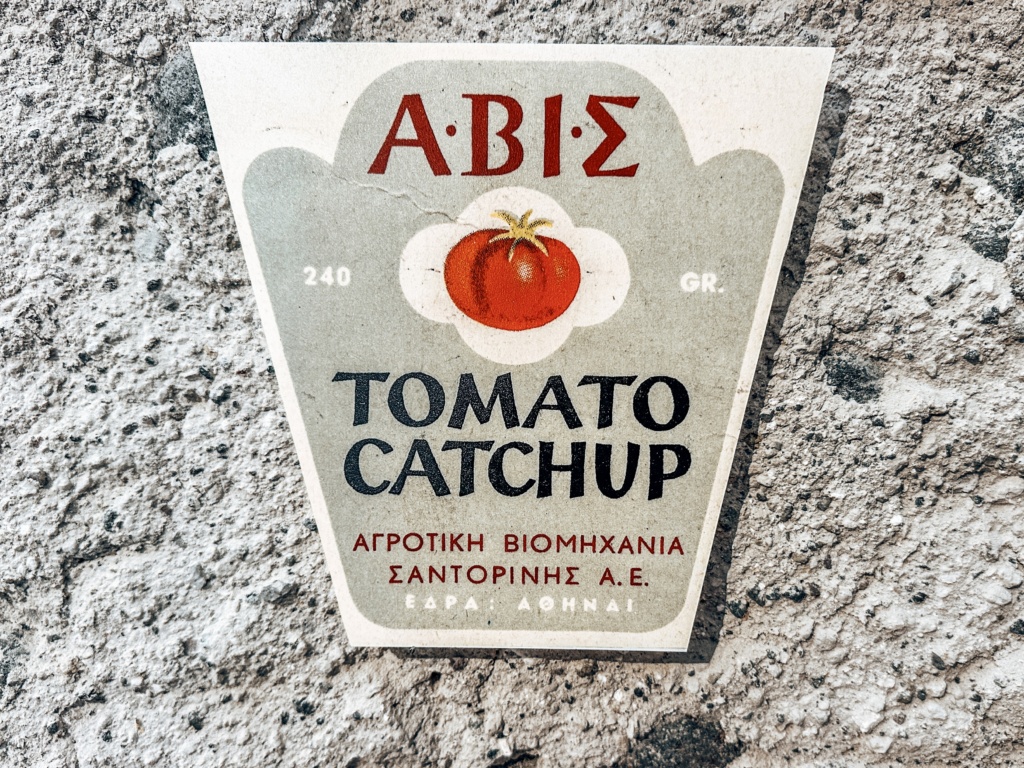
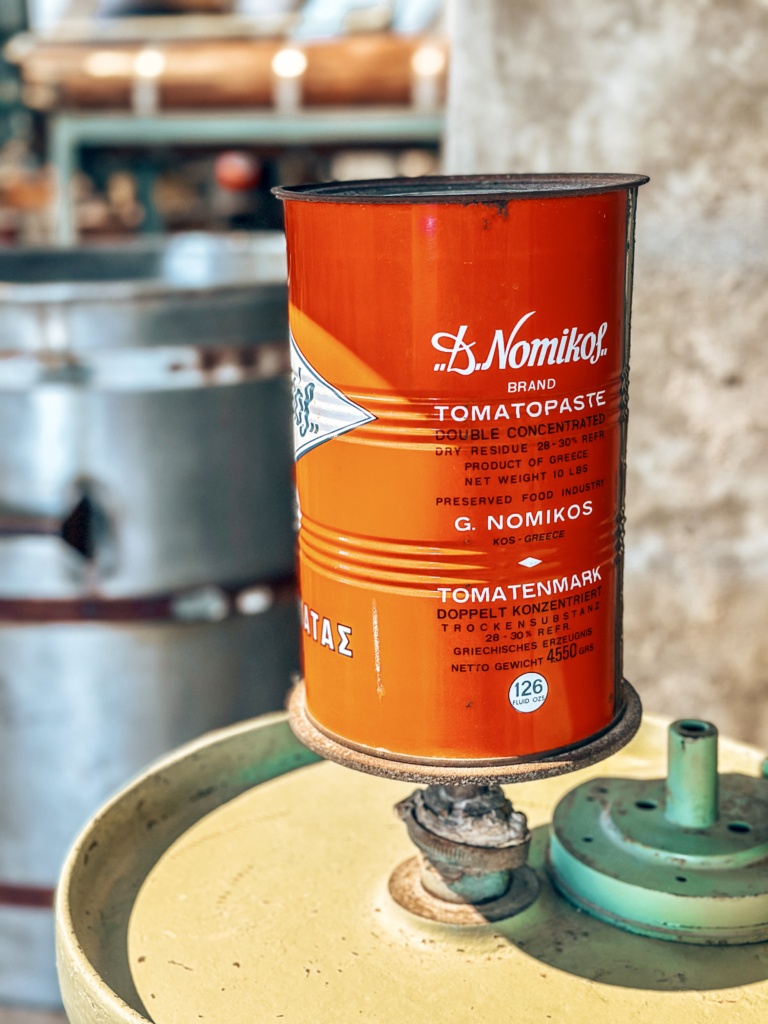
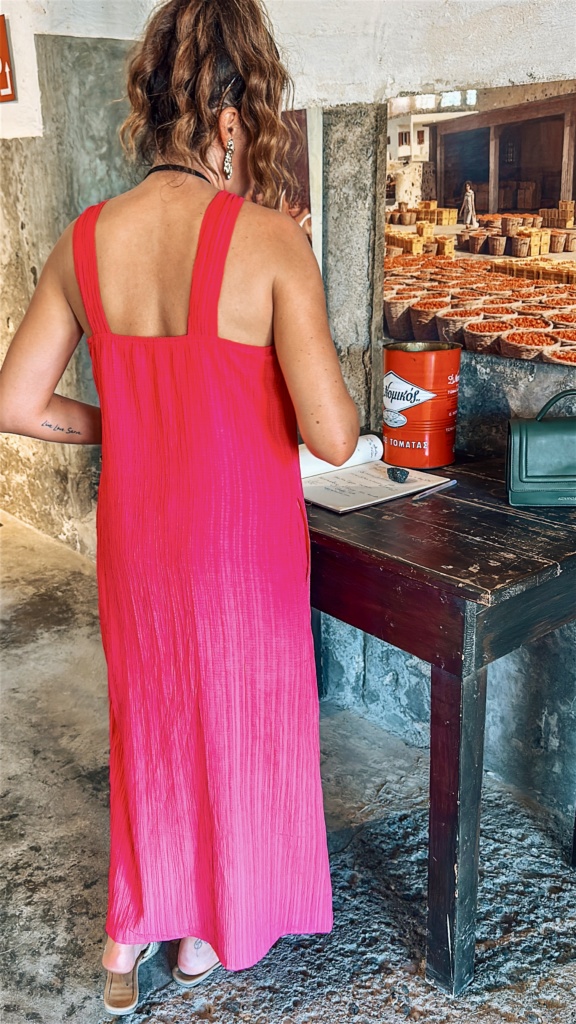
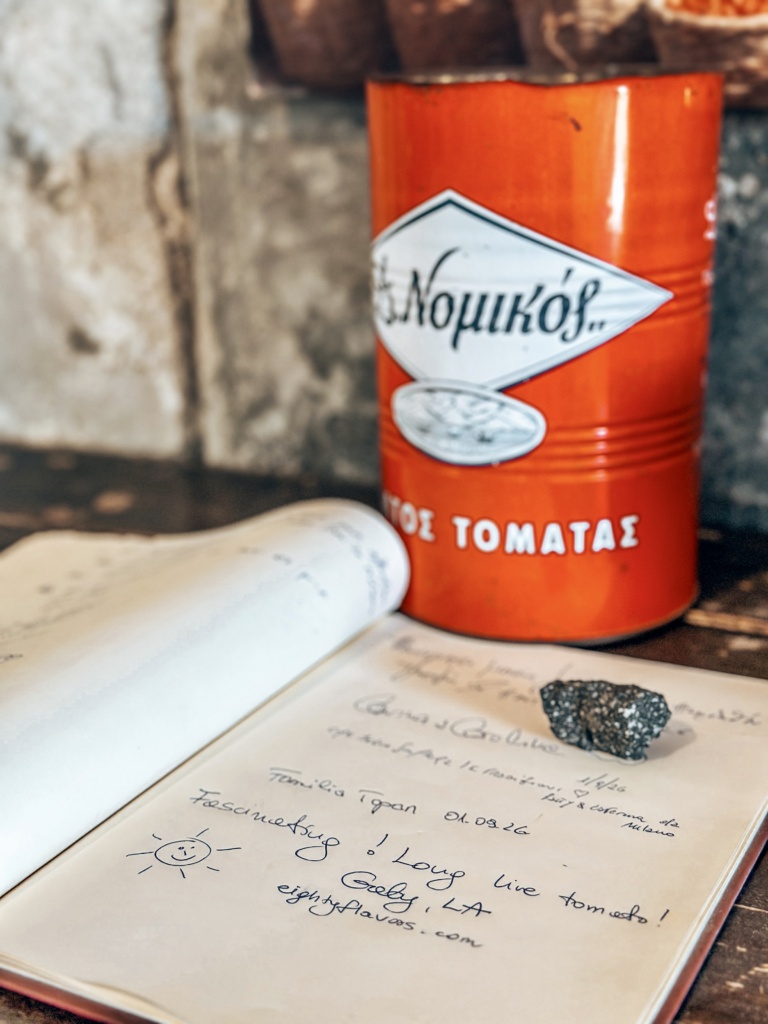
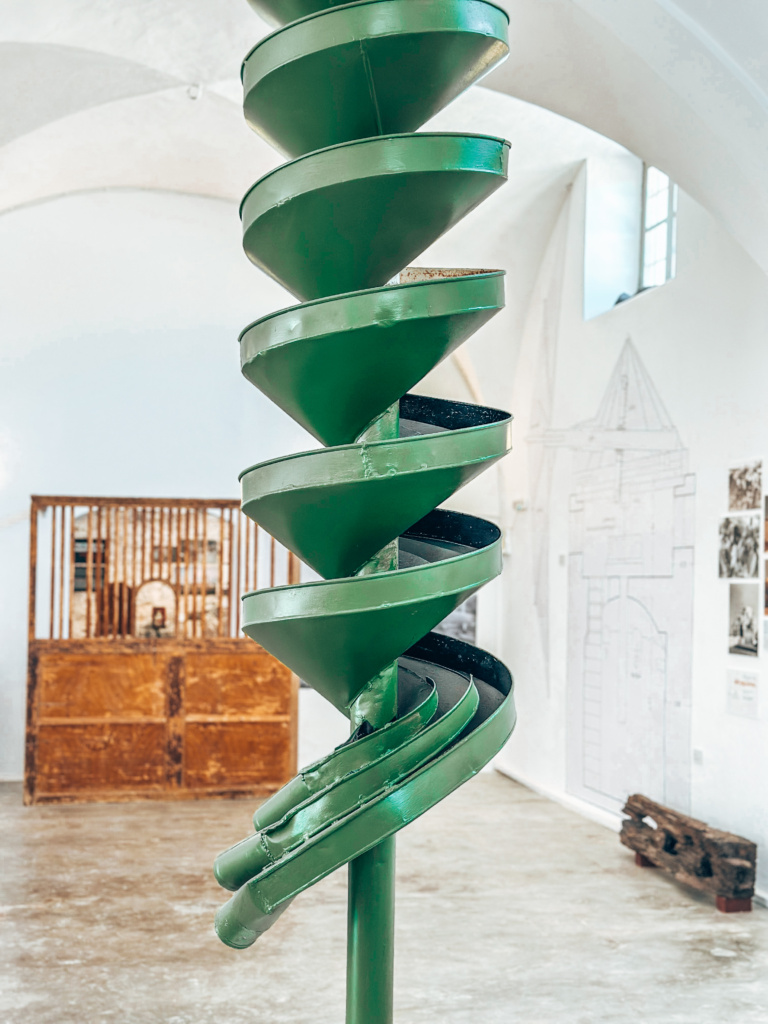
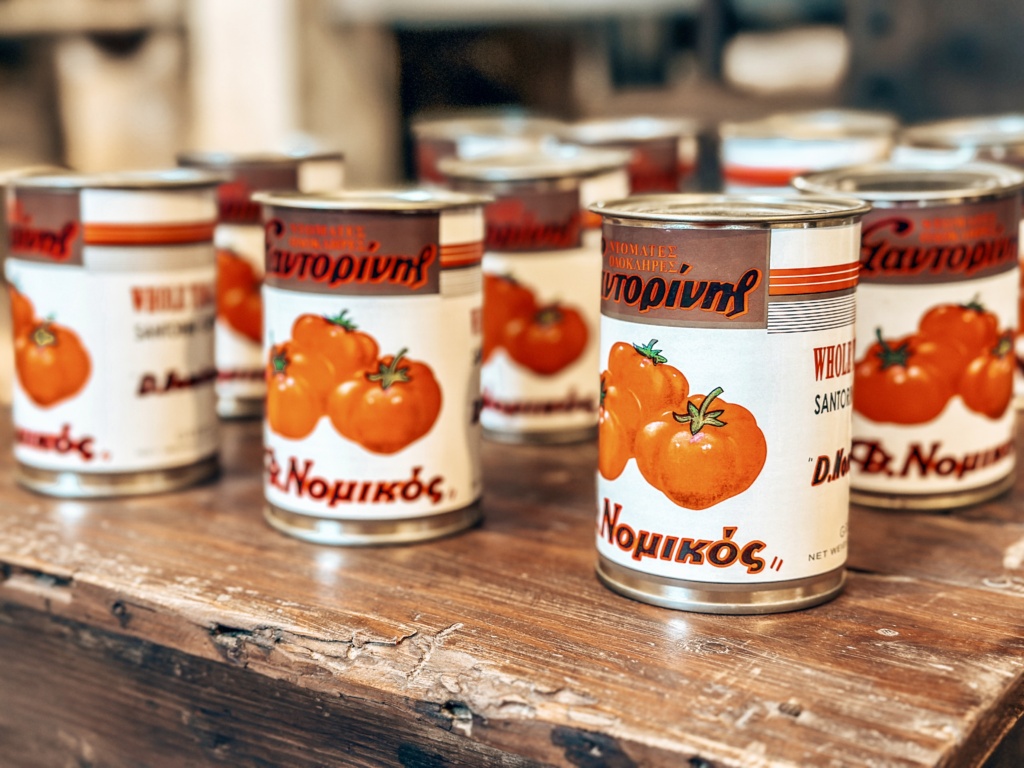
Inside, the museum follows the entire journey of the tomato—from cultivation and harvest to washing, processing, cooking, canning and shipping. Original equipment, some of it dating to the late 19th century, sits alongside tools, handwritten factory records, packaging and vintage labels.
What makes the experience truly come alive, however, is the multimedia storytelling.
Former factory workers appear through recorded interviews, sharing their memories of the harvest and daily life inside the plant. Their voices turn what could have been a static display of old machinery into an intimate portrait of another Santorini.
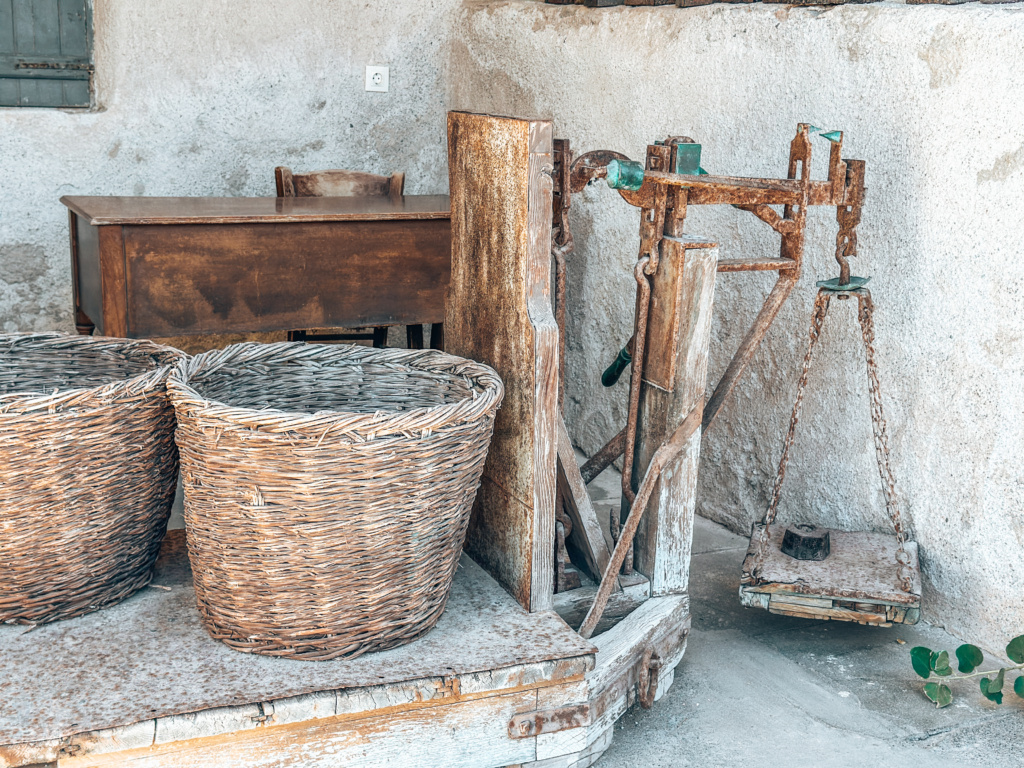
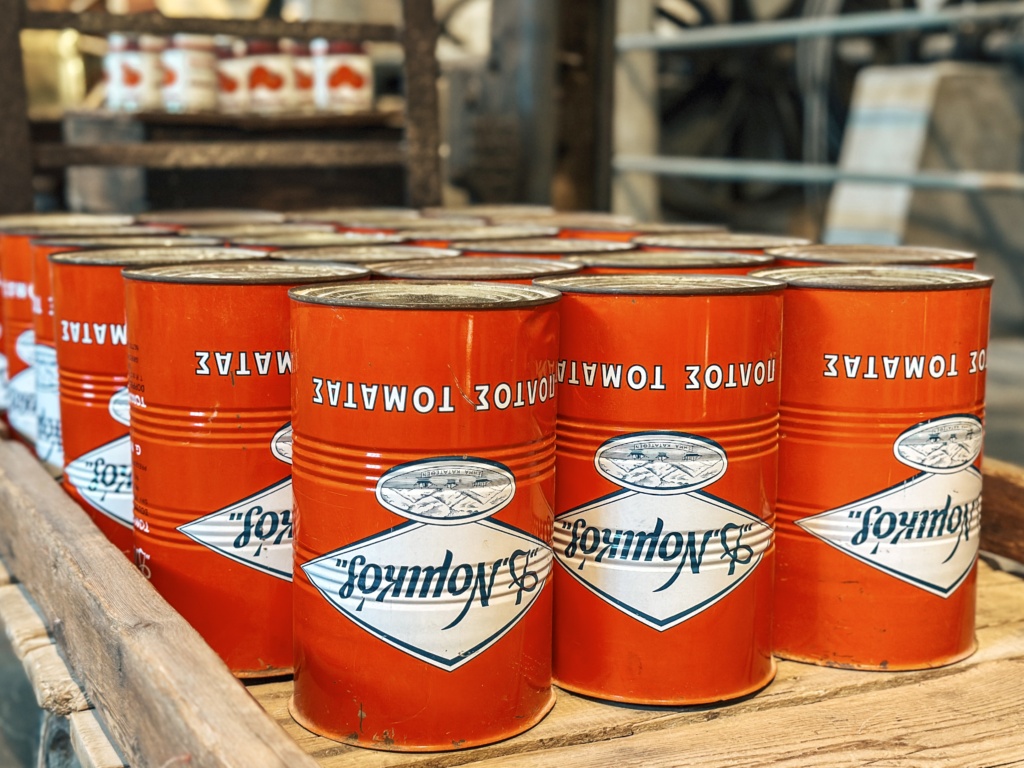
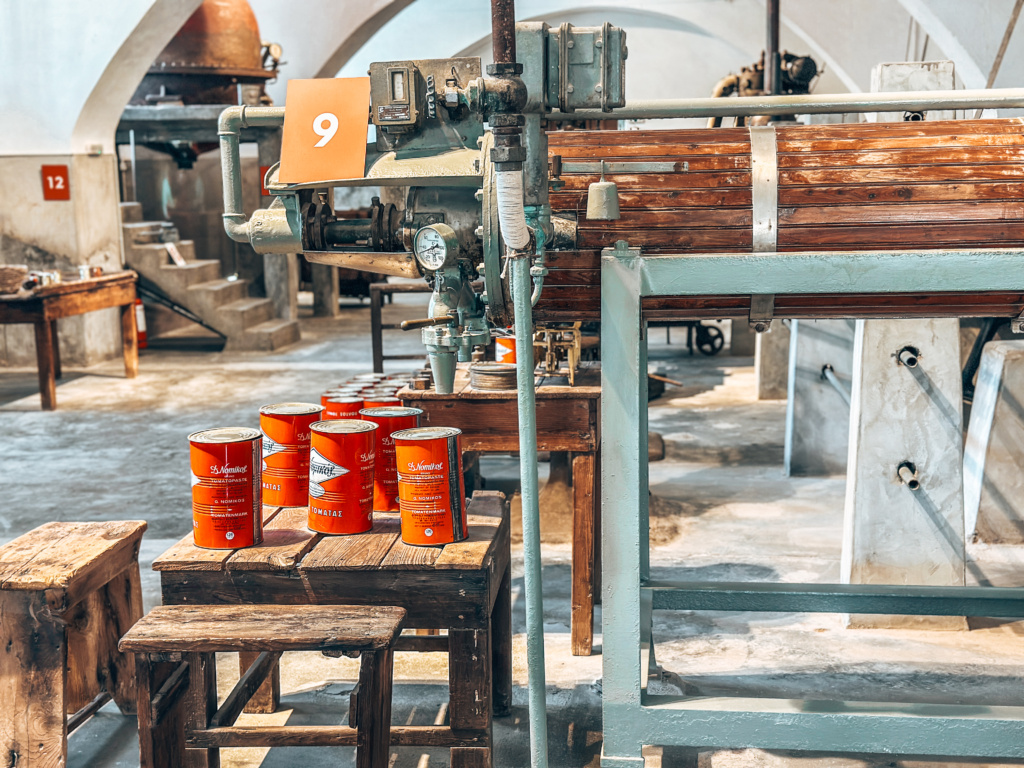
You begin to understand that the factory was not simply a production facility. It was a source of employment, pride, identity and community.
Modern audiovisual displays, augmented-reality features and other interactive elements help visitors visualize the factory during its working years. You can see how tomatoes moved through the production line and imagine the heat, noise and coordinated human effort required to keep it running.
It is a fantastic use of technology. Not as a distraction, but as a way of returning life to an industrial space that might otherwise feel frozen in time.
Seal Your Own Tomato Can
The museum is refreshingly hands-on. Visitors can try traditional canning exercises and use one of the old sealing machines to close their own souvenir can. It is a small activity, but it gives you a surprisingly tactile connection to the factory’s past.
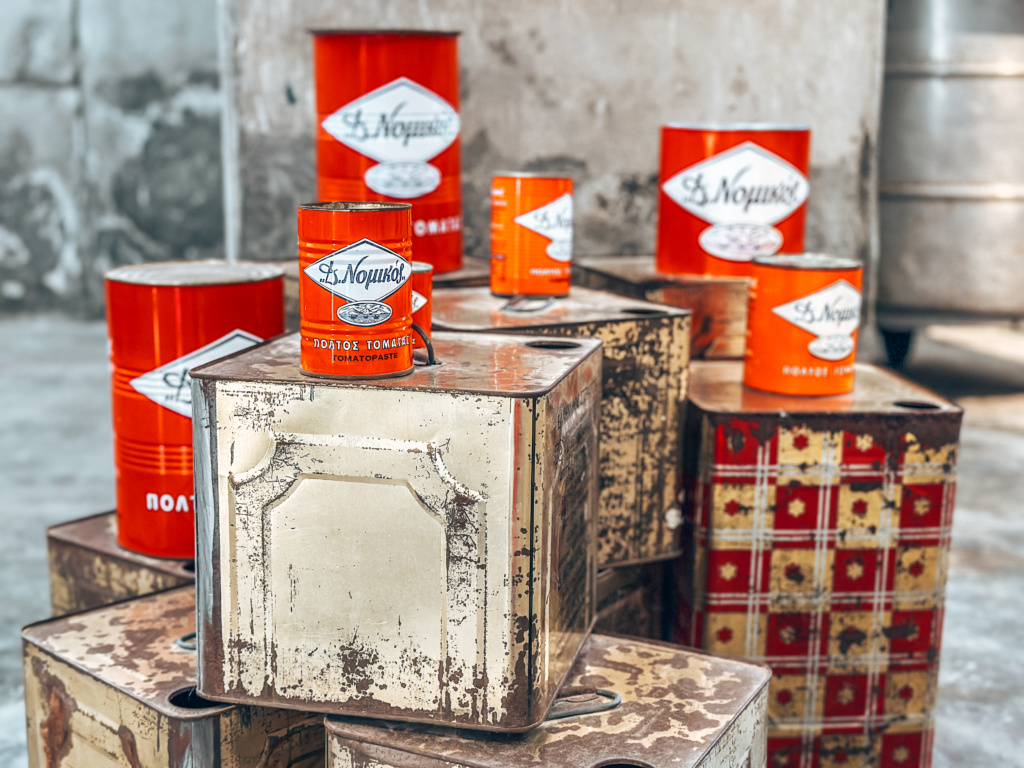
Suddenly, the metal cans stacked throughout the exhibition are not merely historical packaging. You understand how each one was handled, sealed and prepared before leaving this remote island for kitchens elsewhere.
This interactive approach also makes the museum an excellent stop for families. There is enough substance for adults interested in food history, agriculture or industrial heritage, while the machines and practical activities keep younger visitors engaged.
Santorini Beneath the Postcard
Another fascinating part of my visit was a section devoted to Santorini’s industrial and mining history, particularly the extraction of “Theran earth.”
Theran earth is a fine volcanic material that was once quarried extensively for use in construction, especially in hydraulic cement. Mining and shipping it became another important part of Santorini’s economy.

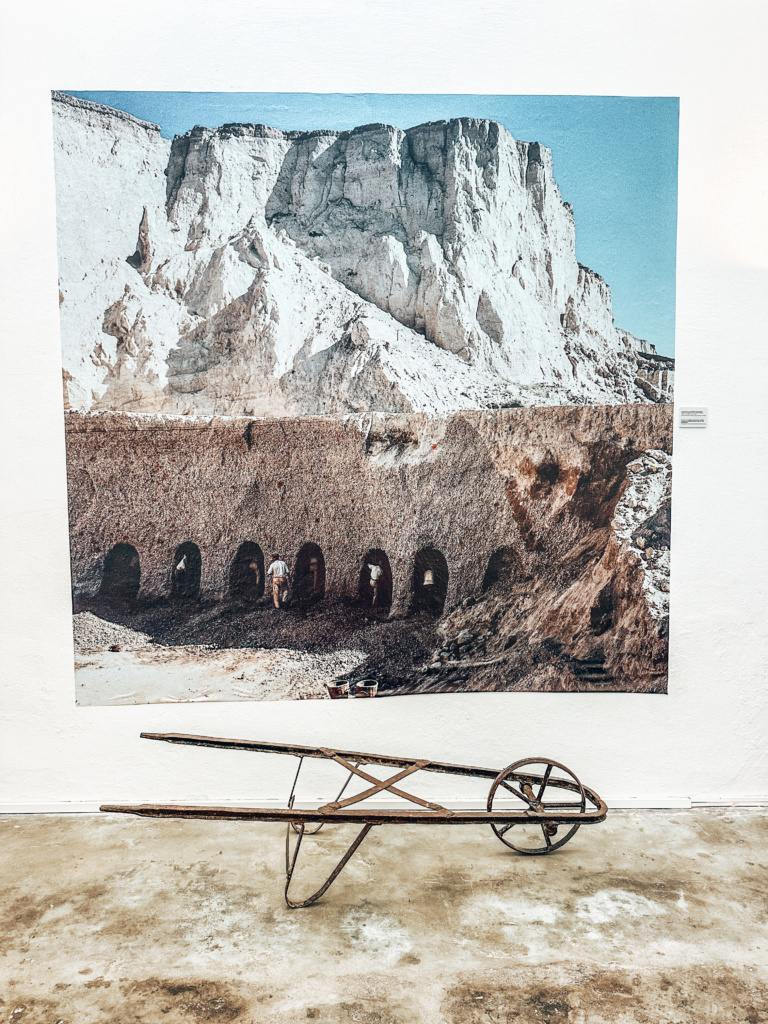
They left physical marks on the island that are still visible today.
The exhibit explains how quarrying altered portions of Santorini’s landscape and contributed to localized slope failures and landslides, helping shape some of the unusually sharp profiles seen around the caldera.
The caldera’s overall cliffs are, of course, fundamentally volcanic—created through enormous eruptions, collapse and natural landslips over thousands of years—but human extraction also reshaped particular sections of that already unstable terrain.
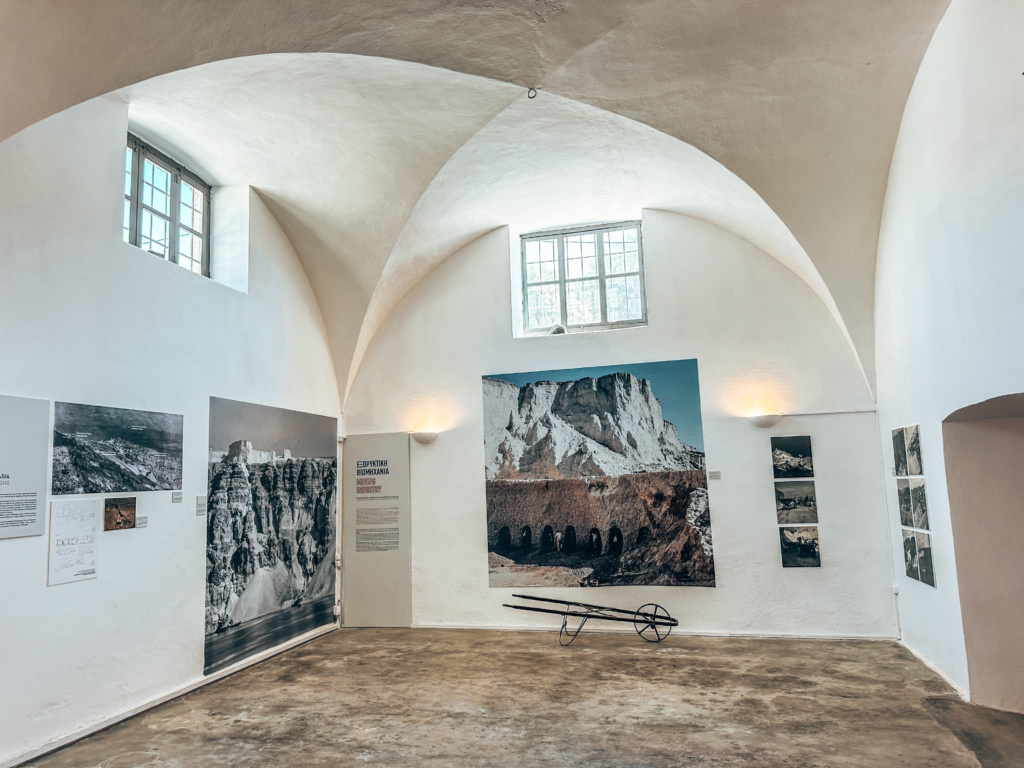
It was a revelation. We tend to experience Santorini’s cliffs as pure natural spectacle, rarely considering the workers who dug into them or the industries that transformed them.
The exhibition adds an important layer to the island’s story: Santorini was not always simply admired. It was farmed, quarried, processed and worked.
A Tomato Tasting—and the Marmalade I’m Still Thinking About
Naturally, the tour ends with a tasting. Shout out to Kostas for making ours truly memorable.
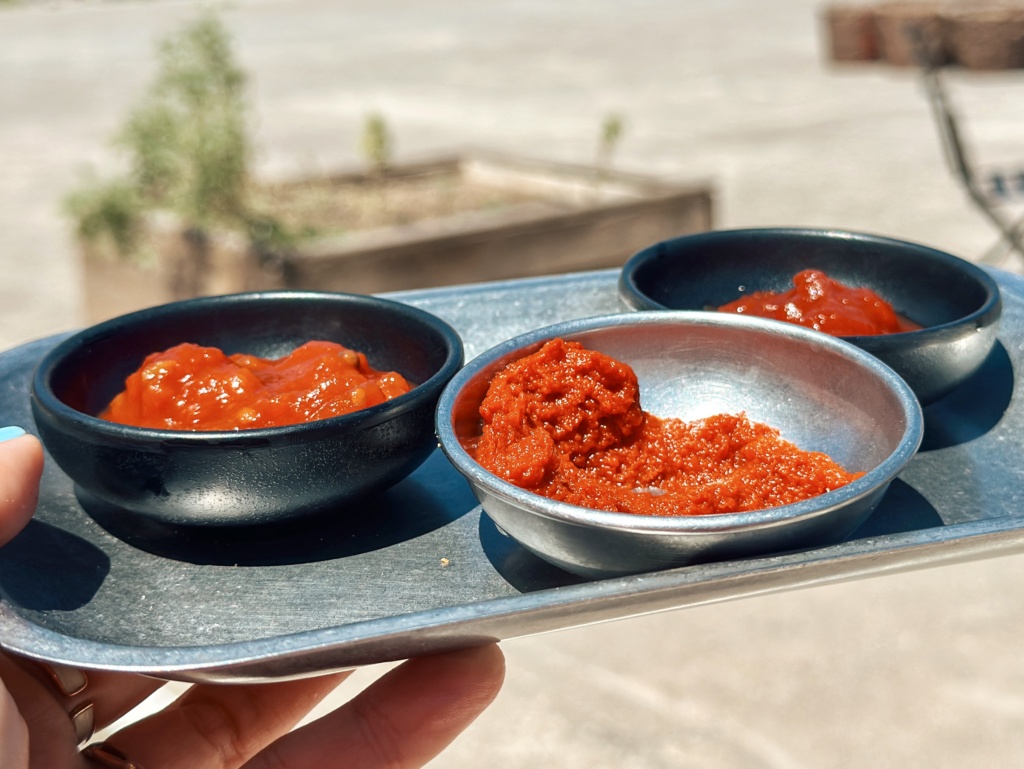
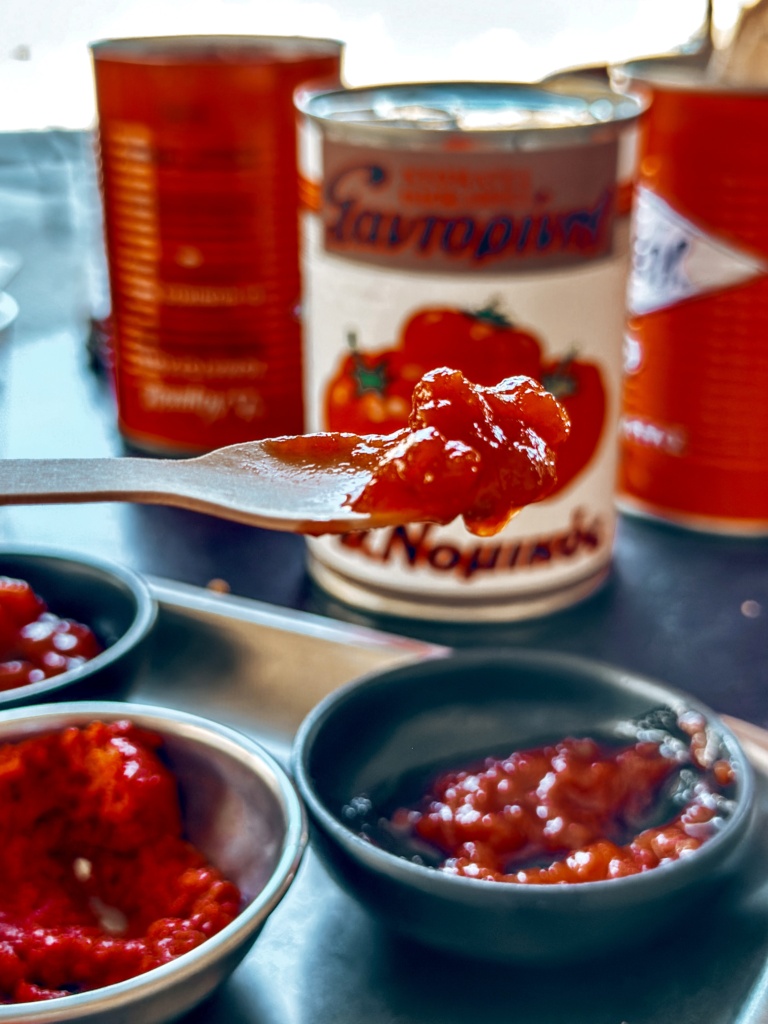
We sampled several expressions of the Santorini tomato, including concentrated paste, chopped tomatoes, chutney and tomato marmalade. Tasting them side by side revealed just how versatile this little fruit can be.
You might also like: Best Restaurants in Alicante, Spain: Eat Like a Local at These 37 Spots
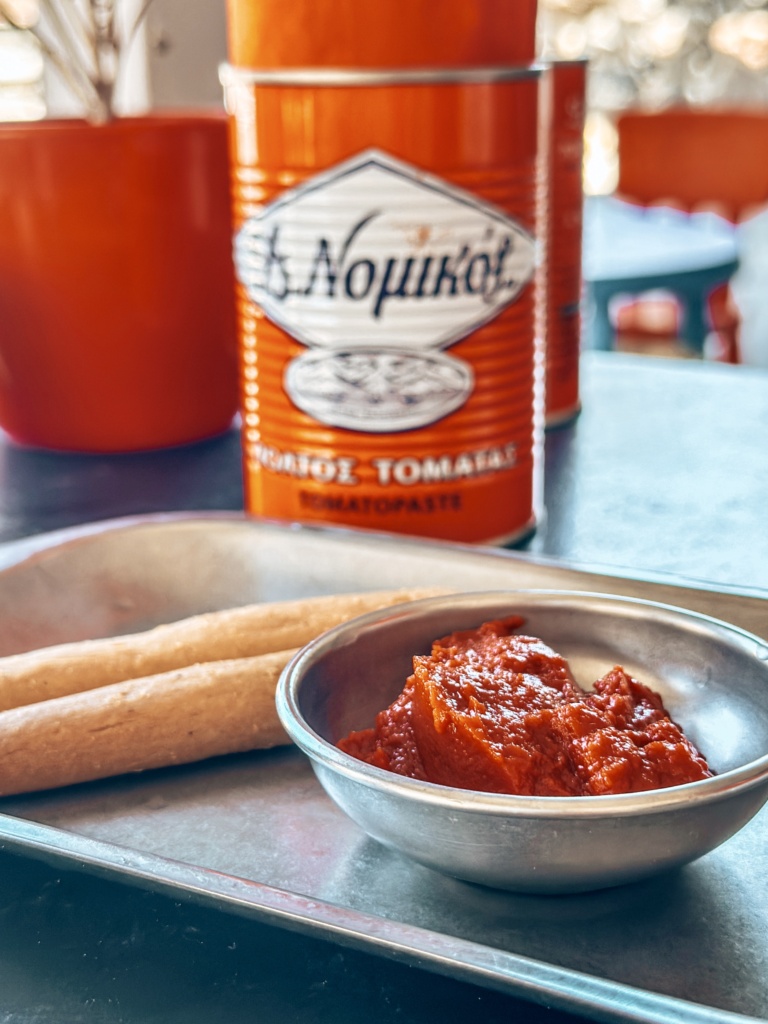
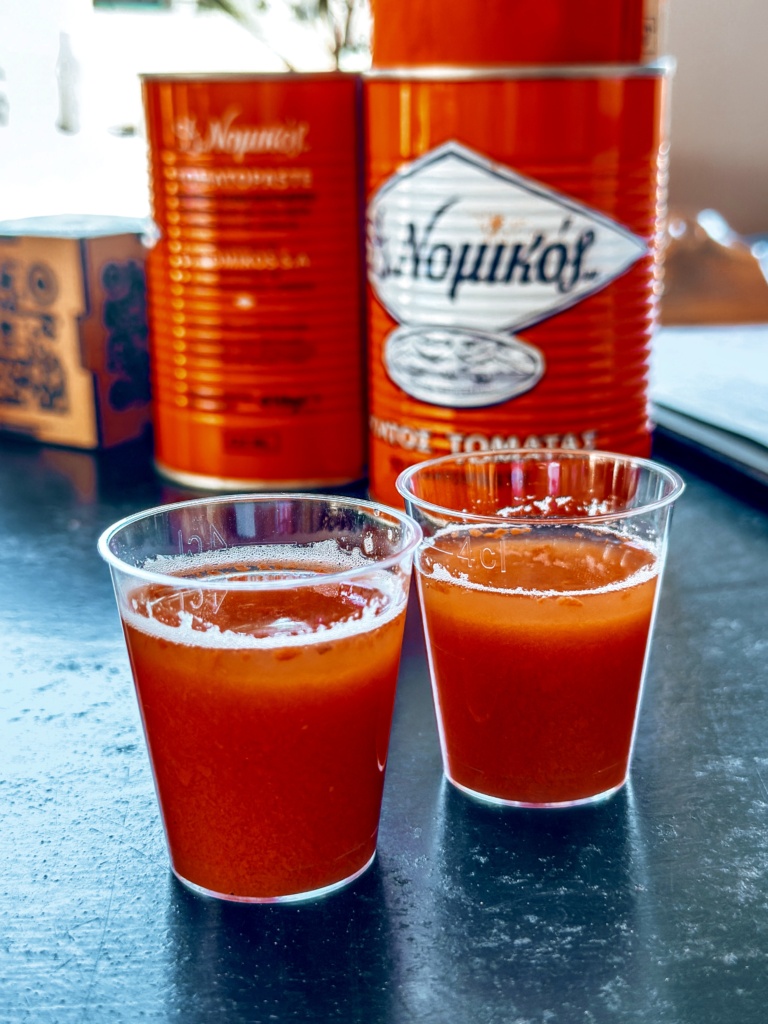
The paste was deep, rich and intensely savory. The chopped tomatoes captured the fruit’s natural acidity and sweetness. The chutney, meanhwile, brought it into a spiced, more contemporary direction.
My favorite, however, was the tomato marmalade. Sweet, tangy and surprisingly elegant, it tastes nothing like the sugary novelty the name might suggest.
Paired with salty feta, as we were assured, it becomes something extraordinary—the sweetness and acidity of the tomato cutting through the creamy, briny cheese. It is the kind of simple combination that makes you wonder why you have not been eating it your entire life.
Exit Through The Gift Shop (Trust Me!)
The tasting may technically mark the end of the museum tour, but tomato lovers should allow plenty of extra time—and luggage space—for the phenomenal gift shop.
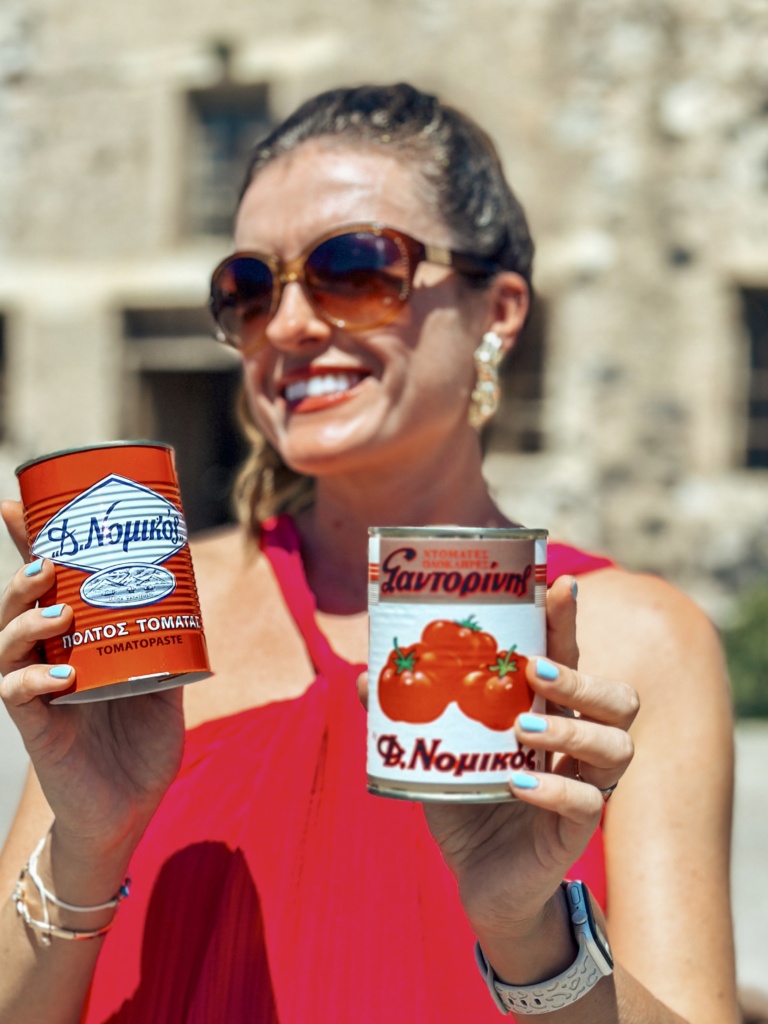
This is not your average museum store with a few postcards and branded magnets. It is a joyful, beautifully curated shrine to the tomato, and quite possibly my favorite museum gift shop ever.

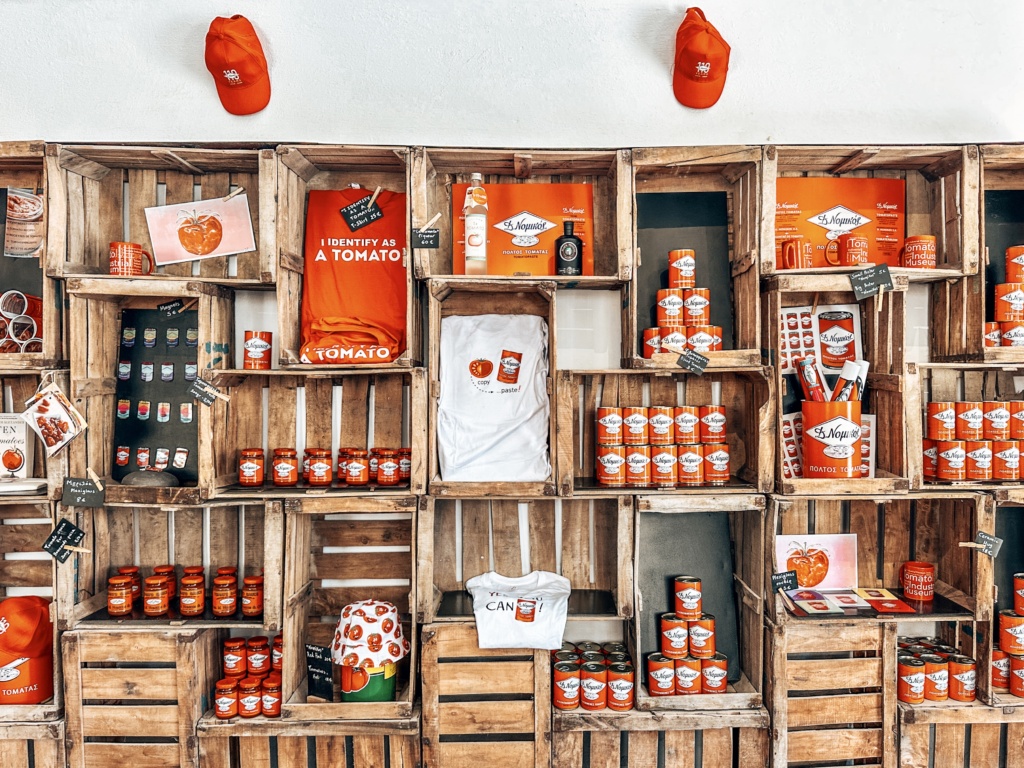
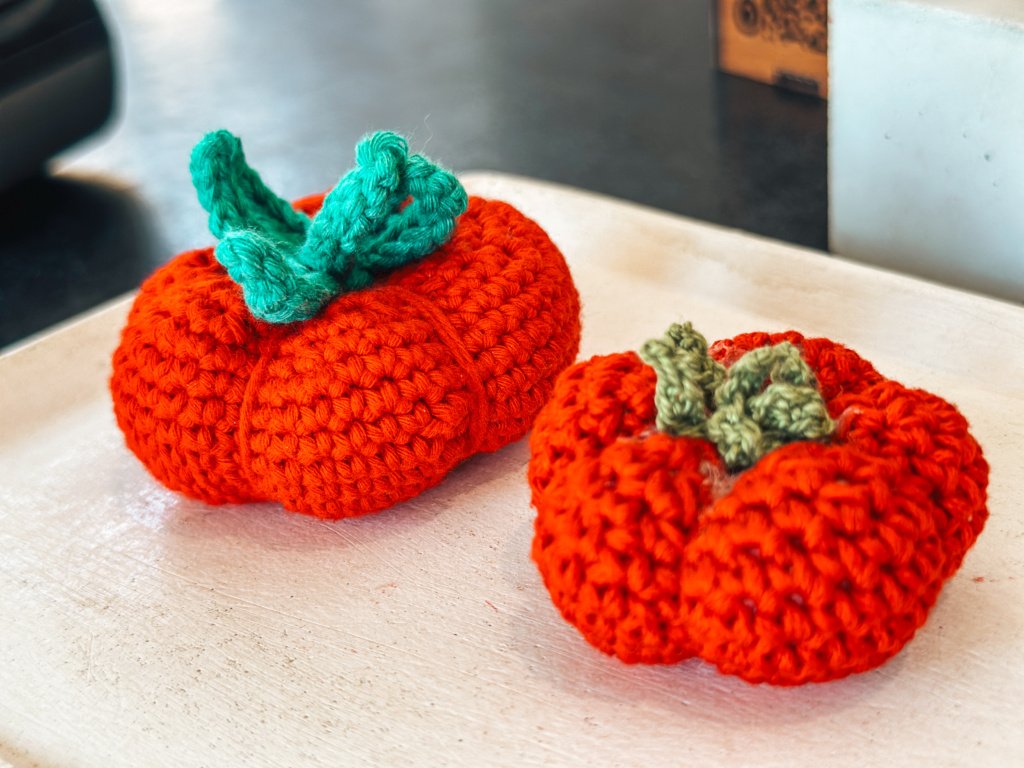
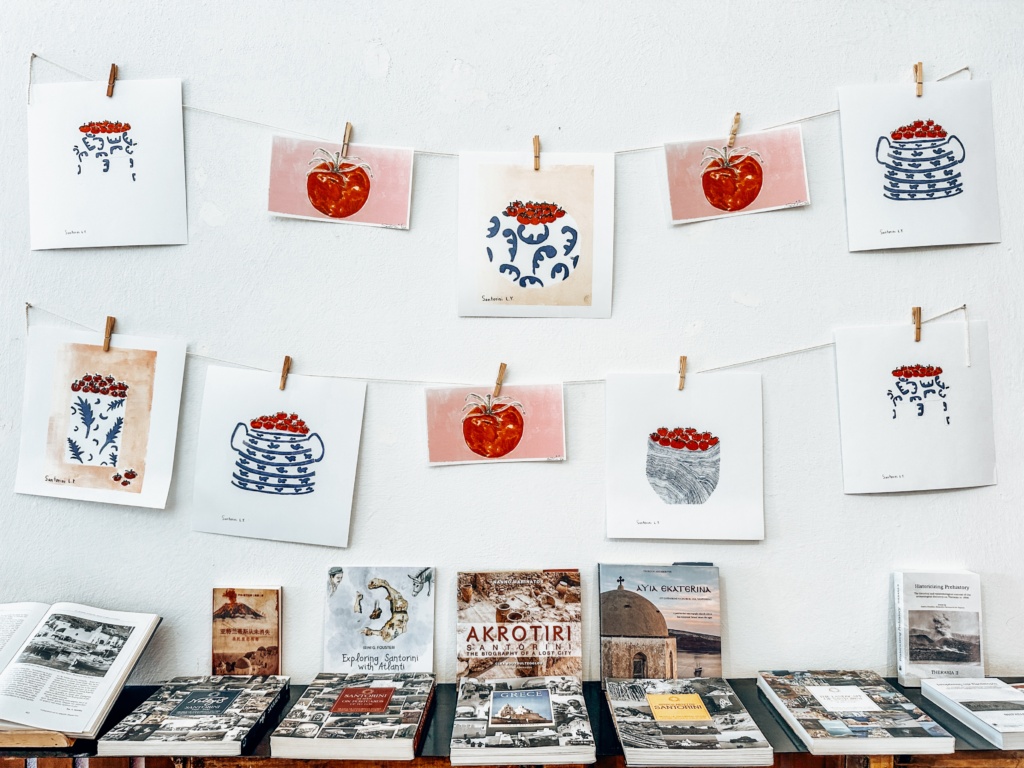
The shelves are packed with wonderfully eccentric finds: knitted tomatoes, tomato candles, posters, artwork, illustrated books and children’s books celebrating the world’s favorite red fruit.
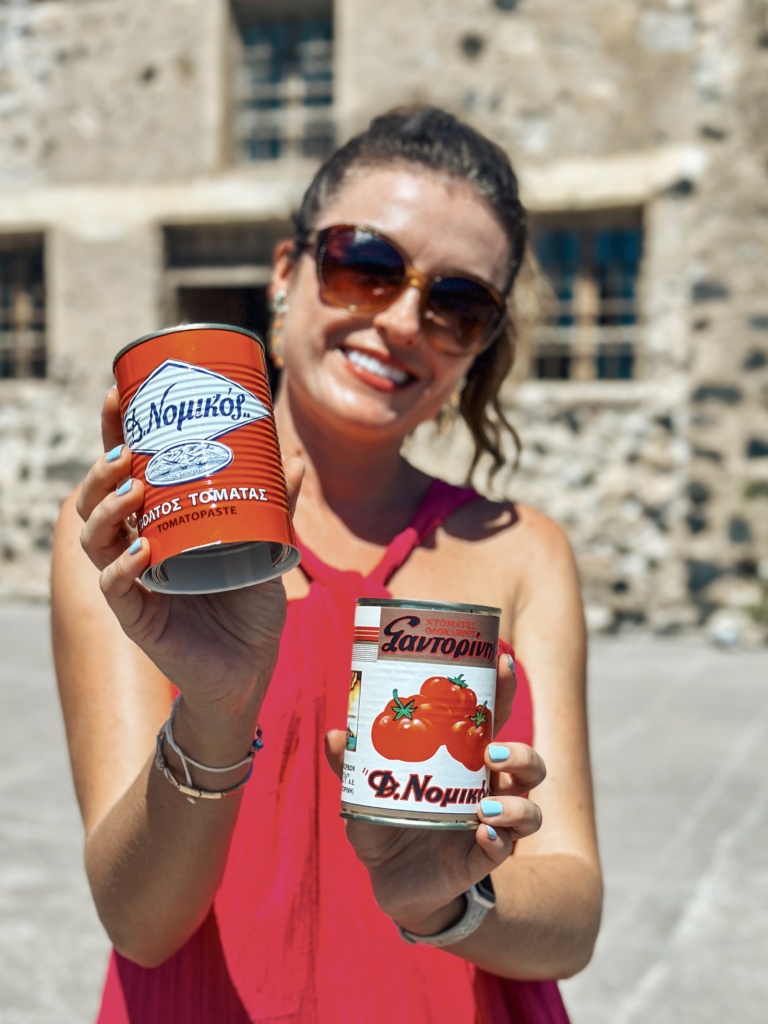
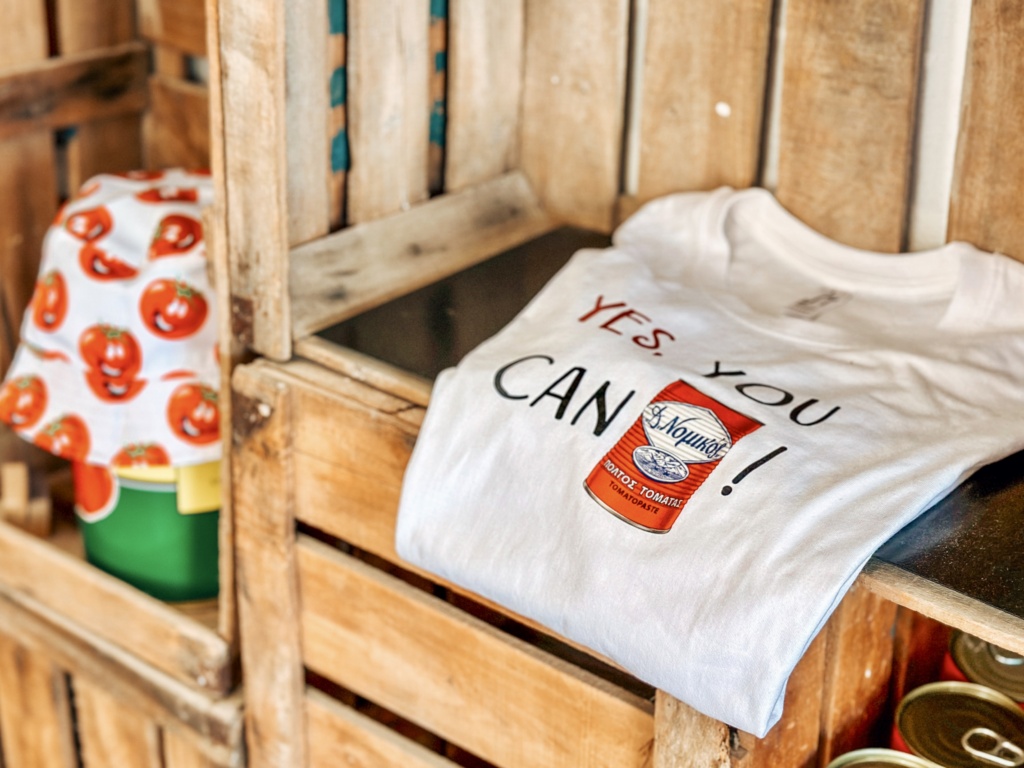
You can fully commit to the theme with a tomato T-shirt or tomato bucket hat, then stock your pantry with Santorini tomato paste, tomato-based hot sauces, chutneys, marmalades and other condiments.
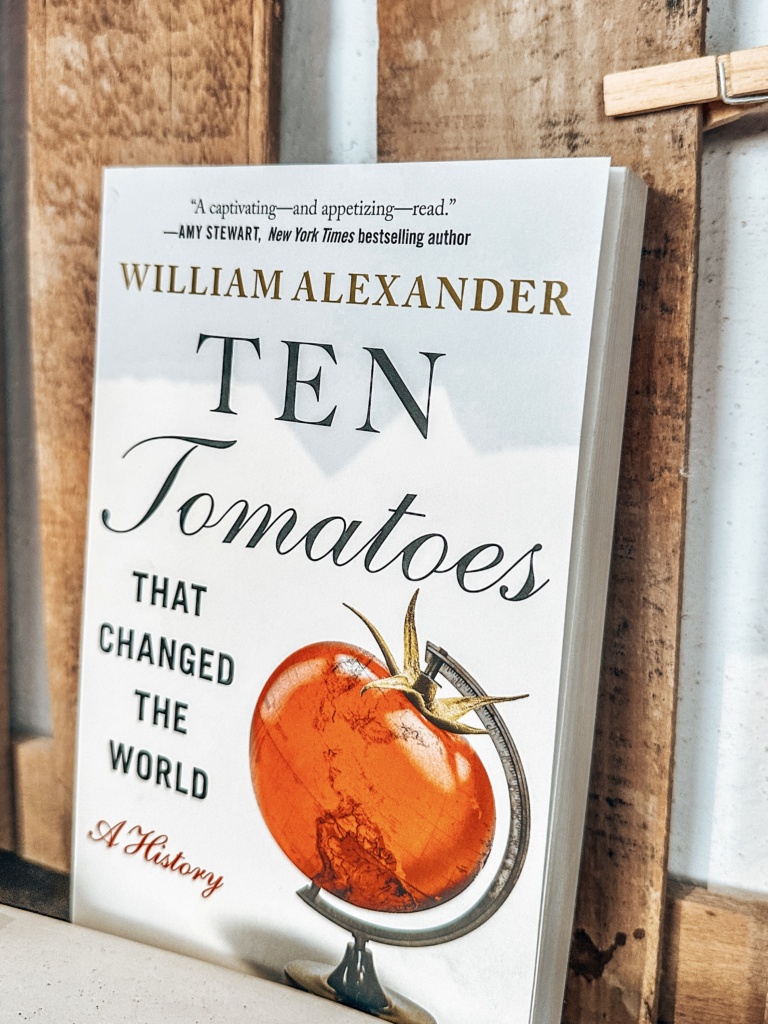
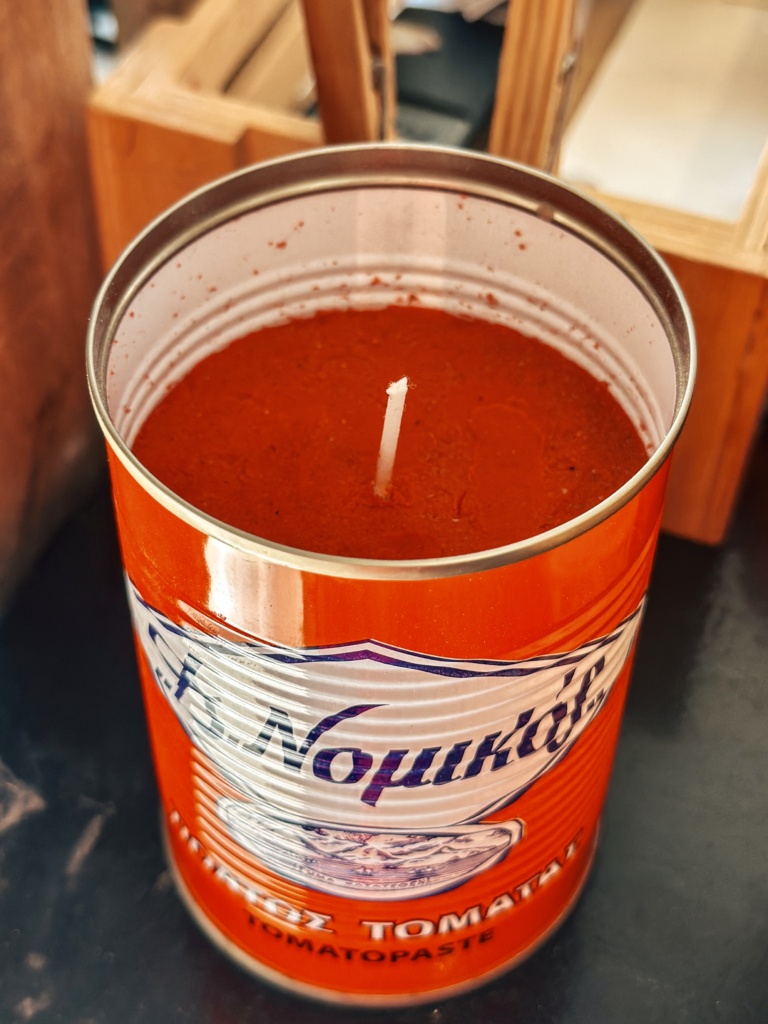
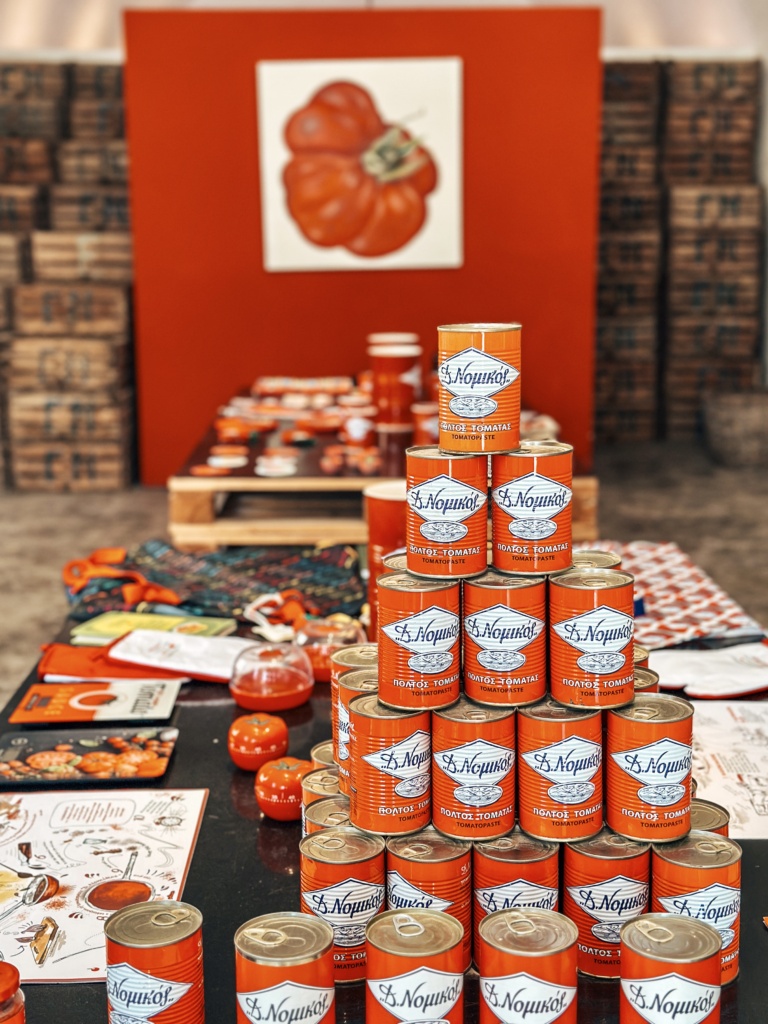
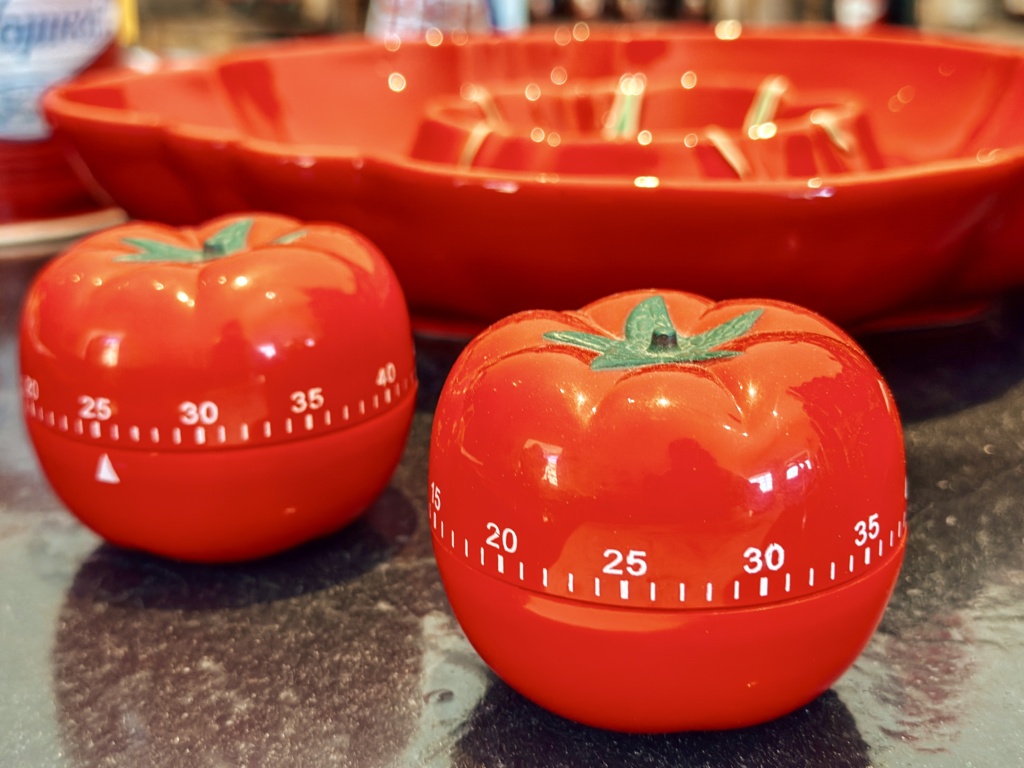
And for the productivity and habit-tracking enthusiasts back home, there is—of course—a Pomodoro timer.
The famous time-management method may not have anything to do with Santorini’s tomato industry, but it was named after a tomato-shaped kitchen timer, making it perhaps the most delightfully nerdy souvenir in the entire shop.
The collection manages to feel playful, stylish and genuinely connected to the museum rather than touristy or generic. I wanted nearly everything, from the local preserves to the knitted tomatoes. Tomato freaks: do not miss it.
The People Behind the Santorini Tomato Museum
As memorable as the displays and tastings were, the staff made the experience especially meaningful.
Everyone we met was kind, knowledgeable and visibly passionate about preserving this part of Santorini’s history. Their enthusiasm never felt rehearsed. They seemed genuinely excited to share the story of the factory, the families who worked there and the tomato that once helped sustain the island.
You might also like: What I Eat at Home as a (Mostly) Plant-Based Food Travel Blogger
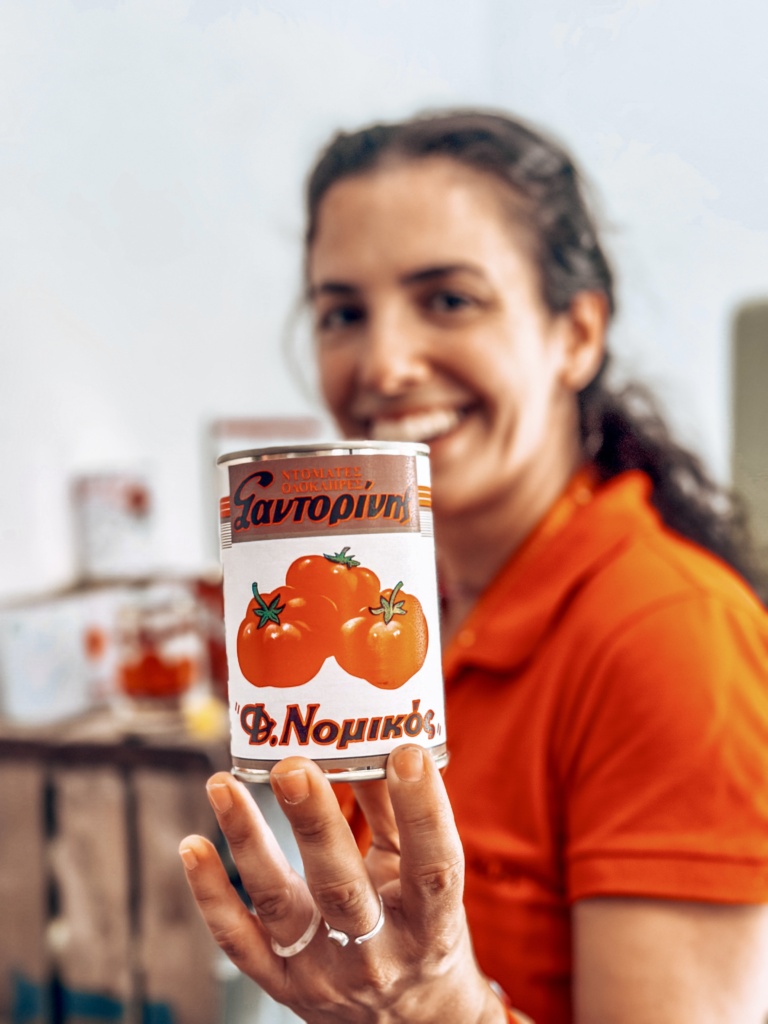
That warmth matters. Santorini can sometimes feel overwhelmed by tourism, especially in its most visited villages. At the museum, the experience felt personal and grounded.
More like being welcomed into a piece of living local history than being processed through another attraction.
You might also like: Flavorful France: 12 Best Foods To Try In The French Riviera
Trade Oia for Vlychada—At Least for an Afternoon
Oia is undeniably beautiful. Its views are iconic for a reason. But it is also crowded, expensive and increasingly curated around the version of Santorini that performs best on social media.
The Tomato Industrial Museum offers a welcome counterpoint. Down south in Vlychada, you encounter a Santorini built not around luxury tourism but around agriculture, ingenuity and labor.
You learn how people cultivated food without irrigation, powered factories before electricity reached this part of the island, manufactured their own cans and built an industry around one tiny, stubborn tomato.
Tomato: The Real Santorini
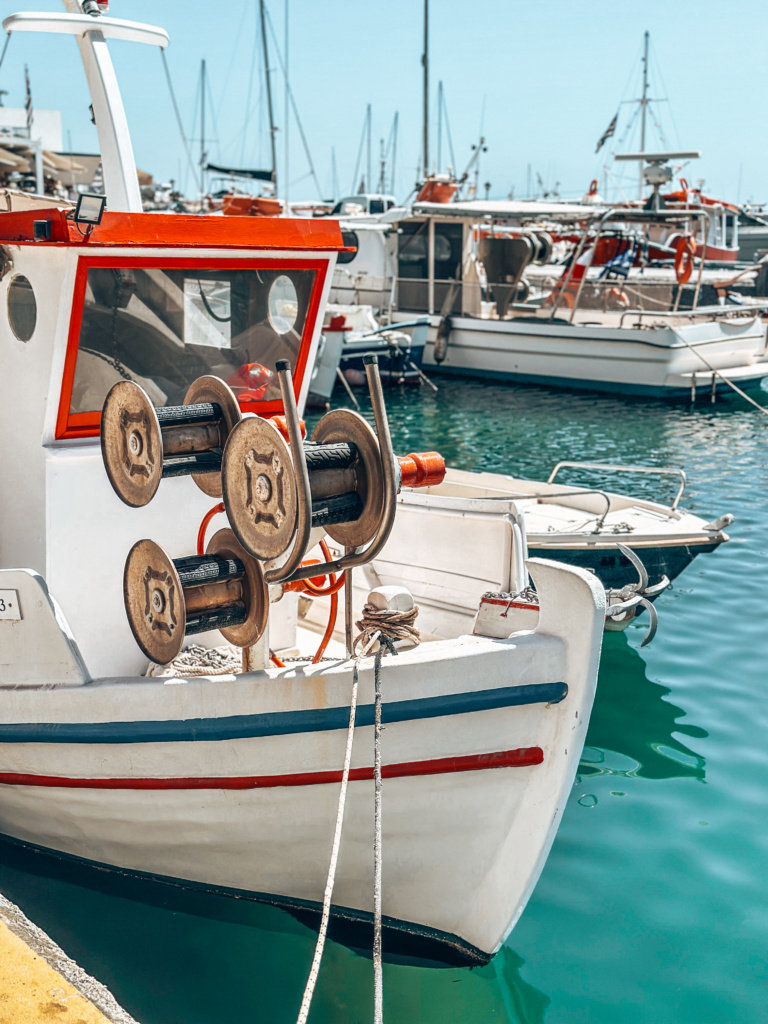
The setting alone makes the trip worthwhile. Combine the museum with Vlychada Beach, the marina and lunch at one of the nearby tavernas, and you have an entirely different kind of Santorini day.
So yes, take the caldera photos. Watch the sunset. Wander through Oia’s whitewashed lanes if you must. Then leave the crowds behind for a few hours and head south.
Santorini’s real story is not only written in blue domes and volcanic cliffs. It is also contained inside a can of tomato paste—and the old seaside factory that refuses to let the island forget it.
Have you been to the Santorini Tomato Museum? Let us know in the comments or tag @eightyflavors on socials!
OUR TRIED AND TESTED FOOD TRAVEL RESOURCES: Book a hotel with Booking.com. Search for the best flight deals on Skyscanner. Find the best local food tours on Viator. Browse curated conscious group trips with G Adventures. Get your travel insurance with World Nomads.
Disclaimer: this post contains affiliate links. We’ll receive a small commission if you purchase through the link provided, at no extra cost to you. Thank you for your support in running this blog!