Casa Sucre: How to Have the Perfect Breakfast in Panama City
Looking to learn more about traditional breakfast in Panama? Read on!
There are few better ways to begin a day in Panama City than with warm empanadas, tropical fruit and an exceptional cup of local coffee.
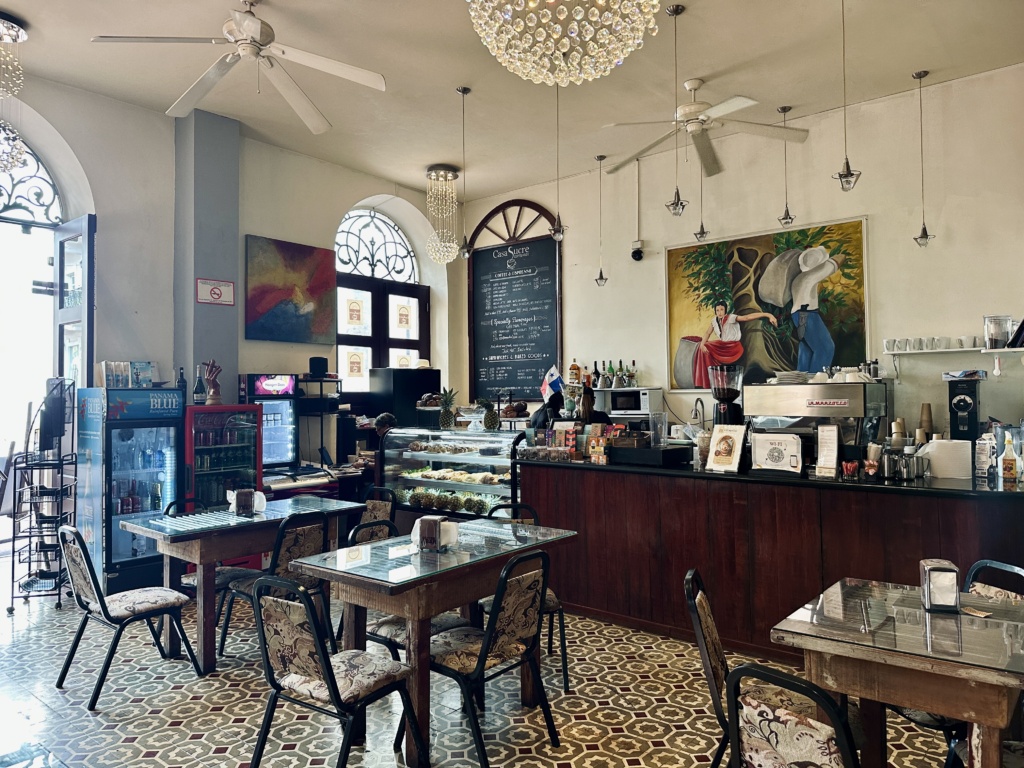
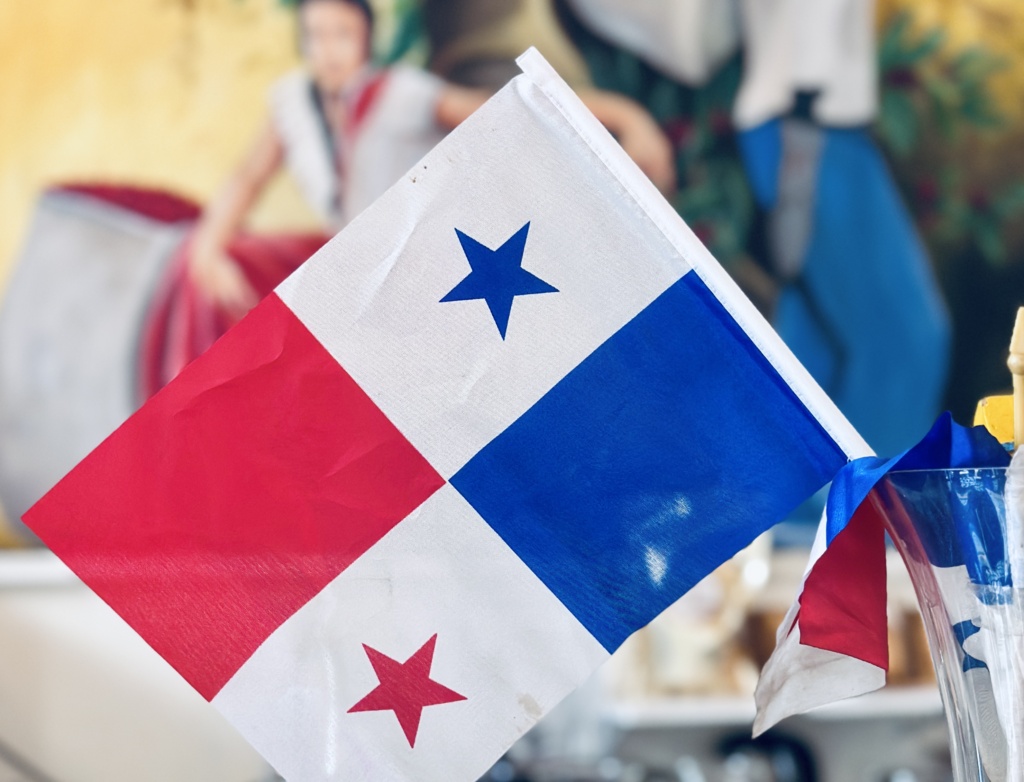
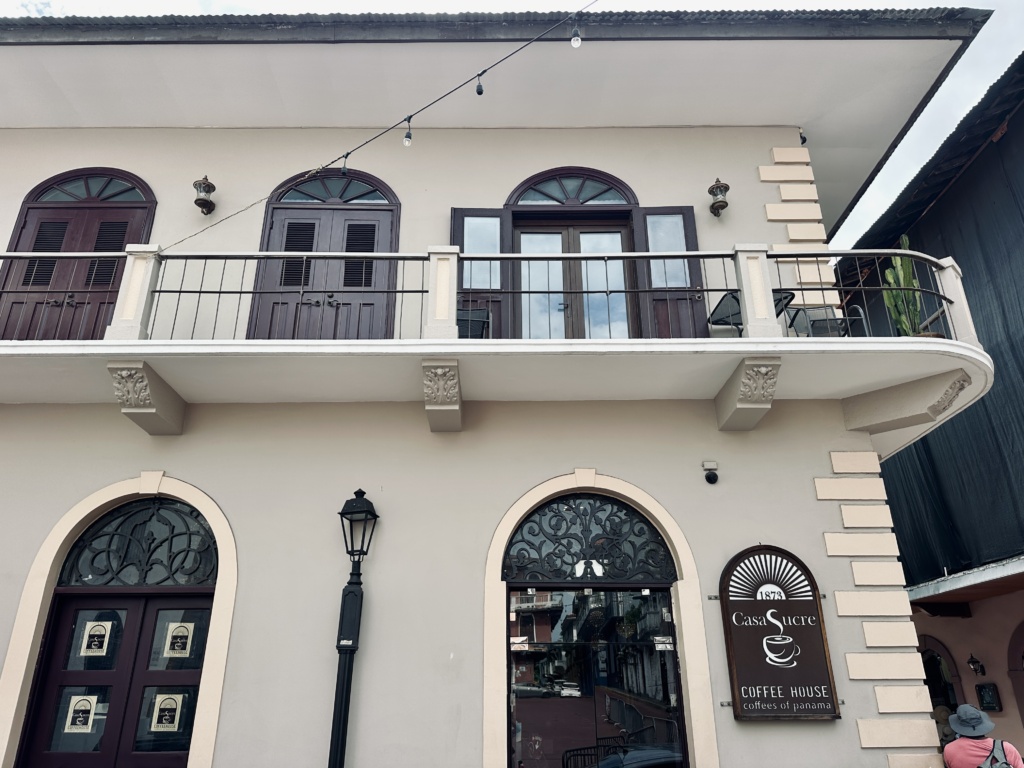
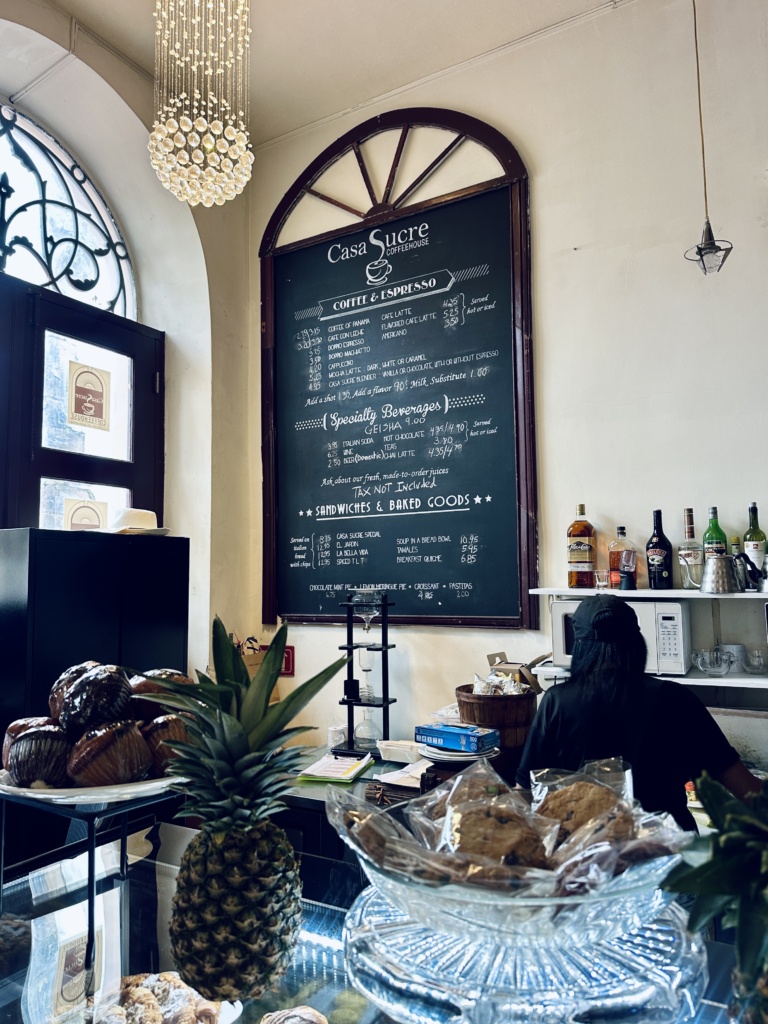
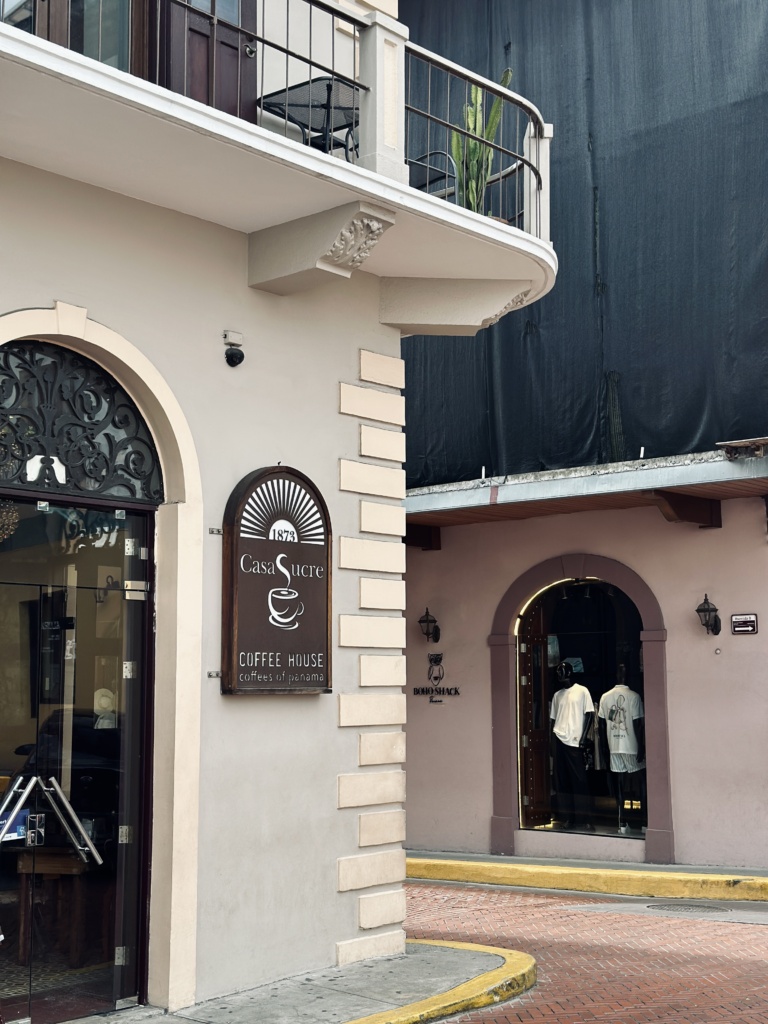
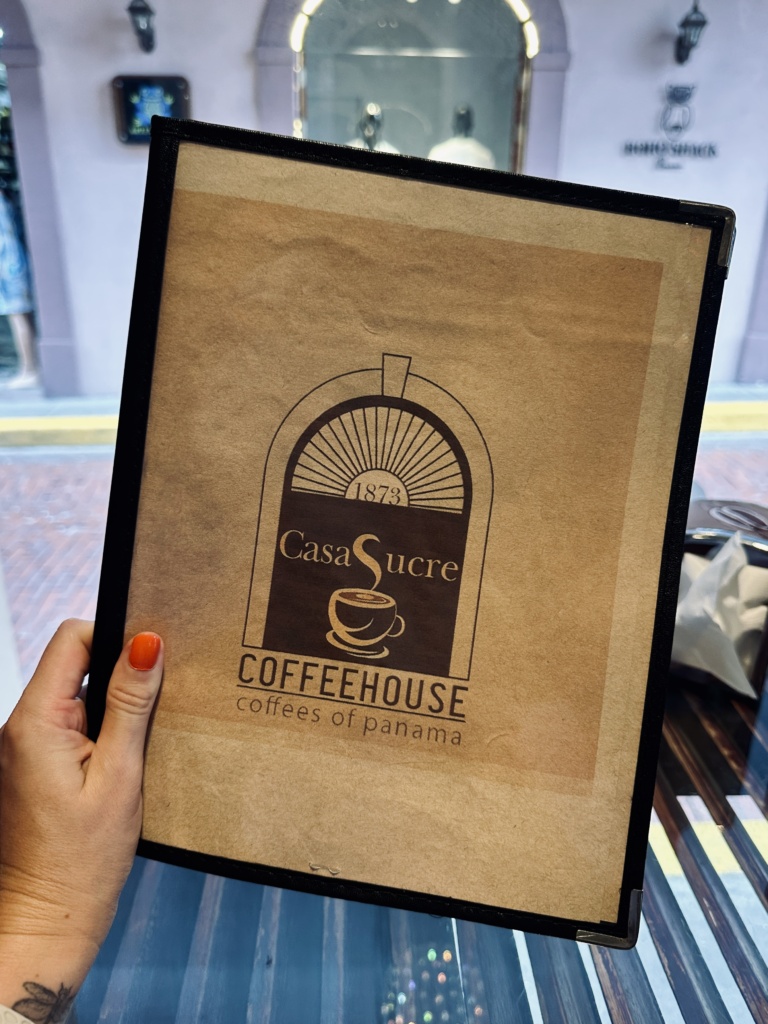
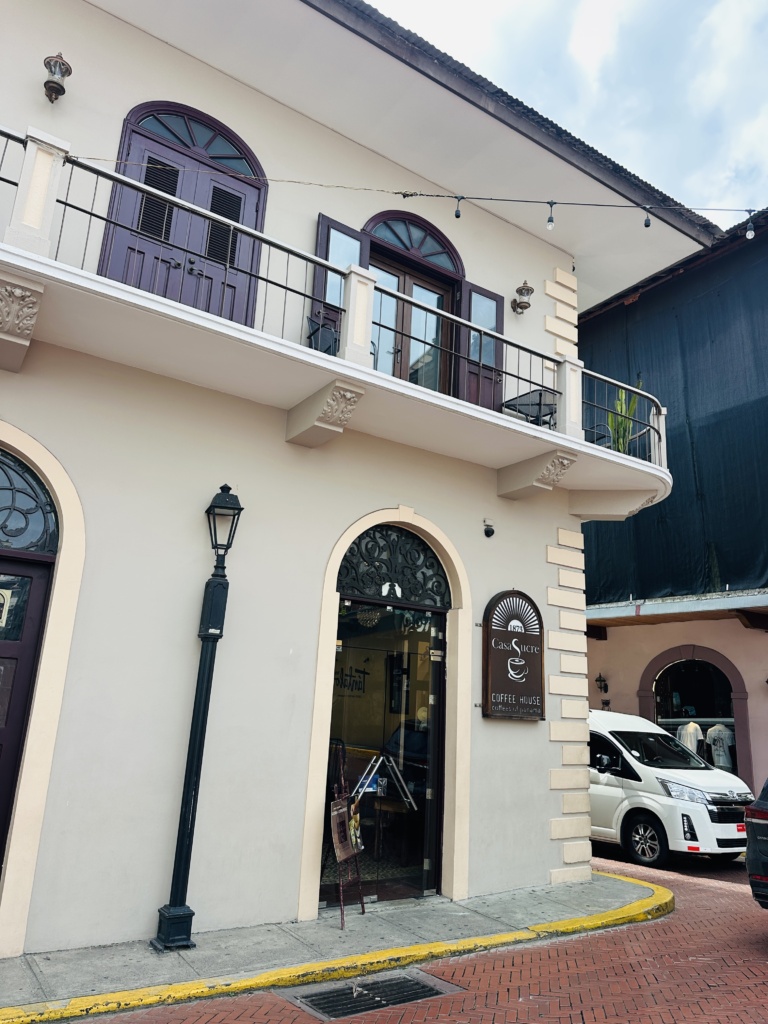
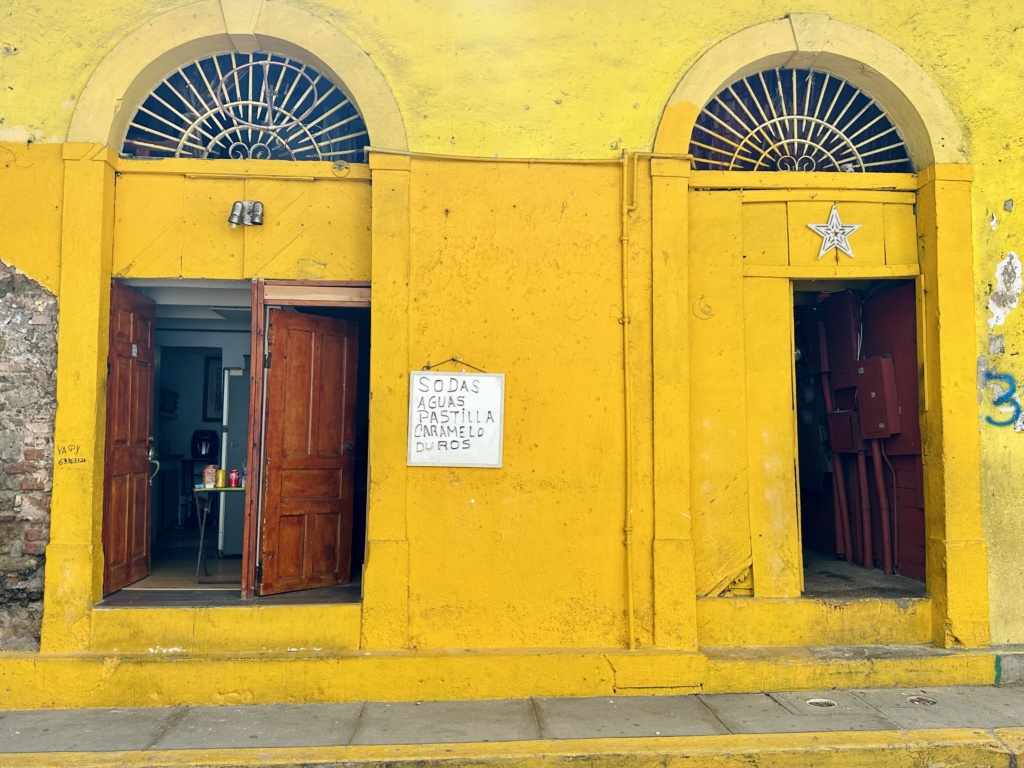
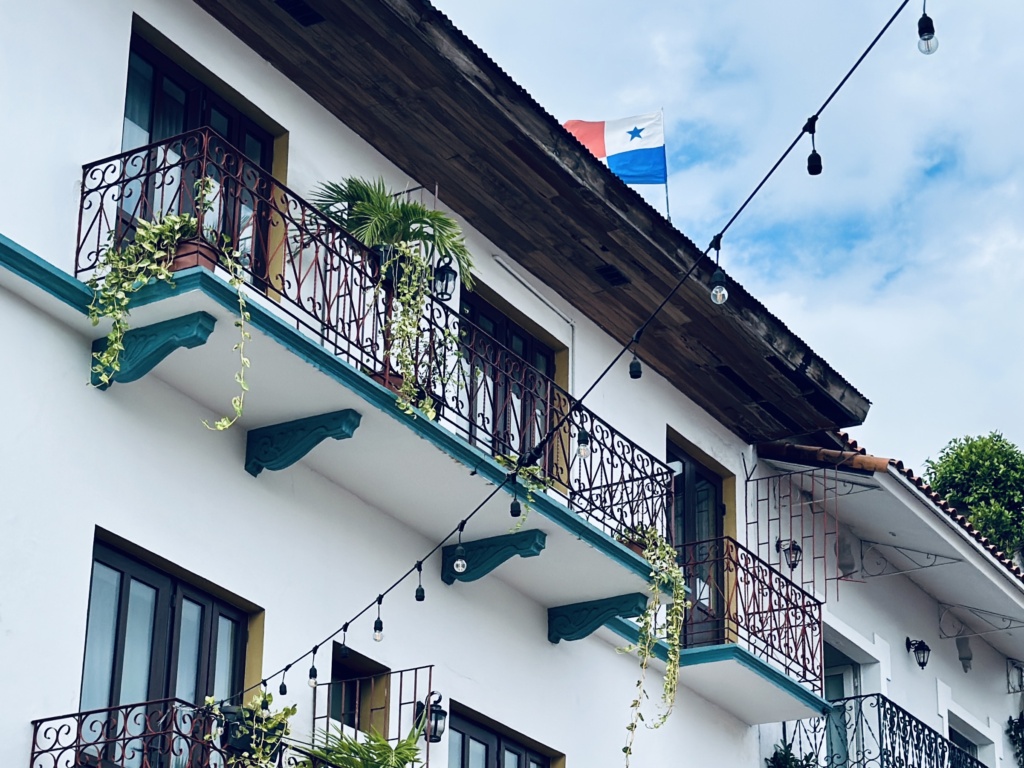
On our recent visit, we found all three at Casa Sucre Coffeehouse. This character-filled café sits among the colorful colonial buildings of Casco Viejo, Panama City’s historic center. It is the kind of place that makes you slow down, order another coffee and stay longer than planned.
You might also like: El Salvador Cuisine: 12 Must Try Salvadoran Foods and Drinks
Casa Sucre Coffeehouse: 150 Best
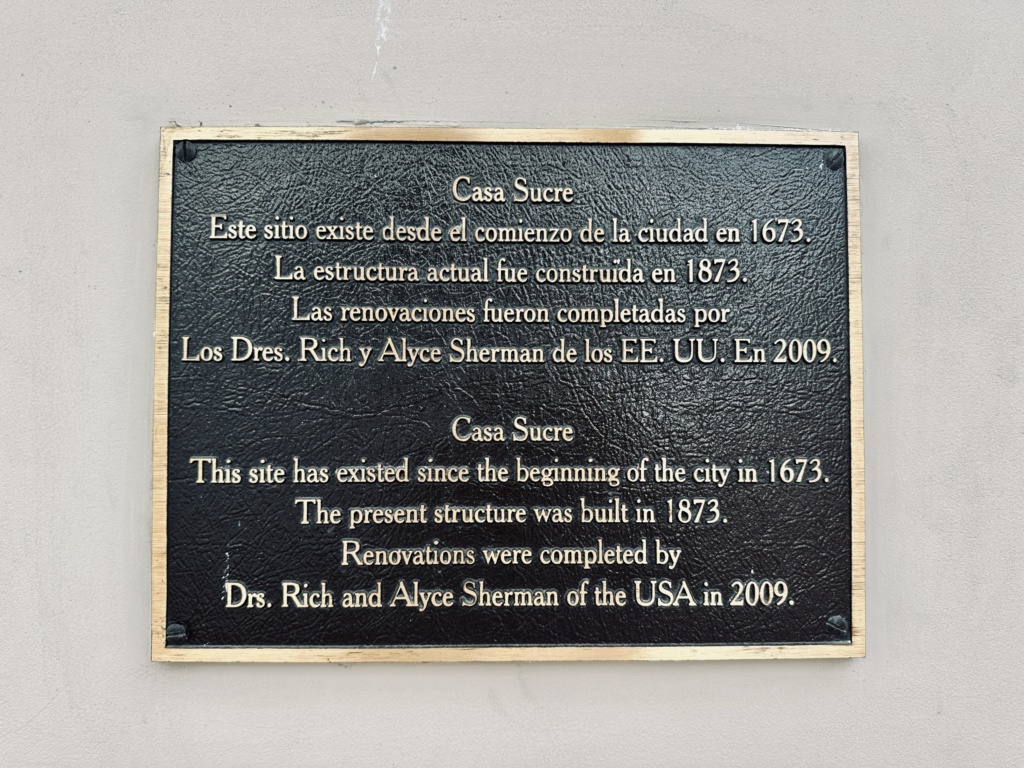
Casa Sucre is not simply another pretty café in Casco Viejo. Its story and traditions reach back more than a century, and you can feel that history in the building.
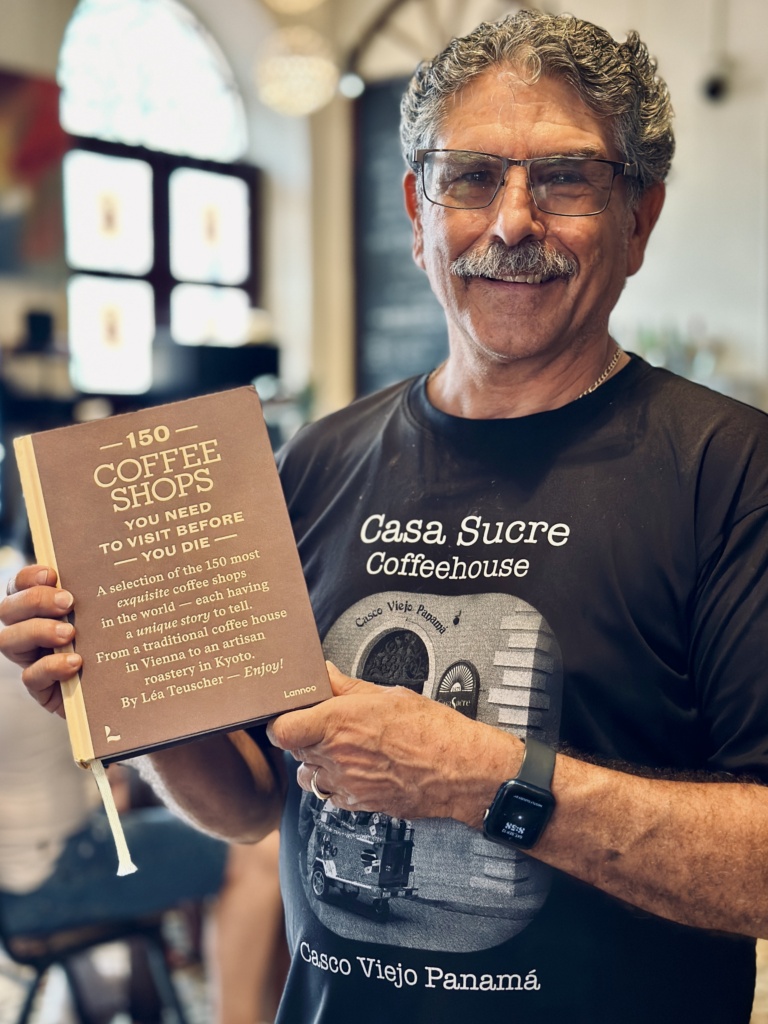
Today, the café is run by Rich and his wife, Alyce. The expat couple came to Panama from Monterey Park in Los Angeles. Their warm hospitality makes the experience feel less like visiting a famous coffee shop and more like having breakfast at someone’s home.
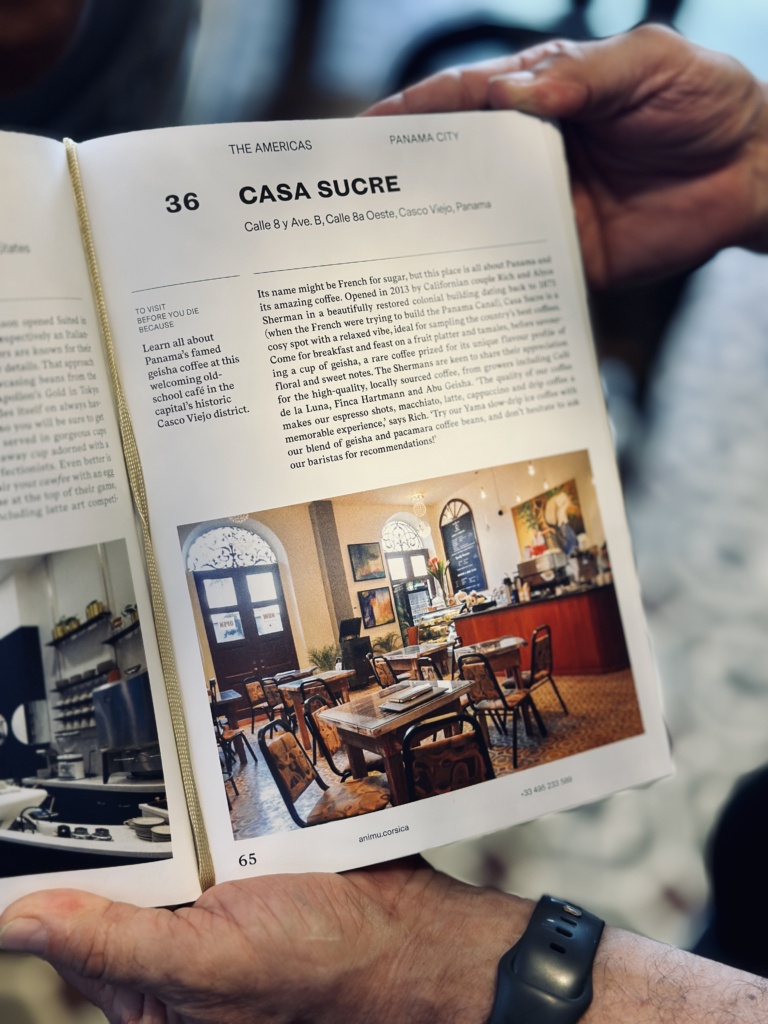
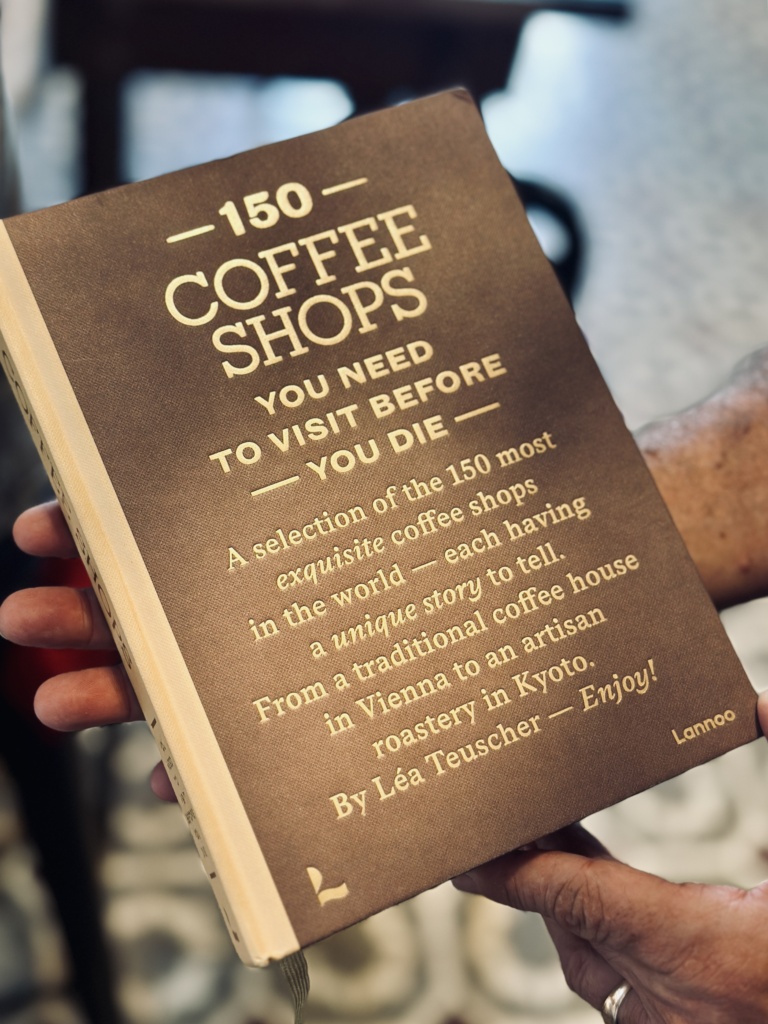
The world has taken notice, too. Casa Sucre was included in Léa Teuscher’s recently published book, 150 Coffee Shops You Need to Visit Before You Die.
The beautifully illustrated guide celebrates distinctive cafés across six continents. Casa Sucre is a worthy representative of Panama’s increasingly famous coffee culture.
You might also like: Exploring Belize’s National Dish: The Fry Jack
A Perfect Breakfast in Panama City
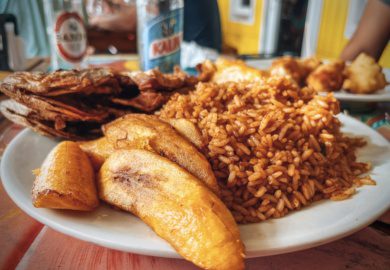
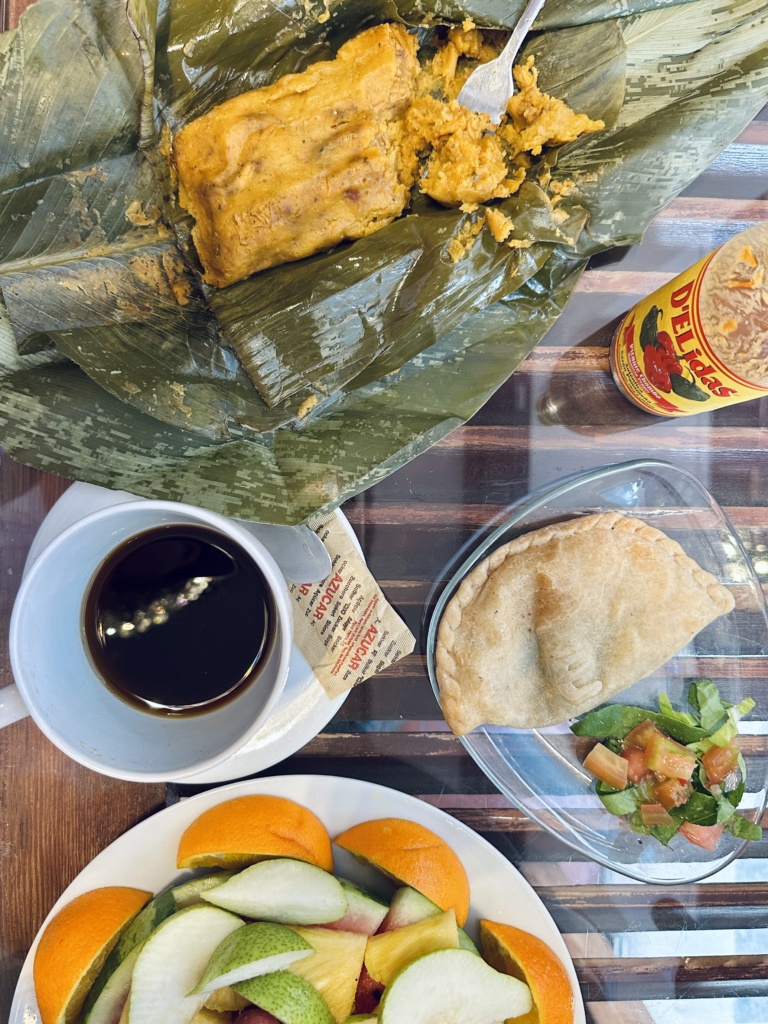
We came for a traditional Panama breakfast, and the food was every bit as memorable as the setting.
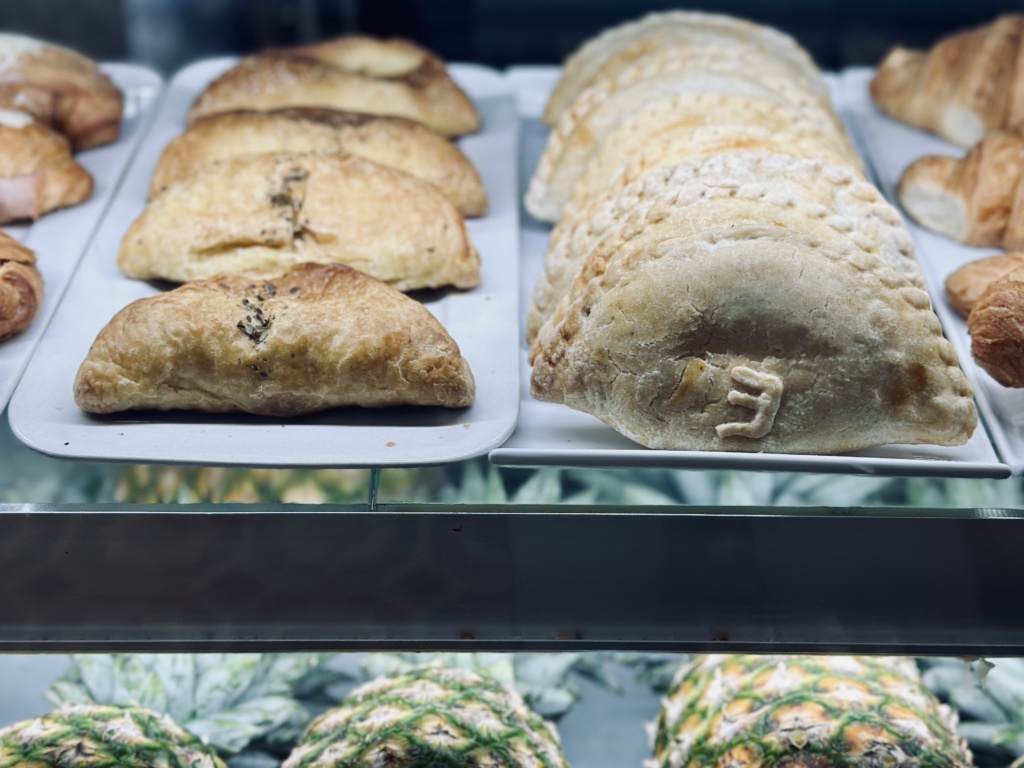
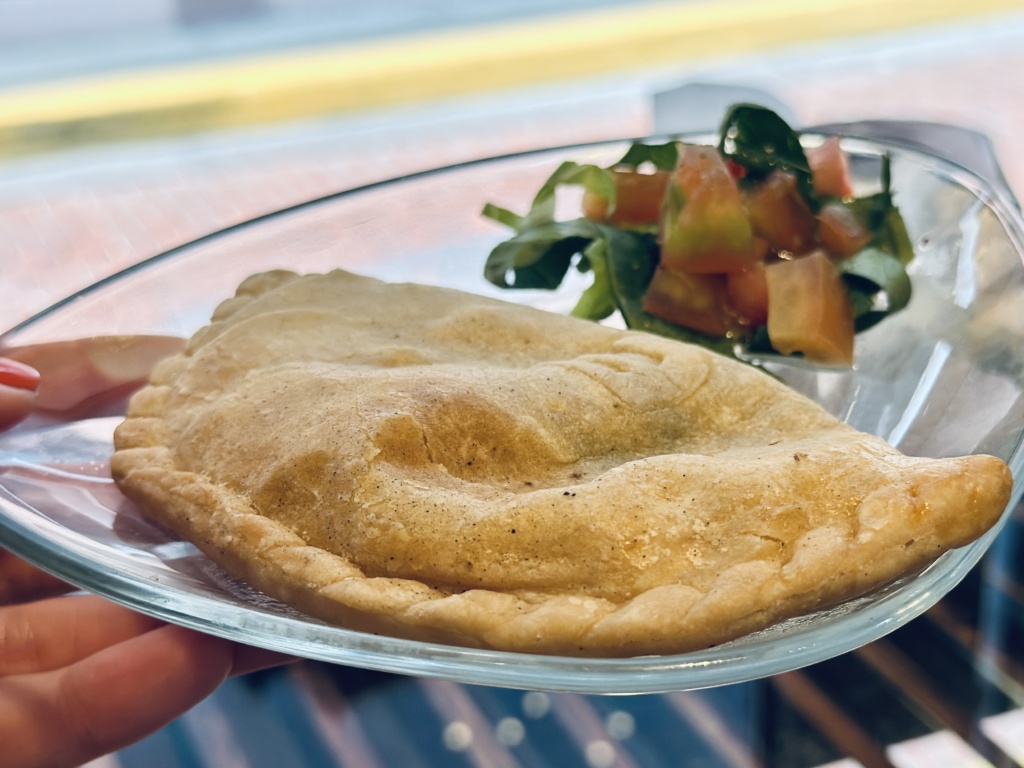
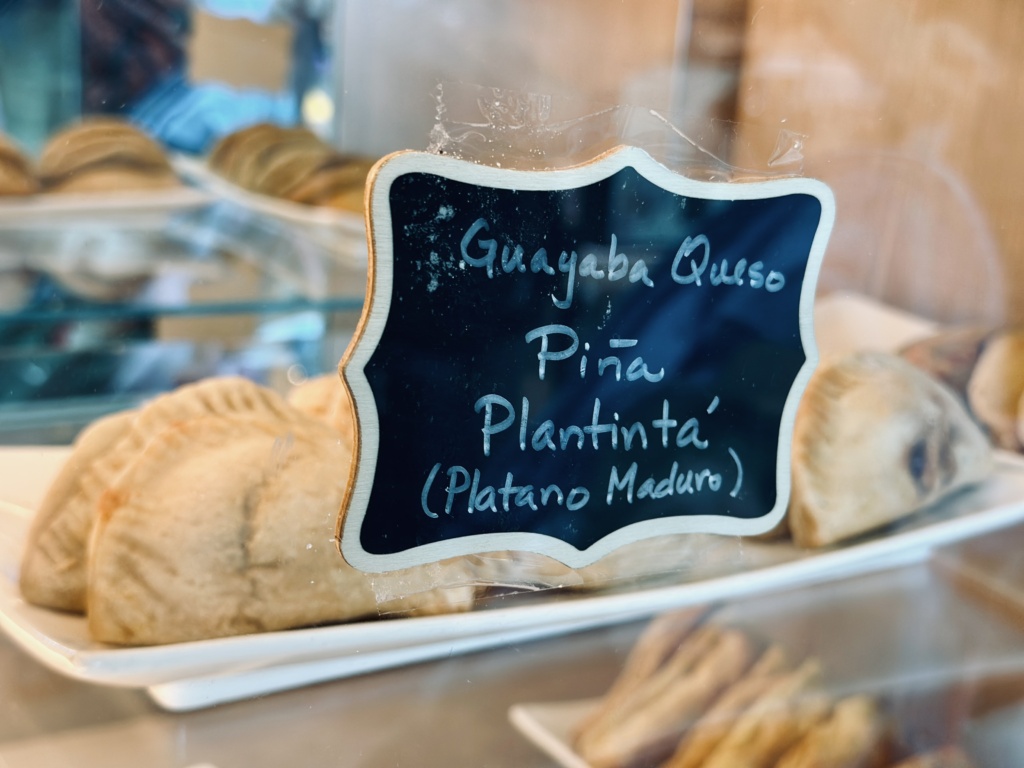
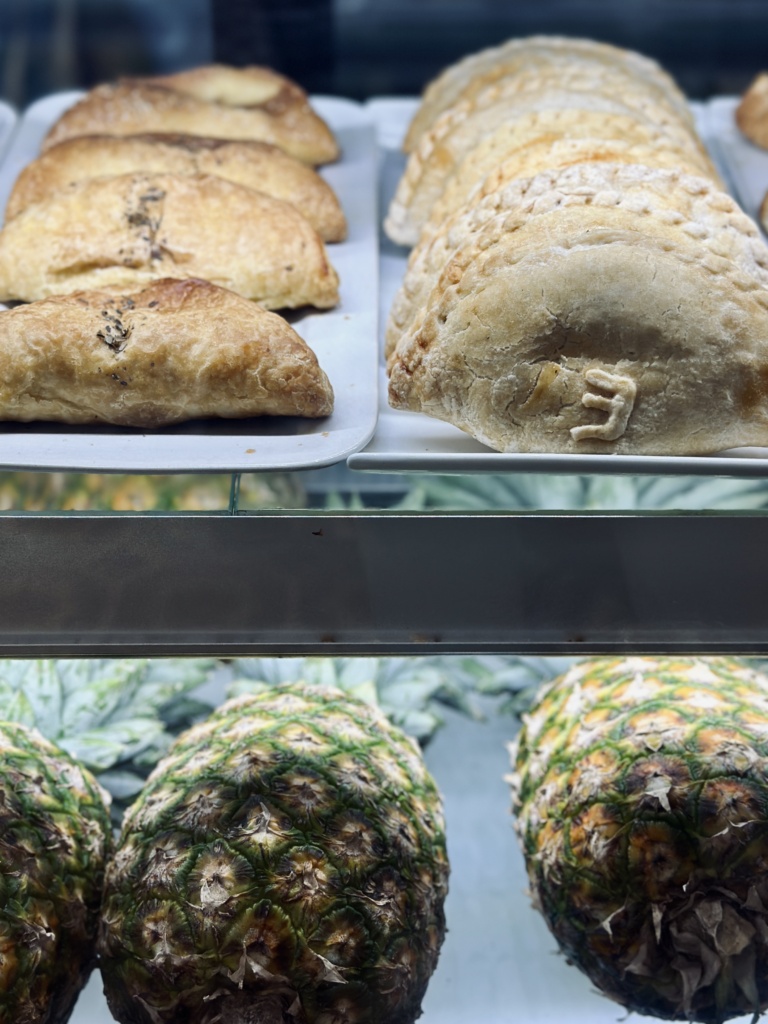
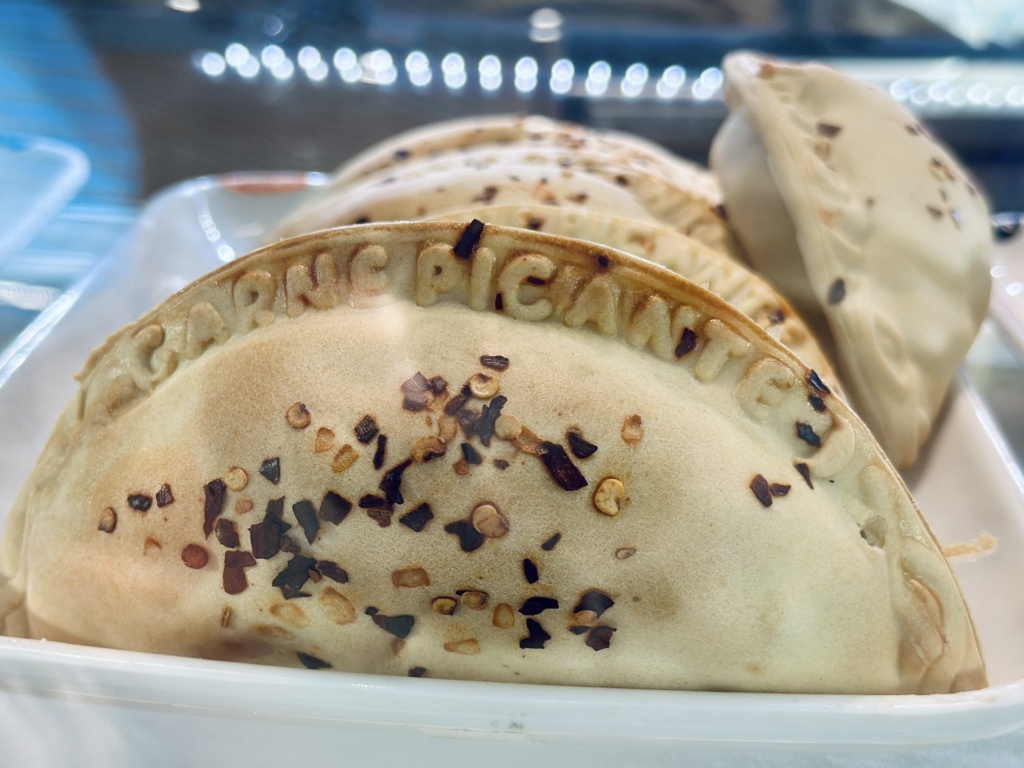
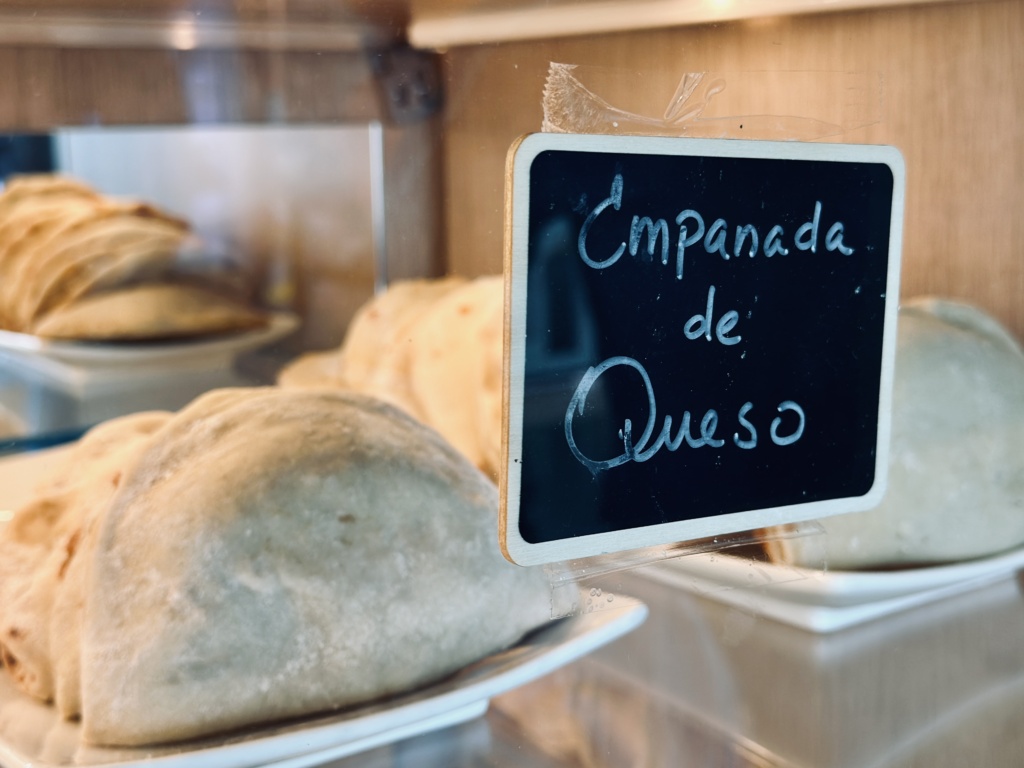
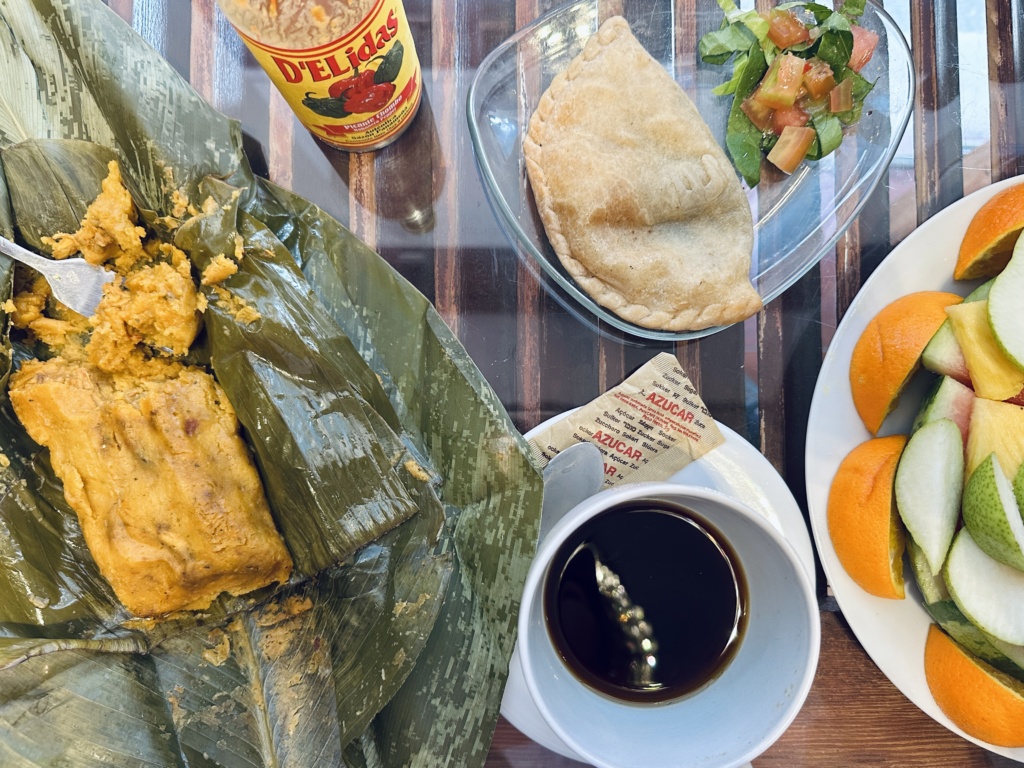
We started with freshly baked empanadas filled with cheese and spinach. The pastry was warm and comforting, with a savory filling that worked perfectly alongside our coffee.
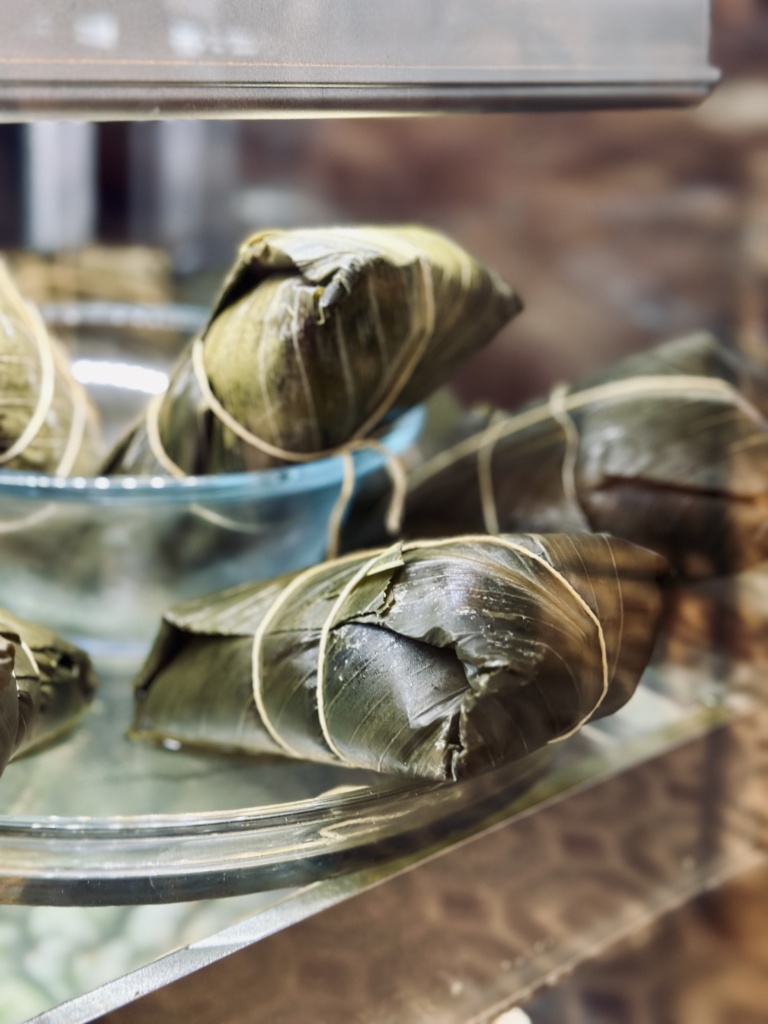
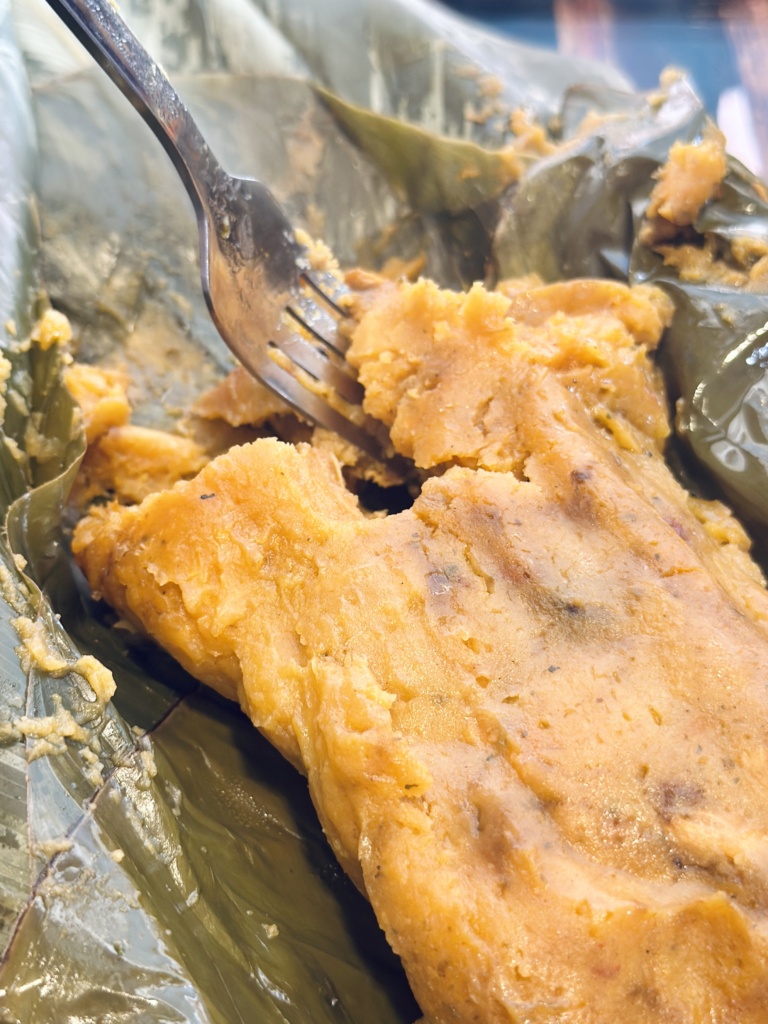
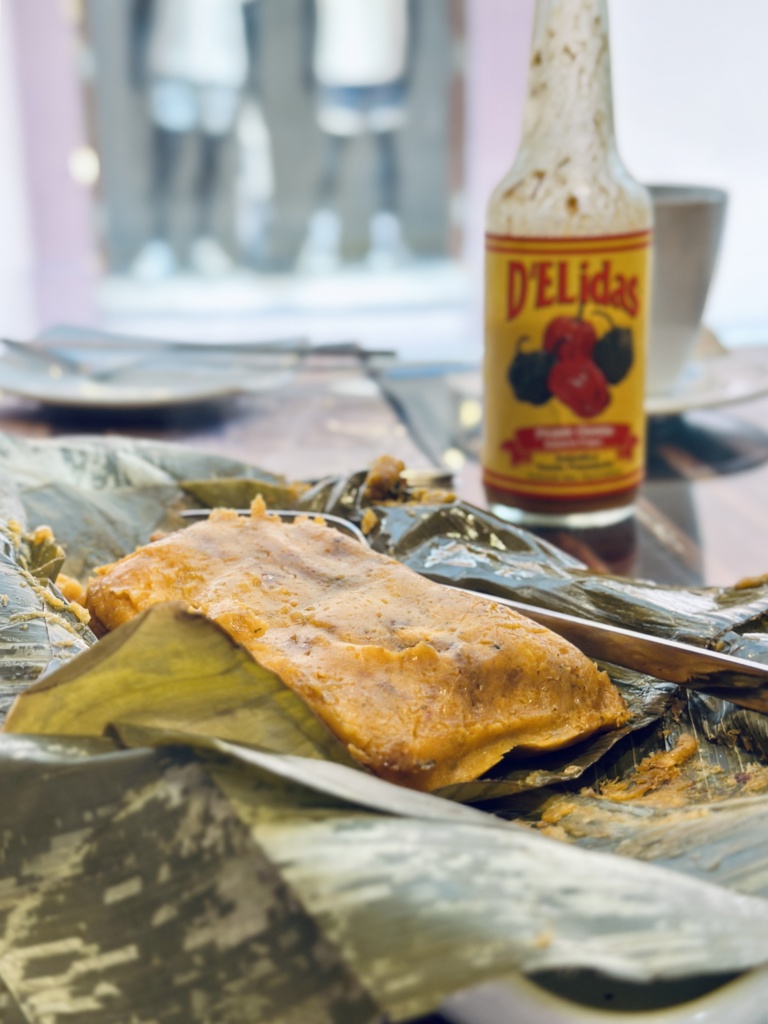
Next came flavorful breakfast tamales. Panamanian tamales are usually wrapped in banana or plantain leaves rather than corn husks. The leaves help keep them moist while adding a subtle aroma during cooking.
They are a breakfast worth seeking out, especially if you want to start your morning with something local.
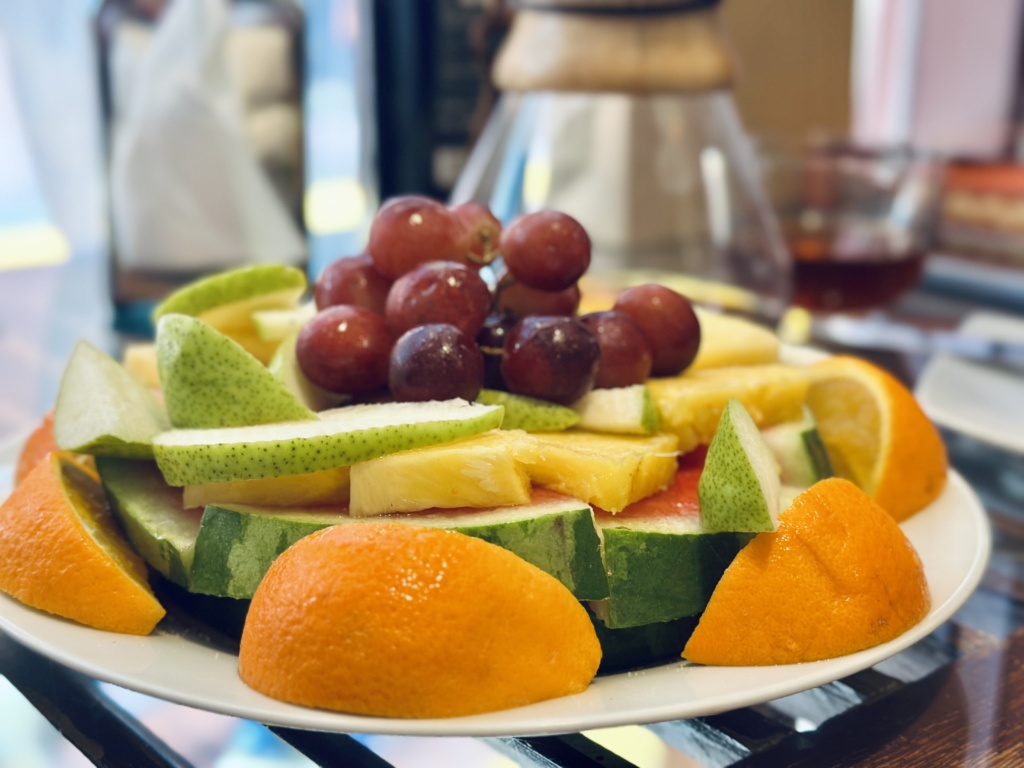
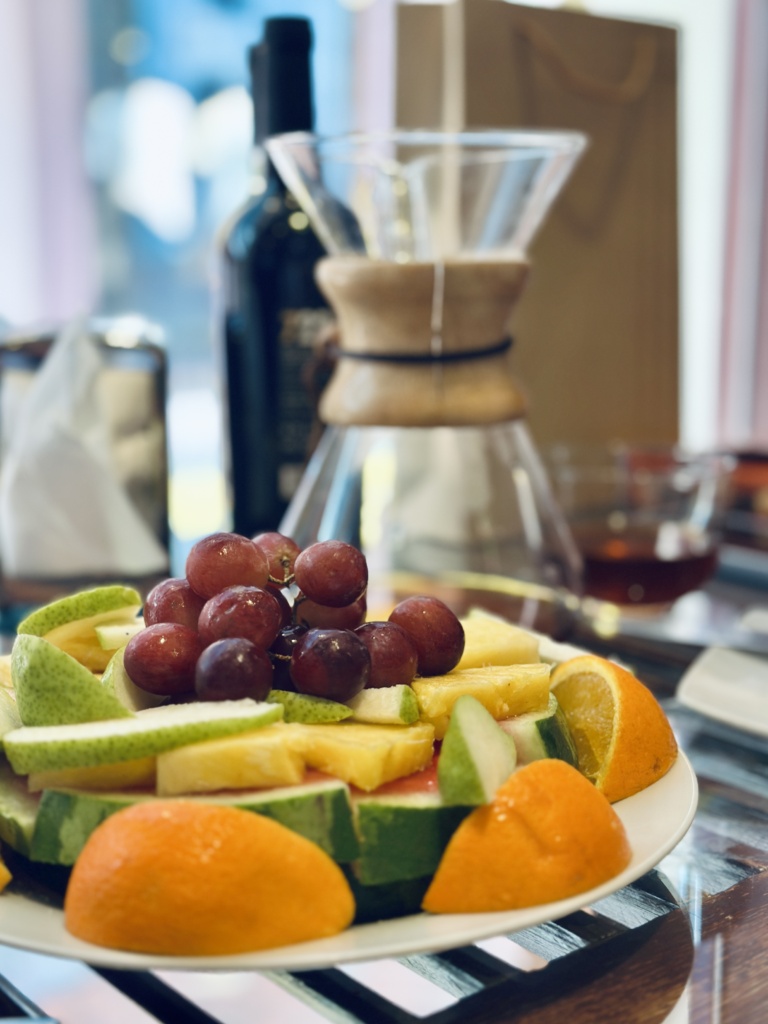
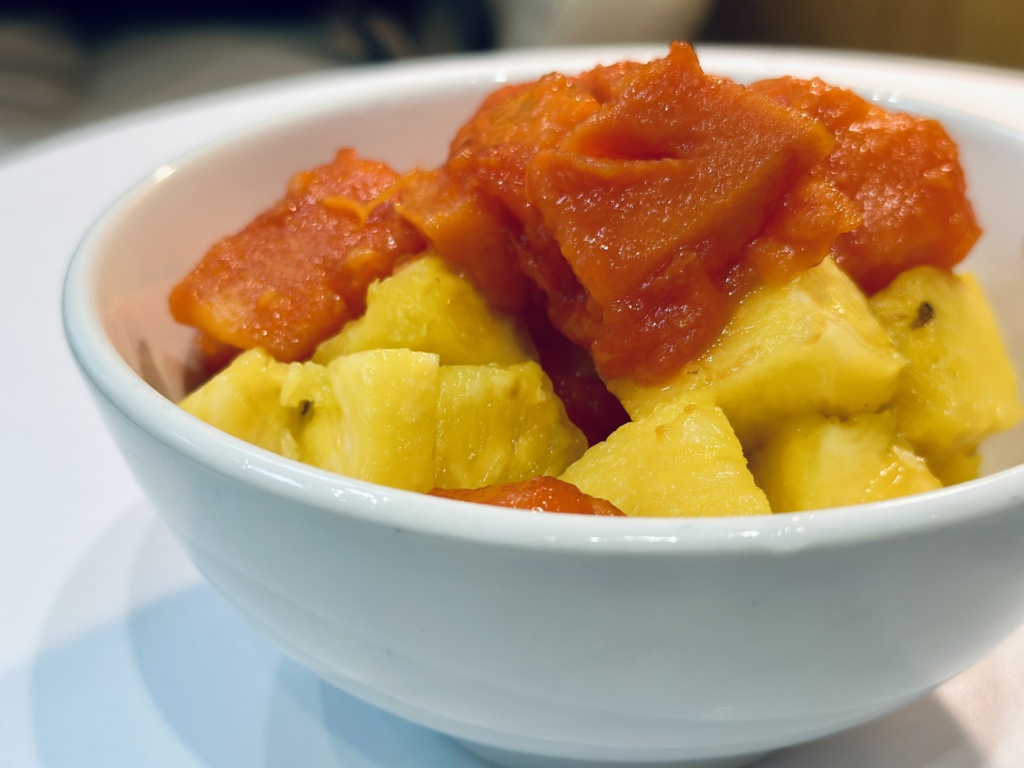
A generous plate of fresh tropical fruit brought color and freshness to the table. In a country where pineapples, papayas, mangoes and melons taste as if they have been ripened by the sun rather than a supermarket supply chain, even a simple fruit plate feels special.
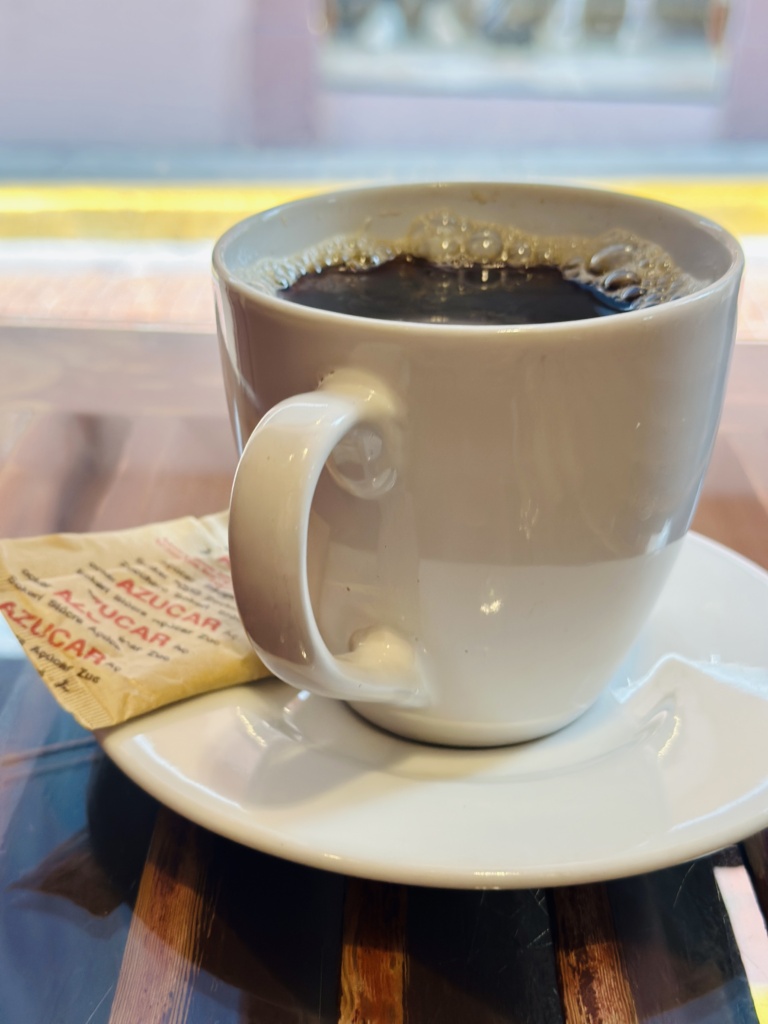
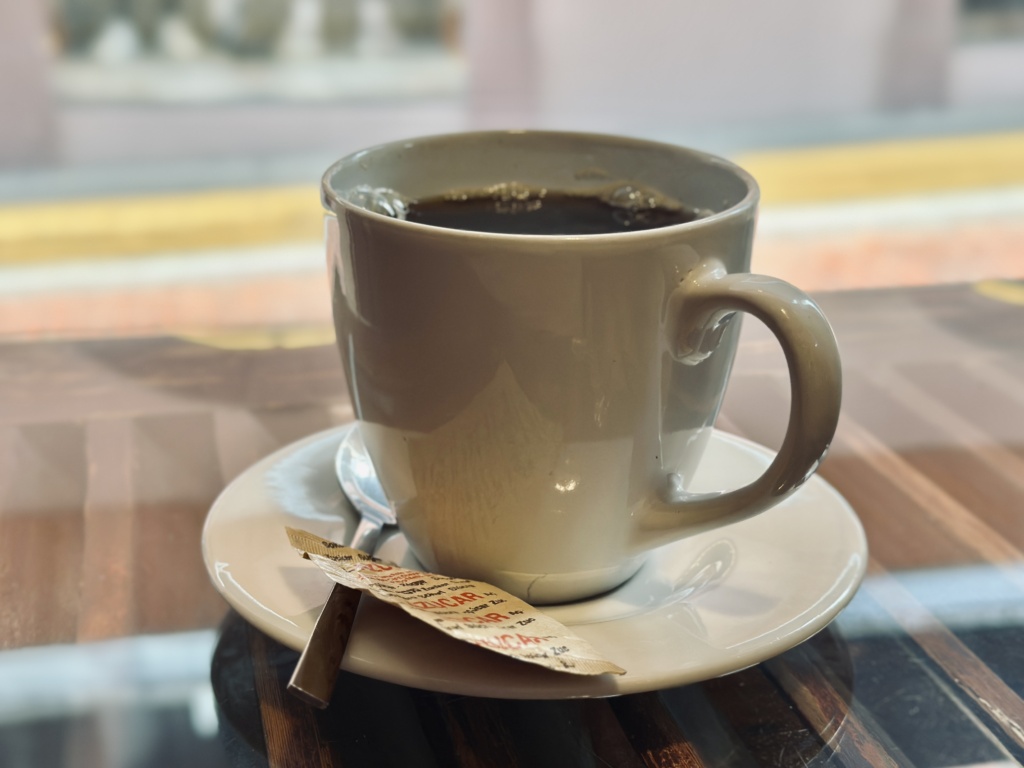
Naturally, everything was washed down with wonderful Panamanian coffee. Then they brought out the real treat: Geisha coffee.
You might also like: Costa Rican Cuisine: Classic Dishes, Local Drinks & Food-Forward Hotels
Panama Coffee – An Overview
Panama may be a small country, but it has become one of the most prestigious coffee origins in the world.
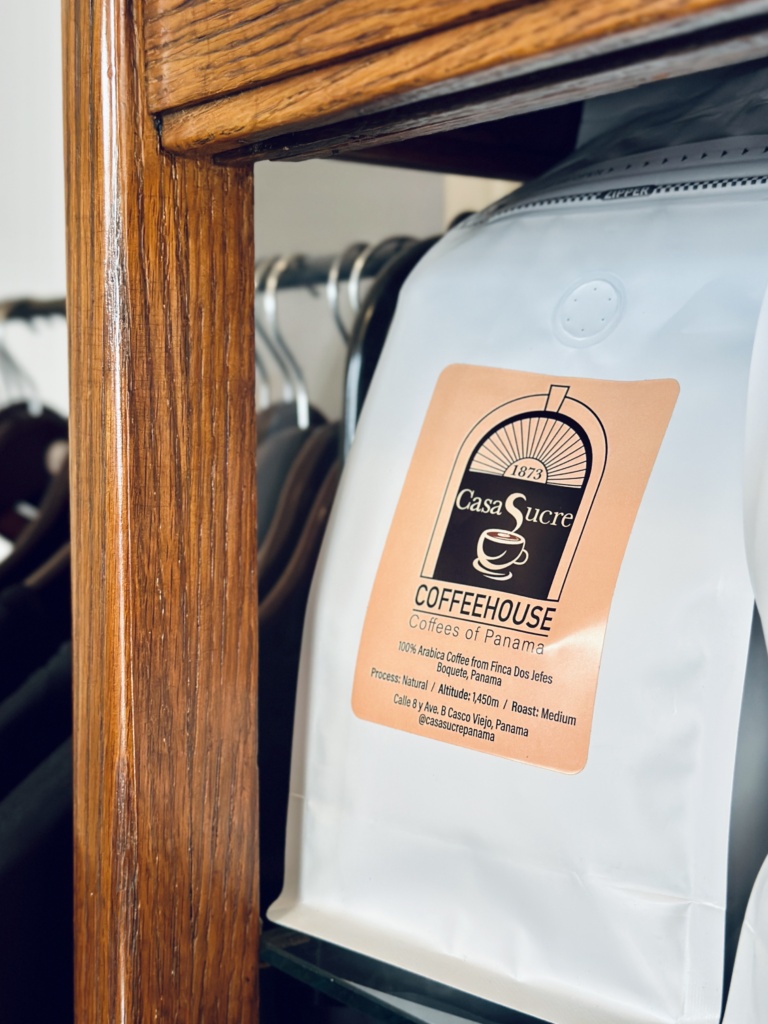
Most of its specialty coffee is grown in the western province of Chiriquí, particularly around Boquete and Volcán. The region’s high elevation, volcanic soil, cool temperatures and misty microclimates create excellent conditions for growing Arabica coffee.
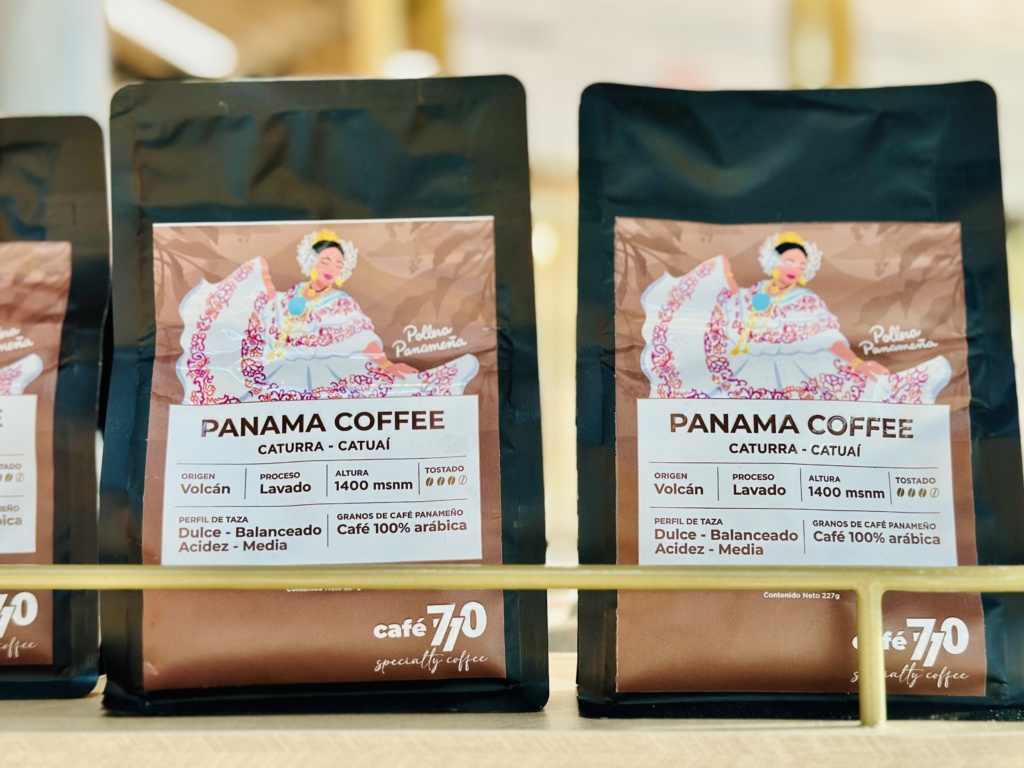
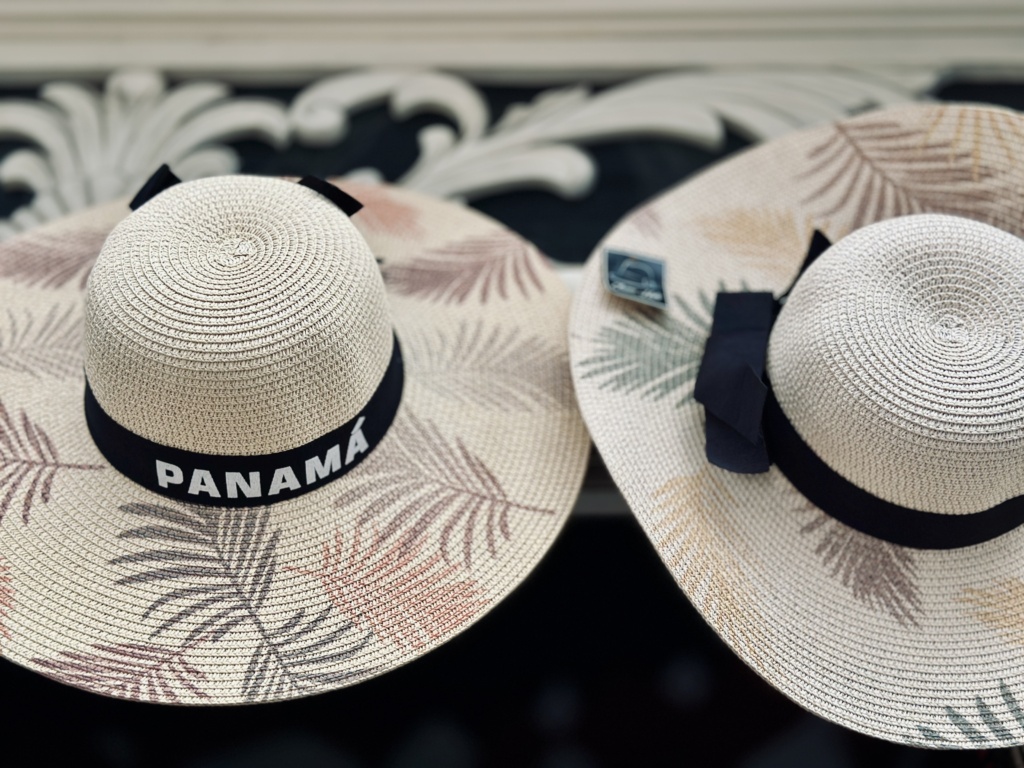
The most famous variety is Geisha, also spelled Gesha. It makes every Panama breakfast that much more special.
Despite its close association with Panama, the variety originated in the forests of Ethiopia. It reached Central America through agricultural research stations and was distributed in Panama during the 1960s.
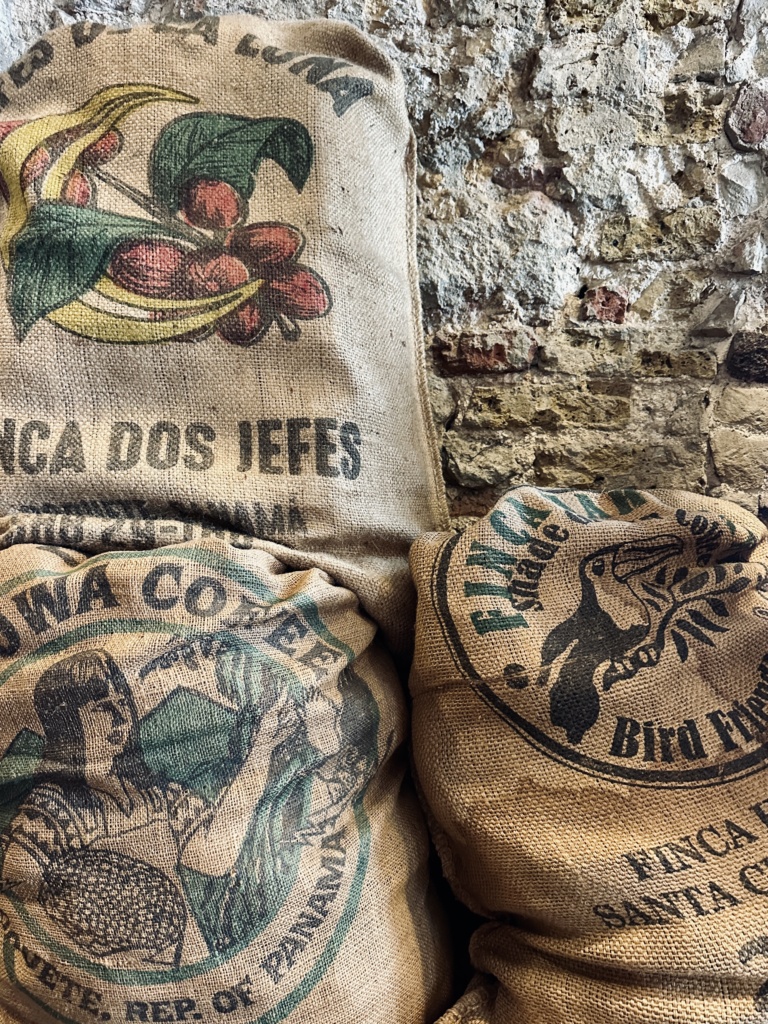
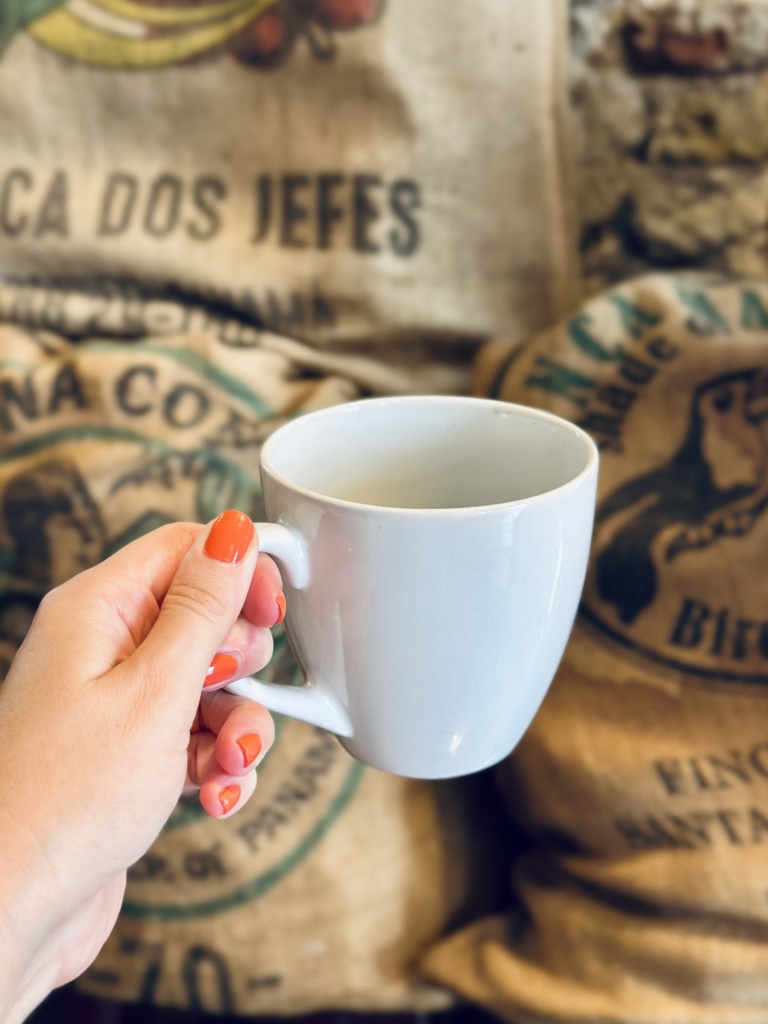
Farmers initially showed little interest because the plants were fragile and produced relatively low yields.
Everything changed when a Geisha from Hacienda La Esmeralda in Boquete was entered into the Best of Panama competition in the early 2000s. Its remarkable flavor profile surprised the judges and broke auction records.
You might also like: What To Do And Eat in Granada, Nicaragua
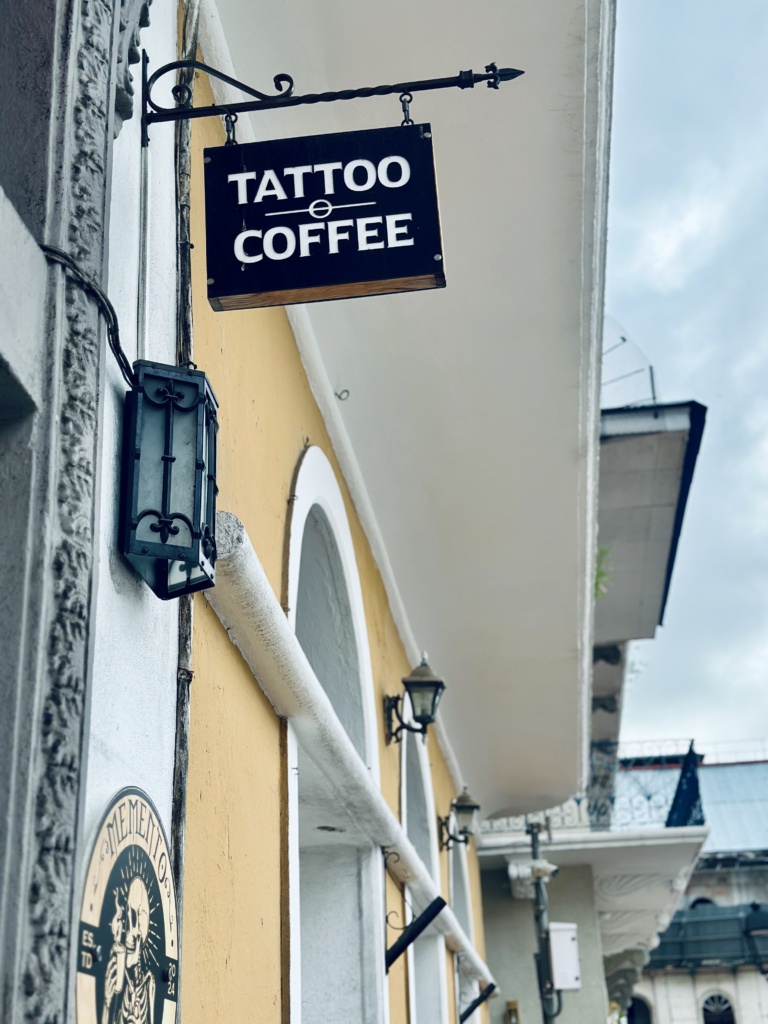
Why Panama’s Geisha coffee is so special
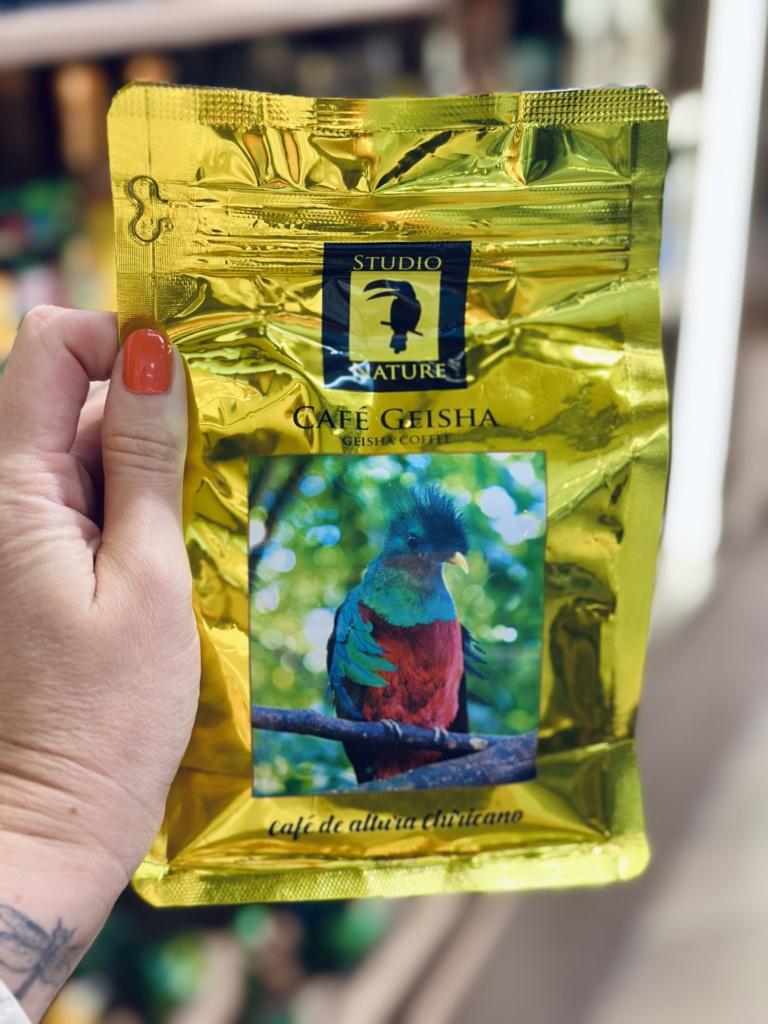
Panama Geisha has since become one of the world’s most prized—and expensive—coffees. World Coffee Research describes it as having exceptional quality at high altitudes, with delicate jasmine, floral and peach-like aromas.
Geisha does not necessarily look or taste like the dark, robust coffee many drinkers expect. The brew is often lighter in color because the beans are typically roasted gently. A lighter roast protects their delicate floral and fruit notes rather than covering them with stronger roasted flavors.
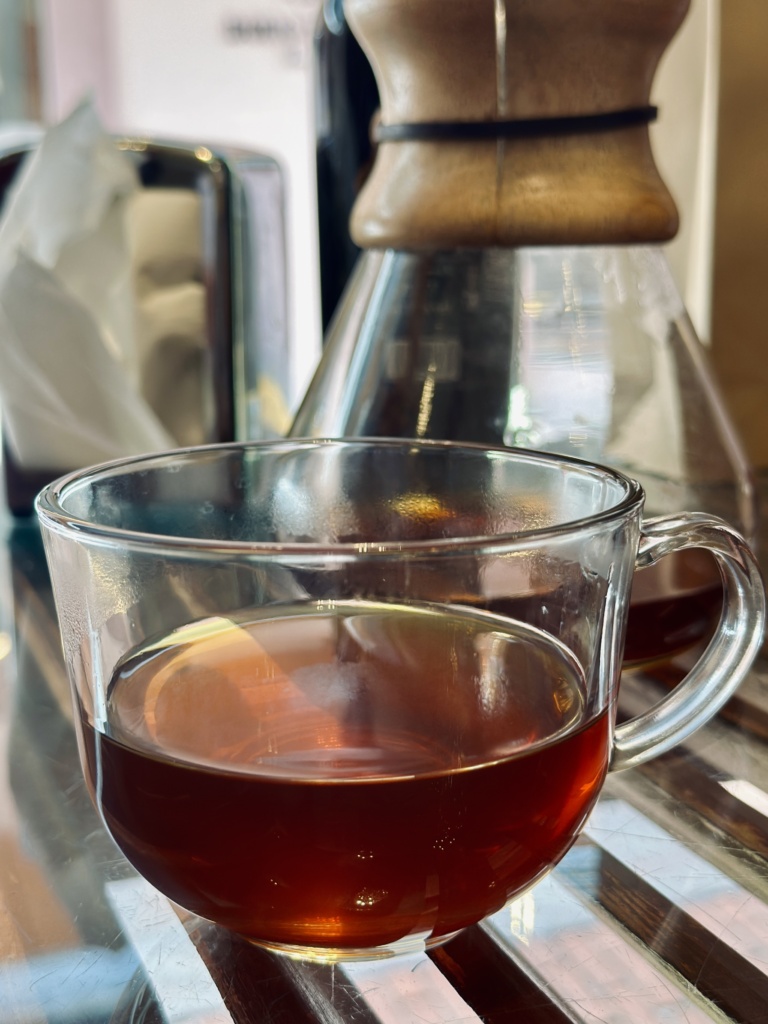
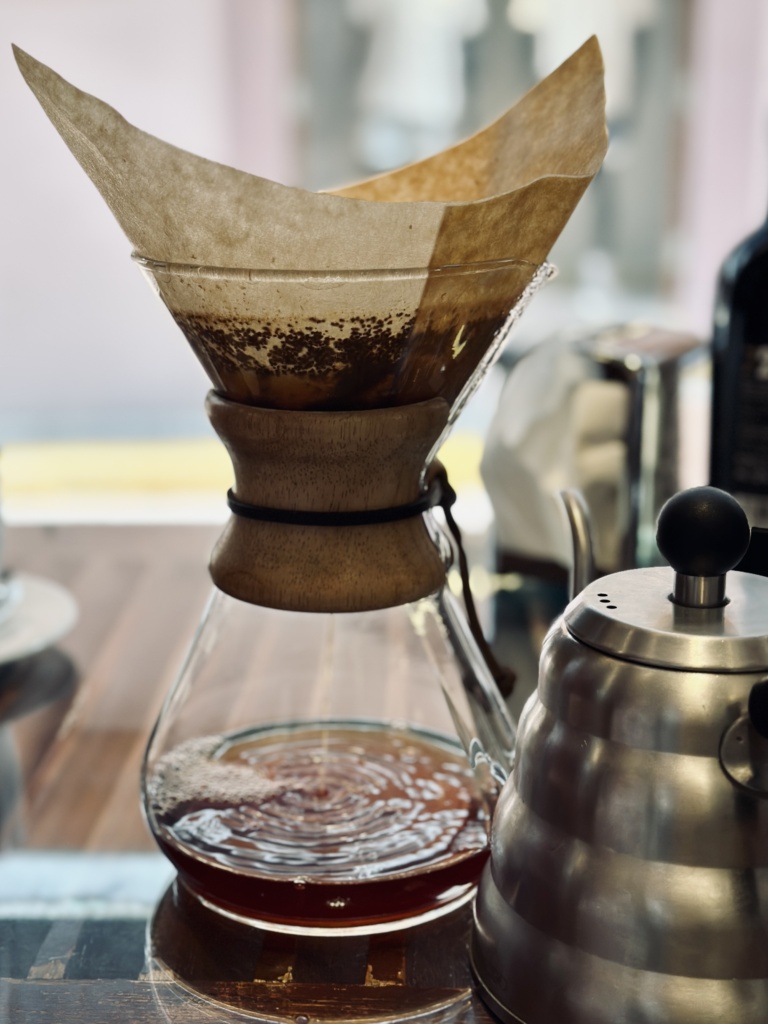
It also deserves careful preparation. Pour-over brewing is often preferred because it allows the coffee’s fragrance, acidity and tea-like character to open gradually. The water temperature, grind and pouring speed all matter. This is not a coffee to drown in milk or drink in a hurry.
Give it time. Smell it before taking your first sip. Notice how the flavor changes as the cup cools.
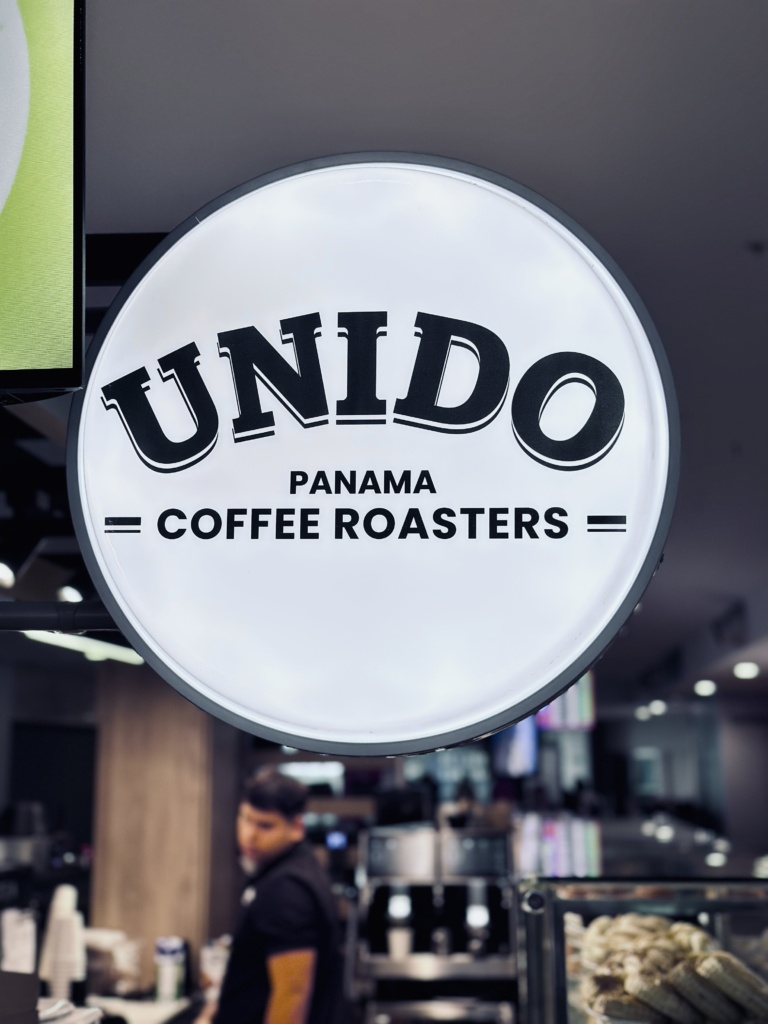
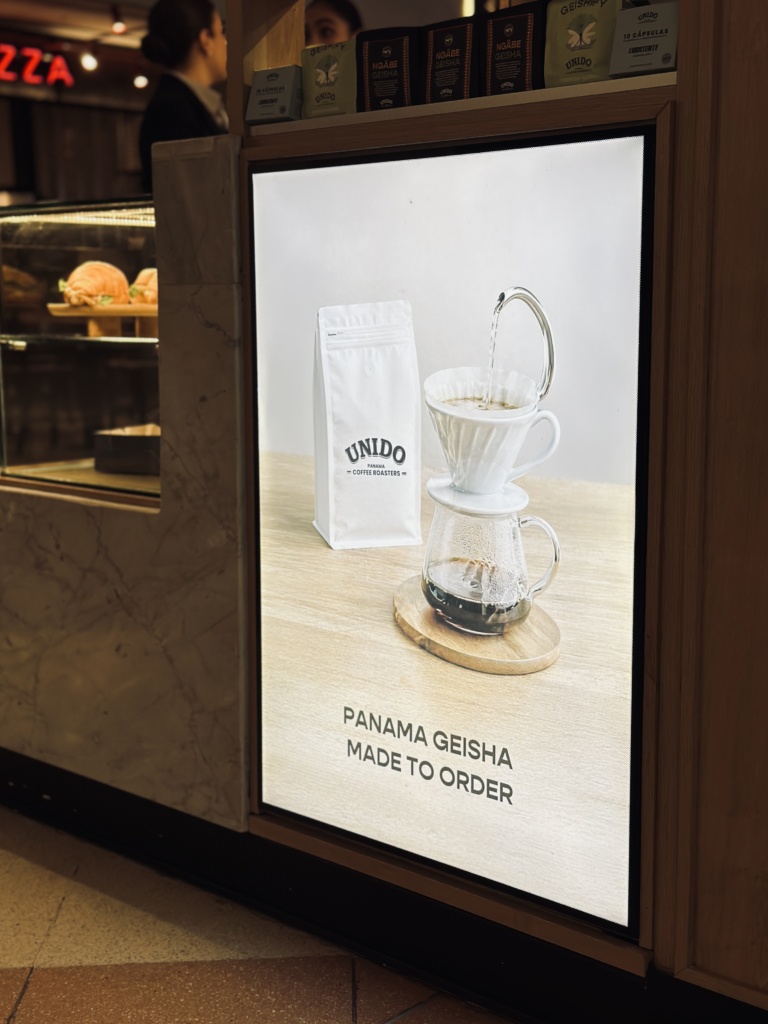
Drinking Geisha in Panama is more than ordering an expensive coffee. It is a chance to taste the country’s geography, agricultural history and craftsmanship in a single cup.
You might also like: Colombian Food: What To Eat In Cartagena De Indias
More great cafés in Casco Viejo
Casa Sucre may be the star, but it is not the only place worth visiting. Casco Viejo has developed an excellent café scene, and most places are close enough to explore on foot.
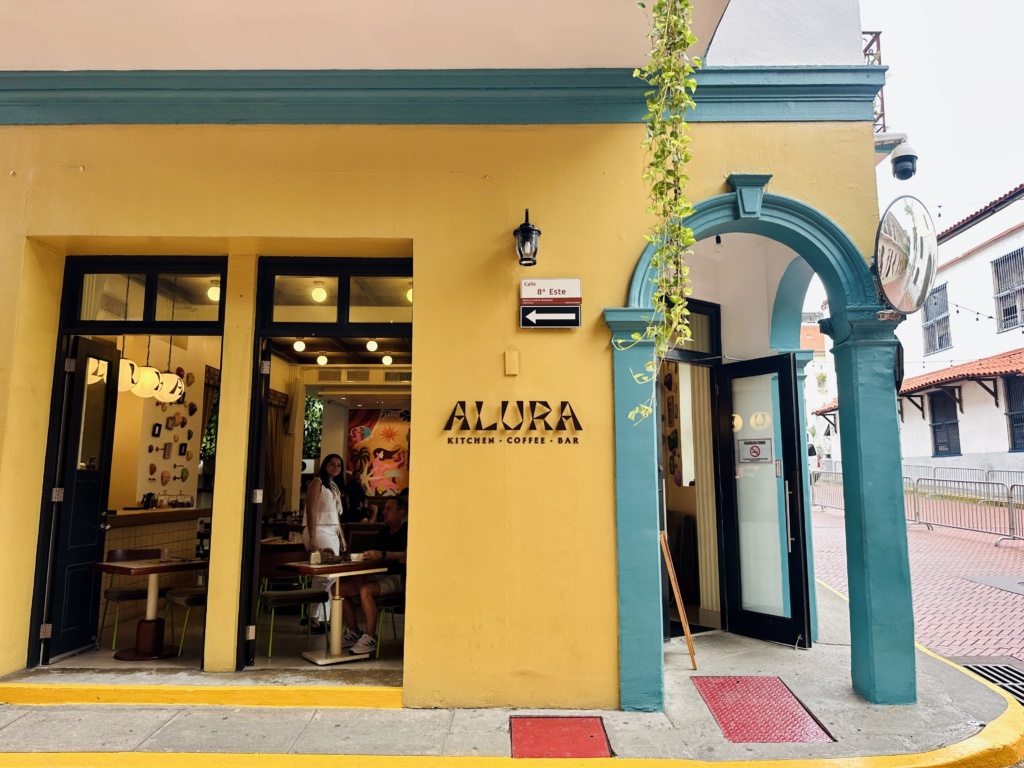
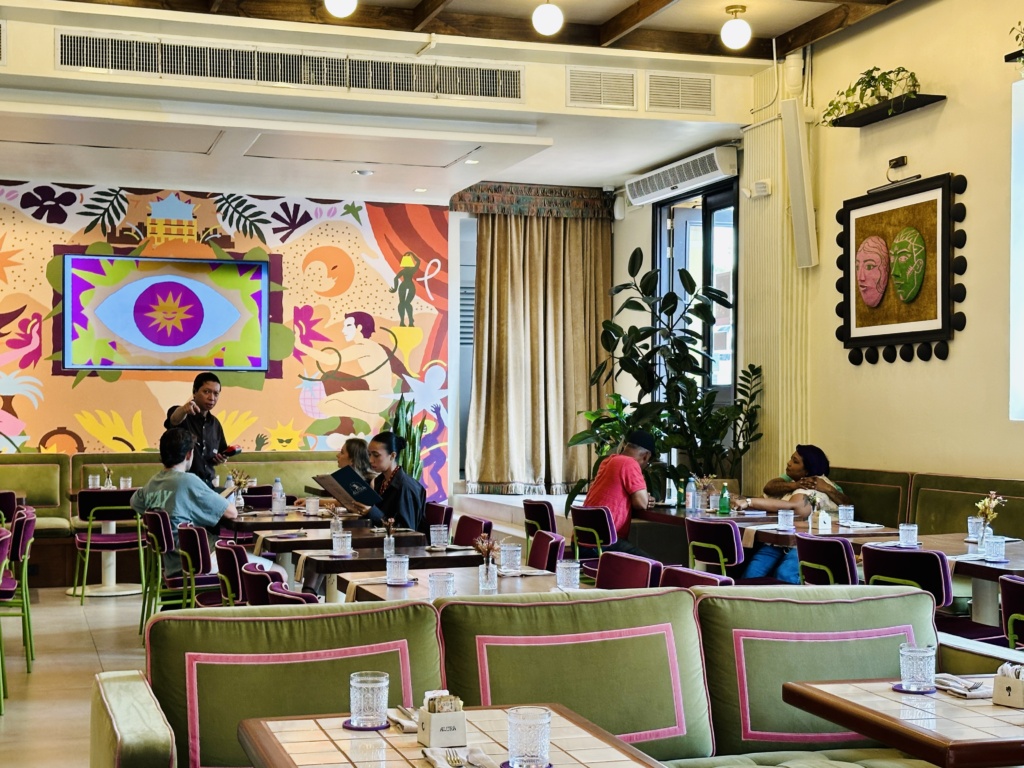
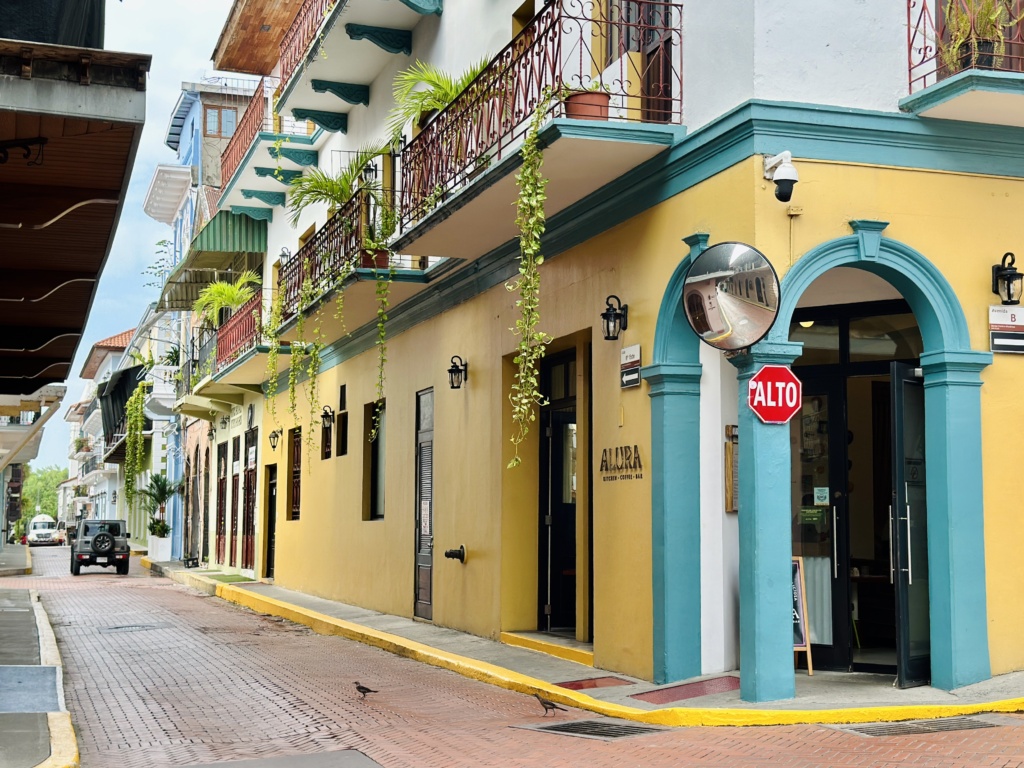
Alura
Alura is one of our favorite places for brunch and coffee in Casco Viejo. The design-forward space feels modern and polished without losing its relaxed tropical energy. Come for a leisurely breakfast or an afternoon coffee break.
La Vasquita
La Vasquita is best known for its renowned Basque cheesecake. The deeply caramelized top and creamy center make it an ideal companion for coffee. Save room, even if you have already eaten breakfast.
Sisu Coffee Studio
Sisu Coffee Studio combines specialty coffee with clean, minimalist design. It is a good choice for coffee drinkers who want to focus on the beans, brewing methods and finer details in the cup.
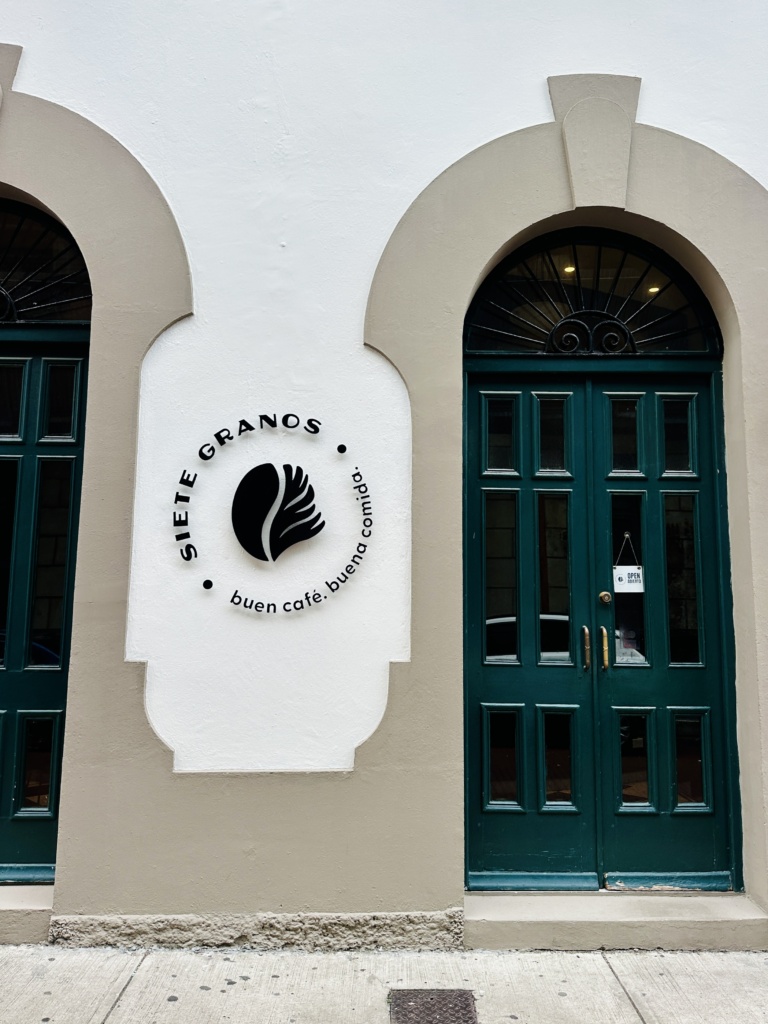
Siete Granos
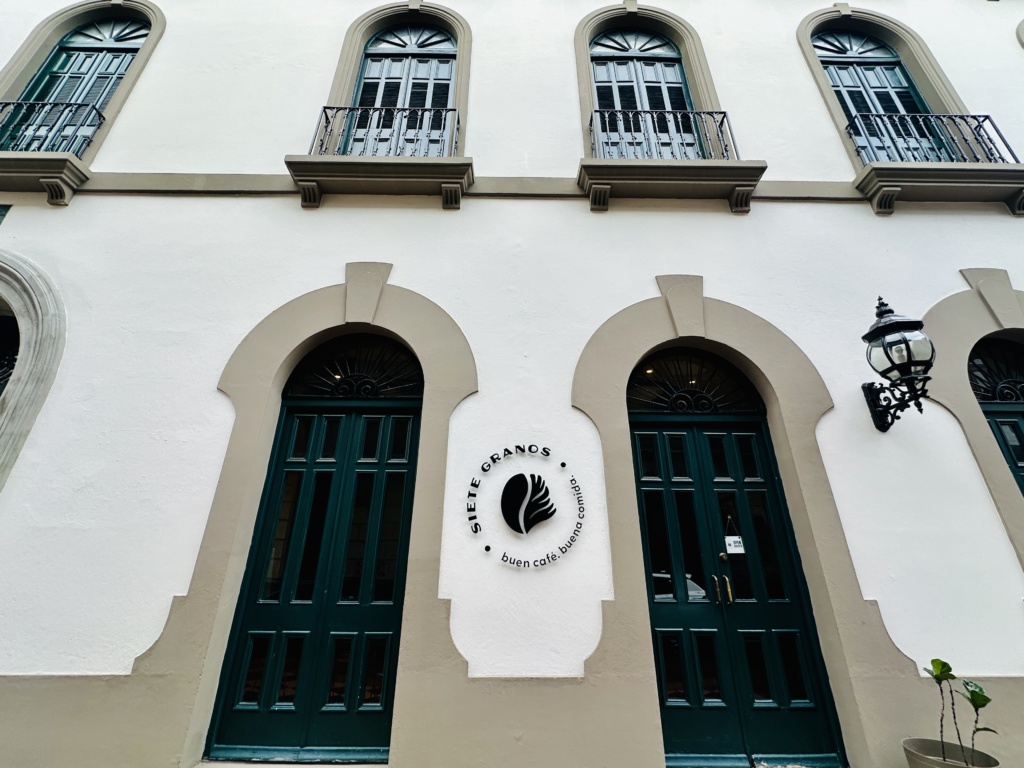
Siete Granos serves Geisha and other Panamanian coffees inside a grand historic building. The elegant setting makes a tasting here feel like a proper Casco Viejo experience.
Super Gourmet
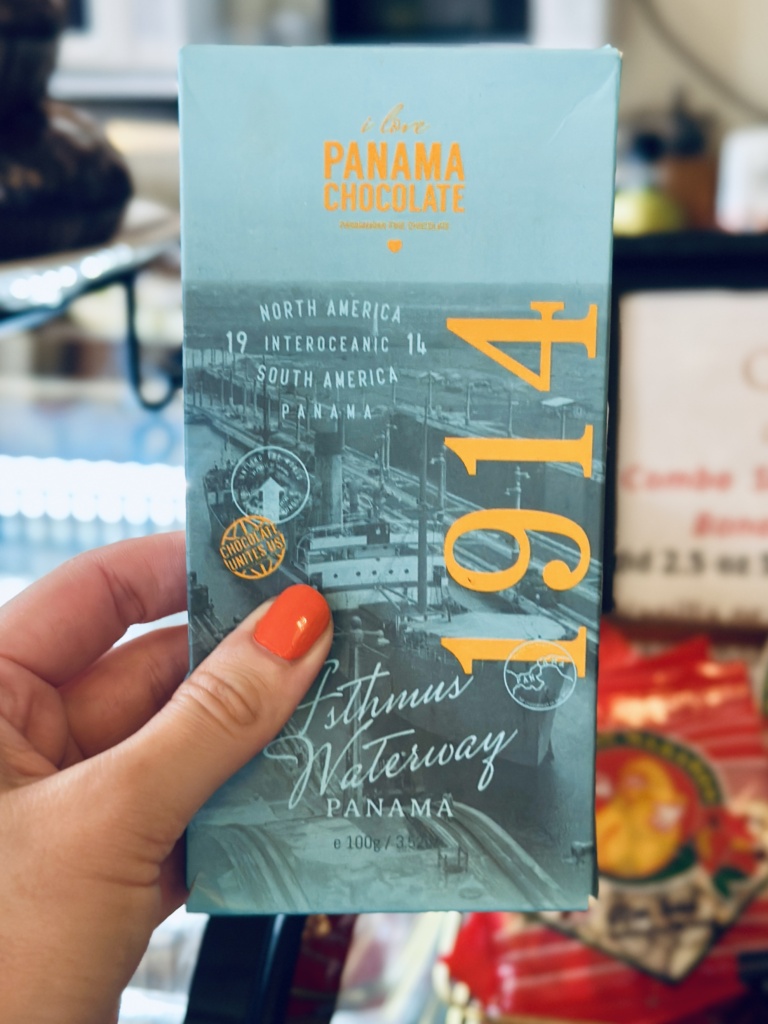
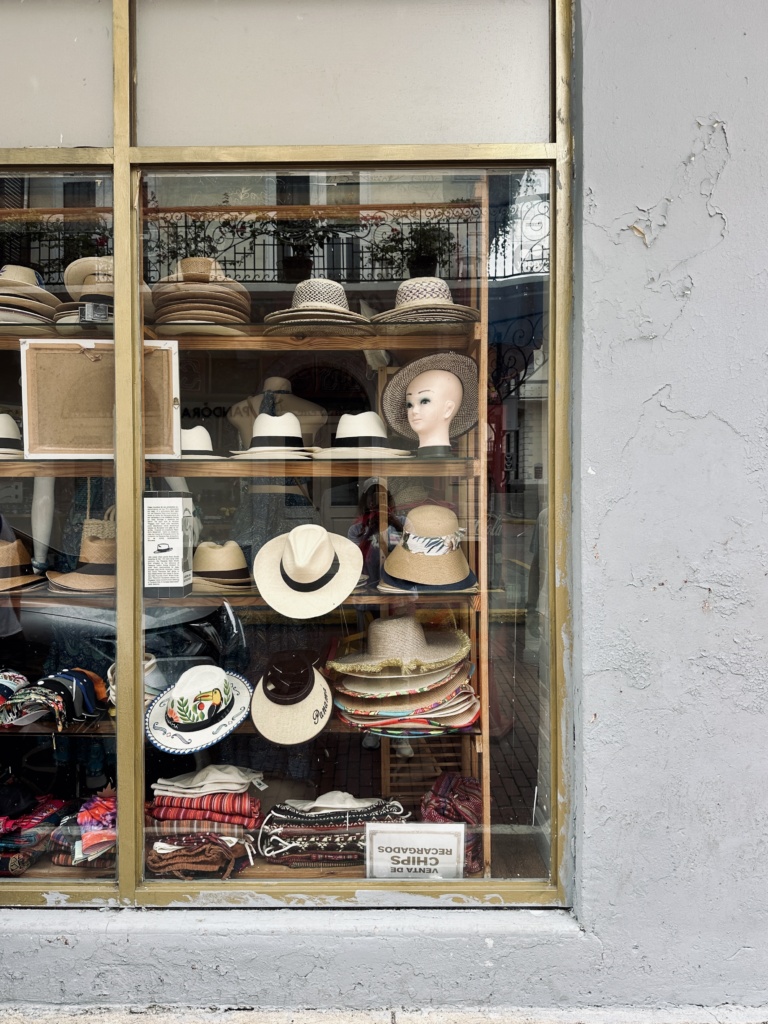
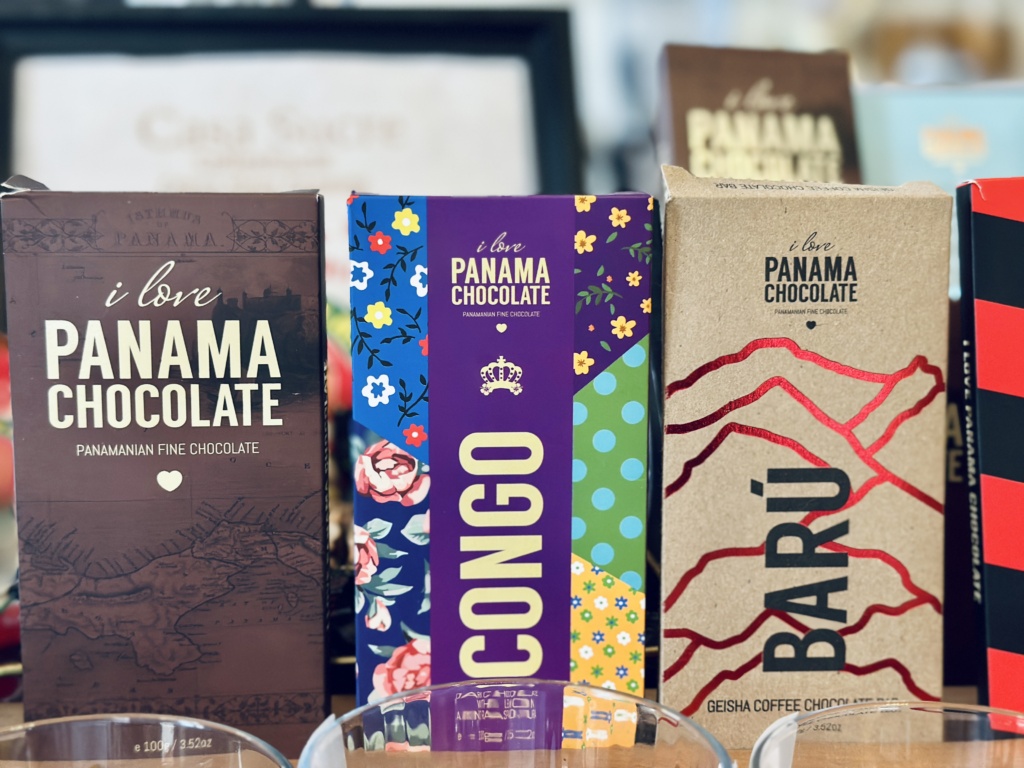
Super Gourmet is casual, welcoming and reliably delicious. Stop for local coffee, empanadas and other Panamanian treats. It is also a handy place to pick up edible souvenirs.
Is Casa Sucre worth visiting?
Absolutely. Casa Sucre brings together everything we want from a memorable travel breakfast: local flavors, a historic setting, wonderful hosts and coffee with a genuine connection to the country.
It is proof that breakfast does not have to be elaborate to be extraordinary. Sometimes all you need is a warm empanada, a well-made tamal, a plate of tropical fruit and a cup of coffee worth crossing an ocean for.
And if you are planning to visit all 150 Coffee Shops You Need to Visit Before You Die, Casa Sucre Coffeehouse is a very good place to begin.
Say hello to Rich from us.
You might also like: Jamaican Cuisine: 9 Foods to Try in Jamaica
Have you been to Casa Sucre? Where was your best breakfast in Panama? Let us know in the comments or tag @eightyflavors on socials!
OUR TRIED AND TESTED FOOD TRAVEL RESOURCES: Book a hotel with Booking.com. Search for the best flight deals on Skyscanner. Find the best local food tours on Viator. Browse curated conscious group trips with G Adventures. Get your travel insurance with World Nomads.
Disclaimer: this post contains affiliate links. We’ll receive a small commission if you purchase through the link provided, at no extra cost to you. Thank you for your support in running this blog!