Beyond Margaritas: The History of Mezcal, Tequila and Pulque
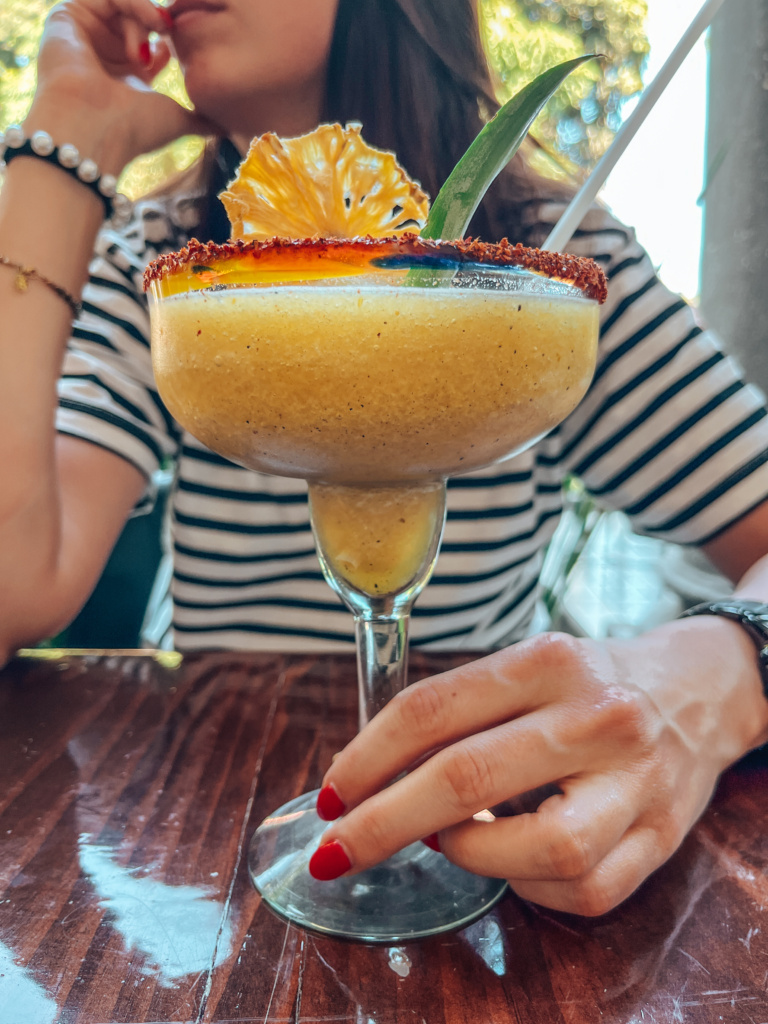
Looking to learn what the heck is the difference between mezcal vs tequila, plus a word on pulque? Read on!
Long before tequila became a party shot, Mexico’s agave drinks were sacred expressions of land, ancestry, and survival.
There’s a moment in Mexico when alcohol stops being alcohol and becomes memory.
It happens somewhere between the dusty road and the agave field. Between the smoke of a mezcal oven and the foam of a freshly poured pulque. Between stories of ancestors and the taste of earth itself.
You might also like: Mexico City Street Food: A Taste of Tradition and Transformation
The Soul of Agave
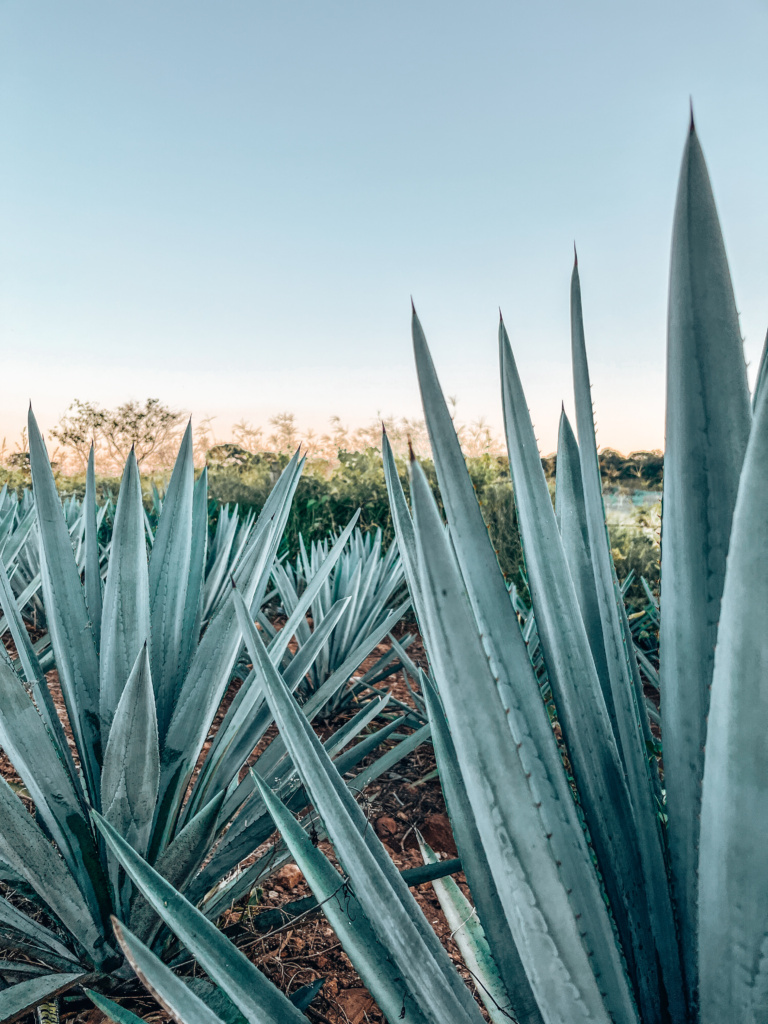
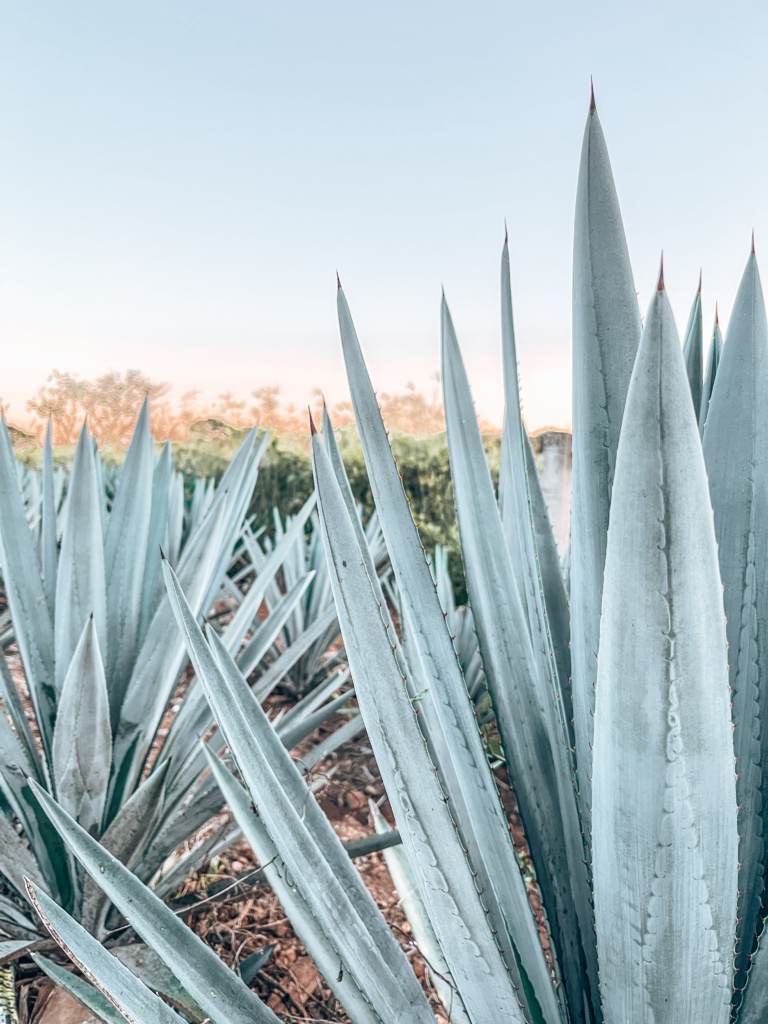
To understand Mexico, you have to understand agave.
Most outsiders grow up thinking Mexican liquor begins and ends with cheap tequila shots, sugary frozen margaritas, or blurry spring break nights in Rosarito. But that version of Mexican drinking culture barely scratches the surface.
Mexico’s traditional spirits — tequila, mezcal, and pulque — are deeply agricultural, spiritual, regional, and ancestral. They are living records of Indigenous knowledge, colonial history, survival, and land stewardship.
And once you understand them, you never drink them the same way again.

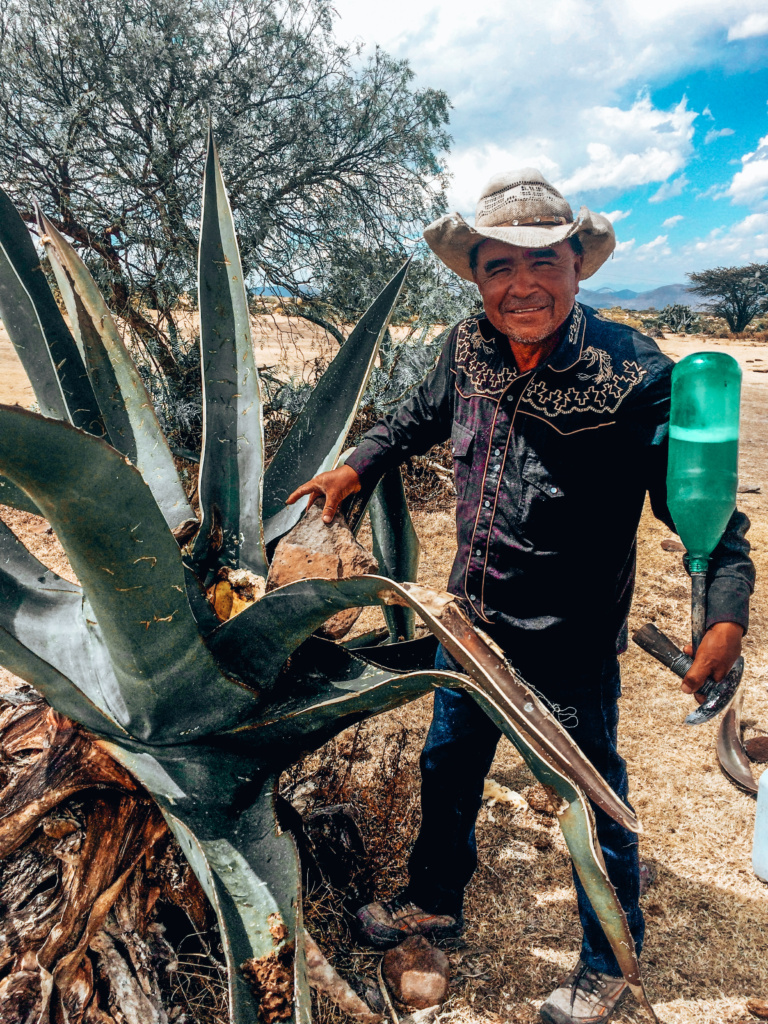
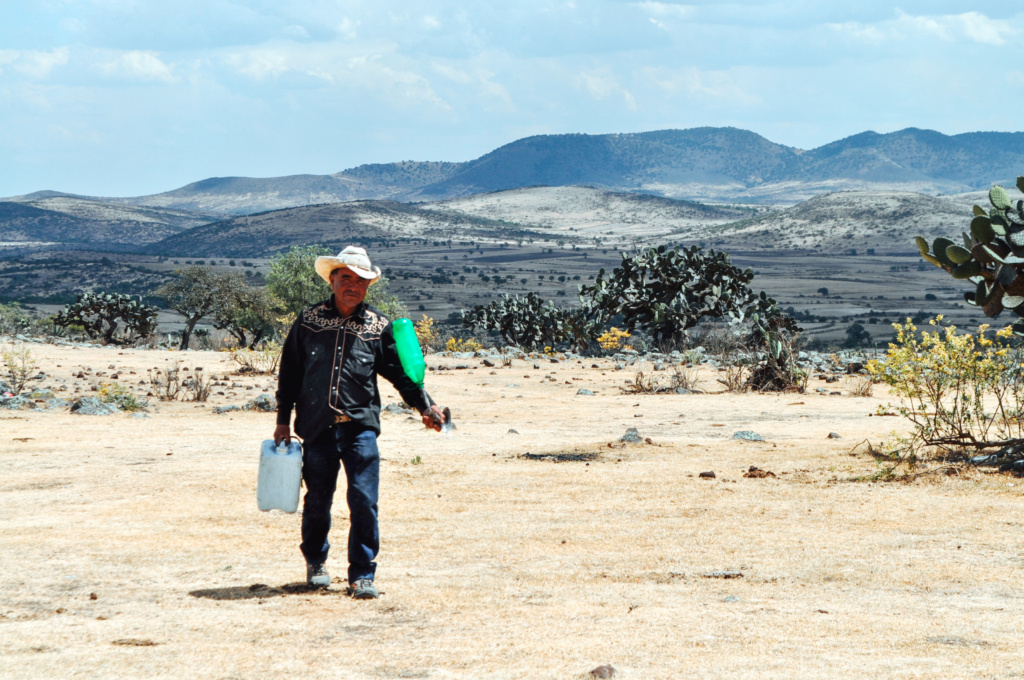
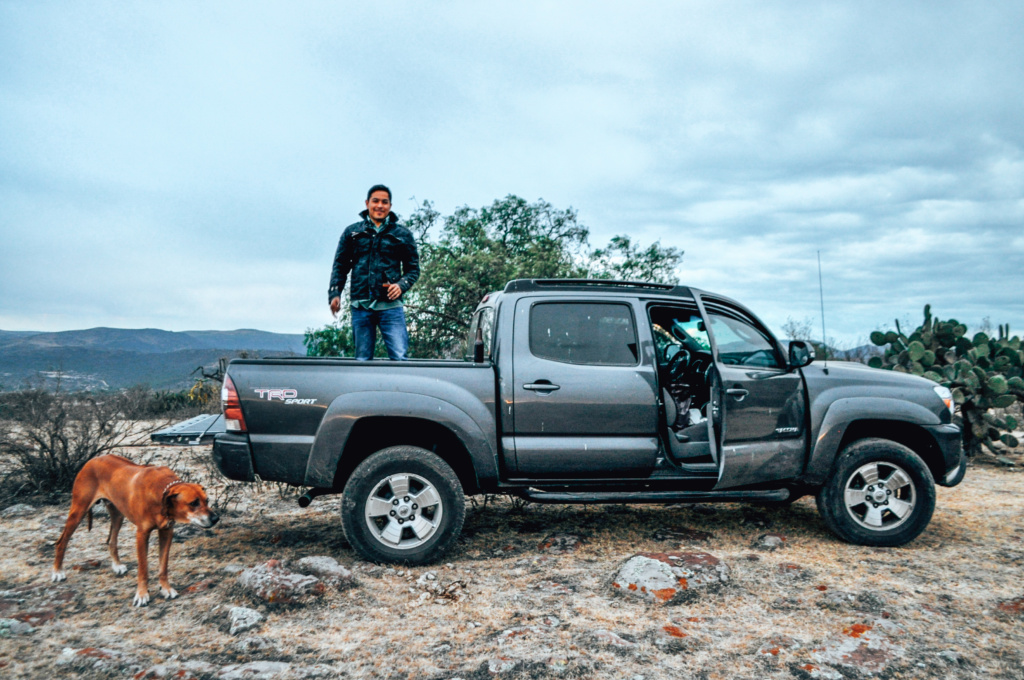
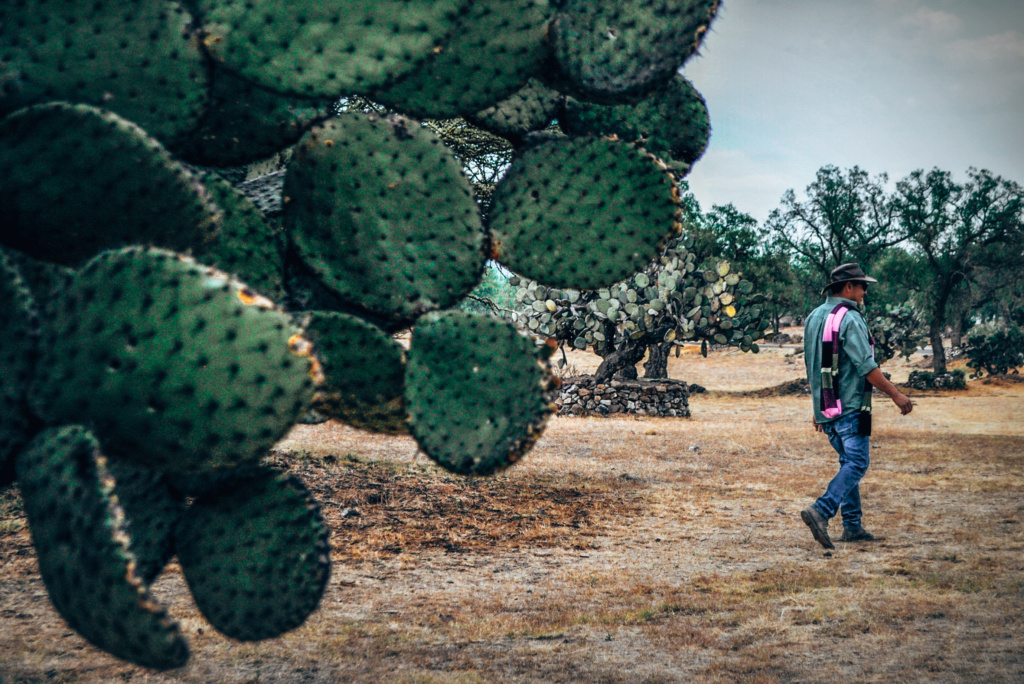
I learned this firsthand while traveling through the Mexican countryside with my friend, Mexico City chef José Carlos Redón.
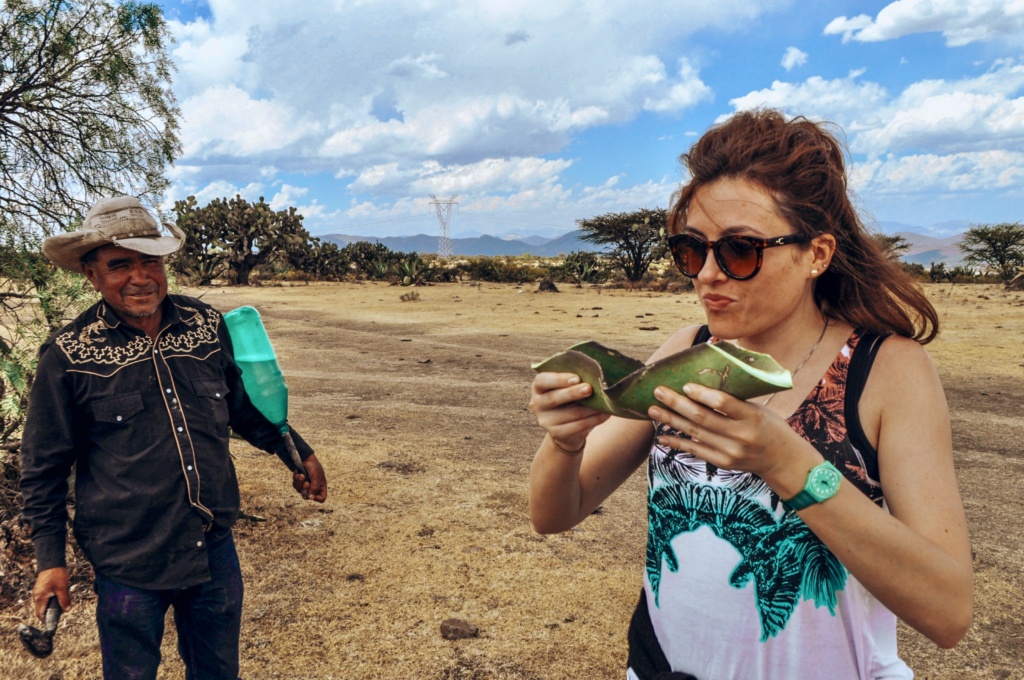
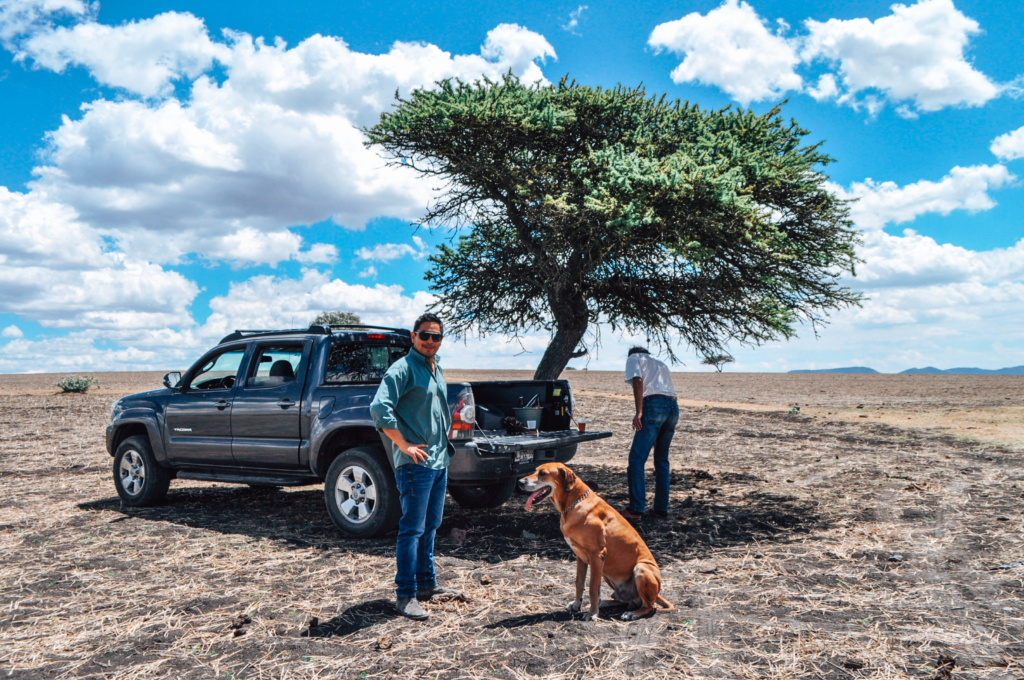
Near CDMX, he showed me his escamoles farm — where the prized edible ant larvae often nicknamed “Mexican caviar” are carefully harvested from agave roots and surrounding earth.
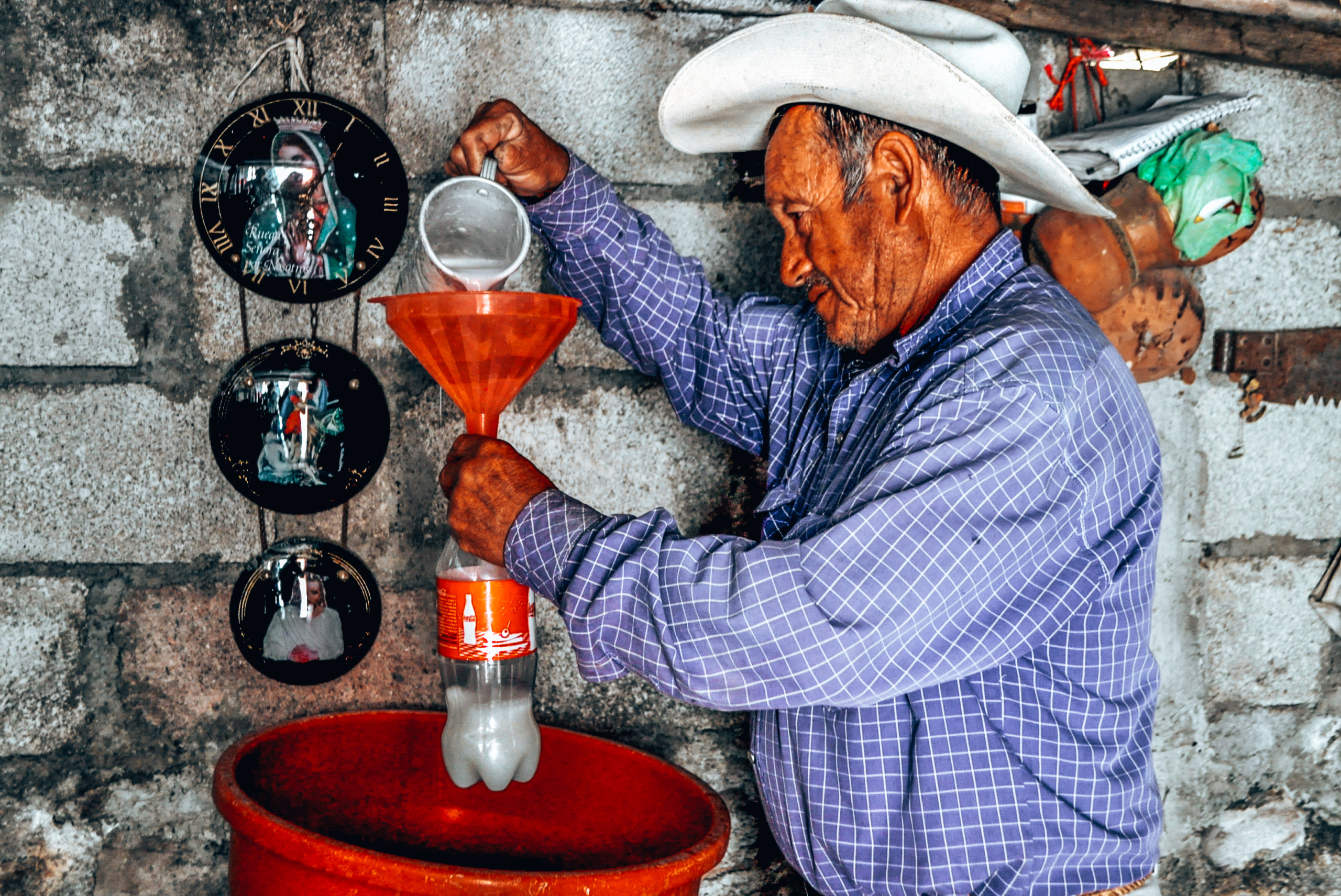
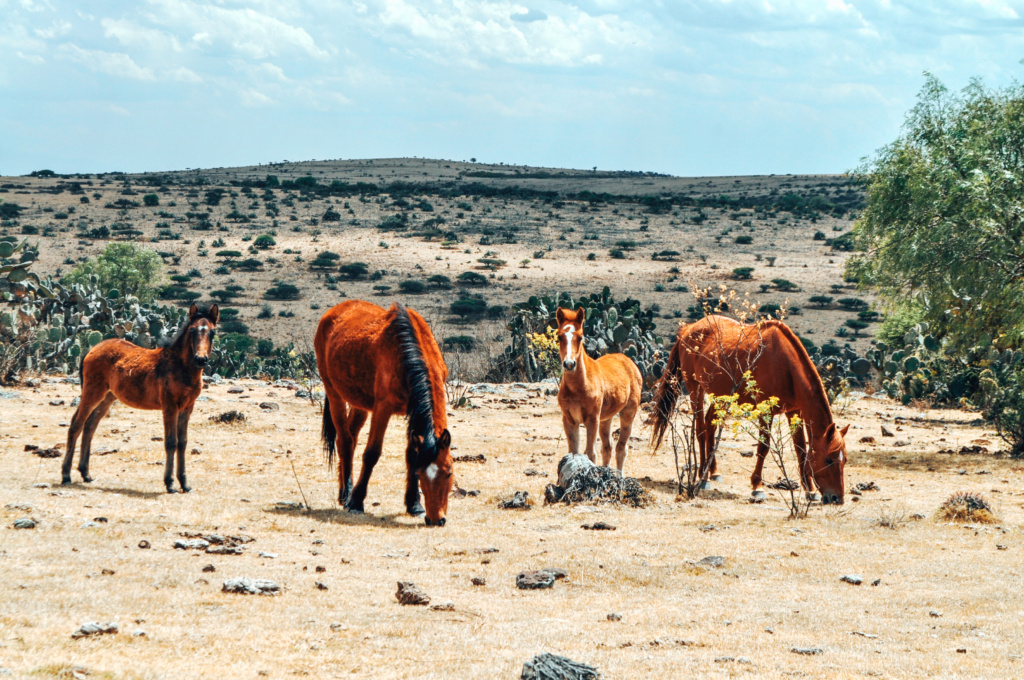
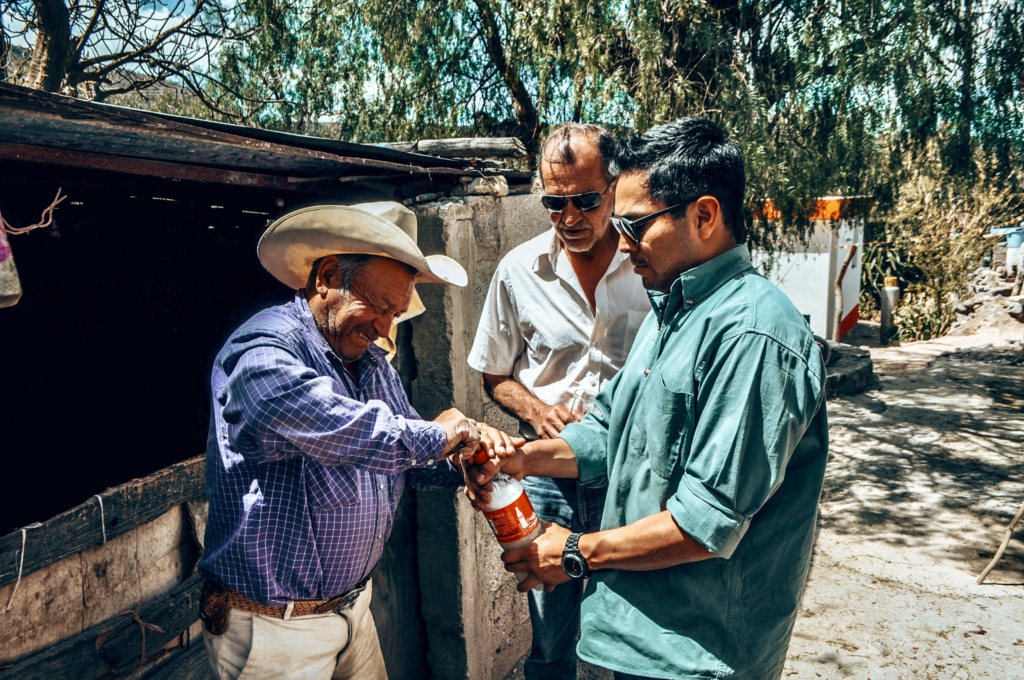
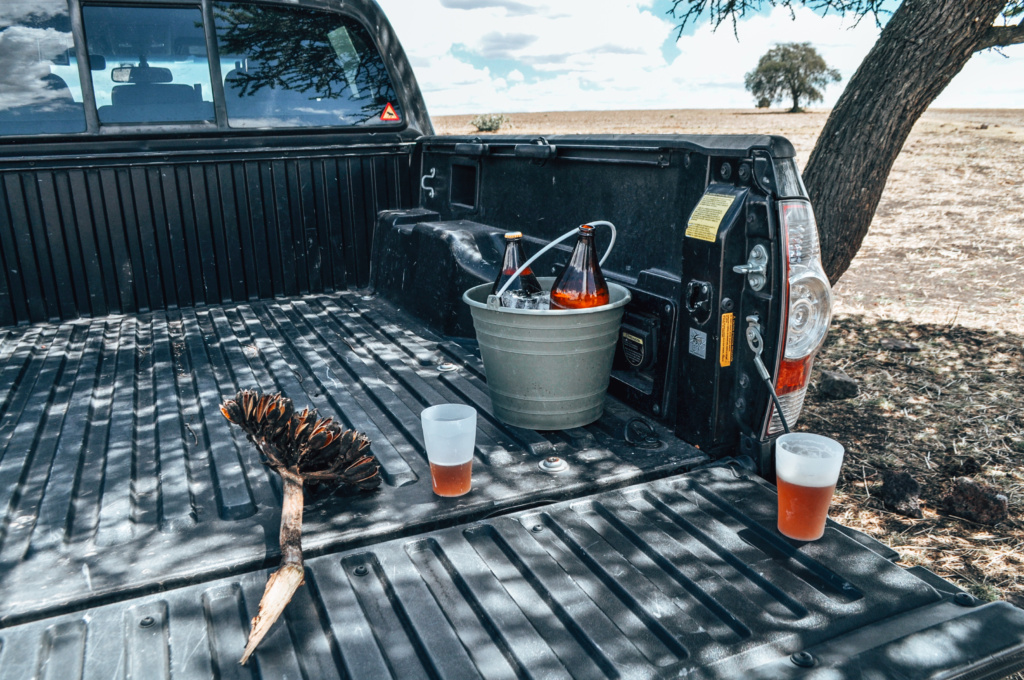
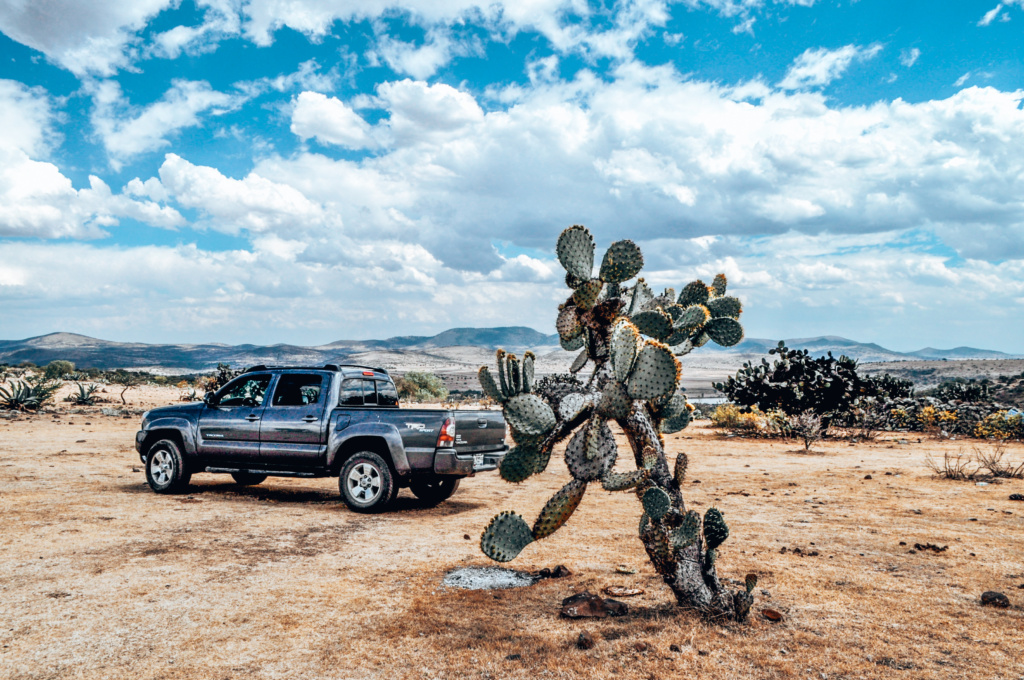
Later, surrounded by open countryside and wild horses, we visited a real-deal rural pulquería where conversations drifted naturally into the differences between tequila and mezcal, the rituals around drinking, and the way these beverages reconnect people to their roots.
Because in Mexico, these drinks are not just products. They are identity.
You might also like: Where to Eat in Tulum Like a Local (Hint: Nowhere Near the Beach)
Mezcal vs Tequila vs Pulque: What’s the Difference?
All three beverages come from the agave plant or its ecosystem, but they are entirely different in production, flavor, history, and cultural role.
Tequila
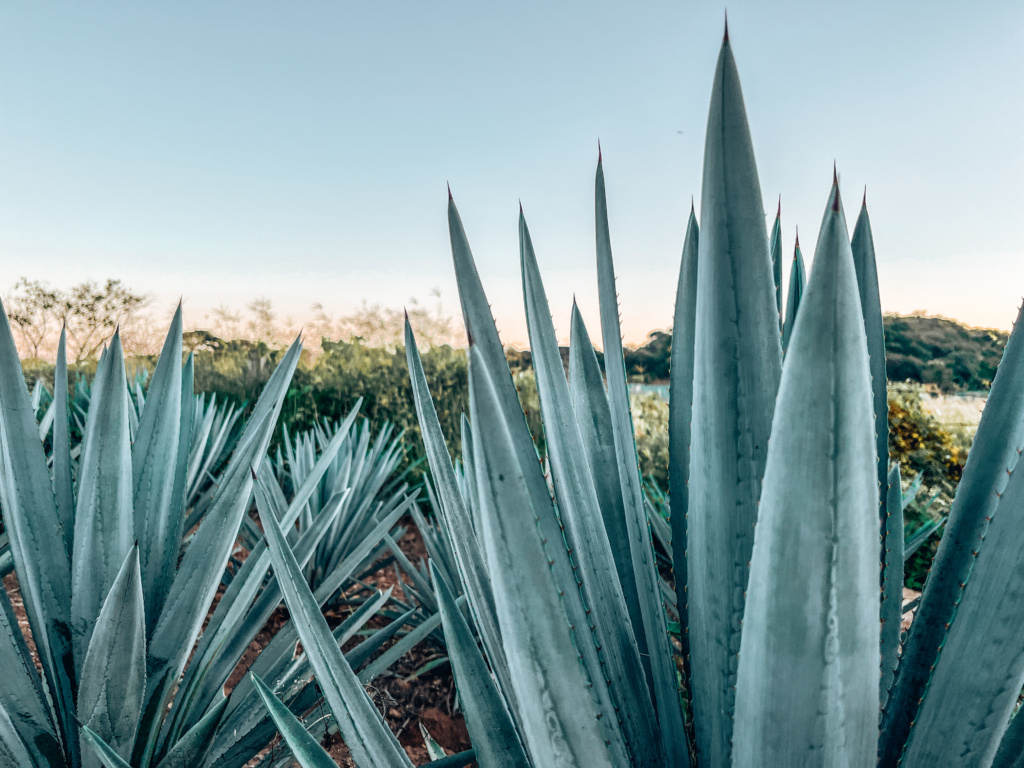
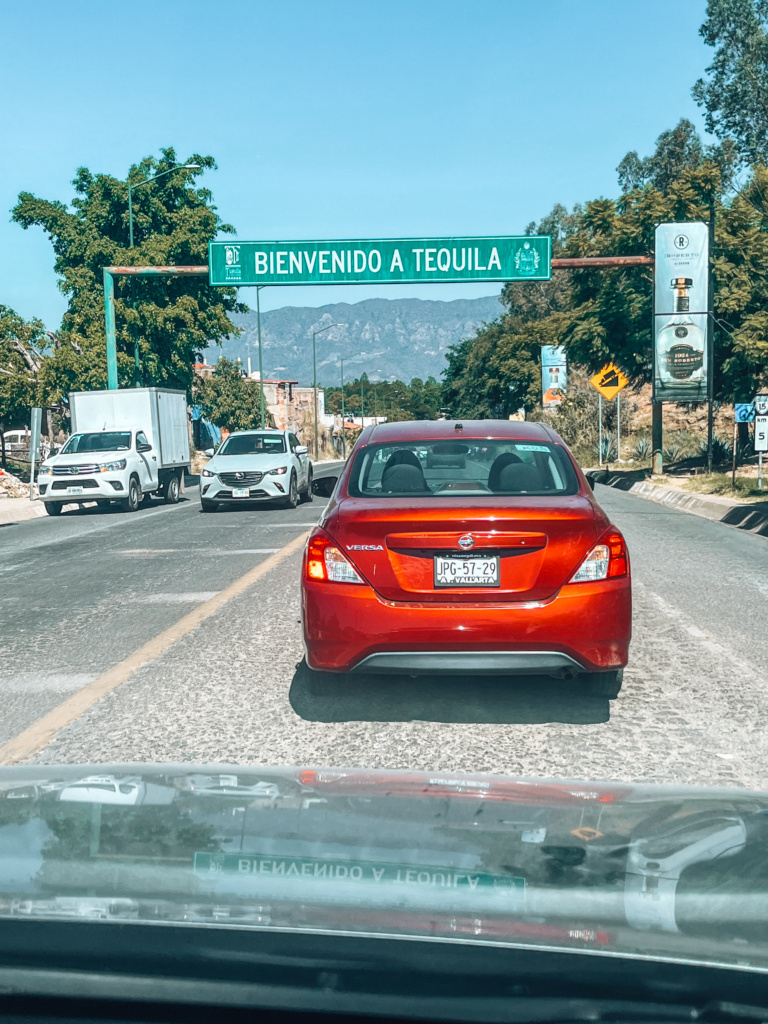
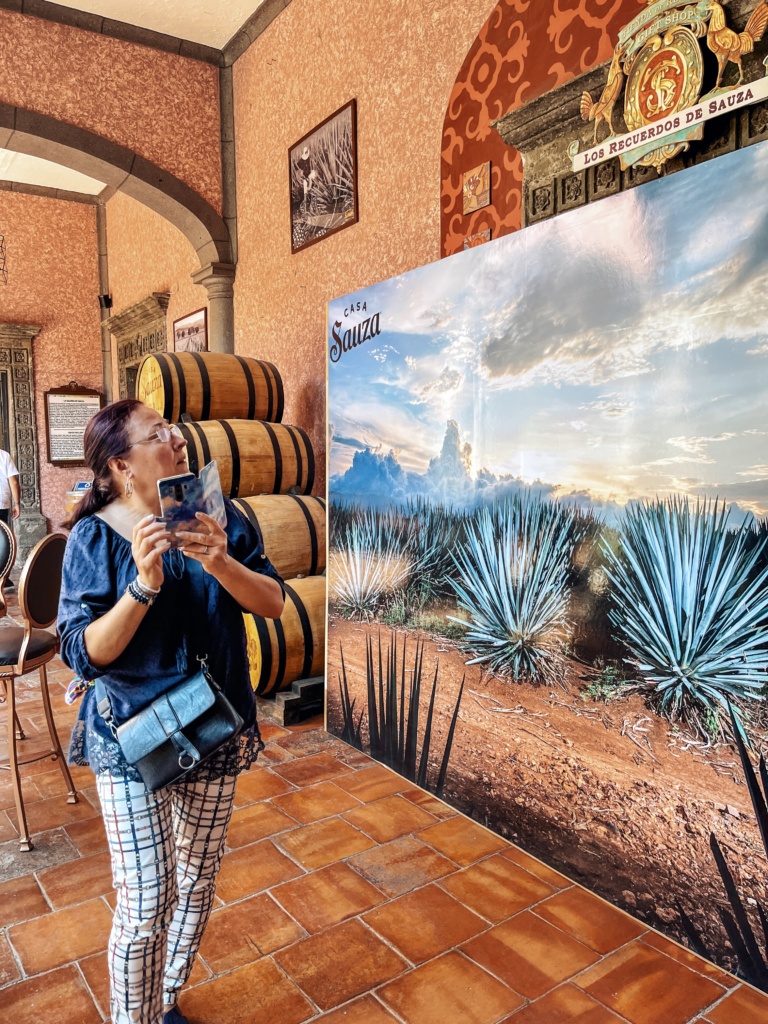
Tequila is a distilled spirit made exclusively from blue Weber agave, primarily in the state of Jalisco and a few designated regions. It is generally smoother, cleaner, and more standardized than mezcal.
Mezcal
Mezcal is also distilled from agave, but can be made from dozens of agave varieties across multiple Mexican states, especially Oaxaca. It is often smoky, earthy, vegetal, and highly regional.
Pulque
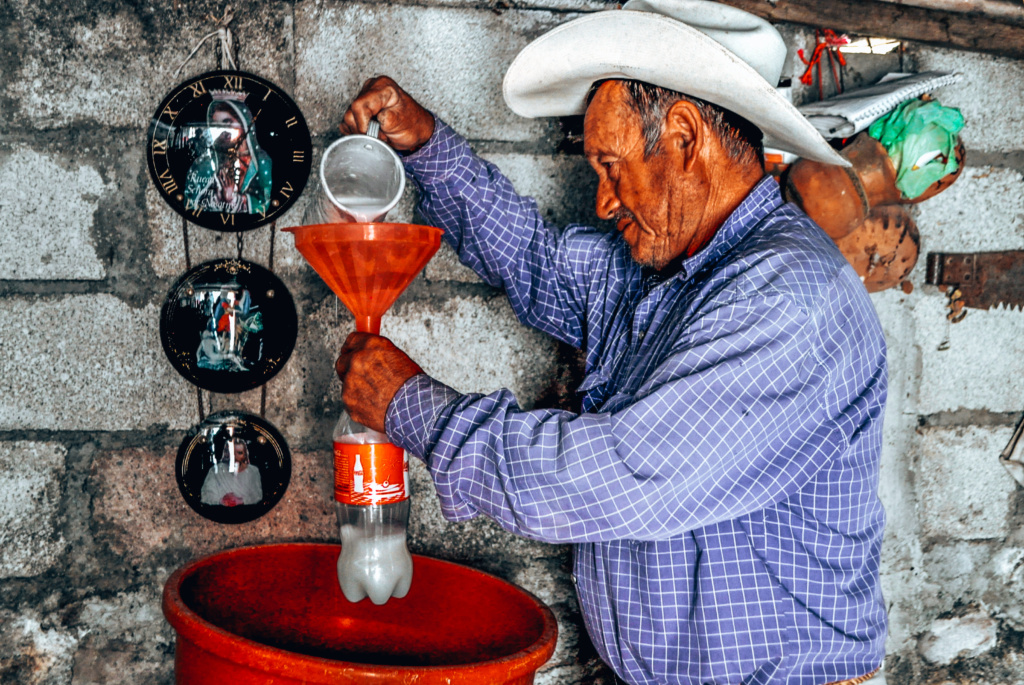
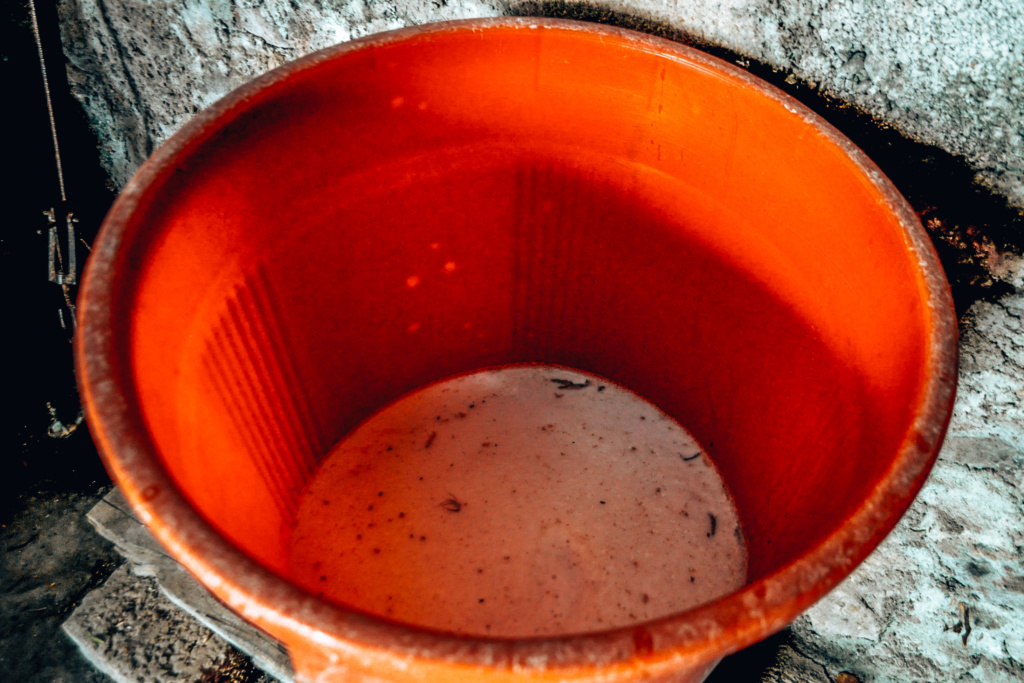
Pulque is entirely different. There is no distillation at all. Instead, it is a natural agave sap drink that underwent fermentation. It dates back thousands of years to pre-Hispanic civilizations.
If tequila is glam and global, mezcal is artisanal and regional. Pulque, meanwhile, remains deeply local and fiercely traditional.
You might also like: What To Eat At Mercado Coyoacán in CDMX (+ Frida Kahlo’s Casa Azul)
The Ancient Origins of Pulque
Long before tequila bars existed, pulque was sacred. The drink traces back to Mesoamerican civilizations including the Aztecs, Toltecs, and Otomí peoples.
Made from the fermented sap of mature maguey plants, pulque was consumed in religious ceremonies and often reserved for priests, elders, warriors, or special rituals.
Its texture surprises first-timers. Pulque is cloudy, slightly viscous, tangy, yeasty, and alive with fermentation. It can taste sour, grassy, fruity, or almost kombucha-like depending on freshness and preparation.
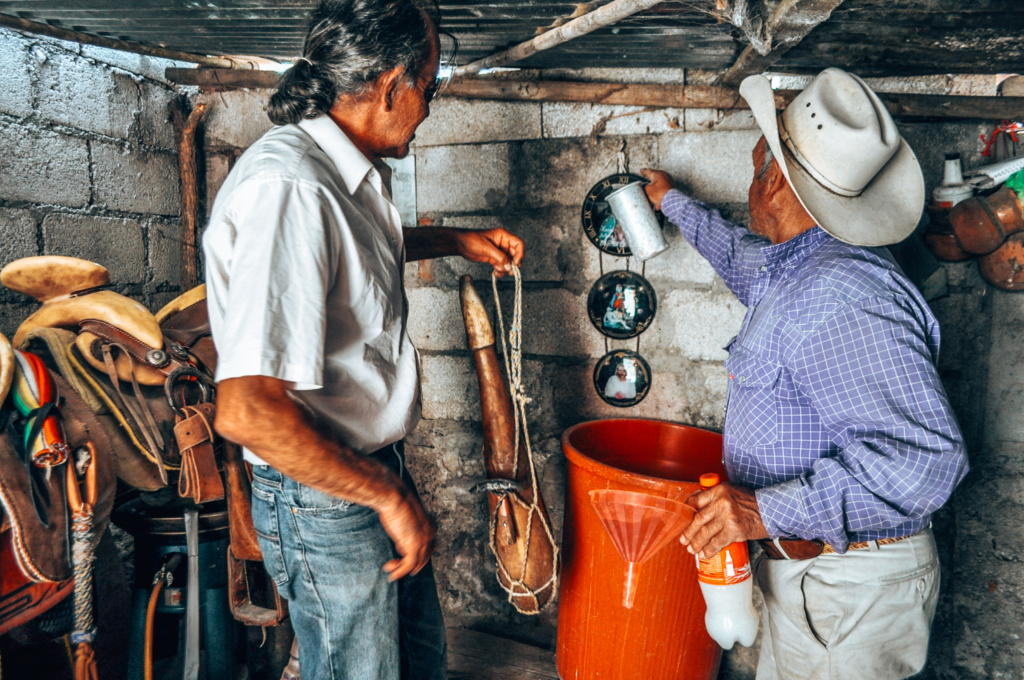
Unlike tequila or mezcal, pulque cannot really be industrialized easily. It spoils quickly and is best fresh, often within days or even hours of production. That’s one reason it never became a major export.
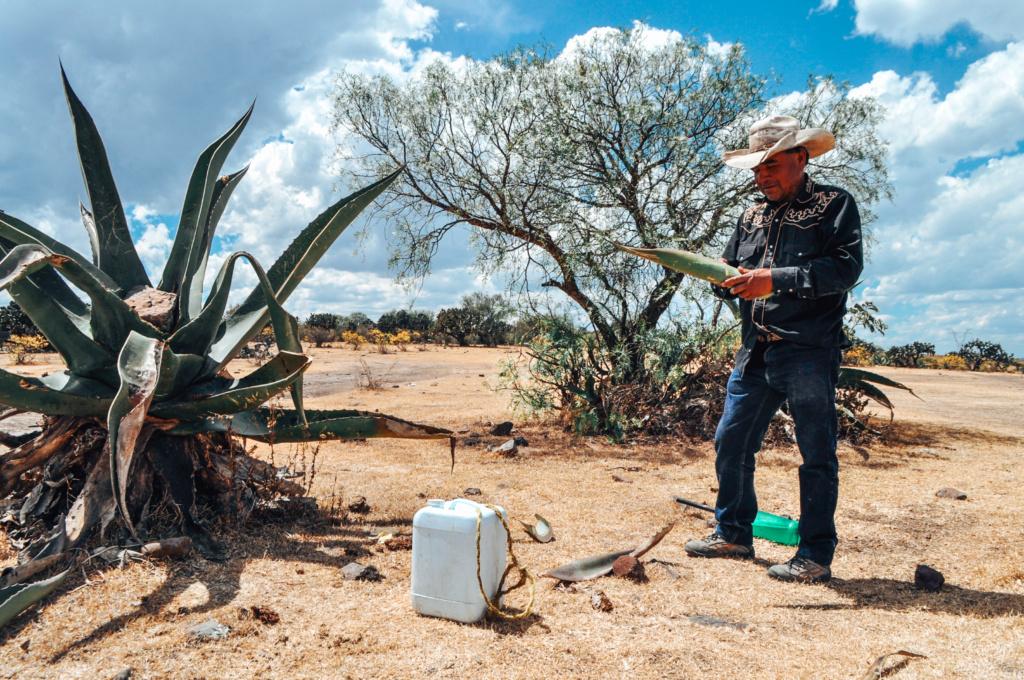
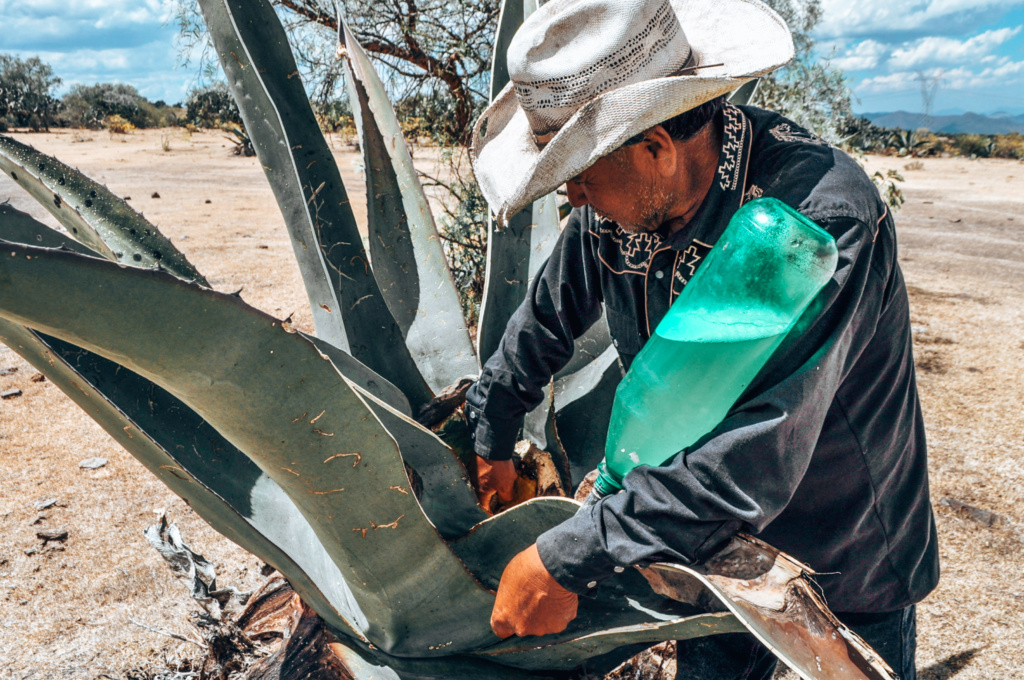
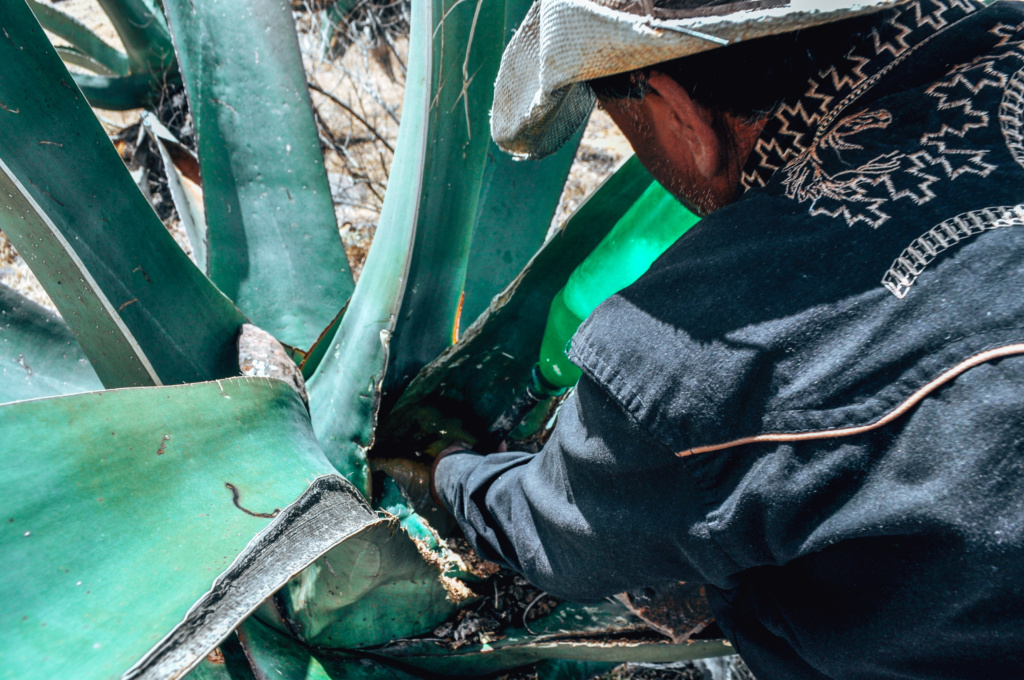
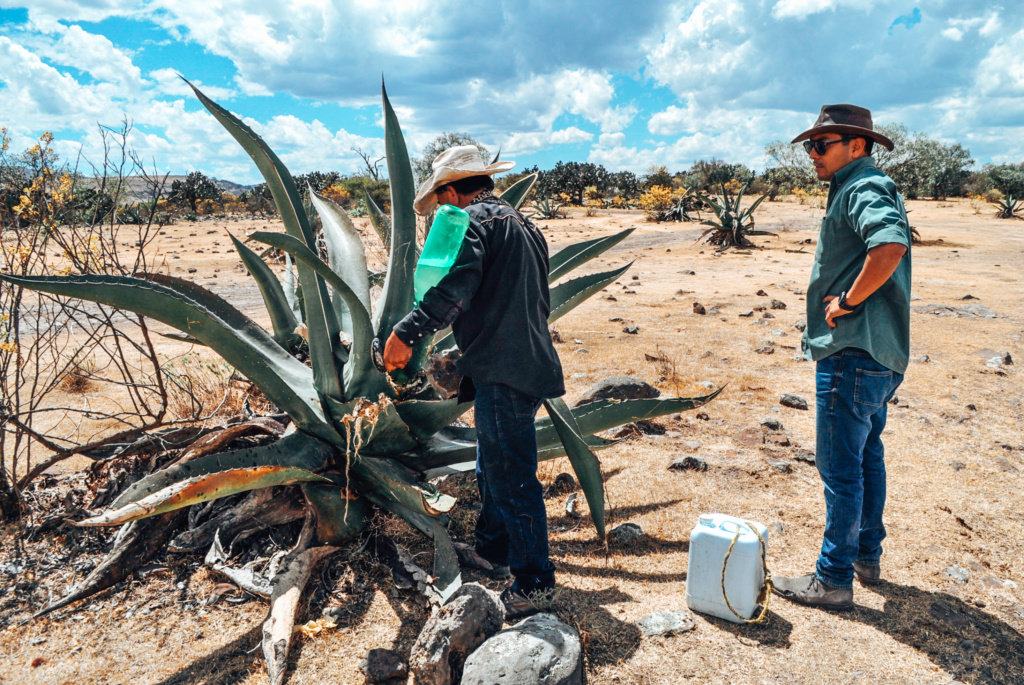
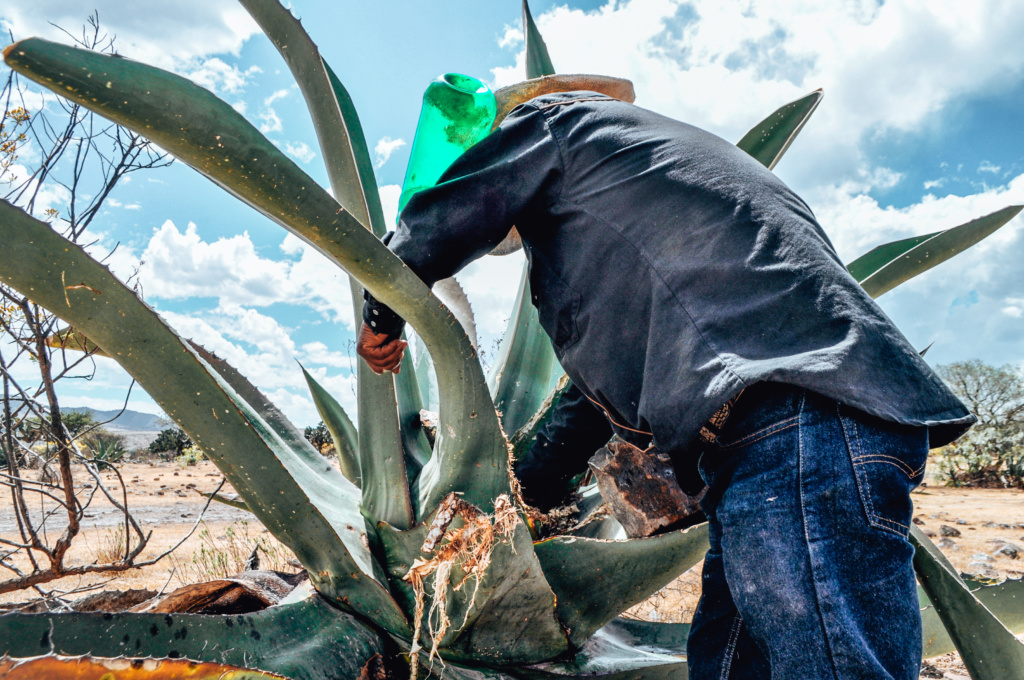
To make pulque, producers carve into the center of a mature maguey plant and collect its sap — known as aguamiel, or “honey water.”
The liquid naturally ferments using ambient microorganisms, creating a low-alcohol beverage that has been around for centuries across central Mexico.
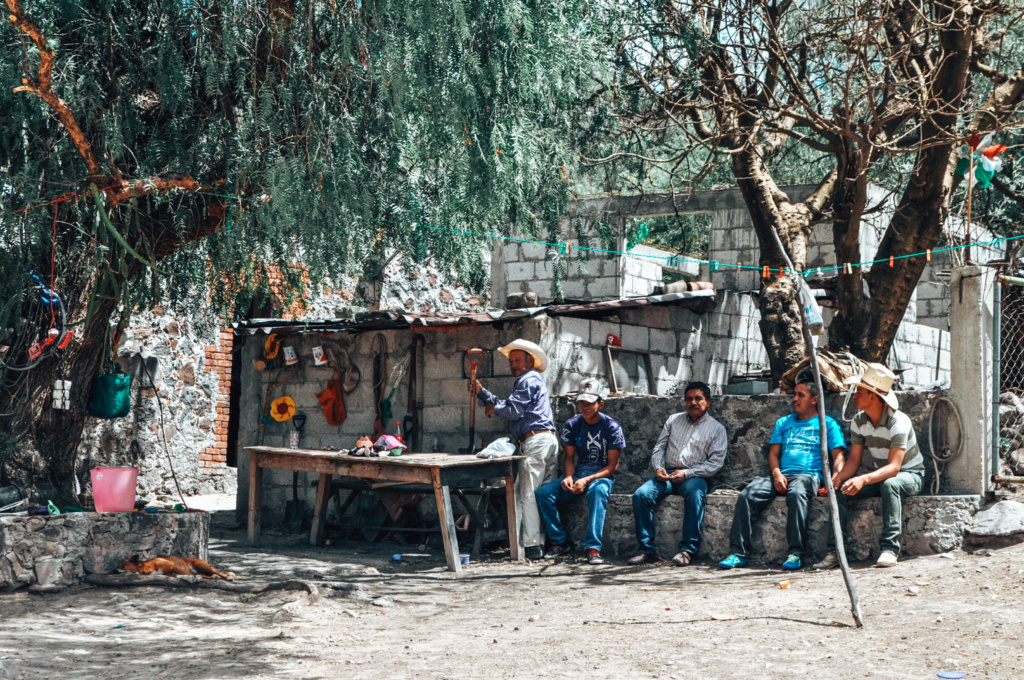
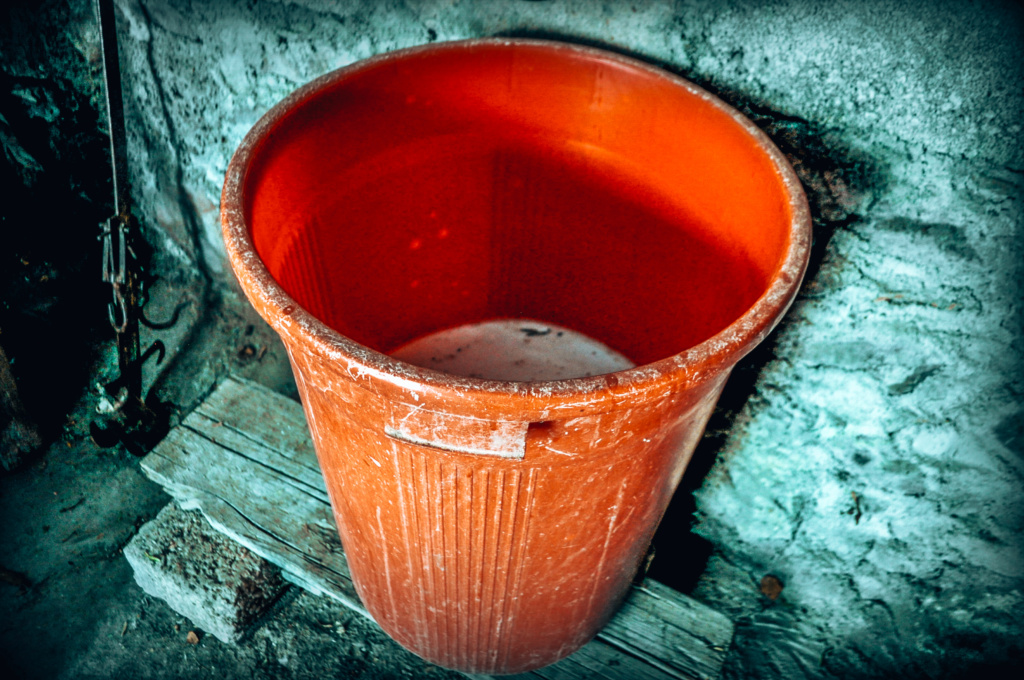
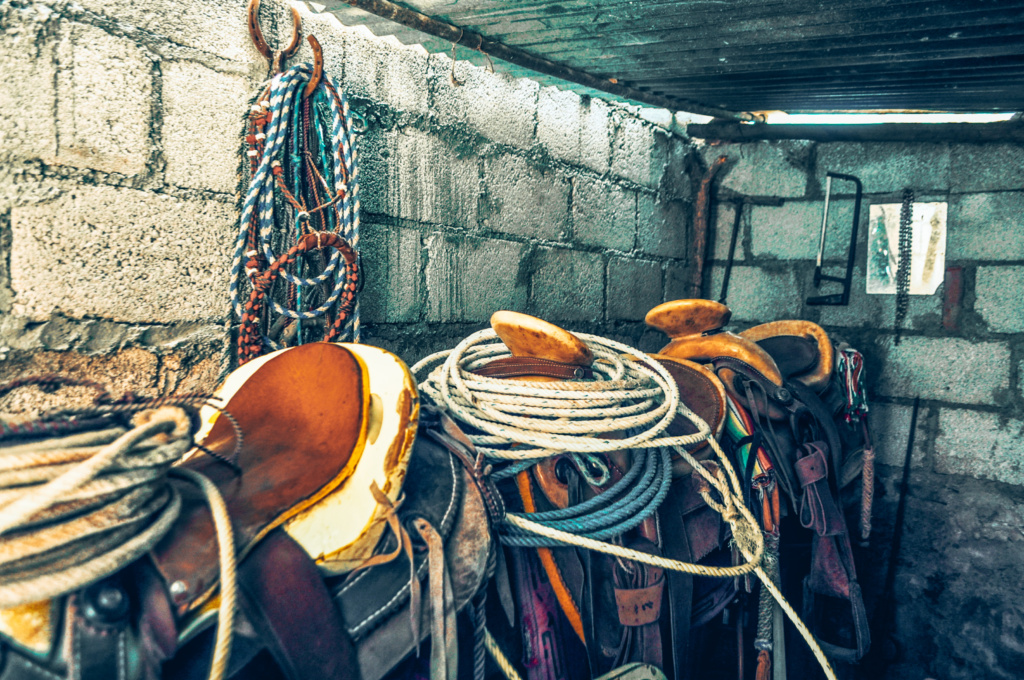
Traditional pulquerías still exist in places like Mexico City, Hidalgo, and Tlaxcala, though many disappeared during the 20th century as beer companies aggressively marketed against pulque culture.
Thankfully, younger Mexicans are reclaiming it.
Today, a new generation of drinkers sees pulque not as an outdated peasant drink, but as an Indigenous food tradition worth preserving.
You might also like: The AMEX Centurion Lounge CDMX: A Gourmet Getaway
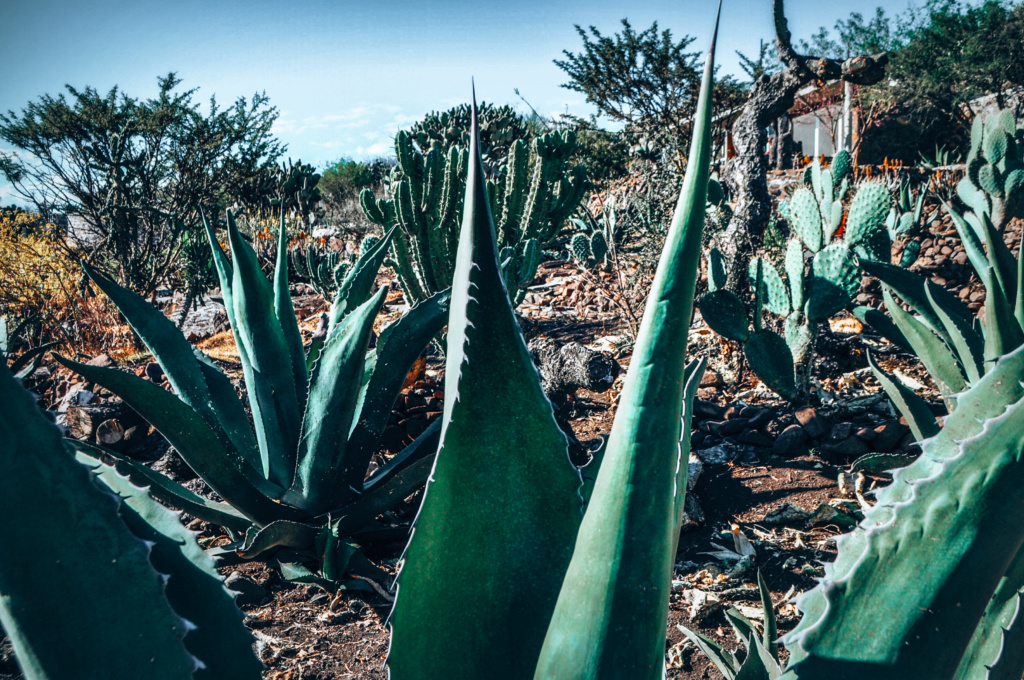
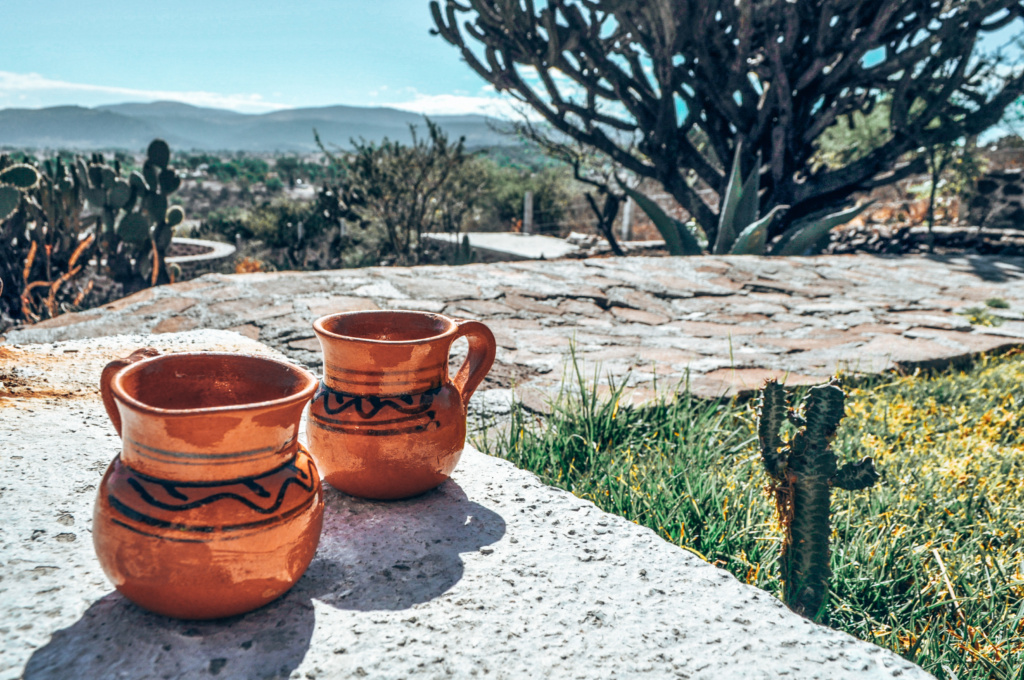
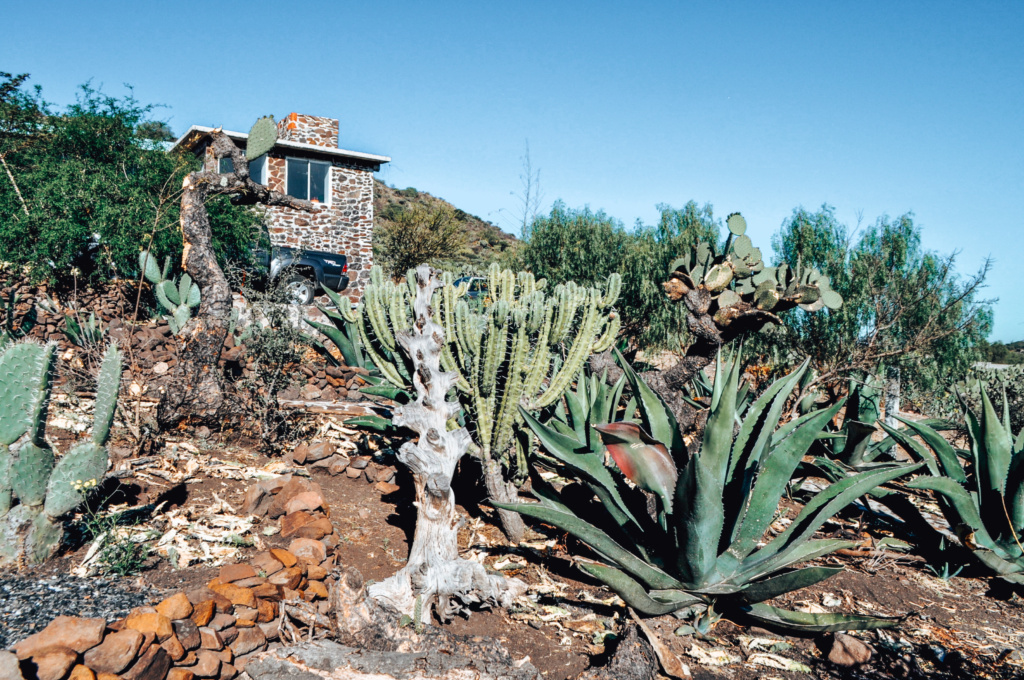
Tequila: Mexico’s Most Famous Spirit
Tequila is the spirit most associated with Mexico globally, but authentic tequila has strict rules.
To legally be called tequila, the spirit must be made primarily from blue Weber agave and produced in designated Denomination of Origin regions, mainly in Jalisco.
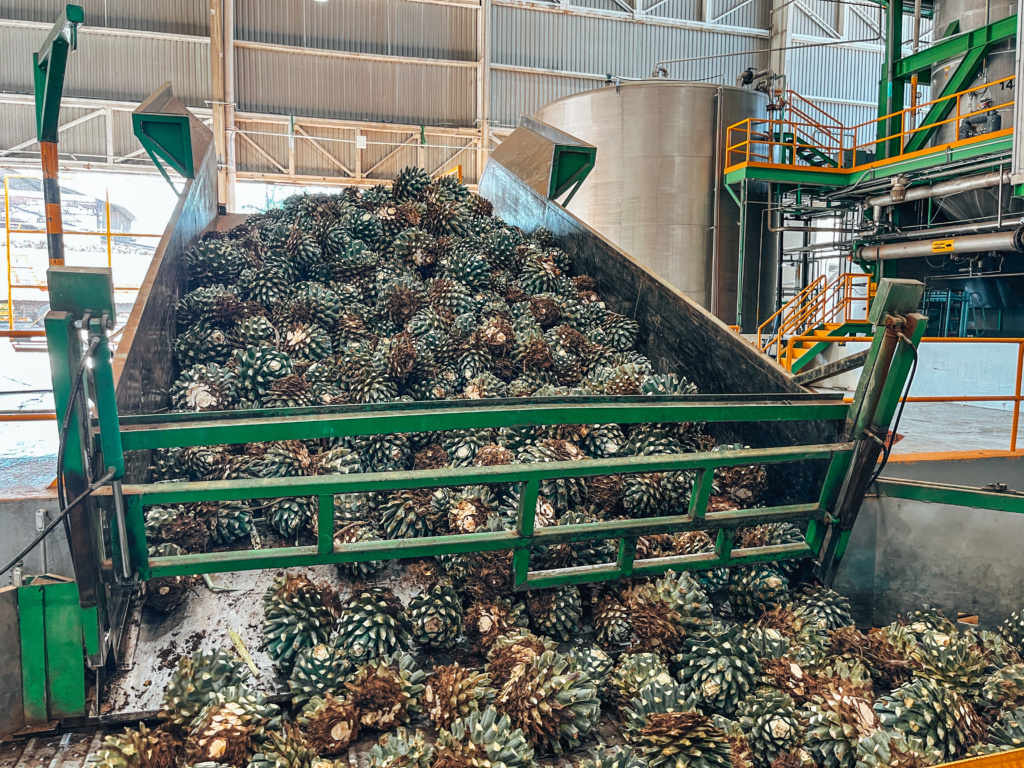
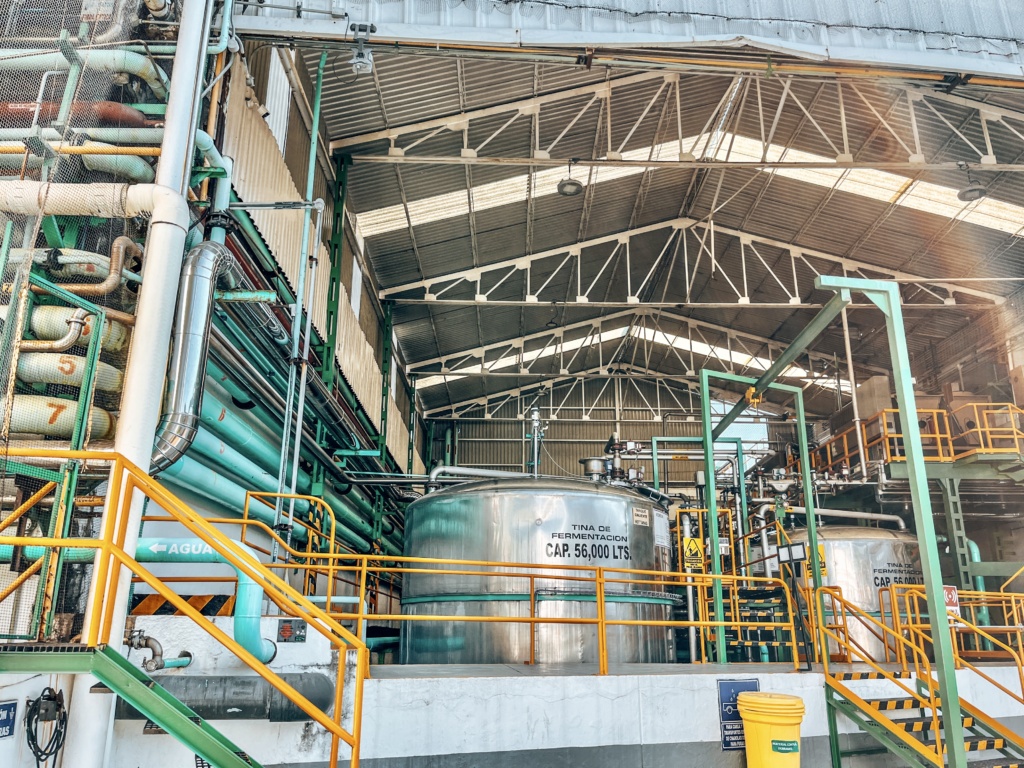
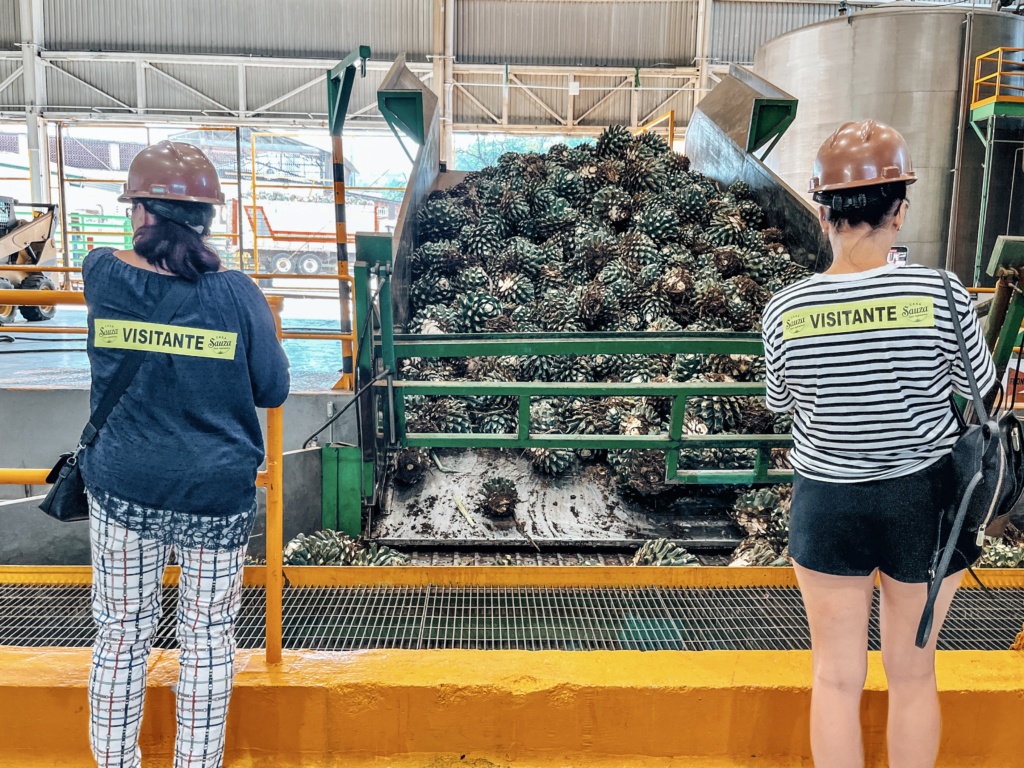
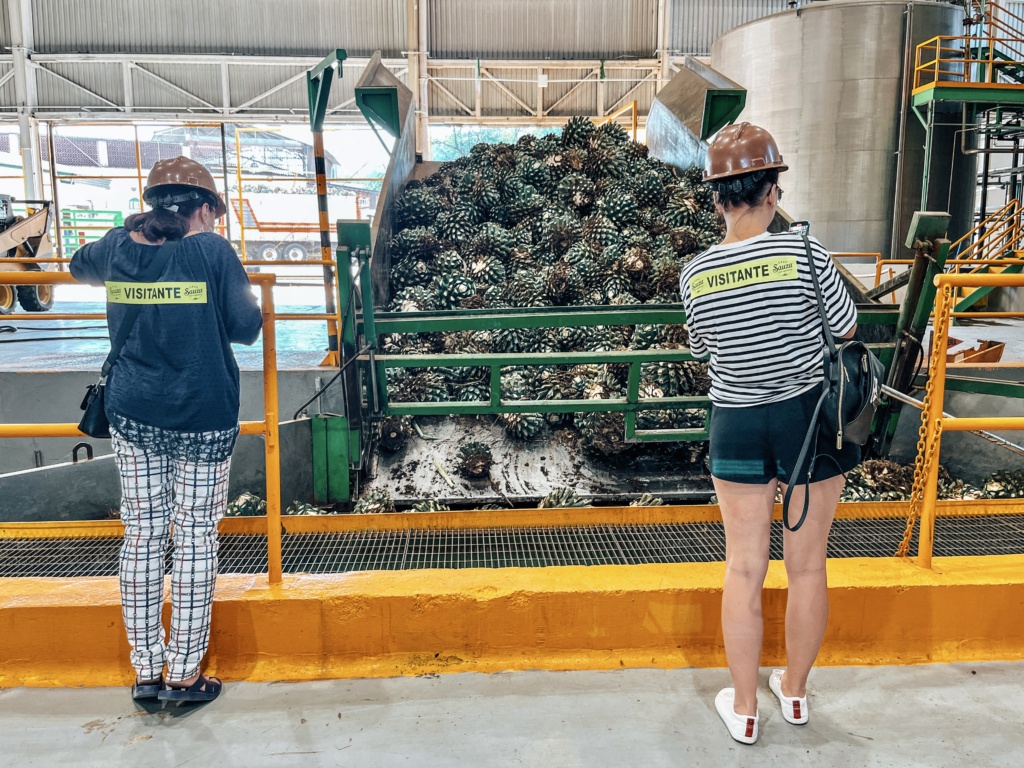
Production begins with harvesting the agave hearts, or piñas, after the plants mature for roughly 6–10 years. The piñas are cooked, crushed, fermented, distilled, and often aged.
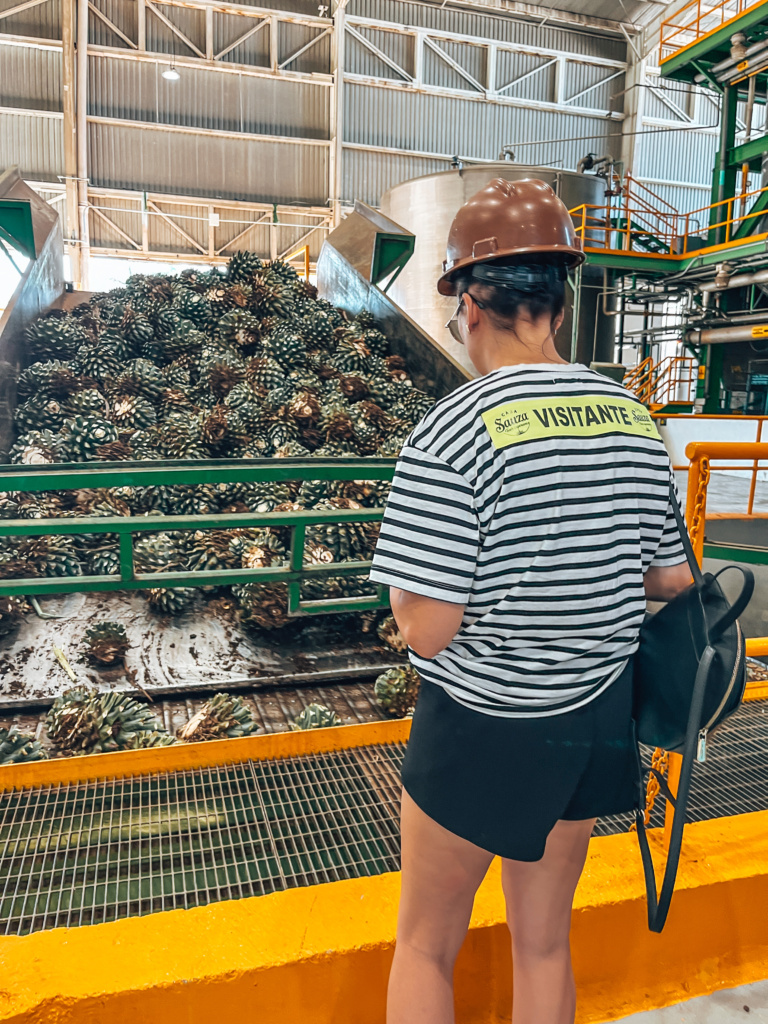
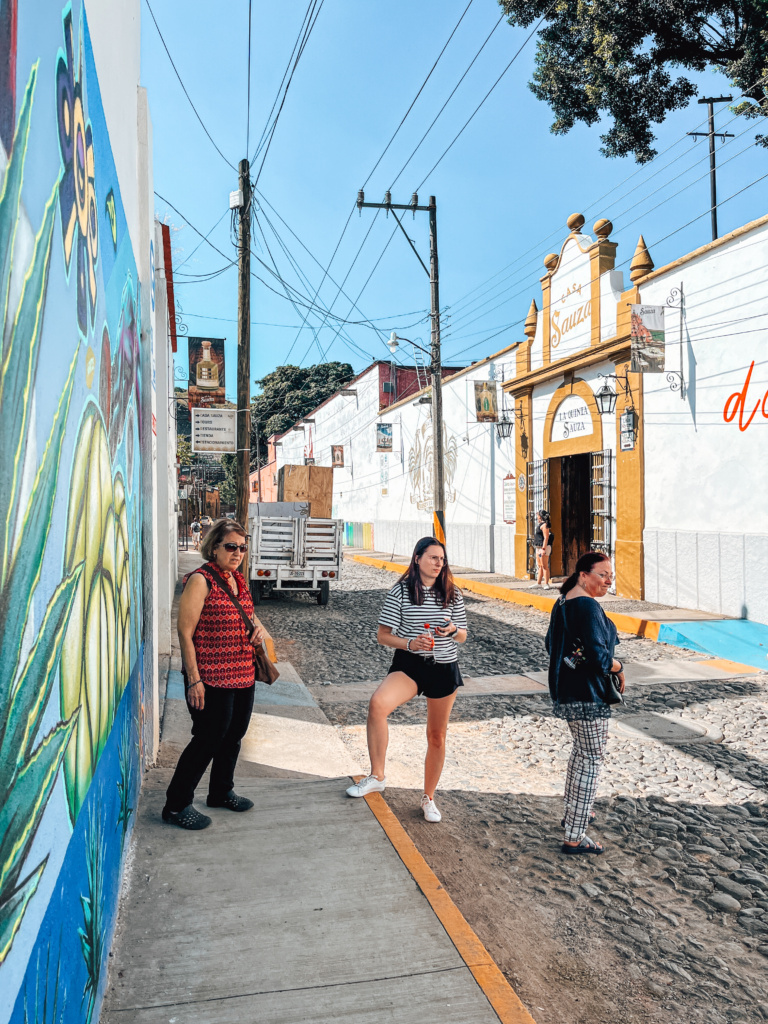
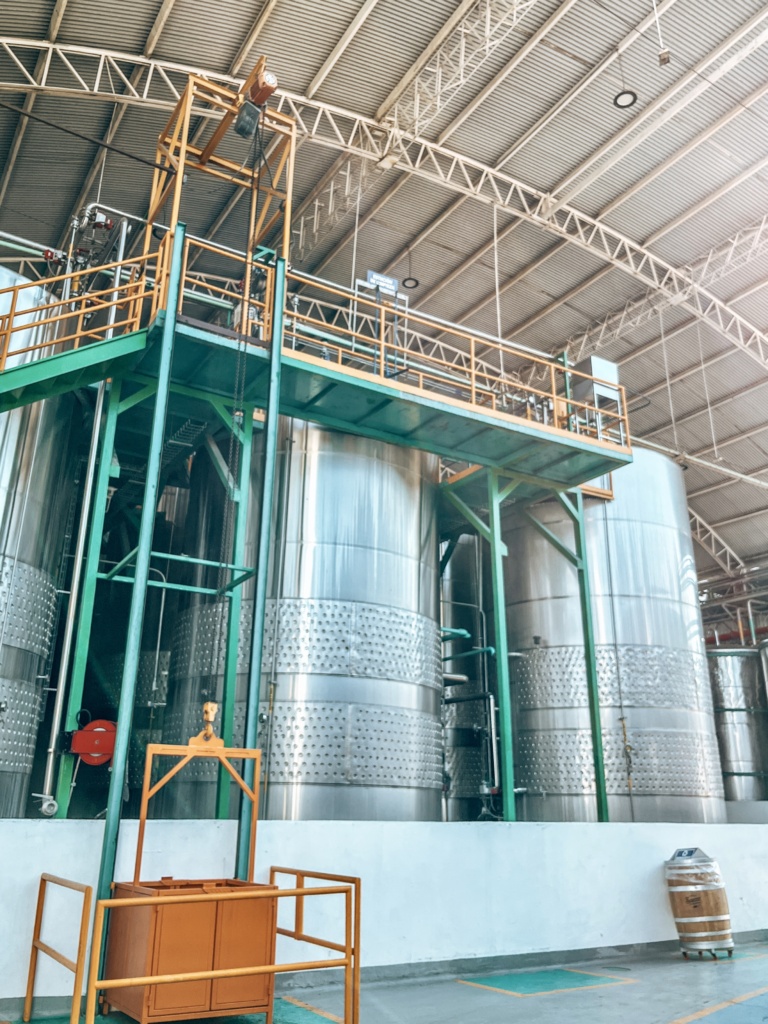
Different tequila styles include:
- Blanco — unaged and bright
- Reposado — lightly barrel-aged
- Añejo — aged longer for deeper caramel and oak notes
- Extra Añejo — luxurious, extended aging
Industrial tequila production has exploded globally, especially with celebrity brands and luxury marketing. But small-batch producers still emphasize terroir, traditional ovens, tahona stone crushing methods, and ancestral techniques.
The best tequila is not meant to be slammed with salt and lime. In Mexico, good tequila is often sipped slowly, appreciated like fine whisky or cognac.
You might also like: Hot Air Balloon Ride Over Teotihuacan: Floating Through Time
Mezcal: Smoke, Soil, and Regional Identity
The phrase often repeated in mezcal circles goes: “For everything good, mezcal. For everything bad, mezcal too.”
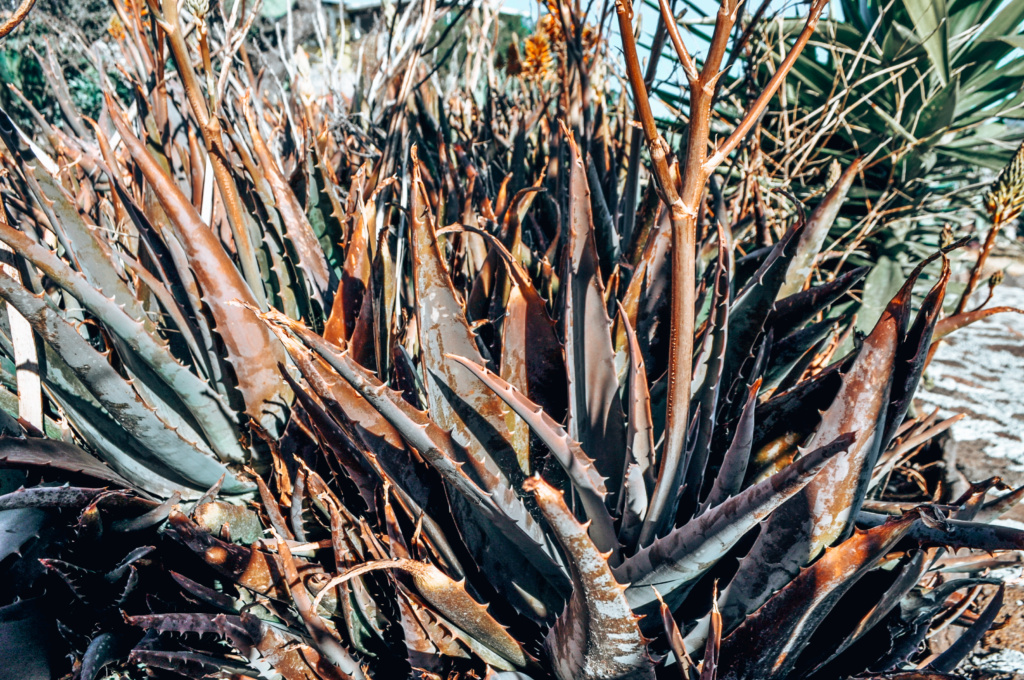
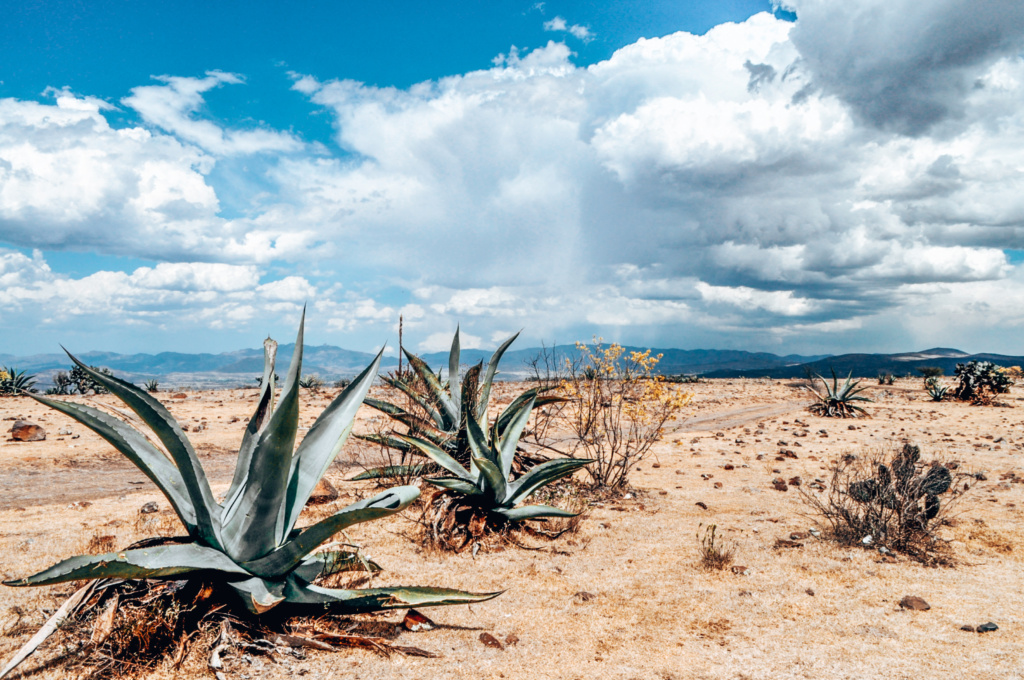
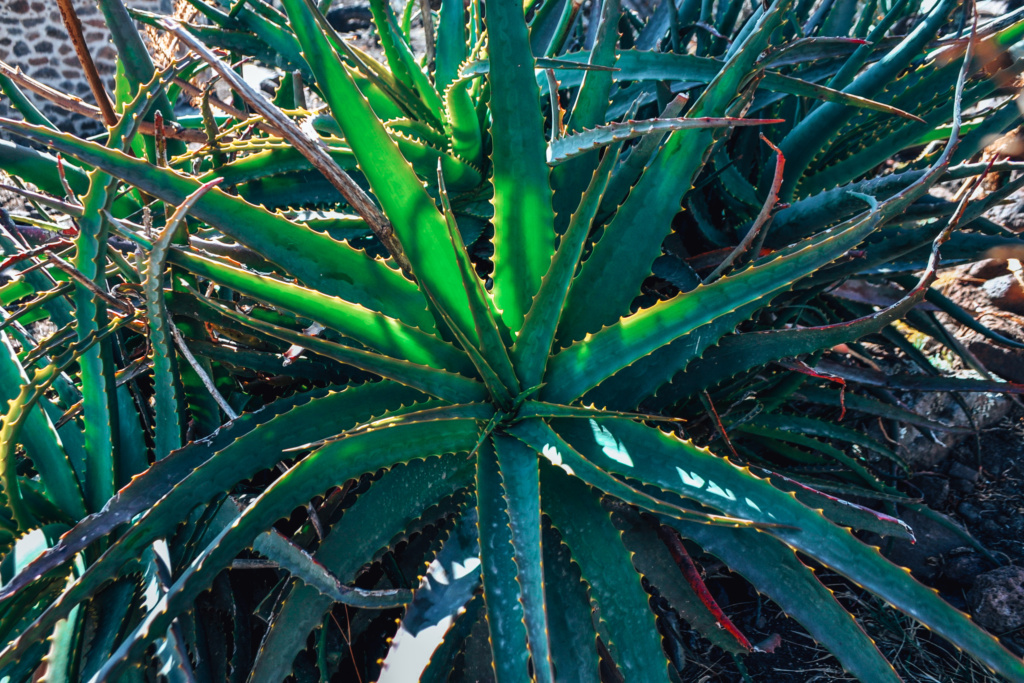
Unlike tequila, mezcal can be made from many agave species, including espadín, tobalá, madrecuixe, tepeztate, and arroqueño. Each agave variety produces radically different flavors depending on soil, climate, elevation, and age.
That’s why mezcal often feels more connected to place than tequila.

Traditional mezcal production usually involves roasting agave underground in earthen pits lined with volcanic rock and wood, which creates mezcal’s famous smoky profile. The cooked agave is crushed, fermented naturally, and distilled in small batches.
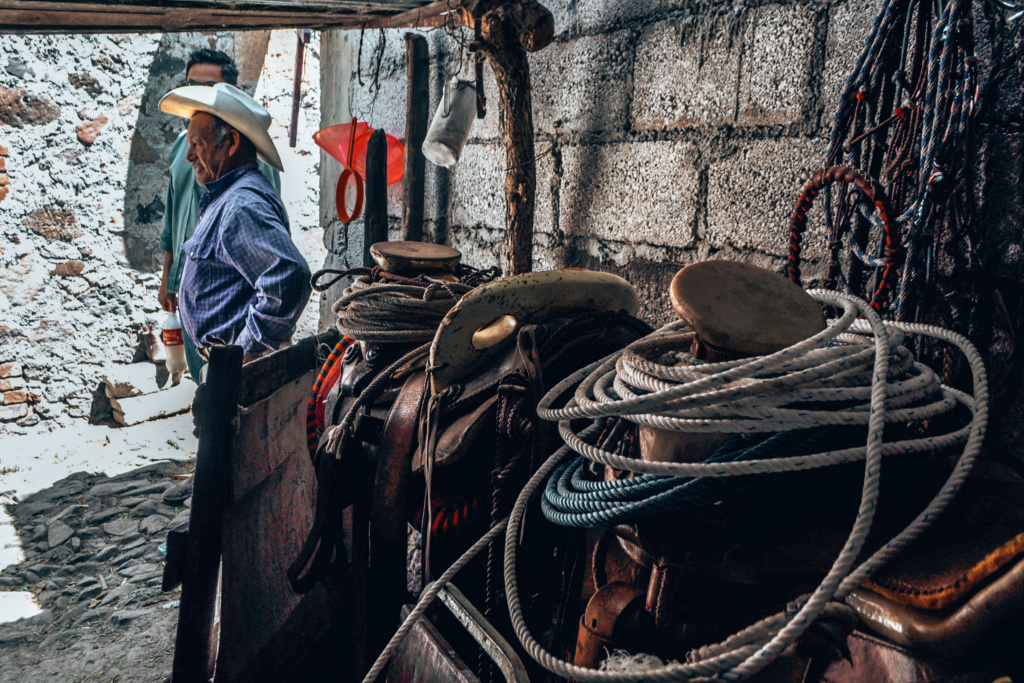
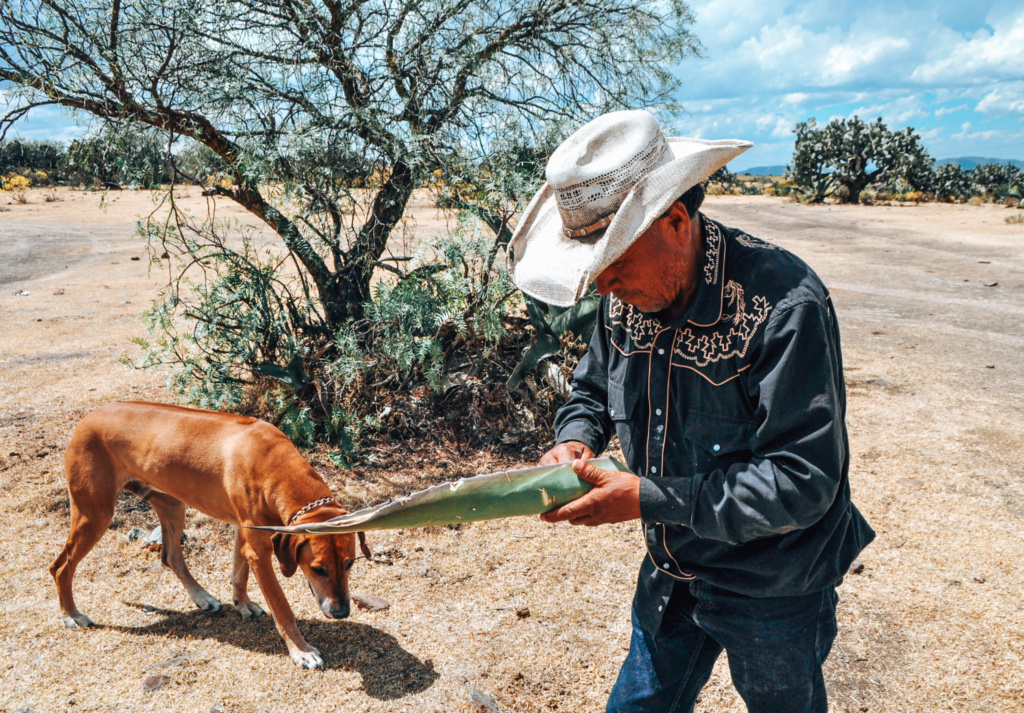
Many mezcaleros still use methods passed down for generations. In regions of Oaxaca, mezcal production is not just business — it is family history, agriculture, ritual, and community survival.
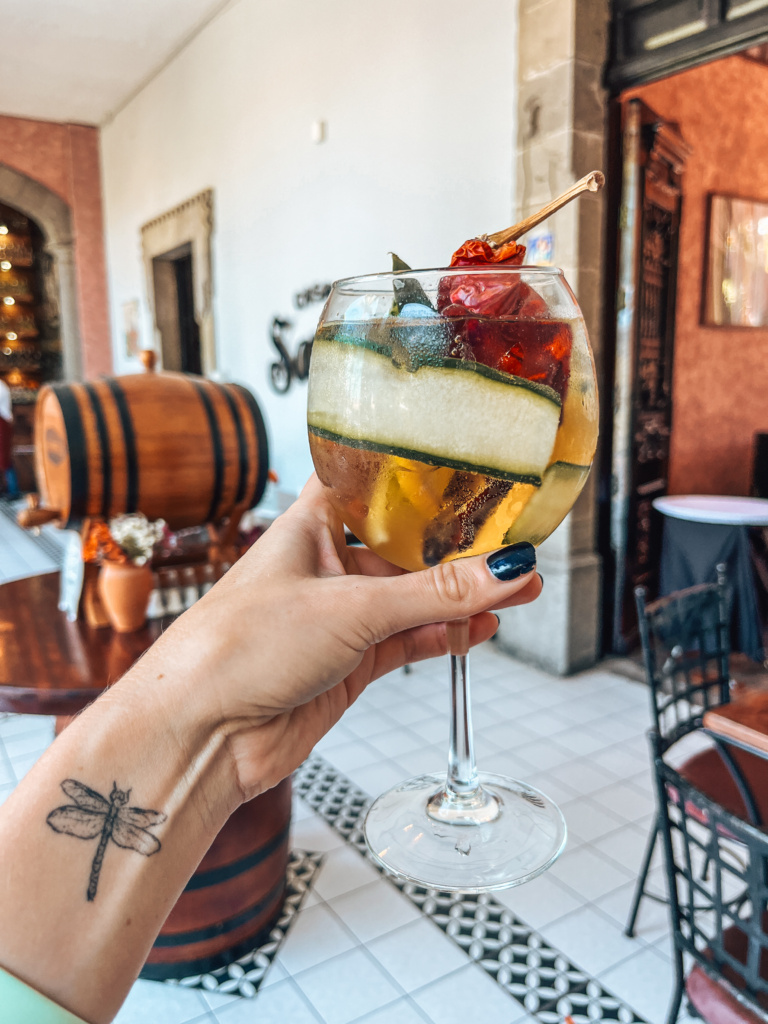
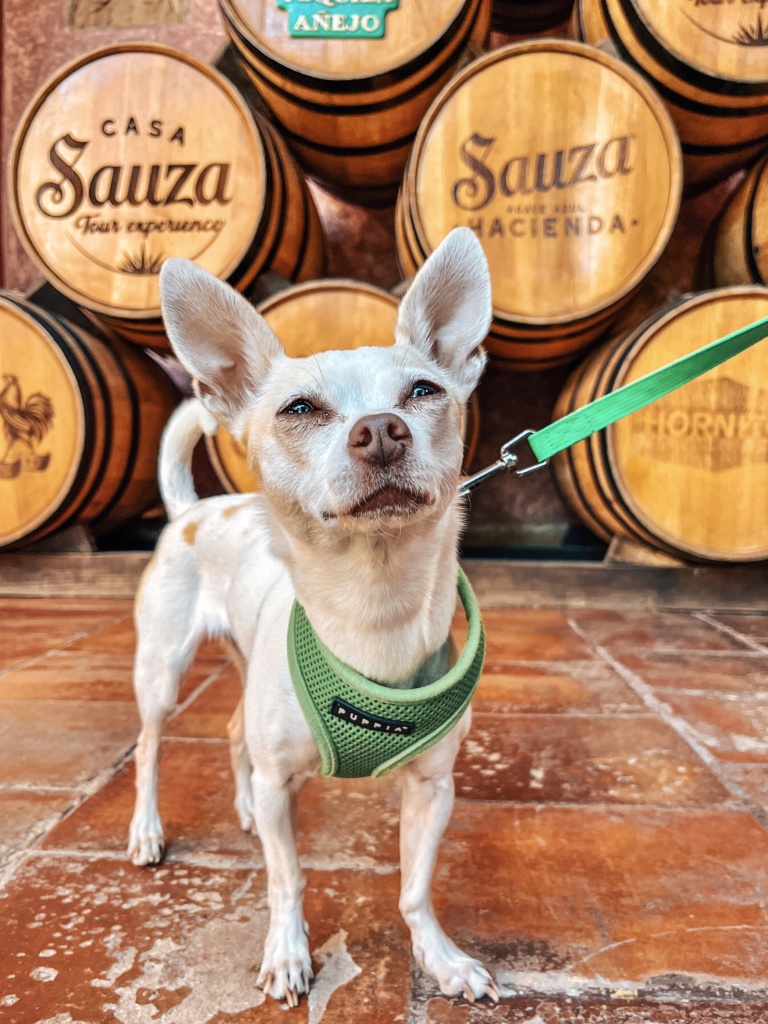
Some bottles even list:
- the village
- the producer
- the agave species
- the altitude
- the oven type
- the water source
It’s closer to wine culture than party culture.
You might also like: Secreto Bar Santa Fe: Home of the Best Margarita in the Southwest

Chapulines, Escamoles, and Drinking Rituals
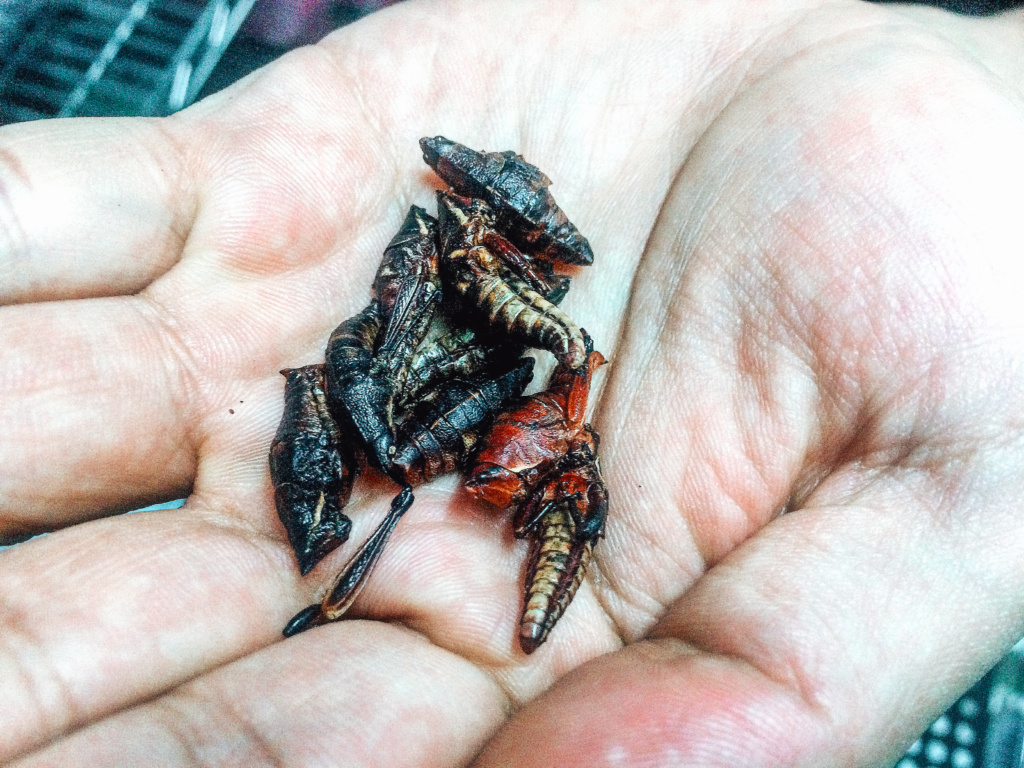
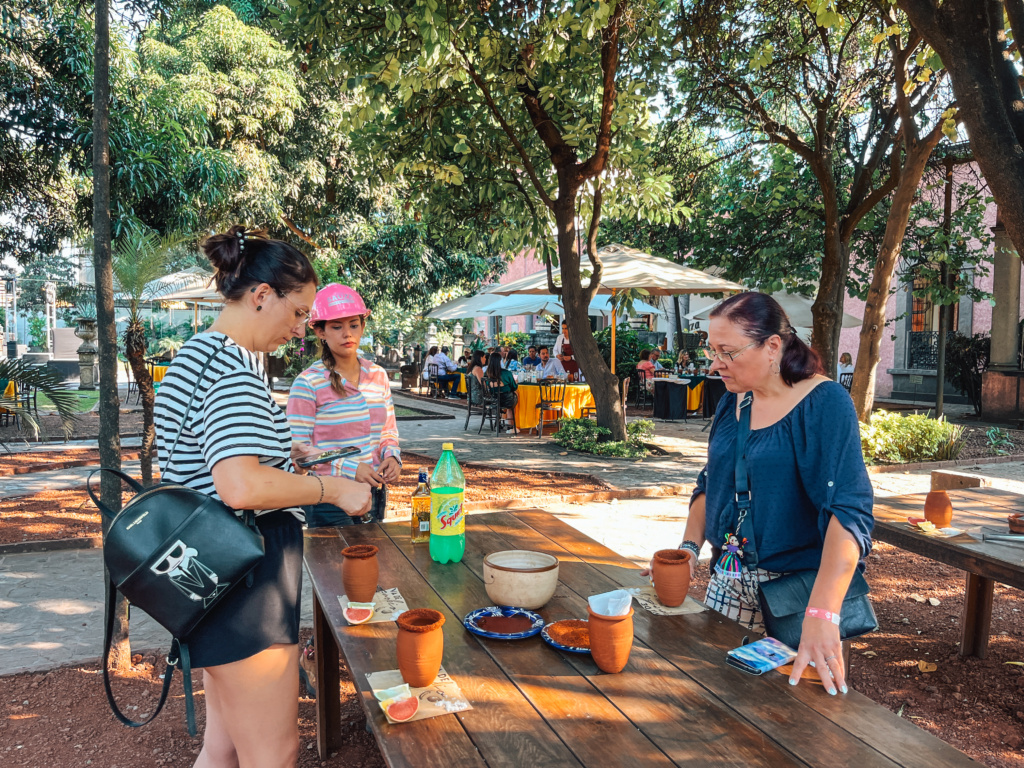
In parts of Mexico, spirits come with a side of a surprise protein. Shots of mezcal may arrive accompanied by sal de gusano — salt mixed with dried agave worms and chile — alongside orange slices, chapulines, or escamoles.
Chapulines
Chapulines are toasted grasshoppers seasoned with chile, garlic, and lime, especially common in Oaxaca. Crunchy, savory, smoky, and rich in protein, they pair naturally with mezcal’s earthy flavors.
Escamoles
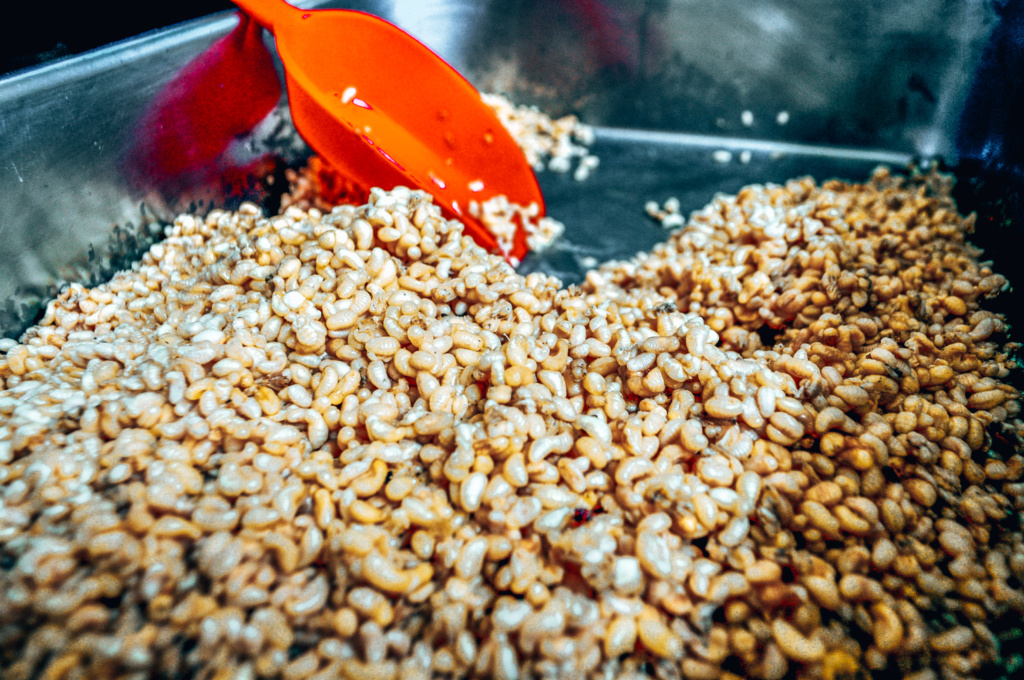
Escamoles — often called “Mexican caviar” — are buttery edible ant larvae harvested from underground nests, traditionally near agave and maguey roots.
Watching escamoles harvested in the countryside with Chef José Carlos Redón completely changed my understanding of Mexican food traditions. Nothing about it felt trendy or performative. It felt ancient. Agricultural. Sacred, even.
The harvesting process requires deep ecological knowledge and immense care for the land.
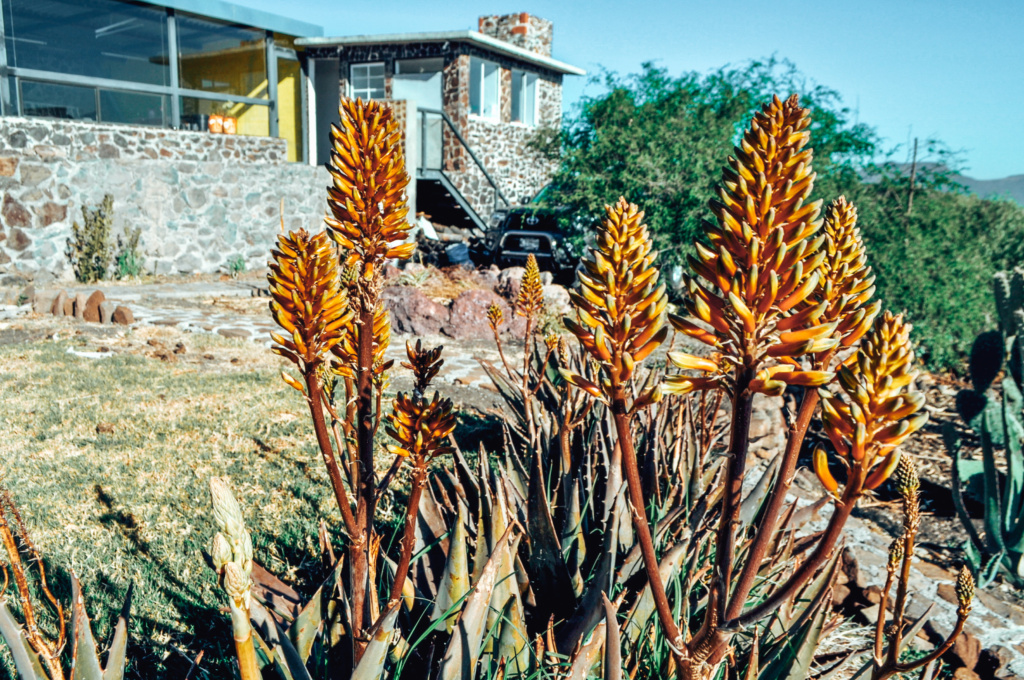
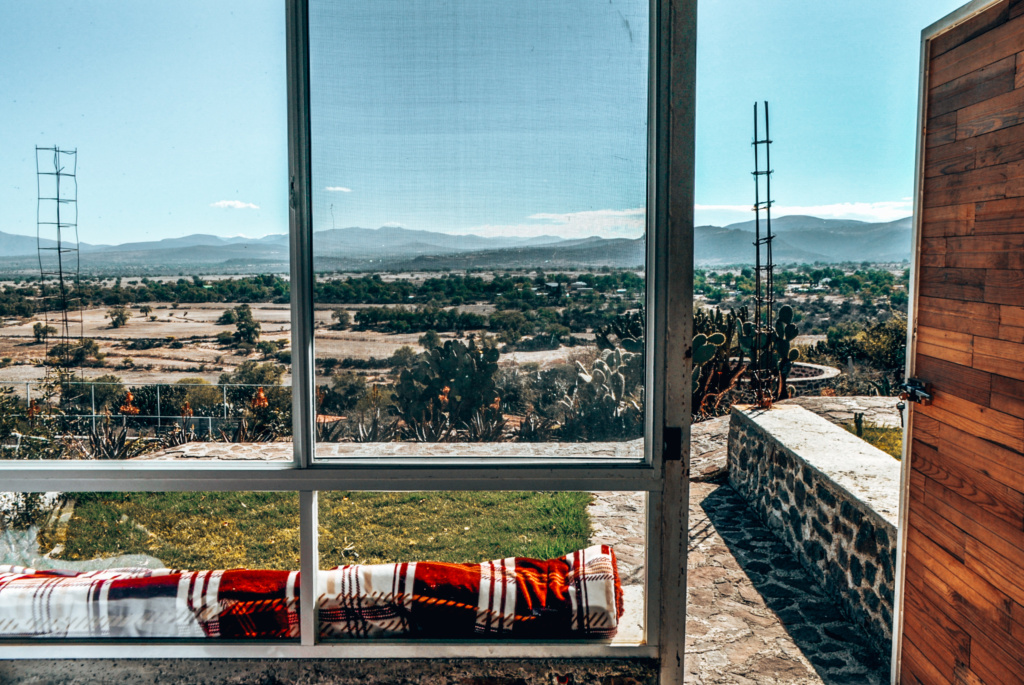
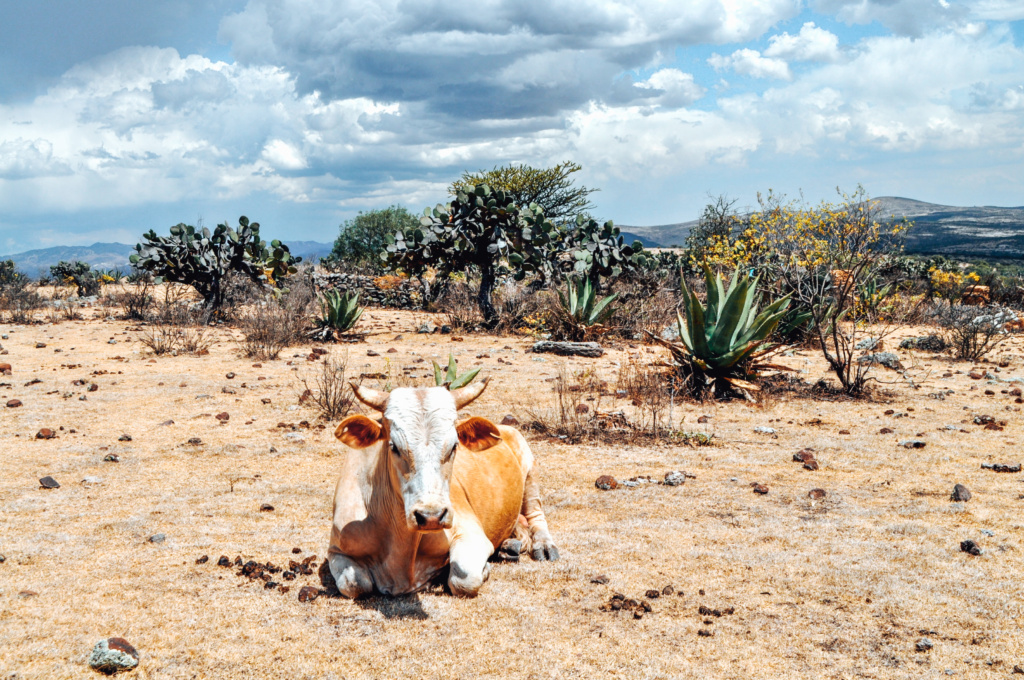
Later, sitting in a rural pulquería surrounded by wild horses and endless landscape, the conversation naturally moved toward agave itself — how mezcal expresses terroir, how tequila became industrialized, how pulque remains alive and local.
It became obvious that these drinks are inseparable from the ecosystems around them.
You might also like: 5 Best Hotels in Cabo for Food Lovers (From Luxury to Boutique Gems)
The Geography of Mexican Spirits
Each beverage belongs to different landscapes.
Tequila Regions
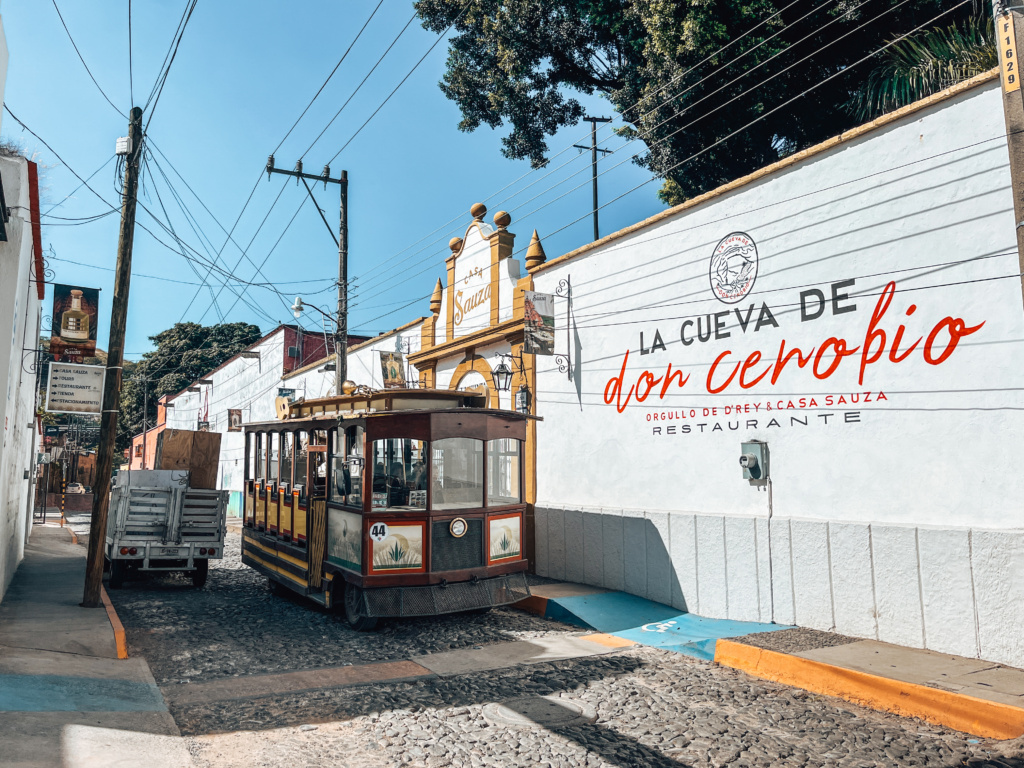
The volcanic highlands and valleys of Jalisco dominate tequila production, especially around the town of Tequila itself.
Mezcal Regions
Mezcal production is common across several states including:
- Oaxaca
- Durango
- Guerrero
- Puebla
- San Luis Potosí
Each region produces dramatically different flavor profiles due to local agave species and climate.
Pulque Regions
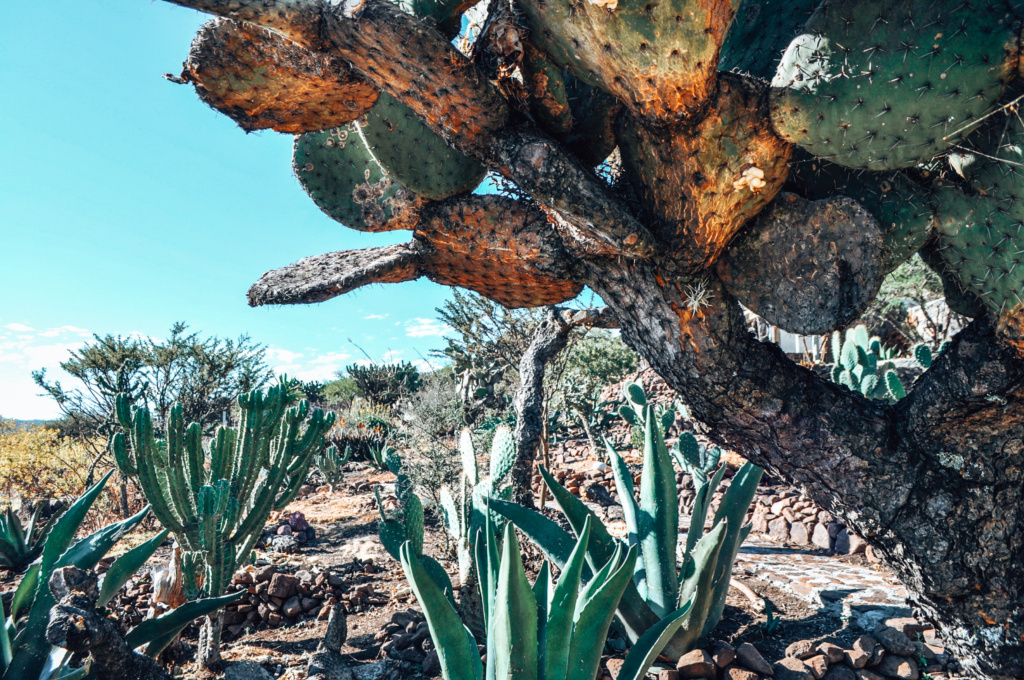
Pulque culture remains strongest in central Mexican states including:
- Hidalgo
- Tlaxcala
- Estado de México
These regions have deep ties to maguey cultivation and long-standing Indigenous traditions.
You might also like: The Old Man And The Drink: Around The World In Hemingway’s Footsteps
The Return of Small-Batch Mexican Spirits
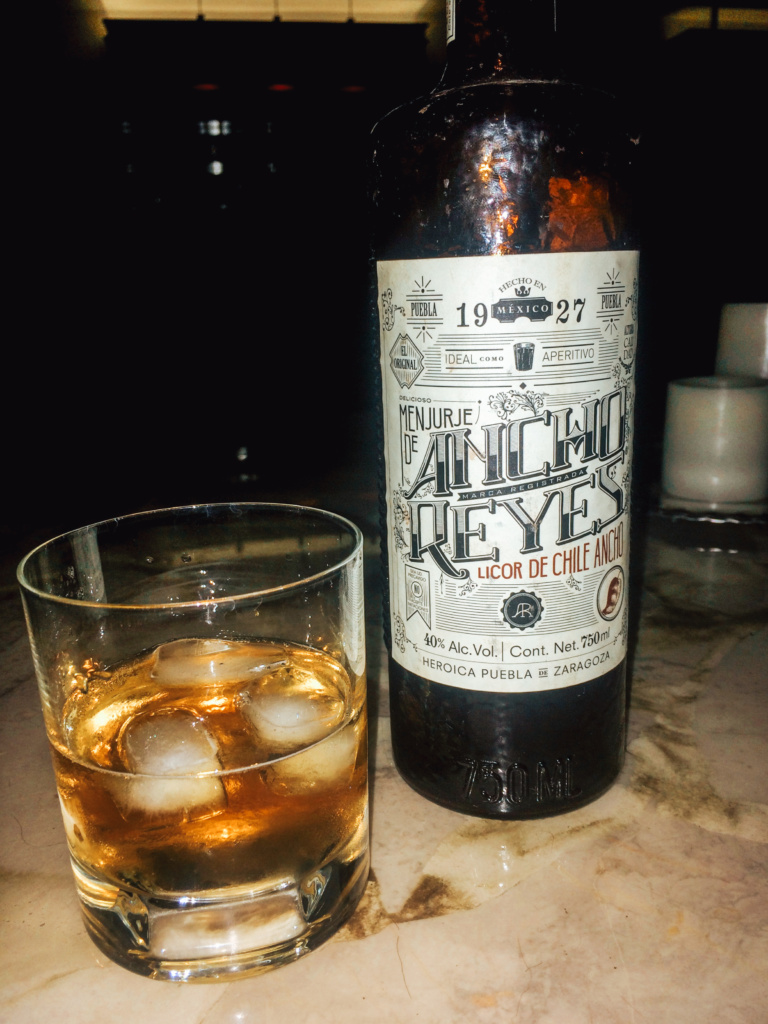
One of the most exciting shifts happening in Mexico today is the renewed appreciation for artisanal production.
Small-batch mezcaleros and pulque makers are reclaiming traditions once dismissed as rural or unsophisticated.
Younger chefs, bartenders, and farmers increasingly emphasize biodiversity, native agave preservation, Indigenous methods, and transparency in sourcing.
This movement matters because industrialization nearly erased many traditions.
Mass-market tequila flattened nuance. Commercial alcohol culture turned ancestral beverages into party props. But the revival of artisanal mezcal and pulque reconnects people to land, farming, memory, and community.
You can taste the difference. Not just physically — emotionally.
You might also like: The Negroni Origin: A Bitter Love Affair With Global Flair
Mezcal vs Tequila: Sip the Ancestors
The next time you drink mezcal or tequila, don’t just throw it back. Pause.
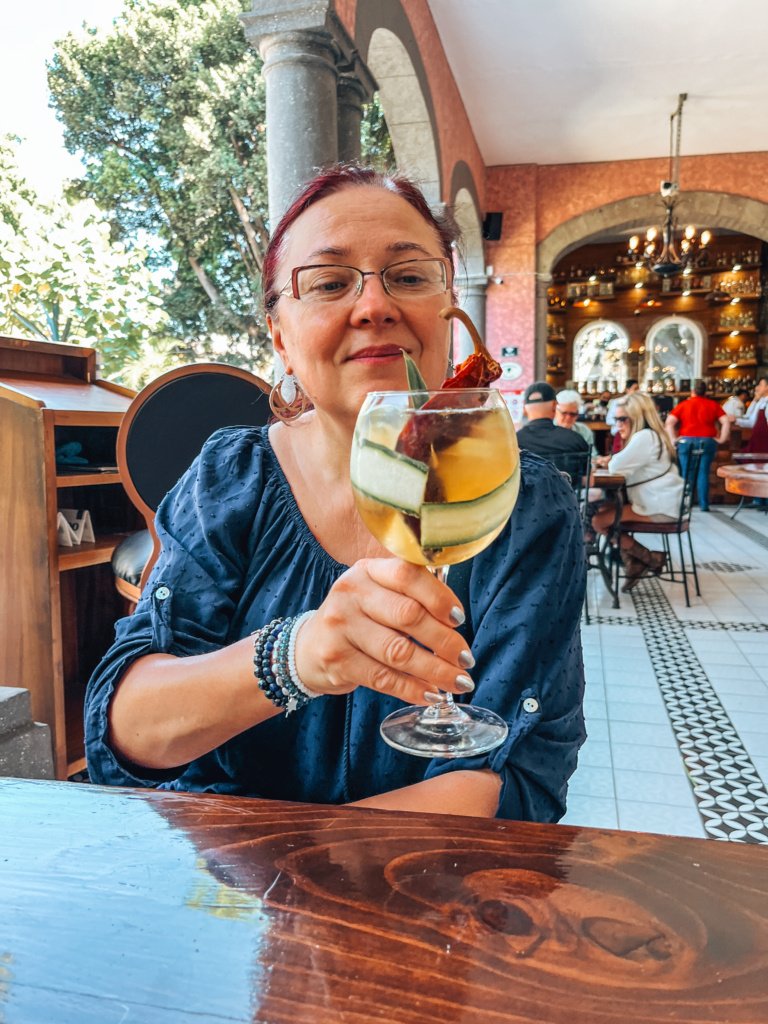
Smell the smoke. Taste the earth. Think about the agave plant growing for a decade under desert sun. Think about the farmers, the mezcaleros, the generations of Indigenous knowledge, the volcanic soil, the fermentation, the horses in the countryside, the old pulquerías still pouring cloudy glasses of living history.
These drinks survived colonization, industrialization, and globalization. And despite everything, they still taste unmistakably of Mexico.
Not the resort version. The real one.
Which team are you in the mezcal vs tequila debate? Let us know in the comments or tag @eightyflavors on socials!
OUR TRIED AND TESTED FOOD TRAVEL RESOURCES: Book a hotel with Booking.com. Search for the best flight deals on Skyscanner. Find the best local food tours on Viator. Browse curated conscious group trips with G Adventures. Get your travel insurance with World Nomads.
Disclaimer: this post contains affiliate links. We’ll receive a small commission if you purchase through the link provided, at no extra cost to you. Thank you for your support in running this blog!