Inside Tokyo’s 7-Eleven Obsession: Why Japanese Convenience Stores Are Nothing Like America’s
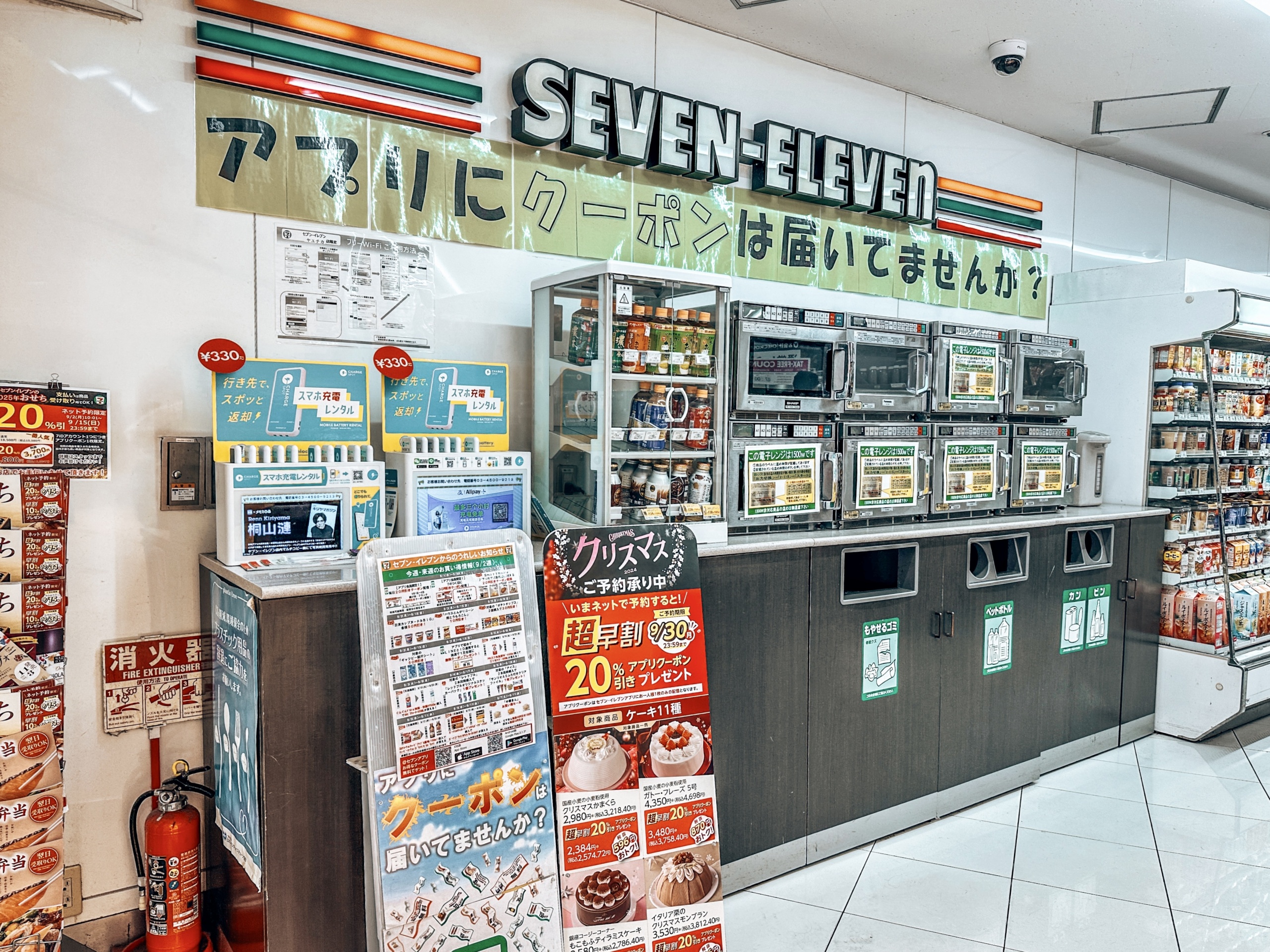
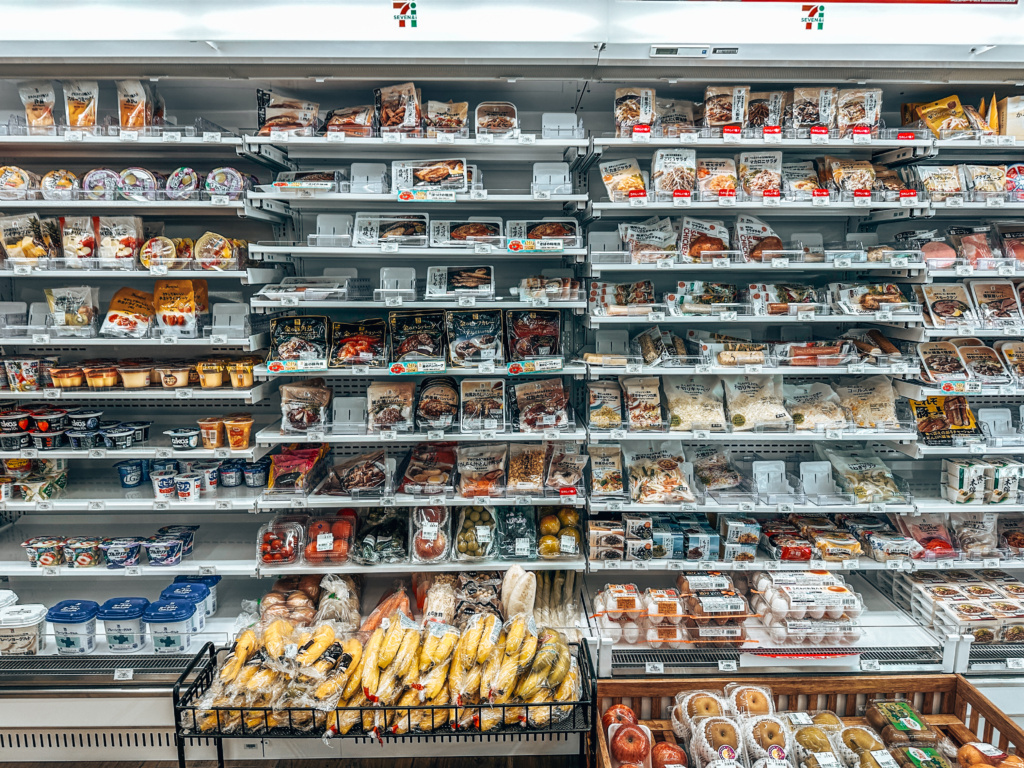
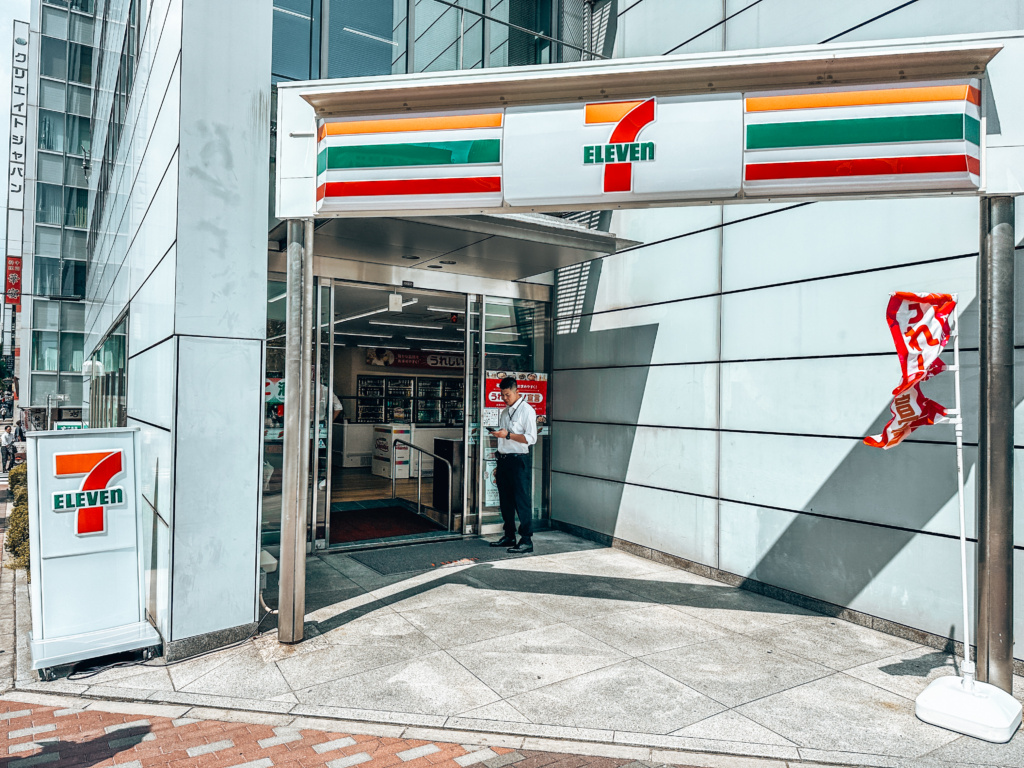
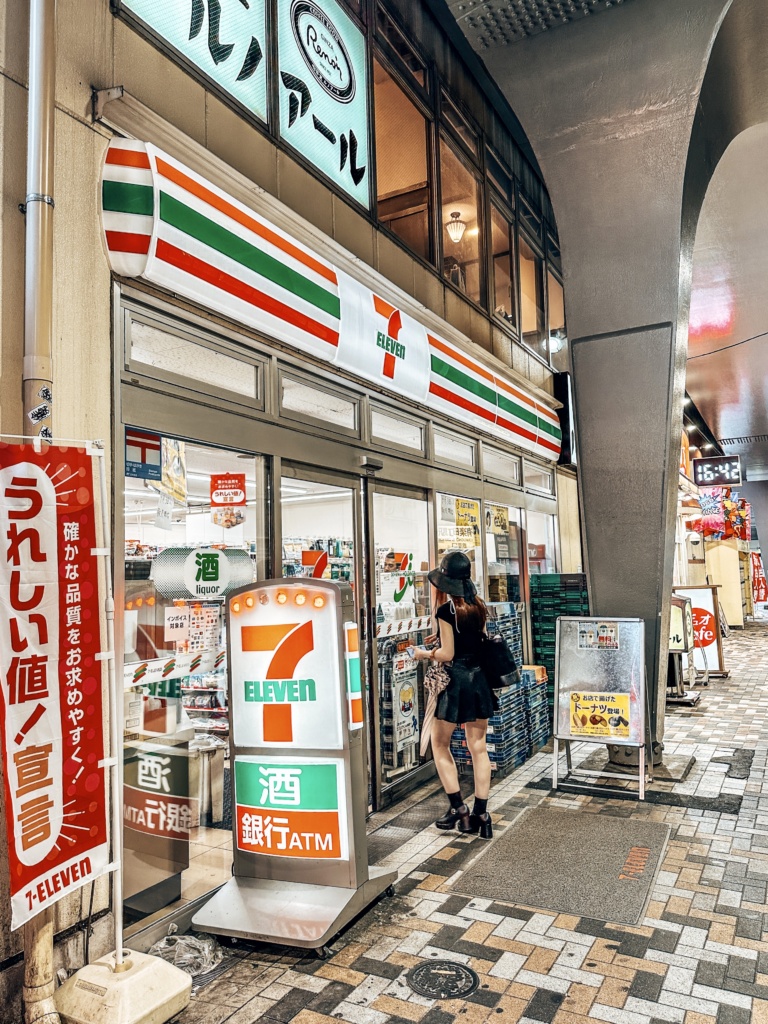
For many travelers landing in Tokyo for the first time, the realization hits fast: Japanese 7-Eleven is not just a convenience store. It is a pharmacy, café, ATM, lunch counter, bill payment center, emergency supply shop, and sometimes the best meal you’ll eat all day.
In the United States, 7-Eleven is often associated with oversized sodas, gas stations, and late-night snacks. In Japan, it has evolved into something almost sacred in daily life — so beloved that tourists routinely rank it among their favorite parts of visiting the country.
The difference is so dramatic that first-time visitors often joke that Japanese 7-Eleven feels like an entirely different company. In many ways, it is.
Explore Tokyo food scene with local experts. BOOK the highly popular Shinjuku Izakaya Food Tour or Best of Shibuya Food Tour on Viator!
The American Origins of 7-Eleven
Ironically, the world’s most famous Japanese convenience store brand began in Texas.
7-Eleven traces its roots back to 1927, when the Southland Ice Company in Dallas began selling milk, bread, and eggs from its ice docks after hours. The stores eventually adopted the name “7-Eleven” in 1946 to reflect their extended operating hours: 7 a.m. to 11 p.m. — revolutionary at the time.
The concept spread rapidly across the United States during the postwar boom, becoming synonymous with roadside convenience culture. But by the 1970s, an unlikely market would completely transform the brand’s future: Japan.
How 7-Eleven Arrived in Japan
In 1974, Japanese retailer Ito-Yokado opened the country’s first 7-Eleven franchise in Tokyo’s Koto ward under a licensing agreement with the American parent company.
At first, the idea seemed risky. Japan already had countless small neighborhood shops, and many doubted whether American-style convenience stores would work in a dense urban environment where people already shopped frequently.
Instead, the model exploded.
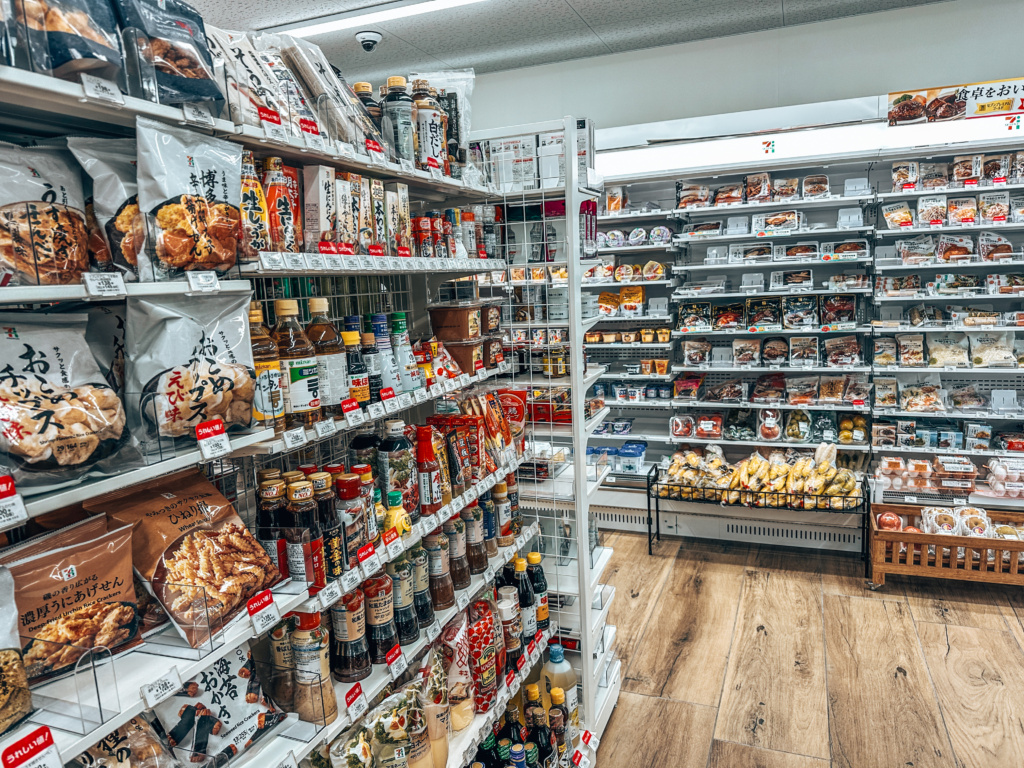
Japan’s version of 7-Eleven evolved rapidly beyond its American origins. Rather than focusing primarily on fuel stops and packaged snacks, Japanese operators adapted the stores to fit urban life: compact footprints, fresh food, meticulous inventory systems, and products tailored hyper-specifically to local neighborhoods.
The Japanese branch eventually became so successful that in a stunning twist of corporate history, Seven & I Holdings — the Japanese parent company — acquired the struggling American 7-Eleven business in 2005. Today, Japan effectively controls the global brand.
You might also like: Tokyo Vending Machines: A Traveler’s Guide
Why Japanese 7-Elevens Feel So Different
The biggest difference is philosophy.
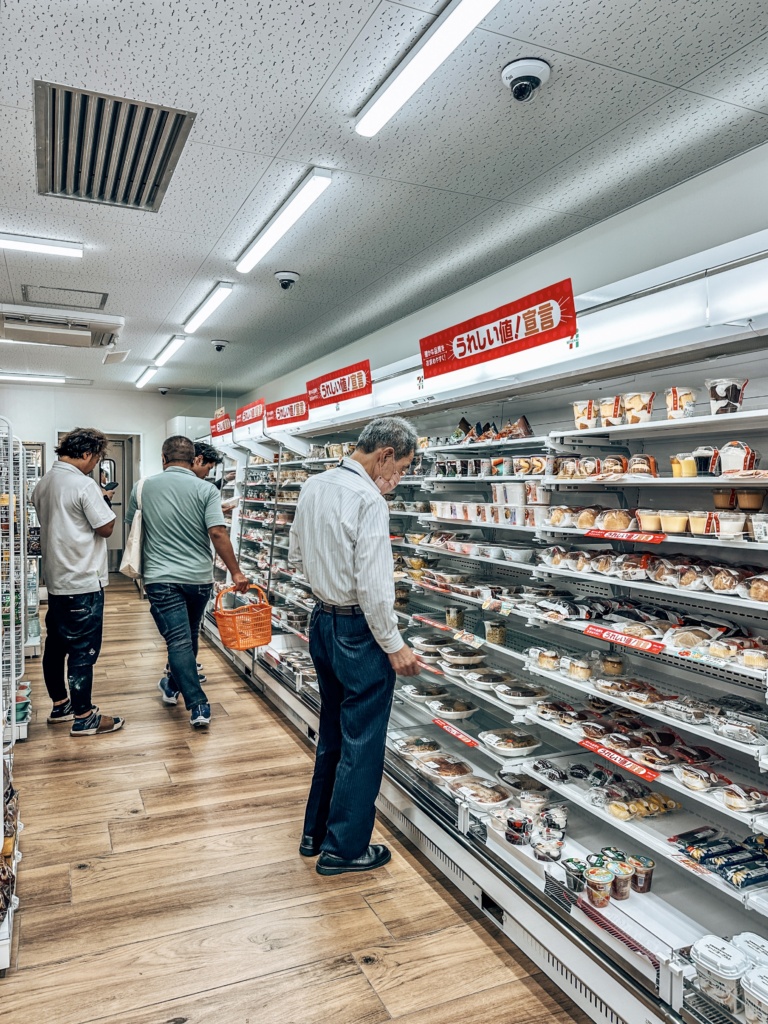
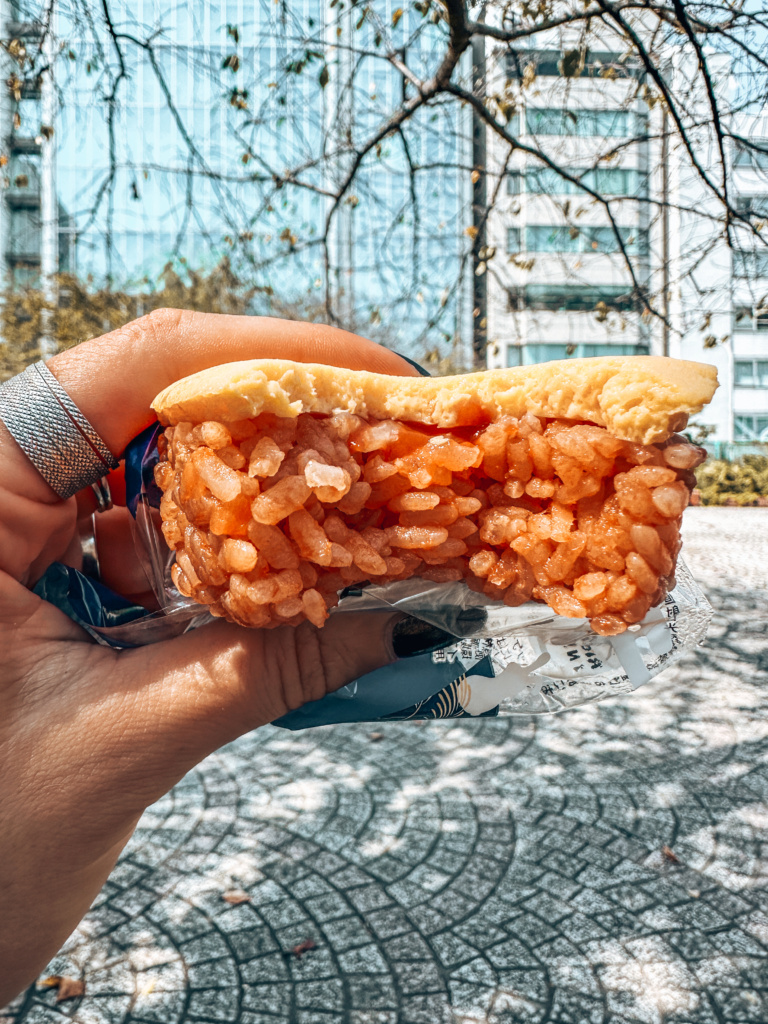
American convenience stores were historically built around cars and highways. Japanese convenience stores — known locally as konbini — were designed around pedestrians, commuters, and dense city neighborhoods.
In Tokyo, people may visit a convenience store several times per day rather than making one large grocery trip each week. This changes everything about how stores operate.
Freshness matters more. Product turnover is faster. Meals are smaller, higher quality, and designed for immediate consumption. Stores are cleaner, quieter, and more meticulously organized.
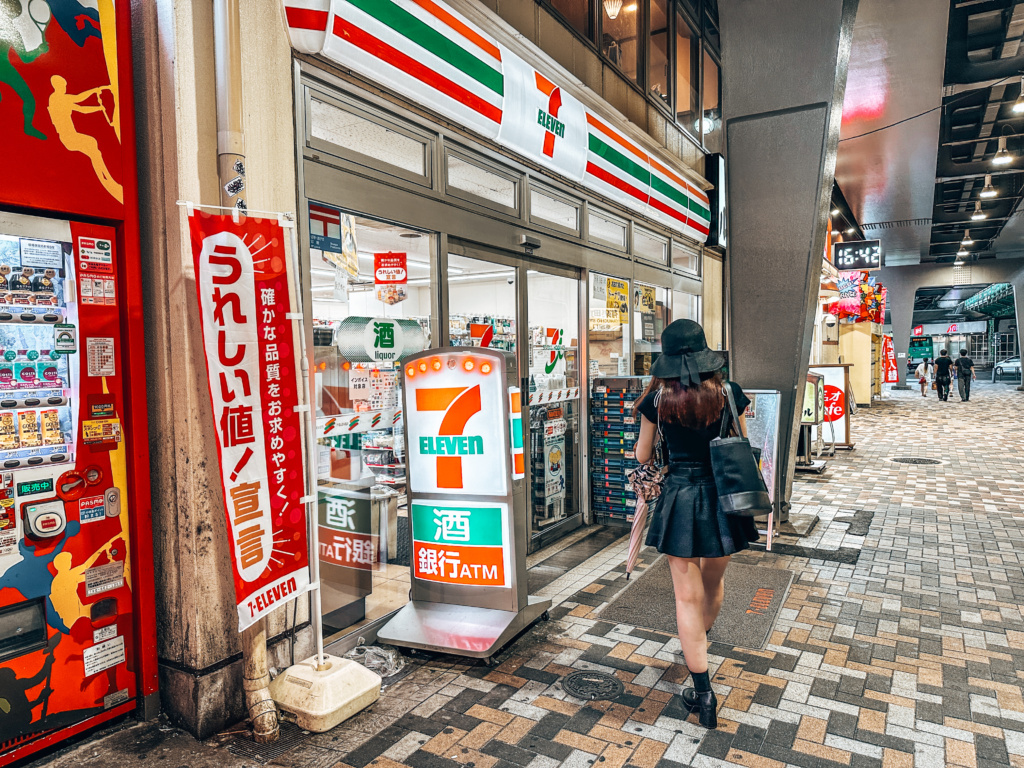
The result feels less like a gas station minimart and more like a highly efficient extension of urban infrastructure.
You might also like: Tokyo Station Ramen Street: A Guide To The Best Ramen Shops
The Food That Made Travelers Fall in Love
For many visitors, the true gateway into Tokyo’s 7-Eleven culture is the food.
And surprisingly, the hype is usually deserved.
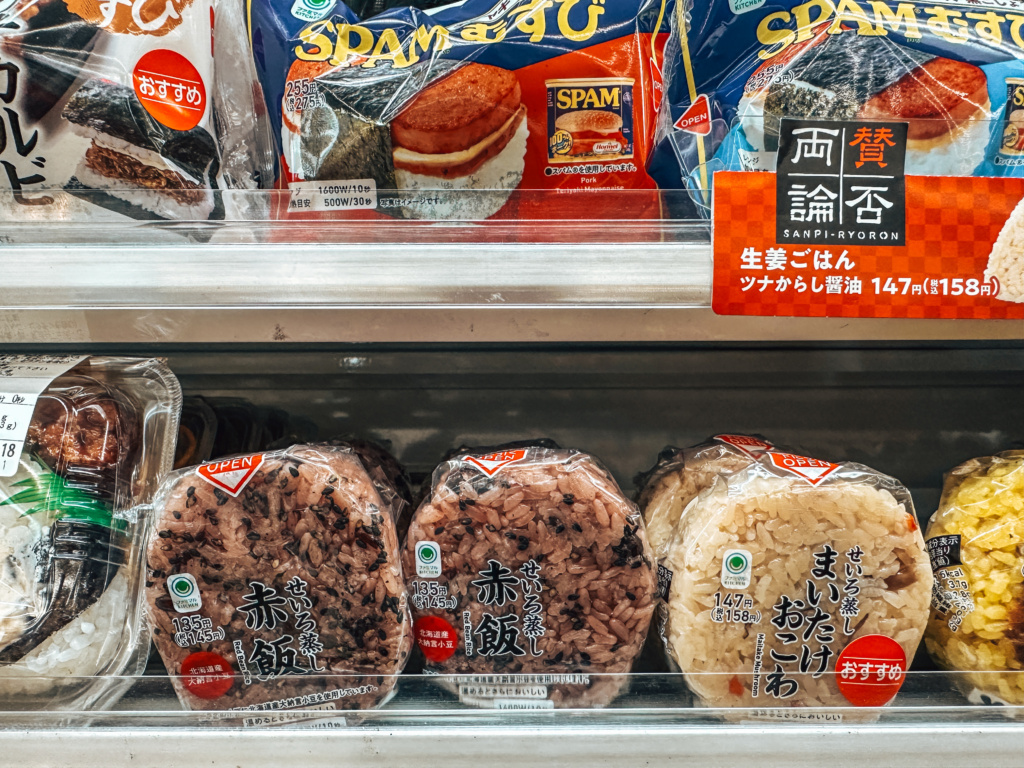
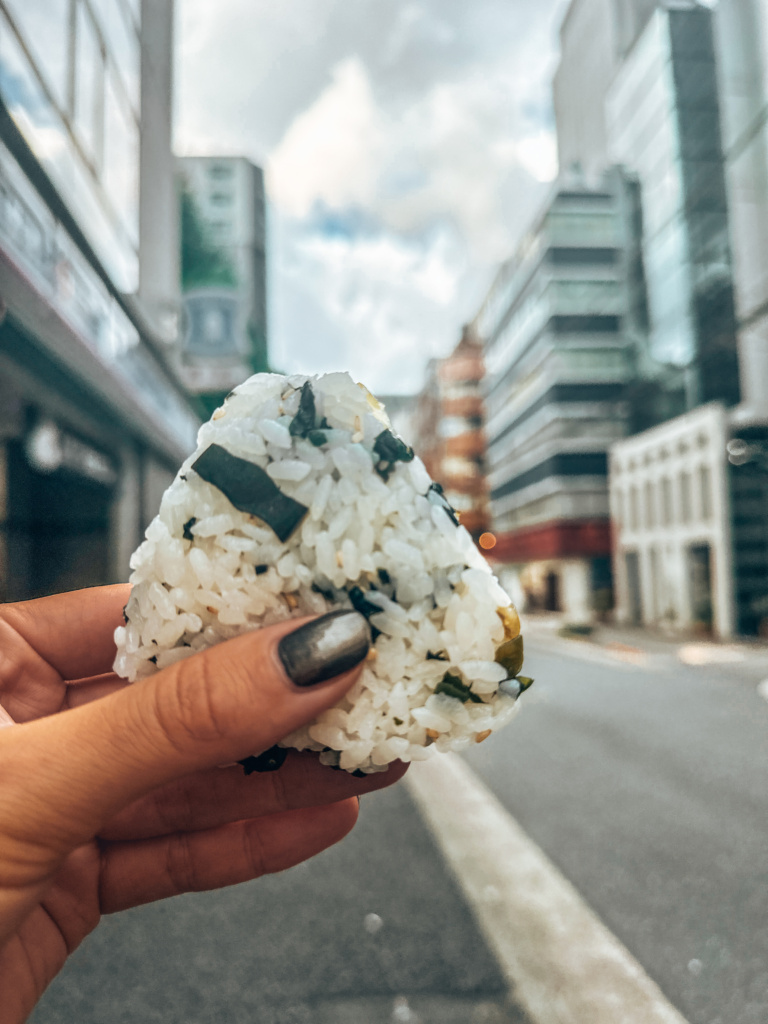
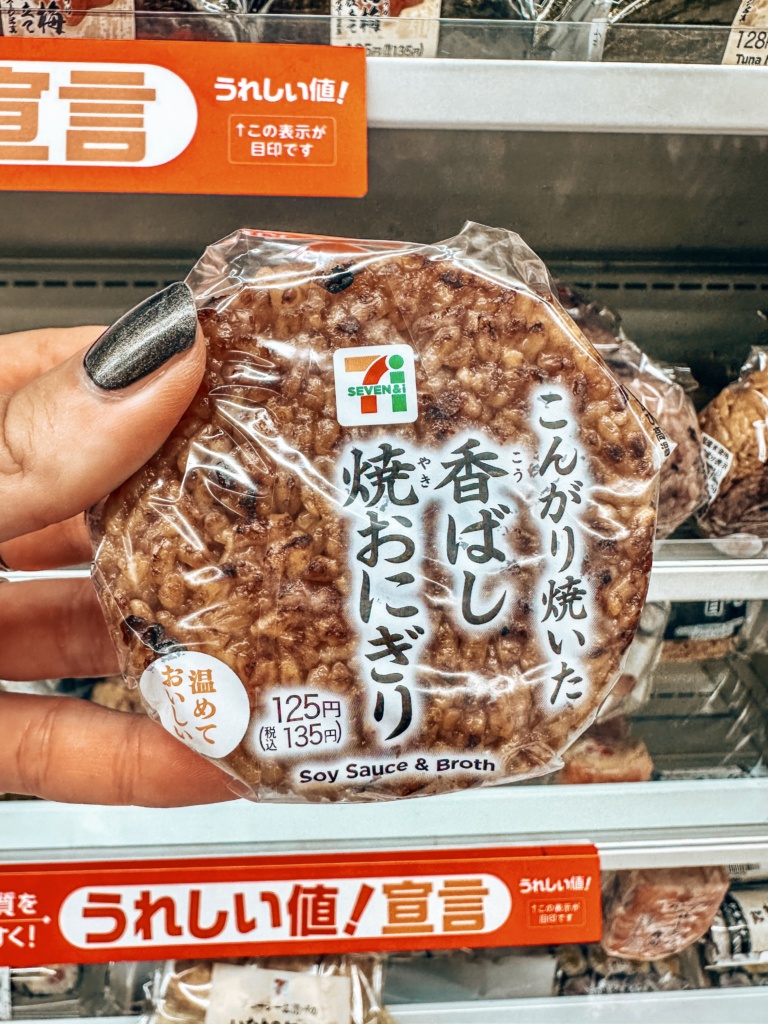
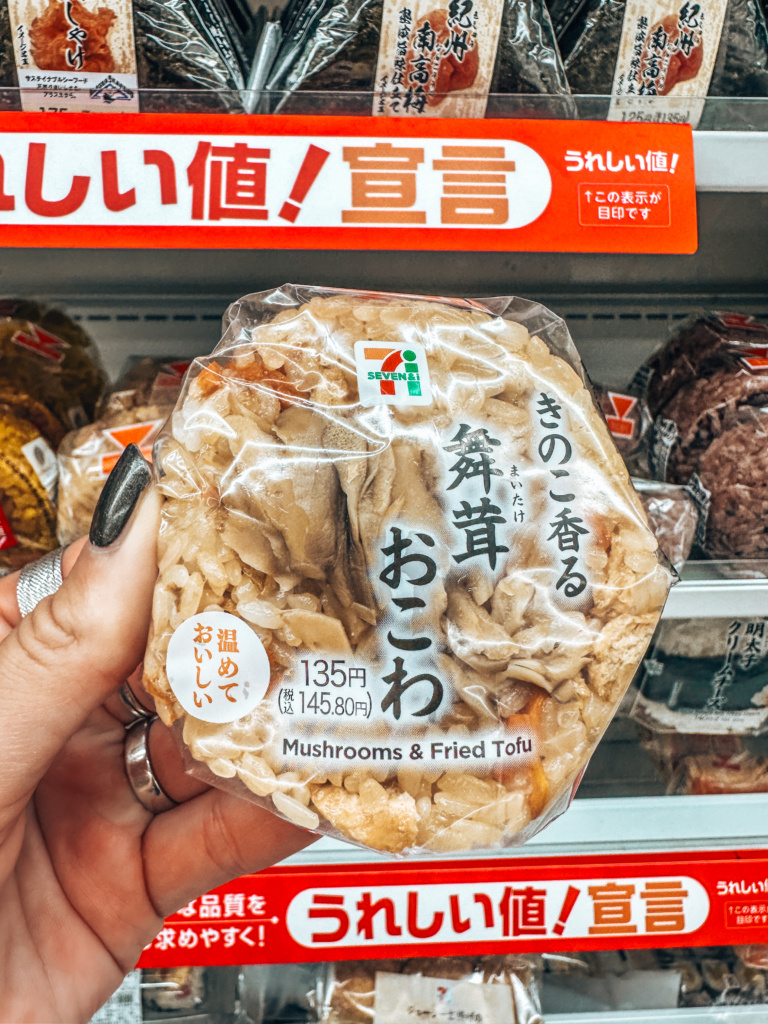
Onigiri: Japan’s Perfect Convenience Food
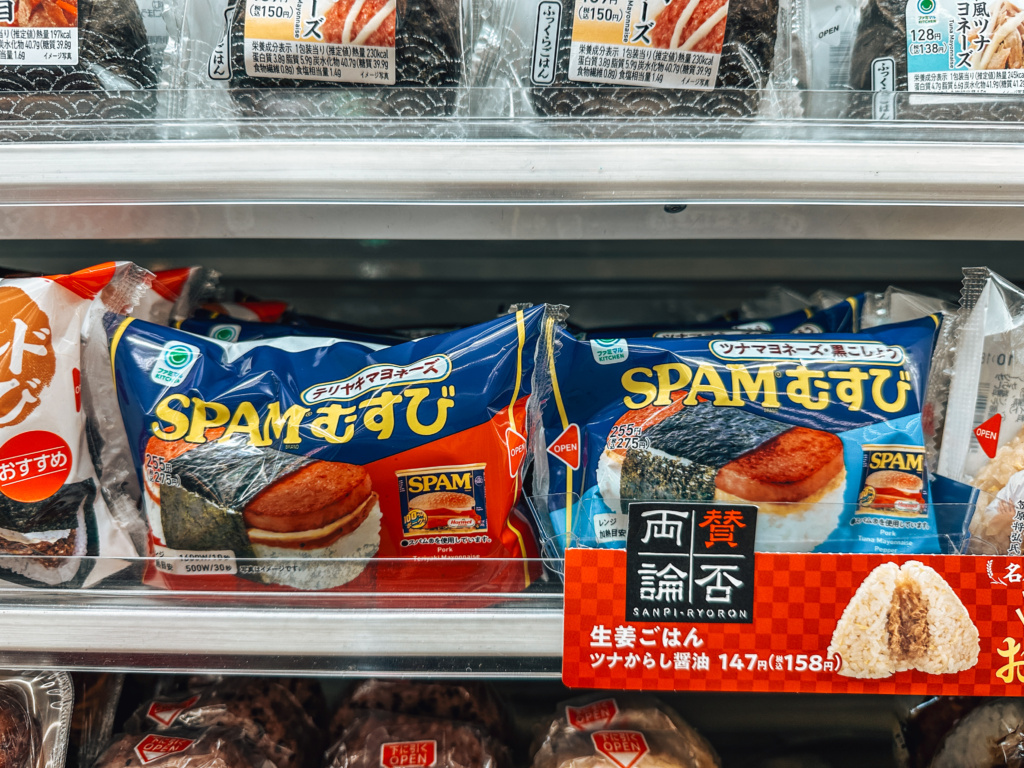
The humble rice ball became one of Japanese 7-Eleven’s defining products. Wrapped in ingenious packaging that keeps seaweed crisp until the moment you open it, onigiri are cheap, portable, filling, and genuinely delicious.
Popular fillings include:
- Salmon
- Tuna mayo
- Pickled plum
- Spicy cod roe
- Kombu seaweed
The packaging alone has become a minor cultural fascination for tourists trying to master the pull-tab system on their first attempt.
You might also like: Tea Is Served: Review Of Hotel 1899 Tokyo (And The On-Site Cafe Chaya)
Egg Sandwiches and the TikTok Effect
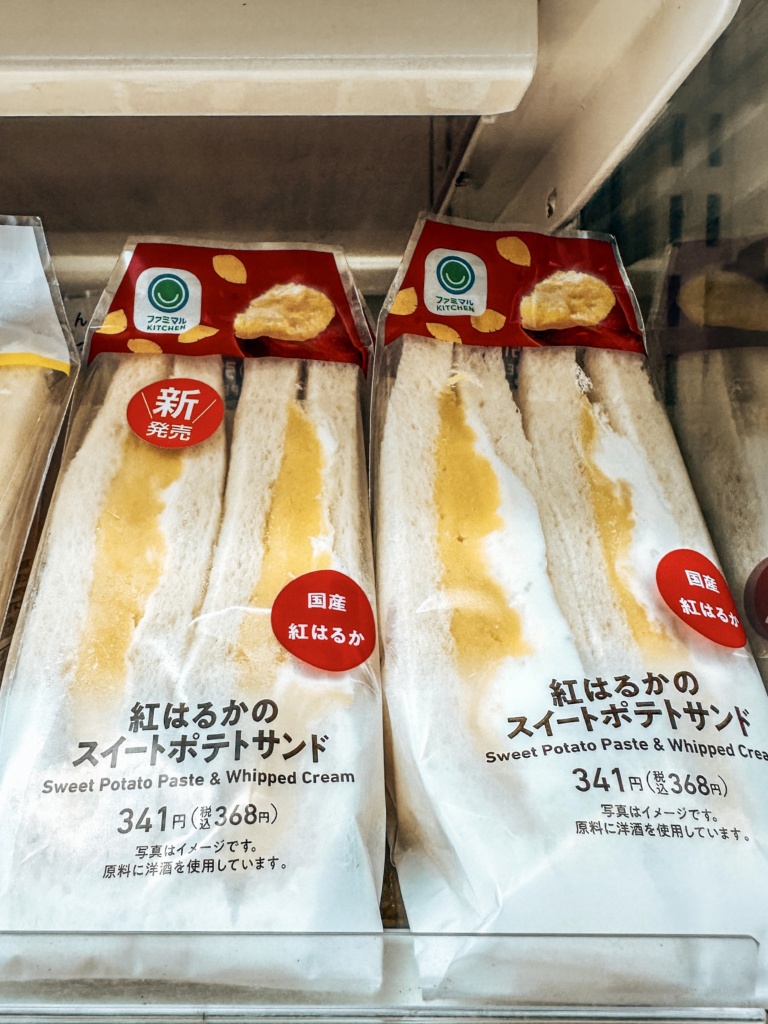
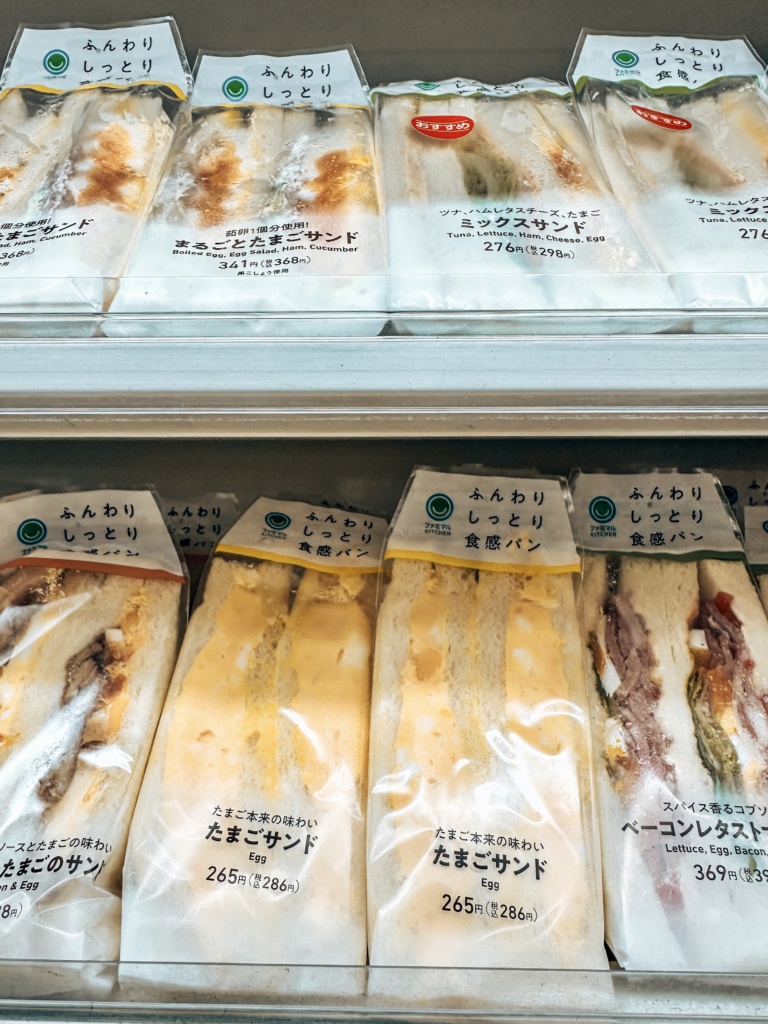
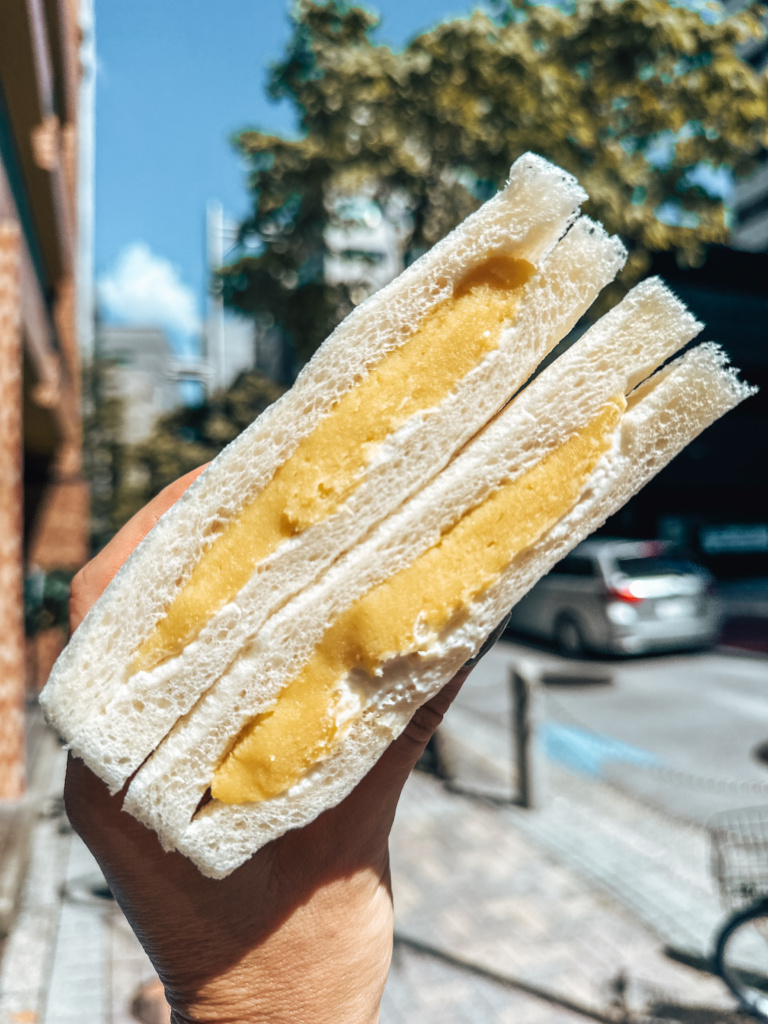
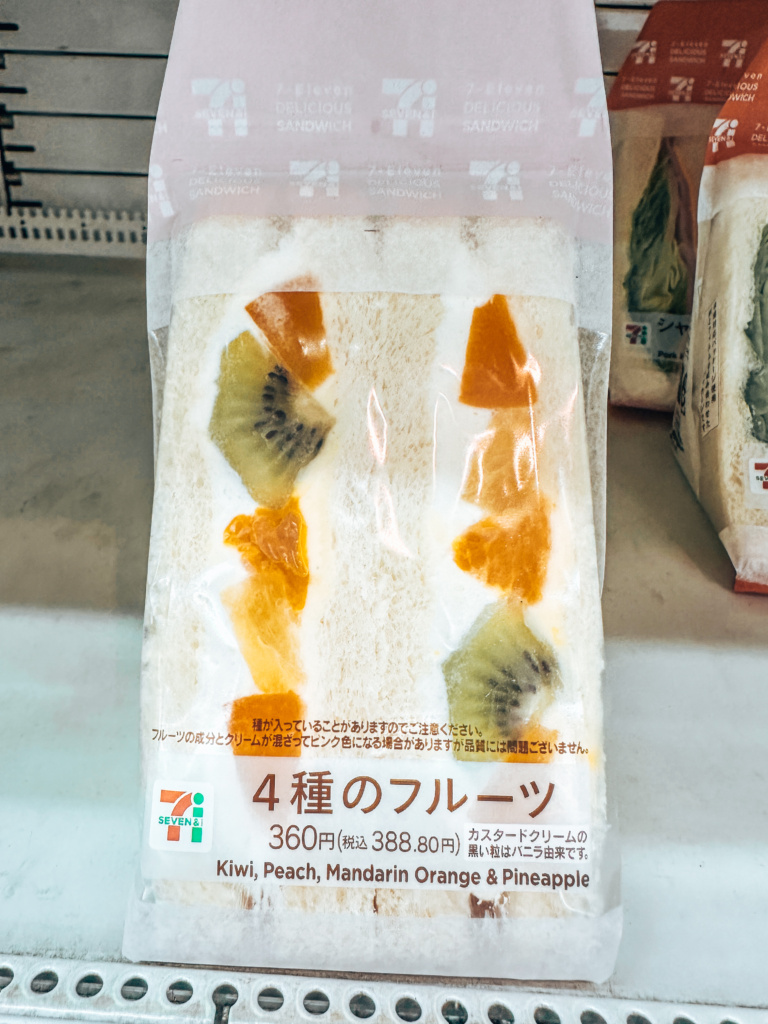
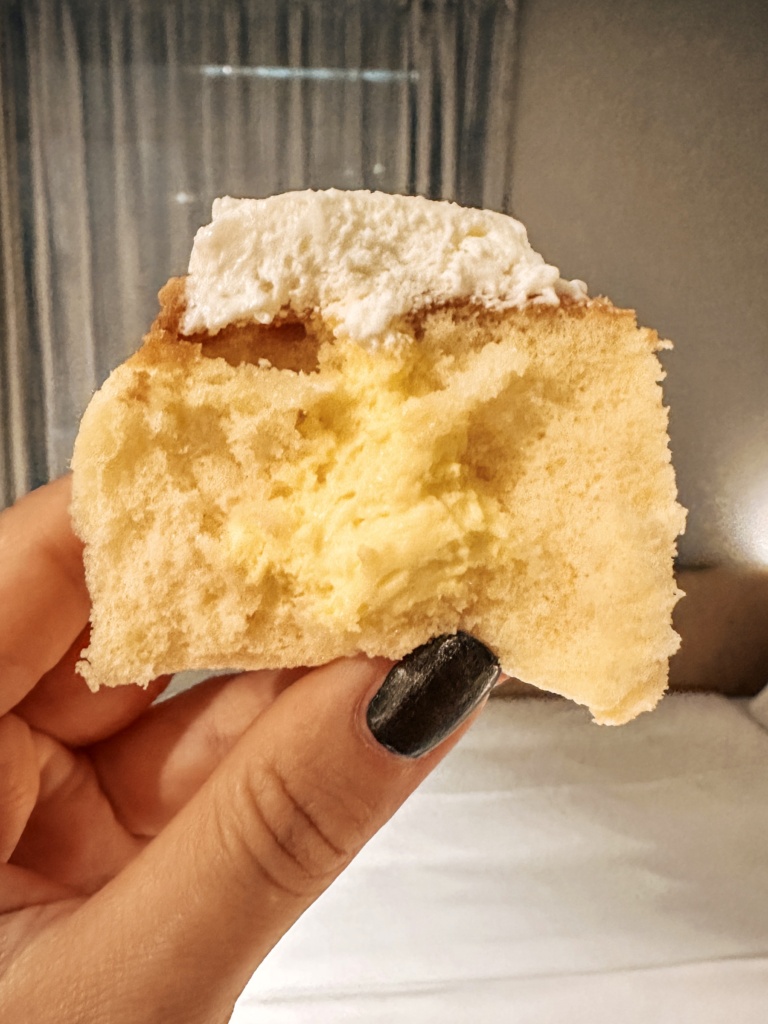
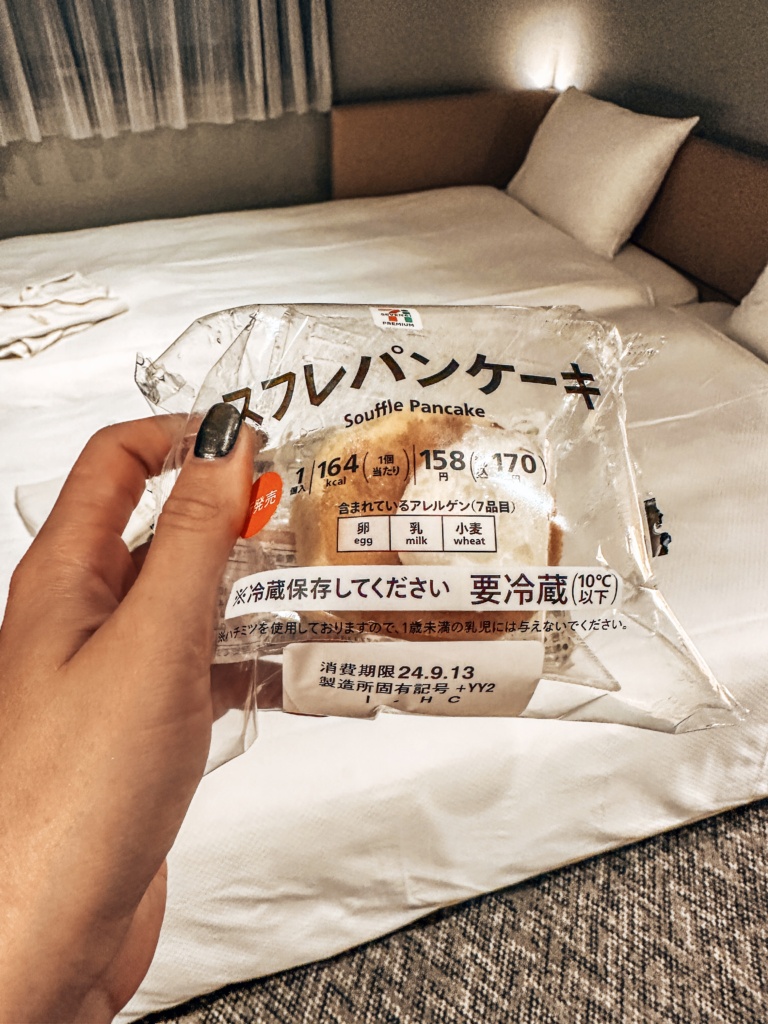
Japanese convenience store egg sandwiches achieved near-mythical status online in recent years. The bread is impossibly soft, the filling rich and creamy, and the overall experience somehow far exceeds expectations for a prepackaged sandwich.
Food writers and chefs have repeatedly pointed out that Japan’s stricter standards around ingredients and freshness contribute to the quality gap travelers notice compared to American convenience store food.
Hot Foods and Seasonal Menus
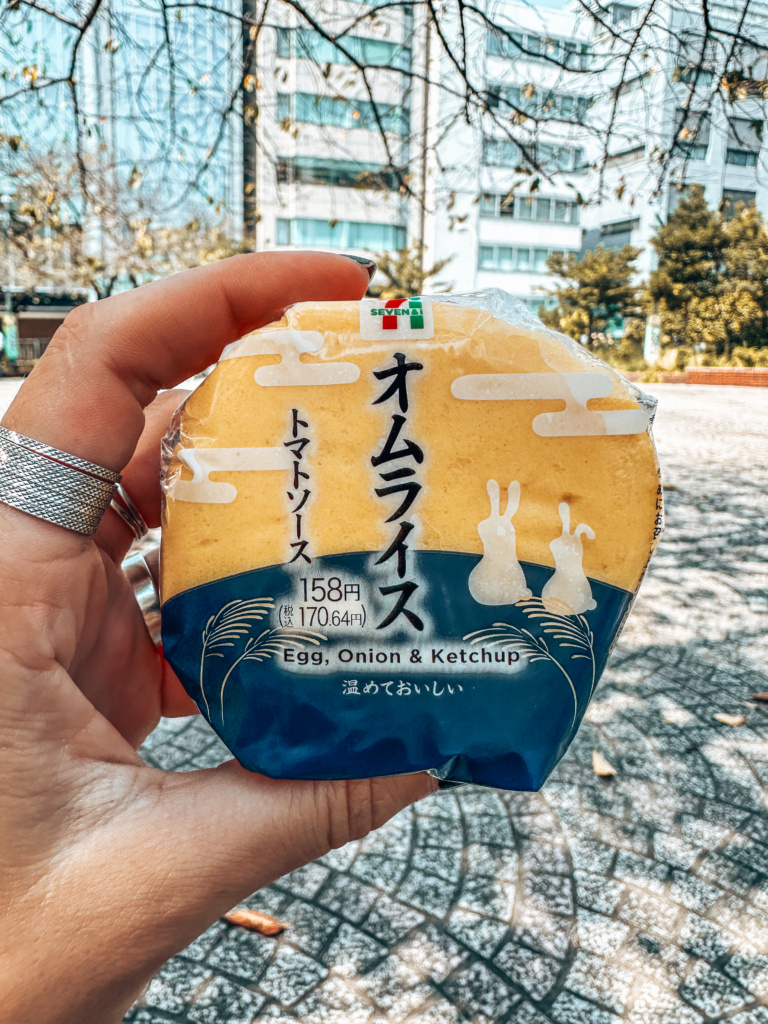
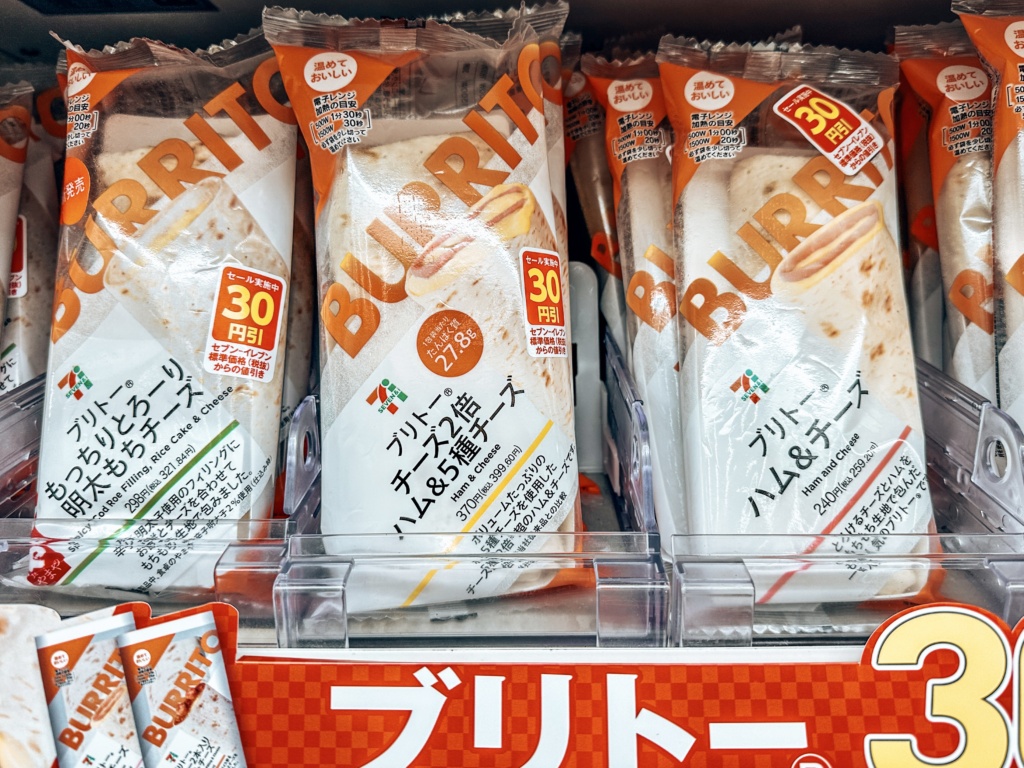
Tokyo 7-Elevens also function as mini fast-food counters.
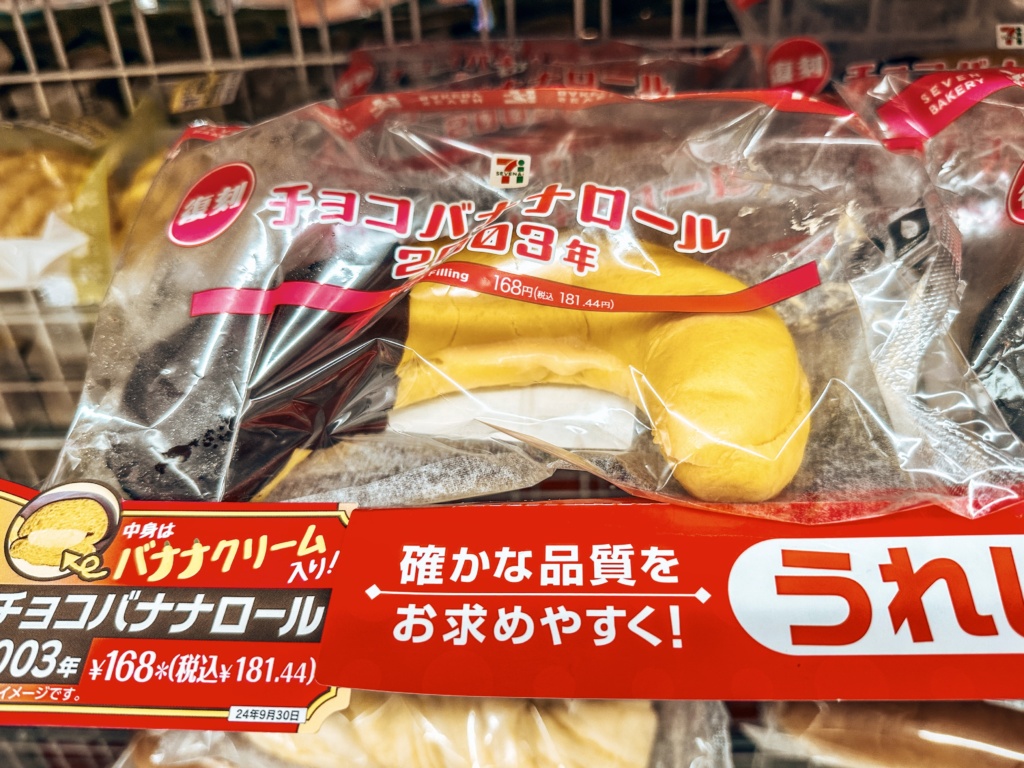
You’ll find:
- Fried chicken
- Steamed buns
- Oden simmering in broth during winter
- Pasta dishes
- Gratin
- Curry rice
- Cold soba noodles
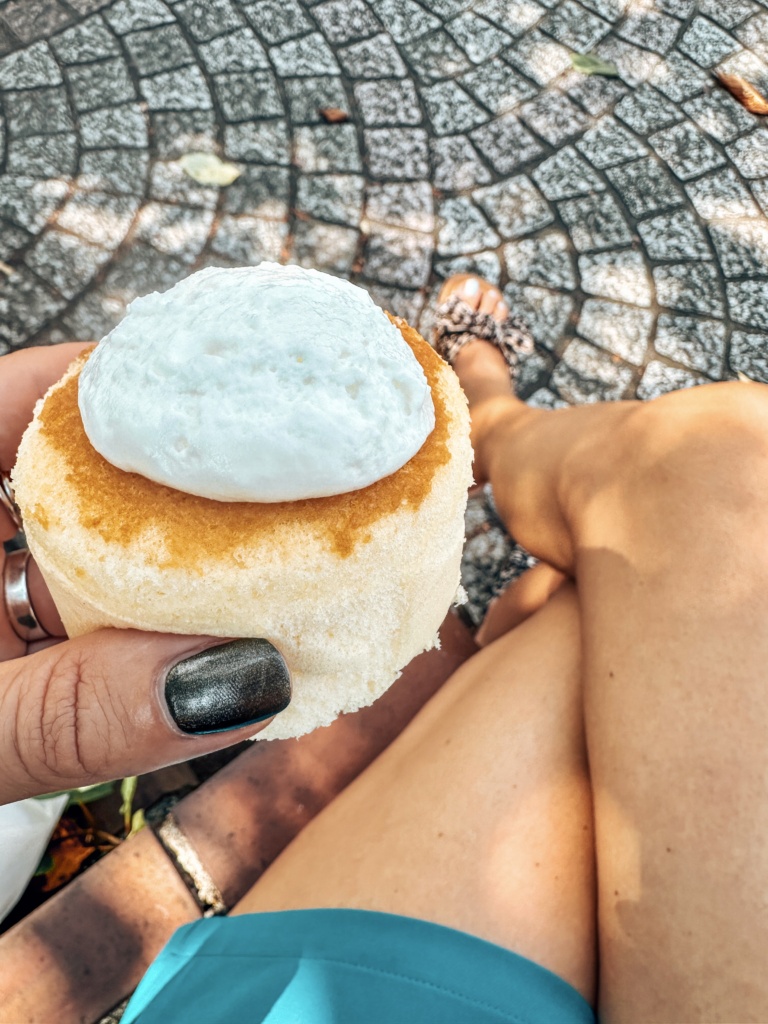
- Matcha desserts
- Regional specialties
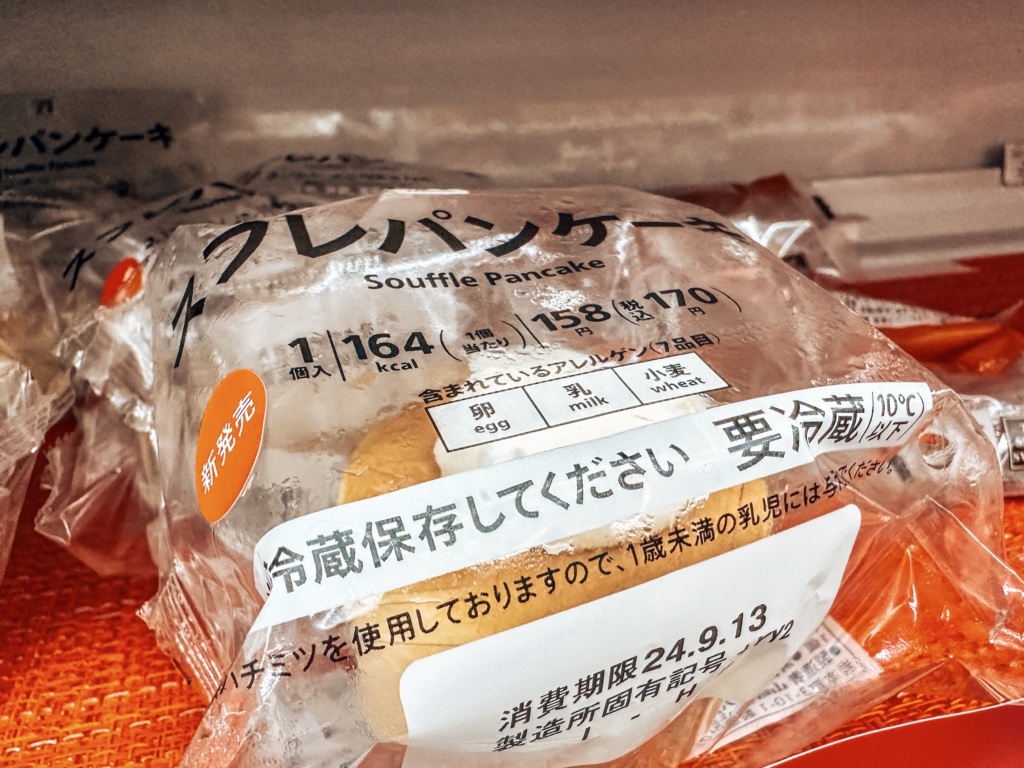
Menus rotate constantly with the seasons, another hallmark of Japanese food culture. Indeed, you can survive an entire Tokyo trip eating almost exclusively from convenience stores without getting bored once.
Explore Tokyo food scene with local experts. BOOK the highly popular Shinjuku Izakaya Food Tour or Best of Shibuya Food Tour on Viator!
More Than a Convenience Store
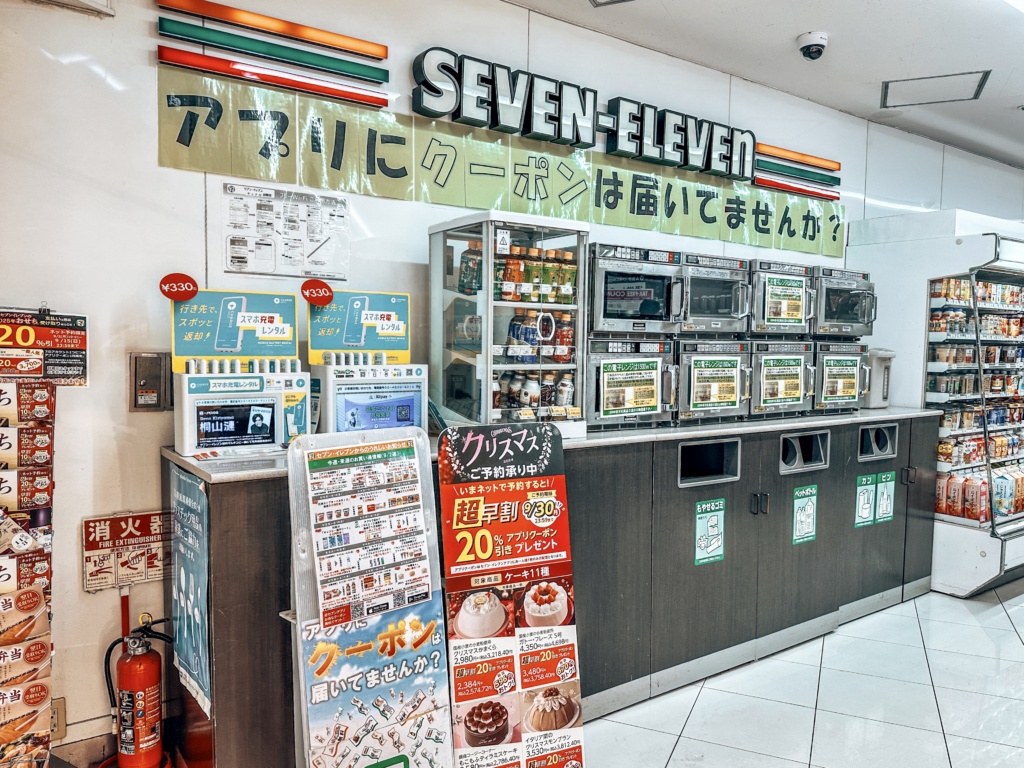
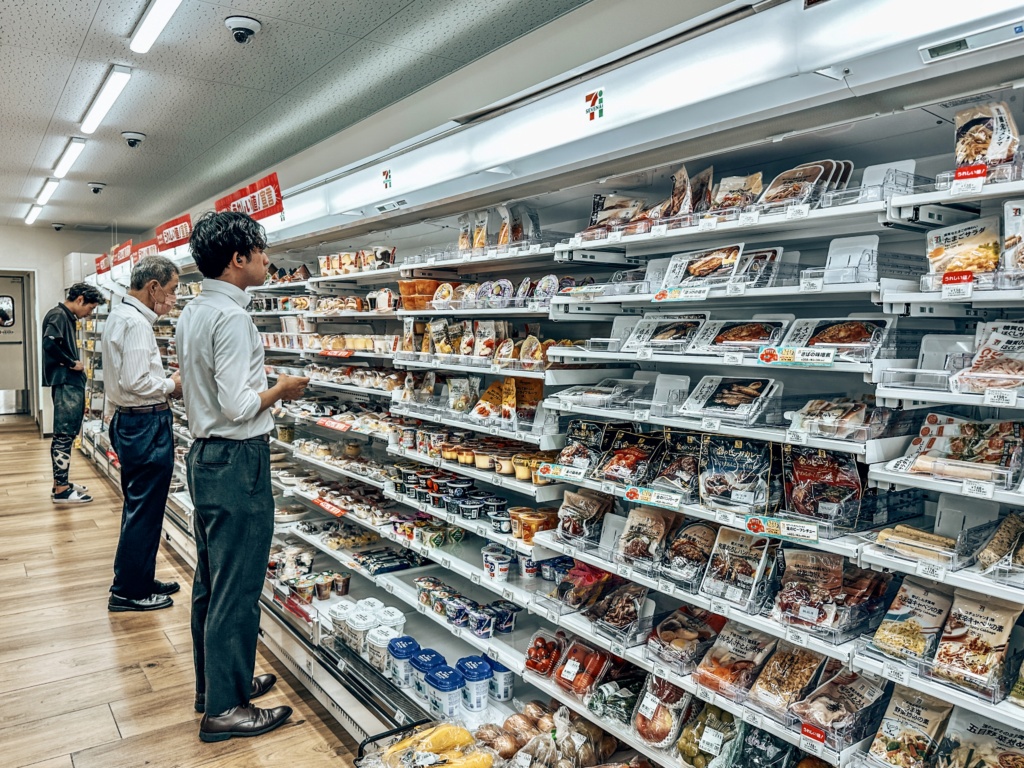
Part of what makes Tokyo’s 7-Elevens feel indispensable is that they quietly handle countless aspects of daily life.
Locals use them to:
- Pay utility bills
- Buy concert tickets
- Ship packages
- Print documents
- Withdraw cash
- Purchase event tickets
- Recharge transit cards
- Pick up online shopping orders
For travelers, this becomes incredibly useful. Many tourists discover that 7-Eleven ATMs are among the easiest places in Japan to withdraw cash using foreign cards.
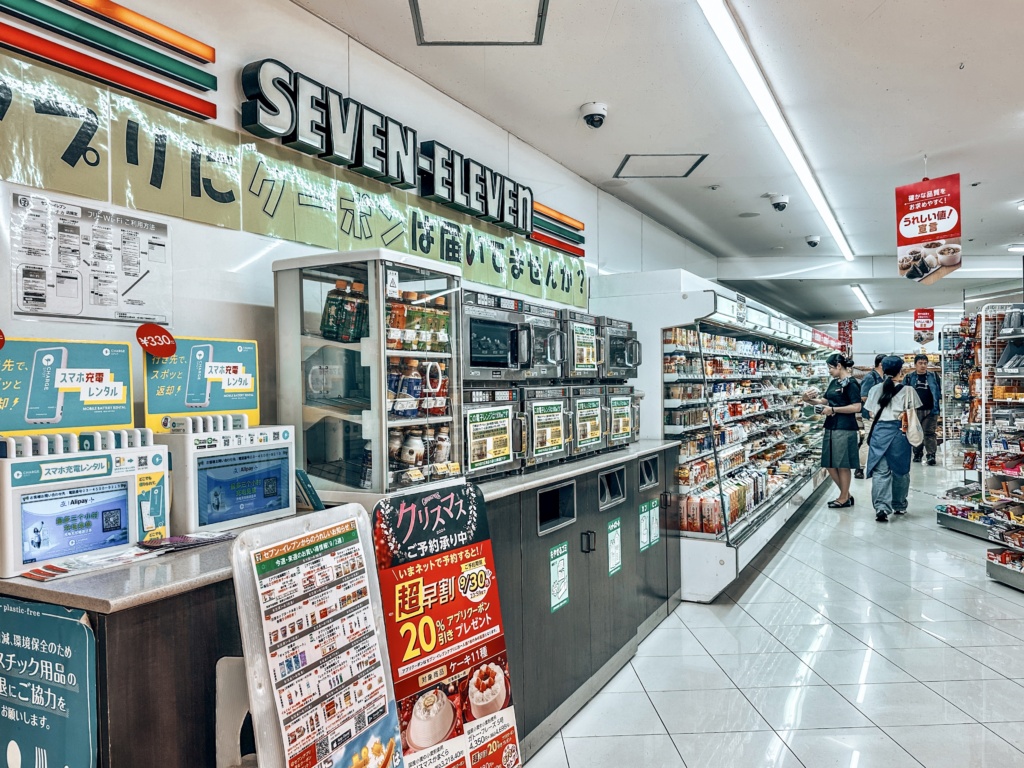
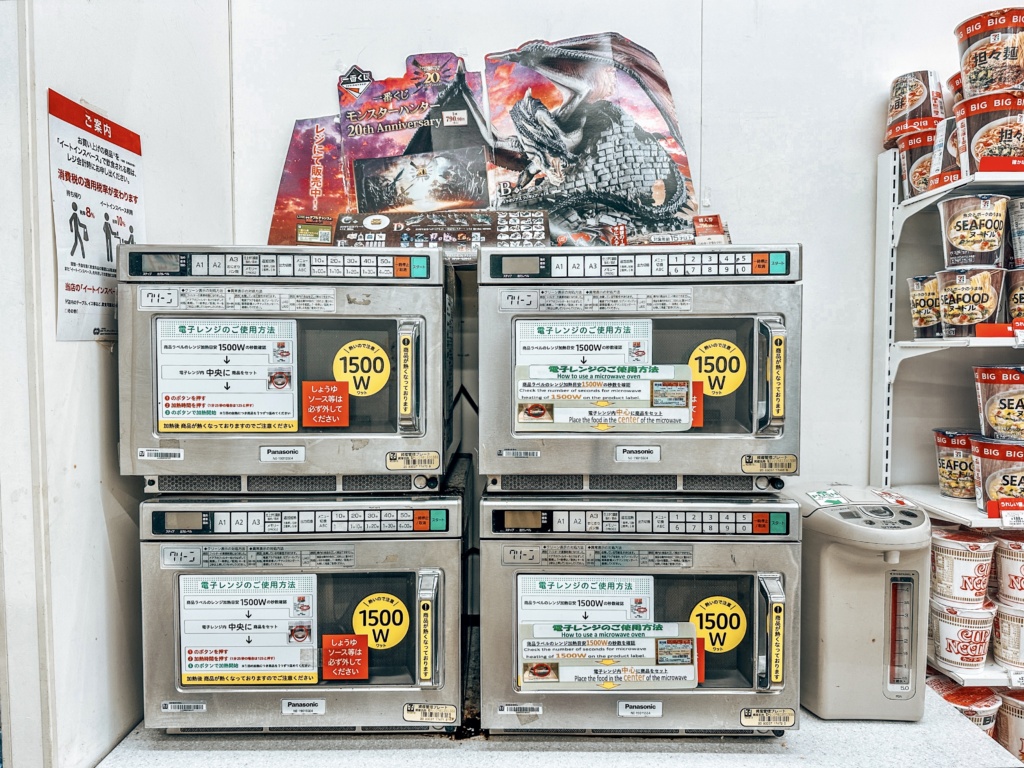
Some stores even have small seating areas, spotless bathrooms, and microwaves available for heating meals.
You might also like: Tsukiji Fish Market in Tokyo: A Food Traveler’s Guide
Why Convenience Stores Became So Important in Japan
Japan’s urban density played a huge role.
Tiny apartments often mean limited kitchen storage. Long commutes and demanding work culture also increased demand for quick, high-quality prepared meals.
But another reason lies in Japan’s obsession with precision retail.
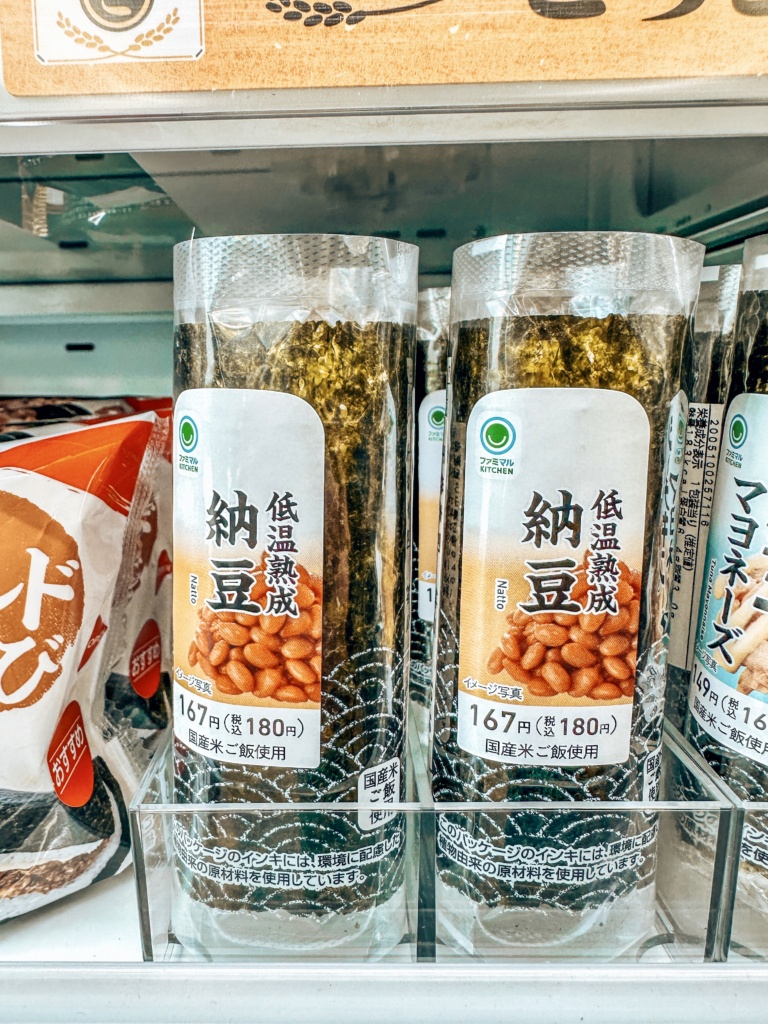
Japanese convenience stores use incredibly advanced logistics systems that track neighborhood buying patterns almost obsessively. Products are delivered multiple times daily. Inventory is optimized by time of day, weather, and local demographics.
A business district store may stock more coffee and sandwiches during weekdays, while a suburban branch might emphasize family meals and snacks.
This level of operational detail helped transform convenience stores from “emergency options” into trusted daily dining destinations.
You might also like: Vegan Tokyo: 18 Essential Restaurants You Must Try
The Rise of Konbini Culture Across Asia
Japan’s convenience store revolution influenced much of Asia.
Today, travelers often notice similarly elevated convenience store cultures in places like Taiwan, South Korea, Thailand, and Singapore. In many cases, Japanese retail systems and operational philosophies directly shaped local markets.
Taiwan in particular developed a convenience store culture remarkably similar to Japan’s, with stores functioning as social infrastructure rather than simple snack shops.
The American version of 7-Eleven, meanwhile, evolved along a completely different path — one shaped by suburban driving culture, fuel sales, and large-format retail economics.
Tokyo 7-Eleven: A Practical Guide for Travelers
What You Should Try at Tokyo 7-Eleven
- Tuna mayo onigiri
- Egg sandwich
- Fried chicken
- Matcha desserts
- Seasonal drinks
- Cold noodle dishes in summer
- Oden in winter
You might also like: Vegan Gyoza Tokyo: Inside Tokyo’s Most Colorful Dumpling Restaurant
Bring Cash — But Cards Work More Than You’d Expect
Most Tokyo locations accept cards and IC transit payments like Suica and Pasmo. Still, carrying some yen is useful.
Don’t Ignore the Coffee Machines
Freshly brewed convenience store coffee in Japan is shockingly good and dramatically cheaper than Starbucks.
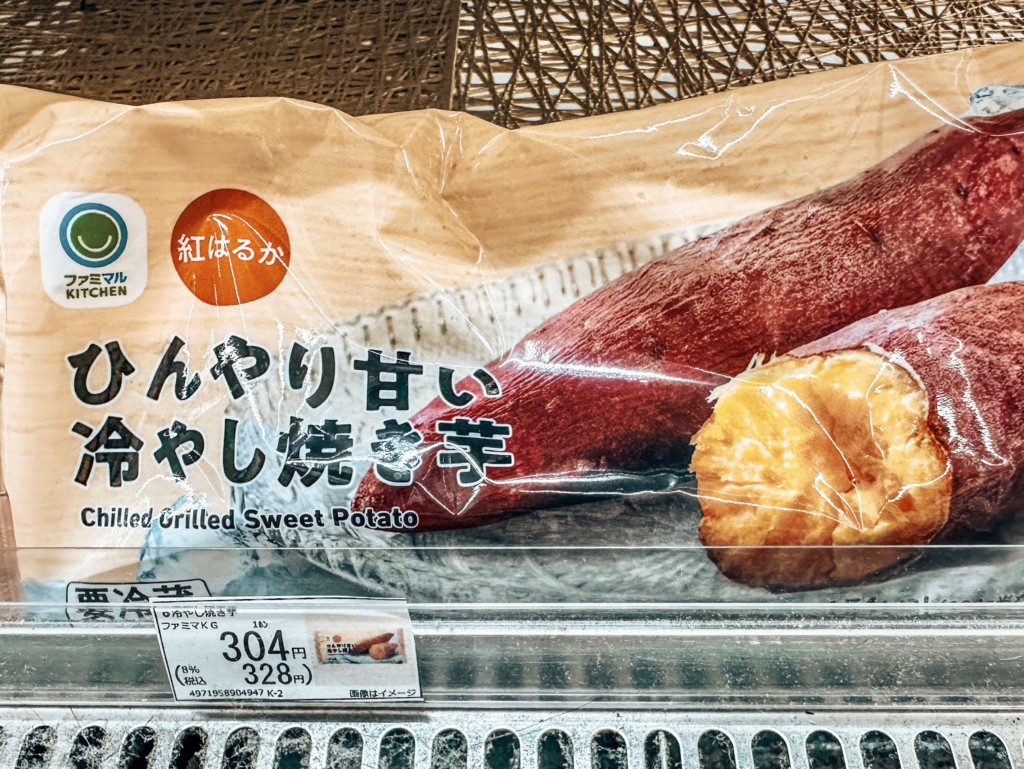
Look Beyond 7-Eleven
Tokyo’s convenience store ecosystem also includes:
- FamilyMart
- Lawson
- NewDays (inside train stations)
Each has its own cult favorites and specialties.
You might also like: Harajuku Crepes: A Guide To The Best Japanese Crepes In Tokyo
Why Travelers Remember Konbini Long After the Trip Ends
What surprises many visitors is that Tokyo 7-Elevens become emotional landmarks during a trip.
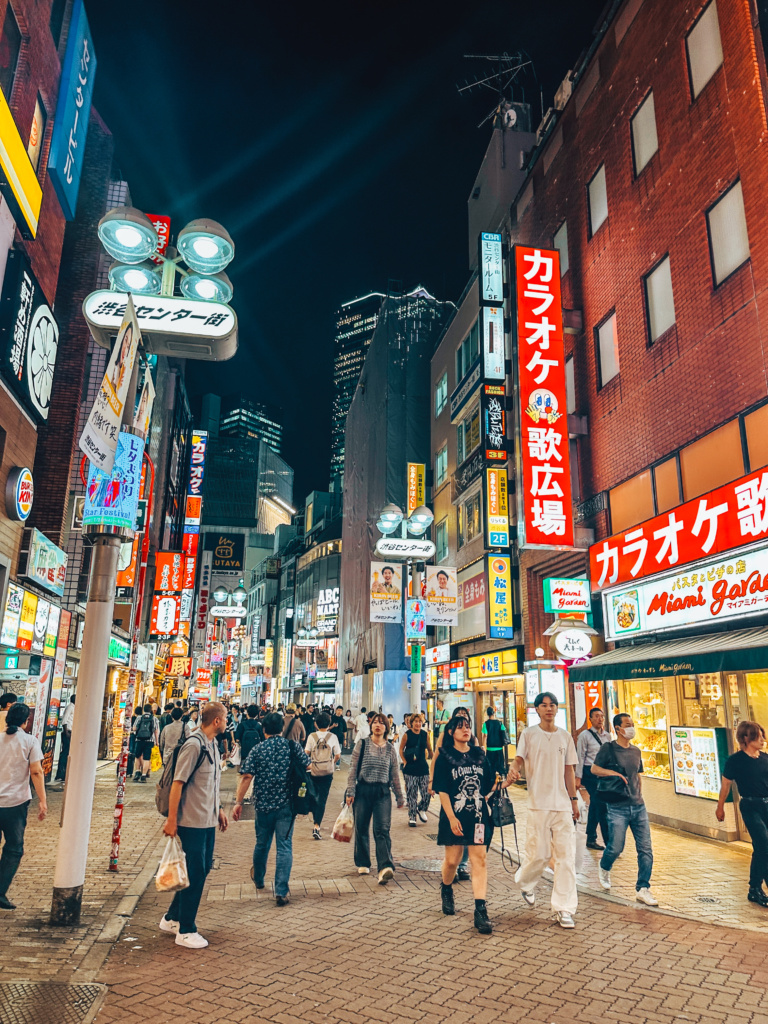
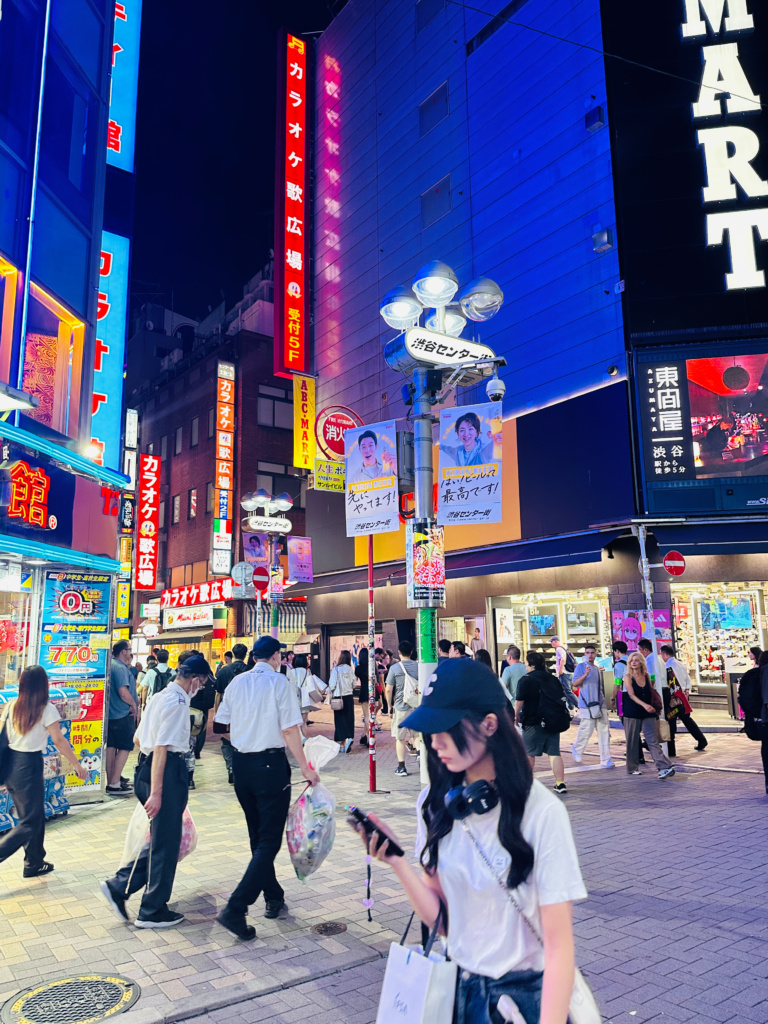
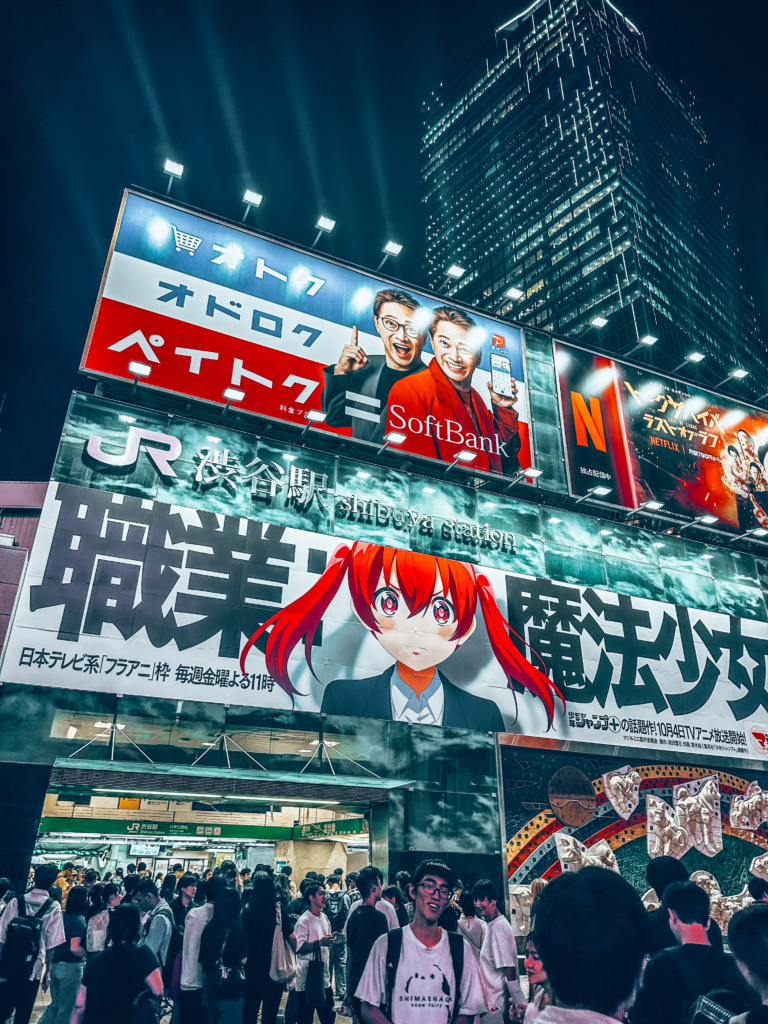
They’re where you grab coffee before the first train to Mount Fuji. Where you warm up with soup after getting caught in the rain in Shibuya. Where jet lag leads you at 2 a.m. for snacks and strangely comforting fluorescent lighting.
In a city that can initially feel overwhelming, convenience stores become familiar, dependable little anchors.
And perhaps that’s the secret behind Japan’s convenience store culture: it isn’t really about convenience at all. It’s about creating tiny moments of reliability, quality, and comfort in one of the busiest cities on Earth.
Explore Tokyo food scene with local experts. BOOK the highly popular Shinjuku Izakaya Food Tour or Best of Shibuya Food Tour on Viator!
What’s your experience with Tokyo 7-Eleven? Let us know in the comments or tag @eightyflavors on socials!
OUR TRIED AND TESTED FOOD TRAVEL RESOURCES: Book a hotel with Booking.com. Search for the best flight deals on Skyscanner. Find the best local food tours on Viator. Browse curated conscious group trips with GAdventures. Get your travel insurance with World Nomads.
Disclaimer: this post contains affiliate links. We’ll receive a small commission if you purchase through the link provided, at no extra cost to you. Thank you for your support in running this blog!