Best Coffee Tours in Kona, Hawaii (+ Best Big Island Coffee Shops)
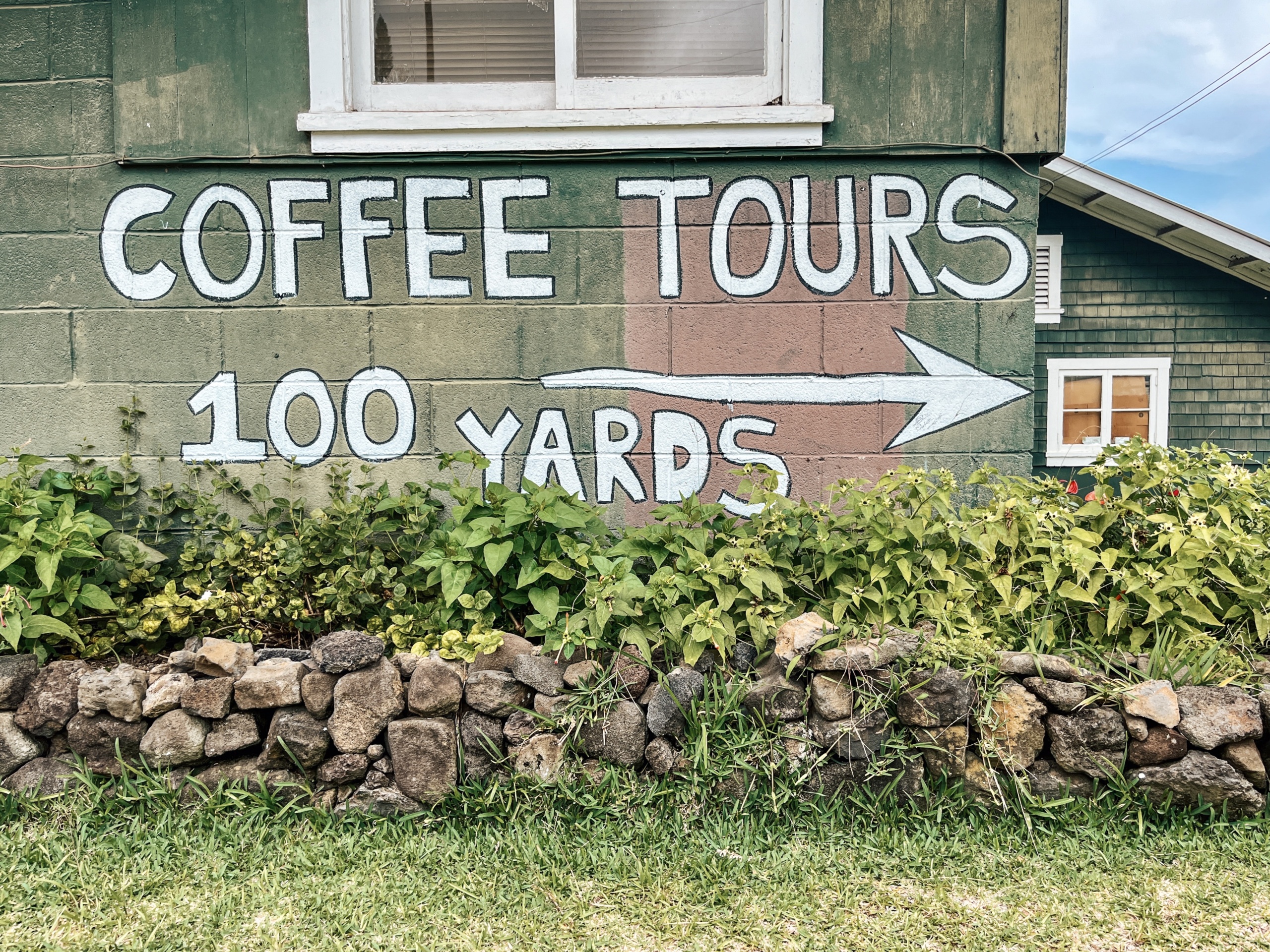
Looking for the best coffee tours in Kona and best coffee shops on the Big Island? We’ve put together a helpful Hawaii coffee guide.
There are few drinks more deeply tied to place than Hawaiian coffee. Grown on volcanic slopes between cloud forests and the Pacific Ocean, coffee in Hawaiʻi is shaped by lava rock soil, tropical rain, ocean breezes, and generations of family farmers who have spent nearly two centuries perfecting the craft.
Hawaiʻi remains the only US state with a commercial coffee industry, and for many travelers, tasting Kona coffee fresh from the farm becomes one of the most memorable experiences on the Big Island.
Click HERE to book your Kona coffee farm tour on Viator!
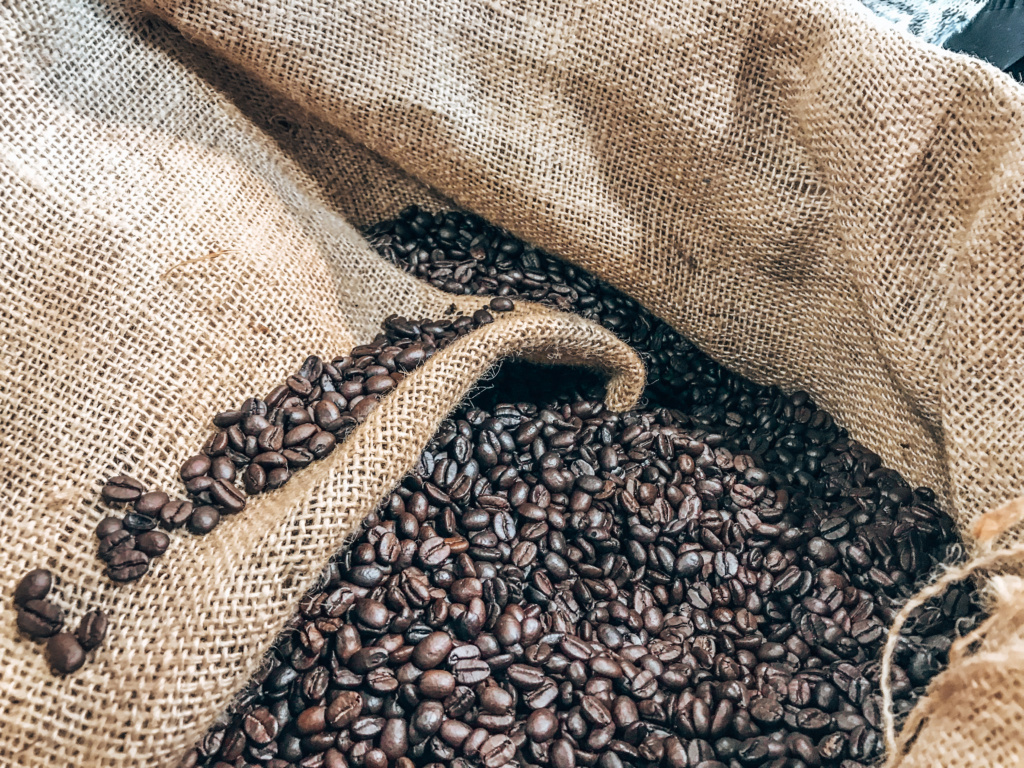
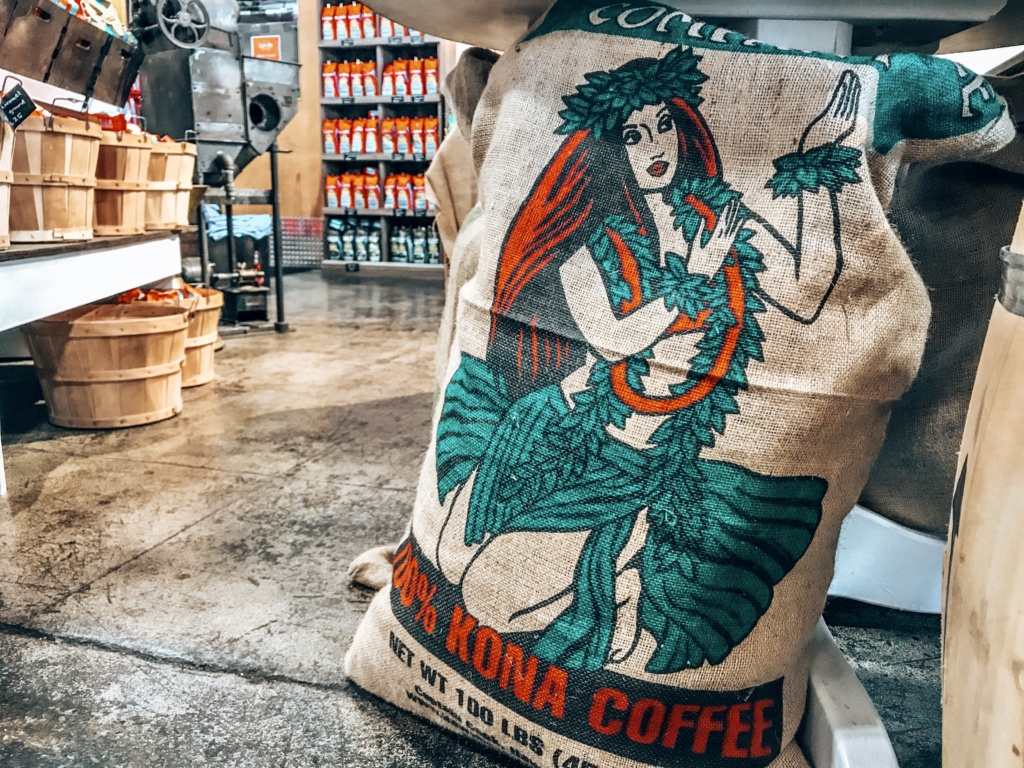
But there’s a secret locals and coffee obsessives already know: Kona is only part of the story.
The Big Island also produces exceptional Kaʻū and Puna coffees, often at lower prices and with equally complex flavor profiles. Kauaʻi, meanwhile, is home to the largest coffee-growing operation in the United States.
If you only chase the words “100% Kona” without understanding Hawaiʻi’s wider coffee culture, you’ll miss some of the best cups in the islands.
Why Kona Coffee Is So Special
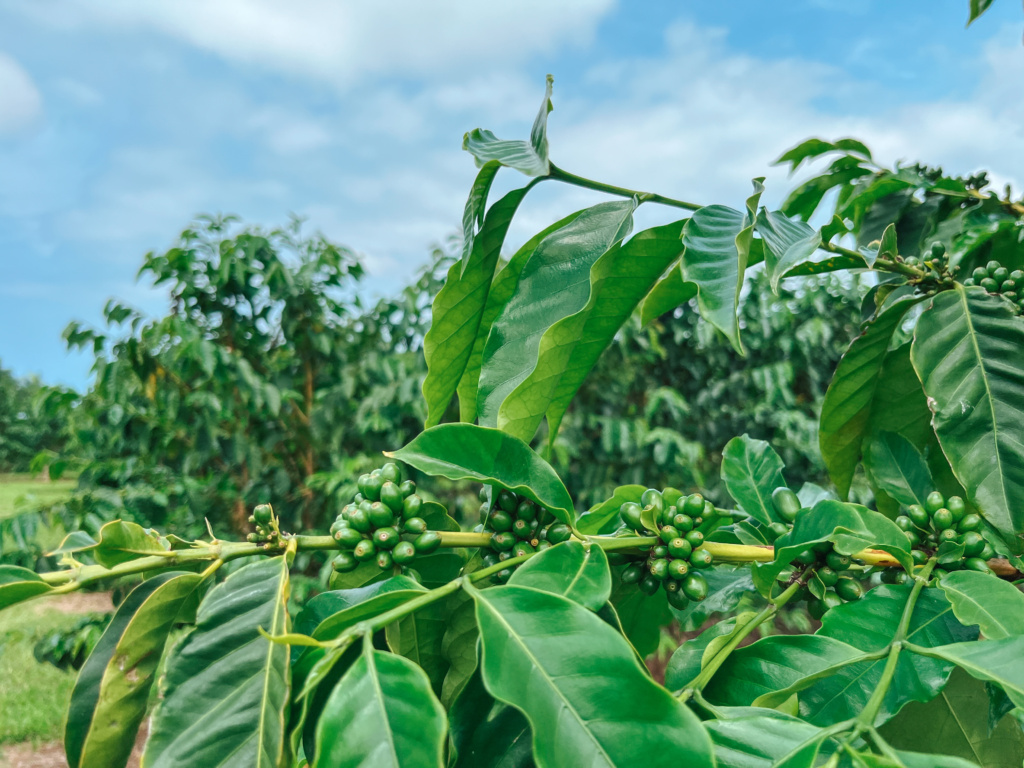
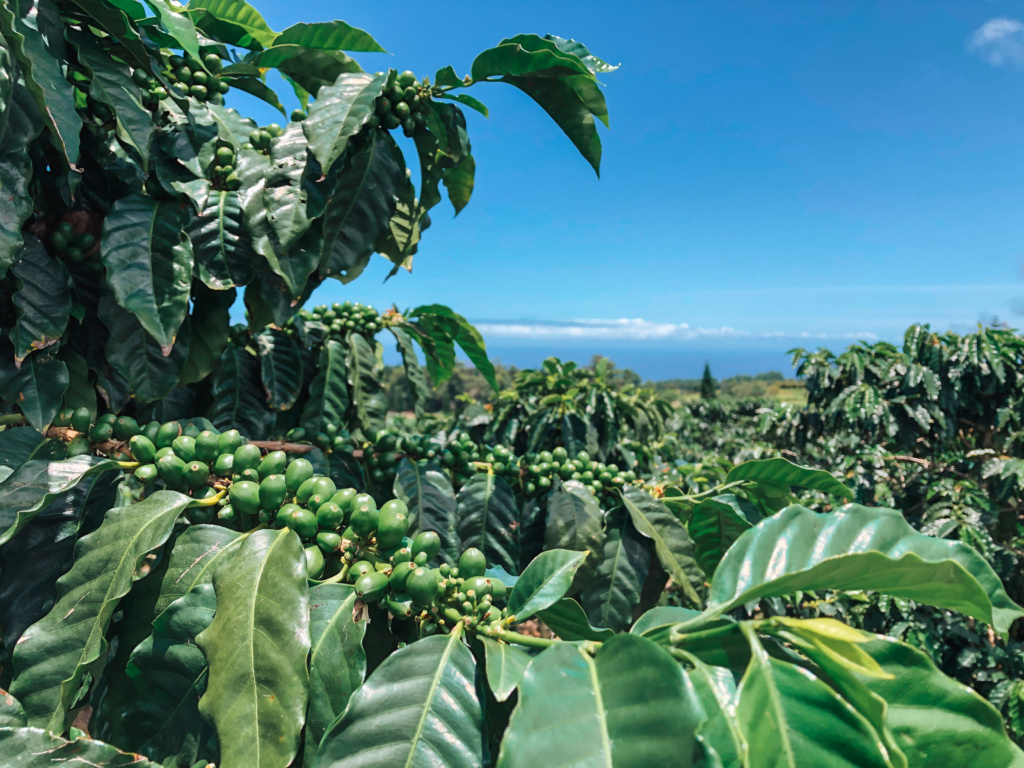
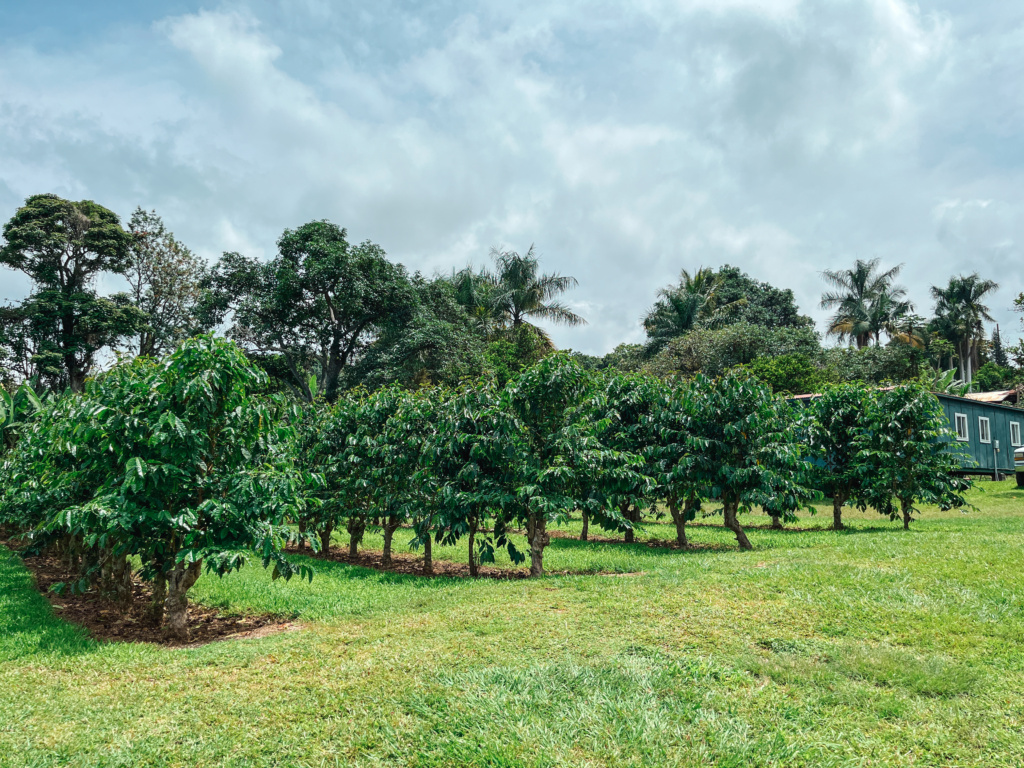
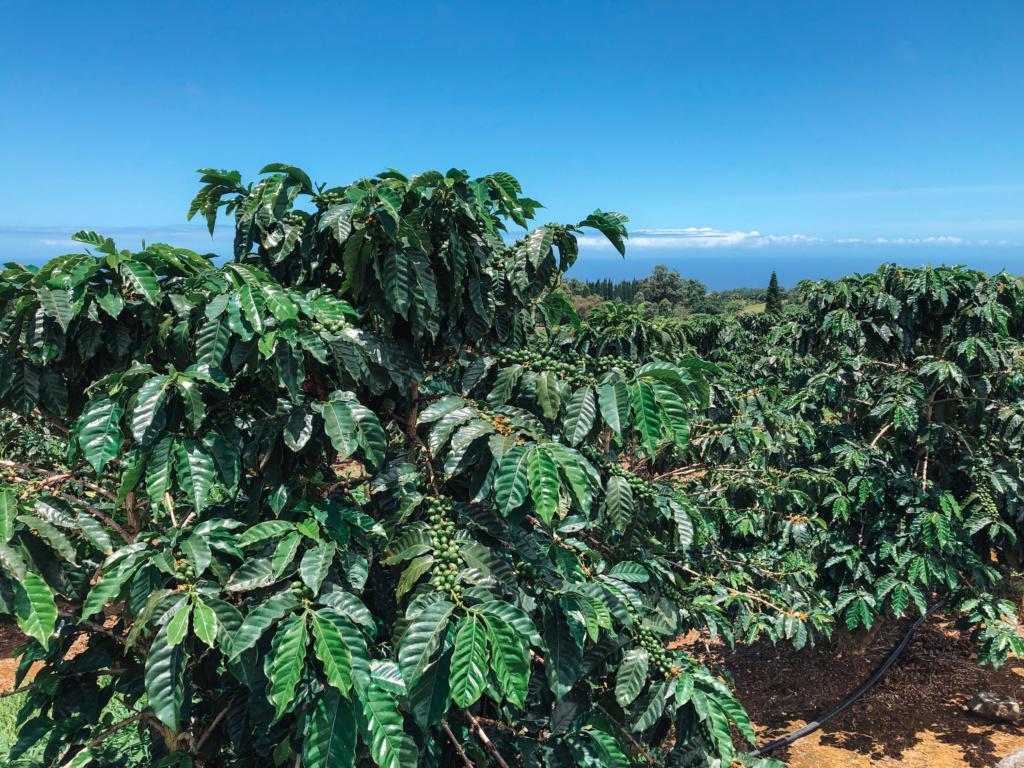
True Kona coffee is grown exclusively on the western slopes of Mauna Loa and Hualālai volcanoes in North and South Kona on Hawaiʻi Island. The region’s elevation, porous volcanic soil, mild temperatures, sunny mornings, and misty afternoons create nearly ideal coffee-growing conditions.
Coffee first arrived in Hawaiʻi in the early 1800s, but it was missionary Samuel Ruggles who planted coffee trees in Kona in 1828. Over time, the region developed its own identity and eventually global prestige, especially after Kona coffee won awards internationally in the late 19th century.
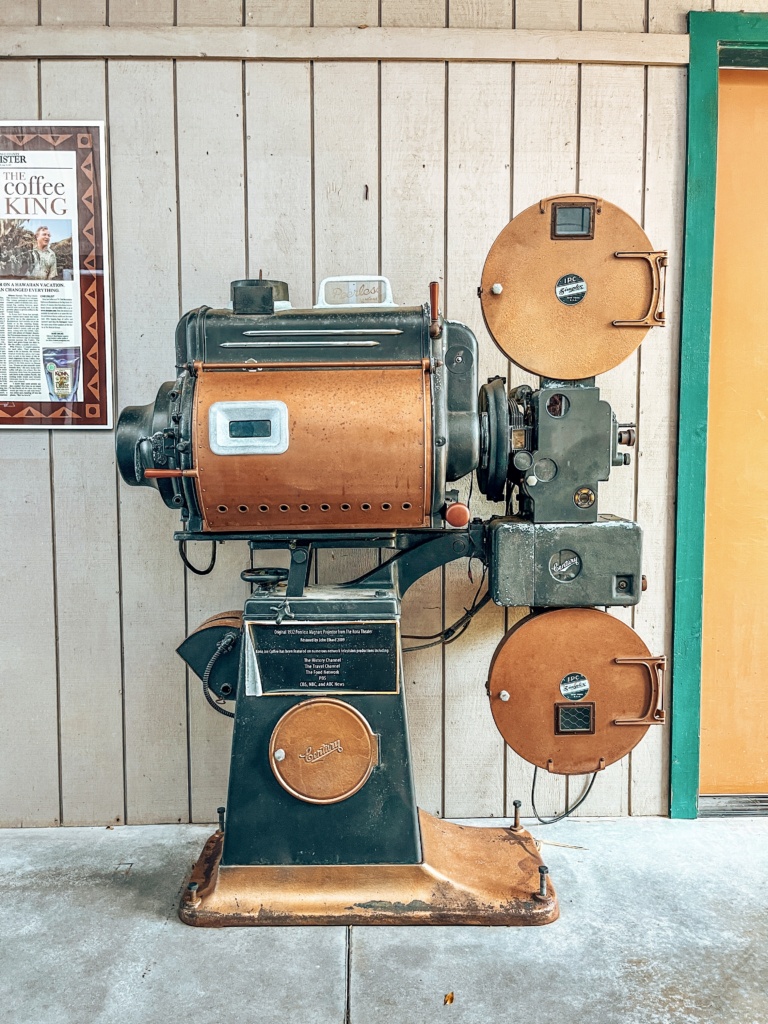
Unlike massive industrial plantations elsewhere in the world, Kona’s coffee culture has historically been built on small family farms.
Japanese immigrant families played a huge role in shaping the industry after the coffee market crash of 1899, leasing small parcels of land and transforming Kona into a network of independent growers that still defines the region today.
That small-scale production is one reason genuine Kona coffee is expensive. Another is simple scarcity: Kona coffee represents only a tiny fraction of the world’s coffee supply.
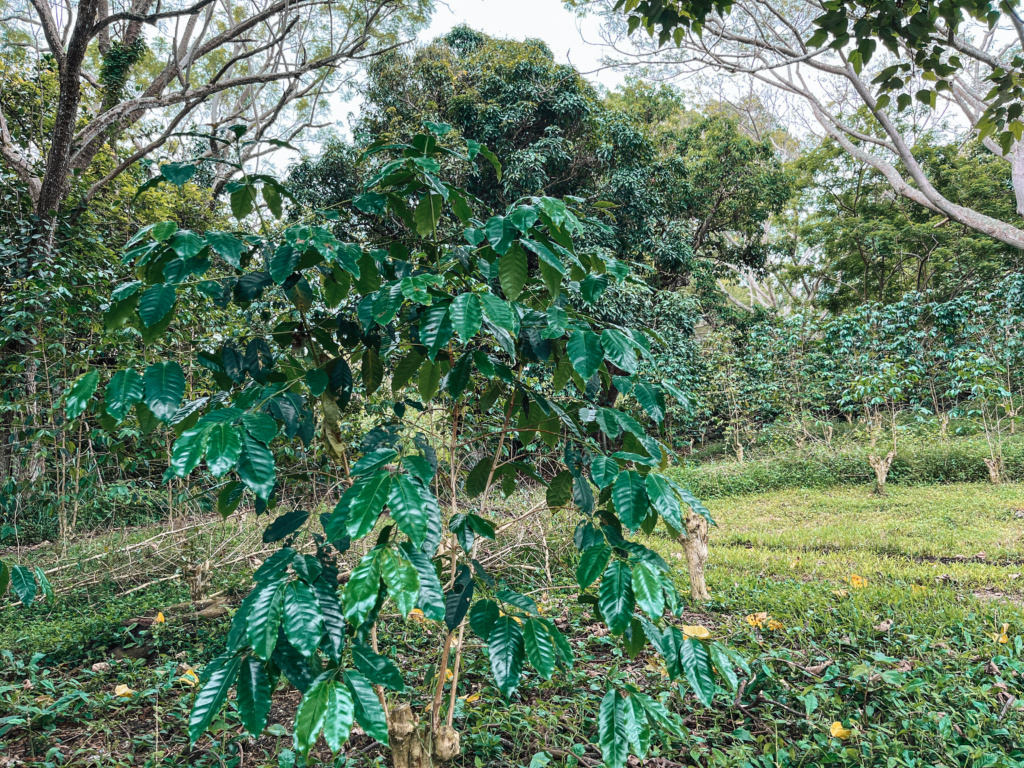
Kona Coffee, Kaʻū, Puna & Beyond: A Guide to Hawaiʻi’s Most Famous Brew
Travelers often assume all Hawaiian coffee is “Kona,” but the islands produce several distinct coffee regions with very different personalities.
Kaʻu Coffee
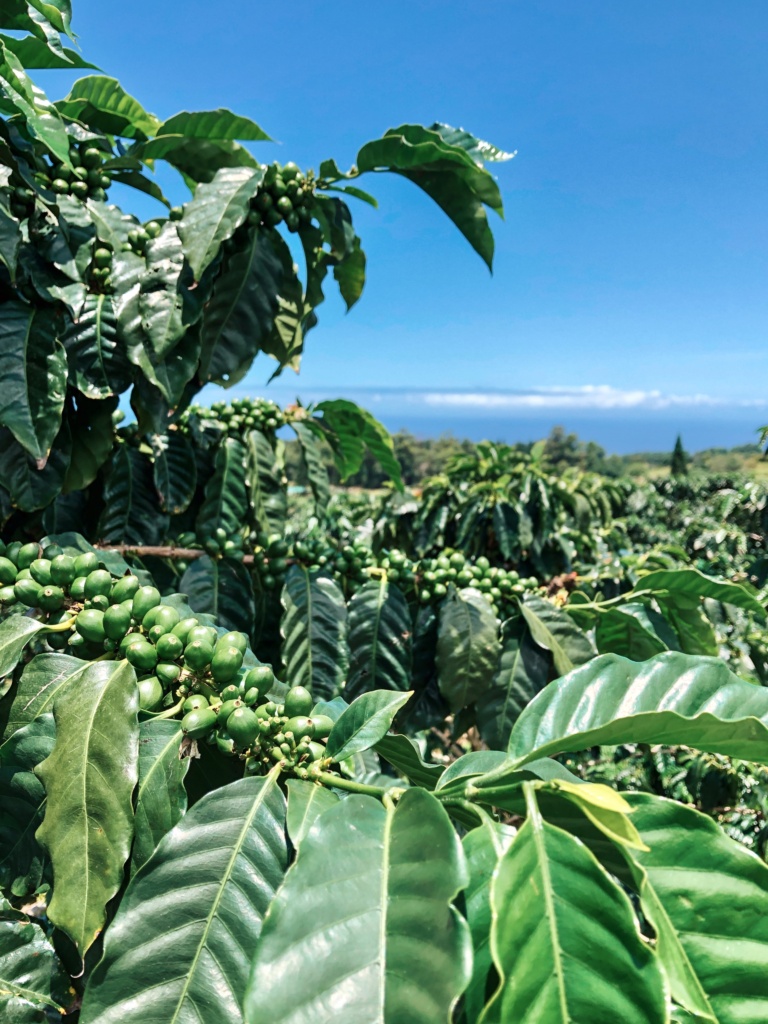
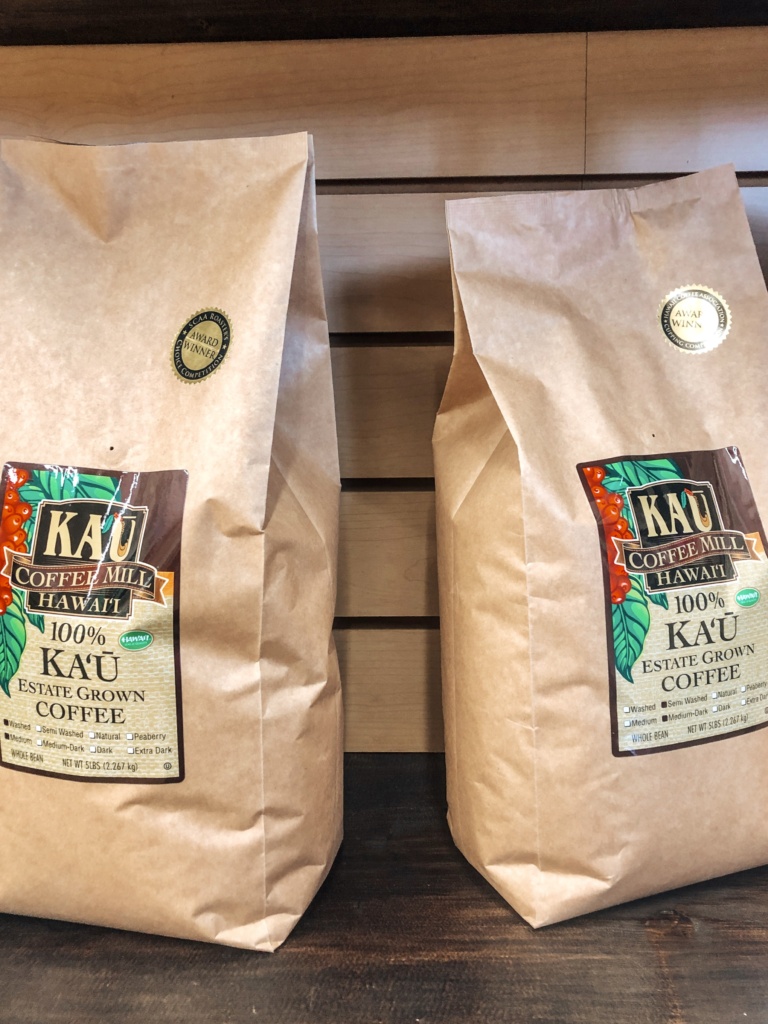
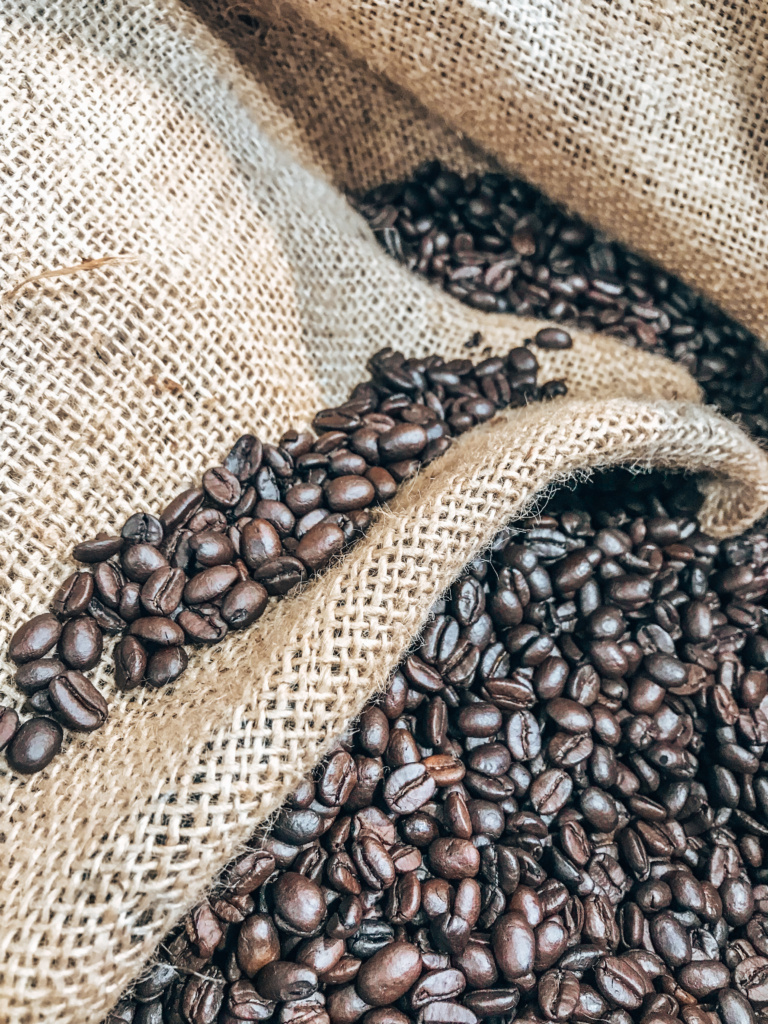
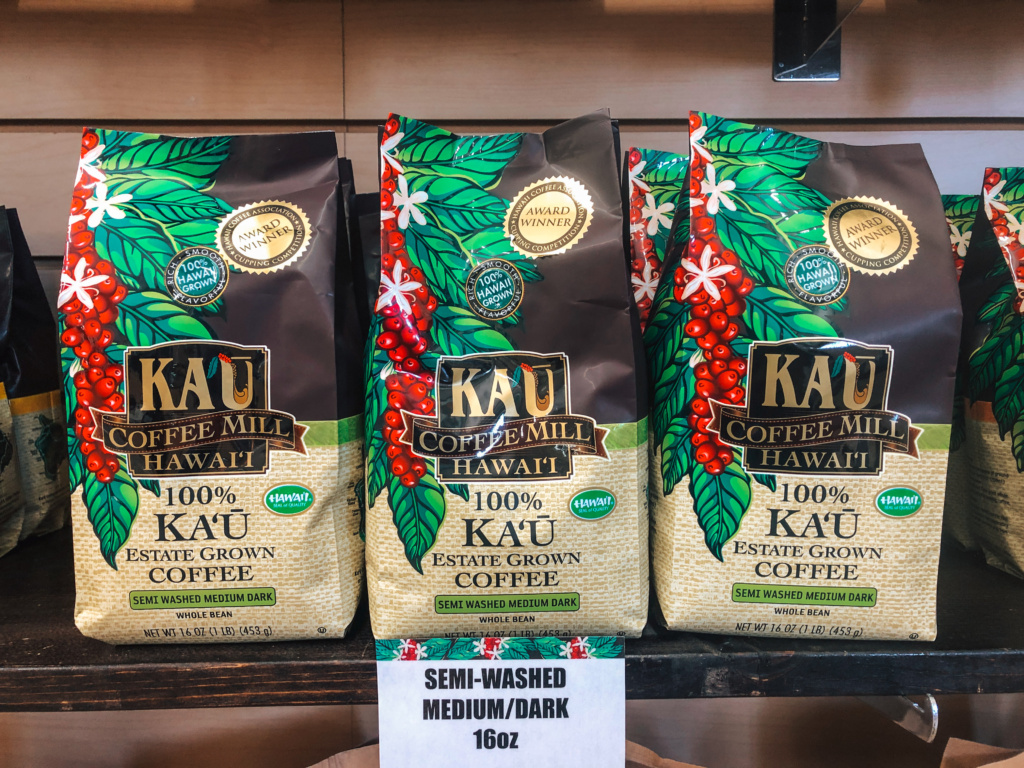
South of Kona, Kaʻū has quietly become one of Hawaiʻi’s most respected coffee-growing areas. After the collapse of the sugar industry in the 1990s, many former plantation workers turned to coffee farming and built a thriving specialty coffee scene.
Kaʻū coffee is often slightly fruitier and softer than traditional Kona, with chocolate and floral notes that many specialty coffee drinkers prefer. It also tends to be more affordable because it lacks Kona’s massive global branding machine.
Puna Coffee
On the lush eastern side of the Big Island near Hilo and Volcano, Puna coffee thrives in wetter, jungle-like conditions. The region is smaller and less commercialized, but it has developed a cult following among coffee enthusiasts.
Puna coffees can be bright, vibrant, and unexpectedly complex — often closer to modern third-wave coffee styles than the classic smooth Kona profile.
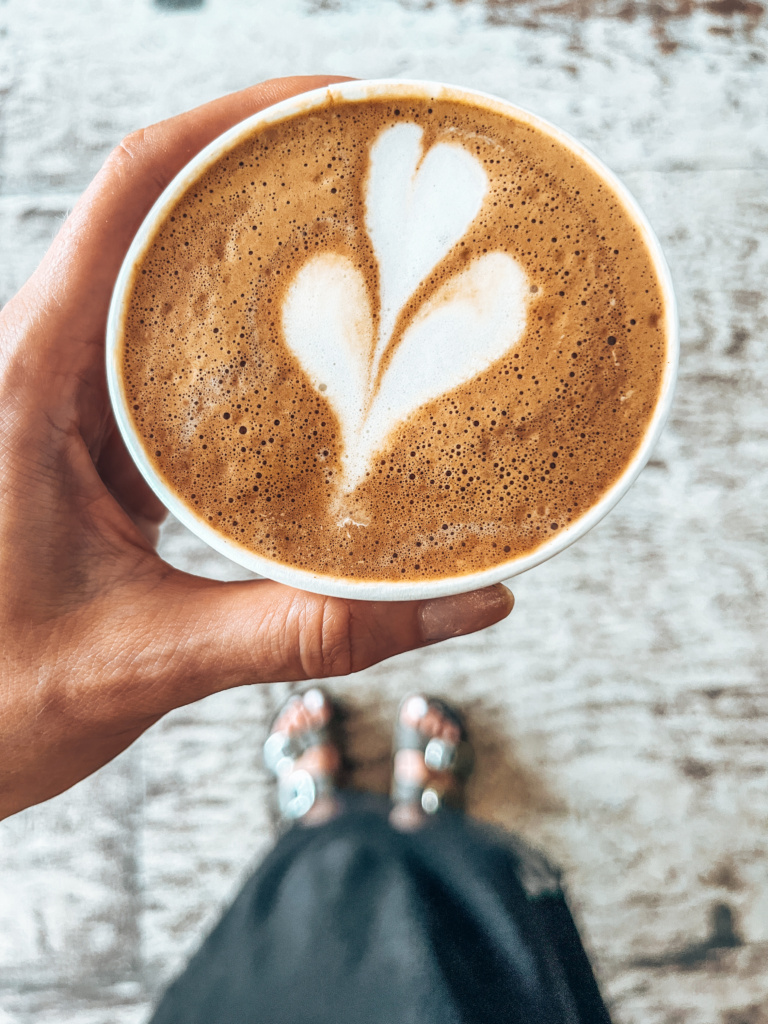
Kauaʻi Coffee
Coffee has been grown on Kauaʻi since the 1800s, but large-scale cultivation took off in the late 20th century. Today, Kauaʻi produces more than half of Hawaiʻi’s coffee volume and is home to the largest coffee farm in the US.
Kauaʻi coffee is generally mellower and less acidic than Kona due to lower elevations and different growing conditions. For travelers who prefer smooth, approachable coffee, it can be a fantastic alternative.
Click HERE to book your Kona coffee farm tour on Viator!
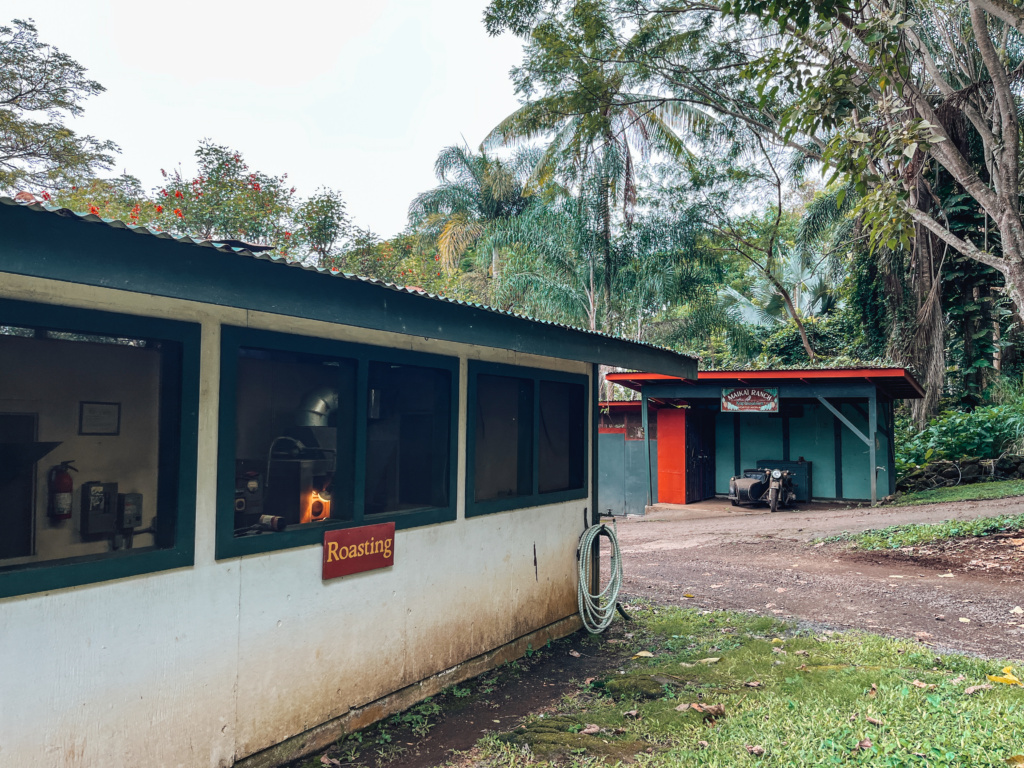
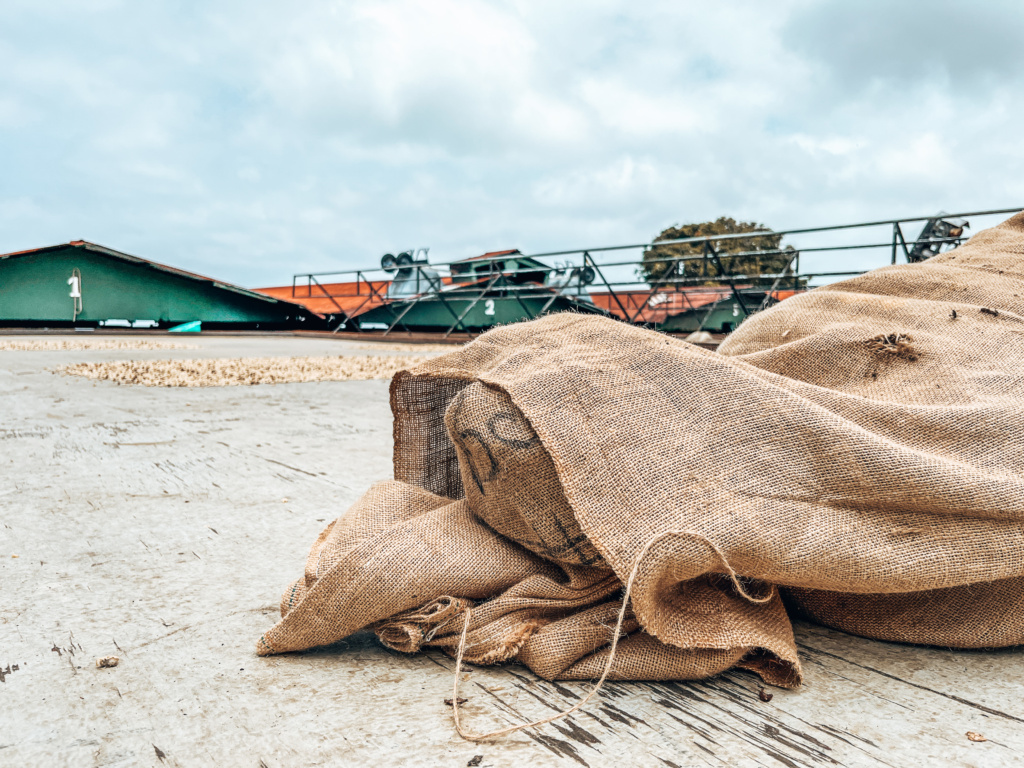
What Is Peaberry Coffee?
If you visit Hawaiian coffee farms, you’ll constantly hear about peaberry.
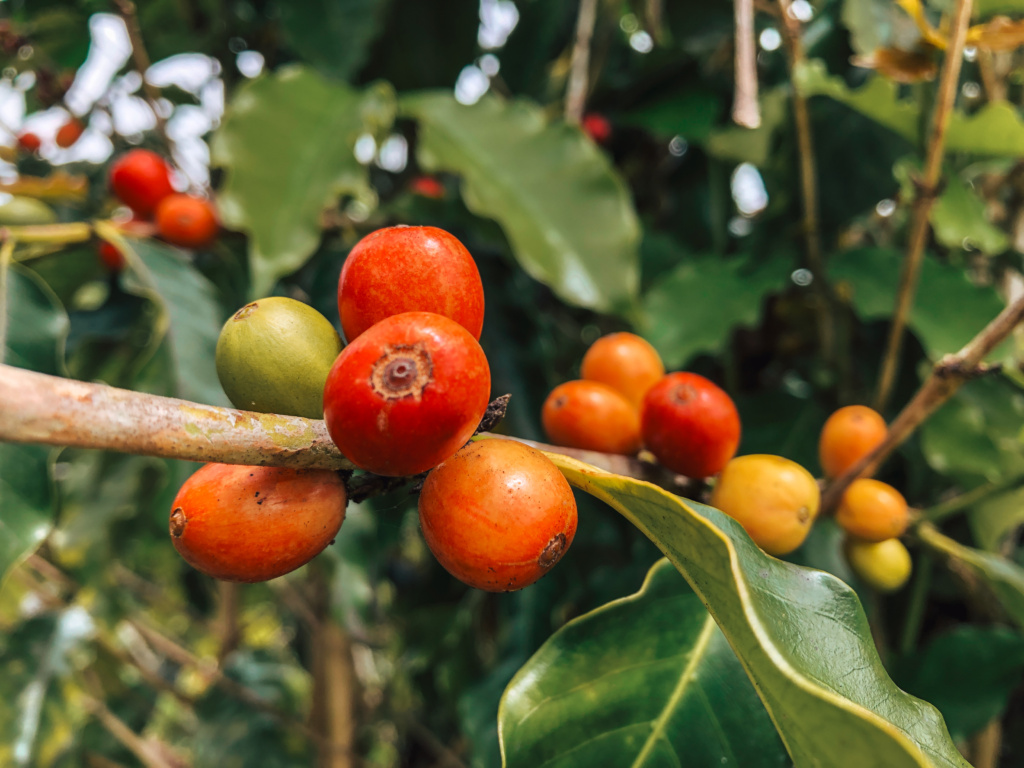
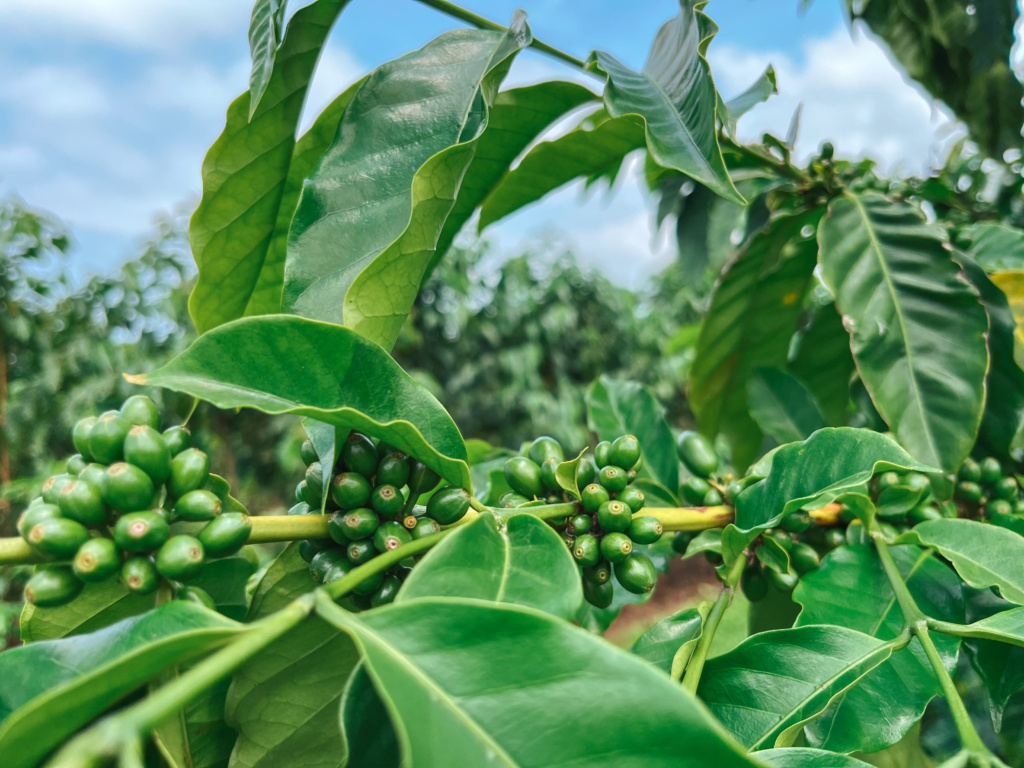
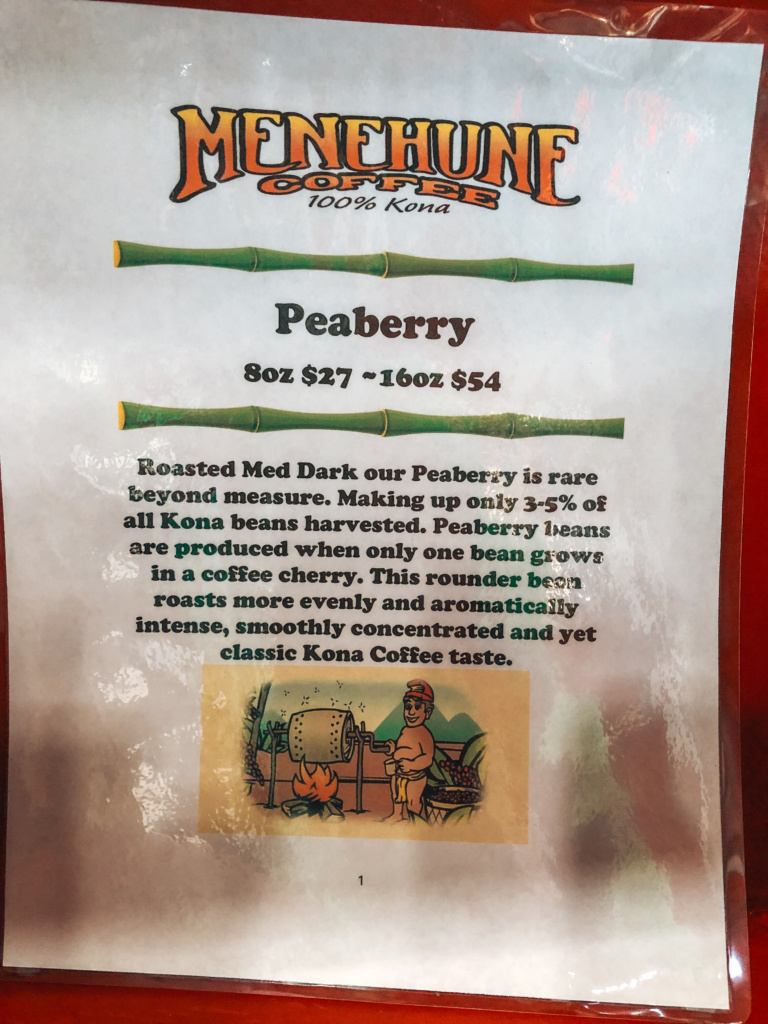
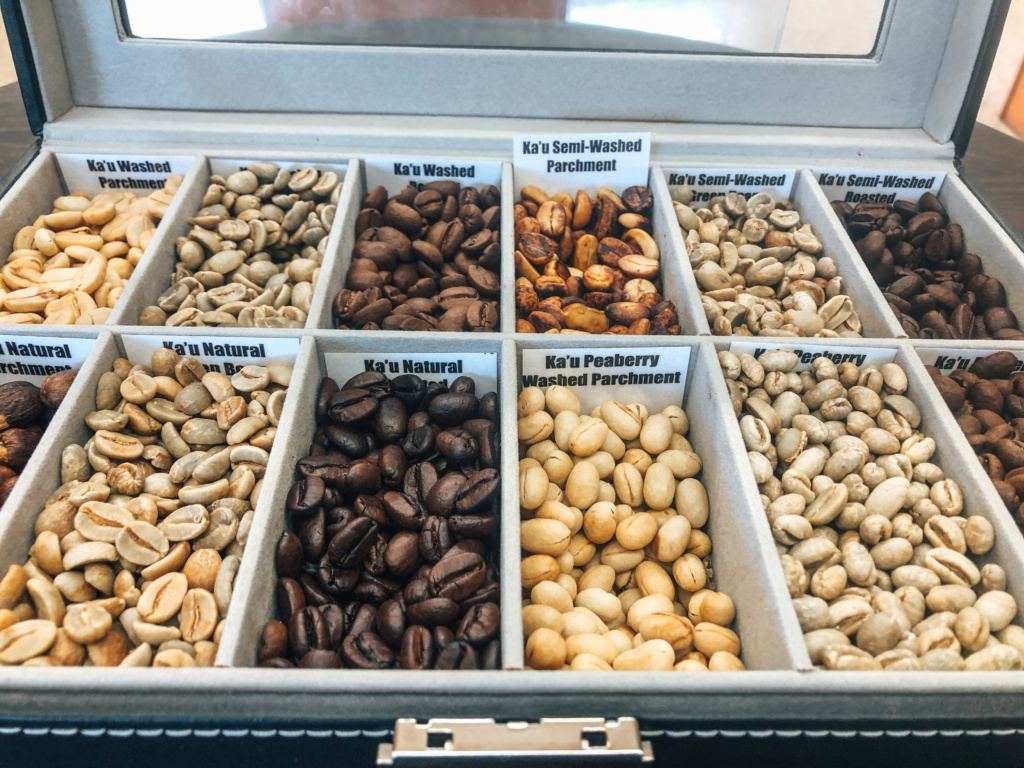
Normally, a coffee cherry contains two flat-sided beans. But in about 3–5% of cherries, only one round bean develops instead. That single bean is called a peaberry.
Many coffee lovers believe peaberry beans taste sweeter, brighter, and more concentrated because all the nutrients from the cherry develop into a single bean. Others argue the flavor difference is subtle and partly marketing. Either way, peaberry coffee is rare, carefully sorted, and typically sold at a premium.
In Hawaiʻi, Kona peaberry is especially sought after.
The Best Kona Coffee Tours & Coffee Shops on the Big Island
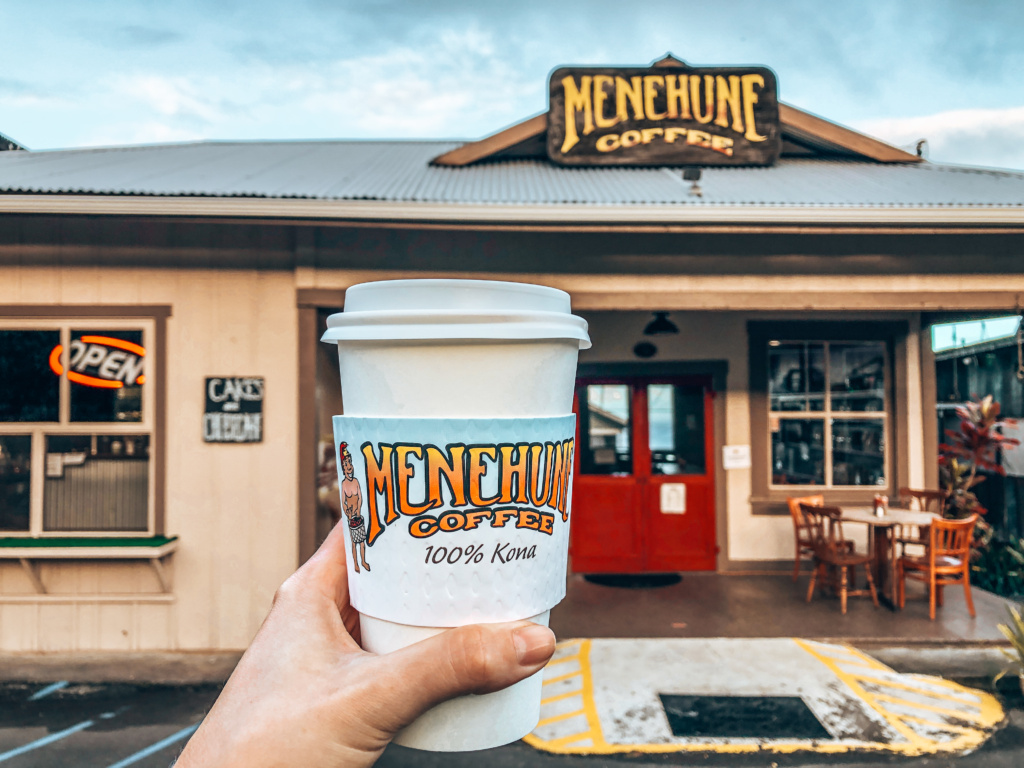
Menehune Coffee Company
Address: 84-5227 Mamalahoa Hwy, Captain Cook, HI 96704 Phone: +18082380627
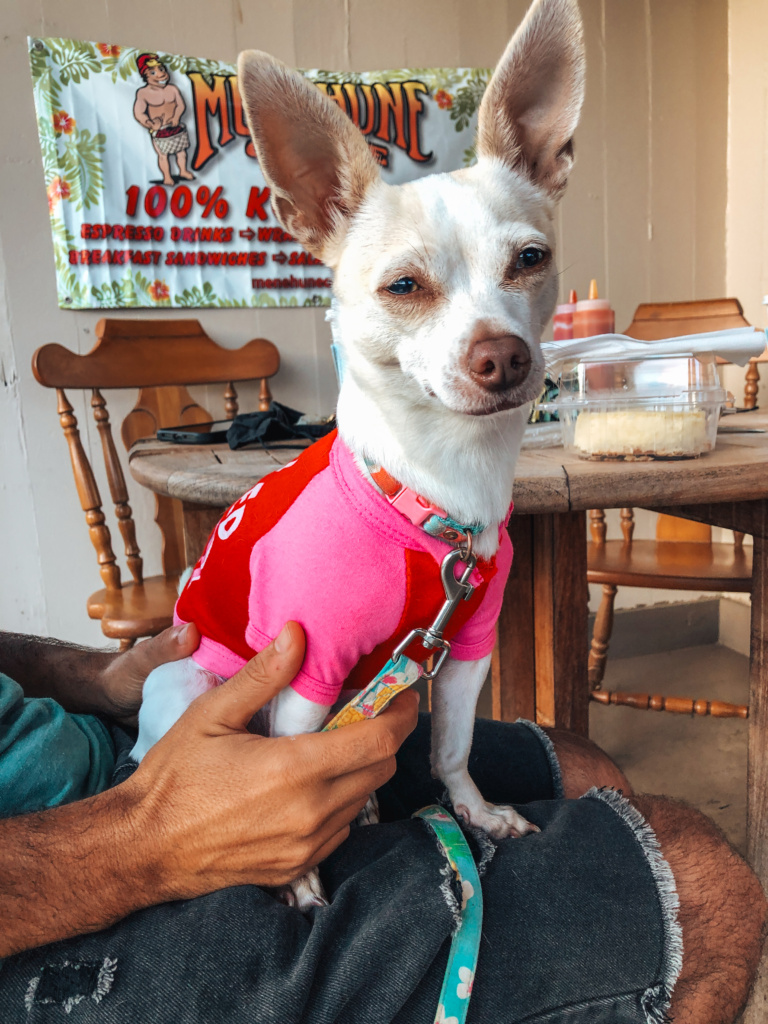
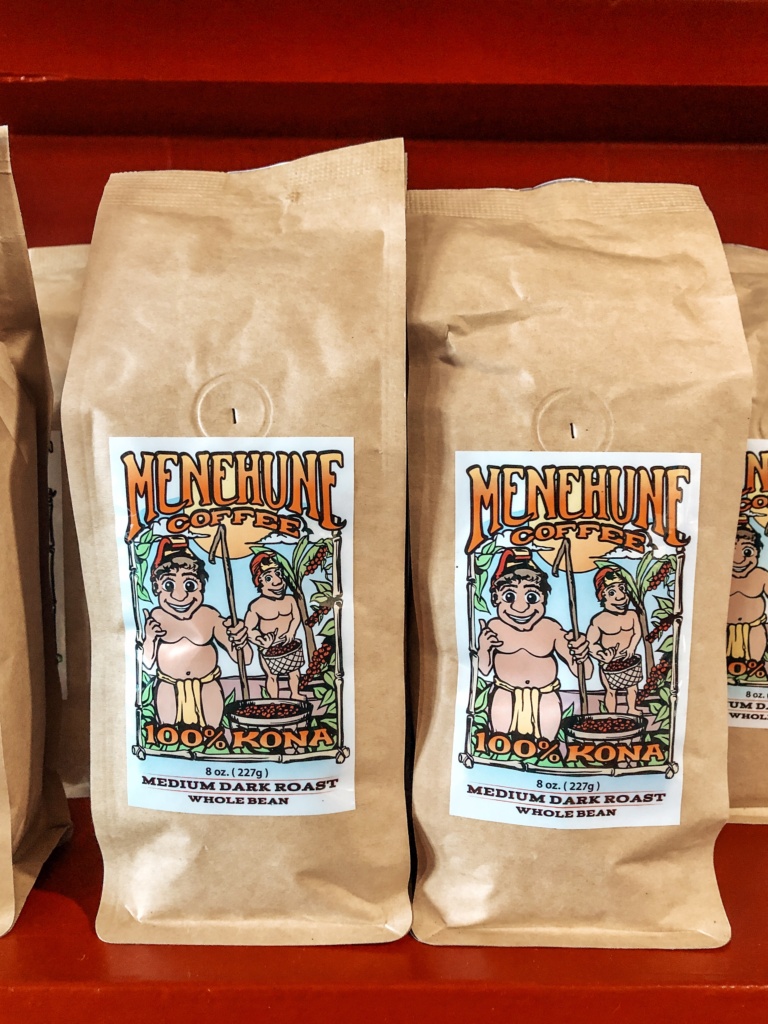
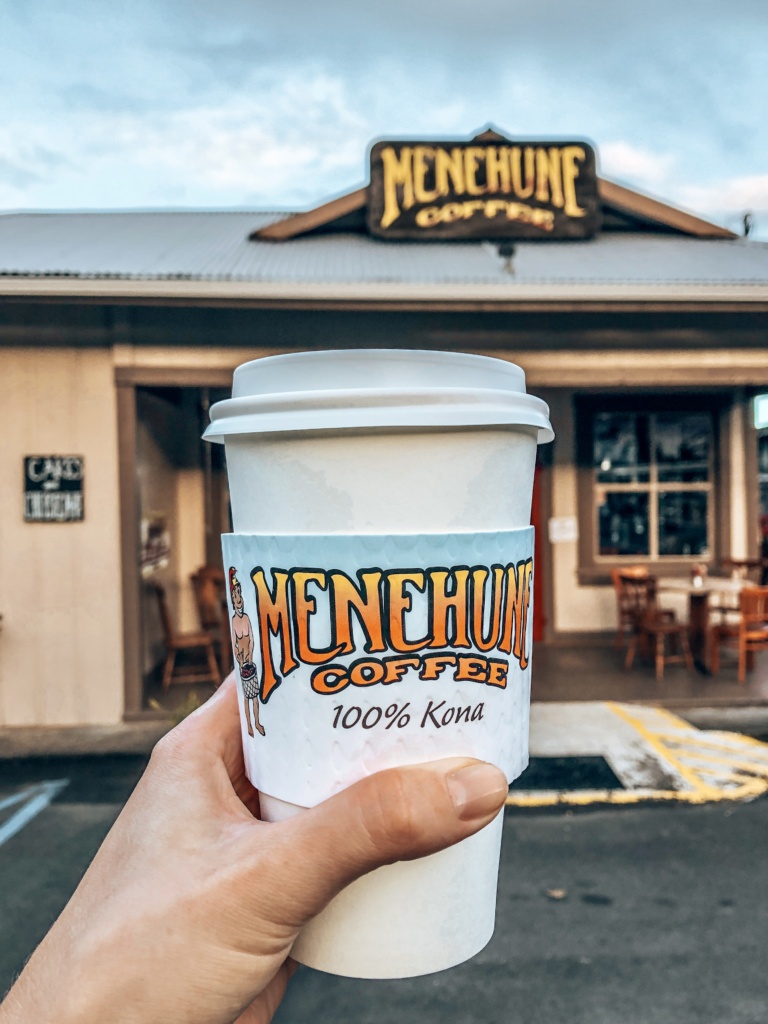
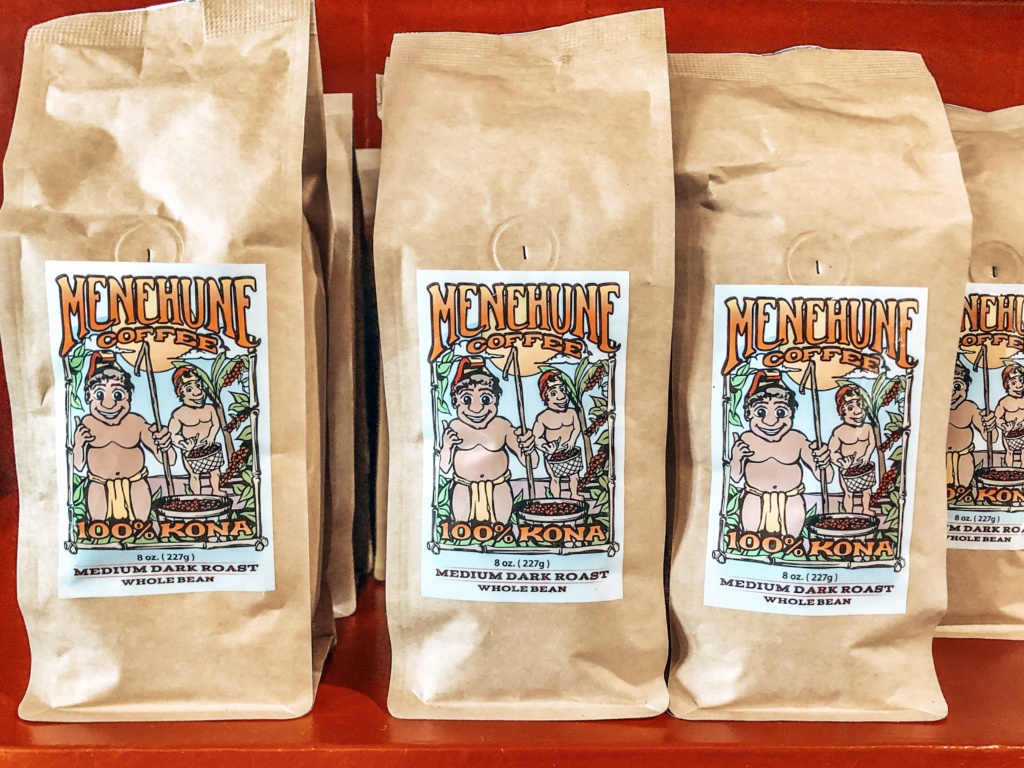
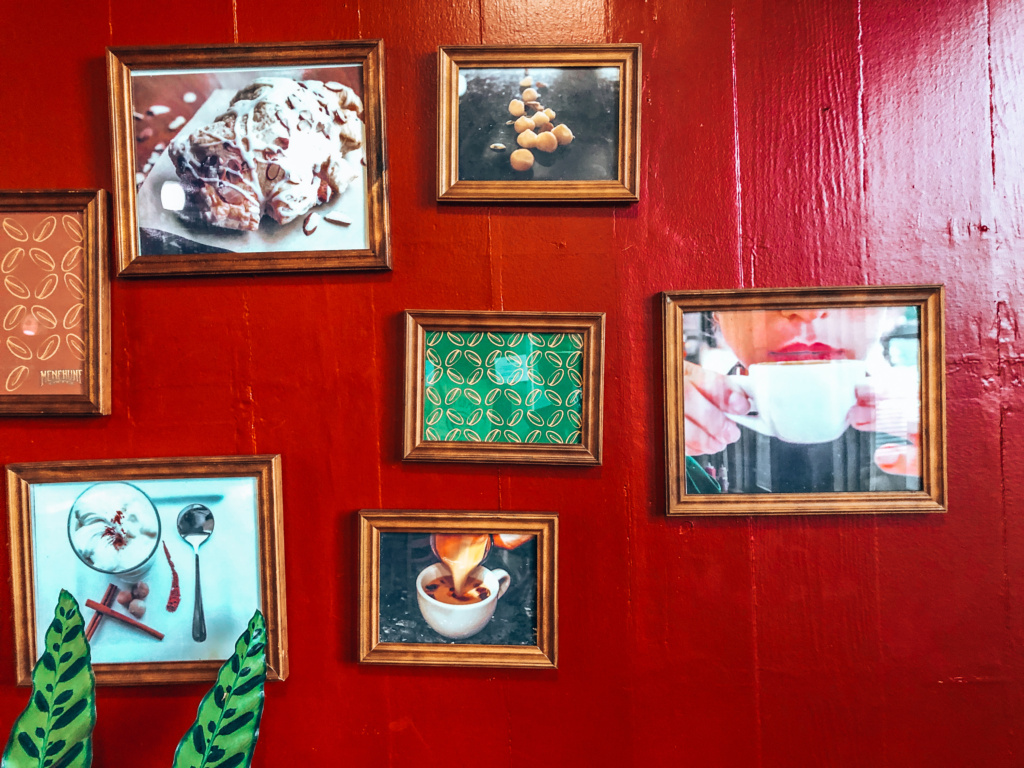
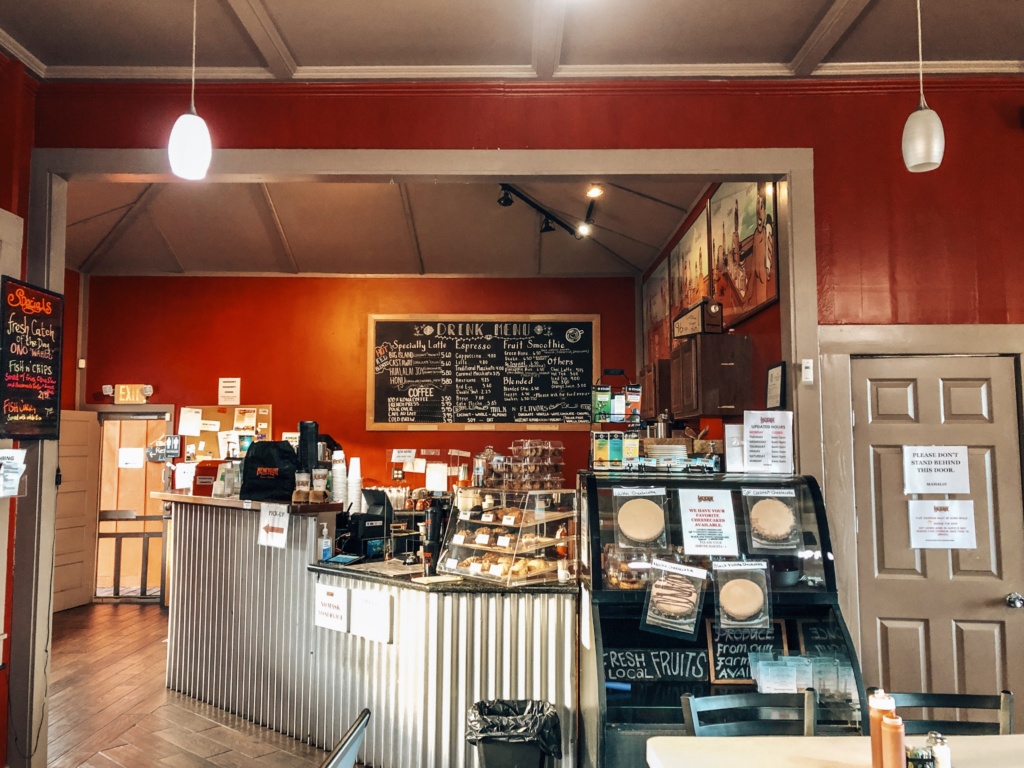
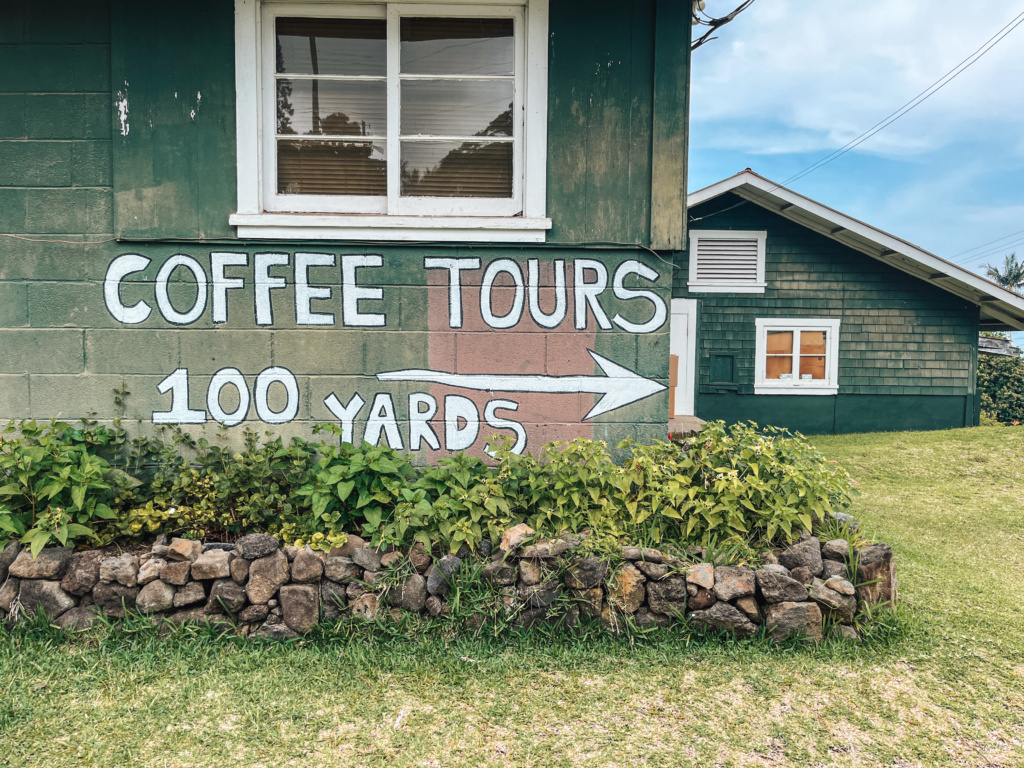
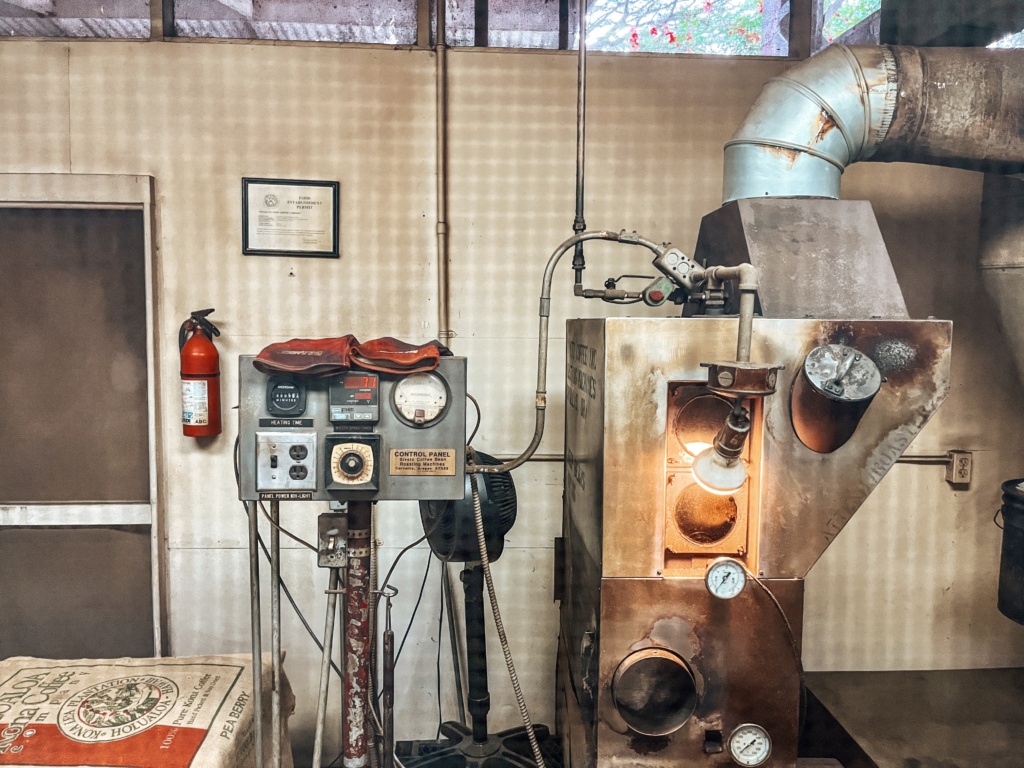
Part coffee farm, part café, part local institution, this Captain Cook favorite offers a more laid-back and less touristy introduction to Kona coffee culture. The company farms hundreds of acres of coffee and works with many small local growers across Kona.
It’s an excellent stop for breakfast, locally grown coffee, and learning how coffee moves from seed to cup in Hawaiʻi. The veteran-owned business also feels deeply connected to the community rather than built purely for tourism.
Kona Joe Coffee
Address: 79-7346 Mamalahoa Hwy, Kealakekua, HI 96750 Phone: +18083222100
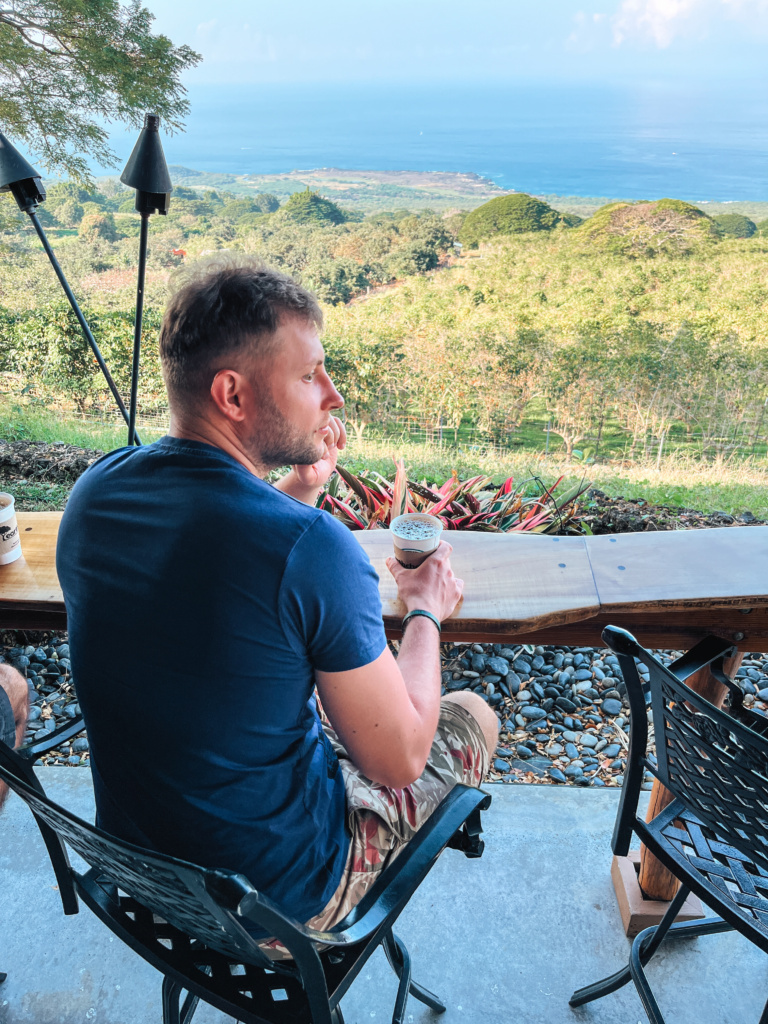
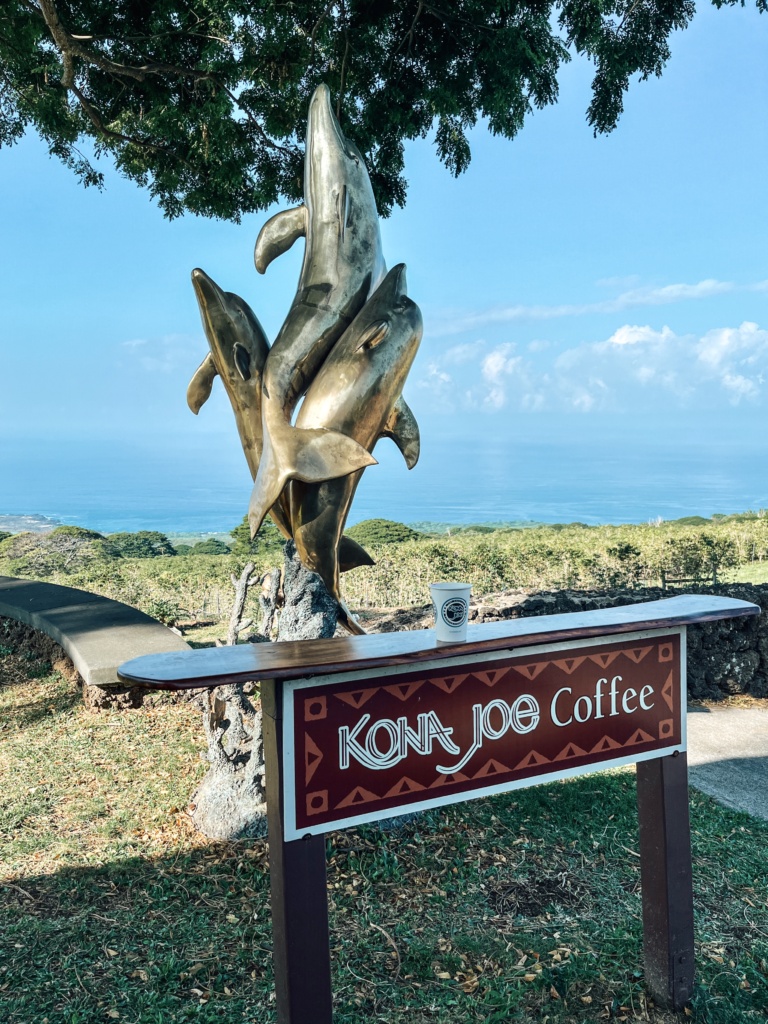
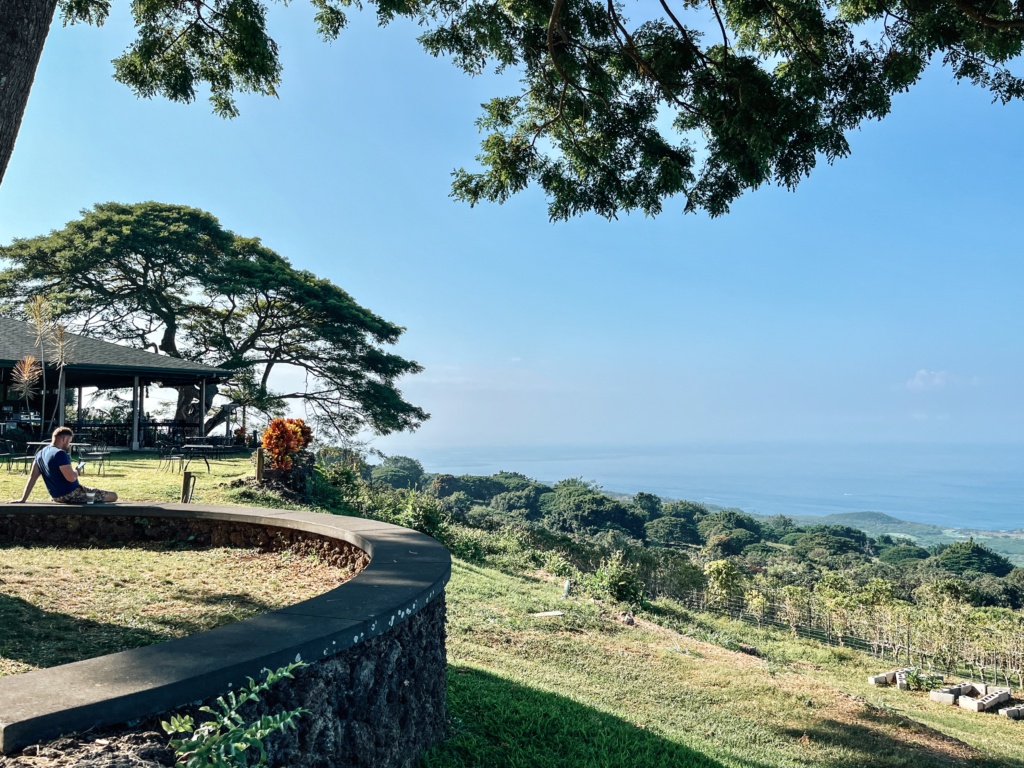
One of the most scenic coffee farms in Kona, Kona Joe is famous for its trellised coffee trees — grown more like wine grapes than traditional coffee shrubs. The sweeping ocean views alone are worth the drive.
Their tours are approachable for casual coffee drinkers while still detailed enough for enthusiasts who want to understand cultivation and roasting techniques.
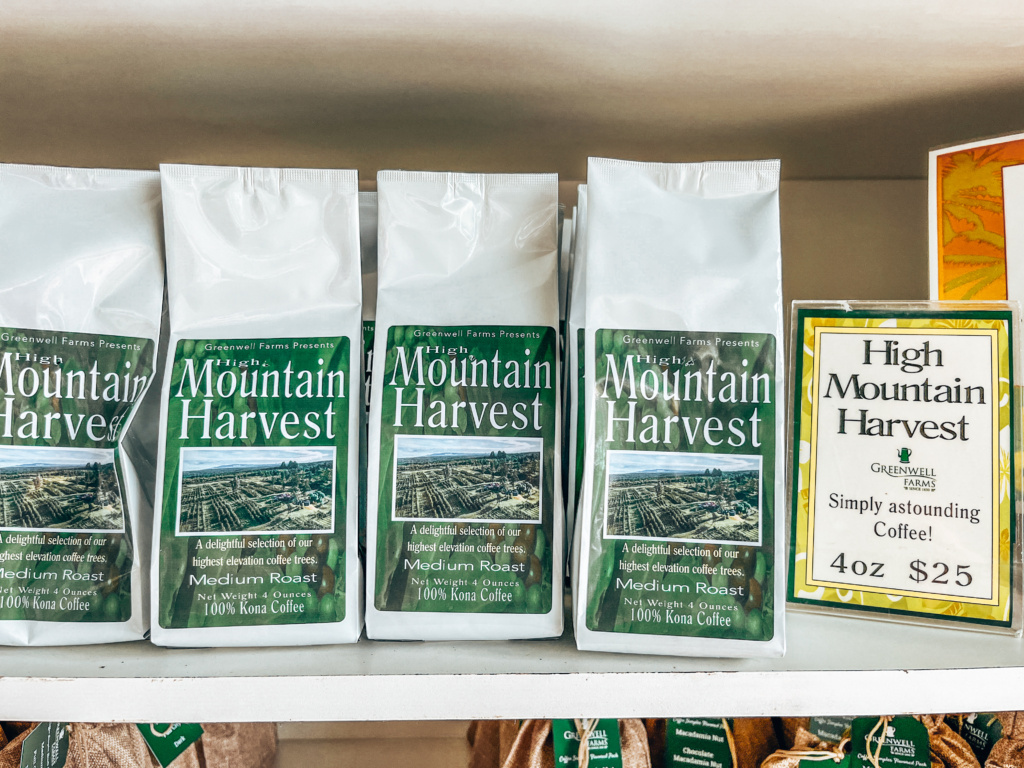
Greenwell Farms
Address: 81-6581 Mamalahoa Hwy, Kealakekua, HI 96750 Phone: +18083239616
Can’t talk about best coffee tours in Kona without highlighting Greenwell Farms.
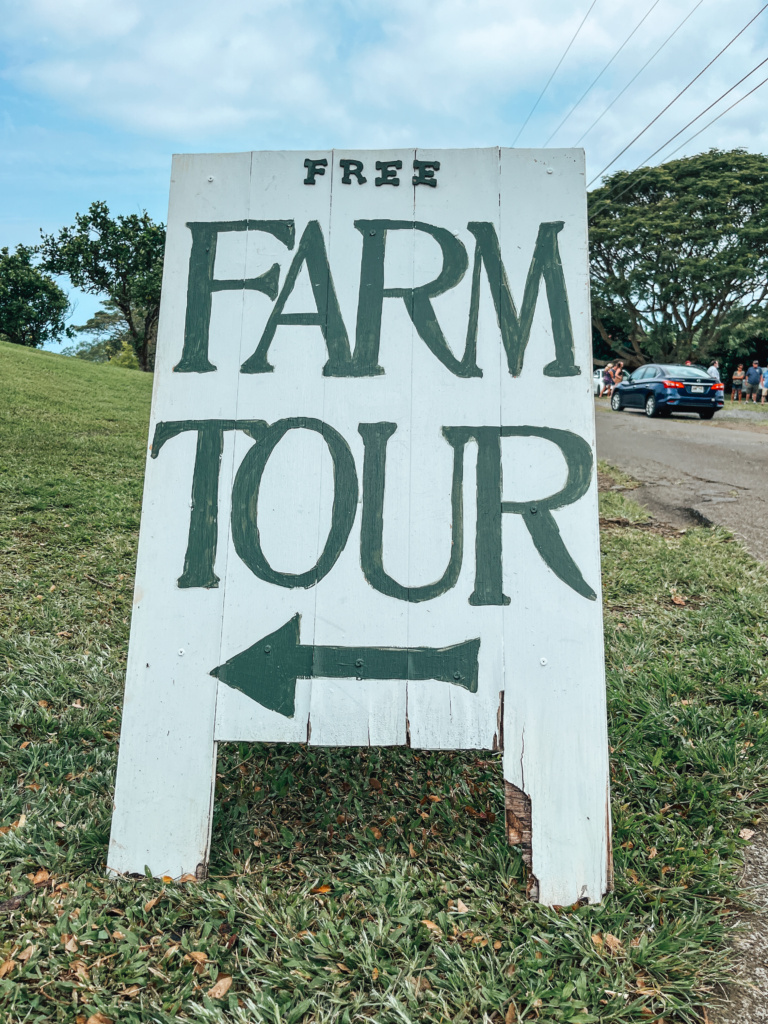
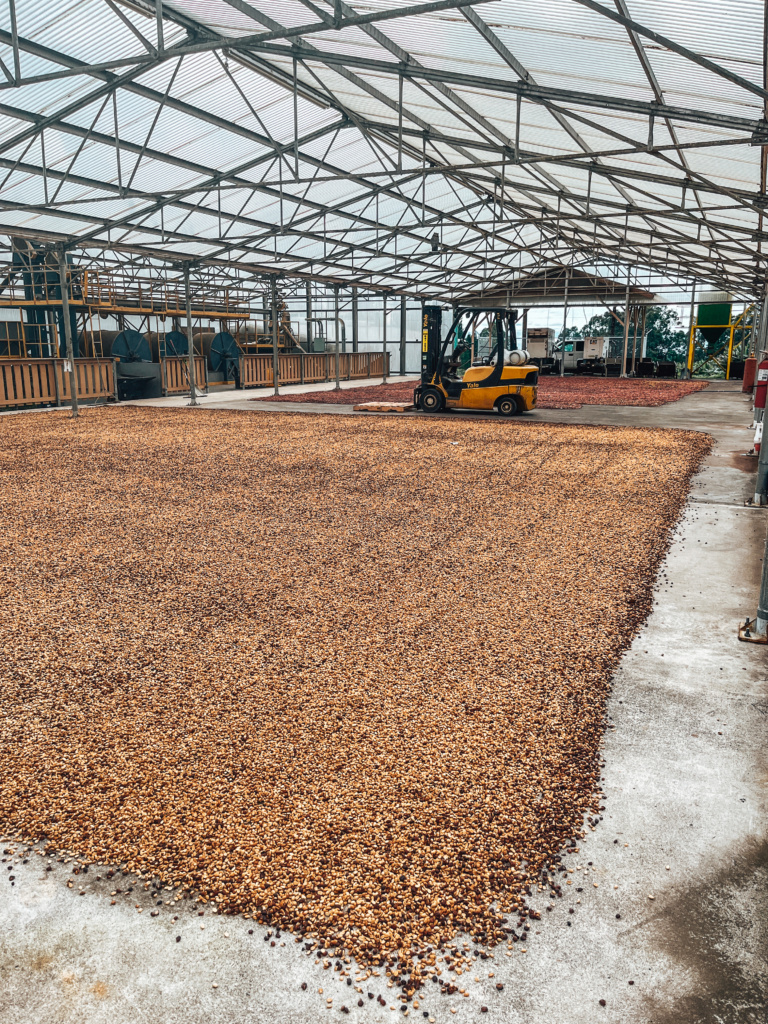
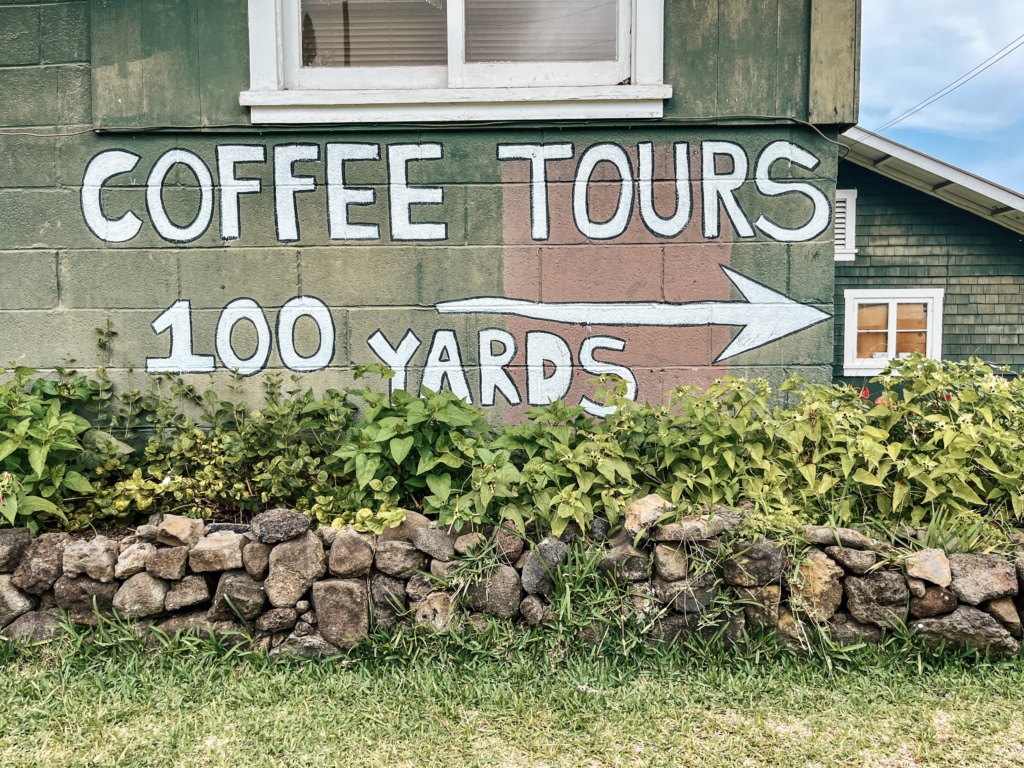
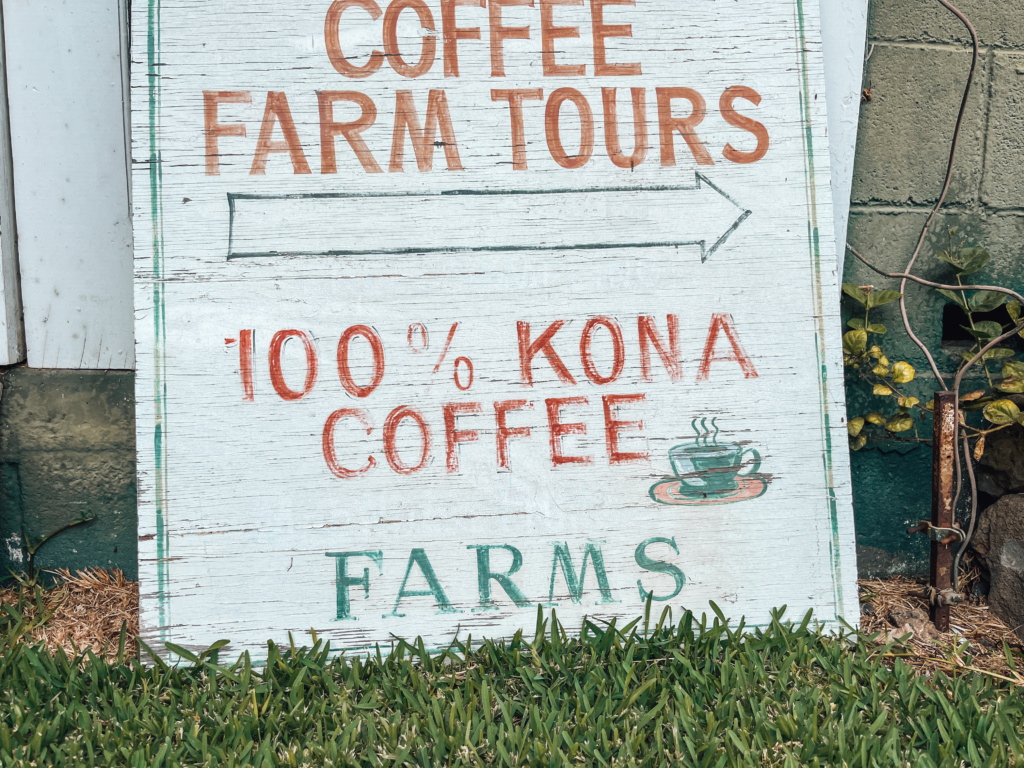
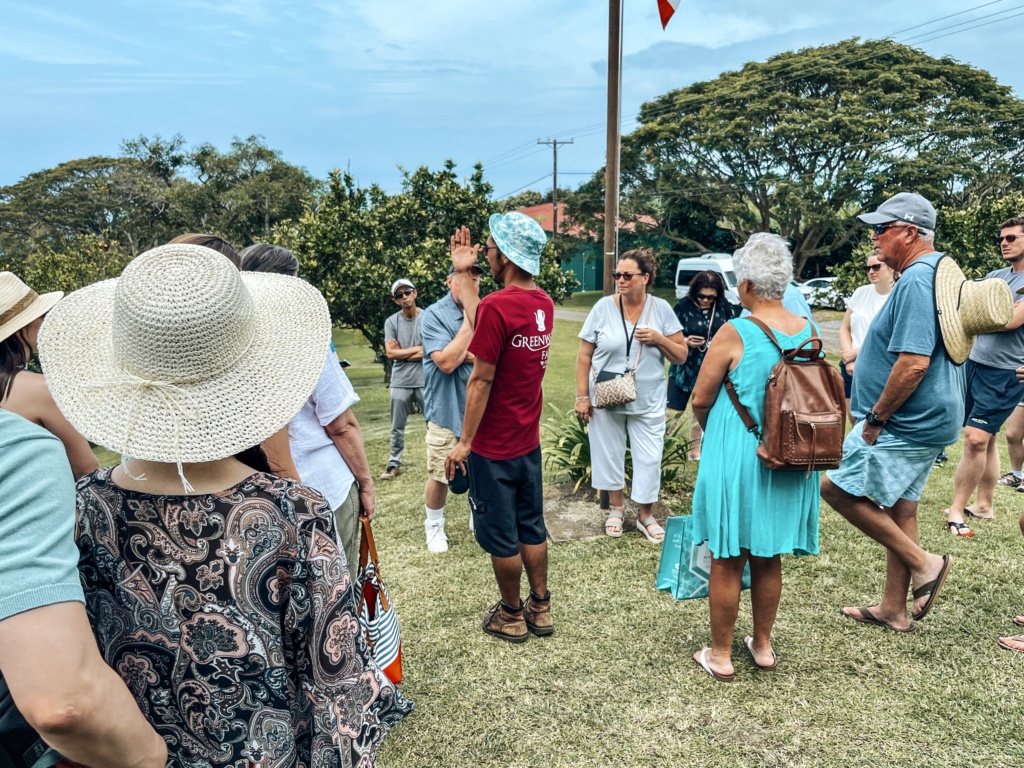
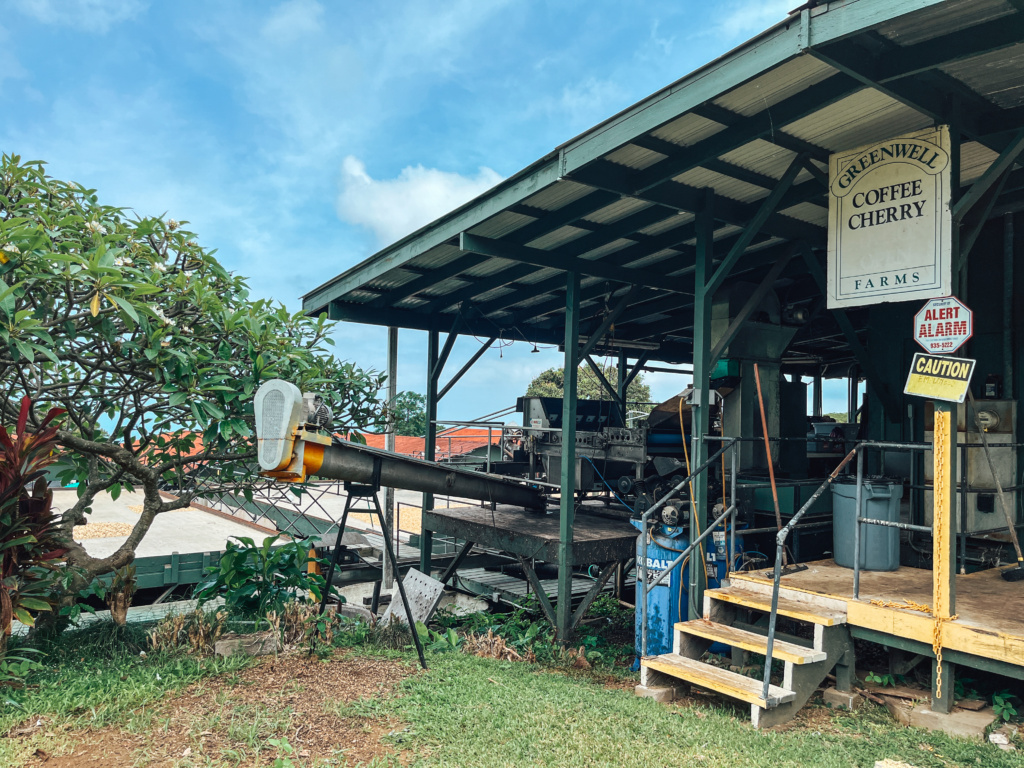
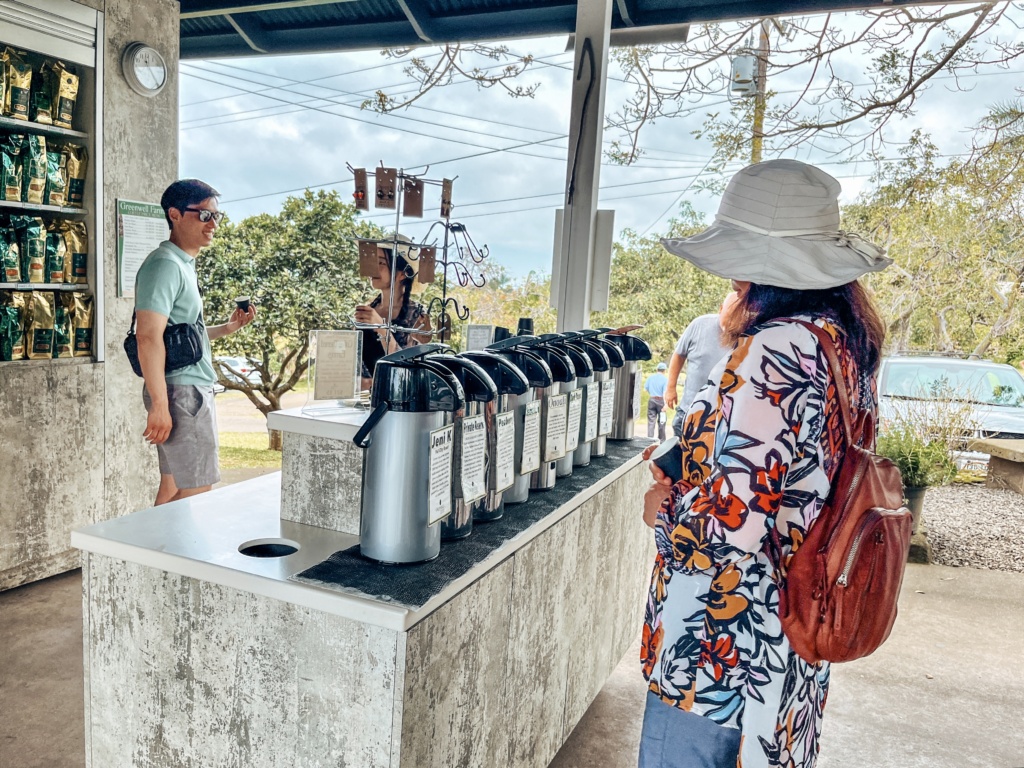
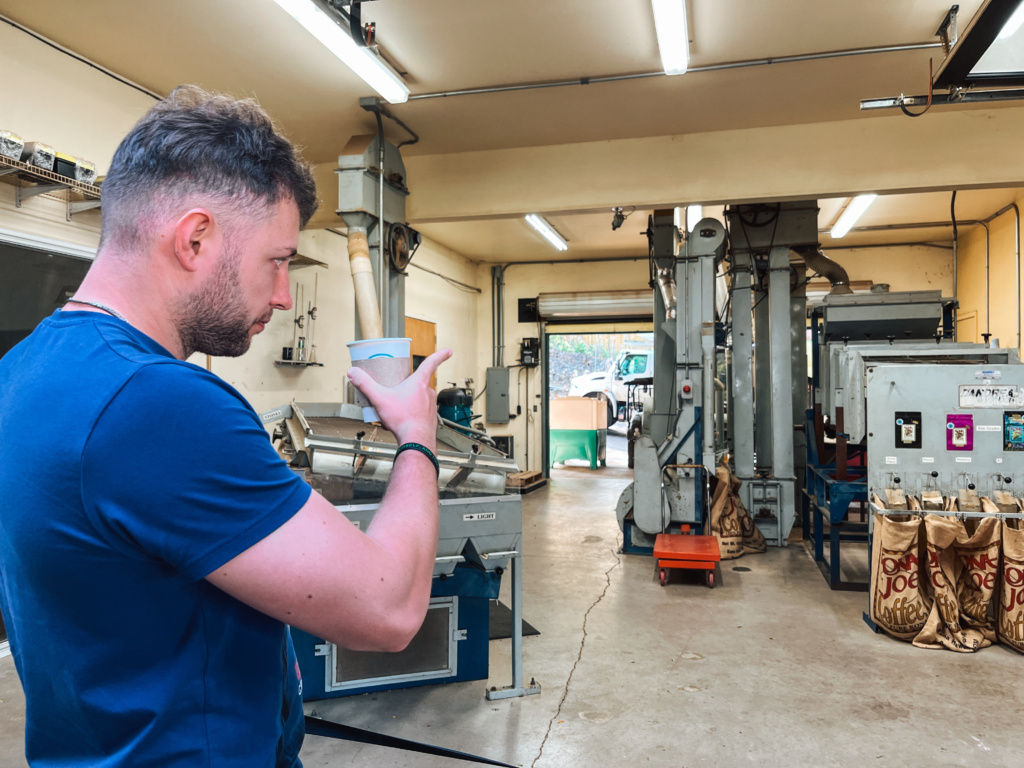
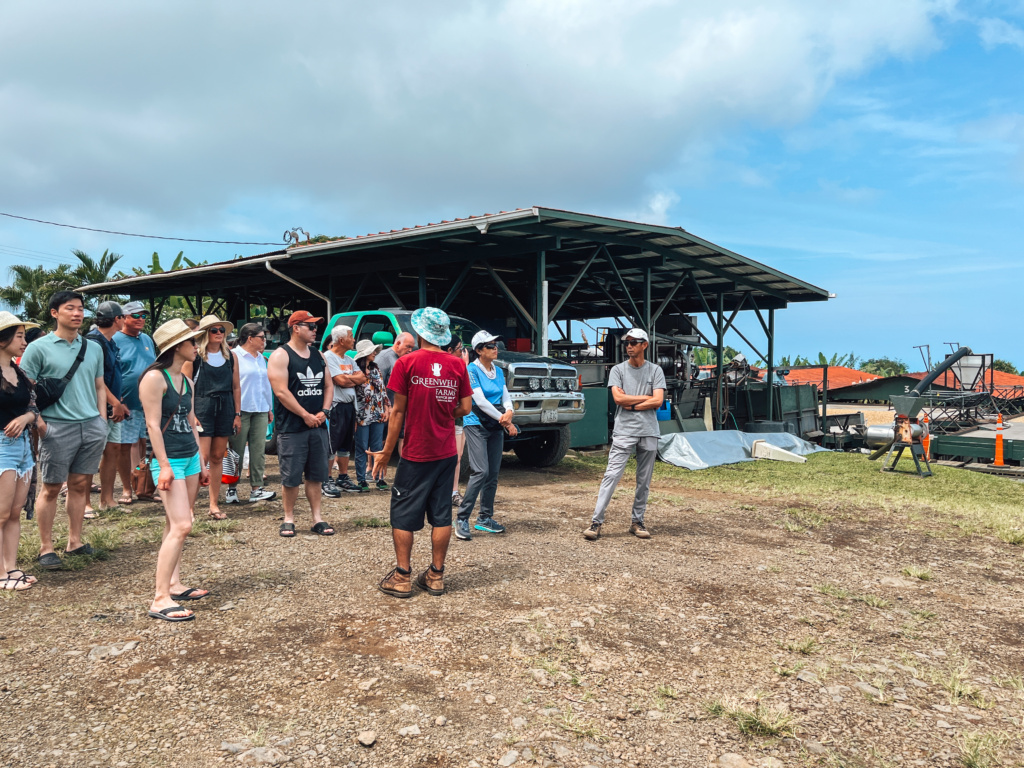
If you only do one coffee tour on the Big Island, many locals still recommend Greenwell Farms. The tours are informative, free, and excellent at explaining everything from harvesting and washing to roasting and grading Kona coffee.
Greenwell is also one of the historic names in Kona coffee, tied to the region’s development dating back to the 19th century. Even coffee nerds who debate Kona’s reputation online still regularly acknowledge the farm as one of the best educational experiences in the region.
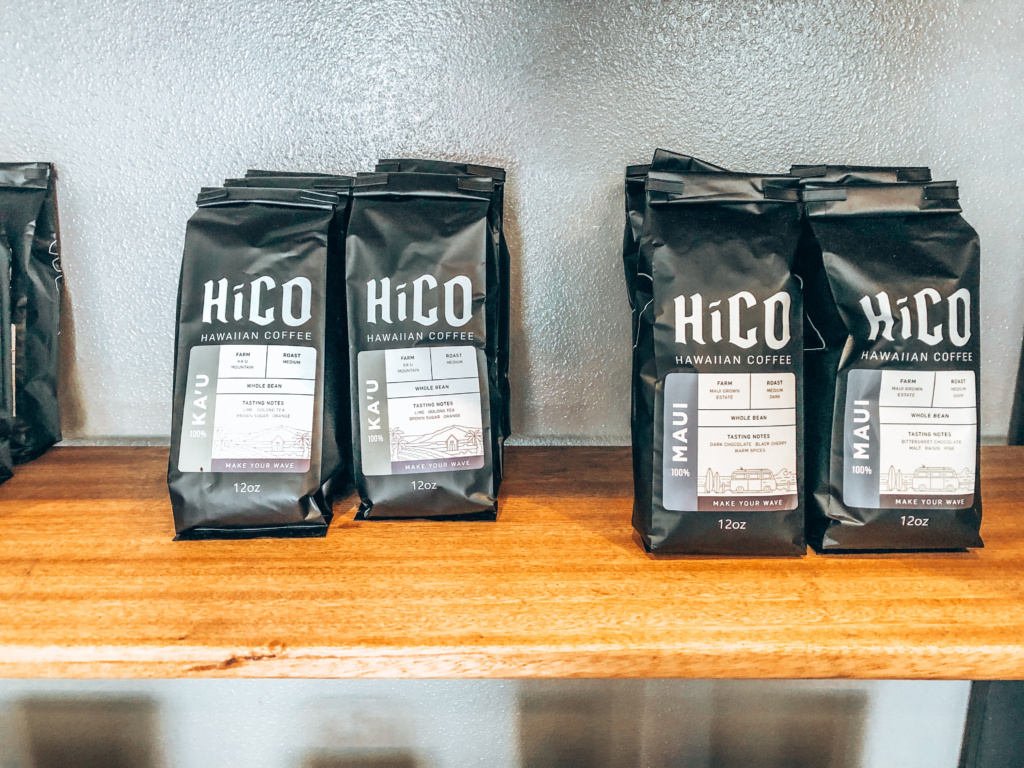
HiCo
Address: 81-6368A Hawai’i Belt Rd, Kealakekua, HI 96750 Phone: +18088651508
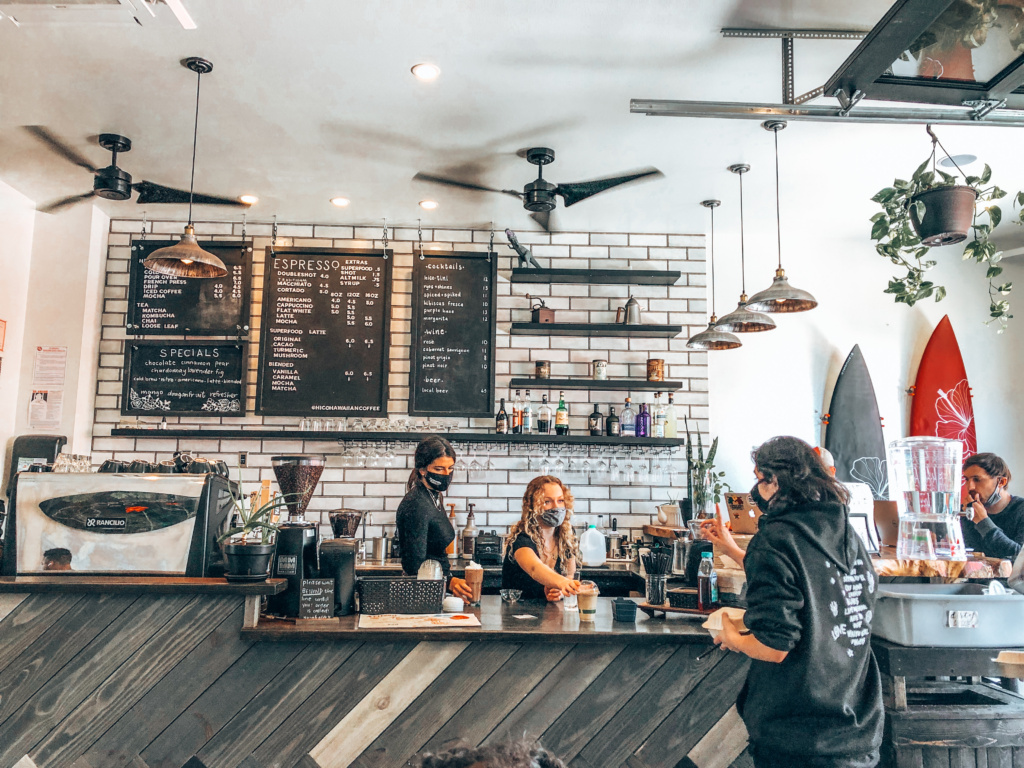
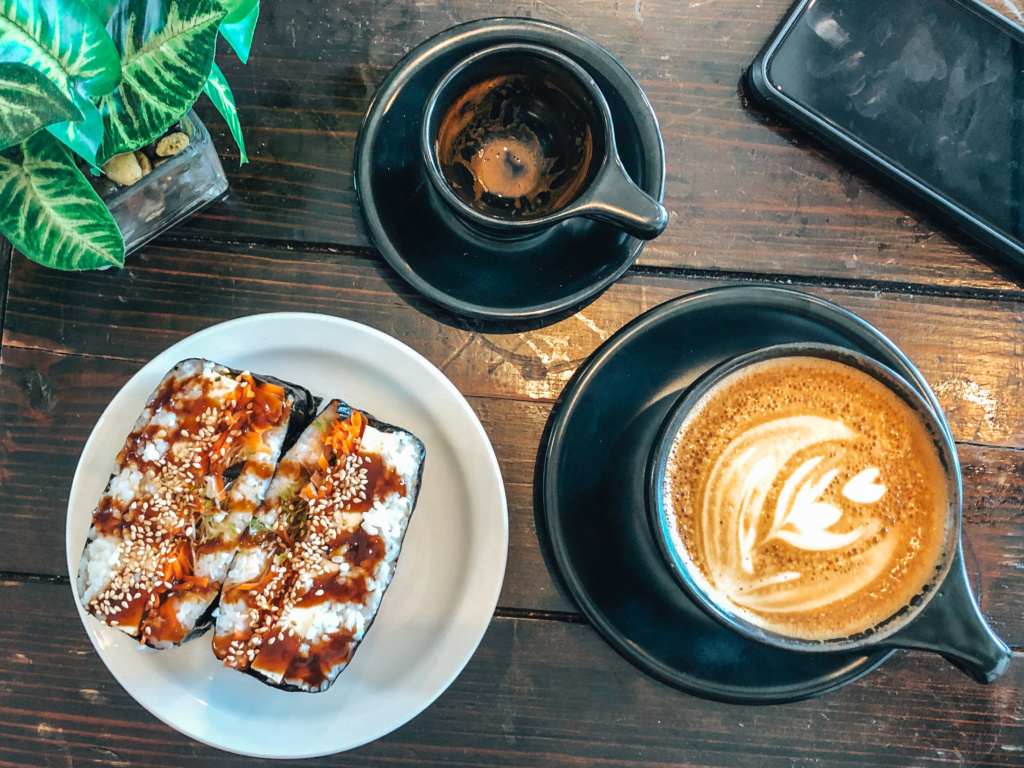
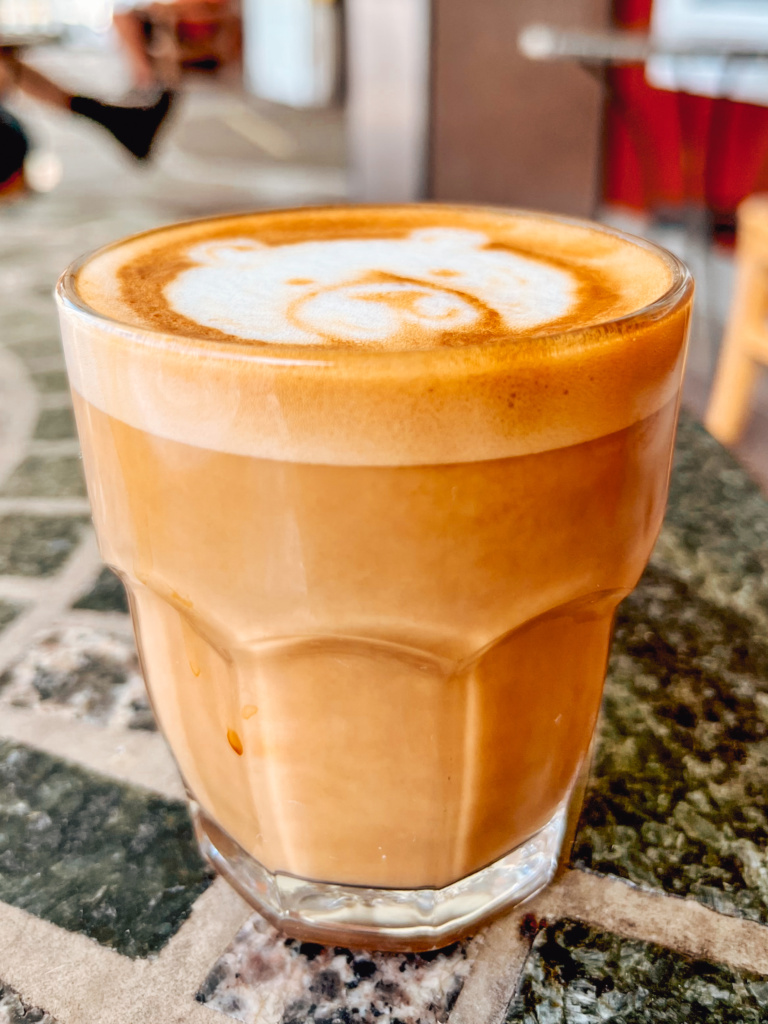
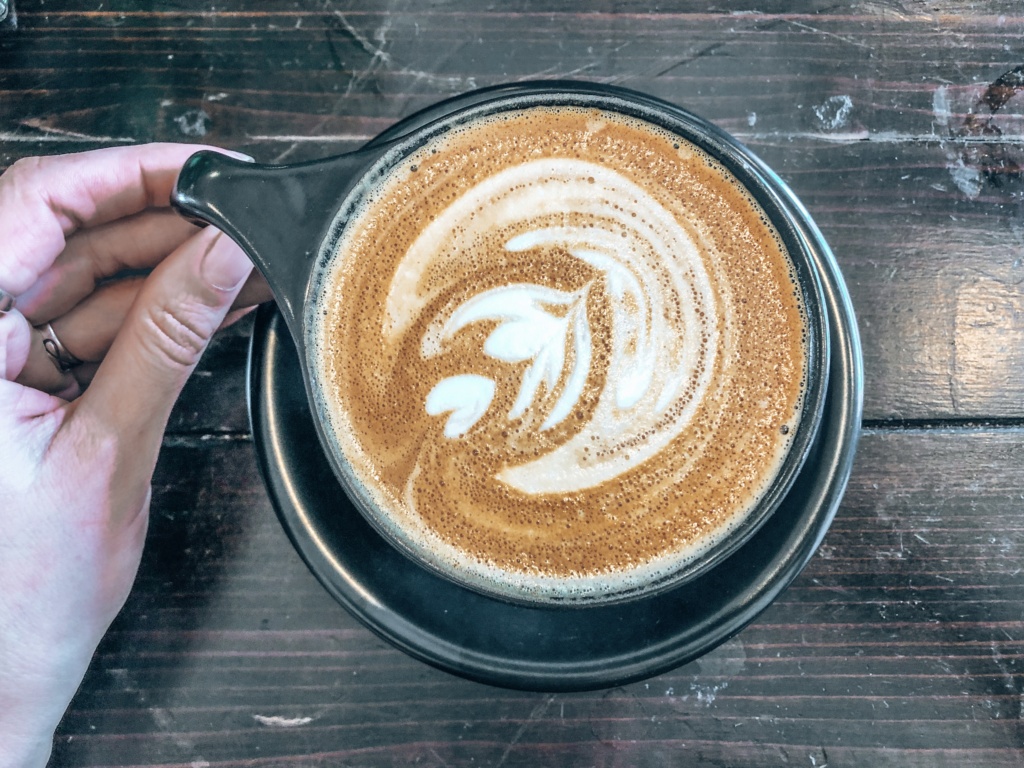
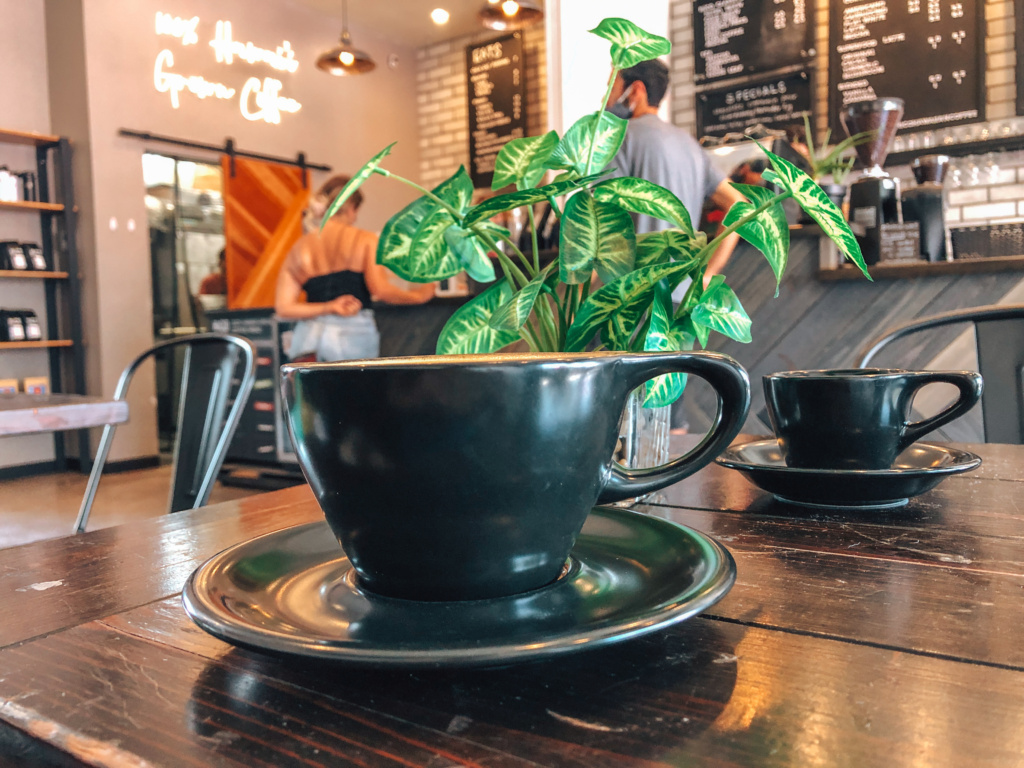
HiCo brings a more modern, specialty coffee sensibility to the Kona coast. Expect espresso drinks, inventive seasonal lattes, and a younger café vibe than traditional farm tasting rooms.
It’s a great stop if you love third-wave coffee culture but still want distinctly Hawaiian beans and flavors.
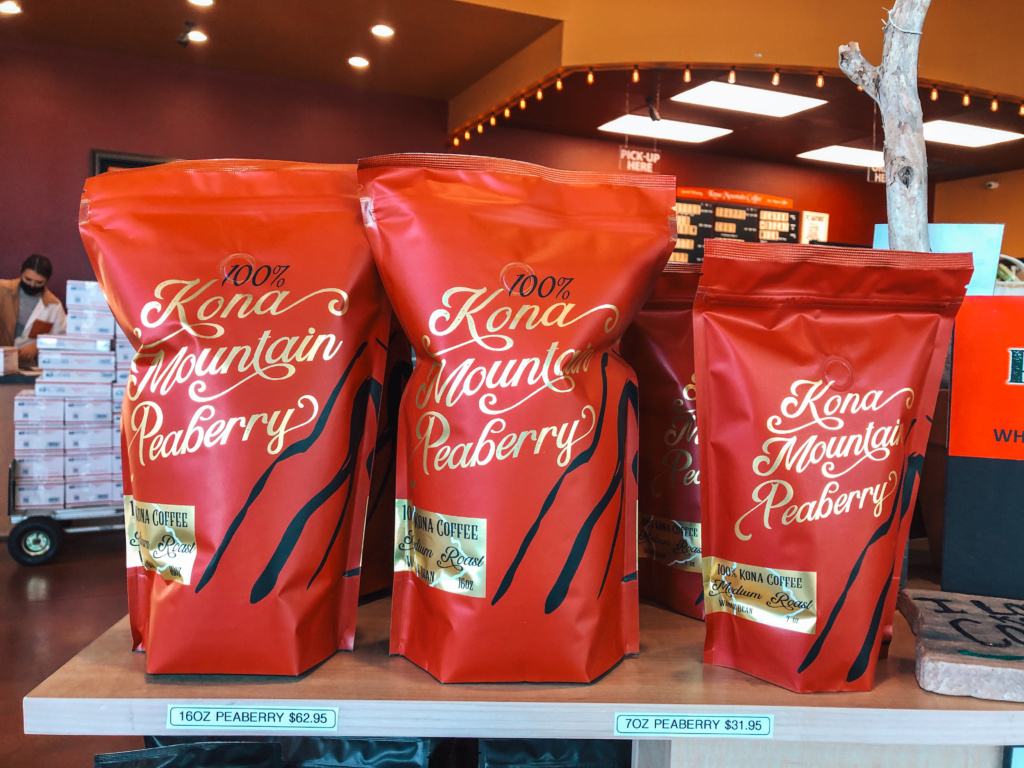
Kona Mountain Coffee
Address: 73-4038 Hulikoa Dr, Ste 5, Kailua-Kona, HI 96740 Phone: +18083295005
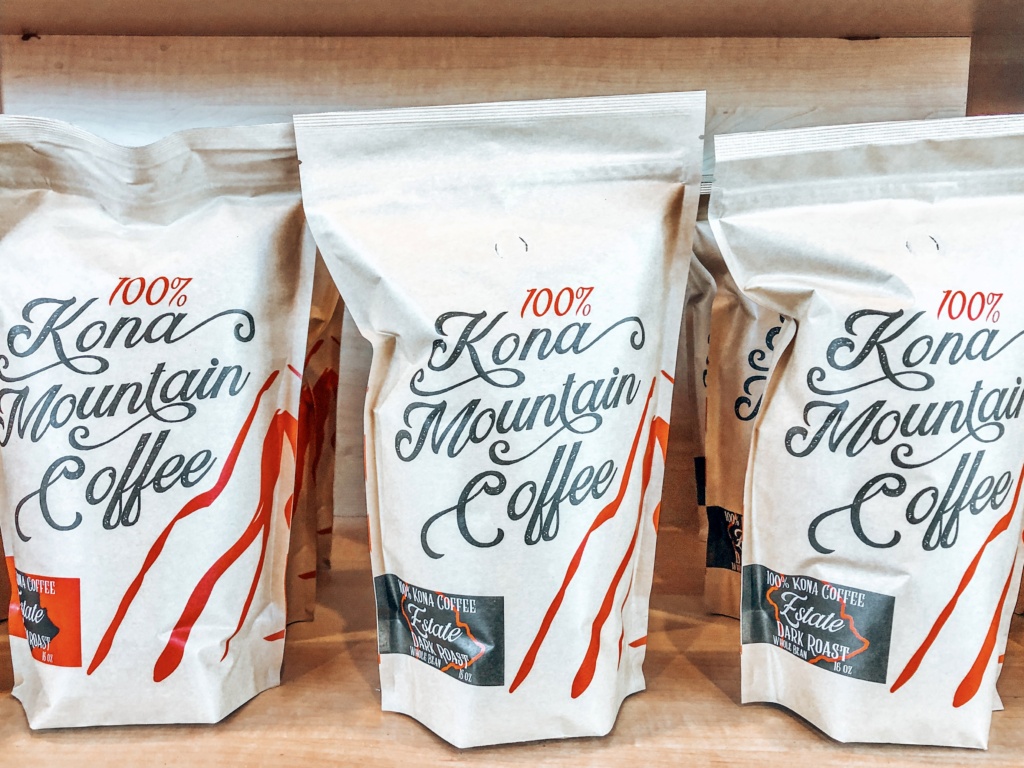
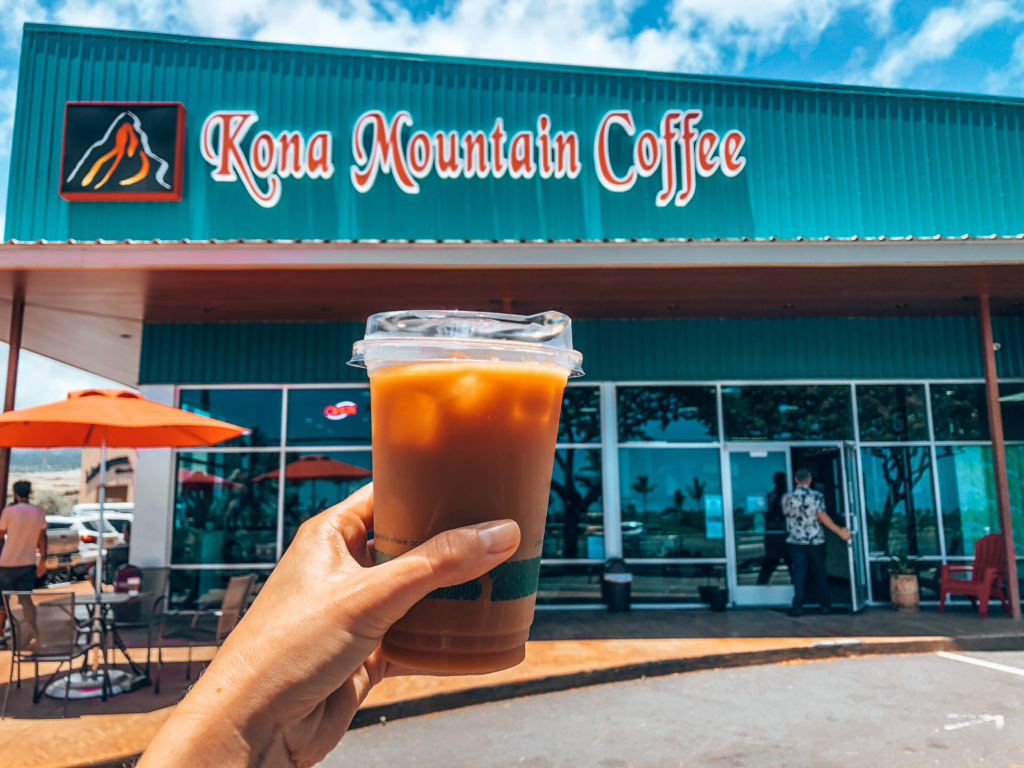
For travelers staying near Kailua-Kona, Kona Mountain Coffee is a reliable place to sample classic Kona flavor profiles without the formality of a full farm tour.
The company has long been associated with high-quality estate-grown Kona beans and approachable tastings for visitors new to Hawaiian coffee.
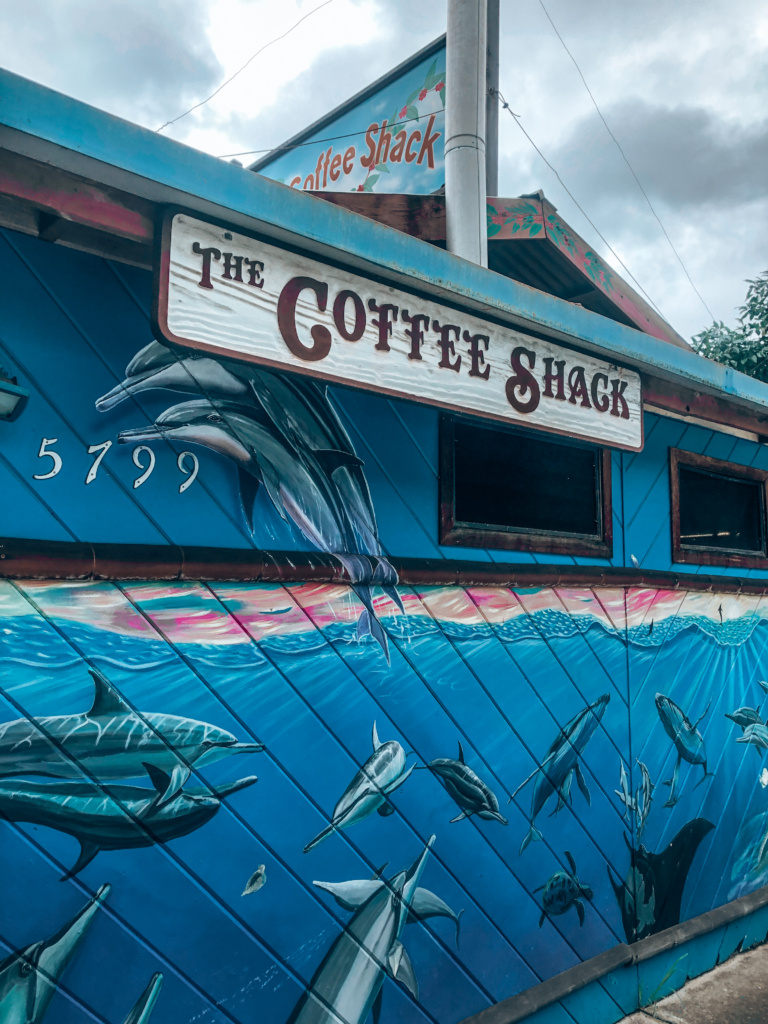
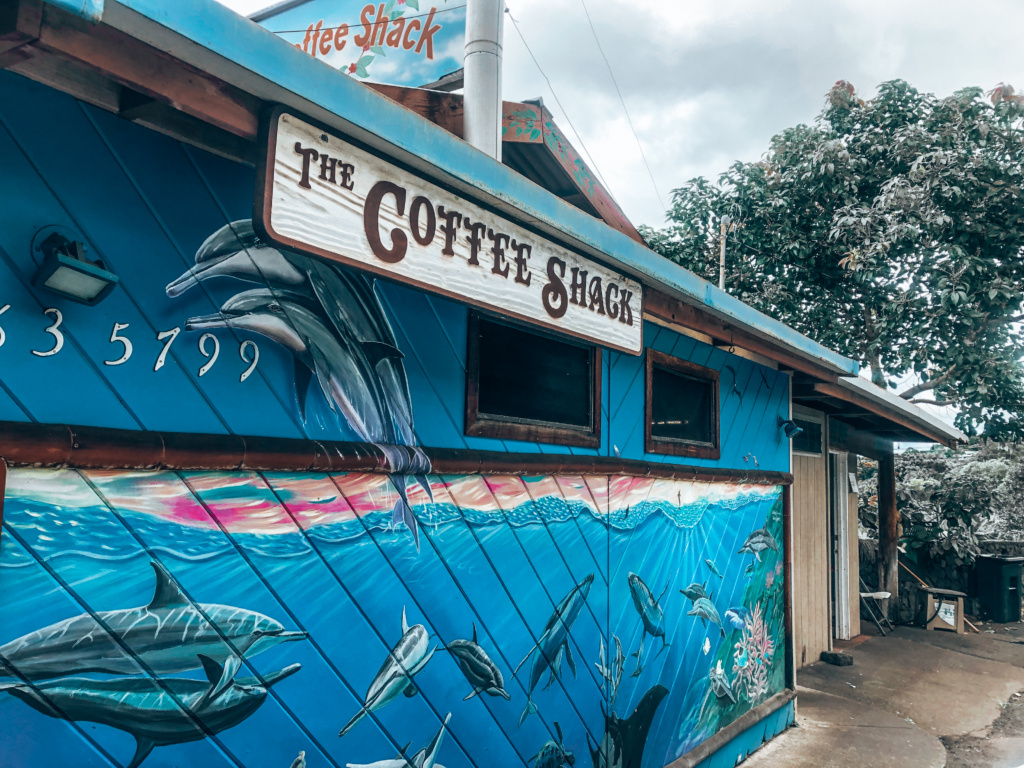
The Coffee Shack
Address: 83-5799 Mamalahoa Hwy, Captain Cook, HI 96704 Phone: +18083289555
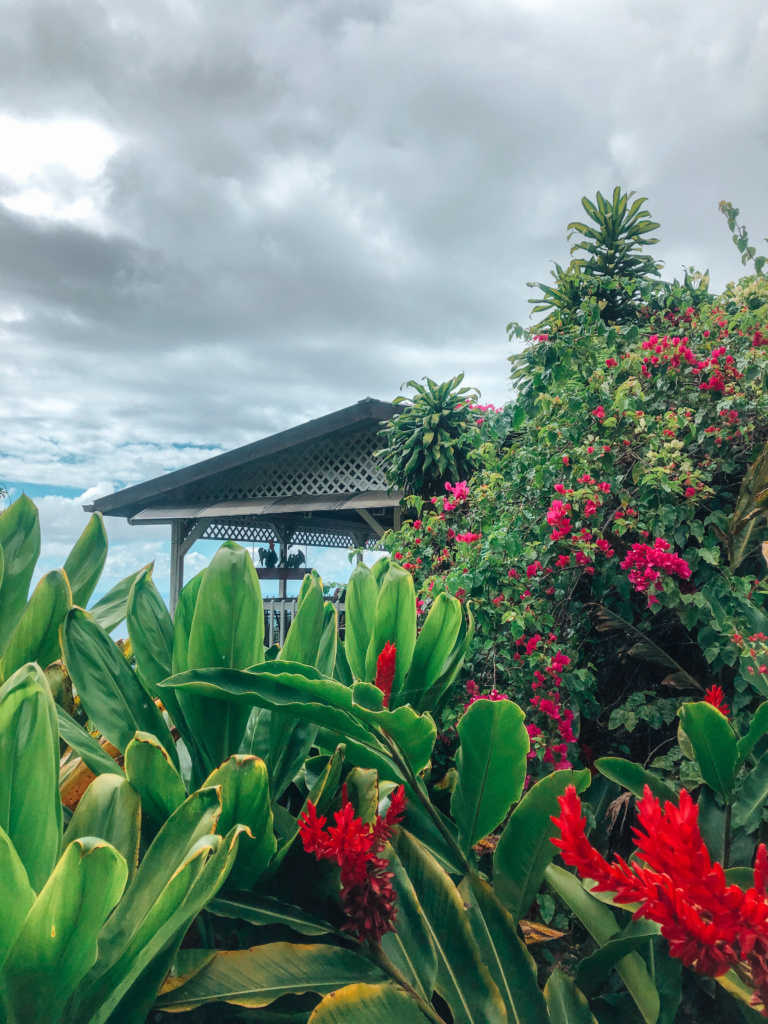
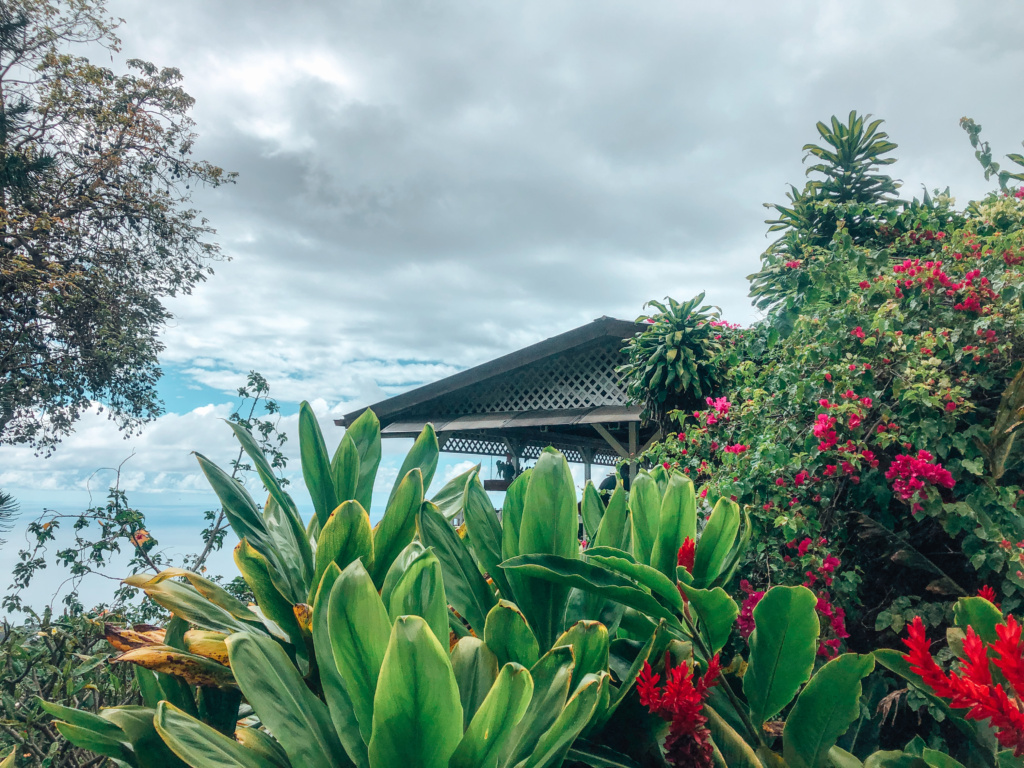
The Coffee Shack may have one of the best breakfast-with-a-view settings on the entire Big Island. Perched high above the Kona coastline, it’s the kind of place where people arrive for coffee and end up lingering for hours.
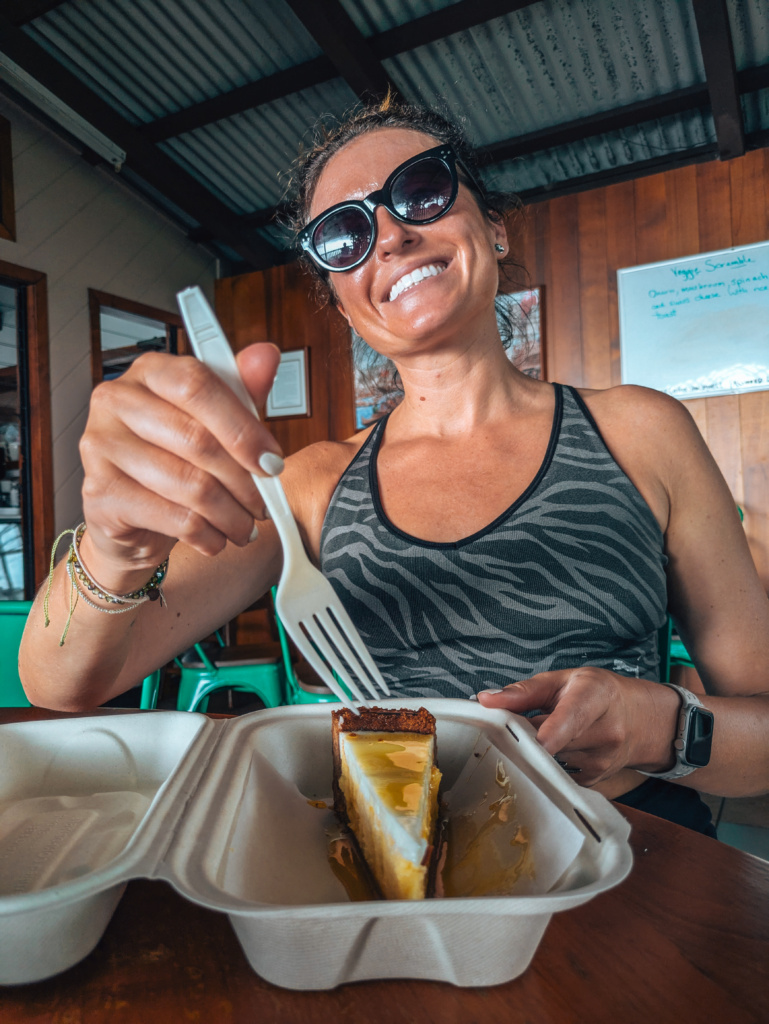
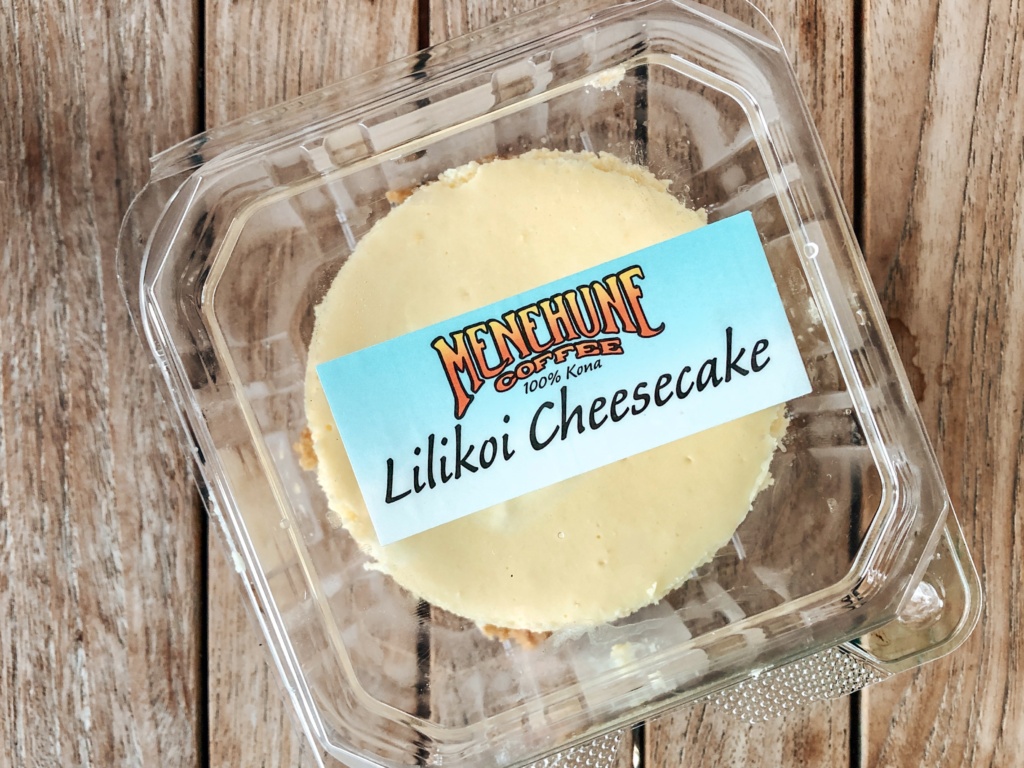
Their locally sourced Kona coffee pairs perfectly with their famed lilikoi cheesecake and massive sandwiches after a morning snorkeling at Kealakekua Bay.
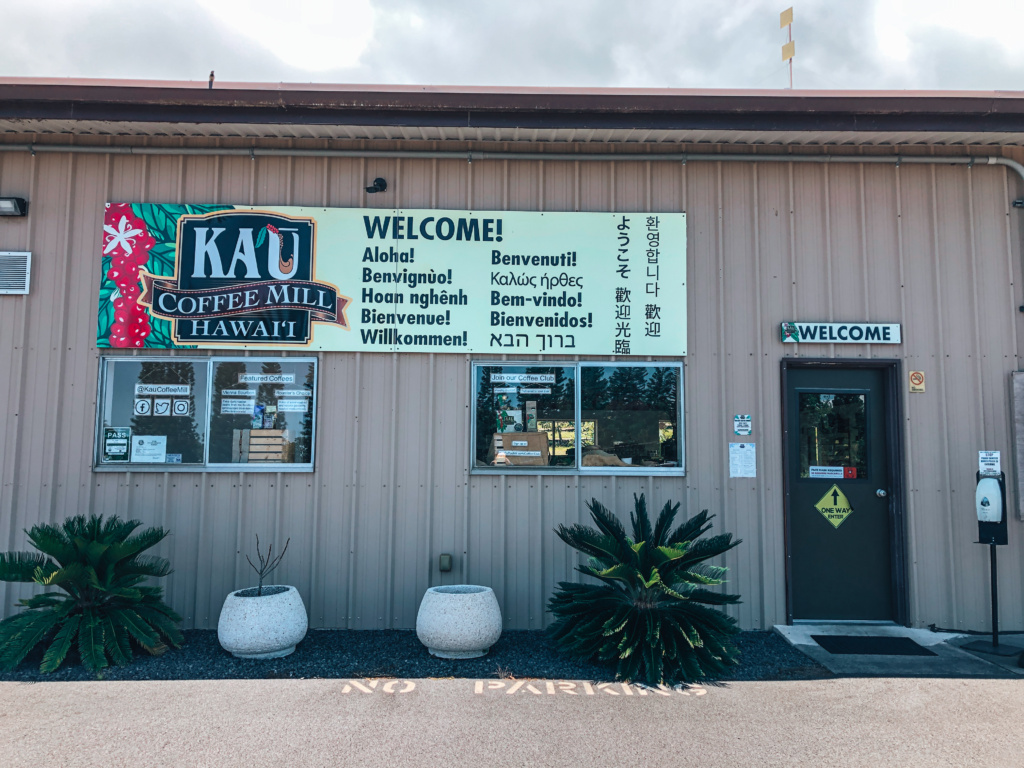
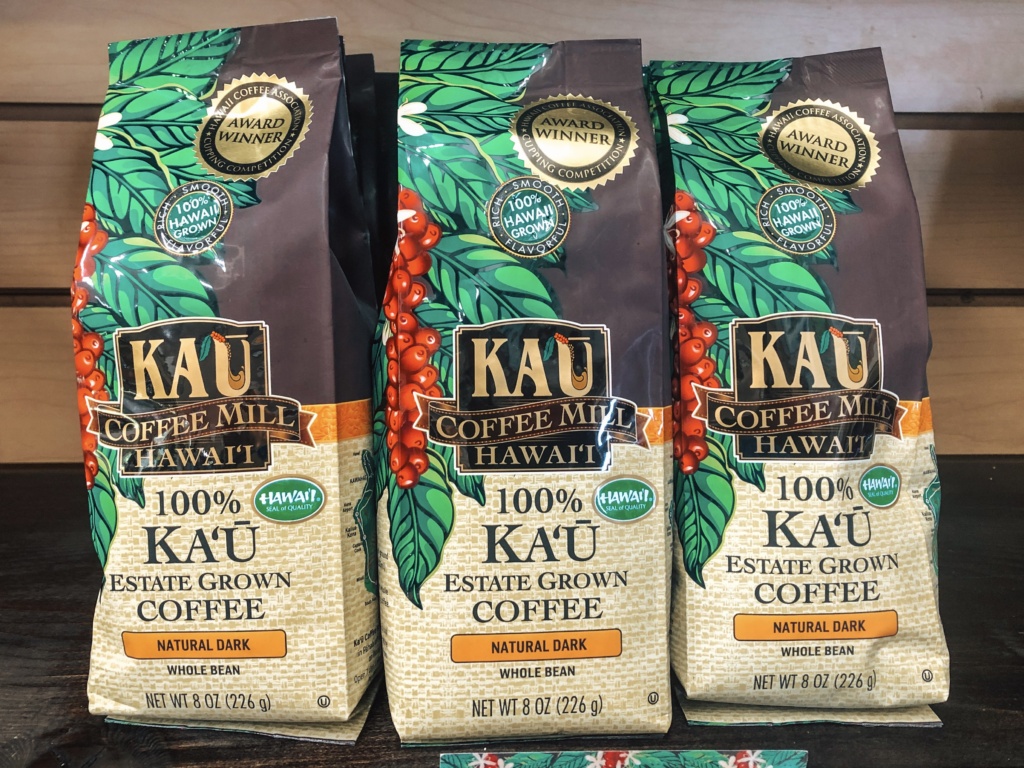
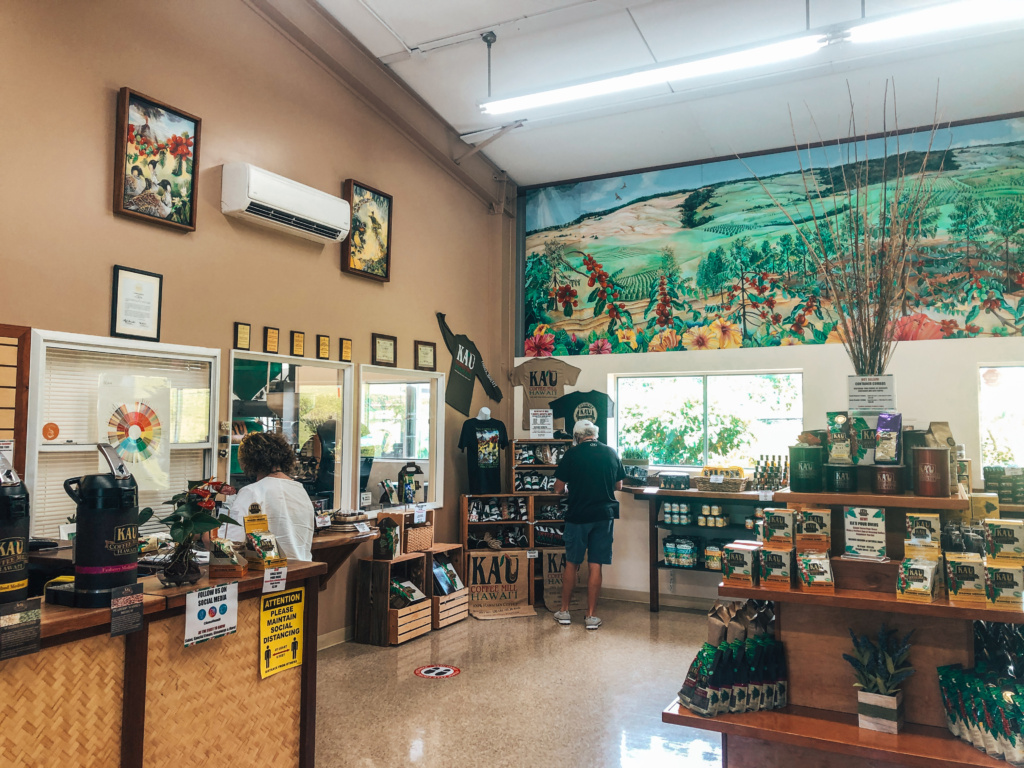
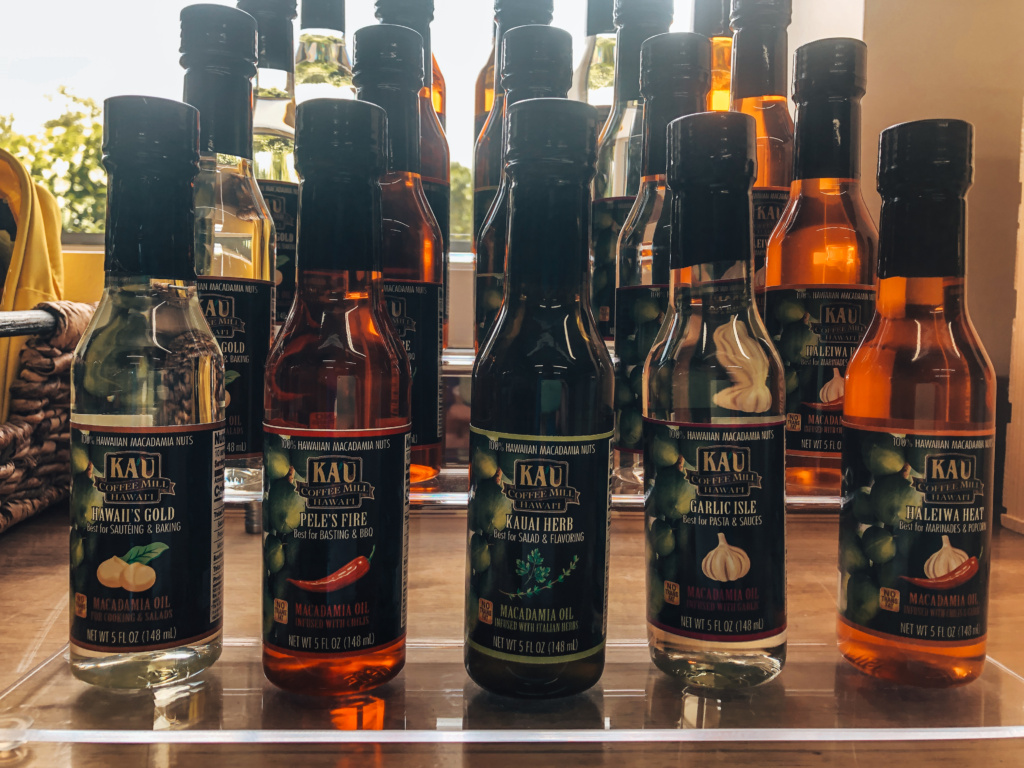
Kaʻu Coffee Mill
Address: 96-2694 Wood Valley Rd, Pahala, HI 96777 Phone: +18089280550
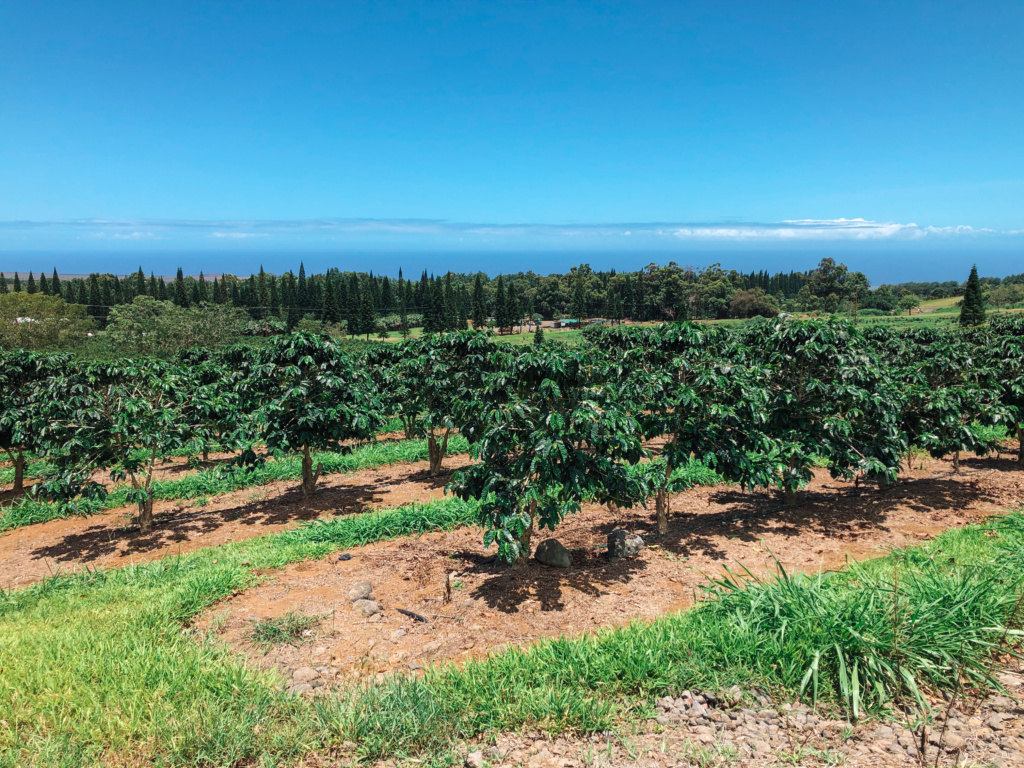
Technically not in Kona, but one of the best coffee tours you’ll take. It’s self guided, peaceful, and the views are stunning.
If you want to understand why Kaʻū coffee deserves more attention, head south to Kaʻu Coffee Mill. The drive itself feels like a journey into another Hawaiʻi — quieter, greener, and less developed than Kona.
Tastings here are an excellent reminder that the Big Island’s coffee culture extends far beyond the Kona label. Many coffee lovers now actively seek out Kaʻū beans for their balanced, fruit-forward flavors.
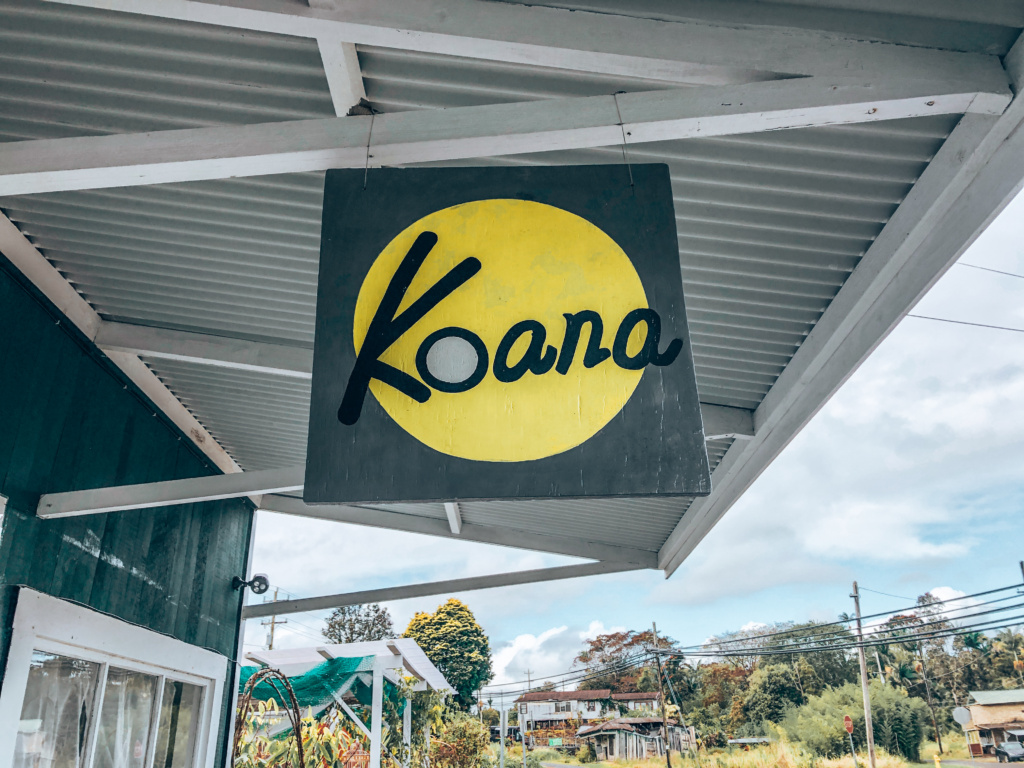
Koana
Address: 18-3990 S Lauko Rd, Mountain View, HI 96771
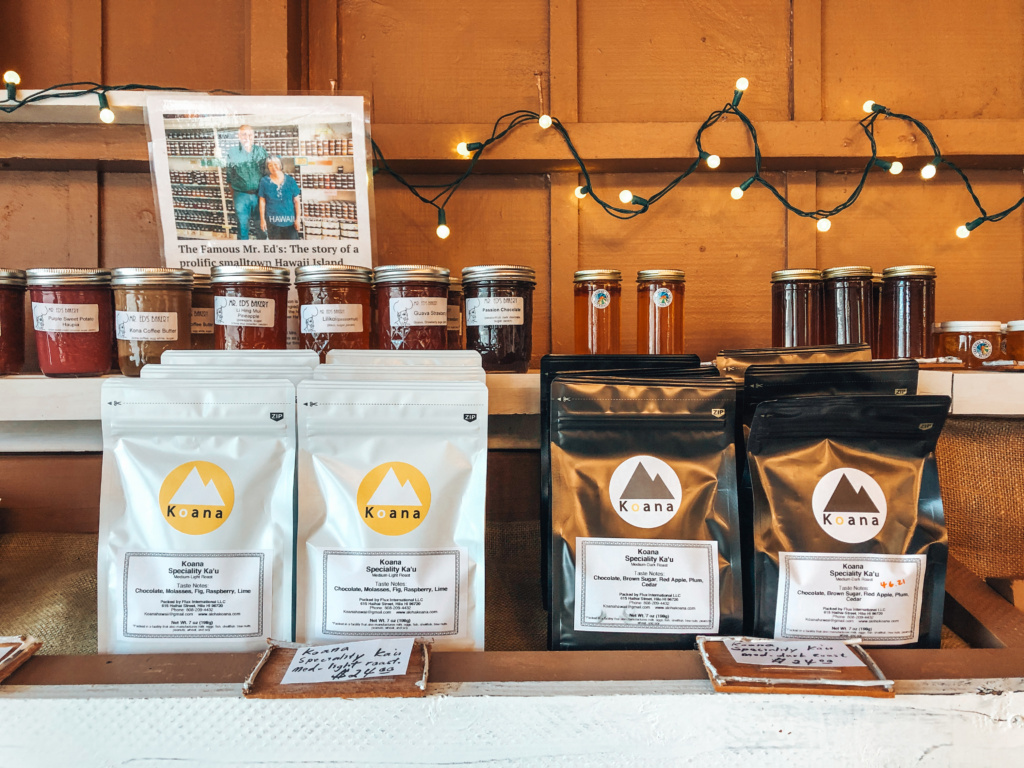
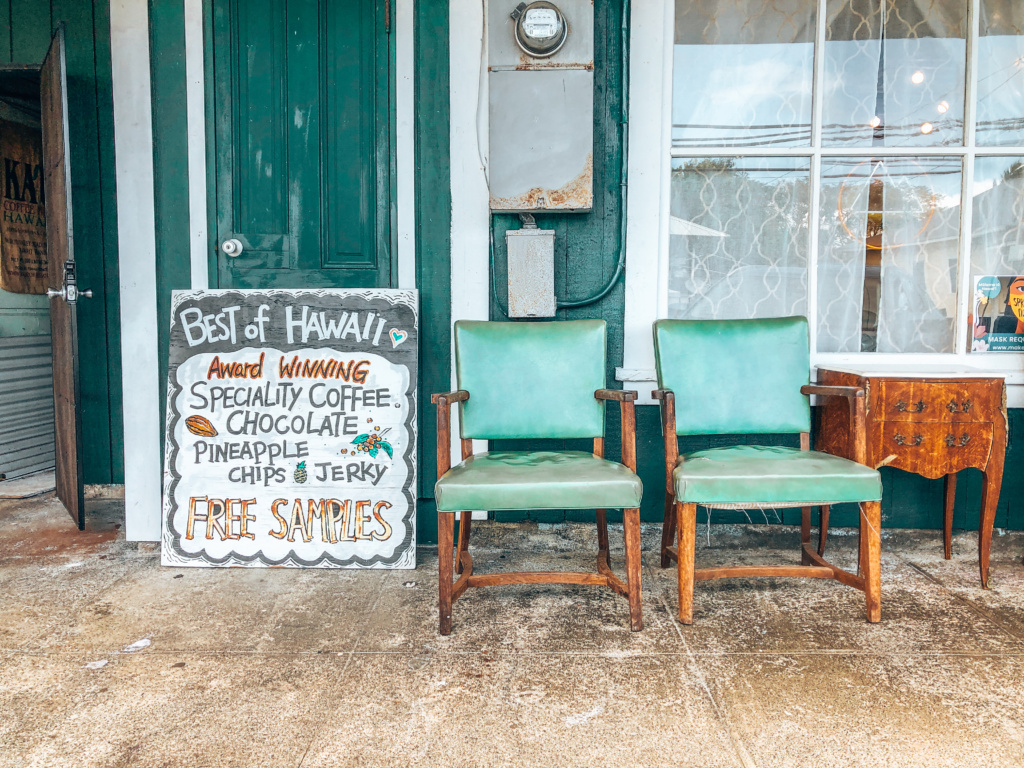
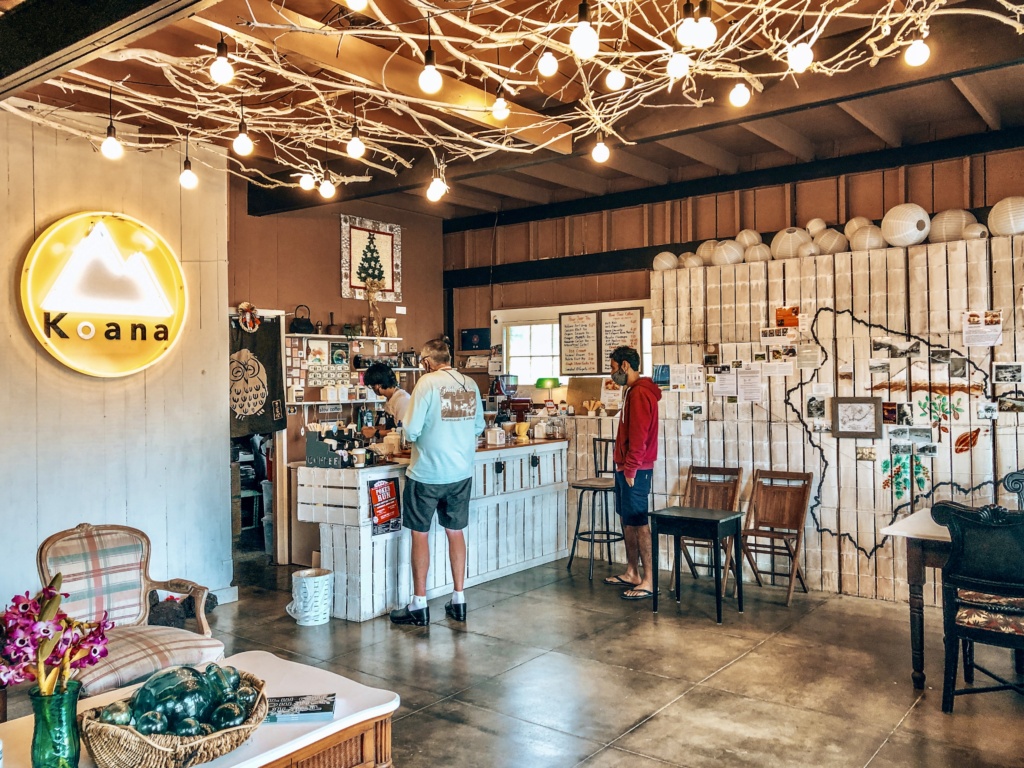
For serious coffee lovers, Koana in Mountain View is one of the most fascinating stops on the island. Rather than focusing only on Kona, they regularly showcase coffees from Kona, Kaʻū, and Puna side-by-side.
That makes it one of the best places to actually taste the differences between Hawaiʻi’s growing regions. The café leans deeply into pour-over brewing and coffee education, and the experience feels more intimate and experimental than many larger coffee operations.
Koana is like doing a Kau, Puna and Kona coffee tour – or at least tasting – all in one place.
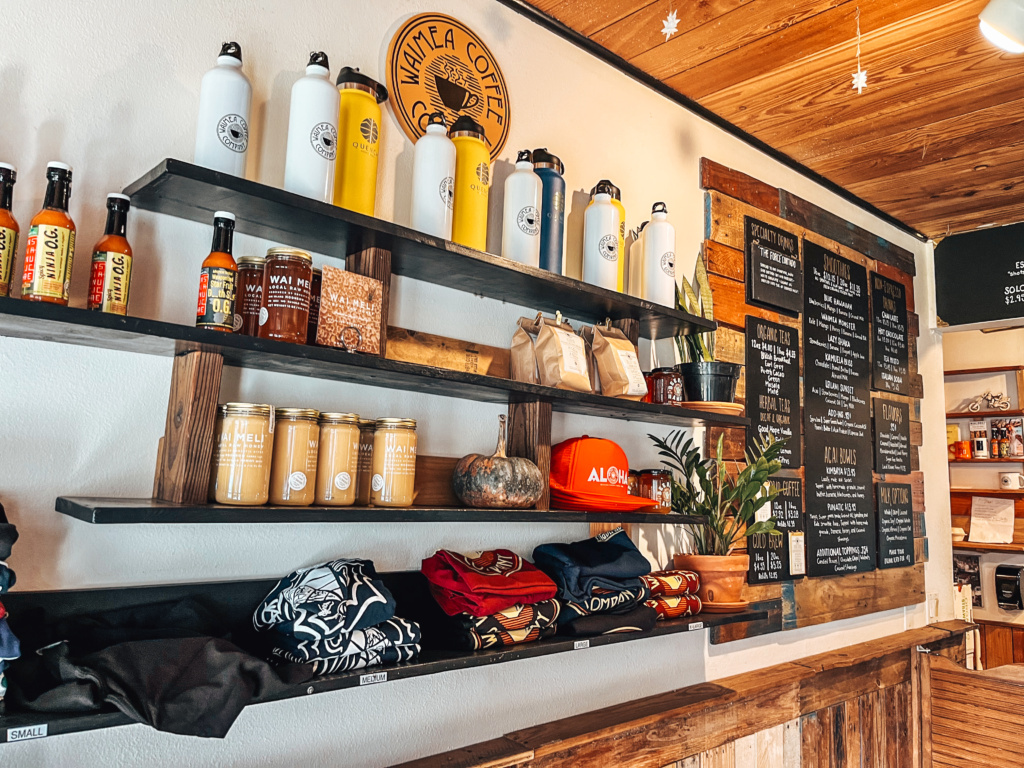
Waimea Coffee Company
Address: 4531 Makeke Rd, Waimea, HI 96796, United States
Located in the paniolo ranch town of Waimea, this cozy café is a favorite stop while driving between Kona and the Kohala Coast. The atmosphere feels distinctly local and less tourist-heavy than cafés near the resorts.
It’s a great place to sample Hawaiian-grown coffees in a relaxed setting before heading north toward Waipiʻo Valley or the beaches of the Kohala Coast.

How to Buy Real Kona Coffee
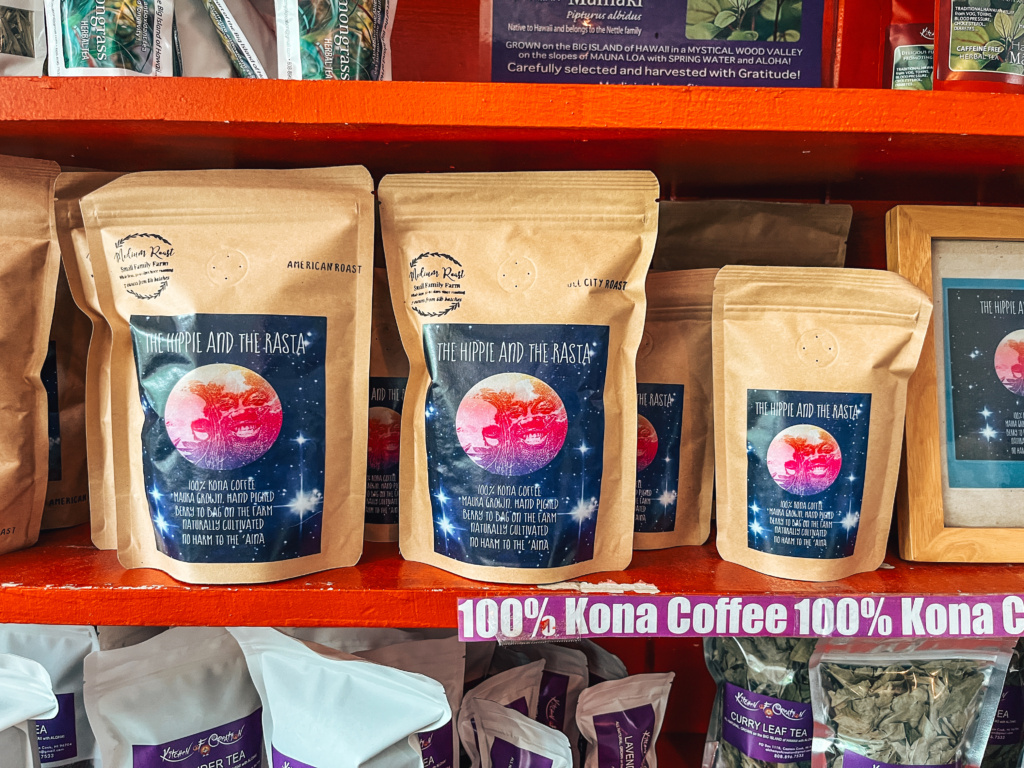
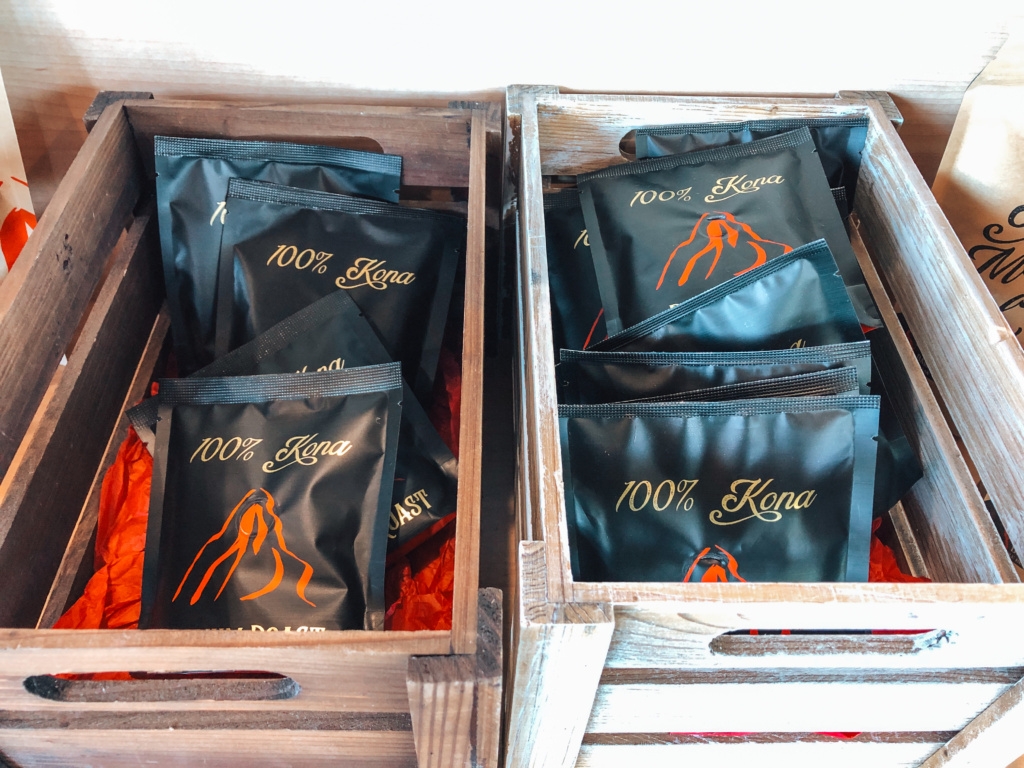
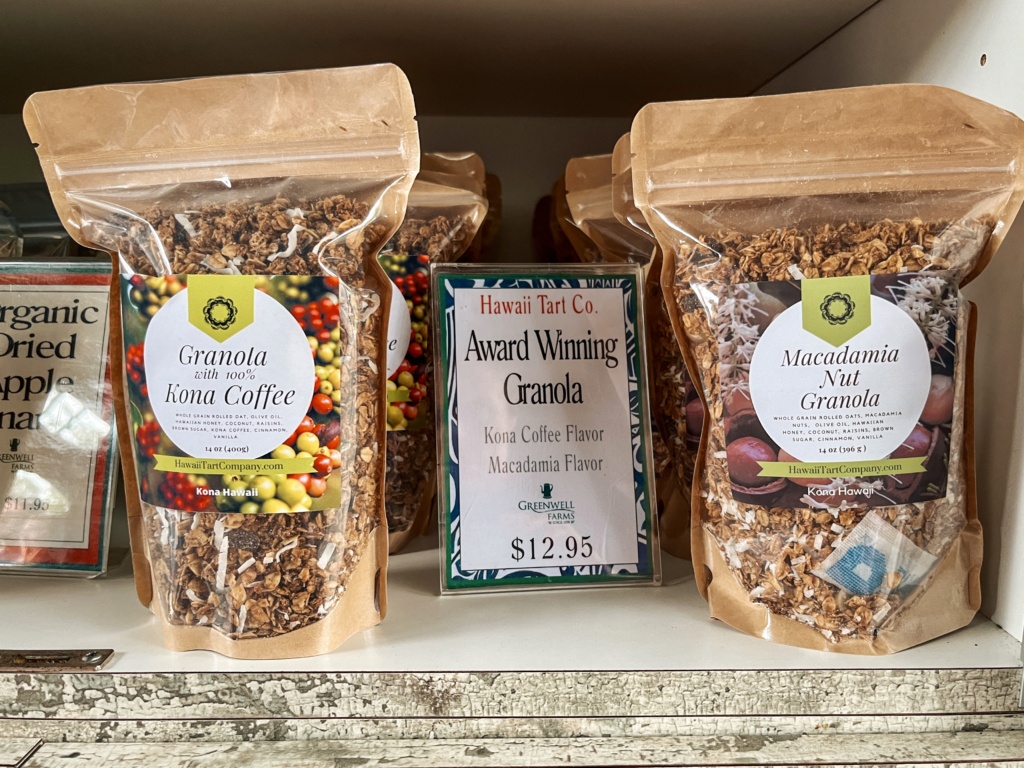
One important thing travelers quickly learn: not everything labeled “Kona” is actually pure Kona coffee.
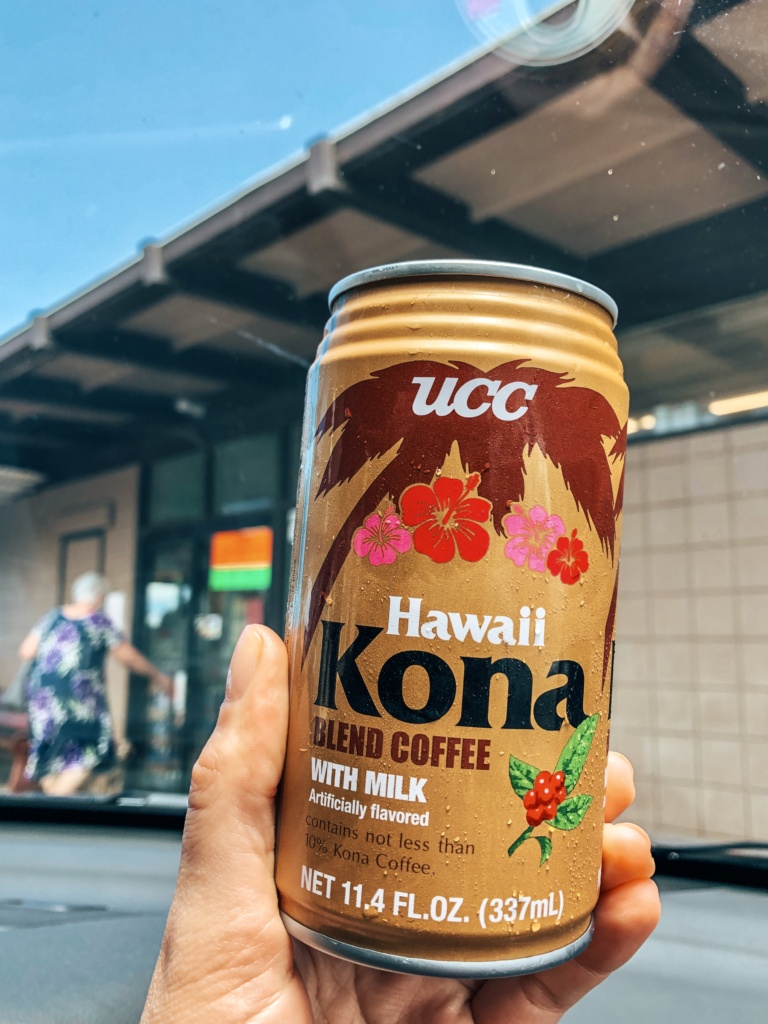
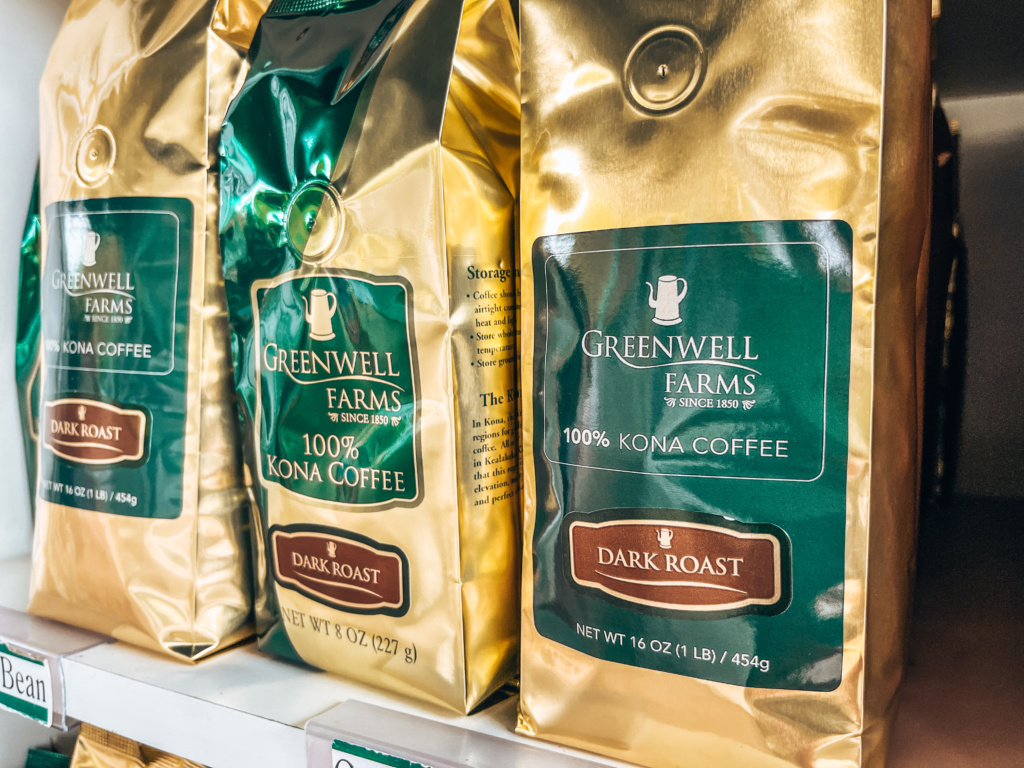
Many supermarket bags labeled “Kona Blend” may contain only a small percentage of genuine Kona beans, perhaps as low as 10%, mixed with cheaper imported coffee. Some coffee drinkers and farmers have criticized misleading labeling practices for years.
If you want the real thing, look for:
- “100% Kona Coffee” on the label
- Farm or estate names
- Hawaiian-grown certifications
- Roast dates instead of vague packaging
And if the price seems suspiciously cheap, it probably isn’t pure Kona.
The Best Way to Experience Hawaiian Coffee
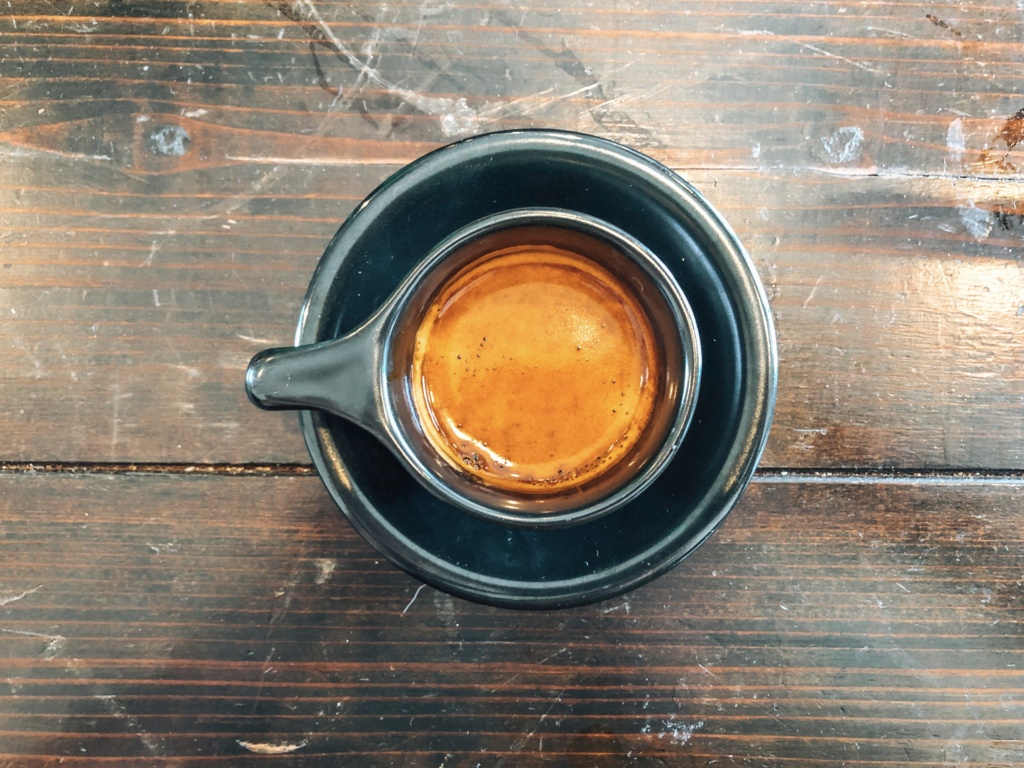
The magic of Hawaiian coffee isn’t just the drink itself. It’s standing on a misty volcanic slope where coffee cherries grow next to banana trees and macadamia nuts. It’s hearing multigenerational farmers talk about weather, harvests, and soil like winemakers discussing vineyards.
And most importantly, it’s realizing Hawaiʻi’s coffee story is far bigger than Kona alone.
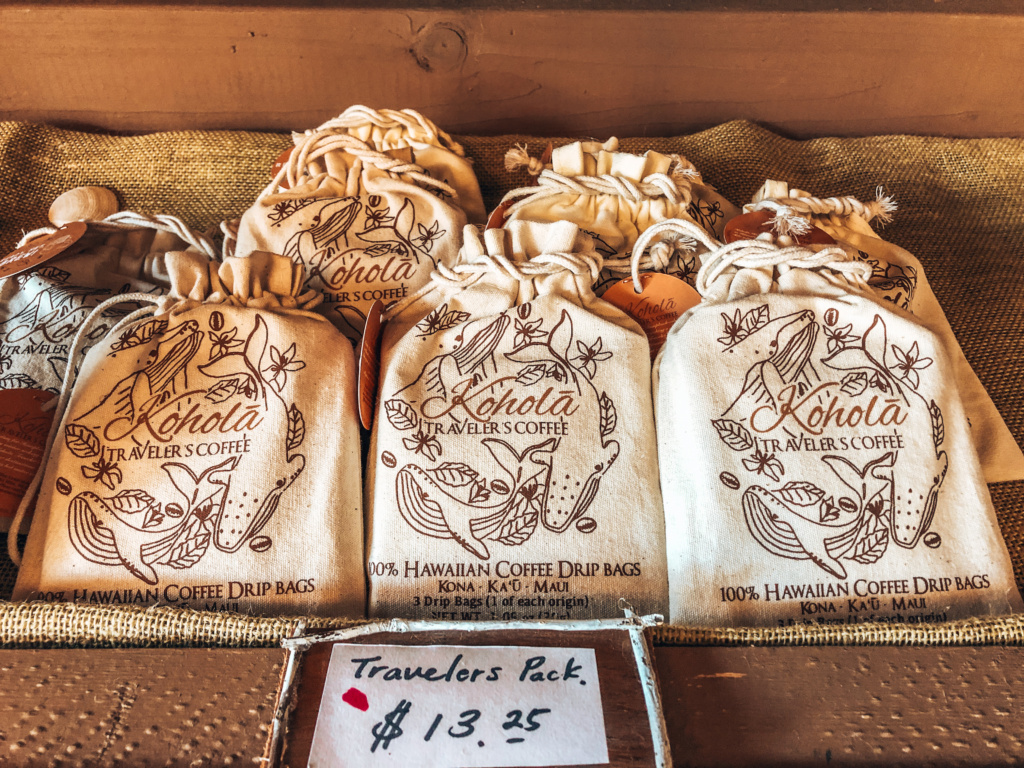
From the smooth prestige of Kona to the rising reputation of Kaʻū and Puna, the islands produce some of the most distinctive coffees in the world — all grown closer to the ocean than almost any coffee you’ll ever drink.
Click HERE to book your Kona coffee farm tour on Viator!


What else would you add to the list of best coffee tours in Kona? Let us know in the comments or tag @eightyflavors on socials!
OUR TRIED AND TESTED FOOD TRAVEL RESOURCES: Book a hotel with Booking.com. Search for the best flight deals on Skyscanner. Find the best local food tours on Viator. Browse curated conscious group trips with GAdventures. Get your travel insurance with World Nomads.
Disclaimer: this post contains affiliate links. We’ll receive a small commission if you purchase through the link provided, at no extra cost to you. Thank you for your support in running this blog!