Best Food in Santorini: 15 Things to Eat + Where to Eat Them (Spoiler: NOT in Oia)
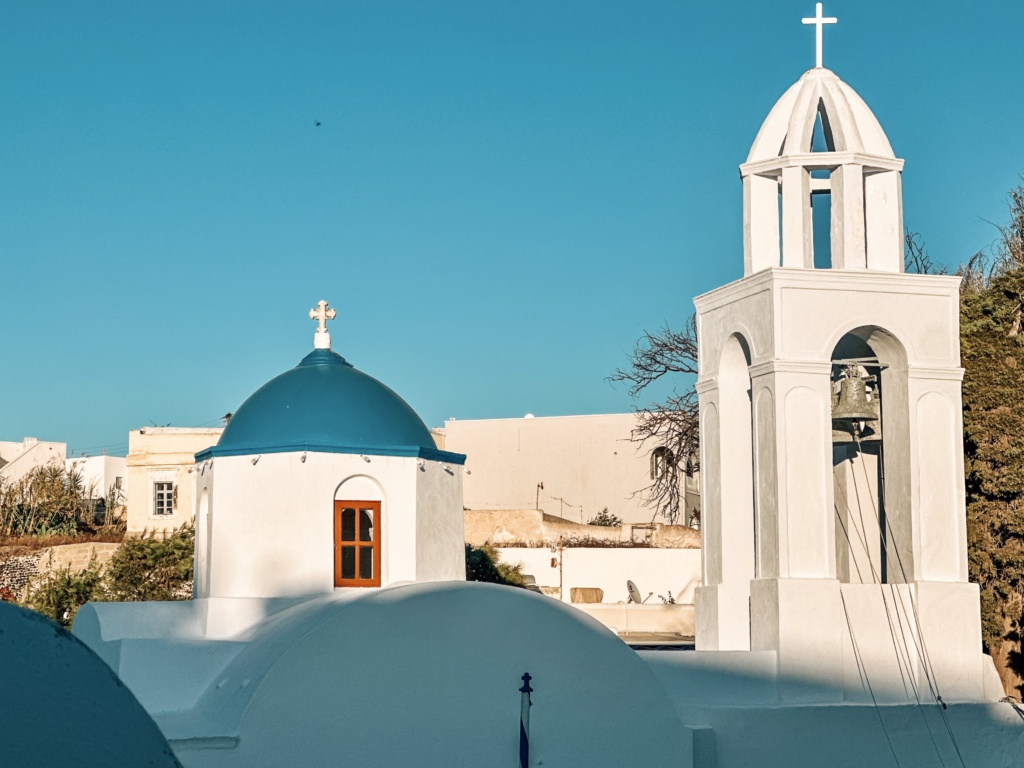
The best food in Santorini tells a story far richer than the island’s famous blue domes and caldera sunsets.
Santorini’s cuisine was born from scarcity: an arid climate, fierce winds, minimal rainfall, porous volcanic soil and generations of islanders who learned how to coax extraordinary flavor from an unforgiving landscape.
Santorini Dining: Beyond the Caldera
Of course, finding authentic food in Santorini is not always easy. Some restaurants—especially those overlooking the caldera—can be overpriced tourist traps where you pay far more for the bragging rights than for what arrives on your plate.
As usual, we searched beyond the most obvious recommendations for places frequented by travelers and locals alike.
We found family-run tavernas, traditional bakeries, casual grills, seaside fish restaurants and a few polished newcomers that genuinely respect the island’s ingredients.

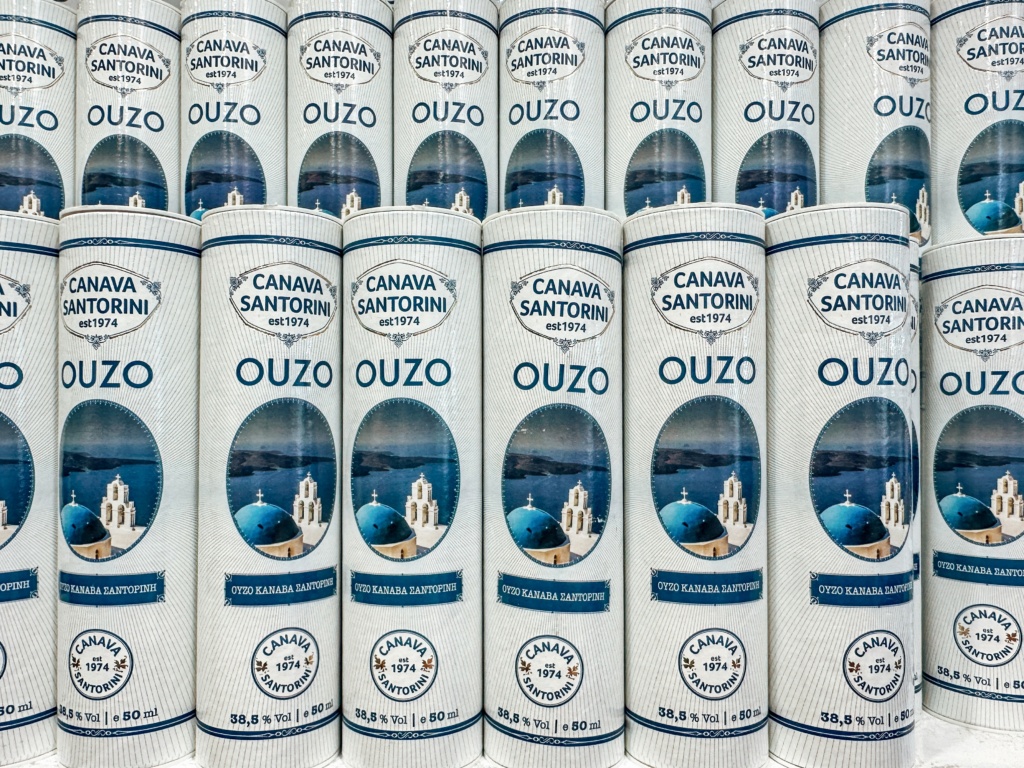
This list focuses on the distinctive flavors of Santorini. You can, of course, find wonderful Greek dishes served nationwide, including tzatziki, moussaka, souvlaki and dolma. We will cover those in a separate article coming soon.
For now, these are the 15 island-specific things you should eat and drink in Santorini—and where to find the best versions.

How Santorini’s History and Geography Shaped Its Cuisine
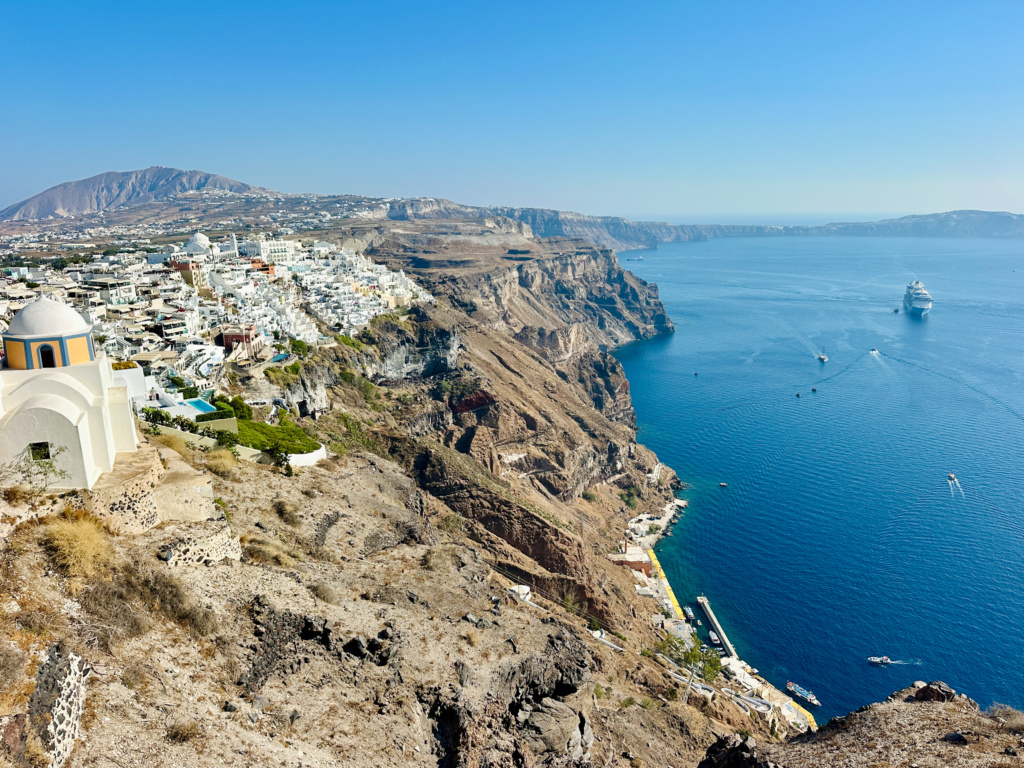
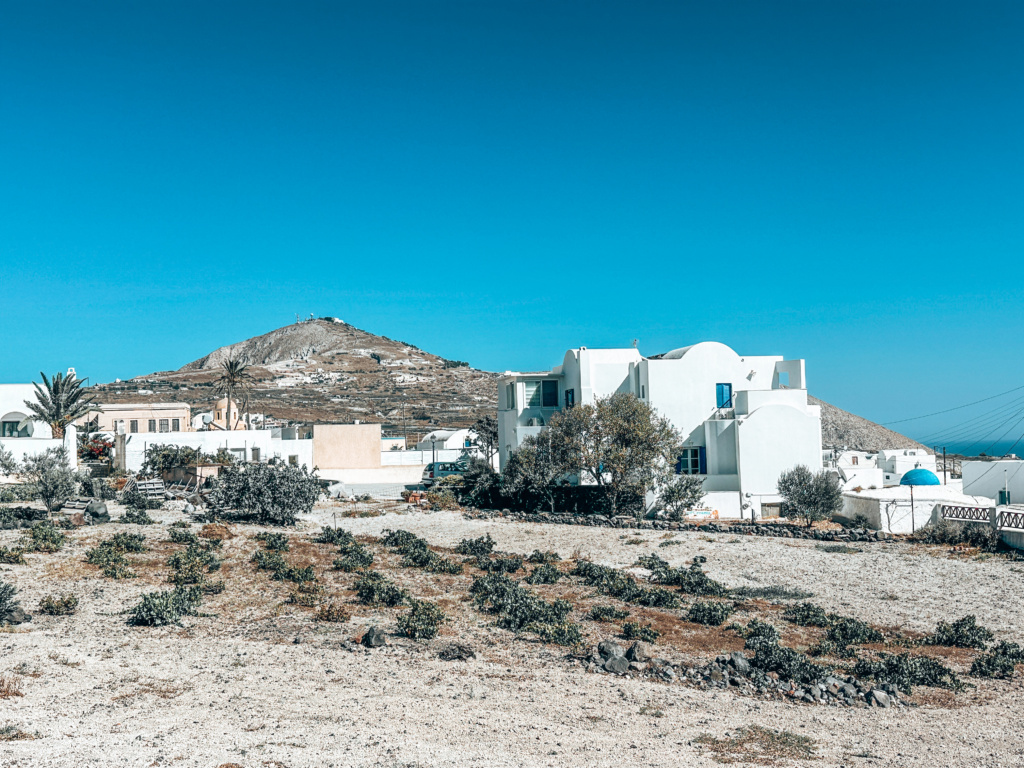
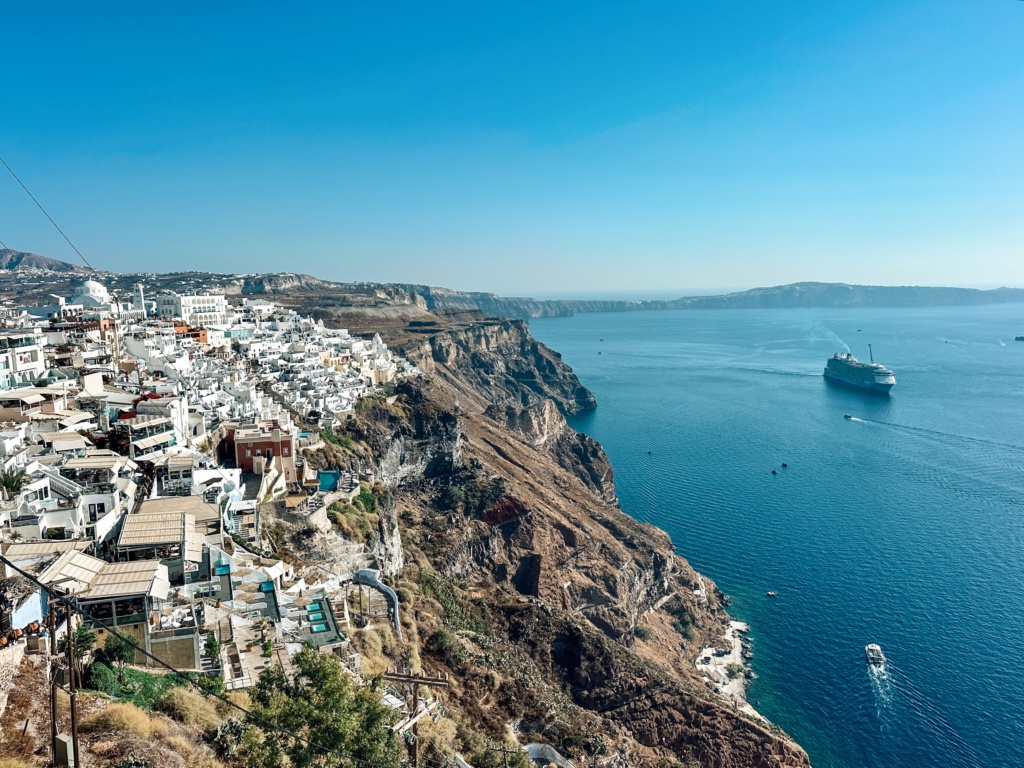
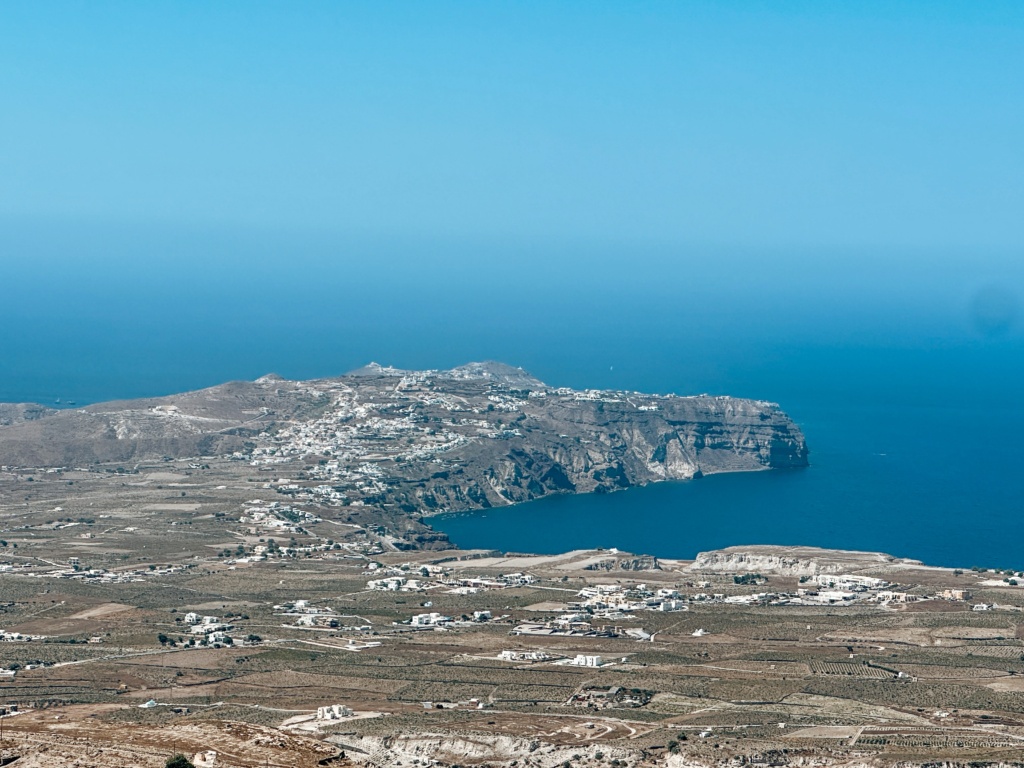
Santorini—officially known as Thira—is what remains of an ancient volcanic island transformed by multiple eruptions. The most famous occurred around 3,600 years ago, when an enormous eruption caused the center of the island to collapse and created the flooded caldera we recognize today.
That same volcanic history shaped Santorini’s food. The island’s soil is composed of lava, ash and pumice. It drains water rapidly and contains little organic matter.
Rainfall is scarce, summer sunshine is relentless and strong Cycladic winds sweep across the exposed landscape. Before modern desalination, fresh water was an especially precious resource.

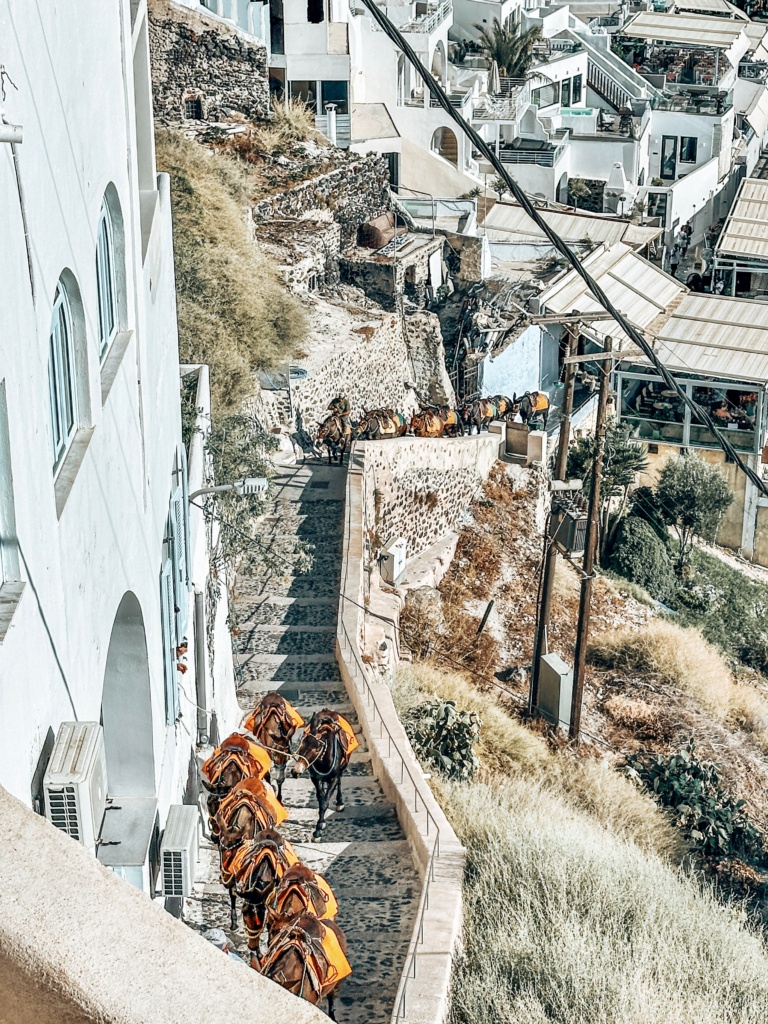

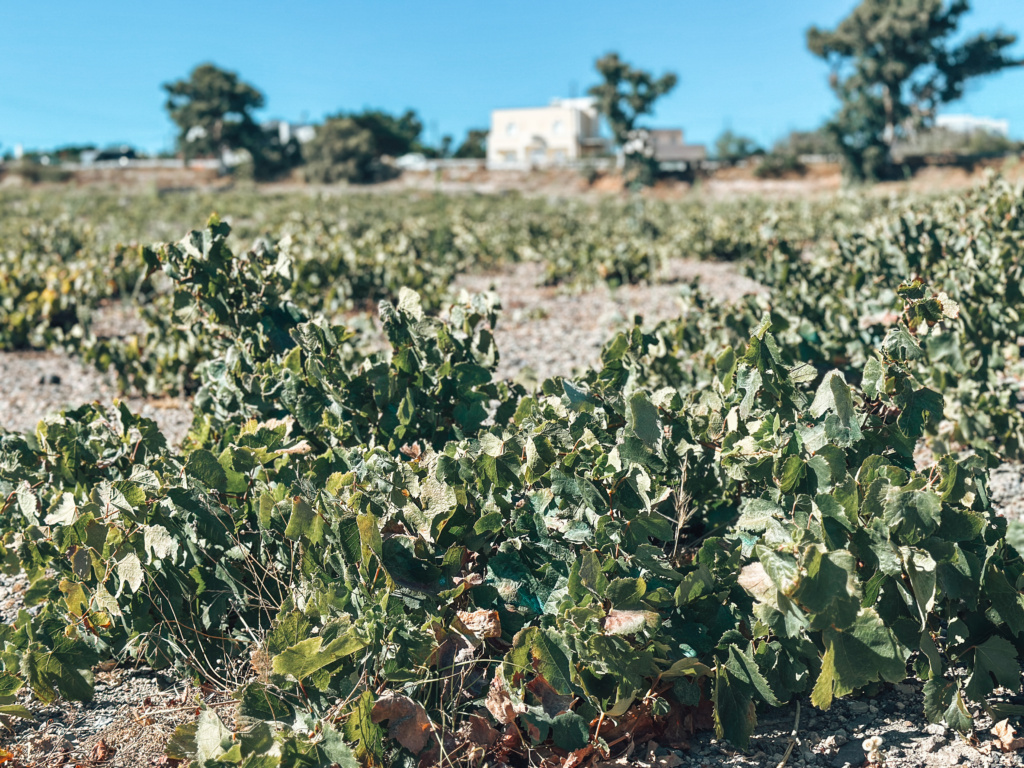
Santorini’s farmers adapted through a form of dry farming known as anhydrous cultivation. Crops survive largely on humidity and the sea mist that settles over the ground at night.
Grapevines are woven into low, circular baskets to shelter their fruit from wind and sun. Tomatoes, split peas (fava), capers and white eggplants grow slowly under stress, producing small yields but unusually concentrated flavors.
This is not a cuisine of excess. It is a cuisine of resilience, preservation and making the most of what the island provides. That is precisely what makes the best food in Santorini so memorable.
Best Food in Santorini: 15 Things To Eat and Drink
So without further ado, here is the best food in Santorini: 15 flavors to seek out, and where we enjoyed our favorites:
1. Santorini Salad With Capers and Chloro Cheese
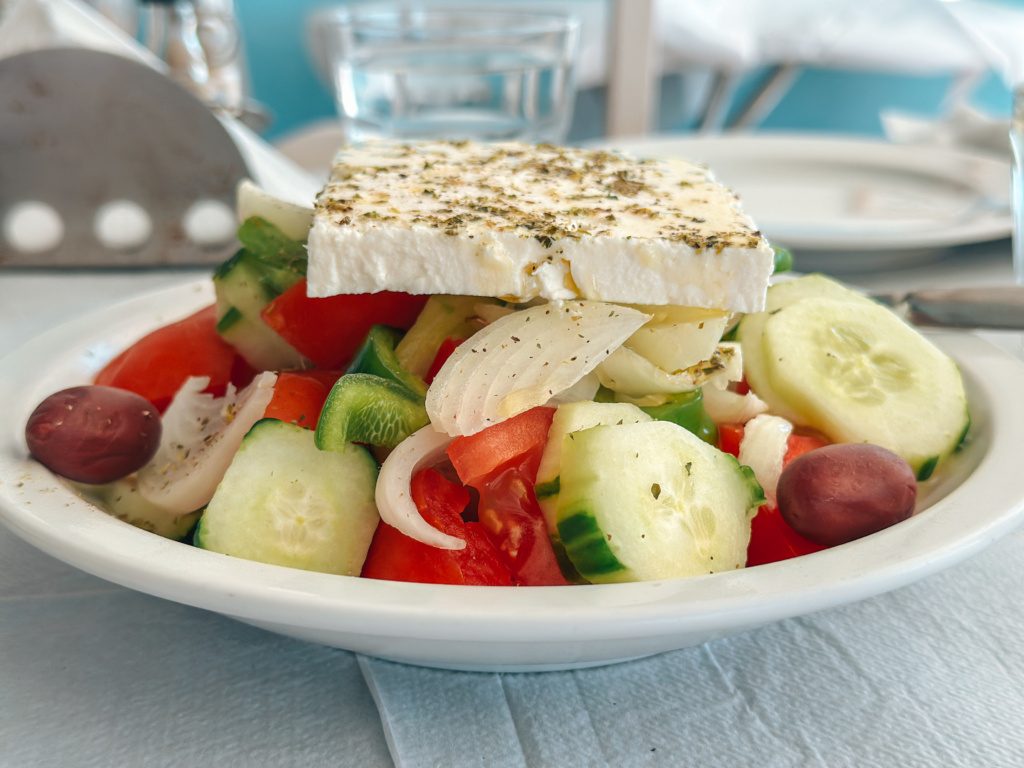
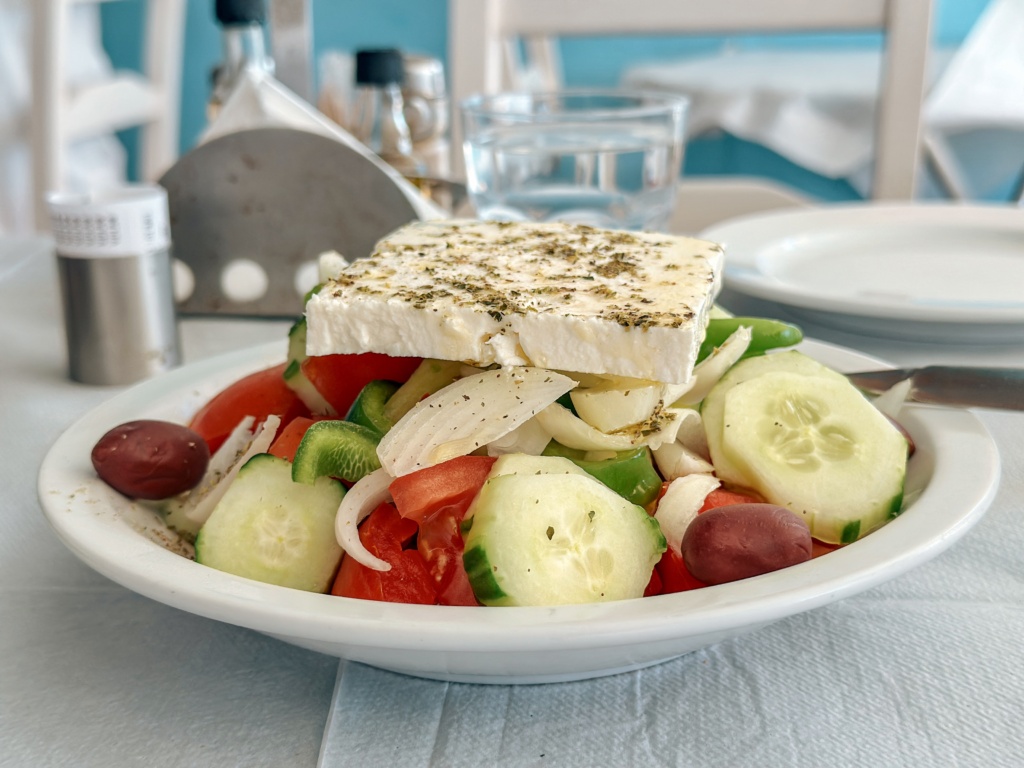
Santorini salad is the island’s answer to the classic Greek village salad, but its local ingredients give it a character all its own.
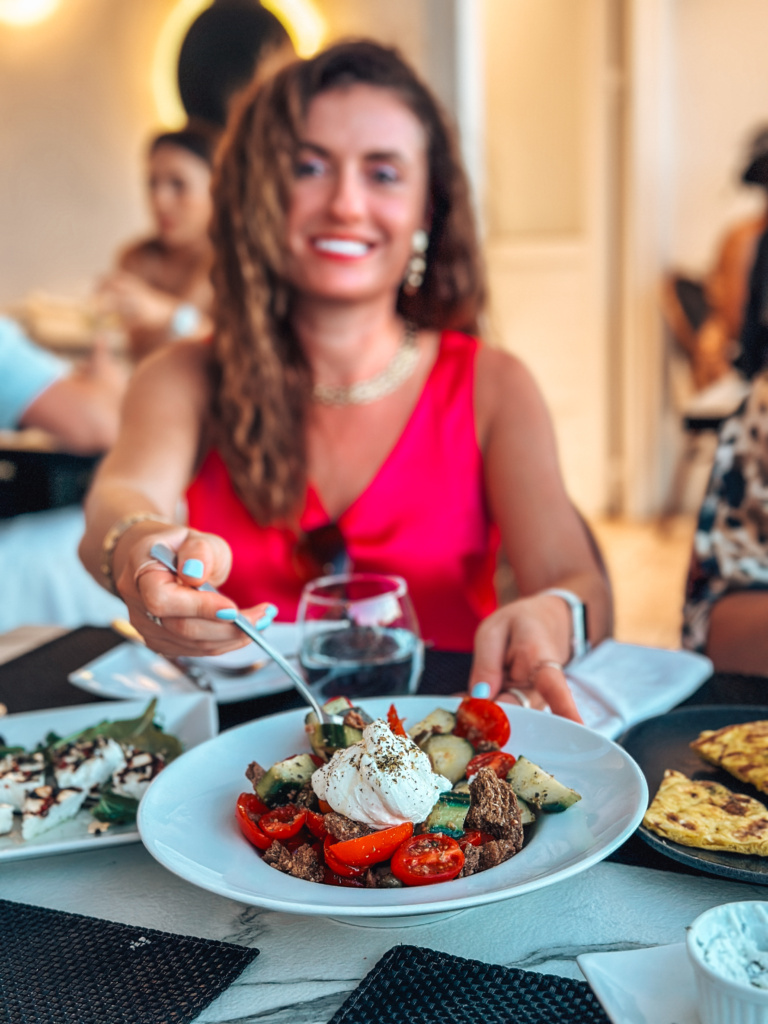
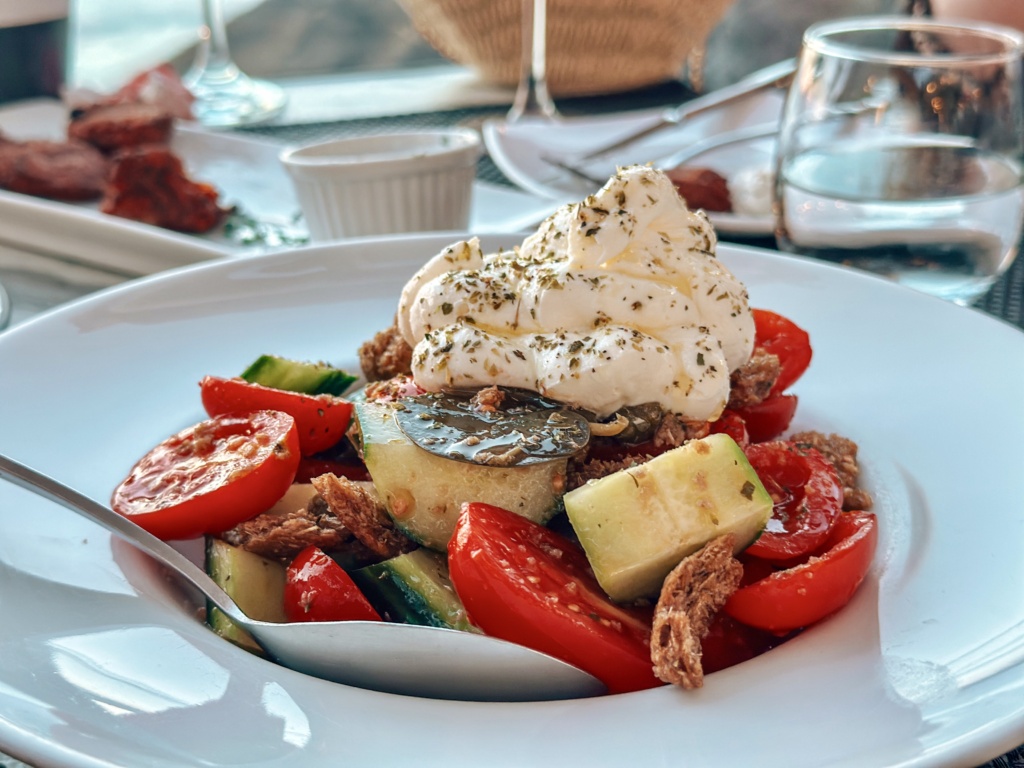
The exact composition varies, but it commonly combines intensely flavored Santorini tomatoes with cucumber, onion, olives, capers and pickled caper leaves. Some versions add barley rusks to soak up the tomato juices and olive oil.
The ingredient to watch for is chloro, Santorini’s traditional fresh cheese. Made in limited quantities from goat’s or sheep’s milk, chloro is creamy, tangy and slightly sour.
Its name refers to its fresh or young state rather than its color. Because it is generally made by small producers and has a short shelf life, it can be difficult to find outside Santorini—or even on the island.
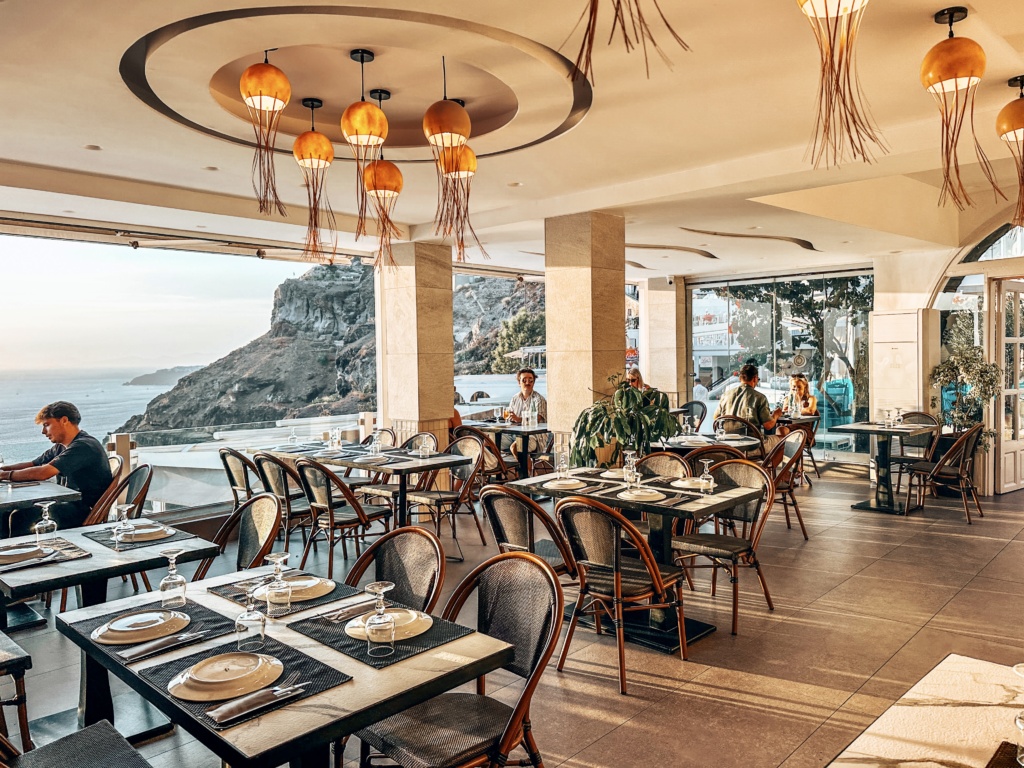
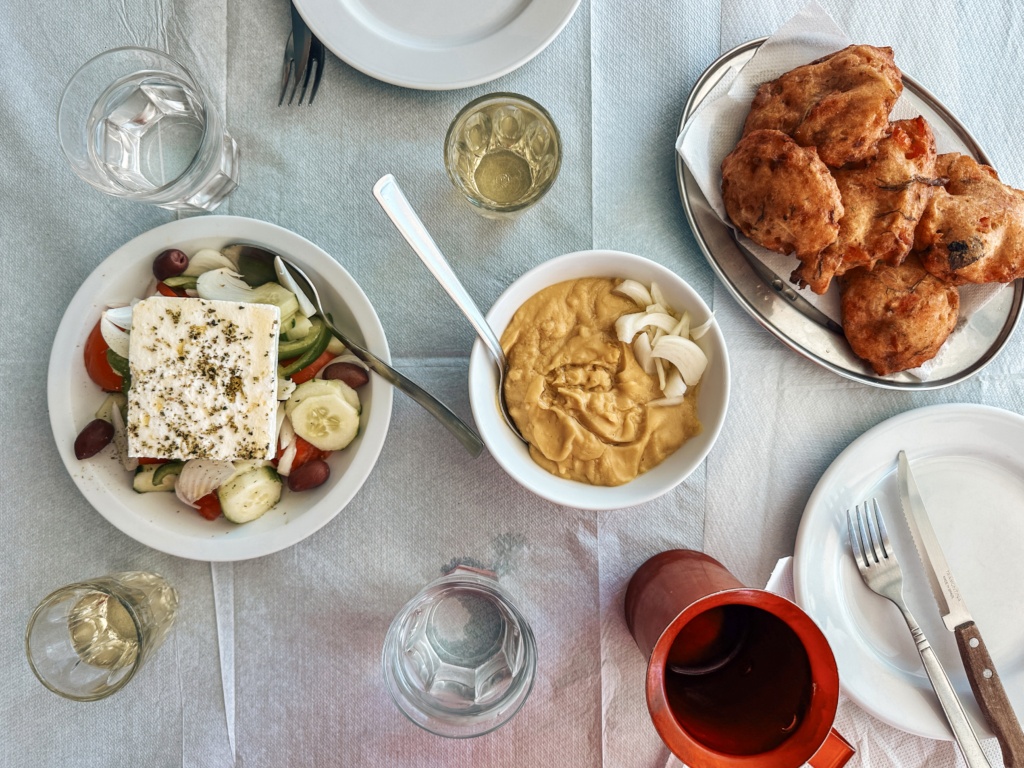
Our favorite Santorini salad was at Niki Restaurant in Fira, where local cherry tomatoes, cucumber, capers, caper leaves and barley rusks are finished with xinomizithra, a tangy fresh cheese with the creaminess needed to balance the sharp, salty ingredients.
The list of best food in Santorini wouldn’t be complete without it.
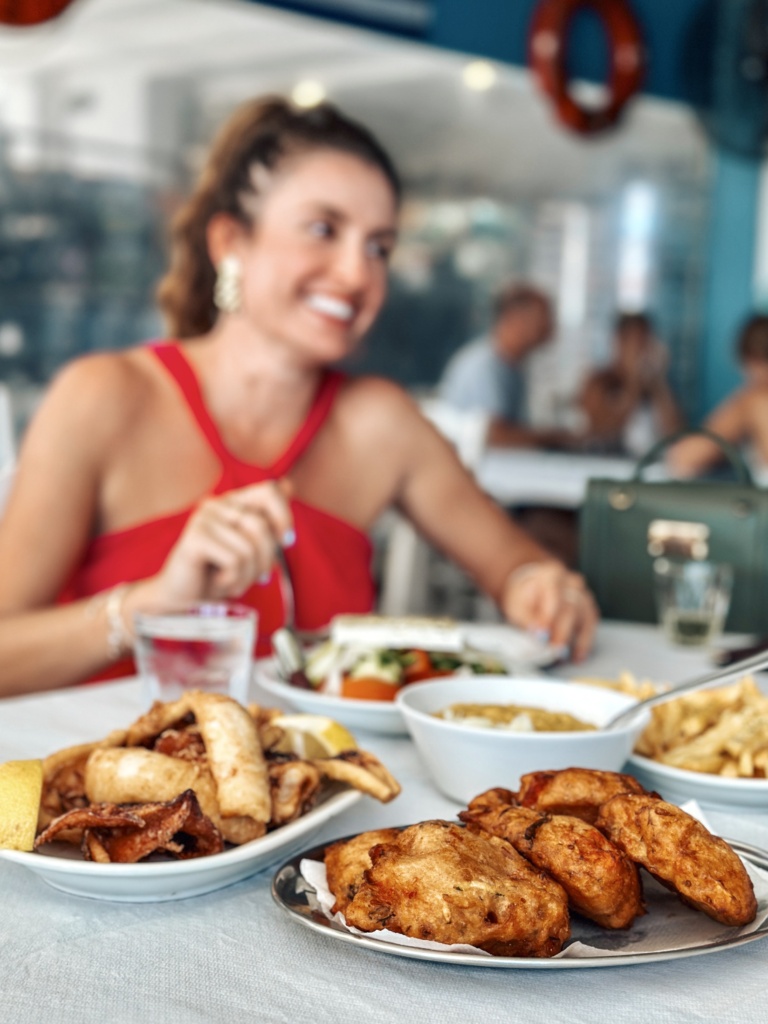
2. Tomatokeftedes: Santorini Tomato Fritters
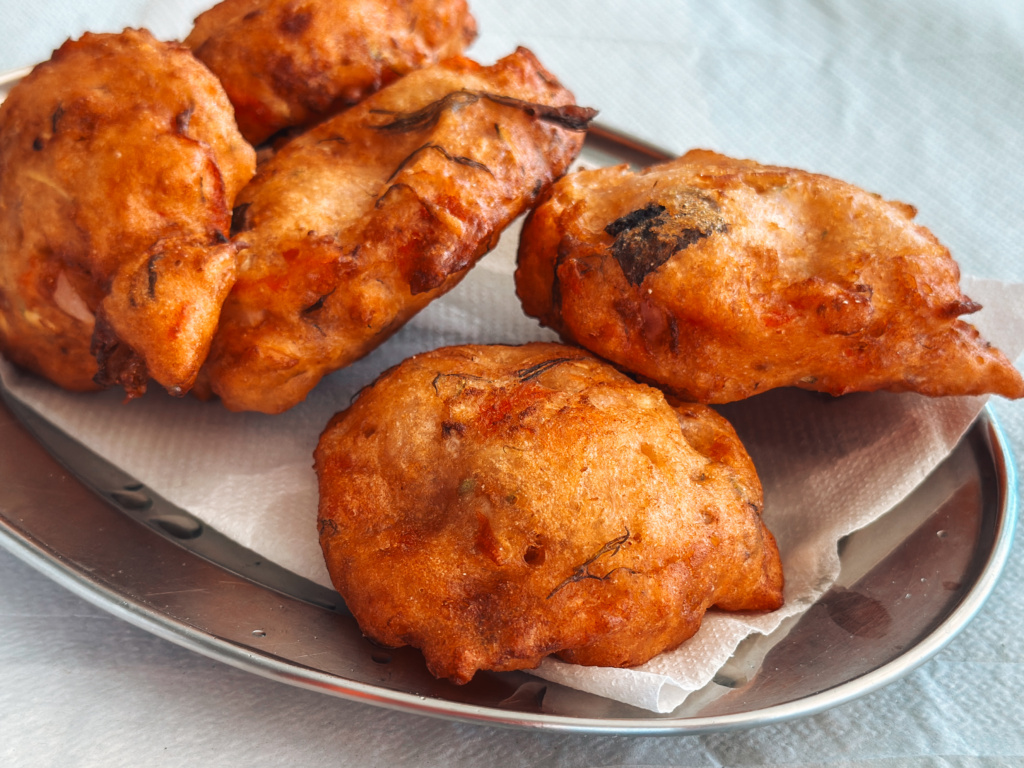
The small Santorini tomato may be the island’s most famous crop, and tomatokeftedes are its signature dish.
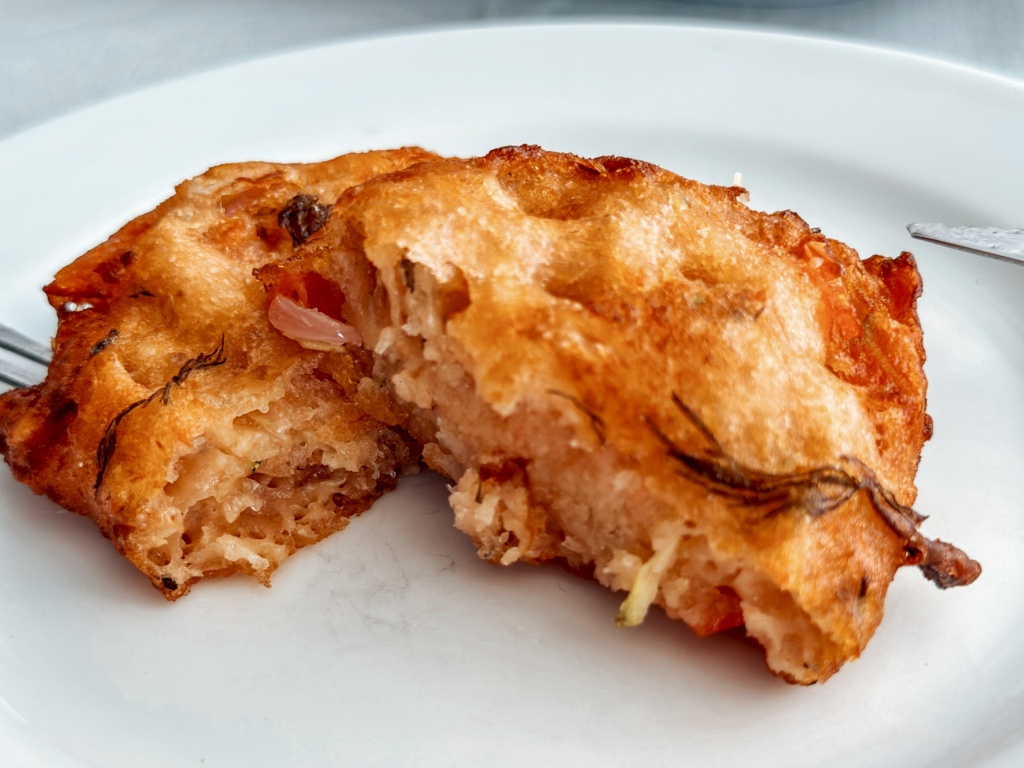
These rustic fritters are made from chopped or crushed tomatoes mixed with onion, flour and fresh herbs—often mint or parsley—then dropped into hot oil and fried until crisp and deeply golden.
Tomatokeftedes developed as an economical way to use the summer tomato harvest. They are particularly suited to the Santorini tomato, which has thick flesh, low water content and a concentrated balance of sweetness and acidity.
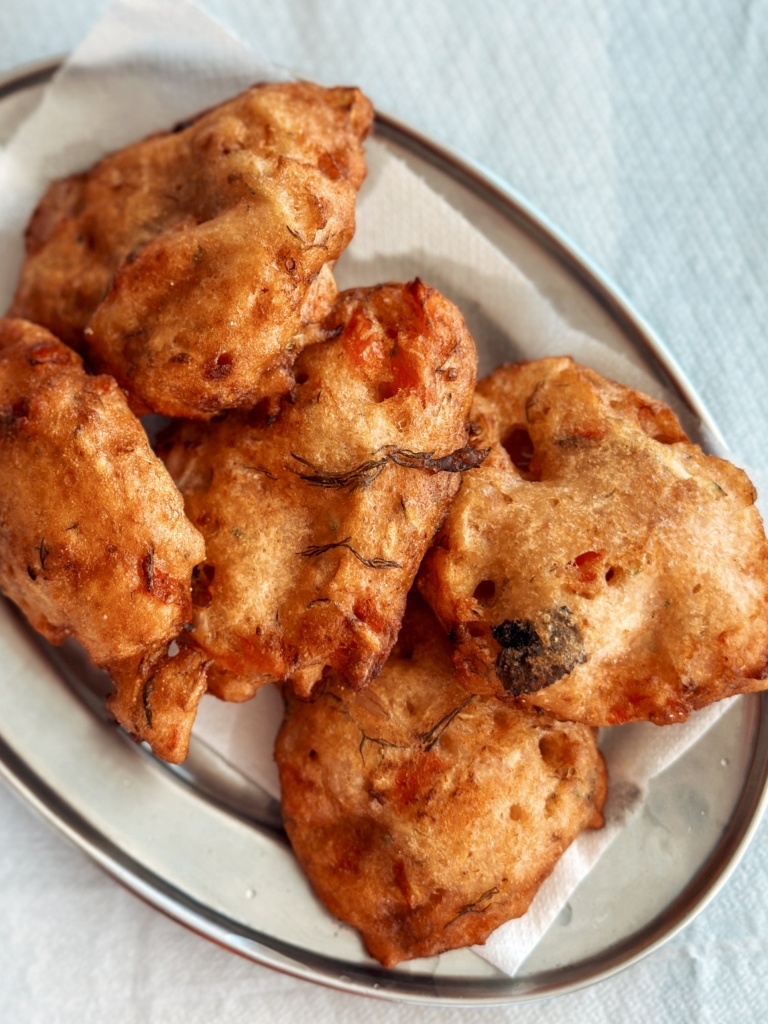
The best fritters have irregular, crunchy edges and a soft, almost jammy center that still tastes vividly of tomato. Lesser versions are padded with too much flour and could be mistaken for any generic fried appetizer.
The Cave of Nikolas was one of our favorite places to try them. In addition to traditional tomato balls, the restaurant serves a distinctive version with salt cod that it describes as an award-winning specialty.
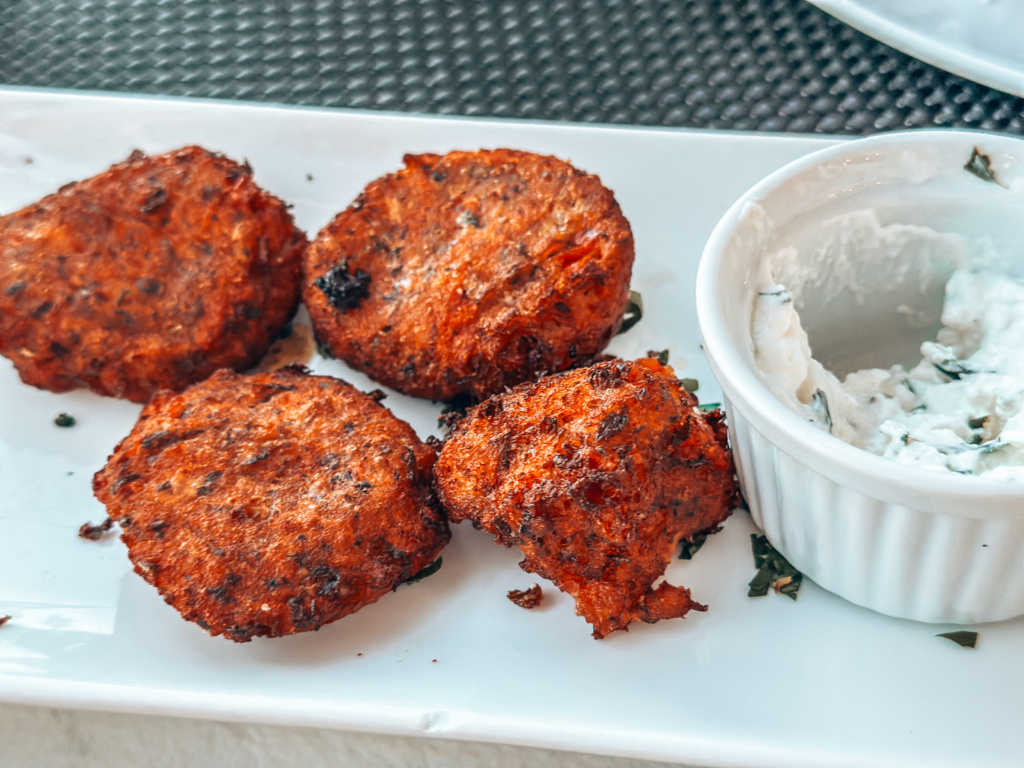
Niki Restaurant also serves a well-made rendition with yogurt dipping sauce. Try the dish more than once if you can: no two tavernas seem to use exactly the same herb blend or texture.
3. Santorini Tomato Paste, Chutney, Marmalade and Sun-Dried Tomatoes
Santorini’s relationship with tomatoes extends far beyond fritters. By the early 20th century, tomato processing had become one of the island’s most important industries.
Factories transformed the small, concentrated fruit into tomato paste that could be canned and exported, providing work for farmers, factory employees, can makers, mule drivers and their families.
To understand this history, leave the caldera crowds and visit the Tomato Industrial Museum “D. Nomikos” beside Vlychada Beach. Housed in a former tomato factory that operated from 1945 until 1981, the museum uses original machinery, workers’ testimonies, multimedia exhibits and interactive canning activities to bring Santorini’s industrial past back to life.
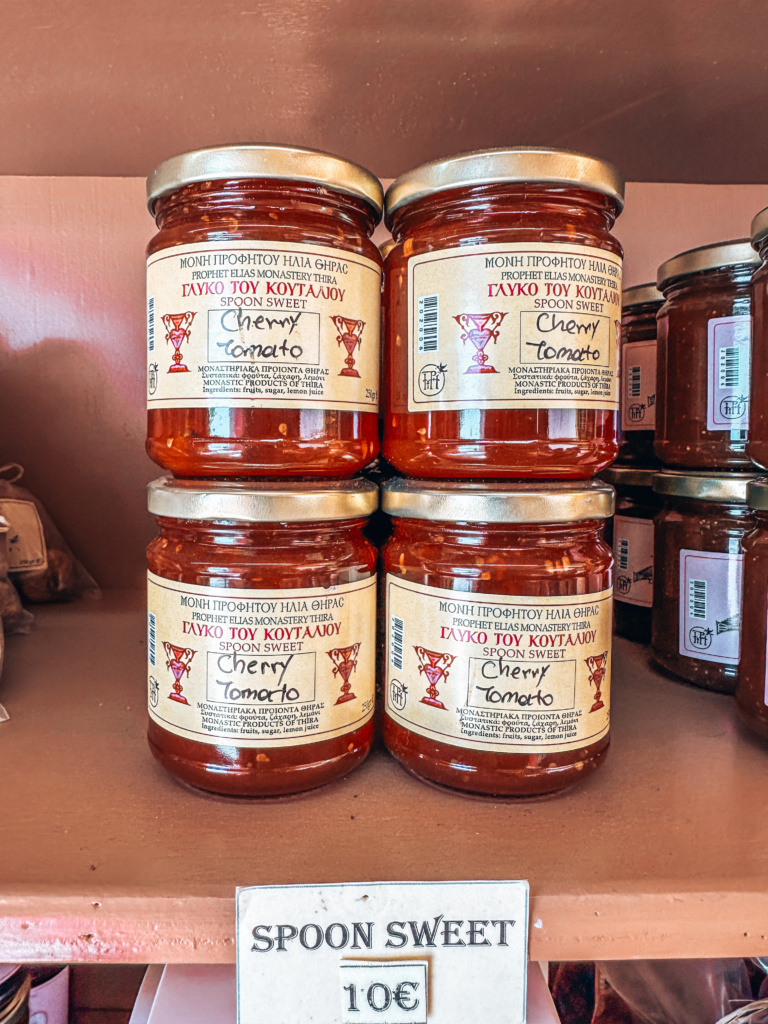
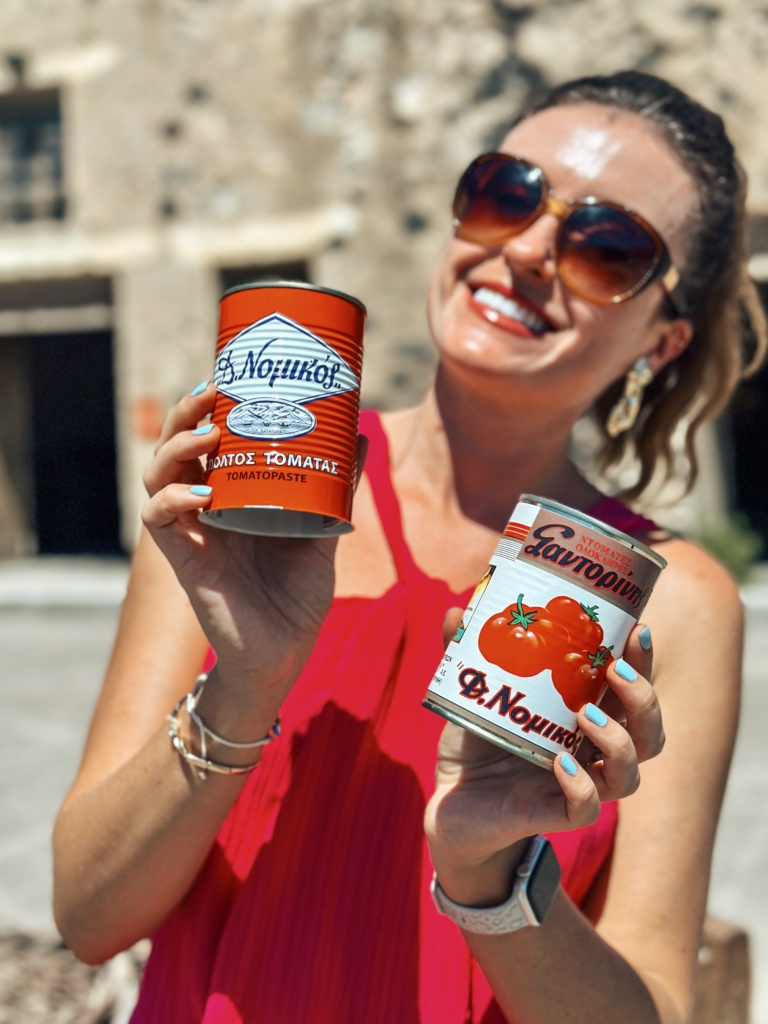
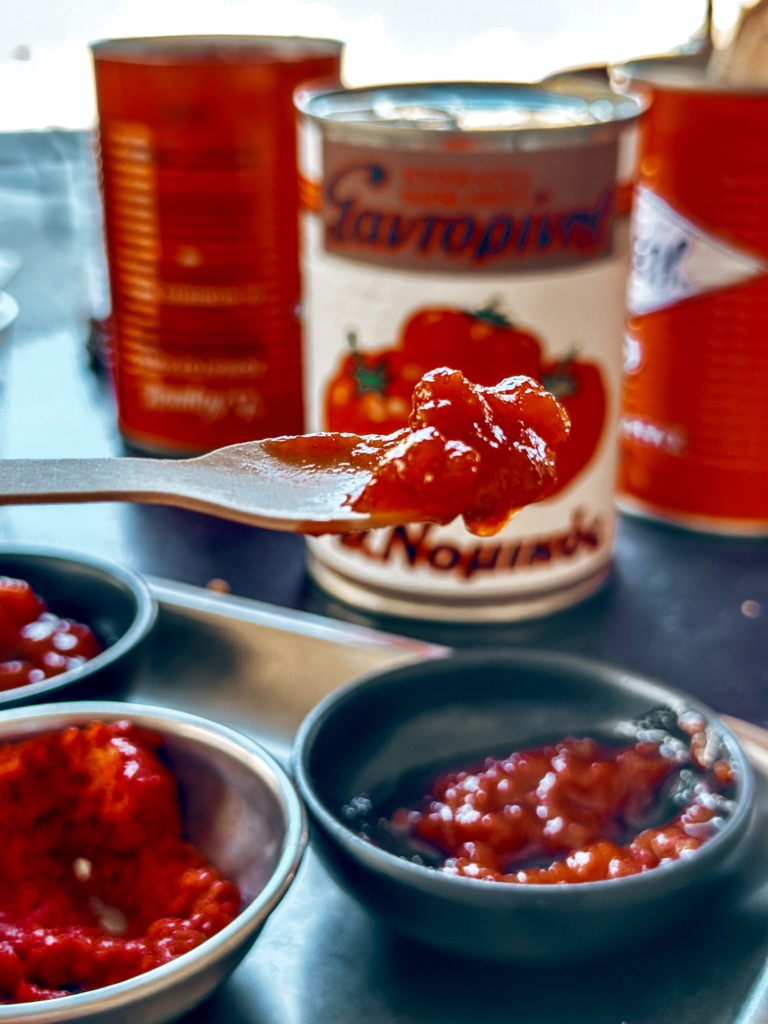
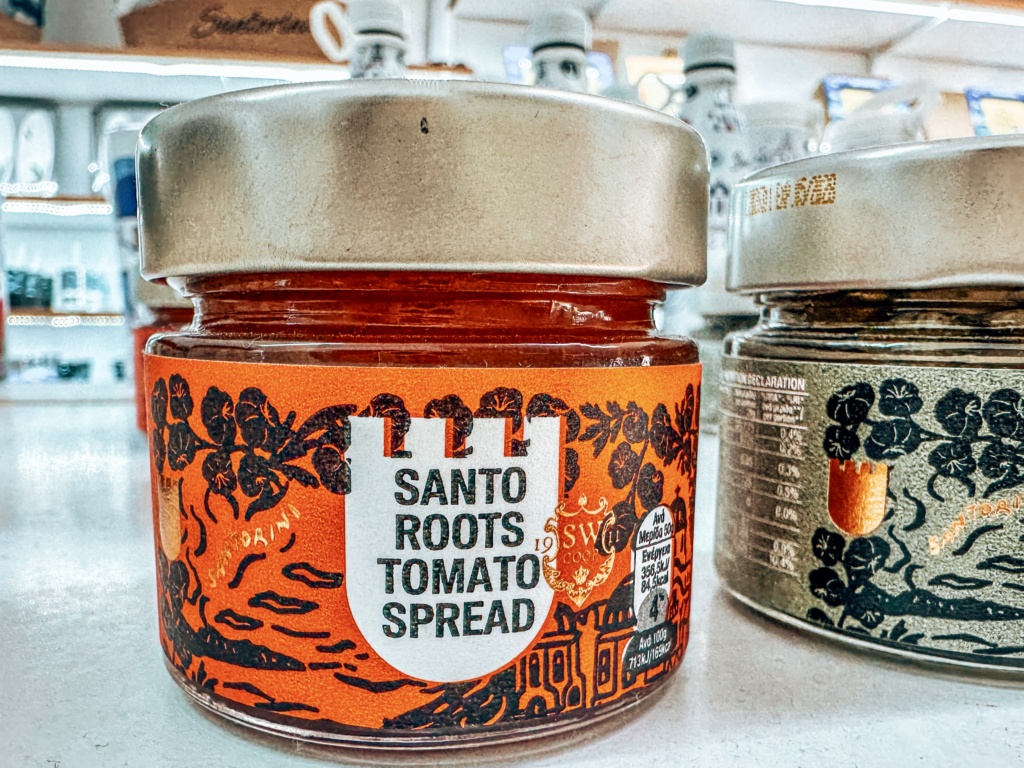
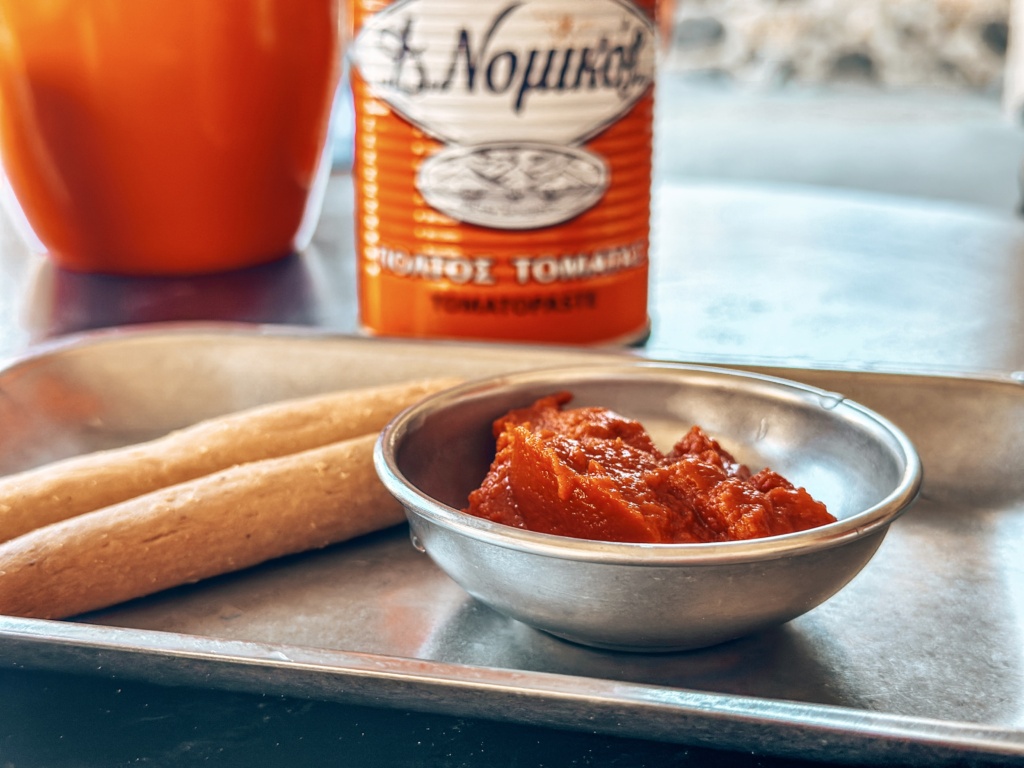
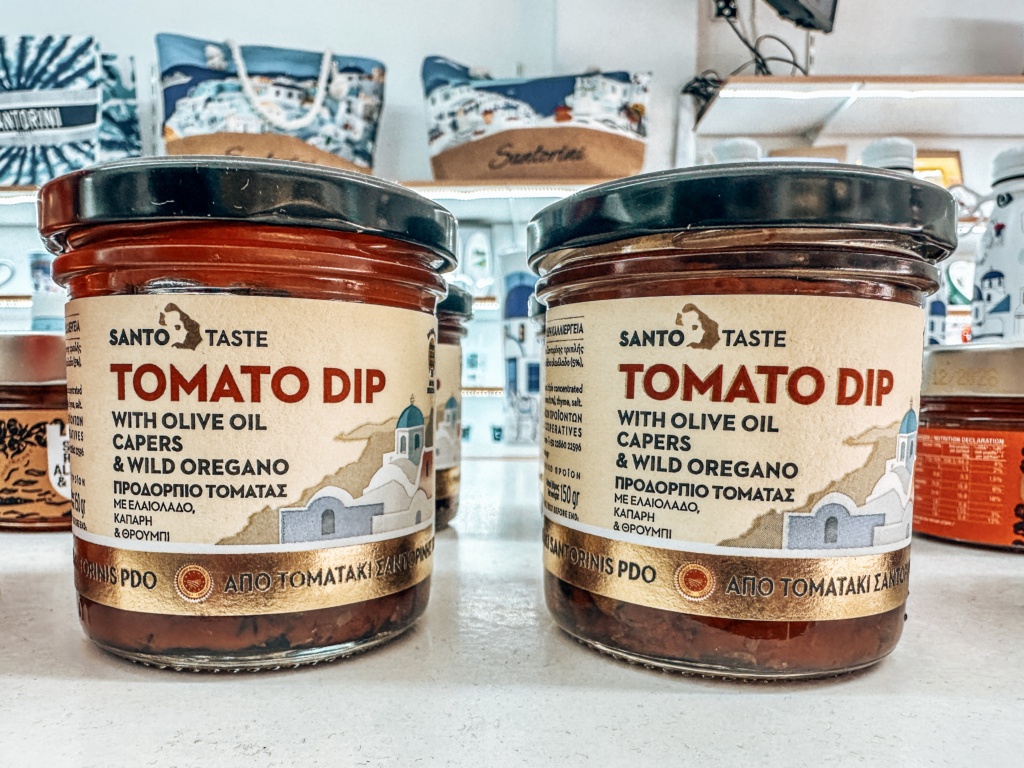
The experience concludes with a tasting of tomato products such as concentrated paste, chopped tomatoes, chutney and marmalade. The tomato marmalade was our favorite—sweet, tangy and absolutely phenomenal with salty feta. Do not miss the museum’s gift shop, either.
Alongside locally made tomato condiments and sun-dried tomatoes, it sells knitted tomatoes, tomato candles, artwork, books, children’s books, posters, T-shirts, bucket hats and even Pomodoro timers. Tomato freaks, this may be the best gift shop you ever visit.
4. Capers and Pickled Caper Leaves
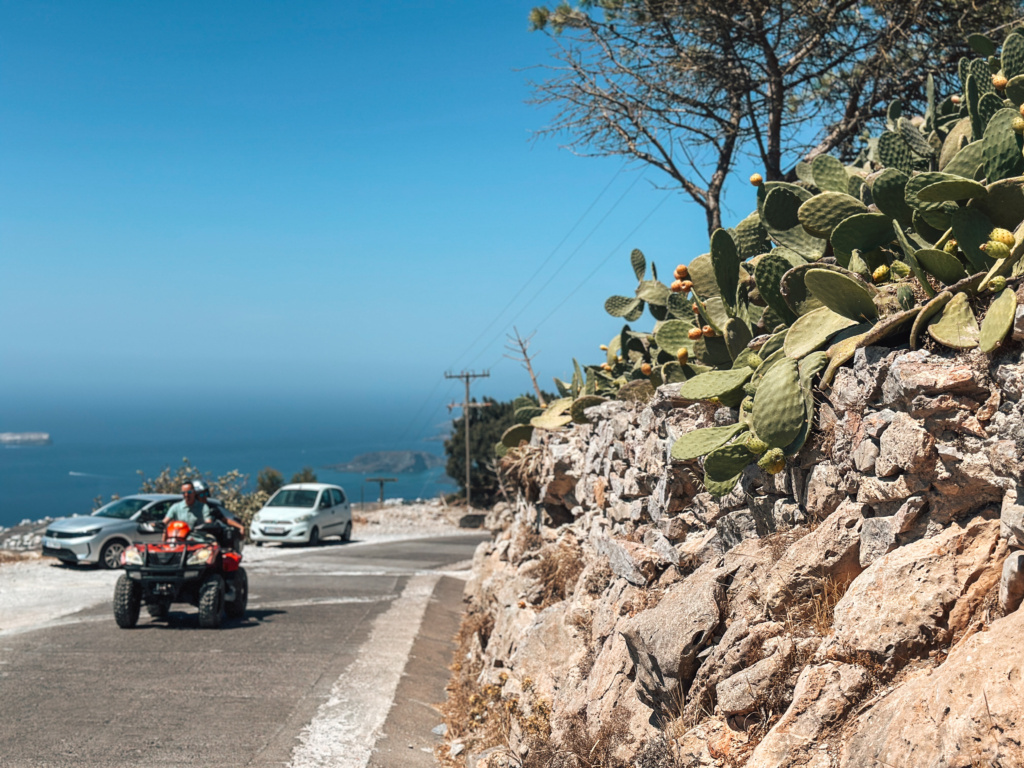
Capers grow wild in places where few other plants would stand a chance. In Santorini, you will see caper bushes emerging from rocky slopes, volcanic cliffs and the cracks of old stone walls.
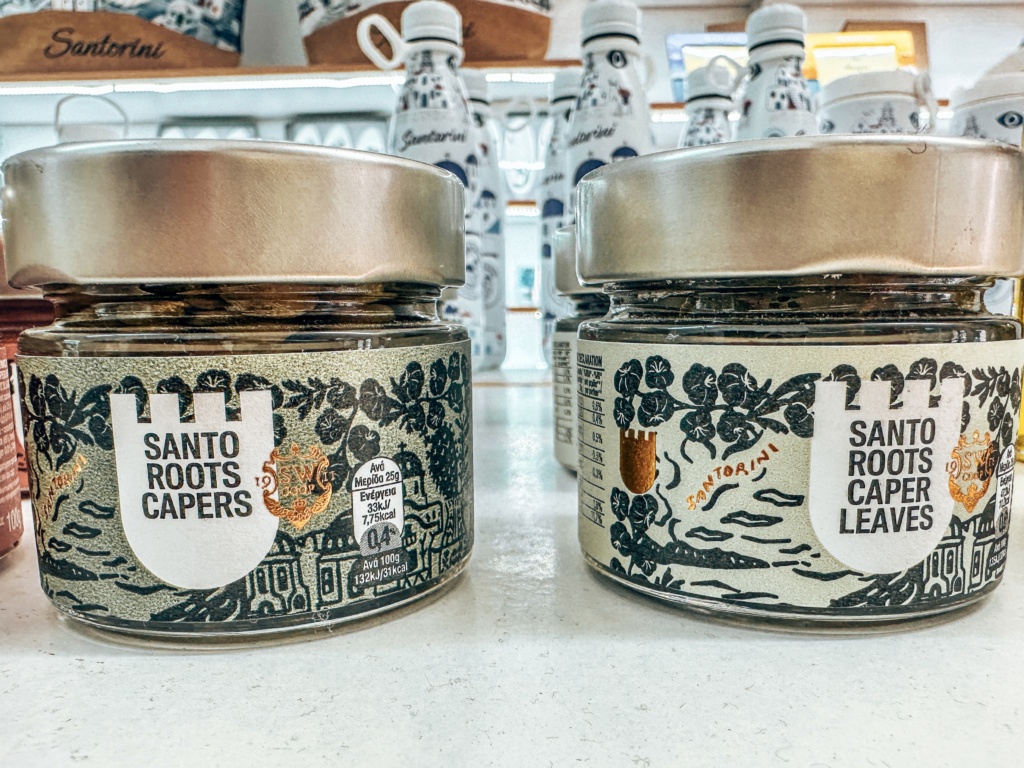
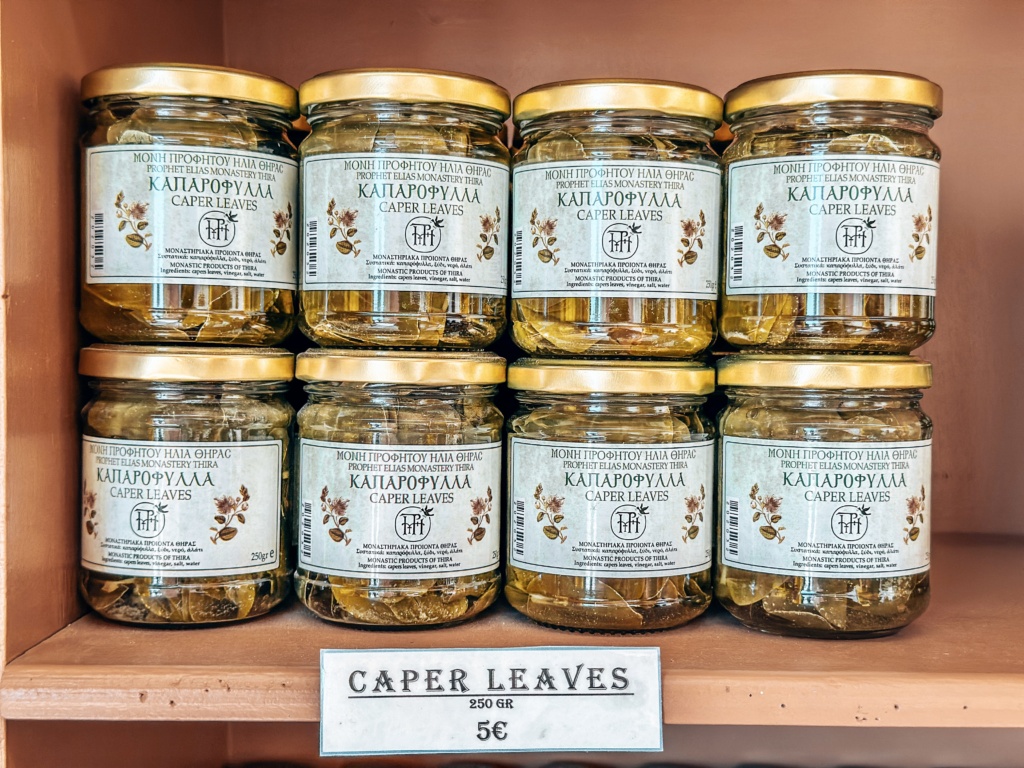
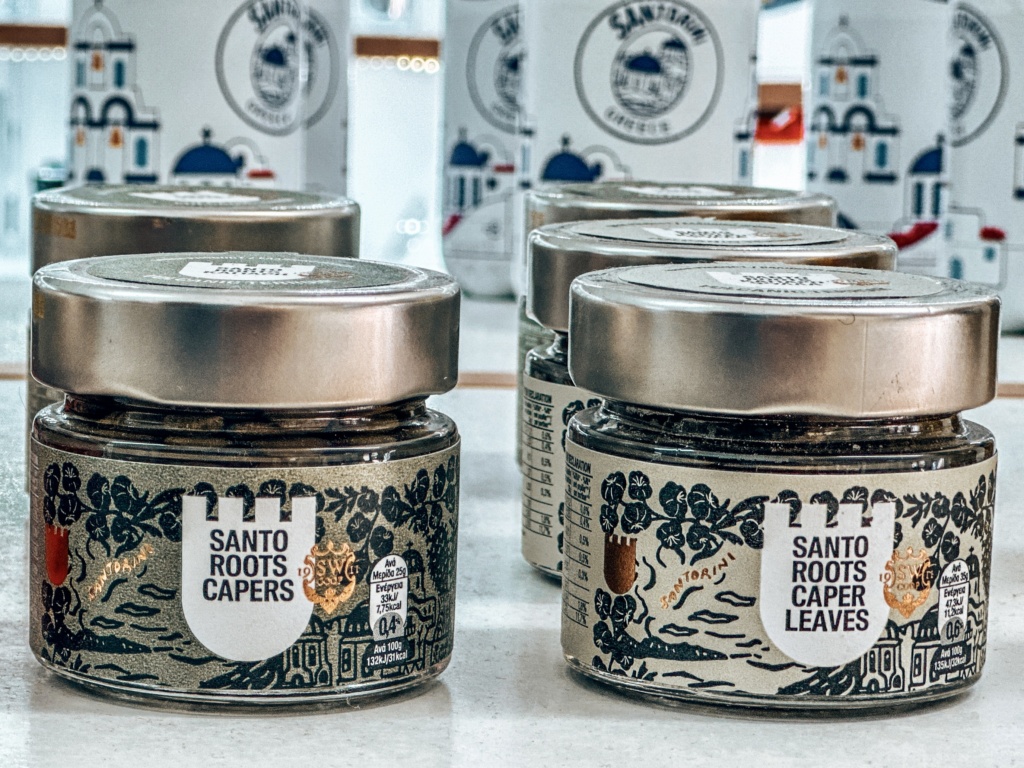
What we call a caper is actually the plant’s unopened flower bud, harvested before it blooms and then dried, salted or pickled. Santorini’s cooks also preserve the plant’s leaves, which have a softer texture and a distinctive salty, slightly bitter flavor.
Both the buds and leaves bring acidity and intensity to the island’s simple dishes. They appear in Santorini salad, over creamy fava, alongside fresh cheese and in sauces served with seafood.
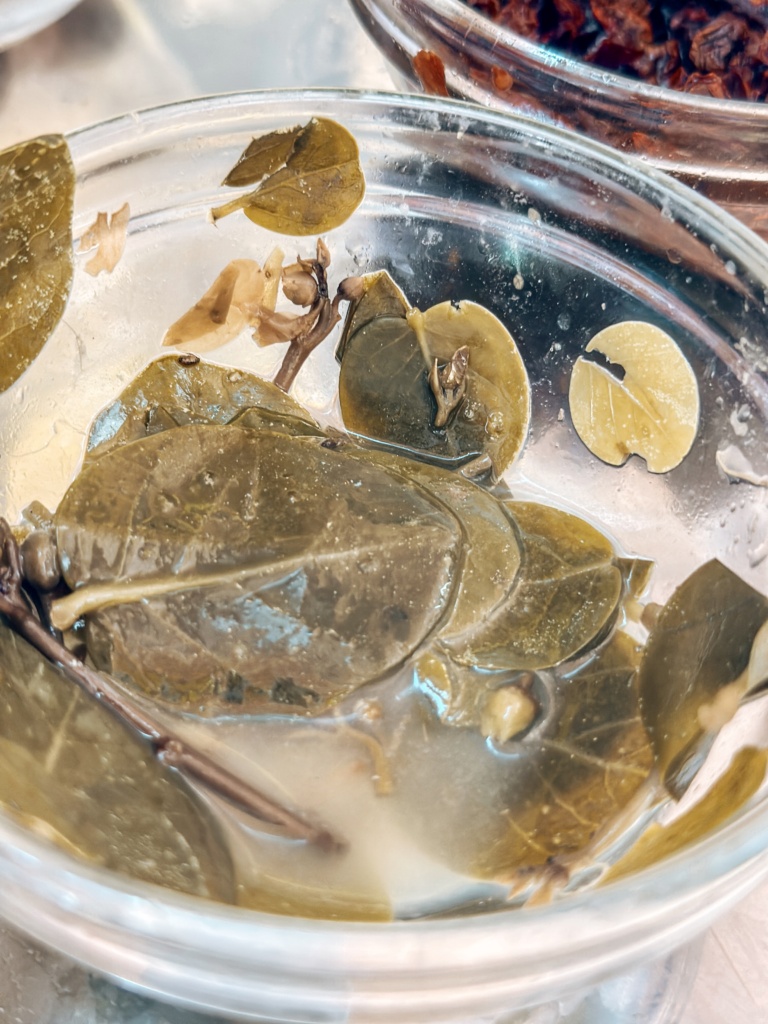
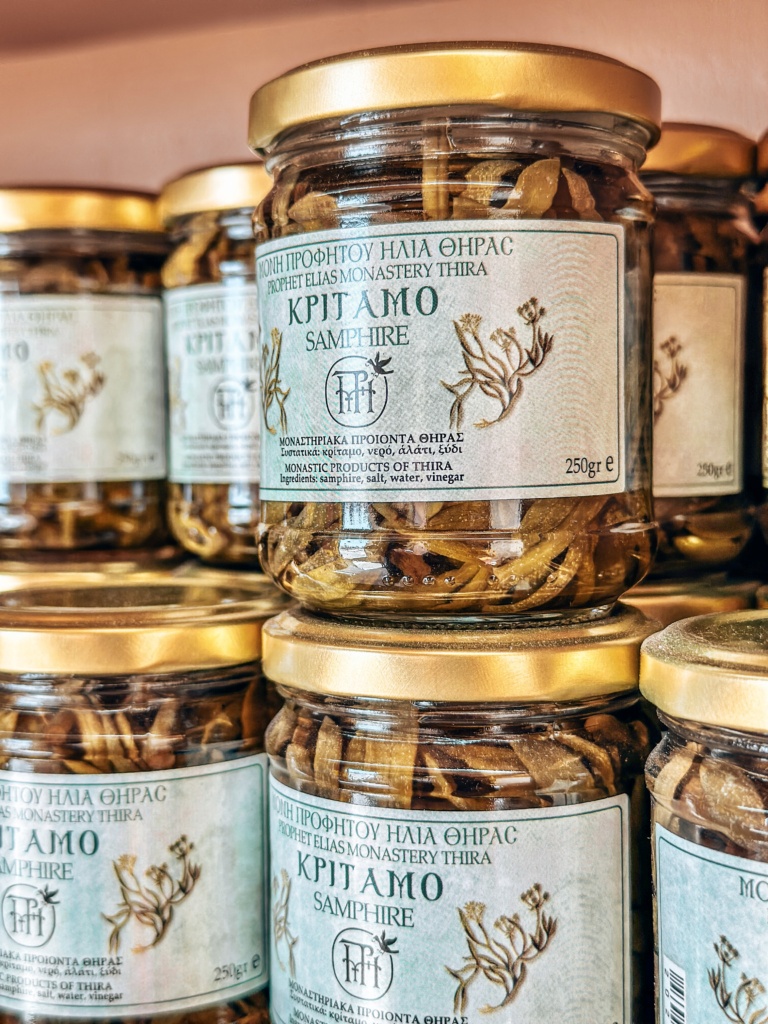
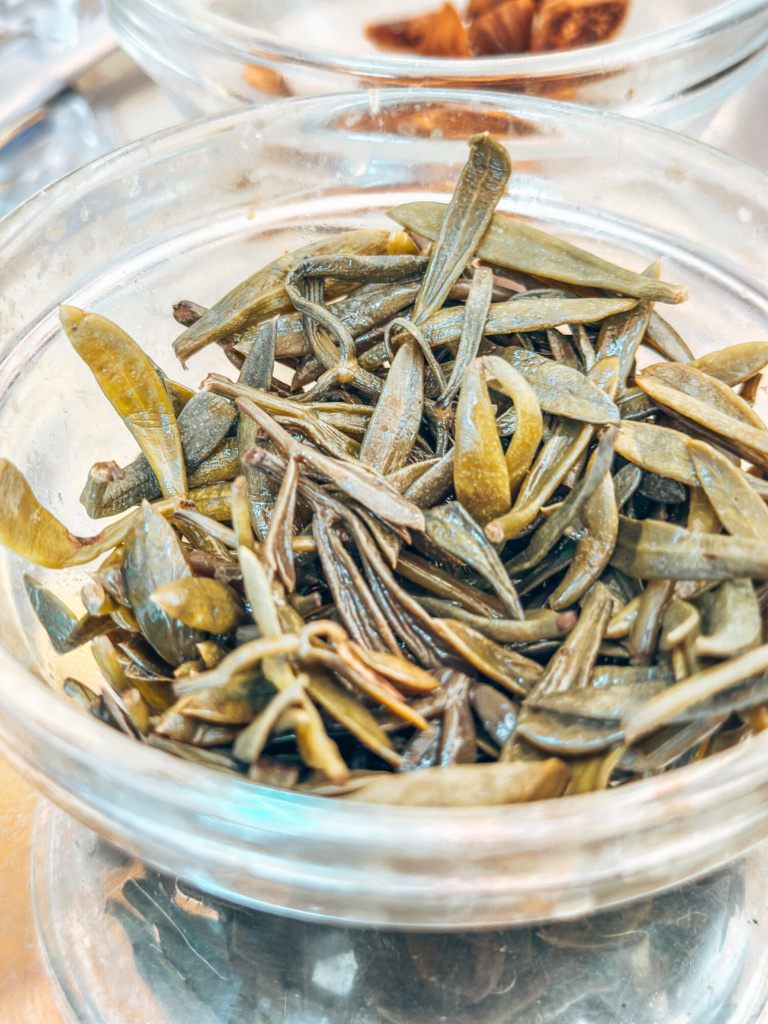
Niki Restaurant uses both capers and caper leaves in its Santorini salad and fava, while The Cave of Nikolas serves them with its traditional and “married” fava. You will also find them at old-school tavernas in Akrotiri, Pyrgos and Megalochori.
To bring the flavor home, pick up a jar of preserved Santorini capers or caper leaves from a winery shop, traditional food store or the highest point on the island – The Prophet Monastery – and their on site store. (Also look for samphire!)
5. Santorini Fava
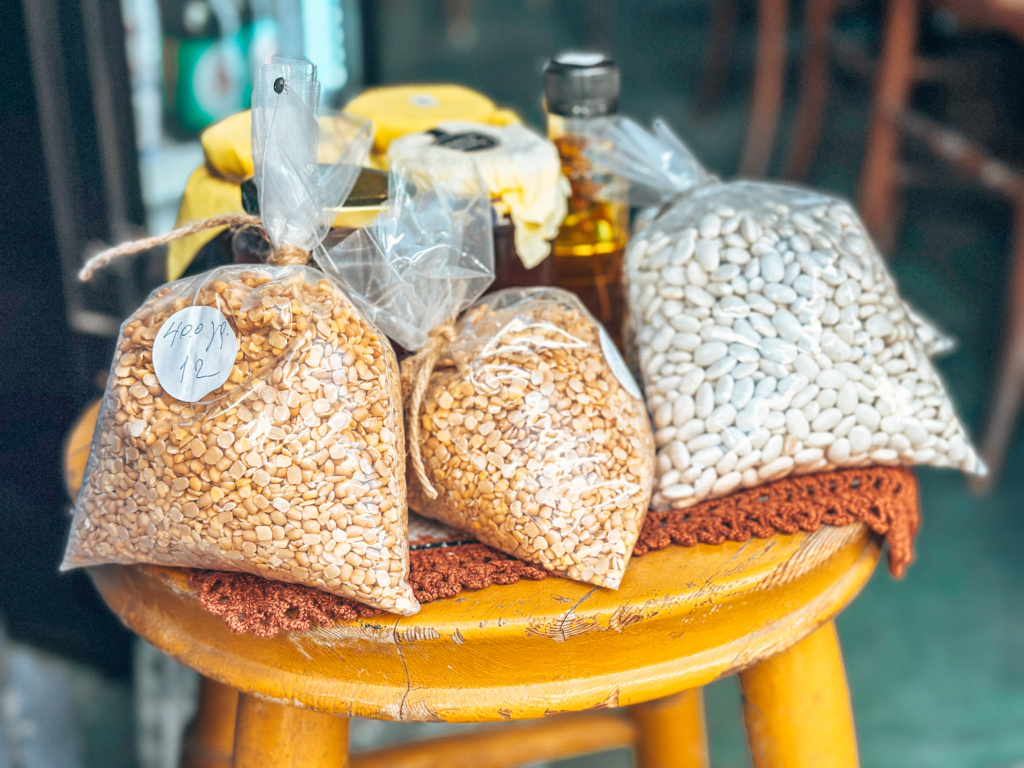
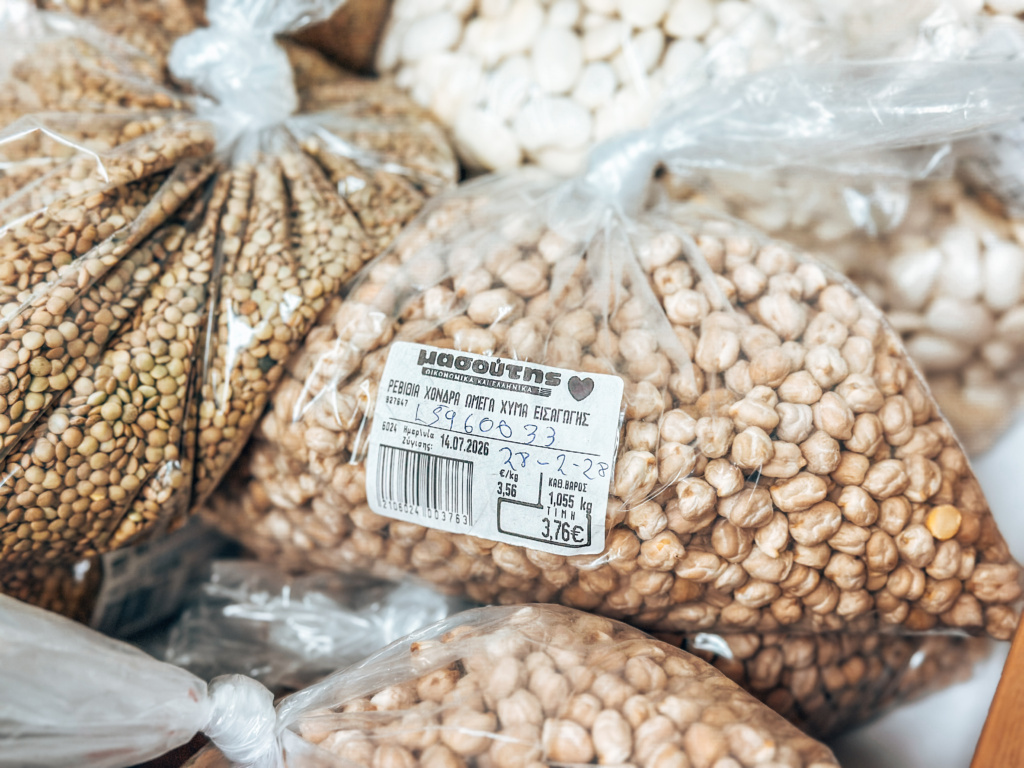
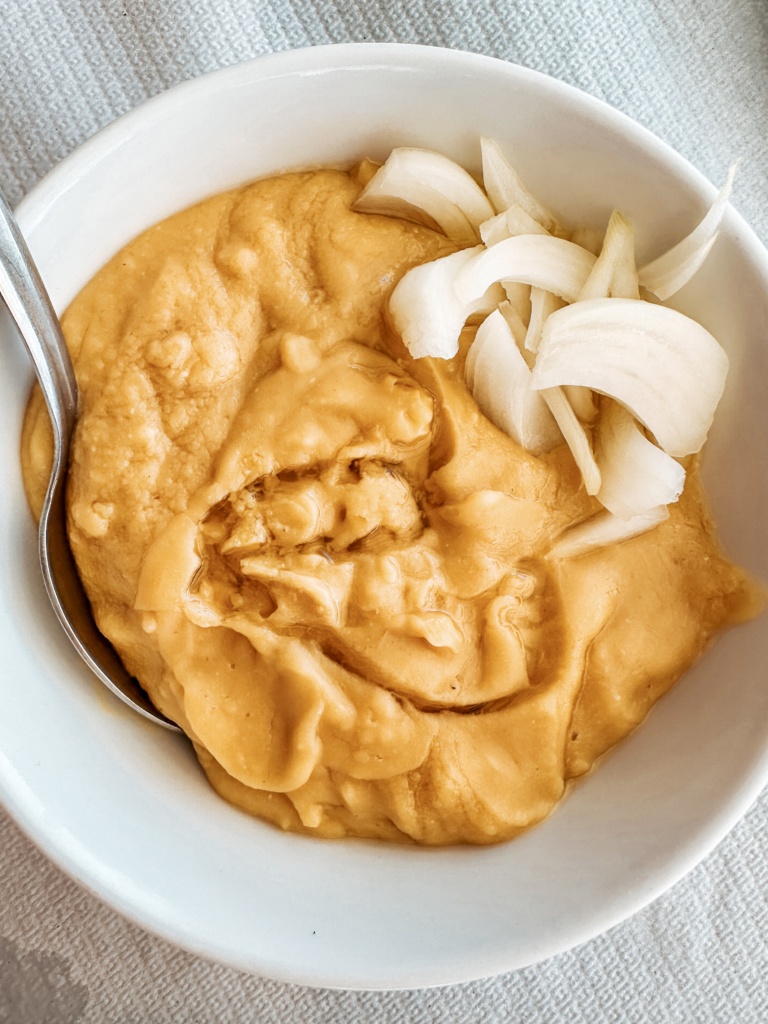
One of the most important things to know about Greek fava is that it is not made from fava beans. It is a velvety purée of yellow split peas, slowly cooked and usually served with olive oil, lemon, onion and capers.
Santorini’s particular split pea, Fava Santorinis, has been cultivated on the island for thousands of years. Archaeological evidence suggests that legumes related to today’s crop were eaten here as far back as the Bronze Age.
The island’s dry volcanic conditions give the peas a rich, earthy flavor, and Fava Santorinis now holds European Protected Designation of Origin status.
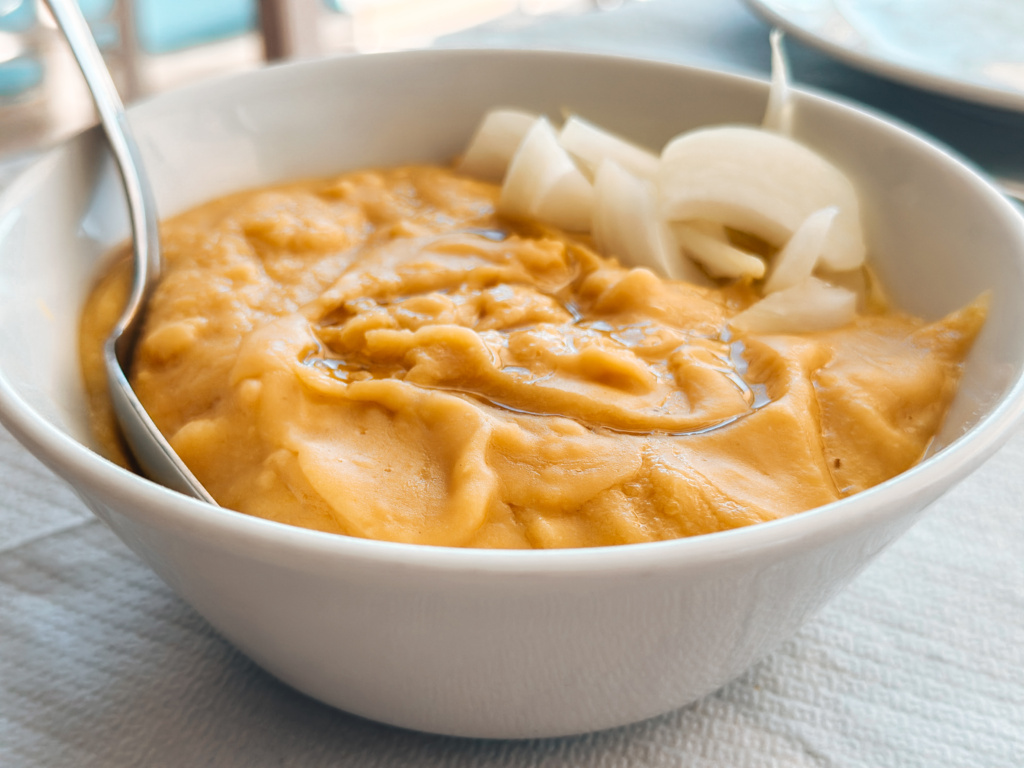
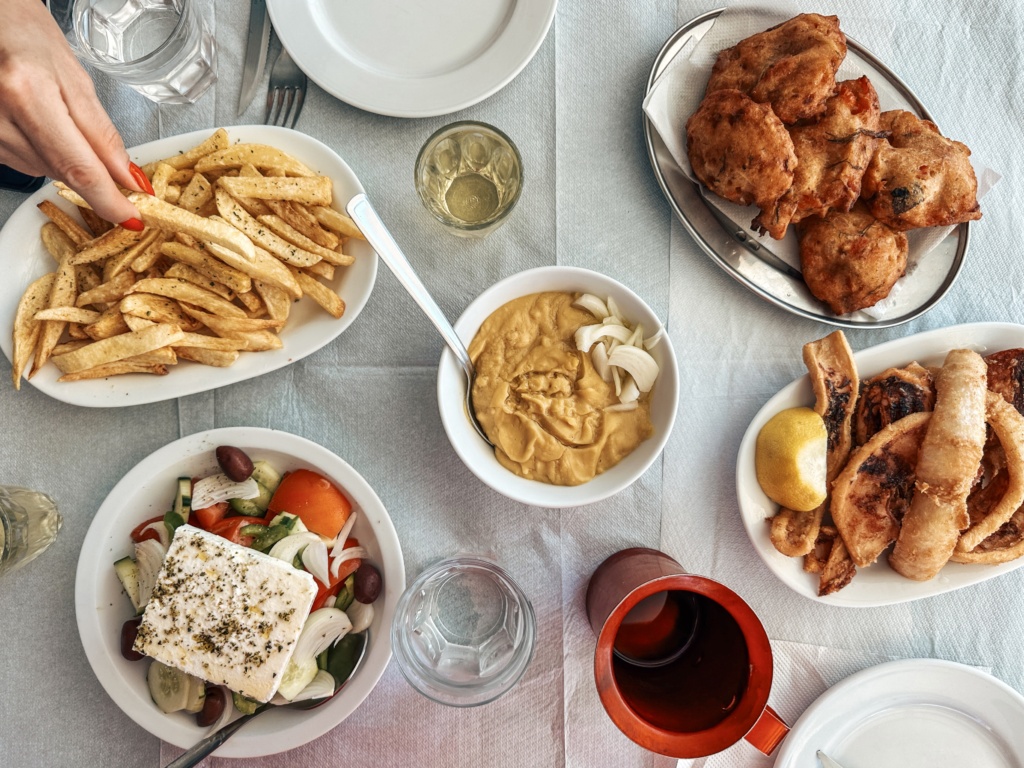
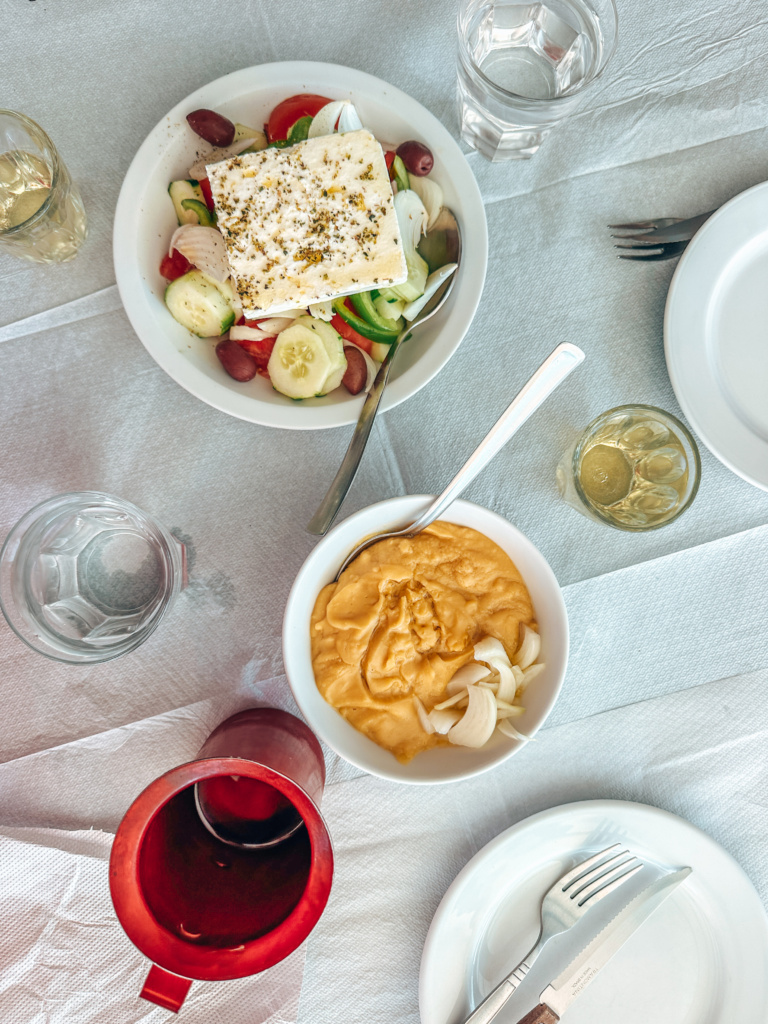
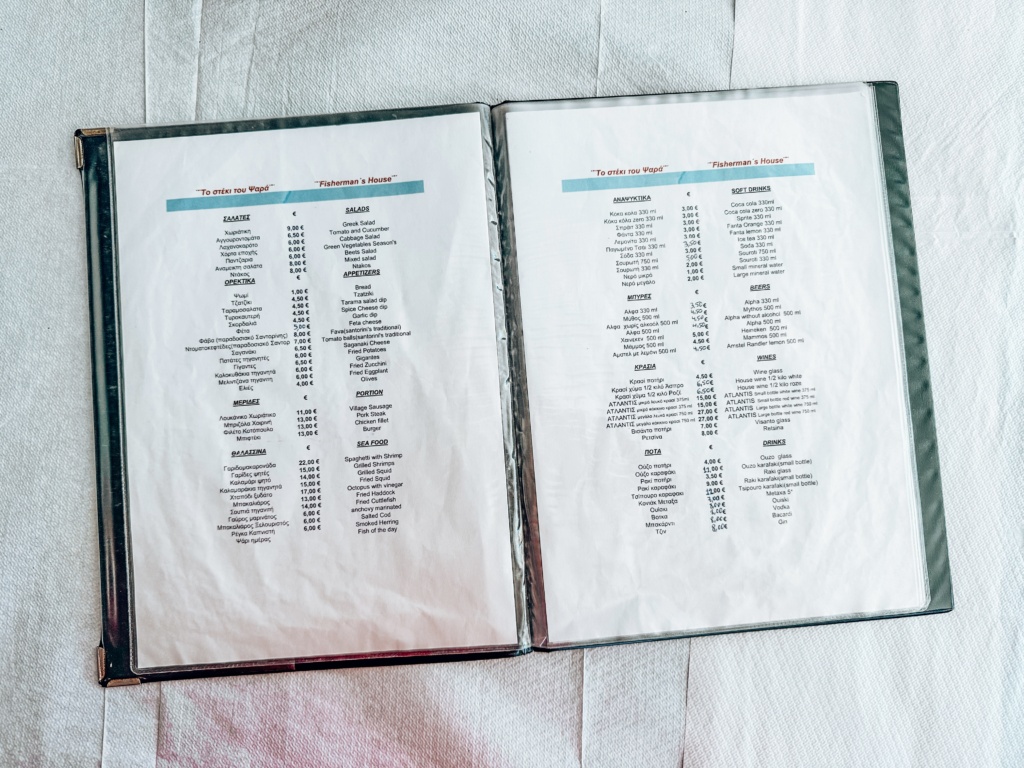
Our favorite was at The Fisherman’s Tavern in Vlychada. Its traditional version is finished simply with thinly sliced onion, allowing the flavor of the split peas to remain central.
Good fava should be smooth and creamy without becoming watery or tasting like bland baby food. It is humble, ancient and one of the purest expressions of Santorini’s agricultural history.
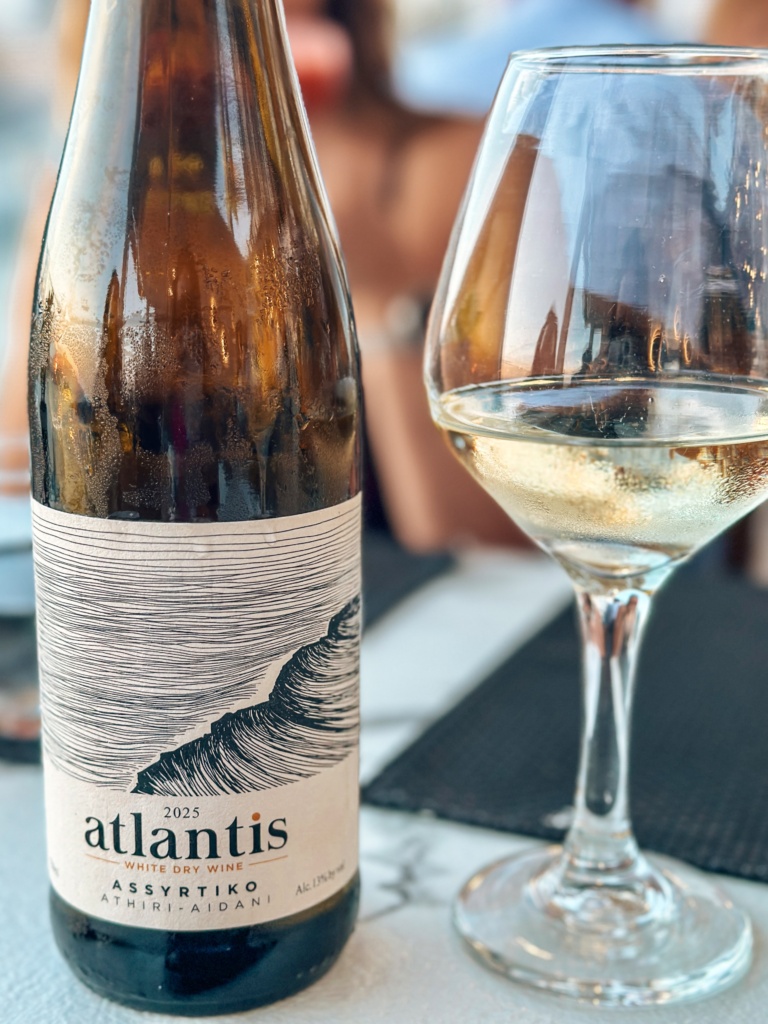
6. Assyrtiko: Santorini’s Mineral Volcanic Wine
Assyrtiko is the grape that captures Santorini’s landscape in a glass. It produces a dry white wine with bright acidity, citrus flavors, salinity and a famously mineral quality often described as flinty, smoky or stony.
Whether wine can literally taste like volcanic soil is a debate for another day, but Assyrtiko certainly tastes inseparable from the island where it has grown for centuries.
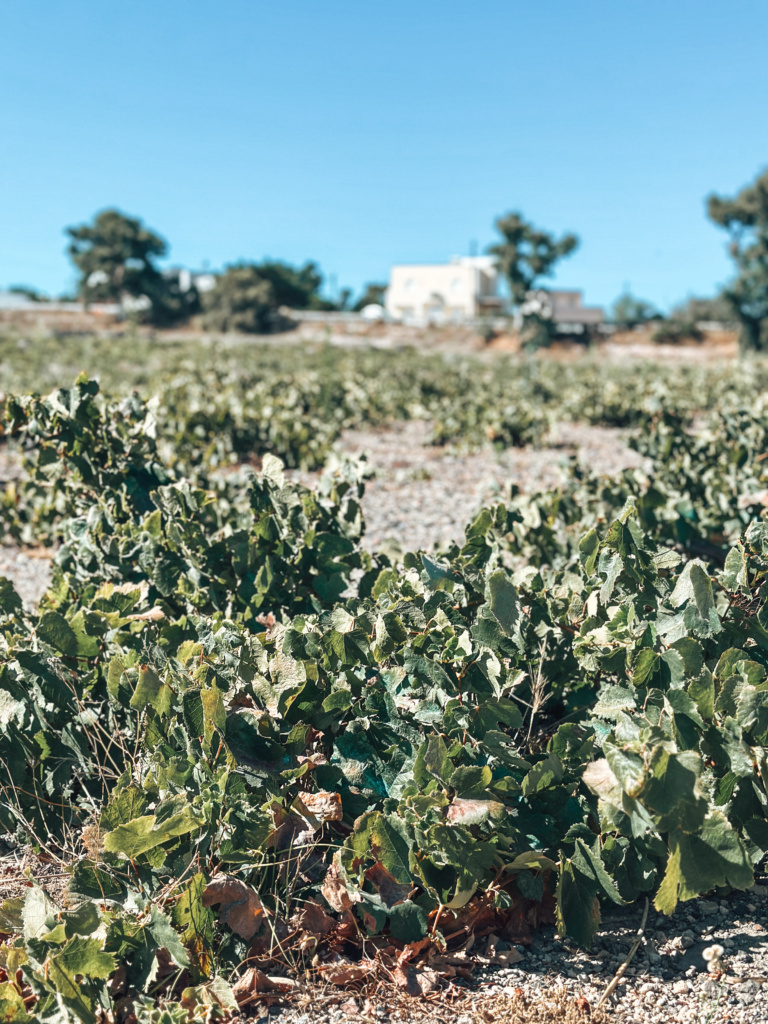
The vines are as fascinating as the wine. To protect the grapes from Santorini’s fierce winds and intense sunshine, growers weave the vines into low circular baskets called kouloura. The fruit develops inside the basket, close to the ground and sheltered by the surrounding branches.
Santorini’s sandy volcanic soil also helped many vines avoid the phylloxera pest that devastated European vineyards in the 19th century, allowing the island to preserve exceptionally old root systems.
You can try Assyrtiko at almost every serious restaurant and winery on Santorini. Order a bottle with grilled fish, octopus, fava or tomato fritters.
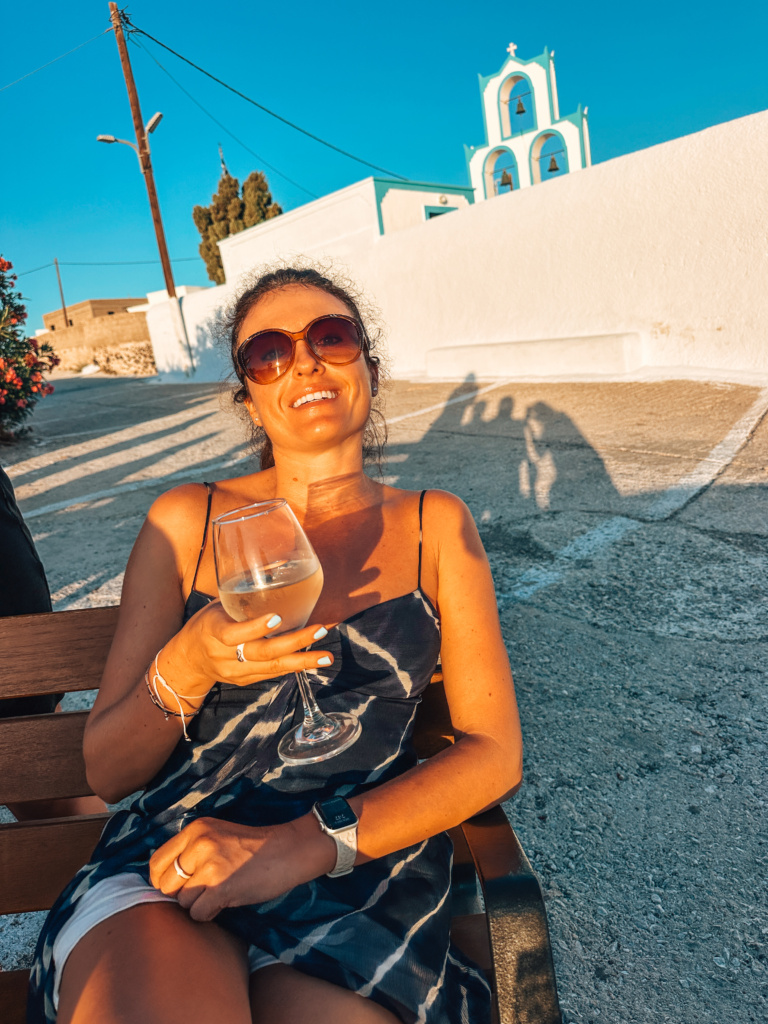
Even if you usually find white wine uninteresting, Santorini Assyrtiko—with its bracing acidity and almost sea-sprayed character—may convert you.
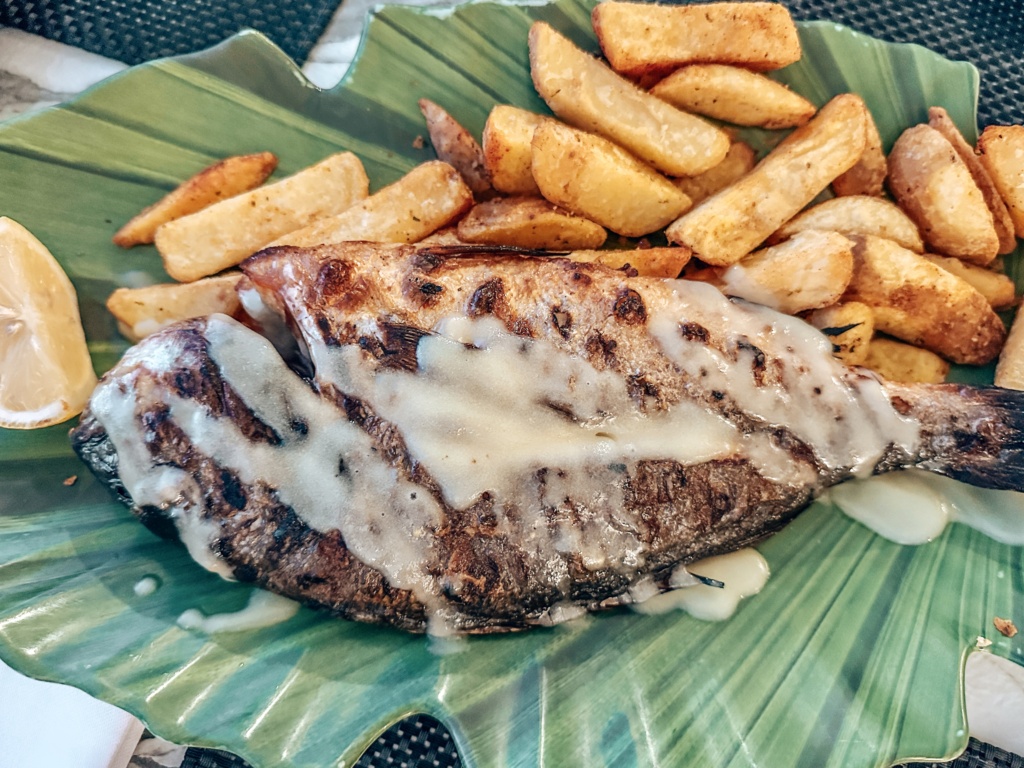
7. Fresh Fish and Local Seafood
Being surrounded by the Aegean does not automatically make every seafood restaurant in Santorini authentic, affordable or locally sourced.
Restaurants in the most tourist-heavy locations may charge eye-watering prices for imported or previously frozen fish. Always ask what was caught that day and confirm the per-kilogram price before ordering a whole fish.
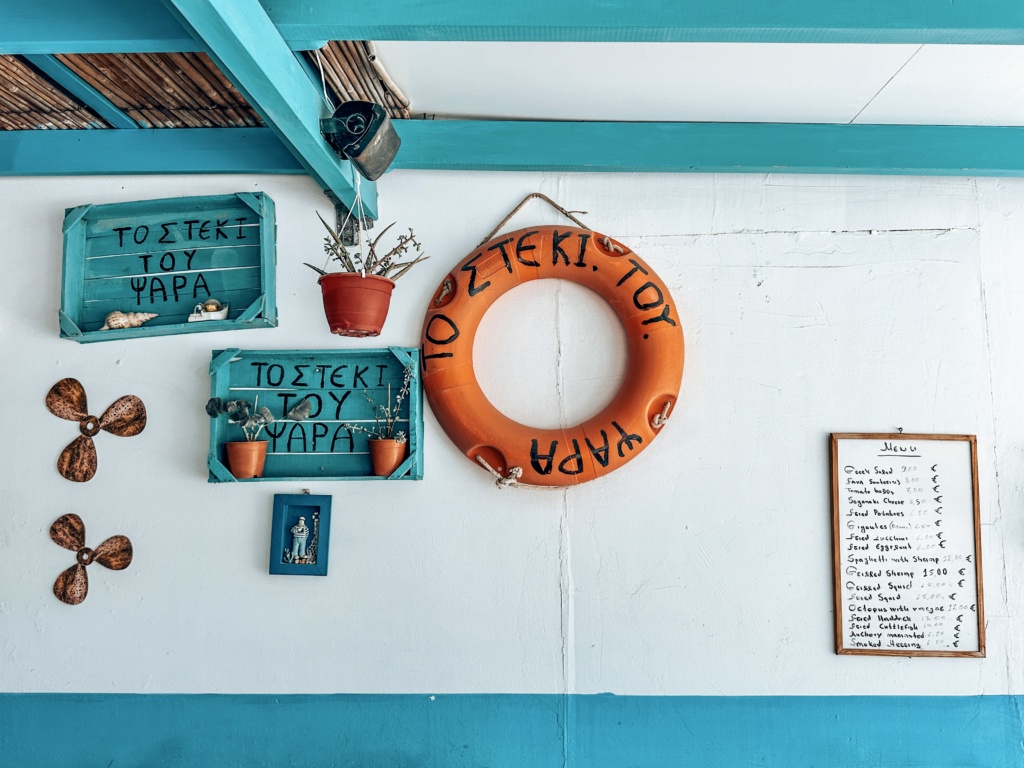
For a more grounded experience, head south. Vlychada’s marina and weather-sculpted cliffs provide a dramatic setting without the frenzy of Oia. Fisherman’s Tavern near Vlychada Harbor is a good place for an unhurried seafood lunch after visiting the Tomato Industrial Museum.
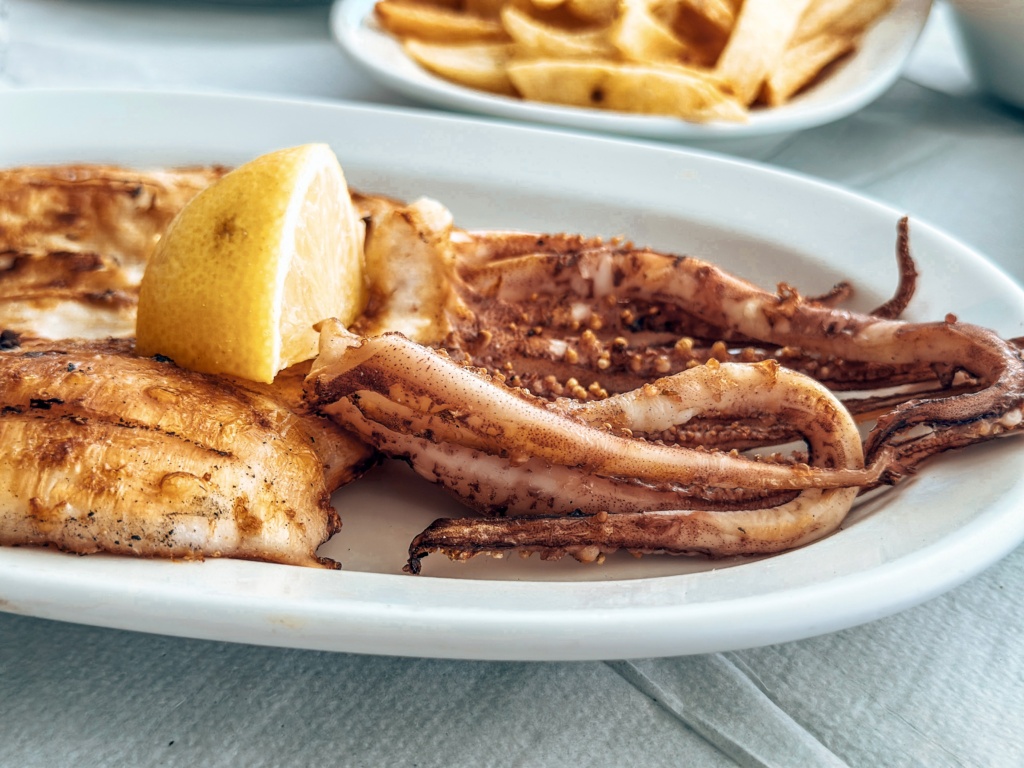
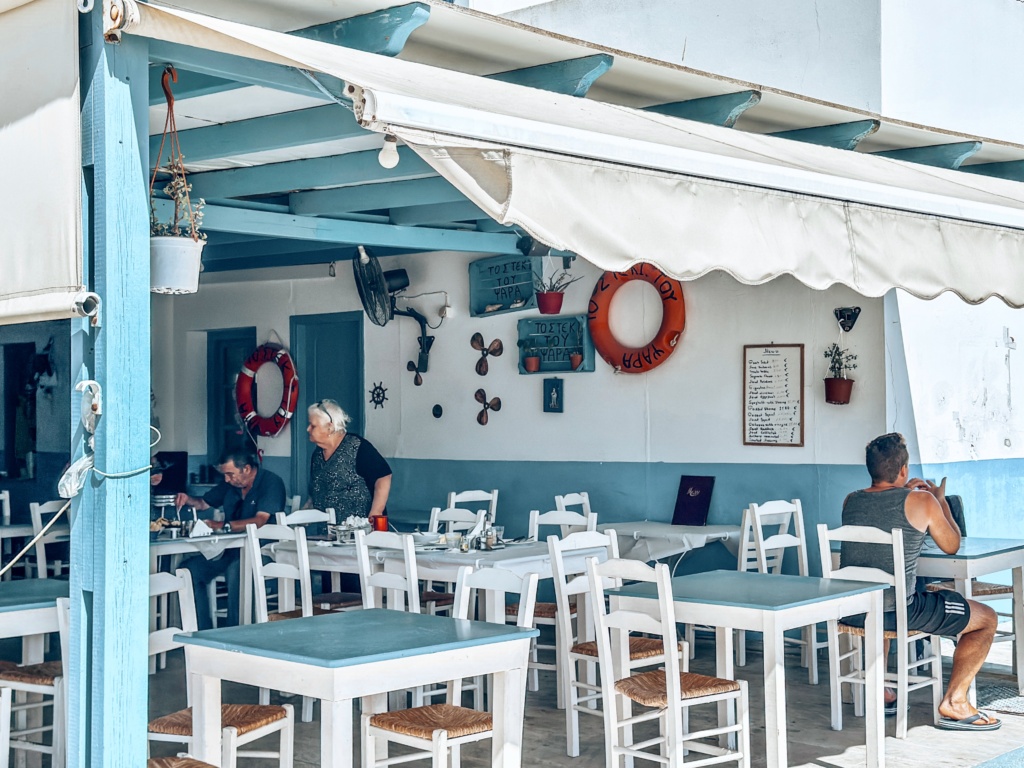
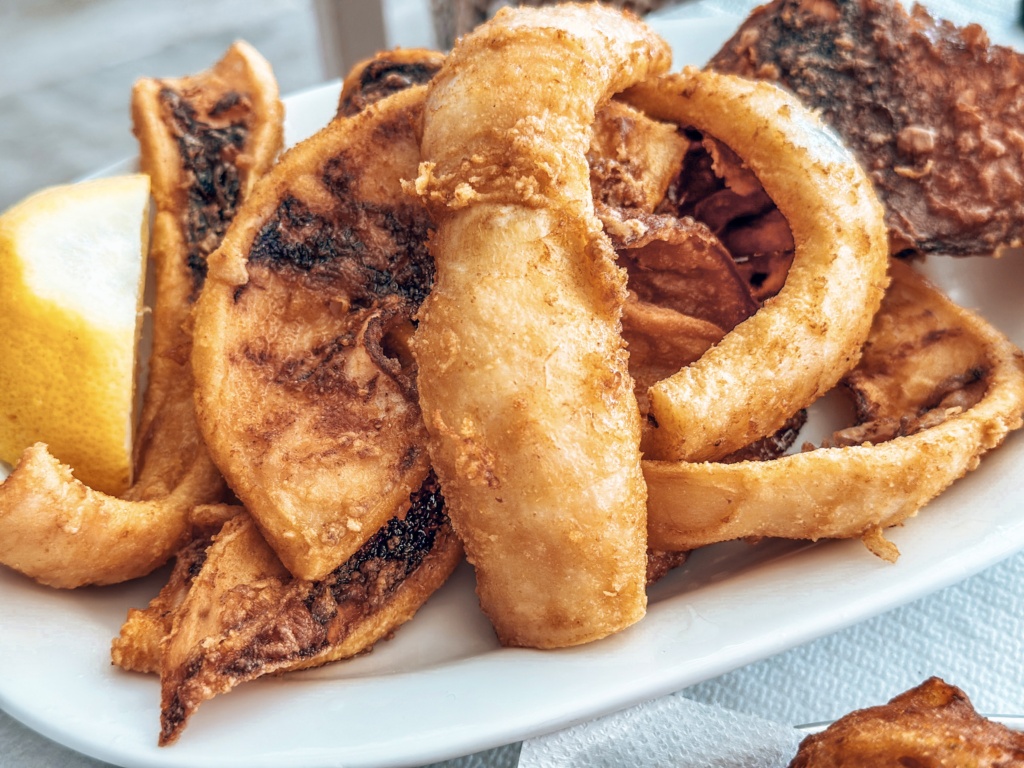
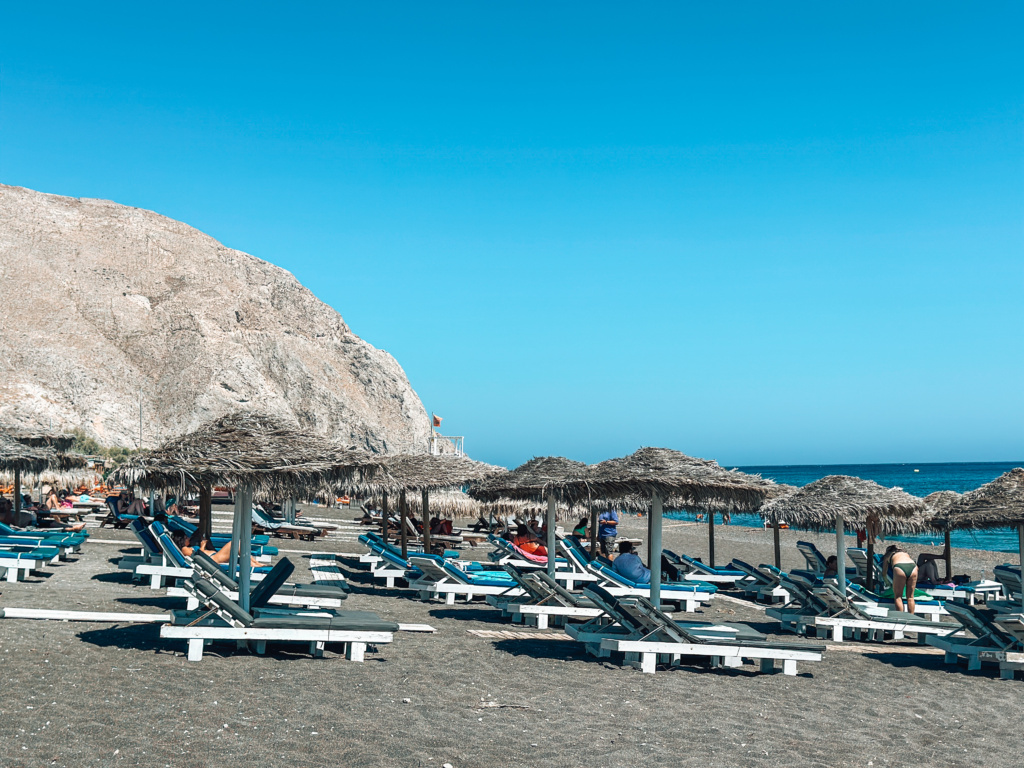
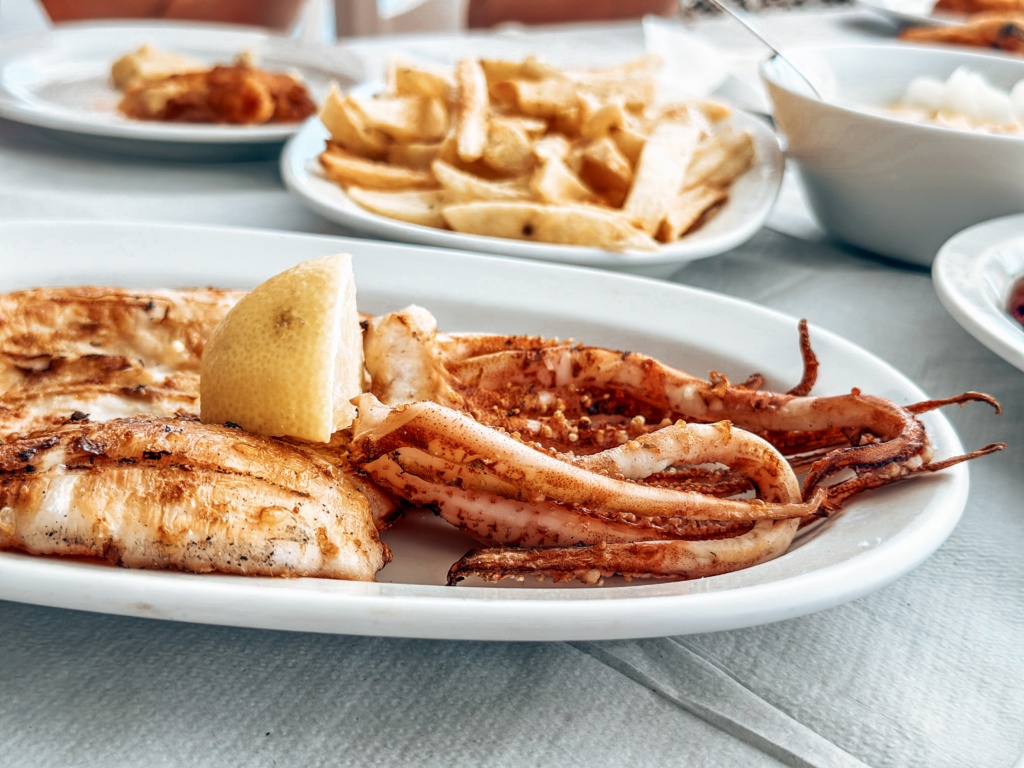
Fratzeskos Fish Tavern in Perissa is another standout. This family-owned restaurant sits beside the black-sand beach and serves fish and seafood delivered daily, including grilled whole fish, octopus, squid, shrimp, lobster and seafood pasta.
Add some fava, tomato fritters and a cold glass of Assyrtiko, and you have the Santorini meal people imagine before tourist-trap menus get involved.

8. A Santorini Winery Experience
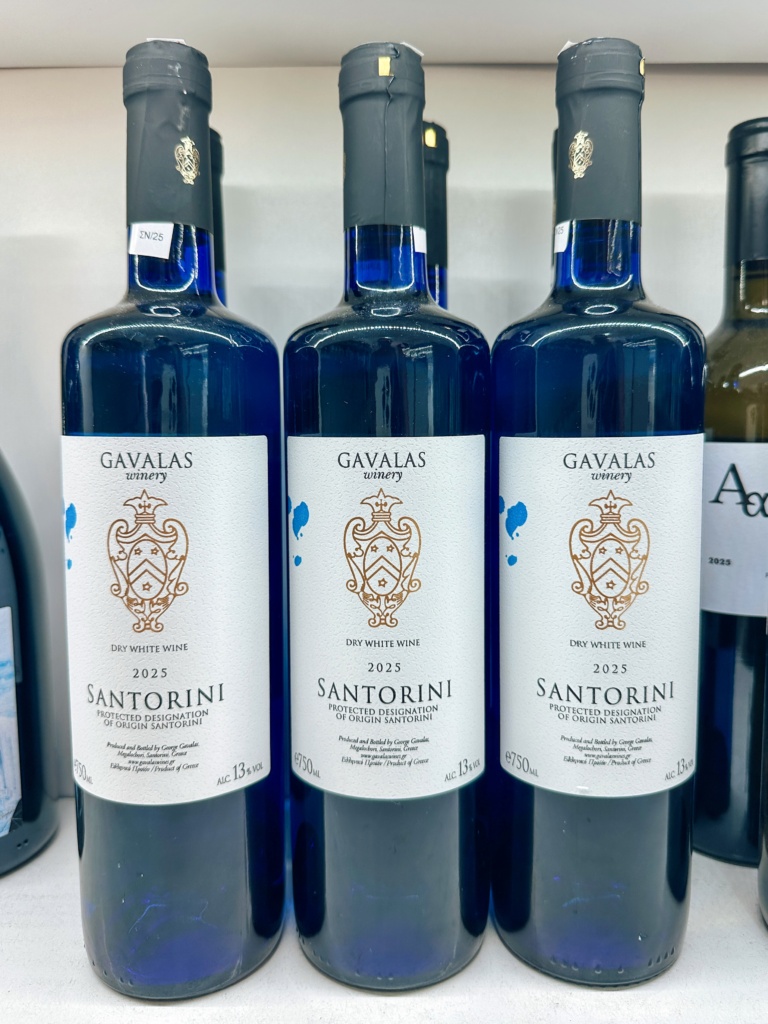
Assyrtiko may be the island’s vinous superstar, but Santorini grows several other fascinating grape varieties, including Aidani, Athiri, Mavrotragano and Mandilaria.
Its winemaking history stretches back thousands of years, making a winery visit an essential part of exploring the best food in Santorini.
Santo Wines, operated by the Union of Santorini Cooperatives, offers a broad overview of the island’s wines and one of its most expansive caldera panoramas. It is large and popular, but the view makes it an excellent sunset option.

Venetsanos Winery is built dramatically into the cliff above Athinios Port and combines tastings with another spectacular perspective over the caldera.
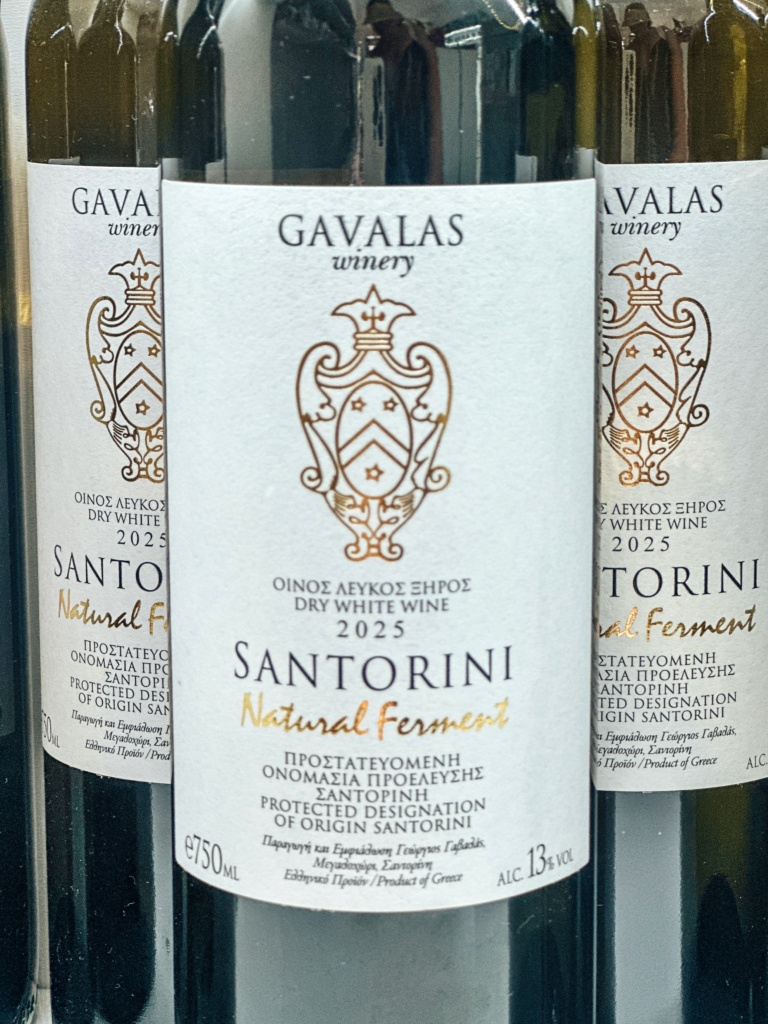
For something smaller and more personal, visit family-run Gavalas Winery in Megalochori. Compare unoaked and barrel-aged Assyrtiko, then branch out into Aidani, Nykteri, rosé or reds made with local varieties.
Book ahead during high season, particularly if you want a guided tasting rather than simply dropping in for a glass.

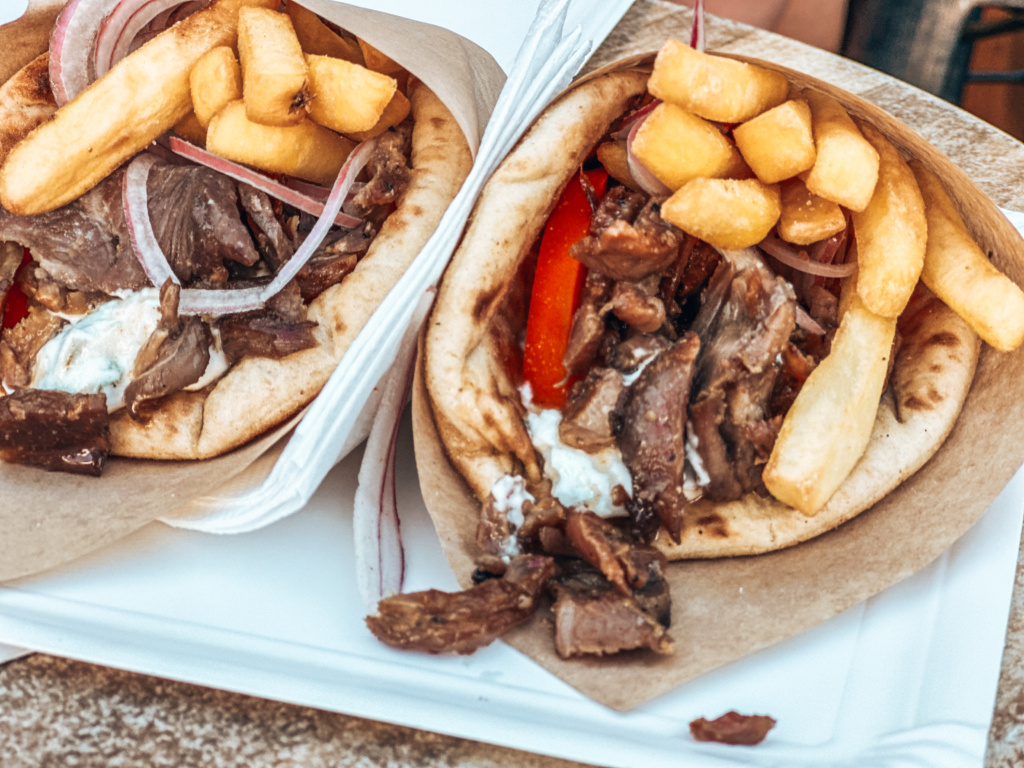
9. (Lamb) Gyros
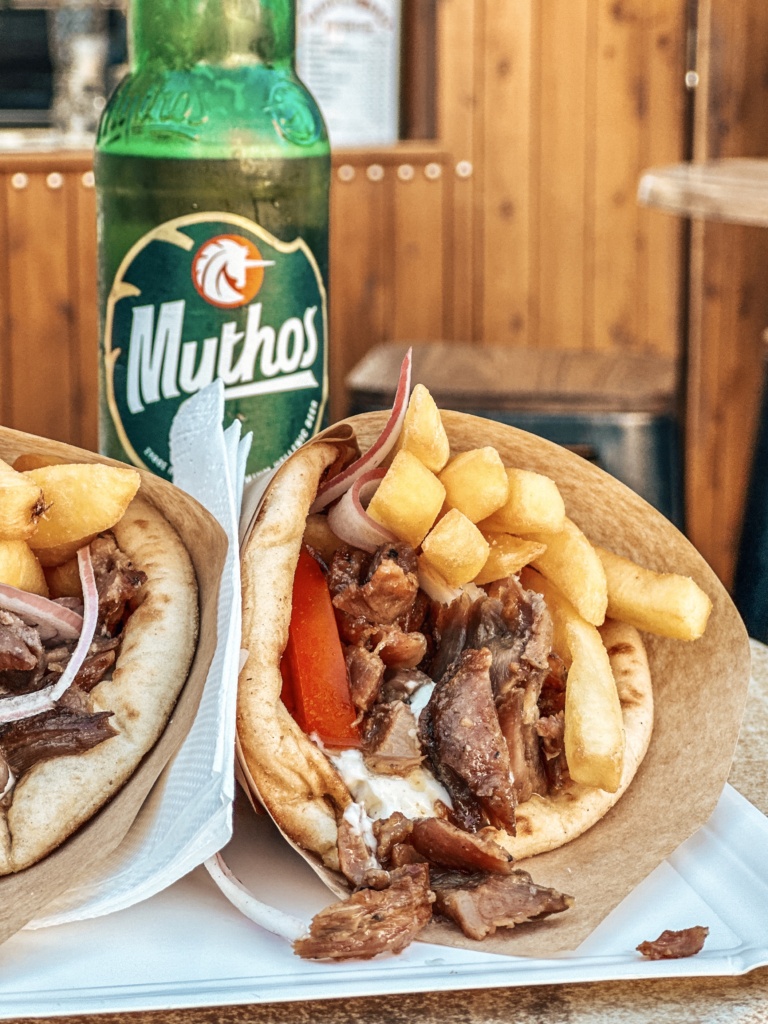
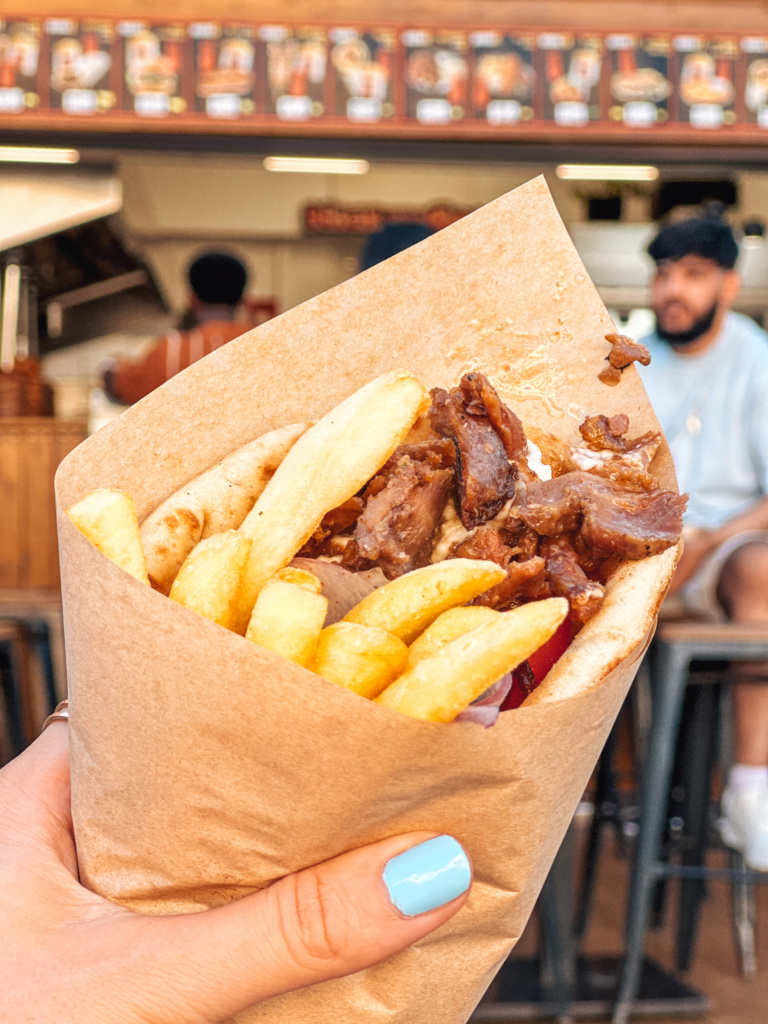
Gyros are not unique to Santorini, but they remain one of the best things to eat on the island—especially when you need an affordable break from €25 appetizers and caldera dining premiums.
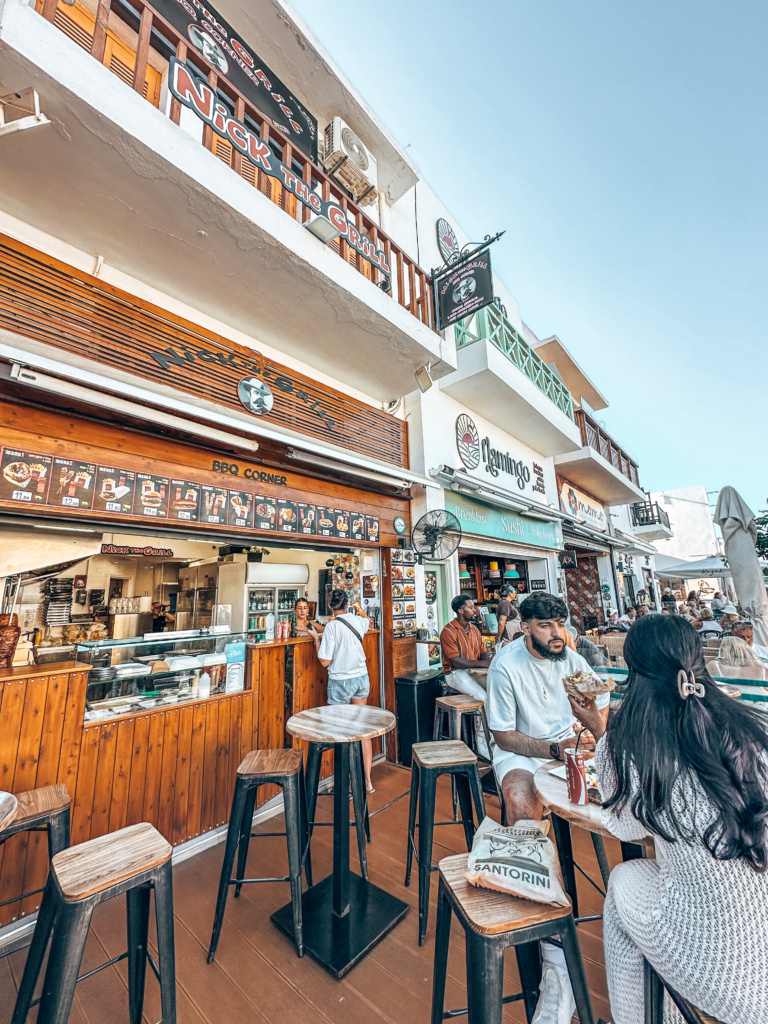
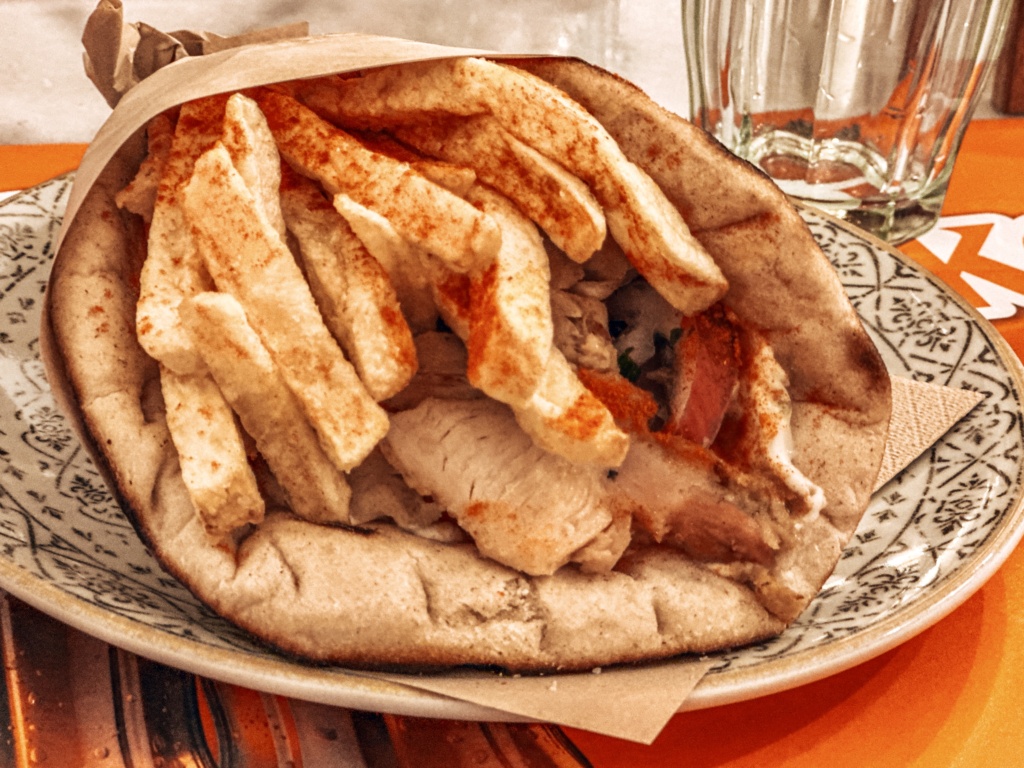
Nick the Grill in Fira is worth a try, particularly for the lamb. The meat is available in a warm pita with tomato, onion, tzatziki and fries or served as a generous platter. Its central location makes it ideal for a quick lunch between buses or a casual dinner after exploring Fira.
Steki Souvlaki in Megalochori was our go to for grilled meats, wraps and skewers. In Imerovigli, Jimmy’s Souvlaki offers pork and chicken gyros, kebabs and souvlaki in freshly grilled pita with tzatziki and homemade tomato sauce.
These casual grills are proof that some of the best food in Santorini does not come with linen napkins, advance reservations or a compulsory sunset package. Sometimes all you need is hot pita, juicy meat, cold tzatziki and a pile of fries tucked inside for good measure.
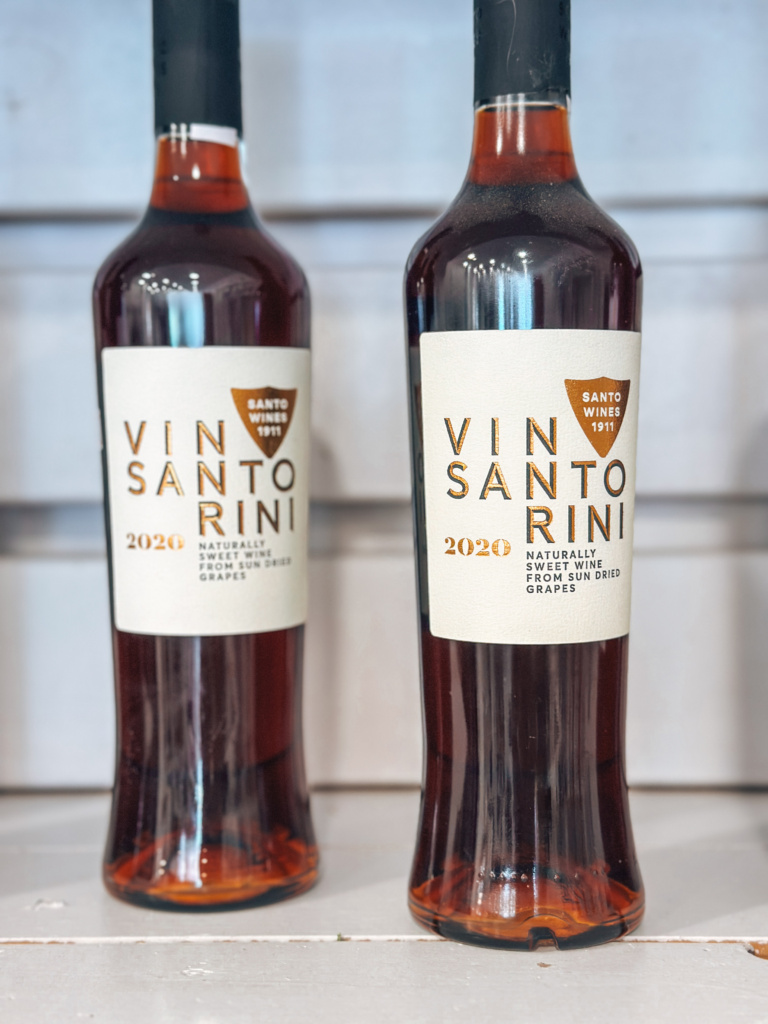
10. Vinsanto
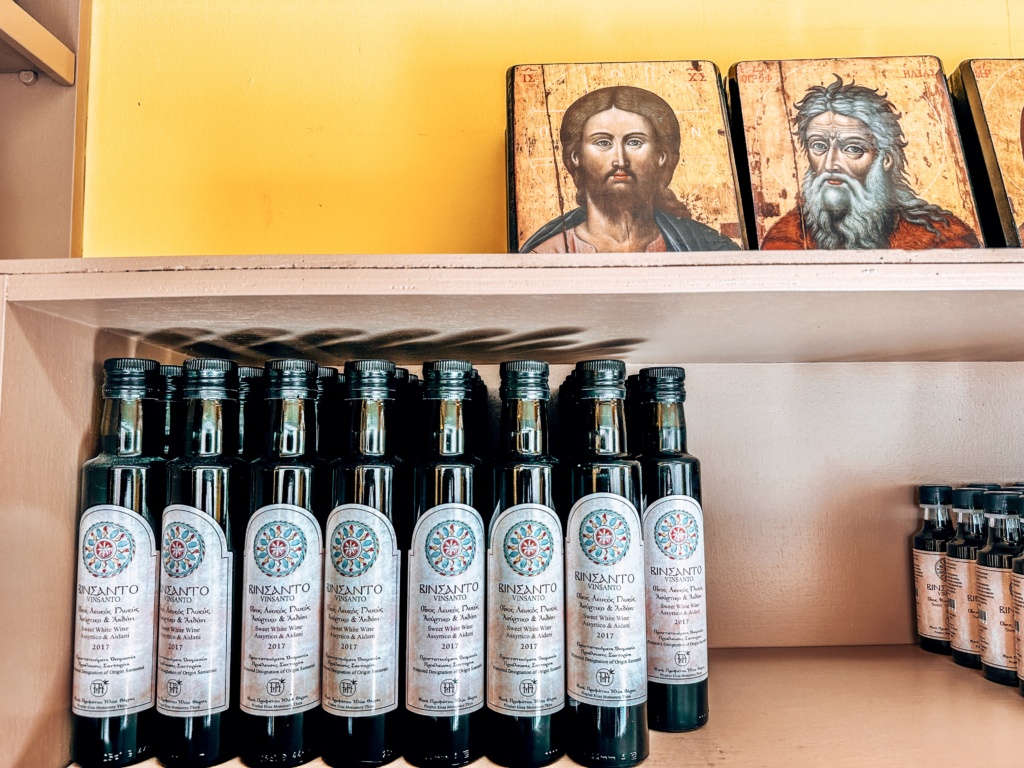
Vinsanto is Santorini’s luscious, naturally sweet dessert wine. It is traditionally made primarily from Assyrtiko grapes, often blended with Aidani and Athiri, which are harvested late and dried in the sun to concentrate their sugars before fermentation and aging.
The result is amber-colored and complex, with flavors of raisins, figs, honey, caramel, dried apricots, roasted nuts and warm spice. Despite its sweetness, the naturally high acidity of Assyrtiko prevents good Vinsanto from becoming heavy or syrupy.
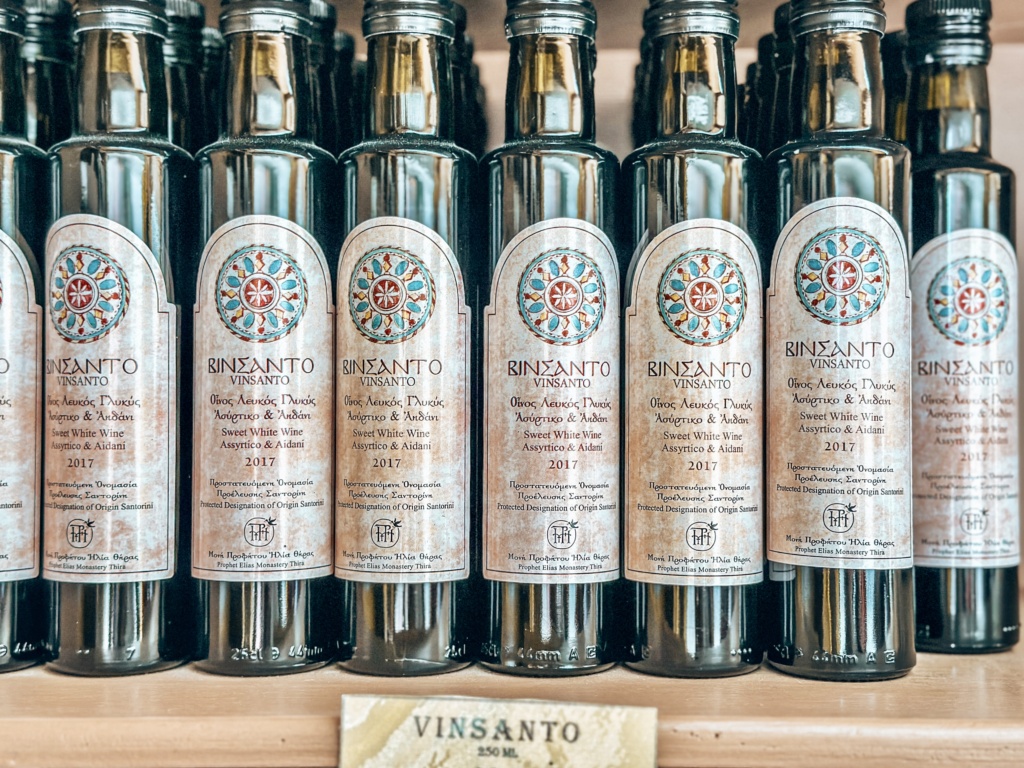
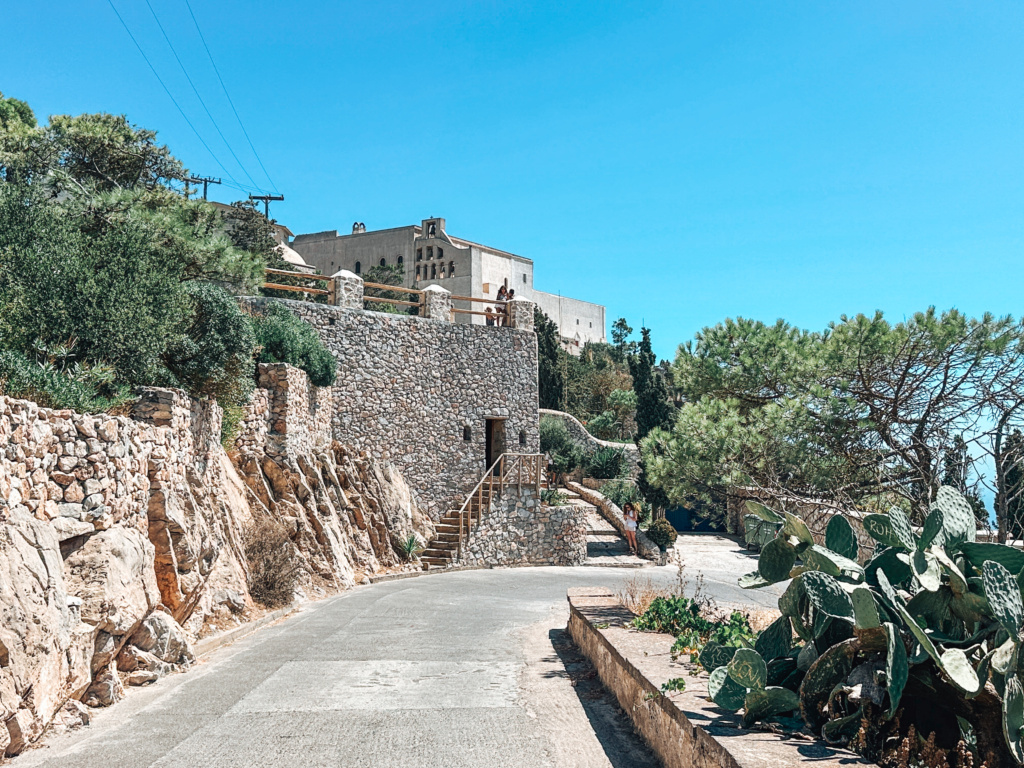
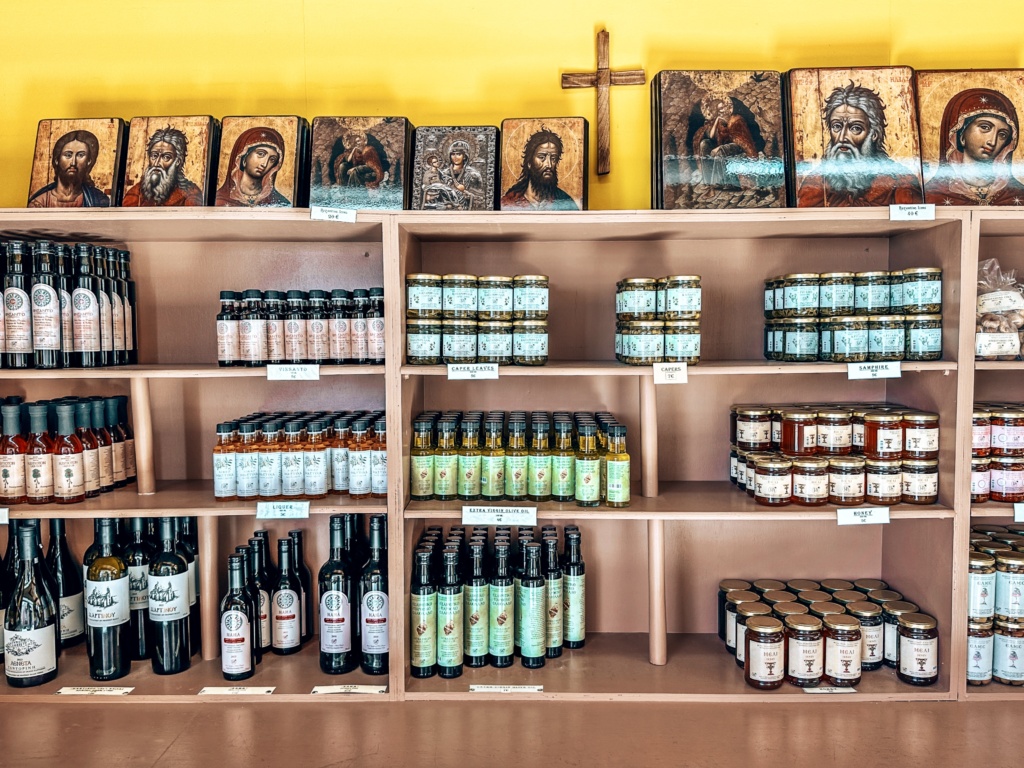
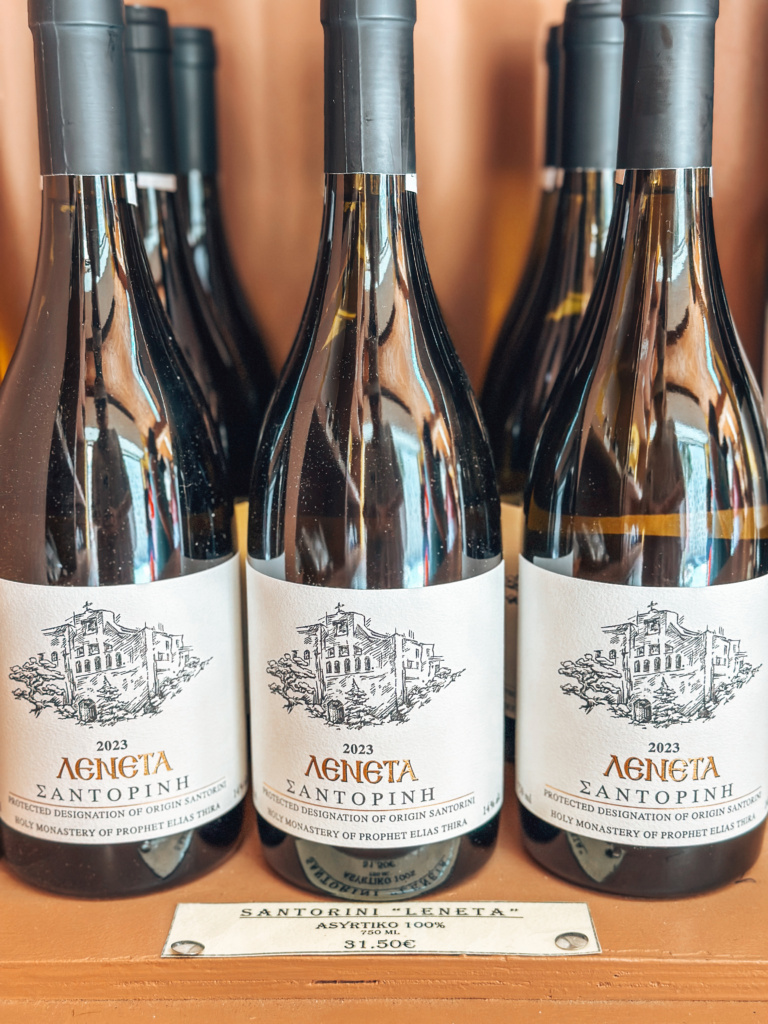
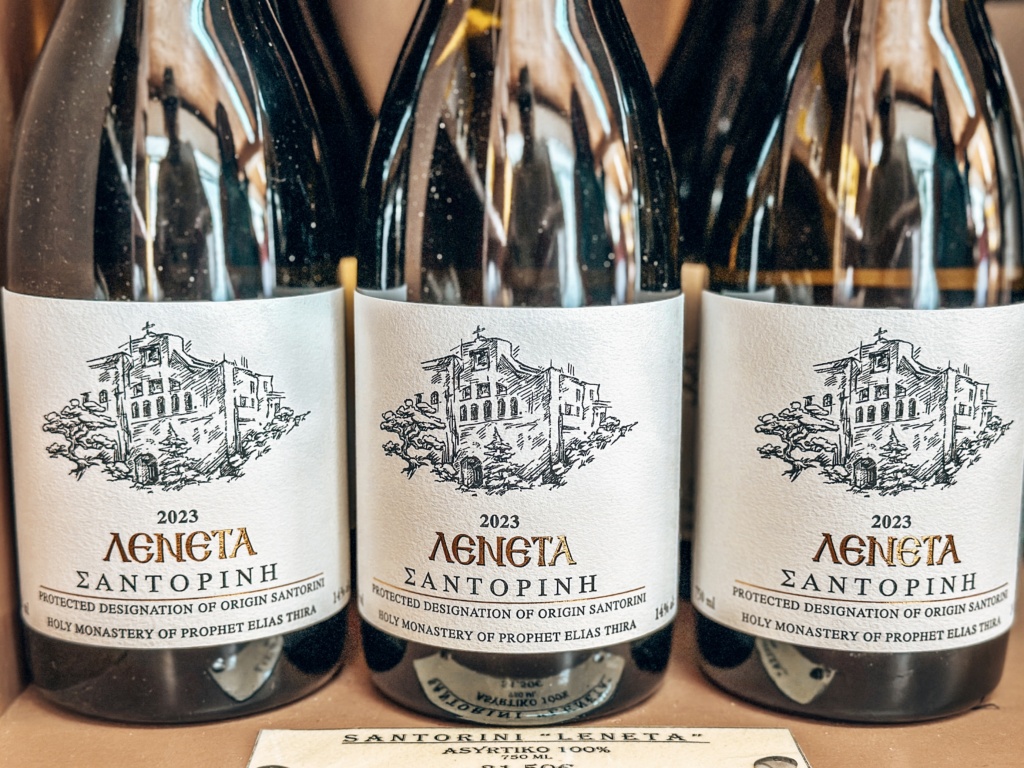
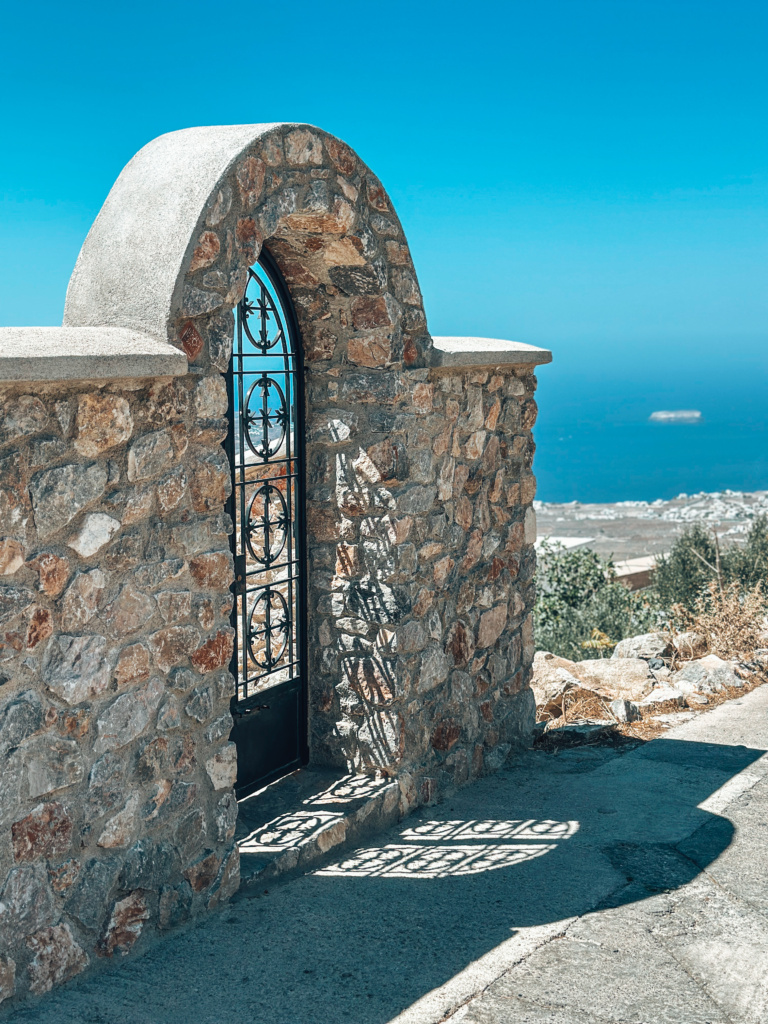
The name is historically associated with vino di Santorini, or wine from Santorini, although its similarity to vino santo—holy wine—has produced a much more romantic interpretation. We leaned happily into that mythology at the shop of the Monastery of Profitis Ilias, the highest point on the island. It is the wine of saints, after all.
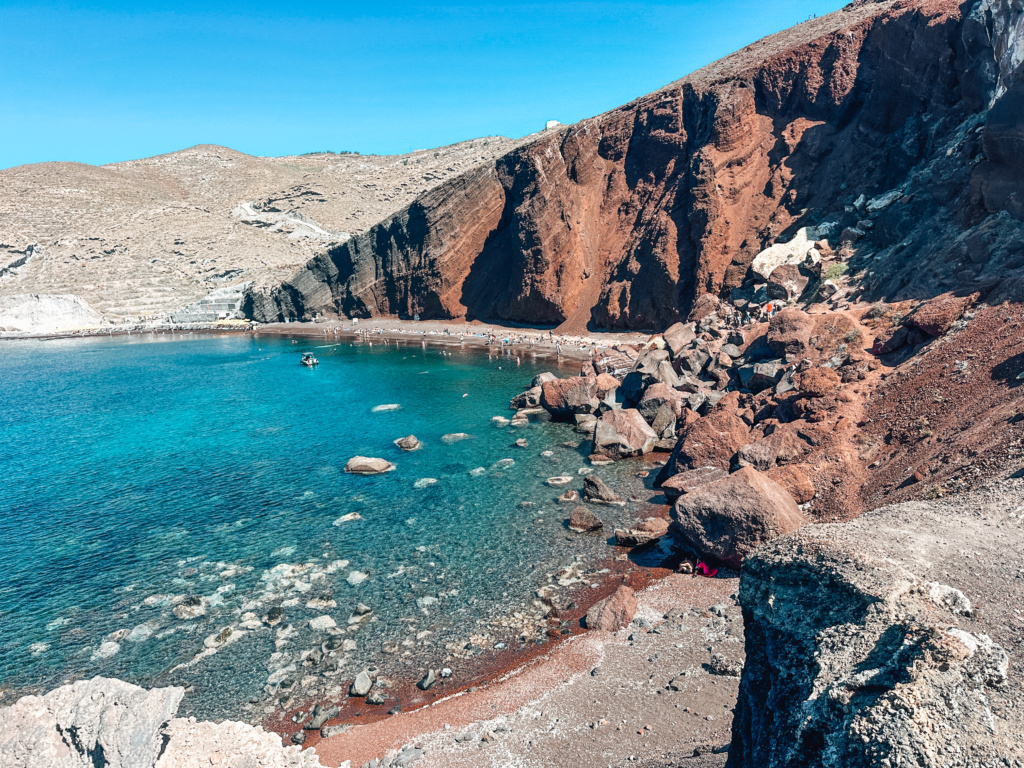
You can also try Vinsanto at Panorama Restaurant near Red Beach. Sip it slowly, ideally with baklava, cheese or nothing at all.
11. Baklava and Local Sweets
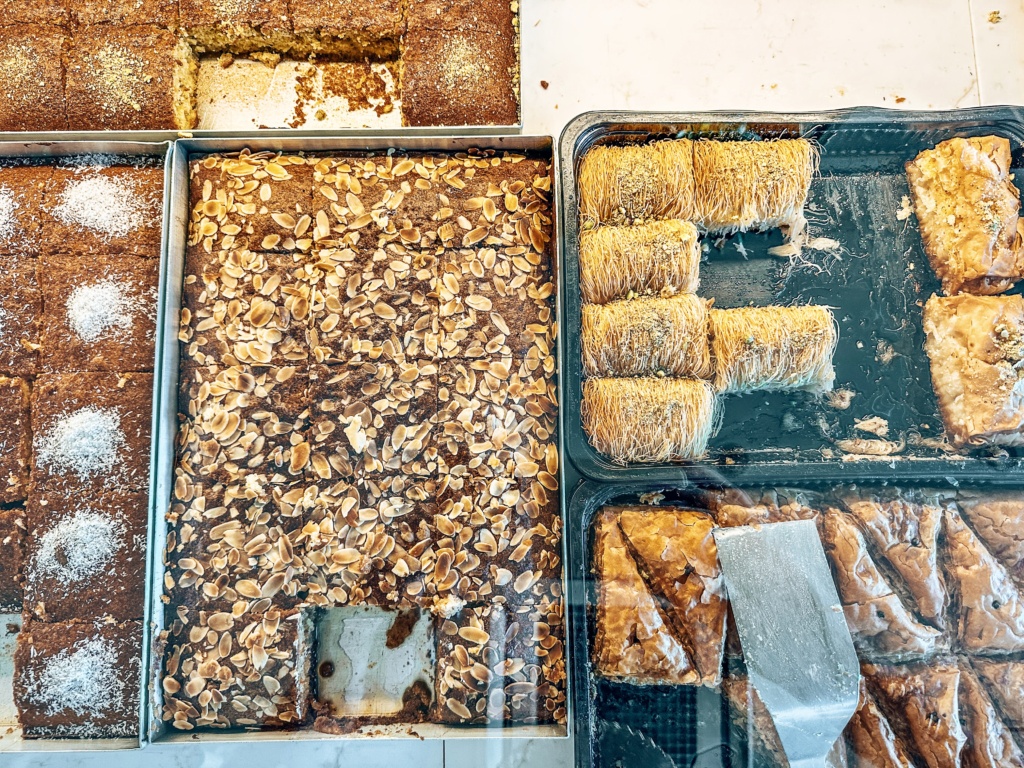
Baklava belongs to a much broader culinary history stretching across Greece, Turkey, the Balkans and the former Ottoman world, rather than to Santorini alone. Still, no Greek island food trip would be complete without at least one sticky, nutty, syrup-soaked slice.
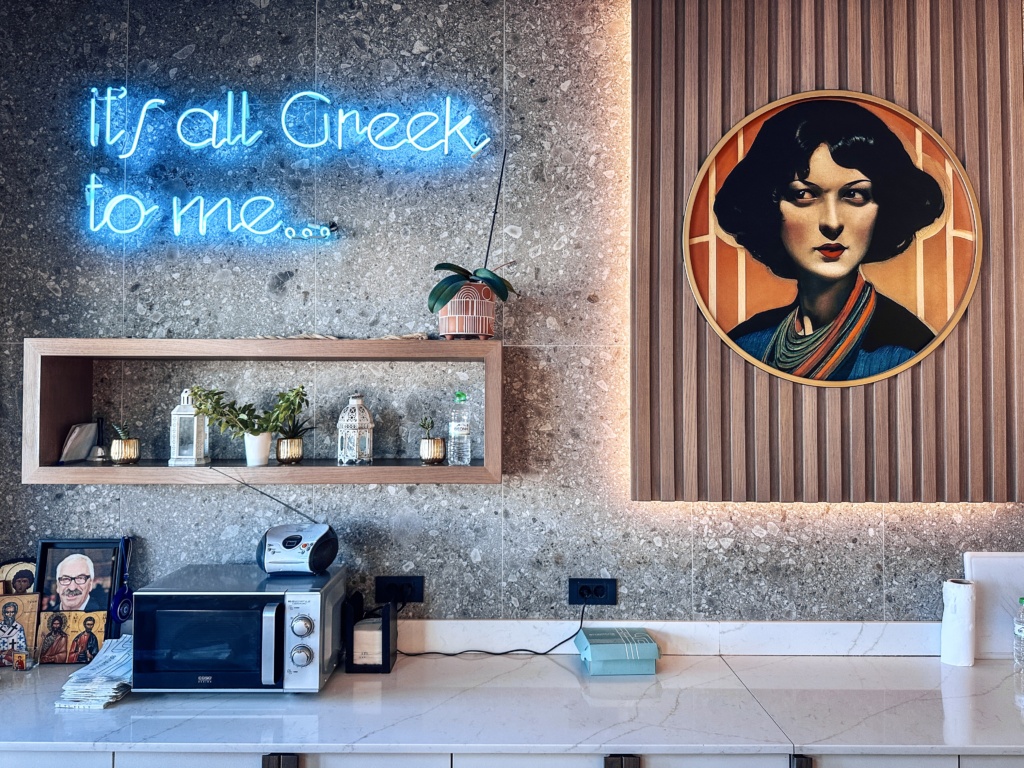
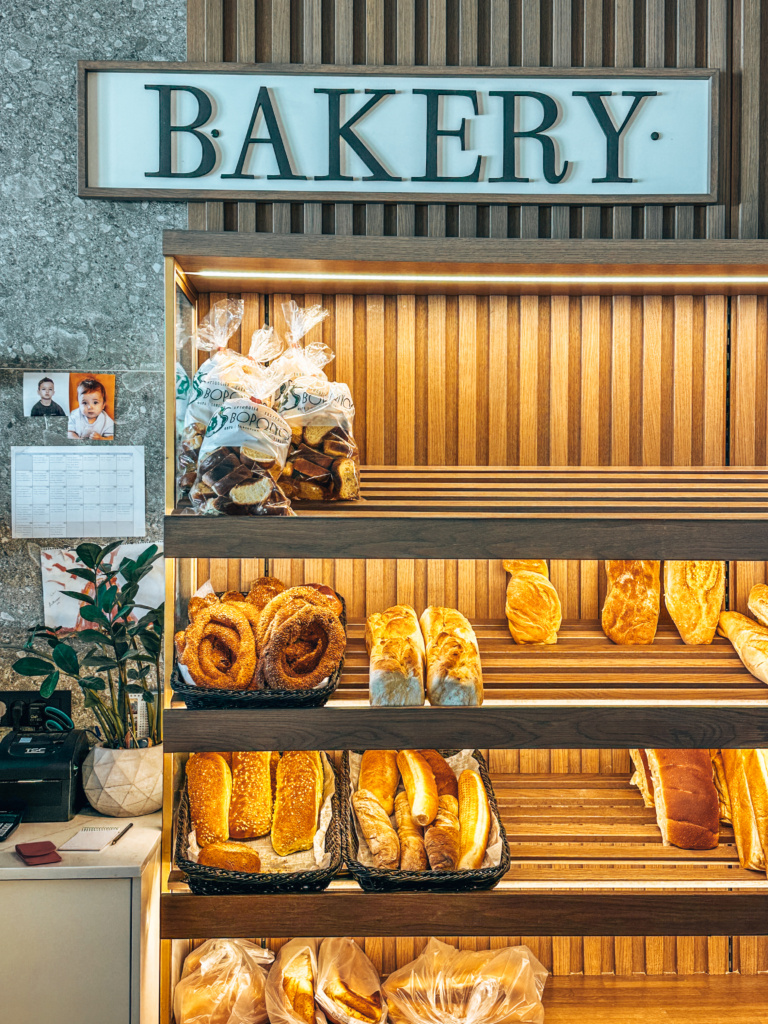
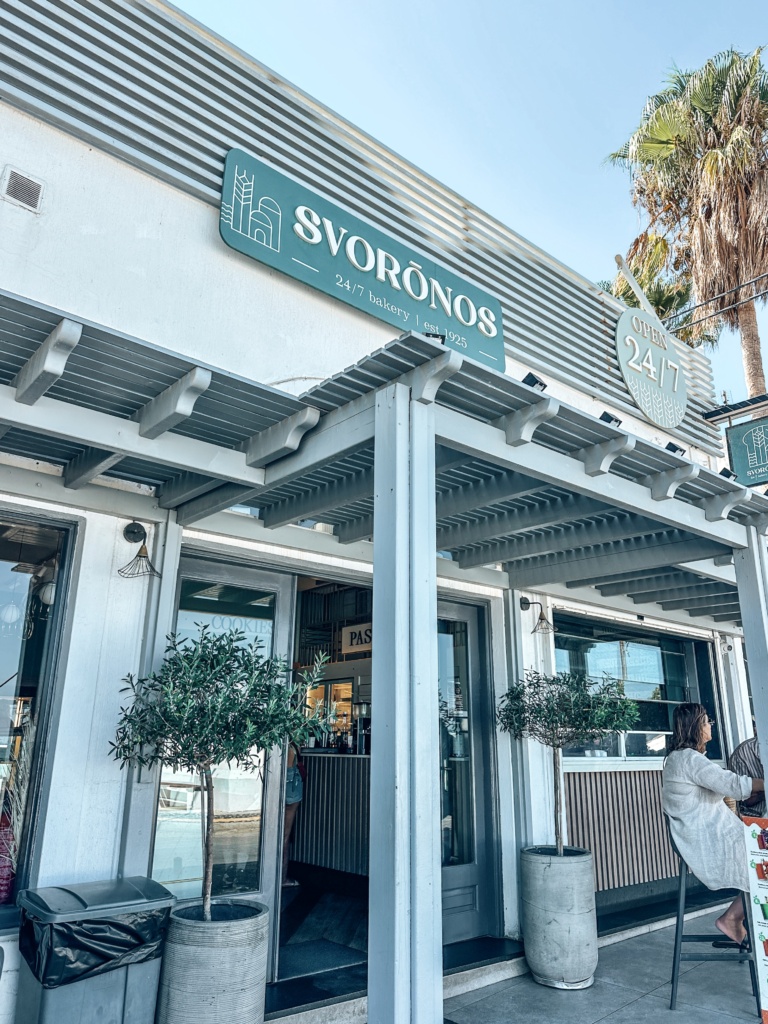
Svoronos Bakery in Fira is a favorite for traditional pastries, cakes, breads and coffee. It is the kind of everyday bakery where the selection feels almost overwhelming and you can pick up breakfast, dessert and snacks for later in one visit.
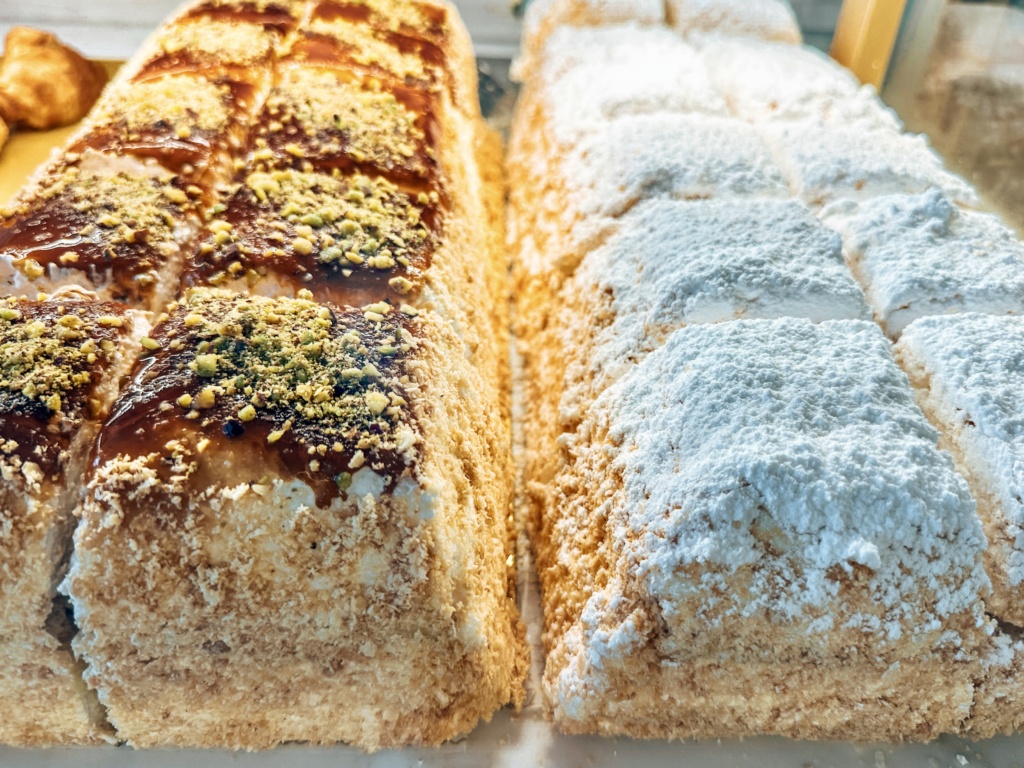
In Oia, look for Fourni when you need something sweet away from the village’s polished restaurant terraces. Santa Irini Bakery in Perissa is another treasure, with an extensive selection of pastries and baked goods near the southern beaches.
Also watch for melitinia, Santorini’s traditional sweet cheese pastries. Usually associated with Easter, these delicate treats are filled with fresh cheese and perfumed with ingredients such as mastic or vanilla. They can be difficult to find outside the holiday season, so order them whenever you spot them.
12. Local Santorini Beer
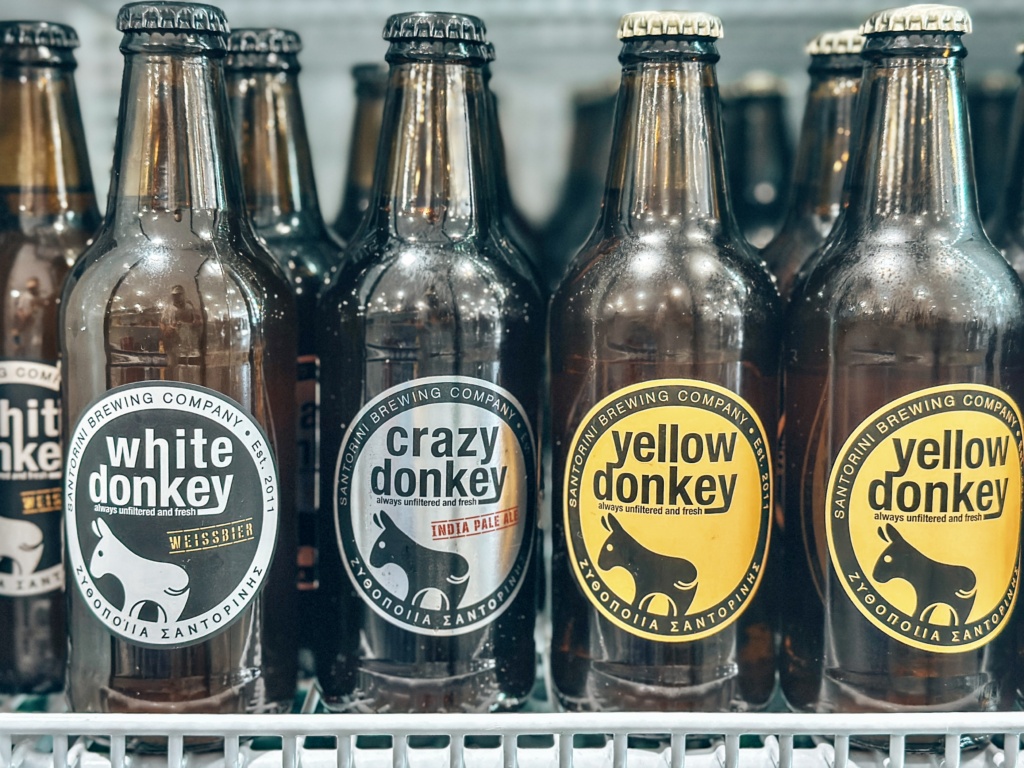
Wine dominates Santorini’s drinking culture, but the island also has a playful craft-beer scene. Santorini Brewing Company, founded by a group of friends, produces an instantly recognizable family of unpasteurized and preservative-free Donkey beers.
Yellow Donkey is its refreshing, citrusy flagship ale and an excellent companion for a beach lunch. Crazy Donkey is a bolder, more aromatic IPA for drinkers who prefer pronounced hops. You may also encounter Red Donkey, White Donkey and other limited releases.
Their colorful labels have become nearly as memorable as the beers themselves.
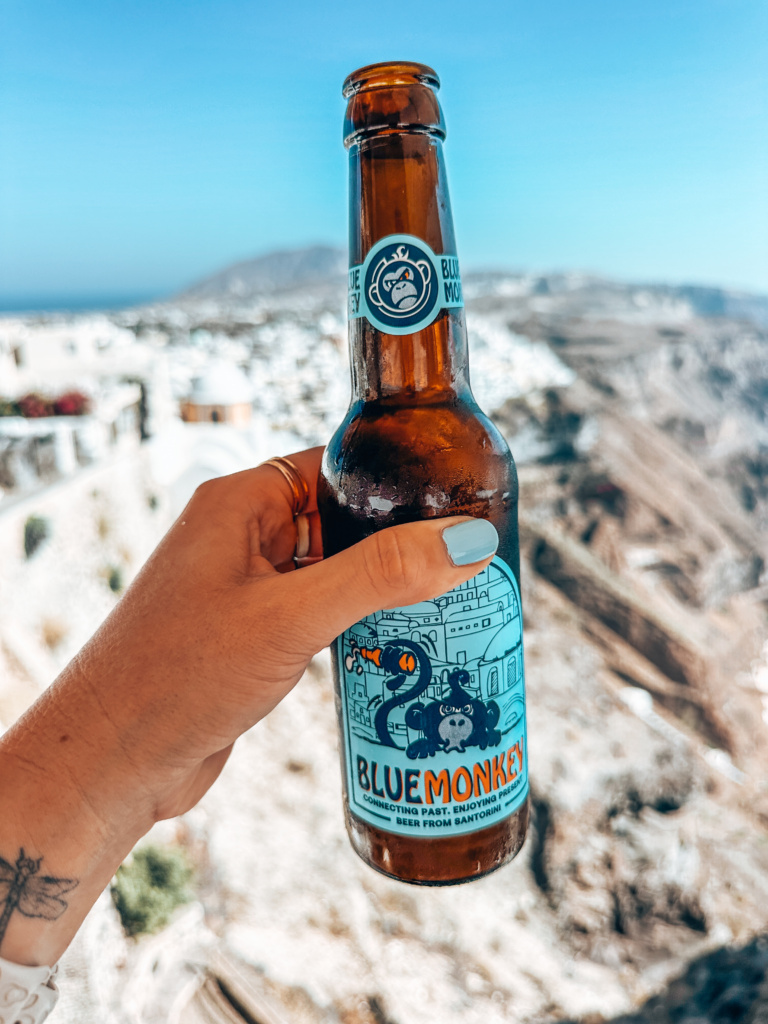
Blue Monkey is another local beer to watch for in Santorini bars and shops. Try whatever is available and ask servers if they have a beer brewed on the island.
A cold bottle after swimming at Perissa or Vlychada offers a welcome change from wine tasting—and feels particularly good after a hot day of navigating steep villages and volcanic beaches.
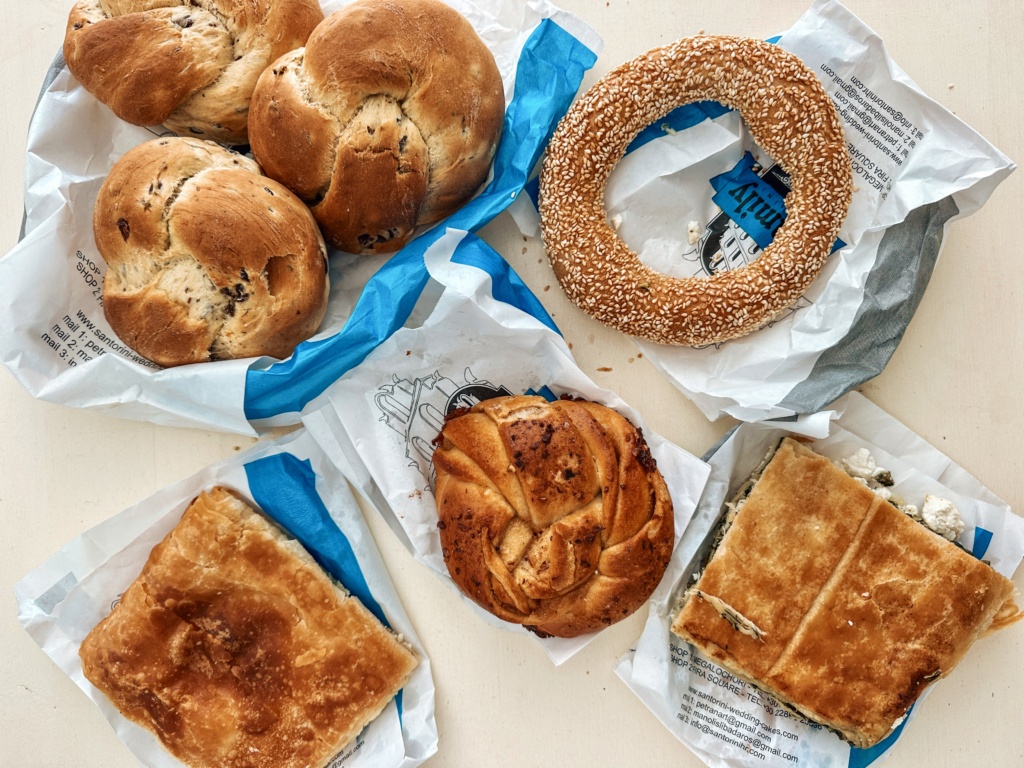
13. Savory Pita Pies and Local Bakery Pastries
Greek bakeries deserve their own Santorini food itinerary. Long before brunch restaurants begin arranging avocado on toast, local bakeries are already serving workers, families and travelers with warm trays of savory pies.
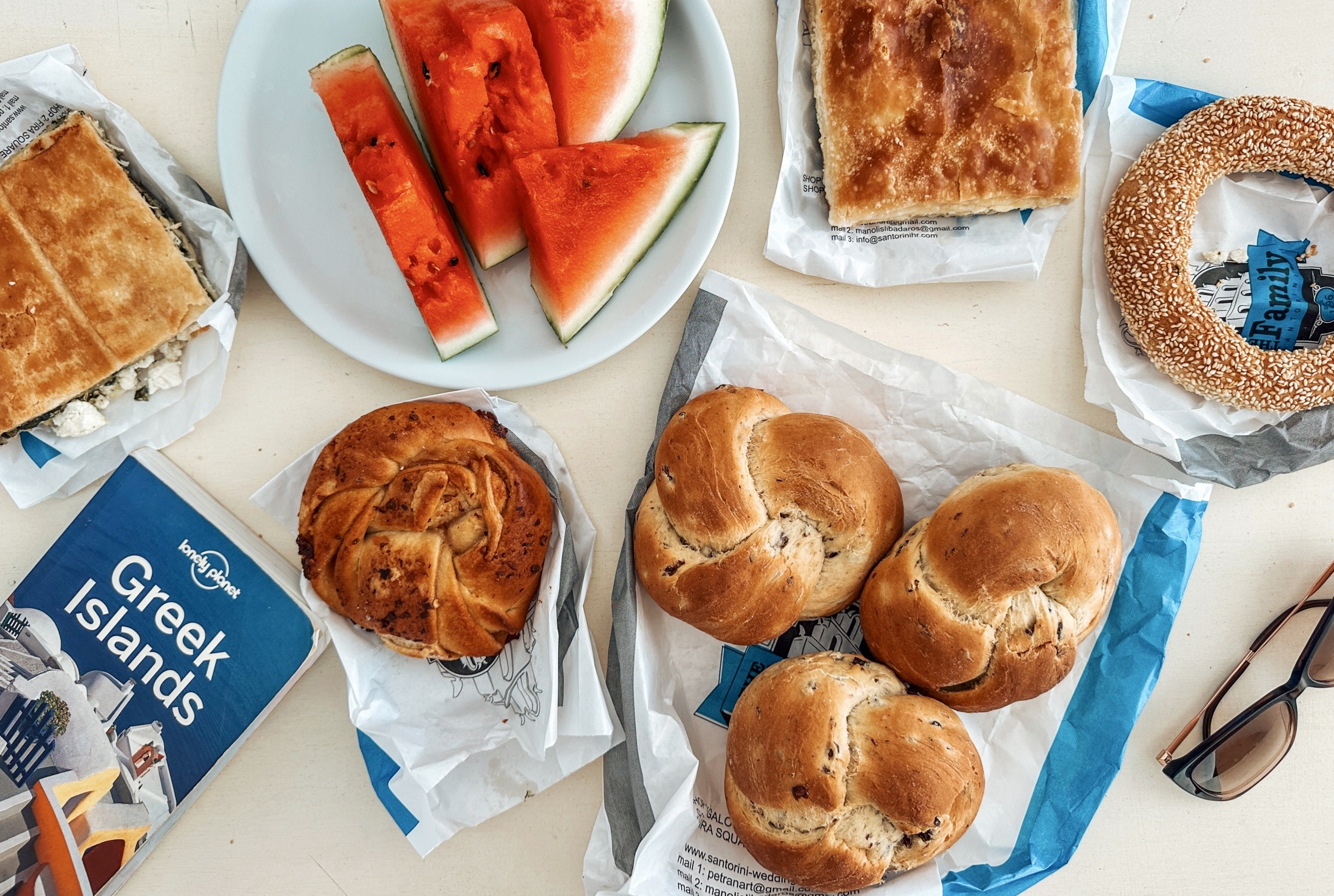
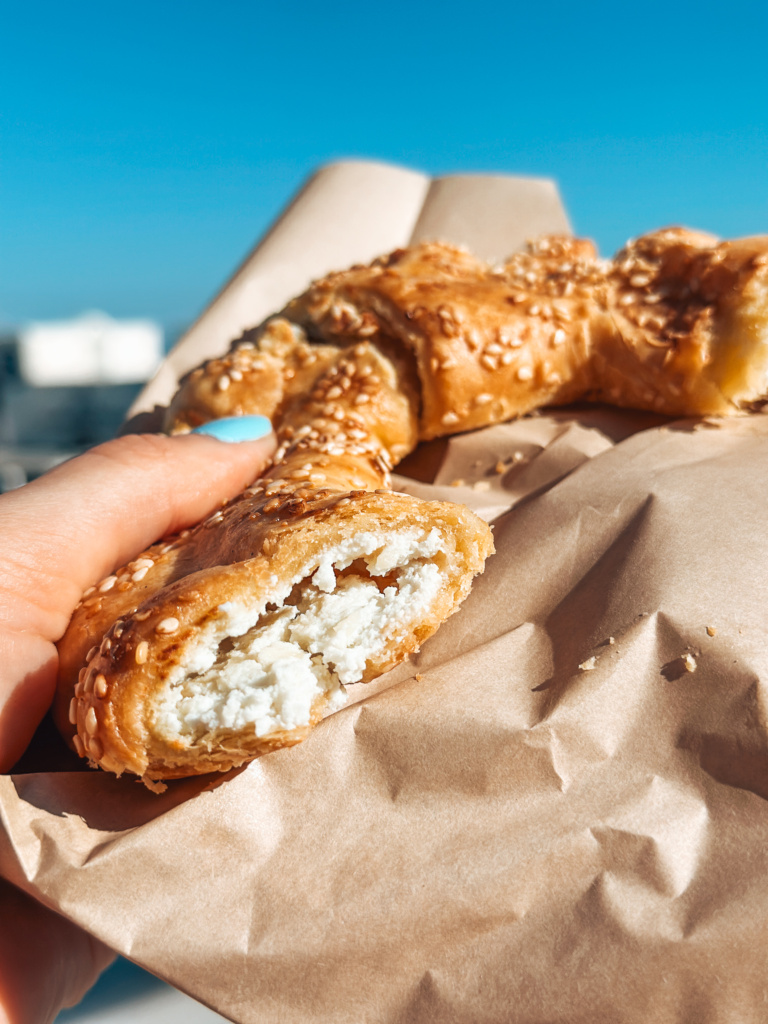
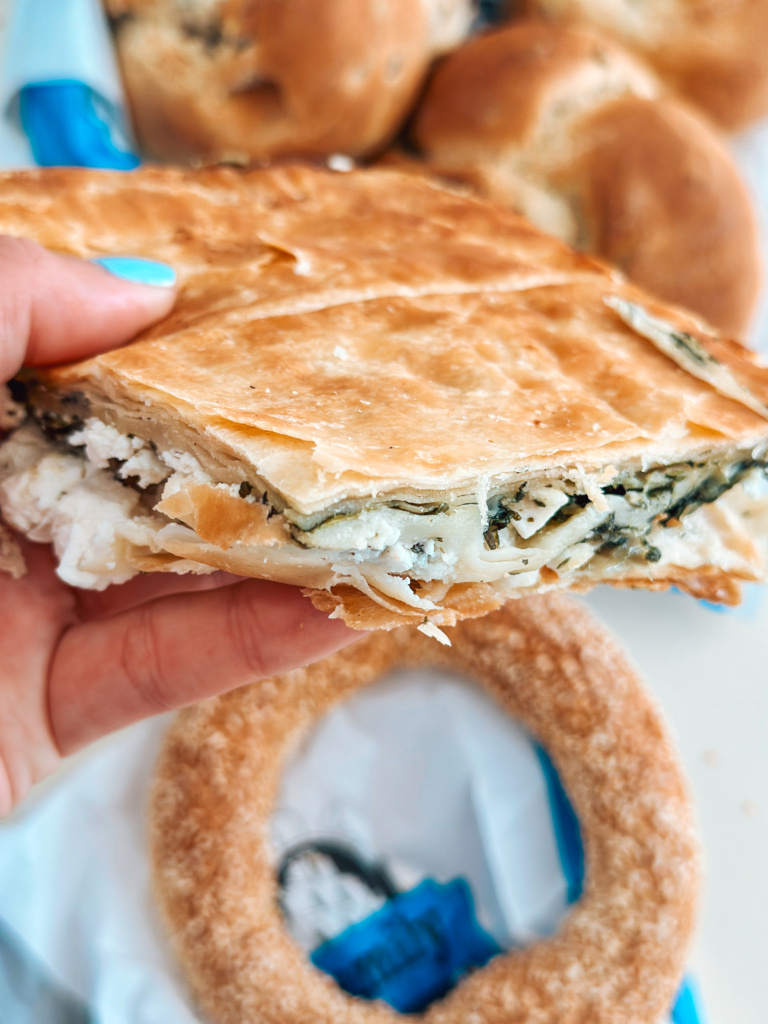
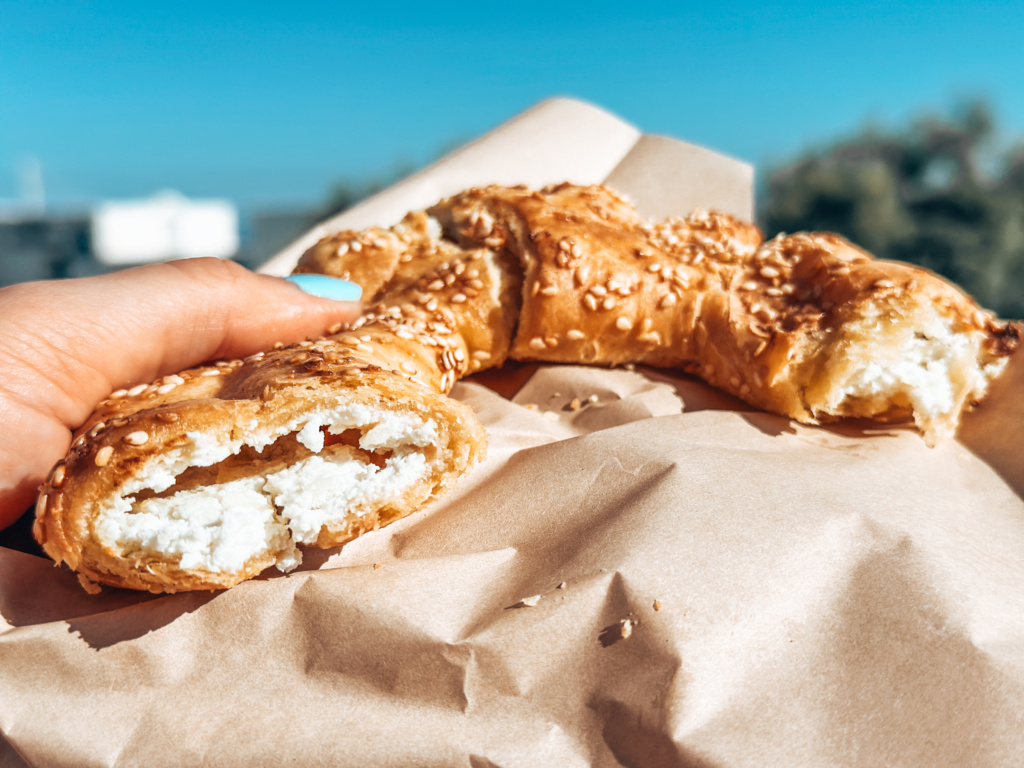
Known collectively as pites, these pastries are made with thin, flaky dough and filled with ingredients such as spinach, feta, other cheeses, leeks, mushrooms, chicken or minced meat.
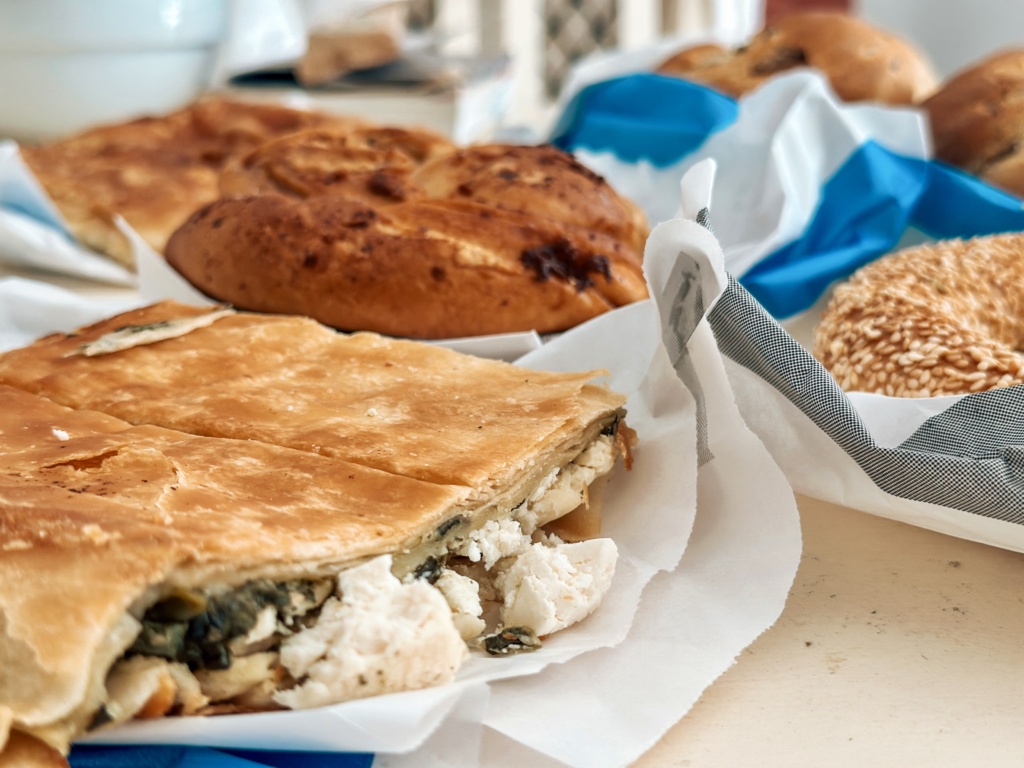
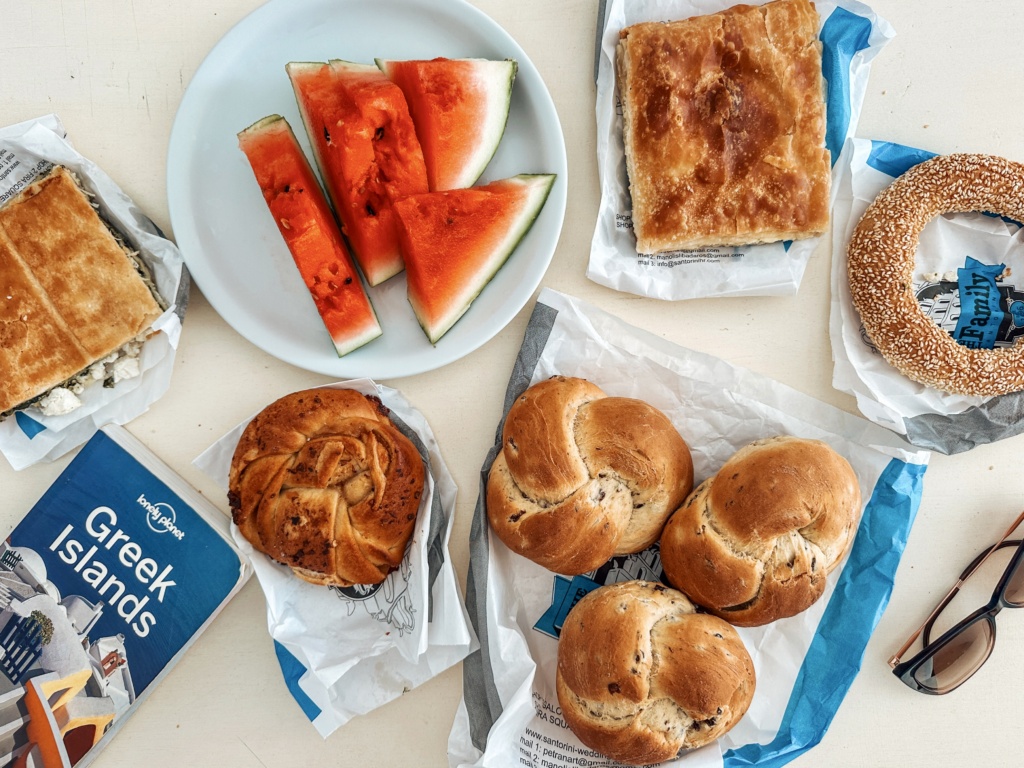
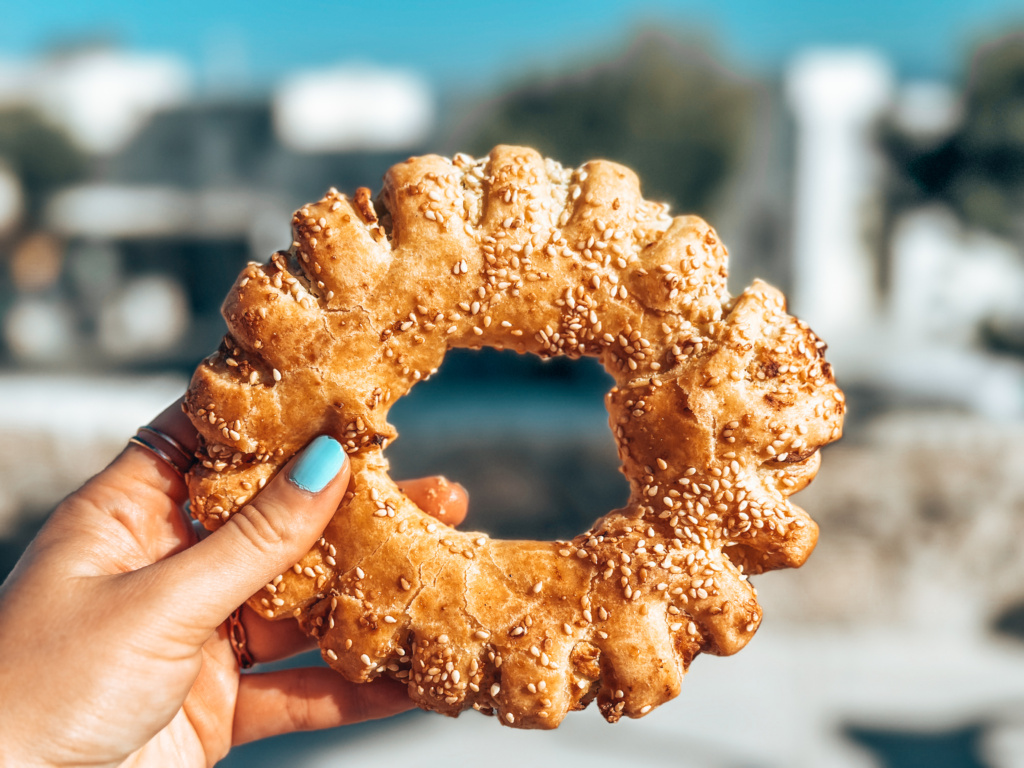
Recipes vary by region and bakery, and the best versions deliver a glorious contrast between crisp, buttery layers and a soft, savory filling.
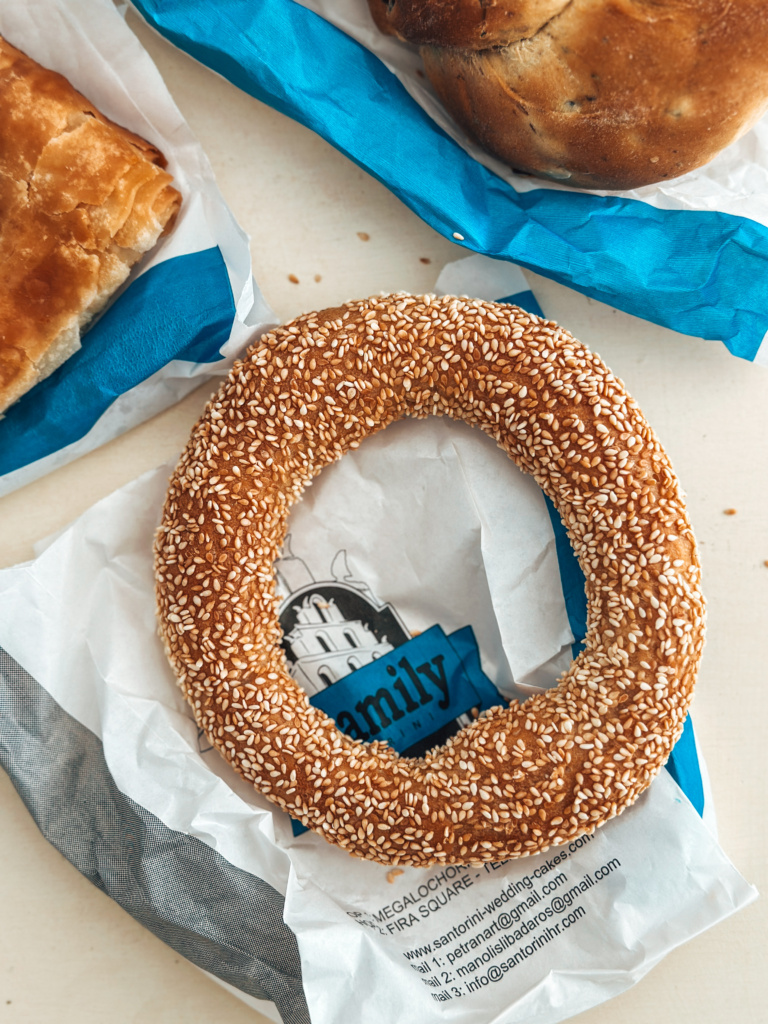
Family Bakery and Grigoris Bakery in the southern part of Santorini are convenient places to try them. Grigoris also offers a vegan mushroom pie, along with breads, sweets, coffee and other quick meals. Stop in during the morning when the pastries are freshest, then take a few extras for the road.
A warm spanakopita or cheese pie eaten from a paper bag may not be the glamorous Santorini breakfast advertised on Instagram, but it is cheaper, more local and usually much more satisfying.
14. Gigantes Beans
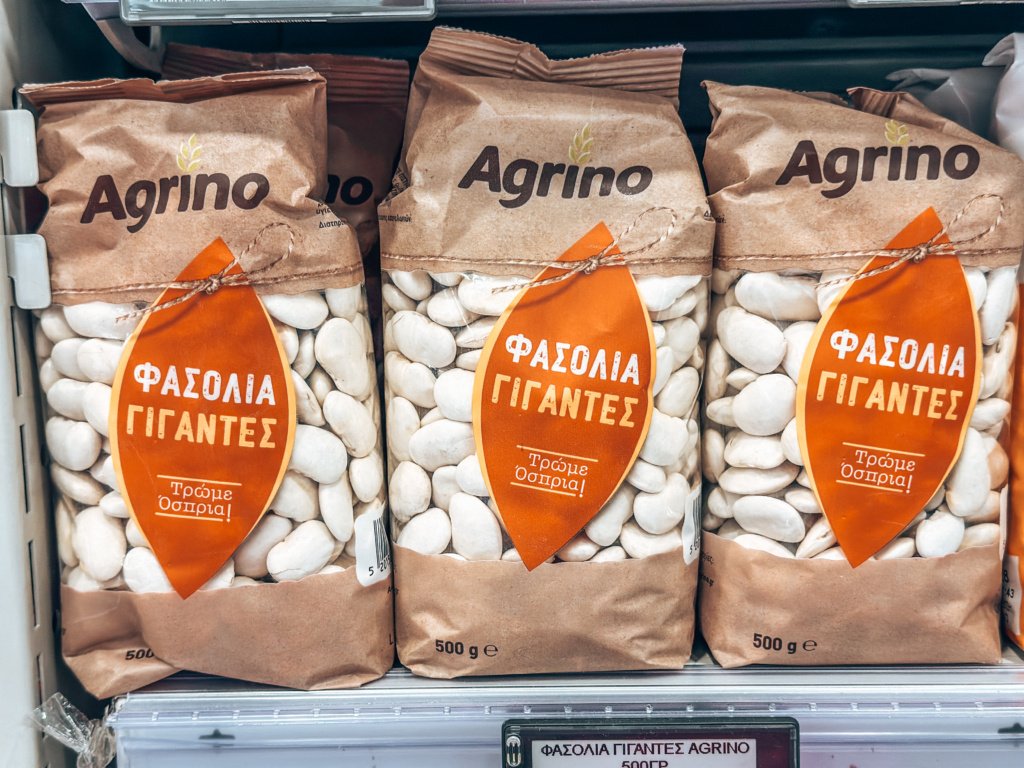
Gigantes plaki are enormous white beans baked slowly in a rich tomato sauce with onions, garlic, olive oil and herbs. The dish is found throughout Greece rather than belonging specifically to Santorini, but it fits perfectly into the island’s tradition of hearty, vegetable-centered cooking.
Look for them at traditional tavernas such as Metaxi Mas, Kritikos Taverna, Captain’s Corner or neighborhood restaurants in Fira and the inland villages. They are usually an excellent vegetarian option, although it is worth confirming that no meat stock has been added.
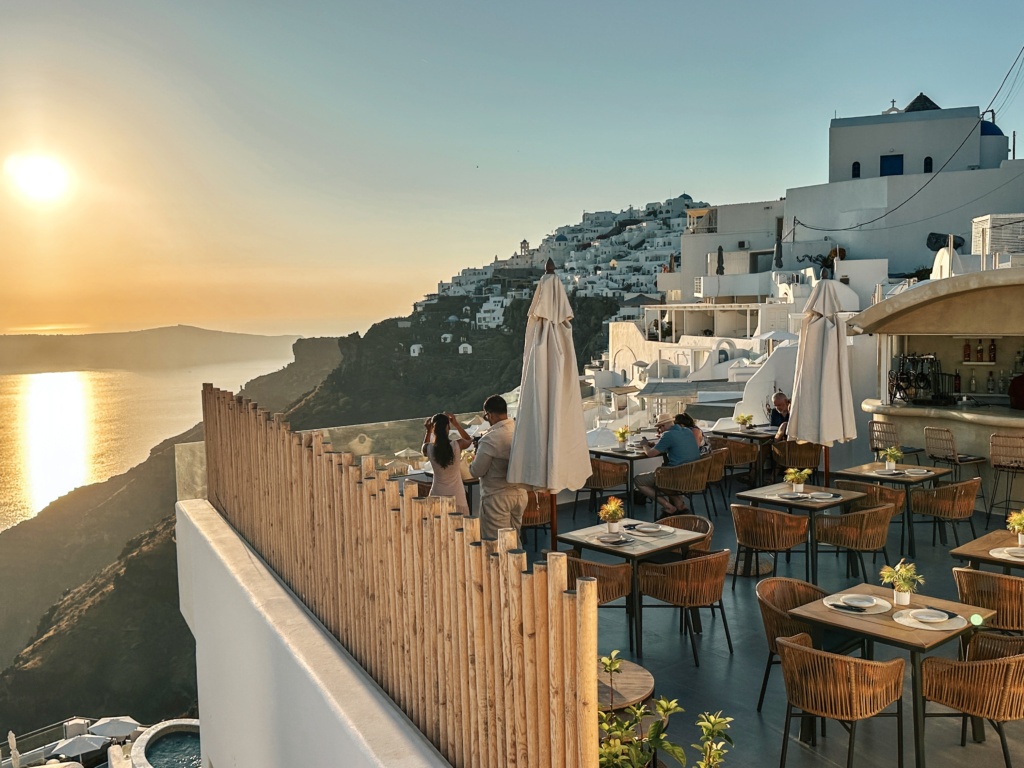
15. Sunset Drinks at 180° Sunset Bar
Santorini sunsets can feel like an industry of their own. Crowds gather in Oia hours in advance, rooftop restaurants impose minimum spends and every terrace promises the island’s “best” view.
Sometimes the experience lives up to the hype. Sometimes you realize you have paid a small fortune to watch the sun disappear behind someone else’s phone.
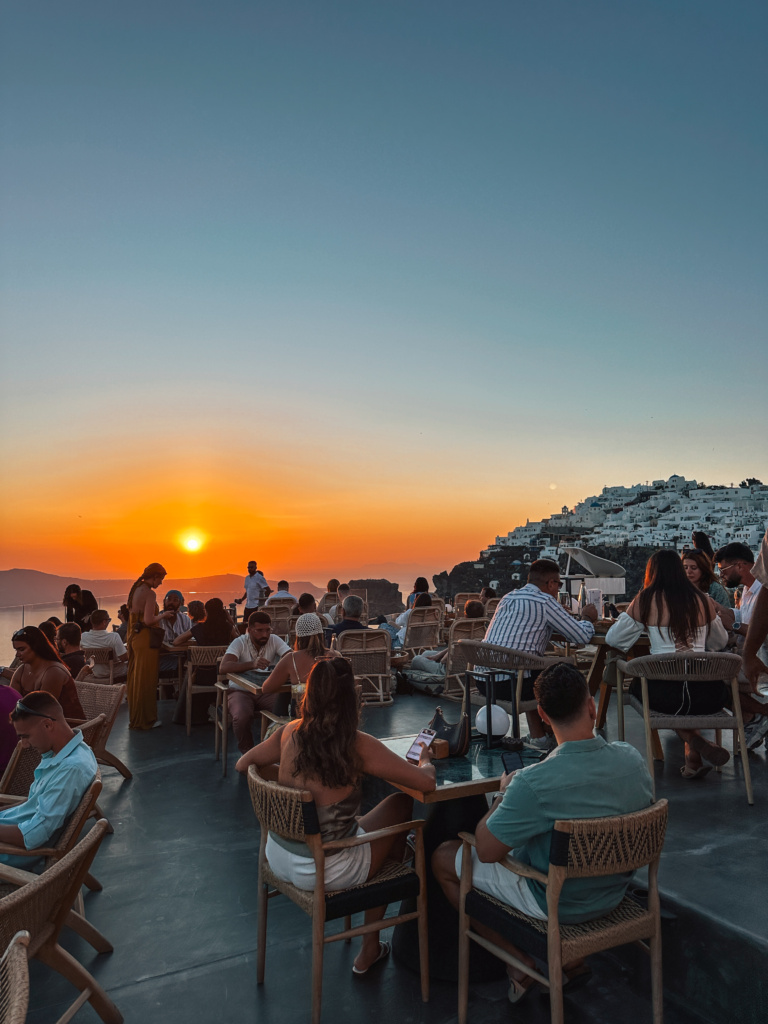
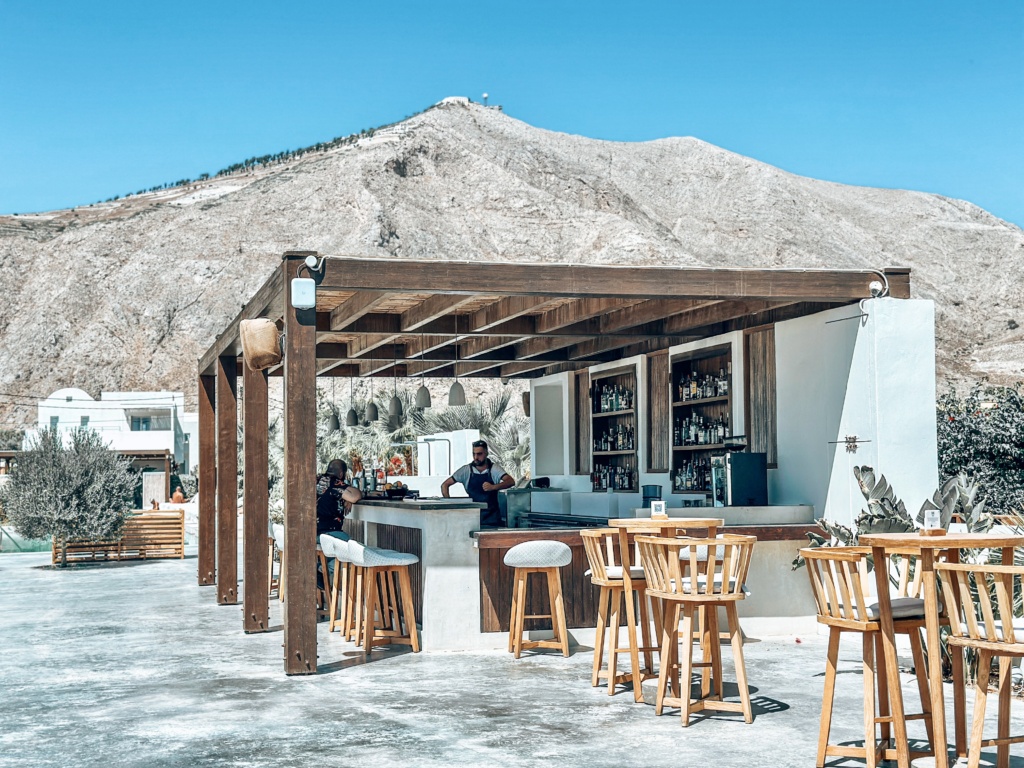
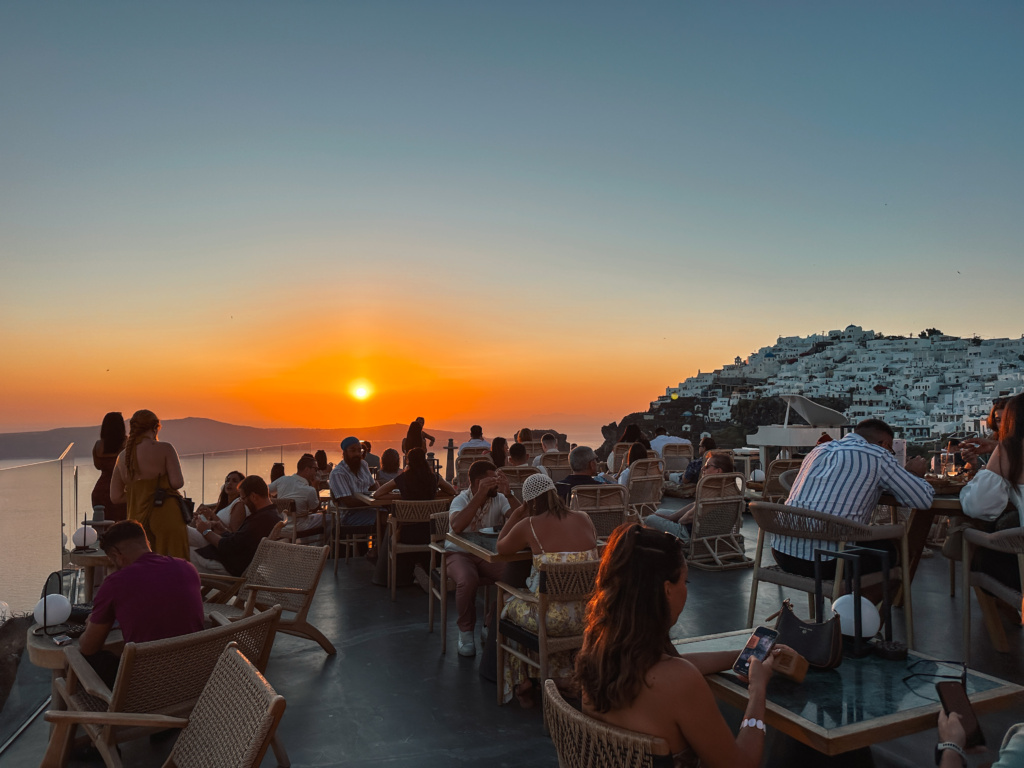
Our evening at 180° Sunset Bar in Imerovigli, however, was unforgettable. Perched high above the Aegean, the venue offers a vast panoramic view, stylish spaces, cocktails, food, music and an atmosphere designed around the changing evening light.

It is not a budget recommendation—drinks are expensive, and reservation or minimum-spend policies may apply depending on your seating area and the season.
Check the current terms before booking. But if you want to choose one elevated, unapologetically glamorous sunset experience, make it this one.
Order a cocktail or a glass of Santorini wine, put the phone down for at least a few minutes and watch the island change color.


More Restaurants to Try in Santorini
Beyond the specific places mentioned above, these restaurants are worth adding to your best food in Santorini map.
Metaxi Mas, Exo Gonia
Metaxi Mas is one of Santorini’s most consistently recommended restaurants among locals and repeat visitors. Hidden in the inland village of Exo Gonia, it serves generous portions of Cretan and Santorinian food using fresh ingredients, including produce from its kitchen garden. Reserve ahead.
Kritikos Taverna
Kritikos is a straightforward local taverna known for hearty portions, grilled meats and reasonable prices. It does not depend on dramatic views or theatrical presentation. Come hungry and order the kind of comforting Greek food that residents might choose for a casual dinner.
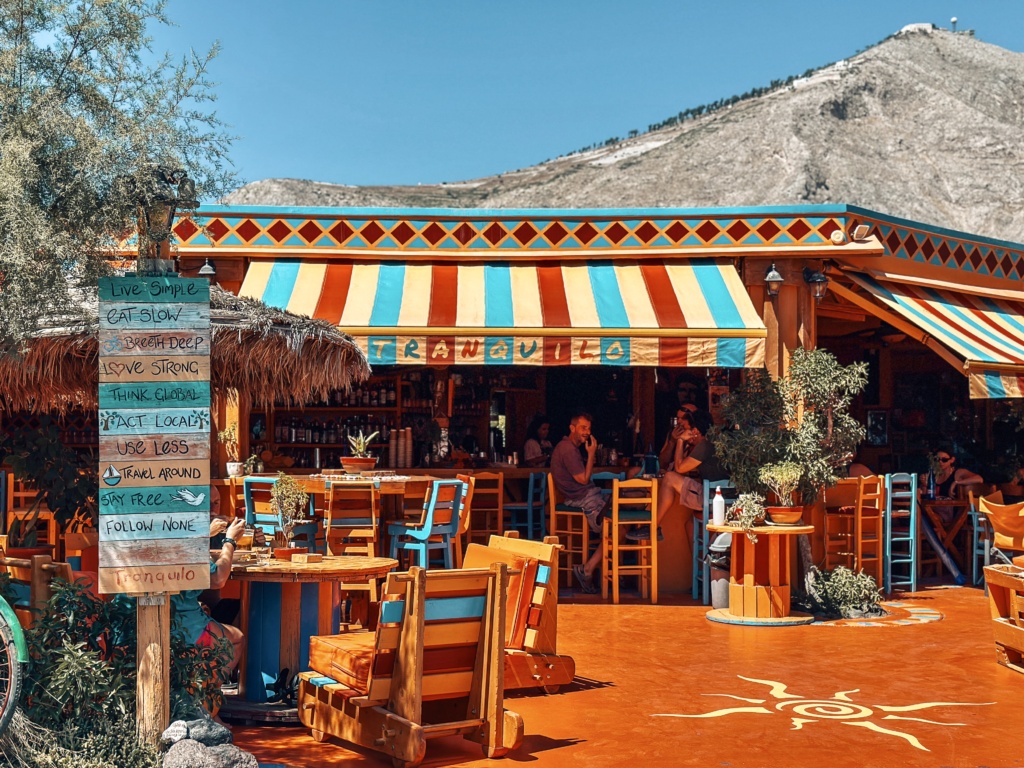
Tranquilo, Perissa
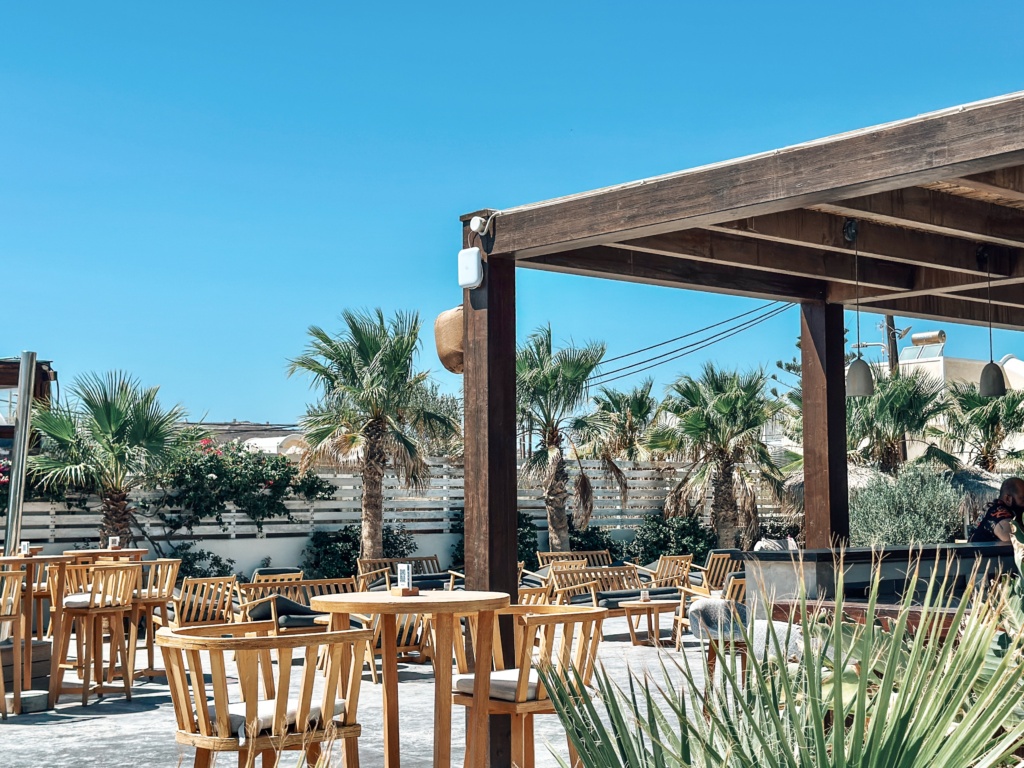
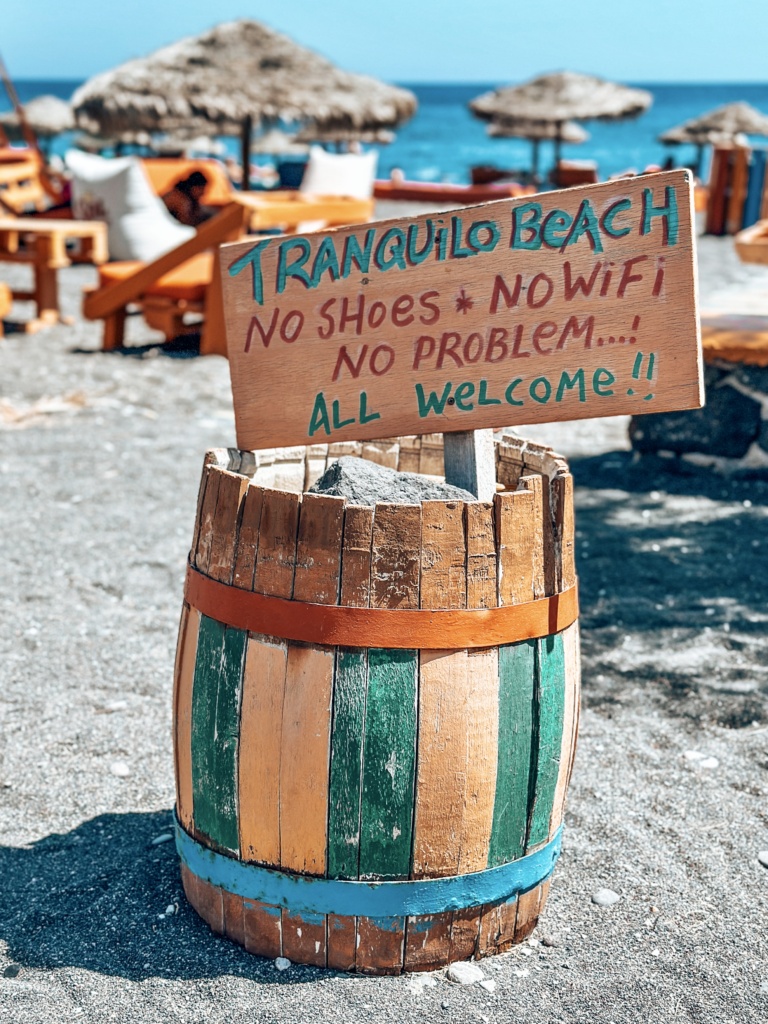
Tranquilo is a colorful, relaxed beach bar in Perissa where you can settle in for drinks, vegetarian-friendly food and laid-back island energy. It is an ideal place to linger after the beach without dressing up or rushing through a reservation slot. Come for a cold local beer, a cocktail and the kind of afternoon that accidentally turns into evening.
Raki, Megalochori
Raki occupies an inviting spot in the traditional village of Megalochori and specializes in authentic Cycladic and Greek cuisine made with fresh ingredients. The setting feels removed from Santorini’s busiest tourism machine, and the restaurant also offers cooking classes for anyone interested in learning the stories and techniques behind local dishes.
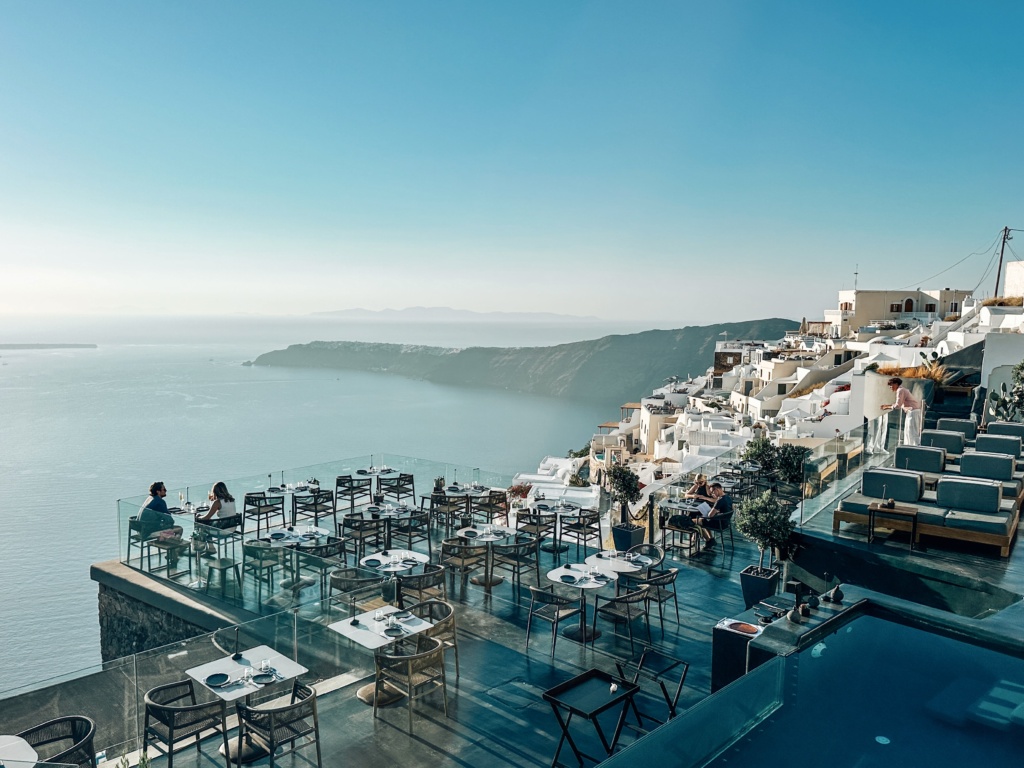
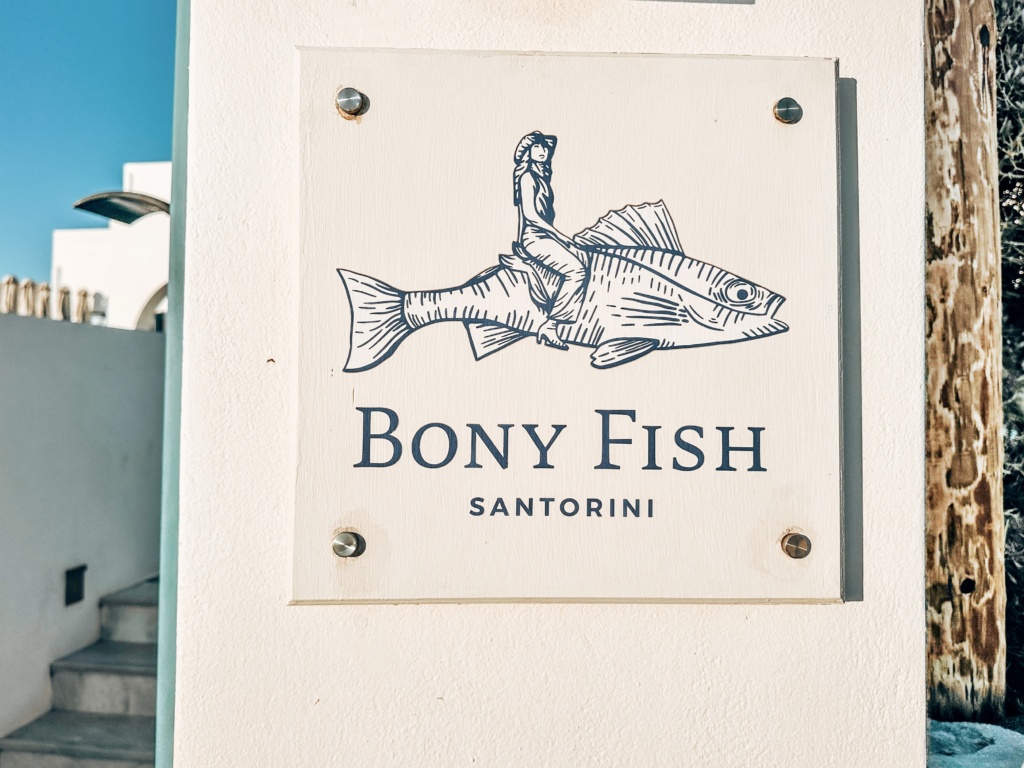
Bony Fish, Imerovigli
Bony Fish is a newer, more intimate fine-dining restaurant inside Aeifos Boutique Hotel. Its seafood-focused menu presents fresh Aegean fish through a refined, contemporary lens. This is one for a special evening when you want sophisticated cooking and a beautiful setting but still want the ingredients to remain connected to the island.
Kantouni, Pyrgos
Located in Pyrgos’s central square, Kantouni serves traditional Greek and Santorinian flavors with occasional creative touches. Its shaded village setting is especially pleasant for a relaxed breakfast or lunch, and the neighboring Kantouni Sweetery provides plenty of reasons to stay for dessert.
Captain’s Corner Taverna, Kamari
Captain’s Corner is a traditional family restaurant in Kamari operated by Captain Andreas and his wife, Evaggelia, who cook and serve the food themselves. Expect warm hospitality, homemade Greek dishes, seafood and grilled meats in an unfussy setting near the beach.

Parea Tavern, Fira
Parea’s name refers to the Greek tradition of friends gathering together, making it an appropriate choice for shared plates, salads, grilled fish and comforting classics. A dependable meal in Fira without choosing a restaurant solely for its view. Also see: To Ouzeri.
The Good Heart, Akrotiri
The Good Heart is a family-owned taverna on the road from Akrotiri to the lighthouse, serving traditional Santorini dishes made with local ingredients. Come for the tomato fritters, fava, gigantes, fresh seafood and homemade wine—and stop at the adjoining shop for the family’s capers, sun-dried tomatoes and other local products.
If You Must Eat in Oia
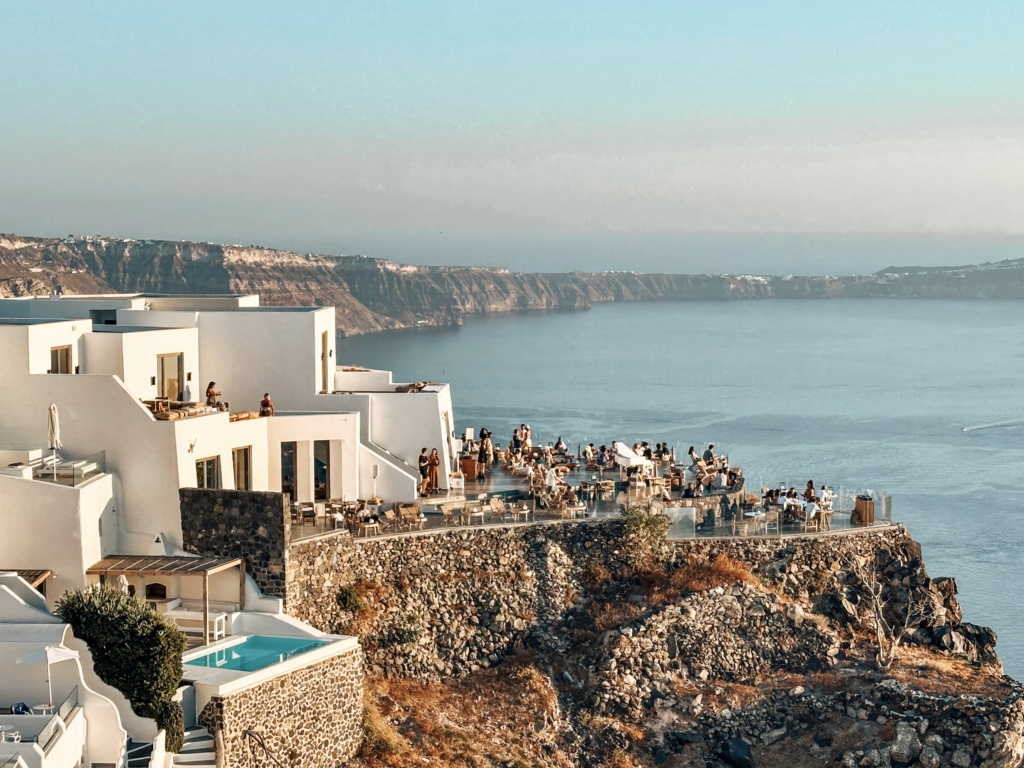
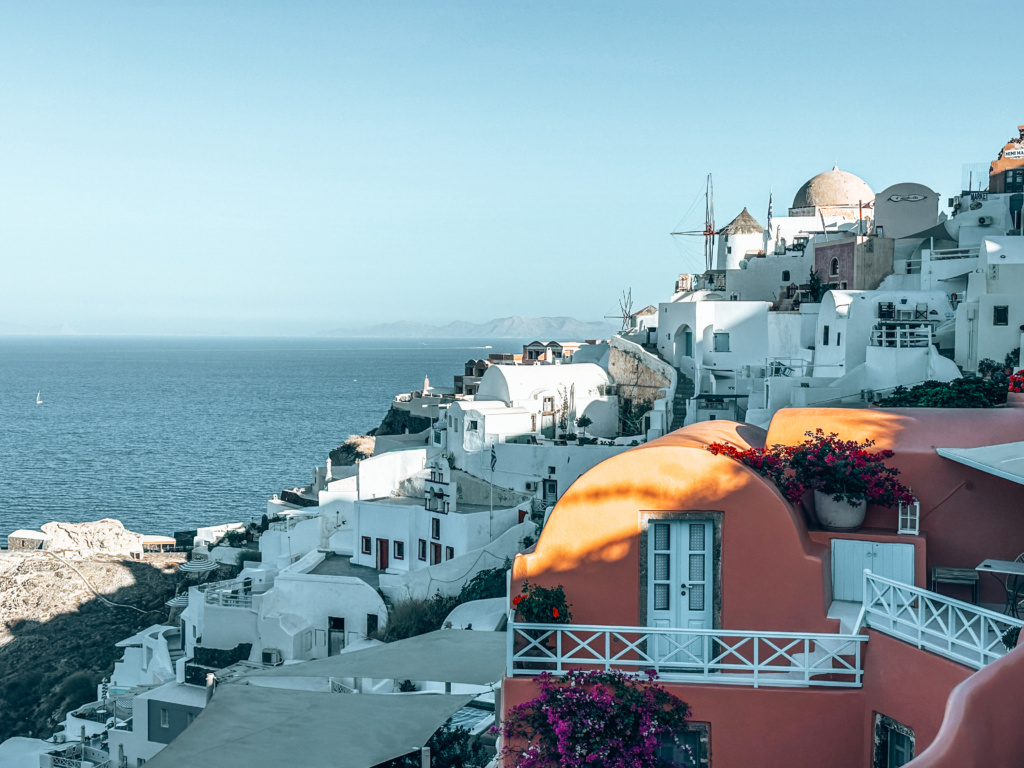
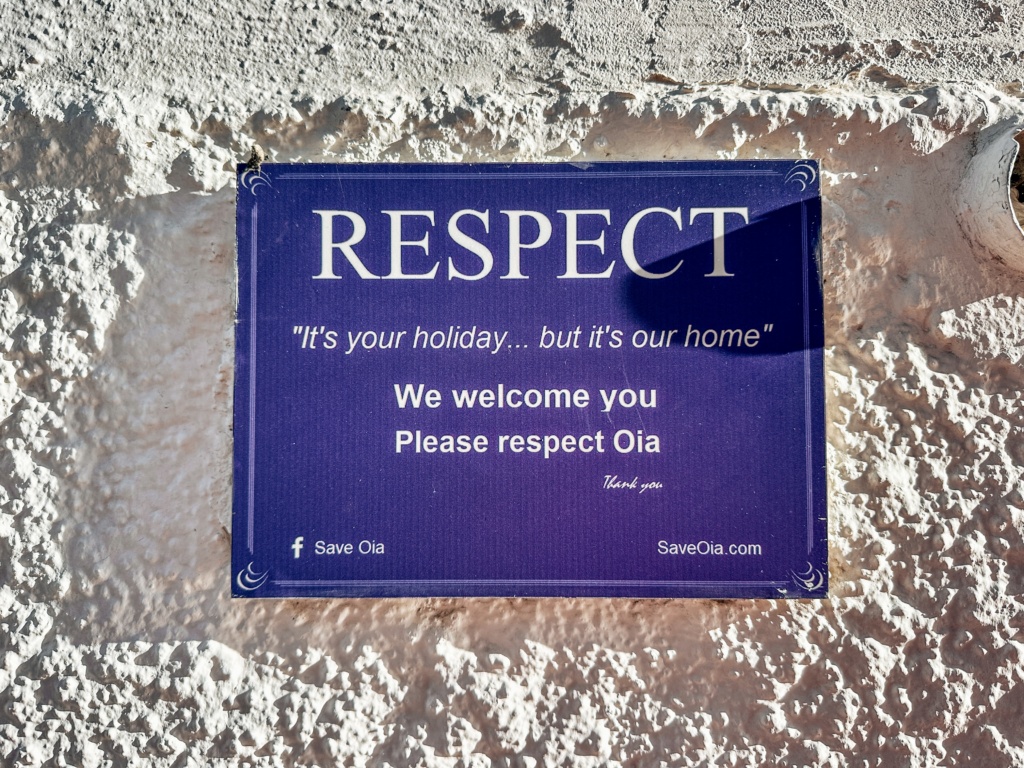
Oia is beautiful, but it is also where restaurant prices and tourist expectations reach their most dramatic heights. If you are determined to eat there, these were recommended to us by people whose opinions we trust:
- Karma,
- Melitini,
- Roka,
- Fino.
We did not eat at these restaurants personally, so consider them promising leads rather than firsthand endorsements.


The Best Food in Santorini: Last Words
There is nothing wrong with eating beside Ammoudi Bay or booking one extravagant dinner overlooking the caldera. Santorini’s landscape is extraordinary, and everyone should enjoy it in whatever way makes them happy.
But there is more to life on Santorini than Ammoudi Bay—and there is much more to the island’s food than expensive restaurants clinging to the cliffs.
Head south to the tomato museum and Vlychada’s fishing harbor.
Eat fava beside Akrotiri Beach.
Visit the bakeries of Perissa, the tavernas of Kamari and the village squares of Megalochori and Pyrgos.
Drink Assyrtiko where the grapes grow.
Taste the capers, tomatoes and split peas that learned to survive without rain.
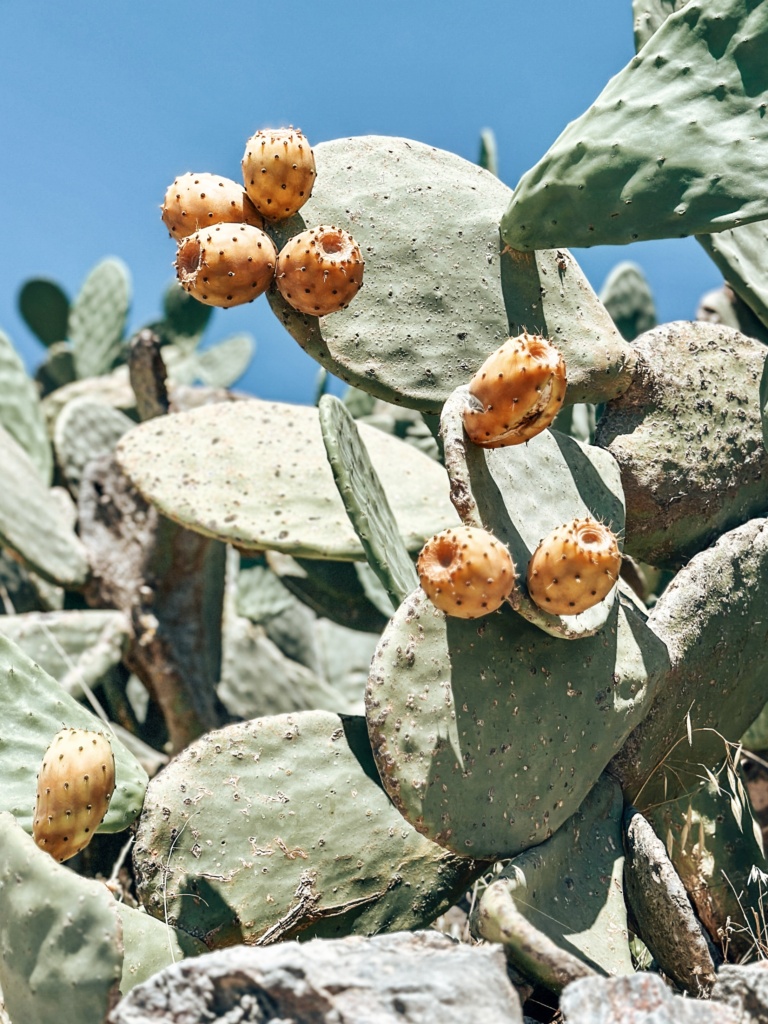

The volcano created Santorini’s famous caldera, but it also created the arid soil that shaped the island’s agricultural life.
Pay homage to both—not only to the overpriced restaurants overlooking the landscape, but to the farmers, fishermen, bakers, winemakers and cooks who learned how to feed generations from it.
That is where you will find the best food in Santorini.


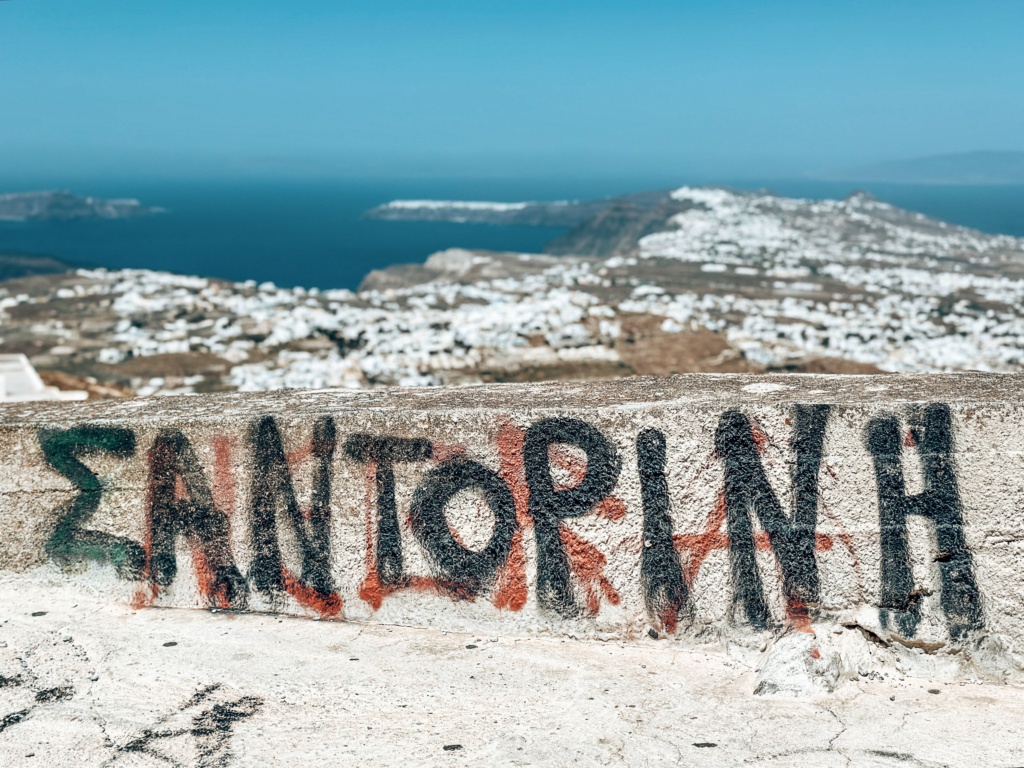
What would you add to the list of best food in Santorini? Let us know in the comments or tag @eightyflavors on socials!
OUR TRIED AND TESTED FOOD TRAVEL RESOURCES: Book a hotel with Booking.com. Search for the best flight deals on Skyscanner. Find the best local food tours on Viator. Browse curated conscious group trips with G Adventures. Get your travel insurance with World Nomads.
Disclaimer: this post contains affiliate links. We’ll receive a small commission if you purchase through the link provided, at no extra cost to you. Thank you for your support in running this blog!