Tokyo Vending Machines: A Traveler’s Guide
Looking to learn more about Tokyo vending machines? Here’s your practical guide and a bit of context!
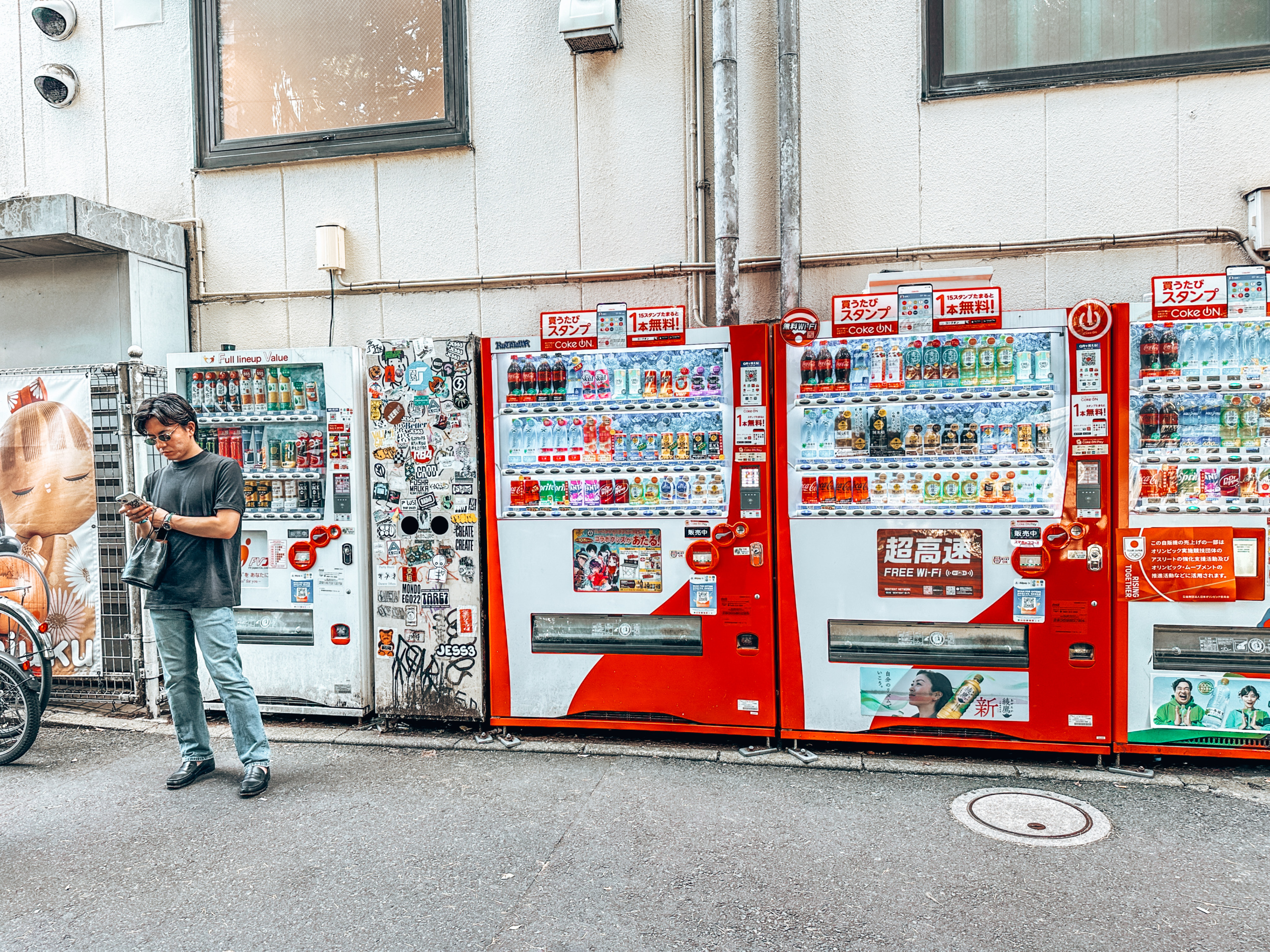
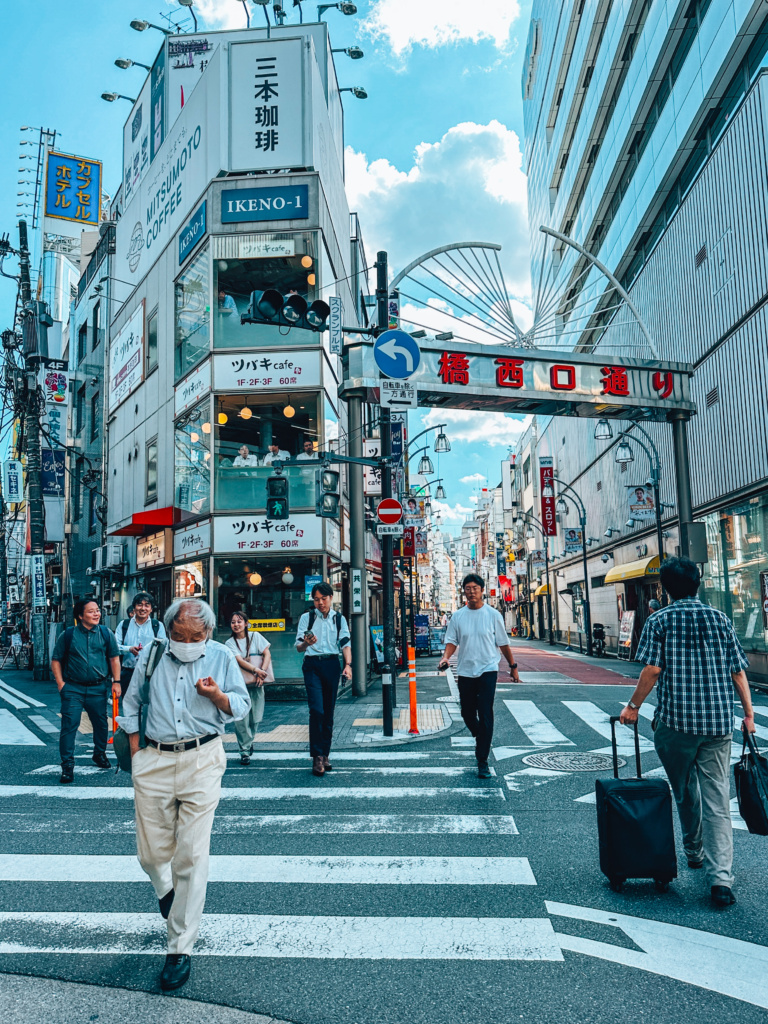
In most countries, vending machines are an afterthought — sad chips in a fluorescent hallway or a warm soda at a gas station. In Tokyo, they are woven into daily life.
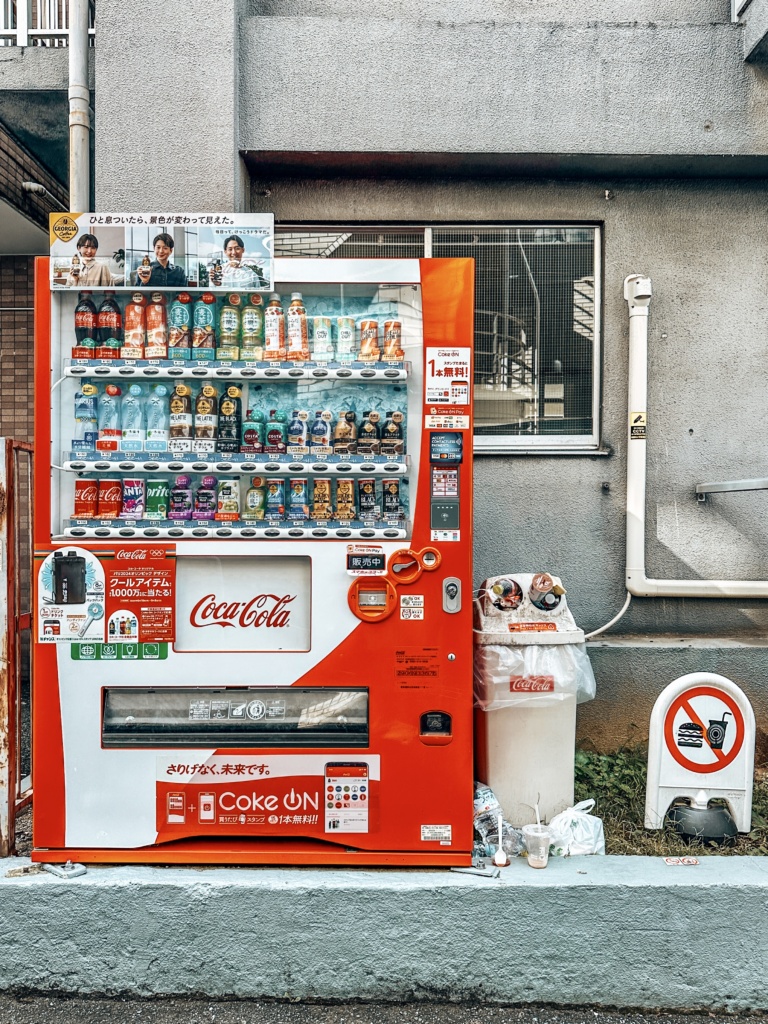
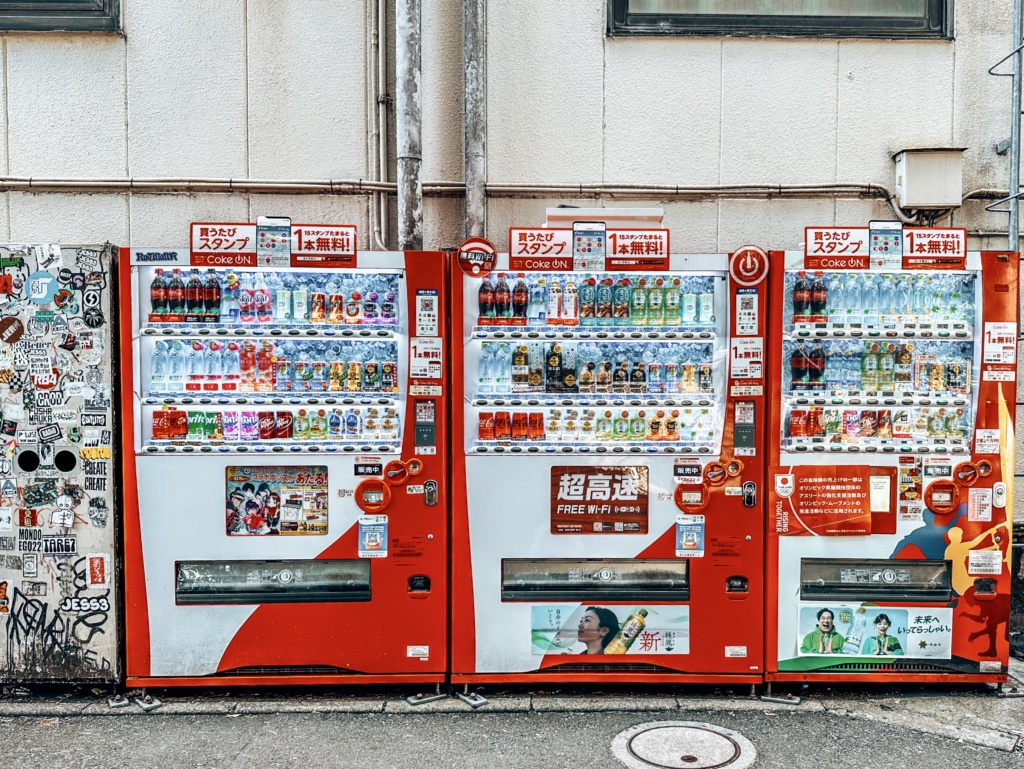
They glow on quiet residential corners, stand guard outside temples and train stations, and somehow appear in the middle of seemingly nowhere. For many first-time visitors to Japan, vending machines become one of the country’s most memorable cultural experiences.
Explore Tokyo food scene with local experts. BOOK the highly popular Shinjuku Izakaya Food Tour or Best of Shibuya Food Tour on Viator!
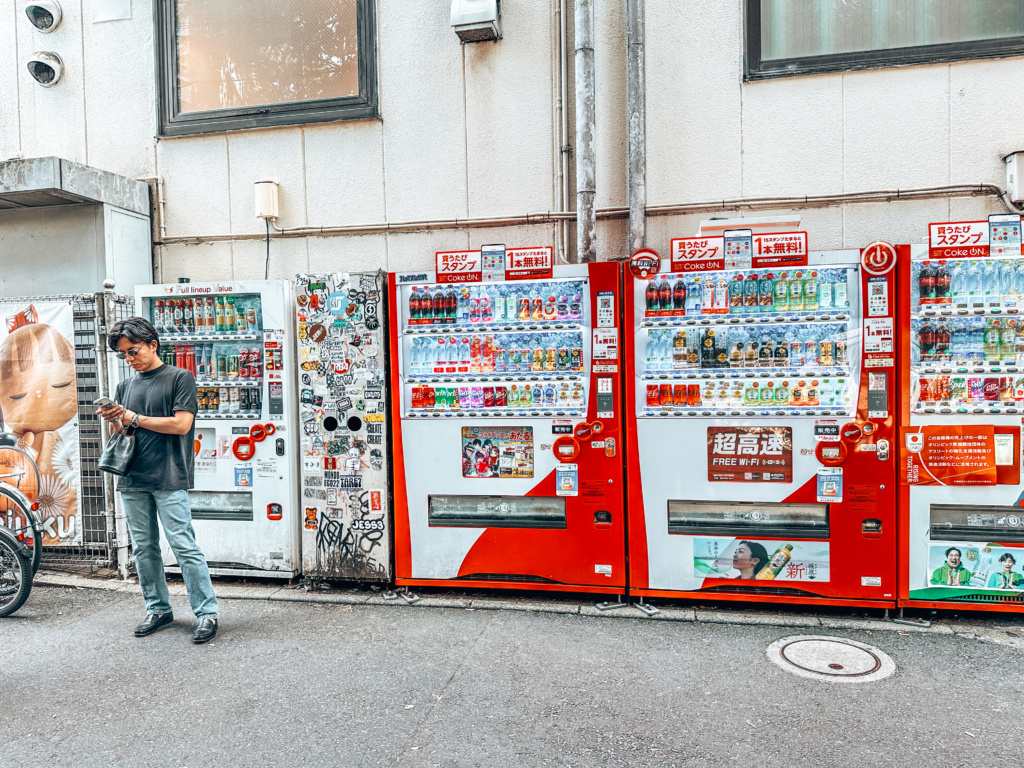
Japan has one of the highest vending machine densities in the world, with roughly one machine for every 30–40 people. Estimates vary between 3.5 and 4 million machines nationwide.
In Tokyo, it can feel like there’s one every few steps — and unlike many countries, they are usually spotless, fully stocked, and functioning perfectly.
You might also like: Tokyo Station Ramen Street: A Guide To The Best Ramen Shops
Why Are Vending Machines So Popular in Japan?
The answer is partly practicality, partly culture.
Japan’s exceptionally low crime rate made it possible for vending machines to thrive outdoors without constant vandalism or theft. Machines can operate 24 hours a day in places where they would never survive elsewhere.
There’s also Japan’s deep appreciation for convenience and efficiency. Tokyo runs on speed: trains arrive to the minute, convenience stores operate around the clock, and vending machines fit naturally into that ecosystem.
They provide quick access to drinks, snacks, umbrellas, batteries, SIM cards, and even full meals without human interaction.
Cultural attitudes toward automation helped too. Japan has historically embraced robotics and futuristic technology in a way many countries have not. Machines are not viewed as cold or impersonal; they’re often seen as helpful and dependable.
And then there’s the sheer creativity of competition. With convenience stores everywhere, vending machines had to evolve beyond basic soda dispensers. Tokyo’s machines became increasingly niche, specialized, and sometimes delightfully bizarre.
You might also like: Tea Is Served: Review Of Hotel 1899 Tokyo (And The On-Site Cafe Chaya)
A Brief History of Japanese Vending Machines
Japan’s first vending machines appeared in the late 19th century, selling items like stamps and cigarettes. The industry exploded during the economic boom of the 1960s and 70s, especially after the introduction of the 100-yen coin, which made automated purchases easier.
As Japan urbanized rapidly, vending machines became miniature infrastructure. They offered quick refreshments to commuters, construction workers, students, and salarymen moving through increasingly dense cities.
Over time, the machines evolved from practical tools into cultural icons. Today, they’re part convenience store, part curiosity, and part urban design element — a uniquely Japanese blend of utility and novelty.
You might also like: Tsukiji Fish Market in Tokyo: A Food Traveler’s Guide
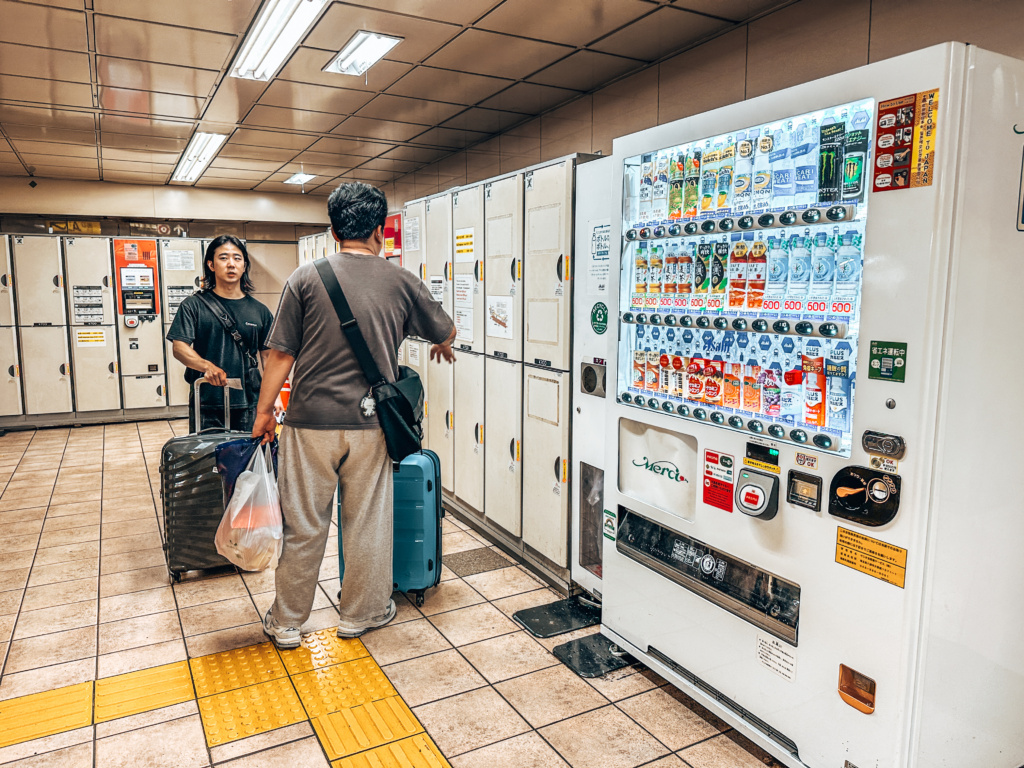
What You Can Actually Buy in Tokyo Vending Machines
Yes, there are endless drinks. But that’s only the beginning.
Tokyo’s vending machines now sell an astonishing range of products, from practical to absurd. Some of the most common — and most interesting — include:
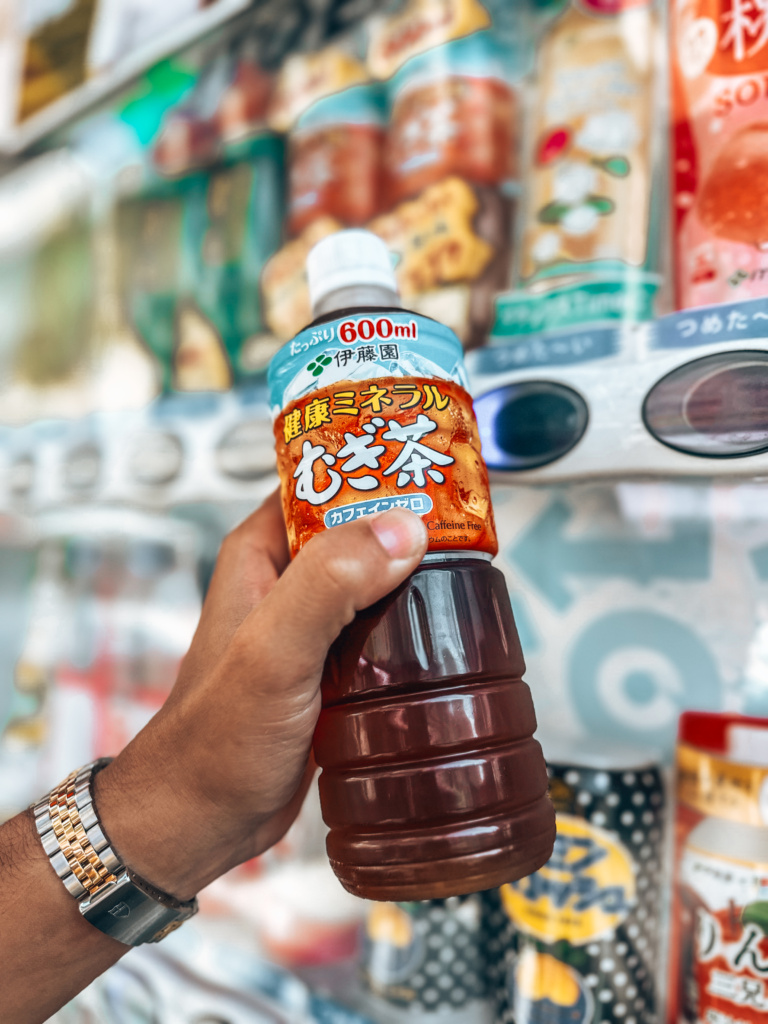
Hot and Cold Drinks
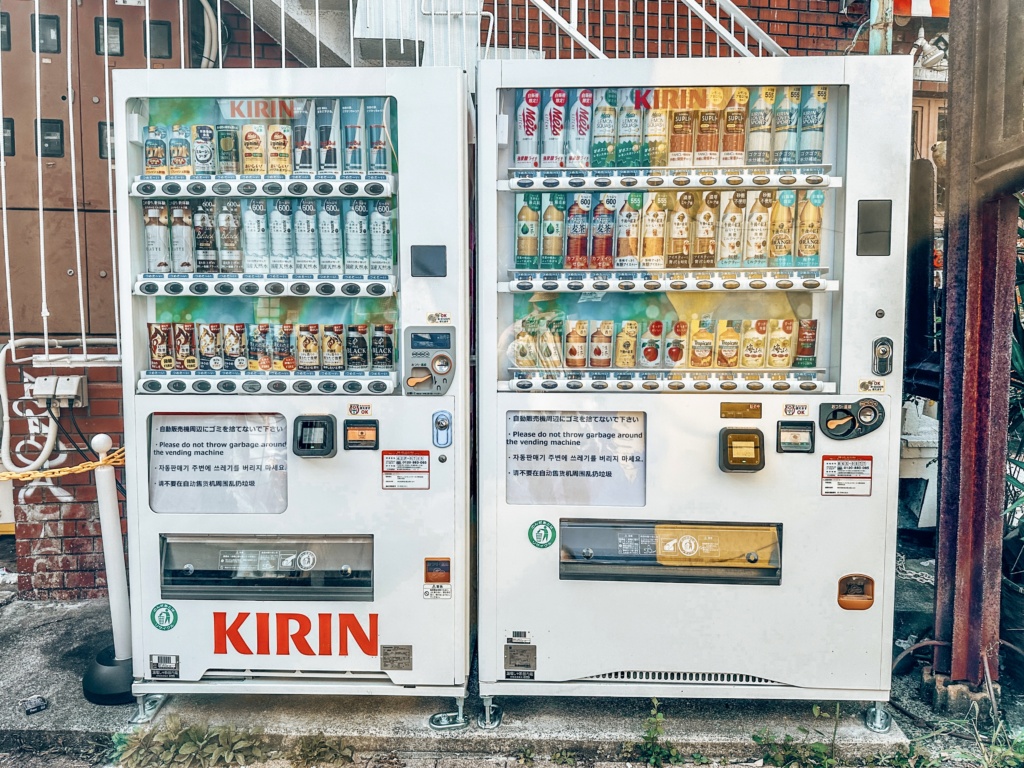
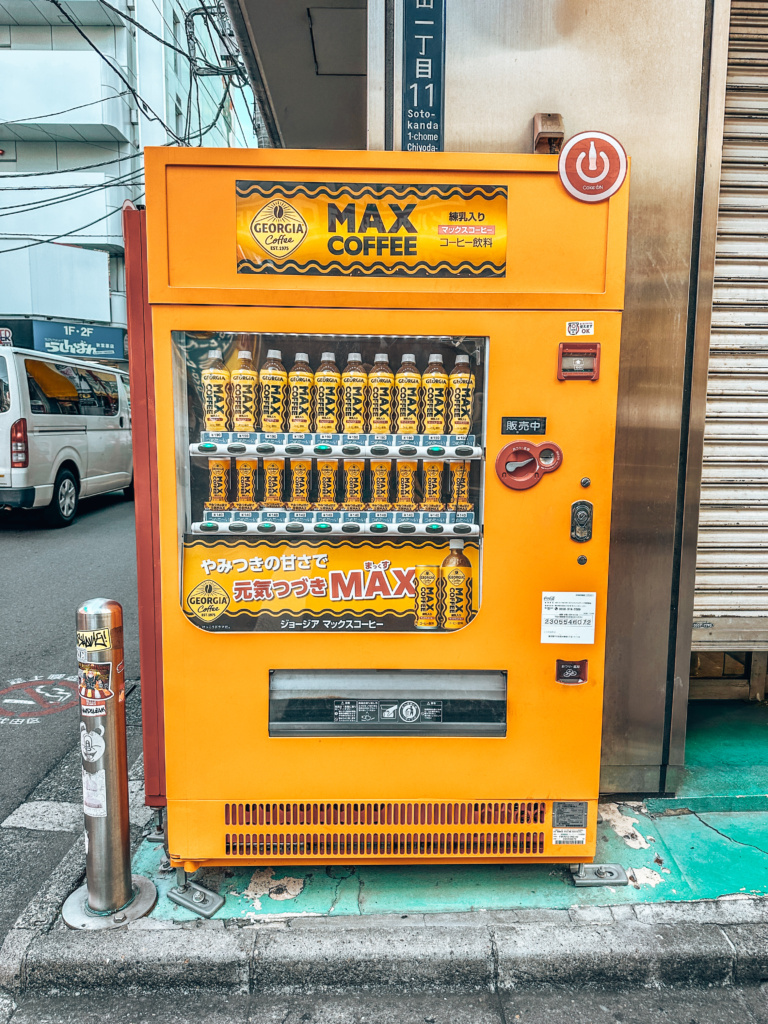
One of the first things visitors notice is that many machines sell both hot and cold beverages simultaneously. In winter, glowing red labels indicate warm canned coffees, milk teas, soups, and hot lemon drinks.
Warm canned coffee from a vending machine at midnight in Tokyo somehow feels like a rite of passage.
Explore Tokyo food scene with local experts. BOOK the highly popular Shinjuku Izakaya Food Tour or Best of Shibuya Food Tour on Viator!
Fresh Food
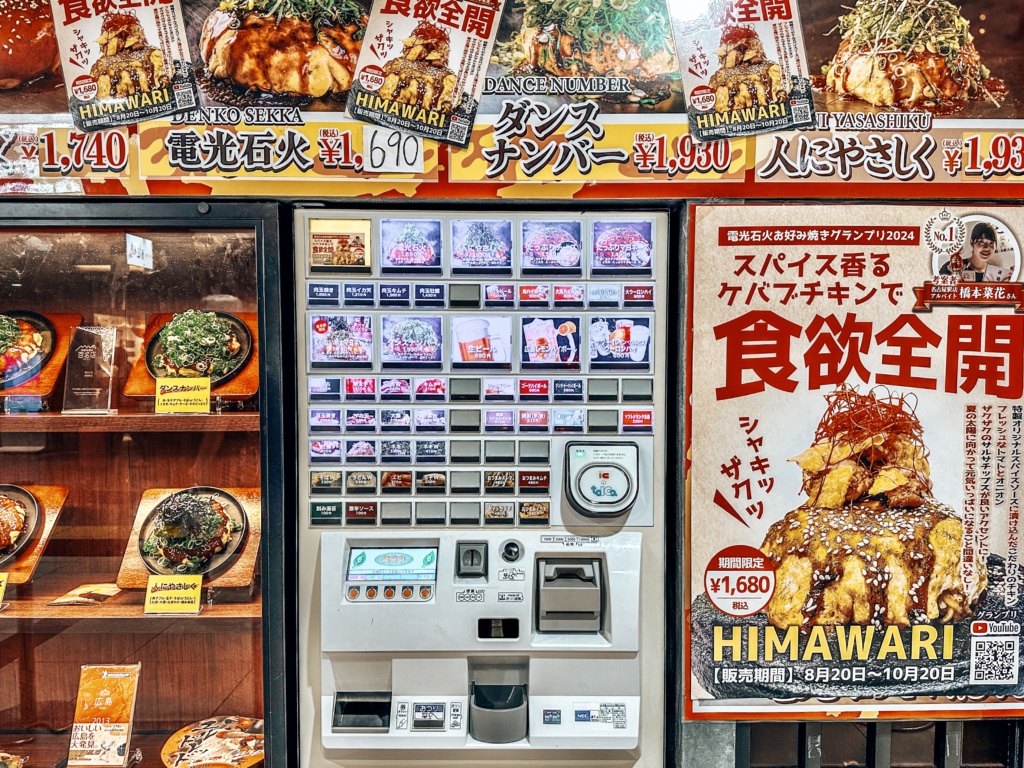
Tokyo has machines dispensing ramen, frozen dumplings, curry, sandwiches, pastries, and even fresh orange juice squeezed to order in under a minute.
Some restaurant vending machines are tied to famous ramen shops, allowing locals to bring restaurant-quality meals home late at night.
Umbrellas and Emergency Supplies
Sudden rainstorm? There’s a vending machine for that.
Travelers can find machines selling transparent umbrellas, masks, hygiene products, phone chargers, SIM cards, batteries, and portable power banks.
One recent traveler on Reddit described getting lost in Tokyo with a dead phone before finding a vending machine selling portable chargers — followed by a hot canned corn soup that became one of their favorite memories of the trip.
You might also like: Vegan Tokyo: 18 Essential Restaurants You Must Try
Specialty and Novelty Machines
This is where Tokyo gets wonderfully weird. You may stumble across vending machines selling:
- Insect snacks
- Mystery boxes
- Pokémon merchandise
- Cakes in cans
- Fresh bananas
- Soy milk in dozens of flavors
- Frozen gourmet meals
- Regional souvenirs
- Macarons and luxury sweets
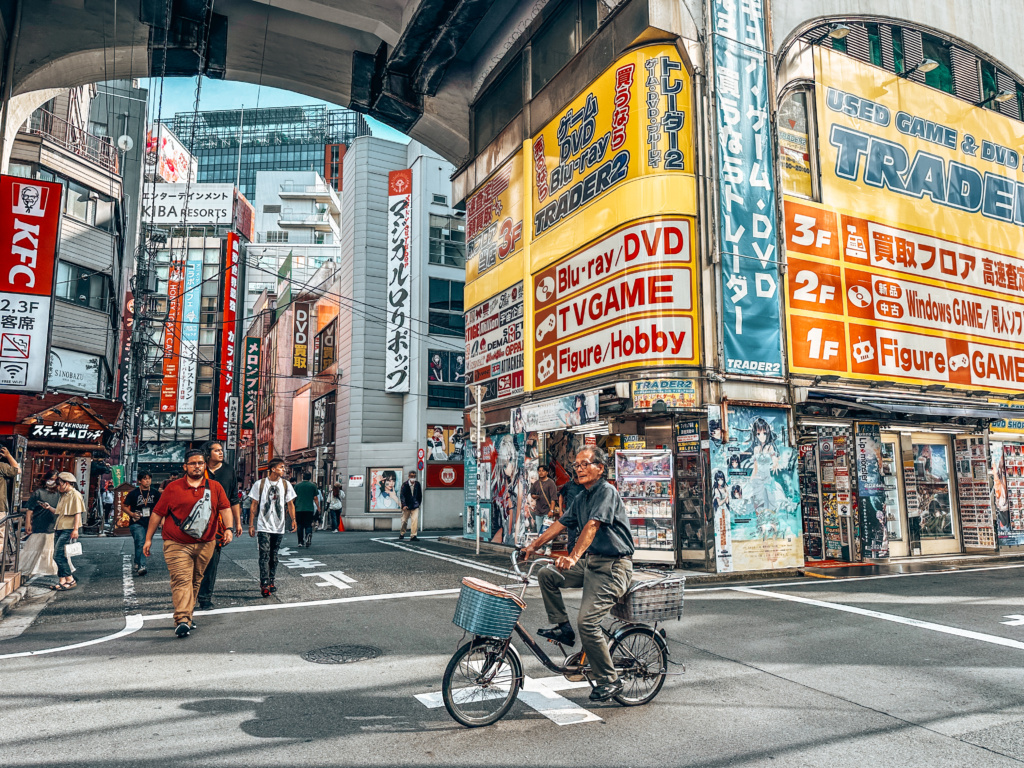
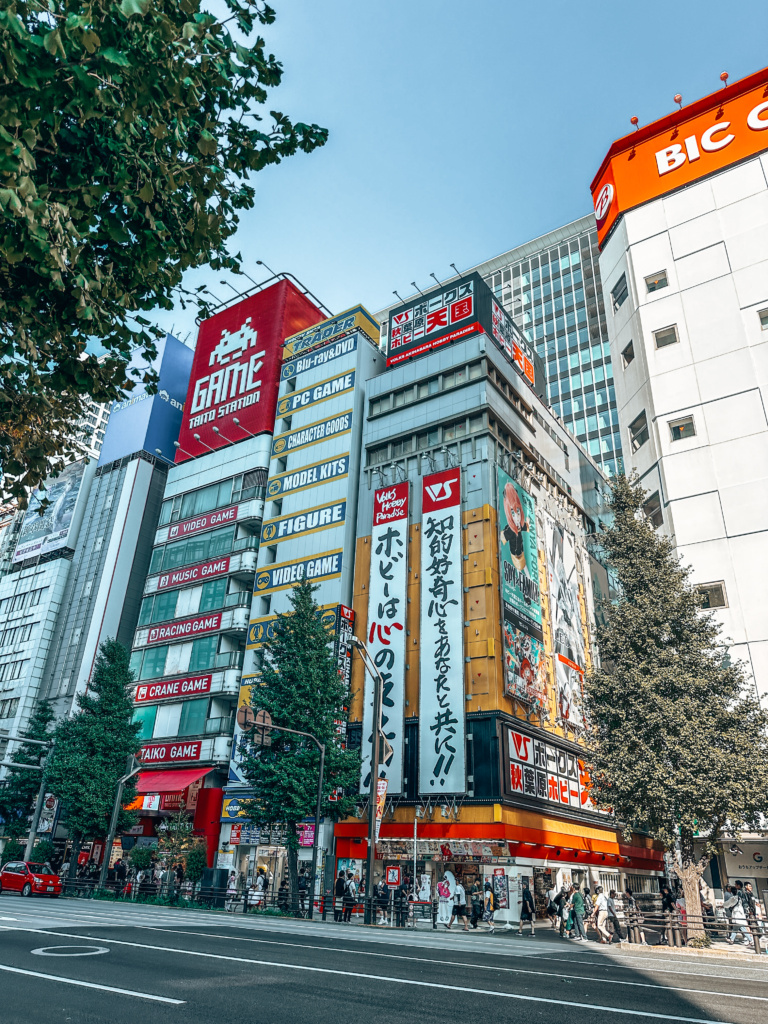
Akihabara in particular became famous for eccentric vending machine culture in the 2000s.
Why Travelers Become Obsessed With Them
Part of the appeal is accessibility. Vending machines remove the anxiety of language barriers. You don’t need Japanese skills to buy something quickly, cheaply, and efficiently.
But they also create tiny moments of delight.
There’s something strangely cinematic about walking through Tokyo late at night, neon reflecting off wet pavement, and stopping for a hot coffee from a glowing machine on a silent side street. The machines become part of the atmosphere of the city itself.
Travelers also love the unpredictability. One machine may sell standard green tea while another, two blocks away, dispenses regional crab bento boxes or mystery gifts.
You might also like: Vegan Gyoza Tokyo: Inside Tokyo’s Most Colorful Dumpling Restaurant
Practical Tips for Travelers
Carry Cash — But Not Only Cash
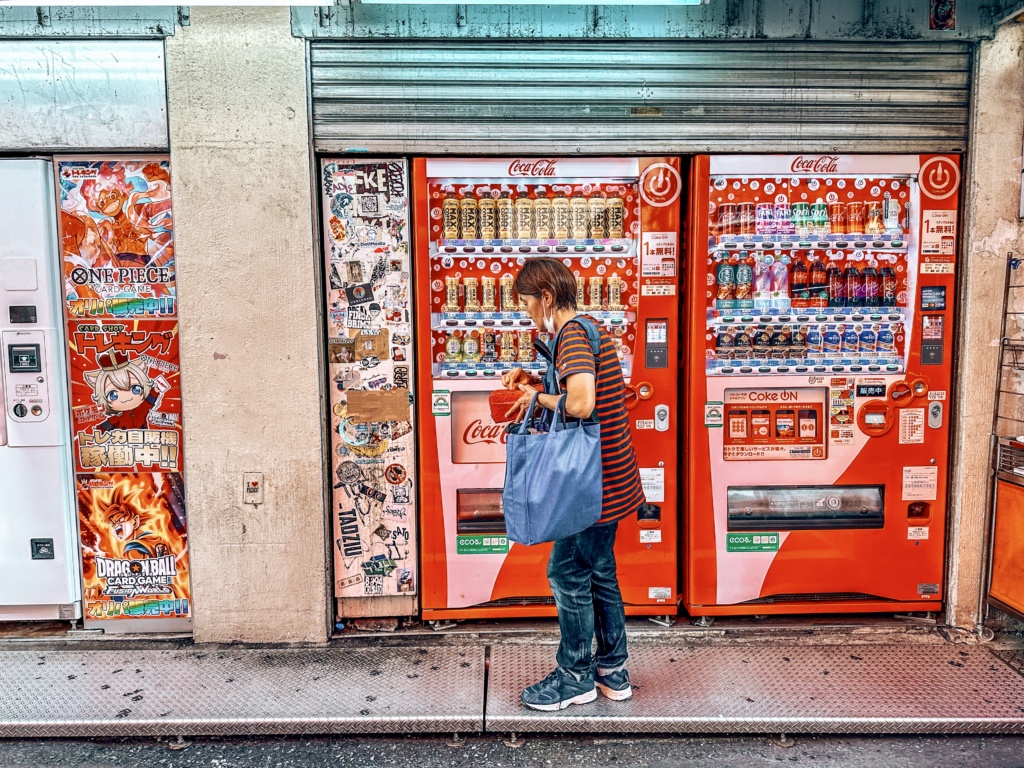
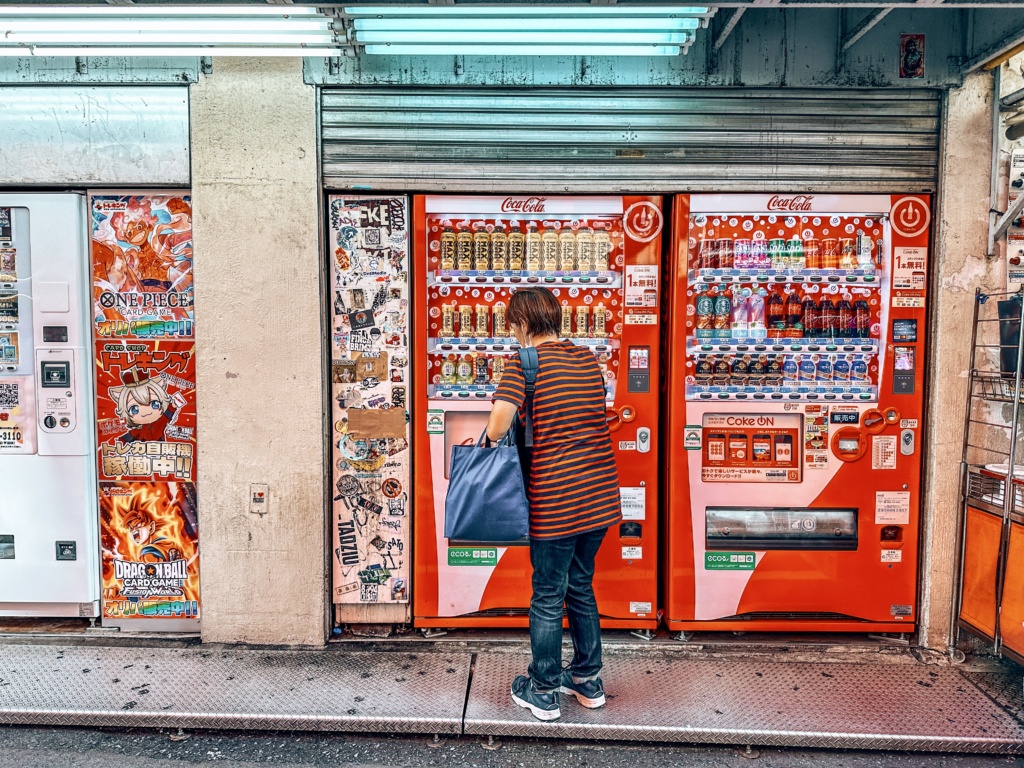
Many modern machines accept IC cards like Suica or Pasmo, plus contactless payment. However, some older machines still only take coins and ¥1000 bills. It’s smart to keep a few coins handy.
Learn the Hot Drink Symbols
Red labels usually indicate hot drinks; blue labels indicate cold. This becomes especially useful during winter.
Don’t Expect Alcohol Machines Everywhere
Beer and cigarette vending machines used to be far more common. Today, age verification laws mean many require Japanese ID cards tourists don’t have access to.
Try Regional Machines Outside Central Tokyo
Some of the most interesting machines are outside tourist-heavy neighborhoods. Rural Japan often has vending machines selling local produce, rice, eggs, and regional specialties.
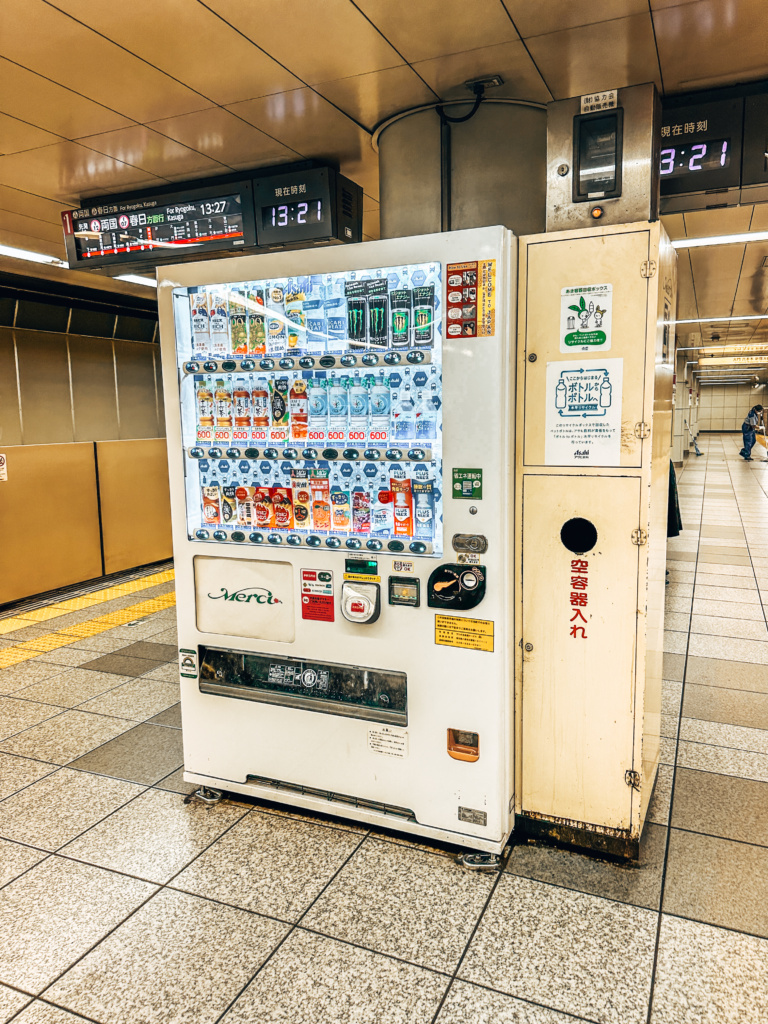
Keep an Eye Out in Train Stations
Stations often have some of the best machines, including specialty coffee, fresh juice, desserts, and travel essentials.
You might also like: Harajuku Crepes: A Guide To The Best Japanese Crepes In Tokyo
The Future of Tokyo Vending Machines Culture
While vending machines remain iconic, the industry is changing. Rising maintenance costs, competition from convenience stores, and labor shortages have reduced the total number of machines in recent years.
Yet Tokyo’s vending culture continues to evolve rather than disappear. Machines are becoming more specialized, more cashless, and more experience-driven.
Some now use AI, others focus on sustainability by selling discounted food near expiration dates, and many are designed as attractions in themselves.
In a city famous for blending futuristic innovation with everyday ritual, vending machines remain one of Tokyo’s most charming symbols: practical, eccentric, efficient, and surprisingly human.
Explore Tokyo food scene with local experts. BOOK the highly popular Shinjuku Izakaya Food Tour or Best of Shibuya Food Tour on Viator!
What’s your experience with Tokyo vending machines? Let us know in the comments or tag @eightyflavors on socials!
OUR TRIED AND TESTED FOOD TRAVEL RESOURCES: Book a hotel with Booking.com. Search for the best flight deals on Skyscanner. Find the best local food tours on Viator. Browse curated conscious group trips with GAdventures. Get your travel insurance with World Nomads.
Disclaimer: this post contains affiliate links. We’ll receive a small commission if you purchase through the link provided, at no extra cost to you. Thank you for your support in running this blog!