The Delicious History of Waffles and Global Waffle Traditions
Looking for a deep dive into the history of waffles? Read on!
Few foods feel as universal—and universally comforting—as the waffle. Whether it’s crisp and golden on a brunch plate, folded into a street snack, or served with berries, cream, or fried chicken, the waffle crosses cultures with ease.
But to truly appreciate its charm, you have to look back at the long, delicious history of waffles and the many ways different parts of the world have made this humble batter their own.

You might also like: Belgian Food: 6 Things To Eat And Drink In Brussels
The Ancient Roots of the Waffle
The history of waffles begins long before electric irons and weekend brunch. The earliest ancestors of waffles can be traced to ancient Greece, where cooks prepared flat cakes called obelios. These were cooked between hot metal plates—an early clue of what would come centuries later.
By the Middle Ages in Europe, these batter cakes evolved into wafers. Monks baked them between intricately carved irons, pressing religious symbols, coats of arms, and geometric designs into the dough. These wafer irons eventually inspired the deeper honeycomb pattern we now associate with modern waffles.


You might also like: Vegan In Oslo: A Plant Based Traveler’s Guide To Norway’s Capital
Waffles Spread Across Europe
As trade, travel, and technology spread, so did waffles. Recipes varied by region and often reflected local ingredients and preferences.
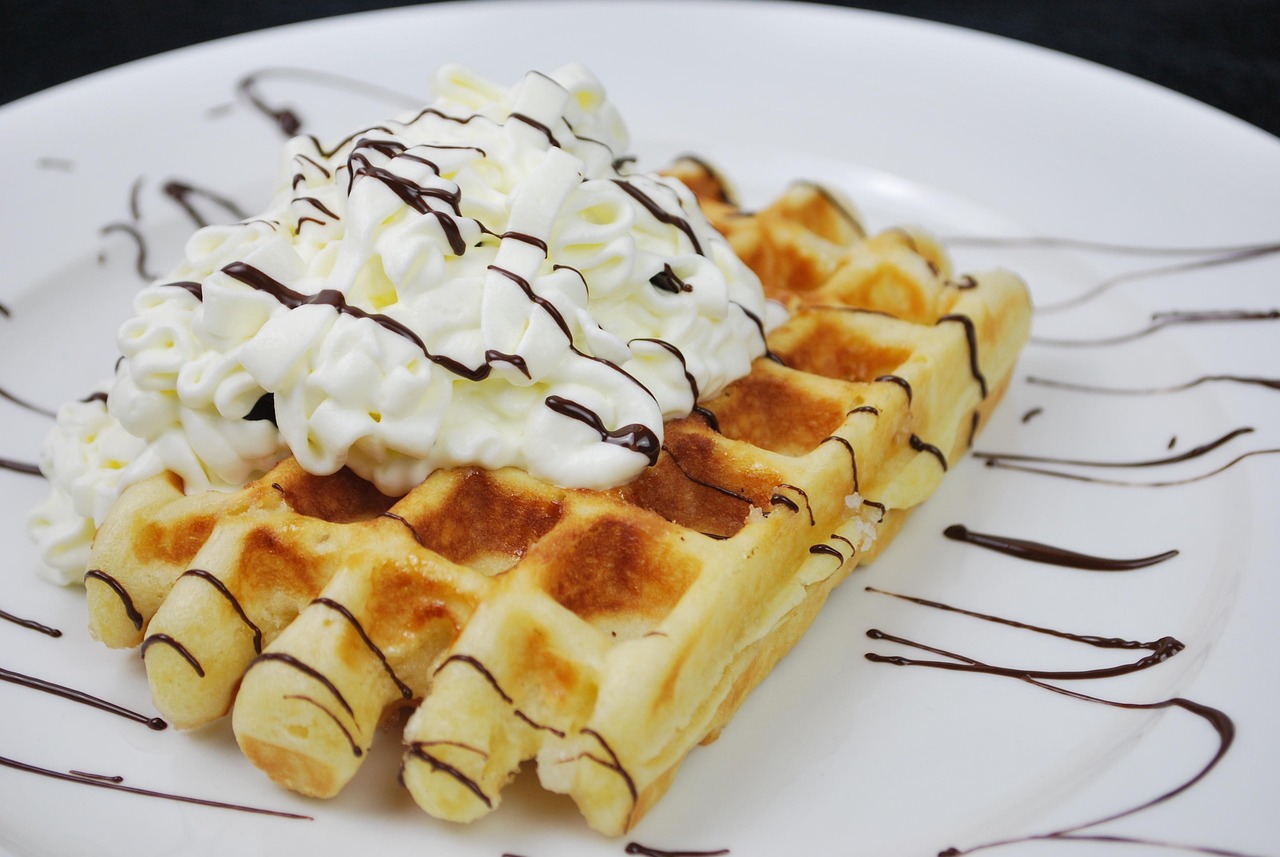
- Belgium: Perhaps the world’s most famous waffle culture. The Brussels and Liège waffles appeared in the 18th and 19th centuries. Brussels waffles are crisp and airy, while Liège waffles are richer, denser, and studded with pearl sugar that caramelizes as it cooks.
- France: Known for gaufres, thin and delicate waffles often enjoyed with powdered sugar or filled with chocolate or jam.

- The Netherlands: Home to the beloved stroopwafel—two thin, crisp waffle discs sandwiching warm caramel syrup. Traditionally sold at markets, they’re often placed over a cup of coffee to soften the filling.
- Scandinavia: Scandinavian waffles are heart-shaped and softer than Belgian varieties, typically enjoyed with berries, whipped cream, or sour cream and jam.

You might also like: What To Eat in Hong Kong: 15 Essential Flavors You Must Try
Waffles Come to America
Waffles made their way to North America with Dutch settlers in the 1600s, where they quickly gained popularity. By the 18th century, waffle frolics—large social gatherings centered entirely around making and eating waffles—were common.
The turning point for American waffles came in 1869 when Cornelius Swartwout patented the stovetop waffle iron. A century later, electric waffle irons revolutionized breakfast culture, making waffles a household staple.
This innovation paved the way for diner-style waffles, hotel waffle bars, chicken-and-waffles, and the rise of frozen waffles in the 1950s, which brought waffles to grocery store freezers nationwide.


You might also like: What a Party Weekend In Ibiza Taught Me About Food (And Friendship)
Waffle Variations Around the World
Understanding the history of waffles also means appreciating the diverse global traditions that continue shaping the waffle landscape today.
Belgium
- Brussels waffle: Tall, crisp, and served with powdered sugar or whipped cream.
- Liège waffle: Dense, caramelized, and handheld—popular as street food.
Hong Kong
- Bubble waffles (Gai Daan Jai): Puffy, chewy, and often eaten plain or wrapped around fruit and ice cream. Their unique bubble pattern makes them one of the most Instagram-friendly waffles today.

Japan
- Taiyaki: Technically a fish-shaped cake, but baked in waffle-like molds. Often filled with sweet red bean paste, custard, or chocolate.
- Waffle sandwiches: Soft, cake-like waffles filled with cream and fruit.
Scandinavia
- Heart-shaped waffles: Served during holidays and cozy gatherings, usually with jam, preserves or brown cheese.

Germany and Austria
- Thin, crisp waffles: Used for both sweet and savory dishes, often dusted lightly with sugar.
United States
- American diner waffles: Larger pockets, softer texture, and designed to hold plenty of syrup.
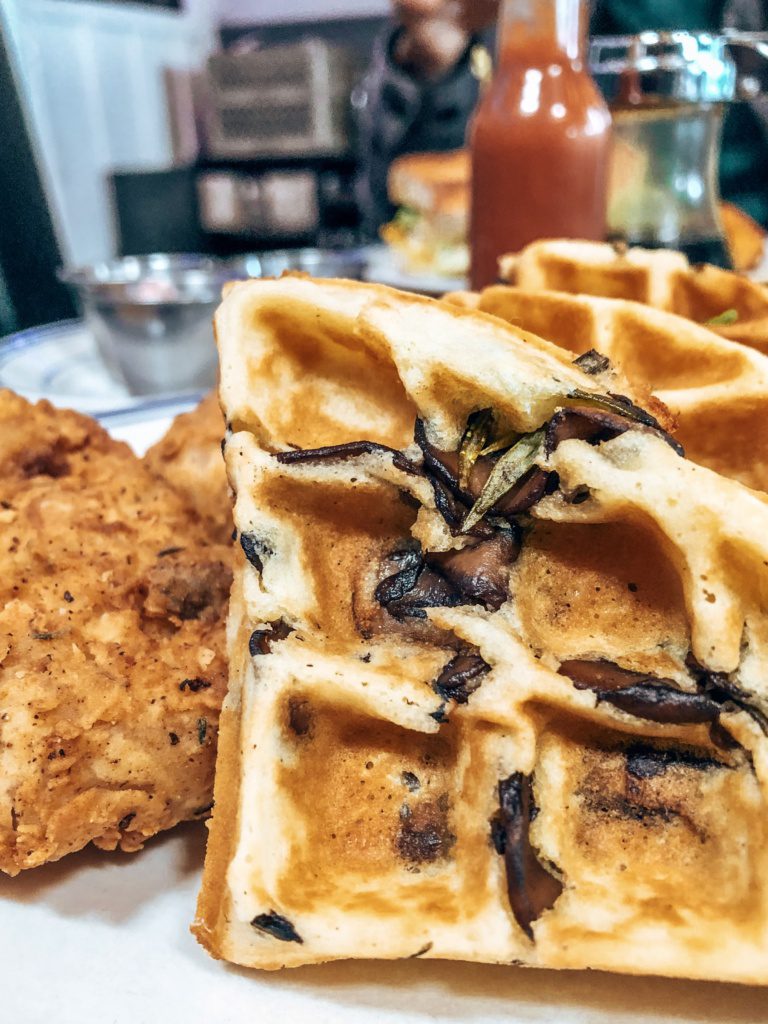
- Chicken and waffles: A uniquely American pairing blending Southern cooking with urban diner culture.


You might also like: 23 Mindful Gifts for Food Travelers: The Ultimate Idea Guide
Why Waffles Endure
From medieval monasteries to food stalls in Asia to brunch tables across the world, waffles continue to evolve without losing their essential appeal. They are adaptable, comforting, and endlessly customizable.
The rich, global history of waffles reminds us that simple foods can carry centuries of culture, creativity, and connection—and that there’s always a new way to enjoy something old.


What was the best waffle you’ve ever had? Let us know in the comments or tag @eightyflavors on socials!
OUR TRIED AND TESTED FOOD TRAVEL RESOURCES: Book a hotel with Booking.com. Search for the best flight deals on Skyscanner. Find the best local food tours on Viator. Browse curated conscious group trips with GAdventures. Get your travel insurance with World Nomads.
Disclaimer: this post contains affiliate links. We’ll receive a small commission if you purchase through the link provided, at no extra cost to you. Thank you for your support in running this blog!